

Extreme Learning Machine-Based Classification of ADHD Using Brain Structural MRI Data
Open accessThe DOI matches its Crossref record; 56 of the 56 references it cites were found in a registry or an index.
Abstract
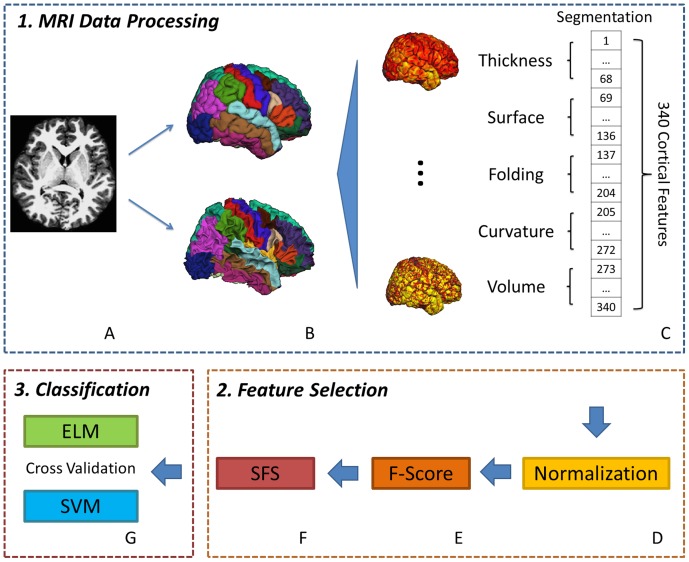
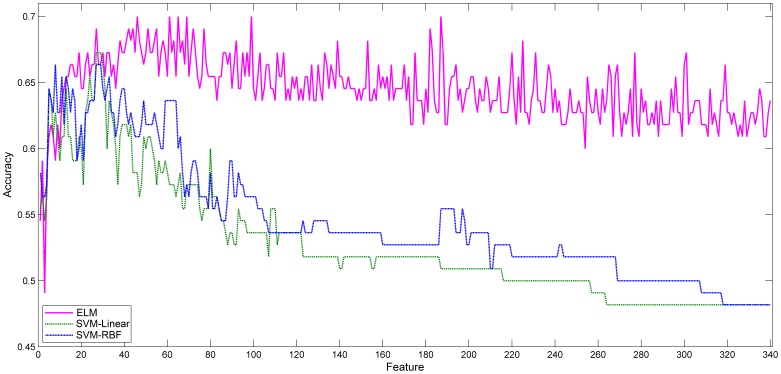
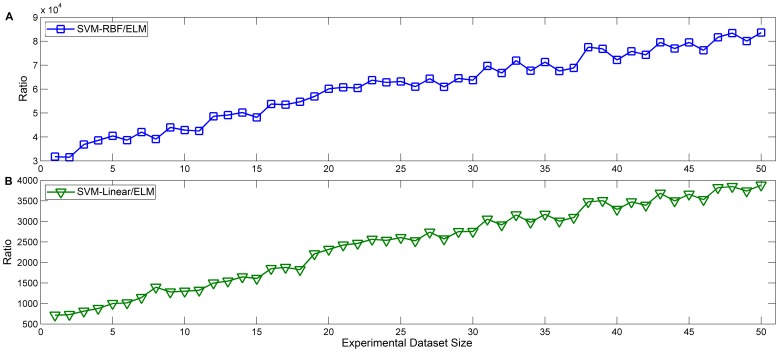
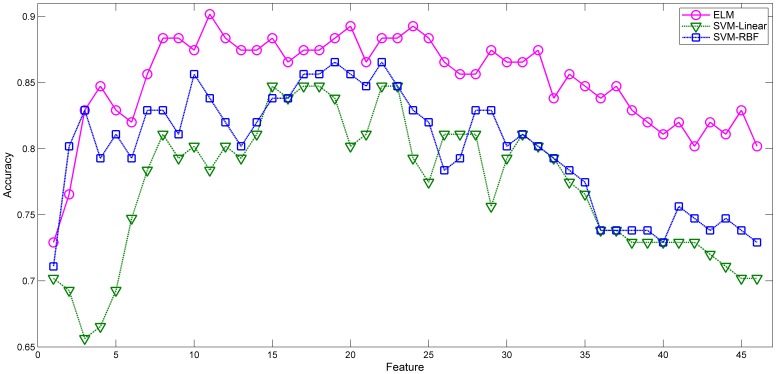
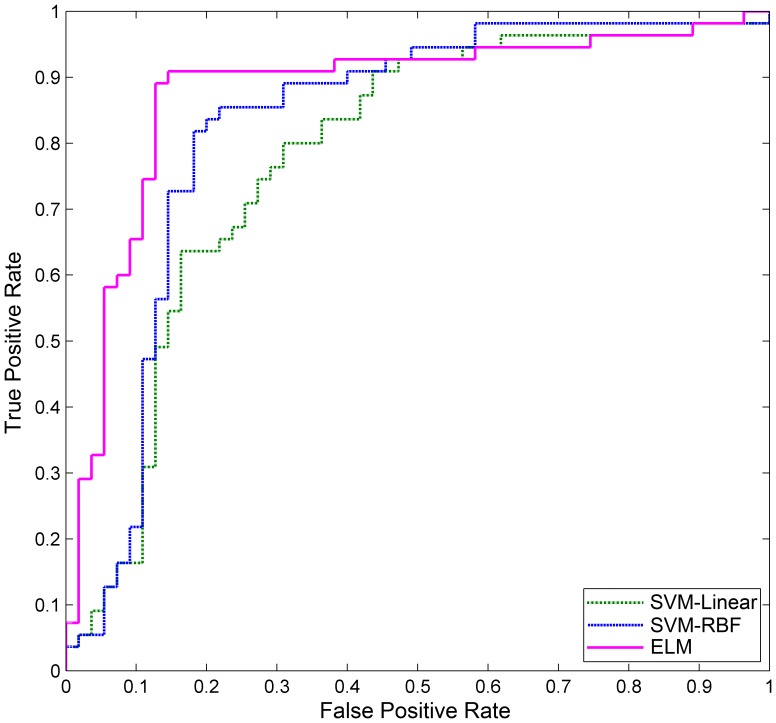
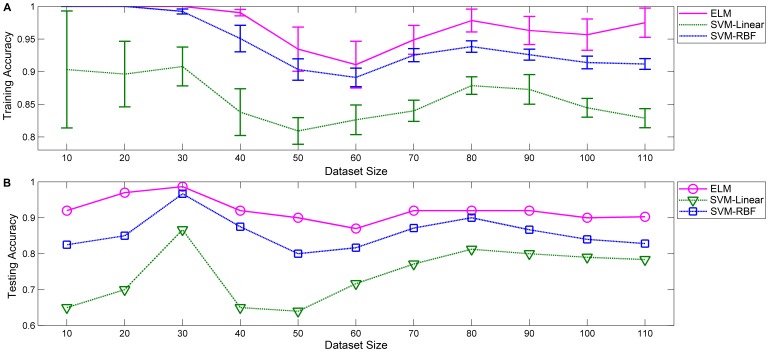
BACKGROUND: Effective and accurate diagnosis of attention-deficit/hyperactivity disorder (ADHD) is currently of significant interest. ADHD has been associated with multiple cortical features from structural MRI data. However, most existing learning algorithms for ADHD identification contain obvious defects, such as time-consuming training, parameters selection, etc. The aims of this study were as follows: (1) Propose an ADHD classification model using the extreme learning machine (ELM) algorithm for automatic, efficient and objective clinical ADHD diagnosis. (2) Assess the computational efficiency and the effect of sample size on both ELM and support vector machine (SVM) methods and analyze which brain segments are involved in ADHD. METHODS: High-resolution three-dimensional MR images were acquired from 55 ADHD subjects and 55 healthy controls. Multiple brain measures (cortical thickness, etc.) were calculated using a fully automated procedure in the FreeSurfer software package. In total, 340 cortical features were automatically extracted from 68 brain segments with 5 basic cortical features. F-score and SFS methods were adopted to select the optimal features for ADHD classification. Both ELM and SVM were evaluated for classification accuracy using leave-one-out cross-validation. RESULTS: We achieved ADHD prediction accuracies of 90.18% for ELM using eleven combined features, 84.73% for SVM-Linear and 86.55% for SVM-RBF. Our results show that ELM has better computational efficiency and is more robust as sample size changes than is SVM for ADHD classification. The most pronounced differences between ADHD and healthy subjects were observed in the frontal lobe, temporal lobe, occipital lobe and insular. CONCLUSION: Our ELM-based algorithm for ADHD diagnosis performs considerably better than the traditional SVM algorithm. This result suggests that ELM may be used for the clinical diagnosis of ADHD and the investigation of different brain diseases.
Overview
The claims and statistics of this paper haven’t been checked yet.
Free: it reads the open-access text and checks the first 5 claims that cite a source we can check. Create a free account to check every claim.
Integrity signals
Registry
Cites
Statistics
Figures
Verification
Claims the paper makes
The claims and statistics of this paper haven’t been checked yet.
Free: it reads the open-access text and checks the first 5 claims that cite a source we can check. Create a free account to check every claim.
Claims other papers make about this one
Each is checked against this paper’s own text: does it say what the citing paper says it does?
In the citing paper
“Discriminative brain regions included inferior frontal, temporal, occipital and insular cortices.”
From Progress and roadblocks in the search for brain-based biomarkers of autism and attention-deficit/hyperactivity disorder (2017) · cites this paper as [55]
In the citing paper
“Similarly, Peng et al.55 reported high classification accuracy (90.18%) using an extreme learning machine (ELM) algorithm with multiple cortical features.”
From Progress and roadblocks in the search for brain-based biomarkers of autism and attention-deficit/hyperactivity disorder (2017) · cites this paper as [55]
Self-check
Percentages, sums and reported differences re-computed from the paper’s own numbers.
The self-check needs the paper’s full text.
Citations
Cites
Cortes, C., & Vapnik, V. (1995) · Machine Learning · doi:10.1007/bf00994018 · Cited by 59,421
Cortes, C., & Vapnik, V. (1995) · Machine-mediated learning · doi:10.1023/a:1022627411411 · Cited by 48,445 · cited 1×
“According to Theorem 1 and Theorem 2 shown in the Appendix S1, the input weight w i and the hidden layer biases b i of SLFNs for ELM can be randomly assigned if the activation functions in the hidden layer are infinitely differentiable [37,38].”
MethodA default mode of brain function
Raichle, M. E., MacLeod, A. M., Snyder, A. Z., Powers, W. J., Gusnard, D. A., & Shulman, G. L. (2001) · Proceedings of the National Academy of Sciences · doi:10.1073/pnas.98.2.676 · Cited by 12,190
Feature selection: evaluation, application, and small sample performance
Jain, A., & Zongker, D. (1997) · IEEE Transactions on Pattern Analysis and Machine Intelligence · doi:10.1109/34.574797 · Cited by 2,171 · cited 1×
“Sequential forward selection (SFS) is a simple efficient feature selection approach [34].”
The Prevalence of DSM-IV Attention-Deficit/Hyperactivity Disorder: A Meta-Analytic Review
Willcutt, E. G. (2012) · Neurotherapeutics · doi:10.1007/s13311-012-0135-8 · Cited by 2,160 · cited 1×
“For instance, approximately 20% of children are misdiagnosed because they are younger than their classmates [2,3].”
BackgroundSmall sample size effects in statistical pattern recognition: Recommendations for practitioners
Raudys, S. J., & Jain, A. K. (1991) · IEEE Transactions on Pattern Analysis and Machine Intelligence · doi:10.1109/34.75512 · Cited by 1,384 · cited 2×
“One of the common practices in these previous studies is the utilization of hundreds of training samples to achieve better classification accuracy [44– 47].”
MethodSmall-World Anatomical Networks in the Human Brain Revealed by Cortical Thickness from MRI
He, Y., Chen, Z. J., & Evans, A. C. (2007) · Cerebral Cortex · doi:10.1093/cercor/bhl149 · Cited by 1,353 · cited 1×
“Anatomical MRI showed that the maturation of cortical thickness and the surface area developmental trajectory of the right prefrontal cortex is delayed in ADHD children relative to typically developing children [7].”
BackgroundMultimodal classification of Alzheimer's disease and mild cognitive impairment
Zhang, D., Wang, Y., Zhou, L., Yuan, H., & Shen, D. (2011) · NeuroImage · doi:10.1016/j.neuroimage.2011.01.008 · Cited by 1,314 · cited 1×
“One of the common practices in these previous studies is the utilization of hundreds of training samples to achieve better classification accuracy [44– 47].”
MethodMultiplexed echo planar imaging for sub-second whole brain FMRI and fast diffusion imaging
Feinberg, D. A., Moeller, S., Smith, S. M., Auerbach, E., Ramanna, S., Glasser, M. F., Miller, K. L., Ugurbil, K., & Yacoub, E. (2010) · PLoS ONE · doi:10.1371/journal.pone.0015710 · Cited by 1,296 · cited 1×
“Several studies using structural MRI have demonstrated anatomical differences be-tween ADHD and normal children [23–25].”
BackgroundZeng, L.-L., Shen, H., Liu, L., Wang, L., Li, B., Fang, P., Zhou, Z., Li, Y., & Hu, D. (2012) · Brain · doi:10.1093/brain/aws059 · Cited by 748 · cited 1×
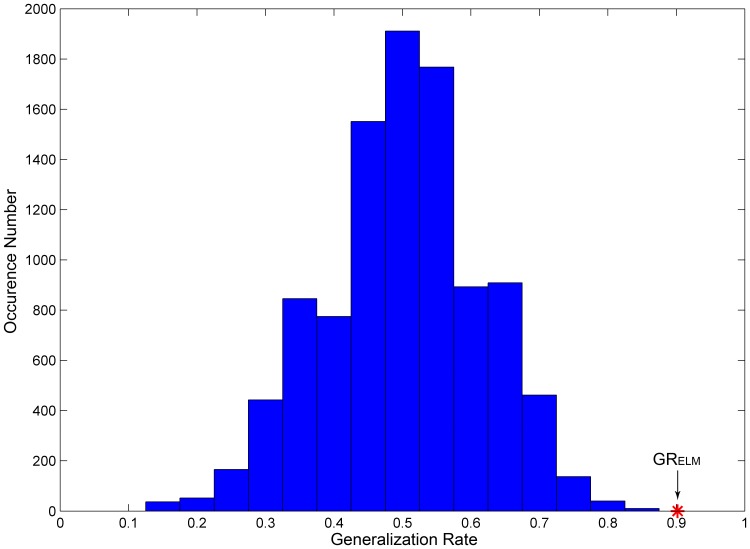
“The permutation tests have been adapted to assess statistical significance of the classifier and its performance in many research fields [39,40].”
Cited by
Attention-deficit/hyperactivity disorder
Faraone, S. V., Asherson, P., Banaschewski, T., Biederman, J., Buitelaar, J. K., Ramos-Quiroga, J. A., Rohde, L. A., Sonuga-Barke, E. J. S., Tannock, R., & Franke, B. (2015) · Nature Reviews Disease Primers · doi:10.1038/nrdp.2015.20 · Cited by 1,479
Computational psychiatry as a bridge from neuroscience to clinical applications
Huys, Q. J. M., Maia, T. V., & Frank, M. J. (2016) · Nature Neuroscience · doi:10.1038/nn.4238 · Cited by 1,002
“There is nevertheless scope for further improvement through the integration of more modalities 36 , or from algorithmic advances, for example, with deep belief networks 37 or other methods 38 that outperform more standard approaches on a variety of ML benchmarks 35,39,40 .”
BackgroundSingle subject prediction of brain disorders in neuroimaging: Promises and pitfalls
Arbabshirani, M. R., Plis, S., Sui, J., & Calhoun, V. D. (2017) · NeuroImage · doi:10.1016/j.neuroimage.2016.02.079 · Cited by 912
“…= 10, Total = 30 60.0–87%% Semrud-Clikeman et al. (1996) t6:16 sMRI ADHD Cortical thickness measures 340 ELM HC = 55, ADHD = 55, Total = 110 90.2% Peng et al. (2013) t6:17 sMRI ADHD Voxel-wise GM volumetric measures N/A Gaussian process classifier HC = 19, ASD = 19, ADHD = 20, Total = 58…”
BackgroundInfluentialA review on extreme learning machine
Wang, J., Lu, S., Wang, S.-H., & Zhang, Y.-D. (2022) · Multimedia Tools and Applications · doi:10.1007/s11042-021-11007-7 · Cited by 572
“Peng and Lin [136] proposed an attention-deficit/hyperactivity disorder detection method based on ELM and structural MRI.”
MethodSelf-citationASD-DiagNet: A Hybrid Learning Approach for Detection of Autism Spectrum Disorder Using fMRI Data
Eslami, T., Mirjalili, V., Fong, A., Laird, A. R., & Saeed, F. (2019) · Frontiers in Neuroinformatics · doi:10.3389/fninf.2019.00070 · Cited by 379
Zou, L., Zheng, J., Miao, C., Mckeown, M. J., & Wang, Z. J. (2017) · IEEE Access · doi:10.1109/access.2017.2762703 · Cited by 311
“The traditional diagnosis of ADHD mainly depends on clinical ratings of behavioral symptoms, which can be unreliable [2], [3].”
BackgroundWolfers, T., Buitelaar, J. K., Beckmann, C. F., Franke, B., & Marquand, A. F. (2015) · Neuroscience & Biobehavioral Reviews · doi:10.1016/j.neubiorev.2015.08.001 · Cited by 290
A Review of Machine Learning and Deep Learning Approaches on Mental Health Diagnosis
Iyortsuun, N. K., Kim, S.-H., Jhon, M., Yang, H.-J., & Pant, S. (2023) · Healthcare · doi:10.3390/healthcare11030285 · Cited by 276
“[68] (2013) ADHD Image (MRI) 55 patients 55 controls (Peking University; ADHD-200 dataset ) SVM-Linear SVM-RBF ELM learning algorithm Accuracy: SVM-Linear: 84.”
MethodWolfers, T., Beckmann, C. F., Hoogman, M., Buitelaar, J. K., Franke, B., & Marquand, A. F. (2020) · Psychological Medicine · doi:10.1017/s0033291719000084 · Cited by 204
“This approach has been extended by pattern classification studies, which consider multiple voxels at once and show that using structural MRI the predictions of ADHD range from about 60% to up to about 90% accuracy indicating a high variability between studies (Bansal et al., 2012; Igual et al., 2012; The ADHD 200 cons…”
BackgroundPredicting mental health problems in adolescence using machine learning techniques
Tate, A. E., McCabe, R. C., Larsson, H., Lundström, S., Lichtenstein, P., & Kuja-Halkola, R. (2020) · PLOS ONE · doi:10.1371/journal.pone.0230389 · Cited by 189
“A majority of studies using machine learning within psychiatry have focused on classification or diagnosis [23, 24].”
BackgroundNeuroanatomy of developmental dyslexia: Pitfalls and promise
Ramus, F., Altarelli, I., Jednoróg, K., Zhao, J., & Scotto di Covella, L. (2018) · Neuroscience & Biobehavioral Reviews · doi:10.1016/j.neubiorev.2017.08.001 · Cited by 187
Structural neuroimaging as clinical predictor: A review of machine learning applications
Mateos-Pérez, J. M., Dadar, M., Lacalle-Aurioles, M., Iturria-Medina, Y., Zeighami, Y., & Evans, A. C. (2018) · NeuroImage: Clinical · doi:10.1016/j.nicl.2018.08.019 · Cited by 174
Uddin, L. Q., Dajani, D. R., Voorhies, W., Bednarz, H., & Kana, R. K. (2017) · Translational Psychiatry · doi:10.1038/tp.2017.164 · Cited by 173
Towards a brain‐based predictome of mental illness
Rashid, B., & Calhoun, V. (2020) · Human Brain Mapping · doi:10.1002/hbm.25013 · Cited by 167
Sun, H., Chen, Y., Huang, Q., Lui, S., Huang, X., Shi, Y., Xu, X., Sweeney, J. A., & Gong, Q. (2018) · Radiology · doi:10.1148/radiol.2017170226 · Cited by 158
Automated detection of ADHD: Current trends and future perspective
Loh, H. W., Ooi, C. P., Barua, P. D., Palmer, E. E., Molinari, F., & Acharya, U. R. (2022) · Computers in Biology and Medicine · doi:10.1016/j.compbiomed.2022.105525 · Cited by 192
Lama, R. K., Gwak, J., Park, J.-S., & Lee, S. (2017) · Journal of Healthcare Engineering · doi:10.1155/2017/5485080 · Cited by 151
FOCUS: Detecting ADHD Patients by an EEG-Based Serious Game
Alchalabi, A. E., Shirmohammadi, S., Eddin, A. N., & Elsharnouby, M. (2018) · IEEE Transactions on Instrumentation and Measurement · doi:10.1109/tim.2018.2838158 · Cited by 137
“Peng et al.[10] used the MRI data in detecting ADHD patients using extreme learning machine, linear SVM, and radial basis function (RBF)-SVM, and it was able to correctly classify ADHD by: 90.18%, 84.73%, and 86.55%, respectively.”
BackgroundMethodInfluentialEslami, T., Almuqhim, F., Raiker, J. S., & Saeed, F. (2021) · Frontiers in Neuroinformatics · doi:10.3389/fninf.2020.575999 · Cited by 152
“Techniques, such as Recursive Feature Elimination (RFE) (Katuwal et al., 2015; Wang et al., 2019a,b), F-score feature selection (Peng et al., 2013; Kong et al., 2019), and autoencoders (Guo et al., 2017; Dekhil et al., 2018b; Heinsfeld et al., 2018; Li H. et al., 2018; Sen et al., 2018; Xiao et…”
MethodGhiassian, S., Greiner, R., Jin, P., & Brown, M. R. G. (2016) · PLOS ONE · doi:10.1371/journal.pone.0166934 · Cited by 116
Remapping the cognitive and neural profiles of children who struggle at school
Astle, D. E., Bathelt, J., the CALM team, & Holmes, J. (2018) · Developmental Science · doi:10.1111/desc.12747 · Cited by 137
“Typical applications use supervised machine learning (Peng et al., 2013) in which the algorithm attempts to learn about pre-defined categories of children.”
Wang, C., Zhao, H. C., & Zhang, H. (2020) · Frontiers in Psychology · doi:10.3389/fpsyg.2020.587413 · Cited by 133
Qureshi, M. N. I., Min, B., Jo, H. J., & Lee, B. (2016) · PLOS ONE · doi:10.1371/journal.pone.0160697 · Cited by 105
“Specifically, a study by [19], for which an accuracy of 90.18% was reported, was conducted only on subjects from the Peking University contribution to the ADHD-200 dataset for binary classification.”
BackgroundMethodInfluentialZhang, J., Feng, F., Han, T., Gong, X., & Duan, F. (2022) · Cognitive Computation · doi:10.1007/s12559-021-09981-z · Cited by 123
Machine Learning Techniques to Predict Mental Health Diagnoses: A Systematic Literature Review
Madububambachu, U., Ukpebor, A., & Ihezue, U. (2024) · Clinical Practice and Epidemiology in Mental Health · doi:10.2174/0117450179315688240607052117 · Cited by 147
Parkinson's disease and local atrophy in subcortical nuclei: insight from shape analysis
Nemmi, F., Sabatini, U., Rascol, O., & Péran, P. (2014) · Neurobiology of Aging · doi:10.1016/j.neurobiolaging.2014.07.010 · Cited by 98
Pulini, A. A., Kerr, W. T., Loo, S. K., & Lenartowicz, A. (2019) · Biological Psychiatry: Cognitive Neuroscience and Neuroimaging · doi:10.1016/j.bpsc.2018.06.003 · Cited by 85
A Machine-Based Prediction Model of ADHD Using CPT Data
Slobodin, O., Yahav, I., & Berger, I. (2020) · Frontiers in Human Neuroscience · doi:10.3389/fnhum.2020.560021 · Cited by 107
“Likewise, using MRI data, Peng et al. (2013) found an ADHD prediction accuracy of 90.18%.”
MethodInfluentialGlobal and local brain network reorganization in attention-deficit/hyperactivity disorder
Lin, P., Sun, J., Yu, G., Wu, Y., Yang, Y., Liang, M., & Liu, X. (2013) · Brain Imaging and Behavior · doi:10.1007/s11682-013-9279-3 · Cited by 84
“Neuroimaging is very useful for brain cognition and mental disorder studies (Diwadkar et al. 2008; Parisi et al. 2012; Stevens et al. 2012; Zhang et al. 2012; Peng et al. 2013; Leavitt et al. 2012; Robinson et al. 2009).”
BackgroundSelf-citationIannaccone, R., Hauser, T. U., Ball, J., Brandeis, D., Walitza, S., & Brem, S. (2015) · European Child & Adolescent Psychiatry · doi:10.1007/s00787-015-0678-4 · Cited by 74
“The statistical significance of the classification accuracy was obtained by applying permutation tests [26, 53].”
BackgroundMethodResultInfluentialQureshi, M. N. I., Oh, J., Min, B., Jo, H. J., & Lee, B. (2017) · Frontiers in Human Neuroscience · doi:10.3389/fnhum.2017.00157 · Cited by 72
“…Castellanos and Tannock, 2002; Colby et al., 2012; Dai et al., 2012; Fair et al., 2012; Igual et al., 2012; Willcutt et al., 2012; Lim et al., 2013; Peng et al., 2013; Johnston et al., 2014; Deshpande et al., 2015; Hammer et al., 2015; Iannaccone et al., 2015; Qureshi and Lee, 2016; Qureshi et…”
BackgroundInfluentialDiagnosis of Attention Deficit Hyperactivity Disorder with combined time and frequency features
Altınkaynak, M., Dolu, N., Güven, A., Pektaş, F., Özmen, S., Demirci, E., & İzzetoğlu, M. (2020) · Journal of Applied Biomedicine · doi:10.1016/j.bbe.2020.04.006 · Cited by 75
Luo, Y., Alvarez, T. L., Halperin, J. M., & Li, X. (2020) · NeuroImage Clinical · doi:10.1016/j.nicl.2020.102238 · Cited by 86
Puiu, A. A., Wudarczyk, O. A., Goerlich, K. S., Votinov, M., Herpertz‐Dahlmann, B., Turetsky, B. I., & Konrad, K. (2018) · Neuroscience & Biobehavioral Reviews · doi:10.1016/j.neubiorev.2018.04.016 · Cited by 96
Best Practices in Structural Neuroimaging of Neurodevelopmental Disorders
Backhausen, L. L., Herting, M. M., Tamnes, C. K., & Vetter, N. C. (2021) · Neuropsychology Review · doi:10.1007/s11065-021-09496-2 · Cited by 79
“, 2013) using, for example, nonnegative matrix factorization (Ball, Beare, and Seal 2019) or machine learning (Peng et al., 2013).”
MethodADHD classification by dual subspace learning using resting-state functional connectivity
Chen, Y., Tang, Y., Wang, C., Liu, X., Li, Z., & Wang, Z. (2020) · Artificial Intelligence in Medicine · doi:10.1016/j.artmed.2019.101786 · Cited by 74
Holmes, J., Bryant, A., the CALM Team, & Gathercole, S. E. (2019) · BMC Pediatrics · doi:10.1186/s12887-018-1385-3 · Cited by 72
Cao, M., Martin, E., & Li, X. (2023) · Translational Psychiatry · doi:10.1038/s41398-023-02536-w · Cited by 94
“For example, Chang et al. generated novel morphological features based on the local binary patterns (an image texture categorization method) to differentiate data from 210 ADHD and 226 controls from the ADHD-200 dataset [76].”
InfluentialADHD classification using auto-encoding neural network and binary hypothesis testing
Tang, Y., Sun, J., Wang, C., Zhong, Y., Jiang, A., Liu, G., & Liu, X. (2021) · Artificial Intelligence in Medicine · doi:10.1016/j.artmed.2021.102209 · Cited by 66
Role of deep learning in infant brain MRI analysis
Mostapha, M., & Styner, M. A. (2019) · Magnetic Resonance Imaging · doi:10.1016/j.mri.2019.06.009 · Cited by 72
“To achieve this goal, many studies have used traditional machine learning methods with MRI data to classify individuals with NDDs, particularly ASD or to understand their patterns of behavior [26, 75, 76, 77].”
BackgroundEfficient Feature Selection and Machine Learning Based ADHD Detection Using EEG Signal
Maniruzzaman, M., Shin, J., Hasan, M. A. M., & Yasumura, A. (2022) · Computers, materials & continua/Computers, materials & continua (Print) · doi:10.32604/cmc.2022.028339 · Cited by 80
Neuromorphic Hardware Architecture Using the Neural Engineering Framework for Pattern Recognition
Wang, R., Thakur, C. S., Cohen, G., Hamilton, T. J., Tapson, J. C., & André, V. S. (2017) · IEEE Transactions on Biomedical Circuits and Systems · doi:10.1109/tbcas.2017.2666883 · Cited by 61
Garcia‐Argibay, M., Zhang‐James, Y., Cortese, S., Lichtenstein, P., Larsson, H., & Faraone, S. V. (2022) · Molecular Psychiatry · doi:10.1038/s41380-022-01918-8 · Cited by 70
Du, J., Wang, L., Jie, B., & Zhang, D. (2016) · Computerized Medical Imaging and Graphics · doi:10.1016/j.compmedimag.2016.04.004 · Cited by 61
Liu, J., Li, M., Pan, Y. F., Wu, F., Chen, X., & Wang, J. (2017) · IEEE Transactions on NanoBioscience · doi:10.1109/tnb.2017.2751074 · Cited by 52
Self-citationOrdinal Pattern: A New Descriptor for Brain Connectivity Networks
Zhang, D., Huang, J., Jie, B., Du, J., Tu, L., & Liu, M. (2018) · IEEE Transactions on Medical Imaging · doi:10.1109/tmi.2018.2798500 · Cited by 52
Lisdahl, K. M., Tamm, L., Epstein, J. N., Jernigan, T. L., Molina, B. S. G., Hinshaw, S. P., Swanson, J. M., Newman, E. R., Kelly, C. A. M., Bjork, J. M., et al. (2016) · Drug and Alcohol Dependence · doi:10.1016/j.drugalcdep.2016.01.032 · Cited by 58
“Therefore, studies in adults with persistent ADHD have found brain structural abnormalities that are also seen in childhood (Castellanos et al., 2003; Castellanos and Proal, 2012; Cherkasova and Hechtman, 2009; Frodl and Skokaukas, 2012; Pastura et al., 2011; Peng et al., 2013).”
BackgroundInfluentialWang, X., Jiao, Y., & Li, L. (2018) · Scientific Reports · doi:10.1038/s41598-018-30308-w · Cited by 52
Deep Learning-Based Binary Classification of ADHD Using Resting State MR Images
Khullar, V., Salgotra, K., Singh, H. P., & Sharma, D. P. (2021) · Augmented Human Research · doi:10.1007/s41133-020-00042-y · Cited by 49
Chen, Z., Liu, X., Yang, Q., Wang, Y.-J., Miao, K., Gong, Z., Yu, Y., Leonov, A., Liu, C., Feng, Z., et al. (2023) · JAMA Network Open · doi:10.1001/jamanetworkopen.2023.1671 · Cited by 43
Improving sample and feature selection with principal covariates regression
Cersonsky, R. K., Helfrecht, B. A., Engel, E. A., Kliavinek, S., & Ceriotti, M. (2021) · Machine Learning Science and Technology · doi:10.1088/2632-2153/abfe7c · Cited by 46
Machine Learning in ADHD and Depression Mental Health Diagnosis: A Survey
Nash, C., Nair, R., & Naqvi, S. M. (2023) · IEEE Access · doi:10.1109/access.2023.3304236 · Cited by 53
Machine Learning and MRI-based Diagnostic Models for ADHD: Are We There Yet?
Zhang‐James, Y., Razavi, A. S., Hoogman, M., Franke, B., & Faraone, S. V. (2023) · Journal of Attention Disorders · doi:10.1177/10870547221146256 · Cited by 47
“The higher accuracies in the balanced LOOCV group was not related to sample size.”
MethodInfluentialComputational Decision Support System for ADHD Identification
Silva, S. D., Dayarathna, S., Ariyarathne, G., Meedeniya, D., Jayarathna, S., & Michalek, A. M. P. (2020) · Machine Intelligence Research · doi:10.1007/s11633-020-1252-1 · Cited by 43
“The work by Ariyarathne et al. [28] , used pre-processed fMRI data using configurable pipeline for the analysis of connectomes (C-PAC) application for the resting-state of the brain to classify ADHD subjects.”
BackgroundMethodInfluentialCrippa, A., Salvatore, C., Molteni, E., Mauri, M., Salandi, A., Trabattoni, S., Agostoni, C. V., Molteni, M., Nobile, M., & Castiglioni, I. (2017) · Frontiers in Psychiatry · doi:10.3389/fpsyt.2017.00189 · Cited by 39
“…classification approach may lead clinicians toward an efficient and accurate diagnosis of ADHD using behavioral/cognitive measures (5) or neuro-physiological techniques, such as electroencephalography (6), structural magnetic resonance imaging (MRI) (7), and resting-state functional MRI (8).”
BackgroundfMRI Feature Extraction Model for ADHD Classification Using Convolutional Neural Network
Silva, S. D., Dayarathna, S., Ariyarathne, G., Meedeniya, D., & Jayarathna, S. (2020) · International Journal of E-Health and Medical Communications · doi:10.4018/ijehmc.2021010106 · Cited by 38
Abnormal fronto‐striatal activation as a marker of threshold and subthreshold Bulimia Nervosa
Cyr, M., Yang, X., Horga, G., & Marsh, R. (2018) · Human Brain Mapping · doi:10.1002/hbm.23955 · Cited by 37
Altered neural flexibility in children with attention-deficit/hyperactivity disorder
Yin, W., Li, T., Mucha, P. J., Cohen, J. R., Zhu, H., Zhu, Z., & Lin, W. (2022) · Molecular Psychiatry · doi:10.1038/s41380-022-01706-4 · Cited by 48
Chen, Z., Hu, B., Liu, X., Becker, B., Eickhoff, S. B., Miao, K., Gu, X., Tang, Y., Dai, X., Li, C., et al. (2023) · BMC Medicine · doi:10.1186/s12916-023-02941-4 · Cited by 35
Diagnosis of Alzheimer’s Disease Using Brain Network
Lama, R. K., & Kwon, G. (2021) · Frontiers in Neuroscience · doi:10.3389/fnins.2021.605115 · Cited by 41
Hazarika, B. B., & Gupta, D. (2022) · Computer Methods and Programs in Biomedicine · doi:10.1016/j.cmpb.2022.106622 · Cited by 36
Classification of ADHD with fMRI data and multi-objective optimization
Shao, L., You, Y., Du, H., & Fu, D. (2020) · Computer Methods and Programs in Biomedicine · doi:10.1016/j.cmpb.2020.105676 · Cited by 36
ADHD Identification using Convolutional Neural Network with Seed-based Approach for fMRI Data
Ariyarathne, G., Silva, S. D., Dayarathna, S., Meedeniya, D., & Jayarathne, S. (2020) · International Conference on Software and Computer Applications (ICSCA) · doi:10.1145/3384544.3384552 · Cited by 34
“Peng et al. [14], has shown that fALFF as the best feature for the ADHD classification in terms of accuracy.”
BackgroundMethodInfluentialClassification of ADHD with bi-objective optimization
Shao, L., Xu, Y., & Fu, D. (2018) · Journal of Biomedical Informatics · doi:10.1016/j.jbi.2018.07.011 · Cited by 33
A review of ADHD detection studies with machine learning methods using rsfMRI data
TAŞPINAR, G., & Özkurt, N. (2024) · NMR in Biomedicine · doi:10.1002/nbm.5138 · Cited by 39
Wang, X., Jiao, Y., & Li, L. (2018) · Neuroscience Letters · doi:10.1016/j.neulet.2018.07.029 · Cited by 36
Wu, M., Wu, H. E., Mwangi, B., Sanches, M., Selvaraj, S., Zunta‐Soares, G. B., & Soares, J. C. (2015) · Journal of Psychiatric Research · doi:10.1016/j.jpsychires.2015.01.015 · Cited by 31
“…(e.g. volume and cortical thickness) resulted to higher prediction accuracy as compared to individual measurements indicating these multiple measurements may offer complimentary information on brain structure as recently reported in other studies (Ecker, Marquand, 2010, Peng et al., 2013).”
ResultInfluentialZhang, J., Liu, W., Zhang, J., Wu, Q., Gao, Y., Jiang, Y., Gao, J., Yao, S., & Huang, B. (2018) · Frontiers in Human Neuroscience · doi:10.3389/fnhum.2018.00152 · Cited by 34
“…results, such as in attention deficit hyperactivity disorder (ADHD) (Bansal et al., 2012; Chang et al., 2012; Igual et al., 2012; Lim et al., 2013; Peng et al., 2013; Johnston et al., 2014), autism spectrum disorder (ASD) (Uddin et al., 2011; Segovia et al., 2014; Gori et al., 2015) and…”
BackgroundLinn, K. A., Gaonkar, B., Satterthwaite, T. D., Doshi, J. J., Davatzikos, C. A., & Shinohara, R. T. (2016) · NeuroImage · doi:10.1016/j.neuroimage.2016.02.044 · Cited by 35
“For example, (Peng et al., 2016) scale each feature to be in the interval [0,1], and (Hanke et al.”
Khan, S. U., Ullah, N., Ahmed, I., Ahmad, I., & Mahsud, M. I. (2018) · Current Medical Imaging Formerly Current Medical Imaging Reviews · doi:10.2174/1573405614666180726124952 · Cited by 28
Eslami, T., Raiker, J. S., & Saeed, F. (2021) · Elsevier eBooks · doi:10.1016/b978-0-12-822822-7.00004-1 · Cited by 35
A Survey of Attention Deficit Hyperactivity Disorder Identification Using Psychophysiological Data
Silva, S. D., Dayarathna, S., Ariyarathne, G., Meedeniya, D., & Jayarathna, S. (2019) · International Journal of Online and Biomedical Engineering (iJOE) · doi:10.3991/ijoe.v15i13.10744 · Cited by 29
Tang, Y., Li, X., Chen, Y., Zhong, Y., Jiang, A., & Wang, C. (2020) · IEEE Access · doi:10.1109/access.2020.2982401 · Cited by 30
“Especially, the classifiers with SVM [20], [25] and Extreme Learning Machine (ELM) [26] are more welcomed due to their fitness for the ADHD databases of small size.”
BackgroundPaheding, S., Asari, V. K., & Sagan, V. (2018) · ISPRS Journal of Photogrammetry and Remote Sensing · doi:10.1016/j.isprsjprs.2018.09.007 · Cited by 27
Hammer, R., Cooke, G. E., Stein, M. A., & Booth, J. R. (2015) · NeuroImage: Clinical · doi:10.1016/j.nicl.2015.08.015 · Cited by 25
“…have been made to find neuroimaging-based biomarkers of ADHD using structural Magnetic Resonance Imaging (Johnston et al., 2014; Lim et al., 2013; Peng et al., 2013), resting-state functional MRI (Hoekzema et al., 2014; Tomasi and Volkow, 2014), fMRI data acquired during a single cognitive task…”
Tian, L., Zheng, H., Zhang, K., Qiu, J., Song, X., Li, S., Zeng, Z., Ran, B., Deng, X., & Cai, J. (2024) · Journal of Affective Disorders · doi:10.1016/j.jad.2024.03.111 · Cited by 32
Socially Assistive Robotics combined with Artificial Intelligence for ADHD
Amato, F., Gregorio, M. D., Monaco, C., Sebillo, M., Tortora, G., & Vitiello, G. (2021) · IEEE Consumer Communications and Networking Conference · doi:10.1109/ccnc49032.2021.9369633 · Cited by 32
“ADHD is one of the most common childhood behavioral disorders [23].”
BackgroundEntrepreneurial aspirations: economic development, inequalities and cultural values
Morales-Alonso, G., Guerrero, Y. M. N., Aguilera, J. F., & Monroy, C. R. (2020) · European Journal of Innovation Management · doi:10.1108/ejim-07-2019-0206 · Cited by 26
Khadem-Reza, Z. K., & Zare, H. (2022) · Middle East Current Psychiatry · doi:10.1186/s43045-022-00220-1 · Cited by 33
Multivariate analyses applied to fetal, neonatal and pediatric MRI of neurodevelopmental disorders
Levman, J. E. D., & Takahashi, E. (2015) · NeuroImage Clinical · doi:10.1016/j.nicl.2015.09.017 · Cited by 28
A feature selection method for classification of ADHD
Miao, B., & Zhang, Y. (2017) · International Conference on Information, Cybernetics, and Computational Social Systems (ICCSS) · doi:10.1109/iccss.2017.8091376 · Cited by 29
A Novel Knowledge Distillation-Based Feature Selection for the Classification of ADHD
Khan, N. A., Waheeb, S. A., Riaz, A., & Shang, X. (2021) · Biomolecules · doi:10.3390/biom11081093 · Cited by 26
“In the study [45], high-resolution 3-D scans of 55 ADHD subjects and matched healthy controls were acquired using MRI machine.”
MethodRangarajan, B., Suresh, S., & Mahanand, B. S. (2014) · International Conference on Control, Automation, Robotics and Vision (ICARCV) · doi:10.1109/icarcv.2014.7064272 · Cited by 23
“Only a few of them have conducted their studies using structuralMRI [24], [18], [33].”
BackgroundMultimodal Sparse Classifier for Adolescent Brain Age Prediction
Kassani, P. H., Gossmann, A., & Wang, Y. (2019) · IEEE Journal of Biomedical and Health Informatics · doi:10.1109/jbhi.2019.2925710 · Cited by 24
“, δi = √ μi [35]).”
License plate recognition application using extreme learning machines
Subhadhira, S., Juithonglang, U., Sakulkoo, P., & Horata, P. (2014) · ICT International Student Project Conference (ICT-ISPC) · doi:10.1109/ict-ispc.2014.6923228 · Cited by 23
Can the MMPI Predict Adult ADHD? An Approach Using Machine Learning Methods
Kim, S., Lee, H.-K., & Lee, K. (2021) · Diagnostics · doi:10.3390/diagnostics11060976 · Cited by 27
The orbitofrontal cortex represents advantageous choice in the Iowa gambling task
Zha, R., Li, P., Liu, Y., Li, N., Gao, M., Fan, Y., Aili, R., Liu, Y., Zhang, X., & Li, J. (2022) · Human Brain Mapping · doi:10.1002/hbm.25887 · Cited by 21
Neuroimaging in Psychiatry and Neurodevelopment: why the emperor has no clothes
Anderson, A. N., King, J. B., & Anderson, J. S. (2019) · British Journal of Radiology · doi:10.1259/bjr.20180910 · Cited by 26
Brain MR Image Classification for ADHD Diagnosis Using Deep Neural Networks
Abdolmaleki, S., & Abadeh, M. S. (2020) · Iranian Conference on Machine Vision and Image Processing · doi:10.1109/mvip49855.2020.9116877 · Cited by 26
“Thus, an objective diagnostic tool based on non-invasive imaging can improve the understanding and diagnosis of ADHD [1-3].”
MethodJiang, F., Zhu, Q., & Tian, T. (2022) · Neural Processing Letters · doi:10.1007/s11063-021-10700-w · Cited by 21
“For example, Extreme Learning Machine (ELM) has been utilized in lung cancer diagnosis [16], disease detection [17, 18] et al.”
MethodEnsemble-Based Risk Scoring with Extreme Learning Machine for Prediction of Adverse Cardiac Events
Liu, N., Sakamoto, J. T., Cao, J., Koh, Z. X., Ho, A. F. W., Lin, Z., & Ong, M. E. H. (2017) · Cognitive Computation · doi:10.1007/s12559-017-9455-7 · Cited by 20
Cai, W., Chen, T., Szegletes, L., Supekar, K., & Menon, V. (2015) · Biological Psychiatry · doi:10.1016/j.biopsych.2015.10.017 · Cited by 20
“Previous studies using single-site data have reported relatively high classification accuracies of 75% to 90% (35-39), but the extent to which their features predict ADHD status in other datasets is unknown.”
BackgroundRetractedSurvey on extreme learning machines for outlier detection
Kiani, R., Jin, W., & Sheng, V. S. (2024) · Machine Learning · doi:10.1007/s10994-023-06375-0 · Cited by 23
“ELM was used as an attention-deficit/hyperactivity disorder detection method (Peng et al., 2013 ).”
Wolfers, T., van Rooij, D., Oosterlaan, J., Heslenfeld, D. J., Hartman, C. A., Hoekstra, P. J., Beckmann, C. F., Franke, B., Buitelaar, J. K., & Marquand, A. F. (2016) · NeuroImage Clinical · doi:10.1016/j.nicl.2016.06.020 · Cited by 20
Personalized structural image analysis in patients with temporal lobe epilepsy
Rummel, C., Slavova, N., Seiler, A., Abela, E., Hauf, M., Burren, Y., Weisstanner, C., Vulliémoz, S., Seeck, M., Schindler, K. A., et al. (2017) · Scientific Reports · doi:10.1038/s41598-017-10707-1 · Cited by 17
Robot-Assisted ADHD Screening in Diagnostic Process
Choi, M., Yeom, J., Shin, Y., & Park, I. (2018) · Journal of Intelligent & Robotic Systems · doi:10.1007/s10846-018-0890-9 · Cited by 18
“ADHD is one of the most common childhood behavioral disorders [31].”
BackgroundMethodEye Tracking Area of Interest in the Context of Working Memory Capacity Tasks
Jayawardena, G., Michalek, A. M. P., & Jayarathna, S. (2019) · IEEE International Conference on Information Reuse and Integration (IRI) · doi:10.1109/iri.2019.00042 · Cited by 23
“In [13], authors have used extreme learning machine (ELM) algorithm to predict ADHD using structural MRI data and has achieved 90.”
MethodClassification of Structural MRI Images in Adhd Using 3D Fractal Dimension Complexity Map
Wang, T.-Y., & Kamata, S. (2019) · International Conference on Information Photonics · doi:10.1109/icip.2019.8802930 · Cited by 11
“Almost these researches extract high dimensional features from imaging data and select appropriate features then apply traditional learning algorithms to obtain classifiers, such as support vector machines (SVM) that can discriminate between patients and controls.”
MethodInfluentialInterdisciplinary Tensions When Developing Digital Interventions Supporting Individuals With ADHD
Cibrian, F. L., Monteiro, E. M., Schuck, S. E. B., Nelson, M. A., Hayes, G. R., & Lakes, K. D. (2022) · Frontiers in Digital Health · doi:10.3389/fdgth.2022.876039 · Cited by 22
Lama, R. K., Kim, J., & Kwon, G. (2022) · Mathematics · doi:10.3390/math10121967 · Cited by 16
Metadata
- Authors
- Peng, X., Lin, P., Zhang, T., & Wang, J.
- Affiliations
- Xi'an Jiaotong University (CN)
- University of New Mexico (US)
- Corresponding author
- Lin, Pan
- Wang, Jue
- Venue
- PLoS ONE
- Publisher
- Public Library of Science (PLoS)
- Published
- 2013-11-19
- Volume
- 8
- Issue
- 11
- Pages
- e79476
- ISSN
- 1932-6203 (ISSN-L)
- PMC
- PMC3834213
- OpenAlex
- W2075529349
- Cited by
- 194
- References
- 55
- Citations by year
- 2026: 3 · 2025: 11 · 2024: 16 · 2023: 17 · 2022: 22 · 2021: 22 · 2020: 27 · 2019: 17 · 2018: 16 · 2017: 16 · 2016: 12 · 2015: 11 · 2014: 3 · 2013: 1
- FWCI
- 6.38
- Type
- journal article
- Language
- en
- Open access
- gold
- doi.org
- Licence
- Locations
- PLoS ONE (publishedVersion, cc-by)
- Europe PMC (PubMed Central) (publishedVersion, cc-by)
- PubMed Central (publishedVersion, cc-by)
- PubMed (publishedVersion)
- RePEc: Research Papers in Economics (submittedVersion)
- DOAJ (DOAJ: Directory of Open Access Journals) (submittedVersion, cc-by-sa)
- Funders
- Ministry of Education of the People's Republic of China
- Peking University
- Fundamental Research Funds for the Central Universities (20120201120071)
- Topics
- Health Sciences › Medicine › Psychiatry and Mental health › Attention Deficit Hyperactivity Disorder
- Physical Sciences › Computer Science › Artificial Intelligence › Machine Learning and ELM
- Life Sciences › Neuroscience › Cognitive Neuroscience › Autism Spectrum Disorder Research
- Keywords
- attention deficit hyperactivity disorder, ADHD diagnosis, extreme learning machine, support vector machine, structural MRI, cortical thickness, brain segmentation, feature selection, frontal lobe, temporal lobe, occipital lobe, insula, computational efficiency
- MeSH terms
- Adolescent, Artificial Intelligence, Attention Deficit Disorder with Hyperactivity, Brain, Child, Female, Humans, Magnetic Resonance Imaging, Male, Software, Support Vector Machine
About these checks
Registry, retraction, Cites and statistics results are computed, not judged, with one exception: a printed reference that no index lists is read once by a model before it counts as a citation error. Claims are extracted by a model and kept only when their quote appears verbatim in the text; each cited source is then checked, with a model’s help, for whether it says what the claim relies on. Those verdicts can be wrong — read the claim’s quote and the cited source before relying on one.
Statistics and arithmetic are recomputed, not judged.
Confidence bands are shown only for fields calibrated on our annotated test set. None is calibrated yet, so no band is shown.
What counts as a claim ›How we measure confidence ›How we check this ›
Are you an author, or do you see a problem with this page? Request a review
Data sources
Bibliographic data: Semantic Scholar, OpenAlex, Crossref.
Contains information from the Semantic Scholar Academic Graph Datasets, made available under the ODC Attribution License (ODC-BY 1.0).
Semantic Scholar’s data is described in: Kinney, R., et al. (2023). The Semantic Scholar Open Data Platform. arXiv:2301.10140.
