

Machine Learning for Outcome Prediction of Acute Ischemic Stroke Post Intra-Arterial Therapy
Open accessThe DOI matches its Crossref record; 61 of the 62 references it cites were found in a registry or an index.
Abstract
INTRODUCTION: Stroke is a major cause of death and disability. Accurately predicting stroke outcome from a set of predictive variables may identify high-risk patients and guide treatment approaches, leading to decreased morbidity. Logistic regression models allow for the identification and validation of predictive variables. However, advanced machine learning algorithms offer an alternative, in particular, for large-scale multi-institutional data, with the advantage of easily incorporating newly available data to improve prediction performance. Our aim was to design and compare different machine learning methods, capable of predicting the outcome of endovascular intervention in acute anterior circulation ischaemic stroke. METHOD: We conducted a retrospective study of a prospectively collected database of acute ischaemic stroke treated by endovascular intervention. Using SPSS®, MATLAB®, and Rapidminer®, classical statistics as well as artificial neural network and support vector algorithms were applied to design a supervised machine capable of classifying these predictors into potential good and poor outcomes. These algorithms were trained, validated and tested using randomly divided data. RESULTS: We included 107 consecutive acute anterior circulation ischaemic stroke patients treated by endovascular technique. Sixty-six were male and the mean age of 65.3. All the available demographic, procedural and clinical factors were included into the models. The final confusion matrix of the neural network, demonstrated an overall congruency of ∼ 80% between the target and output classes, with favourable receiving operative characteristics. However, after optimisation, the support vector machine had a relatively better performance, with a root mean squared error of 2.064 (SD: ± 0.408). DISCUSSION: We showed promising accuracy of outcome prediction, using supervised machine learning algorithms, with potential for incorporation of larger multicenter datasets, likely further improving prediction. Finally, we propose that a robust machine learning system can potentially optimise the selection process for endovascular versus medical treatment in the management of acute stroke.
Overview
The claims and statistics of this paper haven’t been checked yet.
Free: it reads the open-access text and checks the first 5 claims that cite a source we can check. Create a free account to check every claim.
Integrity signals
Registry
Cites
Statistics
Figures
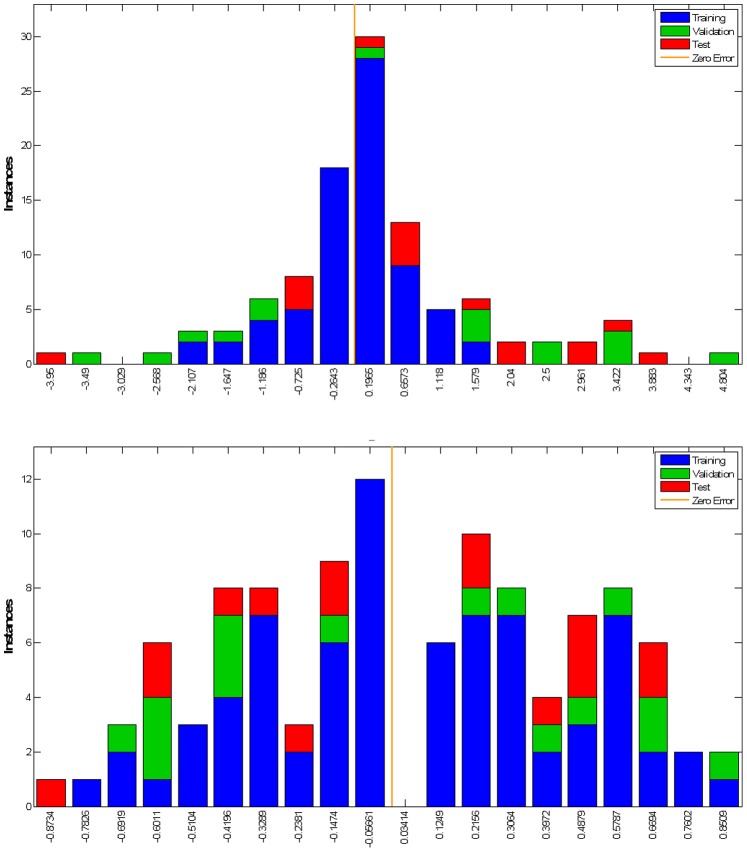
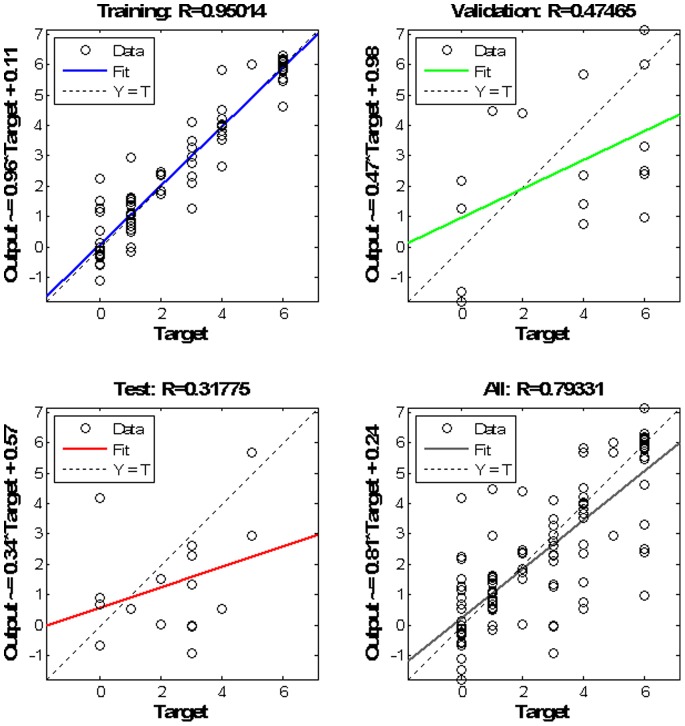
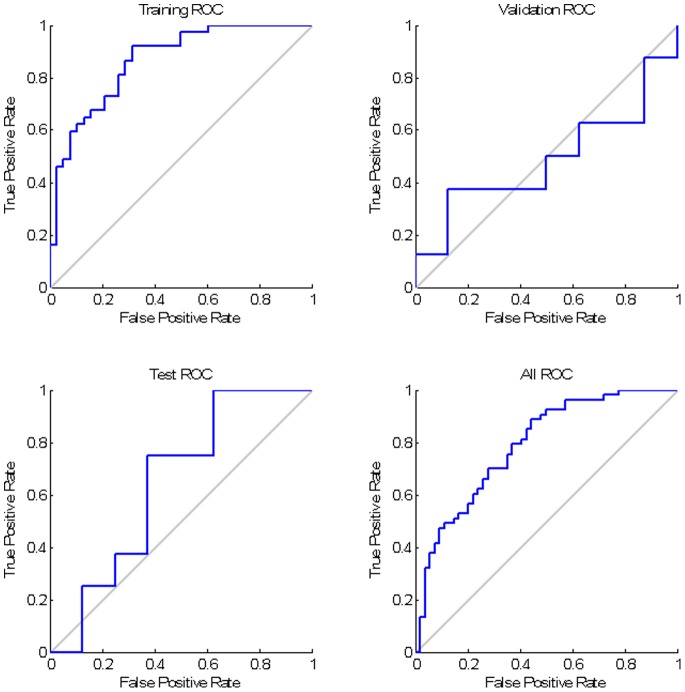
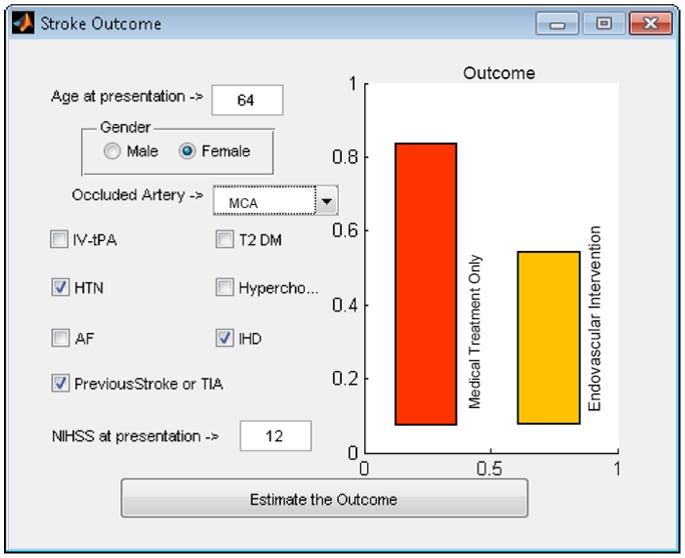
Verification
Claims the paper makes
The claims and statistics of this paper haven’t been checked yet.
Free: it reads the open-access text and checks the first 5 claims that cite a source we can check. Create a free account to check every claim.
Claims other papers make about this one
Each is checked against this paper’s own text: does it say what the citing paper says it does?
The source backs part of the claim, not all of it — or backs it for a different population, condition or comparison.
In the citing paper
“The authors analysed the data via artificial neural network and SVM, and obtained prediction accuracy above 70%.”
From Artificial intelligence in healthcare: past, present and future (2017) · cites this paper as [59]
Experimental — accuracy not yet measured
Self-check
Percentages, sums and reported differences re-computed from the paper’s own numbers.
The self-check needs the paper’s full text.
Citations
Cites
Artificial intelligence: a modern approach
(1995) · Choice Reviews Online · doi:10.5860/choice.33-1577 · Cited by 21,974
Jauch, E. C., Saver, J. L., Adams, H. P., Bruno, A., Connors, J. J. (., Demaerschalk, B. M., Khatri, P., McMullan, P. W., Qureshi, A. I., Rosenfield, K., et al. (2013) · Stroke · doi:10.1161/str.0b013e318284056a · Cited by 7,634 · cited 1×
“There is currently level I evidence that NIHSS (National Institute of Health Stroke Score) [46,47] is a quick and relatively simple guide to estimate the extent and the severity of a stroke, and probably correlates with the clinical outcome [46].”
BackgroundWRITING GROUP MEMBERS, Lloyd-Jones, D., Adams, R., Carnethon, M., De Simone, G., Ferguson, T. B., Flegal, K., Ford, E., Furie, K., Go, A., et al. (2009) · Circulation · doi:10.1161/circulationaha.108.191259 · Cited by 3,908 · cited 1×
“Approximately 800,000 cases of stroke are reported in United States of America per annum, leading to 200,000 deaths, almost one of every 16 deaths [2,3].”
BackgroundRosamond, W., Flegal, K., Friday, G., Furie, K., Go, A., Greenlund, K., Haase, N., Ho, M., Howard, V., Kissela, B., et al. (2007) · Circulation · doi:10.1161/circulationaha.106.179918 · Cited by 3,277
WRITING GROUP MEMBERS, Lloyd-Jones, D., Adams, R., Carnethon, M., De Simone, G., Ferguson, T. B., Flegal, K., Ford, E., Furie, K., Go, A., et al. (2009) · Circulation · doi:10.1161/circulationaha.108.191261 · Cited by 3,140
Furlan, A., Higashida, R., Wechsler, L., Gent, M., Rowley, H., Kase, C., Pessin, M., Ahuja, A., Callahan, F., Clark, W. M., et al. (1999) · JAMA · doi:10.1001/jama.282.21.2003 · Cited by 3,073
A Trial of Imaging Selection and Endovascular Treatment for Ischemic Stroke
Kidwell, C. S., Jahan, R., Gornbein, J., Alger, J. R., Nenov, V., Ajani, Z., Feng, L., Meyer, B. C., Olson, S., Schwamm, L. H., et al. (2013) · New England Journal of Medicine · doi:10.1056/nejmoa1212793 · Cited by 1,387 · cited 1×
“This conundrum was made more complicated when the MRRESCUE trial demonstrated not only that embolectomy was no better than standard care, but also a favorable penumbral pattern on imaging does not necessarily indicates patients who would benefit from endovascular therapy [37].”
BackgroundSafety and Efficacy of Mechanical Embolectomy in Acute Ischemic Stroke: Results of the MERCI Trial
Smith, W. S., Sung, G., Starkman, S., Saver, J. L., Kidwell, C. S., Gobin, Y. P., Lutsep, H. L., Nesbit, G. M., Grobelny, T., Rymer, M. M., et al. (2005) · Stroke · doi:10.1161/01.str.0000171066.25248.1d · Cited by 1,312 · cited 1×
“However, randomized control trials are restricted and limited by the lower incidence of posterior circulation strokes, and the results are potentially influenced by the heterogeneity of both the presentations and the causes; and at this stage the rational for aggressive treatment is mainly based on anecdotal evidence…”
BackgroundSaver, J. L., Jahan, R., Levy, E. I., Jovin, T. G., Baxter, B., Nogueira, R. G., Clark, W., Budzik, R., & Zaidat, O. O. (2012) · The Lancet · doi:10.1016/s0140-6736(12)61384-1 · Cited by 1,302 · cited 1×
“well as Pivotal and SWIFT, have further strengthened the importance of the mechanical techniques in large vessels occlusion[10,20–26].”
MethodEndovascular Treatment for Acute Ischemic Stroke
Ciccone, A., Valvassori, L., Nichelatti, M., Sgoifo, A., Ponzio, M., Sterzi, R., & Boccardi, E. (2013) · New England Journal of Medicine · doi:10.1056/nejmoa1213701 · Cited by 1,297 · cited 1×
“The SYNTHESIS trial also failed to show any superiority of endovascular intervention or even for combined endovascular and peripheral thrombolysis over traditional intravenous tPA[34–36].”
Method
Research works printed but not linked: 2
- Ciccone A, Valvassori L, Nichelatti M, Sgoifo A, Ponzio M, et al. (2013) Endovascular treatment for acute ischemic stroke. N Engl J Med 368: 904-913. · DOI · Paper page
- Alpaydin E (2010) Introduction to machine learning. Cambridge, Mass.: MIT Press. xl, 537 p.
Cited by
Artificial intelligence in healthcare: past, present and future
Jiang, F., Jiang, Y., Zhi, H., Dong, Y., Li, H., Ma, S., Wang, Y., Dong, Q., Shen, H., & Wang, Y. (2017) · Stroke and Vascular Neurology · doi:10.1136/svn-2017-000101 · Cited by 4,837
Machine Learning in Agriculture: A Review
Liakos, K., Busato, P., Moshou, D., Pearson, S., & Bochtis, D. (2018) · Sensors · doi:10.3390/s18082674 · Cited by 3,441
Machine Learning–Based Model for Prediction of Outcomes in Acute Stroke
Heo, J., Yoon, J. G., Park, H., Kim, Y. D., Nam, H. S., & Heo, J. H. (2019) · Stroke · doi:10.1161/strokeaha.118.024293 · Cited by 633
“In light of recent advances in machine learning, application of the technique in the medical field has yielded promising results.(2) The complex and unpredictable nature of human physiology has, in many circumstances, proven to be better described by the machine learning algorithms.”
BackgroundA Review of Principal Component Analysis Algorithm for Dimensionality Reduction
Duhok Polytechnic University, Salih Hasan, B. M., Abdulazeez, A. M., & Duhok Polytechnic University (2021) · Journal of Soft Computing and Data Mining · doi:10.30880/jscdm.2021.02.01.003 · Cited by 436
Handelman, G. S., Kok, H. K., Chandra, R. V., Razavi, A. H., Huang, S., Brooks, M., Lee, M. J., & Asadi, H. (2019) · American Journal of Roentgenology · doi:10.2214/ajr.18.20224 · Cited by 406
Self-citationSupervised Machine Learning Models for Prediction of COVID-19 Infection using Epidemiology Dataset
Muhammad, L. J., Algehyne, E. A., Usman, S. S., Ahmad, A., Chakraborty, C., & Mohammed, I. A. (2021) · SN Computer Science · doi:10.1007/s42979-020-00394-7 · Cited by 313
Murray, N. M., Unberath, M., Hager, G. D., & Hui, F. K. (2020) · Journal of NeuroInterventional Surgery · doi:10.1136/neurintsurg-2019-015135 · Cited by 308
“21 34–36 For example, one study showed that AI led to an absolute increase of 7% accuracy in predicting a symptomatic intracerebral hemorrhage.”
BackgroundMachine Learning Approach to Identify Stroke Within 4.5 Hours
Lee, H., Lee, E.-J., Ham, S., Lee, H.-B., Lee, J. S., Kwon, S. U., Kim, J. S., Kim, N., & Kang, D.-W. (2020) · Stroke · doi:10.1161/strokeaha.119.027611 · Cited by 206
Wang, W., Kiik, M., Peek, N., Curcin, V., Marshall, I. J., Rudd, A. G., Wang, Y., Douiri, A., Wolfe, C. D., & Bray, B. (2020) · PLOS ONE · doi:10.1371/journal.pone.0234722 · Cited by 195
“Saudi Arabia [24], Australia [25], Korea [15], USA [26], Denmark [27], Netherlands [11], Portugal [12], Taiwan [28] and Japan [16] had one study each.”
BackgroundMethodResultInfluentialBrugnara, G., Neuberger, U., Mahmutoglu, M. A., Foltyn, M., Herweh, C., Nagel, S., Schönenberger, S., Heiland, S., Ulfert, C., Ringleb, P. A., et al. (2020) · Stroke · doi:10.1161/strokeaha.120.030287 · Cited by 190
“…postinterventional CT, patients with a favorable outcome showed a smaller final infarct volume (11 cm 3 [IQR, 0–23] versus 33 cm 3 [IQR, 9–115] in the unfavorable outcome group; P < 0.001) and higher eASPECTS (9 [IQR, 8–10] versus 8 [IQR, 5–9] in the unfavorable outcome group; P < 0.001; Figure 2).”
InfluentialZihni, E., Madai, V. I., Livne, M., Galinovic, I., Khalil, A. A., Fiebach, J. B., & Frey, D. (2020) · PLOS ONE · doi:10.1371/journal.pone.0231166 · Cited by 187
“While we know from previous studies that age, NIHSS and thrombolysis are important predictors to predict stroke outcome (with age and NIHSS being the two strongest) [14–17], it is crucial to include the specifics of the dataset into the interpretation.”
ResultAutomatic recognition of gait patterns in human motor disorders using machine learning: A review
Figueiredo, J., Santos, C. P., & Moreno, J. C. (2018) · Medical Engineering & Physics · doi:10.1016/j.medengphy.2017.12.006 · Cited by 168
Random forest-based prediction of stroke outcome
Fernandez-Lozano, C., Hervella, P., Mato‐Abad, V., Rodríguez‐Yáñez, M., Suárez, S., López‐Dequidt, I., Estany‐Gestal, A., Sobrino, T., Campos, F., Castillo, J., et al. (2021) · Scientific Reports · doi:10.1038/s41598-021-89434-7 · Cited by 163
Xie, Y., Jiang, B., Gong, E., Li, Y., Zhu, G., Michel, P., Wintermark, M., & Zaharchuk, G. (2018) · American Journal of Roentgenology · doi:10.2214/ajr.18.20260 · Cited by 159
Machine learning studies on major brain diseases: 5-year trends of 2014–2018
Sakai, K., & Yamada, K. (2018) · Japanese Journal of Radiology · doi:10.1007/s11604-018-0794-4 · Cited by 144
Nishi, H., Oishi, N., Ishii, A., Ono, I., Ogura, T., Sunohara, T., Chihara, H., Fukumitsu, R., Okawa, M., Yamana, N., et al. (2019) · Stroke · doi:10.1161/strokeaha.119.025411 · Cited by 142
“If the model is subjected to further validation, the machine learning model may become a useful tool to support the decision to perform MT.”
MethodInfluentialMachine Learning in Acute Ischemic Stroke Neuroimaging
Kamal, H., Lopez‐Rivera, V., & Sheth, S. A. (2018) · Frontiers in Neurology · doi:10.3389/fneur.2018.00945 · Cited by 139
Predictive Supervised Machine Learning Models for Diabetes Mellitus
Muhammad, L. J., Algehyne, E. A., & Usman, S. S. (2020) · SN Computer Science · doi:10.1007/s42979-020-00250-8 · Cited by 132
Kovalchuk, S. V., Funkner, A. A., Metsker, O., & Yakovlev, A. N. (2018) · Journal of Biomedical Informatics · doi:10.1016/j.jbi.2018.05.004 · Cited by 127
“[39] used several machine learning techniques to predict potential outcomes (good and poor) of patients with acute ischemic stroke.”
MethodDeep Learning in Ischemic Stroke Imaging Analysis: A Comprehensive Review
Cui, L., Fan, Z., Yang, Y., Liu, R., Wang, D., Feng, Y., Lü, J., & Fan, Y. (2022) · BioMed Research International · doi:10.1155/2022/2456550 · Cited by 118
“Since 2014, lots of machine learning methods have emerged to predict the prognosis of AIS patients [28, 107].”
Albu, A., Precup, R., & Teban, T.-A. (2019) · Facta Universitatis Series Mechanical Engineering · doi:10.22190/fume190327035a · Cited by 113
“A computational model, able to recognize special aspects, predicting a stroke risk may become crucial in prognostication, identifying the high-risk patients, and may have a future role in treatment selection [30].”
BackgroundLin, C., Hsu, K.-C., Johnson, K. R., Fann, Y. C., Tsai, C., Sun, Y., Lien, L.-M., Chang, W.-L., Chen, P., Lin, C., et al. (2020) · Computer Methods and Programs in Biomedicine · doi:10.1016/j.cmpb.2020.105381 · Cited by 113
“Asadi et al. developed dichotomized mRS models of acute ischemic stroke and presented 0.6 AUC of ANN and 70% accuracy of SVM on a small clinical dataset (107 cases) [34].”
MethodInfluentialAI Applications in Adult Stroke Recovery and Rehabilitation: A Scoping Review Using AI
Senadheera, I., Hettiarachchi, P., Haslam, B. S., Nawaratne, R., Sheehan, J., Lockwood, K. J., Alahakoon, D., & Carey, L. M. (2024) · Sensors · doi:10.3390/s24206585 · Cited by 111
“Furthermore, SVM and ANNs have been applied in prognostic modeling of endovascular intervention in acute ischemic stroke to predict outcomes, demonstrating AI’s role in guiding treatment decisions [131].”
MethodArtificial intelligence in stroke imaging: Current and future perspectives
Yedavalli, V. S., Tong, E., Martin, D., Yeom, K. W., & Forkert, N. D. (2020) · Clinical Imaging · doi:10.1016/j.clinimag.2020.09.005 · Cited by 111
Interventional Radiology Ex-Machina: Impact of Artificial Intelligence on Practice
Gurgitano, M., Angileri, S. A., Rodà, G. M., Liguori, A., Pandolfi, M., Ierardi, A. M., Wood, B. J., & Carrafiello, G. (2021) · La radiologia medica · doi:10.1007/s11547-021-01351-x · Cited by 100
A Bayesian Network Model for Predicting Post-stroke Outcomes With Available Risk Factors
Park, E., Chang, H., & Nam, H. S. (2018) · Frontiers in Neurology · doi:10.3389/fneur.2018.00699 · Cited by 95
“These applications have employed various machine learning techniques including a deep neural network (8), support vector machine (8, 9), decision trees (10), and ensemble methods (11, 12) to classify diseases, level of deficits, and morality.”
MethodTozlu, C., Edwards, D. J., Boes, A. D., Labar, D., Tsagaris, K. Z., Silverstein, J., Lane, H. P., Sabuncu, M. R., Liu, C. Y., & Kuceyeski, A. F. (2020) · Neurorehabilitation and neural repair · doi:10.1177/1545968320909796 · Cited by 96
“6 Rehme et al 52 used SVM to classify patients with respect to acute poststroke motor impairment based on the resting-state functional MRI; they reported a classification rate of > 80%.”
MethodPrediction of Hemorrhagic Transformation Severity in Acute Stroke From Source Perfusion MRI
Yu, Y., Guo, D., Lou, M., Liebeskind, D. S., & Scalzo, F. (2017) · IEEE Transactions on Biomedical Engineering · doi:10.1109/tbme.2017.2783241 · Cited by 89
“Prediction of upcoming HT occurrence using ML has recently provided encouraging results when based on clinical variables [20] and permeability parameters derived from PWI [13].”
MethodLuo, G. (2016) · Health Information Science and Systems · doi:10.1186/s13755-016-0015-4 · Cited by 85
“In fact, with less strict assumptions on data distribution, machine learning can sometimes double the prediction accuracy when compared to statistical methods [8-10].”
Ramos, L. A., van der Steen, W. E., Barros, R. S., Majoie, C. B. L. M., van den Berg, R., Verbaan, D., Vandertop, W. P., Zijlstra, I. A. J., Zwinderman, A. H., Strijkers, G. J., et al. (2018) · Journal of NeuroInterventional Surgery · doi:10.1136/neurintsurg-2018-014258 · Cited by 84
Predicting Ischemic Stroke Outcome Using Deep Learning Approaches
Fang, G., Huang, Z., & Wang, Z. (2022) · Frontiers in Genetics · doi:10.3389/fgene.2021.827522 · Cited by 83
“The prominent advantage of ML is that it can easily incorporate newly available data and improve prediction performance (Hamed et al., 2014).”
BackgroundWallert, J., Tomasoni, M., Madison, G., & Held, C. (2017) · BMC Medical Informatics and Decision Making · doi:10.1186/s12911-017-0500-y · Cited by 75
“Examples involve cancer, [8] Alzheimer ’ s disease, [9] and stroke [10].”
BackgroundIntelligent health data analytics: A convergence of artificial intelligence and big data
Abidi, S. S. R., & Abidi, S. R. (2019) · Healthcare Management Forum · doi:10.1177/0840470419846134 · Cited by 64
Borsos, B., Allaart, C. G., & van Halteren, A. (2023) · Artificial Intelligence in Medicine · doi:10.1016/j.artmed.2023.102719 · Cited by 74
Applying data mining techniques to classify patients with suspected hepatitis C virus infection
Safdari, R., Deghatipour, A., Gholamzadeh, M., & Maghooli, K. (2022) · Intelligent Medicine · doi:10.1016/j.imed.2021.12.003 · Cited by 70
Asadi, H., Kok, H. K., Looby, S., Brennan, P., O'Hare, A., & Thornton, J. (2016) · World Neurosurgery · doi:10.1016/j.wneu.2016.09.086 · Cited by 67
Self-citationCurrent approaches and advances in the imaging of stroke
Kakkar, P., Kakkar, T., Patankar, T. F., & Saha, S. (2021) · Disease Models & Mechanisms · doi:10.1242/dmm.048785 · Cited by 67
Li, X., Bian, D., Yu, J., Mei, L., & Zhao, D. (2019) · BMC Medical Informatics and Decision Making · doi:10.1186/s12911-019-0998-2 · Cited by 66
Deep Learning Detection of Penumbral Tissue on Arterial Spin Labeling in Stroke
Wang, K., Shou, Q., Ma, S. J., Liebeskind, D. S., Qiao, X. J., Saver, J. L., Salamon, N., Kim, H., Yu, Y., Xie, Y., et al. (2019) · Stroke · doi:10.1161/strokeaha.119.027457 · Cited by 67
“Arterial spin labeling (ASL) MRI techniques can provide cerebral blood flow (CBF) measures without the use of contrast agent, and it has been shown to provide largely consistent results with DSC perfusion MRI in delineating hypoperfused brain regions in AIS.5,6 ASL may be particularly suitable for patients with renal…”
MethodInfluentialSong, Z., Guo, D., Tang, Z., Liu, H., Li, X., Luo, S., Yao, X., Song, W., Song, J., & Zhou, Z. (2020) · Korean Journal of Radiology · doi:10.3348/kjr.2020.0254 · Cited by 67
“Furthermore, ML algorithms can handle large numbers of imaging features and yield a potential predictive increase in accuracy over regression models (26, 27).”
Artificial intelligence in stroke rehabilitation: From acute care to long-term recovery
Kopalli, S. R., Shukla, M., Jayaprakash, B., Kundlas, M., Srivastava, A., Jagtap, J., Gulati, M., Chigurupati, S., Ibrahim, E., Khandige, P. S., et al. (2025) · Neuroscience · doi:10.1016/j.neuroscience.2025.03.017 · Cited by 63
Risks of Stroke and Mortality in Atrial Fibrillation Patients Treated With Rivaroxaban and Warfarin
Alberts, M. J., Chen, Y.-W., Lin, J., Kogan, E., Twyman, K., & Milentijevic, D. (2019) · Stroke · doi:10.1161/strokeaha.119.025554 · Cited by 58
Plants, water quality and land cover as drivers of Odonata assemblages in urban ponds
Perron, M. A. C., Richmond, I. C., & Pick, F. R. (2021) · The Science of The Total Environment · doi:10.1016/j.scitotenv.2021.145467 · Cited by 55
Predicting Poor Outcome Before Endovascular Treatment in Patients With Acute Ischemic Stroke
Ramos, L. A., Kappelhof, M., van Os, H. J. A., Chalos, V., van Kranendonk, K. R., Kruyt, N. D., Roos, Y. B. W. E. M., van der Lugt, A., van Zwam, W. H., van der Schaaf, I. C., et al. (2020) · Frontiers in Neurology · doi:10.3389/fneur.2020.580957 · Cited by 52
“These methods have shown state-of-the-art results in several stroke-related applications (3, 22, 29).”
BackgroundStroke Prediction Analysis using Machine Learning Classifiers and Feature Technique
Islam, M. M., Akter, S., Rokunojjaman, M., Rony, J. H., Amin, A., & Kar, S. (2021) · International Journal of Electronics and Communications Systems · doi:10.24042/ijecs.v1i2.10393 · Cited by 52
Glycated hemoglobin (HbA1c) and outcome following endovascular thrombectomy for ischemic stroke
Diprose, W. K., Wang, M. T. M., McFetridge, A., Sutcliffe, J., & Barber, P. A. (2019) · Journal of NeuroInterventional Surgery · doi:10.1136/neurintsurg-2019-015023 · Cited by 51
Artificial Intelligence in Interventional Radiology: A Literature Review and Future Perspectives
Iezzi, R., Goldberg, S. N., Merlino, B., Posa, A., Valentini, V., & Manfredi, R. M. (2019) · Journal of Oncology · doi:10.1155/2019/6153041 · Cited by 51
“performed studies on prediction of procedural outcome in stroke and brain arteriovenous malformations patients and successfully individualized treatment based on predicting features [20, 21].”
BackgroundLuo, G., Stone, B. L., Johnson, M. D., Tarczy-Hornoch, P. Z., Wilcox, A. B., Mooney, S. D., Sheng, X., Haug, P. J., & Nkoy, F. L. (2017) · JMIR Research Protocols · doi:10.2196/resprot.7757 · Cited by 50
“Compared to statistical methods like logistic regression, machine learning poses less strict assumptions on distribution of data, can increase prediction/classification accuracy, in certain cases doubling it [10-12], and won most data science competitions [13].”
MethodHamann, J. M., Herzog, L., Wehrli, C., Dobrocky, T., Bink, A., Piccirelli, M., Panos, L. D., Kaesmacher, J., Fischer, U., Stippich, C., et al. (2020) · European Journal of Neurology · doi:10.1111/ene.14651 · Cited by 49
Role of Artificial Intelligence in TeleStroke: An Overview
Ali, F. L., Hamid, U., Zaidat, O. O., Bhatti, D., & Kalia, J. S. (2020) · Frontiers in Neurology · doi:10.3389/fneur.2020.559322 · Cited by 48
“This technology has also been known to predict the outcomes of acute ischemic stroke after intra-arterial therapy (23).”
BackgroundArtificial Intelligence Applied to Gastrointestinal Diagnostics: A Review
Patel, V., Khan, M. N., Shrivastava, A., Sadiq, K., Ali, A., Moore, S. R., Brown, D. E., & Syed, S. (2020) · Journal of Pediatric Gastroenterology and Nutrition · doi:10.1097/mpg.0000000000002507 · Cited by 47
“Supervised learning has been used in healthcare to predict clinical patient outcomes (14).”
MethodZhao, Y., Fu, S., Bielinski, S. J., Decker, P. A., Chamberlain, A. M., Roger, V. L., Liu, H., & Larson, N. B. (2021) · Journal of Medical Internet Research · doi:10.2196/22951 · Cited by 47
“In terms of stroke, machine learning algorithms have been applied to predict future stroke cases [10], mortality and recurrent strokes [11,12], and treatment outcomes [13,14].”
Using machine learning to predict atrial fibrillation diagnosed after ischemic stroke
Zheng, X., Wang, F., Zhang, J., Cui, X., Jiang, F., Chen, N., Zhou, J., Chen, J., Lin, S., & Zou, J. (2021) · International Journal of Cardiology · doi:10.1016/j.ijcard.2021.11.005 · Cited by 46
MLBCD: a machine learning tool for big clinical data
Luo, G. (2015) · Health Information Science and Systems · doi:10.1186/s13755-015-0011-0 · Cited by 46
“Two major aspects of machine learning require significant computing expertise and are poorly supported by existing machine learning software such as Weka [5], RapidMiner, R, and KNIME [6], making machine learning inaccessible to many healthcare researchers who use clinical data to do research [7–9].”
BackgroundProspects of Applying Artificial Intelligence Technologies in the Regional Agriculture
Skvortsov, E. A. (2020) · Economy of Regions · doi:10.17059/2020-2-17 · Cited by 42
Prediction of Thrombectomy Functional Outcomes Using Multimodal Data
Samak, Z. A., Clatworthy, P. L., & Mirmehdi, M. (2020) · Communications in computer and information science · doi:10.1007/978-3-030-52791-4_21 · Cited by 39
“etadata Analysis { Many existing works for the prognosis of stroke treatment are based on clinical data only, investigating machine learning methods, such as logistic regression (LR) [42,41,19], SVMs [3,5,40], RFs [30,19,40], articial neural networks (ANNs) [3,40] and deep neural networks (DNNs) [19]. For example, Wei…”
BackgroundPredictive analytics and machine learning in stroke and neurovascular medicine
Saber, H., Somai, M. M., Rajah, G. B., Scalzo, F., & Liebeskind, D. S. (2019) · Neurological Research · doi:10.1080/01616412.2019.1609159 · Cited by 38
“Asadi et al. reported considerable accuracy using supervised machine learning to predict outcomes following endovascular vs medical management of stroke [54].”
Tong, Y., Messinger, A. I., Wilcox, A. B., Mooney, S. D., Davidson, G. H., Suri, P., & Luo, G. (2021) · Journal of Medical Internet Research · doi:10.2196/22796 · Cited by 38
“Compared to statistical methods such as logistic regression, machine learning can enhance prediction accuracy with less strict assumptions on data distribution [8,42,43].”
MethodZeng, W., Li, W., Huang, K., Lin, Z., Dai, H., He, Z., Liu, R., Zeng, Z., Qin, G., Chen, W., et al. (2022) · Frontiers in Neurology · doi:10.3389/fneur.2022.982783 · Cited by 38
Gutman, B., Shmilovitch, A.-H., Aran, D., & Shelly, S. (2024) · JMIR Neurotechnology · doi:10.2196/59556 · Cited by 38
“Collectively, these technologies form a potent toolkit for elucidating the genetic foundations of neurological disorders, promising advancements in treatment and patient care [90-92].”
Barrett, L. A., Payrovnaziri, S. N., Bian, J., & He, Z. (2018) · PubMed · doi:10.48550/arxiv.1812.05072 · Cited by 37
Artificial intelligence in clinical decision support and outcome prediction – applications in stroke
Yeo, M., Kok, H. K., Kutaiba, N., Maingard, J. T., Thijs, V., Tahayori, B., Russell, J. H., Jhamb, A., Chandra, R. V., Brooks, M. D., et al. (2021) · Journal of Medical Imaging and Radiation Oncology · doi:10.1111/1754-9485.13193 · Cited by 38
Self-citationUse of Machine Leaning Classifiers and Sensor Data to Detect Neurological Deficit in Stroke Patients
Park, E., Chang, H., & Nam, H. S. (2017) · Journal of Medical Internet Research · doi:10.2196/jmir.7092 · Cited by 37
“Decision tree [31], SVM, and neural network [29] have been utilized to predict the outcome of acute ischemic stroke.”
Mestdagh, P. D. D. V., Jonker, M., Vogel, W. V., Schreuder, W. H., Donswijk, M. L., Klop, W. M. C., & Al‐Mamgani, A. (2018) · European Archives of Oto-Rhino-Laryngology · doi:10.1007/s00405-018-5050-0 · Cited by 36
Ni, Y., Alwell, K., Moomaw, C. J., Woo, D., Adeoye, O. M., Flaherty, M. L., Ferioli, S., Mackey, J. S., Rosa, F. D. L. R. L., Martini, S. R., et al. (2018) · PLoS ONE · doi:10.1371/journal.pone.0192586 · Cited by 35
Osama, S., Zafar, K., & Sadiq, M. U. (2020) · Diagnostics · doi:10.3390/diagnostics10110858 · Cited by 33
“Asadi et al. [29] worked on the private dataset of 107 patients without including any imaging data.”
BackgroundMethodInfluentialRobotics and Artificial Intelligence in Endovascular Neurosurgery
Bravo, J., Wali, A. R., Hirshman, B. R., Gopesh, T., Steinberg, J. A., Yan, B., Pannell, J. S., Norbash, A., Friend, J. R., Khalessi, A. A., et al. (2022) · Cureus · doi:10.7759/cureus.23662 · Cited by 33
“A similar study has also shown promise in ML for clinical outcome prediction in the setting of stroke [53].”
ResultSelf-citationAn Enhanced Stroke Prediction Scheme Using SMOTE and Machine Learning Techniques
Islam, F.-A., & Ghosh, M. (2021) · International Conference on Computing, Communication and Networking Technologies (ICCCNT) · doi:10.1109/icccnt51525.2021.9579648 · Cited by 32
“Asadi et al. [4] executed a systematic analysis of a prospectively compiled record of acute ischaemic stroke treated with the endovascular intervention was carried out.”
BackgroundMachine learning models for identifying preterm infants at risk of cerebral hemorrhage
Turova, V. L., Sidorenko, I. N., Eckardt, L., Rieger‐Fackeldey, E., Felderhoff‐Müser, U., Alves-Pinto, A., & Lampe, R. (2020) · PLoS ONE · doi:10.1371/journal.pone.0227419 · Cited by 32
“ML-methods have been successfully used for diagnosis and prognosis of various diseases, including stroke (see, for example, [10]).”
MethodChiu, C., Wu, C.-M., Chien, T.-N., Kao, L., & Li, C. (2024) · Journal of Clinical Medicine · doi:10.3390/jcm13185503 · Cited by 33
Jiang, B., Zhu, G., Xie, Y., Heit, J. J., Chen, H., Li, Y., Ding, V. Y., Eskandari, A., Michel, P., Zaharchuk, G., et al. (2021) · American Journal of Neuroradiology · doi:10.3174/ajnr.a6918 · Cited by 33
“20 All the above-mentioned models use clinical features as input; 2 studies also used baseline NECT 14,16 or MR imaging gradient recalled-echo sequence features, 20 and 1 study used MR perfusion.”
MethodThe Artificial Intelligence Revolution in Stroke Care: A Decade of Scientific Evidence in Review
Naamani, K. E., Musmar, B., Gupta, N. K., Ikhdour, O., Abdalrazeq, H., Ghanem, M., Wali, M. H., El-Hajj, J., Alhussein, A., Alhussein, R., et al. (2024) · World Neurosurgery · doi:10.1016/j.wneu.2024.01.012 · Cited by 31
Asadi, H., Williams, D. J., & Thornton, J. (2016) · Current Treatment Options in Neurology · doi:10.1007/s11940-016-0403-8 · Cited by 30
Self-citationTeo, Y. H., Lim, I. C. Z. Y., Tseng, F. S., Teo, Y. N., Kow, C. S., Ng, Z. H. C., Ko, N. C. K., Sia, C., Leow, A. S., Yeung, W. L. K., et al. (2021) · Clinical Neuroradiology · doi:10.1007/s00062-020-00990-3 · Cited by 29
“3, the first three cohorts by Alawieh and Asadi (2014a) showed much higher sensitivities of around 0.90 as compared to the remaining two cohorts.”
BackgroundInfluentialPrediction of Hemorrhagic Transformation after Ischemic Stroke Using Machine Learning
Choi, J.-M., Seo, S.-Y., Kim, P.-J., Kim, Y.-S., Lee, S., Sohn, J., Kim, D., Lee, J., & Kim, C. (2021) · Journal of Personalized Medicine · doi:10.3390/jpm11090863 · Cited by 29
“Asadi et al. studied the usefulness of ML algorithms to predict poor outcomes in patients with AIS who received endovascular intervention [13].”
BackgroundUsing Computational Approaches to Improve Risk-Stratified Patient Management: Rationale and Methods
Luo, G., Stone, B. L., Sakaguchi, F. H., Sheng, X., & Murtaugh, M. A. (2015) · JMIR Research Protocols · doi:10.2196/resprot.5039 · Cited by 29
Vargas, J., Spiotta, A. M., & Chatterjee, A. R. (2018) · World Neurosurgery · doi:10.1016/j.wneu.2018.10.084 · Cited by 29
Classifying intracranial stenosis disease severity from functional MRI data using machine learning
Waddle, S. L., Juttukonda, M. R., Lants, S. K., Davis, L. T., Chitale, R. V., Fusco, M. R., Jordan, L. C., & Donahue, M. J. (2019) · Journal of Cerebral Blood Flow & Metabolism · doi:10.1177/0271678x19848098 · Cited by 29
“For example, Asadi et al.(47) used ANN and SVM algorithms to predict outcomes for patients receiving thrombectomy for acute ischemic stroke.”
MethodWinder, A. J., Gellißen, S., Flottmann, F., Thomalla, G., Fiehler, J., & Forkert, N. D. (2019) · Scientific Reports · doi:10.1038/s41598-019-49460-y · Cited by 29
Signals in the Cells: Multimodal and Contextualized Machine Learning Foundations for TherapeuticsPreprint
Velez-Arce, A., Lin, X., Li, M. M., Huang, K., Gao, W., Fu, T., Pentelute, B. L., Kellis, M., & Žitnik, M. (2024) · bioRxiv (Cold Spring Harbor Laboratory) · doi:10.1101/2024.06.12.598655 · Cited by 30
“The information modeled for treatments can include type of treatment (drug [14, 145], device [146, 147, 148], procedure [149, 150, 151, 152, 153]), dosage and administration route [142, 141, 154], mechanism of action [155, 156, 157], pre-clinical and early-phase trial results [156, 141, 158, 159].”
Bang, O. Y., & Li, W. (2019) · Precision and Future Medicine · doi:10.23838/pfm.2019.00037 · Cited by 27
“It can be particularly helpful in decision-making in every step of revascularization therapy for acute ischemic stroke: in clinical and imaging recognition of acute ischemic stroke in the ambulance or emergency room and in predicting the outcome after endovascular therapy [50-52].”
BackgroundVelagapudi, L., Mouchtouris, N., Schmidt, R. F., Vuong, D., Khanna, O., Sweid, A., Sadler, B., Saiegh, F. A., Gooch, M. R., Jabbour, P. M., et al. (2021) · Journal of Stroke and Cerebrovascular Diseases · doi:10.1016/j.jstrokecerebrovasdis.2021.105796 · Cited by 27
Application of Machine Learning Techniques in Healthcare
H, S. D., Sudha, V., & Jagadeesan, D. (2019) · Advances in computational intelligence and robotics book series · doi:10.4018/978-1-5225-9902-9.ch015 · Cited by 26
Zihni, E., McGarry, B. L., & Kelleher, J. D. (2022) · Exon Publications eBooks · doi:10.36255/exon-publications-digital-health-explainable-decisions · Cited by 26
“The potential utility of ML algorithms in functional outcome prediction was demonstrated for the first time in 2014 (21).”
BackgroundMethodFuzzy cognitive map based approach for determining the risk of ischemic stroke
Khodadadi, M., Shayanfar, H., Maghooli, K., & Mazinan, A. H. (2019) · IET Systems Biology · doi:10.1049/iet-syb.2018.5128 · Cited by 26
Wang, H., Lin, J., Zheng, L., Zhao, J., Song, B., & Dai, Y. (2020) · Clinical Imaging · doi:10.1016/j.clinimag.2020.06.013 · Cited by 26
Nielsen, M., Waldmann, M., Frölich, A. M., Flottmann, F., Hristova, E., Bendszus, M., Şeker, F., Fiehler, J., Sentker, T., & Werner, R. (2021) · Stroke · doi:10.1161/strokeaha.120.033807 · Cited by 25
Predicting the Mortality of ICU Patients by Topic Model with Machine-Learning Techniques
Wu, C.-M., Chih-Chou, C., Chien, T.-N., Kao, L., & Qiu, J.-T. T. (2022) · Healthcare · doi:10.3390/healthcare10061087 · Cited by 25
The top 100 most cited articles on artificial intelligence in radiology: a bibliometric analysis
Hughes, H., O’Reilly, M., McVeigh, N., & Ryan, R. (2023) · Clinical Radiology · doi:10.1016/j.crad.2022.09.133 · Cited by 24
Singh, H., Nim, D. K., Randhawa, A. S., & Ahluwalia, S. (2024) · Expert Review of Clinical Pharmacology · doi:10.1080/17512433.2024.2317963 · Cited by 25
“ML algorithms can identify subgroups of patients with similar characteristics and predict their risk of disease progression or treatment response, enabling more targeted and effective interventions [63].”
BackgroundLa inteligencia artificial en la educación médica y la predicción en salud
Joison, A. N., Barcudi, R. J., Majul, E. A., Ruffino, S., J, D. M. R. J., Joison, A. M., & Baiardi, G. (2021) · Methodo Investigación Aplicada a las Ciencias Biológicas · doi:10.22529/me.2021.6(1)07 · Cited by 24
Li, B., Li, B., Guo, T., Sun, Z., Li, X., Li, X., Chen, L., Zhao, J., & Mao, Y. (2017) · Oncotarget · doi:10.18632/oncotarget.19298 · Cited by 23
Multimodal MRI-Based Triage for Acute Stroke Therapy: Challenges and Progress
Bang, O. Y., Chung, J., Son, J. P., Ryu, W., Kim, D., Seo, W., Kim, G., & Kim, Y. (2018) · Frontiers in Neurology · doi:10.3389/fneur.2018.00586 · Cited by 24
“It can be particularly helpful in decision-making in every step of EVT for acute ischemic stroke: in clinical and imaging recognition of acute ischemic stroke in the ambulance or emergency room (64), and in predicting the outcome after EVT (65).”
BackgroundFeMA: Feature matching auto-encoder for predicting ischaemic stroke evolution and treatment outcome
Samak, Z. A., Clatworthy, P. L., & Mirmehdi, M. (2022) · Computerized Medical Imaging and Graphics · doi:10.1016/j.compmedimag.2022.102089 · Cited by 23
Hu, Y., Yang, T., Zhang, J., Wang, X., Cui, X., Chen, N., Zhou, J., Jiang, F., Zhu, J., & Zou, J. (2022) · Brain Sciences · doi:10.3390/brainsci12070938 · Cited by 22
Stroke Risk Prediction Using Artificial Intelligence Techniques Through Electronic Health Records
Jiang, S., Gu, Y., & Kumar, E. (2023) · Artificial Intelligence Evolution · doi:10.37256/aie.4120232744 · Cited by 21
“…language processing (apply stemming to text, compute occurrence of words or term frequency-inverse document frequency to transform text notes) [29], 3) perform lasso feature selection using linear support vector classifier, 4) implement and optimize two popular text classifier: the Logistic…”
MethodLavanya, J. M. S., & Subbulakshmi, P. (2024) · Scientific Reports · doi:10.1038/s41598-024-70354-1 · Cited by 21
“According to Asadi et al. 19 , a thorough review of patient files was carried out to determine whether endovascular therapy was beneficial for acute ischemic stroke.”
RetractedTree‐Based Risk Factor Identification and Stroke Level Prediction in Stroke Cohort Study
Li, J., Luo, Y., Dong, M., Liang, Y., Zhao, X., Zhang, Y., & Ge, Z. (2023) · BioMed Research International · doi:10.1155/2023/7352191 · Cited by 20
“Machine learning algorithms have also been widely explored in this fi eld, for instance, to predict outcomes of patients with ischemic stroke after intra-arterial therapy using clinical variables [5] and those of patients with brain arteriovenous malformations after endovascular treatment [6].”
Vicario, C. M., Rodríguez-Salas, D., Maier, A., Hock, S. W., Kuramatsu, J. B., Kallmuenzer, B., Thamm, F., Taubmann, O., Ditt, H., Schwab, S., et al. (2024) · Scientific Reports · doi:10.1038/s41598-024-55761-8 · Cited by 20
“Since 2014, machine learning (ML) and deep learning (DL) have shown promising results 7–13 .”
InfluentialPredicting the complexity and mortality of polytrauma patients with machine learning models
Yu, M., Wang, S., He, K., Teng, F., Deng, J., Guo, S., Yin, X., Lü, Q., & Gu, W. (2024) · Scientific Reports · doi:10.1038/s41598-024-58830-0 · Cited by 20
“Additionally, ML technology holds promise for optimizing stroke treatment, such as recommending the most suitable endovascular surgery or drug treatment regimen based on individual patient characteristics and imaging data 13 .”
Method
Metadata
- Authors
- Asadi, H., Dowling, R., Yan, B., & Mitchell, P.
- Affiliations
- The Royal Melbourne Hospital (AU)
- Corresponding author
- Mitchell, Peter
- Venue
- PLoS ONE
- Publisher
- Public Library of Science (PLoS)
- Published
- 2014-02-10
- Volume
- 9
- Issue
- 2
- Pages
- e88225
- ISSN
- 1932-6203 (ISSN-L)
- PMC
- PMC3919736
- OpenAlex
- W1968452917
- Cited by
- 218
- References
- 62
- Citations by year
- 2026: 7 · 2025: 17 · 2024: 20 · 2023: 29 · 2022: 22 · 2021: 31 · 2020: 25 · 2019: 25 · 2018: 22 · 2017: 12 · 2016: 4 · 2015: 2 · 2014: 2
- FWCI
- 5.04
- Type
- journal article
- Language
- en
- Open access
- gold
- doi.org
- Locations
- PLoS ONE (publishedVersion, cc-by)
- Europe PMC (PubMed Central) (publishedVersion, cc-by)
- PubMed Central (publishedVersion, cc-by)
- PubMed (publishedVersion)
- Minerva Access (University of Melbourne) (submittedVersion, cc-by)
- RePEc: Research Papers in Economics (submittedVersion)
- DOAJ (DOAJ: Directory of Open Access Journals) (submittedVersion)
- Topics
- Health Sciences › Medicine › Clinical Neurology › Acute Ischemic Stroke Management
- Health Sciences › Health Professions › Health Information Management › Artificial Intelligence in Healthcare
- Physical Sciences › Computer Science › Artificial Intelligence › Machine Learning in Healthcare
- Keywords
- acute ischemic stroke, endovascular treatment, intra-arterial therapy, stroke outcome prediction, machine learning, artificial neural networks, support vector machine, anterior circulation stroke, treatment selection
- MeSH terms
- Adult, Aged, Artificial Intelligence, Brain Ischemia, Female, Humans, Male, Models, Theoretical, ROC Curve, Neural Networks, Computer, Treatment Outcome, Intracranial Hemorrhages, Stroke, Endovascular Procedures, Support Vector Machine
About these checks
Registry, retraction, Cites and statistics results are computed, not judged, with one exception: a printed reference that no index lists is read once by a model before it counts as a citation error. Claims are extracted by a model and kept only when their quote appears verbatim in the text; each cited source is then checked, with a model’s help, for whether it says what the claim relies on. Those verdicts can be wrong — read the claim’s quote and the cited source before relying on one.
Statistics and arithmetic are recomputed, not judged.
Confidence bands are shown only for fields calibrated on our annotated test set. None is calibrated yet, so no band is shown.
What counts as a claim ›How we measure confidence ›How we check this ›
Are you an author, or do you see a problem with this page? Request a review
Data sources
Bibliographic data: Semantic Scholar, OpenAlex, Crossref.
Contains information from the Semantic Scholar Academic Graph Datasets, made available under the ODC Attribution License (ODC-BY 1.0).
Semantic Scholar’s data is described in: Kinney, R., et al. (2023). The Semantic Scholar Open Data Platform. arXiv:2301.10140.
