

Evidence of Trem2 Variant Associated with Triple Risk of Alzheimer’s Disease
Open accessThe DOI matches its Crossref record; 26 of the 26 references it cites were found in a registry or an index.
Abstract
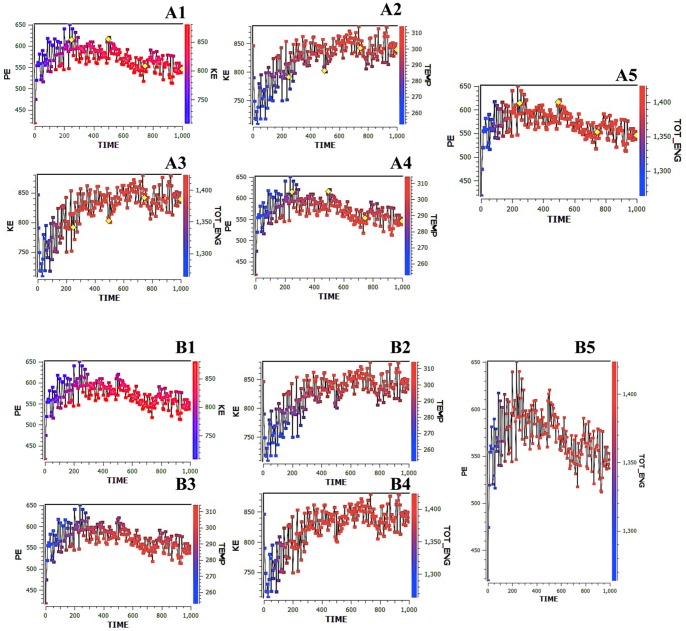
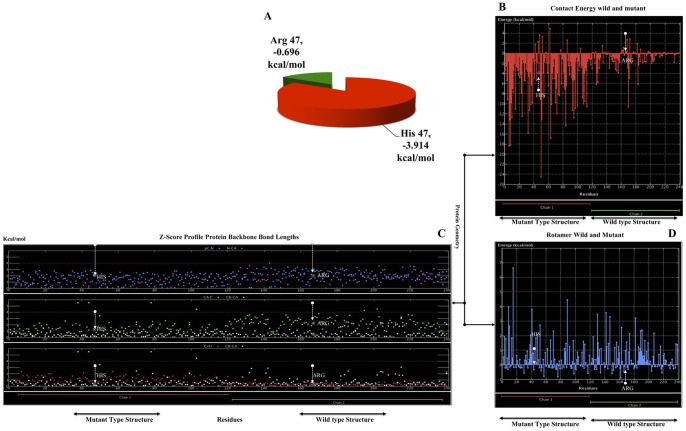
Alzheimer's disease is one of the main causes of dementia among elderly individuals and leads to the neurodegeneration of different areas of the brain, resulting in memory impairments and loss of cognitive functions. Recently, a rare variant that is associated with 3-fold higher risk of Alzheimer's disease onset has been found. The rare variant discovered is a missense mutation in the loop region of exon 2 of Trem2 (rs75932628-T, Arg47His). The aim of this study was to investigate the evidence for potential structural and functional significance of Trem2 gene variant (Arg47His) through molecular dynamics simulations. Our results showed the alteration caused due to the variant in TREM2 protein has significant effect on the ligand binding affinity as well as structural configuration. Based on molecular dynamics (MD) simulation under salvation, the results confirmed that native form of the variant (Arg47His) might be responsible for improved compactness, hence thereby improved protein folding. Protein simulation was carried out at different temperatures. At 300K, the deviation of the theoretical model of TREM2 protein increased from 2.0 Å at 10 ns. In contrast, the deviation of the Arg47His mutation was maintained at 1.2 Å until the end of the simulation (t = 10 ns), which indicated that Arg47His had reached its folded state. The mutant residue was a highly conserved region and was similar to "immunoglobulin V-set" and "immunoglobulin-like folds". Taken together, the result from this study provides a biophysical insight on how the studied variant could contribute to the genetic susceptibility to Alzheimer's disease.
Overview
The claims and statistics of this paper haven’t been checked yet.
Free: it reads the open-access text and checks the first 5 claims that cite a source we can check. Create a free account to check every claim.
Integrity signals
Registry
Cites
Statistics
Figures
Verification
Claims the paper makes
The claims and statistics of this paper haven’t been checked yet.
Free: it reads the open-access text and checks the first 5 claims that cite a source we can check. Create a free account to check every claim.
Claims other papers make about this one
Each is checked against this paper’s own text: does it say what the citing paper says it does?
The cited source says what the claim attributes to it.
In the citing paper
“Given that TREM2 mutations are associated with increased risk of AD in humans126,176,177, a protective role for this receptor appears to be the predominant biologic effect.”
From Microglial signatures and their role in health and disease (2018) · cites this paper as [176]
Self-check
Percentages, sums and reported differences re-computed from the paper’s own numbers.
The self-check needs the paper’s full text.
Citations
Cites
I-TASSER: a unified platform for automated protein structure and function prediction
Roy, A., Kucukural, A., & Zhang, Y. (2010) · Nature Protocols · doi:10.1038/nprot.2010.5 · Cited by 6,170
Stereochemistry of polypeptide chain configurations
Ramachandran, G. N., Ramakrishnan, C., & Sasisekharan, V. (1963) · Journal of Molecular Biology · doi:10.1016/s0022-2836(63)80023-6 · Cited by 3,554 · cited 1×
“We found greater than 90% of the residues in the most favored regions, which showed that the quality of the predicted structure was comparable to the template [18].”
TREM2 Variants in Alzheimer's Disease
Guerreiro, R., Wojtas, A., Bras, J., Carrasquillo, M., Rogaeva, E., Majounie, E., Cruchaga, C., Sassi, C., Kauwe, J. S. K., Younkin, S., et al. (2013) · New England Journal of Medicine · doi:10.1056/nejmoa1211851 · Cited by 3,020 · cited 10×
“Recently, Guerreiro et al. (2013) identified a causative Trem2 mutant allele in a study comprised of 1,092 patients with Alzheimer’s disease and 1,107 controls through Meta analyses.”
BackgroundMethodResultInfluentialVariant of TREM2 Associated with the Risk of Alzheimer's Disease
Jonsson, T., Stefansson, H., Steinberg, S., Jonsdottir, I., Jonsson, P. V., Snaedal, J., Bjornsson, S., Huttenlocher, J., Levey, A. I., Lah, J. J., et al. (2013) · New England Journal of Medicine · doi:10.1056/nejmoa1211103 · Cited by 2,558 · cited 6×
“Human TREM-2 cDNA encodes 230 amino acids, including an 18 amino acids signal sequence, a 156-extracellular domain (ECD) with one V-type Ig-like domain, a 21 amino acid transmembrane (TM) domain, and a 35 amino acid cytoplasmic tail [1].”
BackgroundInfluentialHyperthermophilic Enzymes: Sources, Uses, and Molecular Mechanisms for Thermostability
Vieille, C., & Zeikus, G. J. (2001) · Microbiology and Molecular Biology Reviews · doi:10.1128/mmbr.65.1.1-43.2001 · Cited by 2,123 · cited 1×
“The consensus method was used on an additional critical residue with a hot residue to increase the thermodynamic stability of TREM2, and this technique was simple in comparison to previously described strategies [19].”
MethodBouchon, A., Dietrich, J., & Colonna, M. (2000) · The Journal of Immunology · doi:10.4049/jimmunol.164.10.4991 · Cited by 1,284 · cited 1×
“In addition, the 33 amino acid transmembrane domain is followed by a 30 amino acid cytoplasmic domain [26].”
BackgroundLinding, R., Jensen, L. J., Diella, F., Bork, P., Gibson, T. J., & Russell, R. B. (2003) · Structure · doi:10.1016/j.str.2003.10.002 · Cited by 1,212 · cited 1×
“and disorder [5].”
Venselaar, H., te Beek, T. A., Kuipers, R. K., Hekkelman, M. L., & Vriend, G. (2010) · BMC Bioinformatics · doi:10.1186/1471-2105-11-548 · Cited by 1,162
SNAP: predict effect of non-synonymous polymorphisms on function
Bromberg, Y., & Rost, B. (2007) · Nucleic Acids Research · doi:10.1093/nar/gkm238 · Cited by 863 · cited 3×
“Additionally, we also compared the predictions of the functional effects that were determined by the Screening for Non-Acceptable Polymorphisms (SNAP) [8].”
MethodLong-timescale molecular dynamics simulations of protein structure and function
Klepeis, J. L., Lindorff-Larsen, K., Dror, R. O., & Shaw, D. E. (2009) · Current Opinion in Structural Biology · doi:10.1016/j.sbi.2009.03.004 · Cited by 750 · cited 1×
“During these simulations, proteins continuously fold and unfold and provide considerable insight into this process [20].”
Background
Cited by
Microglial signatures and their role in health and disease
Butovsky, O., & Weiner, H. L. (2018) · Nature Reviews Neuroscience · doi:10.1038/s41583-018-0057-5 · Cited by 1,046
Microglia in Neurological Diseases: A Road Map to Brain-Disease Dependent-Inflammatory Response
Bachiller, S., Jiménez-Ferrer, I., Paulus, A., Yang, Y., Swanberg, M., Deierborg, T., & Boza-Serrano, A. (2018) · Frontiers in Cellular Neuroscience · doi:10.3389/fncel.2018.00488 · Cited by 707
“, 2013; Abduljaleel et al., 2014; Ulrich et al., 2017). TREM2 encodes a type I transmembrane glycoprotein of 40 kDa, that contains an extracellular immunoglobulin domain (Raha-Chowdhury et al., 2018). This protein is expressed on myeloid cells such as tissue macrophages, dendritic cells and microglia (Hickman and El K…”
BackgroundResultInfluentialTREM2 in Neurodegenerative Diseases
Jay, T. R., von Saucken, V. E., & Landreth, G. E. (2017) · Molecular Neurodegeneration · doi:10.1186/s13024-017-0197-5 · Cited by 427
“The R47H variant has been predicted to impair protein stability [226], but transfected R47H-TREM2 constructs actually have an increased half-life relative to WT TREM2 and are resistant to proteasomal degradation in the endoplasmic reticulum (ER) [224].”
BackgroundRIPK1 mediates a disease-associated microglial response in Alzheimer’s disease
Ofengeim, D., Mazzitelli, S., Ito, Y., DeWitt, J. P., Mifflin, L., Zou, C., Das, S., Adiconis, X., Chen, H., Zhu, H., et al. (2017) · Proceedings of the National Academy of Sciences · doi:10.1073/pnas.1714175114 · Cited by 395
TREM2 protects against cerebral ischemia/reperfusion injury
Wu, R., Li, X., Xu, P., Huang, L., Cheng, J., Huang, X., Jiang, J., Wu, L.-J., & Tang, Y. (2017) · Molecular Brain · doi:10.1186/s13041-017-0296-9 · Cited by 153
“Loss of function of TREM2 may also contribute to the pathogenesis of Alzheimer’s disease, in which chronic inflammatory responses occur [23, 24].”
Polymeric Nanoparticles for Nasal Drug Delivery to the Brain: Relevance to Alzheimer's Disease
Rabiee, N., Ahmadi, S., Afshari, R., Khalaji, S., Rabiee, M., Bagherzadeh, M., Fatahi, Y., Dinarvand, R., Tahriri, M., Tayebi, L., et al. (2021) · Advanced Therapeutics · doi:10.1002/adtp.202000076 · Cited by 140
Md, S., Bhattamisra, S. K., Zeeshan, F., Shahzad, N., Mujtaba, M. A., Meka, V. S., Radhakrishnan, A. K., Kesharwani, P., Baboota, S., & Ali, J. (2017) · Journal of Drug Delivery Science and Technology · doi:10.1016/j.jddst.2017.09.022 · Cited by 148
Self-citationDrug development for alzheimer’s disease: Microglia induced neuroinflammation as a target
Dong, Y., Li, X., Cheng, J., & Hou, L. (2019) · International Journal of Molecular Sciences · doi:10.3390/ijms20030558 · Cited by 136
Götzl, J. K., Brendel, M., Werner, G., Parhizkar, S., Sebastian Monasor, L., Kleinberger, G., Colombo, A., Deussing, M., Wagner, M., Winkelmann, J., et al. (2019) · EMBO Molecular Medicine · doi:10.15252/emmm.201809711 · Cited by 118
“This becomes very apparent when one compares mRNA signatures of microglia isolated from various mouse models for neurodegeneration and compares them to controls (Abduljaleel et al, 2014; Butovsky et al, 2015; Holtman et al, 2015; Keren-Shaul et al, 2017; Krasemann et al, 2017).”
BackgroundMicroglia in Alzheimer’s disease: A target for immunotherapy
Wang, S., & Colonna, M. (2019) · Journal of Leukocyte Biology · doi:10.1002/jlb.mr0818-319r · Cited by 105
Roussos, P., Katsel, P., Fam, P., Tan, W., Purohit, D. P., & Haroutunian, V. (2015) · Alzheimer's & Dementia · doi:10.1016/j.jalz.2014.10.013 · Cited by 103
“The R47 H variant is located within the extracellular immunoglobulin-like domain and recent results support a significant effect on ligand binding affinity and the structural configuration of TREM2 [31], with possible subsequent signaling dysregulation.”
BackgroundCelarain, N., Sánchez-Ruiz de Gordoa, J., Zelaya, M. V., Roldán, M., Larumbe, R., Pulido, L., Echavarri, C., & Mendioroz, M. (2016) · Clinical Epigenetics · doi:10.1186/s13148-016-0202-9 · Cited by 98
“In the case of rs75932628-T variant, arginine to histidine substitution (R47H) may have a significant effect on the ligand binding affinity and reduce the phagocytic activity [9–12].”
BackgroundSharma, A., Kazim, S. F., Larson, C. S., Ramakrishnan, A., Gray, J. D., McEwen, B. S., Rosenberg, P. A., Shen, L., & Pereira, A. C. (2019) · Proceedings of the National Academy of Sciences · doi:10.1073/pnas.1903566116 · Cited by 92
The gut microbiome and Alzheimer’s disease: Complex and bidirectional interactions
Tarawneh, R. M., & Penhos, E. (2022) · Neuroscience & Biobehavioral Reviews · doi:10.1016/j.neubiorev.2022.104814 · Cited by 97
Zhan, L., Fan, L., Kodama, L., Sohn, P. D., Wong, M. Y., Mousa, G. A., Zhou, Y., Li, Y., & Gan, L. (2020) · eLife · doi:10.7554/elife.51796 · Cited by 86
The TREM2-DAP12 signaling pathway in Nasu–Hakola disease: a molecular genetics perspective
Humphrey, M. B., Xing, J., & Titus, A. (2015) · Research and Reports in Biochemistry · doi:10.2147/rrbc.s58057 · Cited by 77
TREM2 regulates innate immunity in Alzheimer’s disease
Li, J.-T., & Zhang, Y. (2018) · Journal of Neuroinflammation · doi:10.1186/s12974-018-1148-y · Cited by 76
“Meanwhile, the R47H variant has been presumed to destroy the stability of the TREM2 protein [39].”
BackgroundTREM2 alters the phagocytic, apoptotic and inflammatory response to Aβ42 in HMC3 cells
Akhter, R., Shao, Y., Formica, S., Khrestian, M., & Bekris, L. M. (2021) · Molecular Immunology · doi:10.1016/j.molimm.2020.12.035 · Cited by 68
Lue, L.-F., Schmitz, C., & Walker, D. G. (2015) · Neuroscience · doi:10.1016/j.neuroscience.2014.09.050 · Cited by 63
“…risk of Parkinson’s disease, frontotemporal dementia (FTD), and amyotrophic lateral sclerosis (Cuyvers et al., 2013; Giraldo et al., 2013; Jonsson et al., 2013; Guerreiro et al., 2013a,b,c; Abduljaleel et al., 2014; Cady et al., 2014; Jin et al., 2014; LeBer etal., 2014;Rayaprolu etal., 2013).”
Zhong, L., Jiang, X., Zhu, Z., Qin, H., Dinkins, M. B., Kong, J., Leanhart, S., Wang, R., Elsherbini, A. M., Bieberich, E., et al. (2018) · Glia · doi:10.1002/glia.23558 · Cited by 55
Mechanistic insights into the deleterious roles of Nasu-Hakola disease associated TREM2 variants
Dash, R., Choi, H. J., & Moon, I. S. (2020) · Scientific Reports · doi:10.1038/s41598-020-60561-x · Cited by 49
The Role of TREM2 in Alzheimer’s Disease and Other Neurological Disorders
Yaghmoor, F. (2014) · Journal of Alzheimer's Disease & Parkinsonism · doi:10.4172/2161-0460.1000160 · Cited by 47
“Molecular dynamics simulations have suggested that the R27H substitution could have significant effects on ligand binding affinity, as well as the structural configuration of TREM2 [56].”
BackgroundMicroglia in Alzheimer’s Disease: An Unprecedented Opportunity as Prospective Drug Target
Kulkarni, B., Martins, N. A., & Kumar, D. (2022) · Molecular Neurobiology · doi:10.1007/s12035-021-02661-x · Cited by 39
Bhattacharjee, S., Zhao, Y., & Lukiw, W. J. (2014) · Frontiers in Aging Neuroscience · doi:10.3389/fnagi.2014.00116 · Cited by 34
“Conversely, acute brain injury-induced increases in TREM2 expression in microglia suggests that TREM2 may contribute to neurotrophic roles after brain ischemia and this may impart a long term neurological benefit in functional recovery (Kawabori et al., 2013; Abduljaleel et al., 2014).”
BackgroundTREM2 and Microglia Contribute to the Synaptic Plasticity: from Physiology to Pathology
Yu, C.-J., Wang, M., Ruiyang, L., Wei, T., Yang, H.-C., Yin, Y., Mi, Y., Qin, Q., & Tang, Y. (2022) · Molecular Neurobiology · doi:10.1007/s12035-022-03100-1 · Cited by 36
“genome-wide association study (GWAS) revealed that mutational TREM2 can increase the risk of AD [96, 97].”
BackgroundContributions of triggering-receptor-expressed-on-myeloid-cells-2 to neurological diseases
Han, J., Wang, M., Ren, M., & Lou, H. (2017) · International Journal of Neuroscience · doi:10.1080/00207454.2016.1264072 · Cited by 30
Huang, M., Wang, D., Xu, Z., Xu, Y., Xu, X., Ma, Y., & Xia, Z. (2015) · American Journal of Alzheimer's Disease & Other Dementias® · doi:10.1177/1533317515577128 · Cited by 25
Role of the Retromer Complex in Neurodegenerative Diseases
Li, C., Shah, S. Z. A., Zhao, D., & Yang, L. (2016) · Frontiers in Aging Neuroscience · doi:10.3389/fnagi.2016.00042 · Cited by 22
“Retromer is critically involved in recycling phagocytosis receptors, including CD36, Trem2, and CED-1, to the PM for reuse; such recycling is vital for the clearance of misfolded proteins and cellular debris (Chen et al., 2010; Lucin et al., 2013; Abduljaleel et al., 2014).”
BackgroundCurrent understanding on TREM-2 molecular biology and physiopathological functions
Bharadwaj, S., Groza, Y., Mierzwicka, J. M., & Malý, P. (2024) · International Immunopharmacology · doi:10.1016/j.intimp.2024.112042 · Cited by 25
Wang, D., Liu, J., Zhu, Q., Wei, X., Zhang, X., Chen, Q., Zhao, Y., Tang, H., & Xu, W. (2024) · Nutrients · doi:10.3390/nu16203558 · Cited by 19
“Rare mutations in the TREM2 gene elevate the risk of late-onset AD by approximately threefold, making it one of the most highly known risk genes for AD [15].”
BackgroundToomey, C. E., Heywood, W., Benson, B. C., Packham, G., Mills, K. A., & Lashley, T. (2020) · Brain Pathology · doi:10.1111/bpa.12842 · Cited by 18
“However, the TREM2 R47H variant has been shown to have reduced ligand binding, including lipoproteins (1).”
BackgroundDurai, P., Beeraka, N. M., Vikram, P. R. H., Krishnan, P., Gudur, P., Raghavendra, N. M., & Ravanappa, P. K. B. (2021) · Current Neuropharmacology · doi:10.2174/1570159x19666211109141330 · Cited by 21
“Mutation in the gene encoding for triggering receptor expressed on myeloid cells 2 (TREM2) could invoke the risk of AD development [32-36].”
Microglial Modulation in Alzheimer’s Disease: Central Players in Neuroinflammation and Pathogenesis
Hussain, M. S., Khan, Y., Fatima, R., Maqbool, M., Ramalingam, P. S., Khan, M. G., & Bisht, A. S. (2025) · Current Alzheimer Research · doi:10.2174/0115672050364292250113063513 · Cited by 18
Chen, X., Chen, Y., Wei, Q., Guo, X., Cao, B., Ru⁃wei, O., Zhao, B., & Shang, H. (2015) · Journal of the Neurological Sciences · doi:10.1016/j.jns.2015.05.010 · Cited by 15
“R47H) as a risk factor for AD, suggesting that the protein plays an important role in neurodegeneration [6,19,20].”
BackgroundNovel insights into the role of TREM2 in cerebrovascular diseases
Awuah, W. A., Ben-Jaafar, A., Kong, J. S. H., Sanker, V., Shah, M. H., Poornaselvan, J., Frimpong, M., Imran, S., Alocious, T., Abdul-Rahman, T., et al. (2024) · Brain Research · doi:10.1016/j.brainres.2024.149245 · Cited by 12
“The R47H variant is shown to be associated with reduced protein stability (Abduljaleel et al., 2014; Kober et al., 2016).”
Schwarz, H., Bässler, S., Balta, D., Socher, E., Zunke, F., & Arnold, P. (2022) · Behavioural Brain Research · doi:10.1016/j.bbr.2022.113977 · Cited by 8
Deciphering the Link Between ERUPR Signaling and MicroRNA in Pathogenesis of Alzheimer’s Disease
Yasmeen, N., Datta, M., Kumar, V., Alshehri, F. S., Almalki, A. H., & Haque, S. (2022) · Frontiers in Aging Neuroscience · doi:10.3389/fnagi.2022.880167 · Cited by 8
From the nose to the brain, nanomedicine drug delivery
Zeeshan, F., Mishra, D. K., & Kesharwani, P. (2020) · Elsevier eBooks · doi:10.1016/b978-0-12-820466-5.00008-9 · Cited by 8
Menzies, G. E., Sims, R., & Williams, J. H. (2019) · bioRxiv (Cold Spring Harbor Laboratory) · doi:10.1101/536540 · Cited by 9
Study on pyroptosis-related genes Casp8, Gsdmd and Trem2 in mice with cerebral infarction
Liang, S., Xu, L., Xin, X., Zhang, R., & Wu, Y. (2024) · PeerJ · doi:10.7717/peerj.16818 · Cited by 6
“Loss of Trem2 function triggers a chronic inflammatory response that exacerbates Alzheimer’s disease ( Abduljaleel et al., 2014 ).”
Ruiz-De-La-Cruz, G., Sifuentes‐Rincón, A. M., Sánchez, F. A. P., Parra‐Bracamonte, G. M., Casas, E., Riley, D. G., Perry, G. A., Welsh, T. H., & Randel, R. D. (2024) · Molecular Biology Reports · doi:10.1007/s11033-024-09264-4 · Cited by 4
“Abduljaleel et al. [25] report that changes in the loop structure of a protein affect the energy stability of residues and have an importance for interaction with other proteins.”
BackgroundThe role of membrane trafficking and retromer complex in Parkinson's and Alzheimer's disease
Abdul‐Rahman, T., Ghosh, S., Kalmanovich, J. B., Awuah, W. A., Zivcevska, M., Khalifa, S., Bassey, E. E., Ali, N. A., Ferreira, M. M. D. S., Umar, T. P., et al. (2023) · Journal of Neuroscience Research · doi:10.1002/jnr.25261 · Cited by 4
“In recycling phagocytosis re - ceptors, such as CD36, Trem2, and CED-1, to the plasma membrane for reuse, retromer plays an essential role crucial for the clearance of misfolded proteins and cellular debris (Abduljaleel et al., 2014; Lucin et al., 2013 ).”
BackgroundThe flexible stalk domain of sTREM2 modulates its interactions with brain-based phospholipidsPreprint
Saeb, D., Lietzke, E. E., Fuchs, D. I., Aldrich, E. C., Bruce, K. D., & Sprenger, K. G. (2025) · eLife · doi:10.7554/elife.102269 · Cited by 7
Omics-driven strategies for identifying biomarkers in Alzheimer’s disease
Khan, Y., Rekha, A., Ballal, S., Maharana, L., Maqbool, M., Goyal, K., Mishra, R., Uniyal, P., Alam, P., Aljarba, T. M., et al. (2026) · Metabolic Brain Disease · doi:10.1007/s11011-026-01873-1 · Cited by 4
“…identified new potentially dangerous genes with low-frequency variations, including TREM2 (triggering receptor expressed on myeloid cells), ADAM10 (causing impaired α-secretase action), phospho - lipase D3 (PLD3), UNC5C, and AKAP9 (Kim et al. 2009; Abduljaleel et al. 2014; Cruchaga et al. 2014).”
The flexible stalk domain of sTREM2 modulates its interactions with brain-based phospholipids
(2025) · doi:10.7554/elife.102269.3 · Cited by 2
“Mutations in TREM2 correlate with altered risks of developing AD, with the R47H mutation, found on Surface 1, standing out as a significant genetic risk factor 14–16 .”
Alzheimer's disease in the Kingdom of Saudi Arabia: Current perspectives and genetic insights
Alharbi, A. A., Alatwi, H. E., Albulaihe, H. M., & Algarzae, N. K. (2025) · Journal of Alzheimer s Disease · doi:10.1177/13872877251316122 · Cited by 2
“33 However, studies on this variant on the Saudi or even Arab population are lacking, suggesting a further gap area as there is a possible variation due to the population-speci fi c effect.”
Lietzke, E. E., Saeb, D., Aldrich, E. C., de Menezes, R. F., Bruce, K. D., & Sprenger, K. G. (2026) · Progress in Biophysics and Molecular Biology · doi:10.1016/j.pbiomolbio.2026.06.002 · Cited by 1
Ikezu, T. (2016) · Springer eBooks · doi:10.1007/978-3-319-44022-4_16 · Cited by 1
Ikezu, T. (2016) · Springer eBooks · doi:10.1007/978-3-319-44022-4_30 · Cited by 2
The flexible stalk domain of sTREM2 modulates its interactions with phospholipids in the brainPreprint
Saeb, D., Lietzke, E. E., Fuchs, D. I., Aldrich, E. C., Bruce, K. D., & Sprenger, K. G. (2024) · eLife · doi:10.7554/elife.102269.1 · Cited by 1
Menzies, G. E., Sims, R., & Williams, J. H. (2019) · Research Square · doi:10.21203/rs.2.15314/v2
Menzies, G. E., Sims, R., & Williams, J. H. (2019) · Research Square · doi:10.21203/rs.2.15314/v1
Ikezu, T. (2024) · Springer eBooks · doi:10.1007/978-3-031-68237-7_22
The flexible stalk domain of sTREM2 modulates its interactions with brain-based phospholipidsPreprint
Saeb, D., Lietzke, E. E., Fuchs, D. I., Aldrich, E. C., Bruce, K. D., & Sprenger, K. G. (2025) · eLife · doi:10.7554/elife.102269.2
Metadata
- Authors
- Abduljaleel, Z., Al-Allaf, F. A., Khan, W., Athar, M., Shahzad, N., Taher, M. M., Elrobh, M., Alanazi, M. S., & El-Huneidi, W.
- Affiliations
- Umm al-Qura University (SA)
- King Saud bin Abdulaziz University for Health Sciences (SA)
- King Saud University (SA)
- Corresponding author
- Abduljaleel, Zainularifeen
- Venue
- PLoS ONE
- Publisher
- Public Library of Science (PLoS)
- Published
- 2014-03-24
- Volume
- 9
- Issue
- 3
- Pages
- e92648
- ISSN
- 1932-6203 (ISSN-L)
- PMC
- PMC3963925
- OpenAlex
- W2036603197
- Cited by
- 54
- References
- 26
- Citations by year
- 2026: 2 · 2025: 4 · 2024: 8 · 2023: 1 · 2022: 5 · 2021: 2 · 2020: 5 · 2019: 7 · 2018: 4 · 2017: 4 · 2016: 5 · 2015: 3 · 2014: 4
- FWCI
- 3.51
- Type
- journal article
- Language
- en
- Open access
- gold
- doi.org
- Locations
- PLoS ONE (publishedVersion, cc-by)
- Europe PMC (PubMed Central) (publishedVersion, other-oa)
- PubMed Central (publishedVersion, cc-by)
- PubMed (publishedVersion)
- DOAJ (DOAJ: Directory of Open Access Journals) (submittedVersion, cc-by-sa)
- Funders
- King Saud University (RGP-VPP-200)
- Topics
- Life Sciences › Neuroscience › Cellular and Molecular Neuroscience › Alzheimer's disease research and treatments
- Life Sciences › Biochemistry, Genetics and Molecular Biology › Molecular Biology › Protein Structure and Dynamics
- Life Sciences › Neuroscience › Neurology › Neuroinflammation and Neurodegeneration Mechanisms
- Keywords
- Alzheimer's disease, TREM2, missense mutations, genetic susceptibility, protein folding, ligand binding affinity, immunoglobulin-like fold, molecular dynamics simulation, temperature effects on protein structure
- MeSH terms
- Alzheimer Disease, Amino Acid Sequence, Humans, Membrane Glycoproteins, Molecular Sequence Data, Phenotype, Receptors, Immunologic, Solvents, Thermodynamics, Point Mutation, Protein Structure, Tertiary, Computational Biology, Amino Acid Substitution, Genetic Predisposition to Disease, Mutation, Missense, Polymorphism, Single Nucleotide, Protein Stability, Molecular Dynamics Simulation
About these checks
Registry, retraction, Cites and statistics results are computed, not judged, with one exception: a printed reference that no index lists is read once by a model before it counts as a citation error. Claims are extracted by a model and kept only when their quote appears verbatim in the text; each cited source is then checked, with a model’s help, for whether it says what the claim relies on. Those verdicts can be wrong — read the claim’s quote and the cited source before relying on one.
Statistics and arithmetic are recomputed, not judged.
Confidence bands are shown only for fields calibrated on our annotated test set. None is calibrated yet, so no band is shown.
What counts as a claim ›How we measure confidence ›How we check this ›
Are you an author, or do you see a problem with this page? Request a review
Data sources
Bibliographic data: Semantic Scholar, OpenAlex, Crossref.
Contains information from the Semantic Scholar Academic Graph Datasets, made available under the ODC Attribution License (ODC-BY 1.0).
Semantic Scholar’s data is described in: Kinney, R., et al. (2023). The Semantic Scholar Open Data Platform. arXiv:2301.10140.
