

A Meta-Analysis of Red Yeast Rice: An Effective and Relatively Safe Alternative Approach for Dyslipidemia
Open accessThe DOI matches its Crossref record; 39 of the 40 references it cites were found in a registry or an index.
Abstract
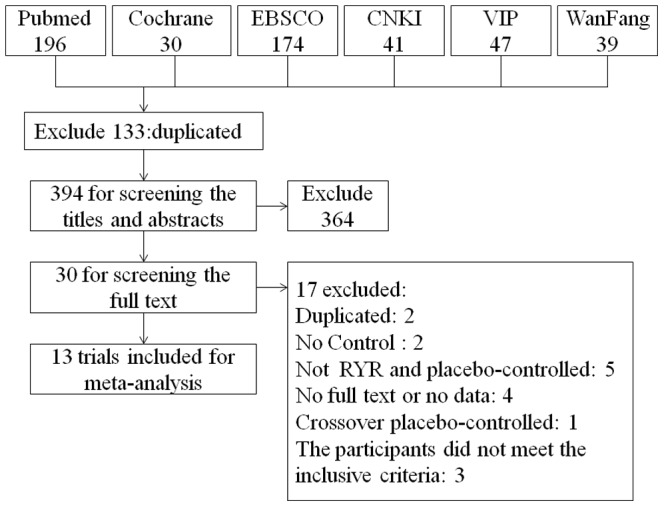
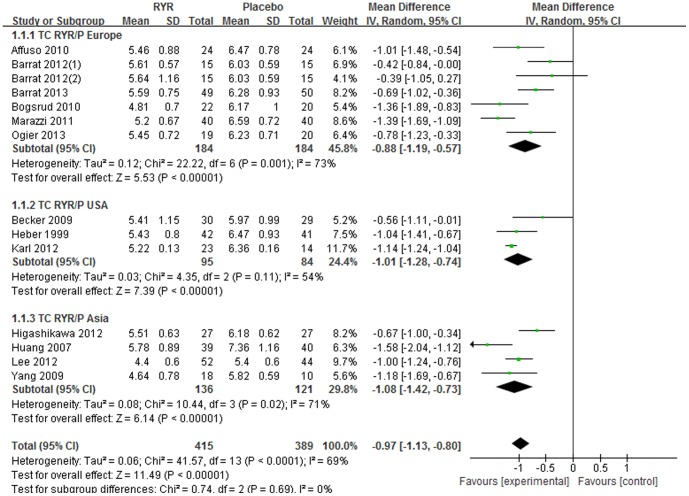
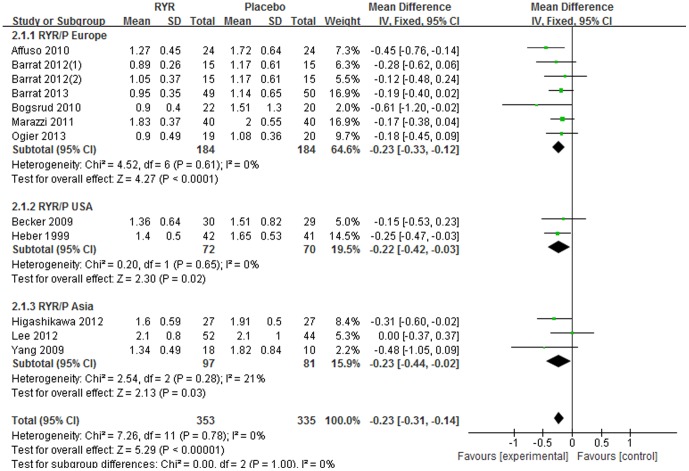
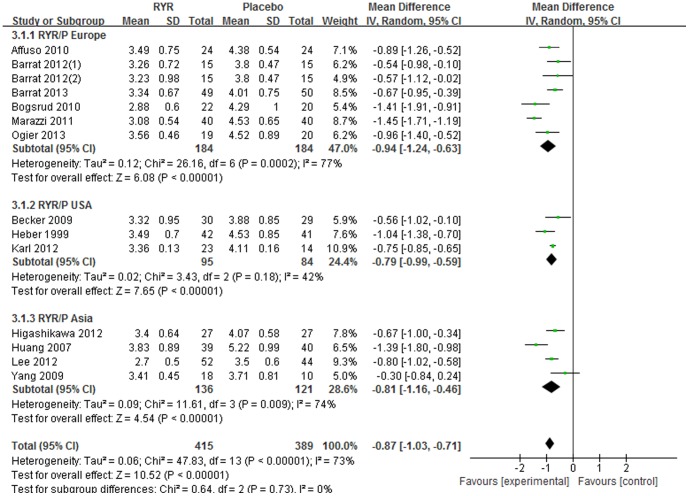
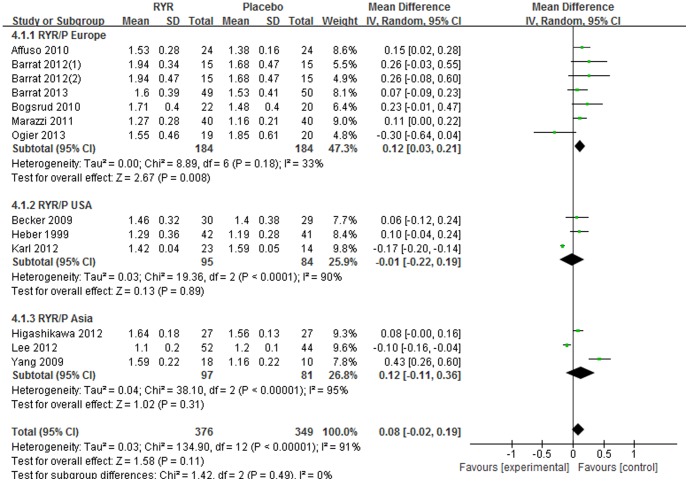
OBJECTIVE: To explore whether red yeast rice is a safe and effective alternative approach for dyslipidemia. METHODS: Pubmed, the Cochrane Library, EBSCO host, Chinese VIP Information (VIP), China National Knowledge Infrastructure (CNKI), Wanfang Databases were searched for appropriate articles. Randomized trials of RYR (not including Xuezhikang and Zhibituo) and placebo as control in patients with dyslipidemia were considered. Two authors read all papers and independently extracted all relevant information. The primary outcomes were serum total cholesterol (TC), low-density lipoprotein cholesterol (LDL-C), triglyceride (TG), and high-density lipoprotein cholesterol (HDL-C). The secondary outcomes were increased levels of alanine transaminase, aspartate aminotransferase, creatine kinase, creatinine and fasting blood glucose. RESULTS: A total of 13 randomized, placebo-controlled trials containing 804 participants were analyzed. Red yeast rice exhibited significant lowering effects on serum TC [WMD = -0.97 (95% CI: -1.13, -0.80) mmol/L, P<0.001], TG [WMD = -0.23 (95% CI: -0.31, -0.14) mmol/L, P<0.001], and LDL-C [WMD = -0.87 (95% CI: -1.03, -0.71) mmol/L, P<0.001] but no significant increasing effect on HDL-C [WMD = 0.08 (95% CI: -0.02, 0.19) mmol/L, P = 0.11] compared with placebo. No serious side effects were reported in all trials. CONCLUSIONS: The meta-analysis suggests that red yeast rice is an effective and relatively safe approach for dyslipidemia. However, further long-term, rigorously designed randomized controlled trials are still warranted before red yeast rice could be recommended to patients with dyslipidemia, especially as an alternative to statins.
Overview
The claims and statistics of this paper haven’t been checked yet.
Free: it reads the open-access text and checks the first 5 claims that cite a source we can check. Create a free account to check every claim.
Integrity signals
Registry
Cites
Statistics
Figures
Verification
Claims the paper makes
The claims and statistics of this paper haven’t been checked yet.
Free: it reads the open-access text and checks the first 5 claims that cite a source we can check. Create a free account to check every claim.
Claims other papers make about this one
Each is checked against this paper’s own text: does it say what the citing paper says it does?
In the citing paper
“A clinically relevant hypocholesterolaemic effect (up to a 20% reduction) is observed with RYR preparations providing a daily dose of ≏ 2.5-10 mg monacolin K. 146”
From 2016 ESC/EAS Guidelines for the Management of Dyslipidaemias (2016) · cites this paper as [146]
In the citing paper
“RYR has a mechanism of action similar to that of statins [21][22][23][24]”
In the citing paper
“Most of the other studies with RYR have been small but have consistently demonstrated its LDL-C-lowering efficacy [21].”
In the citing paper
“A clinically relevant hypocholesterolaemic effect (up to a 20% reduction) is observed with RYR preparations providing a daily dose of ~2.5e10 mg monacolin K. 146”
From 2016 ESC/EAS Guidelines for the Management of Dyslipidaemias (2016) · cites this paper as [146]
Self-check
Percentages, sums and reported differences re-computed from the paper’s own numbers.
The self-check needs the paper’s full text.
Citations
Cites
Preferred reporting items for systematic reviews and meta-analyses: the PRISMA Statement.
(2009) · PubMed Central · Cited by 44,859
Preferred reporting items for systematic reviews and meta-analyses: The PRISMA statement
Moher, D., Liberati, A., Tetzlaff, J., Altman, D. G., & the PRISMA Group* (2009) · Annals of Internal Medicine · doi:10.7326/0003-4819-151-4-200908180-00135 · Cited by 37,554
Collaborators, C. T. T. (. (2012) · The Lancet · doi:10.1016/s0140-6736(12)60367-5 · Cited by 2,833
Statins for the primary prevention of cardiovascular disease
Taylor, F., Huffman, M. D., Macedo, A. F., Moore, T. H., Burke, M., Davey Smith, G., Ward, K., Ebrahim, S., & Gay, H. C. (2013) · Cochrane Database of Systematic Reviews · doi:10.1002/14651858.cd004816.pub5 · Cited by 1,934
Smith, S. C., Benjamin, E. J., Bonow, R. O., Braun, L. T., Creager, M. A., Franklin, B. A., Gibbons, R. J., Grundy, S. M., Hiratzka, L. F., Jones, D. W., et al. (2011) · Circulation · doi:10.1161/cir.0b013e318235eb4d · Cited by 1,759
The safety of statins in clinical practice
Armitage, J. (2007) · The Lancet · doi:10.1016/s0140-6736(07)60716-8 · Cited by 833 · cited 1×
“However, recently much debate has focused on the side effects of statins including myalgias and muscle weakness, reduced energy, increased fatigue, liver enzyme elevations, worsening hyperglycemia and risk of incident diabetes[6–8].”
BackgroundFarzadfar, F., Finucane, M. M., Danaei, G., Pelizzari, P. M., Cowan, M. J., Paciorek, C. J., Singh, G. M., Lin, J. K., Stevens, G. A., Riley, L. M., et al. (2011) · The Lancet · doi:10.1016/s0140-6736(10)62038-7 · Cited by 513
Cholesterol-lowering effects of a proprietary Chinese red-yeast-rice dietary supplement
Heber, D., Yip, I., Ashley, J. M., Elashoff, D. A., Elashoff, R. M., & Go, V. L. W. (1999) · The American Journal of Clinical Nutrition · doi:10.1093/ajcn/69.2.231 · Cited by 499
Statins for the primary prevention of cardiovascular disease
Ebrahim, S., Taylor, F. C., & Brindle, P. (2014) · BMJ · doi:10.1136/bmj.g280 · Cited by 333
Red Yeast Rice for Dyslipidemia in Statin-Intolerant Patients: A Randomized Trial
Becker, D. J., Gordon, R. Y., Halbert, S. C., French, B., Morris, P. B., & Rader, D. J. (2009) · Annals of Internal Medicine · doi:10.7326/0003-4819-150-12-200906160-00006 · Cited by 275
Research works printed but not linked: 2
- Erdogrul O, Azirak S (2005) A review on the red yeast rice (Monascus purpureus). KSU Journal of Science and Engineering 8: 10– 15.
- Lu JH, Bonovich K, Colfer H, Davidson M, Dujovne CA, et al (2013) Clinical study on cholesterol-lowering effect of RYR Cholestin among Americans with moderate hy-percholesterolemia. Shanghai Journal of Preventive Medicine 25: 501– 506.
Cited by
Mach, F., Baigent, C., Catapano, A. L., Koskinas, K. C., Casula, M., Badimon, L., Chapman, M. J., De Backer, G. G., Delgado, V., Ference, B. A., et al. (2020) · European Heart Journal · doi:10.1093/eurheartj/ehz455 · Cited by 8,961
Mach, F., Baigent, C., Catapano, A. L., Koskinas, K. C., Casula, M., Badimon, L., Chapman, M. J., De Backer, G. G., Delgado, V., Ference, B. A., et al. (2019) · Atherosclerosis · doi:10.1016/j.atherosclerosis.2019.08.014 · Cited by 4,854
“[once daily (omni die)] dose of 5 10 mg monacolin K.(145) Nutraceuticals containing purified RYR may be considered in people with elevated 26 ESC/EAS Guidelines”
2016 ESC/EAS Guidelines for the Management of Dyslipidaemias
Catapano, A. L., Graham, I., De Backer, G., Wiklund, O., Chapman, M. J., Drexel, H., Hoes, A. W., Jennings, C. S., Landmesser, U., Pedersen, T. R., et al. (2016) · European Heart Journal · doi:10.1093/eurheartj/ehw272 · Cited by 3,162
2016 ESC/EAS Guidelines for the Management of Dyslipidaemias
Catapano, A. L., Graham, I., De Backer, G., Wiklund, O., Chapman, M. J., Drexel, H., Hoes, A. W., Jennings, C. S., Landmesser, U., Pedersen, T. R., et al. (2016) · Atherosclerosis · doi:10.1016/j.atherosclerosis.2016.08.018 · Cited by 1,582
“5–10 mg monacolin K.(146) Nutraceuticals containing purified RYR may be considered in people with elevated plasma cholesterol concentrations who do not qualify for treatment with statins in view of their global CV risk.”
BackgroundStroes, E. S., Thompson, P. D., Corsini, A., Vladutiu, G. D., Raal, F. J., Ray, K. K., Roden, M., Stein, E., Tokgözoğlu, L., Nordestgaard, B. G., et al. (2015) · European Heart Journal · doi:10.1093/eurheartj/ehv043 · Cited by 1,443
Disorders of lipid metabolism. Clinical Guidelines 2023
Ezhov, M. V., Kukharchuk, V. V., Sergienko, I. V., Alieva, A. S., Antsiferov, M. B., Ansheles, A. A., Arabidze, G. G., Aronov, D. M., Arutyunov, G. P., Akhmedzhanov, N. M., et al. (2023) · Russian Journal of Cardiology · doi:10.15829/1560-4071-2023-5471 · Cited by 219
Gerards, M. C., Terlou, R. J., Yu, H., Koks, C. H. W., & Gerdes, V. E. A. (2015) · Atherosclerosis · doi:10.1016/j.atherosclerosis.2015.04.004 · Cited by 169
Lipid-modifying effects of nutraceuticals: An evidence-based approach
Sahebkar, A., Serban, M.-C., Gluba-Brzózka, A., Mikhailidis, D. P., Cicero, A. F., Rysz, J., & Banach, M. (2016) · Nutrition · doi:10.1016/j.nut.2016.04.007 · Cited by 157
Poli, A., Barbagallo, C. M., Cicero, A. F. G., Corsini, A., Manzato, E., Trimarco, B., Bernini, F., Visioli, F., Bianchi, A., Canzone, G., et al. (2018) · Pharmacological Research · doi:10.1016/j.phrs.2018.05.015 · Cited by 134
Scientific opinion on the safety of monacolins in red yeast rice
(ANS), E. P. O. F. A. A. N. S. A. T. F., Younes, M., Aggett, P. J., Aguilar, F., Crebelli, R., Dusemund, B., Filipič, M., Fernández, M. J. F., Galtier, P., Gott, D. M., et al. (2018) · EFSA Journal · doi:10.2903/j.efsa.2018.5368 · Cited by 148
“In 2014, Li and co-workers published a meta-analysis collecting clinical data on the effects and safety of RYR (Li et al., 2014).”
BackgroundNatural Bioactive Compounds Useful in Clinical Management of Metabolic Syndrome
Noce, A., Lauro, M. D., Daniele, F. D., Zaitseva, A. P., Marrone, G., Borboni, P., & Daniele, N. D. (2021) · Nutrients · doi:10.3390/nu13020630 · Cited by 126
“Red yeast rice is also rich in pigments, organic acids, flavonoids, and natural phytosterols that contribute to the lipid-lowering action [251,252], namely reducing total cholesterol, LDLC and TG.”
BackgroundPirro, M., Mannarino, M. R., Bianconi, V., Simental‐Mendía, L. E., Bagaglia, F., Mannarino, E., & Sahebkar, A. (2016) · Pharmacological Research · doi:10.1016/j.phrs.2016.04.021 · Cited by 108
Johnston, T. P., Короленко, Т. А., Pirro, M., & Sahebkar, A. (2017) · Pharmacological Research · doi:10.1016/j.phrs.2017.04.008 · Cited by 116
Pirro, M., Vetrani, C., Bianchi, C., Mannarino, M. R., Bernini, F., & Rivellese, A. A. (2017) · Nutrition, Metabolism and Cardiovascular Diseases · doi:10.1016/j.numecd.2016.11.122 · Cited by 99
Barrios, V., Escobar, C., Cicero, A. F. G., Burke, D., Fasching, P., Banach, M., & Bruckert, E. (2017) · Atherosclerosis Supplements · doi:10.1016/j.atherosclerosissup.2016.10.003 · Cited by 96
“A meta-analysis [15] of 13 randomized, placebocontrolled clinical trials including a total of 804 dyslipidemic subjects consuming red yeast rice for periods ranging from 4 weeks to 12 months revealed significant weighted mean improvements in the lipid profile as compared to placebo (TC 0.”
Red Yeast Rice for the Treatment of Dyslipidemia
Burke, F. M. (2015) · Current Atherosclerosis Reports · doi:10.1007/s11883-015-0495-8 · Cited by 85
Mollazadeh, H., Mahdian, D., & Hosseinzadeh, H. (2018) · Phytomedicine · doi:10.1016/j.phymed.2018.09.024 · Cited by 68
Nguyen, P. A. T., Karl, M., & Santini, A. (2017) · Foods · doi:10.3390/foods6030019 · Cited by 73
“Nonetheless, the clinical studies that showed the effectiveness of RYR in dyslipidemia also demonstrated that it is a relatively safe product [7,18].”
BackgroundFuture perspectives of the pharmacological management of diabetic dyslipidemia
Patti, A. M., Giglio, R. V., Παπάνας, Ν., Rizzo, M., & Rizvi, A. A. (2019) · Expert Review of Clinical Pharmacology · doi:10.1080/17512433.2019.1567328 · Cited by 58
“5–10 mg monacolin K may promote a 20% reduction in LDL cholesterol [126].”
BackgroundVerhoeven, V., der Auwera, A. V., Gaal, L. V., Remmen, R., Apers, S., Stalpaert, M., Wens, J., & Hermans, N. (2015) · BMC Complementary and Alternative Medicine · doi:10.1186/s12906-015-0576-9 · Cited by 65
“Other RYR studies in the general population (not in metabolic syndrome) showed no increase in fasting glucose [38].”
BackgroundBanach, M., Catapano, A. L., Cicero, A. F. G., Escobar, C., Föger, B., Katsiki, N., Latkovskis, G., Rakowski, M., Reiner, Ž., Sahebkar, A., et al. (2022) · Pharmacological Research · doi:10.1016/j.phrs.2022.106370 · Cited by 58
“The results of such studies have been summarised in several meta-analyses [18,21, 22].”
BackgroundInfluentialExpert opinion: the therapeutic challenges faced by statin intolerance
Patel, J., Martin, S. S., & Banach, M. (2016) · Expert Opinion on Pharmacotherapy · doi:10.1080/14656566.2016.1197202 · Cited by 49
Heshmati, J., Sepidarkish, M., Namazi, N., Shokri, F., Yavari, M., Fazelian, S., Khorshidi, M., & Shidfar, F. (2018) · Journal of Dietary Supplements · doi:10.1080/19390211.2018.1440685 · Cited by 48
“The roles of several herbal and dietary supplements in lipid disorders have been studied (Li et al., 2014; Sahebkar, 2013; Chen et al., 2016; Mohammadi et al., 2013; Thaipitakwong and Aramwit, 2016).”
BackgroundDrapkina, O. M., Karamnova, N. S., Васильевна, К. А., Gornyi, B., Дадаева, В. А., Drozdova, L. Y., Yeganyan, R. A., Олеговна, Е. С., Izmailova, O. V., Lavrenova, Е. A., et al. (2021) · CARDIOVASCULAR THERAPY AND PREVENTION · doi:10.15829/1728-8800-2021-2952 · Cited by 64
New treatment options for lipid-lowering therapy in subjects with type 2 diabetes
Scicali, R., Pino, A. D., Ferrara, V., Urbano, F., Piro, S., Rabuazzo, A. M., & Purrello, F. (2017) · Acta Diabetologica · doi:10.1007/s00592-017-1089-4 · Cited by 47
“5–10 mg monacolin K may promote a 20% reduction in LDL cholesterol [61].”
BackgroundKukharchuk, V. V., Владиславович, Е. М., Викторович, С. И., Arabidze, G. G., Балахонова, Т. В., Gurevich, V. S., Zelveyan, P. A., Murataliev, T. M., Myrzakhmetova, G., Александровна, С. О., et al. (2020) · Eurasian heart journal · doi:10.38109/2225-1685-2020-2-6-29 · Cited by 52
2016 ESC/EAS Guidelines for the Management of Dyslipidaemias
Catapano, A. L., Graham, I. M., Backer, G. D., Wiklund, O., Chapman, M. J., Drexel, H., Hoes, A. W., Jennings, C. S., Landmesser, U., Pedersen, T. R., et al. (2016) · Kardiologia Polska · doi:10.5603/kp.2016.0157 · Cited by 65
Natural compounds as anti-atherogenic agents: Clinical evidence for improved cardiovascular outcomes
Penson, P. E., & Banach, M. (2020) · Atherosclerosis · doi:10.1016/j.atherosclerosis.2020.11.015 · Cited by 44
Documento de recomendaciones de la SEA 2018. El estilo de vida en la prevención cardiovascular
Pérez‐Jiménez, F., Pascual, V., Meco, J. F., Pérez‐Martínez, P., Delgado‐Lista, J., Doménech, M., Estruch, R., Leon‐Acuña, A., López‐Miranda, J., Sánchez-Ramos, A., et al. (2018) · Clínica e Investigación en Arteriosclerosis · doi:10.1016/j.arteri.2018.06.005 · Cited by 74
Mini-review: medication safety of red yeast rice products
Farkouh, A., & Baumgärtel, C. (2019) · International Journal of General Medicine · doi:10.2147/ijgm.s202446 · Cited by 47
Cholesterol-Lowering Nutraceuticals Affecting Vascular Function and Cardiovascular Disease Risk
Bianconi, V., Mannarino, M. R., Sahebkar, A., Cosentino, T., & Pirro, M. (2018) · Current Cardiology Reports · doi:10.1007/s11886-018-0994-7 · Cited by 42
The Role of Functional Foods and Nutraceuticals in Disease Prevention and Health Promotion
Sharma, M., Vidhya, C. S., Ojha, K., Yashwanth, B. S., Singh, B., Gupta, S., & Pandey, S. K. (2024) · European Journal of Nutrition & Food Safety · doi:10.9734/ejnfs/2024/v16i21388 · Cited by 76
Xiong, X., Wang, P., Li, X., Zhang, Y., & Li, S. (2015) · Critical Reviews in Food Science and Nutrition · doi:10.1080/10408398.2015.1018987 · Cited by 52
“RYR, a dietary supplement and herbal medicine considered to be a safe treatment alternative to statins in China for centuries (Li et al., 2014), has been gradually recognized as an emerging complementary therapy in the management of hypertension (Feng et al., 2012).”
BackgroundResultInfluentialSystematic review of red yeast rice compared with simvastatin in dyslipidaemia
Ong, Y. C., & Aziz, Z. (2016) · Journal of Clinical Pharmacy and Therapeutics · doi:10.1111/jcpt.12374 · Cited by 44
Statin Intolerance: Diagnosis and Remedies
Pirillo, A., & Catapano, A. L. (2015) · Current Cardiology Reports · doi:10.1007/s11886-015-0582-z · Cited by 41
Derosa, G., Catena, G., Raddino, R., Gaudio, G. V., Maggi, A., D’Angelo, A., & Maffioli, P. (2018) · Phytomedicine · doi:10.1016/j.phymed.2018.01.014 · Cited by 34
Pharmacology of Nutraceuticals with Lipid Lowering Properties
Poli, A., & Visioli, F. (2019) · High Blood Pressure & Cardiovascular Prevention · doi:10.1007/s40292-019-00311-x · Cited by 40
Mazza, A., Lenti, S., Schiavon, L., Zuin, M., D’Avino, M., Ramazzina, E., & Casiglia, E. (2015) · Advances in Therapy · doi:10.1007/s12325-015-0229-x · Cited by 32
“As a consequence, in subjects with HT and HCh without target organ damage, appropriate lifestyle changes could be combined with an integrative and alternative approach using functional foods consisting of macro- and micronutrients of natural origin—namely nutraceutical compounds (NCs)—that have special properties affe…”
Li, Z., Liu, Y., Li, Y., Lin, F., & Wu, L.-L. (2020) · Journal of Applied Microbiology · doi:10.1111/jam.14689 · Cited by 30
“Lipid-lowering RYR, which contained monacolin K (MK, also known as lovastatin), has also been developed for treatment of dyslipidaemia (Li et al. 2014).”
BackgroundSelf-citationZuo, S., Wang, G., Han, Q., Xiao, H., Santos, H. O., Rodriguez, D. A., Khani, V., & Tang, J. (2020) · Complementary Therapies in Medicine · doi:10.1016/j.ctim.2020.102450 · Cited by 32
Hermans, N., der Auwera, A. V., Breynaert, A., Verlaet, A. A. J., Bruyne, T. D., Gaal, L. V., Pieters, L. A. C., & Verhoeven, V. (2017) · Trials · doi:10.1186/s13063-017-2058-5 · Cited by 32
Pillai, S. C., Borah, A., Jacob, E. M., & Kumar, D. S. (2021) · Drug Delivery · doi:10.1080/10717544.2021.1892241 · Cited by 33
“Administering monacolin K at a dose of 3–10mg/day reduced 20–25% LDL concentrations with negligible effects on HDL levels (Li et al., 2014; Fogacci et al., 2019).”
BackgroundPrasad, C., Imrhan, V., Juma, S., Maziarz, M., Prasad, A., Tiernan, C., & Vijayagopal, P. (2015) · Metabolites · doi:10.3390/metabo5040733 · Cited by 29
Dietary management of dyslipidaemias. Is there any evidence for cardiovascular benefit?
Anagnostis, P. G., Paschou, S. Α., Goulis, D. G., Athyros, V. G., & Karagiannis, A. I. (2017) · Maturitas · doi:10.1016/j.maturitas.2017.11.011 · Cited by 29
Comparison of lifestyle changes and pharmacological treatment on cardiovascular risk factors
Marques-Vidal, P. M. (2020) · Heart · doi:10.1136/heartjnl-2019-316252 · Cited by 32
Liao, P., Chen, K., Ge, J., & Zhang, M. (2019) · Chinese Journal of Integrative Medicine · doi:10.1007/s11655-019-3154-z · Cited by 27
“In elderly patients suffering from hypertension or diabetes, Xuezhikang Capsule can better prevent the occurance and risk of cardiovascular events.((88-91)) (GOR: strong, LOE: moderate)”
BackgroundFamilial hypercholesterolemia in children and adolescents: A clinical perspective
de Ferranti, S. D. (2015) · Journal of clinical lipidology · doi:10.1016/j.jacl.2015.04.009 · Cited by 31
Mazza, A., Schiavon, L., Rigatelli, G., Torin, G., Montanaro, F., & Lenti, S. (2018) · Food & Function · doi:10.1039/c8fo00415c · Cited by 36
Dietary Supplements Based on Red Yeast Rice—A Source of Citrinin?
Twarużek, M., Ałtyn, I., & Kosicki, R. (2021) · Toxins · doi:10.3390/toxins13070497 · Cited by 27
Original Research: The Effects of Red Yeast Rice Supplementation on Cholesterol Levels in Adults
Peng, D., Fong, A., & van Pelt, A. (2017) · AJN American Journal of Nursing · doi:10.1097/01.naj.0000521973.38717.2e · Cited by 29
“2016 PreLipid supplement (RYR powder, grapeseed powder, niacin, folic acid, black pepper seed powder) Li Y, et al.(23) 2014 Meta-analysis of 13 studies; all tested RYR in dosages ranging from 200 to 3,600 mg/day; some used multi-ingredient supplements Moriarty P, et al.”
MethodInfluentialRahmani, P., Melekoğlu, E., Tavakoli, S., Alamdari, N. M., Rohani, P., & Sohouli, M. H. (2022) · Expert Review of Clinical Pharmacology · doi:10.1080/17512433.2023.2138342 · Cited by 26
Sungthong, B., Yoothaekool, C., Promphamorn, S., & Phimarn, W. (2020) · Scientific Reports · doi:10.1038/s41598-020-59796-5 · Cited by 27
Alternative lipid lowering strategies: State-of-the-art review of red yeast rice
Buzzelli, L., Segreti, A., Gioia, D. D., Lemme, E., Squeo, M. R., Nenna, A., & Gioia, G. D. (2023) · Fitoterapia · doi:10.1016/j.fitote.2023.105719 · Cited by 25
Statin-associated muscle symptoms EAS Consensus Panel paper focuses on this neglected patient group
Stock, J. K. (2015) · Atherosclerosis · doi:10.1016/j.atherosclerosis.2015.06.049 · Cited by 21
Hachem, R., Assemat, G., Balayssac, S., Martins-Froment, N., Gilard, V., Martino, R., & Malet‐Martino, M. (2020) · Molecules · doi:10.3390/molecules25020317 · Cited by 23
“Many clinical studies demonstrated the efficacy of RYR in the treatment of hypercholesterolemia and its relative safety [3,4].”
BackgroundBiagi, M., Minoretti, P., Bertona, M., & Emanuele, E. (2018) · Archives of Medical Science - Atherosclerotic Diseases · doi:10.5114/amsad.2018.79597 · Cited by 20
Document of recommendations of the SEA 2018. Lifestyle in cardiovascular prevention
Pérez‐Jiménez, F., Pascual, V., Meco, J. F., Pérez‐Martínez, P., Delgado‐Lista, J., Doménech, M., Estruch, R., Leon‐Acuña, A., López‐Miranda, J., Sánchez-Ramos, A., et al. (2018) · Clínica e Investigación en Arteriosclerosis (English Edition) · doi:10.1016/j.artere.2018.11.001 · Cited by 26
Magno, S., Ceccarini, G., Pelosini, C., Jaccheri, R., Vitti, J., Fierabracci, P., Salvetti, G., Airoldi, G., Minale, M., Saponati, G., et al. (2018) · Lipids in Health and Disease · doi:10.1186/s12944-018-0775-8 · Cited by 25
“00001) for LDL-cholesterol (LDL-C) [17].”
Doménech, M., Casas, R. M., Ruiz-León, A. M., Sobrino, J., Ros, E., & Estruch, R. (2019) · Nutrients · doi:10.3390/nu11050949 · Cited by 23
Xu, G., Lin, M., Dai, X., & Hu, J. (2021) · Endocrinology Diabetes & Metabolism · doi:10.1002/edm2.314 · Cited by 17
Food supplements with red yeast rice: more regulations are needed
De Backer, G. G. (2017) · European Journal of Preventive Cardiology · doi:10.1177/2047487317716500 · Cited by 17
“In randomized placebo-controlled trials it has been shown that RYR reduces triglycerides and total- and LDL-cholesterol.(1,2) Like statins monacolin K is an inhibitor of the HMG-CoA reductase enzyme that is involved in the synthesis of cholesterol.”
BackgroundKasliwal, R. R., Bansal, M., Gupta, R., Shah, S., Dani, S., Oomman, A., Pai, V., Prasad, G. M., Singhvi, S., Patel, J., et al. (2016) · Nutrition · doi:10.1016/j.nut.2016.01.012 · Cited by 17
“Most of the other studies with RYR have been small but have consistently demonstrated its LDL-C-lowering efficacy [21].”
ResultPierro, F. D., Putignano, P., Ferrara, T., Raiola, C., Rapacioli, G., & Villanova, N. (2016) · Clinical Pharmacology Advances and Applications · doi:10.2147/cpaa.s120032 · Cited by 21
Nutraceuticals for the Control of Dyslipidaemias in Clinical Practice
Penson, P. E., & Banach, M. (2021) · Nutrients · doi:10.3390/nu13092957 · Cited by 16
“Helpfully, the position paper makes clear and detailed recommendations for each agent and classifies the recommendations according to the strength of recommendation and level of evidence supporting it. based on high quality data; they also discussed in detail their safety ( The experts from the panel that was founded i…”
BackgroundInfluentialMuhindo, C. T., Ahn, S. A., Rousseau, M. F., Dierckxsens, Y., & Hermans, M. P. (2017) · Complementary Therapies in Medicine · doi:10.1016/j.ctim.2017.10.014 · Cited by 19
Current Drugs and Nutraceuticals for the Treatment of Patients with Dyslipidemias
Scognamiglio, M., Costa, D., Sorriento, A., & Napoli, C. (2019) · Current Pharmaceutical Design · doi:10.2174/1381612825666190130101108 · Cited by 18
Catapano, A. L., Barrios, V., Cicero, A. F. G., & Pirro, M. (2019) · Atherosclerosis Supplements · doi:10.1016/j.athx.2019.100003 · Cited by 14
“One mechanism by which RYR reduces LDL-C is through the inhibition of 3-hydroxy-3-methylglutaryl-coenzyme A reductase, which is related to the LDL-C-lowering mechanism of statins [2,4,18,19].”
BackgroundHoang, T., & Kim, J. (2021) · Phytotherapy Research · doi:10.1002/ptr.7079 · Cited by 20
“…al., 2019; Hemati et al., 2020; Hernández-García et al., 2019; Heshmat-Ghahdarijani et al., 2020; Karimian et al., 2019; Khorshidi et al., 2020; Li et al., 2014, 2015, 2020; Maierean et al., 2017; Mansour-Ghanaei et al., 2018; Mohammadi, Hadi, et al., 2019; Mohammadi, Ramezani-Jolfaie, et al.,…”
Righetti, L., Dellafiora, L., Rolli, E., Dall’Asta, C., & Bruni, R. (2022) · Food Bioscience · doi:10.1016/j.fbio.2022.102112 · Cited by 13
Hernández, A. V., Hwang, J. D., Nasreen, I., Sicignano, D. J., Pasupuleti, V., Caroti, K. S., & White, C. M. (2023) · Journal of Dietary Supplements · doi:10.1080/19390211.2023.2212762 · Cited by 14
“…combined with red yeast rice, a natural HMG CoA reductase inhibitor, and S. maranium , a mixture of flavonolignans obtained from ‘milk thistle’, were more robust for TC (−20mg/dL and −32mg/dL) and LDL (−19mg/dL and −31mg/dL) reductions, respectively (Li et al. 2014; Gobalakrishnan et al. 2016).”
BackgroundZhao, F., Chen, L., Jiang, Y., Guo, Y., Lu, L., Lu, C.-L., Xue, X., Liu, X., Jin, X., Liu, J., et al. (2023) · Journal of Functional Foods · doi:10.1016/j.jff.2023.105508 · Cited by 13
Mazza, A., Schiavon, L., Rigatelli, G., Torin, G., & Lenti, S. (2019) · High Blood Pressure & Cardiovascular Prevention · doi:10.1007/s40292-019-00332-6 · Cited by 13
Liu, M., Xu, Z., Wang, Z., Wang, D., Yang, M., Li, H., Zhang, W., He, R., Cheng, H., Guo, P., et al. (2024) · Frontiers in Nutrition · doi:10.3389/fnut.2024.1380727 · Cited by 14
Mazza, A., Nicoletti, M., Lenti, S., Torin, G., Rigatelli, G., Pellizzato, M., & Fratter, A. (2020) · Journal of Medicinal Food · doi:10.1089/jmf.2020.0019 · Cited by 17
“24 The effectiveness of MK in reducing LDLC has been widely documented in randomized clinical studies 25,26 and as consequence, until 2016 3 and recently in the new ESC/EAS GL for the management of dyslipidemia, 27 MK is recommended (Grade of Evidence IIa) as an alternative to lipid-lowering…”
Vrolijk, M. F., van de Koppel, S., & van Hunsel, F. P. A. M. (2020) · British Journal of Clinical Pharmacology · doi:10.1111/bcp.14599 · Cited by 14
Prevention and Treatment of Atherosclerosis: The Use of Nutraceuticals and Functional Foods
Visioli, F., & Poli, A. (2019) · Handbook of experimental pharmacology · doi:10.1007/164_2019_341 · Cited by 12
“Administered at doses of 3–10 mg/day, monacolin K reduces LDL cholesterol concentrations by 20–25% (Fogacci et al. 2019; Li et al. 2014).”
BackgroundLiu, X., Zeng, X., Mahe, J., Guo, K., He, P., Yang, Q., Zhang, Z., Li, Z., Wang, D., Zhang, Z., et al. (2023) · Nutrients · doi:10.3390/nu15194239 · Cited by 13
“impact, demonstrating a reduction in TC up to 20% [24].”
BackgroundSelf-citationNorata, G. D., & Banach, M. (2024) · Nutrients · doi:10.3390/nu16030444 · Cited by 13
“Serum alanine transaminase and aspartate aminotransferase levels were significantly elevated in the intervention group but were within the normal range; RYR did not increase creatine kinase levels or blood glucose compared to placebo [15].”
BackgroundEFSA Panel on Nutrition, N. F. A. F. A. (., Turck, D., Bohn, T., Cámara, M., Castenmiller, J. J. M., Henauw, S. D., Hirsch‐Ernst, K. I., Jos, A. M., Mangelsdorf, I., McNulty, B. A., et al. (2025) · EFSA Journal · doi:10.2903/j.efsa.2025.9276 · Cited by 16
“The narrative review by Banach et al. (2024) summarised the findings of meta-analyses of RCTs designed to test the efficacy of RYR on the blood lipid profile and also reported on adverse effects (Fogacci et al., 2019; Gerards et al., 2015; Li et al., 2014; Peng et al., 2017).”
Novel findings in relation to multiple anti‐atherosclerotic effects of XueZhiKang in humans
Xu, R., Zhang, Y., Guo, Y., Ma, C., Yao, Y., Li, S., Li, X., Qing, P., Gao, Y., Wu, N., et al. (2017) · Chronic Diseases and Translational Medicine · doi:10.1016/j.cdtm.2017.09.004 · Cited by 11
“Recently, clinical studies indicated that XZK could be used as an alternative therapy for patients intolerant of statins, or could be combined with statins to improve the lipidlowering effects.(28,29) In our study, XZK significantly decreased plasma LDL-C, TC, TG, and ApoB concentrations, although there were no signif…”
ResultEurasian clinical practice guidelines for dietary management of cardiovascular diseases (2024)
Starodubova, A. V., Chazova, I. E., Tutelyan, V. A., Nikityuk, D. B., Pavlovskaya, E. V., Кislyak, O. A., Blinova, N. V., Brumberg, A. A. B., Bubnova, M. G., Varaeva, Y. R., et al. (2024) · Eurasian heart journal · doi:10.38109/2225-1685-2024-4-6-66 · Cited by 13
Chinese herbal medicine for dyslipidemia: protocol for a systematic review and meta-analysis
He, C., Fu, P., Zhang, K., Xia, Q., Yang, Y., & Xie, L. (2018) · Medicine · doi:10.1097/md.0000000000013048 · Cited by 9
“Although it is generally well-tolerated in most of patients with dyslipidemia, each lowering-lipid drug has certain side effects, such as statin may result in myalgias and muscle weakness, reduced energy, increased fatigue, liver enzyme elevations, worsening hyperglycemia, and risk of incident diabetes.([10]) Along wi…”
BackgroundPhytotherapy for Cardiovascular Disease: A Bench-to-Bedside Approach
Chávez-Castillo, M., Ortega, Á., Durán, P., Pírela, D., Marquina, M. A., Cano, C., Salazar, J. J., Gonzalez, M. C., Bermúdez, V., Rojas, J., et al. (2020) · Current Pharmaceutical Design · doi:10.2174/1381612826666200420160422 · Cited by 11
Liasi, E., Kantilafti, M., Hadjimbei, E., & Chrysostomou, S. (2024) · Medicina de Familia SEMERGEN · doi:10.1016/j.semerg.2023.102156 · Cited by 17
Red Yeast Rice (RYR) supplementation in patients treated with second-generation antipsychotics
Bruno, A., Pandolfo, G., Crucitti, M., Troili, G. M., Spina, E., Zoccali, R. A., & Muscatello, M. R. A. (2018) · Complementary Therapies in Medicine · doi:10.1016/j.ctim.2018.03.007 · Cited by 10
Philibert, C., Brès, V., Jean-Pastor, M.-J., Guy, C., Lebrun‐Vignes, B., Robin, P., Pinzani, V., & Hillaire‐Buys, D. (2015) · Therapies · doi:10.2515/therapie/2015053 · Cited by 12
Red yeast rice with monacolin K for the improvement of hyperlipidemia: A narrative review
English, K. J. (2025) · World Journal of Clinical Cases · doi:10.12998/wjcc.v13.i27.105415 · Cited by 16
Thaipitakwong, T., & Aramwit, P. (2016) · American Journal of Cardiovascular Drugs · doi:10.1007/s40256-016-0191-2 · Cited by 7
“Muscle weakness and muscle pain were reported as adverse effects of RYR in most clinical studies, but were not statistically significant compared with placebo [54, 57].”
BackgroundEffectiveness of red yeast rice on carotid atherosclerosis: A systematic review and meta-analysis
Wang, S., Chen, Y., Wang, R., Ma, B., Wang, Z., Tang, G., Wang, S., He, Y., & Qu, L. (2022) · Frontiers in Pharmacology · doi:10.3389/fphar.2022.937809 · Cited by 7
“RYR is also used in Chinese herbology and TCM to regulate lipid profiles and prevent cardiovascular events (Lu et al., 2008; Li et al., 2014; Fogacci et al., 2019).”
MethodPanico, A., Lupoli, G., Lupoli, R., Romano, F., Barba, L., & Lupoli, G. (2017) · The EuroBiotech Journal · doi:10.24190/issn2564-615x/2017/01.11 · Cited by 5
“A meta-analysis, involving placebo-controlled clinical trials showed the lowering effects on TC, TG and LDL-C of RYR, as well as demonstrating the lack of serious side effects in all trails (10).”
MethodMa, Z.-Y., Shuping, Y., Li, Y., Xu, T.-T., Yang, H., Yang, H.-Y., Li, H.-B., Zhou, L.-J., Diao, Y., & Li, S. (2024) · Journal of Chinese Integrative Medicine · doi:10.1016/j.joim.2024.01.008 · Cited by 4
Self-citationSmith, C. S., Underwood, D. J., Gordon, A. N., Pyne, M. J., Smyth, A., Genge, B., Driver, L., Mayer, D. G., & Oakey, J. (2024) · Virus Genes · doi:10.1007/s11262-024-02113-3 · Cited by 4
Долженко, М. М., Barnett, O., Grassos, C. A., Dragomiretska, N. V., Goloborodko, B., Ілащук, Т. О., Зуєв, К. О., Карпенко, О. В., Kolesnikova, O. V., Колесник, Т. В., et al. (2020) · Advances in Therapy · doi:10.1007/s12325-020-01490-z · Cited by 5
Grabarczyk, M., Pomianowska, K., Zaręba-Głód, T., Zachurzok, A., Małecka‐Tendera, E., & Matusik, P. (2022) · Pediatric Endocrinology Diabetes and Metabolism · doi:10.5114/pedm.2022.116114 · Cited by 4
“Despite no adverse effects reported in our study, further long-term studies are required to predict potential long-term adverse effects of statin and monacolin K as an alternative to statins usage in children [24].”
BackgroundHerbal supplements used to treat common chronic conditions
Yoon, S. L., Schaffer, S. D., & Curry, K. (2016) · The Nurse Practitioner · doi:10.1097/01.npr.0000502793.50737.2f · Cited by 4
“No serious adverse reactions on hepatic function, kidney function, muscle (as measured by creatine kinase), or fasting blood glucose were reported in the analyses.(14)”
BackgroundСеменина, Г. Б. (2016) · Reproductive Endocrinology · doi:10.18370/2309-4117.2016.32.69-76 · Cited by 7
(2021) · Biointerface Research in Applied Chemistry · doi:10.33263/briac116.1429014303 · Cited by 3
Lifestyle Approaches to Lowering Triglycerides
Hankinson, S. J., Miller, M. J., & Freeman, A. M. (2021) · Contemporary cardiology · doi:10.1007/978-3-030-78177-4_14 · Cited by 2
Shah, S. A., Lee, J. H. J., & Son, F. (2016) · Alternative & Integrative Medicine · doi:10.4172/2327-5162.1000215 · Cited by 1
“John’s Wort) [7-11].”
Nutraceuticals and Lipid Management
Sachinidis, A. G., Nikolić, D., Stoian, A. P., Toth, P. P., & Rizzo, M. (2020) · Contemporary cardiology · doi:10.1007/978-3-030-56514-5_10 · Cited by 3
Metadata
- Authors
- Li, Y., Jiang, L., Jia, Z., Xin, W., Yang, S., Yang, Q., & Wang, L.
- Affiliations
- Capital Medical University (CN)
- Corresponding author
- Wang, Luya
- Venue
- PLoS ONE
- Publisher
- Public Library of Science (PLoS)
- Published
- 2014-06-04
- Volume
- 9
- Issue
- 6
- Pages
- e98611
- ISSN
- 1932-6203 (ISSN-L)
- PMC
- PMC4045580
- OpenAlex
- W2067614264
- Cited by
- 124
- References
- 40
- Citations by year
- 2025: 5 · 2024: 9 · 2023: 8 · 2022: 6 · 2021: 13 · 2020: 14 · 2019: 11 · 2018: 15 · 2017: 11 · 2016: 20 · 2015: 12
- FWCI
- 2.70
- Type
- journal article
- Language
- en
- Open access
- gold
- doi.org
- Locations
- PLoS ONE (publishedVersion, cc-by)
- PubMed Central (publishedVersion, cc-by)
- PubMed (publishedVersion)
- RePEc: Research Papers in Economics (submittedVersion)
- DOAJ (DOAJ: Directory of Open Access Journals) (submittedVersion, cc-by-sa)
- Figshare (submittedVersion, cc-by)
- Funders
- National Natural Science Foundation of China (81170810)
- Topics
- Health Sciences › Medicine › Cardiology and Cardiovascular Medicine › Lipoproteins and Cardiovascular Health
- Life Sciences › Pharmacology, Toxicology and Pharmaceutics › Pharmacology › Natural Products and Biological Research
- Life Sciences › Biochemistry, Genetics and Molecular Biology › Biochemistry › Cholesterol and Lipid Metabolism
- Keywords
- red yeast rice, dyslipidemia, hypercholesterolemia, total cholesterol, LDL cholesterol, triglycerides, HDL cholesterol, statin alternatives, hepatotoxicity, drug safety, hypolipidemic effect
- MeSH terms
- Complementary Therapies, Biological Products, Humans, Lipids, Liver Function Tests, Randomized Controlled Trials as Topic, Treatment Outcome, Publication Bias, Dyslipidemias
About these checks
Registry, retraction, Cites and statistics results are computed, not judged, with one exception: a printed reference that no index lists is read once by a model before it counts as a citation error. Claims are extracted by a model and kept only when their quote appears verbatim in the text; each cited source is then checked, with a model’s help, for whether it says what the claim relies on. Those verdicts can be wrong — read the claim’s quote and the cited source before relying on one.
Statistics and arithmetic are recomputed, not judged.
Confidence bands are shown only for fields calibrated on our annotated test set. None is calibrated yet, so no band is shown.
What counts as a claim ›How we measure confidence ›How we check this ›
Are you an author, or do you see a problem with this page? Request a review
Data sources
Bibliographic data: Semantic Scholar, OpenAlex, Crossref.
Contains information from the Semantic Scholar Academic Graph Datasets, made available under the ODC Attribution License (ODC-BY 1.0).
Semantic Scholar’s data is described in: Kinney, R., et al. (2023). The Semantic Scholar Open Data Platform. arXiv:2301.10140.
