

Does Anxiety Cause Freezing of Gait in Parkinson's Disease?
Open accessThe DOI matches its Crossref record; 54 of the 55 references it cites were found in a registry or an index.
Abstract
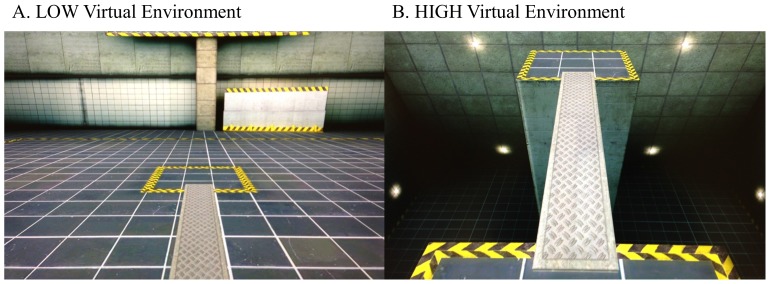
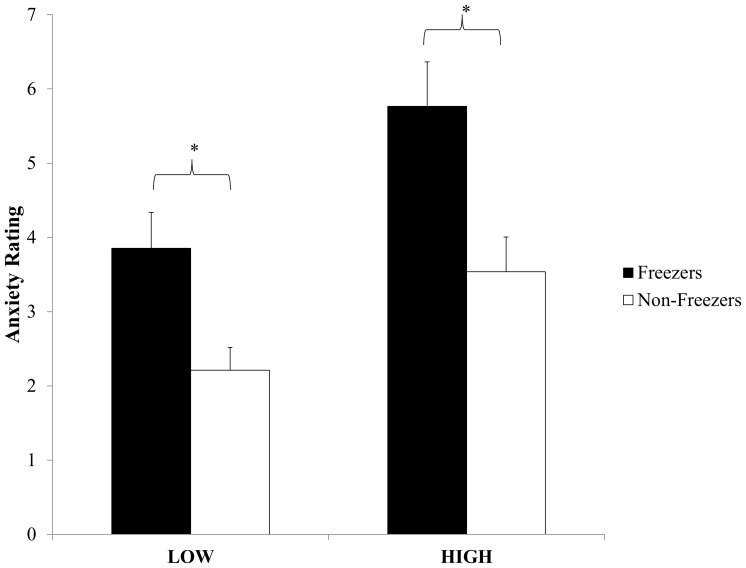
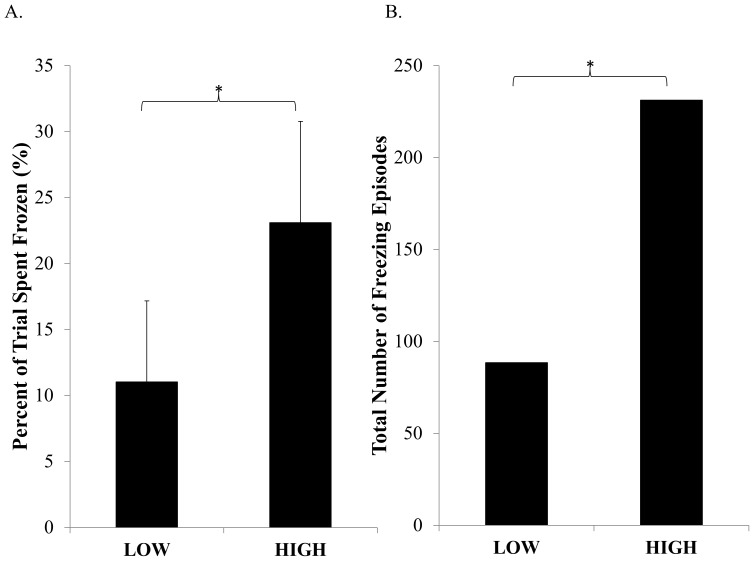
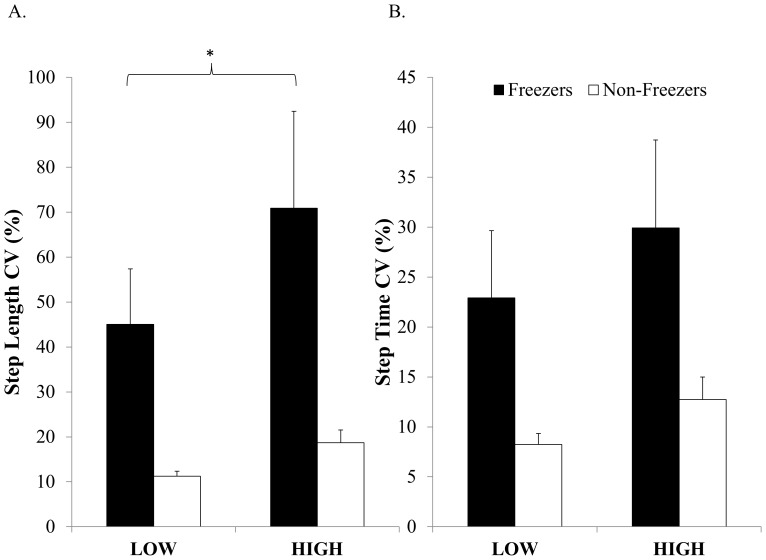
Individuals with Parkinson's disease (PD) commonly experience freezing of gait under time constraints, in narrow spaces, and in the dark. One commonality between these different situations is that they may all provoke anxiety, yet anxiety has never been directly examined as a cause of FOG. In this study, virtual reality was used to induce anxiety and evaluate whether it directly causes FOG. Fourteen patients with PD and freezing of gait (Freezers) and 17 PD without freezing of gait (Non-Freezers) were instructed to walk in two virtual environments: (i) across a plank that was located on the ground (LOW), (ii) across a plank above a deep pit (HIGH). Multiple synchronized motion capture cameras updated participants' movement through the virtual environment in real-time, while their gait was recorded. Anxiety levels were evaluated after each trial using self-assessment manikins. Freezers performed the experiment on two separate occasions (in their ON and OFF state). Freezers reported higher levels of anxiety compared to Non-Freezers (p < 0.001) and all patients reported greater levels of anxiety when walking across the HIGH plank compared to the LOW (p < 0.001). Freezers experienced significantly more freezing of gait episodes (p = 0.013) and spent a significantly greater percentage of each trial frozen (p = 0.005) when crossing the HIGH plank. This finding was even more pronounced when comparing Freezers in their OFF state. Freezers also had greater step length variability in the HIGH compared to the LOW condition, while the step length variability in Non-Freezers did not change. In conclusion, this was the first study to directly compare freezing of gait in anxious and non-anxious situations. These results present strong evidence that anxiety is an important mechanism underlying freezing of gait and supports the notion that the limbic system may have a profound contribution to freezing in PD.
Overview
The claims and statistics of this paper haven’t been checked yet.
Free: it reads the open-access text and checks the first 5 claims that cite a source we can check. Create a free account to check every claim.
Integrity signals
Registry
Cites
Statistics
Figures
Verification
Claims the paper makes
The claims and statistics of this paper haven’t been checked yet.
Free: it reads the open-access text and checks the first 5 claims that cite a source we can check. Create a free account to check every claim.
Claims other papers make about this one
Each is checked against this paper’s own text: does it say what the citing paper says it does?
The source backs part of the claim, not all of it — or backs it for a different population, condition or comparison.
In the citing paper
“Detection is complicated by overlapping symptoms such as tremor, fatigue, and loss of appetite, as well as PD-specific symptoms such as increased freezing of gait16,17.”
From The experience of Anxiety for people with Parkinson’s disease (2023) · cites this paper as [16]
Experimental — accuracy not yet measured
Self-check
Percentages, sums and reported differences re-computed from the paper’s own numbers.
The self-check needs the paper’s full text.
Citations
Cites
Development and validation of a geriatric depression screening scale: a preliminary report
Yesavage, J. A., Brink, T. L., Rose, T. L., Lum, O., Huang, V., Adey, M., & Leirer, V. O. (1982) · Journal of Psychiatric Research · doi:10.1016/0022-3956(82)90033-4 · Cited by 15,025 · cited 1×
“Additionally, all participants completed the State and Trait Anxiety Inventory [28] assessing baseline levels of anxiety prior to completing the experiment; Geriatric Depression Scale [29]; and the SCOPAAUT questionnaire which has been shown to assess the integrity of the autonomic nervous system [30].”
MethodMeasuring emotion: The self-assessment manikin and the semantic differential
Bradley, M. M., & Lang, P. J. (1994) · Journal of Behavior Therapy and Experimental Psychiatry · doi:10.1016/0005-7916(94)90063-9 · Cited by 9,538 · cited 1×
“After walking across the plank to the opposite platform in each trial, a 9 point self-assessment manikin scale [31] would be displayed and patients were asked to rate their feelings of stress and anxiety using the self-assessment manikins.”
MethodFunctional neuroanatomy of emotion: A meta-analysis of emotion activation studies in PET and fMRI
Phan, K. L., Wager, T., Taylor, S. F., & Liberzon, I. (2002) · NeuroImage · doi:10.1006/nimg.2002.1087 · Cited by 3,502
Cognitive Stimulation in Patients with Dementia: Randomized Controlled Trial
Mapelli, D., Di Rosa, E., Nocita, R., & Sava, D. (2013) · Dementia and Geriatric Cognitive Disorders Extra · doi:10.1159/000353457 · Cited by 3,453
(1987) · PubMed · Cited by 2,657
Spielberger, C. D. (2010) · The Corsini Encyclopedia of Psychology · doi:10.1002/9780470479216.corpsy0943 · Cited by 2,535
Goetz, C. G., Fahn, S., Martinez‐Martin, P., Poewe, W., Sampaio, C., Stebbins, G. T., Stern, M. B., Tilley, B. C., Dodel, R., Dubois, B., et al. (2007) · Movement Disorders · doi:10.1002/mds.21198 · Cited by 1,404
Freezing of gait: moving forward on a mysterious clinical phenomenon
Nutt, J. G., Bloem, B. R., Giladi, N., Hallett, M., Horak, F. B., & Nieuwboer, A. (2011) · The Lancet Neurology · doi:10.1016/s1474-4422(11)70143-0 · Cited by 1,304
Bloem, B. R., Hausdorff, J. M., Visser, J. E., & Giladi, N. (2004) · Movement Disorders · doi:10.1002/mds.20115 · Cited by 1,297
Assessment of autonomic dysfunction in Parkinson's disease: The SCOPA‐AUT
Visser, M., Marinus, J., Stiggelbout, A. M., & Van Hilten, J. J. (2004) · Movement Disorders · doi:10.1002/mds.20153 · Cited by 831
Cited by
Items 101–170 of 170
Tang, H., Liao, X., Yao, J., Xing, Y., Zhao, X., Cheng, W., Gu, T., Huang, Y., Xu, G., Luan, P., et al. (2024) · Brain and Behavior · doi:10.1002/brb3.3440 · Cited by 9
Wang, L., Gan, C., Sun, H., Ji, M. J., Zhang, H., Cao, X., Wang, M., Yuan, Y., & Zhang, K. (2023) · Quantitative Imaging in Medicine and Surgery · doi:10.21037/qims-22-351 · Cited by 11
Hultqvist, J., Månsson, T. S., Timpka, J., Henriksen, T., Nyholm, D., Odin, P., & Eklund, M. (2019) · Occupational Therapy In Health Care · doi:10.1080/07380577.2019.1692269 · Cited by 10
Ankle Push-Off Based Mathematical Model for Freezing of Gait in Parkinson's Disease
Unni, M. P., Menon, P. P., Wilson, M., & Tsaneva-Atanasova, K. T. (2020) · Frontiers in Bioengineering and Biotechnology · doi:10.3389/fbioe.2020.552635 · Cited by 7
Multifaceted Sensory Electrical Stimulation cueing for Freezing of Gait in Parkinson's disease
Sweeney, D., Quinlan, L. R., Richardson, M., Meskell, P., Cunnington, A.-L., Rosenthal, L., Luo, L., & OLaighin, G. M. (2020) · Parkinsonism & Related Disorders · doi:10.1016/j.parkreldis.2020.11.022 · Cited by 6
Kim, L. H., Chomiak, T., Tran, M. A., Tam, S., McPherson, C., Eaton, S. E. A., Ou, Y., Kiss, Z. H. T., & Whelan, P. J. (2021) · bioRxiv (Cold Spring Harbor Laboratory) · doi:10.1101/2021.09.01.458438 · Cited by 7
Jung, Y. J., Kim, R., Yoo, D., Han, K., & Lee, J. (2020) · BMC Geriatrics · doi:10.1186/s12877-020-01691-9 · Cited by 5
Faerman, M. V., Cole, C., Ooteghem, K. V., Cornish, B. F., Howe, E. E., Siu, V., Norouzian, P., Black, A., Fraser, J., Grimes, D. A., et al. (2025) · Journal of Neurology · doi:10.1007/s00415-025-13034-y · Cited by 4
Freezing as Seen from the Inside
Duysens, J., & Smits-Engelsman, B. C. M. (2023) · Movement Disorders · doi:10.1002/mds.29444 · Cited by 5
Alissa, N., Rehan, R., Al‐Sharman, A., Latrous, M., Aburub, A. S., El‐Salem, K., Morris, L. D., & Khalil, H. W. (2023) · International Journal of Rehabilitation Research · doi:10.1097/mrr.0000000000000596 · Cited by 4
Quek, D. Y. L., Taylor, N. L., Gilat, M., Lewis, S. J. G., & Martens, K. A. E. (2024) · Translational Neuroscience · doi:10.1515/tnsci-2022-0336 · Cited by 4
Russo, Y., Wang, Z., Ye, J., Leveridge, P., Nieuwboer, A., Wilson, M., Norris, M., Kal, E. C., Lamb, S. E., & Young, W. R. (2025) · Journal of Rehabilitation Medicine · doi:10.2340/jrm.v57.42491 · Cited by 4
Wang, S., Okubo, R., Liao, G., Ku, C., Sowers, R. B., & Hernandez, M. E. (2021) · International IEEE/EMBS Conference on Neural Engineering · doi:10.1109/ner49283.2021.9441253 · Cited by 9
Waele, S. D., Hallemans, A., Maréchal, E., Cras, P. P., & Crosiers, D. (2023) · Heliyon · doi:10.1016/j.heliyon.2023.e23740 · Cited by 4
Košutzká, Z., Kušnírová, A., Hajdúk, M., Straka, I., Minár, M., & Valkovič, P. (2019) · Frontiers in Neurology · doi:10.3389/fneur.2019.01024 · Cited by 4
Freezing of Gait in Parkinson's Disease: Don't Leave Patients in the Dark!
Goossens, F. M., Vissers, G., Bloem, B. R., Darweesh, S. K. L., & Nonnekes, J. H. (2025) · Movement Disorders Clinical Practice · doi:10.1002/mdc3.70401 · Cited by 3
Exercise capacity in people with Parkinson’s disease: which clinical characteristics are important?
Khalil, H. W., Rehan, R., Al‐Sharman, A., Aburub, A. S., Darabseh, M. Z., Alomari, M. A., Aburub, A., & El‐Salem, K. (2022) · Physiotherapy Theory and Practice · doi:10.1080/09593985.2022.2042634 · Cited by 3
Glycated Alpha-Synuclein Assemblies Cause Distinct Parkinson’s Disease Pathogenesis in Mice
Rajan, A., Varghese, A., Hashardeen, S. P., Babu, A. T., Vijayan, V., & Thakur, P. S. (2025) · ACS Chemical Neuroscience · doi:10.1021/acschemneuro.5c00428 · Cited by 5
Martens, K. A. E., Shine, J. M., & Lewis, S. J. G. (2017) · Springer eBooks · doi:10.1007/978-3-319-48980-3_25 · Cited by 3
Siragy, T., Russo, Y., Hirschbichler, S. T., Nantel, J., Wegscheider, P., Schweiger, H., Simonlehner, M., Kisiel, M., & Horsak, B. (2025) · BMJ Open · doi:10.1136/bmjopen-2025-106489 · Cited by 2
XR-FOG: A mixed reality approach to treat Freezing of Gait in patients with Parkinson’s disease
Chitti, E., Serrano, P., & Borghese, N. A. (2024) · SeGAH ... IEEE ... International Conference on Serious Games and Applications for Health/IEEE International Conference on Serious Games and Applications for Health · doi:10.1109/segah61285.2024.10639585 · Cited by 2
Botulinum Toxin Effects on Freezing of Gait in Parkinson’s Disease: A Systematic Review
Tambasco, N., Nigro, P., Mechelli, A., Duranti, M., & Parnetti, L. (2024) · Toxins · doi:10.3390/toxins16110474 · Cited by 3
Is freezing of gait a balance disorder?
Mancini, M., Nutt, J. G., & Horak, F. B. (2019) · Elsevier eBooks · doi:10.1016/b978-0-12-813874-8.00008-8 · Cited by 2
Stephens, E.-J., Dysch, L., & Gregory, J. (2018) · Cognitive and Behavioral Neurology · doi:10.1097/wnn.0000000000000161 · Cited by 4
Research on Wearable Monitoring System for Freezing of Gait in Parkinson’s Disease
Li, B., Sun, Y., Yang, X., Yao, Z., Zhou, X., Ma, Z., Bai, T., & Wang, P. (2021) · IEEE Information Technology, Networking, Electronic and Automation Control Conference (ITNEC) · doi:10.1109/itnec52019.2021.9587310 · Cited by 2
Lucia, N. D., Rosa, A. D., Perillo, S., Sperandeo, R., Michele, G. D., & Maldonato, N. M. (2023) · Journal of Neuropsychiatry · doi:10.1176/appi.neuropsych.20220115 · Cited by 4
Shaking with fear: the role of noradrenaline in modulating resting tremor
Taylor, N. L., Müller, E. J., & Shine, J. M. (2020) · Brain · doi:10.1093/brain/awaa109 · Cited by 2
Personality traits associated with freezing of gait in Parkinson's disease patients
Sawada, M., Wada‐Isoe, K., Nakashita, S., Maeda, T., Hanajima, R., & Nakashima, K. (2020) · Parkinsonism & Related Disorders · doi:10.1016/j.parkreldis.2020.10.005 · Cited by 2
Hodgson, P., Jordan, A., Sinani, C., & Charura, D. (2024) · PLoS ONE · doi:10.1371/journal.pone.0315345 · Cited by 1
Hodgson, P., Jordan, A., Sinani, C., & Charura, D. (2025) · PLoS ONE · doi:10.1371/journal.pone.0310578 · Cited by 3
Shining Light on Darkness: A Virtual Reality Perspective on Freezing of Gait in Parkinson's Disease
Putzolu, M., Villa, E. A. B., Cecchella, M., Capasso, I., Palmieri, D., Bonassi, G., Botta, A., Terranova, S., Canessa, A., Sabatini, S. P., et al. (2026) · Movement Disorders Clinical Practice · doi:10.1002/mdc3.70630 · Cited by 1
Vissers, G., Tosserams, A., Duits, A., van der Heide, A., Bloem, B. R., Helmich, R. C. G., Young, W. R., & Nonnekes, J. H. (2026) · European Journal of Neuroscience · doi:10.1111/ejn.70584 · Cited by 3
Neurotransmitter Systems Underlying Freezing of Gait (FOG) in Parkinson's Disease
Cho, M., Cho, J. W., Yoo, D., Park, J., Kwon, D.-Y., Koh, S., Park, J., & Youn, J. (2026) · European Journal of Neuroscience · doi:10.1111/ejn.70590 · Cited by 1
Freezing of Gait Levodopa Response Pattern in Parkinson's Disease Provides Clues to Pathophysiology
Factor, S. A., Weinshenker, D., Powell, J., Monaghan, A. S., Peterson, D. S., & McKay, J. L. (2026) · European Journal of Neuroscience · doi:10.1111/ejn.70610 · Cited by 1
Goossens, F. M., Martens, K. A. E., Bloem, B. R., Helmich, R. C. G., Howe, E. E., Kessels, R. P. C., Roerdink, M., Bryant, A. G., Shine, J. M., Tosserams, A., et al. (2026) · European Journal of Neuroscience · doi:10.1111/ejn.70630 · Cited by 2
Tosserams, A. (2023) · Radboud University Press eBooks · doi:10.54195/9789493296251 · Cited by 1
Betätigungsorientierte Therapieansätze für parkinsonspezifische Themen
Orellana, A. (2021) · Springer eBooks · doi:10.1007/978-3-662-62583-5_14 · Cited by 1
Triggers for Freezing of Gait in Individuals with Parkinson’s Disease: A Systematic ReviewPreprint
Conde, C. I., Lang, C., Baumann, C. R., Easthope, C. A., Taylor, W. R., & Ravi, D. K. (2023) · medRxiv · doi:10.1101/2023.10.20.23297301 · Cited by 1
Cui, C., Je, G., Wilkins, K. B., Schulte, T., & Bronte-Stewart, H. M. (2025) · medRxiv · doi:10.1101/2025.05.08.25327015 · Cited by 1
Electrophysiological insights into freezing in Parkinson’s disease
Shine, J. M. (2016) · Clinical Neurophysiology · doi:10.1016/j.clinph.2016.03.020
Gait Disturbances in Movement Disorders: A Motor-Cognitive Problem
Pieruccini‐Faria, F., Silveira, C. R. A., & Almeida, Q. J. (2017) · Springer eBooks · doi:10.1007/978-3-319-48980-3_9
Self-citationSituações de ansiedade aumentam a frequência e a gravidade do espasmo hemifacial?
Barbosa, H. R. R. (2019) · Digital Library of Theses and Dissertations (Universidade de São Paulo) · doi:10.11606/d.17.2019.tde-09012019-132943
How should the clinician approach imbalance in PD?
Mancini, M., Nutt, J. G., & Horak, F. B. (2019) · Elsevier eBooks · doi:10.1016/b978-0-12-813874-8.00009-x
Jayasinghe, N., Backus, S. I., Gibbons, M. W., Sobel, J., Spielman, L. A., Ganz, S. B., Moallem, B. I., Ojie, M.-J., Kakoullis, M., & Hillstrom, H. J. (2022) · Health and Technology · doi:10.1007/s12553-021-00623-w
Reduced Norepinephrine Transporter Binding in Parkinson’s disease with dopa Responsive Freezing GaitPreprint
McKay, J. L., Nye, J. A., Goldstein, F. C., Sommerfeld, B., Smith, Y., Weinshenker, D., & Factor, S. A. (2022) · medRxiv · doi:10.1101/2022.03.14.22272365
Emotional states affect walking performancePreprint
Homagain, A., & Martens, K. A. E. (2023) · bioRxiv (Cold Spring Harbor Laboratory) · doi:10.1101/2023.03.29.534813
The influence of doorway characteristics on freezing of gaitPreprint
Cockx, H. M., Lemmen, E. M., Wezel, R. J. A. V., & Cameron, I. G. M. (2023) · doi:10.31219/osf.io/64exf
Alprazolam Reduces Freezing of Gait (FOG) and Improves FOG-Related Gait Deficiencies
Jaja, A. A., Sue, T., Prenger, M. T. M., Seergobin, K. N., Grahn, J. A., & MacDonald, P. A. (2024) · Parkinson s Disease · doi:10.1155/2024/3447009 · Cited by 1
Hodgson, P., Jordan, A., Sinani, C., & Charura, D. (2024) · medRxiv · doi:10.1101/2024.09.06.24313094
Gupta, R., Bhongade, A., & Gandhi, T. K. (2026) · Computational Intelligence · doi:10.1111/coin.70286 · Cited by 1
Önder, H., Aydogan, A., Ülker, A., & Çomoǧlu, S. (2025) · European Journal of Neuroscience · doi:10.1111/ejn.70044
Co-Design of a Mixed Reality Application to Support Freezing of Gait Rehabilitation
Chitti, E., Montereale, D. A., Sandi, A. D., Mailland, E., Borellini, L., Cogiamanian, F. M., Mellace, D., Marfoli, A., Campo, C., Manzoni, C., et al. (2025) · SeGAH ... IEEE ... International Conference on Serious Games and Applications for Health/IEEE International Conference on Serious Games and Applications for Health · doi:10.1109/segah65397.2025.11168294
Phuenpathom, W., Sringean, J., Phumphid, S., Rattanapitak, N., Laithaisong, A., Srisang, T., Sanyawut, K., Anan, C., & Bhidayasiri, R. (2025) · Journal of Neural Transmission · doi:10.1007/s00702-025-03077-w
Neurophysiological Insights for the Design of Social Architecture
Fraghì, A. L., Guerra, G., Manzo, M. R., Rossi, B., Sanchez, F., & Vecchiato, G. (2026) · Springer series in design and innovation · doi:10.1007/978-3-032-11280-4_8 · Cited by 1
Lovegrove, C., Bannigan, K., Marsden, J. F., & Sturkenboom, I. H. W. M. (2026) · BMJ Open · doi:10.1136/bmjopen-2025-107930
Incidence of anxiety disorders following Parkinson’s disease: a population-based cohort study
Bae, Y., Han, J., Jeon, S. R., Shin, W., Dong, J. J., Jung, H., & Lee, S. W. (2026) · Frontiers in Psychiatry · doi:10.3389/fpsyt.2026.1788684 · Cited by 1
Locked to the match: subthalamic engagement in sport match viewingPreprint
Falciglia, S., Caffi, L., Luiso, F., Palmisano, C., Mazzoni, A., & Isaias, I. U. (2026) · medRxiv · doi:10.64898/2026.05.20.26353675
Delgado-Terán, J. D., Wezel, R. J. A. V., & Heida, T. (2026) · European Journal of Neuroscience · doi:10.1111/ejn.70551
Klocke, P., Loeffler, M., Müßler, H. B., Martens, K. A. E., Gharabaghi, A., & Weiss, D. (2026) · European Journal of Neuroscience · doi:10.1111/ejn.70570
Freezing of Gait in Parkinson's Disease: A Heterogeneous Phenomenon Across Assessment Tools
Duysens, J., & Smits-Engelsman, B. C. M. (2026) · European Journal of Neuroscience · doi:10.1111/ejn.70572 · Cited by 1
Taniguchi, S., Dijkstra, B. W., D’Cruz, N., Nieuwboer, A., & Gilat, M. (2026) · Neuroscience · doi:10.1016/j.neuroscience.2026.06.015
Do Anxiety Levels Affect Postural Stability?
Çinpolat, A. Z., Yiğit, Ö., & Aksoy, S. (2026) · American Journal of Audiology · doi:10.1044/2026_aja-25-00226
Social anxiety as a trigger for freezing of gait in Parkinson’s disease: a case report
Vissers, G., Young, W. R., & Nonnekes, J. H. (2026) · Journal of Neurology · doi:10.1007/s00415-026-13955-2
Feasibility of Real‐Time Autonomous Functional Electrical Stimulation for Freezing of Gait
AlAkhras, A., Pardoel, S., Jafari, E., Lemaire, E. D., & Nantel, J. (2026) · European Journal of Neuroscience · doi:10.1111/ejn.70633
Silva‐Batista, C., Scanlan, K. T., Stojak, M., Wilhelm, J. L., Carlson‐Kuhta, P., Liu, W., Chen, S., Horak, F. B., Mancini, M., & King, L. A. (2026) · Movement Disorders Clinical Practice · doi:10.1002/mdc3.70752
Unraveling Freezing of Gait in Parkinson’s Disease: Datasets, Algorithms, and Open-Source Solutions
Borzì, L., Sigcha, L., & Demrozi, F. (2025) · Springer eBooks · doi:10.1007/978-3-032-09253-3_7
The Effects of Anxiety and Cognitive Load on Freezing of Gait in Parkinson's Disease
Zoetewei, D., Gilat, M., D’Cruz, N., Cornelis, J., Bedime, J. S. N., Helmich, R. C. G., Ginis, P., & Nieuwboer, A. (2026) · European Journal of Neuroscience · doi:10.1111/ejn.70678
Elcadi, K., Rhazouani, O. C., Louhab, N., Kissani, N., & Chraa, M. (2026) · Diseases · doi:10.3390/diseases14090338
Derungs, Y. N., Lang, C., Conde, C. I., Bauer, C., Taylor, W. R., Bannwart, M., Ravi, D. K., & Awai, C. E. (2026) · Gait & Posture · doi:10.1016/j.gaitpost.2026.110353
Metadata
- Authors
- Ehgoetz Martens, K. A., Ellard, C. G., & Almeida, Q. J.
- Affiliations
- University of Waterloo (CA)
- Wilfrid Laurier University (CA)
- Corresponding author
- Almeida, Quincy J.
- Venue
- PLoS ONE
- Publisher
- Public Library of Science (PLoS)
- Published
- 2014-09-24
- Volume
- 9
- Issue
- 9
- Pages
- e106561
- ISSN
- 1932-6203 (ISSN-L)
- PMC
- PMC4175083
- OpenAlex
- W2023633357
- Cited by
- 171
- References
- 55
- Citations by year
- 2026: 22 · 2025: 13 · 2024: 12 · 2023: 22 · 2022: 14 · 2021: 16 · 2020: 14 · 2019: 18 · 2018: 8 · 2017: 10 · 2016: 13 · 2015: 8 · 2014: 1
- FWCI
- 27.59
- Type
- journal article
- Language
- en
- Open access
- gold
- doi.org
- Locations
- PLoS ONE (publishedVersion, cc-by)
- PubMed Central (publishedVersion, cc-by)
- PubMed (publishedVersion)
- DOAJ (DOAJ: Directory of Open Access Journals) (submittedVersion, cc-by-sa)
- Funders
- Parkinson Society Canada
- Canadian Institutes of Health Research (20774)
- Natural Sciences and Engineering Research Council of Canada
- Topics
- Health Sciences › Health Professions › Physical Therapy, Sports Therapy and Rehabilitation › Balance, Gait, and Falls Prevention
- Health Sciences › Medicine › Clinical Neurology › Deep Brain Stimulation and Movement Disorders
- Health Sciences › Medicine › Clinical Neurology › Parkinson's Disease Mechanisms and Treatments
- Keywords
- freezing of gait, Parkinson's disease, anxiety, virtual reality, gait, step length variability, limbic system, OFF state, Self-Assessment Manikin, motion capture
- MeSH terms
- Aged, Analysis of Variance, Anxiety, Female, Gait, Humans, Limbic System, Male, Middle Aged, Parkinson Disease, Psychomotor Performance, Walking, Gait Disorders, Neurologic, Freezing Reaction, Cataleptic
About these checks
Registry, retraction, Cites and statistics results are computed, not judged, with one exception: a printed reference that no index lists is read once by a model before it counts as a citation error. Claims are extracted by a model and kept only when their quote appears verbatim in the text; each cited source is then checked, with a model’s help, for whether it says what the claim relies on. Those verdicts can be wrong — read the claim’s quote and the cited source before relying on one.
Statistics and arithmetic are recomputed, not judged.
Confidence bands are shown only for fields calibrated on our annotated test set. None is calibrated yet, so no band is shown.
What counts as a claim ›How we measure confidence ›How we check this ›
Are you an author, or do you see a problem with this page? Request a review
Data sources
Bibliographic data: Semantic Scholar, OpenAlex, Crossref.
Contains information from the Semantic Scholar Academic Graph Datasets, made available under the ODC Attribution License (ODC-BY 1.0).
Semantic Scholar’s data is described in: Kinney, R., et al. (2023). The Semantic Scholar Open Data Platform. arXiv:2301.10140.
