

Does Anxiety Cause Freezing of Gait in Parkinson's Disease?
Open accessThe DOI matches its Crossref record; 54 of the 55 references it cites were found in a registry or an index.
Abstract
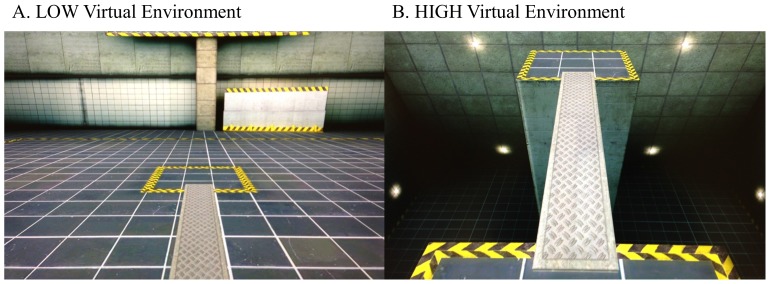
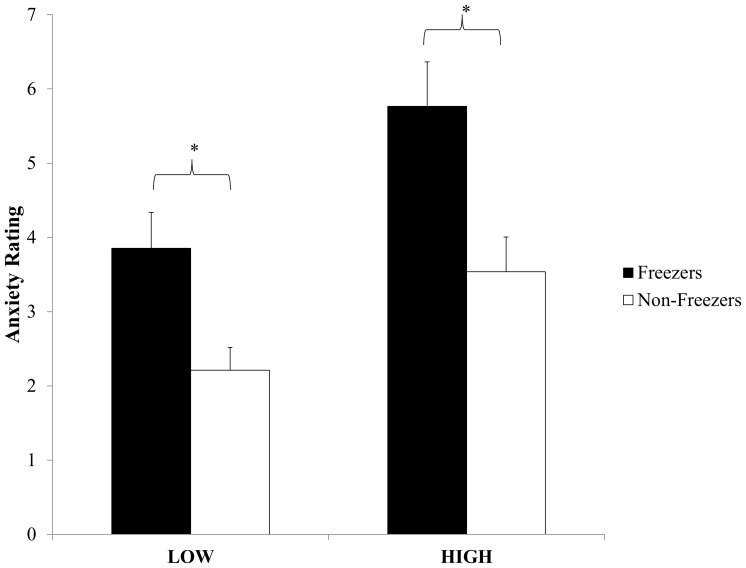
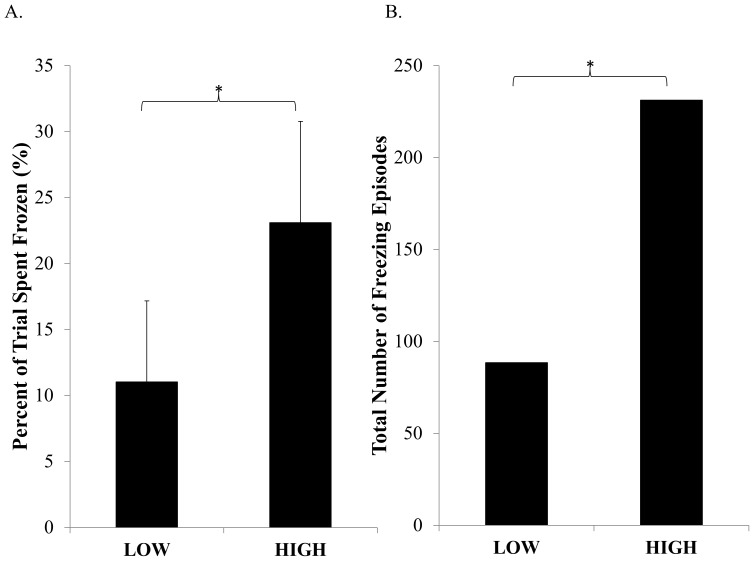
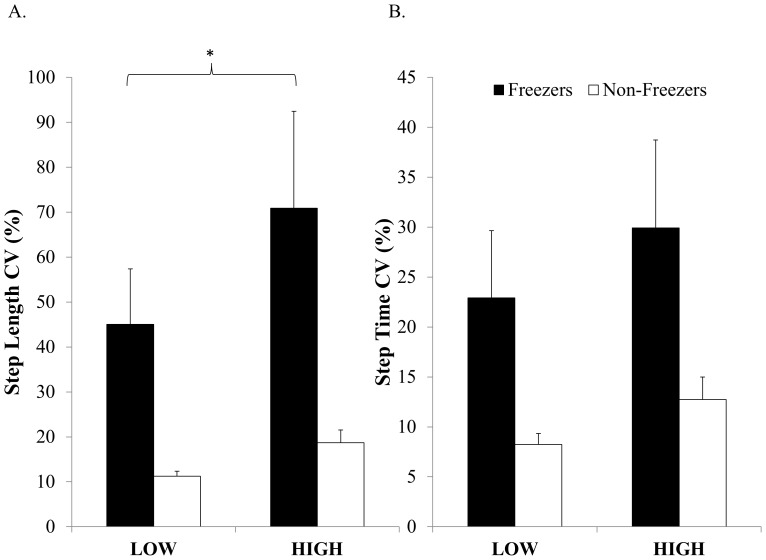
Individuals with Parkinson's disease (PD) commonly experience freezing of gait under time constraints, in narrow spaces, and in the dark. One commonality between these different situations is that they may all provoke anxiety, yet anxiety has never been directly examined as a cause of FOG. In this study, virtual reality was used to induce anxiety and evaluate whether it directly causes FOG. Fourteen patients with PD and freezing of gait (Freezers) and 17 PD without freezing of gait (Non-Freezers) were instructed to walk in two virtual environments: (i) across a plank that was located on the ground (LOW), (ii) across a plank above a deep pit (HIGH). Multiple synchronized motion capture cameras updated participants' movement through the virtual environment in real-time, while their gait was recorded. Anxiety levels were evaluated after each trial using self-assessment manikins. Freezers performed the experiment on two separate occasions (in their ON and OFF state). Freezers reported higher levels of anxiety compared to Non-Freezers (p < 0.001) and all patients reported greater levels of anxiety when walking across the HIGH plank compared to the LOW (p < 0.001). Freezers experienced significantly more freezing of gait episodes (p = 0.013) and spent a significantly greater percentage of each trial frozen (p = 0.005) when crossing the HIGH plank. This finding was even more pronounced when comparing Freezers in their OFF state. Freezers also had greater step length variability in the HIGH compared to the LOW condition, while the step length variability in Non-Freezers did not change. In conclusion, this was the first study to directly compare freezing of gait in anxious and non-anxious situations. These results present strong evidence that anxiety is an important mechanism underlying freezing of gait and supports the notion that the limbic system may have a profound contribution to freezing in PD.
Overview
The claims and statistics of this paper haven’t been checked yet.
Free: it reads the open-access text and checks the first 5 claims that cite a source we can check. Create a free account to check every claim.
Integrity signals
Registry
Cites
Statistics
Figures
Verification
Claims the paper makes
The claims and statistics of this paper haven’t been checked yet.
Free: it reads the open-access text and checks the first 5 claims that cite a source we can check. Create a free account to check every claim.
Claims other papers make about this one
Each is checked against this paper’s own text: does it say what the citing paper says it does?
The source backs part of the claim, not all of it — or backs it for a different population, condition or comparison.
In the citing paper
“Detection is complicated by overlapping symptoms such as tremor, fatigue, and loss of appetite, as well as PD-specific symptoms such as increased freezing of gait16,17.”
From The experience of Anxiety for people with Parkinson’s disease (2023) · cites this paper as [16]
Experimental — accuracy not yet measured
Self-check
Percentages, sums and reported differences re-computed from the paper’s own numbers.
The self-check needs the paper’s full text.
Citations
Cites
Development and validation of a geriatric depression screening scale: a preliminary report
Yesavage, J. A., Brink, T. L., Rose, T. L., Lum, O., Huang, V., Adey, M., & Leirer, V. O. (1982) · Journal of Psychiatric Research · doi:10.1016/0022-3956(82)90033-4 · Cited by 15,025 · cited 1×
“Additionally, all participants completed the State and Trait Anxiety Inventory [28] assessing baseline levels of anxiety prior to completing the experiment; Geriatric Depression Scale [29]; and the SCOPAAUT questionnaire which has been shown to assess the integrity of the autonomic nervous system [30].”
MethodMeasuring emotion: The self-assessment manikin and the semantic differential
Bradley, M. M., & Lang, P. J. (1994) · Journal of Behavior Therapy and Experimental Psychiatry · doi:10.1016/0005-7916(94)90063-9 · Cited by 9,538 · cited 1×
“After walking across the plank to the opposite platform in each trial, a 9 point self-assessment manikin scale [31] would be displayed and patients were asked to rate their feelings of stress and anxiety using the self-assessment manikins.”
MethodFunctional neuroanatomy of emotion: A meta-analysis of emotion activation studies in PET and fMRI
Phan, K. L., Wager, T., Taylor, S. F., & Liberzon, I. (2002) · NeuroImage · doi:10.1006/nimg.2002.1087 · Cited by 3,502
Cognitive Stimulation in Patients with Dementia: Randomized Controlled Trial
Mapelli, D., Di Rosa, E., Nocita, R., & Sava, D. (2013) · Dementia and Geriatric Cognitive Disorders Extra · doi:10.1159/000353457 · Cited by 3,453
(1987) · PubMed · Cited by 2,657
Spielberger, C. D. (2010) · The Corsini Encyclopedia of Psychology · doi:10.1002/9780470479216.corpsy0943 · Cited by 2,535
Goetz, C. G., Fahn, S., Martinez‐Martin, P., Poewe, W., Sampaio, C., Stebbins, G. T., Stern, M. B., Tilley, B. C., Dodel, R., Dubois, B., et al. (2007) · Movement Disorders · doi:10.1002/mds.21198 · Cited by 1,404
Freezing of gait: moving forward on a mysterious clinical phenomenon
Nutt, J. G., Bloem, B. R., Giladi, N., Hallett, M., Horak, F. B., & Nieuwboer, A. (2011) · The Lancet Neurology · doi:10.1016/s1474-4422(11)70143-0 · Cited by 1,304
Bloem, B. R., Hausdorff, J. M., Visser, J. E., & Giladi, N. (2004) · Movement Disorders · doi:10.1002/mds.20115 · Cited by 1,297
Assessment of autonomic dysfunction in Parkinson's disease: The SCOPA‐AUT
Visser, M., Marinus, J., Stiggelbout, A. M., & Van Hilten, J. J. (2004) · Movement Disorders · doi:10.1002/mds.20153 · Cited by 831
Cited by
Gait impairments in Parkinson’s disease
Mirelman, A., Bonato, P., Camicioli, R., Ellis, T. D., Giladi, N., Hamilton, J. L., Hass, C. J., Hausdorff, J. M., Pelosin, E., & Almeida, Q. J. (2019) · The Lancet Neurology · doi:10.1016/s1474-4422(19)30044-4 · Cited by 821
Self-citationMotor symptoms in Parkinson’s disease: A unified framework
Moustafa, A. A., Chakravarthy, S., Phillips, J. R., Gupta, A., Keri, S., Polner, B., Frank, M. J., & Jahanshahi, M. (2016) · Neuroscience & Biobehavioral Reviews · doi:10.1016/j.neubiorev.2016.07.010 · Cited by 481
Virtual reality in research and rehabilitation of gait and balance in Parkinson disease
Canning, C. G., Allen, N. E., Nackaerts, E., Paul, S. S., Nieuwboer, A., & Gilat, M. (2020) · Nature Reviews Neurology · doi:10.1038/s41582-020-0370-2 · Cited by 224
van Uem, J. M. T., Marinus, J., Canning, C., van Lummel, R., Dodel, R., Liepelt-Scarfone, I., Berg, D., Morris, M. E., & Maetzler, W. (2016) · Neuroscience & Biobehavioral Reviews · doi:10.1016/j.neubiorev.2015.11.014 · Cited by 207
Physical therapy and occupational therapy in Parkinson's disease
Radder, D. L. M., Sturkenboom, I. H., van Nimwegen, M., Keus, S. H., Bloem, B. R., & de Vries, N. M. (2017) · International Journal of Neuroscience · doi:10.1080/00207454.2016.1275617 · Cited by 173
“ceived time pressure aggravates symptoms like tremor and freezing [45].”
BackgroundClinical and methodological challenges for assessing freezing of gait: Future perspectives
Mancini, M., Bloem, B. R., Horak, F. B., Lewis, S. J. G., Nieuwboer, A., & Nonnekes, J. (2019) · Movement Disorders · doi:10.1002/mds.27709 · Cited by 173
“To subjectively document the occurrence of FOG and daytime fluctuations in more detail, diaries can be helpful tools to assess the frequency, duration, and provoking circumstance of FOG.18 The use of a diary also has disadvantages; it is not suitable for patients with marked cognitive impairments (which is common in p…”
BackgroundInfluentialParkinson’s disease as a system-level disorder
Caligiore, D., Helmich, R. C., Hallett, M., Moustafa, A. A., Timmermann, L., Toni, I., & Baldassarre, G. (2016) · npj Parkinson's Disease · doi:10.1038/npjparkd.2016.25 · Cited by 171
The functional network signature of heterogeneity in freezing of gait
Ehgoetz Martens, K. A., Hall, J. M., Georgiades, M. J., Gilat, M., Walton, C. C., Matar, E., Lewis, S. J. G., & Shine, J. M. (2018) · Brain · doi:10.1093/brain/awy019 · Cited by 161
“…heart rate changes (Maidan et al., 2011) have been temporally linked to the onset of freezing of gait episodes, and threatening or stressful situations (e.g. walking over an elevated virtual plank) can also reliably trigger freezing of gait (Bloem et al., 2004; Ehgoetz Martens et al., 2014b).”
BackgroundInfluentialThe Next Step: A Common Neural Mechanism for Freezing of Gait
Lewis, S. J. G., & Shine, J. M. (2016) · The Neuroscientist · doi:10.1177/1073858414559101 · Cited by 160
Compensation Strategies for Gait Impairments in Parkinson Disease: A Review
Nonnekes, J. H., Růžička, E., Nieuwboer, A., Hallett, M., Fasano, A. A., & Bloem, B. R. (2019) · JAMA Neurology · doi:10.1001/jamaneurol.2019.0033 · Cited by 178
Dysfunctional Limbic Circuitry Underlying Freezing of Gait in Parkinson’s Disease
Gilat, M., Ehgoetz Martens, K. A., Miranda-Domínguez, O., Arpan, I., Shine, J. M., Mancini, M., Fair, D. A., Lewis, S. J. G., & Horak, F. B. (2018) · Neuroscience · doi:10.1016/j.neuroscience.2018.01.044 · Cited by 122
Freezing of gait: Promising avenues for future treatment
Gilat, M., de Lima, A. L. S., Bloem, B. R., Shine, J. M., Nonnekes, J. H., & Lewis, S. J. G. (2018) · Parkinsonism & Related Disorders · doi:10.1016/j.parkreldis.2018.03.009 · Cited by 127
Clinical neurophysiology of Parkinson’s disease and parkinsonism
Chen, R., Berardelli, A., Bhattacharya, A., Bologna, M., Chen, K.-H. S., Fasano, A., Helmich, R. C., Hutchison, W. D., Kamble, N., Kühn, A. A., et al. (2022) · Clinical Neurophysiology Practice · doi:10.1016/j.cnp.2022.06.002 · Cited by 102
Predicting the onset of freezing of gait: A longitudinal study
Martens, K. A. E., Lukasik, E. L., Georgiades, M., Gilat, M., Hall, J. M., Walton, C. C., & Lewis, S. J. G. (2017) · Movement Disorders · doi:10.1002/mds.27208 · Cited by 110
Gilat, M., Ginis, P., Zoetewei, D., Vleeschhauwer, J. D., Hulzinga, F., D’Cruz, N., & Nieuwboer, A. (2021) · npj Parkinson s Disease · doi:10.1038/s41531-021-00224-4 · Cited by 120
Relationships between gait and emotion in Parkinson’s disease: A narrative review
Avanzino, L., Lagravinese, G., Abbruzzese, G., & Pelosin, E. (2018) · Gait & Posture · doi:10.1016/j.gaitpost.2018.06.171 · Cited by 91
Detection and assessment of Parkinson's disease based on gait analysis: A survey
Guo, Y., Yang, J., Liu, Y., Chen, X., & Yang, G. (2022) · Frontiers in Aging Neuroscience · doi:10.3389/fnagi.2022.916971 · Cited by 128
Martens, K. A. E., Hall, J. M., Gilat, M., Georgiades, M., Walton, C. C., & Lewis, S. J. G. (2016) · Gait & Posture · doi:10.1016/j.gaitpost.2016.07.182 · Cited by 97
The Practicalities of Assessing Freezing of Gait
Barthel, C., Mallia, E., Debu, B. H. G., Bloem, B. R., & Ferraye, M. (2016) · Journal of Parkinson s Disease · doi:10.3233/jpd-160927 · Cited by 104
Neuroimaging advances in Parkinson's disease with freezing of gait: A systematic review
Bharti, K., Suppa, A., Tommasin, S., Zampogna, A., Pietracupa, S., Berardelli, A., & Pantano, P. (2019) · NeuroImage Clinical · doi:10.1016/j.nicl.2019.102059 · Cited by 94
Šumec, R., Filip, P., Sheardová, K., & Bareš, M. (2015) · Behavioural Neurology · doi:10.1155/2015/620674 · Cited by 99
Suppa, A., Kita, A., Leodori, G., Zampogna, A., Nicolini, E., Lorenzi, P., Rao, R., & Irrera, F. (2017) · Frontiers in Neurology · doi:10.3389/fneur.2017.00406 · Cited by 110
Young, W. R., Shreve, L., Quinn, E. J., Craig, C., & Bronte-Stewart, H. (2016) · Neuropsychologia · doi:10.1016/j.neuropsychologia.2016.04.034 · Cited by 75
Li, B., Yao, Z., Wang, J., Wang, S., Yang, X., & Sun, Y. (2020) · Electronics · doi:10.3390/electronics9111919 · Cited by 81
Naghavi, N., & Wade, E. (2019) · IEEE Transactions on Neural Systems and Rehabilitation Engineering · doi:10.1109/tnsre.2019.2910165 · Cited by 80
Gilat, M., Shine, J. M., Walton, C. C., O’Callaghan, C., Hall, J. M., & Lewis, S. J. G. (2015) · npj Parkinson s Disease · doi:10.1038/npjparkd.2015.20 · Cited by 80
A prospective study of freezing of gait with early Parkinson disease in Chinese patients
Zhang, H., Yin, X., Ouyang, Z., Chen, J., Zhou, S., Zhang, C., Pan, X. T., Wang, S., Yang, J., Feng, Y., et al. (2016) · Medicine · doi:10.1097/md.0000000000004056 · Cited by 65
Janeh, O., Fründt, O., Schönwald, B., Gulberti, A., Buhmann, C., Gerloff, C. P., Steinicke, F., & Pötter‐Nerger, M. (2019) · Cells · doi:10.3390/cells8050419 · Cited by 73
Increased EMG intermuscular coherence and reduced signal complexity in Parkinson’s disease
Flood, M. W., Jensen, B. R., Malling, A. S. B., & Lowery, M. M. (2018) · Clinical Neurophysiology · doi:10.1016/j.clinph.2018.10.023 · Cited by 58
Cognition and freezing of gait in Parkinson's disease: A systematic review and meta-analysis
Monaghan, A. S., Gordon, E., Graham, L., Hughes, E., Peterson, D. S., & Morris, R. (2023) · Neuroscience & Biobehavioral Reviews · doi:10.1016/j.neubiorev.2023.105068 · Cited by 65
Naghavi, N., Miller, A., & Wade, E. (2019) · Sensors · doi:10.3390/s19183898 · Cited by 55
Home monitoring of motor fluctuations in Parkinson’s disease patients
Borzì, L., Varrecchia, M., Olmo, G., Artusi, C. A., Fabbri, M., Rizzone, M. G., Romagnolo, A., Zibetti, M., & Lopiano, L. (2019) · Journal of Reliable Intelligent Environments · doi:10.1007/s40860-019-00086-x · Cited by 54
Martens, K. A. E., Peterson, D. S., Almeida, Q. J., Lewis, S. J. G., Hausdorff, J. M., & Nieuwboer, A. (2020) · Neuroscience & Biobehavioral Reviews · doi:10.1016/j.neubiorev.2020.06.026 · Cited by 48
Self-citationGait initiation is influenced by emotion processing in Parkinson's disease patients with freezing
Lagravinese, G., Pelosin, E., Bonassi, G., Carbone, F., Abbruzzese, G., & Avanzino, L. (2018) · Movement Disorders · doi:10.1002/mds.27312 · Cited by 46
The Contribution of Noradrenergic Activity to Anxiety‐Induced Freezing of Gait
Taylor, N. L., Wainstein, G., Quek, D. Y. L., Lewis, S. J. G., Shine, J. M., & Martens, K. A. E. (2022) · Movement Disorders · doi:10.1002/mds.28999 · Cited by 51
Triggers for freezing of gait in individuals with Parkinson’s disease: a systematic review
Conde, C. I., Lang, C., Baumann, C. R., Easthope, C. A., Taylor, W. R., & Ravi, D. K. (2023) · Frontiers in Neurology · doi:10.3389/fneur.2023.1326300 · Cited by 53
The experience of Anxiety for people with Parkinson’s disease
Blundell, E. K., Grover, L. E., Stott, J., & Schrag, A. (2023) · npj Parkinson's Disease · doi:10.1038/s41531-023-00512-1 · Cited by 41
“Detection is complicated by overlapping symptoms such as tremor, fatigue, and loss of appetite, as well as PD-speci fi c symptoms such as increased freezing of gait 16,17 .”
Alterations in white matter network topology contribute to freezing of gait in Parkinson’s disease
Hall, J. M., Shine, J. M., Martens, K. A. E., Gilat, M., Broadhouse, K. M., Szeto, J. Y. Y., Walton, C. C., Moustafa, A. A., & Lewis, S. J. G. (2018) · Journal of Neurology · doi:10.1007/s00415-018-8846-3 · Cited by 45
Future Therapeutic Strategies for Freezing of Gait in Parkinson’s Disease
Cui, C. K., & Lewis, S. J. G. (2021) · Frontiers in Human Neuroscience · doi:10.3389/fnhum.2021.741918 · Cited by 46
Therapy-resistant symptoms in Parkinson’s disease
Vorovenci, R. J., Biundo, R., & Antonini, A. (2015) · Journal of Neural Transmission · doi:10.1007/s00702-015-1463-8 · Cited by 46
Freezing of Gait in Parkinson’s Disease: From Pathophysiology to Emerging Therapies
Cucca, A., Biagioni, M. C., Fleisher, J. E., Agarwal, S., Son, A. Y., Kumar, P., Bryś, M., & Rocco, A. D. (2016) · Neurodegenerative Disease Management · doi:10.2217/nmt-2016-0018 · Cited by 40
Martens, K. A. E., Ellard, C. G., & Almeida, Q. J. (2015) · Neuropsychologia · doi:10.1016/j.neuropsychologia.2015.05.015 · Cited by 38
Self-citationA Review of the Potential of Virtual Walking Techniques for Gait Rehabilitation
Janeh, O., & Steinicke, F. (2021) · Frontiers in Human Neuroscience · doi:10.3389/fnhum.2021.717291 · Cited by 43
Anxiety‐provoked gait changes are selectively dopa‐responsive in Parkinson's disease
Martens, K. A. E., Ellard, C. G., & Almeida, Q. J. (2015) · European Journal of Neuroscience · doi:10.1111/ejn.12928 · Cited by 37
Self-citationFreezing of gait is associated with cognitive impairment in patients with Parkinson disease
Yao, Z., Shao, Y., & Han, X. (2017) · Neuroscience Letters · doi:10.1016/j.neulet.2017.07.004 · Cited by 38
An updated definition of freezing of gait
Gilat, M., Nonnekes, J. H., Factor, S. A., Bloem, B. R., Nutt, J. G., Giladi, N., Hallett, M., Nieuwboer, A., Horak, F. B., Weiß, D., et al. (2026) · Nature Reviews Neurology · doi:10.1038/s41582-025-01179-3 · Cited by 56
Witt, I., Ganjavi, H., & MacDonald, P. A. (2019) · Parkinson s Disease · doi:10.1155/2019/6836082 · Cited by 37
Abnormal eye movements in Parkinson's disease: From experimental study to clinical application
Li, H., Zhang, X., Yang, Y., & Xie, A. (2023) · Parkinsonism & Related Disorders · doi:10.1016/j.parkreldis.2023.105791 · Cited by 34
Tosserams, A., Bloem, B. R., Martens, K. A. E., Helmich, R. C. G., Kessels, R. P. C., Shine, J. M., Taylor, N. L., Wainstein, G., Lewis, S. J. G., & Nonnekes, J. H. (2023) · Translational Neurodegeneration · doi:10.1186/s40035-023-00347-z · Cited by 36
Specific Attentional Disorders and Freezing of Gait in Parkinson’s Disease
Tard, C., Delval, A., Duhamel, A., Moreau, C., Devos, D., Defebvre, L., & Dujardin, K. (2015) · Journal of Parkinson s Disease · doi:10.3233/jpd-140498 · Cited by 35
Overload From Anxiety: A Non-Motor Cause for Gait Impairments in Parkinson’s Disease
Martens, K. A. E., Silveira, C. R. A., Intzandt, B., & Almeida, Q. J. (2017) · Journal of Neuropsychiatry · doi:10.1176/appi.neuropsych.16110298 · Cited by 30
Self-citationCholinesterase inhibitors for gait, balance, and fall in Parkinson disease: a meta-analysis
Chen, J., Huang, T., & Hong, C. (2021) · npj Parkinson's Disease · doi:10.1038/s41531-021-00251-1 · Cited by 35
Freezing of gait and affective theory of mind in Parkinson disease
Ferrari, A. R. D., Lagravinese, G., Pelosin, E., Pardini, M., Serrati, C., Abbruzzese, G., & Avanzino, L. (2015) · Parkinsonism & Related Disorders · doi:10.1016/j.parkreldis.2015.02.023 · Cited by 31
Heart Rate Changes Prior to Freezing of Gait Episodes Are Related to Anxiety
Economou, K., Quek, D. Y. L., MacDougall, H. G., Lewis, S. J. G., & Martens, K. A. E. (2020) · Journal of Parkinson s Disease · doi:10.3233/jpd-202146 · Cited by 30
Cognitive Function in Parkinson’s Disease Patients with and without Anxiety
Martens, K. A. E., Szeto, J. Y. Y., Muller, A. J., Hall, J. M., Gilat, M., Walton, C. C., & Lewis, S. J. G. (2016) · Neurology Research International · doi:10.1155/2016/6254092 · Cited by 27
McKay, J. L., Nye, J. A., Goldstein, F. C., Sommerfeld, B., Smith, Y., Weinshenker, D., & Factor, S. A. (2023) · Neurobiology of Disease · doi:10.1016/j.nbd.2023.106048 · Cited by 32
Rodent models for gait network disorders in Parkinson's disease – a translational perspective
Wenger, N., Vogt, A., Skrobot, M., Garulli, E. L., Kabaoğlu, B., Salchow-Hömmen, C., Schauer, T., Kroneberg, D., Schuhmann, M. K., Ip, C. W., et al. (2022) · Experimental Neurology · doi:10.1016/j.expneurol.2022.114011 · Cited by 28
Brain activity of the emotional circuit in Parkinson’s disease patients with freezing of gait
Sarasso, E., Agosta, F., Piramide, N., Canu, E., Volonté, M. A., & Filippi, M. (2021) · NeuroImage Clinical · doi:10.1016/j.nicl.2021.102649 · Cited by 27
Chen, K.-D., Zhang, L., Mao, H.-X., Chen, K.-F., Shi, Y., Meng, X.-S., Wang, F., Hu, X.-Y., & Fang, X.-M. (2023) · Frontiers in Aging Neuroscience · doi:10.3389/fnagi.2023.1116516 · Cited by 27
Emotional states affect steady state walking performance
Homagain, A., & Martens, K. A. E. (2023) · PLoS ONE · doi:10.1371/journal.pone.0284308 · Cited by 23
Okano, M., Takahata, K., Sugimoto, J., & Muraoka, S. (2019) · Frontiers in Behavioral Neuroscience · doi:10.3389/fnbeh.2019.00176 · Cited by 25
Ghielen, I., Koene, P., Twisk, J. W. R., Kwakkel, G., van den Heuvel, O. A., & van Wegen, E. E. H. (2020) · Neurodegenerative Disease Management · doi:10.2217/nmt-2019-0028 · Cited by 24
Hardeman, L. E. S., Kal, E. C., Young, W. R., van der Kamp, J., & Ellmers, T. J. (2020) · Behavioural Brain Research · doi:10.1016/j.bbr.2020.112837 · Cited by 23
Thangavelu, K., Hayward, J. A., Pachana, N. A., Byrne, G. J., Mitchell, L. K., Wallis, G. M., Au, T. R., & Dissanayaka, N. N. (2020) · Clinical Gerontologist · doi:10.1080/07317115.2019.1709597 · Cited by 27
Muralidharan, V., Balasubramani, P. P., Chakravarthy, V. S., Gilat, M., Lewis, S. J. G., & Moustafa, A. A. (2017) · Frontiers in Human Neuroscience · doi:10.3389/fnhum.2016.00649 · Cited by 22
Maslivec, A., Fielding, A., Wilson, M., Norris, M., & Young, W. R. (2020) · Journal of NeuroEngineering and Rehabilitation · doi:10.1186/s12984-020-00776-1 · Cited by 24
After 55 Years of Neurorehabilitation, What Is the Plan?
Viruega, H., & Gaviria, M. (2022) · Brain Sciences · doi:10.3390/brainsci12080982 · Cited by 23
Freezing during tapping tasks in patients with advanced Parkinson’s disease and freezing of gait
Delval, A., Defebvre, L., & Tard, C. (2017) · PLoS ONE · doi:10.1371/journal.pone.0181973 · Cited by 24
Detection of Freezing of Gait in People with Parkinson’s Disease using Smartphones
Borzì, L., Olmo, G., Artusi, C. A., & Lopiano, L. (2020) · IEEE Annual International Computer Software and Applications Conference (COMPSAC) · doi:10.1109/compsac48688.2020.0-186 · Cited by 22
Clinical features and related factors of freezing of gait in patients with Parkinson's disease
Zhang, F., Shi, J., Duan, Y., Cheng, J., Li, H., Xuan, T., Lv, Y., Wang, P., & Li, H. (2021) · Brain and Behavior · doi:10.1002/brb3.2359 · Cited by 21
Freezing of gait is associated with cortical thinning in mesial frontal cortex
Vaštík, M., Hok, P., Valošek, J., Hluštı́k, P., Menšíková, K., & Kaňovský, P. (2017) · Biomedical Papers · doi:10.5507/bp.2017.035 · Cited by 18
Lv, L., Zhang, H., Tan, X., Long, Z., Qin, L., Bai, R., Xiao, Q., Wu, Z., Hu, S., Tan, C., et al. (2022) · Journal of Neurology · doi:10.1007/s00415-022-11294-6 · Cited by 18
Chow, R., Tripp, B., Rzondzinski, D., & Almeida, Q. (2021) · Neurorehabilitation and Neural Repair · doi:10.1177/1545968321992331 · Cited by 15
Self-citationWhat is the lived experience of anxiety for people with Parkinson’s? A phenomenological study
Lovegrove, C. J., & Bannigan, K. (2021) · PLOS ONE · doi:10.1371/journal.pone.0249390 · Cited by 15
Martens, K. A. E., Ellard, C. G., & Almeida, Q. J. (2016) · Movement Disorders Clinical Practice · doi:10.1002/mdc3.12298 · Cited by 15
Self-citationMotion and emotion: anxiety–axial connections in Parkinson’s disease
Šumec, R., Rektorová, I., Jech, R., Menšíková, K., Roth, J., Růžička, E., Sochorová, D., Dušek, L., Kaňovský, P., Rektor, I., et al. (2016) · Journal of Neural Transmission · doi:10.1007/s00702-016-1652-0 · Cited by 18
Using Wearable Sensors to Assess Freezing of Gait in the Real World
May, D., Tueth, L. E., Earhart, G. M., & Mazzoni, P. (2023) · Bioengineering · doi:10.3390/bioengineering10030289 · Cited by 14
Cholinergic basal forebrain atrophy in Parkinson's disease with freezing of gait
Gan, C., Cao, X., Wang, L., Sun, H., Ji, M. J., Zhang, H., Yuan, Y., & Zhang, K. (2023) · Annals of Clinical and Translational Neurology · doi:10.1002/acn3.51769 · Cited by 14
Khosla, A., Kumar, N., & Khera, P. (2024) · Biomedical Signal Processing and Control · doi:10.1016/j.bspc.2024.106053 · Cited by 16
Motor Symptom Variability in Parkinson's Disease: Implications for Personalized Trial Outcomes?
Daalen, J. M. J., van der Heiden, M., Meinders, M. J., & Post, B. (2025) · Movement Disorders · doi:10.1002/mds.30133 · Cited by 18
Anxiety provokes balance deficits that are selectively dopa-responsive in Parkinson’s disease
Martens, K. A. E., Lefaivre, S. C., Beck, E. N., Chow, R., Pieruccini‐Faria, F., Ellard, C. G., & Almeida, Q. J. (2016) · Neuroscience · doi:10.1016/j.neuroscience.2016.11.011 · Cited by 16
Self-citationTaximaimaiti, R., & Wang, X. (2021) · Frontiers in Neuroscience · doi:10.3389/fnins.2021.660340 · Cited by 15
Interactions across emotional, cognitive and subcortical motor networks underlying freezing of gait
Togo, H., Nakamura, T., Wakasugi, N., Takahashi, Y., & Hanakawa, T. (2023) · NeuroImage Clinical · doi:10.1016/j.nicl.2023.103342 · Cited by 13
How Cognition and Motivation “Freeze” the Motor Behavior in Parkinson’s Disease
Ortelli, P., Ferrazzoli, D., Cian, V., Zarucchi, M., Palamara, G., Giobbia, A., Frazzitta, G., Maestri, R., & Canesi, M. (2019) · Frontiers in Neuroscience · doi:10.3389/fnins.2019.01302 · Cited by 14
Chen, K., Zhang, L., Wang, F., Mao, H., Tang, Q., Shi, G., You, Y., Yuan, Q., Chen, B., & Fang, X. (2023) · Heliyon · doi:10.1016/j.heliyon.2023.e15871 · Cited by 14
Virtual Reality Training as an Intervention to Reduce Falls
Mirelman, A., Maidan, I., Shema-Shiratzky, S., & Hausdorff, J. M. (2019) · Springer eBooks · doi:10.1007/978-3-030-24233-6_18 · Cited by 18
Neuropsychiatric aspects of Parkinson disease psychopharmacology: Insights from circuit dynamics
Butala, A., Shepard, M. D., & Pontone, G. M. (2019) · Handbook of clinical neurology · doi:10.1016/b978-0-444-64012-3.00007-1 · Cited by 15
Which Gait Tasks Produce Reliable Outcome Measures of Freezing of Gait in Parkinson’s Disease?
Zoetewei, D., Ginis, P., Goris, M., Gilat, M., Herman, T., Brozgol, M., Thumm, P. C., Hausdorff, J. M., Nieuwboer, A., & D’Cruz, N. (2024) · Journal of Parkinson s Disease · doi:10.3233/jpd-240134 · Cited by 23
Huang, C., Chen, Y.-A., Wu, R., & Hwang, I. (2022) · Frontiers in Aging Neuroscience · doi:10.3389/fnagi.2022.1041378 · Cited by 11
Navarro-Lozano, F., Kiper, P., Carmona-Pérez, C., Rutkowski, S., Pinto, E. P., & Luque-Moreno, C. (2022) · Journal of Clinical Medicine · doi:10.3390/jcm11226610 · Cited by 17
Sensory Attenuation in Sport and Rehabilitation: Perspective from Research in Parkinson’s Disease
Kearney, J., & Brittain, J. (2021) · Brain Sciences · doi:10.3390/brainsci11050580 · Cited by 12
Can anxiety increase tremors in patients with Parkinson’s disease? An experimental model
Chagas, M. H. N., de Oliveira, T. H. G. F., Linares, I. M. P., Balarini, F. B., Chagas, N. M. D. S., Tumas, V., & Crippa, J. A. S. (2017) · Archives of Clinical Psychiatry (São Paulo) · doi:10.1590/0101-60830000000126 · Cited by 10
Al-Nefaie, A. H. A., Aldhyani, T. H. H., Farhah, N. S., & Koundal, D. (2024) · Frontiers in Medicine · doi:10.3389/fmed.2024.1418684 · Cited by 9
Ma, L., Yosef, B., Talu, I., Batista, D., Jenkens-Drake, E., Suthana, N., & Cross, K. A. (2025) · npj Parkinson s Disease · doi:10.1038/s41531-025-01017-9 · Cited by 10
Botulinum Toxin Treatment of Motor Disorders in Parkinson Disease—A Systematic Review
Jabbari, B., & Comtesse, S. M. (2023) · Toxins · doi:10.3390/toxins15020081 · Cited by 10
The effect of doorway characteristics on freezing of gait in Parkinson’s disease
Cockx, H. M., Lemmen, E. M., Wezel, R. J. A. V., & Cameron, I. G. M. (2023) · Frontiers in Neurology · doi:10.3389/fneur.2023.1265409 · Cited by 8
Sharafkhah, M., Moayedi, F., Alimi, N., Fini, Z. H., & Massoudifar, A. (2024) · Journal of Bodywork and Movement Therapies · doi:10.1016/j.jbmt.2024.10.043 · Cited by 8
Hodgson, P., Jordan, A., Sinani, C., Charura, D., & Orange, S. T. (2024) · CNS Neuroscience & Therapeutics · doi:10.1111/cns.14562 · Cited by 12
Quek, D. Y. L., Economou, K., MacDougall, H. G., Lewis, S. J. G., & Martens, K. A. E. (2021) · Journal of Parkinson s Disease · doi:10.3233/jpd-212619 · Cited by 14
Quek, D. Y. L., Economou, K., MacDougall, H. G., Lewis, S. J. G., & Martens, K. A. E. (2022) · Gait & Posture · doi:10.1016/j.gaitpost.2022.04.007 · Cited by 8
Metadata
- Authors
- Ehgoetz Martens, K. A., Ellard, C. G., & Almeida, Q. J.
- Affiliations
- University of Waterloo (CA)
- Wilfrid Laurier University (CA)
- Corresponding author
- Almeida, Quincy J.
- Venue
- PLoS ONE
- Publisher
- Public Library of Science (PLoS)
- Published
- 2014-09-24
- Volume
- 9
- Issue
- 9
- Pages
- e106561
- ISSN
- 1932-6203 (ISSN-L)
- PMC
- PMC4175083
- OpenAlex
- W2023633357
- Cited by
- 171
- References
- 55
- Citations by year
- 2026: 22 · 2025: 13 · 2024: 12 · 2023: 22 · 2022: 14 · 2021: 16 · 2020: 14 · 2019: 18 · 2018: 8 · 2017: 10 · 2016: 13 · 2015: 8 · 2014: 1
- FWCI
- 27.59
- Type
- journal article
- Language
- en
- Open access
- gold
- doi.org
- Locations
- PLoS ONE (publishedVersion, cc-by)
- PubMed Central (publishedVersion, cc-by)
- PubMed (publishedVersion)
- DOAJ (DOAJ: Directory of Open Access Journals) (submittedVersion, cc-by-sa)
- Funders
- Parkinson Society Canada
- Canadian Institutes of Health Research (20774)
- Natural Sciences and Engineering Research Council of Canada
- Topics
- Health Sciences › Health Professions › Physical Therapy, Sports Therapy and Rehabilitation › Balance, Gait, and Falls Prevention
- Health Sciences › Medicine › Clinical Neurology › Deep Brain Stimulation and Movement Disorders
- Health Sciences › Medicine › Clinical Neurology › Parkinson's Disease Mechanisms and Treatments
- Keywords
- freezing of gait, Parkinson's disease, anxiety, virtual reality, gait, step length variability, limbic system, OFF state, Self-Assessment Manikin, motion capture
- MeSH terms
- Aged, Analysis of Variance, Anxiety, Female, Gait, Humans, Limbic System, Male, Middle Aged, Parkinson Disease, Psychomotor Performance, Walking, Gait Disorders, Neurologic, Freezing Reaction, Cataleptic
About these checks
Registry, retraction, Cites and statistics results are computed, not judged, with one exception: a printed reference that no index lists is read once by a model before it counts as a citation error. Claims are extracted by a model and kept only when their quote appears verbatim in the text; each cited source is then checked, with a model’s help, for whether it says what the claim relies on. Those verdicts can be wrong — read the claim’s quote and the cited source before relying on one.
Statistics and arithmetic are recomputed, not judged.
Confidence bands are shown only for fields calibrated on our annotated test set. None is calibrated yet, so no band is shown.
What counts as a claim ›How we measure confidence ›How we check this ›
Are you an author, or do you see a problem with this page? Request a review
Data sources
Bibliographic data: Semantic Scholar, OpenAlex, Crossref.
Contains information from the Semantic Scholar Academic Graph Datasets, made available under the ODC Attribution License (ODC-BY 1.0).
Semantic Scholar’s data is described in: Kinney, R., et al. (2023). The Semantic Scholar Open Data Platform. arXiv:2301.10140.
