

The DOI matches its Crossref record; 46 of the 46 references it cites were found in a registry or an index.
Novel Mitochondria-Targeted Heat-Soluble Proteins Identified in the Anhydrobiotic Tardigrade Improve Osmotic Tolerance of Human Cells
Open accessAbstract
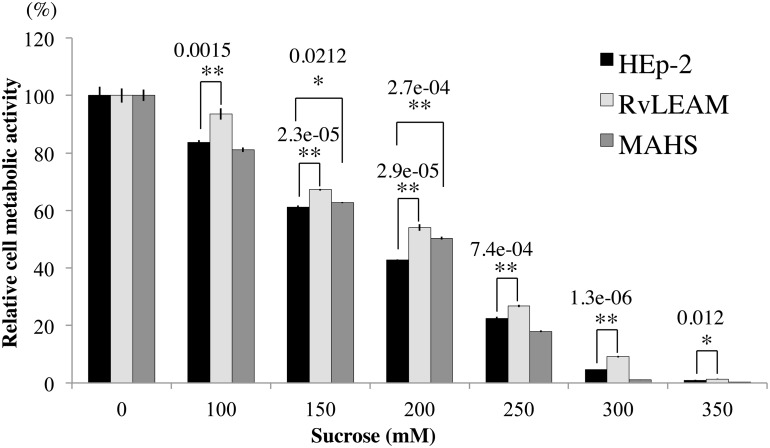
Tardigrades are able to tolerate almost complete dehydration through transition to a metabolically inactive state, called "anhydrobiosis". Late Embryogenesis Abundant (LEA) proteins are heat-soluble proteins involved in the desiccation tolerance of many anhydrobiotic organisms. Tardigrades, Ramazzottius varieornatus, however, express predominantly tardigrade-unique heat-soluble proteins: CAHS (Cytoplasmic Abundant Heat Soluble) and SAHS (Secretory Abundant Heat Soluble) proteins, which are secreted or localized in most intracellular compartments, except the mitochondria. Although mitochondrial integrity is crucial to ensure cellular survival, protective molecules for mitochondria have remained elusive. Here, we identified two novel mitochondrial heat-soluble proteins, RvLEAM and MAHS (Mitochondrial Abundant Heat Soluble), as potent mitochondrial protectants from Ramazzottius varieornatus. RvLEAM is a group3 LEA protein and immunohistochemistry confirmed its mitochondrial localization in tardigrade cells. MAHS-green fluorescent protein fusion protein localized in human mitochondria and was heat-soluble in vitro, though no sequence similarity with other known proteins was found, and one region was conserved among tardigrades. Furthermore, we demonstrated that RvLEAM protein as well as MAHS protein improved the hyperosmotic tolerance of human cells. The findings of the present study revealed that tardigrade mitochondria contain at least two types of heat-soluble proteins that might have protective roles in water-deficient environments.
Overview
The claims and statistics of this paper haven’t been checked yet.
Run the check — free, no account needed. It reads the open-access text and checks the sources it cites.
Integrity signals
Registry
Cites
Statistics
Figures
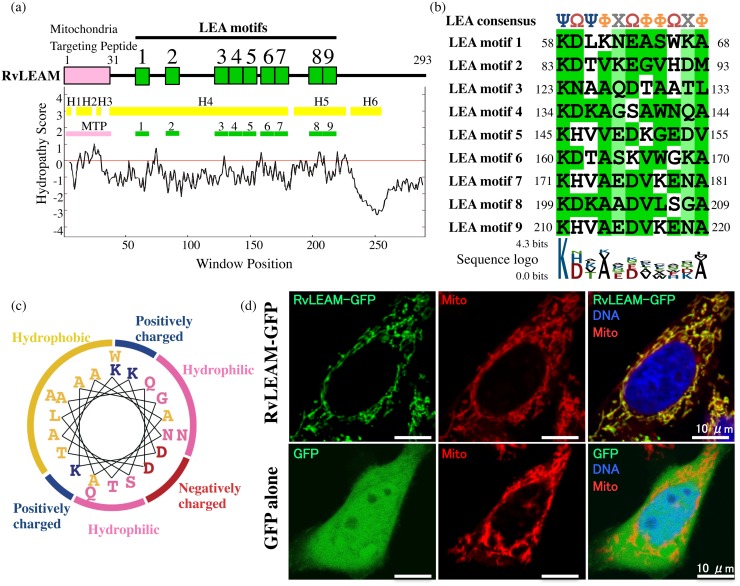
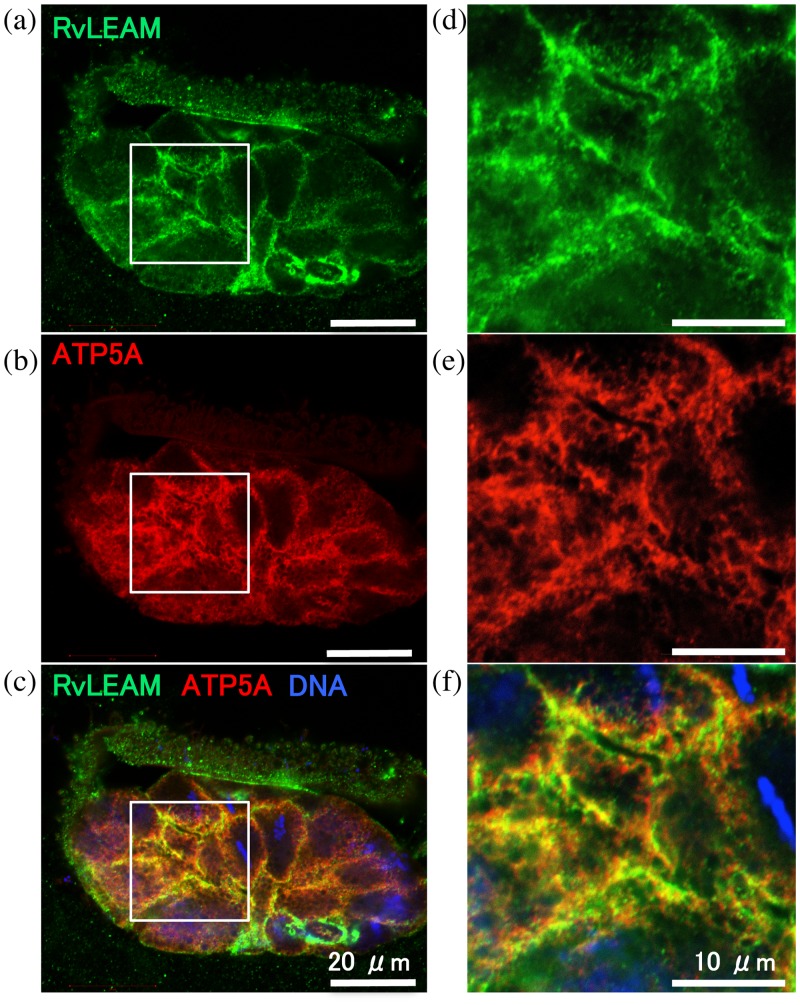
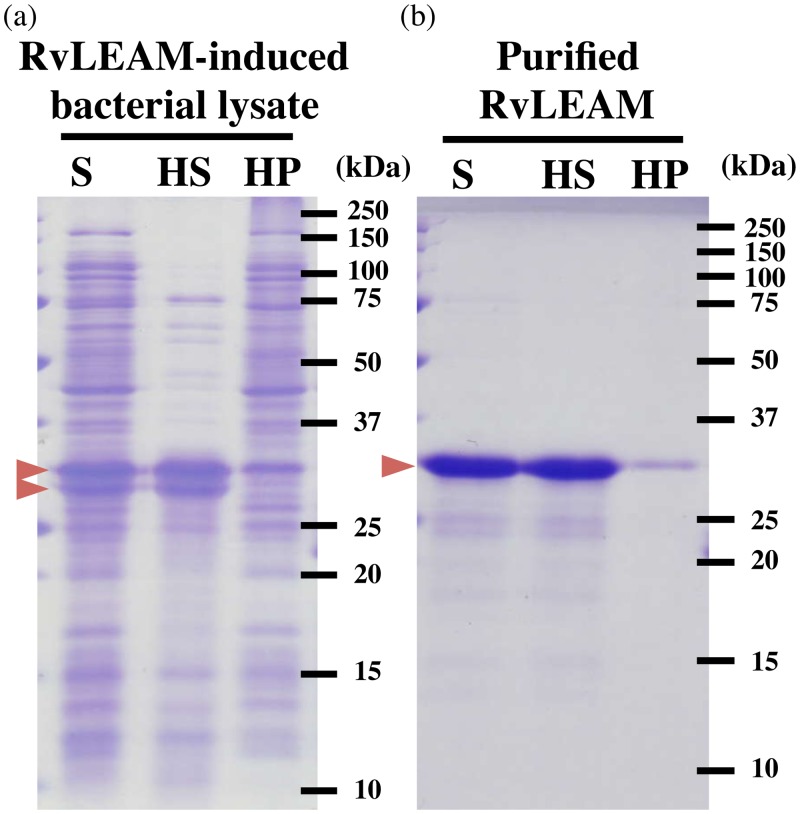
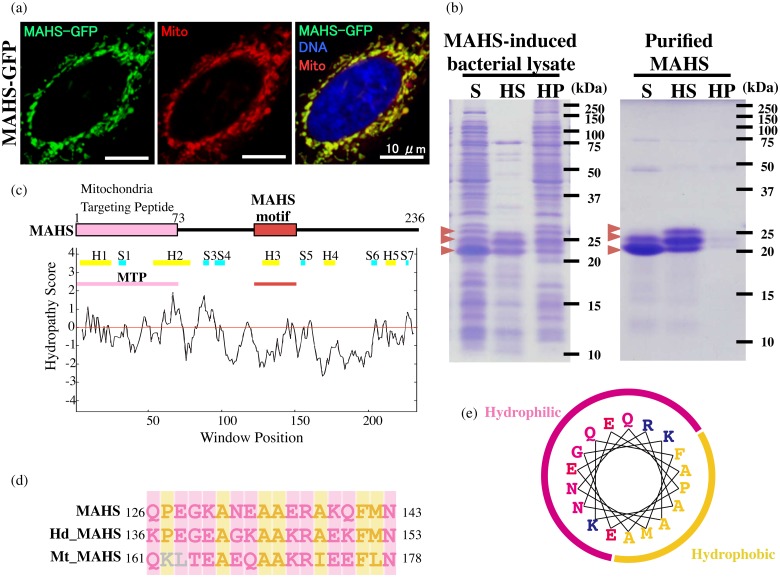
Verification
Claims the paper makes
The claims and statistics of this paper haven’t been checked yet.
Run the check — free, no account needed. It reads the open-access text and checks the sources it cites.
Claims other papers make about this one
Each is checked against this paper’s own text: does it say what the citing paper says it does?
The cited source says what the claim attributes to it.
In the citing paper
“These abundantly expressed proteins included previously identified tardigrade-unique heat-soluble proteins, CAHS and SAHS, both of which maintain solubility even after heat treatment and are proposed to be involved in the protection of biomolecules during desiccation3132.”
From Extremotolerant tardigrade genome and improved radiotolerance of human cultured cells by tardigrade-unique protein (2016) · cites this paper as [32]
Self-check
Percentages, sums and reported differences re-computed from the paper’s own numbers.
The self-check needs the paper’s full text.
Citations
Cites
A simple method for displaying the hydropathic character of a protein
Kyte, J., & Doolittle, R. F. (1982) · Journal of Molecular Biology · doi:10.1016/0022-2836(82)90515-0 · Cited by 22,927
Identification of prokaryotic and eukaryotic signal peptides and prediction of their cleavage sites
Nielsen, H., Engelbrecht, J., Brunak, S., & von HEIJNE, G. (1997) · Protein Engineering Design and Selection · doi:10.1093/protein/10.1.1 · Cited by 5,343
Fitting a mixture model by expectation maximization to discover motifs in biopolymers.
Bailey, T. L., & Elkan, C. (1994) · PubMed · Cited by 4,982
Danial, N. N., & Korsmeyer, S. J. (2004) · Cell · doi:10.1016/s0092-8674(04)00046-7 · Cited by 4,651
Predicting subcellular localization of proteins based on their N-terminal amino acid sequence.
Emanuelsson, O., Nielsen, H., Brunak, S., & von Heijne, G. (2000) · Journal of Molecular Biology · doi:10.1006/jmbi.2000.3903 · Cited by 4,419
WoLF PSORT: protein localization predictor
Horton, P., Park, K., Obayashi, T., Fujita, N., Harada, H., Adams-Collier, C. J., & Nakai, K. (2007) · Nucleic Acids Research · doi:10.1093/nar/gkm259 · Cited by 4,154
Mitochondrial membrane permeabilization in cell death
Kroemer, G., Galluzzi, L., & Brenner, C. (2007) · Physiological Reviews · doi:10.1152/physrev.00013.2006 · Cited by 3,598
Mitochondrial control of cell death
Kroemer, G., & Reed, J. C. (2000) · Nature Medicine · doi:10.1038/74994 · Cited by 3,103
InterProScan – an integration platform for the signature-recognition methods in InterPro
Zdobnov, E. M., & Apweiler, R. (2001) · Bioinformatics · doi:10.1093/bioinformatics/17.9.847 · Cited by 2,915
Computational Method to Predict Mitochondrially Imported Proteins and their Targeting Sequences
Claros, M. G., & Vincens, P. (1996) · European Journal of Biochemistry · doi:10.1111/j.1432-1033.1996.00779.x · Cited by 1,650
Cited by
Sorted by citations
Tardigrades Use Intrinsically Disordered Proteins to Survive Desiccation
Boothby, T. C., Tapia, H., Brozena, A. H., Piszkiewicz, S., Smith, A. E., Giovannini, I., Rebecchi, L., Pielak, G. J., Koshland, D., & Goldstein, B. (2017) · Molecular Cell · doi:10.1016/j.molcel.2017.02.018 · Cited by 418
Hashimoto, T., Horikawa, D. D., Saito, Y., Kuwahara, H., Kozuka-Hata, H., Shin-I, T., Minakuchi, Y., Ohishi, K., Motoyama, A., Aizu, T., et al. (2016) · Nature Communications · doi:10.1038/ncomms12808 · Cited by 394
Self-citationComparative genomics of the tardigrades Hypsibius dujardini and Ramazzottius varieornatus
Yoshida, Y., Koutsovoulos, G., Laetsch, D. R., Stevens, L., Kumar, S., Horikawa, D. D., Ishino, K., Komine, S., Kunieda, T., Tomita, M., et al. (2017) · PLoS Biology · doi:10.1371/journal.pbio.2002266 · Cited by 229
Self-citationHibshman, J. D., Clegg, J. S., & Goldstein, B. (2020) · Frontiers in Physiology · doi:10.3389/fphys.2020.592016 · Cited by 115
The biology of tardigrade disordered proteins in extreme stress tolerance
Hesgrove, C., & Boothby, T. C. (2020) · Cell Communication and Signaling · doi:10.1186/s12964-020-00670-2 · Cited by 113
Comparative transcriptomics suggest unique molecular adaptations within tardigrade lineages
Kamilari, M., Jørgensen, A., Schiøtt, M., & Møbjerg, N. (2019) · BMC Genomics · doi:10.1186/s12864-019-5912-x · Cited by 103
Boothby, T. C., & Pielak, G. J. (2017) · BioEssays · doi:10.1002/bies.201700119 · Cited by 88
Dimethyl sulfoxide-free cryopreservation for cell therapy: A review
Weng, L., & Beauchesne, P. R. (2020) · Cryobiology · doi:10.1016/j.cryobiol.2020.03.012 · Cited by 85
DNA Protection Protein, a Novel Mechanism of Radiation Tolerance: Lessons from Tardigrades
Hashimoto, T., & Kunieda, T. (2017) · Life · doi:10.3390/life7020026 · Cited by 89
Self-citationRadiation Tolerance in Tardigrades: Current Knowledge and Potential Applications in Medicine
Jonsson, K. (2019) · Cancers · doi:10.3390/cancers11091333 · Cited by 79
Principles Underlying Cryopreservation and Freeze-Drying of Cells and Tissues
Wolkers, W. F., & Oldenhof, H. (2020) · Methods in molecular biology · doi:10.1007/978-1-0716-0783-1_1 · Cited by 73
Examples of Extreme Survival: Tardigrade Genomics and Molecular Anhydrobiology
Arakawa, K. (2022) · Annual Review of Animal Biosciences · doi:10.1146/annurev-animal-021419-083711 · Cited by 75
Self-citationDesiccation-induced fibrous condensation of CAHS protein from an anhydrobiotic tardigrade
Yagi‐Utsumi, M., Aoki, K., Watanabe, H., Song, C., Nishimura, S., Satoh, T., Yanaka, S., Ganser, C., Tanaka, S., Schnapka, V., et al. (2021) · Scientific Reports · doi:10.1038/s41598-021-00724-6 · Cited by 72
Self-citationTanaka, A., Nakano, T., Watanabe, K., Masuda, K., Honda, G., Kamata, S., Yasui, R., Kozuka‐Hata, H., WATANABE, C., Chinen, T., et al. (2022) · PLoS Biology · doi:10.1371/journal.pbio.3001780 · Cited by 71
Self-citationProtecting Enzymes from Stress-Induced Inactivation
Piszkiewicz, S., & Pielak, G. J. (2019) · Biochemistry · doi:10.1021/acs.biochem.9b00675 · Cited by 60
Staying young and fit? Ontogenetic and phylogenetic consequences of animal anhydrobiosis
Kaczmarek, Ł., Roszkowska, M., Fontaneto, D., Jezierska, M., Pietrzak, B., Wieczorek, R. M., Poprawa, I., Kosicki, J. Z., Karachitos, A., & Kmita, H. (2019) · Journal of Zoology · doi:10.1111/jzo.12677 · Cited by 57
Kondo, K., Kubo, T., & Kunieda, T. (2015) · PLOS ONE · doi:10.1371/journal.pone.0144803 · Cited by 55
Self-citationThe biomedical potential of tardigrade proteins: A review
Kasianchuk, N., Rzymski, P., & Kaczmarek, Ł. (2022) · Biomedicine & Pharmacotherapy · doi:10.1016/j.biopha.2022.114063 · Cited by 51
Rebecchi, L., Boschetti, C., & Nelson, D. R. (2019) · Hydrobiologia · doi:10.1007/s10750-019-04144-6 · Cited by 51
Role of Intrinsic Disorder in Animal Desiccation Tolerance
Janis, B. R., Belott, C. J., & Menze, M. A. (2018) · PROTEOMICS · doi:10.1002/pmic.201800067 · Cited by 49
LEA motifs promote desiccation tolerance in vivo
Hibshman, J. D., & Goldstein, B. (2021) · BMC Biology · doi:10.1186/s12915-021-01176-0 · Cited by 49
Murai, Y., Yagi‐Utsumi, M., Fujiwara, M., Tanaka, S., Tomita, M., Kato, K., & Arakawa, K. (2021) · BMC Genomics · doi:10.1186/s12864-021-08131-x · Cited by 48
Self-citationMechanisms and evolution of resistance to environmental extremes in animals
Boothby, T. C. (2019) · EvoDevo · doi:10.1186/s13227-019-0143-4 · Cited by 48
Stec, D., Krzywański, Ł., Arakawa, K., & Michalczyk, Ł. (2020) · Zoological Letters · doi:10.1186/s40851-020-0154-y · Cited by 43
Self-citationVos, S. D., Rombauts, S., Coussement, L., Dermauw, W., Vuylsteke, M., Sorgeloos, P., Clegg, J. S., Nambu, Z., Nieuwerburgh, F. V., Norouzitallab, P., et al. (2021) · BMC Genomics · doi:10.1186/s12864-021-07937-z · Cited by 42
Environmental Adaptations: Desiccation Tolerance
Schill, R. O., & Hengherr, S. (2018) · Zoological monographs · doi:10.1007/978-3-319-95702-9_10 · Cited by 42
Anoud, M., Delagoutte, E., Helleu, Q., Brion, A., Duvernois‐Berthet, E., As, M., Marques, X., Lamribet, K., Sénamaud‐Beaufort, C., Jourdren, L., et al. (2024) · eLife · doi:10.7554/elife.92621 · Cited by 39
Yoshida, Y., Satoh, T., Ota, C., Tanaka, S., Horikawa, D. D., Tomita, M., Kato, K., & Arakawa, K. (2022) · BMC Genomics · doi:10.1186/s12864-022-08642-1 · Cited by 34
Self-citationThe Emergence of the TardigradeHypsibius exemplarisas a Model SystemPreprint
Goldstein, B. (2018) · Cold Spring Harbor Protocols · doi:10.1101/pdb.emo102301 · Cited by 35
Tanaka, S., Aoki, K., & Arakawa, K. (2023) · Proceedings of the National Academy of Sciences · doi:10.1073/pnas.2216739120 · Cited by 35
Self-citationNovel origin of lamin-derived cytoplasmic intermediate filaments in tardigrades
Hering, L., Bouameur, J.-E., Reichelt, J., Magin, T. M., & Mayer, G. (2016) · eLife · doi:10.7554/elife.11117 · Cited by 34
Fukuda, Y., Miura, Y., Mizohata, E., & Tsuyoshi Inoue, A. (2017) · FEBS Letters · doi:10.1002/1873-3468.12752 · Cited by 34
Tardigrades and their emergence as model organisms
Goldstein, B. (2022) · Current topics in developmental biology/Current Topics in Developmental Biology · doi:10.1016/bs.ctdb.2021.12.008 · Cited by 33
Giovannini, I., Altiero, T., Guidetti, R., & Rebecchi, L. (2017) · Journal of Experimental Biology · doi:10.1242/jeb.160622 · Cited by 28
Application of CRISPR/Cas9 system and the preferred no-indel end-joining repair in tardigrades
Kumagai, H., Kondo, K., & Kunieda, T. (2022) · Biochemical and Biophysical Research Communications · doi:10.1016/j.bbrc.2022.07.060 · Cited by 31
Self-citationFleming, J. F., Pisani, D., & Arakawa, K. (2023) · Genome Biology and Evolution · doi:10.1093/gbe/evad217 · Cited by 29
Self-citationKondo, K., Tanaka, A., & Kunieda, T. (2024) · PLoS Genetics · doi:10.1371/journal.pgen.1011298 · Cited by 26
Self-citationComparison of the transcriptomes of two tardigrades with different hatching coordination
Yoshida, Y., Sugiura, K., Tomita, M., Matsumoto, M., & Arakawa, K. (2019) · BMC Developmental Biology · doi:10.1186/s12861-019-0205-9 · Cited by 26
Self-citationVeling, M. T., Nguyen, D. T., Thadani, N. N., Oster, M. E., Rollins, N. J., Brock, K. P., Bethel, N. P., Lim, S., Baker, D. A., Way, J. C., et al. (2022) · ACS Synthetic Biology · doi:10.1021/acssynbio.1c00572 · Cited by 24
Packebush, M. H., Sánchez-Martínez, S., Biswas, S., Shraddha, K. C., Nguyen, K., Ramirez, J. F., Nicholson, V. M., & Boothby, T. C. (2023) · Scientific Reports · doi:10.1038/s41598-023-31586-9 · Cited by 23
Neves, R. C., Møbjerg, A., Kodama, M., Ramos‐Madrigal, J., Gilbert, M. T. P., & Møbjerg, N. (2022) · Comparative Biochemistry and Physiology Part A Molecular & Integrative Physiology · doi:10.1016/j.cbpa.2022.111169 · Cited by 25
Ito, M., Saigo, T., Abe, W., Kubo, T., & Kunieda, T. (2016) · Zoological Journal of the Linnean Society · doi:10.1111/zoj.12449 · Cited by 22
Self-citationCell Biology of the Tardigrades: Current Knowledge and Perspectives
Jonsson, K., Holm, I., & Tassidis, H. (2019) · Results and problems in cell differentiation · doi:10.1007/978-3-030-23459-1_10 · Cited by 23
Mitochondrial alternative oxidase contributes to successful tardigrade anhydrobiosis
Wojciechowska, D., Karachitos, A., Roszkowska, M., Rzeźniczak, W., Sobkowiak, R., Kaczmarek, Ł., Kosicki, J. Z., & Kmita, H. (2021) · Frontiers in Zoology · doi:10.1186/s12983-021-00400-5 · Cited by 21
Fukuda, Y., & Tsuyoshi Inoue, A. (2018) · Protein Science · doi:10.1002/pro.3393 · Cited by 23
Kikuta, S., Watanabe, S. J., Sato, R., Gusev, O., Nesmelov, A. A., Sogame, Y., Cornette, R., & Kikawada, T. (2017) · Scientific Reports · doi:10.1038/s41598-017-06945-y · Cited by 21
Abe, K. M., Gan, L., He, Q., Grant, T., & Lim, C. J. (2024) · Nature Communications · doi:10.1038/s41467-024-52091-1 · Cited by 20
Czerneková, M., & Vinopal, S. (2021) · Limnological Review · doi:10.2478/limre-2021-0012 · Cited by 21
Tardigrade secretory proteins protect biological structures from desiccation
Lim, S., Reilly, C. B., Barghouti, Z., Marelli, B., Way, J. C., & Silver, P. A. (2024) · Communications Biology · doi:10.1038/s42003-024-06336-w · Cited by 21
Zarubin, M. P., Murugova, T. N., Ryzhykau, Y. L., Ivankov, O. I., Uversky, V. N., & Kravchenko, E. (2024) · Scientific Reports · doi:10.1038/s41598-024-74335-2 · Cited by 20
Sadowska‐Bartosz, I., & Bartosz, G. (2024) · International Journal of Molecular Sciences · doi:10.3390/ijms25158393 · Cited by 16
Tardigrade proteins: molecular tools in the phenomenon of anhydrobiosis
Krakowiak, M., Bartylak, T., Kmita, H., Kaczmarek, Ł., & Nawrot, R. (2023) · Zoological Journal of the Linnean Society · doi:10.1093/zoolinnean/zlad066 · Cited by 18
Yoshida, Y., Shaikhutdinov, N., Kozlova, O., Itoh, M., Tagami, M., Murata, M., Nishiyori-Sueki, H., Kojima-Ishiyama, M., Noma, S., Cherkasov, A. V., et al. (2022) · NAR Genomics and Bioinformatics · doi:10.1093/nargab/lqac029 · Cited by 17
Kondo, K., Mori, M., Tomita, M., & Arakawa, K. (2019) · Genes to Cells · doi:10.1111/gtc.12726 · Cited by 16
Self-citationNagwani, A. K., Kaczmarek, Ł., & Kmita, H. (2022) · Diversity · doi:10.3390/d14080664 · Cited by 13
Giovannini, I., Manfrin, C., Greco, S., Vincenzi, J., Altiero, T., Guidetti, R., Giulianini, P. G., & Rebecchi, L. (2023) · Frontiers in Physiology · doi:10.3389/fphys.2023.1258932 · Cited by 13
Li, X.-H., Yu, C. W. H., Gomez-Navarro, N., Stancheva, V., Zhu, H., Murthy, A., Wozny, M., Malhotra, K., Johnson, C. M., Blackledge, M., et al. (2023) · PNAS Nexus · doi:10.1093/pnasnexus/pgae006 · Cited by 11
Nondomain biopolymers: Flexible molecular strategies to acquire biological functions
Arakawa, K., Hirose, T., Inada, T., Ito, T., Kai, T., Oyama, M., Tomari, Y., Yoda, T., & Nakagawa, S. (2023) · Genes to Cells · doi:10.1111/gtc.13050 · Cited by 11
Self-citationBiswas, S., Gollub, E., Yu, F., Ginell, G. M., Holehouse, A. S., Sukenik, S., & Boothby, T. C. (2023) · Protein Science · doi:10.1002/pro.4872 · Cited by 11
Chemobiosis reveals tardigrade tun formation is dependent on reversible cysteine oxidation
Smythers, A. L., Joseph, K. M., O’Dell, H. M., Clark, T. A., Crislip, J. R., Flinn, B. B., Daughtridge, M. H., Stair, E. R., Mubarek, S. N., Lewis, H. C., et al. (2024) · PLoS ONE · doi:10.1371/journal.pone.0295062 · Cited by 12
Toxicity with Waste-Generated Ionizing Radiations: Blunders Behind the Scenes
Sharma, A., Chand, K., Singh, G. B., & Mudgal, G. (2021) · Molecular and integrative toxicology · doi:10.1007/978-3-030-83446-3_15 · Cited by 10
Yoshida, Y., & Tanaka, S. (2022) · Insects · doi:10.3390/insects13060557 · Cited by 10
Self-citationKim, J., Fukuda, Y., & Tsuyoshi Inoue, A. (2018) · FEBS Journal · doi:10.1111/febs.14713 · Cited by 10
The wealth of shared resources: Improving molecular taxonomy using eDNA and public databases
Fleming, J. F. (2023) · Zoologica Scripta · doi:10.1111/zsc.12591 · Cited by 10
Acoustomicrofluidic separation of tardigrades from raw cultures for sample preparation
Afzal, M., Park, J., Destgeer, G., Ahmed, H., Iqrar, S. A., Kim, S., Kang, S., Alazzam, A., Yoon, T., & Sung, H. J. (2019) · Zoological Journal of the Linnean Society · doi:10.1093/zoolinnean/zlz079 · Cited by 11
Kayastha, P., Wieczorkiewicz, F., Pujol, M., Robinson, A., Michalak, M., Kaczmarek, Ł., & Poprawa, I. (2024) · Scientific Reports · doi:10.1038/s41598-024-55295-z · Cited by 9
Sexual dimorphism in the tardigrade Paramacrobiotus metropolitanus transcriptome
Sugiura, K., Yoshida, Y., Hayashi, K., Arakawa, K., Kunieda, T., & Matsumoto, M. (2024) · Zoological Letters · doi:10.1186/s40851-024-00233-0 · Cited by 9
Self-citationHorizontal Gene Transfer in Metazoa: Examples and Methods
Yoshida, Y., Nowell, R. W., Arakawa, K., & Blaxter, M. (2019) · Springer eBooks · doi:10.1007/978-3-030-21862-1_7 · Cited by 10
Self-citationKang, D., Yang, M. J., Kim, H., & Park, C. (2024) · Protein Science · doi:10.1002/pro.4913 · Cited by 9
Yoshida, Y., Hirayama, A., & Arakawa, K. (2024) · Proceedings of the Japan Academy Series B · doi:10.2183/pjab.pjab.100.023 · Cited by 8
Self-citationMolecular Biology in Tardigrades
Boothby, T. C. (2018) · Zoological monographs · doi:10.1007/978-3-319-95702-9_13 · Cited by 8
Rolsma, J. L., Darch, W., Higgins, N. C., & Morgan, J. T. (2024) · Scientific Reports · doi:10.1038/s41598-024-62693-w · Cited by 7
An evaluation of thermal tolerance in six tardigrade species in an active and dry state
Loeffelholz, J., Meese, E. K., Giovannini, I., Ullibarri, K., Momeni, S., Merfeld, N., Wessel, J., Guidetti, R., Rebecchi, L., & Boothby, T. C. (2024) · Biology Open · doi:10.1242/bio.060485 · Cited by 7
Al-Ansari, M., Fitzsimons, T., Wei, W., Goldberg, M. W., Kunieda, T., & Quinlan, R. A. (2024) · Cell Stress and Chaperones · doi:10.1016/j.cstres.2023.12.001 · Cited by 7
Self-citationEmdee, N., Møbjerg, A., Grollmann, M. M., & Møbjerg, N. (2023) · Zoological Journal of the Linnean Society · doi:10.1093/zoolinnean/zlad046 · Cited by 7
Tolerance against exposure to solution of magnesium perchlorate in microinvertebrates
Kayastha, P., Rzymski, P., Gołdyn, B., Nagwani, A. K., Fiałkowska, E., Pajdak‐Stós, A., Sobkowiak, R., Robotnikowski, G., & Kaczmarek, Ł. (2023) · Zoological Journal of the Linnean Society · doi:10.1093/zoolinnean/zlad060 · Cited by 8
Metabolite phosphatase from anhydrobiotic tardigrades
Kato, S., Deguchi, K., Obana, M., Fujio, Y., Fukuda, Y., & Tsuyoshi Inoue, A. (2024) · FEBS Journal · doi:10.1111/febs.17296 · Cited by 6
Tardigrade inspired polyelectrolyte complexation and functional materials
Zhang, F., Song, C., Zhu, X., Gong, J., & Zhao, Q. (2019) · Journal of Materials Chemistry A · doi:10.1039/c9ta10931e · Cited by 6
Kaczmarek, Ł. (2021) · Progress in molecular and subcellular biology · doi:10.1007/978-3-030-67696-4_14 · Cited by 6
Hibshman, J. D., Clark-Hachtel, C. M., Bloom, K. S., & Goldstein, B. (2024) · Cell Reports · doi:10.1016/j.celrep.2024.114956 · Cited by 5
Protein Intrinsic Disorder and Adaptation to Extreme Environments: Resilience of Chaos
Uversky, V. N. (2025) · Journal of Molecular Biology · doi:10.1016/j.jmb.2025.169547 · Cited by 5
Suzuki, A. (2016) · Diversity and commonality in animals · doi:10.1007/978-4-431-56432-4_10 · Cited by 5
Crystal structure of hexacoordinated heme protein from anhydrobiotic tardigrade at pH 7
Kim, J., Fukuda, Y., & Tsuyoshi Inoue, A. (2018) · Worldwide Protein Data Bank · doi:10.2210/pdb5zm9/pdb · Cited by 5
A novel Mn-dependent peroxidase contributes to tardigrade anhydrobiosisPreprint
Yoshida, Y., Satoh, T., Ota, C., Tanaka, S., Horikawa, D. D., Tomita, M., Kato, K., & Arakawa, K. (2020) · bioRxiv (Cold Spring Harbor Laboratory) · doi:10.1101/2020.11.06.370643 · Cited by 6
Self-citationGalas, S., Goff, E. L., Cazevieille, C., Tanaka, A., Cuq, P., Baghdiguian, S., Kunieda, T., Godefroy, N., & Richaud, M. (2024) · PLoS ONE · doi:10.1371/journal.pone.0302552 · Cited by 4
Self-citationLópez, M. I. S., Wheeldon, I. R., & Morgan, J. T. (2025) · PLoS ONE · doi:10.1371/journal.pone.0325682 · Cited by 4
Surviving desiccation: key factors underlying tolerance in prokaryotes and eukaryotes
Rosete-Enríquez, M., Juárez-González, V. R., Escobar-Muciño, E., Muñoz‐Rojas, J., & Quintero‐Hernández, V. (2025) · PROTOPLASMA · doi:10.1007/s00709-025-02134-1 · Cited by 4
Possible roles of CAHS proteins from Tardigrade in osmotic stress tolerance in mammalian cells
Bino, T., Goto, Y., Maryu, G., Arakawa, K., & Aoki, K. (2024) · Cell Structure and Function · doi:10.1247/csf.24035 · Cited by 4
Self-citationZhang, H., Liu, Q., Liang, Q., Wang, B., Chen, Z., & Wang, J. (2023) · Frontiers in Microbiology · doi:10.3389/fmicb.2022.1091502 · Cited by 3
Osmolyte-IDP interactions during desiccation
Nicholson, V. M., Meese, E. K., & Boothby, T. C. (2024) · Progress in molecular biology and translational science · doi:10.1016/bs.pmbts.2024.08.007 · Cited by 2
No structure, no problem: Protein stabilization by Hero proteins and other chaperone-like IDPs
Lam, A. Y. W., Tomari, Y., & Tsuboyama, K. (2025) · Biochimica et Biophysica Acta (BBA) - General Subjects · doi:10.1016/j.bbagen.2025.130786 · Cited by 2
Kobayashi, K., Kim, J., Fukuda, Y., Kozawa, T., & Tsuyoshi Inoue, A. (2021) · The Journal of Biochemistry · doi:10.1093/jb/mvab003 · Cited by 2
Anoud, M., Delagoutte, E., Helleu, Q., Brion, A., Duvernois‐Berthet, E., As, M., Marques, X., Lamribet, K., Sénamaud‐Beaufort, C., Jourdren, L., et al. (2024) · eLife · doi:10.7554/elife.92621.2 · Cited by 3
Stair, E. R., Flinn, B. B., Grimmett, A., Balboa, S. J., Burr, A. J., Siebold, J. A., Baca, A. G., Daughtridge, M. H., Kolling, D. R. J., & Hicks, L. M. (2025) · Journal of Proteome Research · doi:10.1021/acs.jproteome.5c00222 · Cited by 2
Darch, W., Soliman, J., Higgins, N. C., & Morgan, J. T. (2026) · Scientific Reports · doi:10.1038/s41598-026-57258-y · Cited by 1
At the Edge of Survival: Exploring the Frontiers of Tardigrade Extreme Stress Tolerance
Kamilari, M., Pust, F. L., Marcantognini, A., Møbjerg, A., Neves, R. C., Schiøtt, M., & Møbjerg, N. (2026) · Molecular Ecology · doi:10.1111/mec.70471 · Cited by 1
Zheng, K., Shen, P., Hou, Y., Wang, F., Wang, H., & Dong, Y. (2024) · Scientia Sinica Vitae · doi:10.1360/ssv-2023-0270 · Cited by 1
Uncommon N-Glycan Structures in Anhydrobiotic Tardigrades
Yagi, H., Saito, T., Guu, S.-Y., Yamakawa, N., Shimamura, S., Kondo, S., Yagi‐Utsumi, M., Takai, K., Furukawa, J., Guérardel, Y., et al. (2025) · Molecular & Cellular Proteomics · doi:10.1016/j.mcpro.2025.100979 · Cited by 1
Self-citationLowe, N. E., & Chang, R. L. (2022) · bioRxiv (Cold Spring Harbor Laboratory) · doi:10.1101/2022.01.29.478329 · Cited by 1
Yang, Y., Jiao, Z., Zhang, S., Shan, M., Duan, S., Wang, X., Wang, S., Tang, Y., & Wang, S. (2021) · bioRxiv (Cold Spring Harbor Laboratory) · doi:10.1101/2021.06.25.449888
Metadata
- Authors
- Tanaka, S., Tanaka, J., Miwa, Y., Horikawa, D. D., Katayama, T., Arakawa, K., Toyoda, A., Kubo, T., & Kunieda, T.
- Affiliations
- The University of Tokyo (JP)
- University of Tsukuba (JP)
- Keio University (JP)
- Database Center for Life Science (JP)
- National Institute of Genetics (JP)
- Corresponding author
- Kunieda, Takekazu
- ORCID
- Venue
- PLOS ONE
- Publisher
- Public Library of Science (PLoS)
- Published
- 2015-02-12
- Volume
- 10
- Issue
- 2
- Pages
- e0118272
- ISSN
- 1932-6203 (ISSN-L)
- PMC
- PMC4326354
- OpenAlex
- W1964745114
- Cited by
- 128
- References
- 46
- Citations by year
- 2026: 7 · 2025: 8 · 2024: 32 · 2023: 15 · 2022: 13 · 2021: 16 · 2020: 7 · 2019: 12 · 2018: 6 · 2017: 7 · 2016: 4 · 2015: 1
- FWCI
- 7.02
- Type
- journal article
- Language
- en
- Open access
- gold
- doi.org
- Licence
- Locations
- PLoS ONE (publishedVersion, cc-by)
- Europe PMC (PubMed Central) (publishedVersion, cc-by)
- PubMed Central (publishedVersion, cc-by)
- PubMed (publishedVersion)
- DOAJ (DOAJ: Directory of Open Access Journals) (submittedVersion, cc-by-sa)
- Figshare (submittedVersion, cc-by)
- Funders
- Ministry of Education, Culture, Sports, Science and Technology (No. 221S0002, 221S0002)
- Japan Society for the Promotion of Science (26660288, 25281016, 24657069, 13J10474, No. 221S0002, 221S0002)
- Topics
- Life Sciences › Agricultural and Biological Sciences › Ecology, Evolution, Behavior and Systematics › Tardigrade Biology and Ecology
- Physical Sciences › Environmental Science › Ecology › Physiological and biochemical adaptations
- Physical Sciences › Environmental Science › Ecology › Polar Research and Ecology
- Keywords
- tardigrades, Ramazzottius varieornatus, anhydrobiosis, late embryogenesis abundant proteins, mitochondrial protection, desiccation tolerance, mitochondrial localization, human cells
- MeSH terms
- Amino Acid Sequence, Animals, Hot Temperature, Humans, Mitochondria, Molecular Sequence Data, Osmotic Pressure, Solubility, Amino Acid Motifs, Protein Transport, Mitochondrial Proteins, Tardigrada, Osmoregulation
About these checks
Registry, retraction, Cites and statistics results are computed, not judged, with one exception: a printed reference that no index lists is read once by a model before it counts as a citation error. Claims are extracted by a model and kept only when their quote appears verbatim in the text; each cited source is then checked, with a model’s help, for whether it says what the claim relies on. Those verdicts can be wrong — read the claim’s quote and the cited source before relying on one.
Statistics and arithmetic are recomputed, not judged.
Confidence bands are shown only for fields calibrated on our annotated test set. None is calibrated yet, so no band is shown.
What counts as a claim ›How we measure confidence ›How we check this ›
Are you an author, or do you see a problem with this page? Request a review
