

The DOI matches its Crossref record; 41 of the 41 references it cites were found in a registry or an index.
Dimethyl Fumarate and Monoethyl Fumarate Exhibit Differential Effects on KEAP1, NRF2 Activation, and Glutathione Depletion In Vitro
Open accessAbstract
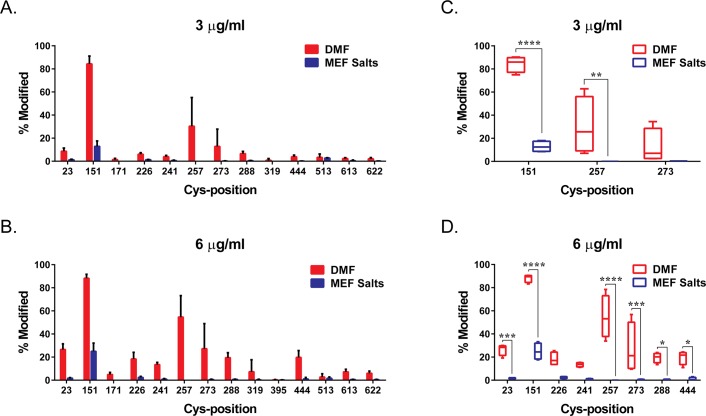
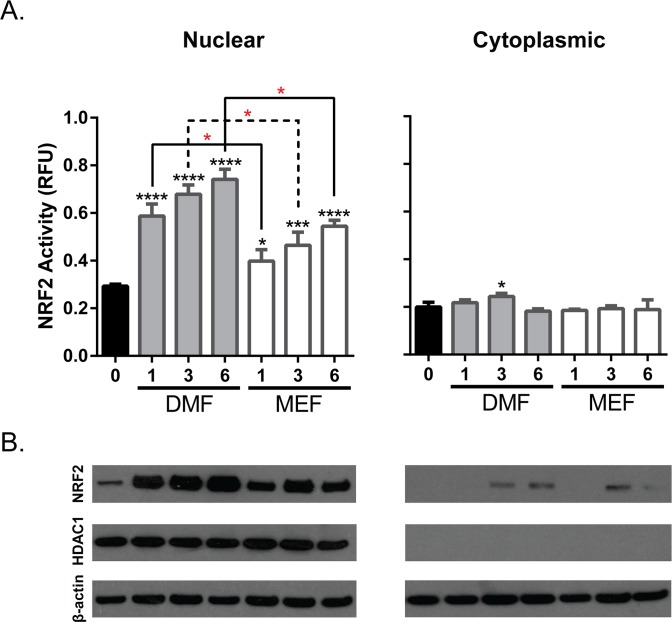
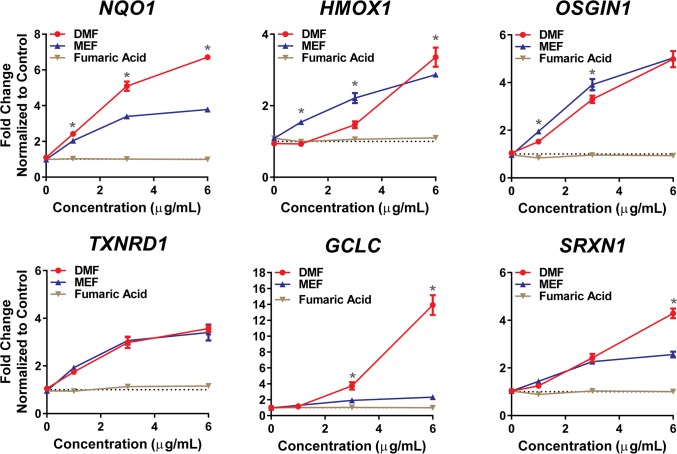
Delayed-release dimethyl fumarate (also known as gastro-resistant dimethyl fumarate), an oral therapeutic containing dimethyl fumarate (DMF) as the active ingredient, is currently approved for the treatment of relapsing multiple sclerosis. DMF is also a component in a distinct mixture product with 3 different salts of monoethyl fumarate (MEF), which is marketed for the treatment of psoriasis. Previous studies have provided insight into the pharmacologic properties of DMF, including modulation of kelch-like ECH-associated protein 1 (KEAP1), activation of the nuclear factor (erythroid-derived 2)-like 2 (NRF2) pathway, and glutathione (GSH) modulation; however, those of MEF remain largely unexplored. Therefore, the aim of this study was to evaluate the in vitro effects of DMF and MEF on KEAP1 modification, activation of the NRF2 pathway, and GSH conjugation. Using mass spectrometry, DMF treatment resulted in a robust modification of specific cysteine residues on KEAP1. In comparison, the overall degree of KEAP1 modification following MEF treatment was significantly less or undetectable. Consistent with KEAP1 cysteine modification, DMF treatment resulted in nuclear translocation of NRF2 and a robust transcriptional response in treated cells, as did MEF; however, the responses to MEF were of a lower magnitude or distinct compared to DMF. DMF was also shown to produce an acute concentration-dependent depletion of GSH; however, GSH levels eventually recovered and rose above baseline by 24 hours. In contrast, MEF did not cause acute reductions in GSH, but did produce an increase by 24 hours. Overall, these studies demonstrate that DMF and MEF are both pharmacologically active, but have differing degrees of activity as well as unique actions. These differences would be expected to result in divergent effects on downstream biology.
Overview
The claims and statistics of this paper haven’t been checked yet.
Run the check — free, no account needed. It reads the open-access text and checks the sources it cites.
Integrity signals
Registry
Cites
Statistics
Figures
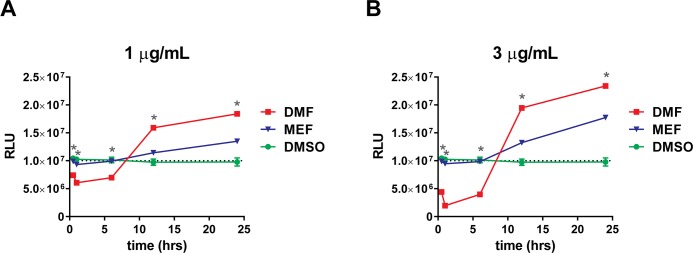
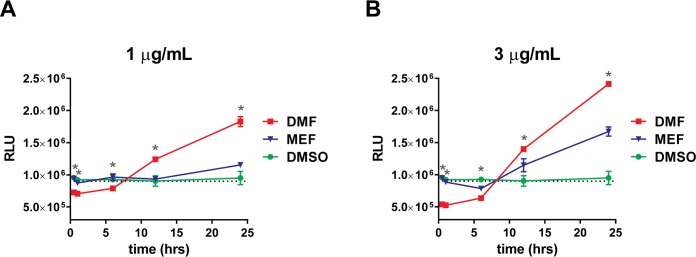
Verification
Claims the paper makes
The claims and statistics of this paper haven’t been checked yet.
Run the check — free, no account needed. It reads the open-access text and checks the sources it cites.
Claims other papers make about this one
Each is checked against this paper’s own text: does it say what the citing paper says it does?
In the citing paper
“Nair and colleagues (2018) convincingly demonstrated an increase in pro-inflammatory cytokine production, including IL-6 and IL-1β, in Mtb-infected Irg1-deficent mice”
From Coupling Krebs cycle metabolites to signalling in immunity and cancer (2018) · cites this paper as [73]
In the citing paper
“this effect was independent of its ability to act as an anti-bactericidal agent73.”
From Coupling Krebs cycle metabolites to signalling in immunity and cancer (2018) · cites this paper as [73]
In the citing paper
“an effect thought to be a consequence of itaconate-mediated transcriptional regulation of the inflammatory response73.”
From Coupling Krebs cycle metabolites to signalling in immunity and cancer (2018) · cites this paper as [73]
In the citing paper
“Irg1 was shown to specifically impair neutrophil recruitment to the lungs to curtail excessive lung inflammation and pathology”
From Coupling Krebs cycle metabolites to signalling in immunity and cancer (2018) · cites this paper as [73]
Self-check
Percentages, sums and reported differences re-computed from the paper’s own numbers.
The self-check needs the paper’s full text.
Citations
Cites
Itoh, K., Chiba, T., Takahashi, S., Ishii, T., Igarashi, K., Katoh, Y., Oyake, T., Hayashi, N., Satoh, K., Hatayama, I., et al. (1997) · Biochemical and Biophysical Research Communications · doi:10.1006/bbrc.1997.6943 · Cited by 3,999
Noseworthy, J. H., Lucchinetti, C. F., Rodriguez, M., & Weinshenker, B. G. (2000) · New England Journal of Medicine · doi:10.1056/nejm200009283431307 · Cited by 3,016
Kobayashi, A., Kang, M.-I., Okawa, H., Ohtsuji, M., Zenke, Y., Chiba, T., Igarashi, K., & Yamamoto, M. (2004) · Molecular and Cellular Biology · doi:10.1128/mcb.24.16.7130-7139.2004 · Cited by 2,224
Dinkova-Kostova, A. T., Holtzclaw, W. D., Cole, R. N., Itoh, K., Wakabayashi, N., Katoh, Y., Yamamoto, M., & Talalay, P. (2002) · Proceedings of the National Academy of Sciences · doi:10.1073/pnas.172398899 · Cited by 1,947 · cited 1×
“However, in the presence of electrophiles or oxidative stress, these molecules can bind KEAP1 cysteine residues resulting in an allosteric conformational change that diminishes KEAP1-dependent degradation of NRF2 [11].”
BackgroundZhang, D. D., & Hannink, M. (2003) · Molecular and Cellular Biology · doi:10.1128/mcb.23.22.8137-8151.2003 · Cited by 1,480
Molecular mechanisms of the Keap1-Nrf2 pathway in stress response and cancer evolution
Taguchi, K., Motohashi, H., & Yamamoto, M. (2011) · Genes to Cells · doi:10.1111/j.1365-2443.2010.01473.x · Cited by 1,478
Regulatory Mechanisms Controlling Gene Expression Mediated by the Antioxidant Response Element
Nguyen, T., Sherratt, P. J., & Pickett, C. B. (2003) · The Annual Review of Pharmacology and Toxicology · doi:10.1146/annurev.pharmtox.43.100901.140229 · Cited by 1,232 · cited 2×
“This allows NRF2 to accumulate and translocate to the nucleus to regulate cytoprotective genes associated with the phase II antioxidant response [12,13].”
BackgroundMethod(2002) · PubMed · Cited by 1,190
Linker, R. A., Lee, D.-H., Ryan, S., van Dam, A. M., Conrad, R., Bista, P., Zeng, W., Hronowsky, X., Buko, A., Chollate, S., et al. (2011) · Brain · doi:10.1093/brain/awq386 · Cited by 1,155
Self-citationBalogun, E. A., Hoque, M., Gong, P., Killeen, E., Green, C. J., Foresti, R., Alam, J., & Motterlini, R. (2003) · Biochemical Journal · doi:10.1042/bj20021619 · Cited by 1,038
Research works printed but not linked: 3
- K Itoh, 2003, Keap1 regulates both cytoplasmic-nuclear shuttling and degradation of Nrf2 in response to electrophiles, Genes Cells, 8, 379, 10.1046/j.1365-2443.2003.00640.x · DOI
- TJ Schmidt, 2007, Reactivity of dimethyl fumarate and methylhydrogen fumarate towards glutathione and N-acetyl-L-cysteine—preparation of S-substituted thiosuccinic acid esters, Bioorg Med Chem, 15, 333, 10.1016/j.bmc.2006.09.053 · DOI
- R Holland, 2010, Chemistry of the cysteine sensors in Kelch-like ECH-associated protein 1, Antioxid Redox Signaling, 13, 1749, 10.1089/ars.2010.3273 · DOI
Cited by
Sorted by citations
Targeting oxidative stress in disease: Promise and limitations of antioxidant therapy
Forman, H. J., & Zhang, H. (2021) · Nature Reviews Drug Discovery · doi:10.1038/s41573-021-00233-1 · Cited by 2,900
Itaconate is an anti-inflammatory metabolite that activates Nrf2 via alkylation of KEAP1
Mills, E. L., Ryan, D. G., Prag, H. A., Dikovskaya, D., Menon, D., Zaslona, Z., Jedrychowski, M. P., Costa, A. S. H., Higgins, M., Hams, E., et al. (2018) · Nature · doi:10.1038/nature25986 · Cited by 1,885
Coupling Krebs cycle metabolites to signalling in immunity and cancer
Ryan, D. G., Murphy, M. P., Frezza, C., Prag, H. A., Chouchani, E. T., O’Neill, L. A., & Mills, E. L. (2018) · Nature Metabolism · doi:10.1038/s42255-018-0014-7 · Cited by 398
The Role of Astrocytes in Multiple Sclerosis
Ponath, G. D., Park, C., & Pitt, D. (2018) · Frontiers in Immunology · doi:10.3389/fimmu.2018.00217 · Cited by 378
Dimethyl fumarate treatment induces adaptive and innate immune modulation independent of Nrf2
Schulze‐Topphoff, U., Varrin‐Doyer, M., Pekarek, K. L., Spencer, C. M., Shetty, A., Sagan, S. A., Cree, B., Sobel, R. A., Wipke, B. T., Steinman, L., et al. (2016) · Proceedings of the National Academy of Sciences · doi:10.1073/pnas.1603907113 · Cited by 292
“Kensler TW, Wakabayashi N, Biswal S (2007) Cell survival responses to environmental stresses via the Keap1-Nrf2-ARE pathway.”
BackgroundInfluentialSelf-citationLastres‐Becker, I., García‐Yagüe, Á. J., Scannevin, R. H., Casarejos, M. J., Kügler, S., Rábano, A., & Cuadrado, A. (2016) · Antioxidants and Redox Signaling · doi:10.1089/ars.2015.6549 · Cited by 279
“A wealth of NRF2 activators has been identified that appear to disrupt the KEAP1/NRF2 interaction (28).”
InfluentialSelf-citationCrisman, E., Duarte, P., Daudén, E., Cuadrado, A., Rodríguez-Franco, M. I., López, M. G., & Leon, R. M. (2022) · Medicinal Research Reviews · doi:10.1002/med.21925 · Cited by 289
“The DMF‐derived metabolite, monomethyl fumarate (MMF), readily reacts with Cys151 at the BTB domain of KEAP1 to induce NRF2 pathway activation.(49,50) Important examples of electrophilic NRF2 induces are sulforaphane and cyanoenone triterpenoids, that are also under clinical evaluation.”
BackgroundExperimental Autoimmune Encephalomyelitis (EAE) as Animal Models of Multiple Sclerosis (MS)
Glatigny, S., & Bettelli, E. (2018) · Cold Spring Harbor Perspectives in Medicine · doi:10.1101/cshperspect.a028977 · Cited by 247
“DMF is a fumaric acid ester (FAE) capable of activating the antioxidative transcription factor nuclear factor (erythroid-derived 2)-like 2 (Nrf2) pathway (Linker et al. 2011; Brennan et al. 2015).”
BackgroundTricarboxylic Acid (TCA) Cycle Intermediates: Regulators of Immune Responses
Choi, I., Son, H., & Baek, J.-H. (2021) · Life · doi:10.3390/life11010069 · Cited by 262
“response by modifying cysteine residues in the NRF2-KEAP1 complex, which is a major electrophile response pathway in mammals [156,163,171-175].”
BackgroundThe Immunomodulatory Potential of the Metabolite Itaconate
Hooftman, A., & O'Neill, L. A. J. (2019) · Trends in Immunology · doi:10.1016/j.it.2019.05.007 · Cited by 236
Ahuja, M., Kaidery, N. A., Yang, L., Calingasan, N. Y., Smirnova, N., Gaisin, A. M., Gaisina, I. N., Gazaryan, I. G., Hushpulian, D. M., Kaddour‐Djebbar, I., et al. (2016) · Journal of Neuroscience · doi:10.1523/jneurosci.0426-16.2016 · Cited by 207
“, 2015), whereas others showed that GSH levels recover after a transient depletion acutely after DMF treatment (Brennan et al., 2015).”
BackgroundResultInfluentialDimethyl fumarate induces ferroptosis and impairs NF-κB/STAT3 signaling in DLBCL
Schmitt, A., Xu, W., Bucher, P., Grimm, M., Konantz, M., Horn, H., Zapukhlyak, M., Berning, P., Brändle, M., Jarboui, M. A., et al. (2021) · Blood · doi:10.1182/blood.2020009404 · Cited by 202
Nrf2-A regulator of keratinocyte redox signaling
Schäfer, M., & Werner, S. (2015) · Free Radical Biology and Medicine · doi:10.1016/j.freeradbiomed.2015.04.018 · Cited by 192
“fumarate, a component of fumaderm, which is used for the treatment of this inflammatory skin disease [78], is a potent activator of NRF2 through its capacity to directly interact with KEAP1 [79].”
BackgroundInfluentialThe Nrf2-HO-1 system and inflammaging
O’Rourke, S. A., Shanley, L. C., & Dunne, A. (2024) · Frontiers in Immunology · doi:10.3389/fimmu.2024.1457010 · Cited by 177
Mrowietz, U., Szepietowski, J. C., Loewe, R. P., van de Kerkhof, P., Lamarca, R., Ocker, W. G., Tebbs, V. M., & Pau‐Charles, I. (2016) · British Journal of Dermatology · doi:10.1111/bjd.14947 · Cited by 151
Expanding the arsenal of E3 ubiquitin ligases for proximity-induced protein degradation
Kannt, A., & Đikić, I. (2021) · Cell chemical biology · doi:10.1016/j.chembiol.2021.04.007 · Cited by 153
Campolo, M., Casili, G., Biundo, F., Crupi, R., Cordaro, M., Cuzzocrea, S., & Esposito, E. (2016) · Antioxidants and Redox Signaling · doi:10.1089/ars.2016.6800 · Cited by 144
“showed that DMF, by acting as an electrophile, modulates specific KEAP1 cysteine residues and exerts more robust allosteric conformational changes—leading to a diminished KEAP1-dependent degradation of Nrf-2 (10).”
BackgroundLiu, X., Zhou, W., Zhang, X., Lü, P., Du, Q., Tao, L., Ding, Y., Wang, Y., & Hu, R. (2016) · Biochemical Pharmacology · doi:10.1016/j.bcp.2016.05.002 · Cited by 148
Dimethyl fumarate mediates Nrf2-dependent mitochondrial biogenesis in mice and humans
Hayashi, G., Jasoliya, M., Sahdeo, S., Saccà, F., Pane, C., Filla, A., Marsili, A., Puorro, G., Lanzillo, R., Morra, V. B., et al. (2017) · Human Molecular Genetics · doi:10.1093/hmg/ddx167 · Cited by 139
Dimethyl fumarate in multiple sclerosis: latest developments, evidence and place in therapy
Linker, R. A., & Haghikia, A. (2016) · Therapeutic Advances in Chronic Disease · doi:10.1177/2040622316653307 · Cited by 134
KEAP1, a cysteine-based sensor and a drug target for the prevention and treatment of chronic disease
Naidu, S. D., & Dinkova‐Kostova, A. T. (2020) · Open Biology · doi:10.1098/rsob.200105 · Cited by 135
A review of the mechanisms of action of dimethylfumarate in the treatment of psoriasis
Brück, J., Dringen, R., Amasuno, A., Pau‐Charles, I., & Ghoreschi, K. (2018) · Experimental Dermatology · doi:10.1111/exd.13548 · Cited by 128
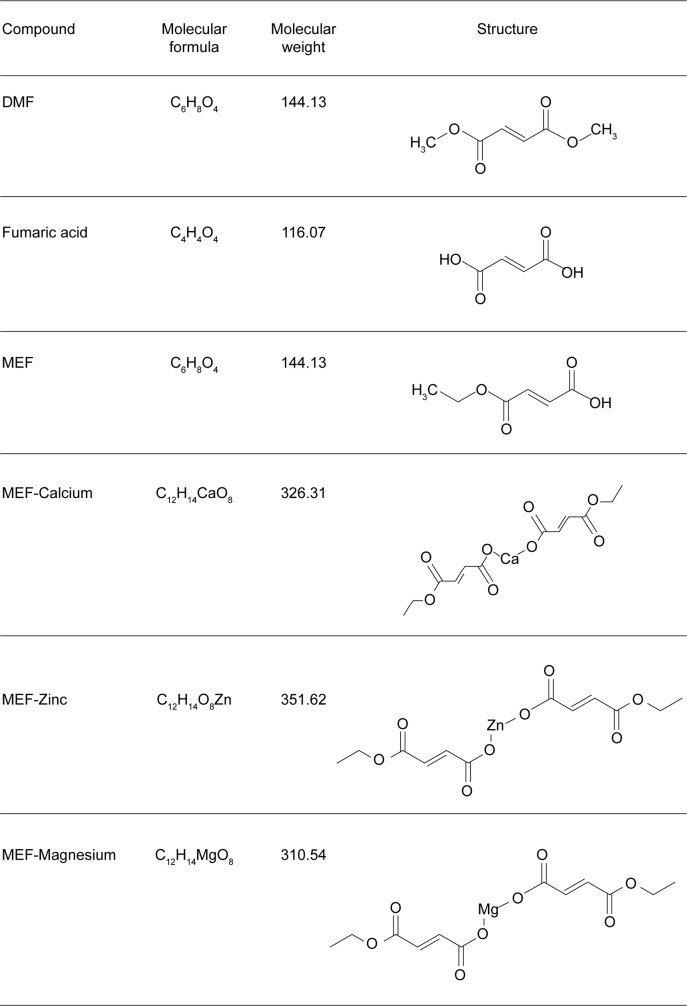
“[55] TABLE 2 Chemical structure and basic properties of FA, DMF, MMF and MEF (adapted from Brennan et al. 2015)[40] Compound Molecular formula Molecular weight Melting points (°C) Molecular structure Fumaric acid C4H4O4 116.07 287 DMF C6H8O4 144.13 102 MMF C5H6O4 130.1 144 MEF C6H8O4 144.13 147 F…”
BackgroundInfluentialKeap1 as the redox sensor of the antioxidant response
Sihvola, V., & Levonen, A. (2016) · Archives of Biochemistry and Biophysics · doi:10.1016/j.abb.2016.10.010 · Cited by 120
Diaz, G. M., Hupperts, R., Fraussen, J., & Somers, V. A. (2018) · Autoimmunity Reviews · doi:10.1016/j.autrev.2018.07.001 · Cited by 118
“DMF and MMF on GSH depletion from human astrocytes were observed, as DMF treatment transiently depleted intra- and extracellular GSH levels during 10 h after which GSH levels gradually increased while MMF increased GSH levels after 24 h of treatment (46).”
BackgroundMethodInfluentialMcGuire, V. A., Diez, T. R.-Z., Emmerich, C. H., Strickson, S., Ritorto, M. S., Sutavani, R. V., Weiβ, A., Houslay, K. F., Knebel, A., Meakin, P. J., et al. (2016) · Scientific Reports · doi:10.1038/srep31159 · Cited by 115
Kerins, M. J., Milligan, J., Wohlschlegel, J. A., & Ooi, A. (2018) · Cancer Science · doi:10.1111/cas.13701 · Cited by 111
“While we and others have shown that DMF consistently reduces GSH levels,(30,31) different fumarate esters have been shown to differentially modulate GSH levels.(32) More in‐depth investigations on the reactions between fumarate species and glutathione, and their roles in ferroptosis induction, are necessary.”
BackgroundSatoh, T., & Lipton, S. A. (2017) · F1000Research · doi:10.12688/f1000research.12111.1 · Cited by 106
Dimethyl Fumarate: A Review in Relapsing-Remitting MS
Blair, H. A. (2019) · Drugs · doi:10.1007/s40265-019-01229-3 · Cited by 105
Unni, S., Deshmukh, P. H., Krishnappa, G., Kommu, P., & Padmanabhan, B. (2020) · FEBS Journal · doi:10.1111/febs.15485 · Cited by 88
Brennan, M. S., Matos, M. F., Richter, K. E., Li, B., & Scannevin, R. H. (2017) · Scientific Reports · doi:10.1038/srep42054 · Cited by 87
Self-citationGieselbach, R.-J., Muller-Hansma, A. H. G., Wijburg, M. T., de Bruin-Weller, M. S., van Oosten, B. W., Nieuwkamp, D. J., Coenjaerts, F. E. J., Wattjes, M. P., & Murk, J. (2017) · Journal of Neurology · doi:10.1007/s00415-017-8509-9 · Cited by 87
“Despite these observations, little is understood about how DMF and MEF modify disease course and affect the immune system [22].”
BackgroundBach1 derepression is neuroprotective in a mouse model of Parkinson’s disease
Ahuja, M., Kaidery, N. A., Attucks, O. C., McDade, E., Hushpulian, D. M., Gaisin, A. M., Gaisina, I. N., Ahn, Y., Nikulin, S. V., Poloznikov, A. A., et al. (2021) · Proceedings of the National Academy of Sciences · doi:10.1073/pnas.2111643118 · Cited by 82
“Contrary to the previously reported covalent modification at the cysteine residue 151 of the Keap1 protein after DMF treatment (38, 39), HPPE treatment failed to modify Keap1 cysteines (SI Appendix, Fig.”
Modulation of Keap1/Nrf2/ARE Signaling Pathway by Curcuma- and Garlic-Derived Hybrids
Serafini, M. M., Catanzaro, M., Fagiani, F., Simoni, E., Caporaso, R., Dacrema, M., Romanoni, I., Govoni, S. M., Racchi, M., Daglia, M., et al. (2020) · Frontiers in Pharmacology · doi:10.3389/fphar.2019.01597 · Cited by 81
“The concentrations for DMF were chosen basing on literature data (Brennan et al., 2015; Campolo et al., 2018) and a range of concentrations starting from 1 mM to 50 mM has been analyzed.”
BackgroundMethodThe Role of Organosulfur Compounds as Nrf2 Activators and Their Antioxidant Effects
Egbujor, M. C., Petrosino, M., Zuhra, K., & Saso, L. (2022) · Antioxidants · doi:10.3390/antiox11071255 · Cited by 76
“Accordingly, in mouse embryonic fibroblasts (MEFs) harboring triple cysteine sensor mutation on Keap1, in which the three cysteines Cys151, Cys273 and Cys288 were substituted with serine, tryptophan, and glutamic acid, respectively, activation of the Nrf2 pathway in response to Class IV activators (but not Class I–III…”
BackgroundInfluentialChakkittukandiyil, A., Sajini, D. V., Karuppaiah, A., & Selvaraj, D. (2022) · Neurochemistry International · doi:10.1016/j.neuint.2022.105325 · Cited by 75
Dimethyl fumarate modulates antioxidant and lipid metabolism in oligodendrocytes
Huang, H., Taraboletti, A., & Shriver, L. P. (2015) · Redox Biology · doi:10.1016/j.redox.2015.04.011 · Cited by 71
“Cells were seeded in 6-well plates at a density of 3.0 105 cells/mL for the 24 h experiments or 1.0 105 cells/mL for experiments lasting 72 h.”
MethodInfluentialDimethyl fumarate potentiates oncolytic virotherapy through NF-κB inhibition
Selman, M., Ou, P., Rousso, C., Bergeron, A., Krishnan, R., Pikor, L. A., Chen, A., Keller, B. A., Ilkow, C. S., Bell, J. C., et al. (2018) · Science Translational Medicine · doi:10.1126/scitranslmed.aao1613 · Cited by 68
Rumah, K. R., Vartanian, T. K., & Fischetti, V. A. (2017) · Frontiers in Cellular and Infection Microbiology · doi:10.3389/fcimb.2017.00011 · Cited by 62
Liu, L., Vollmer, M. K., Ahmad, A. S., Fernandez, V. M., Kim, H., & Doré, S. (2018) · Free Radical Biology and Medicine · doi:10.1016/j.freeradbiomed.2018.11.017 · Cited by 59
Rosito, M., Testi, C., Parisi, G., Cortese, B., Baiocco, P., & Angelantonio, S. D. (2020) · Antioxidants · doi:10.3390/antiox9080700 · Cited by 61
Sauerland, M. B., Mertes, R., Morozzi, C., Eggler, A. L., Gamon, L. F., & Davies, M. J. (2021) · Free Radical Biology and Medicine · doi:10.1016/j.freeradbiomed.2021.03.040 · Cited by 59
The Complex Genetic and Epigenetic Regulation of the Nrf2 Pathways: A Review
McCord, J. M., Gao, B., & Hybertson, B. M. (2023) · Antioxidants · doi:10.3390/antiox12020366 · Cited by 57
“Curcumin [45] and sulforaphane [46,47]—both widely used “antioxidant” supplements—and dimethyl fumarate [48]—the pharmaceutical therapy marketed as Tecfidera® for the treatment of multiple sclerosis—all show this ability to deplete glutathione.”
BackgroundSelf-citationWang, L., Cai, X., Shi, M., Xue, L., Kuang, S., Xu, R., Qi, W., Li, Y., Ma, X., Zhang, R., et al. (2020) · European Journal of Medicinal Chemistry · doi:10.1016/j.ejmech.2020.112385 · Cited by 57
Peng, H., Li, H., Sheehy, A. M., Cullen, P. F., Allaire, N., & Scannevin, R. H. (2016) · Journal of Neuroimmunology · doi:10.1016/j.jneuroim.2016.08.006 · Cited by 57
“4), despite the well-established role for NRF2 in fumarate mediated cellular responses (Scannevin et al., 2012; Brennan et al., 2015).”
BackgroundResultSelf-citationDimethyl Fumarate Reduces Inflammation in Chronic Active Multiple Sclerosis Lesions
Zinger, N., Ponath, G., Sweeney, E., Nguyen, T. D., Lo, C. H., Diaz, I., Dimov, A., Teng, L., Zexter, L., Comunale, J., et al. (2022) · Neurology Neuroimmunology & Neuroinflammation · doi:10.1212/nxi.0000000000001138 · Cited by 51
Targeting Nrf2 for the treatment of Duchenne Muscular Dystrophy
Kourakis, S., Timpani, C. A., de Haan, J. B., Gueven, N., Fischer, D., & Rybalka, E. (2020) · Redox Biology · doi:10.1016/j.redox.2020.101803 · Cited by 50
Effects of fumarates on inflammatory human astrocyte responses and oligodendrocyte differentiation
Galloway, D. A., Williams, J. B., & Moore, C. S. (2017) · Annals of Clinical and Translational Neurology · doi:10.1002/acn3.414 · Cited by 51
“The induction of Nrf2 is achieved through glutathione depletion as well as direct binding of fumaric acid esters to the Nrf2 repressor KEAP1.(3,6,7) The antioxidant effects of DMF were initially considered to be the primary mechanism of action for this disease-modifying treatment (DMT), as mice lacking Nrf2 did not re…”
BackgroundSkin Redox Balance Maintenance: The Need for an Nrf2-Activator Delivery System
Ben-Yehuda Greenwald, M., Ben-Sasson, S., Bianco-Peled, H., & Kohen, R. (2016) · Cosmetics · doi:10.3390/cosmetics3010001 · Cited by 49
Glutathione Metabolism Contributes to the Induction of Trained Immunity
Ferreira, A. V., Koeken, V. A. C. M., Matzaraki, V., Kostidis, S., Alarcon-Barrera, J. C., de Bree, L. C. J., Moorlag, S. J. C. F. M., Mourits, V. P., Novakovic, B., Giera, M. A., et al. (2021) · Cells · doi:10.3390/cells10050971 · Cited by 52
“In astrocytes, acute exposure of the derivative dimethyl fumarate depletes intracellular GSH, but increases total GSH at later timepoints [25].”
BackgroundDwivedi, D. K., Jena, G., & Kumar, V. (2020) · Journal of Biochemical and Molecular Toxicology · doi:10.1002/jbt.22476 · Cited by 48
Dimethyl fumarate: Regulatory effects on the immune system in the treatment of multiple sclerosis
Hosseini, A., Masjedi, A., Baradaran, B., Hojjat‐Farsangi, M., Ghalamfarsa, G., Anvari, E., & Jadidi‐Niaragh, F. (2018) · Journal of Cellular Physiology · doi:10.1002/jcp.27930 · Cited by 48
“DMF also exerts its clinical effects through activation of Nrf2 (Brennan et al., 2015).”
BackgroundInfluentialKrämer, T. J., Grob, T., Menzel, L., Hirnet, T., Griemert, E., Radyushkin, K., Thal, S. C., Methner, A., & Schaefer, M. K. E. (2017) · Journal of Neurochemistry · doi:10.1111/jnc.14220 · Cited by 45
Dimethyl Fumarate: A Review in Relapsing-Remitting MS
Deeks, E. D. (2015) · Drugs · doi:10.1007/s40265-015-0528-1 · Cited by 44
Gutsche, K., Randi, E. B., Blank, V., Fink, D. A., Wenger, R. H., Leo, C., & Scholz, C. C. (2016) · Free Radical Biology and Medicine · doi:10.1016/j.freeradbiomed.2016.10.002 · Cited by 44
“SFN and DMF mediate stabilization and nuclear translocation of Nrf2 by modulating the inhibitory protein of Nrf2, kelch-like ECH-associated protein 1 (Keap1) [62,63].”
BackgroundLandeck, L., Asadullah, K., Amasuno, A., Pau‐Charles, I., & Mrowietz, U. (2018) · Archives of Dermatological Research · doi:10.1007/s00403-018-1825-9 · Cited by 43
Lin-Holderer, J., Li, L., Gruneberg, D., Marti, H. H., & Kunze, R. (2016) · Neuropharmacology · doi:10.1016/j.neuropharm.2016.01.023 · Cited by 44
Erlich, J. R., To, E. E., Liong, S., Brooks, R. D., Vlahos, R., O’Leary, J. J., Brooks, D. A., & Selemidis, S. (2020) · Antioxidants and Redox Signaling · doi:10.1089/ars.2020.8028 · Cited by 45
“DMI is also a far more potent Nrf2 activator, as the lack of a negative charge leads to a push toward the Michael equation (14, 110) (Table 2).”
BackgroundLee, J., Song, K., Hiebert, P., Werner, S., Kim, T., & Kim, Y. S. (2019) · Journal of Investigative Dermatology · doi:10.1016/j.jid.2019.12.008 · Cited by 41
Nuccio, C. D., Bernardo, A., Troiano, C., Brignone, M. S., Falchi, M., Greco, A., Rosini, M., Basagni, F., Lanni, C., Serafini, M. M., et al. (2020) · International Journal of Molecular Sciences · doi:10.3390/ijms21197216 · Cited by 42
“DMF is known to react with glutathione (GSH) rapidly and to provoke a quick depletion of its reduced form [26,27], which could affect the mitochondrial respiratory chain efficiency.”
BackgroundAdvances in developing noncovalent small molecules targeting Keap1
Barreca, M., Qin, Y., Cadot, M. E. H., Barraja, P., & Bach, A. (2023) · Drug Discovery Today · doi:10.1016/j.drudis.2023.103800 · Cited by 42
Proteomics and Beyond: Cell Decision-Making Shaped by Reactive Electrophiles
Liu, X., Long, M. J. C., & Aye, Y. (2018) · Trends in Biochemical Sciences · doi:10.1016/j.tibs.2018.09.014 · Cited by 39
“Furthermore, Keap1, a protein labeled by Tecfidera[62, 63], was not detectable by ABPP.”
BackgroundInfluentialZhong, M., Lynch, A. J., Muellers, S. N., Jehle, S., Luo, L., Hall, D. R., Iwase, R., Carolan, J. P., Egbert, M. E., Wakefield, A., et al. (2019) · Biochemistry · doi:10.1021/acs.biochem.9b00943 · Cited by 40
Homocysteine Induces Glial Reactivity in Adult Rat Astrocyte Cultures
Longoni, A., Bellaver, B., Bobermin, L. D., Santos, C. L., Nonose, Y., Kolling, J., dos Santos, T. M., de Assis, A. M., Quincozes‐Santos, A., & Wyse, Â. T. D. S. (2017) · Molecular Neurobiology · doi:10.1007/s12035-017-0463-0 · Cited by 37
Inhibiting the Keap1/Nrf2 Protein‐Protein Interaction with Protein‐Like Polymers
Carrow, K. P., Hamilton, H. L., Hopps, M. P., Li, Y., Qiao, B., Payne, N. C., Thompson, M. P., Zhang, X., Magassa, A., Fattah, M. A., et al. (2024) · Advanced Materials · doi:10.1002/adma.202311467 · Cited by 38
NRF2 in neurodegenerative diseases
Cuadrado, A. (2016) · Current Opinion in Toxicology · doi:10.1016/j.cotox.2016.09.004 · Cited by 36
Sandouka, S., Singh, P. K., Saadi, A., Taiwo, R. O., Sheeni, Y., Zhang, T., Deeb, L., Guignet, M. A., White, S. H., & Shekh‐Ahmad, T. (2023) · Journal of Translational Medicine · doi:10.1186/s12967-023-04695-2 · Cited by 35
Park, J., Choi, J. H., Ju, E. M., Pae, A. N., & Park, K. D. (2015) · Molecules · doi:10.3390/molecules200915989 · Cited by 37
“Recent studies have proposed that fumaric acid esters such as dimethyl fumarate (DMF) and its primary metabolite monomethyl fumarate (MMF) can activate genes associated with the Nrf2 antioxidant response pathway [20,31].”
BackgroundLiu, L., Vollmer, M. K., Kelly, M. G., Fernandez, V. M., Fernandez, T. G., Kim, H., & Doré, S. (2019) · Molecular Neurobiology · doi:10.1007/s12035-019-01760-0 · Cited by 35
Suraweera, T. L., Merlin, J. P. J., Dellaire, G., Xu, Z., & Rupasinghe, H. P. V. (2023) · International Journal of Molecular Sciences · doi:10.3390/ijms24043676 · Cited by 35
“Among tested positive controls, DMF is known to activate Nrf2 protein through canonical mechanisms such as the modification of Keap 1 Cys residues [52].”
BackgroundThe role of NRF2 transcription factor in inflammatory skin diseases
Salman, S., Paulet, V., Hardonnière, K., & Kerdine‐Römer, S. (2025) · BioFactors · doi:10.1002/biof.70013 · Cited by 43
“157,169 Other bioactive nat-ural compounds have also shown promise in alleviating psoriasis.”
Straßburger-Krogias, K., Ellrichmann, G., Krogias, C., Altmeyer, P. J., Chan, A., & Gold, R. (2014) · Therapeutic Advances in Neurological Disorders · doi:10.1177/1756285614544466 · Cited by 35
Dimethyl fumarate is an allosteric covalent inhibitor of the p90 ribosomal S6 kinases
Andersen, J. L., Gesser, B., Funder, E. D., Nielsen, C. J. F., Gotfred‐Rasmussen, H., Rasmussen, M. K., Toth, R. L., Gothelf, K. V., Arthur, J. S. C., Iversen, L., et al. (2018) · Nature Communications · doi:10.1038/s41467-018-06787-w · Cited by 33
Choi, J., Kim, S., Yoo, J. S., Kim, H. J., Kim, H. J., Kim, B. E., Lee, E. H., Lee, Y. S., Park, J., & Park, K. D. (2020) · European Journal of Medicinal Chemistry · doi:10.1016/j.ejmech.2020.113103 · Cited by 34
Manai, F., & Amadio, M. (2022) · Antioxidants · doi:10.3390/antiox11101924 · Cited by 33
“We then performed explorative experiments to evaluate the potential Nrf2 pathway activation in HREC exposed to the same range of DMF concentrations for 6 h; this time was selected according to our experience of the D F’s rapid action evidenced in other cellular models [31,32].”
MethodProtective effects of monomethyl fumarate at the inflamed blood–brain barrier
Lim, J. L., van der Pol, S. M. A., Dio, F. D., Hof, B. V. H., Kooij, G., de Vries, H. E., & van Horssen, J. (2015) · Microvascular Research · doi:10.1016/j.mvr.2015.12.003 · Cited by 33
Yasuda, D., Yuasa, A., Obata, R., Nakajima, M., Takahashi, K., Ohe, T., Ichimura, Y., Komatsu, M., Yamamoto, M. P., Imamura, R. M., et al. (2017) · Bioorganic & Medicinal Chemistry Letters · doi:10.1016/j.bmcl.2017.10.008 · Cited by 33
Cotzomi-Ortega, I., Rosowski, E. E., Wang, X., Sánchez-Zamora, Y. I., Lopez-Torres, J. M., Sanchez-Orellana, G., Han, R., Vasquez-Martinez, G., Andrade, G. M., Ballash, G. A., et al. (2024) · Mucosal Immunology · doi:10.1016/j.mucimm.2024.12.010 · Cited by 28
Self-citationSauerland, M. B., & Davies, M. J. (2022) · Archives of Biochemistry and Biophysics · doi:10.1016/j.abb.2022.109344 · Cited by 31
Regulation of proteostasis and innate immunity via mitochondria-nuclear communication
Kim, S., Ramalho, T. R. D. O., & Haynes, C. M. (2024) · The Journal of Cell Biology · doi:10.1083/jcb.202310005 · Cited by 30
Boda, E., Lorenzati, M., Parolisi, R., Harding, B. N., Pallavicini, G., Bonfanti, L., Moccia, A., Bielas, S. L., Cunto, F. D., & Buffo, A. (2022) · Nature Communications · doi:10.1038/s41467-022-30010-6 · Cited by 31
An updated patent review of Nrf2 activators (2020-present)
Zhao, Z., Dong, R., Cui, K., You, Q., & Jiang, Z. (2023) · Expert Opinion on Therapeutic Patents · doi:10.1080/13543776.2023.2178299 · Cited by 28
Izumi, Y., & Kōyama, Y. (2024) · Antioxidants · doi:10.3390/antiox13121527 · Cited by 31
Flores, J. J., Klebe, D. W., Tang, J., & Zhang, J. H. (2019) · Journal of Neuroscience Research · doi:10.1002/jnr.24388 · Cited by 27
“The most notable treatment options/strategies for Nrf2 agonism are carnosol (Martin et al., 2004), monascin (Lee et al., 2013), dimethyl fumarate (Brennan et al., 2015), chemerin (Zhang, Xu et al., 2018), and ankaflavin (Lee et al., 2012; Wang et al., 2018; Zhao, Sun, Zhang et al., 2015).”
BackgroundMetabolic ROS Signaling: To Immunity and Beyond
Andreyev, A. Y., Kushnareva, Y. E., Starkova, N. N., & Starkov, A. A. (2020) · Biochemistry (Moscow) · doi:10.1134/s0006297920120160 · Cited by 28
Thomas, S. D., Jha, N. K., Sadek, B. S., & Ojha, S. K. (2022) · Pharmaceuticals · doi:10.3390/ph15050497 · Cited by 27
NRF2 , a crucial modulator of skin cells protection against vitiligo, psoriasis, and cancer
Panieri, E., Telkoparan‐Akillilar, P., & Saso, L. (2022) · BioFactors · doi:10.1002/biof.1912 · Cited by 27
“Since its approval, the formulation of dimethyl fumarate and monoethyl fumarate (DMF/MEF) has represented a mainstay in the treatment of psoriasis,118,119 with proven clinical efficacy against moderate to severe forms.120–122 While initial studies provided evidence that DMF could attenuate the severity of neuroinflamm…”
BackgroundSzepanowski, F., Donaldson, D. M., Hartung, H., Mausberg, A. K., Kleinschnitz, C., Kieseier, B. C., & Stettner, M. (2017) · Acta Neuropathologica · doi:10.1007/s00401-017-1676-z · Cited by 27
“An emerging body of experimental evidence suggests that DMF, targeting Keap1 and interfering with the Nrf2/Keap1 interaction, indirectly activates Nrf2 by enabling its translocation into the nucleus [3].”
BackgroundMin, J., COHAN, S. L., Álvarez, E., Sloane, J. A., Phillips, J. T., van der Walt, A., Koulinska, I. N., Fang, F., Miller, C., & Chan, A. (2019) · Neurology and Therapy · doi:10.1007/s40120-019-0127-2 · Cited by 26
Andrés, C. M. C., Lobo, F., de la Lastra, J. M. P., Munguira, E. B., Andrés, C., & Lebeña, E. P. (2025) · Current Issues in Molecular Biology · doi:10.3390/cimb47090765 · Cited by 28
“…when clinicians exploit these agents therapeutically— S-alkylation thus acts as a pharmacological “kill switch”, but at the expense of widespread glutathione depletion (notably via DMF-mediated succination of Keap1 Cys151) and the risk of off-target alkylations across the proteome [155,174].”
Duarte, P., Michalska, P., Crisman, E., Cuadrado, A., & Leon, R. M. (2022) · Antioxidants · doi:10.3390/antiox11020247 · Cited by 24
“A prominent example of this process is the DMF mechanism of action whose derived metabolite, monomethyl fumarate (MMF), reacts with KEAP1-Cys151 to induce the NRF2-ARE pathway activation [37].”
BackgroundMatteo, P., Federico, D., Emanuela, M., Giulia, R., Tommaso, B., Alfredo, G., Anna, C., & Annamaria, O. (2022) · Pharmaceutics · doi:10.3390/pharmaceutics14122732 · Cited by 22
“In vitro studies have shown that, even if to a lower degree, MMF also directly enhances Nrf2′s pathway but causes less intranuclear accumulation of the NFR2 protein compared to DMF [12].”
BackgroundInfluence of TNF ‐alpha inhibitors and fumaric acid esters on male fertility in psoriasis patients
Heppt, F., Colsman, A., Maronna, A., Uslu, U., Heppt, M. V., Kiesewetter, F., & Sticherling, M. (2017) · Journal of the European Academy of Dermatology and Venereology · doi:10.1111/jdv.14364 · Cited by 23
Dimethyl Fumarate and Intestine: From Main Suspect to Potential Ally against Gut Disorders
Manai, F., Zanoletti, L., Arfini, D., Micco, S. G. D., Gjyzeli, A., Comincini, S., & Amadio, M. (2023) · International Journal of Molecular Sciences · doi:10.3390/ijms24129912 · Cited by 23
“Another strategy might be the direct use of MMF, which is characterized by better GI tolerability and exerts protective effects against gastric ulcerations [145,146], although several studies in the literature in different contexts underline the higher efficacy of DMF compared to MMF [147,148].”
Yonchuk, J. G., Foley, J. P., Bolognese, B. J., Logan, G., Wixted, W. E., Kou, J.-P., Chalupowicz, D. G., Feldser, H. G., Sanchez, Y., Nie, H., et al. (2017) · Journal of Pharmacology and Experimental Therapeutics · doi:10.1124/jpet.117.241794 · Cited by 22
“Furthermore, the Nrf2 activators CDDO-Me, SFN, and DMF have been shown to modify glutathione levels (Tarozzi et al., 2009; Reisman et al., 2012; Brennan et al., 2015).”
BackgroundDimethylfumarate ameliorates hepatic injury and fibrosis induced by carbon tetrachloride
Mostafa, M., Shaaban, A. A., & Salem, H. A. (2019) · Chemico-Biological Interactions · doi:10.1016/j.cbi.2019.01.029 · Cited by 22
Emerging small-molecule treatments for multiple sclerosis: focus on B cells
Gregson, A. M., Thompson, K. K., Tsirka, S. E., & Selwood, D. L. (2019) · F1000Research · doi:10.12688/f1000research.16495.1 · Cited by 21
Sánchez-Sanz, A., Coronado-Albi, M. J., Muñoz‐Viana, R., García‐Merino, A., & Sánchez, A. (2024) · International Journal of Molecular Sciences · doi:10.3390/ijms252313082 · Cited by 19
Activation of Nrf2 to Optimise Immune Responses to Intracerebral Haemorrhage
Loan, J. J., Salman, R. A., McColl, B. W., & Hardingham, G. E. (2022) · Biomolecules · doi:10.3390/biom12101438 · Cited by 17
Turnaturi, R., Piana, S., Spoto, S., Costanzo, G., Reina, L., Pasquinucci, L., & Parenti, C. (2023) · Molecules · doi:10.3390/molecules28207089 · Cited by 18
“…activity that was the effect of natural products or their active principles on nociception based on animal models (acetic acid-induced abdominal writhing, formalin-induced nociception, orofacial formalin-induced nociception tests, chronic muscle pain tests, tail flick tests, hot plate tests, tail…”
BackgroundMethodSynthesis, In Vitro and In Silico Studies of HO-1 Inducers and Lung Antifibrotic Agents
Pittalà, V., Vanella, L., Platania, C. B. M., Salerno, L., Raffaele, M., Amata, E., Marrazzo, A., Floresta, G., Romeo, G., Greish, K. F., et al. (2019) · Future Medicinal Chemistry · doi:10.4155/fmc-2018-0448 · Cited by 17
Metadata
- Authors
- Brennan, M. S., Matos, M. F., Li, B., Hronowski, X., Gao, B., Juhasz, P., Rhodes, K. J., & Scannevin, R. H.
- Affiliations
- Biogen (United States) (US)
- Corresponding author
- Scannevin, Robert H.
- Venue
- PLOS ONE
- Publisher
- Public Library of Science (PLoS)
- Published
- 2015-03-20
- Volume
- 10
- Issue
- 3
- Pages
- e0120254
- ISSN
- 1932-6203 (ISSN-L)
- PMC
- PMC4368598
- OpenAlex
- W2008817720
- Cited by
- 188
- References
- 41
- Citations by year
- 2026: 23 · 2025: 19 · 2024: 15 · 2023: 14 · 2022: 21 · 2021: 11 · 2020: 13 · 2019: 16 · 2018: 18 · 2017: 14 · 2016: 17 · 2015: 6
- FWCI
- 7.96
- Type
- journal article
- Language
- en
- Open access
- gold
- doi.org
- Licence
- Locations
- PLoS ONE (publishedVersion, cc-by)
- Europe PMC (PubMed Central) (publishedVersion, cc-by)
- PubMed Central (publishedVersion, cc-by)
- PubMed (publishedVersion)
- DOAJ (DOAJ: Directory of Open Access Journals) (submittedVersion, cc-by-sa)
- Figshare (submittedVersion, cc-by)
- Funders
- Biogen
- Topics
- Life Sciences › Biochemistry, Genetics and Molecular Biology › Molecular Biology › Genomics, phytochemicals, and oxidative stress
- Life Sciences › Biochemistry, Genetics and Molecular Biology › Molecular Biology › Glutathione Transferases and Polymorphisms
- Life Sciences › Biochemistry, Genetics and Molecular Biology › Molecular Biology › Redox biology and oxidative stress
- Keywords
- dimethyl fumarate, Keap1, Nrf2 activation, glutathione depletion, cysteine modification, nuclear translocation, antioxidant pathways, multiple sclerosis, psoriasis, fumarate salts
- MeSH terms
- Dimethyl Fumarate, Kelch-Like ECH-Associated Protein 1, Astrocytes, Cell Nucleus, Cysteine, Extracellular Space, Fumarates, Gene Expression Regulation, Glutathione, Humans, Protein Transport, Intracellular Signaling Peptides and Proteins, NF-E2-Related Factor 2, HEK293 Cells
About these checks
Registry, retraction, Cites and statistics results are computed, not judged, with one exception: a printed reference that no index lists is read once by a model before it counts as a citation error. Claims are extracted by a model and kept only when their quote appears verbatim in the text; each cited source is then checked, with a model’s help, for whether it says what the claim relies on. Those verdicts can be wrong — read the claim’s quote and the cited source before relying on one.
Statistics and arithmetic are recomputed, not judged.
Confidence bands are shown only for fields calibrated on our annotated test set. None is calibrated yet, so no band is shown.
What counts as a claim ›How we measure confidence ›How we check this ›
Are you an author, or do you see a problem with this page? Request a review
