

The DOI matches its Crossref record; 33 of the 33 references it cites were found in a registry or an index.
HIF-1α Promotes Epithelial-Mesenchymal Transition and Metastasis through Direct Regulation of ZEB1 in Colorectal Cancer
Open accessAbstract
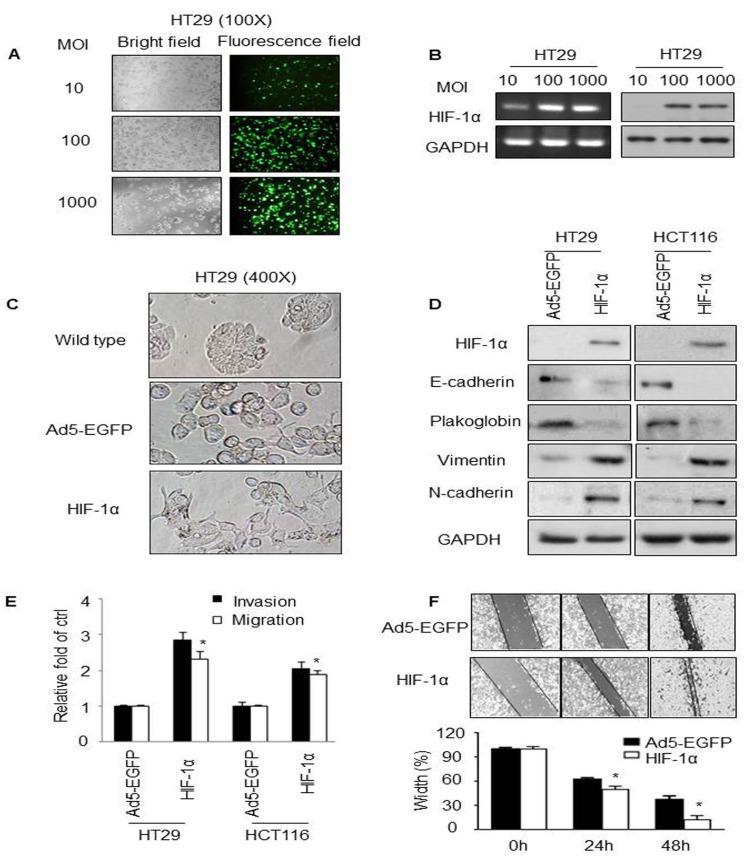
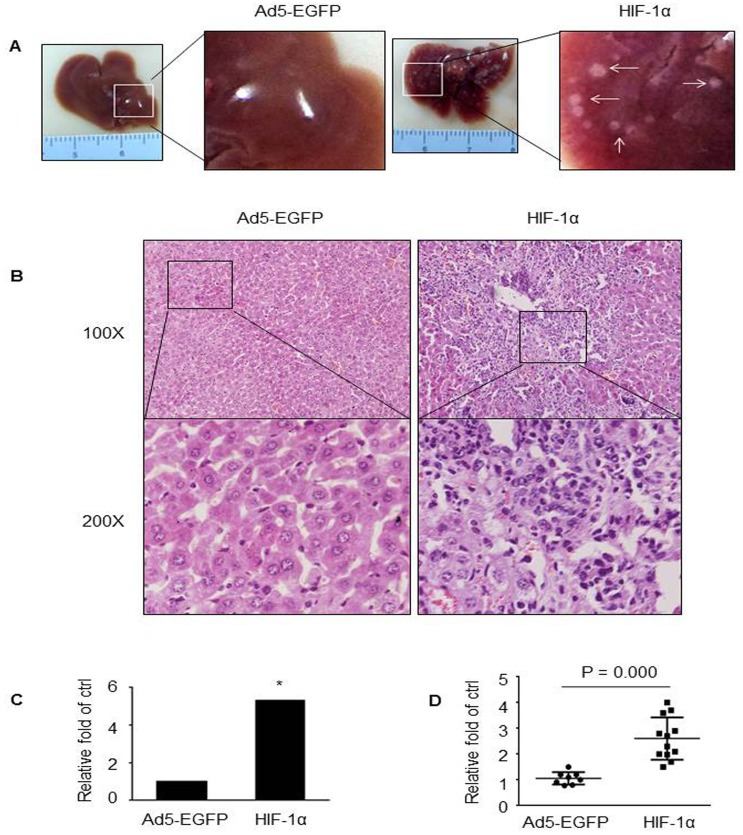
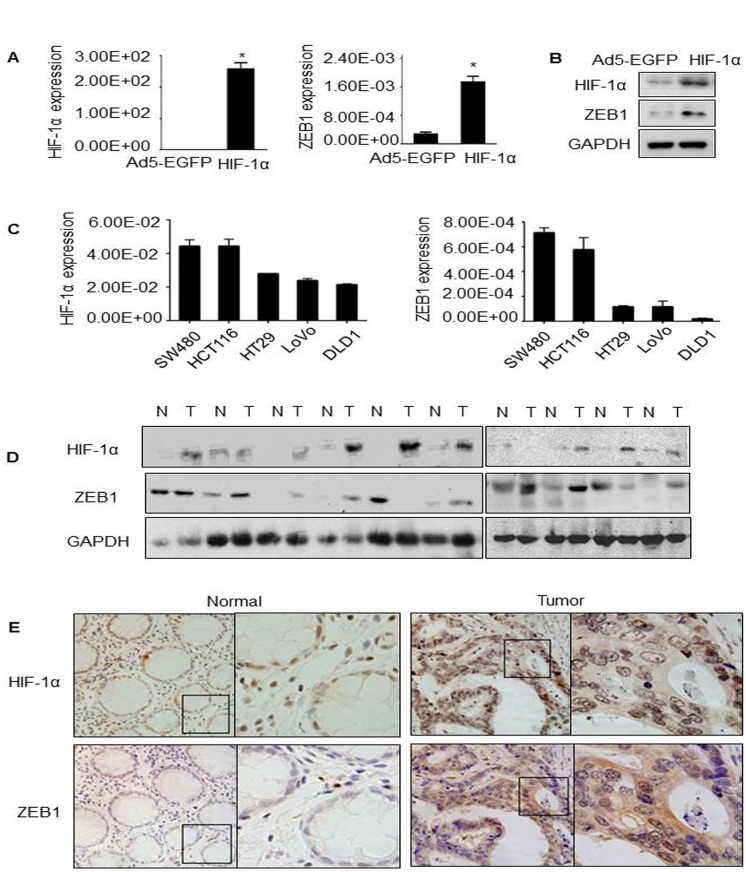
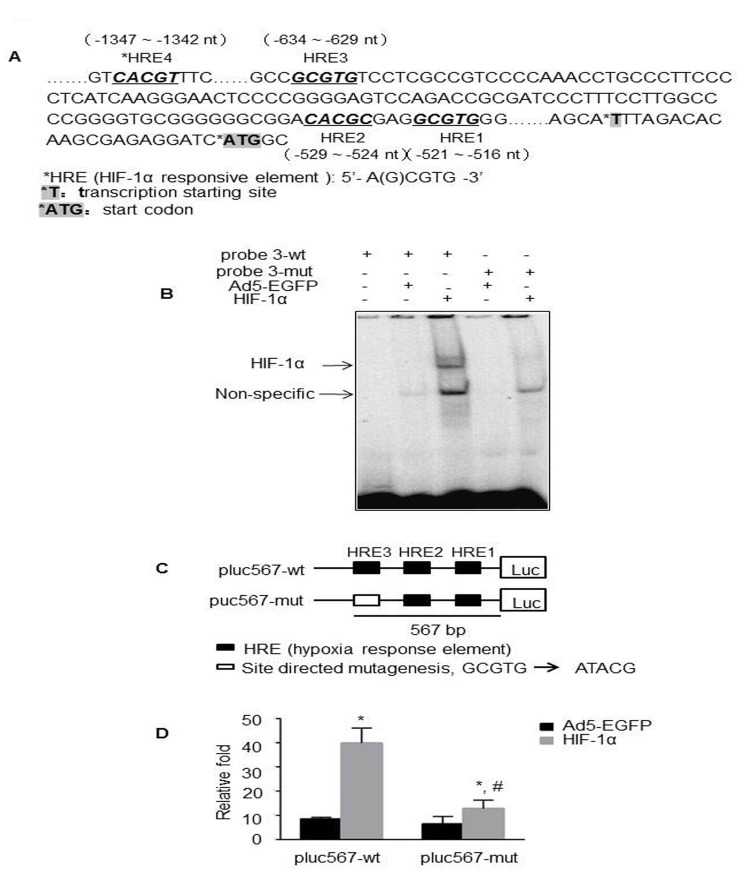
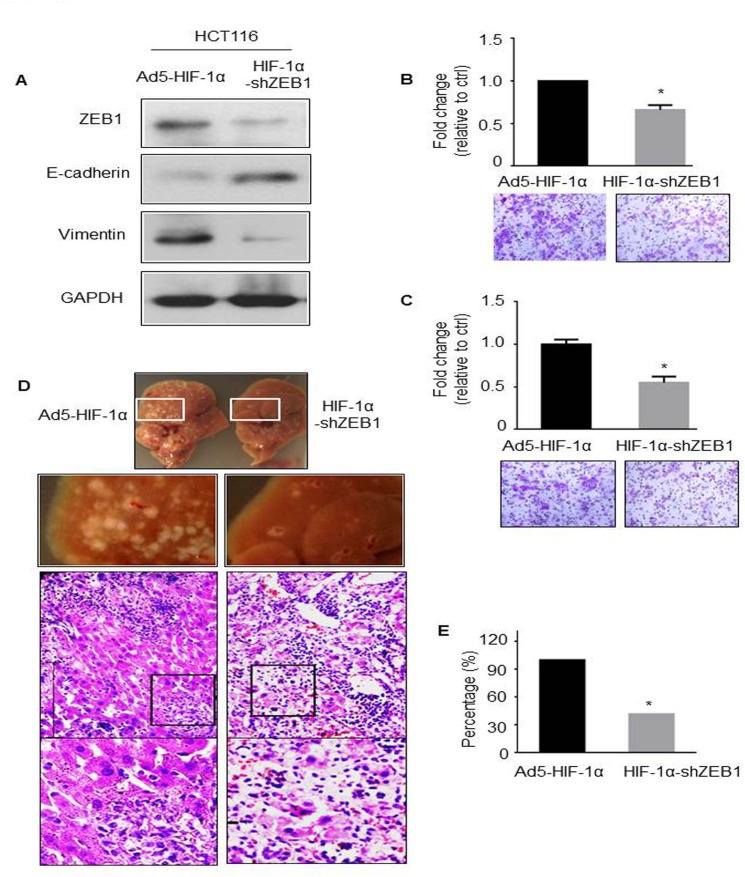
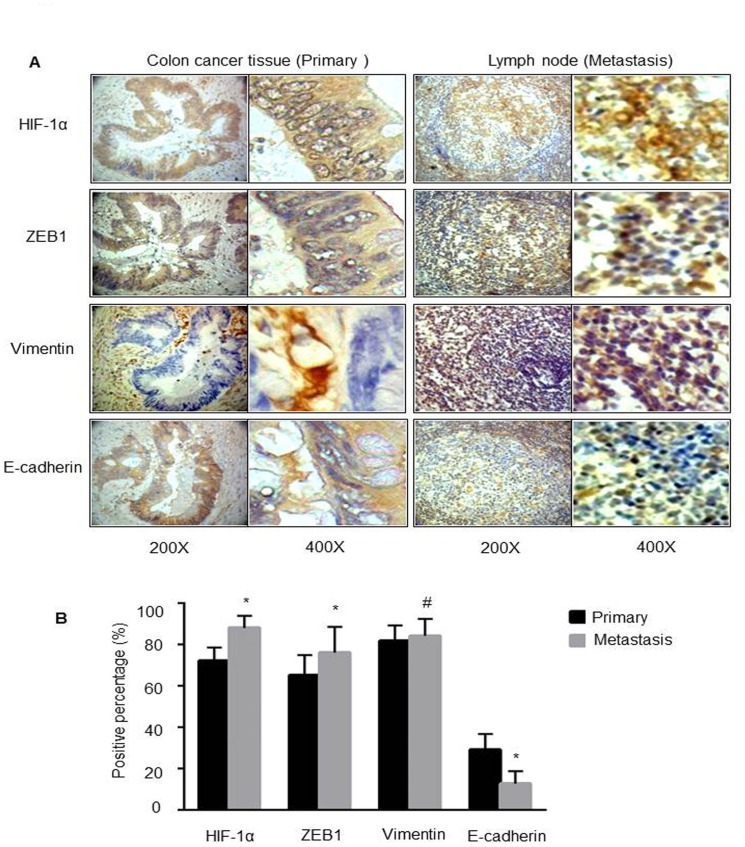
It is well recognized that hypoxia-inducible factor 1 alpha (HIF-1α) is involved in cancer metastasis, chemotherapy and poor prognosis. We previously found that deferoxamine, a hypoxia-mimetic agent, induces epithelial-mesenchymal transition (EMT) in colorectal cancer. Therefore, here we explored a new molecular mechanism for HIF-1α contributing to EMT and cancer metastasis through binding to ZEB1. In this study, we showed that overexpression of HIF-1α with adenovirus infection promoted EMT, cell invasion and migration in vitro and in vivo. On a molecular level, HIF-1α directly binding to the proximal promoter of ZEB1 via hypoxia response element (HRE) sites thus increasing the transactivity and expression of ZEB1. In addition, inhibition of ZEB1 was able to abrogate the HIF-1α-induced EMT and cell invasion. HIF-1α expression was highly correlated with the expression of ZEB1 in normal colorectal epithelium, primary and metastatic CRC tissues. Interestingly, both HIF-1α and ZEB1 were positively associated with Vimentin, an important mesenchymal marker of EMT, whereas negatively associated with E-cadherin expression. These findings suggest that HIF-1α enhances EMT and cancer metastasis by binding to ZEB1 promoter in CRC. HIF-1α and ZEB1 are both widely considered as tumor-initiating factors, but our results demonstrate that ZEB1 is a direct downstream of HIF-1α, suggesting a novel molecular mechanism for HIF-1α-inducing EMT and cancer metastasis.
Overview
The claims and statistics of this paper haven’t been checked yet.
Run the check — free, no account needed. It reads the open-access text and checks the sources it cites.
Integrity signals
Registry
Cites
Statistics
Figures
Verification
Claims the paper makes
The claims and statistics of this paper haven’t been checked yet.
Run the check — free, no account needed. It reads the open-access text and checks the sources it cites.
Claims other papers make about this one
Each is checked against this paper’s own text: does it say what the citing paper says it does?
In the citing paper
“Studies have demonstrated that HIF has a direct regulatory effect on EMT‐related proteins, such as zinc finger E‐box binding homeobox 1, Snail and Twist.”
From Hypoxia signaling in cancer: Implications for therapeutic interventions (2023) · cites this paper as [87]
In the citing paper
“A direct role for HIF in the regulation of key EMT transcription factors such as ZEB1, Snail, and Twist has been demonstrated through the identification of functional hypoxia response elements (HREs) within the regulatory elements of these genes”
From Hypoxic control of metastasis (2016) · cites this paper as [73]
Self-check
Percentages, sums and reported differences re-computed from the paper’s own numbers.
The self-check needs the paper’s full text.
Citations
Cites
The basics of epithelial-mesenchymal transition
Kalluri, R., & Weinberg, R. A. (2009) · Journal of Clinical Investigation · doi:10.1172/jci39104 · Cited by 10,196
Biomarkers for epithelial-mesenchymal transitions
Zeisberg, M., & Neilson, E. G. (2009) · Journal of Clinical Investigation · doi:10.1172/jci36183 · Cited by 2,299 · cited 1×
“homeobox 1 (ZEB1), ZEB2, and/or E47, which can bind to E-cadherin promoter and inhibit its transcription activity and expression [2].”
BackgroundDirect regulation of TWIST by HIF-1α promotes metastasis
Yang, M.-H., Wu, M.-Z., Chiou, S.-H., Chen, P.-M., Chang, S.-Y., Liu, C.-J., Teng, S.-C., & Wu, K.-J. (2008) · Nature Cell Biology · doi:10.1038/ncb1691 · Cited by 1,345
Self-citationHypoxia promotes fibrogenesis in vivo via HIF-1 stimulation of epithelial-to-mesenchymal transition
Higgins, D. F., Kimura, K., Bernhardt, W. M., Shrimanker, N., Akai, Y., Hohenstein, B., Saito, Y., Johnson, R. S., Kretzler, M., Cohen, C. D., et al. (2007) · Journal of Clinical Investigation · doi:10.1172/jci30487 · Cited by 976
Eger, A., Aigner, K., Sonderegger, S., Dampier, B., Oehler, S., Schreiber, M., Berx, G., Cano, A., Beug, H., & Foisner, R. (2005) · Oncogene · doi:10.1038/sj.onc.1208429 · Cited by 808
HIF-1 as a target for drug development
Giaccia, A., Siim, B. G., & Johnson, R. S. (2003) · Nature Reviews Drug Discovery · doi:10.1038/nrd1199 · Cited by 631
The Transcriptional Repressor ZEB1 Promotes Metastasis and Loss of Cell Polarity in Cancer
Spaderna, S., Schmalhofer, O., Wahlbuhl, M., Dimmler, A. W., Bauer, K., Sultan, A., Hlubek, F., Jung, A., Strand, D. J., Eger, A., et al. (2008) · Cancer Research · doi:10.1158/0008-5472.can-07-5682 · Cited by 558
Interaction between β-catenin and HIF-1 promotes cellular adaptation to hypoxia
Kaidi, A., Williams, A. C., & Paraskeva, C. (2007) · Nature Cell Biology · doi:10.1038/ncb1534 · Cited by 529
Krishnamachary, B., Zagzag, D., Nagasawa, H., Rainey, K., Okuyama, H., Baek, J. H., & Semenza, G. L. (2006) · Cancer Research · doi:10.1158/0008-5472.can-05-3719 · Cited by 415
Tsai, C., Chen, Y.-J., Yew, T., Chen, L., Wang, J., Chiu, C., & Hung, S. (2010) · Blood · doi:10.1182/blood-2010-05-287508 · Cited by 389
Self-citation
Cited by
Sorted by citations
NF-κB, inflammation, immunity and cancer: coming of age
Taniguchi, K., & Karin, M. (2018) · Nature Reviews Immunology · doi:10.1038/nri.2017.142 · Cited by 2,679
Rankin, E. B., & Giaccia, A. J. (2016) · Science · doi:10.1126/science.aaf4405 · Cited by 1,340
Hypoxia-inducible factors: cancer progression and clinical translation
Wicks, E. E., & Semenza, G. L. (2022) · Journal of Clinical Investigation · doi:10.1172/jci159839 · Cited by 626
Regulation of EMT in Colorectal Cancer: A Culprit in Metastasis
Vu, T., & Datta, P. K. (2017) · Cancers · doi:10.3390/cancers9120171 · Cited by 510
MIBI-TOF: A multiplexed imaging platform relates cellular phenotypes and tissue structure
Keren, L., Bosse, M. M., Thompson, S., Risom, T., Vijayaragavan, K., McCaffrey, E., Marquez, D. M., Angoshtari, R., Greenwald, N. F., Fienberg, H. G., et al. (2019) · Science Advances · doi:10.1126/sciadv.aax5851 · Cited by 426
Self-citationNoman, M. Z., Hasmim, M., Messai, Y., Terry, S., Kiéda, C., Janji, B., & Chouaı̈b, S. (2015) · American Journal of Physiology-Cell Physiology · doi:10.1152/ajpcell.00207.2015 · Cited by 420
Tumor microenvironment: barrier or opportunity towards effective cancer therapy
Tiwari, A., Trivedi, R., & Lin, S. (2022) · Journal of Biomedical Science · doi:10.1186/s12929-022-00866-3 · Cited by 399
Risom, T., Glass, D. R., Averbukh, I., Liu, C. C., Baranski, A., Kagel, A., McCaffrey, E., Greenwald, N. F., Rivero‐Gutiérrez, B., Strand, S. H., et al. (2022) · Cell · doi:10.1016/j.cell.2021.12.023 · Cited by 373
Tafani, M., Sansone, L., Limana, F., Arcangeli, T., Santis, E. D., Polese, M., Fini, M., & Russo, M. A. (2015) · Oxidative Medicine and Cellular Longevity · doi:10.1155/2016/3907147 · Cited by 379
Hypoxia, oxidative stress, and the interplay of HIFs and NRF2 signaling in cancer
Bae, T., Hallis, S. P., & Kwak, M. (2024) · Experimental & Molecular Medicine · doi:10.1038/s12276-024-01180-8 · Cited by 410
Zhong, X., He, X., Wang, Y., Hu, Z., Huang, H., Zhao, S., Wei, P., & Li, D. (2022) · Journal of Hematology & Oncology · doi:10.1186/s13045-022-01358-5 · Cited by 356
Hypoxia-Induced Epithelial-Mesenchymal Transition in Cancers: HIF-1α and Beyond
Tam, S. Y., Wu, V., & Law, H. (2020) · Frontiers in Oncology · doi:10.3389/fonc.2020.00486 · Cited by 319
Qiu, G., Jin, M., Dai, J., Sun, W., Feng, J., & Jin, W. (2017) · Trends in Pharmacological Sciences · doi:10.1016/j.tips.2017.05.002 · Cited by 250
Tissue Force Programs Cell Fate and Tumor Aggression
Northey, J. J., Przybyla, L., & Weaver, V. M. (2017) · Cancer Discovery · doi:10.1158/2159-8290.cd-16-0733 · Cited by 242
Jiang, J., Wang, K., Chen, Y., Chen, H., Nice, E. C., & Huang, C. (2017) · Signal Transduction and Targeted Therapy · doi:10.1038/sigtrans.2017.36 · Cited by 233
Chemoresistance and the Self-Maintaining Tumor Microenvironment
Yeldag, G., Rice, A. J., & Hernández, A. E. D. R. (2018) · Cancers · doi:10.3390/cancers10120471 · Cited by 222
Zhang, Q., Duan, J., Liu, X., & Guo, S.-W. (2016) · Molecular and Cellular Endocrinology · doi:10.1016/j.mce.2016.03.015 · Cited by 211
Deng, S.-J., Chen, H.-Y., Zeng, Y., Deng, S., Zhu, S., Zeng, Z., He, C., Liu, M., Huang, K., Zhong, J., et al. (2018) · Oncogene · doi:10.1038/s41388-018-0382-1 · Cited by 206
Hypoxia, partial EMT and collective migration: Emerging culprits in metastasis
Saxena, K., Jolly, M. K., & Balamurugan, K. (2020) · Translational Oncology · doi:10.1016/j.tranon.2020.100845 · Cited by 205
Metabolic rewiring in the promotion of cancer metastasis: mechanisms and therapeutic implications
Wei, Q., Qian, Y., Yu, J. Q., & Wong, C. C. (2020) · Oncogene · doi:10.1038/s41388-020-01432-7 · Cited by 193
Hypoxia-induced epithelial to mesenchymal transition in cancer
Hapke, R., & Haake, S. M. (2020) · Cancer Letters · doi:10.1016/j.canlet.2020.05.012 · Cited by 184
Huang, Z., Zhang, Z., Zhou, C., Liu, L., & Huang, C. (2022) · MedComm · doi:10.1002/mco2.144 · Cited by 179
Tissue mechanics in stem cell fate, development, and cancer
Hayward, M.-K., Muncie, J. M., & Weaver, V. M. (2021) · Developmental Cell · doi:10.1016/j.devcel.2021.05.011 · Cited by 159
Glaviano, A., Lau, H., Carter, L. M., Lee, E. H. C., Lam, H. Y., Okina, E., Tan, D. J. J., Tan, W., Ang, H. L., Carbone, D., et al. (2025) · Journal of Hematology & Oncology · doi:10.1186/s13045-024-01634-6 · Cited by 169
The Transcriptional and Epigenetic Landscape of Cancer Cell Lineage Plasticity
Davies, A., Zoubeidi, A., Beltran, H., & Selth, L. A. (2023) · Cancer Discovery · doi:10.1158/2159-8290.cd-23-0225 · Cited by 170
Sánchez‐Duffhues, G., de Vinuesa, A. G., & ten Dijke, P. (2017) · Developmental Dynamics · doi:10.1002/dvdy.24589 · Cited by 145
Chen, X.-J., Deng, Y.-R., Wang, Z., Wei, W.-F., Zhou, C.-F., Zhang, Y., Yan, R.-M., Liang, L.-J., Zhong, M., Li, L., et al. (2019) · Cell Death and Disease · doi:10.1038/s41419-019-1748-1 · Cited by 139
Lee, J., & Kong, G. (2016) · Cellular and Molecular Life Sciences · doi:10.1007/s00018-016-2313-z · Cited by 130
Mitochondrial Involvement in Migration, Invasion and Metastasis
Denisenko, T. V., Gorbunova, A. S., & Zhivotovsky, B. (2019) · Frontiers in Cell and Developmental Biology · doi:10.3389/fcell.2019.00355 · Cited by 127
The relationship between vasculogenic mimicry and epithelial‐mesenchymal transitions
Liu, Q., Qiao, L., Liang, N., Xie, J., Zhang, J., Deng, G., Luo, H., & Zhang, J. (2016) · Journal of Cellular and Molecular Medicine · doi:10.1111/jcmm.12851 · Cited by 123
Hypoxia signaling in cancer: Implications for therapeutic interventions
Zhuang, Y., Liu, K., He, Q., Gu, X., Jiang, C., & Wu, J. (2023) · MedComm · doi:10.1002/mco2.203 · Cited by 119
Colvin, H. S., Nishida, N., Konno, M., Haraguchi, N., Takahashi, H., Nishimura, J., Hata, T., Kawamoto, K., Asai, A., Tsunekuni, K., et al. (2016) · Scientific Reports · doi:10.1038/srep36289 · Cited by 111
Cai, Q., Wang, Z., Wang, S., Weng, M., Zhou, D., Li, C., Wang, J., Chen, E., & Quan, Z. (2017) · Open Biology · doi:10.1098/rsob.160247 · Cited by 106
Self-citationRetractedZhang, J., Hu, Z., Horta, C. A., & Yang, J. (2022) · Seminars in Cancer Biology · doi:10.1016/j.semcancer.2022.12.002 · Cited by 106
Korbecki, J., Kojder, K., Barczak, K., Simińska, D., Gutowska, I., Chlubek, D., & Baranowska‐Bosiacka, I. (2020) · International Journal of Molecular Sciences · doi:10.3390/ijms21165647 · Cited by 104
Epithelial-mesenchymal transition: Insights into nickel-induced lung diseases
Lee, H., Jose, C. C., & Cuddapah, S. (2021) · Seminars in Cancer Biology · doi:10.1016/j.semcancer.2021.05.020 · Cited by 104
The role of HIF-1α in chemo-/radioresistant tumors
Xia, Y., Jiang, L., & Zhong, T. (2018) · OncoTargets and Therapy · doi:10.2147/ott.s158206 · Cited by 102
Hypoxia-driven intratumor heterogeneity and immune evasion
Terry, S., Engelsen, A. S. T., Buart, S., El‐Sayed, W., Venkatesh, G. H., & Chouaı̈b, S. (2020) · Cancer Letters · doi:10.1016/j.canlet.2020.07.004 · Cited by 102
The multiverse nature of epithelial to mesenchymal transition
Simeone, P., Trerotola, M., Franck, J., Cardon, T., Marchisio, M., Fournier, I., Salzet, M., Maffia, M., & Vergara, D. (2019) · Seminars in Cancer Biology · doi:10.1016/j.semcancer.2018.11.004 · Cited by 98
Alleviating hypoxia to improve cancer immunotherapy
Fan, P., Zhang, N., Candi, E., Agostini, M., Piacentini, M., Bernassola, F., Bove, P., Alessandro, M., Giuseppe, N., Valentina, R., et al. (2023) · Oncogene · doi:10.1038/s41388-023-02869-2 · Cited by 101
Role of Hypoxia-Mediated Autophagy in Tumor Cell Death and Survival
Zaarour, R. F., Azakir, B., Hajam, E. Y., Nawafleh, H. H., Zeinelabdin, N. A., Engelsen, A. S. T., Thiery, J., Jamora, C., & Chouaïb, S. (2021) · Cancers · doi:10.3390/cancers13030533 · Cited by 102
A TGF-β-MTA1-SOX4-EZH2 signaling axis drives epithelial–mesenchymal transition in tumor metastasis
Li, L., Liu, J., Xue, H., Li, C., Liu, Q., Zhou, Y., Wang, T., Wang, H., Qian, H., & Wen, T. (2019) · Oncogene · doi:10.1038/s41388-019-1132-8 · Cited by 92
Role of Hypoxic Stress in Regulating Tumor Immunogenicity, Resistance and Plasticity
Terry, S., Zaarour, R. F., Venkatesh, G. H., Francis, A., El‐Sayed, W., Buart, S., Bravo, P. E., Thiery, J., & Chouaïb, S. (2018) · International Journal of Molecular Sciences · doi:10.3390/ijms19103044 · Cited by 88
Icard, P., & Lincet, H. (2016) · Drug Resistance Updates · doi:10.1016/j.drup.2016.09.003 · Cited by 86
Song, J., Miermont, A., Lim, C. T., & Kamm, R. D. (2018) · Scientific Reports · doi:10.1038/s41598-018-36381-5 · Cited by 87
RNA-sequencing reveals long-term effects of silver nanoparticles on human lung cells
Gliga, A. R., Bucchianico, S. D., Lindvall, J. M., Fadeel, B., & Karlsson, H. L. (2018) · Scientific Reports · doi:10.1038/s41598-018-25085-5 · Cited by 84
Guo, Y. L., Wang, M., Zou, Y., Jin, L., Zhao, Z., Liu, Q., Wang, S., & Li, J. (2022) · Journal of Nanobiotechnology · doi:10.1186/s12951-022-01586-4 · Cited by 91
The Role of Cancer-Derived Exosomes in Tumorigenicity & Epithelial-to-Mesenchymal Transition
Blackwell, R. H., Foreman, K. E., & Gupta, G. N. (2017) · Cancers · doi:10.3390/cancers9080105 · Cited by 84
Fu, D., He, C., Wei, J., Zhang, Z., Luo, Y., Tan, H., & Ren, C. (2018) · Cellular Physiology and Biochemistry · doi:10.1159/000495900 · Cited by 80
Hypoxia promotes the invasion and metastasis of laryngeal cancer cells via EMT
Zuo, J., Wen, J., Lei, M., Wen, M., Li, S., Lv, X., Luo, Z., & Wen, G. (2016) · Medical Oncology · doi:10.1007/s12032-015-0716-6 · Cited by 78
Li, W., Li, X., Liu, S., Yang, W., Pan, F., Yang, X., Du, B., Li, Q., & Pan, Y. (2017) · International Journal of Nanomedicine · doi:10.2147/ijn.s128802 · Cited by 78
Self-citationLin, P. P. (2020) · Cells · doi:10.3390/cells9061539 · Cited by 78
Hypoxia and Oxygen-Sensing Signaling in Gene Regulation and Cancer Progression
Yang, G., Shi, R., & Zhang, Q. H. (2020) · International Journal of Molecular Sciences · doi:10.3390/ijms21218162 · Cited by 78
Jia, D., Li, X., Bocci, F., Tripathi, S., Deng, Y., Jolly, M. K., Onuchic, J. N., & Levine, H. (2019) · Journal of Clinical Medicine · doi:10.3390/jcm8050725 · Cited by 72
Lee, S. Y., Ju, M. K., Jeon, H. M., Lee, Y. J., Kim, C. H., Park, H. G., Han, S. I., & Kang, H. S. (2018) · Oxidative Medicine and Cellular Longevity · doi:10.1155/2018/1027453 · Cited by 69
Wu, D., Dasgupta, A., Read, A. D., Bentley, R. E. T., Motamed, M., Chen, K., Al‐Qazazi, R., Mewburn, J. D., Dunham‐Snary, K. J., Alizadeh, E., et al. (2021) · Free Radical Biology and Medicine · doi:10.1016/j.freeradbiomed.2020.12.452 · Cited by 69
Implications of Hypoxia in Breast Cancer Metastasis to Bone
Gilkes, D. M. (2016) · International Journal of Molecular Sciences · doi:10.3390/ijms17101669 · Cited by 65
Patra, K., Jana, S., Sarkar, A., Mandal, D. P., & Bhattacharjee, S. (2019) · BioFactors · doi:10.1002/biof.1499 · Cited by 62
Altemus, M., Goo, L., Little, A. C., Yates, J. A., Cheriyan, H., Wu, Z.-F., & Merajver, S. D. (2019) · PLoS ONE · doi:10.1371/journal.pone.0220973 · Cited by 63
Huang, A., Sun, Z., Hong, H., Yang, Y., Chen, J., Gao, Z., & Gu, J. F. (2024) · Journal of Translational Medicine · doi:10.1186/s12967-024-05391-5 · Cited by 66
ZEB1: New advances in fibrosis and cancer
Cheng, L., Zhou, M., Gu, Y., Chen, L., & Wang, Y. (2021) · Molecular and Cellular Biochemistry · doi:10.1007/s11010-020-04036-7 · Cited by 60
Whom to blame for metastasis, the epithelial–mesenchymal transition or the tumor microenvironment?
Pietilä, M., Ivaska, J., & Mani, S. A. (2016) · Cancer Letters · doi:10.1016/j.canlet.2015.12.033 · Cited by 63
Ortiz‐Masiá, D., Gisbert-Ferrándiz, L., Bauset, C., Coll, S., Mamie, C., Scharl, M. M., Esplugues, J. V., Alós, R., Navarro, F., Cosín‐Roger, J., et al. (2020) · Cells · doi:10.3390/cells9051104 · Cited by 58
Therapeutic Targeting of Hypoxia-Inducible Factors in Cancer
Din, S. M. U., Streit, S., Huynh, B. T., Hana, C. K., Abraham, A. N. J., & Hussein, A. M. (2024) · International Journal of Molecular Sciences · doi:10.3390/ijms25042060 · Cited by 62
ZEB1 Regulates Multiple Oncogenic Components Involved in Uveal Melanoma Progression
Chen, Y., Lu, X., Montoya-Durango, D. E., Liu, Y.-H., Dean, K. C., Darling, D. S., Kaplan, H. J., Dean, D. C., Gao, L., & Liu, Y. (2017) · Scientific Reports · doi:10.1038/s41598-017-00079-x · Cited by 55
Togo, M., Yokobori, T., Shimizu, K., Handa, T., Kaira, K., Sano, T., Tsukagoshi, M., Higuchi, T., Yokoo, S., Shirabe, K., et al. (2020) · British Journal of Cancer · doi:10.1038/s41416-020-0820-z · Cited by 55
Zhou, Y., Yu, W., Huang, R., Ye, M., & Min, Z. (2019) · Cancer Cell International · doi:10.1186/s12935-019-0730-4 · Cited by 55
Lysyl oxidases: linking structures and immunity in the tumor microenvironment
Tenti, P., & Vannucci, L. E. (2019) · Cancer Immunology Immunotherapy · doi:10.1007/s00262-019-02404-x · Cited by 55
Iwahashi, S., Shimada, M., Utsunomiya, T., Imura, S., Morine, Y., Ikemoto, T., Takasu, C., Saito, Y., & Yamada, S. (2016) · Cancer Letters · doi:10.1016/j.canlet.2016.02.041 · Cited by 54
Prognostic value of plasma levels of HIF-1a and PGC-1a in breast cancer
Cai, F., Xu, C., Pan, X., Cai, L., Lin, X., Su, C., & Biskup, E. M. (2016) · Oncotarget · doi:10.18632/oncotarget.12796 · Cited by 54
Atheroprone flow enhances the endothelial-to-mesenchymal transition
Lai, B., Li, Z., He, M., Wang, Y., Chen, L., Zhang, J., Yang, Y., & Shyy, J. Y.-J. (2018) · American Journal of Physiology-Heart and Circulatory Physiology · doi:10.1152/ajpheart.00213.2018 · Cited by 53
Liu, H., Du, Y., Zhang, Z., Lv, L., Xiong, W., Zhang, L., Li, N., He, H., Li, Q., & Liu, Y. (2018) · Biology of Reproduction · doi:10.1093/biolre/ioy128 · Cited by 53
The Role of Reprogrammed Glucose Metabolism in Cancer
Ediriweera, M. K., & Jayasena, S. (2023) · Metabolites · doi:10.3390/metabo13030345 · Cited by 55
Nalwoga, H., Ahmed, L., Arnes, J. B., Wabinga, H., & Akslen, L. A. (2016) · PLoS ONE · doi:10.1371/journal.pone.0146823 · Cited by 55
The regulation of immune checkpoints by the hypoxic tumor microenvironment
Hu, M., Li, Y., Lu, Y., Wang, M., Li, Y., Wang, C., Li, Q., & Zhao, H. (2021) · PeerJ · doi:10.7717/peerj.11306 · Cited by 51
Fan, C.-S., Chen, W.-S., Chen, L.-L., Chen, C.-C., Hsu, Y.-T., Chua, K. V., Wang, H., & Huang, T. (2017) · Oncotarget · doi:10.18632/oncotarget.23578 · Cited by 51
Kang, X., & Li, C. (2021) · Advanced Science · doi:10.1002/advs.202003133 · Cited by 51
Potential role of LINC00996 in colorectal cancer: a study based on data mining and bioinformatics
Ge, H., Yan, Y., Wu, D., Huang, Y., & Tian, F. (2018) · OncoTargets and Therapy · doi:10.2147/ott.s173225 · Cited by 50
Long Non-coding RNAs Involved in Resistance to Chemotherapy in Ovarian Cancer
Abildgaard, C., do Canto, L. M., Steffensen, K. D., & Rogatto, S. R. (2020) · Frontiers in Oncology · doi:10.3389/fonc.2019.01549 · Cited by 50
Shang, Y., Chen, H., Ye, J., Wei, X., Liu, S., & Wang, R. (2017) · Experimental Cell Research · doi:10.1016/j.yexcr.2017.09.014 · Cited by 49
Self-citationYao, X., Sun, S., Zhou, X., Zhang, Q., Guo, W., & Zhang, L. (2017) · OncoTargets and Therapy · doi:10.2147/ott.s111920 · Cited by 48
A Mathematical Study of the Influence of Hypoxia and Acidity on the Evolutionary Dynamics of Cancer
Fiandaca, G., Delitala, M. E., & Lorenzi, T. (2021) · Bulletin of Mathematical Biology · doi:10.1007/s11538-021-00914-3 · Cited by 47
ROC1 promotes the malignant progression of bladder cancer by regulating p-IκBα/NF-κB signaling
Wu, Q., Zhou, X., Li, P., Ding, M., You, S., Xu, Z., Ye, J., Chen, X., Tan, M., Wang, J., et al. (2021) · Journal of Experimental & Clinical Cancer Research · doi:10.1186/s13046-021-01935-5 · Cited by 49
Self-citationShetty, S. S., Sharma, M., Fonseca, F. P., Jayaram, P., Tanwar, A. S., Kabekkodu, S. P., Satyamoorthy, K., & Radhakrishnan, R. A. (2020) · Japanese Dental Science Review · doi:10.1016/j.jdsr.2020.07.002 · Cited by 49
Notch signaling, hypoxia, and cancer
Guo, M., Niu, Y., Xie, M., Liu, X., & Li, X. (2023) · Frontiers in Oncology · doi:10.3389/fonc.2023.1078768 · Cited by 48
Jiang, Z., Wang, X., Li, J., Yang, H., & Lin, X. (2018) · Journal of Cellular and Molecular Medicine · doi:10.1111/jcmm.13732 · Cited by 46
Liu, J., Huang, B., Xiu, Z., Zhou, Z., Liu, J., Li, X., & Tang, X. (2018) · Journal of Cancer · doi:10.7150/jca.26112 · Cited by 46
Targeted therapy for pancreatic ductal adenocarcinoma: Mechanisms and clinical study
Kung, H., & Yu, J. (2023) · MedComm · doi:10.1002/mco2.216 · Cited by 44
Bery, F., Figiel, S., Kouba, S., Fontaine, D., Guéguinou, M., Potier‐Cartereau, M., Vandier, C., Guibon, R., Bruyère, F., Fromont, G., et al. (2020) · International Journal of Molecular Sciences · doi:10.3390/ijms21134786 · Cited by 42
Delbrel, E., Uzunhan, Y., Soumaré, A., Gille, T., Marchant, D., Planès, C., & Boncoeur, É. (2019) · International Journal of Molecular Sciences · doi:10.3390/ijms20061299 · Cited by 41
Kheshtchin, N., & Hadjati, J. (2021) · Journal of Cellular Physiology · doi:10.1002/jcp.30643 · Cited by 42
Yao, W., Peng, Y., Wu, M., Zhang, W., Zhang, M., Xie, R., Zhang, P., Bai, Y., Zhao, J., Li, A., et al. (2016) · Oncotarget · doi:10.18632/oncotarget.9457 · Cited by 40
Self-citationThe role of the ZEB1–neuroinflammation axis in CNS disorders
Poonaki, E., Kahlert, U. D., Meuth, S. G., & Gorji, A. (2022) · Journal of Neuroinflammation · doi:10.1186/s12974-022-02636-2 · Cited by 39
Zhang, K., Xu, P., Sowers, J. L., Machuca, D. F., Mirfattah, B., Herring, J. L., Tang, H. R., Chen, Y., Tian, B., Brasier, A. R., et al. (2017) · Molecular & Cellular Proteomics · doi:10.1074/mcp.ra117.000154 · Cited by 37
Sun, Z., Sun, D. I., Feng, Y., Zhang, B., Sun, P., Zhou, B., Du, L., Wang, Y., Fan, Z., Yang, J., et al. (2021) · Molecular Therapy — Nucleic Acids · doi:10.1016/j.omtn.2021.06.001 · Cited by 40
Weng, X., Liu, H., Ruan, J., Du, M., Wang, L., Mao, J., Cai, Y., Lu, X., Chen, W., Huang, Y., et al. (2022) · Cell Death Discovery · doi:10.1038/s41420-022-01096-0 · Cited by 39
Metabolic Plasticity and Epithelial-Mesenchymal Transition
Thomson, T. M., Balcells, C. D., & Cascante, M. (2019) · Journal of Clinical Medicine · doi:10.3390/jcm8070967 · Cited by 39
Migault, M., Sapkota, S., & Bracken, C. P. (2022) · Cellular and Molecular Life Sciences · doi:10.1007/s00018-022-04199-0 · Cited by 45
Kaller, M., & Hermeking, H. (2016) · Advances in experimental medicine and biology · doi:10.1007/978-3-319-42059-2_4 · Cited by 36
Yan, T., Li, H., Wu, J., Niu, Q., Duan, W., Han, Q., Ji, W., Zhang, T., & Lv, W. (2017) · Oncology Letters · doi:10.3892/ol.2017.6836 · Cited by 37
Metadata
- Authors
- Zhang, W., Shi, X., Peng, Y., Wu, M., Zhang, P., Xie, R., Wu, Y., Yan, Q., Liu, S., & Wang, J.
- Affiliations
- Kunming University of Science and Technology (CN)
- Nanfang Hospital (CN)
- Corresponding author
- Liu, Side
- Wang, Jide
- Venue
- PLOS ONE
- Publisher
- Public Library of Science (PLoS)
- Published
- 2015-06-09
- Volume
- 10
- Issue
- 6
- Pages
- e0129603
- ISSN
- 1932-6203 (ISSN-L)
- PMC
- PMC4461314
- OpenAlex
- W621464006
- Cited by
- 261
- References
- 33
- Citations by year
- 2026: 13 · 2025: 11 · 2024: 14 · 2023: 25 · 2022: 28 · 2021: 28 · 2020: 35 · 2019: 24 · 2018: 34 · 2017: 26 · 2016: 18 · 2015: 5
- FWCI
- 9.14
- Type
- journal article
- Language
- en
- Open access
- gold
- doi.org
- Licence
- Locations
- PLoS ONE (publishedVersion, cc-by)
- Europe PMC (PubMed Central) (publishedVersion, cc-by)
- PubMed Central (publishedVersion, cc-by)
- PubMed (publishedVersion)
- DOAJ (DOAJ: Directory of Open Access Journals) (submittedVersion, cc-by-sa)
- Funders
- National Natural Science Foundation of China
- Southern Medical University
- Nanfang Hospital (G201227)
- Topics
- Life Sciences › Biochemistry, Genetics and Molecular Biology › Cancer Research › Cancer, Hypoxia, and Metabolism
- Health Sciences › Medicine › Oncology › Cancer Cells and Metastasis
- Life Sciences › Biochemistry, Genetics and Molecular Biology › Molecular Biology › Mechanisms of cancer metastasis
- Keywords
- HIF-1α, ZEB1, epithelial-mesenchymal transition, colorectal cancer, metastasis, hypoxia response element, transcriptional regulation, cell invasion, cell migration, vimentin, E-cadherin, deferoxamine, tumor suppressor
- MeSH terms
- Zinc Finger E-box-Binding Homeobox 1, Animals, Base Sequence, Humans, Liver Neoplasms, Mice, Nude, Molecular Sequence Data, Transcription Factors, Vimentin, Colorectal Neoplasms, Cadherins, Gene Expression Regulation, Neoplastic, Homeodomain Proteins, HT29 Cells, Response Elements, HCT116 Cells, Hypoxia-Inducible Factor 1, alpha Subunit, Epithelial-Mesenchymal Transition
About these checks
Registry, retraction, Cites and statistics results are computed, not judged, with one exception: a printed reference that no index lists is read once by a model before it counts as a citation error. Claims are extracted by a model and kept only when their quote appears verbatim in the text; each cited source is then checked, with a model’s help, for whether it says what the claim relies on. Those verdicts can be wrong — read the claim’s quote and the cited source before relying on one.
Statistics and arithmetic are recomputed, not judged.
Confidence bands are shown only for fields calibrated on our annotated test set. None is calibrated yet, so no band is shown.
What counts as a claim ›How we measure confidence ›How we check this ›
Are you an author, or do you see a problem with this page? Request a review
