

The DOI matches its Crossref record; 49 of the 50 references it cites were found in a registry or an index.
Alterations in Gut Microbiome Composition and Barrier Function Are Associated with Reproductive and Metabolic Defects in Women with Polycystic Ovary Syndrome (PCOS): A Pilot Study
Open accessAbstract
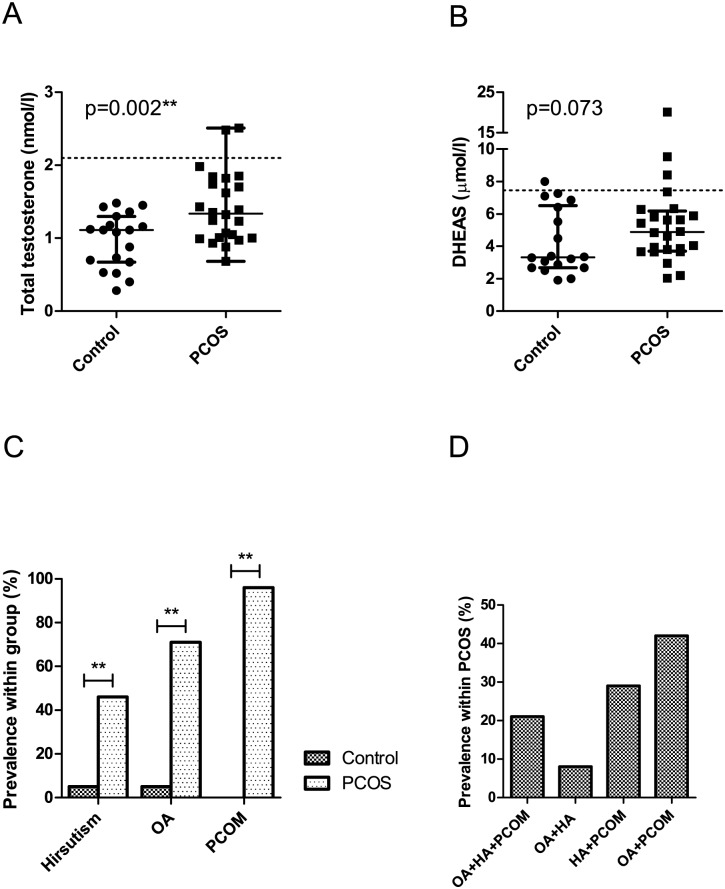
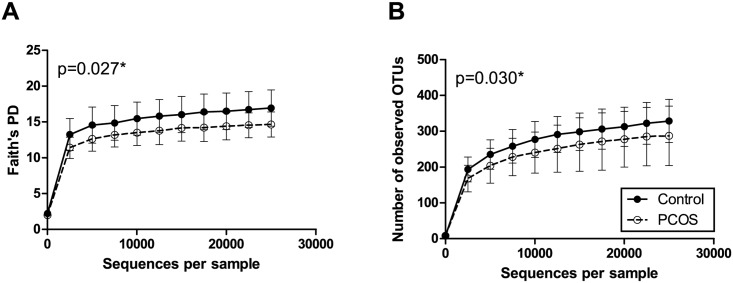
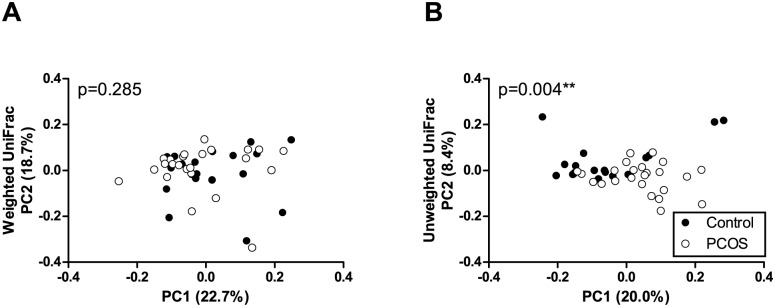
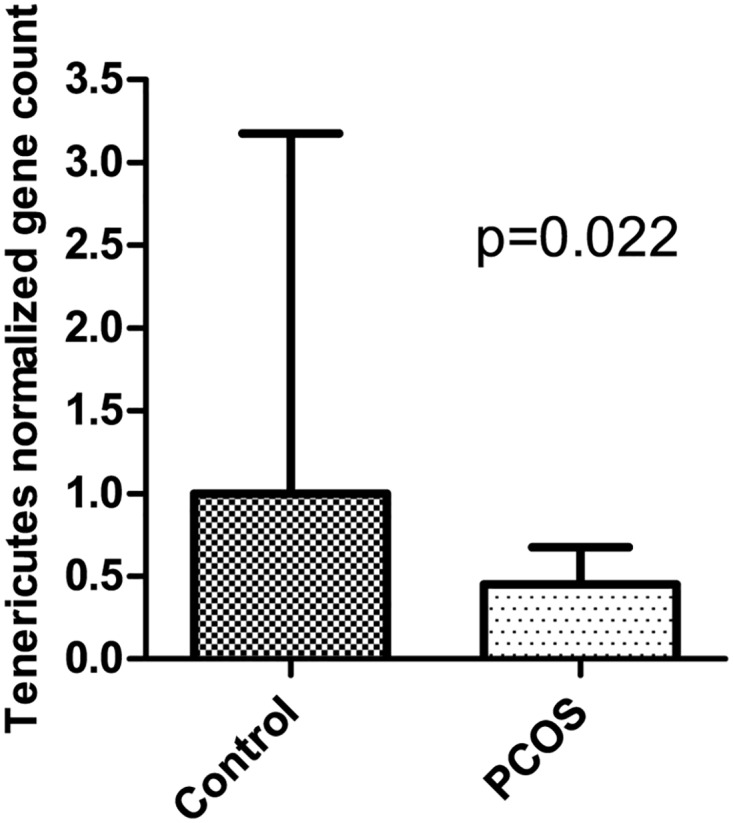
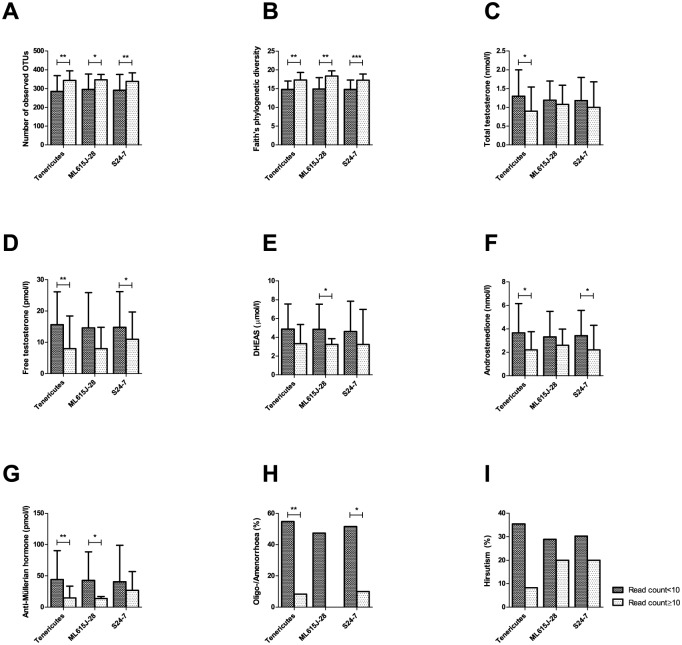
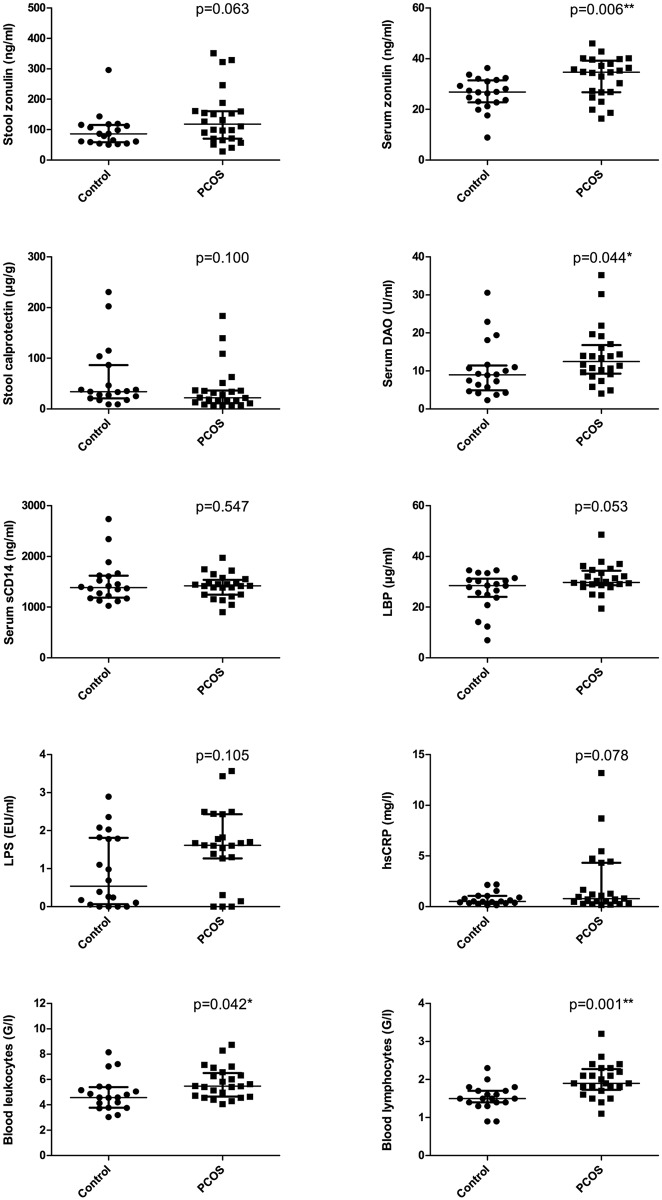
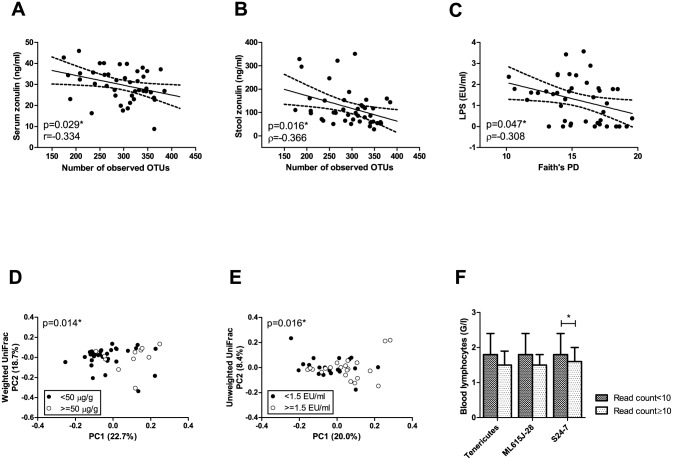
BACKGROUND: Polycystic ovary syndrome (PCOS) is a common female endocrinopathy of unclear origin characterized by hyperandrogenism, oligo-/anovulation, and ovarian cysts. Women with PCOS frequently display overweight, insulin resistance, and systemic low-grade inflammation. We hypothesized that endotoxemia resulting from a leaky gut is associated with inflammation, insulin resistance, fat accumulation, and hyperandrogenemia in PCOS. In this pilot study, we compared the stool microbiome, gut permeability, and inflammatory status of women with PCOS and healthy controls. METHODS: 16S rRNA gene amplicon sequencing was performed on stool samples from 24 PCOS patients and 19 healthy controls. Data processing and microbiome analysis were conducted in mothur and QIIME using different relative abundance cut-offs. Gut barrier integrity, endotoxemia, and inflammatory status were evaluated using serum and stool markers and associations with reproductive, metabolic, and anthropometric parameters were investigated. RESULTS: The stool microbiome of PCOS patients showed a lower diversity and an altered phylogenetic composition compared to controls. We did not observe significant differences in any taxa with a relative abundance>1%. When looking at rare taxa, the relative abundance of bacteria from the phylum Tenericutes, the order ML615J-28 (phylum Tenericutes) and the family S24-7 (phylum Bacteroidetes) was significantly lower and associated with reproductive parameters in PCOS patients. Patients showed alterations in some, but not all markers of gut barrier function and endotoxemia. CONCLUSION: Patients with PCOS have a lower diversity and an altered phylogenetic profile in their stool microbiome, which is associated with clinical parameters. Gut barrier dysfunction and endotoxemia were not driving factors in this patient cohort, but may contribute to the clinical phenotype in certain PCOS patients.
Overview
The claims and statistics of this paper haven’t been checked yet.
Run the check — free, no account needed. It reads the open-access text and checks the sources it cites.
Integrity signals
Registry
Cites
Statistics
Figures
Verification
Claims the paper makes
The claims and statistics of this paper haven’t been checked yet.
Run the check — free, no account needed. It reads the open-access text and checks the sources it cites.
Claims other papers make about this one
Each is checked against this paper’s own text: does it say what the citing paper says it does?
The source backs part of the claim, not all of it — or backs it for a different population, condition or comparison.
In the citing paper
“Similar to microbiomes associated with obesity, the microbiomes of individuals with PCOS have generally been found to have lower alpha diversity (lower numbers of bacterial taxa) than controls, and most studies describe an altered composition of taxa relative to controls [140,143].”
From Polycystic Ovary Syndrome: An Evolutionary Adaptation to Lifestyle and the Environment (2022) · cites this paper as [143]
Experimental — accuracy not yet measuredThe source backs part of the claim, not all of it — or backs it for a different population, condition or comparison.
In the citing paper
“Although most studies are small, dysbiosis has consistently been found to correlate with different physiological parameters, such as obesity, sex hormones and metabolic defects [140,141,143].”
From Polycystic Ovary Syndrome: An Evolutionary Adaptation to Lifestyle and the Environment (2022) · cites this paper as [143]
Experimental — accuracy not yet measuredThe source backs part of the claim, not all of it — or backs it for a different population, condition or comparison.
In the citing paper
“Dysbiosis is a consistent finding when looking at the microbiome of women with PCOS [140,141,142,143].”
From Polycystic Ovary Syndrome: An Evolutionary Adaptation to Lifestyle and the Environment (2022) · cites this paper as [143]
Experimental — accuracy not yet measuredIn the citing paper
“Alternative mechanisms of the pathogenesis of prediabetes and T2D in subjects with PCOS are muscle mitochondrial dysfunction [28] and the gut microbiome [29].”
From From Prediabetes to Type 2 Diabetes Mellitus in Women with Polycystic Ovary Syndrome: Lifestyle and Pharmacological Management (2020) · cites this paper as [29]
In the citing paper
“However, all diets that aim to reduce weight are considered beneficial [29].”
From From Prediabetes to Type 2 Diabetes Mellitus in Women with Polycystic Ovary Syndrome: Lifestyle and Pharmacological Management (2020) · cites this paper as [29]
Self-check
Percentages, sums and reported differences re-computed from the paper’s own numbers.
The self-check needs the paper’s full text.
Citations
Cites
QIIME allows analysis of high-throughput community sequencing data
Caporaso, J. G., Kuczynski, J., Stombaugh, J., Bittinger, K., Bushman, F. D., Costello, E. K., Fierer, N., Peña, A. G., Goodrich, J. K., Gordon, J. I., et al. (2010) · Nature Methods · doi:10.1038/nmeth.f.303 · Cited by 34,887
Search and clustering orders of magnitude faster than BLAST
Edgar, R. C. (2010) · Bioinformatics · doi:10.1093/bioinformatics/btq461 · Cited by 21,098
An obesity-associated gut microbiome with increased capacity for energy harvest
Turnbaugh, P. J., Ley, R. E., Mahowald, M. A., Magrini, V., Mardis, E. R., & Gordon, J. I. (2006) · Nature · doi:10.1038/nature05414 · Cited by 12,444
Greengenes, a Chimera-Checked 16S rRNA Gene Database and Workbench Compatible with ARB
DeSantis, T. Z., Hugenholtz, P., Larsen, N., Rojas, M., Brodie, E. L., Keller, K., Huber, T., Dalevi, D., Hu, P., & Andersen, G. L. (2006) · Applied and Environmental Microbiology · doi:10.1128/aem.03006-05 · Cited by 10,891 · cited 1×
“Open reference operational taxonomic unit (OTU) picking was performed in QIIME 1.8.0 using UCLUST against the greengenes 13.8 database [30–32].”
Influential(2004) · Fertility and Sterility · doi:10.1016/j.fertnstert.2003.10.004 · Cited by 9,050
UniFrac: a New Phylogenetic Method for Comparing Microbial Communities
Lozupone, C., & Knight, R. (2005) · Applied and Environmental Microbiology · doi:10.1128/aem.71.12.8228-8235.2005 · Cited by 8,227
A core gut microbiome in obese and lean twins
Turnbaugh, P. J., Hamady, M., Yatsunenko, T., Cantarel, B. L., Duncan, A., Ley, R. E., Sogin, M. L., Jones, W. J., Roe, B. A., Affourtit, J. P., et al. (2009) · Nature · doi:10.1038/nature07540 · Cited by 7,823
Kozich, J. J., Westcott, S. L., Baxter, N. T., Highlander, S. K., & Schloss, P. D. (2013) · Applied and Environmental Microbiology · doi:10.1128/aem.01043-13 · Cited by 7,246
A metagenome-wide association study of gut microbiota in type 2 diabetes
Qin, J., Li, Y., Cai, Z., Li, S., Zhu, J., Zhang, F., Liang, S., Zhang, W., Guan, Y., Shen, D., et al. (2012) · Nature · doi:10.1038/nature11450 · Cited by 6,762
Metabolic Endotoxemia Initiates Obesity and Insulin Resistance
Cani, P. D., Amar, J., Iglesias, M. A., Poggi, M., Knauf, C., Bastelica, D., Neyrinck, A. M., Fava, F., Tuohy, K. M., Chabo, C., et al. (2007) · Diabetes · doi:10.2337/db06-1491 · Cited by 6,638
Research works printed but not linked: 1
- LJ Owen, 2015, ANNALS EXPRESS: A direct assay for the routine measurement of testosterone, androstenedione, dihydrotestosterone and dehydroepiandrosterone by LC-MS/MS, Ann Clin Biochem, 53, 580
Cited by
Sorted by citations
Estrogen–gut microbiome axis: Physiological and clinical implications
Baker, J. M., Al‐Nakkash, L., & Herbst‐Kralovetz, M. M. (2017) · Maturitas · doi:10.1016/j.maturitas.2017.06.025 · Cited by 1,056
Gut microbiota–bile acid–interleukin-22 axis orchestrates polycystic ovary syndrome
Qi, X., Yun, C., Sun, L., Xia, J., Wu, Q., Wang, Y., Wang, L., Zhang, Y., Liang, X., Wang, L., et al. (2019) · Nature Medicine · doi:10.1038/s41591-019-0509-0 · Cited by 881
The role of the gut microbiome and its metabolites in metabolic diseases
Wu, J., Wang, K., Wang, X., Pang, Y., & Jiang, C. (2020) · Protein & Cell · doi:10.1007/s13238-020-00814-7 · Cited by 592
“In 2017, a study demonstrated that patients with PCOS have reduced diversity and an altered phylogenetic profile in their stool microbiome, which is associated with clinical parameters (Lindheim et al., 2017).”
The impact of the gut microbiota on the reproductive and metabolic endocrine system
Qi, X., Yun, C., Pang, Y., & Qiao, J. (2021) · Gut Microbes · doi:10.1080/19490976.2021.1894070 · Cited by 587
Gut microbial diversity in women with polycystic ovary syndrome correlates with hyperandrogenism
Torres, P. J., Siakowska, M., Banaszewska, B., Pawelczyk, L., Duleba, A. J., Kelley, S. T., & Thackray, V. G. (2018) · The Journal of Clinical Endocrinology & Metabolism · doi:10.1210/jc.2017-02153 · Cited by 399
“Our results agree with the two aforementioned studies that demonstrated changes in b diversity between healthy women and women with PCOS according to unweighted Unifrac and Bray-Curtis analyses (11, 12).”
Uterine Microbiota: Residents, Tourists, or Invaders?
Baker, J. M., Chase, D. M., & Herbst‐Kralovetz, M. M. (2018) · Frontiers in Immunology · doi:10.3389/fimmu.2018.00208 · Cited by 400
Serum level of sex steroid hormone is associated with diversity and profiles of human gut microbiome
Shin, J.-H., Park, Y.-H., Sim, M., Kim, S.-A., Joung, H., & Shin, D.-M. (2019) · Research in Microbiology · doi:10.1016/j.resmic.2019.03.003 · Cited by 334
“Also, there are only a few human studies which have examined the changes in the bacterial communities by the sex steroid hormone [16,20], and the results remain controversial in some murine studies [21,22].”
Obesity induces ovarian inflammation and reduces oocyte quality
Snider, A. P., & Wood, J. R. (2019) · Reproduction · doi:10.1530/rep-18-0583 · Cited by 326
Gut microbiota and the polycystic ovary syndrome: influence of sex, sex hormones, and obesity
Insenser, M., Murri, M., del Campo, R., Martínez-García, M. Á., Fernández-Durán, E., & Escobar-Morreale, H. F. (2018) · The Journal of Clinical Endocrinology & Metabolism · doi:10.1210/jc.2017-02799 · Cited by 312
He, F.-F., & Li, Y.-M. (2020) · Journal of Ovarian Research · doi:10.1186/s13048-020-00670-3 · Cited by 289
“Several studies have reported a decrease in α diversity and a change in β diversity in patients with PCOS [18, 20].”
Zhang, J., Sun, Z., Jiang, S., Bai, X., Ma, C., Peng, Q., Chen, K., Chang, H., Fang, T., & Zhang, H. (2019) · mSystems · doi:10.1128/msystems.00017-19 · Cited by 296
“These studies involved women from Europe and China diagnosed with PCOS (25, 26).”
Lifestyle management in polycystic ovary syndrome – beyond diet and physical activity
Cowan, S., Lim, S. S., Alycia, C., Pirotta, S., Thomson, R. L., Gibson‐Helm, M. E., Blackmore, R., Naderpoor, N., Bennett, C., Ee, C., et al. (2023) · BMC Endocrine Disorders · doi:10.1186/s12902-022-01208-y · Cited by 322
“These findings may be linked to lower microbial diversity and increased intestinal permeability in women with PCOS [230, 231].”
Metabolic Syndrome and PCOS: Pathogenesis and the Role of Metabolites
Chen, W., & Pang, Y. (2021) · Metabolites · doi:10.3390/metabo11120869 · Cited by 228
Sex, microbes, and polycystic ovary syndrome
Thackray, V. G. (2019) · Trends in Endocrinology & Metabolism · doi:10.1016/j.tem.2018.11.001 · Cited by 203
“In addition, one study observed a decrease in bacteria from the Tenericutes phylum (order ML615J) [49], a group of bacteria previously associated with obesity and metabolic dysregulation [56].”
Zeng, B., Lai, Z., Sun, L., Zhang, Z., Yang, J., Li, Z., Lin, J., & Zhang, Z. (2018) · Research in Microbiology · doi:10.1016/j.resmic.2018.09.002 · Cited by 196
Molina, N. M., Sola‐Leyva, A., Sáez‐Lara, M. J., Plaza‐Díaz, J., Tubić-Pavlović, A., Romero, B., Clavero, A., Mozas‐Moreno, J., Fontes, J., & Altmäe, S. (2020) · Biomolecules · doi:10.3390/biom10040593 · Cited by 199
The Gut Microbiome and Sex Hormone-Related Diseases
He, S., Li, H., Yu, Z., Zhang, F., Liang, S., Liu, H., Chen, H., & Lü, M. (2021) · Frontiers in Microbiology · doi:10.3389/fmicb.2021.711137 · Cited by 181
Ostadmohammadi, V., Jamilian, M., Bahmani, F., & Asemi, Z. (2019) · Journal of Ovarian Research · doi:10.1186/s13048-019-0480-x · Cited by 182
“On the other hand, extensive evidence reveal that dysbiosis of gut microflora is involved in the pathogenesis of metabolic disturbances in PCOS [18].”
Microbiome and PCOS: State-of-Art and Future Aspects
Giampaolino, P., Foreste, V., Filippo, C. D., Gallo, A., Mercorio, A., Serafino, P., Improda, F. P., Verrazzo, P., Zara, G., Buonfantino, C., et al. (2021) · International Journal of Molecular Sciences · doi:10.3390/ijms22042048 · Cited by 175
“There are significant differences in the composition of the microbiome between healthy adults, and these differences may underlie the susceptibility to various diseases [23].”
Jobira, B., Frank, D. N., Pyle, L. L., Silveira, L. J., Kelsey, M. M., Garcia‐Reyes, Y., Robertson, C. E., Ir, D., Nadeau, K. J., & Cree‐Green, M. (2020) · The Journal of Clinical Endocrinology & Metabolism · doi:10.1210/clinem/dgz263 · Cited by 164
Prenatal androgen exposure causes hypertension and gut microbiota dysbiosis
Sherman, S. B., Sarsour, N. Y., Salehi, M., Schroering, A. G., Mell, B., Joe, B., & Hill, J. W. (2018) · Gut Microbes · doi:10.1080/19490976.2018.1441664 · Cited by 160
“Recent studies have found that the profiles of bacterial abundance exhibit similarities between the orders Clostridales and Bacteroidales.(22,31,32) Obese and non-obese women with PCOS had enriched Bacteroidetes and a decreased abundance of Akkermansia (of the phylum Verrucomicrobia), Alistipes, Corprococcus, and Rumi…”
Mayneris‐Perxachs, J., Arnoriaga‐Rodríguez, M., Luque-Córdoba, D., Priego‐Capote, F., Pérez‐Brocal, V., Moyá, A., Burokas, A., Maldonado, R. J., & Fernández‐Real, J. M. (2020) · Microbiome · doi:10.1186/s40168-020-00913-x · Cited by 167
A New Approach to Polycystic Ovary Syndrome: The Gut Microbiota
Depboylu, G. Y., & Akdevelıoğlu, Y. (2019) · Journal of the American College of Nutrition · doi:10.1080/07315724.2019.1657515 · Cited by 164
“In a pilot study that compared the stool microbiome of 24 women with PCOS with that of 16 healthy controls, Lindheim et al. reported a decrease in relative abundance of bacteria from the Tenericutes phylum, ML615J-28 (belonging to the phylum Tenericutes), and S247 (belonging to phylum Bacteroidetes) (38).”
InfluentialCharacteristic gut microbiota and predicted metabolic functions in women with PCOS
Zhou, L., Ni, Z., Cheng, W., Yu, J., Sun, S., Zhai, D., Yu, C., & Cai, Z. (2020) · Endocrine Connections · doi:10.1530/ec-19-0522 · Cited by 141
Nutritional Supplements and Complementary Therapies in Polycystic Ovary Syndrome
Alesi, S., Ee, C., Moran, L., Rao, V. S., & Mousa, A. (2021) · Advances in Nutrition · doi:10.1093/advances/nmab141 · Cited by 191
Correlation Between Fecal Metabolomics and Gut Microbiota in Obesity and Polycystic Ovary Syndrome
Zhou, L., Ni, Z., Yu, J., Cheng, W., Cai, Z., & Yu, C. (2020) · Frontiers in Endocrinology · doi:10.3389/fendo.2020.00628 · Cited by 148
Yu, J. S., Youn, G. S., Choi, J., Kim, C., Kim, B., Yang, S., Lee, J., Park, T., Kim, B. K., Kim, Y. B., et al. (2021) · Clinical and Translational Medicine · doi:10.1002/ctm2.634 · Cited by 147
Dysregulation of immune response in PCOS organ system
Wang, J., Yin, T., & Liu, S. (2023) · Frontiers in Immunology · doi:10.3389/fimmu.2023.1169232 · Cited by 157
Gut microbiota: novel therapeutic target for nonalcoholic fatty liver disease
Suk, K. T., & Kim, D. J. (2019) · Expert Review of Gastroenterology & Hepatology · doi:10.1080/17474124.2019.1569513 · Cited by 139
Xu, L., Zhang, Y., Li, X., Li, C., Hu, H., Hu, J., Liu, M., Yang, Q. Z., Gu, P., Li, J., et al. (2025) · iMeta · doi:10.1002/imt2.270 · Cited by 143
Quaranta, G., Sanguinetti, M., & Masucci, L. (2019) · Frontiers in Immunology · doi:10.3389/fimmu.2019.02653 · Cited by 131
Lee, N. Y., Yoon, S. J., Han, D. H., Gupta, H., Youn, G. S., Shin, M. J., Ham, Y. L., Kwak, M. J., Kim, B., Yu, J. S., et al. (2020) · Gut Microbes · doi:10.1080/19490976.2020.1712984 · Cited by 127
Zhao, X., Jiang, Y., Xi, H., Chen, L., & Feng, X. (2020) · Geburtshilfe und Frauenheilkunde · doi:10.1055/a-1081-2036 · Cited by 124
“Lindheim et al. [31] found that compared with the control group, the relative abundance of Tenericutes ML615J-28 and Bacteroi-detes S24-7 was lower in PCOS patients.”
Chu, W., Han, Q., Xu, J., Wang, J., Sun, Y., Li, W., Chen, Z.-J., & Du, Y. (2020) · Fertility and Sterility · doi:10.1016/j.fertnstert.2020.01.027 · Cited by 121
Female reproductive dysfunctions and the gut microbiota
Chadchan, S. B., Singh, V., & Kommagani, R. (2022) · Journal of Molecular Endocrinology · doi:10.1530/jme-21-0238 · Cited by 126
“Additionally, PCOS patients showed alterations in some, but not all, markers of gut barrier function and endotoxemia (Lindheim et al. 2017).”
Sun, Y., Gao, S., Ye, C., & Zhao, W. (2023) · Frontiers in Cellular and Infection Microbiology · doi:10.3389/fcimb.2023.1142041 · Cited by 141
“Compared with healthy people, the gut microbial diversity of PCOS patients decreased, the composition changed, and the intestinal mucosal barrier was damaged (Lindheim et al., 2017).”
Systematic low-grade chronic inflammation and intrinsic mechanisms in polycystic ovary syndrome
Deng, H., Chen, Y., Xing, J., Zhang, N., & Xu, L. (2024) · Frontiers in Immunology · doi:10.3389/fimmu.2024.1470283 · Cited by 146
Lorenzo, M. D., Cacciapuoti, N., Lonardo, M. S., Nasti, G., Gautiero, C., Belfiore, A., Guida, B., & Chiurazzi, M. (2023) · Current Nutrition Reports · doi:10.1007/s13668-023-00479-8 · Cited by 149
Polycystic Ovary Syndrome: An Evolutionary Adaptation to Lifestyle and the Environment
parker, J., O'Brien, C., Hawrelak, J., & Gersh, F. (2021) · doi:10.20944/preprints202112.0088.v1 · Cited by 113
Polycystic Ovary Syndrome: An Evolutionary Adaptation to Lifestyle and the Environment
Parker, J., O’Brien, C., Hawrelak, J., & Gersh, F. L. (2022) · International Journal of Environmental Research and Public Health · doi:10.3390/ijerph19031336 · Cited by 114
“Although most studies are small, dysbiosis has consistently been found to correlate with different physiological parameters, such as obesity, sex hormones and metabolic defects (140,141,143).”
Hussain, T., Murtaza, G., Kalhoro, D. H., Kalhoro, M. S., Metwally, E., Chughtai, M. I., Mazhar, M. U., & Khan, S. A. (2021) · Animal Nutrition · doi:10.1016/j.aninu.2020.11.005 · Cited by 110
“Furthermore, the literature has placed an emphasis on estrogen (Flores et al., 2012; Menon et al., 2013; Lindheim et al., 2017) while only some studies documented the link between intestinal microbial composition and the concentration of testosterone (Al-Asmakh et al.”
Torres, P. J., Ho, B., Arroyo, P., Sau, L., Chen, A., Kelley, S. T., & Thackray, V. G. (2019) · Endocrinology · doi:10.1210/en.2019-00050 · Cited by 106
Xue, J., Li, X., Liu, P., Li, K., Sha, L., Yang, X., Zhu, L., Wang, Z., Dong, Y., Zhang, L., et al. (2019) · Endocrine Journal · doi:10.1507/endocrj.ej18-0567 · Cited by 106
He, Y., Wang, Q., Xiu, L., Wang, G., Zhao, J., Zhang, H., & Chen, W. (2020) · Food & Function · doi:10.1039/c9fo02554e · Cited by 108
Li, P., Shuai, P., Shen, S., Zheng, H., Sun, P., Zhang, R., Lan, S., Lan, Z., Jayawardana, T. C., Yang, Y., et al. (2023) · BMC Medicine · doi:10.1186/s12916-023-02975-8 · Cited by 117
Intersection of Polycystic Ovary Syndrome and the Gut Microbiome
Rizk, M. G., & Thackray, V. G. (2021) · Journal of the Endocrine Society · doi:10.1210/jendso/bvaa177 · Cited by 104
“In the healthy gut, the phyla Firmicutes, Bacteroidetes, Actinobacteria, and Verrucomicrobia are the most dominant, while Proteobacteria and Tenericutes exist at low abundance [45].”
InfluentialThe latest reports and treatment methods on polycystic ovary syndrome
Stańczak, N. A., Grywalska, E., & Dudzińska, E. (2024) · Annals of Medicine · doi:10.1080/07853890.2024.2357737 · Cited by 161
“Similar ovarian morphology has been observed in women with congenital adrenal hyperplasia (CAH) and female-to-male transgender individuals [17].”
Gut microbiota alterations reveal potential gut–brain axis changes in polycystic ovary syndrome
Liang, Z., Di, N., Li, L., & Yang, D. (2021) · Journal of Endocrinological Investigation · doi:10.1007/s40618-020-01481-5 · Cited by 109
Gut Microbiota in Patients with Polycystic Ovary Syndrome: a Systematic Review
Guo, J., Shao, J., Yang, Y., Niu, X., Liao, J., Zhao, Q. S., Wang, D., Li, S., & Hu, J. (2021) · Reproductive Sciences · doi:10.1007/s43032-020-00430-0 · Cited by 101
“Table 1 Characteristics of the observational studies included in the systematic review Study Year Country Type of specimen Definite of PCOS Study design Group Population Age Microbiome assessment method Qi 2019 China Fecal samples Rotterdam criteria Cohort PCOS 50 20–40 Whole-genome shotgun sequencing HC 43 20–40 Inse…”
InfluentialGut and Vaginal Microbiomes in PCOS: Implications for Women’s Health
Gu, Y., Zhou, G., Zhou, F., Li, Y. O., Wu, Q., He, H., Zhang, Y., Ma, C., Ding, J., & Hua, K. (2022) · Frontiers in Endocrinology · doi:10.3389/fendo.2022.808508 · Cited by 106
The Gut Microbiome and Female Health
Siddiqui, R., Makhlouf, Z., Alharbi, A. M., Alfahemi, H. H., & Khan, N. A. (2022) · Biology · doi:10.3390/biology11111683 · Cited by 111
“As can be seen in Table 1 and Figure 1, PCOS patients have a less diverse gut microbiome, which is correlated with hyperandrogenism [25,27,28].”
Yun, C., Yan, S., Liao, B., Ding, Y., Qi, X., Zhao, M., Wang, K., Zhuo, Y., Nie, Q., Ye, C., et al. (2024) · Nature Metabolism · doi:10.1038/s42255-024-01041-8 · Cited by 103
“Typically, the gut microbiota of patients with PCOS exhibit reduced alpha diversity 9,10 .”
Sex hormones influence the intestinal microbiota composition in mice
Wu, Y., Peng, X., Li, X., Li, D., Tan, Z., & Yu, R. (2022) · Frontiers in Microbiology · doi:10.3389/fmicb.2022.964847 · Cited by 95
“Studies showed that abnormal androgen levels can lead to intestinal dysbacteria, including enzymes involved in androgen metabolism, which further interfere with androgen metabolism, and are associated with diseases such as polycystic ovary syndrome (Lindheim et al., 2017; Liu et al., 2017; Torres et al., 2018; Zeng et…”
Zhu, Y., Li, Y., Liu, M., Hu, X., & Zhu, H. (2020) · Frontiers in Endocrinology · doi:10.3389/fendo.2020.00575 · Cited by 80
“Besides, PCOS-related insulin resistance and chronic inflammation is independent of obesity (10, 11).”
Khan, R., Jiang, X., Hameed, U., & Shi, Q. (2021) · Frontiers in Cell and Developmental Biology · doi:10.3389/fcell.2021.639704 · Cited by 85
Female reproductive tract-organ axes
Takada, K., Melnikov, V. G., Kobayashi, R., Komine‐Aizawa, S., Tsuji, N. M., & Hayakawa, S. (2023) · Frontiers in Immunology · doi:10.3389/fimmu.2023.1110001 · Cited by 84
Gut microbiota: a hidden player in polycystic ovary syndrome
Senthilkumar, H., & Arumugam, M. (2025) · Journal of Translational Medicine · doi:10.1186/s12967-025-06315-7 · Cited by 87
The interplay between PCOS pathology and diet on gut microbiota in a mouse model
Paris, V. R., Wong, X. Y. D., Solon‐Biet, S. M., Edwards, M. C., Aflatounian, A., Gilchrist, R. B., Simpson, S. J., Handelsman, D. J., Kaakoush, N. O., & Walters, K. A. (2022) · Gut Microbes · doi:10.1080/19490976.2022.2085961 · Cited by 83
“Several studies have reported altered microbial composition in PCOS rodent models17,18,20,23 and women with PCOS.13,14,24 One potential explanation for this shift is the presence of elevated levels of androgens, as a study in women with PCOS identified that β-diversity was negatively correlated with hyperandrogenism.1…”
InfluentialObesity-Related Hypogonadism in Women
Eng, P. C., Phylactou, M., Qayum, A., Woods, C., Lee, H., Aziz, S., Moore, B., Miras, A. D., Comninos, A. N., Tan, T., et al. (2023) · Endocrine Reviews · doi:10.1210/endrev/bnad027 · Cited by 83
Fox, C. W., Zhang, L., Sohni, A., Doblado, M., Wilkinson, M., Chang, R. J., & Dulęba, A. J. (2019) · Endocrinology · doi:10.1210/en.2019-00588 · Cited by 78
The Gut Microbiome in Polycystic Ovary Syndrome and Its Association with Metabolic Traits
Lüll, K., Arffman, R. K., Sola‐Leyva, A., Molina, N. M., Aasmets, O., Herzig, K., Plaza‐Díaz, J., Franks, S., Morin-Papunen, L. C., Tapanainen, J. S., et al. (2020) · The Journal of Clinical Endocrinology & Metabolism · doi:10.1210/clinem/dgaa848 · Cited by 82
Impact of genistein on the gut microbiome of humanized mice and its role in breast tumor inhibition
Paul, B., Royston, K. J., Li, Y., Stoll, M. L., Skibola, C. F., Wilson, L. S., Barnes, S., Morrow, C. D., & Tollefsbol, T. O. (2017) · PLoS ONE · doi:10.1371/journal.pone.0189756 · Cited by 77
“A recent study has also found that patients with polycystic ovarian syndrome have lower gut diversity as compared to control [51].”
He, F., & Li, Y. (2021) · Journal of Ovarian Research · doi:10.1186/s13048-021-00799-9 · Cited by 77
Emanuel, R. H. K., Roberts, J., Docherty, P. D., Lunt, H., Campbell, R. E., & Möller, K. (2022) · Frontiers in Endocrinology · doi:10.3389/fendo.2022.1017468 · Cited by 87
Alterations in the intestinal microbiome associated with PCOS affect the clinical phenotype
Wang, L., Zhou, J., Gober, H.-J., Leung, W. T., Huang, Z., Pan, X., Li, C., Zhang, N., & Wang, L. (2020) · Biomedicine & Pharmacotherapy · doi:10.1016/j.biopha.2020.110958 · Cited by 73
Tesei, D., Jewczynko, A., Lynch, A., & Urbaniak, C. (2022) · Life · doi:10.3390/life12040495 · Cited by 78
Corrie, L., Awasthi, A., Kaur, J., Vishwas, S., Gulati, M., Kaur, I. P., Gupta, G., Kommineni, N., Dua, K., & Singh, S. K. (2023) · Pharmaceuticals · doi:10.3390/ph16020197 · Cited by 76
“In a cohort study, it was pointed out that the presence of family S24-7of Bacteroidetes was significantly lower in stools of PCOS patients and was associated with reproductive hormones such as thyroid stimulating hormone (TSH) and luteinizing hormone (LH) [93].”
Risk factors associated with intestinal permeability in an adult population: A systematic review
Leech, B., McIntyre, E., Steel, A., & Sibbritt, D. W. (2019) · International Journal of Clinical Practice · doi:10.1111/ijcp.13385 · Cited by 72
Arroyo, P., Ho, B., Sau, L., Kelley, S. T., & Thackray, V. G. (2019) · PLoS ONE · doi:10.1371/journal.pone.0223274 · Cited by 70
Dong, S., jiao, J., Jia, S., Li, G., Zhang, W., Yang, K., Wang, Z., Liu, C., Li, D., & Wang, X. (2021) · Frontiers in Cellular and Infection Microbiology · doi:10.3389/fcimb.2021.634981 · Cited by 73
“Patients with PCOS have a decreased a diversity compared to healthy people (Lindheim et al., 2017; Insenser et al., 2018; Torres et al., 2018), while some studies showed no difference (Qi et al., 2019; Zeng et al., 2019).”
Role of Obesity in Female Reproduction
Yong, W., Wang, J., Leng, Y., Li, L., & Wang, H. (2023) · International Journal of Medical Sciences · doi:10.7150/ijms.80189 · Cited by 74
“This finding, along with observations that polycystic ovarian syndrome (PCOS) was associated with reduced diversity of the gut microbiome in patients from different countries [126-128], collectively support the idea that gut microbiome changes may impact fertility.”
Association between polycystic ovary syndrome and the vaginal microbiome: A case‐control study
Hong, X., Qin, P., Huang, K., Ding, X., Ma, J., Xuan, Y., Zhu, X., Peng, D., & Wang, B. (2020) · Clinical Endocrinology · doi:10.1111/cen.14198 · Cited by 68
Gut microbiome in PCOS associates to serum metabolomics: a cross-sectional study
Yu, Z., Qin, E., Cheng, S., Yang, H., Liu, R., Xu, T., Liu, Y., Yuan, J., Yu, S., Yang, J., et al. (2022) · Scientific Reports · doi:10.1038/s41598-022-25041-4 · Cited by 75
Wang, Y., Xu, L., Sun, X., Wan, X., Sun, G., Jiang, R., Li, W., Tian, Y., Liu, X., & Kang, X. (2020) · Research in Veterinary Science · doi:10.1016/j.rvsc.2020.01.020 · Cited by 67
Abnormal Endometrial Receptivity and Oxidative Stress in Polycystic Ovary Syndrome
Shan, H., Luo, R., Guo, X., Li, R., Ye, Z., Peng, T., Liu, F.-T., & Yang, Z. (2022) · Frontiers in Pharmacology · doi:10.3389/fphar.2022.904942 · Cited by 69
“In addition, compared with that in healthy controls, the abundance of common Bacteroides vulgatus in women with PCOS was significantly increased (Lindheim et al., 2017; Liu et al., 2017; Torres et al., 2018; Qi et al., 2019; Zeng et al., 2019).”
Chu, W., Zhai, J., Xu, J., Li, S., Li, W., Chen, Z., & Du, Y. (2020) · Frontiers in Microbiology · doi:10.3389/fmicb.2019.03145 · Cited by 67
Li, Y., Tan, Y., Xia, G., & Shuai, J. (2021) · Critical Reviews in Food Science and Nutrition · doi:10.1080/10408398.2021.1951155 · Cited by 64
Spremović-Radjenović, S., Pupovac, M., Andjić, M., Bila, J. S., Sreckovic, S. D., Gudović, A., Dragaš, B., & Radunović, N. V. (2022) · Biomedicines · doi:10.3390/biomedicines10010131 · Cited by 68
“These unfavorable changes in the microbiome are linked to reproductive and metabolic defects in women with PCOS [81].”
Polycystic Ovary Syndrome: Challenges and Possible Solutions
Che, Y., Yu, J., Li, Y., Zhu, Y., & Tao, T. (2023) · Journal of Clinical Medicine · doi:10.3390/jcm12041500 · Cited by 65
“Current research suggests that gut microbiota dysfunction disrupts the intestinal mucosal barrier, activates chronic inflammation, and produces various molecule metabolites that are involved in the development of PCOS [19].”
Tan, S., Ge, W., Wang, J., Liu, W., Zhao, Y. M., Shen, W., & Li, L. (2019) · Chemosphere · doi:10.1016/j.chemosphere.2019.125493 · Cited by 63
Cozzolino, M., Vitagliano, A., Pellegrini, L., Chiurazzi, M., Andriasani, A., Ambrosini, G., & Garrido, N. (2020) · European Journal of Nutrition · doi:10.1007/s00394-020-02233-0 · Cited by 65
Fu, C., Chen, Z., Chen, M., Chen, G., Huang, Q., Yang, X., Yin, H., Chen, L., Zhang, W., Lin, H., et al. (2021) · npj Biofilms and Microbiomes · doi:10.1038/s41522-021-00231-6 · Cited by 61
Faith, D. P. (2018) · Springer eBooks · doi:10.1007/978-3-319-93145-6_1 · Cited by 68
“For example, Lindheim et al. (2017) in the study “Gut Microbial Diversity in Women with Polycystic Ovary Syndrome” found affected individuals to have reduced microbial PD of the gut microbiome.”
Zheng, Y., Yu, J., Liang, C., Li, S., Wen, X., & Li, Y. (2020) · Bioprocess and Biosystems Engineering · doi:10.1007/s00449-020-02320-w · Cited by 63
Torres, P. J., Skarra, D. V., Ho, B., Sau, L., Anvar, A. R., Kelley, S. T., & Thackray, V. G. (2019) · BMC Microbiology · doi:10.1186/s12866-019-1425-7 · Cited by 65
Elevation of markers of endotoxemia in women with polycystic ovary syndrome
Banaszewska, B., Siakowska, M., Chudzicka-Strugała, I., Chang, R. J., Pawelczyk, L. A., Zwoździak, B., Spaczyński, R., & Dulęba, A. J. (2020) · Human Reproduction · doi:10.1093/humrep/deaa194 · Cited by 61
Bai, X., Zheng, L., Li, D., & Xu, Y. (2021) · Reproductive Biology and Endocrinology · doi:10.1186/s12958-021-00802-4 · Cited by 58
Characterization of gut microbiota in polycystic ovary syndrome: Findings from a lean population
Mammadova, G., Özkul, C., Işıkhan, S. Y., Açıkgöz, A., & Yıldız, B. O. (2020) · European Journal of Clinical Investigation · doi:10.1111/eci.13417 · Cited by 59
Jayasudha, R., Chakravarthy, S. K., Prashanthi, G. S., Sharma, S., Garg, P., Murthy, S. I., & Shivaji, S. (2018) · Journal of Biosciences · doi:10.1007/s12038-018-9798-6 · Cited by 57
The Gut-Prostate Axis: A New Perspective of Prostate Cancer Biology through the Gut Microbiome
Fujita, K., Matsushita, M., Velasco, M. A. D., Hatano, K., Minami, T., Nonomura, N., & Uemura, H. (2023) · Cancers · doi:10.3390/cancers15051375 · Cited by 62
Yang, Y., Cheng, J., Liu, C., Zhang, X., Ma, N., Zhou, Z., Lu, W., & Wu, C. (2024) · EClinicalMedicine · doi:10.1016/j.eclinm.2024.102884 · Cited by 59
“Notably, glycodeoxycholic acid can lead to the secretion of intestinal IL-22, thus alleviate PCOS development.”
Eyüpoğlu, D., Ergünay, K., Açıkgöz, A., Akyön, Y., Yılmaz, E., & Yıldız, B. O. (2020) · The Journal of Clinical Endocrinology & Metabolism · doi:10.1210/clinem/dgaa600 · Cited by 56
Probiotics and Polycystic Ovary Syndrome: A Perspective for Management in Adolescents with Obesity
Calcaterra, V., Rossi, V., Massini, G., Casini, F., Zuccotti, G., & Fabiano, V. (2023) · Nutrients · doi:10.3390/nu15143144 · Cited by 64
“However, different compositional changes have been identified in other studies [85,90].”
Arnone, A. A., & Cook, K. L. (2022) · Endocrinology · doi:10.1210/endocr/bqac177 · Cited by 53
Clemente‐Suárez, V. J., Redondo-Flórez, L., Rubio-Zarapuz, A., Martín-Rodríguez, A., & Tornero-Aguilera, J. F. (2024) · Biomedicines · doi:10.3390/biomedicines12010221 · Cited by 59
“A study by Lindheim et al. (2017) found significant differences in the gut microbiota of women with PCOS compared to healthy controls, suggesting a potential role of the microbiome in this disorder [145].”
Eyüpoğlu, D., Guzelce, E. C., Açıkgöz, A., Uyanık, E., Bjørndal, B., Berge, R. K., Svardal, A. M., & Yıldız, B. O. (2019) · Clinical Endocrinology · doi:10.1111/cen.14101 · Cited by 51
Hong, X., Ma, J., Yin, J., Fang, S., Geng, J., Zhao, H., Zhu, M., Ye, M., Zhu, X., Xuan, Y., et al. (2020) · Archives of Gynecology and Obstetrics · doi:10.1007/s00404-020-05675-3 · Cited by 51
Sex, puberty, and the gut microbiome
Sisk-Hackworth, L., Kelley, S. T., & Thackray, V. G. (2022) · Reproduction · doi:10.1530/rep-22-0303 · Cited by 52
“…women and adolescent girls with PCOS had lower alpha diversity and differences in beta diversity compared to healthy women and adolescent girls (Lindheim et al. 2017, Liu et al. 2017, Torres et al. 2018, Qi et al. 2019, Jobira Testosterone levels in women with PCOS also correlated with alpha…”
Mukherjee, A. G., Wanjari, U. R., Kannampuzha, S., Murali, R., Namachivayam, A., Ganesan, R., Dey, A., Babu, A., Renu, K., Vellingiri, B., et al. (2023) · Metabolites · doi:10.3390/metabo13010129 · Cited by 56
“In PCOS females, heightened zonulin levels were identified [69,72].”
Haudum, C. W., Lindheim, L., Ascani, A., Trummer, C., Horvath, A., Münzker, J., & Obermayer-Pietsch, B. M. (2020) · Nutrients · doi:10.3390/nu12061622 · Cited by 49
“Serum total testosterone, androstenedione, dehydroepiandrosterone (DHEA), DHEA sulfate (DHEAS), and dihydrotestosterone (DHT) were measured by liquid chromatography–tandem mass spectrometry as described elsewhere [14].”
Self-citation
Metadata
- Authors
- Lindheim, L., Bashir, M., Münzker, J., Trummer, C., Zachhuber, V., Leber, B., Horvath, A., Pieber, T. R., Gorkiewicz, G., Stadlbauer, V., & Obermayer-Pietsch, B.
- Affiliations
- Medical University of Graz (AT)
- University of Graz (AT)
- Corresponding author
- Lindheim, Lisa
- ORCID
- Venue
- PLOS ONE
- Publisher
- Public Library of Science (PLoS)
- Published
- 2017-01-03
- Volume
- 12
- Issue
- 1
- Pages
- e0168390
- ISSN
- 1932-6203 (ISSN-L)
- PMC
- PMC5207627
- OpenAlex
- W2568515092
- Cited by
- 416
- References
- 50
- Citations by year
- 2026: 51 · 2025: 43 · 2024: 55 · 2023: 70 · 2022: 52 · 2021: 56 · 2020: 44 · 2019: 23 · 2018: 18 · 2017: 3
- FWCI
- 27.94
- Type
- journal article
- Language
- en
- Open access
- gold
- doi.org
- Licence
- Locations
- PLoS ONE (publishedVersion, cc-by)
- PubMed Central (publishedVersion, cc-by)
- PubMed (publishedVersion)
- DOAJ (DOAJ: Directory of Open Access Journals) (submittedVersion, cc-by-sa)
- Figshare (submittedVersion, cc-by)
- Funders
- Austrian Science Fund (W1241)
- Topics
- Health Sciences › Medicine › Reproductive Medicine › Ovarian function and disorders
- Life Sciences › Biochemistry, Genetics and Molecular Biology › Molecular Biology › Gut microbiota and health
- Health Sciences › Medicine › Gastroenterology › Gastrointestinal motility and disorders
- Keywords
- polycystic ovary syndrome, gut microbiota, intestinal barrier, endotoxemia, intestinal permeability, microbial diversity, Tenericutes, Bacteroidetes, S24-7, inflammation, insulin resistance, hyperandrogenemia, reproductive disorders, metabolic defects
- MeSH terms
- Gastrointestinal Microbiome, Adult, Anthropometry, Feces, Female, Humans, Inflammation, Tenericutes, Pilot Projects, Polycystic Ovary Syndrome, Surveys and Questionnaires, RNA, Ribosomal, 16S, Case-Control Studies, Principal Component Analysis, Bacteroidetes, Real-Time Polymerase Chain Reaction
About these checks
Registry, retraction, Cites and statistics results are computed, not judged, with one exception: a printed reference that no index lists is read once by a model before it counts as a citation error. Claims are extracted by a model and kept only when their quote appears verbatim in the text; each cited source is then checked, with a model’s help, for whether it says what the claim relies on. Those verdicts can be wrong — read the claim’s quote and the cited source before relying on one.
Statistics and arithmetic are recomputed, not judged.
Confidence bands are shown only for fields calibrated on our annotated test set. None is calibrated yet, so no band is shown.
What counts as a claim ›How we measure confidence ›How we check this ›
Are you an author, or do you see a problem with this page? Request a review
