

Interlaboratory study to validate a STR profiling method for intraspecies identification of mouse cell lines
Open accessThe DOI matches its Crossref record; 23 of the 25 references it cites were found in a registry or an index.
Abstract
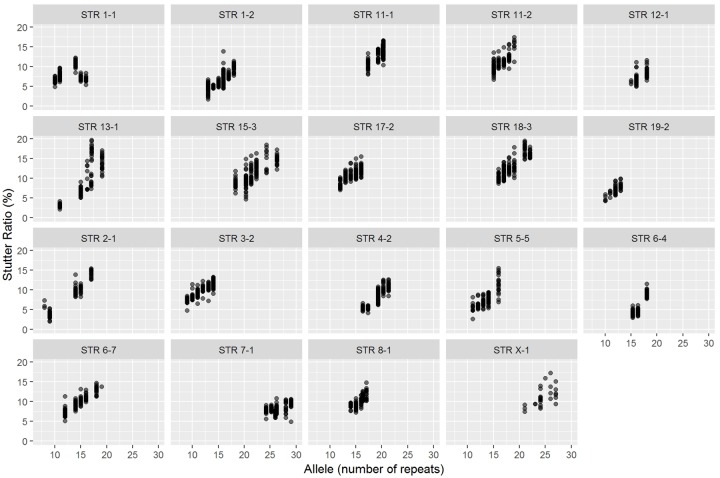
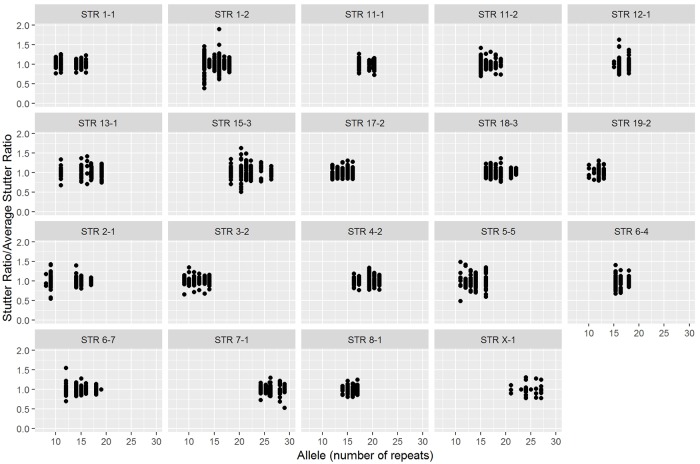
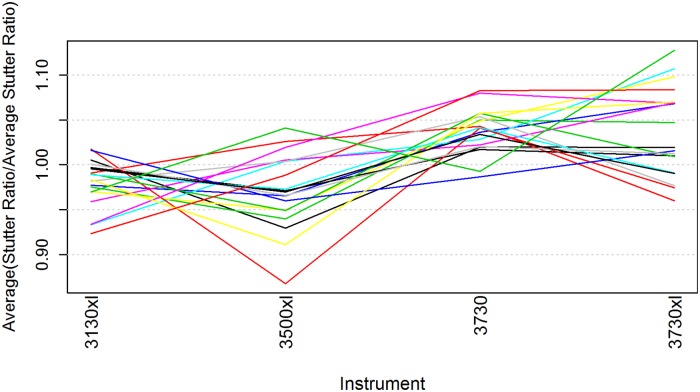
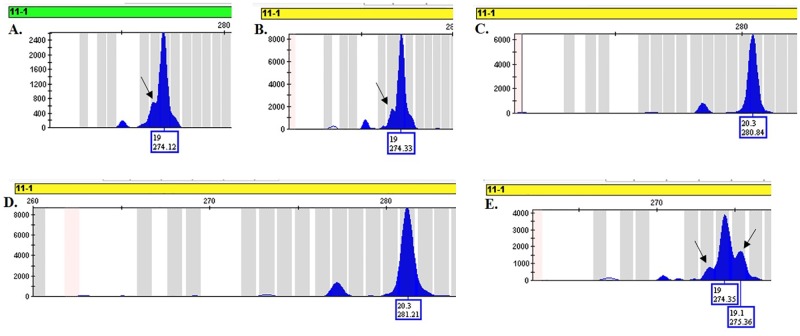
The Consortium for Mouse Cell Line Authentication was formed to validate Short Tandem Repeat (STR) markers for intraspecies identification of mouse cell lines. The STR profiling method is a multiplex polymerase chain reaction (PCR) assay comprised of primers targeting 19 mouse STR markers and two human STR markers (for interspecies contamination screening). The goals of the Consortium were to perform an interlaboratory study to-(1) validate the mouse STR markers to uniquely identify mouse cell lines (intraspecies identification), (2) to provide a public database of mouse cell lines with the National Institute of Standards and Technology (NIST)-validated mouse STR profiles, and (3) to publish the results of the interlaboratory study. The interlaboratory study was an international effort that consisted of 12 participating laboratories representing institutions from academia, industry, biological resource centers, and government. The study was based on 50 of the most commonly used mouse cell lines obtained from the American Type Culture Collection (ATCC). Of the 50 mouse cell lines, 18 had unique STR profiles that were 100% concordant (match) among all Consortium laboratory members, and the remaining 32 cell lines had discordance that was resolved readily and led to improvement of the assay. The discordance was due to low signal and interpretation issues involving artifacts and genotyping errors. Although the total number of discordant STR profiles was relatively high in this study, the percent of labs agreeing on allele calls among the discordant samples was above 92%. The STR profiles, including electropherogram images, for NIST-validated mouse cell lines will be published on the NCBI BioSample Database (https://www.ncbi.nlm.nih.gov/biosample/). Overall, the interlaboratory study showed that the multiplex PCR method using 18 of the 19 mouse STR markers is capable of discriminating at the intraspecies level between mouse cell lines. Further studies are ongoing to refine the assay including (1) development of an allelic ladder for improving the accuracy of allele calling and (2) integration of stutter filters to identify true stutter.
Overview
The claims and statistics of this paper haven’t been checked yet.
Free: it reads the open-access text and checks the first 5 claims that cite a source we can check. Create a free account to check every claim.
Integrity signals
Registry
Cites
Statistics
Figures
Verification
Claims the paper makes
The claims and statistics of this paper haven’t been checked yet.
Free: it reads the open-access text and checks the first 5 claims that cite a source we can check. Create a free account to check every claim.
Claims other papers make about this one
Each is checked against this paper’s own text: does it say what the citing paper says it does?
The source backs part of the claim, not all of it — or backs it for a different population, condition or comparison.
In the citing paper
“A multiplex PCR assay that targets 18 mouse-specific tetranucleotide STR markers (1-1, 1-2, 2-1, 3-2, 4-2, 5-5, 6-4, 6-7, 7-1, 8-1, 11-2, 12-1, 13-1, 15-3, 17-2, 18-3, 19-2, and X-1), as well as two human STR markers (D4S2408, and D8S1106) for contamination detection is widely used for mouse cell line authentication [75].”
From Genetic Insights into the Economic Toll of Cell Line Misidentification: A Comprehensive Review (2026) · cites this paper as [75]
Experimental — accuracy not yet measuredThe source backs part of the claim, not all of it — or backs it for a different population, condition or comparison.
In the citing paper
“This panel can distinguish between the identity of mouse cell lines with over 98% confidence [75].”
From Genetic Insights into the Economic Toll of Cell Line Misidentification: A Comprehensive Review (2026) · cites this paper as [75]
Experimental — accuracy not yet measuredThe cited source says what the claim attributes to it.
In the citing paper
“At STR 4-2, our finding is consistent with results from a recent study (Almeida et al., 2019), which show 19.3 and 20.3 STR repeats for NIH3T3 cells (Fig. 3C).”
From Short tandem repeat profiling via next-generation sequencing for cell line authentication (2023) · cites this paper as Almeida et al., 2019
The cited source says what the claim attributes to it.
In the citing paper
“The need for cell line authentication in mouse cell lines has also risen in recent years (Almeida et al., 2019, 2014), so much so that the ATCC is now offering mouse STR profiling as a service.”
From Short tandem repeat profiling via next-generation sequencing for cell line authentication (2023) · cites this paper as Almeida et al., 2019
The cited source says what the claim attributes to it.
In the citing paper
“It should also be noted that there have been some efforts recently to develop sets of STR markers for nonhuman species, specifically for dog 9,10 and mouse.11,12”
From CLASTR: The Cellosaurus STR similarity search tool ‐ A precious help for cell line authentication (2020) · cites this paper as [12]
1 more claim about this paper
Create a free account to see every claim other papers make about this one.
Self-check
Percentages, sums and reported differences re-computed from the paper’s own numbers.
The self-check needs the paper’s full text.
Citations
Cites
Nonparametric Statistical Methods
(1999) · Technometrics · doi:10.1080/00401706.1999.10485954 · Cited by 6,090
Brownstein, M. J., Carpten, J. D., & Smith, J. R. (1996) · BioTechniques · doi:10.2144/96206st01 · Cited by 1,284 · cited 2×
“In some cases, an additional guanine base (G) or a ‘‘PIGtail” sequence (GTTTCTT) was added to the 5’ end of the unlabeled reverse primer to promote complete adenylation and are underlined in the reverse primer [17].”
BackgroundMethodNonparametric Statistical Methods
Gibbons, J. D. (1974) · Technometrics · doi:10.1080/00401706.1974.10489221 · Cited by 1,115
Forensic DNA Typing: Biology, Technology, and Genetics of STR Markers
Butler, J. M. (2005) · Cited by 716
Check your cultures! A list of cross‐contaminated or misidentified cell lines
Capes‐Davis, A., Theodosopoulos, G., Atkin, I., Drexler, H. G., Kohara, A., MacLeod, R. A. F., Masters, J. R., Nakamura, Y., Reid, Y. A., Reddel, R. R., et al. (2010) · International Journal of Cancer · doi:10.1002/ijc.25242 · Cited by 520
Self-citationContinuous proliferation of murine antigen-specific helper T lymphocytes in culture.
Watson, J. (1979) · The Journal of experimental medicine · doi:10.1084/jem.150.6.1510 · Cited by 517 · cited 1×
“A spleen cell line, HT-2 clone A5E, reported in the literature as being derived from a BALB/c mouse strain [18] exhibited greater similarity with a C57BL strain by sharing over 50% alleles.”
BackgroundSequence Analysis and Characterization of Stutter Products at the Tetranucleotide Repeat Locus VWA
Walsh, P. S., Fildes, N. J., & Reynolds, R. (1996) · Nucleic Acids Research · doi:10.1093/nar/24.14.2807 · Cited by 411 · cited 1×
“Stutter is a PCR artifact that is caused by strand slippage of the polymerase enzyme during amplification resulting in a small peak that occurs either one repeat before or after the true allele at a STR marker [12, 13].”
BackgroundCross-contamination of cells in culture
Nelson-Rees, W. A., Daniels, D. W., & Flandermeyer, R. R. (1981) · Science · doi:10.1126/science.6451928 · Cited by 329 · cited 1×
“McCoy B cell line is of mouse origin, not human, and is a clear indication of misidentification [20].”
BackgroundHauge, X. Y., & Litt, M. (1993) · Human Molecular Genetics · doi:10.1093/hmg/2.4.411 · Cited by 245
Moretti, T., Baumstark, A., Defenbaugh, D., Keys, K., Smerick, J., & Budowle, B. (2001) · Journal of Forensic Sciences · doi:10.1520/jfs15018j · Cited by 243 · cited 2×
“Marker-specific stutter filters were computed as the average of all reported stutter ratios across alleles within a marker plus three standard deviations [16].”
Method
Cited by
A Beginner’s Guide to Cell Culture: Practical Advice for Preventing Needless Problems
Weiskirchen, S., Schröder, S. K., Buhl, E. M., & Weiskirchen, R. (2023) · Cells · doi:10.3390/cells12050682 · Cited by 148
“In this regard, the Consortium for Mouse Cell Line Authentication that has established a multiplex PCR assay comprising 19 mouse STR markers is pioneering [66,67].”
BackgroundCLASTR: The Cellosaurus STR similarity search tool ‐ A precious help for cell line authentication
Robin, T., Capes‐Davis, A., & Bairoch, A. (2020) · International Journal of Cancer · doi:10.1002/ijc.32639 · Cited by 85
“It should also be noted that there have been some efforts recently to develop sets of STR markers for nonhuman species, specifically for dog(9,10) and mouse.(11,12)”
BackgroundCell line authentication: a necessity for reproducible biomedical research
Souren, N. Y., Fusenig, N. E., Heck, S., Dirks, W. G., Capes‐Davis, A., Bianchini, F., & Plass, C. (2022) · The EMBO Journal · doi:10.15252/embj.2022111307 · Cited by 73
Crim, M. J., & Lawrence, C. (2020) · Lab Animal · doi:10.1038/s41684-020-00683-x · Cited by 50
Safety Assessment of Stem Cell-Based Therapies: Current Standards and Advancing Frameworks
Leonov, G. E., Grinchevskaya, L. R., Makhnach, O. V., Samburova, M. V., Goldshtein, D. V., & Salikhova, D. I. (2025) · Cells · doi:10.3390/cells14211660 · Cited by 33
Noh, M., Sim, J. Y., Kim, J., Ahn, J. H., Min, H., Lee, J.-U., Park, J.-S., Jeong, J. Y., Lee, J. Y., Lee, S. Y., et al. (2023) · Journal of Hazardous Materials · doi:10.1016/j.jhazmat.2023.132932 · Cited by 34
Nanda, I., Steinlein, C., Haaf, T., Buhl, E. M., Grimm, D. G., Friedman, S. L., Meurer, S. K., Schröder, S. K., & Weiskirchen, R. (2022) · Cells · doi:10.3390/cells11111783 · Cited by 26
“However, the implementation of these guidelines for non-human cell lines is an ongoing challenge [42].”
BackgroundLeslie, J., Krishnamurthy, K. A., Gopalsamy, I. K., Inácio, P., Huch, M., Gallage, S., Oakley, F., & Vacca, M. (2026) · Nature Reviews Gastroenterology & Hepatology · doi:10.1038/s41575-025-01162-9 · Cited by 30
Genetic and Molecular Characterization of the Immortalized Murine Hepatic Stellate Cell Line GRX
Schröder, S. K., Schüler, H. M., Petersen, K. V., Tesauro, C., Knudsen, B. R., Pedersen, F. S., Krus, F., Buhl, E. M., Roeb, E., Roderfeld, M., et al. (2022) · Cells · doi:10.3390/cells11091504 · Cited by 22
Self-citationChen, X., Qian, W., Song, Z., Li, Q.-X., & Guo, S. (2020) · NAR Genomics and Bioinformatics · doi:10.1093/nargab/lqaa060 · Cited by 19
“A panel of 19 STR markers for mouse cell lines was also developed (21).”
BackgroundBoo, H., Min, H., Park, C., Park, J., Jeong, J. Y., Lee, S. Y., Kim, W., Lee, J., Oh, S., Park, R., et al. (2023) · Cancer Research · doi:10.1158/0008-5472.can-22-3543 · Cited by 17
Screening and investigation of a short antimicrobial peptide: AVGAV
Cao, Y., Kang, L., Wang, Y., Ren, Z., Wu, H., Liu, X., Cong, H., Yu, B., & Shen, Y. (2023) · Journal of Materials Chemistry B · doi:10.1039/d3tb01672b · Cited by 14
Calcineurin associates with centrosomes and regulates cilia length maintenance
Tsekitsidou, E., Wong, C. J., Ulengin-Talkish, I., Barth, A. I. M., Stearns, T., Gingras, A., Wang, J., & Cyert, M. (2023) · Journal of Cell Science · doi:10.1242/jcs.260353 · Cited by 15
Weiskirchen, S., Monteiro, A. M., Borojević, R., & Weiskirchen, R. (2024) · Cells · doi:10.3390/cells13221861 · Cited by 16
Nunzio, M. D., Agostini, V., Alessandrini, F., Barrot‐Feixat, C., Berti, A., Bini, C., Bottinelli, M., Carnevali, E., Corradini, B., Fabbri, M., et al. (2021) · Forensic Science International · doi:10.1016/j.forsciint.2021.111053 · Cited by 12
“Generally, when a new method is developed, inter-laboratory tests were carried out to test its robustness, reliability and reproducibility [21,22].”
Luo, Y., Guo, Y., Zhao, W. M., Khalifa, S. A. M., El-Seedi, H. R., Su, X., & Wu, L. (2023) · Foods · doi:10.3390/foods12224058 · Cited by 10
Interleukin-12 elicits a non-canonical response in B16 melanoma cells to enhance survival
Byrne-Hoffman, C. N. N., Deng, W., McGrath, O., Wang, P., Rojanasakul, Y., & Klinke, D. J. (2020) · Cell Communication and Signaling · doi:10.1186/s12964-020-00547-4 · Cited by 12
“(18) pS = TOTS · (ARC1 + ARC2) KD + ARC1 + ARC2 (19) 9”
Kong, L., Saha, K., Hu, Y., Tschetter, J. N., Habben, C. E., Whitmore, L. S., Yao, C., Ge, X., Ye, P., Newkirk, S. J., et al. (2022) · Mobile DNA · doi:10.1186/s13100-022-00269-z · Cited by 10
Short tandem repeat profiling via next-generation sequencing for cell line authentication
Chen, Y.-H., Connelly, J. P., Florian, C., Cui, X., & Pruett-Miller, S. M. (2023) · Disease Models & Mechanisms · doi:10.1242/dmm.050150 · Cited by 10
“With great effort from the scientific community, STRs have been identified that allow authentication of mouse cell lines from different mouse strains (Almeida et al., 2019, 2014).”
InfluentialLim, K. H. J., Schulz, O., Lobón, I., Castro‐Dopico, T., Zapata, L., Giampazolias, E., Frederico, B., Castellanos, C. A., Buck, M. D., Stainier, W., et al. (2026) · Nature Immunology · doi:10.1038/s41590-025-02354-w · Cited by 12
“The primary fibrosarcoma cell lines generated were further characterized using the multiplex PCR assay designed to profile mouse cell lines using primers targeting 18 mouse loci with highly polymorphic short tandem repeats, as previously described and validated by the Consortium for Mouse Cell Line Authentication 56 .”
Singh, M., & Venkatas, J. (2022) · Current Cancer Drug Targets · doi:10.2174/1568009622666220609115109 · Cited by 10
Cui, J., Song, Y., Han, X., Hu, J., Chen, Y., Chen, X., Xu, X., Xing, Y., Lu, H., & Cai, L. (2020) · Frontiers in Oncology · doi:10.3389/fonc.2020.542007 · Cited by 10
“Cell lines were periodically authenticated by short-tandem repeat (STR) profiling using previously reported methods (34).”
MethodThe history, landscape, and outlook of human cell line authentication and security
Harbut, E., Makris, Y., Pertsemlidis, A., & Bleris, L. (2024) · SLAS Discovery · doi:10.1016/j.slasd.2024.100194 · Cited by 8
Genetic Characterization of Rat Hepatic Stellate Cell Line PAV-1
Gäberlein, K., Schröder, S. K., Nanda, I., Steinlein, C., Haaf, T., Buhl, E. M., Sauvant, P., Sapin, V., Abergel, A., & Weiskirchen, R. (2023) · Cells · doi:10.3390/cells12121603 · Cited by 9
“The mouse cell line AML12 was subjected for STR profiling using the CellCheckTM Mouse system that contains the 19 species-specific consensus STR markers proposed by the Consortium for Mouse Cell line Authentication for STR profiling in mouse [29,30].”
MethodMolecular characterization of the murine Leydig cell lines TM3 and MLTC-1
Schröder, S. K., Hardt, K., Keller, D. T., Pinoé-Schmidt, M., Buhl, E. M., & Weiskirchen, R. (2025) · Frontiers in Endocrinology · doi:10.3389/fendo.2025.1715307 · Cited by 7
Standards of Diagnostic Validation: Recommendations for Reference Collections
Harmon, C. L., Castlebury, L. A., Boundy‐Mills, K., Broders, K. D., Hyten, A. M., Jacobs, J. L., Knight-Connoni, V., Mollov, D., Riojas, M. A., & Sharma, P. (2022) · PhytoFrontiers™ · doi:10.1094/phytofr-05-22-0050-fi · Cited by 6
Multiplex short tandem repeat profiling of immortalized hepatic stellate cell line Col-GFP HSC
Meurer, S. K., Brenner, D. A., & Weiskirchen, R. (2022) · PLoS ONE · doi:10.1371/journal.pone.0274219 · Cited by 6
“The determined STR profile provides the power to discriminate Col-GFP HSC from other cell lines of mouse origin and is also suitable to detect interspecies contamination [6, 7, 16].”
BackgroundMethodInfluentialUsing short tandem repeat profiling to validate cell lines in biobanks
Kosobokova, E. N., Malchenkova, A. A., Kalinina, N. A., & Kosorukov, V. S. (2022) · CARDIOVASCULAR THERAPY AND PREVENTION · doi:10.15829/1728-8800-2022-3386 · Cited by 5
Insights into Repeated Renal Injury Using RNA-Seq with Two New RPTEC Cell Lines
Merrick, B. A., Martin, N. P., Brooks, A. M., Foley, J. F., Dunlap, P. E., Ramaiahgari, S., Fannin, R. D., & Gerrish, K. (2023) · International Journal of Molecular Sciences · doi:10.3390/ijms241814228 · Cited by 5
“137-XV) performed according to published protocols [101].”
Variability in genome-engineering source materials: consider your starting point
Patange, S., Miller, S. D., & Maragh, S. (2023) · Synthetic Biology · doi:10.1093/synbio/ysad003 · Cited by 5
Genetic Insights into the Economic Toll of Cell Line Misidentification: A Comprehensive Review
Weiskirchen, R. (2026) · Medical Sciences · doi:10.3390/medsci14010025 · Cited by 4
“This panel can distinguish between the identity of mouse cell lines with over 98% confidence [75].”
Eggleston, H., Njoya, K., Anderson, C. E., Holm, I., Eiglmeier, K., Liang, J., Sharakhov, I. V., Vernick, K. D., & Riehle, M. M. (2022) · Parasites & Vectors · doi:10.1186/s13071-022-05590-3 · Cited by 6
“STR assays have been developed to authenticate African green money cell lines and detect human contamination [22] and to distinguish intraspecific mouse cell lines [23].”
Bekaert, B., Boel, A., Rybouchkin, A., Cosemans, G., Declercq, S., Lopes, S. M. C. D. S., Parrington, J., Stoop, D., Coucke, P. J., Menten, B., et al. (2024) · Journal of Assisted Reproduction and Genetics · doi:10.1007/s10815-024-03095-9 · Cited by 4
“Previously designed primers by Almeida et al. [38, 39], present on five different chromosomes (Online Resource Table 4), were selected and tested for multiple embryo, tail and sperm samples.”
Asar, D. Y., Kankel, S., Keller, D. T., Hardt, K., Schröder, S. K., Buhl, E. M., Liehr, T., & Weiskirchen, R. (2026) · Cells · doi:10.3390/cells15050390 · Cited by 3
Korch, C. T. (2026) · Current Protocols · doi:10.1002/cpz1.70387 · Cited by 2
Antsiferova, M. A., Berrera, M., Zagdoun, A.-C., Raauf, M., Nguyen, T. T., Murgia, C., Appelt, B., Trumpfheller, C., Gasser, S., Pilet, S., et al. (2025) · OncoImmunology · doi:10.1080/2162402x.2025.2489815 · Cited by 3
Plasmid-based electroporation for efficient genetic engineering in immortalized T lymphocytes
Xie, Y., & Fussenegger, M. (2025) · Metabolic Engineering · doi:10.1016/j.ymben.2025.03.019 · Cited by 1
Makowska, A. M., Buhl, E. M., Göschel, M., Kuo, C., Nothbaum, C., Toktamis, E. A., Shen, L., Abdallah, A. T., Weiskirchen, R., & Kontny, U. (2025) · Biochemical and Biophysical Research Communications · doi:10.1016/j.bbrc.2025.152053 · Cited by 1
Short Tandem Repeat DNA Profiling Using Perylene-Oligonucleotide Fluorescence Assay
Bustos, A. H., Martiny, E., Pedersen, N. B., Parvathaneni, R. P., Hansen, J. T., Ji, H. P., & Astakhova, K. (2023) · Analytical Chemistry · doi:10.1021/acs.analchem.3c00063 · Cited by 1
Artifacts of analysis in cell line identification by short tandem repeat profiling
Malchenkova, A. A., & Kosobokova, E. N. (2024) · CARDIOVASCULAR THERAPY AND PREVENTION · doi:10.15829/1728-8800-2024-4121 · Cited by 1
Genetic Characterization of the Immortalized Human Nasopharyngeal Carcinoma Cell Line NPC / HK1
Makowska, A. M., Kontny, U., van Helden, J., Hildebrandt, B., Schüler, H. M., & Weiskirchen, R. (2025) · Cancer Medicine · doi:10.1002/cam4.70422 · Cited by 2
Mayers, R. P., Jaber, S. M., Verhoeven, N. A., Jaiyesimi, A., & Polster, B. M. (2026) · bioRxiv (Cold Spring Harbor Laboratory) · doi:10.64898/2026.02.11.705385 · Cited by 2
“Using the gold-standard cell line authentication method of STR profiling based on 18 different short tandem repeats (Almeida et al., 2019), we discovered that HAPI cells are an exact match to SIM-A9 cells, a mouse cell line also reported to arise via spontaneous immortalization from a primary…”
Ventura, J. (2013) · Albéitar: publicación veterinaria independiente
Evaluation of the Autosomal STR Markers and Kits
Kumar, V. (2021) · Springer eBooks · doi:10.1007/978-981-15-9364-2_5-1
Evaluation of the Autosomal STR Markers and Kits
Kumar, V. (2022) · Springer eBooks · doi:10.1007/978-981-16-4318-7_5
Famina, A. A., Заинчковская, А. Н., & Urbanovich, О. Y. (2022) · Молекулярная и прикладная генетика · doi:10.47612/1999-9127-2022-32-97-106
Davidyuk, Y. N., Yusupova, A. K., Petukhova, E. O., & Bregestovski, P. D. (2022) · Journal of Evolutionary Biochemistry and Physiology · doi:10.1134/s0022093022050349
Short Tandem Repeat Profile for Authentication of Immortal Murine Cancer Cell Line MH-22A
Weiskirchen, R., Kankel, S., & Liehr, T. (2024) · Cell and Tissue Biology · doi:10.1134/s1990519x24700214
“This cell line has a well-established STR profile (Almeida et al., 2019).”
InfluentialYang, J., Liu, T., Mai, X., Kong, S., He, J., Wang, Z., Shen, J., He, X., Xing, Y., Qian, H., et al. (2025) · FEBS Letters · doi:10.1002/1873-3468.70092
Multiple approaches revealed ImKC cells as a RAW 264.7 derivative rather than a Kupffer cell line
Shao, T., & Chen, Y.-L. (2025) · Food and Chemical Toxicology · doi:10.1016/j.fct.2025.115900
Eggleston, H., Njoya, K., Anderson, C. E., Holm, I., Eiglmeier, K., Liang, J., Sharakhov, I. V., Vernick, K. D., & Riehle, M. M. (2023) · Figshare · doi:10.6084/m9.figshare.22606838
Kong, L., Saha, K., Hu, Y., Tschetter, J. N., Habben, C. E., Whitmore, L. S., Yao, C., Ge, X., Ye, P., Newkirk, S. J., et al. (2022) · Figshare · doi:10.6084/m9.figshare.19625451
A Short Report on Melanocyte/Melanoma Culture, Senescence, and Reproducibility
Larue, L., ESPCR Working Group, Barral, D. C., Delmas, V., Egea‐Rodriguez, S., Aldea, D., Etchevers, H., Galibert, M., Kelsh, R. N., Lanfrancone, L., et al. (2026) · Pigment Cell & Melanoma Research · doi:10.1111/pcmr.70084
“Also consider including regular short tandem repeat (STR) genotyping to verify cell lines (Almeida et al. 2019; Capes-Davis et al. 2019).”
A decade-long retrospective analysis of cell line authentication in China using over 10,000 samples
Chen, C., Zhao, X. L., He, Y., Chen, X., & Gao, Y. (2026) · Communications Biology · doi:10.1038/s42003-026-10482-8
“29 , incorporating 18 mouse-speci fi c STR markers along with two human-speci fi c STR markers to simultaneously detect potential human cross-contamination.”
Müller, A. C., Liehr, T., Balakrishnan, P., Kankel, S., Buhl, E. M., Keller, D. T., Hardt, K., Schröder, S. K., Liedtke, C., & Weiskirchen, R. (2026) · Cells · doi:10.3390/cells15151325
“1 Data were taken from [25]; 2 data were taken from [21]; 3 data were taken from [26].”
Matrix Gla Protein is a novel regulator of TGFβ–dependent fibroblast activation and kidney fibrosis
Barrera‐Chimal, J., López-Ramirez, J., Henley, N., Gao, P., Ma, Y., Desjardins‐Lecavalier, N., Costantino, S., Royal, V., Agten, S. M., Borrás, T., et al. (2026) · Molecular Biomedicine · doi:10.1186/s43556-026-00518-0
“Cell line authentication was performed using short tandem repeat (STR) profiling system [60].”
Metadata
- Authors
- Almeida, J. L., Dakic, A., Kindig, K., Kone, M., Letham, D. L. D., Langdon, S., Peat, R., Holding-Pillai, J., Hall, E. M., Ladd, M., Shaffer, M. D., Berg, H., Li, J., Wigger, G., Lund, S., Steffen, C. R., Fransway, B. B., Geraghty, B., Natoli, M., Bauer, B., Gollin, S. M., Lewis, D. W., & Reid, Y.
- Affiliations
- National Institute of Standards and Technology (US)
- American Type Culture Collection (US)
- Charles River Laboratories (United States) (US)
- Duke University (US)
- The Francis Crick Institute (GB)
- LabCorp (United States) (US)
- Microsynth (Switzerland) (CH)
- University of Arizona (US)
- University of Cambridge (GB)
- University of Maryland, College Park (US)
- University of Pittsburgh (US)
- Corresponding author
- Almeida, Jamie L.
- Dakic, Aleksandra
- Kindig, Karin
- Kone, Maikan
- Letham, Deborah L. D.
- Langdon, Scott
- Peat, Ruth
- Holding-Pillai, Jayamalini
- Hall, Erin M.
- Ladd, Mark
- Shaffer, Megan D.
- Berg, Heath
- Li, Jinliang
- Wigger, Georges
- Steffen, Carolyn R.
- Fransway, Barbara B.
- Geraghty, Bob
- Natoli, Manuela
- Bauer, Beth
- Gollin, Susanne M.
- Lewis, Dale W.
- Reid, Yvonne
- Venue
- PLoS ONE
- Publisher
- Public Library of Science (PLoS)
- Published
- 2019-06-20
- Volume
- 14
- Issue
- 6
- Pages
- e0218412
- ISSN
- 1932-6203 (ISSN-L)
- PMC
- PMC6586308
- OpenAlex
- W2953016756
- Cited by
- 57
- References
- 25
- Citations by year
- 2026: 10 · 2025: 8 · 2024: 5 · 2023: 12 · 2022: 14 · 2021: 2 · 2020: 4 · 2019: 1
- FWCI
- 3.16
- Type
- journal article
- Language
- en
- Open access
- gold
- doi.org
- Licence
- public-domain
- creativecommons.org/publicdomain/zero/1.0/ (vor)
- Locations
- PLoS ONE (publishedVersion, public-domain)
- PubMed Central (publishedVersion, public-domain)
- PubMed (publishedVersion)
- UA Campus Repository (The University of Arizona) (acceptedVersion, public-domain)
- DOAJ (DOAJ: Directory of Open Access Journals) (submittedVersion, cc-by-sa)
- Figshare (submittedVersion, cc-by)
- The Francis Crick Institute (public-domain)
- Funders
- University of Arizona
- University of Pittsburgh
- Francis Crick Institute (10003)
- Cancer Research UK (22310)
- National Institute of Standards and Technology
- Topics
- Life Sciences › Biochemistry, Genetics and Molecular Biology › Genetics › Genetic diversity and population structure
- Life Sciences › Biochemistry, Genetics and Molecular Biology › Molecular Biology › Identification and Quantification in Food
- Life Sciences › Biochemistry, Genetics and Molecular Biology › Molecular Biology › Molecular Biology Techniques and Applications
- Keywords
- mouse cell lines, short tandem repeat profiling, cell line authentication, interlaboratory comparison, multiplex PCR
- MeSH terms
- Alleles, Animals, Cell Line, Genotype, Humans, Microsatellite Repeats, Mice, Genotyping Techniques, Multiplex Polymerase Chain Reaction
About these checks
Registry, retraction, Cites and statistics results are computed, not judged, with one exception: a printed reference that no index lists is read once by a model before it counts as a citation error. Claims are extracted by a model and kept only when their quote appears verbatim in the text; each cited source is then checked, with a model’s help, for whether it says what the claim relies on. Those verdicts can be wrong — read the claim’s quote and the cited source before relying on one.
Statistics and arithmetic are recomputed, not judged.
Confidence bands are shown only for fields calibrated on our annotated test set. None is calibrated yet, so no band is shown.
What counts as a claim ›How we measure confidence ›How we check this ›
Are you an author, or do you see a problem with this page? Request a review
Data sources
Bibliographic data: Semantic Scholar, OpenAlex, Crossref.
Contains information from the Semantic Scholar Academic Graph Datasets, made available under the ODC Attribution License (ODC-BY 1.0).
Semantic Scholar’s data is described in: Kinney, R., et al. (2023). The Semantic Scholar Open Data Platform. arXiv:2301.10140.
