

Early evidence of royal purple dyed textile from Timna Valley (Israel)
Open accessThe DOI matches its Crossref record; 89 of the 93 references it cites were found in a registry or an index, and 3 are not checked yet; 13 of the 120 sources its claims cite were checked for support.
Abstract
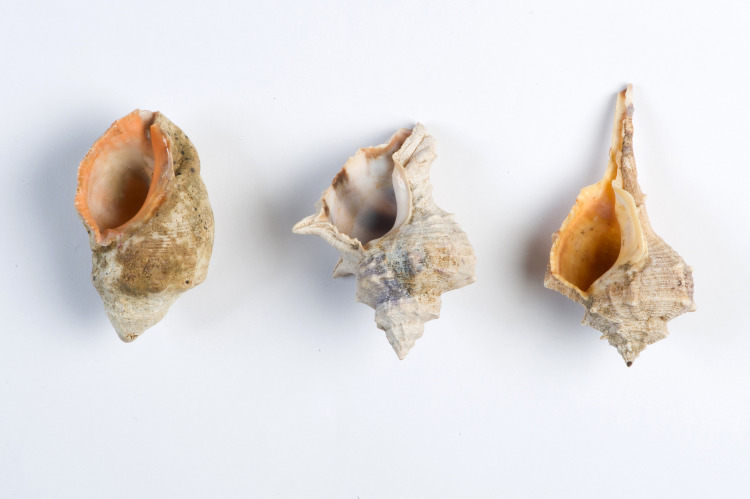
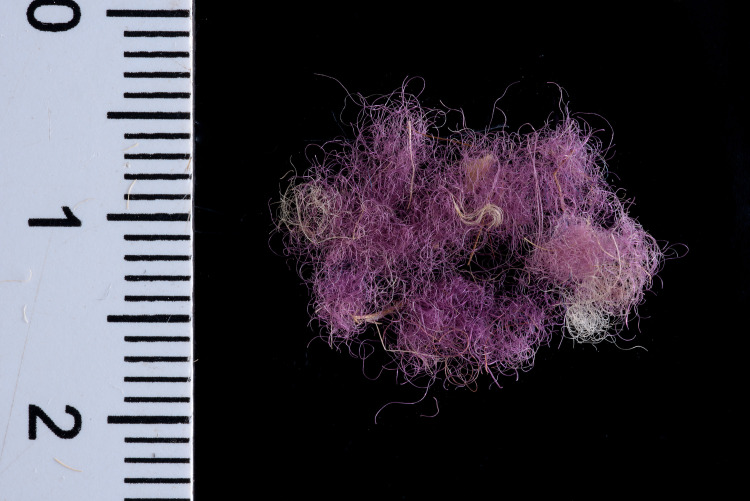
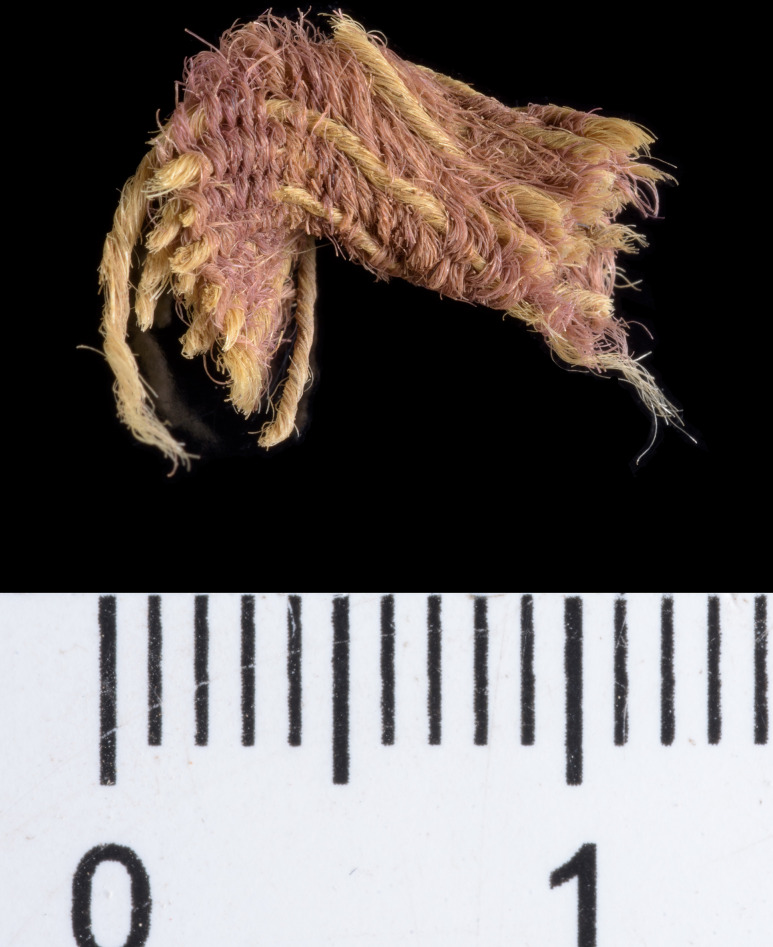
In the context of a broad study aimed at examining dyeing technologies in the Timna textiles collection, three samples of prestigious fibers dyed with murex sea snail were identified. Our identification is based on the presence of 6-monobromoindigotin and 6,6-dibromoindigotin components (detected using HPLC analysis), which is considered unequivocal evidence for the use of murex-derived purple dyestuff. Furthermore, by comparing the analytical results with those obtained in a series of controlled dyeing experiments we were able to shed more light on the specific species used in the dyeing process and glean insights into the ancient dyeing technology. The samples originated from excavations at the extensive Iron Age copper smelting site of “Slaves’ Hill” (Site 34), which is tightly dated by radiocarbon to the late 11 th–early 10 th centuries BCE. While evidence for the important role of purple dyes in the ancient Mediterranean goes back to the Middle Bronze Age (early 2 nd millennium BCE), finds of dyed textiles are extremely rare, and those from Timna are the oldest currently known in the Southern Levant. In conjunction with other observations of the very high quality of the Timna textiles, this provides an exceptional opportunity to address questions related to social stratification and organization of the nomadic society operating the mines (early Edom), the “fashion” of elite in the region during the early Iron Age, trade connections, technological capabilities, and more.
Verified 2026-11-22 · 3 references not checked yet
Overview
CoChat Summary
TL;DR
Three wool textile/fiber samples from the early Iron Age copper smelting site “Slaves’ Hill” (Timna Valley, Israel) were identified by HPLC as dyed with true murex purple, making them the oldest currently known true-purple-dyed textiles in the Southern Levant. The dye components point to *Bolinus brandaris* or *Stramonita haemastoma*, with one sample likely reflecting a double-dyeing process also involving *Hexaplex trunculus*.
Key findings
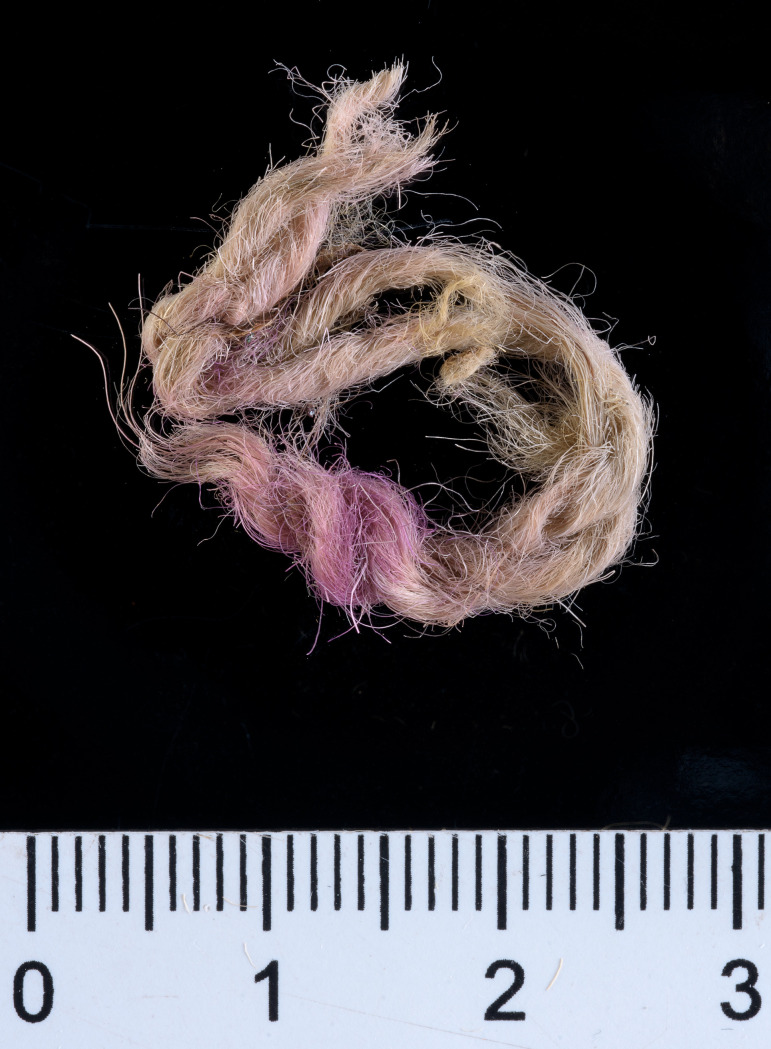
- Three samples (nos. 004, 017, 018) from Area 13, Site 34 (“Slaves’ Hill”), Locus 515/Basket 5644, contained the murex-purple markers 6-monobromoindigotin (MBI) and 6,6-dibromoindigotin (DBI). Sample 017 was directly radiocarbon dated to 2850 ± 30 BP (1114–924 cal. BCE at 2σ; 1053–933 cal. BCE at 1σ), consistent with the site’s late 11th–early 10th century BCE chronology.
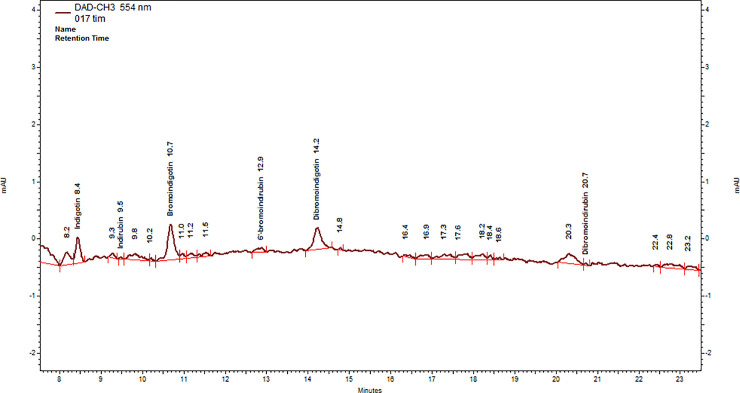
- Relative percentages at 554 nm: sample 004 had DBI 86%, MBI 14%, IND <1%, DBIR <1%; sample 018 had DBI 85.71%, MBI 14.28%, IND <1%, DBIR <1%; sample 017 had DBI 63.87%, MBI 15.60%, IND 11.10%, DBIR 9.40%.
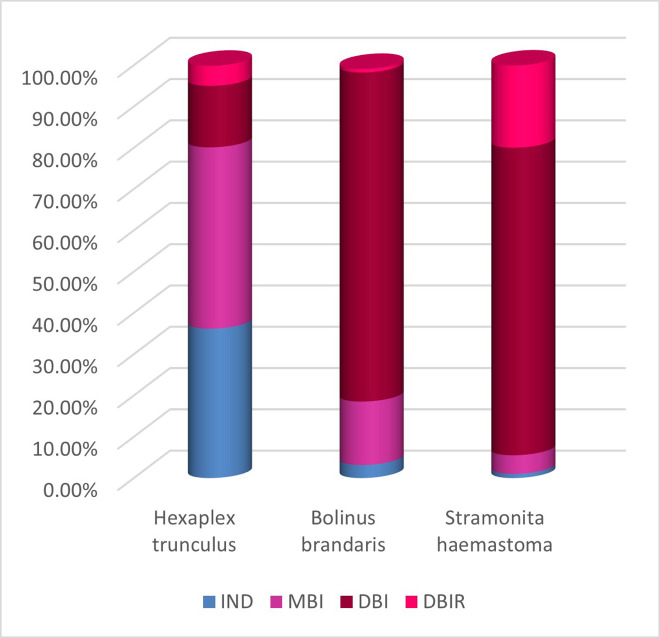
- Samples 004 and 018 were attributed to *B. brandaris* or *S. haemastoma*; sample 017’s composition did not fit a typical single murex species and was interpreted as likely double dyeing with *B. brandaris* or *S. haemastoma* plus *H. trunculus*, as described by Pliny the Elder.
- The finds are presented as the earliest physical evidence of true purple on dyed fiber in the Southern Levant and as evidence for elite consumption, trade connections, and social complexity in the early Iron Age society operating the Timna mines.
Methods
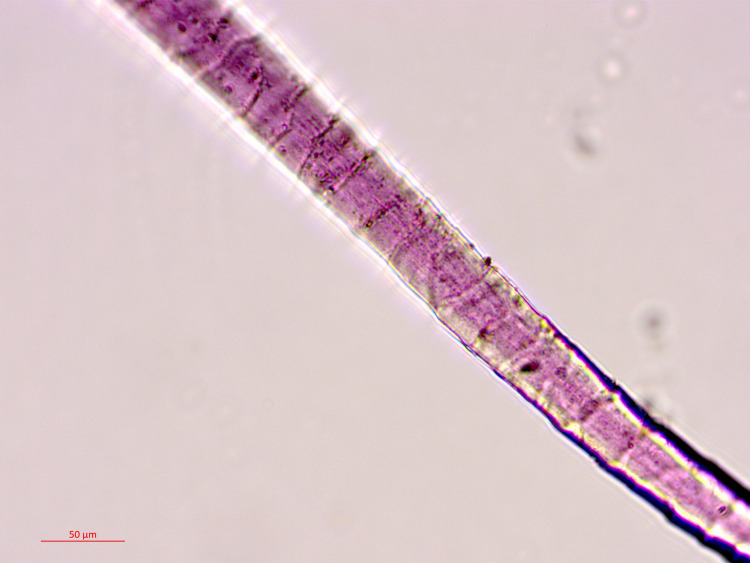
- Three dyed wool samples from the Timna textiles collection were analyzed; fiber was identified as wool by polarizing microscopy at x500, and sample 017 was sent for direct radiocarbon dating.
- Dyes were extracted from 3 mg samples with 150 μl DMSO, heated at 95°C for 10 minutes, centrifuged at 12,000 g for 5 minutes, and 20 μl supernatant was injected into an HPLC-DAD system.
- HPLC-DAD used a GraceSmart RP18 column at 30°C, 200–700 nm detection with extracted chromatograms at 254, 454, and 554 nm, and a phosphoric acid/methanol/H2O gradient; results were compared with a database and controlled dyeing experiments using *H. trunculus*, *B. brandaris*, and *S. haemastoma*.
Limitations
- Stated: analytical separation of *B. brandaris* and *S. haemastoma* is not possible, and the double-dyeing interpretation for sample 017 is presented cautiously, requiring more information before a clear conclusion.
- Stated: reported murex dye composition can be affected by many variables, including geographical location, snail age and sex, dyeing process, and analytical methods.
- Evident from the text: only three fragments were identified, the exact textile function of sample 017 is uncertain, and it is not certain whether all samples came from the same textile; broader social inferences rest on a very small preserved assemblage.
Model-written summary. Check it against the paper before relying on it.
Integrity signals
Registry
Cites
Statistics
Figures
Verification
Claims the paper makes
11 Valid · 1 Not valid · 45 Not checked · 34 Own results and interpretations
At least one cited source doesn’t support this claim or points to a different paper, and none confirmed it — see the verdicts below.
In the paper
“and direct evidence for long-distance trade connections (see also [68,118]).”
§ Early evidence of royal purple dyed textile from Timna Valley (Israel) > Discussion > Observations on the early iron age society of Timna Valley
What the sources say
- Disputedcites [68] Sukenik N, Iluz D, Amar Z, Varvak A, Workman V, Shamir O, et al Early Evidence (Late 2nd Millennium BCE) of Plant-Based Dyeing of Textiles from Timna, Israel. PLoS One. 2017; 12: e0179014 10.1371/journal.pone.0179014 28658314 PMC5489155 sourceExperimental — accuracy not yet measured
The Results identify the Timna textiles’ blue dye as plant-derived and report no compounds unique to murex, the source of true purple. The Discussion and conclusions (‘The origin of the dyed textile’; page unavailable) does infer long-distance transportation and probable trade, but not from a discovery of true purple-dyed textiles. (LLM, conf=0.87)
Checked by a reasoning model — may be wrong.
- Not checked — no full text of the sourcecites [118] Ben-Yosef E, Langgut D, Sapir-Hen L. Beyond Smelting: New Insights on Iron Age (10th C. BCE) Metalworkers Community from Excavations at A Gatehouse and Associated Livestock Pens in Timna, Israel. J Archaeol Sci Reports. 2017; 11: 411– 426. 10.1016/j.jasrep.2016.12.010 source
boostedstates a cause- Asserted: passes — The authors put it forward as true.
- Checkable: passes — It can be checked against evidence.
- Load-bearing: passes — The paper’s conclusions depend on it.
- Based: passes — The paper gives a reason why it holds.
- Disputed
The cited sources support only part of this claim — read each source’s verdict below.
In the paper
“which is tightly dated by radiocarbon to the late 11th–early 10th centuries BCE”
- Also stated in: § The archaeological finds and their context · plain
“The site was tightly dated to the late 11th–first half of the 10th century BCE (early Iron Age) based on the results of excavations in several areas.”
§ Early evidence of royal purple dyed textile from Timna Valley (Israel) > Abstract
What the sources say
- Not checked — no full text of the sourcecites [64] Ben-Yosef E. Back to Solomon’s Era: Results of the First Excavations at “Slaves’ Hill” (Site 34, Timna, Israel). Bull Am Sch Orient Res. 2016; 376: 169– 198. source
- Not checked — no full text of the sourcecites [65] Kleiman S, Kleiman A, Ben-Yosef E. Metalworkers’ Material Culture in the Early Iron Age Levant: The Ceramic Assemblage from Site 34 (Slaves’ Hill) in the Timna Valley. Tel Aviv. 2017; 44: 232– 264. 10.1080/03344355.2017.1357313 source
- Partly supportedcites [66] Ben-Yosef E, Liss B, Yagel OA, Tirosh O, Najjar M, Levy TE. Ancient Technology and Punctuated Change: Detecting the Emergence of the Edomite Kingdom in the Southern Levant. PLoS One. 2019; 14: 1– 16. 10.1371/journal.pone.0221967 31532811 PMC6750566 sourceExperimental — accuracy not yet measured
The Results place Timna Site 34 (Slaves’ Hill) in a group of similarly dated contexts spanning about a century around 1000 BCE. Materials and methods say the samples’ dating relies on radiocarbon results, but the paper does not give Slaves’ Hill itself the claimed precise late-11th-to-early-10th-century radiocarbon range. The cited passages have no page numbers. (LLM, conf=0.79)
plainSingle case- Asserted: passes — The authors put it forward as true.
- Checkable: passes — It can be checked against evidence.
- Load-bearing: passes — The paper’s conclusions depend on it.
- Based: passes — The paper gives a reason why it holds.
- Also stated in: § The archaeological finds and their context · plain
The sources with a verdict support this claim; the rest weren’t checked yet, have no full text we could read, or their verdicts aren’t rated yet.
In the paper
“which is considered unequivocal evidence for the use of murex-derived purple dyestuff”
- Also stated in: § Methods · plain
“Other components that confer the purple color are present only in mollusk dyes: 6-monobromoindigotin (MBI), monobromoindirubin (MBIR), 6,6-dibromoindigotin (DBI), and 6,6- dibromoindirubin (DBIR), which are the ones that confer the purple color [62,68,83,84].”
§ Early evidence of royal purple dyed textile from Timna Valley (Israel) > Abstract
What the sources say
- Not checked — no full text of the sourcecites [62] James MA, Reifarth N, Mukherjee AJ, Crump MP, Gates PJ, Sandor P, et al High Prestige Royal Purple dyed Textiles from the Bronze Age Royal Tomb at Qatna, Syria. Antiquity. 2009; 83: 1109– 1118. 10.1017/S0003598X00099397 source
- Supportedcites [68] Sukenik N, Iluz D, Amar Z, Varvak A, Workman V, Shamir O, et al Early Evidence (Late 2nd Millennium BCE) of Plant-Based Dyeing of Textiles from Timna, Israel. PLoS One. 2017; 12: e0179014 10.1371/journal.pone.0179014 28658314 PMC5489155 source
The Results section identifies monobromoindigotin (MBI) and dibromoindigotin (DBI) as compounds unique to murex species, supporting their use as diagnostic markers of murex-derived dye. It reports that neither was found in the Timna blue textiles and concludes those textiles were dyed with a plant source; the claim is about what the markers indicate, not about their presence in these samples. No page number is available in our copy. (LLM, conf=0.87)
- Not checked — no full text of the sourcecites [83] Wouters J, Verhecken A. High-Performance Liquid Chromatography of Blue and Purple Indigoid Natural Dyes. J Soc Dye Color. 1991; 107: 266– 269. 10.1111/j.1478-4408.1991.tb01351.x source
- Not checked — no full text of the sourcecites [84] Koren ZC. Archaeo-Chemical Analysis of Royal Purple on a Darius I stone Jar. Microchim Acta. 2008; 162: 381– 392. 10.1007/s00604-007-0862-4. source
boostedstates a causen = 3- Asserted: passes — The authors put it forward as true.
- Checkable: passes — It can be checked against evidence.
- Load-bearing: passes — The paper’s conclusions depend on it.
- Based: passes — The paper gives a reason why it holds.
- Also stated in: § Methods · plain
The cited sources support only part of this claim — read each source’s verdict below.
In the paper
“which currently constitute the largest Iron Age assemblage in the Southern Levant [6]”
§ Early evidence of royal purple dyed textile from Timna Valley (Israel) > Introduction > Early iron age textiles from Timna Valley
What the sources say
- Partly supportedcites [6] Workman V, Shamir O, Sukenik N, Gleba M, Ben-Yosef E. The Central Timna Valley Project: 5 Years of Ongoing Textile Research. ATR. 2017; 59: 67– 70. sourceExperimental — accuracy not yet measured
The Projects section describes Timna’s textile assemblage as “large and unparalleled” for this period in the southern Levant. It does not establish that the assemblage is the largest Iron Age assemblage in the region; that size ranking is more specific than the paper’s wording supports. (LLM, conf=0.84)
plain- Asserted: passes — The authors put it forward as true.
- Checkable: passes — It can be checked against evidence.
- Load-bearing: unclear — It is unclear whether the paper’s conclusions depend on it.
- Based: passes — The paper gives a reason why it holds.
- Partly supported
The cited sources support only part of this claim — read each source’s verdict below.
In the paper
“Starting in 2013, excavations in several copper production sites in the region by the Central Timna Valley Project [4,5] uncovered dozens of fragments of dyed textiles, which currently constitute the largest Iron Age assemblage in the Southern Levant [6].”
§ Early evidence of royal purple dyed textile from Timna Valley (Israel) > Introduction > Early iron age textiles from Timna Valley
What the sources say
- Not checked — no full text of the sourcecites [4] Ben-Yosef E. The Central Timna Valley Project: Research Design and Preliminary Results. In: Ben-Yosef E, editor. Mining for Ancient Copper: Essays in Memory of Professor Beno Rothenberg. Tel Aviv: Tel Aviv University. Institute of Archaeology; 2018 pp. 28– 63. source
- Not matchedcites [5] Ben-Yosef E. The Central Timna Valley Project (CTV). Available: https://archaeology.tau.ac.il/ben-yosef/CTV/.
Its entry has no title and year that we can search by.
- Partly supportedcites [6] Workman V, Shamir O, Sukenik N, Gleba M, Ben-Yosef E. The Central Timna Valley Project: 5 Years of Ongoing Textile Research. ATR. 2017; 59: 67– 70. sourceExperimental — accuracy not yet measured
The Projects section says the Central Timna Valley Project excavated several sites associated with copper production and documented textile finds from the 2013–2014 excavations. It reports a few hundred textile, cordage and rope fragments overall, but identifies red and blue dyes in several textiles—not dozens of dyed fragments. The separate largest-assemblage statement is attached to citation [6], not this source. (LLM, conf=0.87)
plain- Asserted: passes — The authors put it forward as true.
- Checkable: passes — It can be checked against evidence.
- Load-bearing: passes — The paper’s conclusions depend on it.
- Based: passes — The paper gives a reason why it holds.
37 more claims · 4 with their cited sources checked
Create a free account to see all 91 claims and to verify the 26 references still open.
- It may state two separate claims as one. 25
- Probably not a substantial claim. 33
- The quote only partly states this claim. 2
Self-check
Percentages, sums and reported differences re-computed from the paper’s own numbers.
Each contradiction between two passages listed here was confirmed by an independent check.
Rated minor: it would not touch a result — a value no result rests on, a p-value that stays on the same side of the significance level, or a conflict that is clerical, resolved elsewhere in the paper, or outside its own findings.
In the paper
§ Early evidence of royal purple dyed textile from Timna Valley (Israel) > Methods > Extraction method
“and 20 μl of the supernatant was injected into the HPLC system’ HPLC.”
§ Early evidence of royal purple dyed textile from Timna Valley (Israel) > Methods > HPLC analysis protocol
“The flow rate was held at 1 ml/min, and the injection size was 25 μL.”
Citations
Cites
(2014) · Climate Change 2013 – The Physical Science Basis · doi:10.1017/cbo9781107415324.004 · Cited by 23,880
1177 B.C.: The Year Civilization Collapsed
Cline, E. H. (2014) · doi:10.1515/9781400849987 · Cited by 452
Natural Dyes: Sources, Tradition, Technology and Science
(2007) · HAL · Cited by 443
Moran, W. (2000) · Johns Hopkins University Press eBooks · doi:10.56021/9780801842511 · Cited by 426
30,000-Year-Old Wild Flax Fibers
Kvavadze, E., Bar-Yosef, O., Belfer-Cohen, A., Boaretto, E., Jakeli, N., Matskevich, Z., & Meshveliani, T. (2009) · Science · doi:10.1126/science.1175404 · Cited by 415
Analytical Chemistry in Archaeology
Pollard, A. M., Batt, C. M., Stern, B., & Young, S. M. M. (2007) · Cambridge University Press eBooks · doi:10.1017/cbo9780511607431 · Cited by 382
Moran, W. L. (2002) · Medical Entomology and Zoology · Cited by 231
Tyrian Purple: 6,6’-Dibromoindigo and Related Compounds
Cooksey, C. J. (2001) · Molecules · doi:10.3390/60900736 · Cited by 231 · cited 1×
“) may affect the reported composition of the purple dye [10,84,92].”
BackgroundThe Bible and radiocarbon dating: archaeology, text and science
(2006) · Choice Reviews Online · doi:10.5860/choice.44-1609 · Cited by 204
Indigo, woad, and Tyrian Purple: important vat dyes from antiquity to the present
Clark, R. J. H., Cooksey, C. J., Daniels, M. A. M., & Withnall, R. (1993) · Endeavour · doi:10.1016/0160-9327(93)90062-8 · Cited by 171
The Colourful Past - Origins, Chemistry and Identification of Natural Dyestuffs
Hãhn, O. (2005) · Cited by 169
Archaeological Textiles: A Review of Current Research.
Good, I. (2001) · Annual Review of Anthropology · doi:10.1146/annurev.anthro.30.1.209 · Cited by 168 · cited 1×
“Like any perishable organic material, they are usually subject to rapid decomposition and their preservation requires special conditions to prevent destruction by microorganisms [1,3].”
Background1177 B.C.: the year civilization collapsed
(2014) · Choice Reviews Online · doi:10.5860/choice.52-0415 · Cited by 162
The Colourful Past: Origins, Chemistry and Identification of Natural Dyestuffs
de Graaff, J. H. H., Roelofs, W. G. T., & van Bommel, M. R. (2007) · Medical Entomology and Zoology · Cited by 149
(1995) · Cited by 147
(1970) · Medical Entomology and Zoology · Cited by 133
Ansell, A. D. (1996) · Journal of Experimental Marine Biology and Ecology · doi:10.1016/s0022-0981(96)90040-4 · Cited by 133
Gitin, S., Wright, J., & Dessel, J. P. (2006) · Cited by 112
The art of dyeing in the history of mankind
Brunello, F. (1973) · Medical Entomology and Zoology · Cited by 108
Indirubin, the red shade of indigo
Meijer, L., Guyard, N., L.A, S., & Eisenbrand, G. (2006) · HAL · Cited by 104
The Origin of the Terms "Canaan," "Phoenician," and "Purple"
Astour, M. C. (1965) · Journal of Near Eastern Studies · doi:10.1086/371830 · Cited by 94 · cited 1×
“According to some scholars, the Phoenicians received their name because of their important role in the dyeing industry (assuming the original meaning of φoῖνιξ was “red-purple”, [32,39]).”
BackgroundNatural Dyes in Textile Applications.
Taylor, G. W. (1986) · Review of Progress in Coloration and Related Topics · doi:10.1111/j.1478-4408.1986.tb03744.x · Cited by 90
Old Textiles–New Possibilities.
Strand, E. A., Frei, K. M., Gleba, M., Mannering, U., Nosch, M.-L., & Skals, I. (2010) · European Journal of Archaeology · doi:10.1177/1461957110365513 · Cited by 89
High-Performance Liquid Chromatography of Blue and Purple Indigoid Natural Dyes.
Wouters, J., & Verhecken, A. (1991) · Journal of the Society of Dyers and Colourists · doi:10.1111/j.1478-4408.1991.tb01351.x · Cited by 74 · cited 1×
“Other components that confer the purple color are present only in mollusk dyes: 6-monobromoindigotin (MBI), monobromoindirubin (MBIR), 6,6-dibromoindigotin (DBI), and 6,6- dibromoindirubin (DBIR), which are the ones that confer the purple color [62,68,83,84].”
BackgroundArchaeo-Chemical Analysis of Royal Purple on a Darius I stone Jar.
Koren, Z. C. (2008) · Microchimica Acta · doi:10.1007/s00604-007-0862-4 · Cited by 71 · cited 6×
“[19,56,58,84]), until now none of the surviving pre-Roman textile fragments have tested positive for a true purple dye.”
BackgroundResultInfluentialNew Insights into the Iron Age Archaeology of Edom, Southern Jordan
Levy, T. E., Najjar, M., & Ben-Yosef, E. (2014) · doi:10.2307/j.ctvdjrq5c · Cited by 61
Self-citationThe Minoan Origin of Tyrian Purple.
Stieglitz, R. R. (1994) · The Biblical Archaeologist · doi:10.2307/3210395 · Cited by 60
Luo, B., Liu, B., Zhang, H., Zhang, H., Li, X., Ma, L., Wang, Y., Bai, Y., Zhang, X., Li, J., et al. (2019) · Journal of Ethnobiology and Ethnomedicine · doi:10.1186/s13002-019-0336-x · Cited by 58
Karapanagiotis, I., Mantzouris, D., Cooksey, C., Mubarak, M. S., & Tsiamyrtzis, P. (2013) · Microchemical Journal · doi:10.1016/j.microc.2013.02.008 · Cited by 52 · cited 5×
“Direct evidence to the use of shellfish purple was identified in the islands of Santorini and Rhodes, where purple pigments from murex snail were found in wall paintings dated to the 17th century BCE [34,35].”
BackgroundMethodResultInfluentialThe Architectural Bias in Current Biblical Archaeology.
Ben-Yosef, E. (2019) · Vetus Testamentum · doi:10.1163/15685330-12341370 · Cited by 52
Self-citationLi, S., Cunningham, A. B., Fan, R., & Wang, Y. (2019) · Journal of Ethnobiology and Ethnomedicine · doi:10.1186/s13002-019-0289-0 · Cited by 50
Reconstructing Murex Royal Purple and Biblical Blue in the Aegean
Ruscillo, D. (2005) · Oxbow Books · doi:10.2307/j.ctt1kw2959.14 · Cited by 50
Ben-Yosef, E., Liss, B., Yagel, O. A., Tirosh, O., Najjar, M., & Levy, T. E. (2019) · PLoS ONE · doi:10.1371/journal.pone.0221967 · Cited by 49 · cited 1×
“These include a dozen of radiocarbon dates from short-lived materials (mostly date seeds [64]), the study of pottery typology [65] and other considerations [66].”
BackgroundSelf-citationBack to Solomon’s Era: Results of the First Excavations at “Slaves’ Hill” (Site 34, Timna, Israel).
Ben-Yosef, E. (2016) · Bulletin of the American Schools of Oriental Research · doi:10.5615/bullamerschoorie.376.0169 · Cited by 48 · cited 16×
“The identification of the early Iron Age society of Timna Valley and the nearby regions with biblical Edom is discussed elsewhere ([117] and references therein)].”
BackgroundInfluentialSelf-citationWild vertebrates and their representation by urban/rural students in a region of northeast Brazil
de Oliveira, J. V., Lopes, S. D. F., Barboza, R. R. D., Trovão, D. M. D. B. M., Ramos, M. B., & Alves, R. R. N. (2019) · Journal of Ethnobiology and Ethnomedicine · doi:10.1186/s13002-018-0283-y · Cited by 46
High Prestige Royal Purple dyed Textiles from the Bronze Age Royal Tomb at Qatna, Syria.
James, M. A., Reifarth, N., Mukherjee, A. J., Crump, M. P., Gates, P. J., Sandor, P., Robertson, F., Pfälzner, P., & Evershed, R. P. (2009) · Antiquity · doi:10.1017/s0003598x00099397 · Cited by 43
Colouring the Mediterranean: Production and Consumption of Purple-dyed Textiles in Pre-Roman Times
Marín-Aguilera, B., Iacono, F., & Gleba, M. (2019) · Journal of Mediterranean Archaeology · doi:10.1558/jma.38080 · Cited by 43 · cited 16×
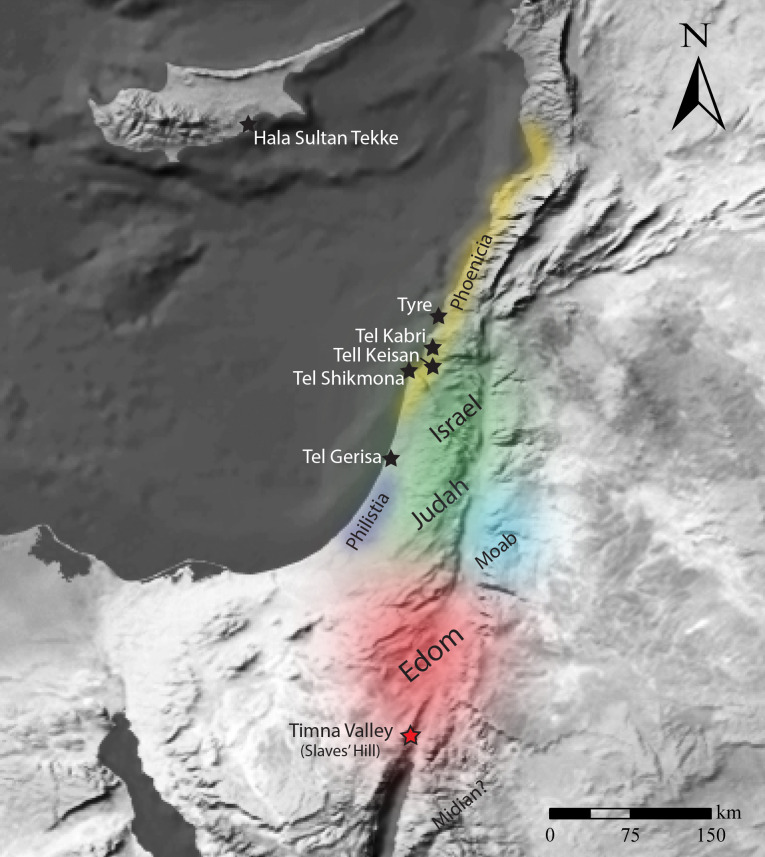
“In the Eastern Mediterranean, the largest concentration of Iron Age sites with evidence of purple industry is located along the northern coast of the Southern Levant [15] (Fig 9).”
BackgroundMethodInfluentialPalaikastro Shells and Bronze Age Purple-Dye Production in the Mediterranean Basin.
Reese, D. S. (1987) · The Annual of the British School at Athens · doi:10.1017/s0068245400020438 · Cited by 41
New Evidence of the Purple-Dye Industry at Tel Shiqmona, Israel.
Sukenik, N., Iluz, D., Amar, Z., Varvak, A., & Bar, S. (2017) · Archaeometry · doi:10.1111/arcm.12290 · Cited by 39
Self-citationA Review on the Archaeological Chemistry of Shellfish Purple.
Karapanagiotis, I. (2019) · Sustainability · doi:10.3390/su11133595 · Cited by 37 · cited 1×
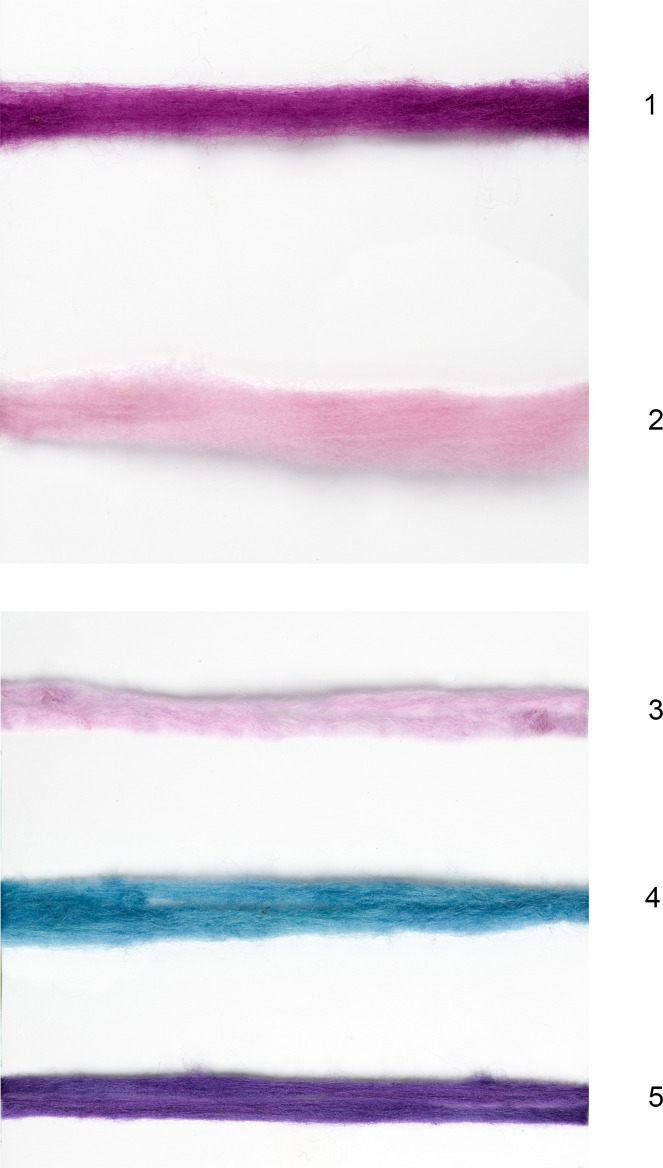
“trunculus yielded more violet-blue hues due to the indigo compound, the two other species produce a more pink-purple hue (Fig 8; S1 Appendix), due to the high concentration of the combined DBI and the DBIR components which are responsible for the characteristic red/pink hue (Table 3 [97]).”
BackgroundSapir-Hen, L., & Ben-Yosef, E. (2014) · Antiquity · doi:10.1017/s0003598x00050687 · Cited by 34
Self-citationEarly Evidence (Late 2nd Millennium BCE) of Plant-Based Dyeing of Textiles from Timna, Israel.
Sukenik, N., Iluz, D., Amar, Z., Varvak, A., Workman, V., Shamir, O., & Ben-Yosef, E. (2017) · PLoS ONE · doi:10.1371/journal.pone.0179014 · Cited by 32
Self-citationArchaeomalacology: Molluscs in former environments of human behaviour
Mayer, B. (2005) · Medical Entomology and Zoology · Cited by 31
(2010) · Mediterranean Archaeology & Archaeometry. International Journal/Mediterranean archaeology and archaeometry. International scientific journal · Cited by 30
Koren, Z. C. (2005) · Cited by 28
Ben-Yosef, E., Langgut, D., & Sapir-Hen, L. (2017) · Journal of Archaeological Science Reports · doi:10.1016/j.jasrep.2016.12.010 · Cited by 27
Self-citation(2017) · Cited by 26
Archaeological science brightens Mediterranean dark age
Ben‐Yosef, E. (2019) · Proceedings of the National Academy of Sciences · doi:10.1073/pnas.1901885116 · Cited by 26
Self-citationThe Royal Purple and the Biblical Blue: Argaman and Tekhelet
Travis, A. S., & Spanier, E. (1989) · Technology and Culture · doi:10.2307/3105968 · Cited by 24
Giner, C. A., & Mylona, D. (2014) · Dialnet (Universidad de la Rioja) · Cited by 23
Determination of Tyrian Purple by High Performance Liquid Chromatography with Diode Array Detection
Vasileiadou, A., Karapanagiotis, I., & Zotou, A. (2016) · Journal of Chromatography A · doi:10.1016/j.chroma.2016.04.046 · Cited by 23
Nosch, M. L. B., Zhao, F. W., & Varadarajan, L. (2014) · Oxbow Books · doi:10.2307/j.ctvh1dpz7 · Cited by 22
Cannibalism in muricid snails as a possible explanation for archaeological findings
Spanier, E. (1986) · Journal of Archaeological Science · doi:10.1016/0305-4403(86)90015-4 · Cited by 21
Identification of indirubin and monobromoindirubins in Murex brandaris
Mantzouris, D., & Karapanagiotis, I. (2014) · Dyes and Pigments · doi:10.1016/j.dyepig.2014.01.011 · Cited by 19 · cited 1×
“haemastoma on the other hand, DBI compound is the most abundant (over 60%), but the proportion of IND in dyes derived from these two mollusks is low (less than 5%) and it cannot always be detected in the chromatography (Fig 7; S1 Appendix: Table 1; see also [61,84,93,95,96]).”
BackgroundNew Chemical Insights into the Ancient Molluskan Purple Dyeing Process
Koren, Z. C. (2013) · ACS symposium series · doi:10.1021/bk-2013-1147.ch003 · Cited by 19 · cited 8×
“[19,56,58,84]), until now none of the surviving pre-Roman textile fragments have tested positive for a true purple dye.”
BackgroundInfluentialMacDonald, N. (2019) · doi:10.5040/9780567678508.ch-024 · Cited by 19
Chemical Analysis of Murex-Dyed Textiles from Wadi Murabba’at, Israel.
Sukenik, N., Varvak, A., Amar, Z., & Iluz, D. (2015) · Journal of Archaeological Science Reports · doi:10.1016/j.jasrep.2015.08.003 · Cited by 18 · cited 7×
“Examination of the percentage of the colorants and the proportions of the components in chromatograms that were done by the authors in pervious analyses (Fig 7 and S1 Appendix; [58,61,94]), which is in agreement with other previous studies (see for example: [35,84,91]), shows that in most cases H. trunculus contains r…”
BackgroundMethodResultInfluentialSelf-citation“BA” Guide to Artifacts: Seashells and ancient purple dyeing.
Ziderman, I. I. (1990) · The Biblical Archaeologist · doi:10.2307/3210101 · Cited by 18
A reconnaissance survey of farmers’ awareness of hypomagnesaemic tetany in UK cattle and sheep farms
Kumssa, D. B., Penrose, B., Bone, P. A., et al. (2019) · PLoS ONE · doi:10.1371/journal.pone.0223868 · Cited by 18
(1988) · Cited by 18
Carannante, A., Renna, G., Conte, I. D., et al. (2014) · Antimicrobial Agents and Chemotherapy · doi:10.1128/aac.00103-14 · Cited by 17
Kleiman, S., Kleiman, A., & Ben-Yosef, E. (2017) · Tel Aviv · doi:10.1080/03344355.2017.1357313 · Cited by 16
Self-citationArchaeomalacology and Purple-Dye. State of the Art and New Prospects of Research
Carannante, A. (2014) · Dialnet (Universidad de la Rioja) · Cited by 15
Abrahami, P. (2014) · Oxbow Books · doi:10.2307/j.ctvh1djjn.20 · Cited by 15
Royal Purple dye: tracing the chemical origins of the industry
McGovern, P. E., & Michel, R. H. (1985) · Analytical Chemistry · doi:10.1021/ac00291a002 · Cited by 13 · cited 1×
“Pottery sherds stained with true purple were found in Sarepta in Lebanon— 14–13 centuries BCE [57], Ugarit (Minet el-Beidha)— 15–13 centuries BCE [52], Tel Keisan— 11 century BCE [19], Tel Shikmona— 10–9 centuries BCE PLOS ONE Early evidence of true purple dyed textile”
BackgroundCardon, D., Nowik, W., Granger-Taylor, H., Marcinowska, R., Kusyk, K., & Trojanowicz, M. (2011) · HAL · Cited by 12
The Earliest Cotton Ikat Textiles from Nahal ‘Omer Israel 650–810 CE
Shamir, O., & Baginski, A. (2014) · Oxbow Books · doi:10.2307/j.ctvh1dpz7.9 · Cited by 12
Self-citationTasseled Garments in the Ancient East Mediterranean
Bertman, S. (1961) · The Biblical Archaeologist · doi:10.2307/3209197 · Cited by 11 · cited 1×
“It is difficult to know the specific function of this string but we can assume that it does not come from a rough textile, but from a decorative fringe or a tassel, both common in the Timna textiles assemblage [68,69] and in the ancient world in general [70,71].”
BackgroundPo-Pu-Re: Workshops, Use And Αrchaeometric Analysis In Pre-Roman Central Eastern Mediterranean
Kalaitzaki, A., Vafiadou, A., Frony, Α., Reese, D. S., Drivaliari, A., & Liritzis, I. (2017) · Zenodo · doi:10.5281/zenodo.160967 · Cited by 10
Glass, Wax and Metal: Lighting Technologies in Late Antique, Byzantine and Medieval Times
(2019) · Archaeopress Publishing Ltd eBooks · doi:10.2307/j.ctvndv5k4 · Cited by 8
Ben-Yosef, E. (2023) · From Nomadism to Monarchy? · doi:10.1515/9781646022700-016 · Cited by 8
Self-citationYigael Yadin, Judean Desert Studies. The Finds from the Bar Kokhba Period in the Cave of Letters.
Parrot, A. (1965) · Périodiques Scientifiques en Édition Électronique · Cited by 7
Methodological aspects of purple dye production on Ibiza: the new site of Cala Olivera
Giner, C. A., & Ribas, B. C. (2008) · Dialnet (Universidad de la Rioja) · Cited by 7
Deep Blue: Notes on the Jewish Snail Fight.
Sagiv, G. (2015) · Contemporary Jewry · doi:10.1007/s12397-015-9138-1 · Cited by 6 · cited 1×
“It is widely accepted that both colors were based on murex snails, while tekhelet is specifically linked toHexaplex trunculus by most scholars [43–45] (although it should be noted that the specific hue is still enigmatic [45]) Both hues are mentioned in the Hebrew Bible in relation to clothing of people of the highest…”
BackgroundPurple Fabrics and Garments in Akkadian Documents.
Thavapalan, S. (2018) · Journal of Ancient Near Eastern History · doi:10.1515/janeh-2017-0007 · Cited by 6 · cited 1×
“In the Hebrew Bible, the words argaman and tekhelet appear side by side and most probably represent a purple hue and a violet-blue hue respectively (similar to the Akkadian words argamannu and takiltu [42]).”
BackgroundCotton textiles from the Byzantine period to the Medieval period in ancient Palestine
Shamir, O. (2019) · Revue d’ethnoécologie · doi:10.4000/ethnoecologie.4176 · Cited by 6
Self-citationShellfish purple and gold threads from a Late Antique tomb excavated in Thessaloniki
Karapanagiotis, I., Sotiropoulou, S., Vasileiadou, S., Karagiannidou, E., Mantzouris, D., & Tsiamyrtzis, P. (2018) · Virtual Community of Pathological Anatomy (University of Castilla La Mancha) · Cited by 6
A Linen Wick from the Northern Church at Shivta, Israel
Sukenik, N., & Tepper, Y. (2019) · Glass, Wax and Metal: Lighting Technologies in Late Antique, Byzantine and Medieval Times · doi:10.2307/j.ctvndv5k4.29 · Cited by 6
Self-citationTyrian purple dyeing: an experimental approach with fresh "murex trunculus"
Kanold, I. B., & Haubrichs, R. (2008) · Cited by 4
Shellfish purple and gold threads from a Late Antique tomb excavated in Thessaloniki
Karapanagiotis, I., Sotiropoulou, S., Vasileiadou, S., Karagiannidou, E. G., Mantzouris, D., & Tsiamyrtzis, P. (2018) · Cited by 4
Demougeot, É. (1972) · Revue des Études Anciennes · Cited by 3
Who could wear true purple in Roman Egypt
Cardon, D., Nowik, W., Granger-Taylor, H., Marcinowska, R., Kusyk, K., & Trojanowicz, M. (2011) · Cited by 3
A Further Note on Purple Dyeing.
Rendsburg, G. A. (1991) · The Biblical Archaeologist · doi:10.2307/3210232 · Cited by 3 · cited 1×
“The earliest textual evidence for the use of true purple in the Near East is attribute to the murex shells according to textual context is from Akkadian tablets from Nuzi, Mesopotamia, dating to 1425 BCE (this identification is based on contextual and philological arguments [36,37]).”
BackgroundDuarte, J. J. C., Casasola, D. B., & Muñoz, J. R. (2014) · Dialnet (Universidad de la Rioja) · Cited by 2
A re-evaluation of the textile dyes in the Cave of Letters
Sukenik, N., Amar, Z., Varvak, A., et al. (2016) · Dialnet (Universidad de la Rioja) · Cited by 2
Self-citationThe Central Timna Valley Project: 5 Years of Ongoing Textile Research
Gleba, M., Workman, Shamir, O., Sukenik, N., & Ben‐Yosef, E. (2017) · Apollo (University of Cambridge) · doi:10.17863/cam.42658 · Cited by 2 · cited 10×
“In the Eastern Mediterranean, the largest concentration of Iron Age sites with evidence of purple industry is located along the northern coast of the Southern Levant [15] (Fig 9).”
BackgroundInfluentialSelf-citationThe Economic Role of Coloured Textiles in Babylonia (1st Millennium BC)
Quillien, L. (2020) · HAL (Le Centre pour la Communication Scientifique Directe) · Cited by 2
Strand, E. A., Frei, K., Gleba, M., et al. (2010) · European Journal of Archaeology · Cited by 1
Hickman, G. (2008) · Practical Pre-School · doi:10.12968/prps.2008.1.89.38150 · Cited by 1
The Central Timna Valley Project: 5 Years of Ongoing Textile Research
Workman, V., Shamir, O., Sukenik, N., Gleba, M., & Ben-Yosef, E. (2017) · Archaeological Textiles Review · doi:10.7146/atr.59.167012
Self-citationClothing and Nudity in the Ancient Near East: Archaeological and Iconographic Aspects
Thomason, A. (2019) · Clothing and Nudity in the Hebrew Bible · doi:10.5040/9780567678508.ch-005 · cited 3×
“017 that seems to be an element of a fringe or tassel, were probably part of a garment of a prestigious wardrobe [69,70].”
BackgroundVitruvius (1931) · Digital Loeb Classical Library · doi:10.4159/dlcl.vitruvius-architecture.1931
Susmann, N. M. (2015) · Archaeological Textiles Review · doi:10.7146/atr.57.167059
Research works printed but not linked: 47
- Ben-Yosef E. The Central Timna Valley Project: Research Design and Preliminary Results. In: Ben-Yosef E, editor. Mining for Ancient Copper: Essays in Memory of Professor Beno Rothenberg. Tel Aviv: Tel Aviv University. Institute of Archaeology; 2018 pp. 28– 63.
- Sukenik N. A 2000 Years Old Counterfeiting Industry. In: Meiri O, Bloch Y, Kaplan Y, editors. Out of the Blue. Jerusalem: Bible Lands Museume; 2018 pp. 100– 113.
- Plutarch A. Plutarch Lives (B. Perrin tran. 1959). Cambridge, Mass., London: Harvard University Press; W. Heinemann.
- Amar Z. The Argaman (Purple): Porphura and Arjawan in Jewish Sources and Further Inquiries into Tekhelet. Har Bracha. Har Bracha; 2014. (Hebrew).
- Edmonds J. The Mystery of Imperial Purple Dye. Hist Dye Ser. 2002; 7: 1– 41.
- Aristotal. Historia Animalium, A.L. Peck (tran.). Cambridge; 1965.
- Michel RH, McGovern PE. The chemical processing of Royal purple dye: ancient descriptions as elucidated by modern science. Archaeomaterials. 1987 pp. 135– 143. Available: http://www.penn.museum/sites/biomoleculararchaeology/wp-content/uploads/2010/04/archeomat2.pdf.
- Michel RH, McGovern PE. The Chemical Processing of Royal Dye: Ancient Descriptions as Elucidated by Modern Science, Part II. Archeomaterials. 1990; 4: 97– 104.
- Elsner O, Spanier E. Dyeing with Murex Extracts. An Unusual Dyeing Method of Wool to the Biblical Sky Blue. Proc 7th Int Wool Text Res Conf. 1985; 118– 130.
- Gillis C. The Color Purple. In: Faegersten F, Wallensten J, Östenberg I, editors. Tankemönster En Festskrift till Eva Rystedt. Lund: Fanni Faegersten; 2010 pp. 84– 91.
- Soriga E. Mari(ne) purple: western textile technology in Middle Bronze Age Syria. In: Landenius Enegren H, Meo F, editors. Treasures from The Sea: Sea Silk and Shellfish Purple dye in antiquity (Ancient Textiles Series 30). Oxford: Oxbow Books.; 2017 pp. 79– 95.
- Palaima TG. Maritime Matters in the Linear B Tablets. In: Laffineur R, Basch L, editors. Thalassa L’Egée Préhistoire et la Mer Actes de la Troisième Rencontre Egéenne Internationale de L’Université de Liège, Station de Recherches Sous-Marines et Océanographiques (StaReSO), Calvi, Corse (23–25 avril 1990). Liège; 1991 pp. 273– 310.
- Ventris MG., Chadwick J. Documents in Myceaean Greece. Cambridge; 1973.
- Ziderman II. Revival of Biblical Tekhelet Dyeing with Banded Dye-Murex (Ph. trunculus): Chemical Anomalies. Dye Hist Archaeol. 2001; 16/17: 87– 90.
- Ziderman II. The Biblical dye Tekhelet and its Use in Jewish Textiles. Dye Hist Archaeol. 2008; 21: 36– 44.
- Plinius. Naturalis Historia (H. Rackham and W.H.S. Jones trans. 1963–1938). London: W. Heinemann.
- Gillis C. The Color Purple. In: Faegersten F, Wallensten J, Östenberg I., editors. Tankemönster En Festskrift till Eva Rystedt. Lund; 2010 pp. 84– 91.
- Alberti ME. Murex Shells as Raw Material: the Purple-Dye Industry and its By-Products. Interpreting the Archaeological Record. Kaskal. 2008; 5: 73– 90.
- Alberti ME. Murex Shells as Raw Material: The Purple-Dye Industry and Its By-Products. Interpreting the Archaeological Record. Kaskal. 2008; 5: 73– 90.
- Koren ZC. The Unprecedented Discovery of The Royal Purple Dye On The Two Thousand Year-Old Royal Masada Textile. Am Inst Conserv Text Spec Gr Postprints. 1997; 7: 23– 34. 10.1017/CBO9781107415324.004 · DOI · Paper page
- Koren ZC. Dyeing with Sea Snail for the Production of Tekhelet and Argaman in Antiquity. In: Meiri O, Bloch Y, Kaplan Y, editors. Out of the Blue. Jerusalem: Bible Lands Museume; 2018 pp. 87– 97.
- Kolonas L, Sarri K, Margariti C, Vanden Berghe I, Skals I, Nosch M. Heirs from The Loom? Funerary Textiles from Stamna (Aitolia, Greece). A Preliminary Analysis. In: Fotiadis M, Laffineur R, Lolos Y, Vlachopoulos A, editors. The Aegean Seen from the West: Proceedings of the 16th International Aegean Conference, University of Ioannina, Department of History and Archaeology, Unit of Archaeology and Art History, 18–21 May 2016. Leuven: Peerers; 2017. pp. 533–544.
- Yadin Y. The Finds from the Bar Kokhba Period in the Cave of the Letters. Jerusalem; 1963.
- Workman VA. The Fabric of Copper Prodection: The Textile and The Cordage Artifacts From Iron Age Timna. MA, Thesis. Tel-Aviv University. 2016.
- Sheffer A, Granger-Taylor H. Textiles From Masada—A Prelminary Selection. In: Aviram J, Foerster G, Netzer E, editors. Masada IV. Jerusalem: Israel Exp.; 1994 pp. 153– 256.
- Shamir O, Baginski A. Textile Hoard from Jericho Cave 38 in the Qarantal Cliff. In: Guri-Rimon O, editor. Hoards and Genizot as Chapters in History. Haifa: Hecht Museum, University of Haifa; 2013 pp. 76*– 87*.
- Shamir O. Textile Trade to Palestine in the Roman Period. In: Droß-krüpe K, Nosch M, editors. Textiles, Trade and Theories from the Ancient Near East to the Mediterranean. Münster: Ugarit-Verlag; 2016 pp. 231– 245.
- Koren ZC. HPLC-PDA Analysis of Brominated Indirubinoid, Indigoid, and Isatinoid Dyes. In: Meijer L, Guyard N, Skaltsounis L, Eisenbrand G, editors. Indirubin, the Red shade of Indigo. Roscoff: Roscoff; 2006. pp. 45–53.
- Koren ZC. An Efficient HPLC Analysis Scheme for Plant and Animal Red, Blue, and Purple Dyes. Dye Hist Archaeol. 1995; 13: 27– 37.
- Koren ZC. Non-Destructive vs. Microchemical Analyses: The Case of Dyes and Pigments. Proceedings of ART2008, 9th International Conference, Non-Destructive Investigations and Microanalysis for The Diagnostics and Conservation of Cultural and Environmental Heritage. Jerusalem; 2008. pp. 37.1–37.10.
- Vajanto K, van Bommel MR. Dyed Textiles from Late Iron Age Finland. Fennoscandia Archaeol. 2014; XXXI: 61– 78.
- Michel RH, Lazar J, McGovern PE. Indigotin Dyes in Peruvian and Coptic Textiles of the University Museum of Archaeology and Anthropology. Archeomaterials. 1992; 6: 69– 83.
- Sukenik N. Dyes in Textiles from the Early Roman Period Found in the Judean Desert Caves: Chemical, Historical and Archaeological Aspects. PHd, Thesis. Bar-Ilan University (Hebrew). 2013.
- Doumet J. Study of the Ancient Purple Colour. Beirut: Imprimerie Catholique; 1890.
- Meiers F. Historical Outline and Chromatic Properties of Purpura Rubra Tarentina and its Potential Identification with Purple dye Extracted from Bolinus brandaris. In: Landenius Enegren H, Meo F, editors. Treasures from The Sea: Sea Silk and Shellfish Purple dye in antiquity (Ancient Textiles Series 30). Oxford: Oxbow Books; 2017 pp. 138– 144.
- Karmon N, Spanier E. Archaeological Evidence of the Purple Dye Industry from Israel. In: Spanier H, editor. The Royal Purple and the Biblical Blue Argaman and Tekhelet. Jerusalem: Keter Publishing House; 1987 pp. 147– 158.
- Born W. Purple in Classical Antiquity. Ciba Rev. 1937; 1/4: 111– 118.
- Jidejian N. Tyre: Through the Ages. Dar el-Mas. Beirut; 1969.
- Rusmore-Villaume ML. Seashells of the Egyptian Red Sea: The Ilustrated Handbook. Cairo: American University in Cairo; 2008.
- Koren ZC, Verhecken-Lammens C. Microscopic and Chromatographic Analyses of Molluskan Purple Yarns in a late Roman Period Textile. e-PreservationSciences. 2013; 10: 27– 34.
- Ramasamy S. Incidence of Imposex in the Muricid Gastropod Chicoreus Virgineus from Tuticorin, Southeast Coast of India. J Mar Biol Assoc India. 2003; 45: 208– 213.
- Schörle K. From Harbour to Desert: An Integrated Interface on the Red Sea and its Impact on the Eastern Egyptian Desert. Boll di Archeol line. 2010; 1: 44– 53.
- Verhecken A. Relation Between Age and Dyes of 1st Millennium ad Textiles Found in Egypt. In: de Moor A, Fluck C, editors. Methods of Dating Ancient Textiles of the 1st Millennium AD from Egypt and Neighbouring Countries. Tielt; 2007 pp. 206– 213.
- Kemp BJ, Vogelsang-Eastwood G. The Ancient Textile Industry at Amarna. Excavation memoir 68th. London: Egypt Exploration Society; 2001 Available: http://scholar.google.com/scholar?hl=en&btnG=Search&q=intitle:The+Ancient+Textile+Industry+at+Amarna.#0.
- Pfister R. Les Textiles du Tombeau de Toutankhamon. Rev des arts Asiat. 1937; 11: 207– 218.
- Sapir-Hen L, Lernau O, Ben-Yosef E. The Diet of Ancient Metal Workers: The Late Bronze and Early Iron Ages in The Arabah Valley (Timna and Faynan). In: Ben-Yosef E, editor. Mining for Ancient Copper: Essays in Memory of Professor Beno Rothenberg (Monograph series of the Sonia and Marco Nadler Institute of Archaeology; no 37). Winona Lake, Indiana; Tel Aviv: Eisenbrauns; Emily and Claire Yass Publications in Archaeology; 2018. pp. 64–80.
- Gleba M, Vanden Berghe I. Textiles from Strozzacapponi (Perugia/Corciano). New Evidence of Purple Production In Pre-Roman Italy. In: Alfaro Giner C, Ortiz-García J, editors. Production and Trade of Textiles and Dyes in the Roman Empire and Neighbouring Regions. valència; 2014 pp. 167– 173.
Cited by
Green concept of neuromarketing based on a systematic review using the bibliometric method
Sangari, N., Khamseh, P. M., & Sana, S. S. (2023) · Green Finance · doi:10.3934/gf.2023016 · Cited by 28
Cavanagh, M., Ben‐Yosef, E., & Langgut, D. (2022) · Scientific Reports · doi:10.1038/s41598-022-18940-z · Cited by 28
Self-citationGallagher, K. M., & Albano, P. G. (2023) · ICES Journal of Marine Science · doi:10.1093/icesjms/fsad065 · Cited by 21
Complexity Without Monumentality in Biblical Times
Ben‐Yosef, E., & Thomas, Z. (2023) · Journal of Archaeological Research · doi:10.1007/s10814-023-09184-0 · Cited by 12
“In addition to textiles dyed with plants brought from out‑ side the Aravah, fragments of textile dyed in “royal” purple with the murex snail, a practice associated with the Phoenician coast in northern Israel and Lebanon, were found in Timna (Sukenik et al. 2017, 2021).”
InfluentialSelf-citationThe Formation of Edom: An Archaeological Critique of the “Early Edom” Hypothesis
Bieńkowski, P. (2022) · Bulletin of the American Society of Overseas Research · doi:10.1086/720775 · Cited by 10
“Most recently, Naama Sukenik and colleagues (Sukenik et al. 2021) have stated that both Faynan and Timna, the copper-production area on the west side of the Wadi Arabah, were part of the Edomite kingdom already in the 10th century B.C.E.”
Background
Metadata
- Authors
- Sukenik, N., Iluz, D., Amar, Z., Varvak, A., Shamir, O., & Ben-Yosef, E.
- Affiliations
- Israel Antiquities Authority (IL)
- Bar-Ilan University (IL)
- Corresponding author
- Sukenik, Naama
- Venue
- PLOS ONE
- Publisher
- Public Library of Science (PLoS)
- Published
- 2021-01-28
- Volume
- 16
- Issue
- 1
- Pages
- e0245897
- ISSN
- 1932-6203 (ISSN-L)
- PMC
- PMC7842898
- OpenAlex
- W3124695128
- Semantic Scholar
- 7c3f7fcb51c2071096dac8afdae21d129c7caa89
- Cited by
- 40
- References
- 89
- Citations by year
- 2026: 7 · 2025: 17 · 2024: 5 · 2023: 6 · 2022: 3 · 2021: 1
- FWCI
- 16.47
- Type
- journal article
- Language
- en
- Open access
- gold
- doi.org
- Licence
- Locations
- PLoS ONE (publishedVersion, cc-by)
- PubMed Central (publishedVersion, cc-by)
- PubMed (publishedVersion)
- DOAJ (DOAJ: Directory of Open Access Journals) (submittedVersion, cc-by-sa)
- Funders
- Israel Science Foundation (1143/19, 1880/17)
- Topics
- Social Sciences › Arts and Humanities › Archeology (arts and humanities) › Cultural Heritage Materials Analysis
- Social Sciences › Archeology › Archaeology and ancient environmental studies
- Social Sciences › Archeology › Metallurgy and Cultural Artifacts
- Keywords
- indigo, social stratification, Southern Levant
- MeSH terms
- Archaeology, Coloring Agents, Humans, Israel, Textiles
About these checks
Registry, retraction, Cites and statistics results are computed, not judged, with one exception: a printed reference that no index lists is read once by a model before it counts as a citation error. Claims are extracted by a model and kept only when their quote appears verbatim in the text; each cited source is then checked, with a model’s help, for whether it says what the claim relies on. Those verdicts can be wrong — read the claim’s quote and the cited source before relying on one.
The claim verdicts this report counts are experimental: their accuracy is not yet measured.
A language model drew the claims from the paper on 2026-10-10, under version 3 of the claim definition (model deepseek-v4.1-flash, prompt extract-v3).
A second model labelled each claim on 2026-10-10 (model jev-1.13-20260917, definition revision gold-guideline-v0.2).
Cited sources are checked with a language model’s help (gpt-6-sol).
Statistics and arithmetic are recomputed, not judged.
Confidence bands are shown only for fields calibrated on our annotated test set. None is calibrated yet, so no band is shown.
What counts as a claim ›How we measure confidence ›How we check this ›
Are you an author, or do you see a problem with this page? Request a review
Data sources
Bibliographic data: Semantic Scholar, OpenAlex, Crossref.
Contains information from the Semantic Scholar Academic Graph Datasets, made available under the ODC Attribution License (ODC-BY 1.0).
Semantic Scholar’s data is described in: Kinney, R., et al. (2023). The Semantic Scholar Open Data Platform. arXiv:2301.10140.
