

The DOI matches its Crossref record; 39 of the 39 references it cites were found in a registry or an index.
COVID-19 detection using federated machine learning
Open accessAbstract
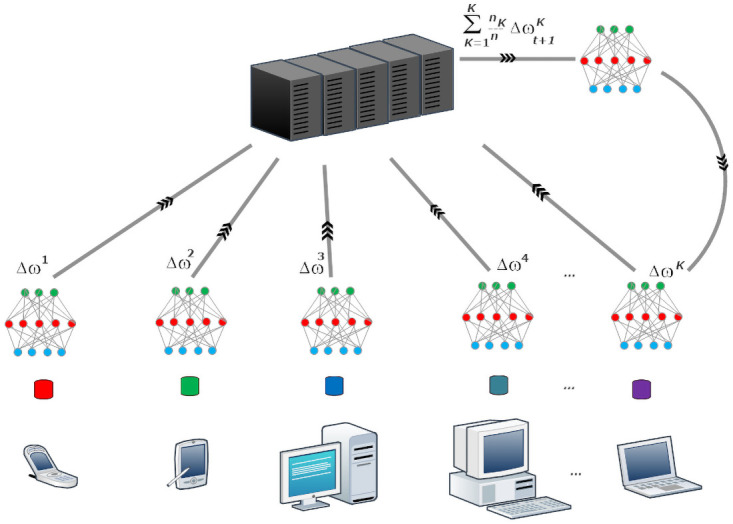
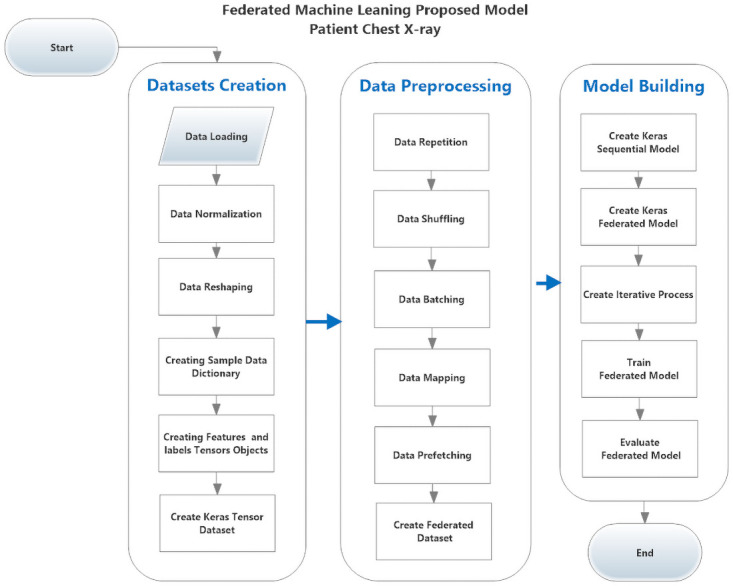
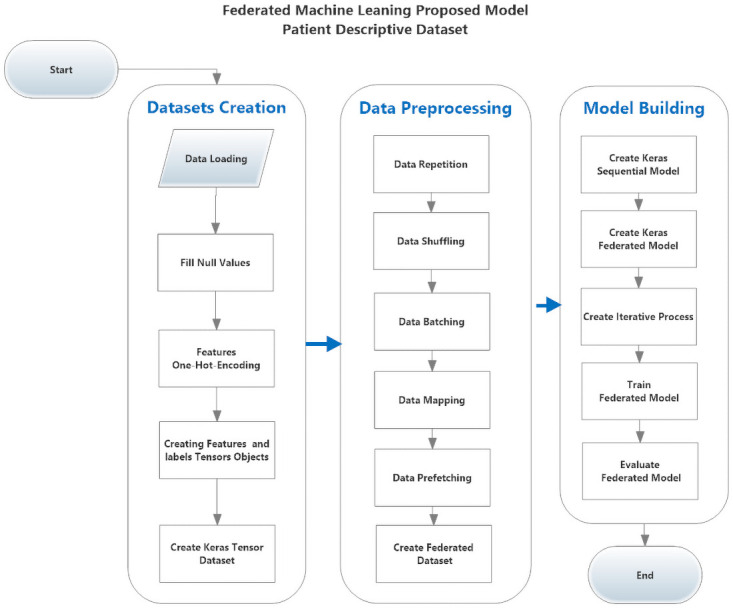
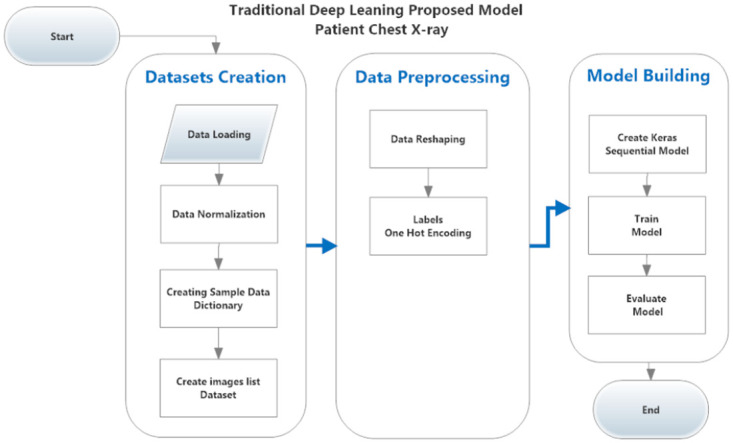
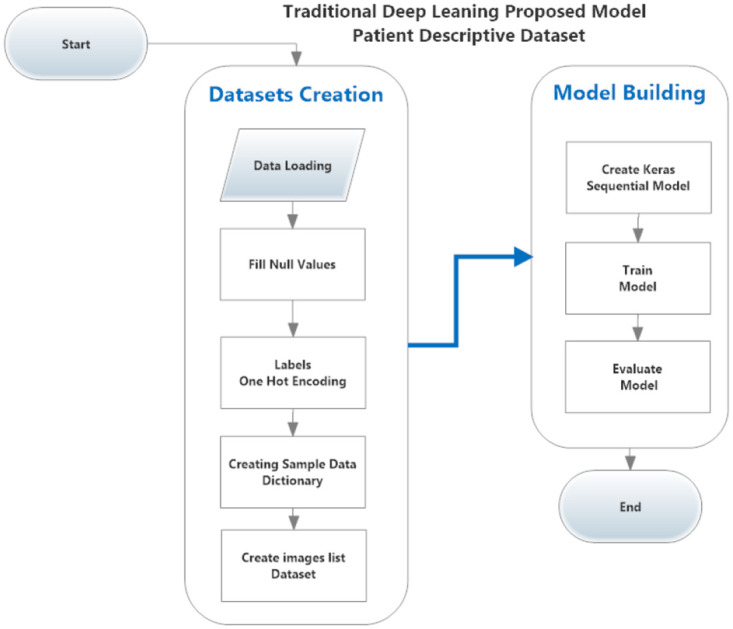
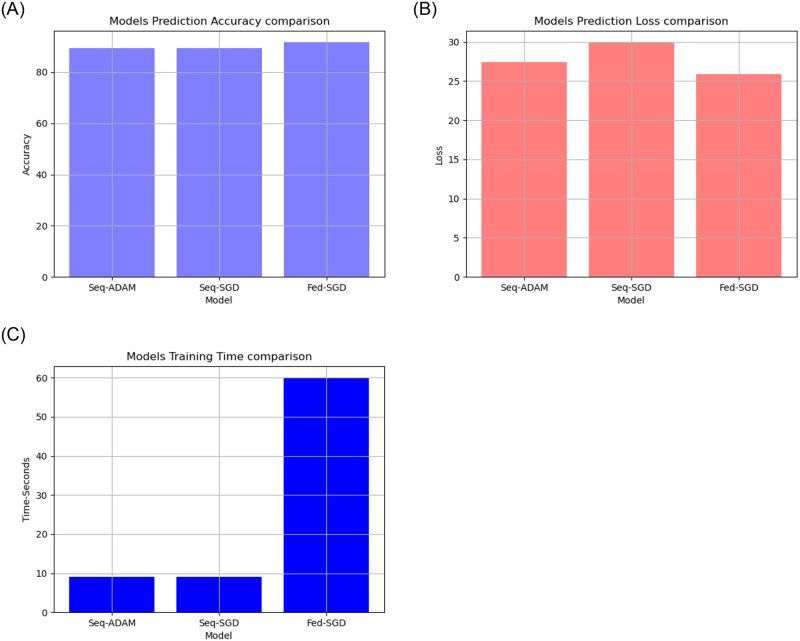
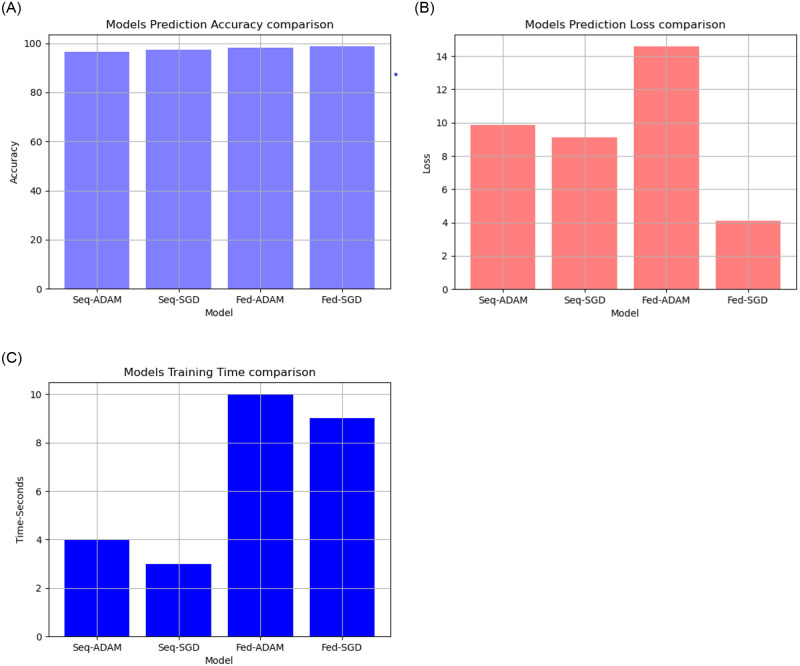
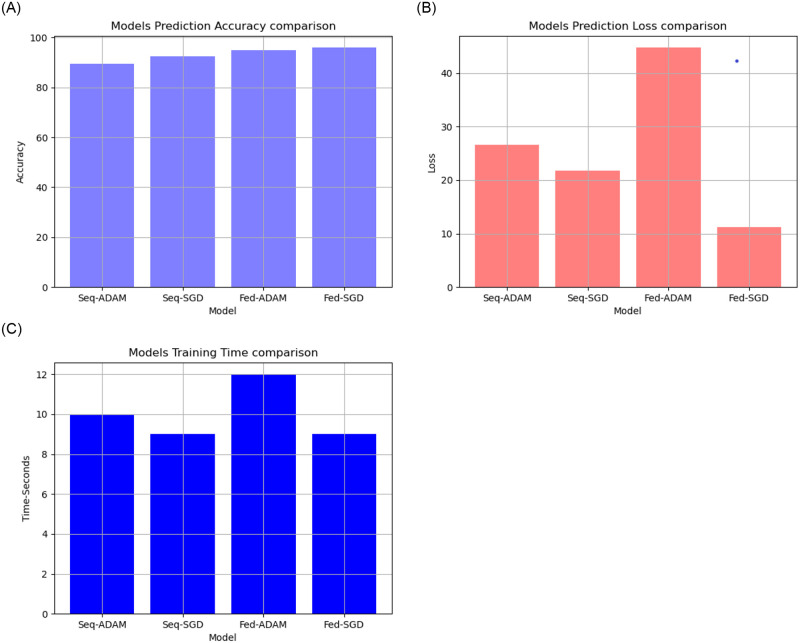
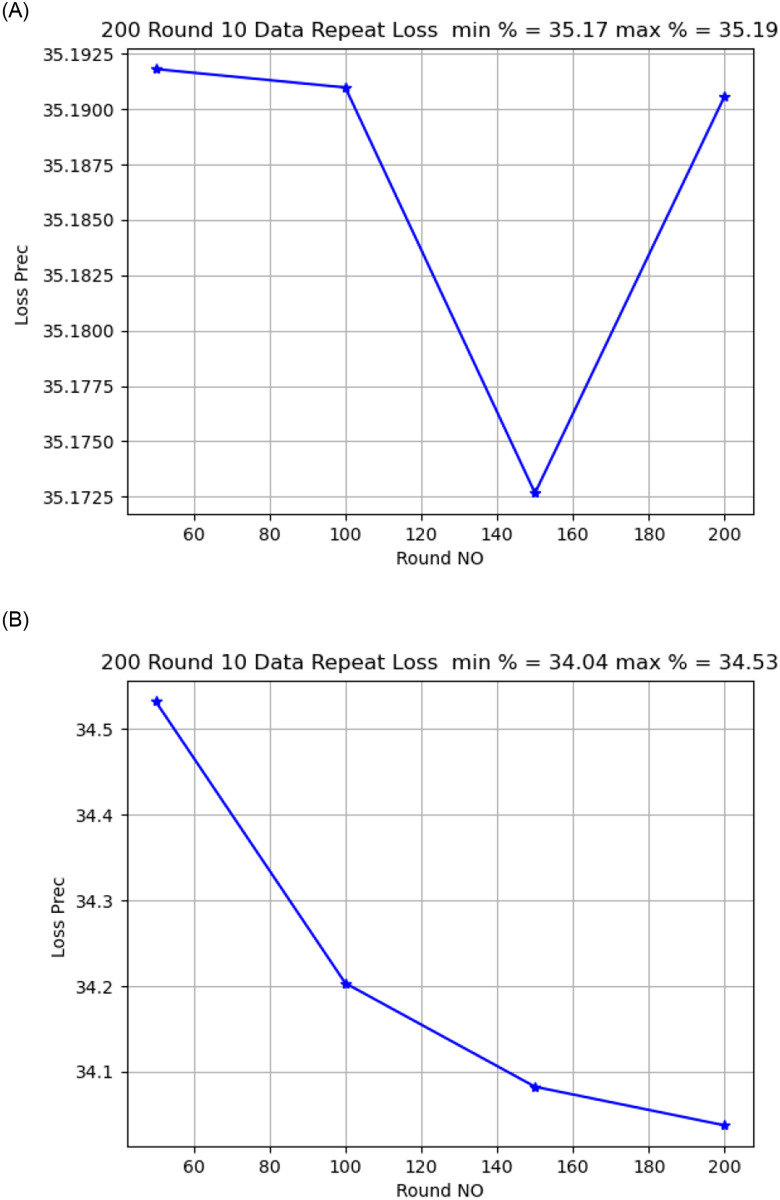
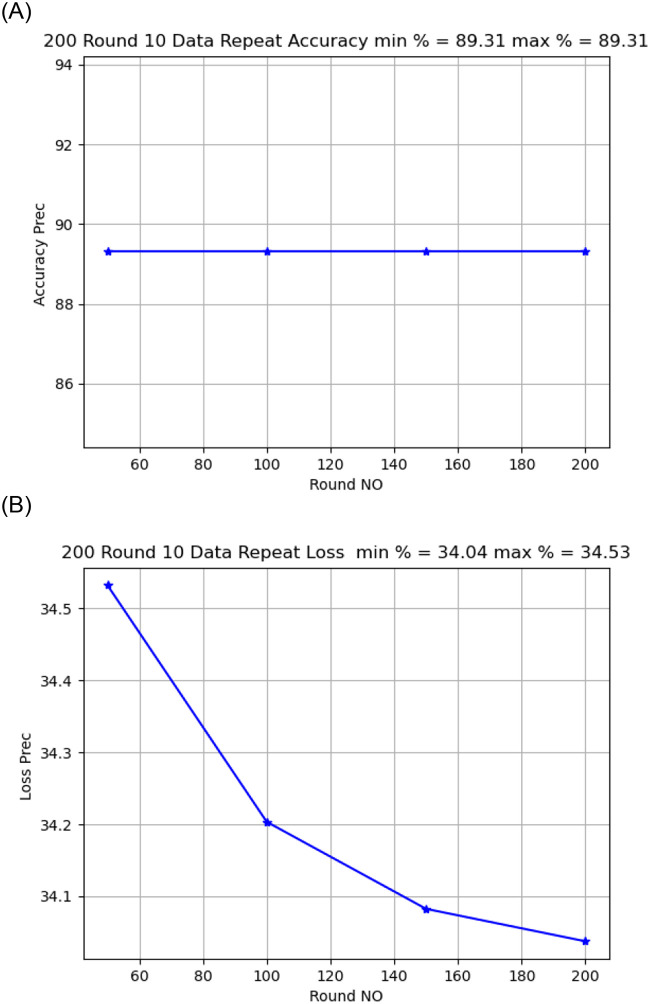
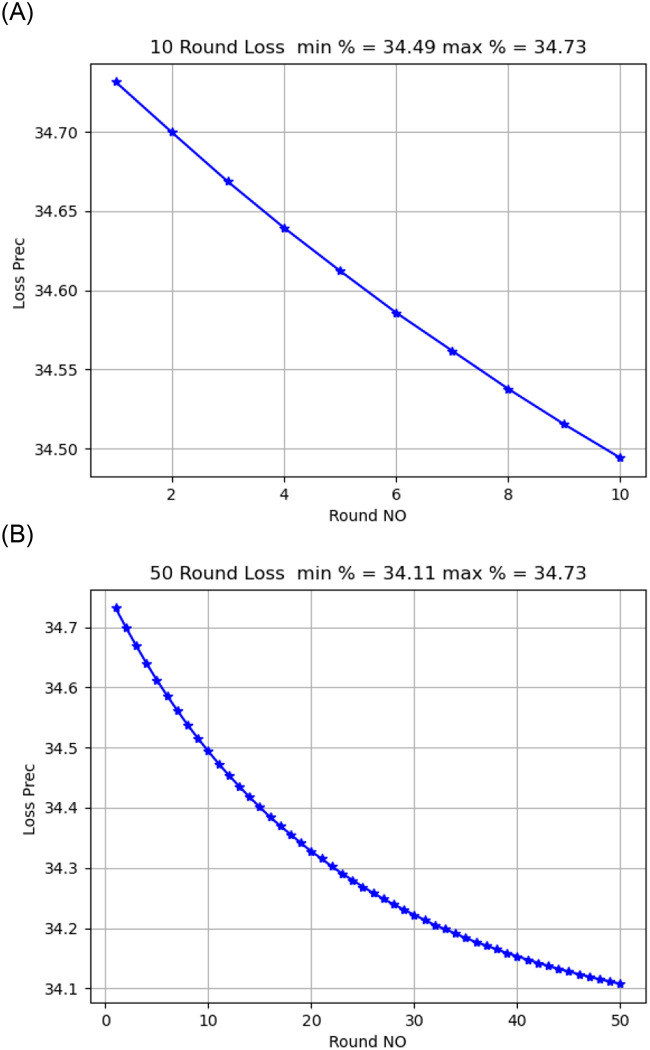
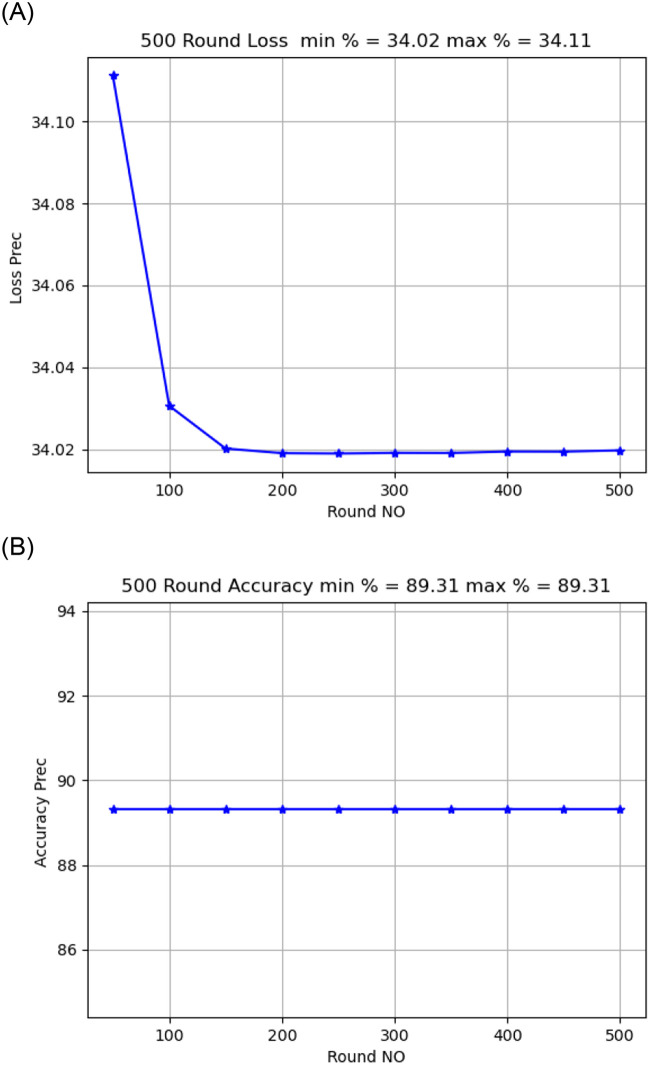
The current COVID-19 pandemic threatens human life, health, and productivity. AI plays an essential role in COVID-19 case classification as we can apply machine learning models on COVID-19 case data to predict infectious cases and recovery rates using chest x-ray. Accessing patient’s private data violates patient privacy and traditional machine learning model requires accessing or transferring whole data to train the model. In recent years, there has been increasing interest in federated machine learning, as it provides an effective solution for data privacy, centralized computation, and high computation power. In this paper, we studied the efficacy of federated learning versus traditional learning by developing two machine learning models (a federated learning model and a traditional machine learning model)using Keras and TensorFlow federated, we used a descriptive dataset and chest x-ray (CXR) images from COVID-19 patients. During the model training stage, we tried to identify which factors affect model prediction accuracy and loss like activation function, model optimizer, learning rate, number of rounds, and data Size, we kept recording and plotting the model loss and prediction accuracy per each training round, to identify which factors affect the model performance, and we found that softmax activation function and SGD optimizer give better prediction accuracy and loss, changing the number of rounds and learning rate has slightly effect on model prediction accuracy and prediction loss but increasing the data size did not have any effect on model prediction accuracy and prediction loss. finally, we build a comparison between the proposed models’ loss, accuracy, and performance speed, the results demonstrate that the federated machine learning model has a better prediction accuracy and loss but higher performance time than the traditional machine learning model.
Overview
The claims and statistics of this paper haven’t been checked yet.
Run the check — free, no account needed. It reads the open-access text and checks the sources it cites.
Integrity signals
Registry
Cites
Statistics
Figures
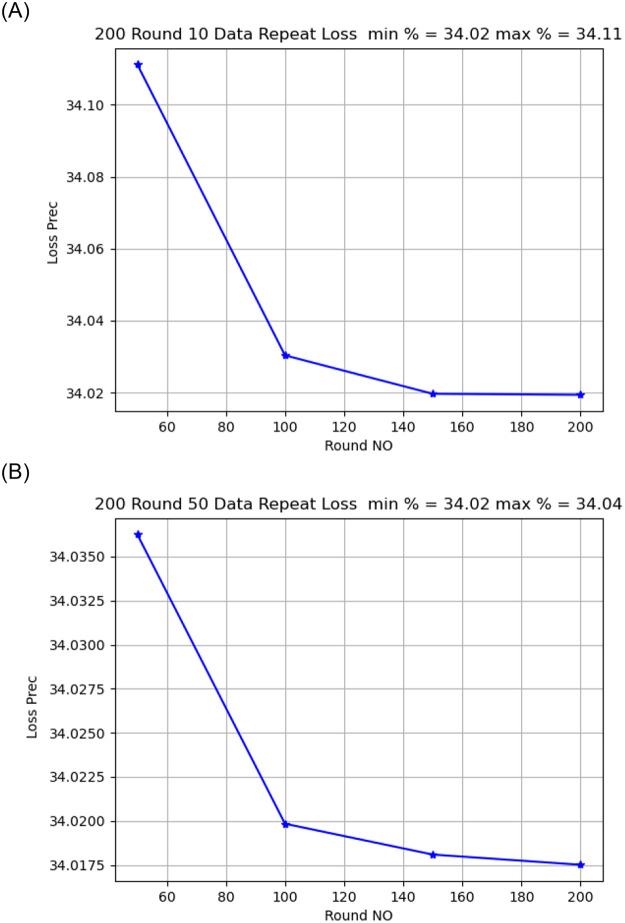
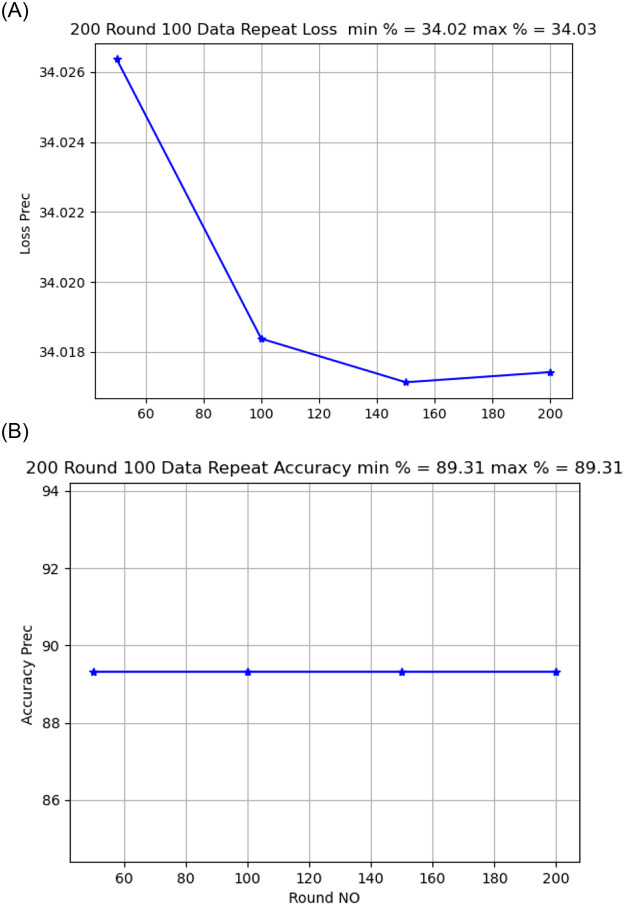
Verification
Claims the paper makes
The claims and statistics of this paper haven’t been checked yet.
Run the check — free, no account needed. It reads the open-access text and checks the sources it cites.
Claims other papers make about this one
Each is checked against this paper’s own text: does it say what the citing paper says it does?
In the citing paper
“Article [32] and [27] achieved an accuracy of 90.61% and 90% respectively.”
From A systematic review on federated learning in medical image analysis (2023) · cites this paper as [32]
Self-check
Percentages, sums and reported differences re-computed from the paper’s own numbers.
The self-check needs the paper’s full text.
Citations
Cites
1 retracted
RETRACTED ARTICLE: Hybrid genetic algorithm and a fuzzy logic classifier for heart disease diagnosis
Gadekallu, T. R., Maddikunta, P. K. R., Lakshmanna, K., Rajput, D. S., Kaluri, R., & Srivastava, G. (2019) · Evolutionary Intelligence · doi:10.1007/s12065-019-00327-1 · Cited by 407
RetractedFederated Machine Learning: Concept and Applications
Yang, Q., Liu, Y., Chen, T., & Tong, Y. (2019) · ACM Transactions on Intelligent Systems and Technology · doi:10.1145/3298981 · Cited by 6,322
Federated learning: Challenges, methods, and future directions
Li, T., Sahu, A. K., Talwalkar, A., & Smith, V. (2020) · IEEE Signal Processing Magazine · doi:10.1109/msp.2020.2975749 · Cited by 6,210
Lian, X., Zhang, C., Zhang, H., Hsieh, C., Zhang, W., & Liu, J. (2017) · arXiv (Cornell University) · doi:10.48550/arxiv.1705.09056 · Cited by 858
COVID-CAPS: A capsule network-based framework for identification of COVID-19 cases from X-ray images
Afshar, P., Heidarian, S., Naderkhani, F., Oikonomou, A., Plataniotis, K. N., & Mohammadi, A. (2020) · Pattern Recognition Letters · doi:10.1016/j.patrec.2020.09.010 · Cited by 718
Application of deep learning for fast detection of COVID-19 in X-Rays using nCOVnet
Panwar, H., Gupta, P. K., Siddiqui, M. K., Morales-Menéndez, R., & Singh, V. (2020) · Chaos Solitons & Fractals · doi:10.1016/j.chaos.2020.109944 · Cited by 645
Deep learning and medical image processing for coronavirus (COVID-19) pandemic: A survey
Bhattacharya, S., Maddikunta, P. K. R., Pham, Q., Gadekallu, T. R., Siva Rama Krishnan, S., Chowdhary, C. L., Alazab, M., & Piran, M. J. (2020) · Sustainable Cities and Society · doi:10.1016/j.scs.2020.102589 · Cited by 495
COVID-19 Outbreak Prediction with Machine Learning
Ardabili, S., Mosavi, A. H., Ghamisi, P., Filip, F., Várkonyi-Kóczy, A. R., Reuter, U., Rabczuk, T., & Atkinson, P. M. (2020) · Algorithms · doi:10.3390/a13100249 · Cited by 427
Kassani, S. H., Kassani, P. H., Wesolowskic, M. J., Schneidera, K. A., & Detersa, R. (2021) · Journal of Applied Biomedicine · doi:10.1016/j.bbe.2021.05.013 · Cited by 411
Automated Deep Transfer Learning-Based Approach for Detection of COVID-19 Infection in Chest X-rays
Das, N. N., Kumar, N., Kaur, M., Kumar, V., & Singh, D. (2020) · IRBM · doi:10.1016/j.irbm.2020.07.001 · Cited by 360
Research works printed but not linked: 1
- Ann Cavoukian, 2009, Privacy by design: The 7 foundational principles, Information and privacy commissioner of Ontario, Canada, 5, 12
Cited by
Sorted by citations
Rauniyar, A., Hagos, D. H., Jha, D., Håkegård, J. E., Bagci, U., Rawat, D. B., & Vlassov, V. (2024) · IEEE Internet of Things Journal · doi:10.1109/jiot.2023.3329061 · Cited by 315
Federated learning for secure IoMT-applications in smart healthcare systems: A comprehensive review
Rani, S., Kataria, A., Kumar, S., & Tiwari, P. (2023) · Knowledge-Based Systems · doi:10.1016/j.knosys.2023.110658 · Cited by 228
Prayitno, Shyu, C.-R., Putra, K. T., Chen, H.-C., Tsai, Y.-Y., Hossain, K. S. M. T., Jiang, W., & Shae, Z.-Y. (2021) · Applied Sciences · doi:10.3390/app112311191 · Cited by 210
“…in federated learning setting in healthcare, e.g., autism spectrum disorder (ASD) [18], cancer diagnosis [41,43,49], COVID ‐ 19 detection [40,44,48,54], human activity and emotion recognition [20,21,37,42,45], patient hospitalization prediction [52], patient mortality prediction…”
InfluentialFederated Learning for Healthcare Domain - Pipeline, Applications and Challenges
Joshi, M., Pal, A., & Sankarasubbu, M. (2022) · ACM Transactions on Computing for Healthcare · doi:10.1145/3533708 · Cited by 218
A systematic review on federated learning in medical image analysis
Sohan, M. F., & Basalamah, A. (2023) · IEEE Access · doi:10.1109/access.2023.3260027 · Cited by 114
A comprehensive review on federated learning based models for healthcare applications
Sharma, S., & Guleria, K. (2023) · Artificial Intelligence in Medicine · doi:10.1016/j.artmed.2023.102691 · Cited by 111
Yaqoob, M. M., Nazir, M., Khan, M. A., Qureshi, S., & Al-Rasheed, A. (2023) · Applied Sciences · doi:10.3390/app13031911 · Cited by 96
Medical Imaging Applications of Federated Learning
Sandhu, S. S., Gorji, H. T., Tavakolian, P., Tavakolian, K., & Akhbardeh, A. (2023) · Diagnostics · doi:10.3390/diagnostics13193140 · Cited by 100
Bebortta, S., Tripathy, S. S., Basheer, S., & Chowdhary, C. L. (2023) · Diagnostics · doi:10.3390/diagnostics13203166 · Cited by 95
Role of Artificial Intelligence in COVID-19 Detection
Gudigar, A., Raghavendra, U., Nayak, S., Ooi, C. P., Chan, W. Y., Gangavarapu, M. R., Dharmik, C., Samanth, J., Kadri, N. A., Hasikin, K. B., et al. (2021) · Sensors · doi:10.3390/s21238045 · Cited by 70
FLED-Block: Federated Learning Ensembled Deep Learning Blockchain Model for COVID-19 Prediction
Durga, R., & Poovammal, E. (2022) · Frontiers in Public Health · doi:10.3389/fpubh.2022.892499 · Cited by 58
Majeed, A., & Hwang, S. O. (2021) · Symmetry · doi:10.3390/sym14010016 · Cited by 73
Yaqoob, M. M., Nazir, M., Yousafzai, A., Khan, M. A., Shaikh, A. A., Algarni, A. D., & Elmannai, H. (2022) · Applied Sciences · doi:10.3390/app122312080 · Cited by 57
Zhang, S., Suresh, L., Yang, J., Zhang, X., & Tan, S. C. (2022) · Advanced Intelligent Systems · doi:10.1002/aisy.202100194 · Cited by 56
SAM: Self-augmentation mechanism for COVID-19 detection using chest X-ray images
Muhammad, U., Hoque, M. Z., Oussalah, M., Keskinarkaus, A., Seppänen, T., & Sarder, P. (2022) · Knowledge-Based Systems · doi:10.1016/j.knosys.2022.108207 · Cited by 48
Federated learning based Covid‐19 detection
Chowdhury, D., Banerjee, S., Sannigrahi, M., Chakraborty, A., Das, A., Dey, A., & Dwivedi, A. D. (2022) · Expert Systems · doi:10.1111/exsy.13173 · Cited by 52
Review of Federated Learning and Machine Learning-Based Methods for Medical Image Analysis
Hernandez-Cruz, N., Saha, P., Sarker, M. M. K., & Noble, J. A. (2024) · Big Data and Cognitive Computing · doi:10.3390/bdcc8090099 · Cited by 51
Ho, T.-T., Tran, K.-D., & Huang, Y. (2022) · Sensors · doi:10.3390/s22103728 · Cited by 44
Federated Learning for Privacy-Preserved Medical Internet of Things
Thilakarathne, N. N., Muneeswari, G., Parthasarathy, V., Alassery, F., Hamam, H., Mahendran, R. K., & Shafiq, M. (2022) · Intelligent Automation & Soft Computing · doi:10.32604/iasc.2022.023763 · Cited by 48
Yan, S., Zhang, H., & Wang, J. (2022) · Japanese Journal of Radiology · doi:10.1007/s11604-022-01268-z · Cited by 34
Subramanian, M., Rajasekar, V., Easwaramoorthy, S. V., Shanmugavadivel, K., & Nandhini, P. S. (2022) · Electronics · doi:10.3390/electronics11244117 · Cited by 34
Majeed, A., Zhang, X., & Hwang, S. O. (2022) · Big Data and Cognitive Computing · doi:10.3390/bdcc6040127 · Cited by 37
A Comprehensive Analysis of Privacy Protection Techniques Developed for COVID-19 Pandemic
Majeed, A., & Hwang, S. O. (2021) · IEEE Access · doi:10.1109/access.2021.3130610 · Cited by 34
Lăzăroiu, G., Gedeon, T., Rogalska, E., Andronie, M., Michalíková, K. F., Musová, Z., Iatagan, M., Uţă, C., Michalkova, L., Kováčová, M., et al. (2024) · Oeconomia Copernicana · doi:10.24136/oc.2984 · Cited by 31
Karthik, R., Menaka, R., Hariharan, M., & Kathiresan, G. S. (2021) · IRBM · doi:10.1016/j.irbm.2021.07.002 · Cited by 30
Novel technical and privacy-preserving technology for artificial intelligence in ophthalmology
Lim, J. S., Hong, M., Lam, W. S. T., Zhang, Z., Teo, Z. L., Liu, Y., Ng, W. Y., Foo, L. L., & Ting, D. S. W. (2022) · Current Opinion in Ophthalmology · doi:10.1097/icu.0000000000000846 · Cited by 31
Deep learning in public health: Comparative predictive models for COVID-19 case forecasting
Tariq, M. U., & Ismail, S. B. (2024) · PLoS ONE · doi:10.1371/journal.pone.0294289 · Cited by 31
RetractedGhose, P., Uddin, M. A., Acharjee, U. K., & Sharmin, S. (2022) · Intelligent Systems with Applications · doi:10.1016/j.iswa.2022.200130 · Cited by 31
Jangam, E., Annavarapu, C. S. R., & Barreto, A. A. D. (2022) · Multimedia Tools and Applications · doi:10.1007/s11042-022-13710-5 · Cited by 27
Federated learning as a smart tool for research on infectious diseases
Zwiers, L. C., Grobbee, D. E., Uijl, A., & Ong, D. S. Y. (2024) · BMC Infectious Diseases · doi:10.1186/s12879-024-10230-5 · Cited by 24
Lydia, E. L., Anupama, C. S. S., Beno, A., Elhoseny, M., Alshehri, M. D., & Selim, M. M. (2021) · Soft Computing · doi:10.1007/s00500-021-06514-6 · Cited by 22
RetractedVerma, P., Gupta, A., Kumar, M., & Gill, S. S. (2023) · Internet of Things · doi:10.1016/j.iot.2023.100828 · Cited by 22
Depression clinical detection model based on social media: a federated deep learning approach
Liu, Y. (2023) · The Journal of Supercomputing · doi:10.1007/s11227-023-05754-7 · Cited by 24
Role of federated learning in healthcare systems: A survey
Rana, N., & Marwaha, H. (2023) · Mathematical Foundations of Computing · doi:10.3934/mfc.2023023 · Cited by 21
AI-powered COVID-19 forecasting: a comprehensive comparison of advanced deep learning methods
Tariq, M. U., & Ismail, S. B. (2024) · Osong Public Health and Research Perspectives · doi:10.24171/j.phrp.2023.0287 · Cited by 23
Wichmann, R. M., Fernandes, F. T., Filho, A. D. P. C., IACOV-BR Network, Ciconelle, A. C. M., de Brito, A. M. E. S., Nunes, B. P., Silva, D. L. E., Anschau, F., Rodrigues, H. D. C., et al. (2023) · Scientific Reports · doi:10.1038/s41598-022-26467-6 · Cited by 21
PneuNetV1: A Deep Neural Network for Classification of Pneumothorax Using CXR Images
Gourisaria, M. K., Singh, V., Chatterjee, R., Panda, S. K., Pradhan, M. R., & Acharya, B. (2023) · IEEE Access · doi:10.1109/access.2023.3289842 · Cited by 19
Naz, S., Phan, K. T., & Chen, Y. P. (2024) · IEEE Transactions on Emerging Topics in Computational Intelligence · doi:10.1109/tetci.2024.3371222 · Cited by 17
A comprehensive experimental comparison between federated and centralized learning
Garst, S. J. F., Dekker, J., & Reinders, M. J. T. (2025) · Database · doi:10.1093/database/baaf016 · Cited by 20
Federated Learning for Medical Imaging: An Updated State of the Art
Mouhni, N., Elkalay, A., Chakraoui, M., Abdali, A., Ammoumou, A., & Amalou, I. (2022) · Ingénierie des systèmes d information · doi:10.18280/isi.270117 · Cited by 20
Deep learning network selection and optimized information fusion for enhanced COVID ‐19 detection
Ali, M. U., Zafar, A., Tanveer, J., Khan, M. A., Kim, S. H., Alsulami, M. M., & Lee, S. W. (2023) · International Journal of Imaging Systems and Technology · doi:10.1002/ima.23001 · Cited by 15
Shiri, I., Salimi, Y., Sirjani, N., Razeghi, B., Bagherieh, S., Pakbin, M., Mansouri, Z., Hajianfar, G., Avval, A. H., Askari, D., et al. (2024) · Medical Physics · doi:10.1002/mp.16964 · Cited by 17
A Systematic Review on Federated Learning in Edge-Cloud Continuum
Mishra, S. K., Sahoo, S. K., & Swain, C. K. (2024) · SN Computer Science · doi:10.1007/s42979-024-03235-z · Cited by 15
Peer-to-Peer Federated Learning for COVID-19 Detection Using Transformers
Chetoui, M., & Akhloufi, M. A. (2023) · Computers · doi:10.3390/computers12050106 · Cited by 15
Tariq, M. U., Ismail, S. B., Babar, M. A., & Ahmad, A. (2023) · PLoS ONE · doi:10.1371/journal.pone.0287755 · Cited by 14
RetractedMulti-Modal COVID-19 Discovery With Collaborative Federated Learning
Chen, X., Shao, Y., Xue, Z., & Yu, Z. (2021) · IEEE International Conference on Cloud Computing and Intelligence Systems (CCIS) · doi:10.1109/ccis53392.2021.9754623 · Cited by 13
Pneumonia detection from X-ray images using federated learning–An unsupervised learning approach
Rana, N., & Marwaha, H. (2024) · Measurement Sensors · doi:10.1016/j.measen.2024.101410 · Cited by 13
Leveraging federated learning and edge computing for pandemic-resilient healthcare
Choudhury, A., Sarma, K. K., Gulvanskii, V. V., Kaplun, D., & Dutta, L. (2025) · Scientific Reports · doi:10.1038/s41598-025-00199-9 · Cited by 15
Nallakaruppan, M. K., Ramalingam, S., Somayaji, S. R. K., & Prathiba, S. B. (2022) · Biomedicines · doi:10.3390/biomedicines10112791 · Cited by 12
A Federated Learning-Based Light-Weight Privacy-Preserving Framework for Smart Healthcare Systems
Ramesh, V., Hariharasitaraman, S., Ganesh, S. S., B., P. N., & Hemalakshmi, G. R. (2022) · Advances in wireless technologies and telecommunication book series · doi:10.4018/978-1-7998-9636-4.ch019 · Cited by 11
A Privacy-Preserving Approach to Effectively Utilize Distributed Data for Malaria Image Detection
Kareem, A., Liu, H., & Velisavljević, V. (2024) · Bioengineering · doi:10.3390/bioengineering11040340 · Cited by 12
Federated learning for digital healthcare: concepts, applications, frameworks, and challenges
Sachin, D. N., Annappa, B., & Ambesange, S. (2024) · Computing · doi:10.1007/s00607-024-01317-7 · Cited by 10
Non-IID Medical Imaging Data on COVID-19 in the Federated Learning Framework: Impact and Directions
Al-Hafiz, F., & Basuhail, A. A. (2024) · COVID · doi:10.3390/covid4120140 · Cited by 11
Blockchain and deep learning-based approach towards privacy preserving healthcare solutions
Hota, A., Biswas, A., Saha, S., Barman, A. K., & Nag, A. (2025) · Multimedia Tools and Applications · doi:10.1007/s11042-025-20775-5 · Cited by 10
Efficient Automated Disease Diagnosis Using Machine Learning Models
Banday, M., Zafar, S., & Siddiqui, F. (2022) · Smart innovation, systems and technologies · doi:10.1007/978-981-19-2719-5_21 · Cited by 10
SARS-CoV-2 Diagnosis Using Transcriptome Data: A Machine Learning Approach
Jeyananthan, P. (2023) · SN Computer Science · doi:10.1007/s42979-023-01703-6 · Cited by 9
Graph data science and machine learning for the detection of COVID-19 infection from symptoms
Alqaissi, E., Alotaibi, F. S., & Ramzan, M. S. (2023) · PeerJ Computer Science · doi:10.7717/peerj-cs.1333 · Cited by 9
Analysis of mobility based COVID-19 epidemic model using Federated Multitask Learning
Kumaresan, M. S., Kumar, M. S., & Muthukumar, N. (2022) · Mathematical Biosciences & Engineering · doi:10.3934/mbe.2022466 · Cited by 9
Mehedi, S. T., Abdulrazak, L. F., Ahmed, K., Uddin, M. S., Bui, F. M., Chen, L., Moni, M. A., & Al-Zahrani, F. A. (2025) · Scientific Reports · doi:10.1038/s41598-025-89612-x · Cited by 9
Le, D.-D., Tuong, N. H., Tran, A.-K., Dao, M.-S., & Bao, P. T. (2025) · PLoS ONE · doi:10.1371/journal.pone.0322766 · Cited by 10
Prity, F. S., Nath, N., Nath, A., & Uddin, K. M. A. (2023) · Network Modeling Analysis in Health Informatics and Bioinformatics · doi:10.1007/s13721-023-00423-4 · Cited by 8
Narasimhan, G., & Victor, A. (2023) · Journal of Education and Health Promotion · doi:10.4103/jehp.jehp_298_23 · Cited by 8
Domínguez-Miranda, S. A., & Rodríguez-Aguilar, R. (2024) · Iberoamerican Journal of Science Measurement and Communication · doi:10.47909/ijsmc.85 · Cited by 8
COVID-19 spread control policies based early dynamics forecasting using deep learning algorithm
Ali, F., Ullah, F., Khan, J. I., Khan, J., Sardar, A. W., & Lee, S. (2022) · Chaos Solitons & Fractals · doi:10.1016/j.chaos.2022.112984 · Cited by 9
Khan, N. A., Akhtar, M. M., Siddiqi, A. M. U., Rashid, K. A., Rajeyyagari, S., Khalid, M. N., & Ahmad, M. K. (2024) · Springer tracts in nature-inspired computing · doi:10.1007/978-981-97-7344-2_6 · Cited by 7
Importance of Artificial Intelligence and Machine Learning in fighting with COVID-19 Epidemic
Solanki, V., Solanki, U., Baliyan, A., Kukreja, V., Lamba, V., & Sahoo, B. K. (2021) · International Conference on Information Systems and Computer Networks (ISCON) · doi:10.1109/iscon52037.2021.9702316 · Cited by 9
An efficient transfer learning approach for prediction and classification of SARS – COVID -19
Joshi, K. K., Gupta, K. K., & Agrawal, J. (2023) · Multimedia Tools and Applications · doi:10.1007/s11042-023-17086-y · Cited by 7
Al-Hafiz, F., & Basuhail, A. A. (2025) · Big Data and Cognitive Computing · doi:10.3390/bdcc9010011 · Cited by 7
Combating COVID-19 Crisis using Artificial Intelligence (AI) Based Approach: Systematic Review
Singh, K., Kaur, N., & Prabhu, A. A. (2024) · Current Topics in Medicinal Chemistry · doi:10.2174/0115680266282179240124072121 · Cited by 10
IoT-Based Framework for COVID-19 Detection Using Machine Learning Techniques
Al-Khaleefa, A. S., Musawi, G. F. K. A., & Saeed, T. J. (2023) · Sci · doi:10.3390/sci6010002 · Cited by 5
Rifat, R. H., Shruti, A. C., Kamal, M., & Alam, M. G. R. (2023) · International Conference on Computer and Information Technology (ICCIT) · doi:10.1109/iccit60459.2023.10441001 · Cited by 5
Machine Learning-Based COVID-19 Classification Using E-Adopted CT Scans
Palanivinayagam, A., Kumar, V. V., Mahesh, T. R., Singh, K. K., & Singh, A. (2022) · International Journal of E-Adoption · doi:10.4018/ijea.310001 · Cited by 4
Sedeh, S. S., Fatemi, A., & Nematbakhsh, M. A. (2023) · Engineering Applications of Artificial Intelligence · doi:10.1016/j.engappai.2023.106786 · Cited by 4
Paradigm Shift Towards Federated Learning for COVID-19 Detection: A Survey
Krithika, L. B. (2023) · Iraqi Journal of Science · doi:10.24996/ijs.2023.64.7.37 · Cited by 4
Empowering Pandemic Response with Federated Learning for Protein Sequence Data Analysis
Chourasia, P., Tayebi, Z., Ali, S., & Patterson, M. (2023) · International Joint Conference on Neural Networks (IJCNN) · doi:10.1109/ijcnn54540.2023.10191721 · Cited by 3
Baral, S., Bista, R., Sigdel, S., & Ferreira, J. C. (2025) · PLoS ONE · doi:10.1371/journal.pone.0334899 · Cited by 2
Chaotic Flower Pollination with Deep Learning Based COVID-19 Classification Model
Gopalakrishnan, T., Sikkandar, M. Y., Alharbi, R., Selvaraj, P., Kareem, Z. H., Alkhayyat, A. H., & Abbas, A. H. (2022) · Computers, materials & continua/Computers, materials & continua (Print) · doi:10.32604/cmc.2023.033252 · Cited by 2
Yang, L. T., Wei, H. W., & Xi, C. C. (2022) · International Conference on Green Energy, Computing and Sustainable Technology (GECOST) · doi:10.1109/gecost55694.2022.10010643 · Cited by 2
Kadry, H., Samak, A. H., Ghorashi, S. A., Alhammad, S. M., Abukwaik, A. M., Taloba, A. I., & Zanaty, E. A. (2023) · Journal of Intelligent & Fuzzy Systems · doi:10.3233/jifs-233633 · Cited by 2
A Survey on Software Testing Automation using Machine Learning Techniques
Salam, M. A., Abdel-Fattah, M., & Moemen, A. A. (2022) · International Journal of Computer Applications · doi:10.5120/ijca2022921919 · Cited by 2
Singh, M. B., Mahawar, S., Singh, H. K., Kumari, S., & Pratap, A. (2024) · International Conference on Distributed Computing and Networking (ICDCN) · doi:10.1145/3631461.3632090 · Cited by 2
Review of ML techniques for analyzing Novel Corona Virus
Kaur, D., & Singh, J. (2022) · International Conference on Advance Computing and Innovative Technologies in Engineering (ICACITE) · doi:10.1109/icacite53722.2022.9823659 · Cited by 1
Federated Learning for Breast Cancer Classification
Mok, N. Y. E., & George, Y. (2024) · Advances in medical diagnosis, treatment, and care (AMDTC) book series · doi:10.4018/979-8-3693-3218-4.ch013 · Cited by 1
AFL-CS: Asynchronous Federated Learning with Cosine Similarity-based Penalty Term and Aggregation
Yan, B., Jiang, X., Chen, Y., Gao, C., & Liu, X. (2023) · IEEE International Conference on Parallel and Distributed Systems (ICPADS) · doi:10.1109/icpads60453.2023.00016 · Cited by 2
Artificial Cognitive Computing for Smart Communications, 5G and Beyond
Amsini, Rai, A., & Rai, A. (2023) · Transactions on computer systems and networks · doi:10.1007/978-981-99-0109-8_1 · Cited by 1
Recent Trends of Addressing COVID-19 Disease by AI/ML
Dutta, S., Mukherjee, U., & Pandey, D. (2023) · Advances in computational intelligence and robotics book series · doi:10.4018/978-1-6684-8618-4.ch024 · Cited by 1
PPChain: A Blockchain for Pandemic Prevention and Control Assisted by Federated Learning
Cao, T., Pan, Y., Chen, H., Zheng, J., & Hu, T. (2023) · Bioengineering · doi:10.3390/bioengineering10080965 · Cited by 1
Shetty, R., Bhat, V. S., Pujari, J., & Shetty, R. (2024) · International Journal of Power Electronics and Drive Systems/International Journal of Electrical and Computer Engineering · doi:10.11591/ijece.v14i4.pp3942-3950 · Cited by 1
Patel, S., & Khan, N. R. (2022) · IEEE International Conference on Current Development in Engineering and Technology (CCET) · doi:10.1109/ccet56606.2022.10080567 · Cited by 1
INVENTORY DATA MINING SYSTEM USING FEDERATED MACHINE LEARNING STRATEGY
Mahfouz, M. A., & Mahfouz, M. A. (2023) · Journal of Southwest Jiaotong University · doi:10.35741/issn.0258-2724.58.3.51 · Cited by 1
Liu, Y. (2023) · Research Square · doi:10.21203/rs.3.rs-2910523/v1 · Cited by 1
Chifu, V. R., Cioara, T., Anitiei, C., Pop, C. B., & Anghel, I. M. (2023) · SSRN Electronic Journal · doi:10.2139/ssrn.4671146 · Cited by 1
Sachdeva, S., Kaur, R., Rani, N., & Ali, A. A. (2022) · Asian Journal of Multidimensional Research · doi:10.5958/2278-4853.2022.00040.4
Automatic Detection of Covid using CT Scans
Polkampally, N. (2022) · International Journal for Research in Applied Science and Engineering Technology · doi:10.22214/ijraset.2022.44180
Qahmash, A. (2022) · Lecture notes in networks and systems · doi:10.1007/978-981-19-4193-1_47
Hybrid Approach to Predict the Death Rate of COVID-19 Patients
Keerthika, P., Suresh, P., Devi, R. M., Vaishnavi, S., Shanmathi, C., & Surendar, V. (2022) · Lecture notes on data engineering and communications technologies · doi:10.1007/978-981-19-3035-5_3
Predicting Brain Tumor using Transfer Deep Learning
Salam, M. A., Taha, S., & El_ahmdy, S. (2022) · International Journal of Computer Applications · doi:10.5120/ijca2022922445
Self-citationChoubey, S., Barde, S., & Badholia, A. (2022) · International Journal of Software Innovation · doi:10.4018/ijsi.311505
An Advanced Deep Learning Medical Image Recognition and Diagnosis of Respiratory System Viruses
Tayel, M. B., Fahar, A. M. M. E., & Fahmy, A. (2022) · International Conference on Computer and Applications (ICCA) · doi:10.1109/icca56443.2022.10039644
(2023) · Research Square · doi:10.21203/rs.3.rs-2910523/v2
Metadata
- Authors
- Abdul Salam, M., Taha, S., & Ramadan, M.
- Affiliations
- Cairo University (EG)
- Egyptian e-Learning University (EG)
- Corresponding author
- Ramadan, Mohamed
- Venue
- PLOS ONE
- Publisher
- Public Library of Science (PLoS)
- Published
- 2021-06-08
- Volume
- 16
- Issue
- 6
- Pages
- e0252573
- ISSN
- 1932-6203 (ISSN-L)
- PMC
- PMC8186799
- OpenAlex
- W3170020805
- Cited by
- 109
- References
- 37
- Citations by year
- 2026: 2 · 2025: 10 · 2024: 19 · 2023: 37 · 2022: 33 · 2021: 8
- FWCI
- 8.53
- Type
- journal article
- Language
- en
- Open access
- gold
- doi.org
- Licence
- Locations
- PLoS ONE (publishedVersion, cc-by)
- PubMed Central (publishedVersion, cc-by)
- PubMed (publishedVersion)
- RePEc: Research Papers in Economics (submittedVersion)
- DOAJ (DOAJ: Directory of Open Access Journals) (submittedVersion, cc-by-sa)
- Greater South Information System
- Topics
- Physical Sciences › Computer Science › Artificial Intelligence › Privacy-Preserving Technologies in Data
- Health Sciences › Medicine › Radiology, Nuclear Medicine and Imaging › COVID-19 diagnosis using AI
- Health Sciences › Medicine › Health Informatics › Artificial Intelligence in Healthcare and Education
- Keywords
- COVID-19 detection, federated learning, chest radiography, patient privacy, model accuracy comparison, hyperparameter effects, softmax activation, SGD optimizer, dataset size
- MeSH terms
- Machine Learning, COVID-19, Computer Simulation, Humans, Image Processing, Computer-Assisted, Thorax, Tomography, X-Ray Computed, Datasets as Topic
About these checks
Registry, retraction, Cites and statistics results are computed, not judged, with one exception: a printed reference that no index lists is read once by a model before it counts as a citation error. Claims are extracted by a model and kept only when their quote appears verbatim in the text; each cited source is then checked, with a model’s help, for whether it says what the claim relies on. Those verdicts can be wrong — read the claim’s quote and the cited source before relying on one.
Statistics and arithmetic are recomputed, not judged.
Confidence bands are shown only for fields calibrated on our annotated test set. None is calibrated yet, so no band is shown.
What counts as a claim ›How we measure confidence ›How we check this ›
Are you an author, or do you see a problem with this page? Request a review
