

Essential Gene Identification and Drug Target Prioritization in Aspergillus fumigatus
Open accessThe DOI matches its Crossref record; 44 of the 45 references it cites were found in a registry or an index.
Abstract
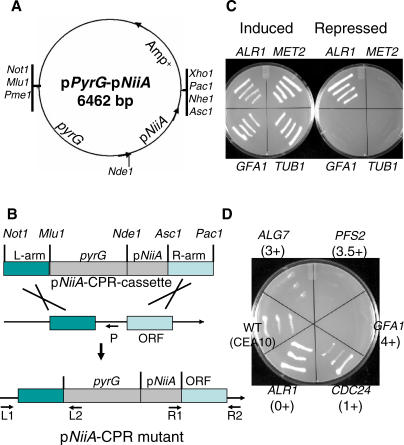
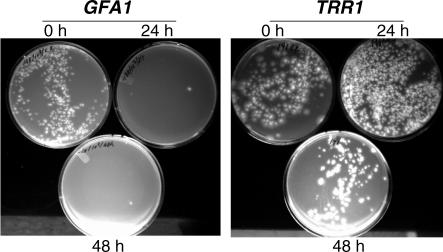
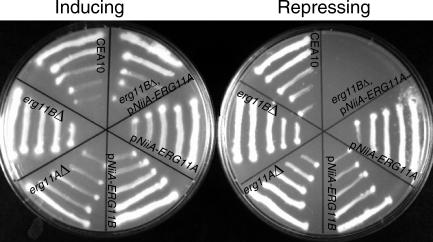
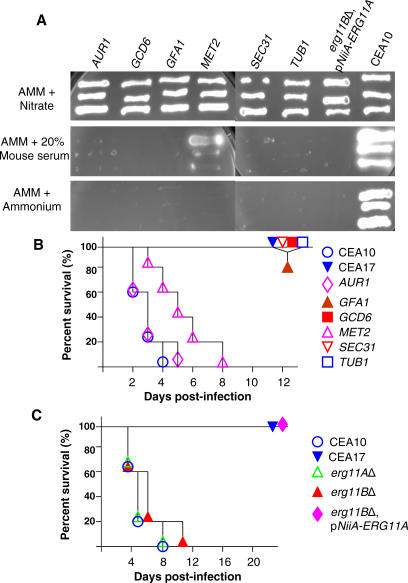
Aspergillus fumigatus is the most prevalent airborne filamentous fungal pathogen in humans, causing severe and often fatal invasive infections in immunocompromised patients. Currently available antifungal drugs to treat invasive aspergillosis have limited modes of action, and few are safe and effective. To identify and prioritize antifungal drug targets, we have developed a conditional promoter replacement (CPR) strategy using the nitrogen-regulated A. fumigatus NiiA promoter (pNiiA). The gene essentiality for 35 A. fumigatus genes was directly demonstrated by this pNiiA-CPR strategy from a set of 54 genes representing broad biological functions whose orthologs are confirmed to be essential for growth in Candida albicans and Saccharomyces cerevisiae. Extending this approach, we show that the ERG11 gene family (ERG11A and ERG11B) is essential in A. fumigatus despite neither member being essential individually. In addition, we demonstrate the pNiiA-CPR strategy is suitable for in vivo phenotypic analyses, as a number of conditional mutants, including an ERG11 double mutant (erg11BDelta, pNiiA-ERG11A), failed to establish a terminal infection in an immunocompromised mouse model of systemic aspergillosis. Collectively, the pNiiA-CPR strategy enables a rapid and reliable means to directly identify, phenotypically characterize, and facilitate target-based whole cell assays to screen A. fumigatus essential genes for cognate antifungal inhibitors.
Overview
The claims and statistics of this paper haven’t been checked yet.
Free: it reads the open-access text and checks the first 5 claims that cite a source we can check. Create a free account to check every claim.
Integrity signals
Registry
Cites
Statistics
Figures
Verification
Claims the paper makes
The claims and statistics of this paper haven’t been checked yet.
Free: it reads the open-access text and checks the first 5 claims that cite a source we can check. Create a free account to check every claim.
Claims other papers make about this one
Each is checked against this paper’s own text: does it say what the citing paper says it does?
The cited source doesn’t support the claim as written.
In the citing paper
“The field lacks efficient conditional systems; most of them are leaky or use nonphysiological nutritional conditions, such as ALCA or NIIA, and cannot be used in animal models (159).”
From Aspergillus fumigatus and Aspergillosis in 2019 (2019) · cites this paper as [159]
Checked by a reasoning model — may be wrong.
Experimental — accuracy not yet measured
Self-check
Percentages, sums and reported differences re-computed from the paper’s own numbers.
The self-check needs the paper’s full text.
Citations
Cites
National Committee for Clinical Laboratory Standards
Bruck, E. (1980) · Pediatrics · doi:10.1542/peds.65.1.187 · Cited by 14,751
Quantification of mRNA using real-time reverse transcription PCR (RT-PCR): trends and problems
Bustin, S. (2002) · Journal of Molecular Endocrinology · doi:10.1677/jme.0.0290023 · Cited by 2,546 · cited 22×
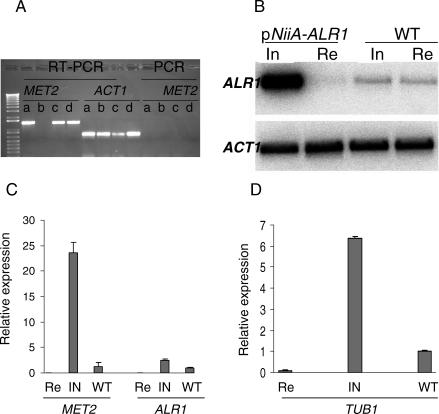
“The relative expression level normalized to total input RNA [43] is displayed on the y-axis.”
BackgroundMethodInfluentialAspergillus fumigatus and Aspergillosis
Latgé, J.-P. (1999) · Clinical Microbiology Reviews · doi:10.1128/cmr.12.2.310 · Cited by 2,307 · cited 2×
“, those with HIV infection or AIDS, solid organ and bone marrow transplant recipients, and those receiving chemotherapy) are highly susceptible to invasive aspergillosis, a fatal systemic infection [1,3,4].”
BackgroundGenomic sequence of the pathogenic and allergenic filamentous fungus Aspergillus fumigatus
Nierman, W. C., Pain, A., Anderson, M. J., Wortman, J. R., Kim, H. S., Arroyo, J., Berriman, M., Abe, K., Archer, D. B., Bermejo, C., et al. (2005) · Nature · doi:10.1038/nature04332 · Cited by 1,391 · cited 2×
“fumigatus strain AF293 [20], as well as a second clinical isolate used in this study, CEA10, where approximately 103 coverage has been obtained (N.”
MethodSequencing of Aspergillus nidulans and comparative analysis with A. fumigatus and A. oryzae
Galagan, J. E., Calvo, S. E., Cuomo, C., Ma, L.-J., Wortman, J. R., Batzoglou, S., Lee, S.-I., Baştürkmen, M., Spevak, C. C., Clutterbuck, J., et al. (2005) · Nature · doi:10.1038/nature04341 · Cited by 1,365
Colot, H. V., Park, G., Turner, G. E., Ringelberg, C., Crew, C. M., Litvinkova, L., Weiss, R. L., Borkovich, K. A., & Dunlap, J. C. (2006) · Proceedings of the National Academy of Sciences · doi:10.1073/pnas.0601456103 · Cited by 1,117
The induction and repression of nitrate reductase in the fungus Aspergillus nidulans
Cove, D. J. (1966) · Biochimica et Biophysica Acta (BBA) - Enzymology and Biological Oxidation · doi:10.1016/s0926-6593(66)80120-0 · Cited by 1,038
Transformation by integration in Aspergillus nidulans
Tilburn, J., Scazzocchio, C., Taylor, G. G., Zabicky-Zissman, J. H., Lockington, R. A., & Davies, R. W. (1983) · Gene · doi:10.1016/0378-1119(83)90191-9 · Cited by 662 · cited 1×
“by protoplast transformation according to established procedures with minor modifications [”
MethodAspergillus Infections in Transplant Recipients
Singh, N., & Paterson, D. L. (2005) · Clinical Microbiology Reviews · doi:10.1128/cmr.18.1.44-69.2005 · Cited by 579 · cited 1×
“, those with HIV infection or AIDS, solid organ and bone marrow transplant recipients, and those receiving chemotherapy) are highly susceptible to invasive aspergillosis, a fatal systemic infection [1,3,4].”
BackgroundGenomic profiling of drug sensitivities via induced haploinsufficiency
Giaever, G., Shoemaker, D. D., Jones, T. W., Liang, H., Winzeler, E. A., Astromoff, A., & Davis, R. W. (1999) · Nature Genetics · doi:10.1038/6791 · Cited by 570 · cited 2×
“A comprehensive determination of all the essential genes has been achieved in the nonpathogenic yeast Saccharomyces cerevisiae [6,7].”
Background
Cited by
Aspergillus fumigatus and Aspergillosis in 2019
Latgé, J.-P., & Chamilos, G. (2019) · Clinical Microbiology Reviews · doi:10.1128/cmr.00140-18 · Cited by 1,400
“ALCA or NIIA, and cannot be used in animal models (159).”
The cell wall: a carbohydrate armour for the fungal cell
Latgé, J. (2007) · Molecular Microbiology · doi:10.1111/j.1365-2958.2007.05872.x · Cited by 987
“The role of GEFs might be interchangeable, however, as, in contrast to yeast, the unique orthologue of ROM2 is not essential in A. fumigatus (Hu et al., 2007).”
BackgroundEfflux-Mediated Antifungal Drug Resistance
Cannon, R. D., Lamping, E., Holmes, A. R., Niimi, K., Baret, P. V., Keniya, M. V., Tanabe, K., Niimi, M., Goffeau, A., & Monk, B. C. (2009) · Clinical Microbiology Reviews · doi:10.1128/cmr.00051-08 · Cited by 608
“Gene knockout experiments have shown that Cyp51p is essential for A. fumigatus and that A. fumigatus Cyp51Ap (AfuCyp51Ap), not AfuCyp51Bp, is responsible for the innate resistance to FLC and KTC (140, 221).”
BackgroundInfluentialAntifungal Resistance and New Strategies to Control Fungal Infections
Vandeputte, P., Ferrari, S., & Coste, A. T. (2012) · International Journal of Microbiology · doi:10.1155/2012/713687 · Cited by 505
“cerevisiae [268], of which 35 were defined as essential in A.”
BackgroundLuo, H., Lin, Y., Gao, F., Zhang, C.-T., & Zhang, R. (2014) · Nucleic Acids Research · doi:10.1093/nar/gkt1131 · Cited by 530
“Streptococcus pneumoniae 72 Tn-seq Yes (23) Streptococcus sanguinis 218 Single-gene knockout Yes (41) Vibrio cholerae 789 Tn-seq Yes (71) Archaea Methanococcus maripaludis 519 Tn-seq Yes (27) Eukaryotes Arabidopsis thaliana 358 Single-gene knockout No (48) Aspergillus fumigatus 35 Conditional promoter replacement No (…”
BackgroundAbad, A., Victoria Fernández-Molina, J., Bikandi, J., Ramírez, A., Margareto, J., Sendino, J., Luis Hernando, F., Pontón, J., Garaizar, J., & Rementeria, A. (2010) · Revista Iberoamericana de Micología · doi:10.1016/j.riam.2010.10.003 · Cited by 394
PHI-base: the pathogen–host interactions database
Urban, M., Cuzick, A., Seager, J., Wood, V., Rutherford, K., Venkatesh, S. Y., De Silva, N., Martinez, M. C., Pedro, H., Yates, A. D., et al. (2019) · Nucleic Acids Research · doi:10.1093/nar/gkz904 · Cited by 339
“The human pathogen Aspergillus fumigatus has also contributed a disproportionately high number of lethal phenotype entries, with 42 of the 207 genes tested (20%) falling into this category where a targeted screen for essential genes has been initiated (27).”
BackgroundIdentification of Essential Proteins Based on Edge Clustering Coefficient
Wang, J., Li, M., Wang, H., & Pan, Y. (2012) · IEEE/ACM Transactions on Computational Biology and Bioinformatics · doi:10.1109/tcbb.2011.147 · Cited by 318
“A series of centrality measures have been proposed to discover essential proteins based on network topology.”
BackgroundThe evolution of fungal drug resistance: modulating the trajectory from genotype to phenotype.
Cowen, L. E. (2008) · Nature Reviews Microbiology · doi:10.1038/nrmicro1835 · Cited by 311
“, which is expected, given that a reduction in the target or pathways that are affected by a drug often confers hypersensitivity to the drug, a principle that has been widely exploited in drug-target identificatio”
BackgroundDEG 15, an update of the Database of Essential Genes that includes built-in analysis tools
Luo, H., Lin, Y., Liu, T., Lai, F.-L., Zhang, C.-T., Gao, F., & Zhang, R. (2021) · Nucleic Acids Research · doi:10.1093/nar/gkaa917 · Cited by 271
Highly efficient CRISPR mutagenesis by microhomology-mediated end joining in Aspergillus fumigatus
Zhang, C., Meng, X., Wei, X., & Lu, L. (2016) · Fungal Genetics and Biology · doi:10.1016/j.fgb.2015.12.007 · Cited by 264
McLoughlin, A. G., Wytinck, N., Walker, P. L., Girard, I. J., Rashid, K. Y., de Kievit, T., Fernando, W. G. D., Whyard, S., & Belmonte, M. F. (2018) · Scientific Reports · doi:10.1038/s41598-018-25434-4 · Cited by 241
Aspergillus fumigatus and aspergillosis: From basics to clinics
Arastehfar, A., Carvalho, A., Houbraken, J., Lombardi, L., Garcia-Rubio, R., Jenks, J. D., Rivero-Menendez, O., Aljohani, R., Jacobsen, I. D., Berman, J., et al. (2021) · Studies in Mycology · doi:10.1016/j.simyco.2021.100115 · Cited by 241
The Fungal CYP51s: Their Functions, Structures, Related Drug Resistance, and Inhibitors
Zhang, J., Li, L., Lv, Q., Yan, L., Wang, Y., & Jiang, Y. (2019) · Frontiers in Microbiology · doi:10.3389/fmicb.2019.00691 · Cited by 245
“Neither CYP51A nor CYP51B is essential for in vitro growth and virulence, and only the simultaneous inactivation of both genes is lethal (Hu et al., 2007; Hargrove et al., 2015).”
BackgroundGenome-Wide Fitness Test and Mechanism-of-Action Studies of Inhibitory Compounds in Candida albicans
Xu, D., Jiang, B., Ketela, T., Lemieux, S., Veillette, K., Martel, N., Davison, J., Sillaots, S., Trosok, S., Bachewich, C., et al. (2007) · PLoS Pathogens · doi:10.1371/journal.ppat.0030092 · Cited by 254
“Moreover, only subsequent to the identification of a target–inhibitor interaction is target validation in key fungal pathogens required [6,43,53,54].”
BackgroundSelf-citationBecher, R., & Wirsel, S. G. R. (2012) · Applied Microbiology and Biotechnology · doi:10.1007/s00253-012-4195-9 · Cited by 245
“For A. fumigatus, it was shown that neither the CYP51A nor the CYP51B variant is individually essential for in vitro growth and virulence, and only attempted inactivation of both genes was lethal (Hu et al. 2007).”
BackgroundInfluentialThe Pathogen-Host Interactions database (PHI-base): additions and future developments
Urban, M., Pant, R., Raghunath, A., Irvine, A. G., Pedro, H., & Hammond-Kosack, K. E. (2015) · Nucleic Acids Research · doi:10.1093/nar/gku1165 · Cited by 231
“We have mapped phenotypes in PHI-base via their gene accessions to reference genomic sequences available in Ensembl Genomes sites for fungi, protist (including oomycetes) and bacteria (26).”
BackgroundMethodResistance to antifungals that target CYP51
Parker, J. E., Warrilow, A. G. S., Price, C. L., Mullins, J. G. L., Kelly, D. E., & Kelly, S. L. (2014) · Journal of Chemical Biology · doi:10.1007/s12154-014-0121-1 · Cited by 204
“A conditional mutant study indicated that in the absence of both CYP51A and CYP51B, growth was abolished but not when performed individually [106].”
BackgroundAntifungals discovery: an insight into new strategies to combat antifungal resistance
Fuentefria, A. M., Pippi, B., Dalla Lana, D. F., Donato, K. K., & de Andrade, S. F. (2018) · Letters in Applied Microbiology · doi:10.1111/lam.12820 · Cited by 206
“Essential genes for fungal survival are very interesting targets and are already being useful for the design of new drugs (Hu et al. 2007; Vandeputte et al. 2012).”
BackgroundValiante, V., Macheleidt, J., Föge, M., & Brakhage, A. A. (2015) · Frontiers in Microbiology · doi:10.3389/fmicb.2015.00325 · Cited by 184
OGEE: an online gene essentiality database
Chen, W.-H., Minguez, P., Lercher, M. J., & Bork, P. (2012) · Nucleic Acids Research · doi:10.1093/nar/gkr986 · Cited by 187
“Essential genes, whose removal results in inviability or infertility, are of particular interests because of their theoretical and practical applications, for example, in studying the robustness of a biological system (1), defining a minimal set of genes for a free living organism (2) and identifying effective drug ta…”
BackgroundEpidemiology and molecular mechanisms of antifungal resistance in Candida and Aspergillus
Gonçalves, S. S., Souza, A. C. R., Chowdhary, A., Meis, J. F., & Colombo, A. L. (2016) · Mycoses · doi:10.1111/myc.12469 · Cited by 180
Aspergillus Fumigatus : Cell Wall Polysaccharides, their Biosynthesis and Organization
Gastebois, A., Clavaud, C., Aimanianda, V., & Latgé, J.-P. (2009) · Future Microbiology · doi:10.2217/fmb.09.29 · Cited by 179
Azole resistance mechanisms in Aspergillus: update and recent advances
Pérez-Cantero, A., López-Fernández, L., Guarro, J., & Capilla, J. (2020) · International Journal of Antimicrobial Agents · doi:10.1016/j.ijantimicag.2019.09.011 · Cited by 172
Epidemiological and Genomic Landscape of Azole Resistance Mechanisms in Aspergillus Fungi
Hagiwara, D., Watanabe, A., Kamei, K., & Goldman, G. H. (2016) · Frontiers in Microbiology · doi:10.3389/fmicb.2016.01382 · Cited by 166
“Neither Cyp51A nor Cyp51B is individually essential for A. fumigatus growth (Garcia-Effron et al., 2005; Mellado et al., 2005), but the attempted inactivation of both genes was lethal (Hu et al., 2007).”
BackgroundTriazole Resistance in Aspergillus Species: An Emerging Problem
Garcia‐Rubio, R., Cuenca‐Estrella, M., & Mellado, E. (2017) · Drugs · doi:10.1007/s40265-017-0714-4 · Cited by 174
Systems-level antimicrobial drug and drug synergy discovery
Roemer, T., & Boone, C. (2013) · Nature Chemical Biology · doi:10.1038/nchembio.1205 · Cited by 159
Self-citationChen, W., Lu, G., Chen, X., Zhao, X., & Bork, P. (2016) · Nucleic Acids Research · doi:10.1093/nar/gkw1013 · Cited by 171
Steroid-transforming enzymes in fungi
Kristan, K., & Rižner, T. L. (2011) · The Journal of Steroid Biochemistry and Molecular Biology · doi:10.1016/j.jsbmb.2011.08.012 · Cited by 171
Antifungal drugs: New insights in research & development
Nicola, A. M., Albuquerque, P., Paes, H. C., Fernandes, L., Costa, F. F., Kioshima, E. S., Abadio, A. K. R., Bocca, A. L., & Felipe, M. S. (2019) · Pharmacology & Therapeutics · doi:10.1016/j.pharmthera.2018.10.008 · Cited by 139
Confronting the challenges of natural product-based antifungal discovery
Roemer, T., Xu, D., Singh, S. B., Parish, C. A., Harris, G., Wang, H., Davies, J. E., & Bills, G. F. (2011) · Chemistry & Biology · doi:10.1016/j.chembiol.2011.01.009 · Cited by 147
Self-citationGene Essentiality Is a Quantitative Property Linked to Cellular Evolvability
Liu, G., Yong, M. Y. J., Yurieva, M., Srinivasan, K. G., Liu, J., Lim, J. S. Y., Poidinger, M., Wright, G. D., Zolezzi, F., Choi, H., et al. (2015) · Cell · doi:10.1016/j.cell.2015.10.069 · Cited by 161
“Gene essentiality has influenced the study of cellular networks (Jeong et al., 2001), the rational design of a ''minimal genome'' (Gil et al., 2004; Koonin, 2003), and the prioritization of drug targets for novel therapies (Hu et al., 2007; Judson and Mekalanos, 2000; Xu et al., 2011).”
Heat Shock Protein 90 Is Required for Conidiation and Cell Wall Integrity in Aspergillus fumigatus
Lamoth, F., Juvvadi, P. R., Fortwendel, J. R., & Steinbach, W. J. (2012) · Eukaryotic Cell · doi:10.1128/ec.00032-12 · Cited by 136
“defined gene (14), we conclude that their utility in studying the”
InfluentialPathway analysis of Candida albicans survival and virulence determinants in a murine infection model
Becker, J. M., Kauffman, S. J., Hauser, M., Huang, L., Lin, M., Sillaots, S., Jiang, B., Xu, D., & Roemer, T. (2010) · Proceedings of the National Academy of Sciences · doi:10.1073/pnas.1009845107 · Cited by 134
“Genes were selected according to their growth phenotype under in vitro conditions, as well as their conservation in Aspergillus fumigatus [a filamentous fungus of significant medical importance (17)] and absence or minimal conservation in humans.”
MethodSelf-citationBugs, drugs and chemical genomics
Roemer, T., DAVIES, J. E., Giaever, G. N., & Nislow, C. (2011) · Nature Chemical Biology · doi:10.1038/nchembio.744 · Cited by 134
Self-citationConstraints-based genome-scale metabolic simulation for systems metabolic engineering
Park, J. M., Kim, T. Y., & Lee, S. Y. (2009) · Biotechnology Advances · doi:10.1016/j.biotechadv.2009.05.019 · Cited by 129
Becher, R., Weihmann, F., Deising, H. B., & Wirsel, S. G. (2011) · BMC Genomics · doi:10.1186/1471-2164-12-52 · Cited by 110
“In Aspergillus fumigatus transformants carrying individual deletions of Cyp51A and Cyp51B remained viable whereas the gene family as a whole was essential [51].”
Naz, K., Naz, A., Ashraf, S. T., Rizwan, M., Ahmad, J., Baumbach, J., & Ali, A. (2019) · BMC Bioinformatics · doi:10.1186/s12859-019-2713-9 · Cited by 116
Dhingra, S., & Cramer, R. A. (2017) · Frontiers in Microbiology · doi:10.3389/fmicb.2017.00092 · Cited by 115
“Moreover, a strain with cyp51A expression under control of a nitrogen source conditional promoter (niiA) and a genetic null mutation of cyp51B (niiA(p)::cyp51A, 1cyp51B) is unable to establish murine infection (Hu et al., 2007).”
BackgroundComparative genomics allowed the identification of drug targets against human fungal pathogens
Abadio, A. K. R., Kioshima, E. S., Teixeira, M. M., Martins, N. F., Maigret, B., & Felipe, M. S. S. (2011) · BMC Genomics · doi:10.1186/1471-2164-12-75 · Cited by 111
Non-Target Site Mechanisms of Fungicide Resistance in Crop Pathogens: A Review
Hu, M., & Chen, S. (2021) · Microorganisms · doi:10.3390/microorganisms9030502 · Cited by 123
“It is noteworthy that a single paralog is typically not essential for fungal growth or infection when multiple paralogs exist, and only simultaneous inactivation of all paralogs is lethal [82,88].”
BackgroundUnited Complex Centrality for Identification of Essential Proteins from PPI Networks
Li, M., Lu, Y., Niu, Z., & Wu, F. (2015) · IEEE Transactions on Computational Biology and Bioinformatics · doi:10.1109/tcbb.2015.2394487 · Cited by 107
Fungal Drug Response and Antimicrobial Resistance
Osset-Trénor, P., Pascual‐Ahuir, A., & Proft, M. (2023) · Journal of Fungi · doi:10.3390/jof9050565 · Cited by 119
Antifungal Drug Discovery: The Process and Outcomes
Calderone, R., Sun, N., Gay-Andrieu, F., Groutas, W., Weerawarna, P., Prasad, S., Alex, D., & Li, D. (2014) · Future Microbiology · doi:10.2217/fmb.14.32 · Cited by 97
Tet-on, or Tet-off, that is the question: Advanced conditional gene expression in Aspergillus
Wanka, F., Cairns, T., Boecker, S., Berens, C., Happel, A., Zheng, X., Sun, J., Krappmann, S., & Meyer, V. (2016) · Fungal Genetics and Biology · doi:10.1016/j.fgb.2015.11.003 · Cited by 98
“The resulting Tet-off module of plasmid pSK606 was then used to assemble a conditional promoter replacement (Hu et al., 2007) cassette in order to target the pabaA gene in A. fumigatus (Fig.”
The CYPome (Cytochrome P450 complement) of Aspergillus nidulans
Kelly, D. E., Kraševec, N., Mullins, J. G. L., & Nelson, D. R. (2008) · Fungal Genetics and Biology · doi:10.1016/j.fgb.2008.08.010 · Cited by 103
OGEE v3: Online GEne Essentiality database with increased coverage of organisms and human cell lines
Gurumayum, S., Jiang, P., Hao, X., Campos, T. L., Young, N. D., Korhonen, P. K., Gasser, R. B., Bork, P., Zhao, X.-M., He, L.-J., et al. (2021) · Nucleic Acids Research · doi:10.1093/nar/gkaa884 · Cited by 95
“…studies and therapeutic applications, such as studying behavior of a biological system under perturbation (1), studying sequential gene deletions to define a minimal genome / organism (2,3) and identifying or prioritizing of therapeutic targets in pathogens (4–6) and human cancers (7–11).”
Warrilow, A. G. S., Melo, N., Martel, C. M., Parker, J. E., Nes, W. D., Kelly, S. L., & Kelly, D. E. (2010) · Antimicrobial Agents and Chemotherapy · doi:10.1128/aac.00316-10 · Cited by 85
“fumigatus mutants (13) have shown that AF51A was responsible for conferring resistance to fluconazole and itraconazole (Table 3), with the AF51A knockout causing a 16-fold increase in azole susceptibility.”
BackgroundJiang, B., Xu, D., Allocco, J., Parish, C. A., Davison, J., Veillette, K., Sillaots, S., Hu, W., Rodriguez-Suarez, R. J., Trosok, S., et al. (2008) · Chemistry & Biology · doi:10.1016/j.chembiol.2008.02.016 · Cited by 85
Self-citationDhingra, S., Andes, D., & Calvo, A. M. (2012) · Eukaryotic Cell · doi:10.1128/ec.00222-12 · Cited by 84
“pyrG was utilized as transformation marker, achieving a complete gene replacement of veA in CEA17, a commonly used pyrG auxotroph derived from the wild-type pathogenic isolate CBS144-89 (32, 40, 80).”
MethodDoyle, M., Gasser, R. B., Woodcroft, B. J., Hall, R. S., & Ralph, S. A. (2010) · BMC Genomics · doi:10.1186/1471-2164-11-222 · Cited by 89
“There have been several attempts to define or predict essential genes in infectious agents; in a few cases, where sophisticated functional genomic tools have been available, this has been possible through the systematic disruption of candidate genes, for example, in Streptococcus pneumoniae [56], Candida albicans [57]…”
BackgroundRodriguez-Suarez, R. J., Xu, D., Veillette, K., Davison, J., Sillaots, S., Kauffman, S., Hu, W., Bowman, J. C., Martel, N., Trosok, S., et al. (2007) · Chemistry & Biology · doi:10.1016/j.chembiol.2007.09.009 · Cited by 86
Self-citationChen, H., Zhang, Z., Jiang, S., Li, R., Li, W., Zhao, C., Hong, H., Huang, X., Li, H., & Bo, X. (2019) · Briefings in Bioinformatics · doi:10.1093/bib/bbz072 · Cited by 91
“Such information may be useful for applications in areas such as synthetic biology [6] and drug target identification [7, 8].”
BackgroundBlosser, S. J., & Cramer, R. A. (2012) · Antimicrobial Agents and Chemotherapy · doi:10.1128/aac.05027-11 · Cited by 77
“fumigatus by way of double gene replacement is lethal (23).”
BackgroundMethodInfluentialRecent advances in the understanding of the Aspergillus fumigatus cell wall
Lee, M. J., & Sheppard, D. C. (2016) · Journal of Microbiology · doi:10.1007/s12275-016-6045-4 · Cited by 77
“Inhibition of fks1 by a nitrogen-regulated repressible promoter (Hu et al., 2007) or by RNAi (Mouyna et al.”
BackgroundAzole-Resistant Invasive Aspergillosis: Relationship to Agriculture
Stensvold, C. R., Jørgensen, L. N., & Arendrup, M. C. (2012) · Current Fungal Infection Reports · doi:10.1007/s12281-012-0097-7 · Cited by 83
Song, J., Zhai, P., Zhang, Y., Zhang, C., Sang, H., Han, G., Keller, N. P., & Lu, L. (2016) · mBio · doi:10.1128/mbio.01919-15 · Cited by 73
Song, J., Zhang, S., & Lü, L. (2018) · Fungal Biology Reviews · doi:10.1016/j.fbr.2018.05.001 · Cited by 79
Helmschrott, C., Sasse, A., Samantaray, S., Krappmann, S., & Wagener, J. (2013) · Applied and Environmental Microbiology · doi:10.1128/aem.03626-12 · Cited by 69
“For instance, the complete shutdown of expression can result in a pronounced null phenotype or demonstrate essentiality of the gene of interest (1), whereas forced overexpression could give additional hints on the function of the encoded protein and the involved cellular processes.”
BackgroundMethodRNA-Based Control of Fungal Pathogens in Plants
Mann, C. W. G., Sawyer, A., Gardiner, D. M., Mitter, N., Carroll, B. S., & Eamens, A. L. (2023) · International Journal of Molecular Sciences · doi:10.3390/ijms241512391 · Cited by 70
De novo GTP Biosynthesis Is Critical for Virulence of the Fungal Pathogen Cryptococcus neoformans
Morrow, C. A., Valkov, E., Stamp, A. L., Chow, E. W. L., Lee, I. R., Wronski, A., Williams, S. J., Hill, J. M., Djordjevic, J. T., Kappler, U., et al. (2012) · PLoS Pathogens · doi:10.1371/journal.ppat.1002957 · Cited by 68
“Recent studies exploring potential drug targets in fungal genomes have found a surprisingly small number of essential targets with little identity to a human homologue [1–4].”
BackgroundExploitation of genomics in fungicide research: current status and future perspectives
Cools, H. J., & Hammond-Kosack, K. E. (2012) · Molecular Plant Pathology · doi:10.1111/mpp.12001 · Cited by 69
“…essential genes or antifungal targets, identified by HIP of C. albicans and Sa. cerevisiae, have been studied by promoter replacement strategies (Hu et al., 2007; Romero et al., 2003) or RNA interference (RNAi) (Mouyna et al., Box 1 ‘We mapped a factor involved in decreased sensitivity to a…”
BackgroundIaniri, G., & Idnurm, A. (2015) · mBio · doi:10.1128/mbio.02334-14 · Cited by 63
Santos, R., Steenwyk, J. L., Rivero-Menéndez, O., Mead, M. E., Silva, L. P., Bastos, R. W., Alastruey‐Izquierdo, A., Goldman, G. H., & Rokas, A. (2020) · Frontiers in Genetics · doi:10.3389/fgene.2020.00459 · Cited by 65
Two-Component Signal Transduction Proteins as Potential Drug Targets in Medically Important Fungi
Chauhan, N., & Calderone, R. (2008) · Infection and Immunity · doi:10.1128/iai.00834-08 · Cited by 60
“A similar approach has been used to identify growth-essential genes in A. fumigatus ( 31 ).”
MethodCEG: a database of essential gene clusters
Ye, Y., Hua, Z.-G., Huang, J. H., Rao, N., & Guo, F. (2013) · BMC Genomics · doi:10.1186/1471-2164-14-769 · Cited by 61
“[8] and Roemer et al.”
Predicting essential genes for identifying potential drug targets in Aspergillus fumigatus
Lu, Y., Deng, J., Rhodes, J. C., Lu, H. J., & Lu, L. J. (2014) · Computational Biology and Chemistry · doi:10.1016/j.compbiolchem.2014.01.011 · Cited by 58
Rocha, M. C., de Godoy, K. F., Bannitz-Fernandes, R., Fabri, J. H. T. M., Barbosa, M. M. F., de Castro, P. A., Almeida, F. B. D. R., Goldman, G. H., da Cunha, A. F., Netto, L. E. S., et al. (2018) · Scientific Reports · doi:10.1038/s41598-018-30108-2 · Cited by 57
Glycosylinositolphosphoceramides in Aspergillus Fumigatus
Simenel, C., Coddeville, B., Delepierre, M., Latge, J.-P., & Fontaine, T. (2007) · Glycobiology · doi:10.1093/glycob/cwm122 · Cited by 54
“The sphingolipids are essential for fungal growth since the deletion of inositolphosphorylceramide (IPC) synthase that catalyzes the transfer of inositol and phosphate to ceramide is lethal in Saccharomyces and Aspergillus (Nagiec et al. 1997; Cheng et al. 2001; Hu et al. 2007).”
Choera, T., Zelante, T., Romani, L. R., & Keller, N. P. (2018) · Frontiers in Immunology · doi:10.3389/fimmu.2017.01996 · Cited by 56
A Cyp51B Mutation Contributes to Azole Resistance in Aspergillus fumigatus
González-Jiménez, I., Lucio, J., Amich, J., Cuesta, I., Arroyo, R. S., Alcázar‐Fuoli, L., & Mellado, E. (2020) · Journal of Fungi · doi:10.3390/jof6040315 · Cited by 51
“In addition, the mutation in cyp51B, which is located in the heme binding domain of the protein, does not only affect its binding to azole drugs, but also with its substrate, which reduces the activity of the protein, and therefore suggests that the increase of expression of both genes is a compensatory mechanism for…”
BackgroundInfluentialCompound Prioritization Methods Increase Rates of Chemical Probe Discovery in Model Organisms
Wallace, I. M., Urbanus, M. L., Luciani, G. M., Burns, A. R., Han, M. K. L., Wang, H., Arora, K., Heisler, L. E., Proctor, M. J., St.Onge, R. P., et al. (2011) · Chemistry & Biology · doi:10.1016/j.chembiol.2011.07.018 · Cited by 50
“Ole1 encodes the yeast delta(9) fatty acid desaturase, which converts stearic acid to oleic acid and which has previously been proposed as a potential antifungal target (Hu et al., 2007).”
BackgroundSelf-citationWichadakul, D., Kobmoo, N., Ingsriswang, S., Tangphatsornruang, S., Chantasingh, D., Luangsa-ard, J. J., & Eurwilaichitr, L. (2015) · BMC Genomics · doi:10.1186/s12864-015-2101-4 · Cited by 49
“sinensis contain PHI:292 [20], PHI:2198 [21], PHI:2222 [22], PHI:2342 [23] and PHI:2534 [24] genes, which are missing from the other four entomopathogenic fungi.”
BackgroundInfluentialMirhakkak, M. H., Chen, X., Ni, Y., Heinekamp, T., Sae-Ong, T., Xu, L.-L., Kurzai, O., Barber, A. E., Brakhage, A. A., Boutin, S., et al. (2023) · Nature Communications · doi:10.1038/s41467-023-39982-5 · Cited by 51
Martel, C. M., Parker, J. E., Warrilow, A. G. S., Rolley, N. J., Kelly, S. L., & Kelly, D. E. (2010) · Antimicrobial Agents and Chemotherapy · doi:10.1128/aac.00349-10 · Cited by 45
“fumigatus despite neither member being essential individually (15).”
BackgroundExploring the molecular mechanism of azole resistance in Aspergillus fumigatus
Chen, P., Liu, J., Zeng, M., & Sang, H. (2019) · Journal de Mycologie Médicale · doi:10.1016/j.mycmed.2019.100915 · Cited by 45
Simvastatin inhibits Candida albicans biofilm in vitro
Liu, G., Vellucci, V. F., Kyc, S., & Hostetter, M. K. (2009) · Pediatric Research · doi:10.1203/pdr.0b013e3181bd5bf8 · Cited by 43
Chen, H., King, R., Smith, D. P., Bayón, C., Ashfield, T., Torriani, S. F. F., Kanyuka, K., Hammond-Kosack, K. E., Bieri, S., & Rudd, J. J. (2023) · BMC Biology · doi:10.1186/s12915-023-01520-6 · Cited by 44
A Web Resource for Designing Subunit Vaccine Against Major Pathogenic Species of Bacteria
Nagpal, G., Usmani, S. S., & Raghava, G. P. S. (2018) · Frontiers in Immunology · doi:10.3389/fimmu.2018.02280 · Cited by 43
“…for the living of the bacterial cell, have proved to be attractive drug targets in various pathogens such as the fungus Aspergillus fumigatus ( 9, 10), protozoan Leishmania species, (11) as well as bacteria like Streptococcus pneumoniae , Haemophilus influenza, and Moraxella catarrhalis (11).”
BackgroundBinder, J., Shadkchan, Y., Osherov, N., & Krappmann, S. (2020) · Frontiers in Microbiology · doi:10.3389/fmicb.2020.01383 · Cited by 43
Hasibi, R., Michoel, T., & Oyarzún, D. A. (2024) · npj Systems Biology and Applications · doi:10.1038/s41540-024-00348-2 · Cited by 54
“Such screens have been performed on many organisms, including model microbes such as Escherichia coli [2, 31, 37], Saccharomyces cerevisiae [45] and Bacillus subtilis [26], as well as pathogens such as Candida albicans [38] and Aspergillus fumigatus [23].”
Structure, Mechanism, and Inhibition of Aspergillus fumigatus Thioredoxin Reductase
Marshall, A. C., Kidd, S. E., Lamont-Friedrich, S. J., Arentz, G., Hoffmann, P., Coad, B. R., & Bruning, J. B. (2019) · Antimicrobial Agents and Chemotherapy · doi:10.1128/aac.02281-18 · Cited by 45
“fumigatus (40), presenting TrxR as a potential target for”
BackgroundWang, J., Shi, D., Wei, L., Chen, W., Ma, W., Chen, C., & Wang, K. (2020) · Pest Management Science · doi:10.1002/ps.5964 · Cited by 42
Advances in fungal chemical genomics for the discovery of new antifungal agents
Xue, A., Robbins, N., & Cowen, L. E. (2020) · Annals of the New York Academy of Sciences · doi:10.1111/nyas.14484 · Cited by 43
Steenwyk, J. L., Mead, M. E., de Castro, P. A., Valero, C., Damásio, A., Santos, R., LaBella, A. L., Li, Y., Knowles, S. L., Raja, H. A., et al. (2021) · Microbiology Spectrum · doi:10.1128/spectrum.00010-21 · Cited by 43
“Polymorphisms that were not shared between CAPA isolates and the three clinical strains include the loss of a stop codon in aspA, a septin (61), in strain Afs35; an early stop codon in noc3, a nuclear export protein (62), in strain CN-CM7555; and a lost stop codon in cat2, a Steenwyk et al.”
BackgroundAspergillus fumigatus Calcipressin CbpA Is Involved in Hyphal Growth and Calcium Homeostasis
Pinchai, N., Perfect, B. Z., Juvvadi, P. R., Fortwendel, J. R., Cramer, R. A., Asfaw, Y. G., Heitman, J., Perfect, J. R., & Steinbach, W. J. (2009) · Eukaryotic Cell · doi:10.1128/ec.00336-08 · Cited by 40
“glucose as the sole carbon source and 20 mM Mg(NO3)2 as the sole nitrogen source for promoter induction was used (12).”
MethodGenome-scale reconstruction and in silico analysis of Aspergillus terreus metabolism
Liu, J., Gao, Q., Xu, N., & Liu, L. (2013) · Molecular BioSystems · doi:10.1039/c3mb70090a · Cited by 40
Jiang, H., Ouyang, H., Zhou, H., & Jin, C. (2008) · Microbiology · doi:10.1099/mic.0.2008/019240-0 · Cited by 43
“Three promoters have been successfully used in A. fumigatus, including the A. nidulans alcA promoter, the E. coli tetracycline-regulated promoter, and the A. fumigatus NiiA nitrogen-regulated promoter (Romero et al., 2003; Hu et al., 2007).”
Long, N., Xu, X., Zeng, Q., Sang, H., & Lü, L. (2016) · Applied and Environmental Microbiology · doi:10.1128/aem.02924-16 · Cited by 39
Carr, P. D., Tuckwell, D. S., Hey, P., Simon, L., d’Enfert, C., Birch, M., Oliver, J. D., & Bromley, M. (2010) · Eukaryotic Cell · doi:10.1128/ec.00324-09 · Cited by 48
“(18), for example, defines essentiality as a severe impairment of growth when a gene is downregulated using the A.”
BackgroundSasse, A., Hamer, S. N., Amich, J., Binder, J., & Krappmann, S. (2016) · Virulence · doi:10.1080/21505594.2015.1109766 · Cited by 36
DeeplyEssential: a deep neural network for predicting essential genes in microbes
Hasan, M. A., & Lonardi, S. (2020) · BMC Bioinformatics · doi:10.1186/s12859-020-03688-y · Cited by 43
A New Method for Identifying Essential Proteins Based on Edge Clustering Coefficient
Wang, H., Li, M., Wang, J., & Pan, Y. F. (2011) · Lecture notes in computer science · doi:10.1007/978-3-642-21260-4_12 · Cited by 42
“For example, the identification of conserved essential genes required for the growth of fungal pathogens offers an ideal strategy for elucidating novel antifungal drug targets [ 2 ].”
BackgroundMechanistic models of microbial community metabolism
Dillard, L. R., Payne, D., & Papin, J. A. (2021) · Molecular Omics · doi:10.1039/d0mo00154f · Cited by 37
Xie, J., Rybak, J. M., Martín‐Vicente, A., Guruceaga, X., Thorn, H. I., Nywening, A. V., Ge, W., Parker, J. E., Kelly, S. L., Rogers, P. D., et al. (2024) · Nature Communications · doi:10.1038/s41467-024-48767-3 · Cited by 43
Development and analysis of an in vivo-compatible metabolic network of Mycobacterium tuberculosis
Fang, X. D., Wallqvist, A., & Reifman, J. (2010) · BMC Systems Biology · doi:10.1186/1752-0509-4-160 · Cited by 43
“For example, although neither the ERG11A gene nor the ERG11B gene in Aspergillus fumigatus is individually essential, the deletion mutant of these two genes is not viable in immune-compromised mice, suggesting the pair of genes as a combined drug target [67].”
BackgroundGutierrez-Perez, C., & Cramer, R. A. (2025) · npj Antimicrobials and Resistance · doi:10.1038/s44259-025-00093-4 · Cited by 44
“The erg10B gene was identi fi ed to be conditionally essential for growth in A. fumigatus using a conditional gene replacement strategy, however the phenotype is reported to be static as a switch to non-repressive conditions restores growth 55 .”
InfluentialStructure-guided approaches to targeting stress responses in human fungal pathogens
LeBlanc, E. V., Polvi, E. J., Veri, A. O., Privé, G. G., & Cowen, L. E. (2020) · Journal of Biological Chemistry · doi:10.1074/jbc.rev120.013731 · Cited by 37
Allergens/Antigens, Toxins and Polyketides of Important Aspergillus Species
Bhetariya, P. J., Madan, T., Basir, S. F., Varma, A., & Sarma, P. U. (2011) · Indian Journal of Clinical Biochemistry · doi:10.1007/s12291-011-0131-5 · Cited by 36
“These can be explored for development of antifungal drug targets [44].”
BackgroundSystems biology of infectious diseases: a focus on fungal infections
Santamaría, R., Rizzetto, L., Bromley, M., Zelante, T., Lee, W., Cavalieri, D., Romani, L. R., Miller, B., Gut, I. G., Santos, M. A. S., et al. (2011) · Immunobiology · doi:10.1016/j.imbio.2011.08.004 · Cited by 39
Metadata
- Authors
- Hu, W., Sillaots, S., Lemieux, S., Davison, J., Kauffman, S., Breton, A., Linteau, A., Xin, C., Bowman, J., Becker, J., Jiang, B., & Roemer, T.
- Affiliations
- University of Tennessee at Knoxville (US)
- Merck & Co., Inc., Rahway, NJ, USA (United States) (US)
- Corresponding author
- Roemer, Terry
- Venue
- PLoS Pathogens
- Publisher
- Public Library of Science (PLoS)
- Published
- 2007-03-09
- Volume
- 3
- Issue
- 3
- Pages
- e24
- ISSN
- 1553-7366 (ISSN-L)
- 1553-7374
- PMC
- PMC1817658
- OpenAlex
- W1997751445
- Semantic Scholar
- 1bd06504edcbe2a0d978a4c42c5c2a032e7f6b59
- Cited by
- 237
- References
- 45
- Citations by year
- 2026: 5 · 2025: 4 · 2024: 5 · 2023: 11 · 2022: 9 · 2021: 18 · 2020: 21 · 2019: 12 · 2018: 17 · 2017: 12 · 2016: 10 · 2015: 18 · 2014: 18 · 2013: 10 · 2012: 17
- FWCI
- 4.50
- Type
- journal article
- Language
- en
- Open access
- gold
- doi.org
- Locations
- PLoS Pathogens (publishedVersion, cc-by)
- PubMed Central (publishedVersion, cc-by)
- PubMed (publishedVersion)
- DOAJ (DOAJ: Directory of Open Access Journals) (submittedVersion, cc-by-sa)
- Figshare (submittedVersion, cc-by)
- Funders
- Genome Canada
- Topics
- Life Sciences › Biochemistry, Genetics and Molecular Biology › Molecular Biology › Fungal and yeast genetics research
- Health Sciences › Medicine › Infectious Diseases › Antifungal resistance and susceptibility
- Life Sciences › Immunology and Microbiology › Applied Microbiology and Biotechnology › Microbial Natural Products and Biosynthesis
- Keywords
- Aspergillus fumigatus, essential genes, antifungal drug targets, nitrogen regulation, ergosterol biosynthesis, invasive aspergillosis, immunocompromised mouse model, conditional mutants
- MeSH terms
- Animals, Antifungal Agents, Aspergillosis, Aspergillus fumigatus, Cytochrome P-450 Enzyme System, Disease Models, Animal, DNA, Fungal, Genes, Fungal, Male, Mice, Nude, Molecular Sequence Data, Nitrate Reductases, Oxidoreductases, Phenotype, Promoter Regions, Genetic, Recombination, Genetic, RNA, Messenger, Transcription, Genetic, Virulence, Gene Expression Regulation, Fungal, Drug Delivery Systems, Genes, Essential, Mice, Sterol 14-Demethylase
About these checks
Registry, retraction, Cites and statistics results are computed, not judged, with one exception: a printed reference that no index lists is read once by a model before it counts as a citation error. Claims are extracted by a model and kept only when their quote appears verbatim in the text; each cited source is then checked, with a model’s help, for whether it says what the claim relies on. Those verdicts can be wrong — read the claim’s quote and the cited source before relying on one.
Statistics and arithmetic are recomputed, not judged.
Confidence bands are shown only for fields calibrated on our annotated test set. None is calibrated yet, so no band is shown.
What counts as a claim ›How we measure confidence ›How we check this ›
Are you an author, or do you see a problem with this page? Request a review
Data sources
Bibliographic data: Semantic Scholar, OpenAlex, Crossref.
Contains information from the Semantic Scholar Academic Graph Datasets, made available under the ODC Attribution License (ODC-BY 1.0).
Semantic Scholar’s data is described in: Kinney, R., et al. (2023). The Semantic Scholar Open Data Platform. arXiv:2301.10140.
