

Essential Gene Identification and Drug Target Prioritization in Aspergillus fumigatus
Open accessThe DOI matches its Crossref record; 44 of the 45 references it cites were found in a registry or an index.
Abstract
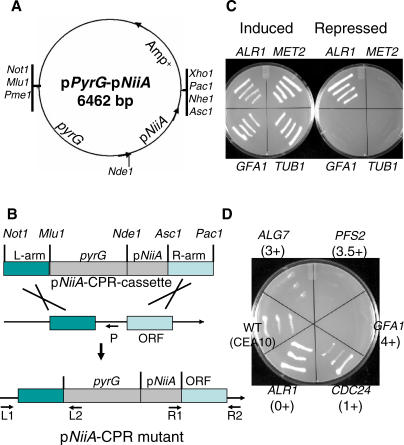
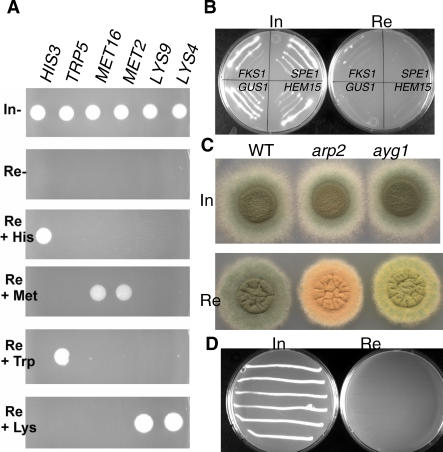
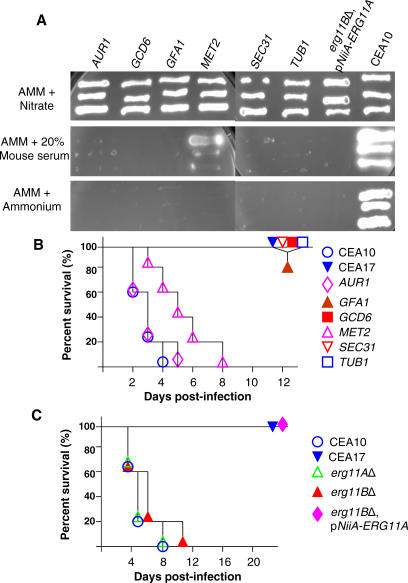
Aspergillus fumigatus is the most prevalent airborne filamentous fungal pathogen in humans, causing severe and often fatal invasive infections in immunocompromised patients. Currently available antifungal drugs to treat invasive aspergillosis have limited modes of action, and few are safe and effective. To identify and prioritize antifungal drug targets, we have developed a conditional promoter replacement (CPR) strategy using the nitrogen-regulated A. fumigatus NiiA promoter (pNiiA). The gene essentiality for 35 A. fumigatus genes was directly demonstrated by this pNiiA-CPR strategy from a set of 54 genes representing broad biological functions whose orthologs are confirmed to be essential for growth in Candida albicans and Saccharomyces cerevisiae. Extending this approach, we show that the ERG11 gene family (ERG11A and ERG11B) is essential in A. fumigatus despite neither member being essential individually. In addition, we demonstrate the pNiiA-CPR strategy is suitable for in vivo phenotypic analyses, as a number of conditional mutants, including an ERG11 double mutant (erg11BDelta, pNiiA-ERG11A), failed to establish a terminal infection in an immunocompromised mouse model of systemic aspergillosis. Collectively, the pNiiA-CPR strategy enables a rapid and reliable means to directly identify, phenotypically characterize, and facilitate target-based whole cell assays to screen A. fumigatus essential genes for cognate antifungal inhibitors.
Overview
The claims and statistics of this paper haven’t been checked yet.
Free: it reads the open-access text and checks the first 5 claims that cite a source we can check. Create a free account to check every claim.
Integrity signals
Registry
Cites
Statistics
Figures
Verification
Claims the paper makes
The claims and statistics of this paper haven’t been checked yet.
Free: it reads the open-access text and checks the first 5 claims that cite a source we can check. Create a free account to check every claim.
Claims other papers make about this one
Each is checked against this paper’s own text: does it say what the citing paper says it does?
The cited source doesn’t support the claim as written.
In the citing paper
“The field lacks efficient conditional systems; most of them are leaky or use nonphysiological nutritional conditions, such as ALCA or NIIA, and cannot be used in animal models (159).”
From Aspergillus fumigatus and Aspergillosis in 2019 (2019) · cites this paper as [159]
Checked by a reasoning model — may be wrong.
Experimental — accuracy not yet measured
Self-check
Percentages, sums and reported differences re-computed from the paper’s own numbers.
The self-check needs the paper’s full text.
Citations
Cites
National Committee for Clinical Laboratory Standards
Bruck, E. (1980) · Pediatrics · doi:10.1542/peds.65.1.187 · Cited by 14,751
Quantification of mRNA using real-time reverse transcription PCR (RT-PCR): trends and problems
Bustin, S. (2002) · Journal of Molecular Endocrinology · doi:10.1677/jme.0.0290023 · Cited by 2,546 · cited 22×
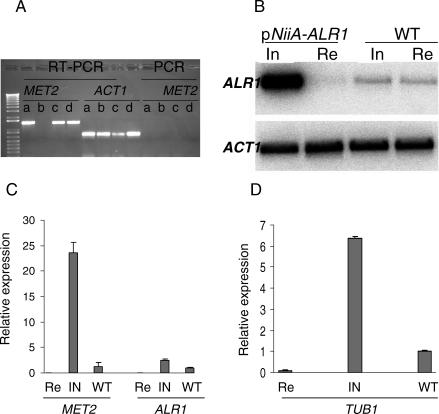
“The relative expression level normalized to total input RNA [43] is displayed on the y-axis.”
BackgroundMethodInfluentialAspergillus fumigatus and Aspergillosis
Latgé, J.-P. (1999) · Clinical Microbiology Reviews · doi:10.1128/cmr.12.2.310 · Cited by 2,307 · cited 2×
“, those with HIV infection or AIDS, solid organ and bone marrow transplant recipients, and those receiving chemotherapy) are highly susceptible to invasive aspergillosis, a fatal systemic infection [1,3,4].”
BackgroundGenomic sequence of the pathogenic and allergenic filamentous fungus Aspergillus fumigatus
Nierman, W. C., Pain, A., Anderson, M. J., Wortman, J. R., Kim, H. S., Arroyo, J., Berriman, M., Abe, K., Archer, D. B., Bermejo, C., et al. (2005) · Nature · doi:10.1038/nature04332 · Cited by 1,391 · cited 2×
“fumigatus strain AF293 [20], as well as a second clinical isolate used in this study, CEA10, where approximately 103 coverage has been obtained (N.”
MethodSequencing of Aspergillus nidulans and comparative analysis with A. fumigatus and A. oryzae
Galagan, J. E., Calvo, S. E., Cuomo, C., Ma, L.-J., Wortman, J. R., Batzoglou, S., Lee, S.-I., Baştürkmen, M., Spevak, C. C., Clutterbuck, J., et al. (2005) · Nature · doi:10.1038/nature04341 · Cited by 1,365
Colot, H. V., Park, G., Turner, G. E., Ringelberg, C., Crew, C. M., Litvinkova, L., Weiss, R. L., Borkovich, K. A., & Dunlap, J. C. (2006) · Proceedings of the National Academy of Sciences · doi:10.1073/pnas.0601456103 · Cited by 1,117
The induction and repression of nitrate reductase in the fungus Aspergillus nidulans
Cove, D. J. (1966) · Biochimica et Biophysica Acta (BBA) - Enzymology and Biological Oxidation · doi:10.1016/s0926-6593(66)80120-0 · Cited by 1,038
Transformation by integration in Aspergillus nidulans
Tilburn, J., Scazzocchio, C., Taylor, G. G., Zabicky-Zissman, J. H., Lockington, R. A., & Davies, R. W. (1983) · Gene · doi:10.1016/0378-1119(83)90191-9 · Cited by 662 · cited 1×
“by protoplast transformation according to established procedures with minor modifications [”
MethodAspergillus Infections in Transplant Recipients
Singh, N., & Paterson, D. L. (2005) · Clinical Microbiology Reviews · doi:10.1128/cmr.18.1.44-69.2005 · Cited by 579 · cited 1×
“, those with HIV infection or AIDS, solid organ and bone marrow transplant recipients, and those receiving chemotherapy) are highly susceptible to invasive aspergillosis, a fatal systemic infection [1,3,4].”
BackgroundGenomic profiling of drug sensitivities via induced haploinsufficiency
Giaever, G., Shoemaker, D. D., Jones, T. W., Liang, H., Winzeler, E. A., Astromoff, A., & Davis, R. W. (1999) · Nature Genetics · doi:10.1038/6791 · Cited by 570 · cited 2×
“A comprehensive determination of all the essential genes has been achieved in the nonpathogenic yeast Saccharomyces cerevisiae [6,7].”
Background
Cited by
Items 101–200 of 240
Identification of New Antifungal Compounds Targeting Thioredoxin Reductase of Paracoccidioides Genus
Abadio, A. K. R., Kioshima, É. S., Leroux, V., Martins, N. F., Maigret, B., & Felipe, M. S. S. (2015) · PLoS ONE · doi:10.1371/journal.pone.0142926 · Cited by 36
Chemogenomic Profiling of the Fungal Pathogen Candida albicans
Chen, Y., Mallick, J., Maqnas, A., Sun, Y., Choudhury, B. I., Côte, P., Yan, L., Ni, T.-J.-H., Li, Y., Zhang, D., et al. (2018) · Antimicrobial Agents and Chemotherapy · doi:10.1128/aac.02365-17 · Cited by 29
“Schizosaccharomyces pombe disruption collections have also been applied to the analysis of chemical interactions (17), and smaller or more focused disruption collections of other fungi have also been investigated (18, 19).”
The molecular mechanism of azole resistance in Aspergillus fumigatus: from bedside to bench and back
Wei, X., Zhang, Y., & Lü, L. (2015) · The Journal of Microbiology · doi:10.1007/s12275-015-5014-7 · Cited by 36
“Clinical findings suggest that cyp51A plays the dominant role in the regulation of the 14α-demethylase activity, while cyp51B either is a redundant gene that only functions in the absence of cyp51A or has other unknown functions under particular conditions (Mellado et al., 2005; Hu et al., 2007).”
Li, K., Ouyang, H., Lü, Y., Liang, J., Wilson, I. B. H., & Jin, C. (2011) · Microbiology · doi:10.1099/mic.0.047712-0 · Cited by 34
“Specific primers (pyrG5z and pyrG3 for pyrG, niiA/niiD5 and niiA/niiD3z for PniiA) containing multiple cloning site were used (Supplementary Table S1).”
BackgroundInfluentialFungal biology in the post-genomic era
Scazzocchio, C. (2014) · Fungal Biology and Biotechnology · doi:10.1186/s40694-014-0007-6 · Cited by 33
Roundtree, M. T., Juvvadi, P. R., Shwab, E. K., Cole, D., & Steinbach, W. J. (2020) · Antimicrobial Agents and Chemotherapy · doi:10.1128/aac.00735-20 · Cited by 33
“fumigatus has demonstrated that cyp51B is expressed in a constitutive manner, while cyp51A is inducible under a variety of conditions (13, 14).”
BackgroundScott, J., Sueiro-Olivares, M., Thornton, B. P., Owens, R. A., Muhamadali, H., Fortune‐Grant, R., Thomson, D. D., Thomas, R., Hollywood, K. A., Doyle, S., et al. (2020) · mBio · doi:10.1128/mbio.01985-20 · Cited by 34
“fumigatus in vivo was the (p)niiA (52).”
Chapter 1 Approaches to Discovering Novel Antibacterial and Antifungal Agents
Donadio, S., Monciardini, P., & Sosio, M. (2009) · Methods in enzymology on CD-ROM/Methods in enzymology · doi:10.1016/s0076-6879(09)04801-0 · Cited by 31
Application of Metabolic Flux Analysis in Metabolic Engineering
Lee, S. Y., Park, J. M., & Kim, T. Y. (2011) · Methods in enzymology on CD-ROM/Methods in enzymology · doi:10.1016/b978-0-12-385120-8.00004-8 · Cited by 41
Handelman, M., Meir, Z., Scott, J., Shadkchan, Y., Liu, W., Ben-Ami, R., Amich, J., & Osherov, N. (2021) · Antimicrobial Agents and Chemotherapy · doi:10.1128/aac.01252-21 · Cited by 30
“they act in a compensatory fashion (5, 6).”
BackgroundTargeting a critical step in fungal hexosamine biosynthesis
Lockhart, D. E. A., Stanley, M., Raimi, O. G., Robinson, D. A., Boldovjáková, D., Squair, D. R., Ferenbach, A. T., Fang, W., & van Aalten, D. M. F. (2020) · Journal of Biological Chemistry · doi:10.1074/jbc.ra120.012985 · Cited by 31
“(2020) 295(26) 8678 –8691 by gest on July 8, 2020 hp://w w w .”
InfluentialLackner, M., Coassin, S., Haun, M., Binder, U., Kronenberg, F., Haas, H., Jank, M., Maurer, E., Meis, J. F. G. M., Hagen, F., et al. (2015) · Clinical Microbiology and Infection · doi:10.1016/j.cmi.2015.10.021 · Cited by 32
“Virulence studies Galleria mellonella virulence studies were performed [18] and representative isolates of the genotypes MGAustria1(T101), MGAustria2(T43), MGAustria3(T68), genotype44(T29), genotype68(T89) and genotype61(T104), respectively, were randomly selected and cultured on Aspergillus complete medium [19].”
MethodThe Lysine Deacetylase RpdA Is Essential for Virulence in Aspergillus fumigatus
Bauer, I., Misslinger, M., Shadkchan, Y., Dietl, A., Petzer, V., Orasch, T., Abt, B., Graessle, S., Osherov, N., & Haas, H. (2019) · Frontiers in Microbiology · doi:10.3389/fmicb.2019.02773 · Cited by 33
Campos, T. D. L., Korhonen, P. K., Hofmann, A., Gasser, R. B., & Young, N. D. (2021) · Biotechnology Advances · doi:10.1016/j.biotechadv.2021.107822 · Cited by 34
Analysis of Promoter Function in Aspergillus fumigatus
Paul, S., Klutts, J. S., & Moye-Rowley, W. S. (2012) · Eukaryotic Cell · doi:10.1128/ec.00174-12 · Cited by 28
“The combination of reagents aimed at the study of single genes, like the reporter system described here, coupled with genomic approaches such as RNA-seq and construction of a library of heterologously regulated genes (21), will help to refine our understanding of transcriptional mechanisms in this filamentous fungus.”
BackgroundAspergillus fumigatus Mitochondrial Acetyl Coenzyme A Acetyltransferase as an Antifungal Target
Zhang, Y., Wei, W., Fan, J., Jin, C., Lü, L., & Fang, W. (2020) · Applied and Environmental Microbiology · doi:10.1128/aem.02986-19 · Cited by 27
“AfERG10B has been validated as essential (27) and similar to those homologues which do not have a mitochondrial targeting sequence (MTS) (Fig.”
InfluentialMisslinger, M., Gsaller, F., Hortschansky, P., Müller, C., Bracher, F., Bromley, M., & Haas, H. (2017) · Metallomics · doi:10.1039/c7mt00110j · Cited by 30
Genomic Understanding of an Infectious Brain Disease from the Desert
Moreno, L. F., Ahmed, A., Brankovics, B., Cuomo, C. A., Menken, S. B. J., Taj‐Aldeen, S. J., Faidah, H. S., Stielow, J. B., Teixeira, M. D. M., Prenafeta-Boldú, F. X., et al. (2018) · G3 Genes Genomes Genetics · doi:10.1534/g3.117.300421 · Cited by 27
“Gfa1 protein catalyzes the first step in the chitin biosynthesis pathway, and is believed to be essential and a potential drug target enzyme in A. fumigatus (Hu et al. 2007).”
BackgroundThe protein secretory pathway of Candida albicans
Fonzi, W. A. (2009) · Mycoses · doi:10.1111/j.1439-0507.2008.01673.x · Cited by 25
Xu, Y., Zhou, H., Zhao, G., Yang, J., Luo, Y., Sun, S., Wang, Z., Li, S., & Jin, C. (2019) · Fungal Genetics and Biology · doi:10.1016/j.fgb.2019.103285 · Cited by 26
Gao, X., Wang, Q., Feng, Q., Zhang, B., He, C., Luo, H., & An, B. (2022) · Journal of Fungi · doi:10.3390/jof8020175 · Cited by 29
Gradients in gene essentiality reshape antibacterial research
Hogan, A. M., & Cardona, S. T. (2022) · FEMS Microbiology Reviews · doi:10.1093/femsre/fuac005 · Cited by 25
Target- and prodrug-based design for fungal diseases and cancer-associated fungal infections
Liu, N., Tu, J., Huang, Y., Yang, W., Wang, Q., Li, Z., & Sheng, C. (2023) · Advanced Drug Delivery Reviews · doi:10.1016/j.addr.2023.114819 · Cited by 26
Aspergillus nidulans galactofuranose biosynthesis affects antifungal drug sensitivity
Alam, M. K., El-Ganiny, A. M., Afroz, S., Sanders, D. A. R., Liu, J., & Kaminskyj, S. G. W. (2012) · Fungal Genetics and Biology · doi:10.1016/j.fgb.2012.08.010 · Cited by 27
“, 1989) and requirement (Hu et al., 2007) for Aspergillus genes, typically using the alcA (Waring et al.”
BackgroundIsolation of conditional mutations in genes essential for viability of Cryptococcus neoformans
Ianiri, G., Boyce, K. J., & Idnurm, A. (2016) · Current Genetics · doi:10.1007/s00294-016-0659-2 · Cited by 25
“In addition to the model yeasts, the NOC3 homolog is has been reported as essential in Candida albicans and Aspergillus fumigatus (Becker et al. 2010; Hu et al. 2007).”
BackgroundZheng, F., Cao, Y., Lv, X., Wang, L., Li, C., Zhang, W., Chen, G., & Liu, W. (2016) · Applied Microbiology and Biotechnology · doi:10.1007/s00253-016-8036-0 · Cited by 25
Sphingolipids from the human fungal pathogen Aspergillus fumigatus
Fontaine, T. (2017) · Biochimie · doi:10.1016/j.biochi.2017.06.012 · Cited by 24
Macdonald, D., Thomson, D. D., Johns, A., Contreras Valenzuela, A., Gilsenan, J. M., Lord, K. M., Bowyer, P., Denning, D. W., Read, N. D., & Bromley, M. J. (2019) · Antimicrobial Agents and Chemotherapy · doi:10.1128/aac.01615-18 · Cited by 22
“(33) identified 35 genes critical for survival by using a conditional promoter replacement strategy, and we previously identified 96 essential loci by using a transposon mutagenesis approach (28).”
MethodFabri, J. H. T. M., Godoy, N. L., Rocha, M. C., Munshi, M., Cocio, T. A., Kress, M. R. V. Z., Fill, T. P., da Cunha, A. F., Poeta, M. D., & Malavazi, I. (2019) · Frontiers in Microbiology · doi:10.3389/fmicb.2018.03347 · Cited by 25
“, ammonium tartrate; AT), as previously described (Hu et al., 2007).”
MethodZhang, W., Xue, X., Xie, C., Li, Y., Liu, J., Chen, H., & Li, G. (2021) · Interdisciplinary Sciences Computational Life Sciences · doi:10.1007/s12539-021-00426-7 · Cited by 23
Zhang, S., Yang, L., Li, L., Zhong, K., Wang, W., Liu, M., Li, Y., Liu, X., Yu, R., He, J., et al. (2019) · mBio · doi:10.1128/mbio.02398-19 · Cited by 25
“tritici and Aspergillus fumigatus (42, 43), into MoARF1 and MoSAR1.”
BackgroundLi, Y., Dai, M., Zhang, Y., & Lü, L. (2021) · Applied Microbiology and Biotechnology · doi:10.1007/s00253-021-11104-5 · Cited by 24
Kim, S., Lee, R., Jeon, H., Lee, N., Park, J., Moon, H., Shin, J., Min, K., Kim, J., Yang, J., et al. (2023) · Journal of Agricultural and Food Chemistry · doi:10.1021/acs.jafc.3c04557 · Cited by 21
Identification of Antifungal Targets Based on Computer Modeling
Bencúrová, E., Gupta, S. K., Sarukhanyan, E., & Dandekar, T. (2018) · Journal of Fungi · doi:10.3390/jof4030081 · Cited by 26
“The erg11 homologs can compensate the inactivation of the other gene, thus a drug treatment would have to effectively target both genes to inhibit the growth of the fungi [127].”
BackgroundMethodAmich, J., & Krappmann, S. (2012) · Frontiers in Microbiology · doi:10.3389/fmicb.2012.00414 · Cited by 19
“With respect to carbon, detailed analysis of a mutant strain impaired in methylcitrate cycling suggested that proteins may serve as primary source of this macroelement, a finding that is in accordance with the reported full virulence of a mutant compromised in fatty acid metabolism (Schöbel et al.,…”
MethodResultThykær, J., Andersen, M. R., & Baker, S. (2009) · Medical Mycology · doi:10.1080/13693780802455305 · Cited by 20
“For the experimental approach, the search for essential genes was based on studies from Saccharomyces cerevisiae and Candida albicans [ 5 ].”
BackgroundMethodResultInfluentialCell Wall of Aspergillus fumigatus : a Dynamic Structure
Mouyna, I., & Fontaine, T. (2014) · ASM Press eBooks · doi:10.1128/9781555815523.ch14 · Cited by 21
Qin, C., Sun, Y., & Dong, Y. (2017) · PLoS ONE · doi:10.1371/journal.pone.0182031 · Cited by 18
Mircus, G., Hagag, S., Levdansky, E., Sharon, H., Shadkchan, Y., Shalit, I., & Osherov, N. (2009) · Journal of Antimicrobial Chemotherapy · doi:10.1093/jac/dkp270 · Cited by 18
Yan, K., Stanley, M., Kowalski, B., Raimi, O. G., Ferenbach, A. T., Wei, P., Fang, W., & van Aalten, D. M. F. (2022) · Journal of Biological Chemistry · doi:10.1016/j.jbc.2022.102003 · Cited by 20
Marchegiani, E., Sidhu, Y., Haynes, K., & Lebrun, M. (2015) · Fungal Genetics and Biology · doi:10.1016/j.fgb.2015.04.021 · Cited by 19
Lewis, R. E., Liao, G., Young, K., Douglas, C. M., & Kontoyiannis, D. P. (2014) · Antimicrobial Agents and Chemotherapy · doi:10.1128/aac.02408-13 · Cited by 17
“the control of the pNiiA nitrogen-regulated promoter (11).”
BackgroundOuyang, S., Beecher, C. N., Wang, K., Larive, C. K., & Borkovich, K. A. (2015) · G3 Genes Genomes Genetics · doi:10.1534/g3.115.020073 · Cited by 17
“TheA. fumigatus niiA promoter (Amaar andMoore 1998), homologous to nit-6, has been used successfully to regulate gene expression in this organism, including that of essential genes (Hu et al. 2007).”
BackgroundLight-regulated promoters for tunable, temporal, and affordable control of fungal gene expression
Fuller, K. K., Dunlap, J., & Loros, J. (2018) · Applied Microbiology and Biotechnology · doi:10.1007/s00253-018-8887-7 · Cited by 17
Pérez‐Cantero, A., Martín‐Vicente, A., Guarro, J., Fortwendel, J. R., & Capilla, J. (2021) · Antimicrobial Agents and Chemotherapy · doi:10.1128/aac.01996-20 · Cited by 19
“ceptibility (9, 25), while deletion of cyp51B had no effects (8, 26).”
BackgroundIntelligent Classification and Analysis of Essential Genes Using Quantitative Methods
Rout, R. K., Hassan, S. S., Sindhwani, S., Pandey, H. M., & Umer, S. (2020) · ACM Transactions on Multimedia Computing Communications and Applications · doi:10.1145/3343856 · Cited by 17
“Lamichhane et al. [9] and Hu et al. [10] have identified the drug targets for Aspergillus fumigatus and Candida albicans , respectively, based on corresponding essential genes (identified from mouse models).”
BackgroundPinto, L. J., & Moore, M. M. (2009) · Letters in Applied Microbiology · doi:10.1111/j.1472-765x.2009.02582.x · Cited by 18
Peng, Y., Zhang, H., Xu, M., & Tan, M.-W. (2018) · Scientific Reports · doi:10.1038/s41598-017-18868-9 · Cited by 14
Huang, H., Niu, Y., Jin, Q., Qin, K., Wang, L., Shang, Y., Zeng, B., & Hu, Z. (2022) · Applied and Environmental Microbiology · doi:10.1128/aem.02372-21 · Cited by 16
Falcão, V. C. A., Villela, A. D., Rodrigues-Junior, V. S., Pissinate, K., Eichler, P., Pinto, A. F. M., Basso, L. A., Santos, D. S., & Bizarro, C. V. (2017) · Biochemical and Biophysical Research Communications · doi:10.1016/j.bbrc.2017.02.137 · Cited by 15
Significance-Based Essential Protein Discovery
Liu, Y., Liang, H., Zou, Q., & He, Z. (2020) · IEEE Transactions on Computational Biology and Bioinformatics · doi:10.1109/tcbb.2020.3004364 · Cited by 14
Identifying candidate Aspergillus pathogenicity factors by annotation frequency
Pennerman, K. K., Yin, G., Glenn, A. E., & Bennett, J. W. (2020) · BMC Microbiology · doi:10.1186/s12866-020-02031-y · Cited by 16
Sidhu, Y., Chaudhari, Y., Usher, J., Cairns, T. C., Csukai, M., & Haynes, K. (2015) · Fungal Genetics and Biology · doi:10.1016/j.fgb.2015.03.021 · Cited by 14
“In addition essential genes which encode for potential drug targets, cannot be deleted (Oliveira-Garcia and Deising, 2013; Hu et al., 2007) and thus the function of their encoded proteins cannot be studied using gene deletion.”
BackgroundZhang, C., Ren, Y., Gao, L., Gu, H., & Lü, L. (2020) · Applied and Environmental Microbiology · doi:10.1128/aem.02571-20 · Cited by 15
Gihaz, S., Gareiss, P. C., Choi, J., Renard, I., Pal, A. C., Surovsteva, Y., Chiu, J. E., Thekkiniath, J., Plummer, M. S., Hungerford, W. M., et al. (2022) · Structure · doi:10.1016/j.str.2022.09.001 · Cited by 13
In Vivo Efficacy of a Synthetic Coumarin Derivative in a Murine Model of Aspergillosis
Singh, S., Dabur, R., Gatne, M. M., Singh, B., Gupta, S., Pawar, S. D., Sharma, S. K., & Sharma, G. L. (2014) · PLoS ONE · doi:10.1371/journal.pone.0103039 · Cited by 14
“In spite of increasing mortality, therapeutic options for the treatment of aspergillosis have been limited to few classes of antifungals [27,28].”
BackgroundAn ensemble framework for identifying essential proteins
Zhang, X., Xiao, W., Acencio, M. L., Lemke, N., & Wang, X. (2016) · BMC Bioinformatics · doi:10.1186/s12859-016-1166-7 · Cited by 13
“Therefore, the identification of them is very important not only for understanding the minimal requirements for survival of an organism, but also for finding human disease genes [3, 4] and new drug targets [5, 6].”
BackgroundNash, A., & Rhodes, J. L. (2017) · Medical Mycology · doi:10.1093/mmy/myx056 · Cited by 13
Gupta, S. K., Srivastava, M., Osmanoğlu, Ö., Xu, Z., Brakhage, A. A., & Dandekar, T. (2021) · Microorganisms · doi:10.3390/microorganisms9102014 · Cited by 14
Engel, J., Schmalhorst, P. S., Krüger, A., Müller, C., Buettner, F. F. R., & Routier, F. H. (2015) · Glycobiology · doi:10.1093/glycob/cwv059 · Cited by 12
Zhu, Q., Lin, Q., Jiang, Y., Chen, S., Tian, J., Yang, S., Li, Y., Li, M., Wang, Y., Shen, C., et al. (2023) · Applied and Environmental Microbiology · doi:10.1128/aem.00956-23 · Cited by 13
Wohlschlager, T., Buser, R., Skowyra, M. L., Haynes, B. C., Henrissat, B., Doering, T. L., Künzler, M., & Aebi, M. (2013) · Glycobiology · doi:10.1093/glycob/cwt057 · Cited by 11
Identifying Bacterial Essential Genes Based on a Feature-Integrated Method
Lin, Y., Zhang, F.-Z., Xue, K. F., Gao, Y., & Guo, F. (2017) · IEEE Transactions on Computational Biology and Bioinformatics · doi:10.1109/tcbb.2017.2669968 · Cited by 11
“Identification of essential genes has become the focus of researchers for the following main purposes: 1) Bacterial essential genes would be potential targets for new antimicrobials, due to their indispensability for cell viability [2], [3].”
BackgroundInfluentialZhao, G., Xu, Y., Ouyang, H., Luo, Y., Sun, S., Wang, Z., Yang, J., & Jin, C. (2020) · Fungal Genetics and Biology · doi:10.1016/j.fgb.2020.103440 · Cited by 11
Hu, M., Li, Z., Li, D., Zhao, J., Chen, Y., Wang, Z., Chen, F., & Han, L. (2021) · Antimicrobial Agents and Chemotherapy · doi:10.1128/aac.00291-21 · Cited by 11
Zhang, Y., Fang, W., Raimi, O. G., Lockhart, D. E. A., Ferenbach, A. T., Lü, L., & van Aalten, D. M. F. (2021) · Molecular Microbiology · doi:10.1111/mmi.14706 · Cited by 11
Marui, J., Yoshimi, A., Hagiwara, D., Fujii-Watanabe, Y., Oda, K., Koike, H., Tamano, K., Ishii, T., Sano, M., Machida, M., et al. (2010) · Applied Microbiology and Biotechnology · doi:10.1007/s00253-010-2627-y · Cited by 12
Screening essential genes of Mycobacterium tuberculosis with the pathway enrichment method
Xu, G., Ni, Z., Shi, Y., Sun, X., Wang, H., Wei, C., Wang, G., & Li, F. (2014) · Molecular Biology Reports · doi:10.1007/s11033-014-3654-z · Cited by 10
“At the same time, these mechanisms may become important molecular targets of anti-TB drugs [9, 10].”
BackgroundDevelopment of a Tightly Regulatable Copper-Mediated Gene Switch System in Dermatophytes
Iwata, A., Alshahni, M. M., Nishiyama, Y., Makimura, K., Abe, S., & Yamada, T. (2012) · Applied and Environmental Microbiology · doi:10.1128/aem.00464-12 · Cited by 10
“Conditional gene knockdown systems have been established for some fungi, including the Aspergillus nidulans alcA promoter system (25), the nitrogen-regulated promoter system (pNiiA) in Aspergillus fumigatus (14), and the Escherichia coli tetracycline (Tet) resistance operonbased system in A.”
BackgroundEvidence for substrate-assisted catalysis in N-acetylphosphoglucosamine mutase
Raimi, O. G., Hurtado‐Guerrero, R., & van Aalten, D. M. F. (2018) · Biochemical Journal · doi:10.1042/bcj20180172 · Cited by 11
Dümig, M., & Krappmann, S. (2014) · Fungal biology · doi:10.1007/978-3-319-10503-1_10 · Cited by 9
Wiedner, S. D., Ansong, C. K., Webb‐Robertson, B., Pederson, L. M., Fortuin, S., Hofstad, B. A., Shukla, A. K., Panisko, E. A., Smith, R. D., & Wright, A. (2013) · Molecular & Cellular Proteomics · doi:10.1074/mcp.m112.026534 · Cited by 10
“We found a total of 19 Af proteins essential for normal growth with ABP-protein reactivity in at least three of four Af culture conditions (Table III) (49).”
BackgroundIn silico work flow for scaffold hopping in Leishmania
Waugh, B., Ghosh, A., Bhattacharyya, D., Ghoshal, N., & Banerjee, R. (2014) · BMC Research Notes · doi:10.1186/1756-0500-7-802 · Cited by 9
“Several scoring schemes have been proposed which surveys the genome of a pathogenic organism and ranks genes according to their potential as drug targets [8,16,17].”
BackgroundHu, S., Wu, J., Yang, X., Xiao, W., Yu, H. J., & Zhang, C. (2023) · Agronomy · doi:10.3390/agronomy13010239 · Cited by 9
Brown, A. C., Mead, M. E., Steenwyk, J. L., Goldman, G. H., & Rokas, A. (2022) · Frontiers in Fungal Biology · doi:10.3389/ffunb.2022.802494 · Cited by 9
Afu-Emi1 Contributes to Stress Adaptation and Voriconazole Susceptibility in Aspergillus fumigatus
Tan, J., Zhang, H., Sun, Y., & Gao, L. (2023) · Microbiology Spectrum · doi:10.1128/spectrum.00956-23 · Cited by 9
“(13), whereas cyp51B was demonstrated to have no effect on azole susceptibility (14).”
BackgroundA Survey on Computational Methods for Essential Proteins and Genes Prediction
Fang, M., Lei, X., & Guo, L. (2018) · Current Bioinformatics · doi:10.2174/1574893613666181112150422 · Cited by 9
Fluorescence Polarization‐Based Measurement of Protein‐Ligand Interaction in Fungal Cell Lysates
LeBlanc, E. V., Shekhar‐Guturja, T., Whitesell, L. J., & Cowen, L. E. (2021) · Current Protocols · doi:10.1002/cpz1.17 · Cited by 7
“…promising antifungal drug targets based on their requirement for growth, virulence, or antifungal drug resistance (Brown et al., 2014; Caplan et al., 2018; Carr et al., 2010; Hu et al., 2007; Lee et al., 2020; Liu et al., 2008; Peng, Zhang, Xu, & Tan, 2018; Roemer et al., 2003; Segal et al., 2018).”
BackgroundIshii, M., Yamada, T., & Ohata, S. (2024) · AMB Express · doi:10.1186/s13568-024-01755-8 · Cited by 7
“In A. fumigatus , loss or suppression of cyp51A expression enhances sensitivity to the azole antifungal fluconazole (Hu et al. 2007).”
BackgroundTani, Y., Funatsu, T., Ashida, H., Ito, M., Itonori, S., Sugita, M., & Yamamoto, K. (2009) · Glycobiology · doi:10.1093/glycob/cwp190 · Cited by 7
“Therefore, GIPCs are also essential components for fungal growth (Cheng et al. 2001; Hu et al. 2007).”
BackgroundMarshall, A. C., Bond, C. S., & Bruning, J. B. (2018) · ACS Catalysis · doi:10.1021/acscatal.7b02873 · Cited by 7
Kioshima, É. S., Mendonca, P., Teixeira, M. D. M., Capoci, I. R. G., Amaral, A. C., Rodrigues-Vendramini, F. A. V., Simões, B. L., Abadio, A. K. R., Matos, L. F., & Felipe, M. S. S. (2021) · Journal of Fungi · doi:10.3390/jof7020106 · Cited by 8
Li, H., Cai, Y., Deng, Q., Bao, H., Chen, J., & Shen, W. (2021) · Frontiers in Microbiology · doi:10.3389/fmicb.2021.696117 · Cited by 7
“fumigatus and three genes encoding CYP51 in Fusarium graminearum (Hu et al., 2007; Fan et al., 2013); the electrical conductivity of the knockout mutants increased significantly compared with that of the wild-type strains; the content of ergosterol decreased significantly compared with that of the wild-type strains.”
BackgroundAspergillus : A Cell Factory with Unlimited Prospects
Nitsche, B. M. (2013) · CRC Press eBooks · doi:10.1201/b15250-4 · Cited by 6
Molecular Basis of Resistance of Phytopathogenic Fungi to Several Site-Specific Fungicides
詹家绥, 植., 吴娥娇, 刘西莉, 陈凤平, Zhan, J., Wu, E., Liu, X., & Chen, F. (2014) · Cited by 7
Ma, J., Zhang, X., Ung, C. Y., Chen, Y., & Li, B. (2012) · Molecular BioSystems · doi:10.1039/c2mb05376d · Cited by 6
Comparative microarray data analysis for the expression of genes in the pathway of glioma
Katara, P., Sharma, N., Sharma, S., Khatri, I., Kaushik, A., Kaushal, L., & sharma, V. (2010) · Bioinformation · doi:10.6026/97320630005031 · Cited by 6
In vivo veritas: Aspergillus fumigatusproliferation and pathogenesis – conditionally speaking
Cramer, R. A. (2015) · Virulence · doi:10.1080/21505594.2015.1134074 · Cited by 8
Metabolic Diversity and Cytochromes P450 of Fungi
Ichinose, H. (2014) · Springer eBooks · doi:10.1007/978-4-431-54992-5_11 · Cited by 5
Rhodes, J. C., & Askew, D. S. (2014) · ASM Press eBooks · doi:10.1128/9781555816636.ch43 · Cited by 5
Seegers, C., Roth, I. R., Zarnovican, P., Buettner, F. F. R., & Routier, F. H. (2022) · Glycobiology · doi:10.1093/glycob/cwac036 · Cited by 5
Aspergillus: A Cell Factory with Unlimited Prospects
Fiedler, M. R. M., Nitsche, B. M., Wanka, F., & Meyer, V. (2013) · CRC Press eBooks · doi:10.1201/b15250-2 · Cited by 7
Role of Genomics and RNA-seq in Studies of Fungal Virulence
Riccombeni, A., & Butler, G. (2012) · Current Fungal Infection Reports · doi:10.1007/s12281-012-0104-z · Cited by 4
“They selected 55 genes that were shown experimentally to be essential in either C. albicans [28] or A. fumigatus [29] plus two non-essential genes that are important for cell viability within the host, KRE2 and ERG6 [30, 31].”
BackgroundCombinational Antifungal Therapy and Recent Trends in Drug Discovery
Ahmad, I., Khan, M. S., Zahin, M., Owais, M., Shahid, M., Mehmood, Z., & Pant, A. B. (2010) · Springer eBooks · doi:10.1007/978-3-642-12173-9_10 · Cited by 4
Current Advances in Computational Strategies for Drug Discovery in Leishmaniasis
Andrs, F., Watowich, S. J., & Muskus, C. (2012) · InTech eBooks · doi:10.5772/28292 · Cited by 4
An Invisible Threat: Mutation-Mediated Resistance to Triazole Drugs in Aspergillus
Pham, C. D., & Lockhart, S. R. (2012) · Current Fungal Infection Reports · doi:10.1007/s12281-012-0106-x · Cited by 4
“Hu et al. demonstrated that repression of Cyp51A expression highly sensitizes A. fumigatus to fluconazole [59].”
ABC and MFS Transporters: A reason for Antifungal drug resistance
Neelabh, & Singh, K. (2018) · Archives of Biotechnology and Biomedicine · doi:10.29328/journal.abb.1001009 · Cited by 6
“Gene knockout studies have depicted that Cyp51Ap (AfuCyp51Ap) is responsible for the innate resistance to luconazole and ketoconazole [36].”
BackgroundIdentification of Novel Drug Targets in Pathogenic Aspergillus Fumigatus: An in Silico Approach
Gupta, R., & Rai, C. S. (2020) · Communications in computer and information science · doi:10.1007/978-981-15-5827-6_13 · Cited by 3
Jin, Q., Li, G., Qin, K., Shang, Y., Yan, H., Liu, H., Zeng, B., & Hu, Z. (2023) · Frontiers in Genetics · doi:10.3389/fgene.2023.1009746 · Cited by 3
“The expression of CYP51A was increased when CYP51B was absent, and vice versa (Hu et al., 2007).”
BackgroundHuman Fungal Pathogens and Drug Resistance Against Azole Drugs
Bhetariya, P. J., Sharma, N., Singh, P., Tripathi, P., Upadhyay, S. K., & Gautam, P. (2017) · Springer eBooks · doi:10.1007/978-3-319-48683-3_18 · Cited by 4
Metadata
- Authors
- Hu, W., Sillaots, S., Lemieux, S., Davison, J., Kauffman, S., Breton, A., Linteau, A., Xin, C., Bowman, J., Becker, J., Jiang, B., & Roemer, T.
- Affiliations
- University of Tennessee at Knoxville (US)
- Merck & Co., Inc., Rahway, NJ, USA (United States) (US)
- Corresponding author
- Roemer, Terry
- Venue
- PLoS Pathogens
- Publisher
- Public Library of Science (PLoS)
- Published
- 2007-03-09
- Volume
- 3
- Issue
- 3
- Pages
- e24
- ISSN
- 1553-7366 (ISSN-L)
- 1553-7374
- PMC
- PMC1817658
- OpenAlex
- W1997751445
- Semantic Scholar
- 1bd06504edcbe2a0d978a4c42c5c2a032e7f6b59
- Cited by
- 237
- References
- 45
- Citations by year
- 2026: 5 · 2025: 4 · 2024: 5 · 2023: 11 · 2022: 9 · 2021: 18 · 2020: 21 · 2019: 12 · 2018: 17 · 2017: 12 · 2016: 10 · 2015: 18 · 2014: 18 · 2013: 10 · 2012: 17
- FWCI
- 4.50
- Type
- journal article
- Language
- en
- Open access
- gold
- doi.org
- Locations
- PLoS Pathogens (publishedVersion, cc-by)
- PubMed Central (publishedVersion, cc-by)
- PubMed (publishedVersion)
- DOAJ (DOAJ: Directory of Open Access Journals) (submittedVersion, cc-by-sa)
- Figshare (submittedVersion, cc-by)
- Funders
- Genome Canada
- Topics
- Life Sciences › Biochemistry, Genetics and Molecular Biology › Molecular Biology › Fungal and yeast genetics research
- Health Sciences › Medicine › Infectious Diseases › Antifungal resistance and susceptibility
- Life Sciences › Immunology and Microbiology › Applied Microbiology and Biotechnology › Microbial Natural Products and Biosynthesis
- Keywords
- Aspergillus fumigatus, essential genes, antifungal drug targets, nitrogen regulation, ergosterol biosynthesis, invasive aspergillosis, immunocompromised mouse model, conditional mutants
- MeSH terms
- Animals, Antifungal Agents, Aspergillosis, Aspergillus fumigatus, Cytochrome P-450 Enzyme System, Disease Models, Animal, DNA, Fungal, Genes, Fungal, Male, Mice, Nude, Molecular Sequence Data, Nitrate Reductases, Oxidoreductases, Phenotype, Promoter Regions, Genetic, Recombination, Genetic, RNA, Messenger, Transcription, Genetic, Virulence, Gene Expression Regulation, Fungal, Drug Delivery Systems, Genes, Essential, Mice, Sterol 14-Demethylase
About these checks
Registry, retraction, Cites and statistics results are computed, not judged, with one exception: a printed reference that no index lists is read once by a model before it counts as a citation error. Claims are extracted by a model and kept only when their quote appears verbatim in the text; each cited source is then checked, with a model’s help, for whether it says what the claim relies on. Those verdicts can be wrong — read the claim’s quote and the cited source before relying on one.
Statistics and arithmetic are recomputed, not judged.
Confidence bands are shown only for fields calibrated on our annotated test set. None is calibrated yet, so no band is shown.
What counts as a claim ›How we measure confidence ›How we check this ›
Are you an author, or do you see a problem with this page? Request a review
Data sources
Bibliographic data: Semantic Scholar, OpenAlex, Crossref.
Contains information from the Semantic Scholar Academic Graph Datasets, made available under the ODC Attribution License (ODC-BY 1.0).
Semantic Scholar’s data is described in: Kinney, R., et al. (2023). The Semantic Scholar Open Data Platform. arXiv:2301.10140.
