

Galactosaminogalactan, a New Immunosuppressive Polysaccharide of Aspergillus fumigatus
Open accessThe DOI matches its Crossref record; 62 of the 62 references it cites were found in a registry or an index.
Abstract
A new polysaccharide secreted by the human opportunistic fungal pathogen Aspergillus fumigatus has been characterized. Carbohydrate analysis using specific chemical degradations, mass spectrometry, ¹H and ¹³C nuclear magnetic resonance showed that this polysaccharide is a linear heterogeneous galactosaminogalactan composed of α1-4 linked galactose and α1-4 linked N-acetylgalactosamine residues where both monosacharides are randomly distributed and where the percentage of galactose per chain varied from 15 to 60%. This polysaccharide is antigenic and is recognized by a majority of the human population irrespectively of the occurrence of an Aspergillus infection. GalNAc oligosaccharides are an essential epitope of the galactosaminogalactan that explains the universal antibody reaction due to cross reactivity with other antigenic molecules containing GalNAc stretches such as the N-glycans of Campylobacter jejuni. The galactosaminogalactan has no protective effect during Aspergillus infections. Most importantly, the polysaccharide promotes fungal development in immunocompetent mice due to its immunosuppressive activity associated with disminished neutrophil infiltrates.
Overview
The claims and statistics of this paper haven’t been checked yet.
Free: it reads the open-access text and checks the first 5 claims that cite a source we can check. Create a free account to check every claim.
Integrity signals
Registry
Cites
Statistics
Figures
Verification
Claims the paper makes
The claims and statistics of this paper haven’t been checked yet.
Free: it reads the open-access text and checks the first 5 claims that cite a source we can check. Create a free account to check every claim.
Claims other papers make about this one
Each is checked against this paper’s own text: does it say what the citing paper says it does?
The source backs part of the claim, not all of it — or backs it for a different population, condition or comparison.
In the citing paper
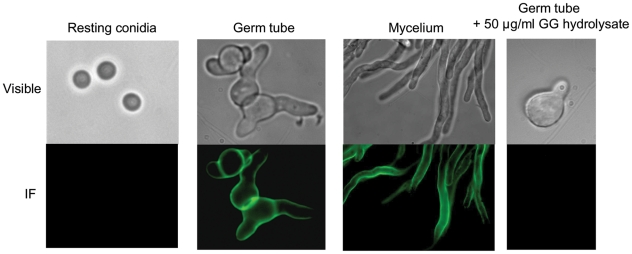
“The surface of the vegetative morphotype, the mycelium, is covered by a major polysaccharide, adhesin (absent from conidia) (Fig. 13).”
From Aspergillus fumigatus and Aspergillosis in 2019 (2019) · cites this paper as [479]
Experimental — accuracy not yet measuredThe check wasn’t confident either way, so it gives no verdict — never disputed.
In the citing paper
“The echinocandins caspofungin and micafungin have been used as primary therapy in noncomparative studies of IA, with response rates ranging from 33% to 57% for caspofungin (687–690) and 45% to 71% for micafungin (54, 479, 691).”
From Aspergillus fumigatus and Aspergillosis in 2019 (2019) · cites this paper as [479]
Experimental — accuracy not yet measuredIn the citing paper
“This polysaccharide is a galactosaminogalactan, which is a linear and water-insoluble heterogeneous polymer with an average size of 100 kDa, composed of galactose (in a pyranose form), galactosamine, and N-acetylgalactosamine (GalNAc) residues linked through α1,4 glycosidic linkage and in a random distribution along the polysaccharide chain (479).”
From Aspergillus fumigatus and Aspergillosis in 2019 (2019) · cites this paper as [479]
In the citing paper
“The matrix was found to contain mainly polysaccharides (galactomannan, α-1,3 glucan, and galactosaminogalactan), proteins, and small amounts of polyols, lipids, DNA, and melanin (452, 479, 486, 533).”
From Aspergillus fumigatus and Aspergillosis in 2019 (2019) · cites this paper as [479]
Self-check
Percentages, sums and reported differences re-computed from the paper’s own numbers.
The self-check needs the paper’s full text.
Citations
Cites
Colorimetric Method for Determination of Sugars and Related Substances
DuBois, M., Gilles, K. A., Hamilton, J. K., Rebers, P. A., & Smith, F. (1956) · Analytical Chemistry · doi:10.1021/ac60111a017 · Cited by 52,269
A simple and rapid method for the permethylation of carbohydrates
Ciucanu, I., & Kerek, F. (1984) · Carbohydrate Research · doi:10.1016/0008-6215(84)85242-8 · Cited by 3,580
Scheller, H. V., & Ulvskov, P. (2010) · Annual Review of Plant Biology · doi:10.1146/annurev-arplant-042809-112315 · Cited by 2,799
1H, 13C and 15N chemical shift referencing in biomolecular NMR
Wishart, D. S., Bigam, C. G., Yao, J., Abildgaard, F., Dyson, H. J., Oldfield, E., Markley, J. L., & Sykes, B. D. (1995) · Journal of Biomolecular NMR · doi:10.1007/bf00211777 · Cited by 2,359 · cited 1×
“251449530 was used [52].”
Sawardeker, J. S., Sloneker, J. H., & Jeanes, A. (1965) · Analytical Chemistry · doi:10.1021/ac60231a048 · Cited by 1,701 · cited 1×
“Monosaccharides were identified by GC as their alditol acetates after total acid hydrolysis (trifluoroacetic acid (TFA) 4N or HCl 4N, 100uC, 4 h) [49].”
MethodSignalling through C-type lectin receptors: shaping immune responses
Geijtenbeek, T. B. H., & Gringhuis, S. I. (2009) · Nature Reviews Immunology · doi:10.1038/nri2569 · Cited by 1,379 · cited 1×
“has been seen with all medically important fungi [6,35,36,37].”
BackgroundGradient selection in inverse heteronuclear correlation spectroscopy
Willker, W., Leibfritz, D., Kerssebaum, R., & Bermel, W. (1993) · Magnetic Resonance in Chemistry · doi:10.1002/mrc.1260310315 · Cited by 965 · cited 2×
“Finally, the interglycosidic linkages determination was achieved with (1)H-(1)H NOESY (Nuclear overhauser effect spectroscopy) experiments for the polysaccharides (mixing time of 15 and 50 ms) and with (1)H-(1)H ROESY experiments (mixing time of 250 ms) [55] and/or (1)H-(13)C gHMBC (Gradient selected heteronuclear mul…”
MethodAn integrated model of the recognition of Candida albicans by the innate immune system
Netea, M. G., Brown, G. D., Kullberg, B. J., & Gow, N. A. R. (2008) · Nature Reviews Microbiology · doi:10.1038/nrmicro1815 · Cited by 946 · cited 2×
“In other medically important fungi, capsular and cell wall polysaccharides and especially mannan and b-glucans also induce an immune response that either favours or inhibits fungal infection [6,7,8,9].”
BackgroundN-Linked Glycosylation in Campylobacter jejuni and Its Functional Transfer into E. coli
Wacker, M., Linton, D., Hitchen, P. G., Nita-Lazar, M., Haslam, S. M., North, S. J., Panico, M., Morris, H. R., Dell, A., Wren, B. W., et al. (2002) · Science · doi:10.1126/science.298.5599.1790 · Cited by 777
Self-citationTwo-dimensional chemical exchange and cross-relaxation spectroscopy of coupled nuclear spins
Macura, S., Huang, Y., Suter, D., & Ernst, R. R. (1981) · Journal of Magnetic Resonance (1969) · doi:10.1016/0022-2364(81)90037-8 · Cited by 748 · cited 1×
“Finally, the interglycosidic linkages determination was achieved with (1)H-(1)H NOESY (Nuclear overhauser effect spectroscopy) experiments for the polysaccharides (mixing time of 15 and 50 ms) and with (1)H-(1)H ROESY experiments (mixing time of 250 ms) [55] and/or (1)H-(13)C gHMBC (Gradient selected heteronuclear mul…”
MethodLuther, K., Torosantucci, A., Brakhage, A. A., Heesemann, J., & Ebel, F. (2007) · Cellular Microbiology · doi:10.1111/j.1462-5822.2006.00796.x · Cited by 582 · cited 1×
“Besides Dectin1 that recognizes b13glucans, receptors able to recognize a1-3glucans or galactan have not been identified yet [40,41].”
BackgroundAspergillus Infections in Transplant Recipients
Singh, N., & Paterson, D. L. (2005) · Clinical Microbiology Reviews · doi:10.1128/cmr.18.1.44-69.2005 · Cited by 579 · cited 1×
“Aspergillus fumigatus is an opportunistic human fungal pathogen that causes a wide range of diseases including allergic reactions and local or systemic infections such as invasive pulmonary aspergillosis (IA) that has emerged in recent years as a leading cause of infection-related mortality among immunocompromised pat…”
BackgroundIL‐23 and the Th17 pathway promote inflammation and impair antifungal immune resistance
Zelante, T., De Luca, A., Bonifazi, P., Montagnoli, C., Bozza, S., Moretti, S., Belladonna, M. L., Vacca, C., Conte, C., Mosci, P., et al. (2007) · European Journal of Immunology · doi:10.1002/eji.200737409 · Cited by 555 · cited 1×
“The PCR primers were as described [60,61].”
Self-citationChapter 4 The Capsule of the Fungal Pathogen Cryptococcus neoformans
Zaragoza, O., Rodrigues, M. L., De Jesus, M., Frases, S., Dadachova, E., & Casadevall, A. (2009) · Advances in Applied Microbiology · doi:10.1016/s0065-2164(09)01204-0 · Cited by 457 · cited 1×
“In other medically important fungi, capsular and cell wall polysaccharides and especially mannan and b-glucans also induce an immune response that either favours or inhibits fungal infection [6,7,8,9].”
BackgroundMolecular Organization of the Alkali-insoluble Fraction ofAspergillus fumigatus Cell Wall
Fontaine, T., Simenel, C., Dubreucq, G., Adam, O., Delepierre, M., Lemoine, J., Vorgias, C. E., Diaquin, M., & Latgé, J.-P. (2000) · Journal of Biological Chemistry · doi:10.1074/jbc.m909975199 · Cited by 436 · cited 1×
“Although the presence of such cell wall associated polysaccharide was noticed 20 years ago [12,13], its structural analysis has not been investigated to date.”
BackgroundSelf-citationYoung, N. M., Brisson, J.-R., Kelly, J., Watson, D. C., Tessier, L., Lanthier, P. H., Jarrell, H. C., Cadotte, N., St. Michael, F., Aberg, E., et al. (2002) · Journal of Biological Chemistry · doi:10.1074/jbc.m206114200 · Cited by 409 · cited 1×
“fumigatus and the N-glycan of cell surface glycoproteins of Campylobacter jejuni (AcraA) that is an a1-4 linked GalNAc rich structurea-GalNAc1-4 a-GalNAc1-4 [b-Glc1-3]a-GalNAc1-4 aGalNAc1-4 a-GalNAc1-3 b-Bac1-Asn(where Bac is 2,4-diacetamido2,3,6-trideoxy-D-glucose; Asn, asparagine and Glc, glucose, [15]).”
BackgroundMorgan, J., Wannemuehler, K. A., Marr, K. A., Hadley, S., Kontoyiannis, D. P., Walsh, T. J., Fridkin, S. K., Pappas, P. G., & Warnock, D. W. (2005) · Medical Mycology · doi:10.1080/13693780400020113 · Cited by 407 · cited 1×
“Aspergillus fumigatus is an opportunistic human fungal pathogen that causes a wide range of diseases including allergic reactions and local or systemic infections such as invasive pulmonary aspergillosis (IA) that has emerged in recent years as a leading cause of infection-related mortality among immunocompromised pat…”
BackgroundDefinition of the bacterial N‐glycosylation site consensus sequence
Kowarik, M., Young, N. M., Numao, S., Schulz, B. L., Hug, I., Callewaert, N., Mills, D. C., Watson, D. C., Hernandez, M., Kelly, J. F., et al. (2006) · The EMBO Journal · doi:10.1038/sj.emboj.7601087 · Cited by 342 · cited 1×
“coli [56,57] were used as antigens.”
Self-citationPolysaccharide processing and presentation by the MHCII pathway
Cobb, B. A., Wang, Q., Tzianabos, A. O., & Kasper, D. L. (2004) · Cell · doi:10.1016/j.cell.2004.05.001 · Cited by 340 · cited 1×
“However, the intracellular hydrolysis of GG, as shown for some bacterial polysaccharides [46], may release oligosaccharides that can bind to MGL that has been seen in endocytic compartments.”
BackgroundLatgé, J. P., Kobayashi, H., Debeaupuis, J. P., Diaquin, M., Sarfati, J., Wieruszeski, J. M., Parra, E., Bouchara, J. P., & Fournet, B. (1994) · Infection and Immunity · doi:10.1128/iai.62.12.5424-5433.1994 · Cited by 319 · cited 2×
“Binding of antibodies to the ELISA-plate was estimated with patient sera diluted 1:500 and peroxidase-conjugated anti-human immunoglobulin G, as previously described [12].”
BackgroundMethodSelf-citationIn vivo biofilm composition of Aspergillus fumigatus
Loussert, C., Schmitt, C., Prevost, M.-C., Balloy, V., Fadel, E., Philippe, B., Kauffmann-Lacroix, C., Latgé, J. P., & Beauvais, A. (2010) · Cellular Microbiology · doi:10.1111/j.1462-5822.2009.01409.x · Cited by 269 · cited 1×
“fumigatus is covered by a polysacchariderich extracellular matrix (ECM) that because of its outer position, plays a major role in the interaction with the host immune cells [10,11].”
BackgroundSelf-citationAn extracellular matrix glues together the aerial-grown hyphae of Aspergillus fumigatus
Beauvais, A., Schmidt, C., Guadagnini, S., Roux, P., Perret, E., Henry, C., Paris, S., Mallet, A., Prévost, M.-C., & Latgé, J. P. (2007) · Cellular Microbiology · doi:10.1111/j.1462-5822.2007.00895.x · Cited by 262 · cited 1×
“fumigatus is covered by a polysacchariderich extracellular matrix (ECM) that because of its outer position, plays a major role in the interaction with the host immune cells [10,11].”
BackgroundSelf-citationTwo-dimensional relayed coherence transfer spectroscopy of a protein
Wagner, G. (1983) · Journal of Magnetic Resonance (1969) · doi:10.1016/0022-2364(83)90284-6 · Cited by 257 · cited 1×
“First, the non-exchangeable proton resonances of intra glycosidic residue spin systems were assigned using two-dimensional COSY (correlation spectroscopy), relayed COSY (up to two relays) and TOCSY (Total correlation spectroscopy; with mixing time ranging from 30 to 120 ms) experiments [53].”
Methodvan Vliet, S. J., van Liempt, E., Saeland, E., Aarnoudse, C. A., Appelmelk, B., Irimura, T., Geijtenbeek, T. B. H., Blixt, O., Alvarez, R., van Die, I., et al. (2005) · International Immunology · doi:10.1093/intimm/dxh246 · Cited by 238
Campylobacter Protein Glycosylation Affects Host Cell Interactions
Szymanski, C. M., Burr, D. H., & Guerry, P. (2002) · Infection and Immunity · doi:10.1128/iai.70.4.2242-2244.2002 · Cited by 235 · cited 1×
“jejuni can bind to human intestinal epithelial cells [33,34]; Gal/GalNAc rich-polysaccharides are produced by many environmental fungal food contaminants including Aspergillus and Penicillium species suggesting that in both cases a1-4GalNAc oligosaccharides could cross the intestinal epithelium.”
BackgroundA dendritic cell vaccine against invasive aspergillosis in allogeneic hematopoietic transplantation
Bozza, S., Perruccio, K., Montagnoli, C., Gaziano, R., Bellocchio, S., Burchielli, E., Nkwanyuo, G., Pitzurra, L., Velardi, A., & Romani, L. (2003) · Blood · doi:10.1182/blood-2003-03-0748 · Cited by 234
Self-citationFrançois, S., El Benna, J., Dang, P. M. C., Pedruzzi, E., Gougerot-Pocidalo, M.-A., & Elbim, C. (2005) · The Journal of Immunology · doi:10.4049/jimmunol.174.6.3633 · Cited by 227 · cited 2×
“Neutrophil apoptosis was quantified by using annexin V and the impermeant nuclear dye 7-amino-actinomycin D (7-AAD) as previously described [16].”
BackgroundMethodSelf-citationKarlyshev, A. V., Everest, P., Linton, D., Cawthraw, S., Newell, D. G., & Wren, B. W. (2004) · Microbiology · doi:10.1099/mic.0.26721-0 · Cited by 190 · cited 1×
“jejuni can bind to human intestinal epithelial cells [33,34]; Gal/GalNAc rich-polysaccharides are produced by many environmental fungal food contaminants including Aspergillus and Penicillium species suggesting that in both cases a1-4GalNAc oligosaccharides could cross the intestinal epithelium.”
BackgroundFournet, B., Strecker, G., Leroy, Y., & Montreuil, J. (1981) · Analytical Biochemistry · doi:10.1016/0003-2697(81)90393-6 · Cited by 185 · cited 1×
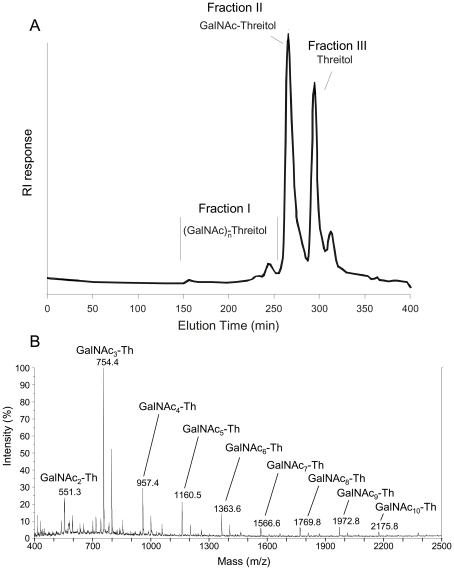
“as collision gas of the main peak eluted at 21 min. EI, electonic impact spectra of the peak eluted at 21 min. Ion mass m/z were identified according to Fournet et al.,”
BackgroundInnate Recognition of Fungal Cell Walls
Levitz, S. M. (2010) · PLoS Pathogens · doi:10.1371/journal.ppat.1000758 · Cited by 184
Bozza, S., Clavaud, C., Giovannini, G., Fontaine, T., Beauvais, A., Sarfati, J., D'Angelo, C., Perruccio, K., Bonifazi, P., Zagarella, S., et al. (2009) · The Journal of Immunology · doi:10.4049/jimmunol.0900961 · Cited by 176 · cited 5×
“Later, antigen presenting cells initiate an adaptative response activating various populations of Thelper cells that impact differently on the evolution of the disease [3,4].”
BackgroundMethodInfluentialSelf-citationInteraction of phagocytes with filamentous fungi
Brakhage, A. A., Bruns, S., Thywißen, A., Zipfel, P. F., & Behnsen, J. (2010) · Current Opinion in Microbiology · doi:10.1016/j.mib.2010.04.009 · Cited by 172 · cited 1×
“Later, antigen presenting cells initiate an adaptative response activating various populations of Thelper cells that impact differently on the evolution of the disease [3,4].”
BackgroundRomani, L., Bistoni, F., Perruccio, K., Montagnoli, C., Gaziano, R., Bozza, S., Bonifazi, P., Bistoni, G., Rasi, G., Velardi, A., et al. (2006) · Blood · doi:10.1182/blood-2006-02-004762 · Cited by 172 · cited 1×
“The PCR primers were as described [60,61].”
Self-citationHost–microbe interactions: innate pattern recognition of fungal pathogens
van de Veerdonk, F. L., Kullberg, B. J., van der Meer, J. W., Gow, N. A., & Netea, M. G. (2008) · Current Opinion in Microbiology · doi:10.1016/j.mib.2008.06.002 · Cited by 169
Improved method of hexosamine determination
Johnson, A. R. (1971) · Analytical Biochemistry · doi:10.1016/0003-2697(71)90252-1 · Cited by 152 · cited 1×
“Total hexosamines were determined with p-(dimethylamino)-benzaldehyde reagent after 4 h of 8N HCl hydrolysis at 100uC using galactosamine as a standard [48].”
MethodVillena, S. N., Pinheiro, R. O., Pinheiro, C. S., Nunes, M. P., Takiya, C. M., DosReis, G. A., Previato, J. O., Mendonça-Previato, L., & Freire-de-Lima, C. G. (2008) · Cellular Microbiology · doi:10.1111/j.1462-5822.2008.01125.x · Cited by 148 · cited 1×
“of human macrophages and T-cells [38,39].”
Glycosylphosphatidylinositol-anchored Fungal Polysaccharide in Aspergillus fumigatus
Costachel, C., Coddeville, B., Latgé, J.-P., & Fontaine, T. (2005) · Journal of Biological Chemistry · doi:10.1074/jbc.m510163200 · Cited by 105 · cited 1×
“fumigatus galactomannan [12,23].”
Self-citationGalactofuranose attenuates cellular adhesion of Aspergillus fumigatus
Lamarre, C., Beau, R., Balloy, V., Fontaine, T., Hoi, J. W. S., Guadagnini, S., Berkova, N., Chignard, M., Beauvais, A., & Latgé, J.-P. (2009) · Cellular Microbiology · doi:10.1111/j.1462-5822.2009.01352.x · Cited by 98 · cited 1×
“corresponding to the GG [30] (data not shown.”
BackgroundSelf-citationvan Sorge, N. M., Bleumink, N. M. C., van Vliet, S. J., Saeland, E., van der Pol, W. L., van Kooyk, Y., & van Putten, J. P. M. (2009) · Cellular Microbiology · doi:10.1111/j.1462-5822.2009.01370.x · Cited by 98
The structure of Leishmania major amastigote lipophosphoglycan.
Moody, S. F., Handman, E., McConville, M. J., & Bacic, A. (1993) · Journal of Biological Chemistry · doi:10.1016/s0021-9258(17)46648-8 · Cited by 91 · cited 1×
“microorganisms [25,26,27,28,29].”
van Vliet, S. J., Steeghs, L., Bruijns, S. C. M., Vaezirad, M. M., Snijders Blok, C., Arenas Busto, J. A., Deken, M., van Putten, J. P. M., & van Kooyk, Y. (2009) · PLoS Pathogens · doi:10.1371/journal.ppat.1000625 · Cited by 89
Pericolini, E., Cenci, E., Monari, C., De Jesus, M., Bistoni, F., Casadevall, A., & Vecchiarelli, A. (2006) · Cellular Microbiology · doi:10.1111/j.1462-5822.2005.00619.x · Cited by 83 · cited 1×
“of human macrophages and T-cells [38,39].”
Galactosamine Polymers Produced by Aspergillus parasiticus
Distler, J. J., & Roseman, S. (1960) · Journal of Biological Chemistry · doi:10.1016/s0021-9258(19)76909-9 · Cited by 81 · cited 1×
“containing galactosamine residues have been also identified in other filamentous fungi, such as Neurospora, Rhizopus, Helminthosporium, Penicillium and Aspergillus species [17,18].”
BackgroundNato, F., Reich, K. A., Lhopital, S., Rouyre, S., Geoffroy, C., Mazié, J. C., & Cossart, P. (1991) · Infection and Immunity · doi:10.1128/iai.59.12.4641-4646.1991 · Cited by 70 · cited 1×
“Beguin (Plateforme technique de protéines recombinantes et anticorps monoclonaux, Institut Pasteur) as previously described [58].”
MethodThe C-Type Lectin Macrophage Galactose-Type Lectin Impedes Migration of Immature APCs
van Vliet, S. J., Paessens, L. C., van den Berg, V. C. M., Geijtenbeek, T. B. H., & van Kooyk, Y. (2008) · The Journal of Immunology · doi:10.4049/jimmunol.181.5.3148 · Cited by 58
Galactosaminogalactan from cell walls of Aspergillus niger
Bardalaye, P. C., & Nordin, J. H. (1976) · Journal of Bacteriology · doi:10.1128/jb.125.2.655-669.1976 · Cited by 57 · cited 2×
“However, the structure of these polysaccharides has been poorly characterized with linkages that can be either a1-4 and/or a1-3 linkages with part of the GalNAc molecules being N-deacetylated [19,20,21,22].”
BackgroundTransient aspergillus antigenaemia: think of milk
Gangneux, J., Lavarde, D., Bretagne, S., Guiguen, C., & Gandemer, V. (2002) · The Lancet · doi:10.1016/s0140-6736(02)08238-7 · Cited by 56 · cited 1×
“This result suggests that the portal of entry for the GG could be the gut barrier as has been demonstrated for the galactomannan polymer [31,32].”
BackgroundKol, O., Wieruszeski, J., Strecker, G., Fournet, B., Zalisz, R., & Smets, P. (1992) · Carbohydrate Research · doi:10.1016/0008-6215(92)85028-x · Cited by 53 · cited 1×
“microorganisms [25,26,27,28,29].”
Mucopolysaccharide Which Regulates Growth in Neurospora
Reissig, J. L., & Glasgow, J. E. (1971) · Journal of Bacteriology · doi:10.1128/jb.106.3.882-889.1971 · Cited by 39 · cited 1×
“containing galactosamine residues have been also identified in other filamentous fungi, such as Neurospora, Rhizopus, Helminthosporium, Penicillium and Aspergillus species [17,18].”
BackgroundLeal, J. A., Prieto, A., Bernabé, M., & Hawksworth, D. L. (2010) · FEMS Microbiology Reviews · doi:10.1111/j.1574-6976.2010.00225.x · Cited by 39 · cited 1×
“microorganisms [25,26,27,28,29].”
Extracellular galactosaminogalactan from Aspergillus parasiticus
Rupérez, P., & Leal, J. A. (1981) · Transactions of the British Mycological Society · doi:10.1016/s0007-1536(81)80111-8 · Cited by 30
Structural studies on a lipoarabinogalactan of Crithidia fasciculata
Schneider, P., Treumann, A., Milne, K. G., McConville, M. J., Zitzmann, N., & Ferguson, M. A. J. (1996) · Biochemical Journal · doi:10.1042/bj3130963 · Cited by 29
Toyotome, T., Adachi, Y., Watanabe, A., Ochiai, E., Ohno, N., & Kamei, K. (2007) · Microbial Pathogenesis · doi:10.1016/j.micpath.2007.08.015 · Cited by 27 · cited 1×
“Besides Dectin1 that recognizes b13glucans, receptors able to recognize a1-3glucans or galactan have not been identified yet [40,41].”
BackgroundThe structure of the core part of Proteus vulgaris OX2 lipopolysaccharide
VINOGRADOV, E. V., & Bock, K. (1999) · Carbohydrate Research · doi:10.1016/s0008-6215(99)00181-0 · Cited by 27 · cited 1×
“[14] (Fig.”
Immune Regulation and Tolerance to Fungi in the Lungs and Skin
Romani, L., & Puccetti, P. (2008) · Chemical Immunology and Allergy · doi:10.1159/000154957 · Cited by 25 · cited 1×
“In other medically important fungi, capsular and cell wall polysaccharides and especially mannan and b-glucans also induce an immune response that either favours or inhibits fungal infection [6,7,8,9].”
BackgroundSelf-citationStructural investigation of the capsular polysaccharide of klebsiella serotype K12
Dutton, G. G. S., & Savage, A. V. (1980) · Carbohydrate Research · doi:10.1016/s0008-6215(00)84547-4 · Cited by 24
Cell Wall of Aspergillus fumigatus : a Dynamic Structure
Mouyna, I., & Fontaine, T. (2014) · ASM Press eBooks · doi:10.1128/9781555815523.ch14 · Cited by 21
Self-citationFontaine, T., Talmont, F., Dutton, G. G. S., & Fournet, B. (1991) · Analytical Biochemistry · doi:10.1016/0003-2697(91)90083-6 · Cited by 19 · cited 2×
“Methylation Prior to the methylation procedure, polysaccharides were peracetylated as previously described [50].”
MethodSelf-citationA systems biology approach to the mutual interaction between yeast and the immune system
Rizzetto, L., & Cavalieri, D. (2010) · Immunobiology · doi:10.1016/j.imbio.2010.05.009 · Cited by 16 · cited 1×
“In other medically important fungi, capsular and cell wall polysaccharides and especially mannan and b-glucans also induce an immune response that either favours or inhibits fungal infection [6,7,8,9].”
BackgroundARAKI, Y., TAKADA, H., FUJII, N., & ITO, E. (1979) · European Journal of Biochemistry · doi:10.1111/j.1432-1033.1979.tb06260.x · Cited by 12
Structure of Polygalactosamine Produced by Aspergillus parasiticus
(1981) · The Journal of Biochemistry · doi:10.1093/oxfordjournals.jbchem.a133312 · Cited by 10 · cited 2×
“However, the structure of these polysaccharides has been poorly characterized with linkages that can be either a1-4 and/or a1-3 linkages with part of the GalNAc molecules being N-deacetylated [19,20,21,22].”
BackgroundExtracellular galactosaminogalactan from Penicillium frequentans.
Guerrero, C., Prieto, A., & Leal, J. A. (1988) · PubMed · Cited by 9
Research works printed but not linked: 1
- Letscher-Bru V Cavalier A Pernot-Marino E Koenig H Eyer D 1998 Aspergillus galactomannan antigen detection with Platelia-Aspergillus: multiple positive antigemia without Aspergillus infection. J Mycol Med 8 112 113
Cited by
Aspergillus fumigatus and Aspergillosis in 2019
Latgé, J.-P., & Chamilos, G. (2019) · Clinical Microbiology Reviews · doi:10.1128/cmr.00140-18 · Cited by 1,400
Self-citationThe Fungal Cell Wall: Candida, Cryptococcus, and Aspergillus Species
Garcia-Rubio, R., de Oliveira, H. C., Rivera, J., & Trevijano-Contador, N. (2020) · Frontiers in Microbiology · doi:10.3389/fmicb.2019.02993 · Cited by 917
Aspergillus fumigatus morphology and dynamic host interactions
van de Veerdonk, F. L., Gresnigt, M. S., Romani, L., Netea, M. G., & Latgé, J.-P. (2017) · Nature Reviews Microbiology · doi:10.1038/nrmicro.2017.90 · Cited by 490
Self-citationGravelat, F. N., Beauvais, A., Liu, H., Lee, M. J., Snarr, B. D., Chen, D., Xu, W., Kravtsov, I., Hoareau, C. M. Q., Vanier, G., et al. (2013) · PLoS Pathogens · doi:10.1371/journal.ppat.1003575 · Cited by 320
“fumigatus during infection [15,16], these results suggested that GAG is involved in the differential adhesive properties of these mutants.”
BackgroundMethodInfluentialSelf-citationStrategy to combat biofilms: a focus on biofilm dispersal enzymes
Wang, S., Zhao, Y., Breslawec, A. P., Liang, T., Deng, Z., Kuperman, L. L., & Yu, Q. (2023) · npj Biofilms and Microbiomes · doi:10.1038/s41522-023-00427-y · Cited by 240
“3G) 96 .”
Metadata
- Authors
- Fontaine, T., Delangle, A., Simenel, C., Coddeville, B., van Vliet, S. J., van Kooyk, Y., Bozza, S., Moretti, S., Schwarz, F., Trichot, C., Aebi, M., Delepierre, M., Elbim, C., Romani, L., & Latgé, J.-P.
- Affiliations
- Institut Pasteur (FR)
- Centre National de la Recherche Scientifique (FR)
- University of Perugia (IT)
- ETH Zurich (CH)
- Université Pierre-et-Marie-Curie (FR)
- Corresponding author
- Fontaine, Thierry
- ORCID
- Venue
- PLoS Pathogens
- Publisher
- Public Library of Science (PLoS)
- Published
- 2011-11-10
- Volume
- 7
- Issue
- 11
- Pages
- e1002372
- ISSN
- 1553-7366 (ISSN-L)
- 1553-7374
- PMC
- PMC3213105
- OpenAlex
- W2168733333
- Cited by
- 241
- References
- 62
- Citations by year
- 2026: 11 · 2025: 17 · 2024: 20 · 2023: 16 · 2022: 13 · 2021: 27 · 2020: 27 · 2019: 14 · 2018: 16 · 2017: 20 · 2016: 15 · 2015: 18 · 2014: 13 · 2013: 9 · 2012: 4
- FWCI
- 5.82
- Type
- journal article
- Language
- en
- Open access
- gold
- doi.org
- Locations
- PLoS Pathogens (publishedVersion, cc-by)
- Europe PMC (PubMed Central) (publishedVersion, cc-by)
- PubMed Central (publishedVersion, cc-by)
- PubMed (publishedVersion)
- Amsterdam UMC (VU Amsterdam) - Institutional Repository (acceptedVersion, other-oa)
- Pure Amsterdam UMC (submittedVersion, other-oa)
- Repository for Publications and Research Data (ETH Zurich) (submittedVersion, cc-by)
- HAL (submittedVersion, cc-by)
- Université Pierre et Marie CURIE (UPMC) (submittedVersion, cc-by)
- Digital Academic REpository of VU University Amsterdam (Vrije Universiteit Amsterdam) (submittedVersion)
- DOAJ (DOAJ: Directory of Open Access Journals) (submittedVersion, cc-by-sa)
- Figshare (submittedVersion, cc-by)
- Data Archiving and Networked Services (DANS) (submittedVersion, other-oa)
- ETH Zürich Research Collection (cc-by)
- Funders
- Agence Nationale de la Recherche (ANR-06-EMPB-0011)
- Topics
- Health Sciences › Medicine › Infectious Diseases › Antifungal resistance and susceptibility
- Life Sciences › Biochemistry, Genetics and Molecular Biology › Molecular Biology › Glycosylation and Glycoproteins Research
- Life Sciences › Biochemistry, Genetics and Molecular Biology › Molecular Biology › Fungal and yeast genetics research
- Keywords
- galactosaminogalactan, Aspergillus fumigatus, fungal polysaccharides, immunosuppression, cross-reactive antibodies, fungal virulence, neutrophil infiltration
- MeSH terms
- Animals, Antibodies, Fungal, Epitopes, Antigens, Fungal, Aspergillosis, Aspergillus fumigatus, Carbohydrate Conformation, Carbohydrate Sequence, Cell Wall, Cross Reactions, Female, Humans, Immunosuppressive Agents, Macrophages, Mice, Inbred C57BL, Neutrophils, Magnetic Resonance Spectroscopy, Polysaccharides, Apoptosis, Spectrometry, Mass, Matrix-Assisted Laser Desorption-Ionization, Neutrophil Infiltration, Mice, Host-Pathogen Interactions
About these checks
Registry, retraction, Cites and statistics results are computed, not judged, with one exception: a printed reference that no index lists is read once by a model before it counts as a citation error. Claims are extracted by a model and kept only when their quote appears verbatim in the text; each cited source is then checked, with a model’s help, for whether it says what the claim relies on. Those verdicts can be wrong — read the claim’s quote and the cited source before relying on one.
Statistics and arithmetic are recomputed, not judged.
Confidence bands are shown only for fields calibrated on our annotated test set. None is calibrated yet, so no band is shown.
What counts as a claim ›How we measure confidence ›How we check this ›
Are you an author, or do you see a problem with this page? Request a review
Data sources
Bibliographic data: Semantic Scholar, OpenAlex, Crossref.
Contains information from the Semantic Scholar Academic Graph Datasets, made available under the ODC Attribution License (ODC-BY 1.0).
Semantic Scholar’s data is described in: Kinney, R., et al. (2023). The Semantic Scholar Open Data Platform. arXiv:2301.10140.
