

Myeloid Derived Hypoxia Inducible Factor 1-alpha Is Required for Protection against Pulmonary Aspergillus fumigatus Infection
Open accessThe DOI matches its Crossref record; 84 of the 84 references it cites were found in a registry or an index.
Abstract
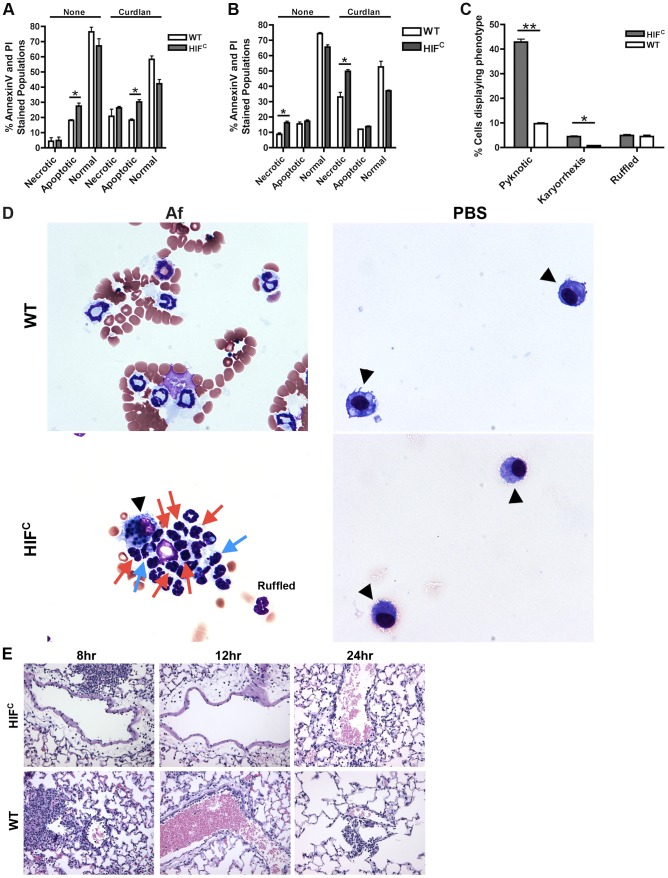
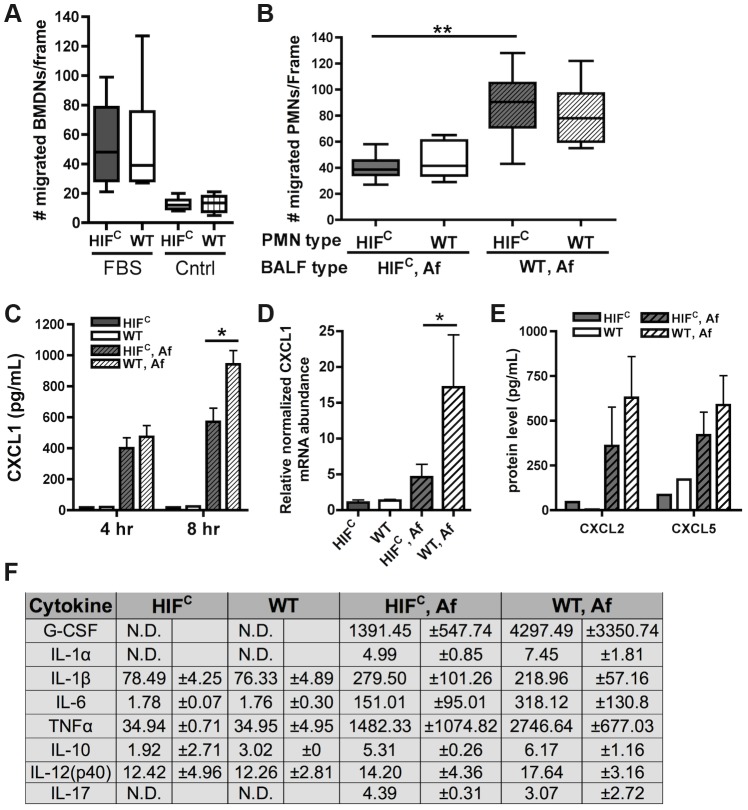
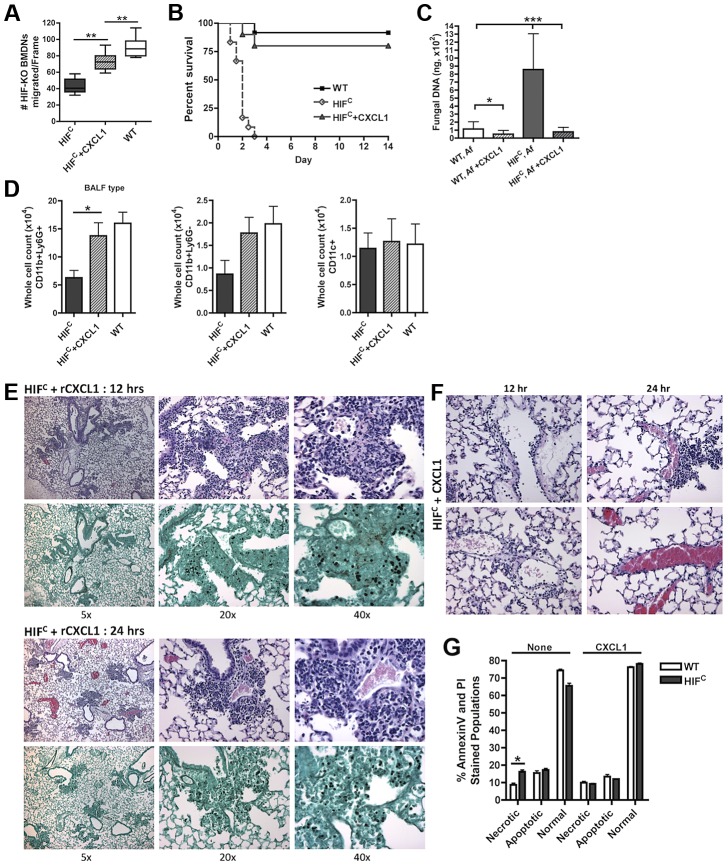
Hypoxia inducible factor 1α (HIF1α) is the mammalian transcriptional factor that controls metabolism, survival, and innate immunity in response to inflammation and low oxygen. Previous work established that generation of hypoxic microenvironments occurs within the lung during infection with the human fungal pathogen Aspergillus fumigatus. Here we demonstrate that A. fumigatus stabilizes HIF1α protein early after pulmonary challenge that is inhibited by treatment of mice with the steroid triamcinolone. Utilizing myeloid deficient HIF1α mice, we observed that HIF1α is required for survival and fungal clearance early following pulmonary challenge with A. fumigatus. Unlike previously reported research with bacterial pathogens, HIF1α deficient neutrophils and macrophages were surprisingly not defective in fungal conidial killing. The increase in susceptibility of the myeloid deficient HIF1α mice to A. fumigatus was in part due to decreased early production of the chemokine CXCL1 (KC) and increased neutrophil apoptosis at the site of infection, resulting in decreased neutrophil numbers in the lung. Addition of recombinant CXCL1 restored neutrophil survival and numbers, murine survival, and fungal clearance. These results suggest that there are unique HIF1α mediated mechanisms employed by the host for protection and defense against fungal pathogen growth and invasion in the lung. Additionally, this work supports the strategy of exploring HIF1α as a therapeutic target in specific immunosuppressed populations with fungal infections.
Overview
The claims and statistics of this paper haven’t been checked yet.
Free: it reads the open-access text and checks the first 5 claims that cite a source we can check. Create a free account to check every claim.
Integrity signals
Registry
Cites
Statistics
Figures
Verification
Claims the paper makes
The claims and statistics of this paper haven’t been checked yet.
Free: it reads the open-access text and checks the first 5 claims that cite a source we can check. Create a free account to check every claim.
Claims other papers make about this one
Each is checked against this paper’s own text: does it say what the citing paper says it does?
In the citing paper
“It is increasingly recognized that cross talk between epithelia and phagocytes (211) and cell-to-cell interactions between different phagocytes (e.g., inflammatory monocytes and neutrophils) play a critical role in fine-tuning inflammatory responses to Aspergillus and in resolving infection (196).”
From Aspergillus fumigatus and Aspergillosis in 2019 (2019) · cites this paper as [211]
In the citing paper
“Hypoxic fungal growth is under the control of the common hypoxia regulator Hif1α (211, 393), but it is also associated with other major cellular pathways, such as sterol and siderophore biosynthesis and mitochondrial respiration (357, 394–396).”
From Aspergillus fumigatus and Aspergillosis in 2019 (2019) · cites this paper as [211]
Self-check
Percentages, sums and reported differences re-computed from the paper’s own numbers.
The self-check needs the paper’s full text.
Citations
Cites
1 retracted
Mitochondrial Autophagy Is an HIF-1-dependent Adaptive Metabolic Response to Hypoxia
Zhang, H., Bosch-Marce, M., Shimoda, L. A., Tan, Y. S., Baek, J. H., Wesley, J. B., Gonzalez, F. J., & Semenza, G. L. (2008) · Journal of Biological Chemistry · doi:10.1074/jbc.m800102200 · Cited by 1,601 · cited 1×
“During inflammation, the absence of HIF1a in effector cells is characterized by depletion of ATP stores due to a failure to switch from oxidative to glycolytic metabolism, which also results in an increase in toxic levels of ROS [42].”
RetractedJaakkola, P., Mole, D. R., Tian, Y.-M., Wilson, M. I., Gielbert, J., Gaskell, S. J., Kriegsheim, A. V., Hebestreit, H. F., Mukherji, M., Schofield, C. J., et al. (2001) · Science · doi:10.1126/science.1059796 · Cited by 5,535
Hidden Killers: Human Fungal Infections
Brown, G. D., Denning, D. W., Gow, N. A. R., Levitz, S. M., Netea, M. G., & White, T. C. (2012) · Science Translational Medicine · doi:10.1126/scitranslmed.3004404 · Cited by 4,284 · cited 1×
“Invasive fungal infections continue to take a toll on human health with high mortality and morbidity rates and increasing frequency [1].”
A conserved family of prolyl-4-hydroxylases that modify HIF
Bruick, R. K., & McKnight, S. L. (2001) · Science · doi:10.1126/science.1066373 · Cited by 2,549 · cited 2×
“HIF1a is regulated by prolyl hydroxylase’s (PHD) through hydroxylation of its oxygen-dependent degradation domain and directs HIF1a for ubiquitin-dependent degradation by the von Hippel-Lindau (vHL) protein when oxygen is present [26,28].”
Auphan, N., DiDonato, J. A., Rosette, C., Helmberg, A., & Karin, M. (1995) · Science · doi:10.1126/science.270.5234.286 · Cited by 2,390
HIF-1α is essential for myeloid cell-mediated inflammation
Cramer, T., Yamanishi, Y., Clausen, B. E., Förster, I., Pawlinski, R., Mackman, N., Haase, V. H., Jaenisch, R., Corr, M., Nizet, V., et al. (2003) · Cell · doi:10.1016/s0092-8674(03)00154-5 · Cited by 2,046
Vascular Endothelial Growth Factor and Angiogenesis
Hoeben, A., Landuyt, B., Highley, M. S., Wildiers, H., Van Oosterom, A. T., & De Bruijn, E. A. (2004) · Pharmacological Reviews · doi:10.1124/pr.56.4.3 · Cited by 1,824 · cited 1×
“In addition, the release and sensing of VEGF in an autocrine and paracrine manner by monocytes, keratinocytes, and endothelial cells is required for wound healing responses to restore proper tissue homeostasis [75].”
NF-κB links innate immunity to the hypoxic response through transcriptional regulation of HIF-1α
Rius, J., Guma, M., Schachtrup, C., Akassoglou, K., Zinkernagel, A. S., Nizet, V., Johnson, R. S., Haddad, G. G., & Karin, M. (2008) · Nature · doi:10.1038/nature06905 · Cited by 1,614 · cited 2×
“Activation of HIF1a requires basal levels of NFkB and in turn, NFkB activation is controlled by hypoxic inactivation of PHDs [29,30].”
BackgroundAlveolar macrophages: plasticity in a tissue-specific context
Hussell, T., & Bell, T. J. (2014) · Nature Reviews Immunology · doi:10.1038/nri3600 · Cited by 1,377 · cited 1×
“As the phenotypes of innate cells differ between tissues within the host [60], it will be important to determine if the findings presented here occur with other pathogens such as the bacteria examined in the epidermal model that are also potent lung pathogens.”
Control of Cachectin (Tumor Necrosis Factor) Synthesis: Mechanisms of Endotoxin Resistance
Beutler, B., Krochin, N., Milsark, I. W., Luedke, C., & Cerami, A. (1986) · Science · doi:10.1126/science.3754653 · Cited by 1,268 · cited 1×
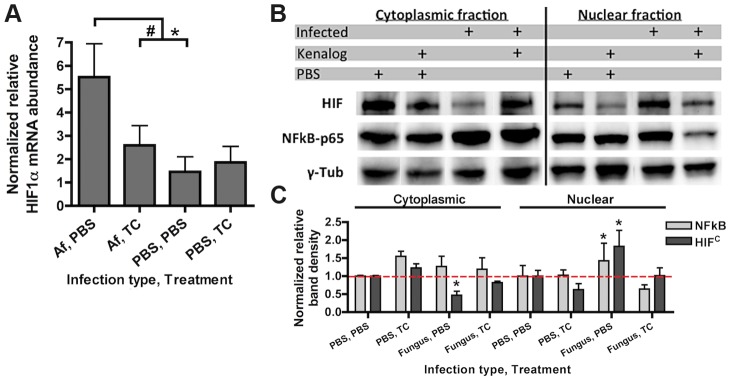
“Reductions in nuclear levels of the p65 subunit of NFkB in the corticosteroid treated mice were also observed, which has been reported previously, validating the chosen murine model (Figure 1B–C) [37,38].”
Cited by
Aspergillus fumigatus and Aspergillosis in 2019
Latgé, J.-P., & Chamilos, G. (2019) · Clinical Microbiology Reviews · doi:10.1128/cmr.00140-18 · Cited by 1,400
Iron in infection and immunity
Nairz, M., & Weiss, G. (2020) · Molecular Aspects of Medicine · doi:10.1016/j.mam.2020.100864 · Cited by 359
Aspergillus fumigatus and aspergillosis: From basics to clinics
Arastehfar, A., Carvalho, A., Houbraken, J., Lombardi, L., Garcia-Rubio, R., Jenks, J. D., Rivero-Menendez, O., Aljohani, R., Jacobsen, I. D., Berman, J., et al. (2021) · Studies in Mycology · doi:10.1016/j.simyco.2021.100115 · Cited by 241
Recognition of DHN-melanin by a C-type lectin receptor is required for immunity to Aspergillus
Stappers, M. H. T., Clark, A. E., Aimanianda, V., Bidula, S., Reid, D. M., Asamaphan, P., Hardison, S. E., Dambuza, I. M., Valsecchi, I., Kerscher, B., et al. (2018) · Nature · doi:10.1038/nature25974 · Cited by 200
Hypoxia-inducible factors: key regulators of myeloid cells during inflammation
Lin, N., & Simon, M. C. (2016) · Journal of Clinical Investigation · doi:10.1172/jci84426 · Cited by 170
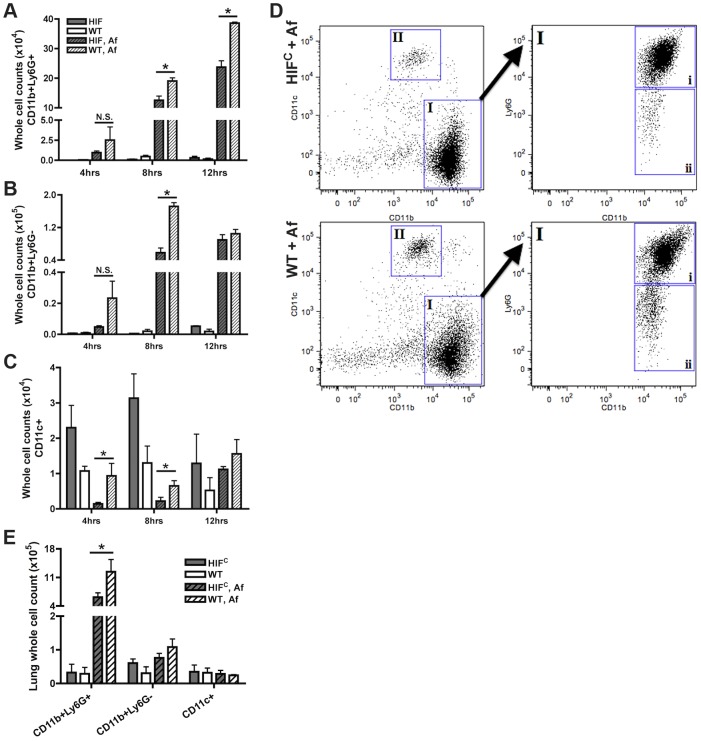
“These phenotypes can be partly attributed to decreased production of CXCL1 and increased neutrophil apoptosis (148).”
BackgroundAkhtar, S., Hartmann, P., Karshovska, E., Rinderknecht, F.-A., Subramanian, P., Gremse, F., Grommes, J., Jacobs, M., Kiessling, F., Weber, C., et al. (2015) · Hypertension · doi:10.1161/hypertensionaha.115.05886 · Cited by 157
“In addition to proinflammatory nuclear factor-κB (NF-κB) signaling, the transcription factor hypoxia-inducible factor (HIF)-1α has been implicated in the regulation of CXCL1 expression.(9,10) Endothelial HIF-1α activity mediates transendothelial glucose transport and hypoxia-induced angiogenesis.”
BackgroundPathogenesis of Respiratory Viral and Fungal Coinfections
Salazar, F., Bignell, E., Brown, G. D., Cook, P. C., & Warris, A. (2021) · Clinical Microbiology Reviews · doi:10.1128/cmr.00094-21 · Cited by 178
“and for protection against pulmonary Aspergillus infection (237).”
BackgroundCaffrey, A. K., Lehmann, M. M., Zickovich, J. M., Espinosa, V., Shepardson, K. M., Watschke, C. P., Hilmer, K. M., Thammahong, A., Barker, B. M., Rivera, A., et al. (2015) · PLOS Pathogens · doi:10.1371/journal.ppat.1004625 · Cited by 132
“fumigatuschalenge similar to what we observed in our studies [60].”
Self-citationScharf, D. H., Brakhage, A. A., & Mukherjee, P. K. (2016) · Environmental Microbiology · doi:10.1111/1462-2920.13080 · Cited by 127
Feys, S., Gonçalves, S. M., Khan, M., Choi, S., Boeckx, B., Chatelain, D., Cunha, C., Debaveye, Y. A., Hermans, G., Hertoghs, M., et al. (2022) · The Lancet Respiratory Medicine · doi:10.1016/s2213-2600(22)00259-4 · Cited by 140
Kowalski, C. H., Beattie, S. R., Fuller, K. K., McGurk, E. A., Tang, Y.-W., Hohl, T. M., Obar, J. J., & Cramer, R. A. (2016) · mBio · doi:10.1128/mbio.01515-16 · Cited by 123
“We have also previously shown that HIF-1 is required for host protection against IPA, due to inefficient neutrophil recruitment at the site of infection (70).”
BackgroundSelf-citationJhingran, A., Kasahara, S., Shepardson, K. M., Junecko, B. A. F., Heung, L. J., Kumasaka, D. K., Knoblaugh, S. E., Lin, X., Kazmierczak, B. I., Reinhart, T. A., et al. (2015) · PLOS Pathogens · doi:10.1371/journal.ppat.1004589 · Cited by 108
“fumigatus infection activates the transcription factor hypoxia-inducible factor-1α (HIF1α) in myeloid cells and this process is linked to defective IL-1α and CXCL1 induction, impaired neutrophil recruitment, and murine susceptibility to IA [47].”
BackgroundSelf-citationPhagosomal removal of fungal melanin reprograms macrophage metabolism to promote antifungal immunity
Gonçalves, S. M., Duarte-Oliveira, C., Campos, C. F., Aimanianda, V., ter Horst, R., Leite, L., Mercier, T., Pereira, P., Fernández-García, M., Antunes, D., et al. (2020) · Nature Communications · doi:10.1038/s41467-020-16120-z · Cited by 108
Li, C., Wang, Y., Li, Y., Yu, Q., Jin, X., Wang, X., Jia, A., Hu, Y., Han, L., Wang, J., et al. (2018) · Scientific Reports · doi:10.1038/s41598-018-22039-9 · Cited by 105
Beattie, S. R., Mark, K. M. K., Thammahong, A., Ries, L. N. A., Dhingra, S., Caffrey-Carr, A. K., Cheng, C., Black, C. C., Bowyer, P., Bromley, M. J., et al. (2017) · PLOS Pathogens · doi:10.1371/journal.ppat.1006340 · Cited by 103
Self-citationGuerra, E. S., Lee, C. K., Specht, C. A., Yadav, B., Huang, H., Akalin, A., Huh, J. R., Mueller, C., & Levitz, S. M. (2017) · PLOS Pathogens · doi:10.1371/journal.ppat.1006175 · Cited by 88
“The CEA10 strain was a generous gift from Robert Cramer (Geisel School of Medicine, Hanover, NH) and grown as described [61].”
MethodHIF-1α as a central mediator of cellular resistance to intracellular pathogens
Knight, M., & Stanley, S. A. (2019) · Current Opinion in Immunology · doi:10.1016/j.coi.2019.05.005 · Cited by 93
Kasahara, S., Jhingran, A., Dhingra, S., Salem, A., Cramer, R. A., & Hohl, T. M. (2016) · Journal of Infectious Diseases · doi:10.1093/infdis/jiw054 · Cited by 71
“fluorophore (ie, Alexa Fluor 633) [22, 23].”
MethodSelf-citationLuo, X., Li, J., Huang, H., Duan, J., Dai, R., Tao, R., Yang, L., Hou, J., Jia, X., & Xu, J. (2019) · Frontiers in Immunology · doi:10.3389/fimmu.2019.00283 · Cited by 66
“For the immunosuppressed model, mice were administered with 40 mg/kg of the corticosteroid, triamcinolone acetonide (TargetMol, Boston, MA, USA) injected subcutaneously 1 day prior to infection, as previously described (18).”
MethodInsights into the cellular responses to hypoxia in filamentous fungi
Hillmann, F., Shekhova, E., & Kniemeyer, O. (2015) · Current Genetics · doi:10.1007/s00294-015-0487-9 · Cited by 63
“fumigatus, which most likely resulted from the decreased life span of the immune effector cells and lower cytokine levels (Shepardson et al. 2014).”
BackgroundDesoubeaux, G., & Cray, C. (2017) · Frontiers in Microbiology · doi:10.3389/fmicb.2017.00841 · Cited by 55
Myeloid Cell–Derived HIF-1α Promotes Control of Leishmania major
Schatz, V., Strüssmann, Y., Mahnke, A., Schley, G., Waldner, M., Ritter, U., Wild, J., Willam, C., Dehne, N., Brüne, B., et al. (2016) · The Journal of Immunology · doi:10.4049/jimmunol.1601080 · Cited by 53
Animal Models of Aspergillosis.
Désoubeaux, G., & Cray, C. (2018) · Europe PMC (PubMed Central) · Cited by 60
An Adult Zebrafish Model Reveals that Mucormycosis Induces Apoptosis of Infected Macrophages
López‐Muñoz, A., Nicolás, F. E., García‐Moreno, D., Pérez‐Oliva, A. B., Navarro-Mendoza, M. I., Hernández‐Oñate, M. Á., Herrera‐Estrella, A., Torres‐Martínez, S., Ruiz‐Vázquez, R. M., Garre, V., et al. (2018) · Scientific Reports · doi:10.1038/s41598-018-30754-6 · Cited by 51
Gresnigt, M. S., Rekiki, A., Rasid, O., Savers, A., Jouvion, G., Dannaoui, E., Parlato, M., Fitting, C., Brock, M., Cavaillon, J.-M., et al. (2016) · Scientific Reports · doi:10.1038/srep26490 · Cited by 41
Aspergillus fumigatus tryptophan metabolic route differently affects host immunity
Zelante, T., Choera, T., Beauvais, A., Fallarino, F., Paolicelli, G., Pieraccini, G., Pieroni, M., Galosi, C., Beato, C., LUCA, A. D., et al. (2021) · Cell Reports · doi:10.1016/j.celrep.2020.108673 · Cited by 40
“We obtained similar results in p47 / mice that recapitulate chronic granulomatous disease (Figures S7A–S7C) and develop notable lung hypoxia resulting in a predisposition to Aspergillosis infection (Rees et al., 2017; Shepardson et al., 2014).”
ResultInverse Correlation between IL-10 and HIF-1α in Macrophages Infected with Histoplasma capsulatum
Fecher, R. A., Horwath, M. C., Friedrich, D., Rupp, J., & Deepe, G. S. (2016) · The Journal of Immunology · doi:10.4049/jimmunol.1600342 · Cited by 48
“Although HIF-1a is classically described as a key element in the cell response to hypoxia, mounting evidence during the past decade has described its requirement in the immune response to several pathogens; often, HIF-1a is required for phagocyte activation and killing, but occasionally it is co-opted by the pathogen…”
BackgroundResultFliesser, M., Morton, C. O., Bonin, M., Ebel, F., Hünniger, K., Kurzai, O., Einsele, H., & Löffler, J. (2015) · International Journal of Medical Microbiology · doi:10.1016/j.ijmm.2015.08.036 · Cited by 38
Host-Derived Leukotriene B4 Is Critical for Resistance against Invasive Pulmonary Aspergillosis
Caffrey-Carr, A. K., Hilmer, K. M., Kowalski, C. H., Shepardson, K. M., Temple, R. M., Cramer, R. A., & Obar, J. J. (2018) · Frontiers in Immunology · doi:10.3389/fimmu.2017.01984 · Cited by 39
“fumigatus corticosteroid treatment inhibited HIF-1α translocation to the nucleus, where it binds to target genes to regulate transcription (30).”
BackgroundMethodSelf-citationCo-recognition of β-glucan and chitin and programming of adaptive immunity to Aspergillus fumigatus
Amarsaikhan, N., & Templeton, S. P. (2015) · Frontiers in Microbiology · doi:10.3389/fmicb.2015.00344 · Cited by 37
“A dectin-1/CARD9 pathway promoted early neutrophil influx, although initial recruitment may be mediated by a hypoxia inducible factor-α/IL1R1/MyD88 pathway (Shepardson et al., 2014; Caffrey et al., 2015; Jhingran et al., 2015).”
BackgroundPaving the way for predictive diagnostics and personalized treatment of invasive aspergillosis
Coelho, A., Rodrigues, F. J. S., Campos, A. N., de Lacerda, J. F., Carvalho, A., & Cunha, C. (2015) · Frontiers in Microbiology · doi:10.3389/fmicb.2015.00411 · Cited by 32
“…article was submitted to Fungi and Their Interactions, a section of the journal Frontiers in Microbiology Received: 11 February 2015 Accepted: 20 April 2015 Published: 05 May 2015 Citation: Oliveira-Coelho A, Rodrigues F, Campos A Jr., Lacerda JF, Carvalho A and Cunha C (2015) Paving the way…”
BackgroundKale, S. D., Ayubi, T., Chung, D., Tubau‐Juni, N., Leber, A. J., Dang, H. X., Karyala, S. V., Hontecillas, R., Lawrence, C. B., Cramer, R. A., et al. (2017) · Scientific Reports · doi:10.1038/s41598-017-17000-1 · Cited by 33
“Intriguingly, myeloid HIF-1 α is essential for protection against IPA and these data suggest one potential mechanism is a requirement for HIF-1 α to maintain metabolic homeostasis 101 .”
Self-citationInnate Lung Defense during Invasive Aspergillosis: New Mechanisms
Garth, J. M., & Steele, C. H. (2017) · Journal of Innate Immunity · doi:10.1159/000455125 · Cited by 33
Zhu, R., Zhao, Y., Li, X., Bai, T., Wang, S., Wang, W., & Sun, Y. (2017) · Biomedicine & Pharmacotherapy · doi:10.1016/j.biopha.2017.12.025 · Cited by 29
Manresa, M. C., Smith, L., Casals‐Diaz, L., Fagundes, R. R., Brown, E., Radhakrishnan, P., Murphy, S. J., Crifò, B., Strowitzki, M. J., Halligan, D. N., et al. (2018) · Allergy · doi:10.1111/all.13655 · Cited by 27
“and increased neutrophil apoptosis, resulting in decreased neutrophil infiltration.(60) For instance, hydroxylase inhibition might regulate chemokine production causing inhibition of proinflammatory immune”
BackgroundGu, H., Liu, D., Zeng, X., Peng, L., Yuan, Y., Chen, Z., Zou, Q., & Shi, Y. (2018) · Aging · doi:10.18632/aging.101495 · Cited by 31
“The cell populations in BALF were identified as described previously [39]: CD45CD11bCD11cLy6G cells were considered to be neutrophils; CD45CD11bCD11cLy6Gcells were considered to be monocytes; CD45CD11bCD11cLy6G cells were considered to be macrophages.”
BackgroundSykes, D. B., Martinelli, M. M., Negoro, P., Xu, S., Maxcy, K., Timmer, K., Viens, A. L., Alexander, N. J., Atallah, J., Snarr, B. D., et al. (2022) · Journal of Leukocyte Biology · doi:10.1002/jlb.4hi1221-722r · Cited by 22
Hypoxia attenuates anti‐Aspergillus fumigatus immune responses initiated by human dendritic cells
Fließer, M., Wallstein, M. A., Kurzai, O., Einsele, H., & Löffler, J. (2016) · Mycoses · doi:10.1111/myc.12498 · Cited by 21
Functional convergence of gliP and aspf1 in Aspergillus fumigatus pathogenicity
Liu, H., Xu, W., Solis, N. V., Woolford, C. A., Mitchell, A. P., & Filler, S. G. (2018) · Virulence · doi:10.1080/21505594.2018.1482182 · Cited by 21
“Distinct features of the infection environment have been revealed by diverse approaches that include histological analysis [23,24],”
BackgroundHeck‐Swain, K., Li, J., Ruan, W., Yuan, X., Wang, Y., Koeppen, M., & Eltzschig, H. K. (2022) · Frontiers in Cardiovascular Medicine · doi:10.3389/fcvm.2022.970415 · Cited by 24
Savers, A., Raşid, O., Parlato, M., Brock, M., Jouvion, G., Ryffel, B., Cavaillon, J., Eberl, G., & Ibrahim-Granet, O. (2016) · PLoS ONE · doi:10.1371/journal.pone.0153829 · Cited by 22
Recent Advances in Understanding the Human Fungal Pathogen Hypoxia Response in Disease Progression
Puerner, C. T. S., Vellanki, S., Strauch, J. L., & Cramer, R. A. (2023) · Annual Review of Microbiology · doi:10.1146/annurev-micro-032521-021745 · Cited by 23
“Loss of key regulators of the mammalian hypoxia response also confers increased susceptibility to fungal infections in murine and cell culture models (46, 114).”
BackgroundSelf-citationProlonged exposure to hypoxia induces an autophagy-like cell survival program in human neutrophils
Talla, U. R., Bozonet, S. M., Parker, H. A., Hampton, M. B., & Vissers, M. C. M. (2019) · Journal of Leukocyte Biology · doi:10.1002/jlb.4a0319-079rr · Cited by 22
Evans, H. M., Schultz, D. F., Boiman, A. J., McKell, M. C., Qualls, J. E., & Deepe, G. S. (2021) · mBio · doi:10.1128/mbio.02710-21 · Cited by 19
“In a model of Aspergillus fumigatus infection, treatment with the corticosteroid triamcinolone decreased HIF-1a protein in nuclear extracts prepared from the whole lung compared to untreated controls (14).”
BackgroundLee, C. K., Oliveira, L. V. N., Akalin, A., Specht, C. A., Lourenco, D., Gomez, C. L., Ramirez‐Ortiz, Z. G., Wang, J. P., & Levitz, S. M. (2023) · mBio · doi:10.1128/mbio.01633-23 · Cited by 21
“A. fumigatus CEA10 and FLARE conidia were prepared as described (18, 22, 36).”
MethodDeploying FLAREs to Visualize Functional Outcomes of Host—Pathogen Encounters
Heung, L. J., Jhingran, A., & Hohl, T. M. (2015) · PLoS Pathogens · doi:10.1371/journal.ppat.1004912 · Cited by 16
“For example, mutant and wild-type fungal cells can be distinguished by incorporating a different tracer fluorophore, such as Brilliant Violet 421 [21], instead of AF633 in FLARE conidia while using the same viability fluorophore DsRed.”
Self-citationThymosin β4 promotes autophagy and repair via HIF-1α stabilization in chronic granulomatous disease
Renga, G., Oikonomou, V., Moretti, S., Stincardini, C., Bellet, M. M., Pariano, M., Bartoli, A., Brancorsini, S., Mosci, P., Finocchi, A., et al. (2019) · Life Science Alliance · doi:10.26508/lsa.201900432 · Cited by 18
“…of inflammatory hypoxia in the lung is disputed (Taylor & Colgan, 2017), hypoxia develops during pulmonary invasive fungal infection in models of invasive aspergillosis, including CGD mice (Grahl et al, 2011), and HIF-1α stabilization is required for protection (Shepardson et al, 2014).”
BackgroundAspergillus-related pulmonary diseases in lung transplantation
Pasupneti, S., Manouvakhova, O., Nicolls, M. R., & Hsu, J. L. (2016) · Medical Mycology · doi:10.1093/mmy/myw121 · Cited by 18
Hypoxic Regulation of Neutrophils in Cancer
Triner, D. A., & Shah, Y. M. (2019) · International Journal of Molecular Sciences · doi:10.3390/ijms20174189 · Cited by 23
“Neutrophil HIF-1α is also essential for anti-fungal activity [33].”
BackgroundObar, J. J., Hohl, T. M., & Cramer, R. A. (2016) · Cytokine · doi:10.1016/j.cyto.2016.05.015 · Cited by 18
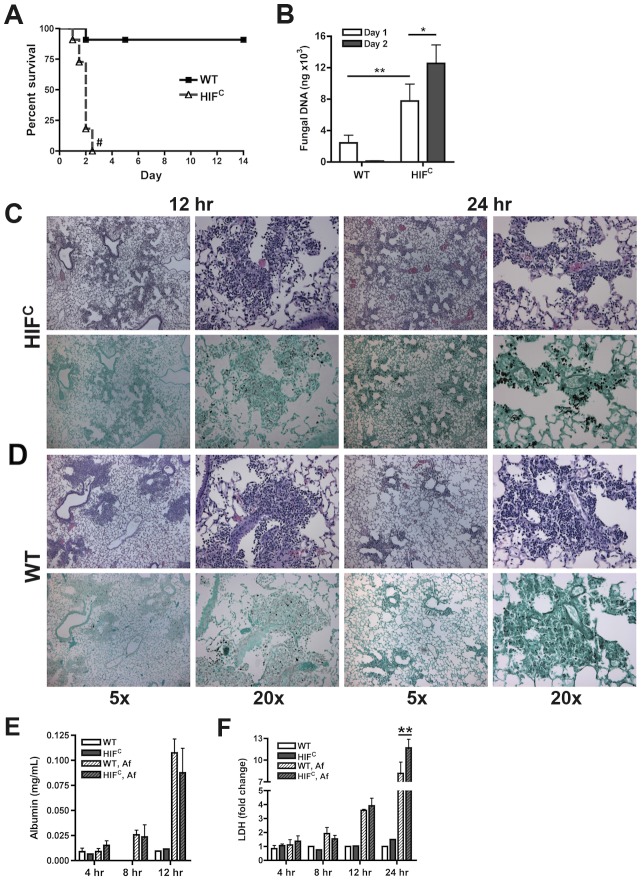
“fumigatus displayed severe IA characterized by substantial fungal proliferation that ultimately led to mortality [100].”
BackgroundInfluentialSelf-citationTargeting immunometabolism in host-directed therapies to fungal disease
Gonçalves, S. M., Ferreira, A. V., Cunha, C., & Carvalho, A. (2021) · Clinical & Experimental Immunology · doi:10.1093/cei/uxab014 · Cited by 16
“fumigatus [21] and the non-redundant role of HIF-1α in mouse models of aspergillosis [22].”
BackgroundAryl Hydrocarbon Receptor Agonism Antagonizes the Hypoxia-driven Inflammation in Cystic Fibrosis
Pariano, M., Puccetti, M., Stincardini, C., Napolioni, V., Gatticchi, L., Galarini, R., Renga, G., Barola, C., Bellet, M. M., D’Onofrio, F., et al. (2023) · American Journal of Respiratory Cell and Molecular Biology · doi:10.1165/rcmb.2022-0196oc · Cited by 14
Impact of HIF-1α and hypoxia on fungal growth characteristics and fungal immunity
Friedrich, D., Fecher, R. A., Rupp, J., & Deepe, G. S. (2016) · Microbes and Infection · doi:10.1016/j.micinf.2016.10.008 · Cited by 12
Yao, Y., Chen, Y., Sun, J., Zhang, H., Meng, Y., Li, W., & Wang, W. (2020) · Pathogens and Disease · doi:10.1093/femspd/ftaa038 · Cited by 12
Kaplan, B. L. F., Li, J., LaPres, J. J., Pruett, S. B., & Karmaus, P. W. F. (2015) · Toxicological Sciences · doi:10.1093/toxsci/kfv060 · Cited by 11
Multiple roles for hypoxia inducible factor 1-alpha in airway epithelial cells during mucormycosis
Kavaliauskas, P., Gu, Y., Hasin, N., Graf, K. T., Alqarihi, A., Shetty, A. C., McCracken, C. L., Walsh, T. J., Ibrahim, A. S., & Bruno, V. M. (2024) · Nature Communications · doi:10.1038/s41467-024-49637-8 · Cited by 11
Sensing the threat posed by Aspergillus infection
Obar, J. J. (2020) · Current Opinion in Microbiology · doi:10.1016/j.mib.2020.08.004 · Cited by 10
Self-citationSilva-Gomes, R., Caldeira, I., Fernandes, R., Cunha, C., & Carvalho, A. (2024) · Journal of Leukocyte Biology · doi:10.1093/jleuko/qiae045 · Cited by 10
Weikard, R., Demasius, W., Hadlich, F., & Kühn, C. (2015) · PLoS ONE · doi:10.1371/journal.pone.0136927 · Cited by 7
“HK1 phosphorylates glucose to produce glucose-6-phosphate, the first step in glycolysis, and HIF1A is a transcriptional factor known to control metabolism, survival and innate immunity in response to inflammation and oxygen deficiency [87] as well as to regulate glycolysis stimulation [88] and cellular reprogramming […”
BackgroundCould the Lung Be a Gateway for Amphotericin B to Attack the Army of Fungi?
Patricio, B. F. D. C., Pereira, J. O. D. S. L., Sarcinelli, M. A., de Moraes, B. P. T., Rocha, H. V. A., & Gonçalves-de-Albuquerque, C. F. (2022) · Pharmaceutics · doi:10.3390/pharmaceutics14122707 · Cited by 5
“The cross-talk between epithelia and phagocytes [40] plays a critical role in the inflammatory responses to Aspergillus [41].”
BackgroundHIF-1 as a Marker of Age-Related Diseases Associated with Tissue Hypoxia
Поправка, Е. С., Linkova, N. S., Trofimova, S., & Khavinson, V. K. (2018) · Biology Bulletin Reviews · doi:10.1134/s2079086418060075 · Cited by 5
“, 2013) and plays an important role in protection against pulmonary Aspergillus fumigates infection (Shepardson et al., 2014).”
BackgroundKottom, T. J., Schaefbauer, K. J., Carmona, E. M., & LIMPER, A. H. (2021) · Pathogens · doi:10.3390/pathogens10050569 · Cited by 5
“The absence of HIF-1A resulted in decreased proinflammatory cytokine response, greater mouse mortality, and reduced fungal clearance from the lung [22].”
Backgroundda Silva-Ferreira, S., Duarte‐Oliveira, C., Antunes, D., Barbosa-Matos, C., Mendes‐Frias, A., Torrado, E., Costa, S., Silvestre, R., Cunha, C., & Carvalho, A. (2022) · Frontiers in Cellular and Infection Microbiology · doi:10.3389/fcimb.2022.1005839 · Cited by 7
“Frontiers in Cellular and Infection Microbiology 02 ligand 1 (CXCL1) (Shepardson et al., 2014).”
BackgroundResultInfluentialSu, H., Yi, J., Tsui, C. K. M., Li, C., Zhu, J., Li, L., Zhang, Q., Zhu, Y., Xu, J., Zhu, M., et al. (2022) · Future Microbiology · doi:10.2217/fmb-2022-0050 · Cited by 4
Novel Host Pathways Govern Epithelial Cell Invasion of Aspergillus fumigatus
Liu, H., Shetty, A. C., Ibrahim, A. S., Filler, S. G., & Bruno, V. M. (2023) · Microbiology Spectrum · doi:10.1128/spectrum.00084-23 · Cited by 4
Role of Hypoxia-inducible factor 1α in host defense during pneumococcal pneumonia
Pereverzeva, L., Otto, N. A., Sengers, H. P., Roelofs, J. J. T. H., de Vos, A. F., & van der Poll, T. (2022) · Pathogens and Disease · doi:10.1093/femspd/ftac047 · Cited by 3
Adlakha, A., Williams, T. J., Shou, X., Reed, A. K., Lenhard, B., & Armstrong-James, D. P. H. (2024) · iScience · doi:10.1016/j.isci.2024.111535 · Cited by 2
Ku, D., & Oh, K. (2025) · Biomedicines · doi:10.3390/biomedicines14010065 · Cited by 2
“…that HIF signaling is closely associated with the expression of neutrophil-attracting CXC chemokines, including CXCL1 and CXCL2, in various tissues and pathological conditions, such as atherosclerosis [26], colitis-associated cancer [27], acute pancreatitis [28], and pulmonary infection [29].”
Yang, H., Liu, W., Da-wei, Z., Xu, Q., Lee, J., Sun, J., Xue, S., Sun, X., & Che, C. (2026) · The Ocular Surface · doi:10.1016/j.jtos.2026.01.005 · Cited by 3
Fungal Bioreporters to Monitor Outcomes of Aspergillus: Host–Cell Interactions
Shlezinger, N., Fites, J. S., Klein, B. S., & Hohl, T. M. (2021) · Methods in molecular biology · doi:10.1007/978-1-0716-1182-1_8 · Cited by 3
Self-citationPathogenesis of fungal infections
Ruiz‐Moyano, S., Nevado, F. P., Rodríguez, A., Córdoba, M. D. G., Martín, A., & Córdoba, J. J. (2024) · Elsevier eBooks · doi:10.1016/b978-0-12-818619-0.00124-6 · Cited by 4
IFN Receptor 2 Regulates TNF-α–Mediated Damaging Inflammation during Aspergillus Pulmonary Infection
Rynda‐Apple, A., Servin, J. R., Lenz, J., Roemer, J., Benson, E. E., Hall, M. N., & Shepardson, K. M. (2024) · The Journal of Immunology · doi:10.4049/jimmunol.2200686 · Cited by 2
Self-citationHIF-α signaling regulates the macrophage inflammatory response during Leishmania major infection
Fry, L., Washam, C. L., Roys, H., Bowlin, A. K., Venugopal, G., Bird, J. T., Byrum, S. D., & Weinkopff, T. (2025) · Frontiers in Immunology · doi:10.3389/fimmu.2025.1487311 · Cited by 4
Shou-he, L., Liu, W., Liu, T., Sun, Y., Xu, F., & Zhou, H. (2015) · Journal of Receptors and Signal Transduction · doi:10.3109/10799893.2015.1041648 · Cited by 2
“HIF is the mammalian transcriptional factor that controls metabolism, survival and innate immunity in response to inflammation and low oxygen (7).”
BackgroundYu, J., & Park, H.-S. (2018) · Faculty Opinions – Post-Publication Peer Review of the Biomedical Literature · doi:10.3410/f.732766538.793544105
Gaffen, S. L., & Richardson, J. (2018) · Faculty Opinions – Post-Publication Peer Review of the Biomedical Literature · doi:10.3410/f.732766538.793545163
Effects of Daphnetin on Experimental Acute Pancreatitis‐Associated Acute Lung Injury in Mice
Chen, T., Chen, O., Zhao, M., & chen, X. (2023) · Journal of Clinical Pharmacy and Therapeutics · doi:10.1155/2023/9822900
“HIF-1 α is involved in infammation and pulmonary vascular barrier dysfunction and plays an important role in ALI, innate immunity, and host defense [13, 51].”
Itaconate negatively regulates innate immunity during fungal pneumonia
Draper, T. E., Dhruva, P. M., Jones, M., McCarley, R., Bojanowski, C. M., & Steele, C. H. (2026) · mBio · doi:10.1128/mbio.01491-26
MUCOR-ADVANCE: Uniting multidisciplinary science to defeat a deadly fungus
Wurster, S., Stewart, A. G., Gu, Y., Youssef, E. G., John, T. M., Uppuluri, P., Chamilos, G., Filler, S., Bruno, V. M., Ibrahim, A. S., et al. (2026) · PLoS Pathogens · doi:10.1371/journal.ppat.1014736
“However, more preclinical evidence is needed in diverse host backgrounds, as HIF1 α may contribute to both protective immunity and hyperinflammation, and was required for protection in other pulmonary mold infection models [25].”
Metadata
- Authors
- Shepardson, K. M., Jhingran, A., Caffrey, A., Obar, J. J., Suratt, B. T., Berwin, B. L., Hohl, T. M., & Cramer, R. A.
- Affiliations
- Dartmouth College (US)
- Memorial Sloan Kettering Cancer Center (US)
- Montana State University (US)
- University of Vermont (US)
- Corresponding author
- Cramer, Robert A.
- ORCID
- Venue
- PLoS Pathogens
- Publisher
- Public Library of Science (PLoS)
- Published
- 2014-09-25
- Volume
- 10
- Issue
- 9
- Pages
- e1004378
- ISSN
- 1553-7366 (ISSN-L)
- 1553-7374
- PMC
- PMC4177996
- OpenAlex
- W2057524350
- Cited by
- 79
- References
- 84
- Citations by year
- 2026: 3 · 2025: 2 · 2024: 5 · 2023: 4 · 2022: 8 · 2021: 7 · 2020: 4 · 2019: 6 · 2018: 11 · 2017: 6 · 2016: 11 · 2015: 12
- FWCI
- 6.77
- Type
- journal article
- Language
- en
- Open access
- gold
- doi.org
- Locations
- PLoS Pathogens (publishedVersion, cc-by)
- PubMed Central (publishedVersion, cc-by)
- PubMed (publishedVersion)
- DOAJ (DOAJ: Directory of Open Access Journals) (submittedVersion, cc-by-sa)
- Figshare (submittedVersion, cc-by)
- Funders
- Howard Hughes Medical Institute
- Burroughs Wellcome Fund
- Dartmouth College (P30 CA023108)
- Montana State University
- National Institutes of Health (5t32dk007301-35, project 2, RR 020185)
- U.S. Public Health Service (AIR21105617)
- Norris Cotton Cancer Center (P30 CA023108)
- Audrey and Theodor Geisel School of Medicine at Dartmouth (P30 CA023108)
- National Cancer Institute (CA023108, P30CA023108)
- National Institute of General Medical Sciences (GM-103500, P30GM106394, P30GM103415, P20GM103500, GM103415)
- National Institute of Allergy and Infectious Diseases (R01 AI81838, R21AI105617, R01AI093808, R01AI081838, R37AI093808)
- National Institute of Diabetes and Digestive and Kidney Diseases (T32-DK007301, 2T32DK007301-31A2)
- National Center for Research Resources (P30RR032136, P20RR020185, RR 020185)
- Topics
- Health Sciences › Medicine › Infectious Diseases › Antifungal resistance and susceptibility
- Life Sciences › Biochemistry, Genetics and Molecular Biology › Molecular Biology › Fungal and yeast genetics research
- Life Sciences › Biochemistry, Genetics and Molecular Biology › Cancer Research › Cancer, Hypoxia, and Metabolism
- Keywords
- hypoxia-inducible factor-1α, Aspergillus fumigatus, pulmonary aspergillosis, myeloid cells, neutrophil apoptosis, CXCL1, chemokine signaling, triamcinolone, fungal clearance, immunosuppression
- MeSH terms
- Animals, Aspergillus fumigatus, Cell Movement, Cells, Cultured, Humans, Immunity, Innate, Immunoenzyme Techniques, Inflammation, Lung, Macrophages, Neutrophils, RNA, Messenger, Blotting, Western, Apoptosis, Reverse Transcriptase Polymerase Chain Reaction, Myeloid Cells, Cell Proliferation, Mice, Hypoxia-Inducible Factor 1, alpha Subunit, Chemokine CXCL1, Pulmonary Aspergillosis, Real-Time Polymerase Chain Reaction
About these checks
Registry, retraction, Cites and statistics results are computed, not judged, with one exception: a printed reference that no index lists is read once by a model before it counts as a citation error. Claims are extracted by a model and kept only when their quote appears verbatim in the text; each cited source is then checked, with a model’s help, for whether it says what the claim relies on. Those verdicts can be wrong — read the claim’s quote and the cited source before relying on one.
Statistics and arithmetic are recomputed, not judged.
Confidence bands are shown only for fields calibrated on our annotated test set. None is calibrated yet, so no band is shown.
What counts as a claim ›How we measure confidence ›How we check this ›
Are you an author, or do you see a problem with this page? Request a review
Data sources
Bibliographic data: Semantic Scholar, OpenAlex, Crossref.
Contains information from the Semantic Scholar Academic Graph Datasets, made available under the ODC Attribution License (ODC-BY 1.0).
Semantic Scholar’s data is described in: Kinney, R., et al. (2023). The Semantic Scholar Open Data Platform. arXiv:2301.10140.
