

Myeloid Derived Hypoxia Inducible Factor 1-alpha Is Required for Protection against Pulmonary Aspergillus fumigatus Infection
Open accessThe DOI matches its Crossref record; 84 of the 84 references it cites were found in a registry or an index.
Abstract
Hypoxia inducible factor 1α (HIF1α) is the mammalian transcriptional factor that controls metabolism, survival, and innate immunity in response to inflammation and low oxygen. Previous work established that generation of hypoxic microenvironments occurs within the lung during infection with the human fungal pathogen Aspergillus fumigatus. Here we demonstrate that A. fumigatus stabilizes HIF1α protein early after pulmonary challenge that is inhibited by treatment of mice with the steroid triamcinolone. Utilizing myeloid deficient HIF1α mice, we observed that HIF1α is required for survival and fungal clearance early following pulmonary challenge with A. fumigatus. Unlike previously reported research with bacterial pathogens, HIF1α deficient neutrophils and macrophages were surprisingly not defective in fungal conidial killing. The increase in susceptibility of the myeloid deficient HIF1α mice to A. fumigatus was in part due to decreased early production of the chemokine CXCL1 (KC) and increased neutrophil apoptosis at the site of infection, resulting in decreased neutrophil numbers in the lung. Addition of recombinant CXCL1 restored neutrophil survival and numbers, murine survival, and fungal clearance. These results suggest that there are unique HIF1α mediated mechanisms employed by the host for protection and defense against fungal pathogen growth and invasion in the lung. Additionally, this work supports the strategy of exploring HIF1α as a therapeutic target in specific immunosuppressed populations with fungal infections.
Overview
The claims and statistics of this paper haven’t been checked yet.
Free: it reads the open-access text and checks the first 5 claims that cite a source we can check. Create a free account to check every claim.
Integrity signals
Registry
Cites
Statistics
Figures
Verification
Claims the paper makes
The claims and statistics of this paper haven’t been checked yet.
Free: it reads the open-access text and checks the first 5 claims that cite a source we can check. Create a free account to check every claim.
Claims other papers make about this one
Each is checked against this paper’s own text: does it say what the citing paper says it does?
In the citing paper
“It is increasingly recognized that cross talk between epithelia and phagocytes (211) and cell-to-cell interactions between different phagocytes (e.g., inflammatory monocytes and neutrophils) play a critical role in fine-tuning inflammatory responses to Aspergillus and in resolving infection (196).”
From Aspergillus fumigatus and Aspergillosis in 2019 (2019) · cites this paper as [211]
In the citing paper
“Hypoxic fungal growth is under the control of the common hypoxia regulator Hif1α (211, 393), but it is also associated with other major cellular pathways, such as sterol and siderophore biosynthesis and mitochondrial respiration (357, 394–396).”
From Aspergillus fumigatus and Aspergillosis in 2019 (2019) · cites this paper as [211]
Self-check
Percentages, sums and reported differences re-computed from the paper’s own numbers.
The self-check needs the paper’s full text.
Citations
Cites
1 retracted
Mitochondrial Autophagy Is an HIF-1-dependent Adaptive Metabolic Response to Hypoxia
Zhang, H., Bosch-Marce, M., Shimoda, L. A., Tan, Y. S., Baek, J. H., Wesley, J. B., Gonzalez, F. J., & Semenza, G. L. (2008) · Journal of Biological Chemistry · doi:10.1074/jbc.m800102200 · Cited by 1,601 · cited 1×
“During inflammation, the absence of HIF1a in effector cells is characterized by depletion of ATP stores due to a failure to switch from oxidative to glycolytic metabolism, which also results in an increase in toxic levels of ROS [42].”
RetractedJaakkola, P., Mole, D. R., Tian, Y.-M., Wilson, M. I., Gielbert, J., Gaskell, S. J., Kriegsheim, A. V., Hebestreit, H. F., Mukherji, M., Schofield, C. J., et al. (2001) · Science · doi:10.1126/science.1059796 · Cited by 5,535
Hidden Killers: Human Fungal Infections
Brown, G. D., Denning, D. W., Gow, N. A. R., Levitz, S. M., Netea, M. G., & White, T. C. (2012) · Science Translational Medicine · doi:10.1126/scitranslmed.3004404 · Cited by 4,284 · cited 1×
“Invasive fungal infections continue to take a toll on human health with high mortality and morbidity rates and increasing frequency [1].”
A conserved family of prolyl-4-hydroxylases that modify HIF
Bruick, R. K., & McKnight, S. L. (2001) · Science · doi:10.1126/science.1066373 · Cited by 2,549 · cited 2×
“HIF1a is regulated by prolyl hydroxylase’s (PHD) through hydroxylation of its oxygen-dependent degradation domain and directs HIF1a for ubiquitin-dependent degradation by the von Hippel-Lindau (vHL) protein when oxygen is present [26,28].”
Auphan, N., DiDonato, J. A., Rosette, C., Helmberg, A., & Karin, M. (1995) · Science · doi:10.1126/science.270.5234.286 · Cited by 2,390
HIF-1α is essential for myeloid cell-mediated inflammation
Cramer, T., Yamanishi, Y., Clausen, B. E., Förster, I., Pawlinski, R., Mackman, N., Haase, V. H., Jaenisch, R., Corr, M., Nizet, V., et al. (2003) · Cell · doi:10.1016/s0092-8674(03)00154-5 · Cited by 2,046
Vascular Endothelial Growth Factor and Angiogenesis
Hoeben, A., Landuyt, B., Highley, M. S., Wildiers, H., Van Oosterom, A. T., & De Bruijn, E. A. (2004) · Pharmacological Reviews · doi:10.1124/pr.56.4.3 · Cited by 1,824 · cited 1×
“In addition, the release and sensing of VEGF in an autocrine and paracrine manner by monocytes, keratinocytes, and endothelial cells is required for wound healing responses to restore proper tissue homeostasis [75].”
NF-κB links innate immunity to the hypoxic response through transcriptional regulation of HIF-1α
Rius, J., Guma, M., Schachtrup, C., Akassoglou, K., Zinkernagel, A. S., Nizet, V., Johnson, R. S., Haddad, G. G., & Karin, M. (2008) · Nature · doi:10.1038/nature06905 · Cited by 1,614 · cited 2×
“Activation of HIF1a requires basal levels of NFkB and in turn, NFkB activation is controlled by hypoxic inactivation of PHDs [29,30].”
BackgroundAlveolar macrophages: plasticity in a tissue-specific context
Hussell, T., & Bell, T. J. (2014) · Nature Reviews Immunology · doi:10.1038/nri3600 · Cited by 1,377 · cited 1×
“As the phenotypes of innate cells differ between tissues within the host [60], it will be important to determine if the findings presented here occur with other pathogens such as the bacteria examined in the epidermal model that are also potent lung pathogens.”
Control of Cachectin (Tumor Necrosis Factor) Synthesis: Mechanisms of Endotoxin Resistance
Beutler, B., Krochin, N., Milsark, I. W., Luedke, C., & Cerami, A. (1986) · Science · doi:10.1126/science.3754653 · Cited by 1,268 · cited 1×
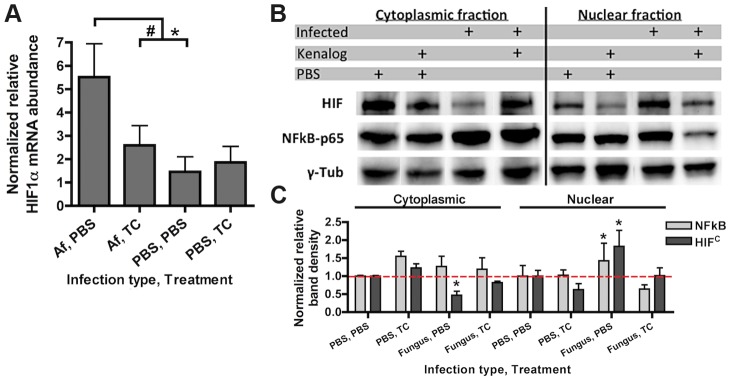
“Reductions in nuclear levels of the p65 subunit of NFkB in the corticosteroid treated mice were also observed, which has been reported previously, validating the chosen murine model (Figure 1B–C) [37,38].”
A CXCL1 Paracrine Network Links Cancer Chemoresistance and Metastasis
Acharyya, S., Oskarsson, T., Vanharanta, S., Malladi, S., Kim, J., Morris, P. G., Manova-Todorova, K., Leversha, M., Hogg, N., Seshan, V. E., et al. (2012) · Cell · doi:10.1016/j.cell.2012.04.042 · Cited by 1,085 · cited 1×
“Tumors are notorious for exploiting this mechanism to aid in their growth and metastasis, as demonstrated by increased tumor growth with the paracrine signaling of CXCL1 in breast cancer [76].”
Hypoxia-induced neutrophil survival is mediated by HIF-1α–dependent NF-κB activity
Walmsley, S. R., Print, C., Farahi, N., Peyssonnaux, C., Johnson, R. S., Cramer, T., Sobolewski, A., Condliffe, A. M., Cowburn, A. S., Johnson, N., et al. (2005) · The Journal of Experimental Medicine · doi:10.1084/jem.20040624 · Cited by 891
Interdependence of hypoxic and innate immune responses
Nizet, V., & Johnson, R. S. (2009) · Nature Reviews Immunology · doi:10.1038/nri2607 · Cited by 708 · cited 1×
“Once stabilized and in the nucleus, HIF1a binds to hypoxia response elements (HREs) of target hypoxia response genes including those involved in the processes of glucose metabolism, hypoxia, apoptosis, angiogenesis, and erythropoiesis [27].”
HIF-1α expression regulates the bactericidal capacity of phagocytes
Peyssonnaux, C., Datta, V., Cramer, T., Doedens, A., Theodorakis, E. A., Gallo, R. L., Hurtado-Ziola, N., Nizet, V., & Johnson, R. S. (2005) · Journal of Clinical Investigation · doi:10.1172/jci23865 · Cited by 702 · cited 7×
“In other pathogens, such as Group A Streptococcus and Staphylococcus aureus, presence and induction of HIF1a in myeloid cells, specifically macrophages and neutrophils, increases phagocytic activity and controls systemic spread of these pathogens [23,25].”
BackgroundResultInfluentialSegal, B. H. (2009) · New England Journal of Medicine · doi:10.1056/nejmra0808853 · Cited by 661
Neutrophil cell surface receptors and their intracellular signal transduction pathways
Futosi, K., Fodor, S., & Mócsai, A. (2013) · International Immunopharmacology · doi:10.1016/j.intimp.2013.06.034 · Cited by 642 · cited 1×
“Neutrophils sense and respond to these inflammatory signals through surface expressed G-protein coupled receptors, cytokine receptors, adhesions (selectins and integrins), Fc-receptors, and innate receptors (TLRs and C-type lectins) [15].”
Addison, C. L., Daniel, T. O., Burdick, M. D., Liu, H., Ehlert, J. E., Xue, Y. Y., Buechi, L., Walz, A., Richmond, A., & Strieter, R. M. (2000) · The Journal of Immunology · doi:10.4049/jimmunol.165.9.5269 · Cited by 575 · cited 1×
“In particular, the CXC chemokines defined by the amino acid sequence Glu-Leu-Arg (ELR) preceding the CXC motif, macrophage inflammatory protein 2 (MIP-2, murine CXCL2) and keratinocyte-derived chemokine (KC, murine CXCL1) are pivotal factors for neutrophil migration [14].”
Upton, A., Kirby, K. A., Carpenter, P., Boeckh, M., & Marr, K. A. (2007) · Clinical Infectious Diseases · doi:10.1086/510592 · Cited by 514 · cited 1×
“The persistence of sub-optimal IPA clinical outcomes is in part due to a less than optimal understanding of the Aspergillus-host interaction and toxicity associated with current antifungal drugs [3,4,5].”
Energy Metabolism of Human Neutrophils during Phagocytosis
Borregaard, N., & Herlin, T. (1982) · Journal of Clinical Investigation · doi:10.1172/jci110647 · Cited by 503 · cited 1×
“However, neutrophils rely strongly on glycolytic metabolism even though they have the capacity for aerobic respiration, supporting a major role for HIF1a in maintenance of normal neutrophil function [43].”
Campbell, E. L., Bruyninckx, W. J., Kelly, C. J., Glover, L. E., McNamee, E. N., Bowers, B. E., Bayless, A. J., Scully, M., Saeedi, B. J., Golden-Mason, L., et al. (2014) · Immunity · doi:10.1016/j.immuni.2013.11.020 · Cited by 476 · cited 2×
“At the sites of transmigration, the depletion of oxygen by neutrophils in response to either a pathogen or tissue injury, resulted in the stabilization of HIF1a, which was required for mucosal protection and inflammatory resolution [74].”
Bruns, S., Kniemeyer, O., Hasenberg, M., Aimanianda, V., Nietzsche, S., Thywißen, A., Jeron, A., Latgé, J.-P., Brakhage, A. A., & Gunzer, M. (2010) · PLoS Pathogens · doi:10.1371/journal.ppat.1000873 · Cited by 421 · cited 1×
“Once recruited to the lung and upon contact with hyphae, neutrophils induce degranulation, the respiratory burst, proteases, and antimicrobial peptides leading to both pathogen and host damage [9,19,20,21].”
Philippe, B., Ibrahim-Granet, O., Prévost, M. C., Gougerot-Pocidalo, M. A., Sanchez Perez, M., Van der Meeren, A., & Latgé, J. P. (2003) · Infection and Immunity · doi:10.1128/iai.71.6.3034-3042.2003 · Cited by 415 · cited 1×
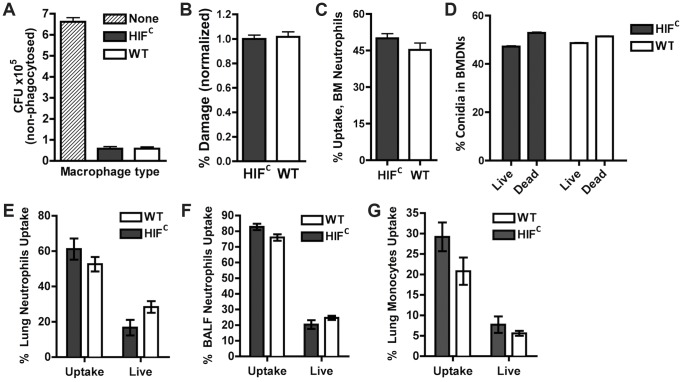
“fumigatus conidia was observed due to the known conidial susceptibility to reactive oxygen species [57,58].”
Hypoxia-Inducible Factors as Essential Regulators of Inflammation
Imtiyaz, H. Z., & Simon, M. C. (2010) · Current Topics in Microbiology and Immunology · doi:10.1007/82_2010_74 · Cited by 379 · cited 1×
“Once at the site of inflammation, the ability of neutrophils to remain metabolically competent in low oxygen inflammatory environments is dependent upon the induction of the glycolytic pathway directly regulated by HIF1a [64].”
Carroll, V. A., & Ashcroft, M. (2006) · Cancer Research · doi:10.1158/0008-5472.can-05-2519 · Cited by 352 · cited 1×
“Additionally, we cannot rule out that the ability to kill conidia may be due to a compensatory HIF2a mechanism, as it has distinct and overlapping biological roles with HIF1a [59].”
Neutrophil Migration Mechanisms, with an Emphasis on the Pulmonary Vasculature
Wagner, J. G., & Roth, R. A. (2000) · Pharmacological Reviews · doi:10.1016/s0031-6997(24)01456-x · Cited by 348 · cited 1×
“Margination is a prerequisite for neutrophil transendothelial migration (TEM) from the capillaries into pulmonary tissue [50].”
Willger, S. D., Puttikamonkul, S., Kim, K.-H., Burritt, J. B., Grahl, N., Metzler, L. J., Barbuch, R., Bard, M., Lawrence, C. B., & Cramer, R. A. (2008) · PLoS Pathogens · doi:10.1371/journal.ppat.1000200 · Cited by 345 · cited 1×
“The construct was ectopically inserted into the genome using the standard fungal protoplast transformation as previously described [80].”
Self-citationDoerschuk, C. M., Beyers, N., Coxson, H. O., Wiggs, B., & Hogg, J. C. (1993) · Journal of Applied Physiology · doi:10.1152/jappl.1993.74.6.3040 · Cited by 305 · cited 1×
“fumigatus, however, due to the increased percentage of neutrophils in the pulmonary capillary blood and the smaller size of the capillaries, the importance of integrin and selectin binding for pulmonary TEM to occur is debated [61,62,63].”
Role of TNF-alpha in pulmonary host defense in murine invasive aspergillosis.
Mehrad, B., Strieter, R. M., & Standiford, T. J. (1999) · PubMed · Cited by 264
Kong, T., Eltzschig, H. K., Karhausen, J., Colgan, S. P., & Shelley, C. S. (2004) · Proceedings of the National Academy of Sciences · doi:10.1073/pnas.0401339101 · Cited by 242 · cited 2×
“The defect in pulmonary neutrophil numbers in the HIF mice correlates to reduced chemotactic and survival signals Previous reports have identified a role for HIF1a in tissue adhesion, migration and invasion by neutrophils and macrophages at sites of infection and inflammation [22,49].”
BackgroundNegative regulation of nuclear factor-kappaB activation and function by glucocorticoids
Almawi, W., & Melemedjian, O. (2002) · Journal of Molecular Endocrinology · doi:10.1677/jme.0.0280069 · Cited by 242
Role of TNF-α in Pulmonary Host Defense in Murine Invasive Aspergillosis
Mehrad, B., Strieter, R. M., & Standiford, T. J. (1999) · The Journal of Immunology · doi:10.4049/jimmunol.162.3.1633 · Cited by 240
Mehrad, B., Strieter, R. M., Moore, T. A., Tsai, W. C., Lira, S. A., & Standiford, T. J. (1999) · The Journal of Immunology · doi:10.4049/jimmunol.163.11.6086 · Cited by 233 · cited 9×
“The persistence of sub-optimal IPA clinical outcomes is in part due to a less than optimal understanding of the Aspergillus-host interaction and toxicity associated with current antifungal drugs [3,4,5].”
InfluentialBalloy, V., Huerre, M., Latgé, J.-P., & Chignard, M. (2005) · Infection and Immunity · doi:10.1128/iai.73.1.494-503.2005 · Cited by 231 · cited 1×
“fumigatus [34].”
Nouailles, G., Dorhoi, A., Koch, M., Zerrahn, J., Weiner, J., Faé, K. C., Arrey, F., Kuhlmann, S., Bandermann, S., Loewe, D., et al. (2014) · Journal of Clinical Investigation · doi:10.1172/jci72030 · Cited by 220
Grahl, N., Puttikamonkul, S., Macdonald, J. M., Gamcsik, M. P., Ngo, L. Y., Hohl, T. M., & Cramer, R. A. (2011) · PLoS Pathogens · doi:10.1371/journal.ppat.1002145 · Cited by 217 · cited 3×
“Once recruited to the lung and upon contact with hyphae, neutrophils induce degranulation, the respiratory burst, proteases, and antimicrobial peptides leading to both pathogen and host damage [9,19,20,21].”
Self-citationAutophagy promotes survival of retinal ganglion cells after optic nerve axotomy in mice
Rodríguez-Muela, N., Germain, F., Mariño, G., Fitze, P. S., & Boya, P. (2012) · Cell Death & Differentiation · doi:10.1038/cdd.2011.88 · Cited by 216 · cited 2×
“In vivo neutrophils were quantified through analysis of BALF cytospins as previously described [45,46,47].”
Mircescu, M. M., Lipuma, L., van Rooijen, N., Pamer, E. G., & Hohl, T. M. (2009) · The Journal of Infectious Diseases · doi:10.1086/600380 · Cited by 216
Self-citationMurine CXCR1 Is a Functional Receptor for GCP-2/CXCL6 and Interleukin-8/CXCL8
Fan, X., Patera, A. C., Pong-Kennedy, A., Deno, G., Gonsiorek, W., Manfra, D. J., Vassileva, G., Zeng, M., Jackson, C., Sullivan, L., et al. (2007) · Journal of Biological Chemistry · doi:10.1074/jbc.m607705200 · Cited by 204
Acquired antifungal drug resistance in Aspergillus fumigatus:epidemiology and detection
Howard, S. J., & Arendrup, M. C. (2011) · Medical Mycology · doi:10.3109/13693786.2010.508469 · Cited by 199 · cited 1×
“The persistence of sub-optimal IPA clinical outcomes is in part due to a less than optimal understanding of the Aspergillus-host interaction and toxicity associated with current antifungal drugs [3,4,5].”
Diamond, R. D., & Clark, R. A. (1982) · Infection and Immunity · doi:10.1128/iai.38.2.487-495.1982 · Cited by 194 · cited 1×
“Once recruited to the lung and upon contact with hyphae, neutrophils induce degranulation, the respiratory burst, proteases, and antimicrobial peptides leading to both pathogen and host damage [9,19,20,21].”
LeibundGut-Landmann, S., Wüthrich, M., & Hohl, T. M. (2012) · Current Opinion in Immunology · doi:10.1016/j.coi.2012.04.007 · Cited by 185
Self-citationBonnett, C. R., Cornish, E. J., Harmsen, A. G., & Burritt, J. B. (2006) · Infection and Immunity · doi:10.1128/iai.00909-06 · Cited by 174 · cited 4×
“The timing and magnitude of neutrophil recruitment is pivotal for fungal clearance as a small delay in arrival leads to disease susceptibility [9,10].”
InfluentialLoukinova, E., Dong, G., Enamorado-Ayalya, I., Thomas, G. R., Chen, Z., Schreiber, H., & Van Waes, C. (2000) · Oncogene · doi:10.1038/sj.onc.1203687 · Cited by 172 · cited 1×
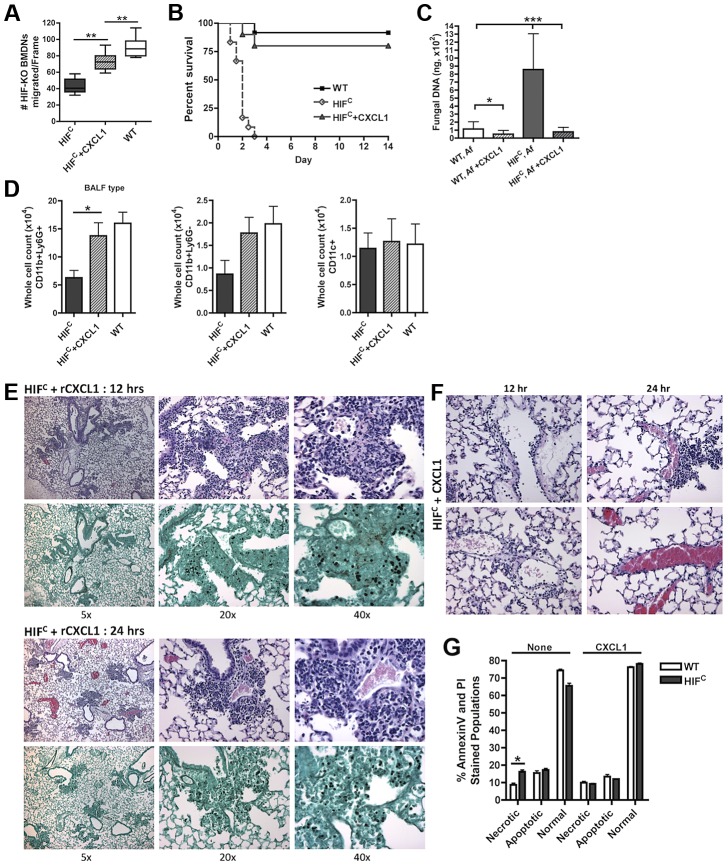
“Due to the ability of CXCL1 to reduce the apoptotic phenotype of the HIF neutrophils, we hypothesize that the HIFinduced CXCL1 responses are not only required for chemotaxis of neutrophils, but also partially involved in inhibiting apoptosis during infection, perhaps consistent with the known angiogenic responses auto…”
BackgroundInflammatory Monocytes Orchestrate Innate Antifungal Immunity in the Lung
Espinosa, V., Jhingran, A., Dutta, O., Kasahara, S., Donnelly, R., Du, P., Rosenfeld, J., Leiner, I., Chen, C.-C., Ron, Y., et al. (2014) · PLoS Pathogens · doi:10.1371/journal.ppat.1003940 · Cited by 169 · cited 2×
“fumigatus lung infection is the timing and recruitment of neutrophils into the lung [8,9,41].”
Self-citationHaslett, C., Worthen, G. S., Giclas, P. C., Morrison, D. C., Henson, J. E., & Henson, P. M. (1987) · American Review of Respiratory Disease · doi:10.1164/ajrccm/136.1.9 · Cited by 159 · cited 1×
“There is much controversy as to the requirement for selectin-mediated rolling in order for TEM to occur, but chemokine production due to stimulation from foreign agents is known to increase margination and TEM [51,52].”
BackgroundFitzpatrick, S. F., Tambuwala, M. M., Bruning, U., Schaible, B., Scholz, C. C., Byrne, A., O’Connor, A., Gallagher, W. M., Lenihan, C. R., Garvey, J. F., et al. (2011) · The Journal of Immunology · doi:10.4049/jimmunol.1002256 · Cited by 156
Scortegagna, M., Cataisson, C., Martin, R. J., Hicklin, D. J., Schreiber, R. D., Yuspa, S. H., & Arbeit, J. M. (2008) · Blood · doi:10.1182/blood-2007-10-115758 · Cited by 151 · cited 1×
“This is based on previous demonstration that amplification of CXCL1 levels occurred only in epithelial cells that had constitutively active HIF1a over NFkB activation alone [71].”
BackgroundInhibition of Murine Neutrophil Recruitment In Vivo by CXC Chemokine Receptor Antagonists
McColl, S. R., & Clark-Lewis, I. (1999) · The Journal of Immunology · doi:10.4049/jimmunol.163.5.2829 · Cited by 149 · cited 9×
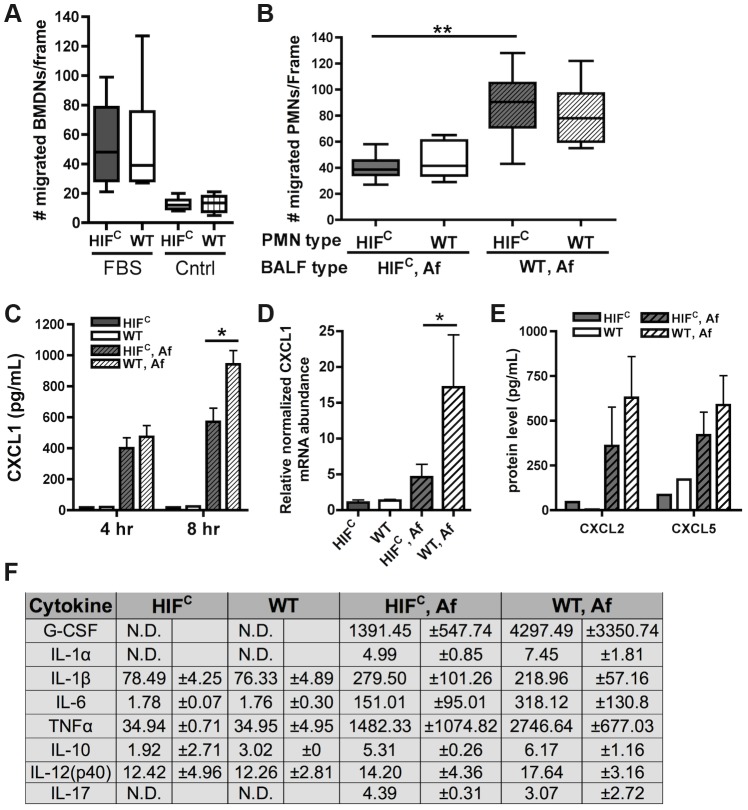
“Importantly, the production of CXCL2 [53] and CXCL5 [54], other neutrophil chemokines detected by CXCR2, was not different between the WT and HIF inoculated mice (Figure 6E).”
InfluentialSaverymuttu, S. H., Peters, A. M., Keshavarzian, A., Reavy, H. J., & Lavender, J. P. (1985) · British Journal of Haematology · doi:10.1111/j.1365-2141.1985.tb02882.x · Cited by 126 · cited 1×
“fumigatus, however, due to the increased percentage of neutrophils in the pulmonary capillary blood and the smaller size of the capillaries, the importance of integrin and selectin binding for pulmonary TEM to occur is debated [61,62,63].”
Cramer, T., & Johnson, R. S. (2003) · Cell Cycle · doi:10.4161/cc.2.3.402 · Cited by 124 · cited 2×
“For example, HIF1a is critical for regulating bactericidal activity of phagocytes against Group B Streptococcus [31].”
Jhingran, A., Mar, K. B., Kumasaka, D. K., Knoblaugh, S. E., Ngo, L. Y., Segal, B. H., Iwakura, Y., Lowell, C. A., Hamerman, J. A., Lin, X., et al. (2012) · Cell Reports · doi:10.1016/j.celrep.2012.10.026 · Cited by 123 · cited 2×
“Generation of FLARE was done as previously described in [40] using Biotin conjugated AF633-streptavidin or Biotin conjugated BilliantViolet421-streptavidin (BV421) (BioLegend).”
Self-citationDuong, M., Ouellet, N., Simard, M., Bergeron, Y., Olivier, M., & Bergeron, M. G. (1998) · The Journal of Infectious Diseases · doi:10.1086/314425 · Cited by 120 · cited 1×
“Alveolar macrophages, likely the first leukocyte exposed to conidia within the lung, induce the expression of proinflammatory cytokines, such as TNF, IL-1a/b, IL-6, GM-CSF, CXCL2, and CXCL1 in response to engagement of fungal PAMPs by macrophage PRRs such as toll-like receptors (TLRs) and dectin-1 [11,12,13].”
Ben-Ami, R., Lewis, R. E., Leventakos, K., & Kontoyiannis, D. P. (2009) · Blood · doi:10.1182/blood-2009-07-231209 · Cited by 120 · cited 1×
“fumigatus in murine models of IA [32].”
Lionakis, M. S., Fischer, B. G., Lim, J. K., Swamydas, M., Wan, W., Richard Lee, C.-C., Cohen, J. I., Scheinberg, P., Gao, J.-L., & Murphy, P. M. (2012) · PLoS Pathogens · doi:10.1371/journal.ppat.1002865 · Cited by 118 · cited 2×
“Though our data strongly support a major role for the neutrophil chemoattractant CXCL1 in mediating the HIFC phenotype, other neutrophil chemoattractants/receptors that are known to be involved in neutrophil recruitment during various lung infections may be involved in the HIF1a phenotype including CCL3-CCL6-/CCR1 [66…”
Okumura, C. Y. M., Hollands, A., Tran, D. N., Olson, J., Dahesh, S., von Köckritz-Blickwede, M., Thienphrapa, W., Corle, C., Jeung, S. N., Kotsakis, A., et al. (2012) · Journal of Molecular Medicine · doi:10.1007/s00109-012-0882-3 · Cited by 115 · cited 1×
“The success of HIF1a agonists in the context of bacterial skin infections is promising in this regard [23,25,79].”
Ridger, V. C., Wagner, B. E., Wallace, W. A. H., & Hellewell, P. G. (2001) · The Journal of Immunology · doi:10.4049/jimmunol.166.5.3484 · Cited by 109 · cited 2×
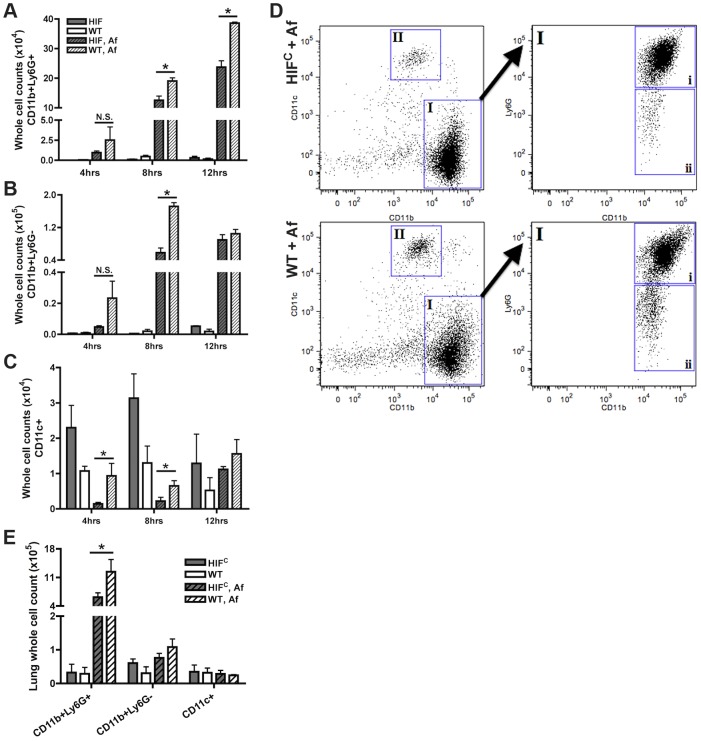
“fold increases in neutrophil recruitment over PBS treatment, respectively [56].”
Immunotherapy for Fungal Infections
Segal, B. H., Kwon-Chung, J., Walsh, T. J., Klein, B. S., Battiwalla, M., Almyroudis, N. G., Holland, S. M., & Romani, L. (2006) · Clinical Infectious Diseases · doi:10.1086/499811 · Cited by 109 · cited 1×
“improvement is focused on identification of new antifungal drug targets and compounds, a complementary and important area of investigation is discovering therapies that improve host defense in immunocompromised patients [6].”
Doerschuk, C. M. (1992) · American Journal of Respiratory Cell and Molecular Biology · doi:10.1165/ajrcmb/7.2.140 · Cited by 105 · cited 3×
“This may partially account for the decreased margination observed in the HIFC mice challenged with A. fumigatus, however, due to the increased percentage of neutrophils in the pulmonary capillary blood and the smaller size of the capillaries, the importance of integrin and selectin binding for pulmonary TEM to occur i…”
Trends in invasive fungal infections, with emphasis on invasive aspergillosis
Erjavec, Z., Kluin‐Nelemans, H. C., & Verweij, P. E. (2009) · Clinical Microbiology and Infection · doi:10.1111/j.1469-0691.2009.02929.x · Cited by 103 · cited 1×
“The persistence of sub-optimal IPA clinical outcomes is in part due to a less than optimal understanding of the Aspergillus-host interaction and toxicity associated with current antifungal drugs [3,4,5].”
Ohmori, Y., Fukumoto, S., & Hamilton, T. A. (1995) · The Journal of Immunology · doi:10.4049/jimmunol.155.7.3593 · Cited by 100 · cited 1×
“(A) Nucleotide sequence from the mouse CXCL1/KC gene containing the 50flanking region with ,480 nucelotides from the indicated transcriptional start site [70,83].”
Garcia, C. C., Weston-Davies, W., Russo, R. C., Tavares, L. P., Rachid, M. A., Alves-Filho, J. C., Machado, A. V., Ryffel, B., Nunn, M. A., & Teixeira, M. M. (2013) · PLoS ONE · doi:10.1371/journal.pone.0064443 · Cited by 100 · cited 2×
“Though our data strongly support a major role for the neutrophil chemoattractant CXCL1 in mediating the HIFC phenotype, other neutrophil chemoattractants/receptors that are known to be involved in neutrophil recruitment during various lung infections may be involved in the HIF1a phenotype including CCL3-CCL6-/CCR1 [66…”
Chlamydia pneumoniae directly interferes with HIF-1α stabilization in human host cells
Rupp, J., Gieffers, J., Klinger, M., van Zandbergen, G., Wrase, R., Maass, M., Solbach, W., Deiwick, J., & Hellwig-Burgel, T. (2007) · Cellular Microbiology · doi:10.1111/j.1462-5822.2007.00948.x · Cited by 95 · cited 1×
“Studies have implicated a role for hypoxia inducible factor 1 (HIF1a), a major regulator of the mammalian response to hypoxia, in the regulation of inflammation and host defense responses to microbial pathogens [22,23,24,25].”
BackgroundLoos, B., Genade, S., Ellis, B., Lochner, A., & Engelbrecht, A. (2011) · Experimental Cell Research · doi:10.1016/j.yexcr.2011.03.011 · Cited by 87 · cited 2×
“In vivo neutrophils were quantified through analysis of BALF cytospins as previously described [45,46,47].”
Zinkernagel, A. S., Peyssonnaux, C., Johnson, R. S., & Nizet, V. (2008) · The Journal of Infectious Diseases · doi:10.1086/524843 · Cited by 83 · cited 6×
“In other pathogens, such as Group A Streptococcus and Staphylococcus aureus, presence and induction of HIF1a in myeloid cells, specifically macrophages and neutrophils, increases phagocytic activity and controls systemic spread of these pathogens [23,25].”
BackgroundResultInfluentialGrimm, M. J., Vethanayagam, R. R., Almyroudis, N. G., Dennis, C. G., Khan, A. N. H., D’Auria, A. C., Singel, K. L., Davidson, B. A., Knight, P. R., Blackwell, T. S., et al. (2013) · The Journal of Immunology · doi:10.4049/jimmunol.1202800 · Cited by 81 · cited 1×
“fumigatus conidia was observed due to the known conidial susceptibility to reactive oxygen species [57,58].”
Self-citationGarcia, C. C., Russo, R. C., Guabiraba, R., Fagundes, C. T., Polidoro, R. B., Tavares, L. P., Salgado, A. P. C., Cassali, G. D., Sousa, L. P., Machado, A. V., et al. (2010) · PLoS Pathogens · doi:10.1371/journal.ppat.1001171 · Cited by 80 · cited 7×
“The persistence of sub-optimal IPA clinical outcomes is in part due to a less than optimal understanding of the Aspergillus-host interaction and toxicity associated with current antifungal drugs [3,4,5].”
InfluentialJust How Big is the Pulmonary Granulocyte Pool?
Peters, A. M. (1998) · Clinical Science · doi:10.1042/cs0940007 · Cited by 78 · cited 1×
“fumigatus, however, due to the increased percentage of neutrophils in the pulmonary capillary blood and the smaller size of the capillaries, the importance of integrin and selectin binding for pulmonary TEM to occur is debated [61,62,63].”
Hypoxia enhances innate immune activation to Aspergillus fumigatus through cell wall modulation
Shepardson, K. M., Ngo, L. Y., Aimanianda, V., Latgé, J.-P., Barker, B. M., Blosser, S. J., Iwakura, Y., Hohl, T. M., & Cramer, R. A. (2013) · Microbes and Infection · doi:10.1016/j.micinf.2012.11.010 · Cited by 75 · cited 2×
“The lungs were stained as previously described in [21,82] with a rabbit polyclonal antibody to Aspergillus (Abcam Inc.”
Self-citationBerger, E. A., McClellan, S. A., Vistisen, K. S., & Hazlett, L. D. (2013) · PLoS Pathogens · doi:10.1371/journal.ppat.1003457 · Cited by 74
Transient Lung-Specific Expression of the Chemokine KC Improves Outcome in Invasive Aspergillosis
Mehrad, B., Wiekowski, M., Morrison, B. E., Chen, S.-C., Coronel, E. C., Manfra, D. J., & Lira, S. A. (2002) · American Journal of Respiratory and Critical Care Medicine · doi:10.1164/rccm.200204-367oc · Cited by 71 · cited 3×
“Mice deficient in CXCR2 (ligands CXCL1 (KC), CXCL2 (MIP2), CXCL5 (LIX)) develop invasive aspergillosis resulting from delayed neutrophil influx that allows conidial germination [10,55].”
Gaber, T., Schellmann, S., Erekul, K. B., Fangradt, M., Tykwinska, K., Hahne, M., Maschmeyer, P., Wagegg, M., Stahn, C., Kolar, P., et al. (2011) · The Journal of Immunology · doi:10.4049/jimmunol.0903421 · Cited by 70
Batra, S., Cai, S., Balamayooran, G., & Jeyaseelan, S. (2012) · The Journal of Immunology · doi:10.4049/jimmunol.1101985 · Cited by 67 · cited 2×
“Though our data strongly support a major role for the neutrophil chemoattractant CXCL1 in mediating the HIFC phenotype, other neutrophil chemoattractants/receptors that are known to be involved in neutrophil recruitment during various lung infections may be involved in the HIF1a phenotype including CCL3-CCL6-/CCR1 [66…”
Phagocyte responses towards Aspergillus fumigatus
Hasenberg, M., Behnsen, J., Krappmann, S., Brakhage, A. A., & Gunzer, M. (2011) · International Journal of Medical Microbiology · doi:10.1016/j.ijmm.2011.04.012 · Cited by 64 · cited 8×
“The persistence of sub-optimal IPA clinical outcomes is in part due to a less than optimal understanding of the Aspergillus-host interaction and toxicity associated with current antifungal drugs [3,4,5].”
InfluentialLi, H., Barker, B. M., Grahl, N., Puttikamonkul, S., Bell, J. D., Craven, K. D., & Cramer, R. A. (2011) · Eukaryotic Cell · doi:10.1128/ec.00288-10 · Cited by 55 · cited 2×
“Quantitative PCR was performed as described previously [39].”
Self-citationMahankali, M., Peng, H.-J., Cox, D., & Gomez-Cambronero, J. (2011) · Cellular Signalling · doi:10.1016/j.cellsig.2011.03.010 · Cited by 45 · cited 1×
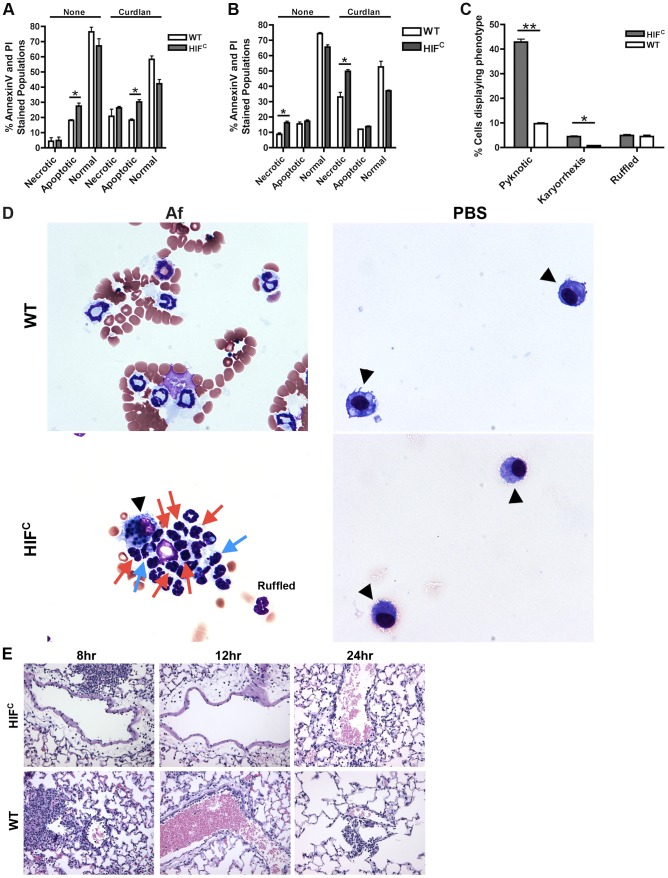
“There was no difference in the number of wild-type and HIF neutrophils with ruffled membranes, a marker of neutrophil activation (Figure 5C–D) [48].”
Pivotal Role of the 5-Lipoxygenase Pathway in Lung Injury after Experimental Sepsis
Monteiro, A. P. T., Soledade, E., Pinheiro, C. S., Dellatorre‐Teixeira, L., Oliveira, G. P., Oliveira, M. G., Peters-Golden, M. L., Rocco, P. R. M., Benjamim, C. F., & Canetti, C. D. A. (2013) · American Journal of Respiratory Cell and Molecular Biology · doi:10.1165/rcmb.2012-0525oc · Cited by 41 · cited 2×
“Though our data strongly support a major role for the neutrophil chemoattractant CXCL1 in mediating the HIFC phenotype, other neutrophil chemoattractants/receptors that are known to be involved in neutrophil recruitment during various lung infections may be involved in the HIF1a phenotype including CCL3-CCL6-/CCR1 [66…”
Cramer, R. A., & Lawrence, C. B. (2003) · Applied and Environmental Microbiology · doi:10.1128/aem.69.4.2361-2364.2003 · Cited by 41 · cited 1×
“Copy number was confirmed by Southern analysis with the digoxigenin labeling system (Roche Molecular Biochemicals, Mannheim, Germany) as previously described [81].”
Self-citationA new and clinically relevant murine model of solid-organ transplant aspergillosis
Herbst, S., Shah, A., Carby, M., Chusney, G., Kikkeri, N., Dorling, A., Bignell, E., Shaunak, S., & Armstrong-James, D. (2013) · Disease Models & Mechanisms · doi:10.1242/dmm.010330 · Cited by 40 · cited 1×
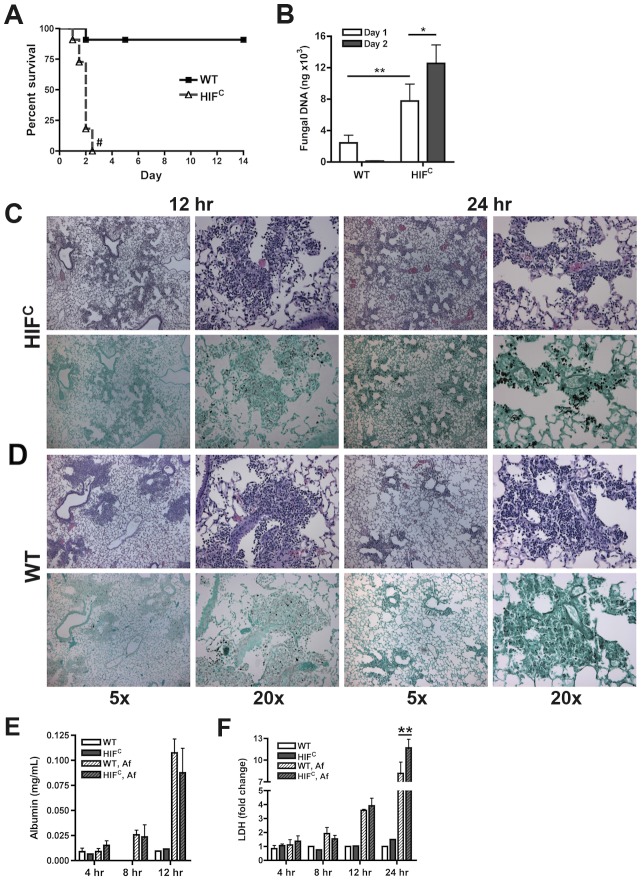
“fumigatus challenge [78] further supporting a role for HIF1a in steroid induced IPA susceptibility.”
Production of chemokine CXCL1/KC by okadaic acid through the nuclear factor-κB pathway
Feng, G., Ohmori, Y., & Chang, P. (2005) · Carcinogenesis · doi:10.1093/carcin/bgi174 · Cited by 39 · cited 2×
“Downstream of pathogen recognition, regulation of CXCL1 transcription through NFkB is a known mechanism for CXCL1 induction in response to inflammation [70].”
BackgroundMethodGolan, M., & Mabjeesh, N. J. (2013) · Cell Cycle · doi:10.4161/cc.25379 · Cited by 37
Antibody-antigen interaction in the airway drives early granulocyte recruitment through BLT1
Medoff, B. D., Tager, A. M., Jackobek, R., Means, T. K., Wang, L., & Luster, A. D. (2005) · American Journal of Physiology-Lung Cellular and Molecular Physiology · doi:10.1152/ajplung.00212.2005 · Cited by 36 · cited 7×
“The persistence of sub-optimal IPA clinical outcomes is in part due to a less than optimal understanding of the Aspergillus-host interaction and toxicity associated with current antifungal drugs [3,4,5].”
InfluentialThe chemokine KC regulates HGF-stimulated epithelial cell morphogenesis
Ueland, J. M., Gwira, J. A., Liu, Z., & Cantley, L. G. (2004) · American Journal of Physiology-Renal Physiology · doi:10.1152/ajprenal.00289.2003 · Cited by 26 · cited 1×
“Due to the ability of CXCL1 to reduce the apoptotic phenotype of the HIF neutrophils, we hypothesize that the HIFinduced CXCL1 responses are not only required for chemotaxis of neutrophils, but also partially involved in inhibiting apoptosis during infection, perhaps consistent with the known angiogenic responses auto…”
Eggleton, P., Harries, L. W., Alberigo, G., Wordsworth, B. P., Viner, N. J., Haigh, R. C., Donnelly, S., Jones, H. W., Chikanza, I. C., O’Conner, T. W. E., et al. (2010) · Journal of Clinical Immunology · doi:10.1007/s10875-010-9429-y · Cited by 19 · cited 2×
“In vivo neutrophils were quantified through analysis of BALF cytospins as previously described [45,46,47].”
Woelk, C. H., Zhang, J. X., Walls, L., Viriyakosol, S., Singhania, A., Kirkland, T. N., & Fierer, J. (2012) · BMC Microbiology · doi:10.1186/1471-2180-12-218 · Cited by 18 · cited 1×
“More recently, pulmonary HIF1a mRNA levels were observed to increase in response to the human fungal pathogen Coccidioides immitis [33].”
Cited by
Aspergillus fumigatus and Aspergillosis in 2019
Latgé, J.-P., & Chamilos, G. (2019) · Clinical Microbiology Reviews · doi:10.1128/cmr.00140-18 · Cited by 1,400
Iron in infection and immunity
Nairz, M., & Weiss, G. (2020) · Molecular Aspects of Medicine · doi:10.1016/j.mam.2020.100864 · Cited by 359
Aspergillus fumigatus and aspergillosis: From basics to clinics
Arastehfar, A., Carvalho, A., Houbraken, J., Lombardi, L., Garcia-Rubio, R., Jenks, J. D., Rivero-Menendez, O., Aljohani, R., Jacobsen, I. D., Berman, J., et al. (2021) · Studies in Mycology · doi:10.1016/j.simyco.2021.100115 · Cited by 241
Recognition of DHN-melanin by a C-type lectin receptor is required for immunity to Aspergillus
Stappers, M. H. T., Clark, A. E., Aimanianda, V., Bidula, S., Reid, D. M., Asamaphan, P., Hardison, S. E., Dambuza, I. M., Valsecchi, I., Kerscher, B., et al. (2018) · Nature · doi:10.1038/nature25974 · Cited by 200
Hypoxia-inducible factors: key regulators of myeloid cells during inflammation
Lin, N., & Simon, M. C. (2016) · Journal of Clinical Investigation · doi:10.1172/jci84426 · Cited by 170
“These phenotypes can be partly attributed to decreased production of CXCL1 and increased neutrophil apoptosis (148).”
Background
Metadata
- Authors
- Shepardson, K. M., Jhingran, A., Caffrey, A., Obar, J. J., Suratt, B. T., Berwin, B. L., Hohl, T. M., & Cramer, R. A.
- Affiliations
- Dartmouth College (US)
- Memorial Sloan Kettering Cancer Center (US)
- Montana State University (US)
- University of Vermont (US)
- Corresponding author
- Cramer, Robert A.
- ORCID
- Venue
- PLoS Pathogens
- Publisher
- Public Library of Science (PLoS)
- Published
- 2014-09-25
- Volume
- 10
- Issue
- 9
- Pages
- e1004378
- ISSN
- 1553-7366 (ISSN-L)
- 1553-7374
- PMC
- PMC4177996
- OpenAlex
- W2057524350
- Cited by
- 79
- References
- 84
- Citations by year
- 2026: 3 · 2025: 2 · 2024: 5 · 2023: 4 · 2022: 8 · 2021: 7 · 2020: 4 · 2019: 6 · 2018: 11 · 2017: 6 · 2016: 11 · 2015: 12
- FWCI
- 6.77
- Type
- journal article
- Language
- en
- Open access
- gold
- doi.org
- Locations
- PLoS Pathogens (publishedVersion, cc-by)
- PubMed Central (publishedVersion, cc-by)
- PubMed (publishedVersion)
- DOAJ (DOAJ: Directory of Open Access Journals) (submittedVersion, cc-by-sa)
- Figshare (submittedVersion, cc-by)
- Funders
- Howard Hughes Medical Institute
- Burroughs Wellcome Fund
- Dartmouth College (P30 CA023108)
- Montana State University
- National Institutes of Health (5t32dk007301-35, project 2, RR 020185)
- U.S. Public Health Service (AIR21105617)
- Norris Cotton Cancer Center (P30 CA023108)
- Audrey and Theodor Geisel School of Medicine at Dartmouth (P30 CA023108)
- National Cancer Institute (CA023108, P30CA023108)
- National Institute of General Medical Sciences (GM-103500, P30GM106394, P30GM103415, P20GM103500, GM103415)
- National Institute of Allergy and Infectious Diseases (R01 AI81838, R21AI105617, R01AI093808, R01AI081838, R37AI093808)
- National Institute of Diabetes and Digestive and Kidney Diseases (T32-DK007301, 2T32DK007301-31A2)
- National Center for Research Resources (P30RR032136, P20RR020185, RR 020185)
- Topics
- Health Sciences › Medicine › Infectious Diseases › Antifungal resistance and susceptibility
- Life Sciences › Biochemistry, Genetics and Molecular Biology › Molecular Biology › Fungal and yeast genetics research
- Life Sciences › Biochemistry, Genetics and Molecular Biology › Cancer Research › Cancer, Hypoxia, and Metabolism
- Keywords
- hypoxia-inducible factor-1α, Aspergillus fumigatus, pulmonary aspergillosis, myeloid cells, neutrophil apoptosis, CXCL1, chemokine signaling, triamcinolone, fungal clearance, immunosuppression
- MeSH terms
- Animals, Aspergillus fumigatus, Cell Movement, Cells, Cultured, Humans, Immunity, Innate, Immunoenzyme Techniques, Inflammation, Lung, Macrophages, Neutrophils, RNA, Messenger, Blotting, Western, Apoptosis, Reverse Transcriptase Polymerase Chain Reaction, Myeloid Cells, Cell Proliferation, Mice, Hypoxia-Inducible Factor 1, alpha Subunit, Chemokine CXCL1, Pulmonary Aspergillosis, Real-Time Polymerase Chain Reaction
About these checks
Registry, retraction, Cites and statistics results are computed, not judged, with one exception: a printed reference that no index lists is read once by a model before it counts as a citation error. Claims are extracted by a model and kept only when their quote appears verbatim in the text; each cited source is then checked, with a model’s help, for whether it says what the claim relies on. Those verdicts can be wrong — read the claim’s quote and the cited source before relying on one.
Statistics and arithmetic are recomputed, not judged.
Confidence bands are shown only for fields calibrated on our annotated test set. None is calibrated yet, so no band is shown.
What counts as a claim ›How we measure confidence ›How we check this ›
Are you an author, or do you see a problem with this page? Request a review
Data sources
Bibliographic data: Semantic Scholar, OpenAlex, Crossref.
Contains information from the Semantic Scholar Academic Graph Datasets, made available under the ODC Attribution License (ODC-BY 1.0).
Semantic Scholar’s data is described in: Kinney, R., et al. (2023). The Semantic Scholar Open Data Platform. arXiv:2301.10140.
