

The public health issue of antibiotic residues in food and feed: Causes, consequences, and potential solutions
Open accessThe DOI matches its Crossref record; 89 of the 89 references it cites were found in a registry or an index.
Abstract
Antibiotics are among the essential veterinary medicine compounds associated with animal feed and food animal production. The use of antibiotics for the treatment of bacterial infections is almost unavoidable, with less need to demonstrate their importance. Although banned as a growth factor for a few years, their use in animals can add residues in foodstuffs, presenting several environmental, technological, animal health, and consumer health risks. With regard to human health risks, antibiotic residues induce and accelerate antibiotic resistance development, promote the transfer of antibiotic-resistant bacteria to humans, cause allergies (penicillin), and induce other severe pathologies, such as cancers (sulfamethazine, oxytetracycline, and furazolidone), anaphylactic shock, nephropathy (gentamicin), bone marrow toxicity, mutagenic effects, and reproductive disorders (chloramphenicol). Antibiotic resistance, which has excessively increased over the years, is one of the adverse consequences of this phenomenon, constituting a severe public health issue, thus requiring the regulation of antibiotics in all areas, including animal breeding. This review discusses the common use of antibiotics in agriculture and antibiotic residues in food/feed. In-depth, we discussed the detection techniques of antibiotic residues, potential consequences on the environment and animal health, the technological transformation processes and impacts on consumer health, and recommendations to mitigate this situation.
Overview
The claims and statistics of this paper haven’t been checked yet.
Free: it reads the open-access text and checks the first 5 claims that cite a source we can check. Create a free account to check every claim.
Integrity signals
Registry
Cites
Statistics
Figures
Verification
Claims the paper makes
The claims and statistics of this paper haven’t been checked yet.
Free: it reads the open-access text and checks the first 5 claims that cite a source we can check. Create a free account to check every claim.
Claims other papers make about this one
Each is checked against this paper’s own text: does it say what the citing paper says it does?
The check wasn’t confident either way, so it gives no verdict — never disputed.
In the citing paper
“A few studies that did not use organic solvents applied sol vents that have been shown to be either toxic or nonbiodegradable, such as a surfactant (sodium dodecyl sulfate) (56) and ionic liquid (1-hexyl-3-methylimidazo lium hexafluorophosphate) (33,37).”
From Evaluating the green credentials and performance of deep eutectic solvents in the extraction of antibiotics and mycotoxins in foods (2024) · cites this paper as [33]
Experimental — accuracy not yet measured
Self-check
Percentages, sums and reported differences re-computed from the paper’s own numbers.
The self-check needs the paper’s full text.
Citations
Cites
Global trends in antimicrobial use in food animals
Van Boeckel, T. P., Brower, C., Gilbert, M., Grenfell, B. T., Levin, S. A., Robinson, T. P., Teillant, A., & Laxminarayan, R. (2015) · Proceedings of the National Academy of Sciences · doi:10.1073/pnas.1503141112 · Cited by 3,973 · cited 3×
“Others are used as growth promoters for improved feed conversion efficiency, carcass quality, and economic production [4].”
BackgroundInfluentialManyi-Loh, C., Mamphweli, S., Meyer, E., & Okoh, A. (2018) · Molecules · doi:10.3390/molecules23040795 · Cited by 1,808
Phillips, I. (2003) · Journal of Antimicrobial Chemotherapy · doi:10.1093/jac/dkg483 · Cited by 1,100 · cited 1×
“On the contrary, direct interaction occurs when the residues accumulated in water and soil through manure (containing antibiotic residues from animals) or human excretions (containing residues of antibiotics) are found in food (especially in vegetables by watering or contamination with animal feces) [51].”
BackgroundChee‐Sanford, J. C., Mackie, R. I., Koike, S., Krapac, I. G., Lin, Y., Yannarell, A. C., Maxwell, S., & Aminov, R. I. (2009) · Journal of Environmental Quality · doi:10.2134/jeq2008.0128 · Cited by 830 · cited 1×
“Most definitely, it is estimated that approximately 75% of antibiotics are not absorbed by animals but are excreted as waste [74].”
BackgroundResidues of veterinary antibiotics in manures from feedlot livestock in eight provinces of China
Zhao, L., Dong, Y. H., & Wang, H. (2010) · Science of The Total Environment · doi:10.1016/j.scitotenv.2009.11.014 · Cited by 800 · cited 2×
“Although the latter is unlikely to occur compared with the former, several studies have reported significant amounts of antibiotic residues in manure in soils, concluding that these residues can end up in plant foods [52-56].”
BackgroundResultImportance of antibiotic residues in animal food
Bacanlı, M., & Başaran, N. (2019) · Food and Chemical Toxicology · doi:10.1016/j.fct.2019.01.033 · Cited by 611 · cited 11×
“Confirmatory methods are essentially chromatographic methods (mainly liquid chromatography) coupled to mass spectrometry or ultraviolet (UV) [1].”
BackgroundMethodInfluentialDetermination of Antibiotic Residues in Manure, Soil, and Surface Waters
Christian, T., Schneider, R. J., Färber, H. A., Skutlarek, D., Meyer, M. T., & Goldbach, H. E. (2003) · Acta hydrochimica et hydrobiologica · doi:10.1002/aheh.200390014 · Cited by 537 · cited 2×
“Although the latter is unlikely to occur compared with the former, several studies have reported significant amounts of antibiotic residues in manure in soils, concluding that these residues can end up in plant foods [52-56].”
BackgroundResultFood safety impacts of antimicrobial use and their residues in aquaculture
Okocha, R. C., Olatoye, I. O., & Adedeji, O. B. (2018) · Public Health Reviews · doi:10.1186/s40985-018-0099-2 · Cited by 513 · cited 2×
“Meanwhile, although this situation seems to be under control in the European Union countries and other developed countries [68], the problem of antibiotic residues remains topical with unprecedented danger in developing countries due to the lack of control mechanisms despite the existing legislation.”
BackgroundStevens, D. L., Ma, Y., Salmi, D. B., McIndoo, E., Wallace, R. J., & Bryant, A. E. (2007) · The Journal of Infectious Diseases · doi:10.1086/510396 · Cited by 452 · cited 1×
“It has been established that the exposure of bacteria to low doses of antibiotics is likely to lead to bacterial adaptation, making them more resistant and more virulent [90-94].”
BackgroundFast screening methods to detect antibiotic residues in food samples
Cháfer-Pericás, C., Maquieira, Á., & Puchades, R. (2010) · TrAC Trends in Analytical Chemistry · doi:10.1016/j.trac.2010.06.004 · Cited by 380
Mechanisms of Antibiotic Resistance in Staphylococcus Aureus
Pantosti, A., Sanchini, A., & Monaco, M. (2007) · Future Microbiology · doi:10.2217/17460913.2.3.323 · Cited by 348
Health concerns and management of select veterinary drug residues
Baynes, R. E., Dedonder, K., Kissell, L., Mzyk, D., Marmulak, T., Smith, G., Tell, L., Gehring, R., Davis, J., & Riviere, J. E. (2016) · Food and Chemical Toxicology · doi:10.1016/j.fct.2015.12.020 · Cited by 338
Beyene, T. (2015) · Journal of Veterinary Science & Technology · doi:10.4172/2157-7579.1000285 · Cited by 324 · cited 4×
“Beyene, T. (2016) Veterinary drug residues in food-animal products: Its risk factors and potential effects on public health.”
BackgroundInfluentialSharma, C., Rokana, N., Chandra, M., Singh, B. P., Gulhane, R. D., Gill, J. P. S., Ray, P., Puniya, A. K., & Panwar, H. (2018) · Frontiers in Veterinary Science · doi:10.3389/fvets.2017.00237 · Cited by 308 · cited 4×
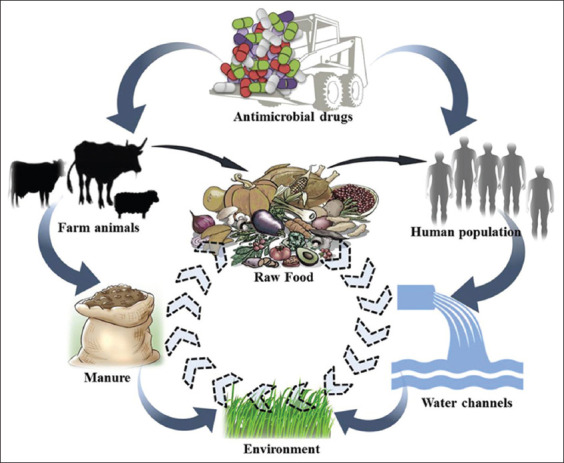
“It is challenging to control the use of antibiotics in agriculture in a uniform way because their Figure-1: Conceptual representation of possible movement of antibiotic residues between different ecosystems [50].”
BackgroundInfluentialAntibiotics in animal manure and manure-based fertilizers: Occurrence and ecological risk assessment
Zhou, X., Wang, J., Lu, C., Liao, Q., Gudda, F. O., & Ling, W. (2020) · Chemosphere · doi:10.1016/j.chemosphere.2020.127006 · Cited by 232
Growth Promoting Antibiotics in Food Animal Production: An Economic Analysis
Graham, J. P., Boland, J. J., & Silbergeld, E. (2007) · Public Health Reports® · doi:10.1177/003335490712200111 · Cited by 221 · cited 1×
“ban on growth-promoting antibiotics [9] and estab-”
Chen, C. Q., Zheng, L., Zhou, J. L., & Zhao, H. (2017) · Science of The Total Environment · doi:10.1016/j.scitotenv.2016.12.075 · Cited by 219 · cited 2×
“Although the latter is unlikely to occur compared with the former, several studies have reported significant amounts of antibiotic residues in manure in soils, concluding that these residues can end up in plant foods [52-56].”
BackgroundResultAarestrup, F. (2012) · Nature · doi:10.1038/486465a · Cited by 213
Arsène, M. M. J., Davares, A. K. L., Andreevna, S. L., Vladimirovich, E. A., Carime, B. Z., Marouf, R., & Khelifi, I. (2021) · Veterinary World · doi:10.14202/vetworld.2021.319-328 · Cited by 199 · cited 2×
“The bacteria present in these feces or those responsible for infections are likely to be exposed to low doses of antibiotics, making them more virulent and more resistant [2,12,71,72] and leading to significant losses [73].”
BackgroundSelf-citationAntibiotic residues in food: the African scenario.
Darwish, W. S., Eldaly, E. A., Elabbasy, M. T., Ikenaka, Y., Nakayama, S. M. M., & Ishizuka, M. (2013) · PubMed · doi:10.14943/jjvr.61.suppl.s13 · Cited by 196
Antibiotics in poultry manure and their associated health issues: a systematic review
Muhammad, J., Khan, S., Su, J. Q., Hesham, A. E.-L., Ditta, A., Nawab, J., & Ali, A. (2020) · Journal of Soils and Sediments · doi:10.1007/s11368-019-02360-0 · Cited by 192 · cited 1×
“The bacteria present in these feces or those responsible for infections are likely to be exposed to low doses of antibiotics, making them more virulent and more resistant [2,12,71,72] and leading to significant losses [73].”
BackgroundAntibiotic Resistance by Enzymatic Modification of Antibiotic Targets
Schaenzer, A. J., & Wright, G. D. (2020) · Trends in Molecular Medicine · doi:10.1016/j.molmed.2020.05.001 · Cited by 192 · cited 2×
“This mode of resistance acquisition is mainly based on spontaneous mutations and positive selection [95,96], alteration of the target with decreased affinity for the antibiotic [77,96], alternative metabolic pathways [79], change in membrane permeability, and efflux pumps [78,91].”
BackgroundBiodegradation of antibiotics: The new resistance determinants – part I
Reis, A. C., Kolvenbach, B. A., Nunes, O. C., & Corvini, P. F. X. (2020) · New Biotechnology · doi:10.1016/j.nbt.2019.08.002 · Cited by 188 · cited 1×
“The mechanism of resistance acquisition is mainly attributed to the selection of resistance genes capable of causing enzymatic degradation of antibiotics by bacteria [76], modification of the target of the antibiotic [77], change in membrane permeability [78], and establishment of alternative metabolic pathways [79].”
BackgroundTreiber, F. M., & Beranek-Knauer, H. (2021) · Antibiotics · doi:10.3390/antibiotics10050534 · Cited by 171 · cited 4×
“Mutagenicity, reproductive disorders, and teratogenicity In a recent study summarizing data from 73 scientific studies reporting antimicrobial residues in animal products readily available for sale, Treiber and Beranek-Knauer [87] highlighted that the frequency of mutations is increased with antibiotic residues.”
BackgroundInfluentialEvaluation of Antibiotic Residues in Raw Meat Using Different Analytical Methods
Ramatla, T., Ngoma, L., Adetunji, M., & Mwanza, M. (2017) · Antibiotics · doi:10.3390/antibiotics6040034 · Cited by 156
Abusive use of antibiotics in poultry farming in Cameroon and the public health implications
Guetiya Wadoum, R. E., Zambou, N. F., Anyangwe, F. F., Njimou, J. R., Coman, M. M., Verdenelli, M. C., Cecchini, C., Silvi, S., Orpianesi, C., Cresci, A., et al. (2016) · British Poultry Science · doi:10.1080/00071668.2016.1180668 · Cited by 129 · cited 2×
“Table-1 recorded some studies that reported antibiotic residues in food [16-47].”
BackgroundAntibiotic residues in the environment of South East Asia
Lundborg, C. S., & Tamhankar, A. J. (2017) · BMJ · doi:10.1136/bmj.j2440 · Cited by 124 · cited 3×
“These resistance genes in bacteria can subsequently be transmitted to the next generation of bacteria through a vertical (from one generation to another) or horizontal (from one bacterium to another through a plasmid) gene transfer [75].”
Antibiotic residues in milk and eggs of commercial and local farms at Chittagong, Bangladesh
Chowdhury, S., Hassan, M. M., Alam, M. M., Sattar, S., Bari, M. S., Saifuddin, A. K. M., & Hoque, M. A. (2015) · Veterinary World · doi:10.14202/vetworld.2015.467-471 · Cited by 120 · cited 1×
“Table-1 recorded some studies that reported antibiotic residues in food [16-47].”
BackgroundKhatibi, S. A., Hamidi, S., & Siahi-Shadbad, M. R. (2020) · Critical Reviews in Food Science and Nutrition · doi:10.1080/10408398.2020.1798349 · Cited by 118 · cited 1×
“However, capillary electrophoresis (CE) [65], CE– laser-induced fluorescence [66], surface-enhanced Raman spectroscopy [67], and high-performance liquid chromatography (HPLC) with spectroscopic fluorometric detection (HPLC– RF) or with a spectroscopic HPLC–photodiode array detector [42] are also shown to be effective…”
BackgroundHu, X., Luo, Y., Zhou, Q., & Lin, X. U. (2008) · Chinese Journal of Analytical Chemistry · doi:10.1016/s1872-2040(08)60063-8 · Cited by 110 · cited 2×
“Although the latter is unlikely to occur compared with the former, several studies have reported significant amounts of antibiotic residues in manure in soils, concluding that these residues can end up in plant foods [52-56].”
BackgroundResultNonga, H. E., Simon, C., Karimuribo, E. D., & Mdegela, R. H. (2009) · Zoonoses and Public Health · doi:10.1111/j.1863-2378.2008.01226.x · Cited by 109 · cited 1×
“Table-1 recorded some studies that reported antibiotic residues in food [16-47].”
BackgroundSpread of tetracycline resistance genes at a conventional dairy farm
Kyselková, M., Jirout, J., Vrchotová, N., Schmitt, H., & Elhottová, D. (2015) · Frontiers in Microbiology · doi:10.3389/fmicb.2015.00536 · Cited by 98 · cited 2×
“In addition, rapid-detection immunochromatographic kits (on strips) have been developed (TwinSensor), allowing within one assay the simultaneous screening of penicillins and cephalosporins (TwinSensor KIT034); beta-lactam and tetracycline (TwinSensor KIT020); beta-lactam antibiotics tetracyclines, streptomycin, and ch…”
BackgroundPerceptions of antibiotic use in livestock farming in Germany, Italy and the United States
Busch, G., Kassas, B., Palma, M. A., & Risius, A. (2020) · Livestock Science · doi:10.1016/j.livsci.2020.104251 · Cited by 97 · cited 1×
“This property is essential because it aims to protect consumers from severe infections transferrable to humans through contact with the infected animal, consumption of contaminated food, or proliferation in the environment [13].”
BackgroundEr, B., Onurdağ, F. K., Demirhan, B., Özgacar, S. Ö., Öktem, A. B., & Abbasoğlu, U. (2013) · Poultry Science · doi:10.3382/ps.2013-03072 · Cited by 95 · cited 1×
“Table-1 recorded some studies that reported antibiotic residues in food [16-47].”
BackgroundAddo, K. K., Mensah, G. I., Aning, K. G., Nartey, N. O., Nipah, G. K., Bonsu, C., Akyeh, M. L., & Smits, H. L. (2010) · Tropical Medicine & International Health · doi:10.1111/j.1365-3156.2010.02666.x · Cited by 92 · cited 1×
“Table-1 recorded some studies that reported antibiotic residues in food [16-47].”
BackgroundTetracycline residue levels in cattle meat from Nairobi salughter house in Kenya
Muriuki, F., Ogara, W., Njeruh, F., & Mitema, E. (2001) · Journal of Veterinary Science · doi:10.4142/jvs.2001.2.2.97 · Cited by 92 · cited 2×
“Table-1 recorded some studies that reported antibiotic residues in food [16-47].”
BackgroundOxytetracycline residues in edible tissues of cattle slaughtered in Akure, Nigeria
Olatoye, I., & Ehinmowo, A. (2011) · Nigerian Veterinary Journal · doi:10.4314/nvj.v31i2.68952 · Cited by 82 · cited 1×
“Table-1 recorded some studies that reported antibiotic residues in food [16-47].”
BackgroundInvestigation into the risk of exposure to antibiotic residues contaminating meat and egg in Ghana
Donkor, E. S., Newman, M. J., Tay, S., Dayie, N. T. K. D., Bannerman, E., & Olu-Taiwo, M. (2010) · Food Control · doi:10.1016/j.foodcont.2010.11.014 · Cited by 77 · cited 1×
“dues can also cause allergic reactions [1,84].”
Brown, K., Mugoh, M., Call, D. R., & Omulo, S. (2020) · PLoS ONE · doi:10.1371/journal.pone.0233413 · Cited by 77 · cited 1×
“This trend is attributed to the lack of legislation and its non-strict application [48], non-systematic detection of residues [49], and improper use or use without a prescription of veterinary antibiotics [15-17].”
BackgroundRapid detection method for nitrofuran antibiotic residues by surface-enhanced Raman Spectroscopy
Xie, Y., Zhu, X., Sun, Y., Wang, H., Qian, H., & Yao, W. (2012) · European Food Research and Technology · doi:10.1007/s00217-012-1752-5 · Cited by 74 · cited 1×
“However, capillary electrophoresis (CE) [65], CE– laser-induced fluorescence [66], surface-enhanced Raman spectroscopy [67], and high-performance liquid chromatography (HPLC) with spectroscopic fluorometric detection (HPLC– RF) or with a spectroscopic HPLC–photodiode array detector [42] are also shown to be effective…”
Backgroundvan Gerven, N. M. F., de Boer, Y. S., Mulder, C. J. J., van Nieuwkerk, C. M., & Bouma, G. (2016) · World Journal of Gastroenterology · doi:10.3748/wjg.v22.i19.4651 · Cited by 74
Antibacterial activity of grapefruit peel extracts and green-synthesized silver nanoparticles
Arsène, M. M. J., Podoprigora, I. V., Davares, A. K. L., Marouf, R., Sergueïevna, D. M., & Senyagin, A. N. (2021) · Veterinary World · doi:10.14202/vetworld.2021.1330-1341 · Cited by 73 · cited 1×
“Beyond all these adverse effects, antibiotic resistance, an indirect consequence of antibiotic residues in food, is the most catastrophic issue, with the WHO estimating that if nothing is done to address this problem, drug-resistant diseases may cause 10 million deaths each year by 2050, consequently damaging the econ…”
BackgroundSelf-citationAntibiotic residues in poultry food in Fujian Province of China
Yang, Y., Qiu, W., Li, Y., & Liu, L. (2020) · Food Additives and Contaminants Part B · doi:10.1080/19393210.2020.1751309 · Cited by 70 · cited 3×
“China Quinolones, tetracyclines, sulfonamides Chicken, chicken giblets, and eggs [20]”
BackgroundIncidence of tetracycline residues in chicken meat and liver retailed to consumers
Salama, N. A., Abou-Raya, S. H., Shalaby, A. R., Emam, W. H., & Mehaya, F. M. (2011) · Food Additives and Contaminants: Part B · doi:10.1080/19393210.2011.585245 · Cited by 69 · cited 2×
“Table-1 recorded some studies that reported antibiotic residues in food [16-47].”
BackgroundInvestigation of the Risk of Exposure to Antimicrobial Residues Present in Marketed Milk in Tanzania
Kurwijila, L. R., Omore, A. O., Staal, S. J., & Mdoe, N. S. Y. (2006) · Journal of Food Protection · doi:10.4315/0362-028x-69.10.2487 · Cited by 63 · cited 1×
“Table-1 recorded some studies that reported antibiotic residues in food [16-47].”
BackgroundOccurrence of several main antibiotic residues in raw milk in 10 provinces of China
Zheng, N., Wang, J., Han, R., Xu, X., Zhen, Y., Qu, X., Sun, P., Li, S., & Yu, Z. (2013) · Food Additives and Contaminants: Part B · doi:10.1080/19393210.2012.727189 · Cited by 63 · cited 1×
“Table-1 recorded some studies that reported antibiotic residues in food [16-47].”
BackgroundNitrofuran antibiotic residues in pork
O’Keeffe, M., Conneely, A., Cooper, K., Kennedy, D. G., Kovacsics, L., Fodor, A., Mulder, P. P. J., van Rhijn, J. A., & Trigueros, G. (2004) · Analytica Chimica Acta · doi:10.1016/j.aca.2004.04.053 · Cited by 60 · cited 1×
“Table-1 recorded some studies that reported antibiotic residues in food [16-47].”
BackgroundEzenduka, E. V., Oboegbulem, S. I., Nwanta, J. A., & Onunkwo, J. I. (2010) · Tropical Animal Health and Production · doi:10.1007/s11250-010-9730-z · Cited by 55 · cited 1×
“Table-1 recorded some studies that reported antibiotic residues in food [16-47].”
BackgroundHepatotoxicity of antibiotics.
Hautekeete, M. L. (1995) · PubMed · Cited by 53
Myllyniemi, A.-L., Rannikko, R., Lindfors, E., Niemi, A., & Bäckman, C. (2000) · Food Additives & Contaminants · doi:10.1080/02652030050207774 · Cited by 53 · cited 2×
“Table-1 recorded some studies that reported antibiotic residues in food [16-47].”
BackgroundAntibiotic resistance genes and microcystins in a drinking water treatment plant
Xu, L., Zhou, Z., Zhu, L., Han, Y., Lin, Z., Feng, W., Liu, Y., Shuai, X., & Chen, H. (2020) · Environmental Pollution · doi:10.1016/j.envpol.2019.113718 · Cited by 53
Puangseree, J., Jeamsripong, S., Prathan, R., Pungpian, C., & Chuanchuen, R. (2021) · Food Control · doi:10.1016/j.foodcont.2021.107892 · Cited by 53 · cited 1×
“It has been established that the exposure of bacteria to low doses of antibiotics is likely to lead to bacterial adaptation, making them more resistant and more virulent [90-94].”
BackgroundEl‐Aty, A. M. A., Goudah, A., Abo‐EL‐Sooud, K., El-Zorba, H. Y., Shimoda, M., & Zhou, H. (2004) · Veterinary Research Communications · doi:10.1023/b:verc.0000040241.06642.49 · Cited by 52
Antibiotic residues in food and their significance
Katz, S. E., & Brady, M. S. (2000) · Food Biotechnology · doi:10.1080/08905430009549985 · Cited by 48 · cited 1×
“Apparently, among the different forms of administration (oral, parenteral, or topical), it has been reported that antibiotic residues exceeding the standards are mainly encountered when administered through injection [8].”
BackgroundFactors Contributing to the Occurrence of Antimicrobial Drug Residues in Kenyan Milk
Shitandi, A., & Lundh, Å. S. (2004) · Journal of Food Protection · doi:10.4315/0362-028x-67.2.399 · Cited by 46
Dopcea, G. N., Dopcea, I., Nanu, A. E., DIGUTA, C. F., & Matei, F. (2019) · Journal of Global Antimicrobial Resistance · doi:10.1016/j.jgar.2019.10.021 · Cited by 46
Antibiotic Residues in Iranian Honey by Elisa
Mahmoudi, R., Norian, R., & Pajohi‐Alamoti, M. (2014) · International Journal of Food Properties · doi:10.1080/10942912.2013.809539 · Cited by 44 · cited 3×
“Table-1 recorded some studies that reported antibiotic residues in food [16-47].”
BackgroundCantwell, H., & O’keeffe, M. (2005) · Food Additives & Contaminants · doi:10.1080/02652030500357433 · Cited by 43 · cited 1×
“This method is widely used to investigate the presence of antibiotic residues in different meats, fish, and eggs [57-60].”
MethodAnaphylaxis to beef in penicillin‐allergic patient
Raison‐Peyron, N., Messaad, D., Bousquet, J. J., & Demoly, P. M. (2001) · Allergy · doi:10.1034/j.1398-9995.2001.056008796.x · Cited by 40 · cited 1×
“meat [82], and pork [83], all containing penicillin res-”
BackgroundOcorrência de resíduos de antibióticos no leite comercializado em Piracicaba, SP
Nascimento, G. G. F., Maestro, V., & de CAMPOS, M. S. P. (2001) · Revista de Nutrição · doi:10.1590/s1415-52732001000200005 · Cited by 40
DETECTION OF ANTIMICROBIAL DRUG RESIDUES IN KENYAN MILK
Shitandi, A., & Lundh, Å. S. (2001) · Journal of Food Safety · doi:10.1111/j.1745-4565.2001.tb00319.x · Cited by 37 · cited 1×
“Table-1 recorded some studies that reported antibiotic residues in food [16-47].”
BackgroundAntibiotic residues and mycotoxins in raw milk in Punjab (India): a rising concern for food safety
Moudgil, P., Bedi, J. S., Aulakh, R. S., & Gill, J. P. S. (2019) · Journal of Food Science and Technology · doi:10.1007/s13197-019-03963-8 · Cited by 37 · cited 1×
“Table-1 recorded some studies that reported antibiotic residues in food [16-47].”
BackgroundDetermination of antibiotic residues in Indian honeys and assessment of potential risks to consumers
Kumar, A., Gill, J. P. S., Bedi, J. S., Chhuneja, P. K., & Kumar, A. (2019) · Journal of Apicultural Research · doi:10.1080/00218839.2019.1677000 · Cited by 35 · cited 3×
“Table-1 recorded some studies that reported antibiotic residues in food [16-47].”
BackgroundAntibiotic Residues in Milk from Three Popular Kenyan Milk Vending Machines
Kosgey, A., Shitandi, A., & Marion, J. W. (2018) · American Journal of Tropical Medicine and Hygiene · doi:10.4269/ajtmh.17-0409 · Cited by 34 · cited 1×
“Table-1 recorded some studies that reported antibiotic residues in food [16-47].”
BackgroundMultiple antibiotic residues in meat from slaughtered cattle in Nigeria
(2010) · The Internet Journal of Veterinary Medicine · doi:10.5580/1fcd · Cited by 32 · cited 1×
“Table-1 recorded some studies that reported antibiotic residues in food [16-47].”
BackgroundLiu, Y., Yan, T., Li, X. Y., Duan, Y., Yang, X., & Yang, X. J. (2020) · animal · doi:10.1017/s1751731120000191 · Cited by 32
Pollock, J., Low, A. S., McHugh, R. E., Muwonge, A., Stevens, M. P., Corbishley, A., & Gally, D. L. (2020) · Clinical Microbiology and Infection · doi:10.1016/j.cmi.2020.02.028 · Cited by 26 · cited 2×
“This mode of resistance acquisition is mainly based on spontaneous mutations and positive selection [95,96], alteration of the target with decreased affinity for the antibiotic [77,96], alternative metabolic pathways [79], change in membrane permeability, and efflux pumps [78,91].”
BackgroundArsène, M. M. J., Irina, V. P., Davares, A. K. L., Ngah, E., & Alexander, N. S. (2021) · Journal of Applied Pharmaceutical Science · doi:10.7324/japs.2021.110701 · Cited by 26 · cited 1×
“The bacteria present in these feces or those responsible for infections are likely to be exposed to low doses of antibiotics, making them more virulent and more resistant [2,12,71,72] and leading to significant losses [73].”
BackgroundSelf-citationScreening for antibiotic residues in the trout by the Four Plate test, Premi test and ELISA test
Kılınç, B., & Çaklı, Ş. (2007) · European Food Research and Technology · doi:10.1007/s00217-007-0594-z · Cited by 25 · cited 1×
“This method is widely used to investigate the presence of antibiotic residues in different meats, fish, and eggs [57-60].”
MethodPersistence of Antibiotic Residue in Milk under Region of Bihar, India
Anjana, R. K. N. K., & Jayachandran, K. G. M. C. (2017) · International Journal of Current Microbiology and Applied Sciences · doi:10.20546/ijcmas.2017.603.262 · Cited by 24 · cited 1×
“Table-1 recorded some studies that reported antibiotic residues in food [16-47].”
BackgroundArsène, M. M. J., Podoprigora, I. V., Григорьевна, В. Е., Ермолаев, А. В., & Andreevna, S. L. (2021) · Journal of Pharmaceutical Research International · doi:10.9734/jpri/2021/v33i29b31601 · Cited by 23 · cited 1×
“The bacteria present in these feces or those responsible for infections are likely to be exposed to low doses of antibiotics, making them more virulent and more resistant [2,12,71,72] and leading to significant losses [73].”
BackgroundSelf-citationMORPHOLOGIE ET PRATIQUES D’ÉLEVAGE DU MOUTON PEUL-PEUL DU SÉNÉGAL.
Laboratoire National de l’Elevage et de Recherches Vétérinaires (LNERV), B. 2. R. D. F. D. T. D.-H., Ndiaye, B., Département de Biologie Animale, U. C. A. D. D. D. (., DioufM, N., Laboratoire National de l’Elevage et de Recherches Vétérinaires (LNERV), B. 2. R. D. F. D. T. D.-H., Ciss, M., Laboratoire National de l’Elevage et de Recherches Vétérinaires (LNERV), B. 2. R. D. F. D. T. D.-H., Wane, M., Ecole Inter-Etats des Sciences et Médecine Vétérinaires, B. 5. D.-F. S., Diop, M., et al. (2018) · International Journal of Advanced Research · doi:10.21474/ijar01/7089 · Cited by 22
Transmission of Administered Amoxicillin Drug Residues from Laying Chicken to their Commercial Eggs.
Khattab, W. O., Elderea, H. B., Salem, E., & Gomaa, N. (2010) · PubMed · Cited by 20
Siljanoski, A., Ciglarič, R., Pezdir, T., Lainšček, P. R., Dolenc, J., Starič, J., & Šinigoj-Gačnik, K. (2018) · Journal of Dairy Research · doi:10.1017/s0022029918000389 · Cited by 17
Response of Nigerian farmers to a questionnaire on chloramphenicol application in commercial layers.
Omeiza, G. K., Kabir, J., Mamman, M., Ibrahim, H., & Fagbamila, I. O. (2012) · PubMed · Cited by 16
Baseri, N., Peerayeh, S. N., & Bakhshi, B. (2020) · Infection Genetics and Evolution · doi:10.1016/j.meegid.2020.104628 · Cited by 16 · cited 1×
“It has been established that the exposure of bacteria to low doses of antibiotics is likely to lead to bacterial adaptation, making them more resistant and more virulent [90-94].”
BackgroundOlek, M., Blanchard, F., & Sudraud, G. (1985) · Journal of Chromatography A · doi:10.1016/s0021-9673(00)96024-2 · Cited by 15
Growth Promoters in Cattle and Pigs: A Review of Legislation and Implications for Human Health
Aroeira, C. N., Feddern, V., Gressler, V., Contreras-Castillo, C. J., & Hopkins, D. L. (2021) · Food Reviews International · doi:10.1080/87559129.2021.1961268 · Cited by 15 · cited 1×
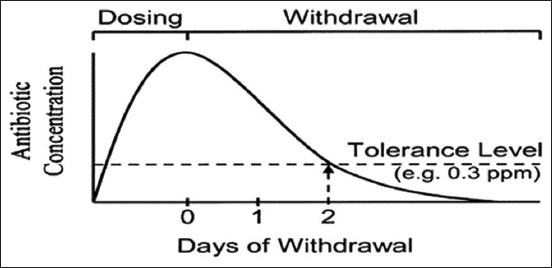
“This harmonization mainly involves the control of parameters, such as (1) acceptable daily intake (ADI), which is a critical standard set from toxicological studies based on the no-observable-effect level and safety factor [68]; (2) withdrawal period or waiting time (WT), which refers to the minimum period from the ad…”
BackgroundOxytetracycline residues in bovine carcasses slaughtered at Mansoura Abattoir, Egypt.
Morshdy, A. E. M. A., El-Atabany, A. I. M., Hussein, M. A., & Darwish, W. S. (2013) · PubMed · Cited by 14
Arsène, M. M. J., Andreevna, S. L., & Viktorovna, P. I. (2020) · Journal of Advances in Microbiology · doi:10.9734/jamb/2020/v20i430242 · Cited by 14 · cited 1×
“The bacteria present in these feces or those responsible for infections are likely to be exposed to low doses of antibiotics, making them more virulent and more resistant [2,12,71,72] and leading to significant losses [73].”
BackgroundSelf-citationArsène, M. M. J., Viktorovna, P. I., Григорьевна, В. Е., Davares, A. K. L., Sergeevna, D. M., & Nikolaevna, S. I. (2021) · Journal of Pharmaceutical Research International · doi:10.9734/jpri/2021/v33i34b31856 · Cited by 13 · cited 1×
“This mode of resistance acquisition is mainly based on spontaneous mutations and positive selection [95,96], alteration of the target with decreased affinity for the antibiotic [77,96], alternative metabolic pathways [79], change in membrane permeability, and efflux pumps [78,91].”
BackgroundSelf-citationAdesiyun, A. A., Fasina, F. O., Abafe, O. A., Mokgoatlheng‐Mamogobo, M., Adigun, O., Mokgophi, T. M., Phosa, M., & Majokweni, Z. (2020) · Journal of Food Protection · doi:10.4315/jfp-20-312 · Cited by 12 · cited 2×
“Table-1 recorded some studies that reported antibiotic residues in food [16-47].”
BackgroundRisques dus aux résidus d’antibiotiques détectés dans le lait de vache produit dans le Centre Bénin
Mensah, S. E. P., Aboh, A., Salifou, S., Mensah, G., Sandérs, P., Abiola, F. A., & Koudandé, O. (2014) · Journal of Applied Biosciences · doi:10.4314/jab.v80i1.9 · Cited by 11
Capillary Electrophoresis-Indirect Laser-Induced Fluorescence Detection of Neomycin in Fish
Huang, Y., Han, X., Yu, X. H., Wang, S., & Zhai, H. (2021) · Chromatographia · doi:10.1007/s10337-021-04075-2 · Cited by 11 · cited 1×
“However, capillary electrophoresis (CE) [65], CE– laser-induced fluorescence [66], surface-enhanced Raman spectroscopy [67], and high-performance liquid chromatography (HPLC) with spectroscopic fluorometric detection (HPLC– RF) or with a spectroscopic HPLC–photodiode array detector [42] are also shown to be effective…”
BackgroundEl‐Aty, A. M. A., Goudah, A., & Sooud, K. A. E. (2001) · PubMed · Cited by 10
Pharmacokinetics and Mammary Residual Depletion of Erythromycin in Healthy Lactating Ewes
Goudah, A., Shah, S. S., Shin, H., Shim, J., & El‐Aty, A. M. A. (2007) · Zentralblatt für Veterinärmedizin Reihe A · doi:10.1111/j.1439-0442.2007.00986.x · Cited by 9 · cited 1×
“Table-1 recorded some studies that reported antibiotic residues in food [16-47].”
BackgroundLan, S., Li, Z., Su, A., Peng, Y., Liao, Y., Liu, X., & Tan, Q. (2021) · The Journal of Antibiotics · doi:10.1038/s41429-021-00407-4 · Cited by 6 · cited 1×
“It has been established that the exposure of bacteria to low doses of antibiotics is likely to lead to bacterial adaptation, making them more resistant and more virulent [90-94].”
BackgroundRahimi, Z., Shahbazi, Y., & Ahmadi, F. (2018) · Pharmaceutical Sciences · doi:10.15171/ps.2018.23 · Cited by 4 · cited 1×
“This method is widely used to investigate the presence of antibiotic residues in different meats, fish, and eggs [57-60].”
MethodLimites scientifiques de l’autorisation de mise sur le marché des médicaments génériques
Hugnet, C. (2014) · Bulletin de l Académie vétérinaire de France · doi:10.4267/2042/53812 · Cited by 1
Research works printed but not linked: 4
- Pavlov, A., Lashev, L., Vachin, I. and Rusev, V. (2008) Residues of antimicrobial drugs in chicken meat and offals. Trakia J. Sci., 6(1): 23-25.
- Mahatmi, H., da Costa, M. and Puja, I.K. (2019) Residues of antibiotic in chicken meat imported from Brasil and United States of America through quarantine stations in Dili, Timor Laste. IOSR J. Agric. Vet. Sci., 12(6): 39-43.
- Cheong, C.K., Hajeb, P., Jinap, S. and Ismail-Fitry, M.R. (2010) Sulfonamides determination in chicken meat prod- ucts from Malaysia. Int. Food Res. J., 17(4 ): 885-892.
- Kyuchukova, R. (2020) Antibiotic residues and human health hazard-review. Bulg. J. Agric. Sci., 26(3): 664-668.
Cited by
Review of alternatives to antibiotic use in aquaculture
Bondad‐Reantaso, M. G., MacKinnon, B., Karunasagar, I., Fridman, S., Alday‐Sanz, V., Brun, E., Le Groumellec, M., Li, A., Surachetpong, W., Karunasagar, I., et al. (2023) · Reviews in Aquaculture · doi:10.1111/raq.12786 · Cited by 410
Khalifa, H. O., Shikoray, L., Mohamed, M.-Y. I., Habib, I., & Matsumoto, T. (2024) · Foods · doi:10.3390/foods13111629 · Cited by 177
“Particularly worrisome is the use of low prophylactic doses of antibiotics in animals, as it can lead to the development of antibiotic-resistant bacteria during the preparation or consumption of animal-derived foods [94].”
BackgroundInfluentialMesfin, Y. M., Mitiku, B. A., & Tamrat, H. (2024) · Veterinary Medicine and Science · doi:10.1002/vms3.70049 · Cited by 123
Livestock Antibiotics Use and Antimicrobial Resistance
Enshaie, E., Nigam, S., Patel, S., & Rai, V. (2025) · Antibiotics · doi:10.3390/antibiotics14060621 · Cited by 114
“This can also create immune system deficiencies as well as renal issues [62].”
Wu‐Wu, J. W. F., Guadamuz-Mayorga, C., Oviedo-Cerdas, D., & Zamora, W. J. (2023) · Antibiotics · doi:10.3390/antibiotics12030550 · Cited by 102
Metadata
- Authors
- Arsène, M. M. J., Davares, A. K. L., Viktorovna, P. I., Andreevna, S. L., Sarra, S., Khelifi, I., & Sergueïevna, D. M.
- Affiliations
- Peoples' Friendship University of Russia (RU)
- Department of Microbiology and Virology, Institute of Medicine, RUDN University, Moscow, Russia.
- Corresponding author
- Arsène, Mbarga Manga Joseph
- ORCID
- Venue
- Veterinary World
- Publisher
- Veterinary World
- Published
- 2022-03-23
- Volume
- 15
- Issue
- 3
- Pages
- 662-671
- ISSN
- 0972-8988 (ISSN-L)
- 2231-0916
- PMC
- PMC9047141
- OpenAlex
- W4225312570
- Cited by
- 274
- References
- 89
- Citations by year
- 2026: 51 · 2025: 85 · 2024: 84 · 2023: 42 · 2022: 12
- FWCI
- 3.15
- Type
- journal article
- Language
- en
- Open access
- gold
- doi.org
- Licence
- cc-by
- creativecommons.org/licenses/by/4.0/ (vor)
- creativecommons.org/licenses/by/4.0/ (am)
- creativecommons.org/licenses/by/4.0/ (tdm)
- Locations
- Veterinary World (publishedVersion, cc-by)
- PubMed Central (publishedVersion, cc-by)
- PubMed (publishedVersion)
- DOAJ (DOAJ: Directory of Open Access Journals) (submittedVersion, cc-by-sa)
- Funders
- RUDN University
- Topics
- Health Sciences › Medicine › Infectious Diseases › Antibiotic Use and Resistance
- Life Sciences › Agricultural and Biological Sciences › Food Science › Agricultural safety and regulations
- Physical Sciences › Environmental Science › Pollution › Pharmaceutical and Antibiotic Environmental Impacts
- Keywords
- antibiotic residues, food and feed contamination, antibiotic resistance, veterinary antibiotics, growth promoters, consumer health risk, environmental impact, animal health, public health, antibiotic regulation, food safety
About these checks
Registry, retraction, Cites and statistics results are computed, not judged, with one exception: a printed reference that no index lists is read once by a model before it counts as a citation error. Claims are extracted by a model and kept only when their quote appears verbatim in the text; each cited source is then checked, with a model’s help, for whether it says what the claim relies on. Those verdicts can be wrong — read the claim’s quote and the cited source before relying on one.
Statistics and arithmetic are recomputed, not judged.
Confidence bands are shown only for fields calibrated on our annotated test set. None is calibrated yet, so no band is shown.
What counts as a claim ›How we measure confidence ›How we check this ›
Are you an author, or do you see a problem with this page? Request a review
Data sources
Bibliographic data: Semantic Scholar, OpenAlex, Crossref.
Contains information from the Semantic Scholar Academic Graph Datasets, made available under the ODC Attribution License (ODC-BY 1.0).
Semantic Scholar’s data is described in: Kinney, R., et al. (2023). The Semantic Scholar Open Data Platform. arXiv:2301.10140.
