

The public health issue of antibiotic residues in food and feed: Causes, consequences, and potential solutions
Open accessThe DOI matches its Crossref record; 89 of the 89 references it cites were found in a registry or an index.
Abstract
Antibiotics are among the essential veterinary medicine compounds associated with animal feed and food animal production. The use of antibiotics for the treatment of bacterial infections is almost unavoidable, with less need to demonstrate their importance. Although banned as a growth factor for a few years, their use in animals can add residues in foodstuffs, presenting several environmental, technological, animal health, and consumer health risks. With regard to human health risks, antibiotic residues induce and accelerate antibiotic resistance development, promote the transfer of antibiotic-resistant bacteria to humans, cause allergies (penicillin), and induce other severe pathologies, such as cancers (sulfamethazine, oxytetracycline, and furazolidone), anaphylactic shock, nephropathy (gentamicin), bone marrow toxicity, mutagenic effects, and reproductive disorders (chloramphenicol). Antibiotic resistance, which has excessively increased over the years, is one of the adverse consequences of this phenomenon, constituting a severe public health issue, thus requiring the regulation of antibiotics in all areas, including animal breeding. This review discusses the common use of antibiotics in agriculture and antibiotic residues in food/feed. In-depth, we discussed the detection techniques of antibiotic residues, potential consequences on the environment and animal health, the technological transformation processes and impacts on consumer health, and recommendations to mitigate this situation.
Overview
The claims and statistics of this paper haven’t been checked yet.
Free: it reads the open-access text and checks the first 5 claims that cite a source we can check. Create a free account to check every claim.
Integrity signals
Registry
Cites
Statistics
Figures
Verification
Claims the paper makes
The claims and statistics of this paper haven’t been checked yet.
Free: it reads the open-access text and checks the first 5 claims that cite a source we can check. Create a free account to check every claim.
Claims other papers make about this one
Each is checked against this paper’s own text: does it say what the citing paper says it does?
The check wasn’t confident either way, so it gives no verdict — never disputed.
In the citing paper
“A few studies that did not use organic solvents applied sol vents that have been shown to be either toxic or nonbiodegradable, such as a surfactant (sodium dodecyl sulfate) (56) and ionic liquid (1-hexyl-3-methylimidazo lium hexafluorophosphate) (33,37).”
From Evaluating the green credentials and performance of deep eutectic solvents in the extraction of antibiotics and mycotoxins in foods (2024) · cites this paper as [33]
Experimental — accuracy not yet measured
Self-check
Percentages, sums and reported differences re-computed from the paper’s own numbers.
The self-check needs the paper’s full text.
Citations
Cites
Global trends in antimicrobial use in food animals
Van Boeckel, T. P., Brower, C., Gilbert, M., Grenfell, B. T., Levin, S. A., Robinson, T. P., Teillant, A., & Laxminarayan, R. (2015) · Proceedings of the National Academy of Sciences · doi:10.1073/pnas.1503141112 · Cited by 3,973 · cited 3×
“Others are used as growth promoters for improved feed conversion efficiency, carcass quality, and economic production [4].”
BackgroundInfluentialManyi-Loh, C., Mamphweli, S., Meyer, E., & Okoh, A. (2018) · Molecules · doi:10.3390/molecules23040795 · Cited by 1,808
Phillips, I. (2003) · Journal of Antimicrobial Chemotherapy · doi:10.1093/jac/dkg483 · Cited by 1,100 · cited 1×
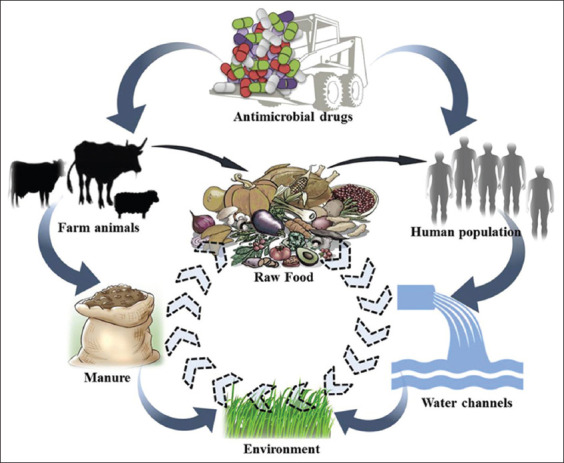
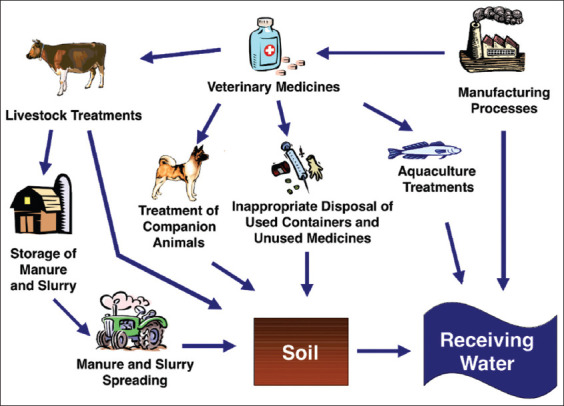
“On the contrary, direct interaction occurs when the residues accumulated in water and soil through manure (containing antibiotic residues from animals) or human excretions (containing residues of antibiotics) are found in food (especially in vegetables by watering or contamination with animal feces) [51].”
BackgroundChee‐Sanford, J. C., Mackie, R. I., Koike, S., Krapac, I. G., Lin, Y., Yannarell, A. C., Maxwell, S., & Aminov, R. I. (2009) · Journal of Environmental Quality · doi:10.2134/jeq2008.0128 · Cited by 830 · cited 1×
“Most definitely, it is estimated that approximately 75% of antibiotics are not absorbed by animals but are excreted as waste [74].”
BackgroundResidues of veterinary antibiotics in manures from feedlot livestock in eight provinces of China
Zhao, L., Dong, Y. H., & Wang, H. (2010) · Science of The Total Environment · doi:10.1016/j.scitotenv.2009.11.014 · Cited by 800 · cited 2×
“Although the latter is unlikely to occur compared with the former, several studies have reported significant amounts of antibiotic residues in manure in soils, concluding that these residues can end up in plant foods [52-56].”
BackgroundResultImportance of antibiotic residues in animal food
Bacanlı, M., & Başaran, N. (2019) · Food and Chemical Toxicology · doi:10.1016/j.fct.2019.01.033 · Cited by 611 · cited 11×
“Confirmatory methods are essentially chromatographic methods (mainly liquid chromatography) coupled to mass spectrometry or ultraviolet (UV) [1].”
BackgroundMethodInfluentialDetermination of Antibiotic Residues in Manure, Soil, and Surface Waters
Christian, T., Schneider, R. J., Färber, H. A., Skutlarek, D., Meyer, M. T., & Goldbach, H. E. (2003) · Acta hydrochimica et hydrobiologica · doi:10.1002/aheh.200390014 · Cited by 537 · cited 2×
“Although the latter is unlikely to occur compared with the former, several studies have reported significant amounts of antibiotic residues in manure in soils, concluding that these residues can end up in plant foods [52-56].”
BackgroundResultFood safety impacts of antimicrobial use and their residues in aquaculture
Okocha, R. C., Olatoye, I. O., & Adedeji, O. B. (2018) · Public Health Reviews · doi:10.1186/s40985-018-0099-2 · Cited by 513 · cited 2×
“Meanwhile, although this situation seems to be under control in the European Union countries and other developed countries [68], the problem of antibiotic residues remains topical with unprecedented danger in developing countries due to the lack of control mechanisms despite the existing legislation.”
BackgroundStevens, D. L., Ma, Y., Salmi, D. B., McIndoo, E., Wallace, R. J., & Bryant, A. E. (2007) · The Journal of Infectious Diseases · doi:10.1086/510396 · Cited by 452 · cited 1×
“It has been established that the exposure of bacteria to low doses of antibiotics is likely to lead to bacterial adaptation, making them more resistant and more virulent [90-94].”
BackgroundFast screening methods to detect antibiotic residues in food samples
Cháfer-Pericás, C., Maquieira, Á., & Puchades, R. (2010) · TrAC Trends in Analytical Chemistry · doi:10.1016/j.trac.2010.06.004 · Cited by 380
Research works printed but not linked: 4
- Pavlov, A., Lashev, L., Vachin, I. and Rusev, V. (2008) Residues of antimicrobial drugs in chicken meat and offals. Trakia J. Sci., 6(1): 23-25.
- Mahatmi, H., da Costa, M. and Puja, I.K. (2019) Residues of antibiotic in chicken meat imported from Brasil and United States of America through quarantine stations in Dili, Timor Laste. IOSR J. Agric. Vet. Sci., 12(6): 39-43.
- Cheong, C.K., Hajeb, P., Jinap, S. and Ismail-Fitry, M.R. (2010) Sulfonamides determination in chicken meat prod- ucts from Malaysia. Int. Food Res. J., 17(4 ): 885-892.
- Kyuchukova, R. (2020) Antibiotic residues and human health hazard-review. Bulg. J. Agric. Sci., 26(3): 664-668.
Cited by
Review of alternatives to antibiotic use in aquaculture
Bondad‐Reantaso, M. G., MacKinnon, B., Karunasagar, I., Fridman, S., Alday‐Sanz, V., Brun, E., Le Groumellec, M., Li, A., Surachetpong, W., Karunasagar, I., et al. (2023) · Reviews in Aquaculture · doi:10.1111/raq.12786 · Cited by 410
Khalifa, H. O., Shikoray, L., Mohamed, M.-Y. I., Habib, I., & Matsumoto, T. (2024) · Foods · doi:10.3390/foods13111629 · Cited by 177
“Particularly worrisome is the use of low prophylactic doses of antibiotics in animals, as it can lead to the development of antibiotic-resistant bacteria during the preparation or consumption of animal-derived foods [94].”
BackgroundInfluentialMesfin, Y. M., Mitiku, B. A., & Tamrat, H. (2024) · Veterinary Medicine and Science · doi:10.1002/vms3.70049 · Cited by 123
Livestock Antibiotics Use and Antimicrobial Resistance
Enshaie, E., Nigam, S., Patel, S., & Rai, V. (2025) · Antibiotics · doi:10.3390/antibiotics14060621 · Cited by 114
“This can also create immune system deficiencies as well as renal issues [62].”
Wu‐Wu, J. W. F., Guadamuz-Mayorga, C., Oviedo-Cerdas, D., & Zamora, W. J. (2023) · Antibiotics · doi:10.3390/antibiotics12030550 · Cited by 102
Global overview of national regulations for antibiotic use in aquaculture production
Luthman, O., Robb, D., Henriksson, P. J. G., Jørgensen, P. S., & Troell, M. F. (2024) · Aquaculture International · doi:10.1007/s10499-024-01614-0 · Cited by 85
Adegbeye, M. J., Adetuyi, B. O., Igirigi, A. I., Adisa, A., Palangı, V., Aiyedun, S., Alvarado-Ramírez, E. R., Elghandour, M. M. M. Y., Molina, O. M., Oladipo, A. A., et al. (2024) · Food Control · doi:10.1016/j.foodcont.2024.110545 · Cited by 67
Sikder, S., Toha, M., Anik, A. H., Sultan, M. B., Alam, M., Parvin, F., & Tareq, S. M. (2024) · Water Environment Research · doi:10.1002/wer.10987 · Cited by 70
“Besides cancer, chloramphenicol and gentamicin produced bone marrow damage and nephropathy (Arsène et al., 2022).”
BackgroundMethodInfluentialKussia, G. G., & Tessema, T. S. (2024) · Journal of Immunology Research · doi:10.1155/2024/1804038 · Cited by 63
Antibiotic resistance genes in food production systems support One Health opinions
Tiedje, J. M., Fu, Y., Mei, Z., Schäffer, A., Dou, Q., Amelung, W., Elsner, M., Adu-Gyamfi, J. J., Lee, H., Virta, M., et al. (2023) · Current Opinion in Environmental Science & Health · doi:10.1016/j.coesh.2023.100492 · Cited by 72
Recent Advances in Biosensor Technologies for Meat Production Chain
Nastasijević, I., Kundačina, I., Jarić, S., Pavlovic, Z. M., Radović, M., & Radonić, V. (2025) · Foods · doi:10.3390/foods14050744 · Cited by 59
“…x [97,175–191] Pathogen detection ( Salmonella , Campylobacter , Shiga-toxin-producing E. coli (STEC) , Listeria monocytogenes, and viruses ) x [192,193] Antibiotic residues x x x x [194–196] AMR x [197] Their contribution to the RB-MSAS is important, since they enable the integration of data…”
Arsène, M. M. J., Viktorovna, P. I., Goriainov, S. V., Hajjar, F., Vyacheslavovna, Y. N., Vladimirovna, Z. A., Aleksandrovna, V. E., Nikolayevich, S. A., & Павловна, С. Н. (2022) · Fermentation · doi:10.3390/fermentation8110626 · Cited by 55
Self-citationOladeji, O. M., Mugivhisa, L. L., & Olowoyo, J. O. (2025) · Antibiotics · doi:10.3390/antibiotics14010090 · Cited by 61
Cultured Meat Safety Research Priorities: Regulatory and Governmental Perspectives
Ong, K. J., Saldana, Y. T., Duffy, B., Holmes, D., Kukk, K., & Shatkin, J. A. (2023) · Foods · doi:10.3390/foods12142645 · Cited by 55
Antibiotic Resistance Genes Occurrence in Conventional and Antibiotic-Free Poultry Farming, Italy
Farooq, M., Smoglica, C., Ruffini, F., Soldati, L., Marsilio, F., & Francesco, C. E. D. (2022) · Animals · doi:10.3390/ani12182310 · Cited by 50
“Although the use of chloramphenicol in zootechnical species has been banned in Europe since 1994 due to its toxicity and potentially adverse effects resulting from residues in food-producing animals [41], resistant bacteria continue to harbor the relative gene [42].”
BackgroundMudenda, S., Mukosha, M., Godman, B., Fadare, J. O., Malama, S., Munyeme, M., Hikaambo, C. N., Kalungia, A. C., Hamachila, A., Kainga, H., et al. (2022) · Antibiotics · doi:10.3390/antibiotics11091210 · Cited by 55
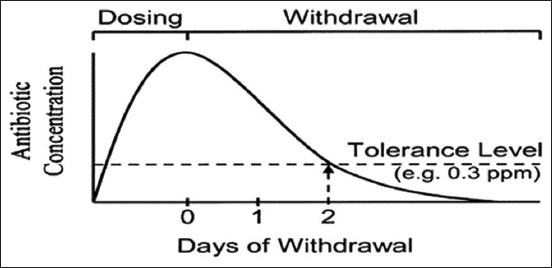
“The failure of poultry farmers to observe the antibiotic withdrawal periods may result in the accumulation of drug residues in poultry products that can be passed on to humans through the food chain [111,113], which needs to be avoided giving rising AMR rates globally especially in sub-Saharan Africa [17].”
BackgroundMachine learning-assisted image-based optical devices for health monitoring and food safety
Mousavizadegan, M., Shalileh, F., Mostajabodavati, S., Mohammadi, J., & Hosseini, M. (2024) · TrAC Trends in Analytical Chemistry · doi:10.1016/j.trac.2024.117794 · Cited by 48
Antibiotic residues in poultry eggs and its implications on public health: A review
Owusu-Doubreh, B., Appaw, W. O., & Abe-Inge, V. (2022) · Scientific African · doi:10.1016/j.sciaf.2022.e01456 · Cited by 44
Food Nanozymology: Nanozyme Engineering Toward Future Food
Chi, Y., Cheng, H., Sun, D., Huang, L., He, Q., & Shi, B. (2025) · Advanced Materials · doi:10.1002/adma.202505552 · Cited by 41
Rahman, M. M., Hossain, M. I., Ghos, B. C., Uddin, J., Knani, S., & Waliullah (2025) · Journal of environmental chemical engineering · doi:10.1016/j.jece.2025.115908 · Cited by 42
Kalogiouri, N. P., Papatheocharidou, C., & Samanidou, V. (2024) · TrAC Trends in Analytical Chemistry · doi:10.1016/j.trac.2024.117649 · Cited by 40
Çufadar, Y., Beyari, E. A., Hassoubah, S. A., Curabay, B., Sevim, B., Aksoy, A., Alfassam, H. E., Rudayni, H. A., Allam, A. A., Youssef, I. M., et al. (2024) · The Journal of Applied Poultry Research · doi:10.1016/j.japr.2024.100445 · Cited by 39
Kenneth, M. J., Koner, S., Hsu, G., Chen, J.-S., & Hsu, B. (2023) · Environmental Pollution · doi:10.1016/j.envpol.2023.122643 · Cited by 37
Nitrogen‑containing species evolution during co-pyrolysis of gentamicin residue and biomass
Yuan, H., Li, C., Shan, R., Zhang, J., & Chen, Y. (2022) · Journal of Analytical and Applied Pyrolysis · doi:10.1016/j.jaap.2022.105812 · Cited by 33
Phan, A., Mijar, S., Harvey, C. M., & Biswas, D. (2025) · Microorganisms · doi:10.3390/microorganisms13081732 · Cited by 35
“Additionally, antibiotic-resistant bacteria pose a high risk to people who are constantly exposed to antibiotic residues present in their food [74].”
Application of Genomic Selection in Beef Cattle Disease Prevention
Kasimanickam, R. K., Ferreira, J. C. P., Kastelic, J. P., & Kasimanickam, V. R. (2025) · Animals · doi:10.3390/ani15020277 · Cited by 33
Ahmad, I., Mashwani, Z., Raja, N. I., Kazmi, A., Wahab, A. H., Ali, A., Younas, Z., Yaqoob, S., & Rahimi, M. (2022) · BioMed Research International · doi:10.1155/2022/9539908 · Cited by 30
“In the following discussion, we will discuss about the use and bene fi ts provided by various mineral nanoparticles for poultry growth and production [44].”
Zeolites and their composites as novel remediation agent for antibiotics: A review
Verma, Y., Sharma, G., Kumar, A., Wang, T., Dhiman, P., & Mola, G. T. (2024) · Environmental Engineering Research · doi:10.4491/eer.2024.062 · Cited by 33
Odundo, F., Ngigi, A. N., & Magu, M. M. (2023) · Heliyon · doi:10.1016/j.heliyon.2023.e18810 · Cited by 28
Alenezi, M. N., Tartor, Y. H., Elsherbini, M., Peț, E., Ahmadi, M., & Abdelkhalek, A. (2024) · Antibiotics · doi:10.3390/antibiotics13111073 · Cited by 30
Rahman, M. M., Adhikary, S. R., Rabby, M. M. R., Hassan, M. M., Knani, S., Akhfer, S. H., & Zuhanee, M. K. A. (2025) · Journal of Cleaner Production · doi:10.1016/j.jclepro.2025.145883 · Cited by 30
Antibiotics in Raw Meat Samples: Estimation of Dietary Exposure and Risk Assessment
Stavroulaki, A., Tzatzarakis, M. N., Karzi, V., Katsikantami, I., Renieri, E. A., Vakonaki, E., Avgenaki, M., Alegakis, A. K., Stan, M., Kavvalakis, M. P., et al. (2022) · Toxics · doi:10.3390/toxics10080456 · Cited by 27
“, antibiotic residues in food, such as meat, are likely to induce antibiotic resistance in bacteria and cause allergies and other more severe effects in humans [29].”
BackgroundOccurrence and Risk Assessment of Fluoroquinolone Residues in Chicken and Pork in China
Fei, Z., Song, S., Yang, X., Jiang, D., Gao, J., & Yang, D. (2022) · Antibiotics · doi:10.3390/antibiotics11101292 · Cited by 27
Yévenes, K., Ibáñez, M. J., Pokrant, E., Flores, A., Maturana, M., Maddaleno, A., & Cornejo, J. (2024) · Foods · doi:10.3390/foods13010153 · Cited by 27
Exploring probiotic potential and antimicrobial properties of lactic acid bacteria from cow's milk
de Almeida, J. M., Maffei, J., Gebara, C., Minafra, C., Silva, B. T., Gonçalves, M. C., Langoni, H., Neto, A. T., Souza, F. N., & Silva, N. C. C. (2024) · Applied Food Research · doi:10.1016/j.afres.2024.100461 · Cited by 26
The Potential of Wood Vinegar to Replace Antimicrobials Used in Animal Husbandry—A Review
Gama, G. S. P., Pimenta, A. S., Feijó, F. M. C., de Azevêdo, T. K. B., de Melo, R. R., & de Andrade, G. S. (2024) · Animals · doi:10.3390/ani14030381 · Cited by 25
“These sub-stances pose noteworthy challenges to human health by increasing microbial resistance to pharmaceuticals [6], thus aggravating the occurrence of severe diseases due to consuming products contaminated with these drugs [16].”
BackgroundRecent Progress in Nanotechnology-Based Approaches for Food Monitoring
Nam, N. N., Do, H. D. K., Trinh, K. T. L., & Lee, N. Y. (2022) · Nanomaterials · doi:10.3390/nano12234116 · Cited by 25
Purification and Characterization of Novel Anti-MRSA Peptides Produced by Brevibacillus sp. SPR-20
Songnaka, N., Lertcanawanichakul, M., Hutapea, A. M., Krobthong, S., Yingchutrakul, Y., & Atipairin, A. (2022) · Molecules · doi:10.3390/molecules27238452 · Cited by 25
Ripanda, A., Rwiza, M. J., Nyanza, E. C., Hossein, M., Said, A., Mahmoud, A. E. D., Murthy, H. C. A., Bakari, R., Vuai, S. A. H., & Machunda, R. L. (2025) · Emerging contaminants · doi:10.1016/j.emcon.2025.100475 · Cited by 31
Wang, Y., Wu, Y., Li, C., Zhao, S., Cheng, J., Li, D., & Liu, Q. (2025) · Coordination Chemistry Reviews · doi:10.1016/j.ccr.2025.217125 · Cited by 27
Prasanna, S. B., Jagtap, A. A., Ramanathan, S., Lin, L., Duann, Y., Kumar, G. S., Krishnegowda, H. M., Lin, Y., & Chung, R. (2025) · Chemical Engineering Journal · doi:10.1016/j.cej.2025.159579 · Cited by 25
Yan, J., Huang, J., Peng, S., Sun, D., Lü, W., Song, Z., Ma, J., You, J., Fan, H., Chen, L., et al. (2025) · Journal of Chromatography A · doi:10.1016/j.chroma.2025.466016 · Cited by 23
Antibiotic Residues in UK Foods: Exploring the Exposure Pathways and Associated Health Risks
Seo, J., Kloprogge, F., Smith, A. M., Karu, K., & Ciric, L. (2024) · Toxics · doi:10.3390/toxics12030174 · Cited by 24
Boti, V. I., Martinaiou, P., Gkountouras, D., & Albanis, T. A. (2024) · Environmental Research · doi:10.1016/j.envres.2024.118739 · Cited by 22
Arisha, M. H., Attia, A. I., Reda, F. M., Youssef, I. M., dosokey, A. R. E., Swelum, A. A., Cheng, Y., & El-Hack, M. E. A. (2024) · The Journal of Applied Poultry Research · doi:10.1016/j.japr.2024.100498 · Cited by 21
Movahedi, S., Bahramian, F., Ahmadi, M., Pouyanfar, N., Masoudifar, R., Ghalkhani, M., Hussain, C. M., Keçili, R., Siavashy, S., & Ghorbani-Bidkorpeh, F. (2025) · Microchemical Journal · doi:10.1016/j.microc.2025.113395 · Cited by 24
Ukachi, O. U., Rajasekar, A., Gao, B., & Shen, W. (2025) · Ecotoxicology and Environmental Safety · doi:10.1016/j.ecoenv.2025.119152 · Cited by 21
Díaz-Torres, O., Cobos, E. O. V.-D. L., Kreft, J., Loge, F. J., Díaz-Vázquez, D., Mahlknecht, J., Hernandez, M. S. G., & Senés‐Guerrero, C. (2024) · The Science of The Total Environment · doi:10.1016/j.scitotenv.2024.172216 · Cited by 22
Frigoli, M., Lowdon, J. W., Cleij, T. J., Diliën, H., Eersels, K., & van Grinsven, B. (2025) · Food Chemistry · doi:10.1016/j.foodchem.2025.143525 · Cited by 20
Bacteriophage and non-pathogenic Vibrio to control diseases in shrimp aquaculture
Hossain, M. M. M., Tanni, L. N., Rahman, M. A., Farjana, N., Moon, R. S., Tonni, N. Z., Mekat, M. R., Mojumdar, S., Rahman, N., Sen, B. K., et al. (2024) · Comparative Immunology Reports · doi:10.1016/j.cirep.2023.200126 · Cited by 20
Zhou, X., Zhang, H., Li, S., Jiang, Y., Kang, L., Deng, J., Yang, C., Zhao, X., Zhao, J., Jiang, L., et al. (2023) · Frontiers in Veterinary Science · doi:10.3389/fvets.2023.1231996 · Cited by 20
Liao, T., Lin, Z., Huang, Y., Li, W., Li, K., Huang, Z., Zhao, X., & Geng, L. (2025) · Chemical Engineering Journal · doi:10.1016/j.cej.2025.170058 · Cited by 18
Antimicrobial resistance containment in Africa: Moving beyond surveillance
Anyaegbunam, Z. K. G., Mba, I. E., Doowuese, Y., Anyaegbunam, N. J., Mba, T., Aina, F. A., Chigor, V. N., Nweze, E. I., & Eze, E. A. (2023) · Biosafety and Health · doi:10.1016/j.bsheal.2023.12.003 · Cited by 19
“Furthermore, studies have reported the isolation of antibiotic residues in foods above the maximum residue limit [34].”
Sharkawi, M. M. Z., Safwat, M. T., & Abdelwahab, N. S. (2024) · Microchemical Journal · doi:10.1016/j.microc.2024.111060 · Cited by 18
Screening Methods for Antimicrobial Residues in the Dairy Chain—The Past and the Present
Navrátilová, P., Vorlová, L., Dluhošová, S., Bartáková, K., Hanuš, O., & Samková, E. (2024) · Antibiotics · doi:10.3390/antibiotics13111098 · Cited by 17
“Another major global public health and food safety problem lies in the emergence and transmission of antibiotic resistance associated with antimicrobial residues in the human diet [116–119].”
From farms to homes: navigating antimicrobial resistance landscapes from livestock to humans
Panicker, A., Changaroth, A., Gangadharan, S. V., Yamamoto, T., Noothalapati, H., Nambudiri, M. K. K., & Poornachandran, P. (2025) · One Health Advances · doi:10.1186/s44280-025-00084-0 · Cited by 16
“…of antibiotic residues (as low or sub-therapeutic doses) in food products above the maximum residue limit exposes bacteria in the human gut to these antibiotics, which in turn leads to bacterial adaptation, allergic reactions, carcinogenicity, mutagenic effects, and several other pathologies [72].”
Tracking Antimicrobial Resistance Along the Meat Chain: One Health Context
Nastasijević, I., Proscia, F., Jurica, K., & Vesković-Moračanin, S. M. (2023) · Food Reviews International · doi:10.1080/87559129.2023.2279590 · Cited by 22
“[46] Thirdly, the close proximity and high stocking densities in intensive farming systems provide an environment where bacteria can easily spread and exchange genetic material, including resistance genes.”
Mishra, P., Tripathi, G., Mishra, V., Ilyas, T., Irum, Firdaus, S., Ahmad, S., Farooqui, A., Yadav, N., Rustagi, S., et al. (2025) · Environmental Nanotechnology Monitoring & Management · doi:10.1016/j.enmm.2025.101047 · Cited by 27
Arsène, M. M. J., Viktorovna, P. I., Alla, M. V., Morozova, M. A., Goriainov, S. V., Esparza, C., Davares, A. K. L., Kezimana, P., Wilfrid, K. N., Nikolay, T. S., et al. (2022) · Fermentation · doi:10.3390/fermentation8100530 · Cited by 18
Self-citationKilusungu, Z. H., Kassam, D. D., Kimera, Z. I., Mgaya, F. X., Nandolo, W., Kunambi, P. P., Ulomi, W. J., & Matee, M. I. (2024) · Food Additives and Contaminants Part B · doi:10.1080/19393210.2024.2331106 · Cited by 16
“…especially when considering that in the aquatic environment bacteria can more easily spread and at faster rates, when compared with terrestrial systems (Arsene et al. 2022; Mensah et al. 2019; Wang et al. 2020), significantly impacting public health, marine and other ecosystems (WHO 2018).”
BackgroundMehmood, M. A., Iqbal, M. M., Ashfaq, M., Raza, N., Wang, J., Hafeez, A., Kayani, S. B., & Ali, Q. (2025) · Horticulturae · doi:10.3390/horticulturae11070753 · Cited by 17
Kawsar, M. A., Shahriar, F., Adikari, D., Hasan, M. T., & Zhang, Y. (2026) · Water Biology and Security · doi:10.1016/j.watbs.2026.100586 · Cited by 18
Sustainable Approaches in Aquaculture: Pharmacological and Natural Alternatives to Antibiotics
Kılıç, N., & Gültekin, G. (2024) · Marine Science and Technology Bulletin · doi:10.33714/masteb.1488998 · Cited by 16
Abhishek, K. J., Reddy, S., Jayaprakash, G. K., Harish, K. N., & Kumar, M. (2024) · Journal of Food Measurement & Characterization · doi:10.1007/s11694-024-02921-z · Cited by 14
Dokuta, S., Yadoung, S., Hongjaisee, S., Khamnoi, P., Manochomphu, S., Chuttong, B., & Hongsibsong, S. (2025) · Foods · doi:10.3390/foods14020174 · Cited by 15
Enhancing antibiotic detection via an aptasensor: the case of ciprofloxacin
Hobeika, E., Saab, J., Hallit, S. R., Frías, I. A. M., Jaffrezic-Renault, N. J., & Errachid, A. (2025) · BMC Chemistry · doi:10.1186/s13065-025-01425-1 · Cited by 14
“To prevent further spreading, fast, efficient, and cost-effective test systems are therefore important to control food [15] for potential contamination with antibiotics.”
Hinson, C., Tonouhewa, A. B. N., Azokpota, P., Daube, G., Korsak, N., & Sessou, P. (2025) · Veterinary World · doi:10.14202/vetworld.2025.939-954 · Cited by 17
Alsalamah, S. A., Alghonaim, M. I., Abdelghany, T. M., Almehayawi, M. S., Selim, S., & Alharbi, M. T. (2025) · AMB Express · doi:10.1186/s13568-025-01884-8 · Cited by 14
“In fact, bacteria that reside in these matrices gain from better lateral transfers of genes (Añibarro-Ortega et al. 2021), access to nutrients and water, and defense against harmful outside influences and antibiotics (Arsène et al. 2022).”
Abalkhail, A. (2023) · Applied Sciences · doi:10.3390/app132312846 · Cited by 16
Iraguha, B., Mpatswenumugabo, J. P., Gasana, M. N., & Åsbjer, E. (2024) · One Health · doi:10.1016/j.onehlt.2024.100843 · Cited by 19
Du, X., Lan, H., Wu, Z., Pan, D., & Wu, Y. (2024) · Journal of Chromatography A · doi:10.1016/j.chroma.2024.465373 · Cited by 13
The epidemiology of gram-negative bacteremia in Lebanon: a study in four hospitals
Nasr, J., Abdessamad, H. W., Mina, J., Haykal, T., Jamil, Y., Abboud, E., Mahdi, A., Asmar, R., Assaad, R. A., Alameddine, D., et al. (2024) · Annals of Clinical Microbiology and Antimicrobials · doi:10.1186/s12941-024-00740-0 · Cited by 13
“Resistance trends vary worldwide based on a variety of factors, including antibiotic misuse, their use in plantations and livestock, injection drug use, poor infection control measures and inappropriate infrastructure [30, 31].”
BackgroundLi, N., Li, H., Xu, C., Zhong, Z., Rao, T., Ji, R., Lin, S., Du, J., Xu, S., Lyu, S., et al. (2023) · Environmental Research · doi:10.1016/j.envres.2023.116517 · Cited by 13
Bâtie, C., Minh, H. T., Vu, V. A., Luong, D. T., Pham, T. T., Fortané, N., Ðuc, P. P., & Goutard, F. L. (2023) · PLoS ONE · doi:10.1371/journal.pone.0290296 · Cited by 15
“Thus, residues can be found in meat, as reported by our respondents and other studies [55, 56] that can lead to negative consequences on human health [57].”
ResultThe Synthesis and Antibacterial Properties of Pillar[5]arene with Streptocide Fragments
Subakaeva, E. V., Zelenikhin, P., Соколова, Е. А., Pergat, A. V., Aleksandrova, Y. R., Shurpik, D. N., & Stoikov, I. I. (2023) · Pharmaceutics · doi:10.3390/pharmaceutics15122660 · Cited by 12
Aminzare, M., Mohammadi, M., Hashemi, M., Barkhordari, H., Karimi, A., Hashempour‐Baltork, F., Hassanzadazar, H., Daneshamooz, S., & Alizadeh, A. M. (2024) · Journal of Agriculture and Food Research · doi:10.1016/j.jafr.2024.101435 · Cited by 12
Antibiotics and Antimicrobial Resistance Genes in a Gut Microbiota as a Reservoir—A Review
Dabuo, B., Abubakari, A., Sankah, F. E., & Aryee, H. A. (2025) · Advanced Gut & Microbiome Research · doi:10.1155/agm3/6574751 · Cited by 12
“Its aims include prophylaxis, preventing animal disease, feed e ffi ciency, and subtherapeutic herd growth [85].”
Tian, B., Zhuang, W., Fan, Y., Hu, Y., Cui, X., Li, T., Zhang, L., Luo, X., & Wang, S. (2025) · Animals · doi:10.3390/ani15111553 · Cited by 13
“Given the increasing concerns about antibiotic resistance and residue issues, since 2006, many countries and regions worldwide have completely banned the addition of antibiotics as growth factors to diets [7,8].”
Sajish, V. P., Uzzaman, N., Aramvalarthan, N., & Asaduzzaman, M. (2025) · Frontiers in Veterinary Science · doi:10.3389/fvets.2025.1672628 · Cited by 16
Biosensors at the crossroads of food safety and antimicrobial resistance control in Africa
Olaifa, K. W., & Ikusika, E. O. (2025) · Discover Electrochemistry. · doi:10.1007/s44373-025-00061-7 · Cited by 15
Assessing antibiotic residue presence in Turkey meat: insights from a four-box method analysis
Jaber, H., Ajose, D. J., Fikraoui, N., Zaazoui, N., Goulart, D. B., Bourkhiss, B., Ateba, C. N., & Ouhssine, M. (2025) · BMC Microbiology · doi:10.1186/s12866-025-03936-2 · Cited by 11
“Several studies have documented the prevalence of antibiotic residues in food products, highlighting the scope of this issue [14, 55].”
Ham, J.-H., Lee, Y.-J., & Kim, H. (2025) · Food Chemistry · doi:10.1016/j.foodchem.2025.146065 · Cited by 11
Zhang, S., Mi, F., Geng, P., Chen, G., Rao, X., & Guan, M. (2025) · Sensors and Actuators B Chemical · doi:10.1016/j.snb.2025.138899 · Cited by 11
Mochiwa, Z. O., Okoye, C. O., Sulemana, H., Ezenwanne, B. C., Olasoji, O. O., & Gao, L. (2026) · Microchemical Journal · doi:10.1016/j.microc.2026.116822 · Cited by 11
Isolation and molecular characterization of multidrug‑resistant Escherichia coli from chicken meat
Jaiswal, A., Khan, A., Yogi, A., Singh, S., Pal, A. K., Soni, R., Tripathi, P., Lal, J. A., & Tripathi, V. S. (2024) · 3 Biotech · doi:10.1007/s13205-024-03950-7 · Cited by 15
“In the current scenario, the majority of food animals, up to 80%, are being supplemented with antibiotics either in the form of growth promoters to fatten the birds, for prophylactic uses or for therapeutic uses (Arsène et al. 2022; Darwish et al. 2013).”
Kolawole, O., Thammakhet-Buranachai, C., Petchkongkaew, A., Sooksimuang, T., Elliott, C., & Karoonuthaisiri, N. (2024) · Green Chemistry Letters and Reviews · doi:10.1080/17518253.2024.2427797 · Cited by 10
Haque, S., Jamil, M. Y., Khan, M. S. H., Reza, M. S. A., Esrafil, M., Abedin, M. Z., Zubair, M. A., Sikder, M. A., & Bari, L. (2024) · Frontiers in Antibiotics · doi:10.3389/frabi.2024.1364946 · Cited by 10
Ginkgo biloba-derived biochar loaded with FeOCl for photo-Fenton degradation of tetracycline
Yu, Q., Ding, M., Wei, Z., Zhao, J., & Zhang, H. (2024) · Materials Science in Semiconductor Processing · doi:10.1016/j.mssp.2024.108790 · Cited by 10
Chen, J., Han, J., Yang, Z., Zhou, W., He, Y., Chen, X., Li, X., Zou, T., & You, J. (2025) · Animals · doi:10.3390/ani15121713 · Cited by 10
Antimicrobial Residues and Food Safety: A Public Health Crisis of Concern in Tanzania. A Review
Mashauri, H. L., Max, B. L., Makweba, S. M., & Nonga, H. E. (2025) · Health Science Reports · doi:10.1002/hsr2.71155 · Cited by 12
“Several studies have shown that most of the food of animal origin is of high risk, likely to expose consumers to antimicrobial residues and AMR [63].”
Review of Magnetic Nanomaterials for the Electrochemical Sensing of Antibiotics
Radić, J., Zemljič, L. F., Perša, S., & Plohl, O. (2025) · ACS Applied Nano Materials · doi:10.1021/acsanm.5c03689 · Cited by 11
Pereiro, P., Tur, R., García, M., Figueras, A. J., & Novoa, B. (2024) · Frontiers in Immunology · doi:10.3389/fimmu.2024.1522666 · Cited by 10
In the Global Food System: Addressing Food Losses, Waste, and Safety
Vesković-Moračanin, S. M. (2025) · Springer eBooks · doi:10.1007/978-3-031-85089-9_2 · Cited by 13
Ali, N. S. M., Ngalimat, M. S., Saad, M. Z., Azmai, M. N. A., Salleh, A., Zulperi, Z. M., & Yasin, I. S. M. (2024) · Journal of Fish Diseases · doi:10.1111/jfd.13943 · Cited by 11
Assessment of consumer exposure to penicillin and tetracycline residues in poultry meat by ELISA
Buczkowska, M., Górski, M. K., Szczyrba, A., Niedbała, W., Wojtas, M., Podejma, M., & Domagalska, J. (2025) · Food Additives & Contaminants Part A · doi:10.1080/19440049.2025.2509232 · Cited by 9
“Proper antibiotic therapy, in accordance with veterinary recommendations, should not pose a risk to consumers, although small amounts of antibiotics may persist in the animals’ bodies (Arsène et al. 2022; Fumagalli 2023).”
Zeng, C., Qi, L., Guan, C.-L., Chang, Y.-L. K., He, Y.-Y., Zhao, H.-Z., Wang, C., Zhao, Y., Dong, Y., & Zhong, G.-F. (2025) · Fishes · doi:10.3390/fishes10080366 · Cited by 9
Alban, L., Antunović, B., Belous, M., Bonardi, S., García-Gimeno, R. M., Jenson, I., Kautto, A. H., Majewski, M., Oorburg, D., Sakaridis, I., et al. (2023) · Food Control · doi:10.1016/j.foodcont.2023.109899 · Cited by 9
THE USE OF ANTIBIOTICS IN FOOD ANIMALS – A THREAT TO HUMAN HEALTH
Yordanova, R., Platikanova, M., & Hristova, P. (2024) · Journal of IMAB - Annual Proceeding (Scientific Papers) · doi:10.5272/jimab.2024302.5495 · Cited by 13
Hau, E. E. R., Sharma, M., Khanal, B. K. S., Sly, P. D., Mikkelsen, D., Clark, N. J., & Magalhães, R. J. S. (2025) · Antibiotics · doi:10.3390/antibiotics14010098 · Cited by 8
Kumari, S., Rohilla, R., Rani, S., & Prabhakar, N. (2025) · RSC Advances · doi:10.1039/d5ra03037d · Cited by 8
Metadata
- Authors
- Arsène, M. M. J., Davares, A. K. L., Viktorovna, P. I., Andreevna, S. L., Sarra, S., Khelifi, I., & Sergueïevna, D. M.
- Affiliations
- Peoples' Friendship University of Russia (RU)
- Department of Microbiology and Virology, Institute of Medicine, RUDN University, Moscow, Russia.
- Corresponding author
- Arsène, Mbarga Manga Joseph
- ORCID
- Venue
- Veterinary World
- Publisher
- Veterinary World
- Published
- 2022-03-23
- Volume
- 15
- Issue
- 3
- Pages
- 662-671
- ISSN
- 0972-8988 (ISSN-L)
- 2231-0916
- PMC
- PMC9047141
- OpenAlex
- W4225312570
- Cited by
- 274
- References
- 89
- Citations by year
- 2026: 51 · 2025: 85 · 2024: 84 · 2023: 42 · 2022: 12
- FWCI
- 3.15
- Type
- journal article
- Language
- en
- Open access
- gold
- doi.org
- Licence
- cc-by
- creativecommons.org/licenses/by/4.0/ (vor)
- creativecommons.org/licenses/by/4.0/ (am)
- creativecommons.org/licenses/by/4.0/ (tdm)
- Locations
- Veterinary World (publishedVersion, cc-by)
- PubMed Central (publishedVersion, cc-by)
- PubMed (publishedVersion)
- DOAJ (DOAJ: Directory of Open Access Journals) (submittedVersion, cc-by-sa)
- Funders
- RUDN University
- Topics
- Health Sciences › Medicine › Infectious Diseases › Antibiotic Use and Resistance
- Life Sciences › Agricultural and Biological Sciences › Food Science › Agricultural safety and regulations
- Physical Sciences › Environmental Science › Pollution › Pharmaceutical and Antibiotic Environmental Impacts
- Keywords
- antibiotic residues, food and feed contamination, antibiotic resistance, veterinary antibiotics, growth promoters, consumer health risk, environmental impact, animal health, public health, antibiotic regulation, food safety
About these checks
Registry, retraction, Cites and statistics results are computed, not judged, with one exception: a printed reference that no index lists is read once by a model before it counts as a citation error. Claims are extracted by a model and kept only when their quote appears verbatim in the text; each cited source is then checked, with a model’s help, for whether it says what the claim relies on. Those verdicts can be wrong — read the claim’s quote and the cited source before relying on one.
Statistics and arithmetic are recomputed, not judged.
Confidence bands are shown only for fields calibrated on our annotated test set. None is calibrated yet, so no band is shown.
What counts as a claim ›How we measure confidence ›How we check this ›
Are you an author, or do you see a problem with this page? Request a review
Data sources
Bibliographic data: Semantic Scholar, OpenAlex, Crossref.
Contains information from the Semantic Scholar Academic Graph Datasets, made available under the ODC Attribution License (ODC-BY 1.0).
Semantic Scholar’s data is described in: Kinney, R., et al. (2023). The Semantic Scholar Open Data Platform. arXiv:2301.10140.
