

The DOI matches its Crossref record; 3 of the 3 references it cites were found in a registry or an index.
Sterol-resistant SCAP Overexpression in Vascular Smooth Muscle Cells Accelerates Atherosclerosis by Increasing Local Vascular Inflammation through Activation of the NLRP3 Inflammasome in Mice
Overview
The claims and statistics of this paper haven’t been checked yet.
Run the check — free, no account needed. It reads the open-access text and checks the sources it cites.
Integrity signals
Registry
Cites
Statistics
Figures
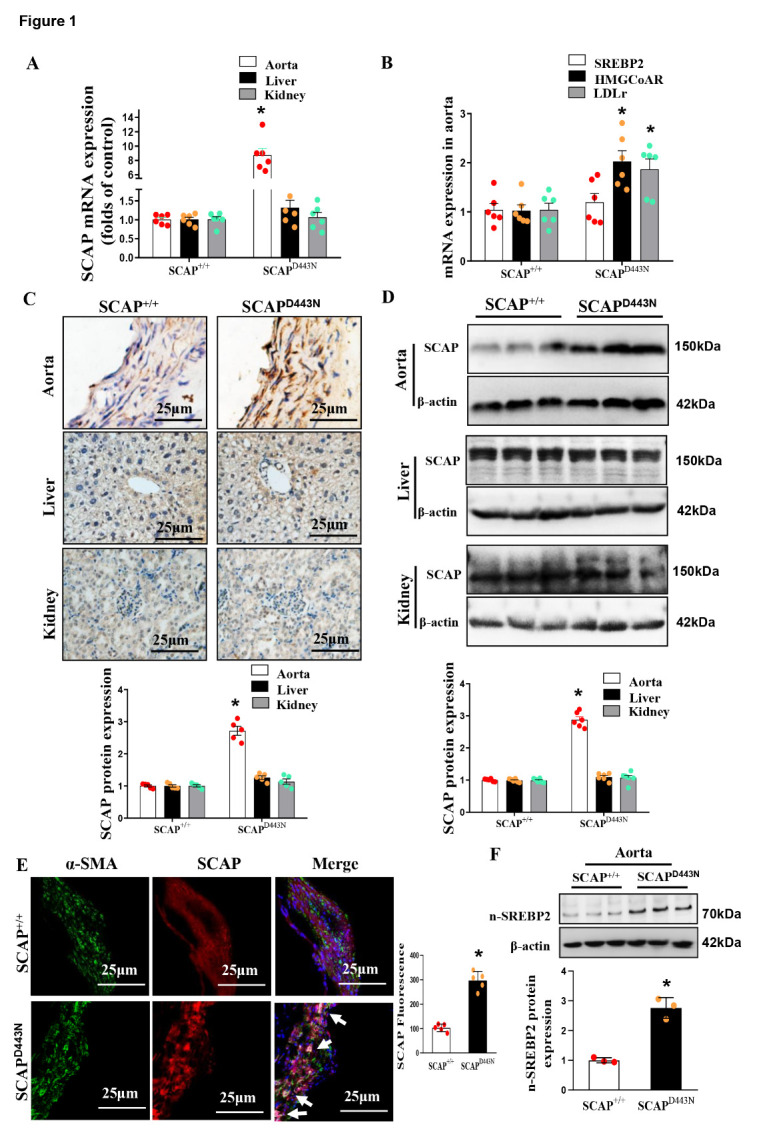
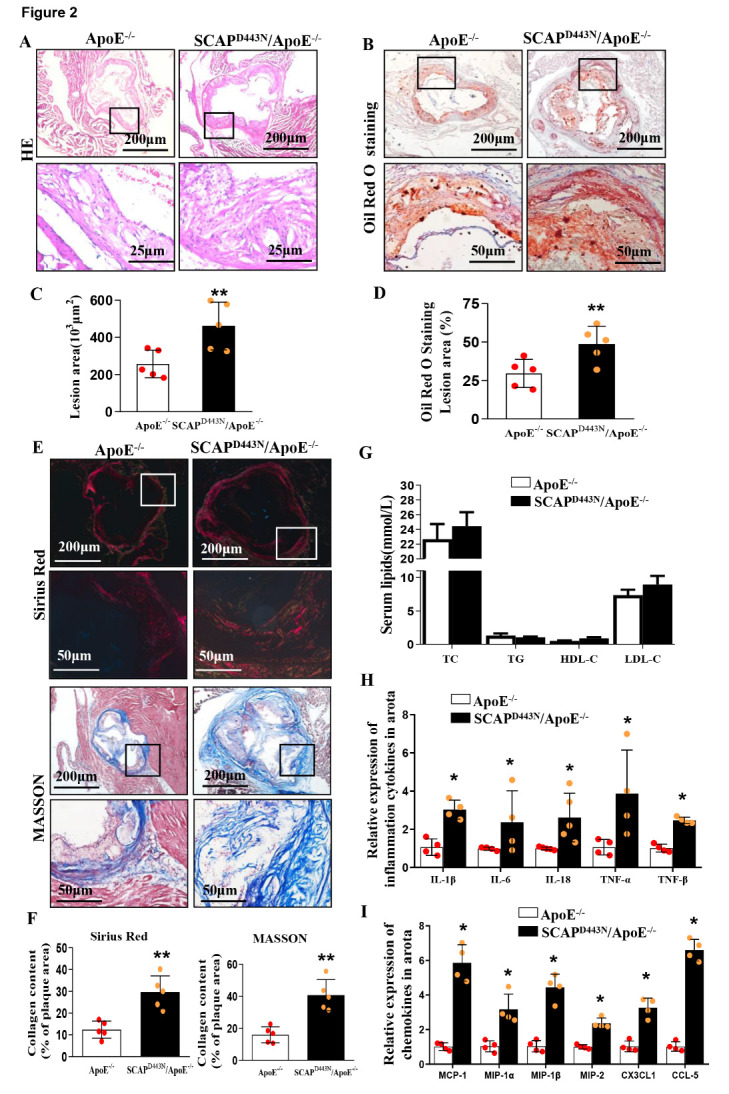
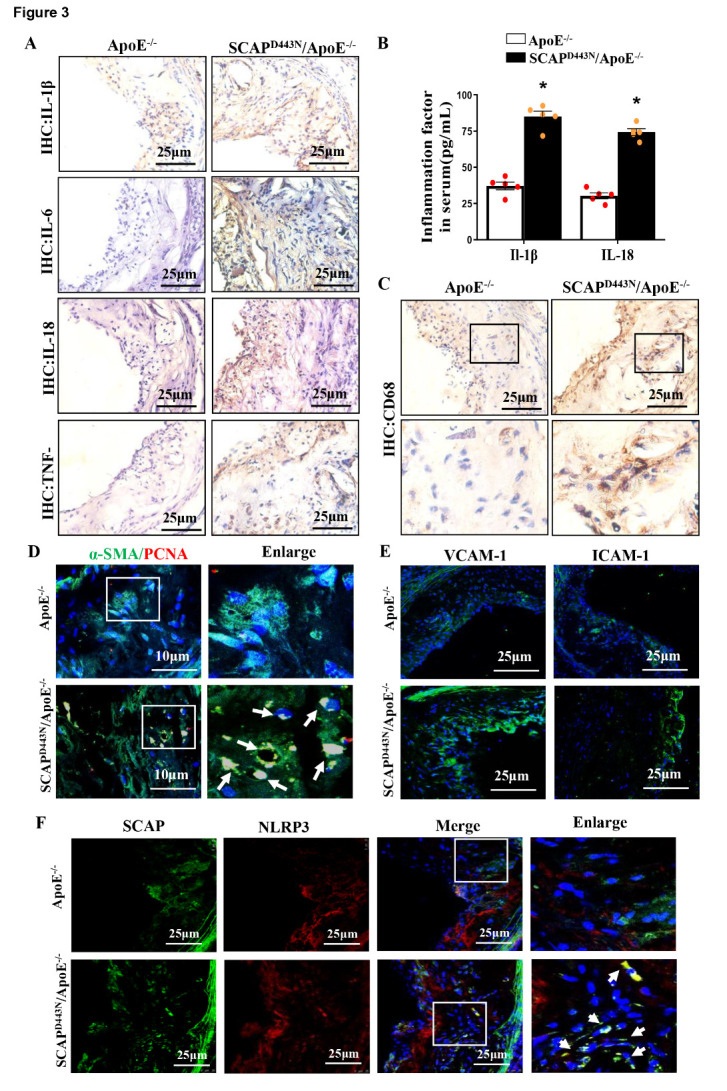
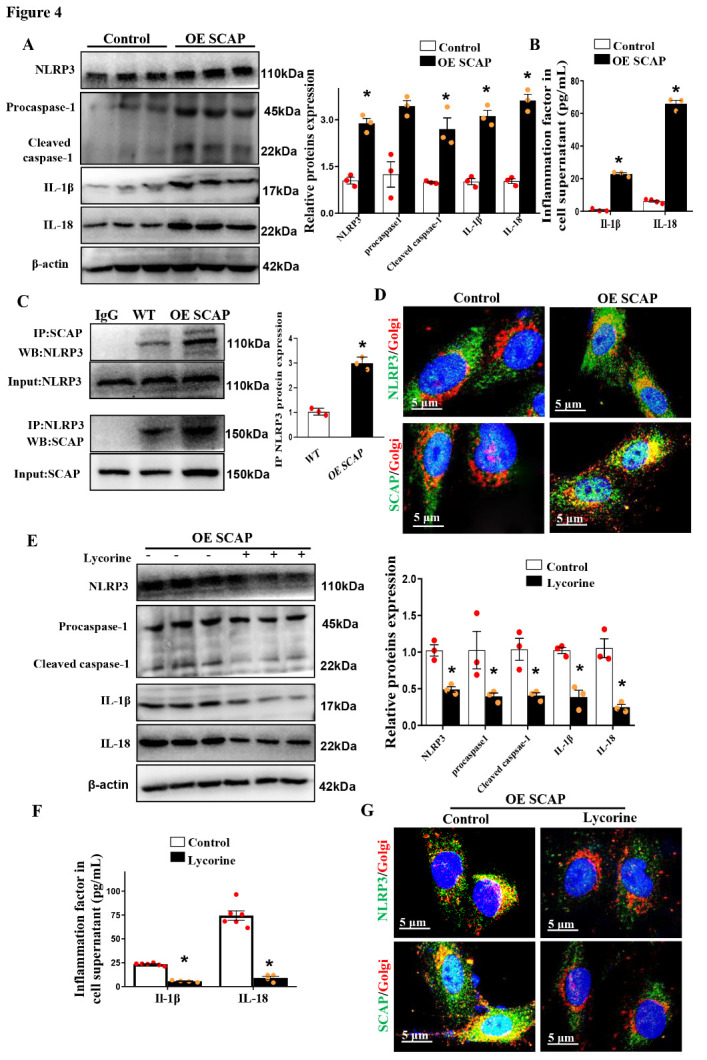
Verification
Claims the paper makes
The claims and statistics of this paper haven’t been checked yet.
Run the check — free, no account needed. It reads the open-access text and checks the sources it cites.
Claims other papers make about this one
Each is checked against this paper’s own text: does it say what the citing paper says it does?
In the citing paper
“Previous studies have demonstrated that SCAP is involved in the molecular mechanisms linking cholesterol metabolism directly to NLRP3 inflammasome activation19 and nuclear factor kappa B (NF-κB) signaling20.”
In the citing paper
“SCAP plays a key role in metabolic diseases by regulating inflammatory signaling pathways linked to cholesterol disorders19,20, such as SCAP-mediated Golgi trafficking in NF-κB activation.”
In the citing paper
“SCAP, a cholesterol sensitizer, bridges metabolism and inflammation and amplifies inflammatory mediator production in metabolic diseases, particularly in cholesterol homeostasis disorders19,20.”
Self-check
Percentages, sums and reported differences re-computed from the paper’s own numbers.
The self-check needs the paper’s full text.
Citations
Cites
Franceschi, C., Capri, M., Monti, D., Giunta, S., Olivieri, F., Sevini, F., Panourgia, M. P., Invidia, L., Celani, L., Scurti, M., et al. (2007) · Mechanisms of Ageing and Development · doi:10.1016/j.mad.2006.11.016 · Cited by 2,087
van der Heijden, T., Kritikou, E., Venema, W., van Duijn, J., van Santbrink, P. J., Slütter, B., Foks, A. C., Bot, I., & Kuiper, J. (2017) · Arteriosclerosis, Thrombosis, and Vascular Biology · doi:10.1161/atvbaha.117.309575 · Cited by 348
Xiao, H., Lu, M., Lin, T. Y., Chen, Z., Chen, G., Wang, W.-C., Marin, T., Shentu, T.-P., Wen, L., Gongol, B., et al. (2013) · Circulation · doi:10.1161/circulationaha.113.002714 · Cited by 257
Research works printed but not linked: 52
- Pallottini V, Martini C, Cavallini G, Donati A, Bergamini E, Notarnicola M, et al. (2006). Modified HMG-CoA reductase and LDLr regulation is deeply involved in age-related hypercholesterolemia. J Cell Biochem, 98:1044-1053. · DOI
- Sakai J, Rawson RB (2001). The sterol regulatory element-binding protein pathway: control of lipid homeostasis through regulated intracellular transport. Curr Opin Lipidol, 12:261-266. · DOI
- Kamisuki S, Mao Q, Abu-Elheiga L, Gu Z, Kugimiya A, Kwon Y, et al. (2009). A small molecule that blocks fat synthesis by inhibiting the activation of SREBP. Chem Biol, 16:882-892. · DOI · Paper page
- Shao W, Machamer CE, Espenshade PJ (2016). Fatostatin blocks ER exit of SCAP but inhibits cell growth in a SCAP-independent manner. J Lipid Res, 57:1564-1573. · DOI
- Tang JJ, Li JG, Qi W, Qiu WW, Li PS, Li BL, et al. (2011). Inhibition of SREBP by a small molecule, betulin, improves hyperlipidemia and insulin resistance and reduces atherosclerotic plaques. Cell Metab, 13:44-56. · DOI · Paper page
- Asano L, Watanabe M, Ryoden Y, Usuda K, Yamaguchi T, Khambu B, et al. (2017). Vitamin D Metabolite, 25-Hydroxyvitamin D, Regulates Lipid Metabolism by Inducing Degradation of SREBP/SCAP. Cell Chem Biol, 24:207-217. · DOI
- Zheng ZG, Zhu ST, Cheng HM, Zhang X, Cheng G, Thu PM, et al. (2020). Discovery of a potent SCAP degrader that ameliorates HFD-induced obesity, hyperlipidemia and insulin resistance via an autophagy-independent lysosomal pathway. Autophagy:1-22. · DOI
- Cao Z, Yang P, Zhou Q (2013). Multiple biological functions and pharmacological effects of lycorine. Sci China Chem, 56:1382-1391. · DOI
- Seca AML, Pinto D (2018). Plant Secondary Metabolites as Anticancer Agents: Successes in Clinical Trials and Therapeutic Application. Int J Mol Sci, 19. · DOI
- Gholkar AA, Cheung K, Williams KJ, Lo YC, Hamideh SA, Nnebe C, et al. (2016). Fatostatin Inhibits Cancer Cell Proliferation by Affecting Mitotic Microtubule Spindle Assembly and Cell Division. J Biol Chem, 291:17001-17008. · DOI
- Yabe D, Xia ZP, Adams CM, Rawson RB (2002). Three mutations in sterol-sensing domain of SCAP block interaction with insig and render SREBP cleavage insensitive to sterols. Proc Natl Acad Sci U S A, 99:16672-16677. · DOI
- Yang T, Espenshade PJ, Wright ME, Yabe D, Gong Y, Aebersold R, et al. (2002). Crucial step in cholesterol homeostasis: sterols promote binding of SCAP to INSIG-1, a membrane protein that facilitates retention of SREBPs in ER. Cell, 110:489-500. · DOI · Paper page
- Hughes AL, Stewart EV, Espenshade PJ (2008). Identification of twenty-three mutations in fission yeast Scap that constitutively activate SREBP. J Lipid Res, 49:2001-2012. · DOI
- Feramisco JD, Radhakrishnan A, Ikeda Y, Reitz J, Brown MS, Goldstein JL (2005). Intramembrane aspartic acid in SCAP protein governs cholesterol-induced conformational change. Proc Natl Acad Sci U S A, 102:3242-3247. · DOI
- Motamed M, Zhang Y, Wang ML, Seemann J, Kwon HJ, Goldstein JL, et al. (2011). Identification of luminal Loop 1 of Scap protein as the sterol sensor that maintains cholesterol homeostasis. J Biol Chem, 286:18002-18012. · DOI
- Kuan YC, Takahashi Y, Maruyama T, Shimizu M, Yamauchi Y, Sato R (2020). Ring finger protein 5 activates sterol regulatory element-binding protein 2 (SREBP2) to promote cholesterol biosynthesis via inducing polyubiquitination of SREBP chaperone SCAP. J Biol Chem, 295:3918-3928. · DOI
- Nohturfft A, Yabe D, Goldstein JL, Brown MS, Espenshade PJ (2000). Regulated step in cholesterol feedback localized to budding of SCAP from ER membranes. Cell, 102:315-323. · DOI
- Hua X, Nohturfft A, Goldstein JL, Brown MS (1996). Sterol resistance in CHO cells traced to point mutation in SREBP cleavage-activating protein. Cell, 87:415-426. · DOI · Paper page
- Korn BS, Shimomura I, Bashmakov Y, Hammer RE, Horton JD, Goldstein JL, et al. (1998). Blunted feedback suppression of SREBP processing by dietary cholesterol in transgenic mice expressing sterol-resistant SCAP(D443N). J Clin Invest, 102:2050-2060. · DOI · Paper page
- Ferrucci L, Corsi A, Lauretani F, Bandinelli S, Bartali B, Taub DD, et al. (2005). The origins of age-related proinflammatory state. Blood, 105:2294-2299. · DOI · Paper page
- Capel F, Rolland-Valognes G, Dacquet C, Brun M, Lonchampt M, Ktorza A, et al. (2013). Analysis of sterol-regulatory element-binding protein 1c target genes in mouse liver during aging and high-fat diet. J Nutrigenet Nutrigenomics, 6:107-122. · DOI
- Li Y, Xu S, Jiang B, Cohen RA, Zang M (2013). Activation of sterol regulatory element binding protein and NLRP3 inflammasome in atherosclerotic lesion development in diabetic pigs. PLoS One, 8:e67532. · DOI
- Li LC, Varghese Z, Moorhead JF, Lee CT, Chen JB, Ruan XZ (2013). Cross-talk between TLR4-MyD88-NF-kappaB and SCAP-SREBP2 pathways mediates macrophage foam cell formation. Am J Physiol Heart Circ Physiol, 304:H874-884. · DOI · Paper page
- Zheng F, Xing S, Gong Z, Xing Q (2013). NLRP3 inflammasomes show high expression in aorta of patients with atherosclerosis. Heart Lung Circ, 22:746-750. · DOI
- Duewell P, Kono H, Rayner KJ, Sirois CM, Vladimer G, Bauernfeind FG, et al. (2010). NLRP3 inflammasomes are required for atherogenesis and activated by cholesterol crystals. Nature, 464:1357-1361. · DOI · Paper page
- Satoh M, Tabuchi T, Itoh T, Nakamura M (2014). NLRP3 inflammasome activation in coronary artery disease: results from prospective and randomized study of treatment with atorvastatin or rosuvastatin. Clin Sci (Lond), 126:233-241. · DOI
- Elhage R, Jawien J, Rudling M, Ljunggren HG, Takeda K, Akira S, et al. (2003). Reduced atherosclerosis in interleukin-18 deficient apolipoprotein E-knockout mice. Cardiovasc Res, 59:234-240. · DOI
- Kamari Y, Shaish A, Shemesh S, Vax E, Grosskopf I, Dotan S, et al. (2011). Reduced atherosclerosis and inflammatory cytokines in apolipoprotein-E-deficient mice lacking bone marrow-derived interleukin-1alpha. Biochem Biophys Res Commun, 405:197-203. · DOI
- Vromman A, Trabelsi N, Rouxel C, Bereziat G, Limon I, Blaise R (2013). beta-Amyloid context intensifies vascular smooth muscle cells induced inflammatory response and de-differentiation. Aging Cell, 12:358-369. · DOI
- Wu JH, Zhou YF, Hong CD, Chen AQ, Luo Y, Mao L, et al. (2019). Semaphorin-3A protects against neointimal hyperplasia after vascular injury. EBioMedicine, 39:95-108. · DOI
- Kim JA, Berliner JA, Natarajan RD, Nadler JL (1994). Evidence that glucose increases monocyte binding to human aortic endothelial cells. Diabetes, 43:1103-1107. · DOI
- Chen X, Guo X, Ge Q, Zhao Y, Mu H, Zhang J (2019). ER Stress Activates the NLRP3 Inflammasome: A Novel Mechanism of Atherosclerosis. Oxid Med Cell Longev, 2019:3462530. · DOI
- Guo C, Chi Z, Jiang D, Xu T, Yu W, Wang Z, et al. (2018). Cholesterol Homeostatic Regulator SCAP-SREBP2 Integrates NLRP3 Inflammasome Activation and Cholesterol Biosynthetic Signaling in Macrophages. Immunity, 49:842-856 e847. · DOI · Paper page
- Harman JL, Jorgensen HF (2019). The role of smooth muscle cells in plaque stability: Therapeutic targeting potential. Br J Pharmacol, 176:3741-3753. · DOI
- Lacolley P, Regnault V, Nicoletti A, Li Z, Michel JB (2012). The vascular smooth muscle cell in arterial pathology: a cell that can take on multiple roles. Cardiovasc Res, 95:194-204. · DOI
- Michel JB, Martin-Ventura JL, Nicoletti A, Ho-Tin-Noe B (2014). Pathology of human plaque vulnerability: mechanisms and consequences of intraplaque haemorrhages. Atherosclerosis, 234:311-319. · DOI
- Li D, Chen A, Lan T, Zou Y, Zhao L, Yang P, et al. (2019). SCAP knockdown in vascular smooth muscle cells alleviates atherosclerosis plaque formation via up-regulating autophagy in ApoE(-/-) mice. FASEB J, 33:3437-3450. · DOI
- Ruan XZ, Moorhead JF, Tao JL, Ma KL, Wheeler DC, Powis SH, et al. (2006). Mechanisms of dysregulation of low-density lipoprotein receptor expression in vascular smooth muscle cells by inflammatory cytokines. Arterioscler Thromb Vasc Biol, 26:1150-1155. · DOI
- Wang R, Wu W, Li W, Huang S, Li Z, Liu R, et al. (2018). Activation of NLRP3 Inflammasome Promotes Foam Cell Formation in Vascular Smooth Muscle Cells and Atherogenesis Via HMGB1. J Am Heart Assoc, 7:e008596. · DOI
- An N, Gao Y, Si Z, Zhang H, Wang L, Tian C, et al. (2019). Regulatory Mechanisms of the NLRP3 Inflammasome, a Novel Immune-Inflammatory Marker in Cardiovascular Diseases. Front Immunol, 10:1592. · DOI
- Swanson KV, Deng M, Ting JP (2019). The NLRP3 inflammasome: molecular activation and regulation to therapeutics. Nat Rev Immunol, 19:477-489. · DOI · Paper page
- Ma KL, Liu J, Wang CX, Ni J, Zhang Y, Wu Y, et al. (2013). Activation of mTOR modulates SREBP-2 to induce foam cell formation through increased retinoblastoma protein phosphorylation. Cardiovasc Res, 100:450-460. · DOI
- Kawabe J, Hasebe N (2014). Role of the vasa vasorum and vascular resident stem cells in atherosclerosis. Biomed Res Int, 2014:701571. · DOI
- Xu F, Ji J, Li L, Chen R, Hu W (2007). Activation of adventitial fibroblasts contributes to the early development of atherosclerosis: a novel hypothesis that complements the "Response-to-Injury Hypothesis" and the "Inflammation Hypothesis". Med Hypotheses, 69:908-912. · DOI
- Maiellaro K, Taylor WR (2007). The role of the adventitia in vascular inflammation. Cardiovasc Res, 75:640-648. · DOI
- He C, Medley SC, Hu T, Hinsdale ME, Lupu F, Virmani R, et al. (2015). PDGFRbeta signalling regulates local inflammation and synergizes with hypercholesterolaemia to promote atherosclerosis. Nat Commun, 6:7770. · DOI
- Kim SM, Huh JW, Kim EY, Shin MK, Park JE, Kim SW, et al. (2019). Endothelial dysfunction induces atherosclerosis: increased aggrecan expression promotes apoptosis in vascular smooth muscle cells. BMB Rep, 52:145-150. · DOI
- Ackers-Johnson M, Talasila A, Sage AP, Long X, Bot I, Morrell NW, et al. (2015). Myocardin regulates vascular smooth muscle cell inflammatory activation and disease. Arterioscler Thromb Vasc Biol, 35:817-828. · DOI
- Chistiakov DA, Orekhov AN, Bobryshev YV (2015). Vascular smooth muscle cell in atherosclerosis. Acta Physiol (Oxf), 214:33-50. · DOI
- Lotzer K, Dopping S, Connert S, Grabner R, Spanbroek R, Lemser B, et al. (2010). Mouse aorta smooth muscle cells differentiate into lymphoid tissue organizer-like cells on combined tumor necrosis factor receptor-1/lymphotoxin beta-receptor NF-kappaB signaling. Arterioscler Thromb Vasc Biol, 30:395-402. · DOI
- Jia LX, Zhang WM, Li TT, Liu Y, Piao CM, Ma YC, et al. (2017). ER stress dependent microparticles derived from smooth muscle cells promote endothelial dysfunction during thoracic aortic aneurysm and dissection. Clin Sci (Lond), 131:1287-1299. · DOI
- Zheng B, Yin WN, Suzuki T, Zhang XH, Zhang Y, Song LL, et al. (2017). Exosome-Mediated miR-155 Transfer from Smooth Muscle Cells to Endothelial Cells Induces Endothelial Injury and Promotes Atherosclerosis. Mol Ther, 25:1279-1294. · DOI
Cited by
Sorted by citations
Niu, T., Wang, S., Zhang, H., Zhu, W., Liu, K., Zhou, X., Sun, R., Niu, D., & Yuan, Y. (2025) · Experimental & Molecular Medicine · doi:10.1038/s12276-025-01534-w · Cited by 7
Metadata
- Authors
- Li, D., Liu, M., Li, Z., Zheng, G., Chen, A., Zhao, L., Yang, P., Wei, L., Chen, Y., & Ruan, X. Z.
- Venue
- Aging and disease
- Publisher
- Aging and Disease
- Published
- 2021
- Volume
- 12
- Issue
- 3
- Pages
- 747
- ISSN
- 2152-5250
- PMC
- PMC8139202
- Cited by
- 26
- References
- 3
- Language
- en
About these checks
Registry, retraction, Cites and statistics results are computed, not judged, with one exception: a printed reference that no index lists is read once by a model before it counts as a citation error. Claims are extracted by a model and kept only when their quote appears verbatim in the text; each cited source is then checked, with a model’s help, for whether it says what the claim relies on. Those verdicts can be wrong — read the claim’s quote and the cited source before relying on one.
Statistics and arithmetic are recomputed, not judged.
Confidence bands are shown only for fields calibrated on our annotated test set. None is calibrated yet, so no band is shown.
What counts as a claim ›How we measure confidence ›How we check this ›
Are you an author, or do you see a problem with this page? Request a review
