

Putative neural consequences of captivity for elephants and cetaceans
Open accessThe DOI matches its Crossref record; 288 of the 296 references it cites were found in a registry or an index.
Abstract
The present review assesses the potential neural impact of impoverished, captive environments on large-brained mammals, with a focus on elephants and cetaceans. These species share several characteristics, including being large, wide-ranging, long-lived, cognitively sophisticated, highly social, and large-brained mammals. Although the impact of the captive environment on physical and behavioral health has been well-documented, relatively little attention has been paid to the brain itself. Here, we explore the potential neural consequences of living in captive environments, with a focus on three levels: (1) The effects of environmental impoverishment/enrichment on the brain, emphasizing the negative neural consequences of the captive/impoverished environment; (2) the neural consequences of stress on the brain, with an emphasis on corticolimbic structures; and (3) the neural underpinnings of stereotypies, often observed in captive animals, underscoring dysregulation of the basal ganglia and associated circuitry. To this end, we provide a substantive hypothesis about the negative impact of captivity on the brains of large mammals (e.g., cetaceans and elephants) and how these neural consequences are related to documented evidence for compromised physical and psychological well-being.
Overview
The claims and statistics of this paper haven’t been checked yet.
Free: it reads the open-access text and checks the first 5 claims that cite a source we can check. Create a free account to check every claim.
Integrity signals
Registry
Cites
Statistics
Figures
Verification
Claims the paper makes
The claims and statistics of this paper haven’t been checked yet.
Free: it reads the open-access text and checks the first 5 claims that cite a source we can check. Create a free account to check every claim.
Claims other papers make about this one
Each is checked against this paper’s own text: does it say what the citing paper says it does?
The cited source says what the claim attributes to it.
In the citing paper
“The exercise elephants obtain by walking is also a crucial component of an enriched environment because it supplies the brain with oxygenated blood, increases the effectiveness of the immune system, and enhances an animal's cognitive abilities (Jacobs et al., 2021), while also providing metabolic benefits (Morfeld & Brown, 2017).”
From Continuing challenges of elephant captivity: the captive environment, health issues, and welfare implications (2024) · cites this paper as Jacobs et al., 2021
Self-check
Percentages, sums and reported differences re-computed from the paper’s own numbers.
The self-check needs the paper’s full text.
Citations
Cites
Items 201–288 of 288
Butti, C., Fordyce, R. E., Raghanti, M. A., Gu, X., Bonar, C. J., Wicinski, B. A., Wong, E. W., Roman, J., Brake, A., Eaves, E. L., et al. (2014) · The Anatomical Record · doi:10.1002/ar.22875 · Cited by 53 · cited 1×
“Generally, cetacean neocortical neurons are morphologically very similar to those observed in other cetartiodactyls (Butti et al. 2014, 2015; Jacobs et al. 2015).”
BackgroundSelf-citationJacobs, B., Johnson, N. L., Wahl, D., Schall, M., Maseko, B. C., Lewandowski, A., Raghanti, M. A., Wicinski, B., Butti, C., Hopkins, W. D., et al. (2014) · Frontiers in Neuroanatomy · doi:10.3389/fnana.2014.00024 · Cited by 53
Self-citationHumans and Dolphins: Decline and Fall of Adult Neurogenesis
Parolisi, R., Cozzi, B., & Bonfanti, L. (2018) · Frontiers in Neuroscience · doi:10.3389/fnins.2018.00497 · Cited by 53 · cited 1×
“Such stress-related damage could be particularly detrimental in cetaceans insofar as their hippocampus appears not to exhibit neurogenesis under normal conditions (Parolisi et al. 2018).”
BackgroundTongue twisters: feeding enrichment to reduce oral stereotypy in giraffe
Fernandez, L. T., Bashaw, M. J., Sartor, R. L., Bouwens, N. R., & Maki, T. S. (2008) · Zoo Biology · doi:10.1002/zoo.20180 · Cited by 52
Nikolova, Y. S., Misquitta, K. A., Rocco, B. R., Prevot, T. D., Knodt, A. R., Ellegood, J., Voineskos, A. N., Lerch, J. P., Hariri, A. R., Sibille, E., et al. (2018) · Translational Psychiatry · doi:10.1038/s41398-017-0083-5 · Cited by 52 · cited 8×
“Stress-induced graymatter reductions have also been documented (Nikolova et al. 2018) as well as N-methylD-aspartate (NMDA)-dependent decreases in apical dendritic complexity and spine density in themedial prefrontal cortex (McEwen 2016, 2017; Radley et al.”
BackgroundInfluentialStress, Well-Being and Reproductive Success
Edwards, K. L., Edes, A. N., & Brown, J. L. (2019) · Advances in experimental medicine and biology · doi:10.1007/978-3-030-23633-5_5 · Cited by 52 · cited 1×
“To the extent that captivity induces stress-related immunosuppression, captive animals would thus be more susceptible not only to neuroinflammation but also to opportunistic infections and possible disruptions of fertility (Edwards et al. 2019).”
BackgroundOrganization and chemical neuroanatomy of the African elephant (Loxodonta africana) hippocampus
Patzke, N., Olaleye, O., Haagensen, M., Hof, P. R., Ihunwo, A. O., & Manger, P. R. (2013) · Brain Structure and Function · doi:10.1007/s00429-013-0587-6 · Cited by 50 · cited 3×
“…(Finlay and Darlington 1995), with many parts of elephant and cetacean brains appearing to be highly conserved in terms of neuroanatomy and chemoarchitecture, including the limbic system (Butti et al. 2015; Denver 2009; Jacobs et al. 2011, 2015; Limacher-Burrell et al. 2018; Patzke et al. 2014).”
BackgroundComparative morphology of gigantopyramidal neurons in primary motor cortex across mammals
Jacobs, B., Garcia, M. E., Shea‐Shumsky, N. B., Tennison, M. E., Schall, M., Saviano, M. S., Tummino, T. A., Bull, A. J., Driscoll, L. L., Raghanti, M. A., et al. (2018) · Journal of Comparative Neurology · doi:10.1002/cne.24349 · Cited by 50 · cited 1×
“2015), human (Jacobs et al. 2018;Warling et al. 2020), and rat ( Jacobs et al.”
BackgroundSelf-citationVenn-Watson, S. K., Benham, C., Carlin, K., DeRienzo, D., & Leger, J. S. (2012) · Journal of Zoo and Wildlife Medicine · doi:10.1638/2011-0146.1 · Cited by 49 · cited 1×
“Nutrition/ metabolism disorders (e.g., insulin resistance, fatty liver disease, hemochromatosis, and hypocitraturia; Mazzaro et al. 2012; Venn-Watson et al. 2012, 2013; Zuckerman and Assimos 2009) are often linked to the captive diet (Rosen and Worthy 2018).”
BackgroundCerebellum and cognition: Does the rodent cerebellum participate in cognitive functions?
Shipman, M. L., & Green, J. T. (2019) · Neurobiology of Learning and Memory · doi:10.1016/j.nlm.2019.02.006 · Cited by 49 · cited 1×
“It remains unclear to what extent the cerebellum also contributes to cognitive and emotional functions in elephants and cetaceans, although such functions have been demonstrated in other species (primates: Habas 2021; rats: Shipman and Green 2020).”
BackgroundIn vivo opioid receptor occupation in the rat brain following exercise.
Sforzo, G. A., Seeger, T., Pert, C. B., Pert, A., & Dotson, C. O. (1986) · PubMed · Cited by 48
The neurobiology of stereotypy I: environmental complexity.
Lewis, M., Presti, M. F., Lewis, J., & Turner, C. A. (2006) · CABI eBooks · doi:10.1079/9780851990040.0190 · Cited by 48 · cited 3×
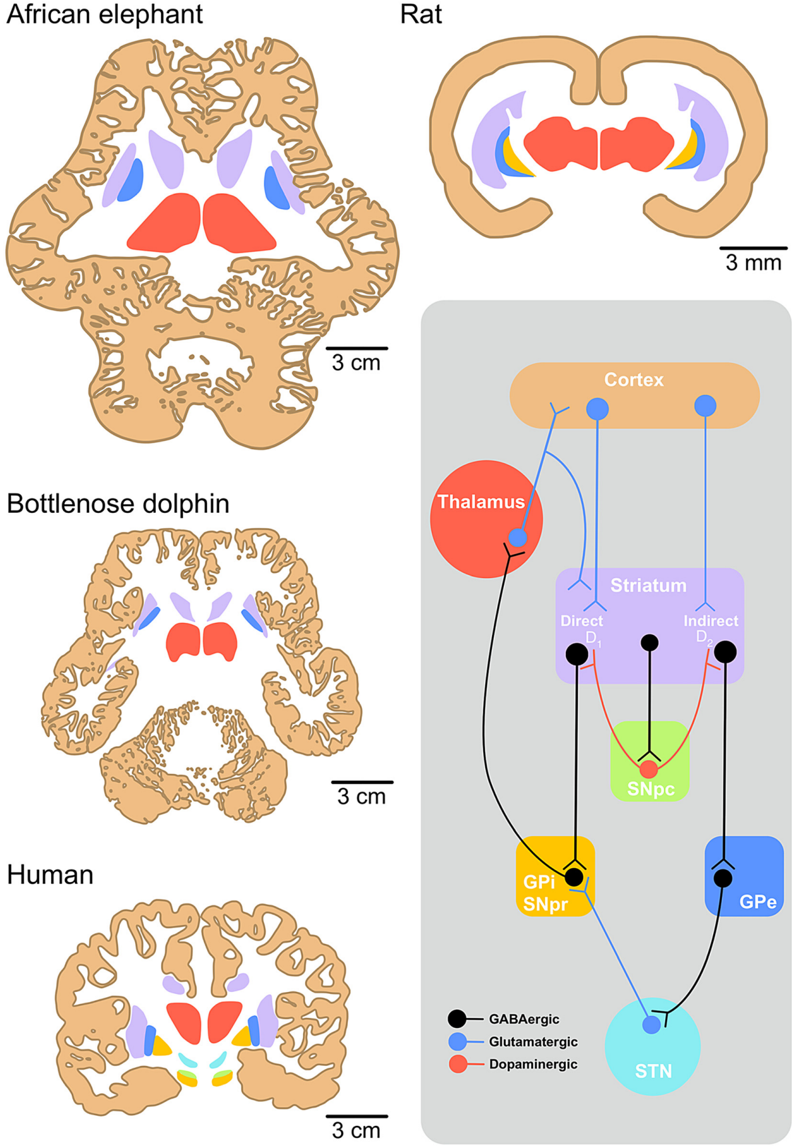
“Several neurotransmitter systems influence these pathways (Gao and Singer 2013; Lewis et al. 2006), with dopamine and serotonin appearing to be themost crucial.”
BackgroundSchmid, J., Heistermann, M., Gansloßer, U., & Hodges, J. K. (2001) · Animal Welfare · doi:10.1017/s0962728600032632 · Cited by 48 · cited 1×
“In Asian elephants, cortisol levels negatively correlate with locomotion and positively correlatewith stereotypies (Schmid et al. 2001).”
BackgroundAli, A. E. A., Wilson, Y. M., & Murphy, M. (2009) · Neurobiology of Learning and Memory · doi:10.1016/j.nlm.2009.05.004 · Cited by 47 · cited 2×
“Underlying these findings is the fundamental, lifelong effect that the environment, including training or even a single exposure to enrichment (Ali et al. 2009), has on the expression of a large number of genes linked to neuronal structure, synaptic plasticity, and neural transmission (Rampon et…”
BackgroundScharf, I., Stoldt, M., Libbrecht, R., Höpfner, A. L., Jongepier, E., Kever, M., & Foitzik, S. (2021) · Molecular Ecology · doi:10.1111/mec.15902 · Cited by 47 · cited 1×
“Also, ants raised in isolation show impairment in the growth of the mushroom bodies, which are crucial for learning and memory in social insects (Seid and Junge 2016), as well as weakened immune systems (Scharf et al. 2021).”
BackgroundBrown, J. L., Carlstead, K., Bray, J. D., Dickey, D., Farin, C., & Ange-van Heugten, K. (2019) · PLOS ONE · doi:10.1371/journal.pone.0217326 · Cited by 46 · cited 2×
“Similarly, not only do Asian and African elephants in larger enclosures exhibit lower glucocorticoid metabolite concentrations than their cohorts in smaller enclosures, but they also exhibit lower cortisol levels when they can access diverse enrichment options and allowed to be in compatible social groups (Brown et al…”
BackgroundOrganisation and chemical neuroanatomy of the African elephant (Loxodonta africana) olfactory bulb
Ngwenya, A., Patzke, N., Ihunwo, A. O., & Manger, P. R. (2011) · Brain Structure and Function · doi:10.1007/s00429-011-0316-y · Cited by 45 · cited 3×
“, enlarged anterior cortical nucleus) thought to be related to the animal’s heavy reliance on olfaction (Ngwenya et al. 2011) and its affect-laden and social-empathic behaviors (Limacher-Burrell et al.”
BackgroundIn vivo opioid receptor occupation in the rat brain following exercise
SFORZO, G. A., SEEGER, T. F., PERT, C. B., PERT, A., & DOTSON, C. O. (1986) · Medicine & Science in Sports & Exercise · doi:10.1249/00005768-198608000-00003 · Cited by 45 · cited 2×
“(2000), exercise appears to enhance the activity of several neurotransmitter systems in rats: (1) cholinergic functioning in the hippocampus, which improves spatial learning (Fordyce and Farrar 1991), (2) opioid activity, which modulates pain (Sforzo et al. 1986), and (3) monoamine functioning (noradrenaline and serot…”
BackgroundSmith, B. P., & Litchfield, C. A. (2010) · Journal of Applied Animal Welfare Science · doi:10.1080/10888700903371863 · Cited by 44
Jackson, J., Childs, D. Z., Mar, K. U., Htut, W., & Lummaa, V. (2019) · Proceedings of the Royal Society B Biological Sciences · doi:10.1098/rspb.2018.2810 · Cited by 44 · cited 1×
“Globally, more than 3000 cetaceans and 17,000 elephants are held in captivity (Jackson et al. 2019; Riddle and Stemme 2011).”
BackgroundExperimental evaluation of environmental enrichment of sea turtles
Therrien, C. L., Gaster, L., Cunningham‐Smith, P., & Manire, C. A. (2007) · Zoo Biology · doi:10.1002/zoo.20145 · Cited by 42
Clegg, I. L. K., & Delfour, F. (2018) · Aquatic Mammals · doi:10.1578/am.44.2.2018.181 · Cited by 41 · cited 1×
“We argue that neural inferences from other mammals to elephant and cetacean brains are strongly supported using the logic of triangulation (Thurmond 2001),which is employed in other animal welfare assessments (Clegg and Delfour 2018).”
MethodKatz, H. B., & Davies, C. A. (1984) · Experimental Neurology · doi:10.1016/s0014-4886(84)90098-0 · Cited by 40 · cited 4×
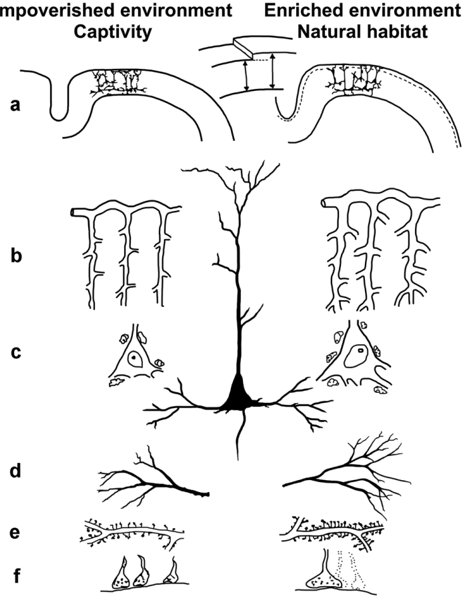
“Also, the impoverished rat brain possesses fewer glial cells, especially oligodendrocytes, than does the enriched rat brain (Altman and Das 1964; Katz and Davies 1984), which implies that cortical neurons in impoverished brains receive less metabolic and structural support than neurons in enriched…”
BackgroundInfluentialSocial isolation and brain development in the ant Camponotus floridanus
Seid, M. A., & Junge, E. (2016) · Die Naturwissenschaften · doi:10.1007/s00114-016-1364-1 · Cited by 40 · cited 1×
“Also, ants raised in isolation show impairment in the growth of the mushroom bodies, which are crucial for learning and memory in social insects (Seid and Junge 2016), as well as weakened immune systems (Scharf et al. 2021).”
BackgroundSome aspects of stereotyped patterns of movement exhibited by zoo animals
Boorer, M. (1972) · International Zoo Yearbook · doi:10.1111/j.1748-1090.1972.tb02312.x · Cited by 38 · cited 1×
“In nonhuman animals, such behavioral stereotypies are seldom if ever observed in nature (Boorer 1972), but have been consistently documented in many captive animals beyond murid rodents (Table 1B).”
BackgroundSchaftenaar, W., Reid, C., Martina, B., Fickel, J., & Osterhaus, A. D. M. E. (2010) · Journal of Zoo and Wildlife Medicine · doi:10.1638/2009-0217.1 · Cited by 38 · cited 1×
“EEHV is prevalent in captive environments, particularly in young, chronically stressed, immunocompromised Asian elephants (Elephas maximus; Schaftenaar et al. 2010), and is now the leading cause of death for captive elephant calves (Perrin et al. 2021).”
BackgroundFlies, A. S., Mansfield, L. S., Grant, C. K., Weldele, M. L., & Holekamp, K. E. (2015) · PLoS ONE · doi:10.1371/journal.pone.0137679 · Cited by 38 · cited 1×
“Direct comparisons between captive animals and their free counterparts have also suggested weakened immune systems for some captive animals (e.g., spotted hyenas: Flies et al. 2015; zebras: Seeber et al. 2020).”
BackgroundOelschläger, H., & Oelschläger, J. S. (2009) · Elsevier eBooks · doi:10.1016/b978-0-12-373553-9.00038-9 · Cited by 38
Beaulieu, C., & Cynader, M. S. (1990) · Developmental Brain Research · doi:10.1016/0165-3806(90)90125-i · Cited by 37 · cited 1×
“…per neuron is lower and the number of flatsymmetrical contacts is higher in impoverished compared to enriched animals, functionally suggesting that impoverished cortex may be less responsive to visual stimuli because there are more inhibitory synapses per neuron (Beaulieu and Cynader 1990).”
BackgroundCaptivity-Induced Depression in Animals
Lecorps, B., Weary, D. M., & von Keyserlingk, M. A. G. (2021) · Trends in Cognitive Sciences · doi:10.1016/j.tics.2021.03.010 · Cited by 36 · cited 2×
“Indeed, much of what we know about the neuropsychiatric consequences of chronic stress in humans derives from nonhuman animal models (Chattarji et al. 2015; Lecorps et al. 2021).”
BackgroundButti, C., Janeway, C. M., Townshend, C., Wicinski, B. A., Reidenberg, J. S., Ridgway, S. H., Sherwood, C. C., Hof, P. R., & Jacobs, B. (2014) · Brain Structure and Function · doi:10.1007/s00429-014-0860-3 · Cited by 35 · cited 4×
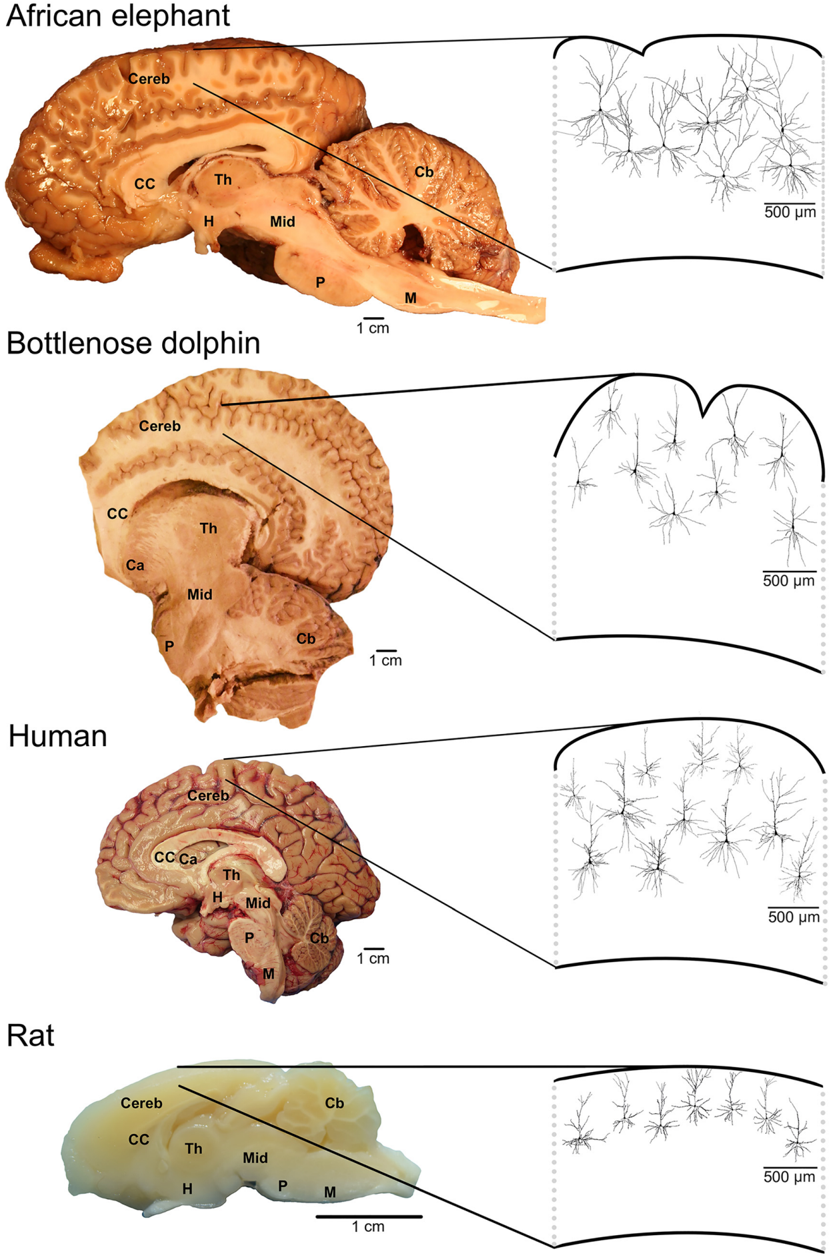
“As is the case with other mammals, the neocortex of elephants and cetaceans exhibits a variety of complex spiny neurons, with pyramidal neurons being dominant (Butti et al. 2015; Jacobs et al. 2011).”
BackgroundMethodResultInfluentialSelf-citationBertapelle, C., Polese, G., & Cosmo, A. D. (2017) · Journal of Experimental Zoology Part B Molecular and Developmental Evolution · doi:10.1002/jez.b.22735 · Cited by 35
Katsura, N. O. D. A., Akiyoshi, H., Mica, A. O. K. I., SHIMADA, T., & Ohashi, F. (2007) · Journal of Veterinary Medical Science · doi:10.1292/jvms.69.379 · Cited by 33 · cited 1×
“…examined to a limited degree, with acute measures indicating expected elevations in cortisol levels associated with events such as beach strandings in dolphins (Kellar et al. 2015) or transportation/relocation in elephants (Laws et al. 2007) and cetaceans (Noda et al. 2007; Spoon and Romano 2012).”
BackgroundSpoon, T. R., & Romano, T. A. (2011) · Brain Behavior and Immunity · doi:10.1016/j.bbi.2011.08.003 · Cited by 32 · cited 1×
“…examined to a limited degree, with acute measures indicating expected elevations in cortisol levels associated with events such as beach strandings in dolphins (Kellar et al. 2015) or transportation/relocation in elephants (Laws et al. 2007) and cetaceans (Noda et al. 2007; Spoon and Romano 2012).”
BackgroundSchedlowski, M., & Schmidt, R. E. (1996) · Die Naturwissenschaften · doi:10.1007/bf01143326 · Cited by 31 · cited 1×
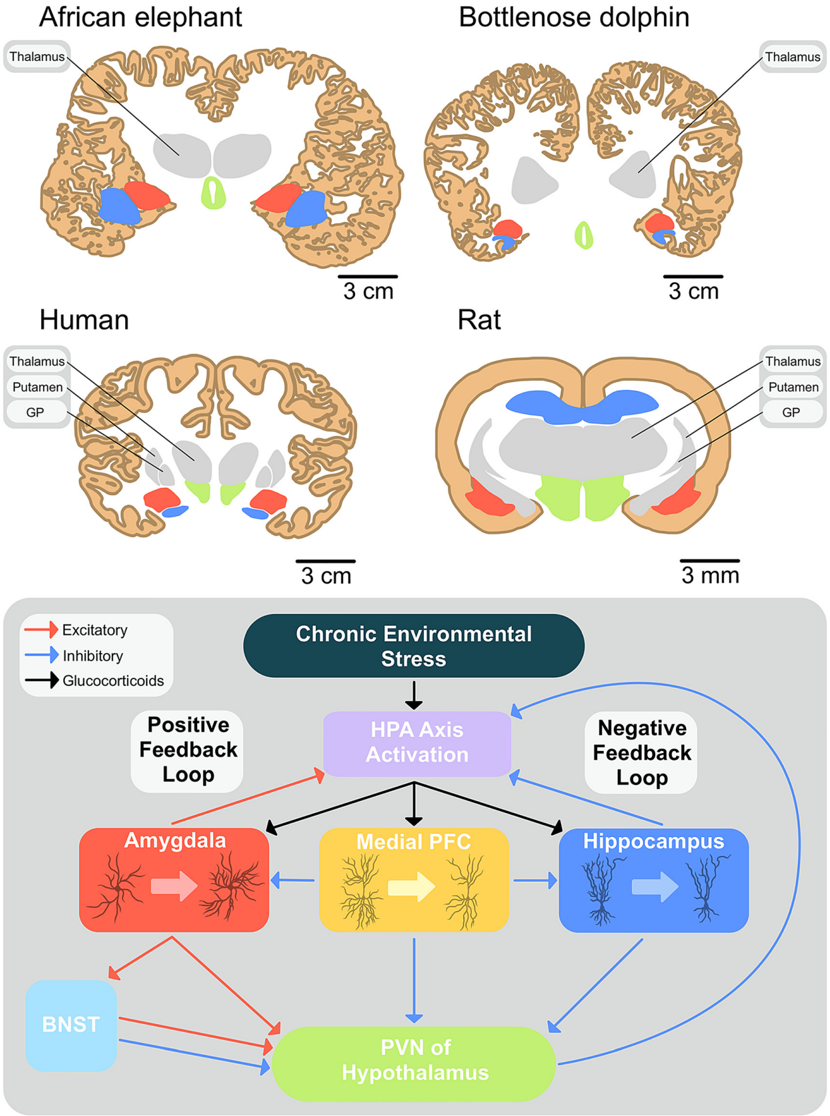
“Acute stress tends to enhance immune functions whereas chronic stress tends to inhibit them (Schedlowski and Schmidt 1996), with negative health and neural consequences (McEwen et al. 2015).”
BackgroundQualitative and Quantitative Aspects of the Microanatomy of the African Elephant Cerebellar Cortex
Maseko, B. C., Jacobs, B., Spocter, M. A., Sherwood, C. C., Hof, P. R., & Manger, P. R. (2012) · Brain Behavior and Evolution · doi:10.1159/000345565 · Cited by 31 · cited 1×
“…cerebellum in most cetaceans and in elephants is much larger in both relative and absolute size compared to other eutherians (Marino et al. 2000; Maseko et al. 2012), the neuronal morphology of the elephant and cetacean cerebellum is very consistent with what has been observed in other mammals…”
ResultSelf-citationProblematic animals in the zoo: the issue of charismatic megafauna
Hosey, G., Melfi, V., & Ward, S. J. (2020) · Problematic Wildlife II · doi:10.1007/978-3-030-42335-3_15 · Cited by 31 · cited 2×
“2018), the greatest challenge is for those animals born into a captive environment, which applies to most mammals in zoos (Hosey et al. 2020).”
BackgroundMelleu, F. F., Pinheiro, M. V., Lino-de-Oliveira, C., & Marino–Neto, J. (2015) · Brain Structure and Function · doi:10.1007/s00429-015-1043-6 · Cited by 30 · cited 1×
“…complex (or hippocampus), which is particularly sensitive to environmental influences, exhibits a lower volume in impoverished animals compared to enriched animals largely because of decreased neurogenesis (mice: Kemperman et al. 1977; pigeons: Melleu et al. 2016; rats: Veena et al. 2009).”
BackgroundJacobs, B., Harland, T., Kennedy, D., Schall, M., Wicinski, B. A., Butti, C., Hof, P. R., Sherwood, C. C., & Manger, P. R. (2014) · Brain Structure and Function · doi:10.1007/s00429-014-0830-9 · Cited by 29 · cited 3×
“…(Finlay and Darlington 1995), with many parts of elephant and cetacean brains appearing to be highly conserved in terms of neuroanatomy and chemoarchitecture, including the limbic system (Butti et al. 2015; Denver 2009; Jacobs et al. 2011, 2015; Limacher-Burrell et al. 2018; Patzke et al. 2014).”
BackgroundSelf-citationComplex Motor Stereotypies: An Evolving Neurobiological Concept
Gao, S., & Singer, H. S. (2013) · Future Neurology · doi:10.2217/fnl.13.4 · Cited by 29 · cited 2×
“Several neurotransmitter systems influence these pathways (Gao and Singer 2013; Lewis et al. 2006), with dopamine and serotonin appearing to be themost crucial.”
BackgroundMethodIron indices in bottlenose dolphins (Tursiops truncatus).
Mazzaro, L. M., Johnson, S., Fair, P. A., Bossart, G. D., Carlin, K. P., Jensen, E. D., Smith, C. R., Andrews, G. A., Chavey, P. S., & Venn-Watson, S. K. (2012) · Europe PMC (PubMed Central) · Cited by 28
Cerebral dopamine metabolism and stereotyped behaviour in early-weaned piglets
Sharman, D. F., Mann, S. P., Fry, J. P., Banns, H., & Stephens, D. B. (1982) · Neuroscience · doi:10.1016/0306-4522(82)90008-2 · Cited by 28 · cited 1×
“Environmental deprivation and social isolation have repeatedly been shown to dysregulate these motor control pathways in several species, resulting in stereotypies (rats: Hall et al. 1998; primates: Martin et al. 1991; horses: McBride and Hemmings 2005; and pigs: Sharman et al. 1982).”
BackgroundEvaluation of two environmental enrichment devices for singly caged chimpanzees (Pan troglodytes)
Brent, L., Lee, D. R., & Eichberg, J. W. (1989) · American Journal of Primatology · Cited by 28
Marino, L. (2009) · Elsevier eBooks · doi:10.1016/b978-0-12-373553-9.00039-0 · Cited by 27 · cited 2×
“The elephant brain is slightly larger than expected for its body size (Roth and Dicke 2005) and the brains of many odontocete cetacean species are significantly larger than predicted by their body size (Marino 2009).”
BackgroundSelf-citationAn Overview Of Foot Conditions in Asian And African Elephants
Fowler, M. E. (2000) · The Elephant's Foot · doi:10.1002/9780470292150.ch1 · Cited by 27 · cited 2×
“Skin issues (e.g., inflammation, lesions, and pressure sores) are common (Brown et al. 2020; Fowler 2006a) as are foot-related disorders (e.g., hyperkeratosis, cracked nails, and abscesses; Fowler 2001).”
BackgroundSocial networks in African elephants
Vance, E. A., Archie, E. A., & Moss, C. J. (2009) · Computational and Mathematical Organization Theory · doi:10.1007/s10588-008-9045-z · Cited by 27 · cited 1×
“in matriarchal, multigenerational family groups of two to 10 adult females and their immature offspring (de Silva et al. 2011; Vance et al. 2009).”
BackgroundTooth damage in captive orcas (Orcinus orca)
Jett, J. S., Visser, I. N., Ventre, J., Waltz, J., & Loch, C. (2017) · Archives of Oral Biology · doi:10.1016/j.archoralbio.2017.09.031 · Cited by 27 · cited 2×
“Captive cetaceans also exhibit a variety of stereotypies (e.g., repetitive swimming patterns; regurgitation/reingestion of food), with the most common being oral stereotypies that result in severely worn teeth from grating them on hard surfaces (Jett et al. 2017; Ugaz et al. 2013).”
BackgroundPark, S. Y., Lee, K., Cho, Y., Lim, S. R., Kwon, H., Han, J. E., & Kim, J. H. (2020) · Animals · doi:10.3390/ani10112052 · Cited by 27 · cited 2×
“…the prevalence of infectious diseases in captive cetaceans is compounded by the routine use of antibiotics and antifungals, including frequent prophylactic administration, leading to an imbalance of microflora and an increased risk of medicinal resistance (Park et al. 2020; Reidarson et al. 2018).”
BackgroundQuantitative Examination of the Bottlenose Dolphin Cerebellum
Hanson, A. C., Grisham, W., Sheh, C., Annese, J., & Ridgway, S. H. (2013) · The Anatomical Record · doi:10.1002/ar.22726 · Cited by 26 · cited 1×
“…and cetaceans, particularly in the lateral hemispheres (Smaers et al. 2018), appears to be related to its sensory acquisition and processing role and the importance of infrasound in elephants and echolocation in cetaceans for exploring the environment (Hanson et al. 2013; Jacobs et al. 2014).”
BackgroundCaptive elephants - an overview
Riddle, H. S., & Christopher, C. (2011) · Journal of Threatened Taxa · doi:10.11609/jott.o2620.1826-36 · Cited by 26
Brown, J. L., Bansiddhi, P., Khonmee, J., & Thitaram, C. (2020) · Animals · doi:10.3390/ani10040737 · Cited by 26 · cited 4×
“, inflammation, lesions, and pressure sores) are common (Brown et al. 2020; Fowler 2006a) as are foot-related disorders (e.”
BackgroundInfluentialGrindrod, J. A. E., & Cleaver, J. A. (2001) · Animal Welfare · doi:10.1017/s0962728600023253 · Cited by 26
Environmental enrichment influences neuronal stem cells in the adult crayfish brain
Ayub, N., Benton, J. L., Zhang, Y., & Beltz, B. S. (2011) · Developmental Neurobiology · doi:10.1002/dneu.20864 · Cited by 25
Garey, L. J., Takács, J., Revishchin, A. V., & Hámori, J. (1989) · Brain Research · doi:10.1016/0006-8993(89)90571-4 · Cited by 24 · cited 2×
“For example, quantitative distribution of gamma aminobutyric acid (GABA)-immunoreactive neurons in the Black Sea porpoise (Phocoena phocoena) visual cortex is similar to that observed in euarchontoglires (Garey et al. 1989).”
MethodWhat Is the Future for Zoos and Aquariums?
Kagan, R., Allard, S., & Carter, S. (2018) · Journal of Applied Animal Welfare Science · doi:10.1080/10888705.2018.1514302 · Cited by 24 · cited 2×
“Because elephants have complex physical and social needs that are difficult to meet even in professionally accredited zoological institutions (Kagan et al. 2018), they suffer from high rates of behavioral and physical pathology (Lahdenperä et al.”
BackgroundLott, R., & Williamson, C. (2017) · Animal welfare · doi:10.1007/978-3-319-46994-2_11 · Cited by 23 · cited 2×
“common in captive cetaceans than in their free counterparts due to their severely confined living space (Lott and Williamson 2017; Marino 2020).”
BackgroundFowler, M. E. (2006) · Wiley eBooks · doi:10.1002/9780470344484.ch11 · Cited by 21 · cited 1×
“In elephants, clinical outbreaks of salmonellosis tend to follow stress-related depression of the immune system (Fowler 2006b).”
BackgroundGreene, W., Dierenfeld, E. S., & Mikota, S. K. (2019) · The Journal of zoo and aquarium research · doi:10.19227/jzar.v7i1.329 · Cited by 21
Skórzewska, A., Lehner, M., Wisłowska-Stanek, A., Turzyńska, D., Sobolewska, A., Krząścik, P., & Płaźnik, A. (2015) · Neuropharmacology · doi:10.1016/j.neuropharm.2015.08.039 · Cited by 20 · cited 2×
“Under stressful conditions,whenglucocorticoid levels are high, the baseline GABA-ergic inhibitory control exerted by the medial prefrontal cortex over the central nucleus (the major output nucleus) of the amygdala is disrupted, resulting in amygdaloid hyperreactivity to perceived environmental stressors (Skórzewska et…”
BackgroundAsian Elephant T Cell Responses to Elephant Endotheliotropic Herpesvirus
Fuery, A., Leen, A. M., Peng, R., Wong, M. C., Liu, H., & Ling, P. D. (2017) · Journal of Virology · doi:10.1128/jvi.01951-17 · Cited by 19 · cited 2×
“Finally, captive elephants are particularly susceptible to several infectious diseases (e.g., Mycobacterium tuberculosis, TB, the endotheliotropic herpesvirus, EEHV), which are highly contagious (Fuery et al. 2018; Mikota and Maslow 2011).”
BackgroundHarvey, N. D., Daly, C., Clark, N., Ransford, E., Wallace, S., & Yon, L. (2018) · Animals · doi:10.3390/ani8080132 · Cited by 19 · cited 2×
“Captive elephants also exhibit hyperaggression (Harvey et al. 2018), in part because there is no opportunity for physical distancing during heighted intragroup stress (Archie et al. 2006).”
BackgroundManger, P. R., Patzke, N., Spocter, M. A., Bhagwandin, A., Karlsson, K. Æ., Bertelsen, M. F., Alagaili, A. N., Bennett, N. C., Mohammed, O. B., Herculano‐Houzel, S., et al. (2021) · Scientific Reports · doi:10.1038/s41598-021-84762-0 · Cited by 18 · cited 1×
“As with neuroanatomy, differences in distribution, density, and typology in neurochemical systems typically reflect specialized sensorimotor and ecological adaptations (Glezer et al. 1998; Manger et al. 2021), but they do not diminish the fundamental similarities across all mammalian brains.”
BackgroundDierenfeld, E. S. (2006) · Biology, Medicine, and Surgery of Elephants · doi:10.1002/9780470344484.ch6 · Cited by 17 · cited 1×
“Elephants engage in a variety of activities, such as socializing, caring for offspring, and foraging on a wide selection of food species (e.g., grasses, trees, bark, roots, and fruits; Dierenfeld 2006).”
BackgroundA Comparison of Walking Rates Between Wild and Zoo African Elephants
Miller, L. J., Chase, M. J., & Hacker, C. E. (2016) · Journal of Applied Animal Welfare Science · doi:10.1080/10888705.2015.1137755 · Cited by 16 · cited 2×
“2017), in which they typically travel ∼8–12 km/day,withmuch greater distances common (up to ∼50 km/day; Miller et al. 2016; Wall et al. 2013).”
BackgroundFowler, M. E. (2006) · Biology, Medicine, and Surgery of Elephants · doi:10.1002/9780470344484.ch20 · Cited by 16 · cited 1×
“, inflammation, lesions, and pressure sores) are common (Brown et al. 2020; Fowler 2006a) as are foot-related disorders (e.”
BackgroundPerrin (2021) · The Journal of zoo and aquarium research · doi:10.19227/jzar.v9i1.553 · Cited by 16
Exercise and the Immune System
Gomes, E. C., & Florida-James, G. D. (2016) · Springer eBooks · doi:10.1007/978-3-7091-1890-0_6 · Cited by 15 · cited 1×
“Moreover, exercise generally has a positive influence on the immune system, leading to a reduction in inflammatory biomarkers, and increases in antioxidant defenses (Gomes and Florida-James 2016).”
BackgroundOhno, Y., Akune, Y., Inoshima, Y., & Kano, R. (2019) · Journal of Veterinary Medical Science · doi:10.1292/jvms.18-0749 · Cited by 15 · cited 1×
“For example, candidiasis, which is often observed in immunocompromised individuals, is relatively common in captive cetaceans secondary to stress (Ohno et al. 2019).”
BackgroundImmune differences in captive and free-ranging zebras (Equus zebra and E. quagga)
Seeber, P. A., Morrison, T. A., Ortega, A., East, M. L., Greenwood, A. D., & Czirják, G. Á. (2020) · Mammalian Biology · doi:10.1007/s42991-020-00006-0 · Cited by 14 · cited 1×
“Direct comparisons between captive animals and their free counterparts have also suggested weakened immune systems for some captive animals (e.g., spotted hyenas: Flies et al. 2015; zebras: Seeber et al. 2020).”
BackgroundOccupation-related effects on motor cortex thickness among older, cognitive healthy individuals
Lenhart, L., Nagele, M., Steiger, R., Beliveau, V., Skalla, E., Zamarian, L., Gizewski, E. R., Benke, T., Delazer, M., & Scherfler, C. (2021) · Brain Structure and Function · doi:10.1007/s00429-021-02223-w · Cited by 13 · cited 1×
“In addition, they found preliminary evidence of a positive association between dendritic complexity in the hand-finger region of primary somatosensory cortex and thenature of an individual’s occupation, a relationship recently supported byneuroimaging (Lenhart et al. 2021).”
BackgroundBressem, M. V., Waerebeek, K. V., & Duignan, P. J. (2018) · Journal of Applied Animal Welfare Science · doi:10.1080/10888705.2017.1421076 · Cited by 12 · cited 1×
“Two common skin disorders in captive cetaceans are tattoo skin disease, which is caused by pox virus and is associated with immunocompromised individuals, and the potentially life-threatening diamond skin disease, caused by Erysipelothrix rhusiopathia (Van Bressem et al. 2018).”
BackgroundEnvironmental enrichment exerts anxiolytic effects in the Indian field mouse (Mus booduga)
Varman, D. R., Marimuthu, G., & Rajan, K. E. (2012) · Applied Animal Behaviour Science · doi:10.1016/j.applanim.2011.12.003 · Cited by 11 · cited 1×
“…to an animal’s environment as can be done in laboratory settings, where general enrichment and exercise are known to reduce stress and anxiety (mice: Varman et al. 2012; rats: Veena et al. 2009), enhance memory (mice: van Praag et al. 2000), increase cognitive functions and neural plasticity…”
BackgroundObservations on keeping the Pacific walrus Odobenus rosmarus divergens at Hanover Zoo
Dittrich, L. (1987) · International Zoo Yearbook · doi:10.1111/j.1748-1090.1987.tb03153.x · Cited by 11
Assessing the Welfare of Pinnipeds
Clegg, I. L. K., & Butterworth, A. (2017) · Animal welfare · doi:10.1007/978-3-319-46994-2_16 · Cited by 11 · cited 1×
“Most captive groupings are artificial and unstable because animals are moved among facilities for breeding purposes (Clegg and Butterworth 2017).”
BackgroundWarling, A., Uchida, R., Shin, H., Dodelson, C., Garcia, M. E., Shea‐Shumsky, N. B., Svirsky, S. E., Pothast, M. J., Kelley, H., Schumann, C. M., et al. (2020) · The Journal of Comparative Neurology · doi:10.1002/cne.25022 · Cited by 10
Self-citationLyn, H., Bahe, H., Broadway, M. S., Samuelson, M. M., Shelley, J. K., Hoffland, T., Jarvis, E., Pulis, K., Shannon, D., & Solangi, M. A. (2020) · International Journal of Comparative Psychology · doi:10.46867/ijcp.2020.33.04.01 · Cited by 9 · cited 1×
“Thus, not all types of enrichment are equally effective (Lyn et al. 2020).”
BackgroundJacobs, B., Johnson, N. L., Wahl, D., Schall, M., Maseko, B. C., Lewandowski, A. H., Raghanti, M. A., Wicinski, B. A., Butti, C., Hopkins, W. D., et al. (2014) · Frontiers in Neuroanatomy · doi:10.3389/fnana.2014.00069 · Cited by 9 · cited 2×
“…and absolute size compared to other eutherians (Marino et al. 2000; Maseko et al. 2012), the neuronal morphology of the elephant and cetacean cerebellum is very consistent with what has been observed in other mammals (Jacobs et al. 2014), and likely responds to impoverishment in a similar manner.”
BackgroundSelf-citationLimacher-Burrell, A., Bhagwandin, A., Maseko, B. C., & Manger, P. R. (2017) · Brain Structure and Function · doi:10.1007/s00429-017-1555-3 · Cited by 8 · cited 2×
“Size differences aside, all eutherian mammals share the same brain components (Finlay and Darlington 1995), with many parts of elephant and cetacean brains appearing to be highly conserved in terms of neuroanatomy and chemoarchitecture, including the limbic system (Butti et al. 2015; Denver 2009; Jacobs et al. 2011, 2…”
BackgroundMental health issues in captive cetaceans.
Marino, L. (2019) · CABI eBooks · doi:10.1079/9781786393401.0315 · Cited by 8 · cited 2×
“common in captive cetaceans than in their free counterparts due to their severely confined living space (Lott and Williamson 2017; Marino 2020).”
BackgroundSelf-citationLehnhardt, J. (2006) · doi:10.1002/9780470344484.ch5 · Cited by 7
Law, G., & Kitchener, A. C. (2017) · International Zoo Yearbook · doi:10.1111/izy.12152 · Cited by 6
Lahdenperä, M., Mar, K. U., Courtiol, A., & Lummaa, V. (2018) · Nature Communications · doi:10.1038/s41467-018-06032-4 · Cited by 4 · cited 1×
“elephants and cetaceans Because elephants have complex physical and social needs that are difficult to meet even in professionally accredited zoological institutions (Kagan et al. 2018), they suffer from high rates of behavioral and physical pathology (Lahdenperä et al. 2018).”
BackgroundBanihashemi, L., Wallace, M. L., Peng, C. W., Stinley, M. M., Germain, A., & Herringa, R. J. (2020) · Military Psychology · doi:10.1080/08995605.2019.1702831 · Cited by 4 · cited 1×
“Current human research, in fact, suggests that childhood trauma may subsequently make the adult brain more vulnerable to maladaptive stress responses (Banihashemi et al. 2020), an issue particularly relevant for long-lived, highly social animals such as elephants and cetaceans born into captivity.”
BackgroundObservations on keeping the Pacific walrus Odobenus rosmarus divergens at Hanover Zoo
Dittrich, L. (1986) · International Zoo Yearbook · doi:10.1111/j.1748-1090.1986.tb02217.x · Cited by 3
Dolphins and Whales – Taking Cognitive Research Out of the Tanks and into the Wild
Deecke, V. B. (2018) · Cambridge University Press eBooks · doi:10.1017/9781108333191.009 · Cited by 2 · cited 1×
“Although this hypothesis has yet to be tested, it comports with the behavioral evidence for sophisticated cognitive functions in dolphins and many other cetaceans (Deecke 2018; Marino et al. 2008).”
BackgroundLyn, H., Bahe, H., Broadway, M. S., Samuelson, M. M., Shelley, J. K., Hoffland, T., Jarvis, E., Pulis, K., Shannon, D., & Solangi, M. A. (2020) · eScholarship (California Digital Library) · Cited by 2
Shukla, V., & Sadananda, M. (2021) · Avian Biology Research · doi:10.1177/1758155921997982 · Cited by 1 · cited 1×
“For example, decreased dendritic complexity has been documented in pallial brain regions important for the development of social/sexual preferences in socially isolated zebra finches (Taeniopygia guttata, Shukla and Sadananda 2021).”
BackgroundTaylor (1998) · doi:10.1002/(sici)1098-2361(1998)17:4
Research works printed but not linked: 12
- 30. Buckley, C. (2009). Sanctuary: a fundamental requirement of wildlife management. In: Forthman, D.L., Kane, L.F., and Waldau, P. (Eds.), An elephant in the room: the science and well being of elephants in captivity. (Tufts University Cummings School of Veterinary Medicine's Center for Animals and Public Policy), Medford, MA, pp. 191-197.
- 46. Clubb, R. and Mason, G. (2002). A review of the welfare of zoo elephants in Europe. RSPCA, Horsham, West Sussex, UK.
- 57. Derby, P. (2009). Changes in social and biophysical environment yield improved physical and psychological health for captive elephants. An elephant in the room: the science and well-being of elephants in captivity. In: Forthman, D.L., Kane, L.F., and Waldau, P. (Eds.), An elephant in the room: the science and well being of elephants in captivity. Tufts University Cummings School of Veterinary Medicine's Center for Animals and Public Policy, Medford, MA, pp. 198-207.
- 82. Frohoff, T. (2018). Cetaceans and elephants: similar lives, treatment, and needs in captivity. In: Paper presented at the PAWS international captive wildlife conference. Los Angeles, CA, USA.
- 84. Gage, L.J. (2010). Cetacean medicine. In: Paper presented at the wild west veterinary conference. Reno, NV, USA.
- 168. Marino, L. (2015). The brain-structure and function. In: Johnson, C., and Herzing, D. (Eds.), Dolphin communication and cognition. MIT Press, Cambridge, MA, pp. 3-18.
- 193. Kleiman, D.G., Thompson, K.V., and Baer, C.K. (Eds.), Wild mammals in captivity: principles and techniques for zoo management, 2nd ed. University of Chicago Press, Chicago, IL, pp. 303-313.
- 234. Poole, J.H., and Granli, P. (2009). Mind and movement: meeting the interests of elephants. In: Forthman, D.L., Kane, L.F., and Waldau, P. (Eds.), An elephant in the room: the science and well being of elephants in captivity. Tufts University Cummings School of Veterinary Medicine's Center for Animals and Public Policy, Medford, MA, pp. 2-21.
- 238. Reidarson, T.H., García-Párraga, D., and Wiederhold, N.P. (2018). Marine mammal mycoses. In: Gulland, F.M.D., Dierauf, L.A., and Whitman, K.L. (Eds.), CRC handbook of marine mammal medicine. CRC Press, Boca Raton, FL, pp. 389-423.
- 241. Robeck, T.R., O'Brien, J.K., and Atkinson, S. (2018). Reproduction. In: Dierauf, L.A., and Gulland, F.M.D. (Eds.), CRC handbook of marine mammal medicine. CRC Press, Boca Raton, FL, pp. 169-207.
- 253. Schmid, J. (1995). Behavioural effects of keeping Circus elephants in Paddocks. In: Spooner, N.G., and Whitear, J.A. (Eds.), Proceedings of the eighth UK elephant workshop. North of England Zoological Society, Chester, UK, pp. 19-27.
- 273. Stoskopf, M.K. (2015). Environmental diseases of marine mammals. In: Line, S. and Moses, M.A. (Eds.). Merck veterinary manual online. Kenilworth Merck and Co, New Jersey, Available at: https://www.merckvetmanual.com/exotic-and-laboratory- animals/marine-mammals/environmental-diseases-of-marine- mammals# (Accessed 31 March 2021).
Cited by
de Azevedo, C. S., Cipreste, C. F., Pizzutto, C. S., & Young, R. J. (2023) · Animals · doi:10.3390/ani13081277 · Cited by 98
“Since an enclosure’s complexity can decrease captive stress [32], it can reduce the deleterious effects of DNA methylation [134], increasing the role of the captive population in conservation efforts [135].”
BackgroundOne health implications of fur farming
Warwick, C., Pilny, A. A., Steedman, C., & Grant, R. (2023) · Frontiers in Animal Science · doi:10.3389/fanim.2023.1249901 · Cited by 21
Doyle, C., Rally, H., O’Brien, L., Tennison, M., Marino, L., & Jacobs, B. (2024) · PeerJ · doi:10.7717/peerj.18161 · Cited by 14
Self-citationCetacean Brain, Cognition, and Social Complexity
Marino, L. (2022) · Ethology and behavioral ecology of marine mammals · doi:10.1007/978-3-030-98100-6_4 · Cited by 11
Self-citationElephant tourism: An analysis and recommendations for public health, safety, and animal welfare
Warwick, C., Pilny, A. A., Steedman, C., & Grant, R. (2023) · International Journal of One Health · doi:10.14202/ijoh.2023.49-66 · Cited by 12
Metadata
- Authors
- Jacobs, B., Rally, H., Doyle, C., O’Brien, L., Tennison, M., & Marino, L.
- Affiliations
- Colorado College (US)
- Foundation to Support Animal Protection , Norfolk , VA , 23510 , USA
- Performing Animal Welfare Society , P.O. Box 849 , Galt , CA , 95632 , USA
- Palladium Elephant Consulting Inc. , 2408 Pinewood Dr. SE , Calgary , AB , T2B1S4 , Canada
- University of Washington (US)
- Whale Sanctuary Project , Kanab , UT , 84741 , USA
- Corresponding author
- Jacobs, Bob
- Venue
- Reviews in the Neurosciences
- Publisher
- Walter de Gruyter GmbH
- Published
- 2021-09-16
- Volume
- 33
- Issue
- 4
- Pages
- 439-465
- ISSN
- 0334-1763 (ISSN-L)
- 2191-0200
- OpenAlex
- W3200857005
- Cited by
- 25
- References
- 296
- Citations by year
- 2026: 2 · 2025: 6 · 2024: 9 · 2023: 7 · 2022: 1
- FWCI
- 0.84
- Type
- journal article
- Language
- en
- Open access
- hybrid
- doi.org
- Locations
- Reviews in the Neurosciences (publishedVersion, cc-by)
- PubMed (publishedVersion)
- Topics
- Life Sciences › Agricultural and Biological Sciences › Animal Science and Zoology › Animal Behavior and Welfare Studies
- Life Sciences › Agricultural and Biological Sciences › Ecology, Evolution, Behavior and Systematics › Primate Behavior and Ecology
- Physical Sciences › Environmental Science › Ecology › Marine animal studies overview
- Keywords
- captivity, elephants, cetaceans, environmental enrichment, stress, corticolimbic system, stereotypy, basal ganglia, animal welfare
- MeSH terms
- Animals, Attention, Brain, Elephants, Humans
About these checks
Registry, retraction, Cites and statistics results are computed, not judged, with one exception: a printed reference that no index lists is read once by a model before it counts as a citation error. Claims are extracted by a model and kept only when their quote appears verbatim in the text; each cited source is then checked, with a model’s help, for whether it says what the claim relies on. Those verdicts can be wrong — read the claim’s quote and the cited source before relying on one.
Statistics and arithmetic are recomputed, not judged.
Confidence bands are shown only for fields calibrated on our annotated test set. None is calibrated yet, so no band is shown.
What counts as a claim ›How we measure confidence ›How we check this ›
Are you an author, or do you see a problem with this page? Request a review
Data sources
Bibliographic data: Semantic Scholar, OpenAlex, Crossref.
Contains information from the Semantic Scholar Academic Graph Datasets, made available under the ODC Attribution License (ODC-BY 1.0).
Semantic Scholar’s data is described in: Kinney, R., et al. (2023). The Semantic Scholar Open Data Platform. arXiv:2301.10140.
