

Alzheimer Amyloid Protein Precursor in the Rat Hippocampus: Transport and Processing through the Perforant Path
Open accessThe DOI matches its Crossref record; 55 of the 55 references it cites were found in a registry or an index; 1 of the 47 sources its claims cite were checked for support.
Abstract
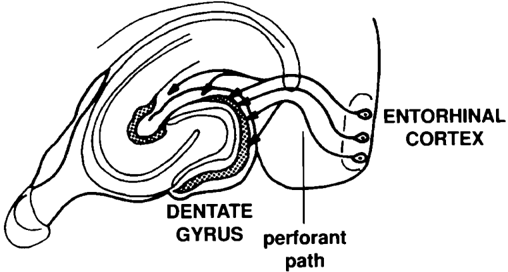
Amyloid deposition is a neuropathological hallmark of Alzheimer’s disease. The principal component of amyloid deposits is β amyloid peptide (Aβ), a peptide derived by proteolytic processing of the amyloid precursor protein (APP). APP is axonally transported by the fast anterograde component. Several studies have indicated that Aβ deposits occur in proximity to neuritic and synaptic profiles. Taken together, these latter observations have suggested that APP, axonally transported to nerve terminals, may be processed to Aβ at those sites. To examine the fate of APP in the CNS, we injected [35 S]methionine into the rat entorhinal cortex and examined the trafficking and processing of de novo synthesized APP in the perforant pathway and at presynaptic sites in the hippocampal formation. We report that both full-length and processed APP accumulate at presynaptic terminals of entorhinal neurons. Finally, we demonstrate that at these synaptic sites, C-terminal fragments of APP containing the entire Aβ domain accumulate, suggesting that these species may represent the penultimate precursors of synaptic Aβ.
Overview
CoChat Summary
TL;DR
In rats, APP synthesized in entorhinal cortex is transported via the perforant path to presynaptic terminals in the hippocampal formation and dentate gyrus, where full-length, soluble, and C-terminal APP fragments accumulate. C-terminal fragments containing the entire Aβ domain accumulate at synaptic sites, suggesting they may be penultimate precursors of synaptic Aβ.
Key findings
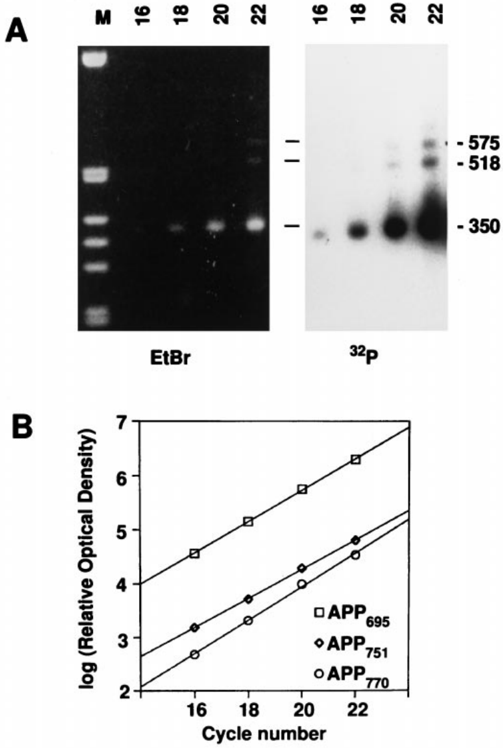
- APP695 mRNA is the principal APP transcript in entorhinal cortex, expressed at ~30-fold the levels of transcripts encoding KPI-containing APP751 and APP770 isoforms (RT-PCR products of 350, 518, and 575 bp; linear amplification over 16–22 cycles).
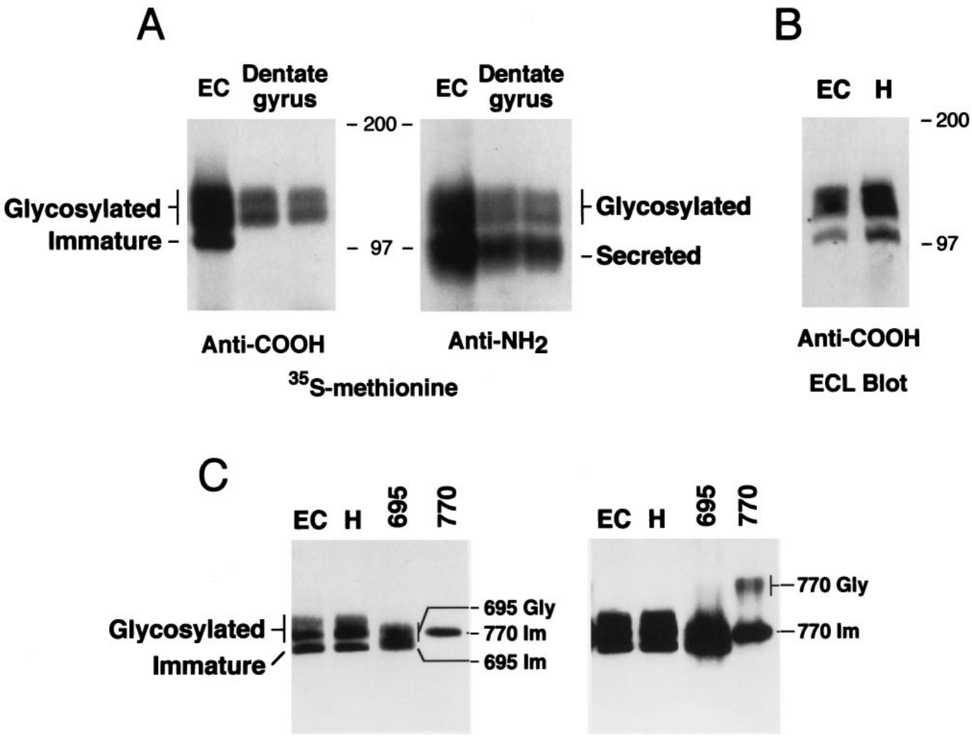
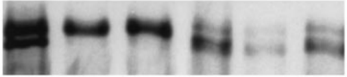
- After [35S]methionine injection into entorhinal cortex and 6 hr transport, full-length fully glycosylated APP and C-terminal-truncated soluble APP were detected in the hippocampal formation and dentate gyrus; immature ER APP was absent from dentate gyrus, indicating bona fide axonal transport.
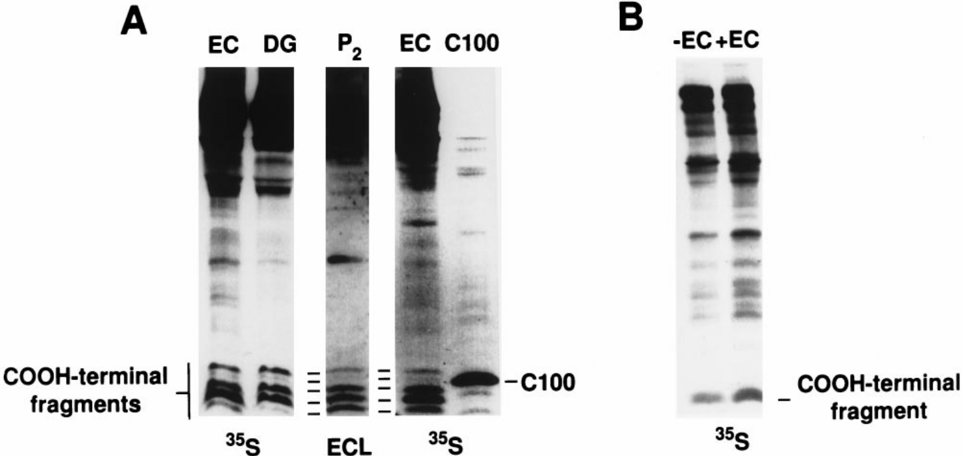
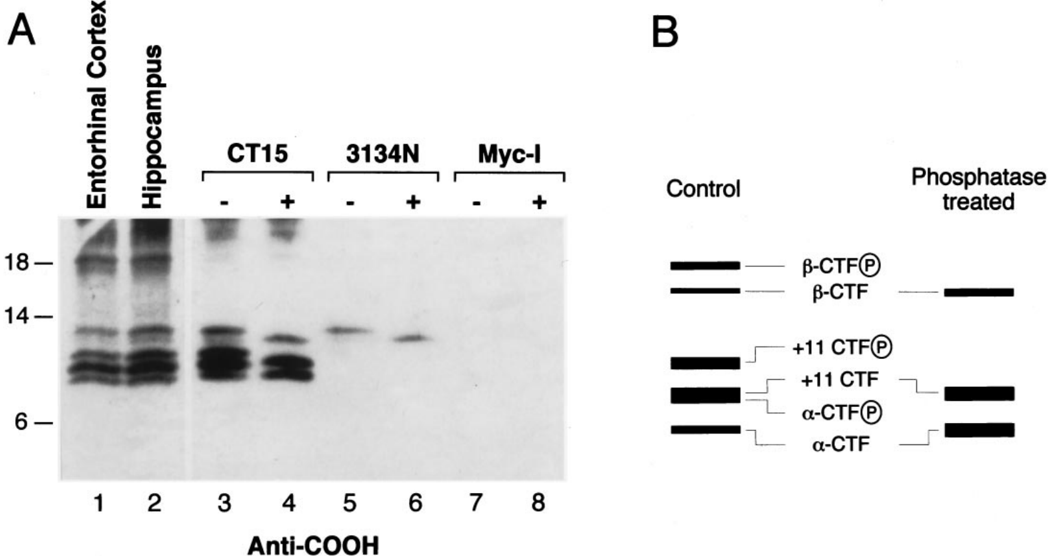
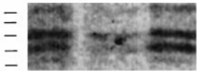
- Five CT15-immunoprecipitable C-terminal fragments of ~9–14 kDa were found in entorhinal cortex and hippocampus and in crude synaptosomal fractions; two slowest species had mobility same as or higher than C100, and phosphatase/3134N analyses suggested the largest ~12 kDa species is a phosphorylated form of an ~11 kDa CTF containing the entire Aβ domain.
- Radiolabeled Aβ was not detected in this perforant path paradigm even after injections of ~3 mCi [35S]methionine; the paper notes mouse brain Aβ accumulates to only ~2–3 pmol per gram wet weight (Duff et al., 1996) and states the reason for failure to detect it is not known.
Methods
- In vivo radiolabeling: 0.5 µl [35S]methionine (1 mCi/µl) was injected into rat entorhinal cortex; transport proceeded for 6 hr, then entorhinal cortex, hippocampal formation, and dentate gyrus were dissected.
- RT-PCR from entorhinal cortex RNA used primers bracketing the KPI domain, yielding 350, 518, and 575 bp products for APP695, APP751, and APP770; reactions were analyzed at 16, 18, 20, and 22 cycles.
- APP-related proteins were immunoprecipitated with RGP3 (APP residues 45–62) or CT15 (C-terminal 15 residues), fractionated by SDS-PAGE, and visualized by autoradiography; CTF phosphorylation was assessed with CT15 or 3134N (Aβ residues 5–12), phosphatase treatment, and Western blotting.
Limitations
- Stated: the paper cannot distinguish whether truncated APP is within presynaptic terminals or associated with the extracellular space; it is also not clear whether cleaved APP products are generated at the nerve terminal and/or whether cleavage occurs before or during transport.
- Stated: the failure to detect radiolabeled Aβ leaves unresolved whether this reflects high turnover or inefficient production of Aβ peptides in the rodent CNS.
- Stated/evident: injury-induced KPI APP isoforms were considered; the paper argues against upregulation, but notes inherent ambiguity in KPI antibody assays because of abundant APLP2 and unavailable distinguishing antibodies.
Model-written summary. Check it against the paper before relying on it.
Integrity signals
Registry
Cites
Statistics
Figures
Verification
Claims the paper makes
1 Valid · 0 Not valid · 33 Not checked · 56 Own results and interpretations
Every source the paper cites for this claim was checked and supports it.
In the paper
“These CTFs are remarkably similar to the CTFs observed in primary cultures of embryonic rat neurons transiently expressing human APP (Simons et al., 1996).”
§ Alzheimer Amyloid Protein Precursor in the Rat Hippocampus: Transport and Processing through the Perforant Path > DISCUSSION
What the sources say
- Supportedcites Simons et al., 1996 matched to “Amyloidogenic processing of the human amyloid precursor protein in primary cultures of rat hippocampal neurons.” (1996) source
The MATERIALS AND METHODS section states that 'Hippocampal neuron cultures were prepared from 1-d-old fetal rats as described by Goslin and Banker (1991)' and that human APP695 was expressed via recombinant Semliki Forest virus (a transient expression system), matching 'primary cultures of embryonic rat neurons transiently expressing human APP'. The Results section (Fig. 6) reports the CTFs observed in that system: 'four C-terminal fragments appeared between 8 and 12 kDa', with the DISCUSSION noting 'in neurons, however, we find high amounts of PA4-containing C-terminal fragments'. The 'remarkably similar' comparison itself is the citing authors' own judgement and is not attributed to this source; the cited work is correctly identified as the study reporting those CTFs in embryonic rat neurons expressing human APP. (LLM, conf=0.88)
plainstates an association- Asserted: passes — The authors put it forward as true.
- Checkable: passes — It can be checked against evidence.
- Load-bearing: unclear — It is unclear whether the paper’s conclusions depend on it.
- Based: passes — The paper gives a reason why it holds.
- Supported
A result the paper reports from its own data — it cites no other source for it, so there is none to check. The quote shows it is in the paper.
In the paper
“In the dentate gyrus, an APP species of ϳ105 kDa was observed that was reactive with anti-N-terminal antibodies but not with anti-C-terminal antibodies.”
§ Alzheimer Amyloid Protein Precursor in the Rat Hippocampus: Transport and Processing through the Perforant Path > DISCUSSION
plain- Asserted: passes — The authors put it forward as true.
- Checkable: passes — It can be checked against evidence.
- Load-bearing: passes — The paper’s conclusions depend on it.
- Based: passes — The paper gives a reason why it holds.
None of the sources cited for this claim have been checked yet.
In the paper
“Moreover, the apparent molecular weight of APP751/770 expressed as a consequence of nerve cell injury is ϳ145-150 kDa (Sisodia et al., 1993), species that are not detected by Western blotting or radiolabeling.”
§ Alzheimer Amyloid Protein Precursor in the Rat Hippocampus: Transport and Processing through the Perforant Path > DISCUSSION
plain- Asserted: passes — The authors put it forward as true.
- Checkable: passes — It can be checked against evidence.
- Load-bearing: passes — The paper’s conclusions depend on it.
- Based: passes — The paper gives a reason why it holds.
A result the paper reports from its own data — it cites no other source for it, so there is none to check. The quote shows it is in the paper.
In the paper
“In all brain areas examined, we also observed five low molecular weight APP-related species that were immunoreactive with anti-C-terminal antibodies.”
- Also stated in: § DISCUSSION · plain
“Five C-terminal fragments were identified in the entorhinal cortex and in the hippocampus by immunoprecipitation of 35 S-labeled protein.”
§ Alzheimer Amyloid Protein Precursor in the Rat Hippocampus: Transport and Processing through the Perforant Path > DISCUSSION
plain- Asserted: passes — The authors put it forward as true.
- Checkable: passes — It can be checked against evidence.
- Load-bearing: passes — The paper’s conclusions depend on it.
- Based: passes — The paper gives a reason why it holds.
- Also stated in: § DISCUSSION · plain
A result the paper reports from its own data — it cites no other source for it, so there is none to check. The quote shows it is in the paper.
In the paper
“Our demonstration that the steady-state pattern of APP in rat brain is indistinguishable from the pattern obtained after radiolabeling argues against upregulation of novel APP isoforms as a consequence of damage induced by the injection.”
§ Alzheimer Amyloid Protein Precursor in the Rat Hippocampus: Transport and Processing through the Perforant Path > DISCUSSION
boosted- Asserted: passes — The authors put it forward as true.
- Checkable: passes — It can be checked against evidence.
- Load-bearing: passes — The paper’s conclusions depend on it.
- Based: passes — The paper gives a reason why it holds.
51 more claims
Create a free account to see all 90 claims and to verify the 35 references still open.
- It may state two separate claims as one. 18
- Probably not a substantial claim. 21
Claims other papers make about this one
Each is checked against this paper’s own text: does it say what the citing paper says it does?
The source backs part of the claim, not all of it — or backs it for a different population, condition or comparison.
In the citing paper
“Our characterization of a novel role for EHD proteins in BACE1 sorting and axonal transport is highly relevant to physiological Aβ production”
From A Function for EHD Family Proteins in Unidirectional Retrograde Dendritic Transport of BACE1 and Alzheimer’s Disease Aβ Production (2013) · cites this paper as Buxbaum et al., 1998
Experimental — accuracy not yet measuredThe source backs part of the claim, not all of it — or backs it for a different population, condition or comparison.
In the citing paper
“APP and its derivatives, as well as components of the APP-processing enzymes β-secretase and γ-secretase, have been detected in axons and dendrites by biochemical, immunostaining and electron-microscopy studies31–37.”
From Amyloid beta from axons and dendrites reduces local spine number and plasticity (2010) · cites this paper as [32]
Experimental — accuracy not yet measuredThe cited source says what the claim attributes to it.
In the citing paper
“membrane-tethered APP derivatives accumulate at terminal fields in the CNS (Buxbaum et al., 1998).”
From Axonal Transport, Amyloid Precursor Protein, Kinesin-1, and the Processing Apparatus: Revisited (2005) · cites this paper as Buxbaum et al., 1998
In the citing paper
“and that APP undergoes fast axonal transport (Koo et al., 1990;Sisodia et al., 1993;Buxbaum et al., 1998;Lyckman et al., 1998;Kaether et al., 2000;Szodorai et al., 2009).”
From Differential Release of β-Amyloid from Dendrite- Versus Axon-Targeted APP (2014) · cites this paper as Buxbaum et al., 1998
In the citing paper
“Indeed, APP undergoes BACE1-mediated cleavage during anterograde axonal transport, and Aβ can be generated and released at or near presynaptic sites in vivo[19,23-27].”
From Axonal BACE1 dynamics and targeting in hippocampal neurons: a role for Rab11 GTPase (2014) · cites this paper as [23]
2 more claims about this paper
Create a free account to see every claim other papers make about this one.
Self-check
Percentages, sums and reported differences re-computed from the paper’s own numbers.
Each contradiction between two passages listed here was confirmed by an independent check.
Rated minor: it would not touch a result — a value no result rests on, a p-value that stays on the same side of the significance level, or a conflict that is clerical, resolved elsewhere in the paper, or outside its own findings.
In the paper
§ Alzheimer Amyloid Protein Precursor in the Rat Hippocampus: Transport and Processing through the Perforant Path > , right).
“the levels of the slowest migrating CTFs of ϳ9.5 and ϳ8.5 kDa appear to be enhanced after phosphatase treatment.”
§ Alzheimer Amyloid Protein Precursor in the Rat Hippocampus: Transport and Processing through the Perforant Path > , right).
“only the largest of the APP CTFs of ϳ12 and ϳ11 kDa are detected by 3134N; the largest of these two fragments exhibits accelerated migration after phosphatase treatment”
Rated minor: it would not touch a result — a value no result rests on, a p-value that stays on the same side of the significance level, or a conflict that is clerical, resolved elsewhere in the paper, or outside its own findings.
In the paper
§ Alzheimer Amyloid Protein Precursor in the Rat Hippocampus: Transport and Processing through the Perforant Path > APP is transported in the perforant pathway
“the ϳ100 kDa polypeptide detected uniquely in the entorhinal cortex represents fulllength, endoplasmic reticulum (ER) forms of APP-695 that are incompletely glycosylated.”
§ Alzheimer Amyloid Protein Precursor in the Rat Hippocampus: Transport and Processing through the Perforant Path > DISCUSSION
“In the entorhinal cortex, a species of ϳ110 kDa was reactive with anti-C-terminal antibodies, and this species was absent in the dentate gyrus.This APP species corresponds to APP that has not been fully glycosylated (immature APP).”
Citations
Cites
Glenner, G. G., & Wong, C. W. (1984) · Biochemical and Biophysical Research Communications · doi:10.1016/s0006-291x(84)80190-4 · Cited by 5,404
The precursor of Alzheimer's disease amyloid A4 protein resembles a cell-surface receptor
Kang, J., Lemaire, H.-G., Unterbeck, A., Salbaum, J. M., Masters, C. L., Grzeschik, K.-H., Multhaup, G., Beyreuther, K., & Müller-Hill, B. (1987) · Nature · doi:10.1038/325733a0 · Cited by 4,619 · cited 2×
“APP isoforms are encoded by several alternatively spliced transcripts (Kang et al., 1987; Kitaguchi et al., 1988; Ponte et al., 1988; Tanzi et al., 1988; Golde et al., 1990; König et al., 1992).”
BackgroundDeficiency of presenilin-1 inhibits the normal cleavage of amyloid precursor protein
De Strooper, B., Saftig, P., Craessaerts, K., Vanderstichele, H., Guhde, G., Annaert, W., Von Figura, K., & Van Leuven, F. (1998) · Nature · doi:10.1038/34910 · Cited by 1,818
Isolation and quantification of soluble Alzheimer's β-peptide from biological fluids
Seubert, P., Vigo-Pelfrey, C., Esch, F., Lee, M., Dovey, H., Davis, D., Sinha, S., Schiossmacher, M., Whaley, J., Swindlehurst, C., et al. (1992) · Nature · doi:10.1038/359325a0 · Cited by 1,731 · cited 3×
“The demonstration that Ab-related peptides with the same N terminals as the CTFs documented here are present in conditioned medium of cultured cells (Seubert et al., 1992; Naslund et al., 1994; Simons et al., 1996; Wang et al., 1996; Xu et al., 1998) strongly reinforces the view that the CTFs are…”
BackgroundMethodResultIncreased amyloid-β42(43) in brains of mice expressing mutant presenilin 1
Duff, K., Eckman, C., Zehr, C., Yu, X., Prada, C.-M., Perez-tur, J., Hutton, M., Buee, L., Harigaya, Y., Yager, D., et al. (1996) · Nature · doi:10.1038/383710a0 · Cited by 1,465 · cited 1×
“In view of recent sandwich ELISA measurements of Ab in mouse brain that reveal that these peptides accumulate to only ;2–3 pmol per gram of wet weight of tissue (Duff et al., 1996), it is not particularly surprising that our efforts to detect biosynthetically labeled Ab have been unsuccessful.”
BackgroundArnold, S. E., Hyman, B. T., Flory, J., Damasio, A. R., & Van Hoesen, G. W. (1991) · Cerebral Cortex · doi:10.1093/cercor/1.1.103 · Cited by 1,380 · cited 1×
“It is of interest to note that the entorhinal cortex is one of the most severely affected areas in Alzheimer’s disease, with intraneuronal neurofibrillary changes occurring in this region at the earliest stages of the disease (Arnold et al., 1991; Braak and Braak, 1994; Price et al., 1996).”
BackgroundIdentification, biogenesis, and localization of precursors of Alzheimer's disease A4 amyloid protein
Weidemann, A., König, G., Bunke, D., Fischer, P., Salbaum, J. M., Masters, C. L., & Beyreuther, K. (1989) · Cell · doi:10.1016/0092-8674(89)90177-3 · Cited by 1,239 · cited 3×
“APP is subject to endoproteolytic cleavage within the Ab sequence by “a-secretase,” a process that results in secretion of a large, C-terminal-truncated derivative (APPs) into the extracellular space (Weidemann et al., 1989; for review, see Selkoe, 1996).”
BackgroundTanzi, R. E., McClatchey, A. I., Lamperti, E. D., Villa-Komaroff, L., Gusella, J. F., & Neve, R. L. (1988) · Nature · doi:10.1038/331528a0 · Cited by 1,096 · cited 4×
“…PNS lead to upregulated expression of KPIcontaining APP isoforms; the principal cells in which KPI APP isoforms are induced are astrocytes or microglia (Tanzi et al., 1988; Tanaka et al., 1989; Johnson et al., 1990; Abe et al., 1991; Scott et al., 1991; Banati et al., 1993; Iverfeldt et al., 1993).”
BackgroundInfluentialNovel precursor of Alzheimer's disease amyloid protein shows protease inhibitory activity
Kitaguchi, N., Takahashi, Y., Tokushima, Y., Shiojiri, S., & Ito, H. (1988) · Nature · doi:10.1038/331530a0 · Cited by 1,086
A new A4 amyloid mRNA contains a domain homologous to serine proteinase inhibitors
Ponte, P., DeWhitt, P. G., Schilling, J., Miller, J., Hsu, D., Greenberg, B., Davis, K., Wallace, W., Lieberburg, I., Fuller, F., et al. (1988) · Nature · doi:10.1038/331525a0 · Cited by 1,052 · cited 2×
“For immunoprecipitations, we used antibody RGP3, specific for N-terminal residues 45–62 (anti-NH2) of APP (Perry et al., 1988; Sisodia et al., 1993), and antibody CT15, specific for the C-terminal residues 681–695 of APP-695 (anti-COOH) (Sisodia et al., 1993; Zheng et al., 1995; von Koch et al.,…”
BackgroundMethod
Research works printed but not linked: 1
- Price DL, Kawas CH, Sisodia SS (1996) Aging of the brain and dementia of the Alzheimer's type. In: Principles of neural science (Kandel ER, Schwartz JH, Jessell TM, eds). New York: Elsevier.
Cited by
Items 101–200 of 293
Andrew, R. J., Fernandez, C. G., Stanley, M., Jiang, H., Nguyen, P., Rice, R. C., Buggia-Prévot, V., De Rossi, P., Vetrivel, K. S., Lamb, R., et al. (2017) · Proceedings of the National Academy of Sciences · doi:10.1073/pnas.1708568114 · Cited by 69
“For the analysis of mouse APP CTFs, forebrain homogenates were immunoprecipitated using pAb CTM1 and treated with bacteriophage λ protein phosphatase (New England Biolabs) as described (26).”
BackgroundMethodInfluentialSelf-citationAmyloid-β precursor protein: Multiple fragments, numerous transport routes and mechanisms
Mureşan, V., & Muresan, Z. L. (2015) · Experimental Cell Research · doi:10.1016/j.yexcr.2014.12.014 · Cited by 70
“Information about the pathways and mechanisms of APP transport have been obtained with three approaches: (1) Assessment of the progression of the radioactive wave of pulse-labeled APP along axonal tracts, such as the optic nerve and perphorant path [59, 60]; (2) Direct visualization of transport of fluorescently tagge…”
BackgroundSano, Y., Nakaya, T., Pedrini, S., Takeda, S., Iijima-Ando, K., Iijima, K., Mathews, P. M., Itohara, S., Gandy, S., & Suzuki, T. (2006) · PLoS ONE · doi:10.1371/journal.pone.0000051 · Cited by 63
Calcium-regulated signaling pathways
Xie, C. (2007) · Neuromolecular medicine · doi:10.1385/nmm:6:1:053 · Cited by 45
Marcello, E. E., Epis, R., & Luca, M. D. (2008) · European Journal of Pharmacology · doi:10.1016/j.ejphar.2007.11.083 · Cited by 70
“APP is axonally transported from entorhinal cortex to the hippocampal formation via the perforant pathway (Buxbaum et al., 1998); damaging this pathway in APP transgenic mice results in substantially less Amyloid β deposition within the hippocampus (Lazarov et al., 2002; Sheng et al., 2002).”
BackgroundWillem, M., Dewachter, I., Smyth, N. R., Dooren, T. V., Borghgraef, P., Haass, C., & LEUVEN, F. V. (2004) · American Journal Of Pathology · doi:10.1016/s0002-9440(10)63419-0 · Cited by 66
“Thereby we measured on the one hand the concentration of intact A 40 and A 42 peptides, ie, A (1-40) and A (142) and on the other hand the total of intact plus Nterminally truncated A 40 and A 42 peptides, ie, A (tot 40) and A (tot 42).”
BackgroundMethodInfluentialGGA1 Acts as a Spatial Switch Altering Amyloid Precursor Protein Trafficking and Processing
von Arnim, C. A. F., Spoelgen, R., Peltan, I. D., Deng, M., Courchesne, S., Koker, M., Matsui, T., Kowa, H., Lichtenthaler, S. F., Irizarry, M. C., et al. (2006) · The Journal of Neuroscience · doi:10.1523/jneurosci.2290-06.2006 · Cited by 57
“, 1998) or after it has entered into the fast axonal transport pathway in neurons (Koo et al., 1990; Amaratunga and Fine, 1995; Buxbaum et al., 1998; Kamal et al., 2001).”
BackgroundH. Hook, V. Y., Toneff, T., Aaron, W., Yasothornsrikul, S., Bundey, R., & Reisine, T. (2002) · Journal of Neurochemistry · doi:10.1046/j.1471-4159.2002.00794.x · Cited by 58
Enhanced -secretase processing alters APP axonal transport and leads to axonal defects
Rodrigues, E. M., Weissmiller, A. M., & Goldstein, L. S. B. (2012) · Human Molecular Genetics · doi:10.1093/hmg/dds297 · Cited by 54
Kim, H., Kim, E., Kim, N., Chang, K., Choi, Y., Ahn, K., Lee, J., Kim, S., Park, C. H., & Suh, Y. (2004) · Journal of Neuroscience Research · doi:10.1002/jnr.10845 · Cited by 57
Kins, S., Lauther, N., Szodorai, A., & Beyreuther, K. (2006) · Neurodegenerative Diseases · doi:10.1159/000095259 · Cited by 54
Liu, L., Ikonen, S., Heikkinen, T., Heikkilä, M., Puoliväli, J. T., van Groen, T., & Tanila, H. (2002) · Behavioural Brain Research · doi:10.1016/s0166-4328(02)00058-x · Cited by 65
Hama, E., Shirotani, K., Iwata, N., & Saido, T. C. (2004) · Journal of Biological Chemistry · doi:10.1074/jbc.m401891200 · Cited by 57
Lee, C.-L., Wang, J., & Pan, T. (2008) · Applied Microbiology and Biotechnology · doi:10.1007/s00253-008-1480-8 · Cited by 62
“The clinical dosage of lovastatin is recommended to take with 20 mg/day, but many clinical cases of AD take an overdose within 20–80 mg/day (Buxbaum et al. 1998; Hoglund et al. 2004).”
BackgroundAmyloid precursor protein glycosylation is altered in the brain of patients with Alzheimer’s disease
Boix, C. P., López‐Font, I., Cuchillo‐Ibáñez, I., & Sáez‐Valero, J. (2020) · Alzheimer s Research & Therapy · doi:10.1186/s13195-020-00664-9 · Cited by 61
Employing a superior BACE1 cleavage sequence to probe cellular APP processing
Tomasselli, A. G., Qahwash, I., Emmons, T. L., Lu, Y., Leone, J. W., Lull, J. M., Fok, K. F., Bannow, C. A., Smith, C. W., Bienkowski, M. J., et al. (2003) · Journal of Neurochemistry · doi:10.1046/j.1471-4159.2003.01597.x · Cited by 53
Sano, Y., Syuzo-Takabatake, A., Nakaya, T., Saito, Y., Tomita, S., Itohara, S., & Suzuki, T. (2006) · Journal of Biological Chemistry · doi:10.1074/jbc.m609312200 · Cited by 52
Mouse Models of Alzheimer's Disease: A Quest for Plaques
Richardson, J. A., & Burns, D. K. (2002) · ILAR Journal · doi:10.1093/ilar.43.2.89 · Cited by 53
“A(3 beginning at the +11 site is the major species in rodent brains (Buxbaum et al. 1998).”
BackgroundShrivastava-Ranjan, P., Faundez, V., Fang, G., Rees, H., Lah, J. J., Levey, A. I., & Kahn, R. A. (2008) · Molecular Biology of the Cell · doi:10.1091/mbc.e07-05-0465 · Cited by 55
“We determined that APP7701 and APP695 were each expressed in SH-SY5Y cells and migrated in 7.5% polyacrylamide SDS gels to positions corresponding to 148 and 120 kDa, respectively, based upon previously published data (Buxbaum et al., 1990, 1998; Cordy et al., 2003).”
MethodInfluentialThe Value of Transgenic Models for the Study of Neurodegenerative Diseases
PRICE, D. L., WONG, P. C., MARKOWSKA, A. L., LEE, M. K., THINAKAREN, G., CLEVELAND, D. W., SISODIA, S. S., & BORCHELT, D. R. (2000) · Annals of the New York Academy of Sciences · doi:10.1111/j.1749-6632.2000.tb06920.x · Cited by 53
Self-citationGao, J., Naughton, S. X., Beck, W. D., Hernandez, C. M., Wu, G., Wei, Z., Yang, X., Bartlett, M. G., & Terry, A. V. (2017) · NeuroToxicology · doi:10.1016/j.neuro.2017.06.003 · Cited by 57
Kimura, N., Imamura, O., Ono, F., & Terao, K. (2007) · Journal of Neuroscience Research · doi:10.1002/jnr.21408 · Cited by 58
“Some groups have already shown that impaired anterograde axonal transport causes AD-associated proteins to accumulate and aggregate in vitro (Buxbaum et al., 1998; Dhaenens et al., 2004; Zhang et al., 2004; Sergent et al., 2005; Stokin et al., 2005; Utton et al., 2005), and other studies have also shown that aging cau…”
BackgroundResultTransgenic BACE expression in mouse neurons accelerates amyloid plaque pathology
Mohajeri, M. H., Saini, K., & Nitsch, R. M. (2004) · Journal of Neural Transmission · doi:10.1007/s00702-003-0057-z · Cited by 57
“Our findings are in agreement to the results that BACE expression leads to cleavage of APP not only at position þ1 but also þ11 of the Ab peptide, leading to an accumulation of APP CTFs in vitro and in vivo (Buxbaum et al., 1998; Cai et al., 2001; Bodendorf et al., 2002).”
ResultAxonal and myelinic pathology in 5xFAD Alzheimer’s mouse spinal cord
Chu, T.-H., Cummins, K., Sparling, J. S., Tsutsui, S., Brideau, C., Nilsson, K. P. R., Joseph, J. T., & Stys, P. K. (2017) · PLOS ONE · doi:10.1371/journal.pone.0188218 · Cited by 51
High intracellular concentrations of amyloid‐beta block nuclear translocation of phosphorylated CREB
Arvanitis, D. N., Ducatenzeiler, A., Ou, J.-N., Grodstein, E. I., Andrews, S. D., Tendulkar, S. R., Ribeiro‐da‐Silva, A., Szyf, M., & Cuello, A. C. (2007) · Journal of Neurochemistry · doi:10.1111/j.1471-4159.2007.04704.x · Cited by 56
Differential Release of β-Amyloid from Dendrite- Versus Axon-Targeted APP
DeBoer, S. R., Dolios, G., Wang, R., & Sisodia, S. S. (2014) · The Journal of Neuroscience · doi:10.1523/jneurosci.2255-14.2014 · Cited by 51
Self-citationSaiz-Sanchez, D., Ubeda-Bañon, I., De la Rosa-Prieto, C., & Martinez-Marcos, A. (2012) · Journal of Alzheimer's Disease · doi:10.3233/jad-2012-111889 · Cited by 45
“A deposition has been related to A PP transport and processing through cortico-cortical pathways [62], and disruption of cortico-cortical connections has been reported to lead to reduced A levels [63].”
BackgroundBanwait, S., Galvan, V., Zhang, J., Gorostiza, O. F., Ataie, M., Huang, W., Crippen, D., Koo, E. H., & Bredesen, D. E. (2008) · Journal of Alzheimer's Disease · doi:10.3233/jad-2008-13101 · Cited by 45
“A β PP is a membrane glycoprotein targeted to synapses [6,26,31,38,52] that is synthesized in association with the endoplasmic reticulum (ER) and is post-translationallyprocessed in the secretory pathway.”
Khvotchev, M., & Südhof, T. C. (2004) · Journal of Biological Chemistry · doi:10.1074/jbc.m408474200 · Cited by 37
Synaptotagmins interact with APP and promote Aβ generation
Gautam, V., D’Avanzo, C., Berezovska, O., Tanzi, R. E., & Kovacs, D. M. (2015) · Molecular Neurodegeneration · doi:10.1186/s13024-015-0028-5 · Cited by 43
“axonally by interacting with the kinesin light chain and localize at the presynaptic terminal [22–25].”
BackgroundDiisopropylfluorophosphate Impairs the Transport of Membrane-Bound Organelles in Rat Cortical Axons
Gao, J., Naughton, S. X., Wulff, H., Singh, V., Beck, W. D., Magrané, J., Thomas, B., Kaidery, N. A., Hernandez, C. M., & Terry, A. V. (2015) · Journal of Pharmacology and Experimental Therapeutics · doi:10.1124/jpet.115.230839 · Cited by 49
“In addition, APP is well documented to travel in neurons by fast axonal transport (Koo et al., 1990; Sisodia et al., 1993) in a process that is dependent on conventional kinesin (Amaratunga et al., 1993; Ferreira et al., 1993; Buxbaum et al., 1998).”
BackgroundCalsyntenin-1 shelters APP from proteolytic processing during anterograde axonal transport
Steuble, M., Diep, T., Schätzle, P., Ludwig, A., Tagaya, M., Kunz, B., & Sonderegger, P. (2012) · Biology Open · doi:10.1242/bio.20121578 · Cited by 49
“In accordance with previous analyses of brain tissue samples (Buxbaum et al., 1998) and of cell lysates from cultured cortical neurons (Hoey et al., 2009), we concluded that the two upper high-molecular mass bands of APP identified in the V1 membrane input and in syntaxin13 immunoisolates (Fig.”
ResultKozikowski, A. P., Chen, Y., Subhasish, T., Lewin, N. E., Blumberg, P. M., Zhong, Z., D'Annibale, M. A., Wang, W., Shen, Y., & Langley, B. (2009) · ChemMedChem · doi:10.1002/cmdc.200900045 · Cited by 44
Pype, S., Moechars, D., Dillen, L., & Mercken, M. (2003) · Journal of Neurochemistry · doi:10.1046/j.1471-4159.2003.01556.x · Cited by 42
Meckler, X., Roseman, J., Das, P., Cheng, H., Pei, S., Keat, M., Kassarjian, B., Golde, T. E., Parent, A., & Thinakaran, G. (2010) · Journal of Neuroscience · doi:10.1523/jneurosci.4436-10.2010 · Cited by 47
“A schematic of the different APP–CTFs species detected in the brain samples is indicated below the blot (Buxbaum et al., 1998).”
BackgroundSelf-citationBack, S., Haas, P., Tschäpe, J., Gruebl, T., Kirsch, J., Müller, U., Beyreuther, K., & Kins, S. (2007) · Journal of Neuroscience Research · doi:10.1002/jnr.21239 · Cited by 31
“In neurons, APP is subject to fast anterograde transport to nerve terminals (Koo et al., 1990; Ferreira et al., 1992; Sisodia et al., 1993; Amaratunga et al., 1995; Buxbaum et al., 1998; Kaether et al., 2000; Goldsbury et al., 2006).”
BackgroundMcGregor, G., & Harvey, J. (2017) · Neurochemical Research · doi:10.1007/s11064-017-2362-1 · Cited by 44
“It is well established that the EC and hippocampus are two of the most severely affected brain regions, with intraneuronal changes occurring in the earliest stage of AD [102].”
Coughlan, C. M., & Breen, K. C. (2000) · Pharmacology & Therapeutics · doi:10.1016/s0163-7258(00)00036-x · Cited by 45
Weissmiller, A. M., Natera-Naranjo, O., Reyna, S. M., Pearn, M. L., Zhao, X., Nguyen, P., Cheng, S., Goldstein, L. S. B., Tanzi, R. E., Wagner, S. L., et al. (2015) · PLOS ONE · doi:10.1371/journal.pone.0118379 · Cited by 39
“1E) as well as earlier findings for the impact of the APP β-CTF on endocytic trafficking [1, 69, 80], we asked if BMS-299897 effect on APP contributed to axonal transport deficits.”
BackgroundLoss of presenilin function is associated with a selective gain of APP function
Deyts, C., Clutter, M., Herrera, S., Jovanovic, N., Goddi, A., & Parent, A. T. (2016) · eLife · doi:10.7554/elife.15645 · Cited by 41
“Our results provide the first demonstration that a pathological loss of PS1 function leads to a selective gain of APP function that may impact axodendritic connectivity.”
Tian, X., Xie, B., Zou, Z., Jiao, Y., Lin, L., Chen, C., Hsu, C., Peng, J., & Yang, Z. (2019) · Analytical Chemistry · doi:10.1021/acs.analchem.9b02792 · Cited by 43
Meredith, J. E., Thompson, L. A., Toyn, J. H., Marcin, L. R., Barten, D. M., Marcinkeviciene, J. A., Kopcho, L. M., Kim, Y. J., Lin, A., Guss, V. L., et al. (2008) · Journal of Pharmacology and Experimental Therapeutics · doi:10.1124/jpet.108.138974 · Cited by 43
“Heterogeneous cleavage of this APP C-terminal fragment (CTF) by -secretase then creates multiple secreted A species including A 1–42.”
BackgroundInfluentialScherberich, J. E., Kellermeyer, M., Ried, C., & Hartinger, A. (2005) · PubMed · Cited by 42
Biosynthesis of the teleocidin-type terpenoid indole alkaloids
Awakawa, T., & Abe, I. (2018) · Organic & Biomolecular Chemistry · doi:10.1039/c8ob00803e · Cited by 41
Groen, T. V., Liu, L., Ikonen, S., & Kadish, I. (2003) · Neuroscience · doi:10.1016/s0306-4522(03)00215-x · Cited by 41
Amyloid precursor protein and its interacting proteins in neurodevelopment
Chau, D. D., Ng, L. L.-H., Zhai, Y., & Lau, K. (2023) · Biochemical Society Transactions · doi:10.1042/bst20221527 · Cited by 40
HOOK, V. Y. H., & Reisine, T. (2003) · Journal of Neuroscience Research · doi:10.1002/jnr.10784 · Cited by 40
“Moreover, fulllength and proteolytic fragments of APP in the hippocampus undergo axonal transport to nerve terminals (Tienari et al., 1997; Buxbaum et al., 1998), consistently with APP processing within neurosecretory vesicles during their axonal transport for regulated secretion.”
BackgroundThe Functions of the Amyloid Precursor Protein Gene
Panegyres, P. K. (2001) · Reviews in the Neurosciences · doi:10.1515/revneuro.2001.12.1.1 · Cited by 36
Trans-Synaptic Spread of Amyloid-βin Alzheimer’s Disease: Paths toβ-Amyloidosis
Pignataro, A., & Middei, S. (2017) · Neural Plasticity · doi:10.1155/2017/5281829 · Cited by 39
Presynaptic APP levels and synaptic homeostasis are regulated by Akt phosphorylation of huntingtin
Bruyère, J., Abada, Y.-S. K., Vitet, H., Fontaine, G., Deloulme, J., Cès, A., Denarier, É., Pernet‐Gallay, K., Andrieux, A., Humbert, S., et al. (2020) · eLife · doi:10.7554/elife.56371 · Cited by 39
Saiz‐Sanchez, D., De La Rosa‐Prieto, C., Ubeda‐Bañon, I., & Martinez‐Marcos, A. (2013) · The Anatomical Record · doi:10.1002/ar.22750 · Cited by 37
“Also, Ab deposition has been correlated with AbPP transport and processing through cortico-cortical pathways (Buxbaum et al., 1998), demonstrating Ab reduced levels after disruption of cortico-cortical connections (Sheng et al., 2002).”
BackgroundKöhler, C., Ebert, U., Baumann, K., & Schröder, H. (2005) · Neurobiology of Disease · doi:10.1016/j.nbd.2005.04.009 · Cited by 37
Hoey, S. E., Buonocore, F., Cox, C. J., Hammond, V. J., Perkinton, M. S., & Williams, R. J. (2013) · PLoS ONE · doi:10.1371/journal.pone.0078155 · Cited by 36
Zhang, J., Liu, J., Katafiasz, B. J., Fox, H. S., & Xiong, H. (2011) · Journal of Neuroimmune Pharmacology · doi:10.1007/s11481-011-9259-6 · Cited by 36
“β-APP is synthesized in neuronal soma and transported anterogradely to axon terminals by fast axon transport (Buxbaum et al. 1998; Kaether et al. 2000).”
BackgroundInfluentialSiman, R., & Salidas, S. (2004) · Neuroscience · doi:10.1016/j.neuroscience.2004.08.028 · Cited by 36
Intracellular DAMPs in Neurodegeneration and Their Role in Clinical Therapeutics
Kaur, J., Singh, H., & Naqvi, S. (2023) · Molecular Neurobiology · doi:10.1007/s12035-023-03289-9 · Cited by 33
“On the other hand, under normal circumstances, the cleavage happens inside the Aβ domain with the help of α-secretase, and Aβ is not formed as the end product [123].”
BackgroundLocalization and regional distribution of p23/TMP21 in the brain
Vetrivel, K. S., Kodam, A., Gong, P., Chen, Y., Parent, A., Kar, S., & Thinakaran, G. (2008) · Neurobiology of Disease · doi:10.1016/j.nbd.2008.06.012 · Cited by 34
Self-citationTrafficking in neurons: Searching for new targets for Alzheimer's disease future therapies
Musardo, S., Saraceno, C., Pelucchi, S., & Marcello, E. E. (2013) · European Journal of Pharmacology · doi:10.1016/j.ejphar.2013.07.019 · Cited by 32
Administration of the benzodiazepine midazolam increases tau phosphorylation in the mouse brain
Whittington, R. A., Virág, L., Gratuze, M., Lewkowitz-Shpuntoff, H. M., Cheheltanan, M., Petry, F. R., Poitras, I., Morin, F., & Planel, E. (2018) · Neurobiology of Aging · doi:10.1016/j.neurobiolaging.2018.10.027 · Cited by 32
Red mold fermented products and Alzheimer's disease: a review
Lee, C.-L., & Pan, T. (2011) · Applied Microbiology and Biotechnology · doi:10.1007/s00253-011-3413-1 · Cited by 32
“As β-secretase activity becomes repressed, lovastatin becomes able to reduce the production of Aβ through the regulation of APP levels ( Buxbaum et al. 1998; Kirsch et al. 2003).”
BackgroundDREAM Mediated Regulation of GCM1 in the Human Placental Trophoblast
Baczyk, D., Kibschull, M., Mellström, B., Levytska, K., Rivas, M., Drewlo, S., Lye, S. J., Naranjo, J. R., & Kingdom, J. C. (2013) · PLoS ONE · doi:10.1371/journal.pone.0051837 · Cited by 31
Par3 and aPKC regulate BACE1 endosome-to-TGN trafficking through PACS1
Sun, M., & Zhang, H. (2017) · Neurobiology of Aging · doi:10.1016/j.neurobiolaging.2017.08.024 · Cited by 29
“…enlarged endosomal compartments and accumulation of Ab in these compartments are some of the earliest pathogenic changes occurring in theADbrain (Cataldo et al., 2004; Ginsberg et al., 2010; Nixon, 2005), it is believed that defective BACE1 retrograde trafficking, which leads to its…”
BackgroundMicroglia activation mediated by toll-like receptor-4 impairs brain white matter tracts in rats
Xinglong, Y., Zhang, J., Duan, L., Huangui, X., Yanping, J., & Houcheng, L. (2018) · Journal of Biomedical Research · doi:10.7555/jbr.32.20170033 · Cited by 31
A Cargo Receptor Mystery APP arently Solved?
Sisodia, S. S. (2002) · Science · doi:10.1126/science.1069661 · Cited by 26
Self-citationA role for the β-amyloid precursor protein in memory?
Sisodia, S. S., & Gallagher, M. (1998) · Proceedings of the National Academy of Sciences · doi:10.1073/pnas.95.21.12074 · Cited by 32
Self-citationRibaut‐Barassin, C., Dupont, J. L., Haeberle, A.-M., Bombarde, G., Huber, G., Moussaoui, S. M., Mariani, J., & Bailly, Y. J. R. (2003) · Neuroscience · doi:10.1016/s0306-4522(03)00332-4 · Cited by 30
Transgenic Mouse Models of Alzheimer's Disease and Amyotrophic Lateral Sclerosis
Borchelt, D., Wong, P. C., Sisodia, S. S., & Price, D. L. (1998) · Brain Pathology · doi:10.1111/j.1750-3639.1998.tb00198.x · Cited by 30
“In axons of the peripheral and central nervous system, APP is transported by the fast anterograde system to nerve terminals (35, 127), where amyloidogenic fragments can be generated.”
Self-citationBeta-amyloid short- and long-term synaptic entanglement
Lanni, C., Fagiani, F., Racchi, M., Preda, S., Pascale, A., Grilli, M., Allegri, N., & Govoni, S. (2019) · Pharmacological Research · doi:10.1016/j.phrs.2018.11.018 · Cited by 29
Qahwash, I., He, W., Tomasselli, A., Kletzien, R. F., & Yan, R. (2004) · Journal of Biological Chemistry · doi:10.1074/jbc.m407101200 · Cited by 25
Papp, H., Pakaski, M., & Kasa, P. (2002) · Neurochemistry International · doi:10.1016/s0197-0186(02)00014-1 · Cited by 25
Jiang, R., Wu, X., Wang, B., Guan, R.-X., Lv, L., Li, A.-P., Lei, L., Ma, Y., Li, N., Li, Q., et al. (2020) · Alzheimer s Research & Therapy · doi:10.1186/s13195-020-00616-3 · Cited by 28
Kokubo, H., Kayed, R., Glabe, C. G., Staufenbiel, M., Saido, T. C., Iwata, N., & Yamaguchi, H. (2009) · International Journal of Alzheimer s Disease · doi:10.4061/2009/689285 · Cited by 28
Echeverría, V., Ducatenzeiler, A., Chen, C. H., & Cuello, A. C. (2005) · Neuroscience · doi:10.1016/j.neuroscience.2005.06.057 · Cited by 28
Activation of protein kinase C modulates BACE1-mediated β-secretase activity
Wang, L., Shim, H., Xie, C., & Cai, H. (2006) · Neurobiology of Aging · doi:10.1016/j.neurobiolaging.2006.11.001 · Cited by 28
Differential processing of amyloid precursor protein in brain and in peripheral blood leukocytes
Delvaux, E., Bentley, K., Stubbs, V., Sabbagh, M., & Coleman, P. D. (2013) · Neurobiology of Aging · doi:10.1016/j.neurobiolaging.2012.12.004 · Cited by 26
“This antibody will detect the soluble C-terminal fragments CTFγ CTFα and CTFβ as well as full length of isoforms APP695, APP751 and APP770.”
BackgroundInfluentialvan Groen, T., Kadish, I., Funke, S. A., Bartnik, D., & Willbold, D. (2012) · Advances in protein chemistry and structural biology · doi:10.1016/b978-0-12-398314-5.00005-2 · Cited by 26
Lively, S. S., & Schlichter, L. C. (2012) · Journal of Neuropathology & Experimental Neurology · doi:10.1097/nen.0b013e318256901c · Cited by 26
Laiterä, T., Kurki, M., Pursiheimo, J., Zetterberg, H., Helisalmi, S., Rauramaa, T. H., Alafuzoff, I. I., Remes, A. M., Soininen, H. S., Haapasalo, A., et al. (2015) · Journal of Alzheimer s Disease · doi:10.3233/jad-150268 · Cited by 26
Interaction of ASK1 and the β-amyloid precursor protein in a stress-signaling complex
Galván, V., Banwait, S., Spilman, P. R., Gorostiza, O. F., Peel, A. L., Ataie, M., Crippen, D., Huang, W., Sidhu, G., Ichijo, H., et al. (2007) · Neurobiology of Disease · doi:10.1016/j.nbd.2007.06.017 · Cited by 25
“APP is a synaptic protein (Selkoe, 2002) that is anterogradely transported to nerve terminals (Koo et al., 1990; Sisodia et al., 1993; Buxbaum et al., 1998).”
BackgroundAlpár, A., Ueberham, U., Brückner, M. K., Arendt, T., & Gärtner, U. (2005) · International Journal of Developmental Neuroscience · doi:10.1016/j.ijdevneu.2005.11.008 · Cited by 25
“They are involved in synapse formation by regulating presynaptic structure and function, thereby affecting synaptic plasticity also in the adult brain (Sisodia et al., 1993; Buxbaum et al., 1988).”
BackgroundYi, C., Goh, K. Y., Wong, L., Ramanujan, A., Tanaka, K., Sajikumar, S., & Ibáñez, C. F. (2020) · The EMBO Journal · doi:10.15252/embj.2020104450 · Cited by 24
Clements, L., & Harvey, J. (2020) · British Journal of Pharmacology · doi:10.1111/bph.14880 · Cited by 25
“This input is also linked to CNS disease as the TA pathway is an early site for tau pathology in Alzheimer's disease (AD; Buxbaum et al., 1998).”
BackgroundGeorge, S., Rönnbäck, A., Gouras, G. K., Petit, G. H., Grueninger, F., Winblad, B., Graff, C., & Brundin, P. (2014) · Acta Neuropathologica Communications · doi:10.1186/2051-5960-2-17 · Cited by 23
“APP and C-terminal fragments are transported within axons by fast anterograde axonal transport using kinesin-1 molecular motors and they accumulate in terminal fields [32-35].”
Kim, J. M., Park, S. K., Kang, J. Y., Park, S. B., Yoo, S. K., Han, H. J., Cho, K. H., Kim, J. C., & Heo, H. J. (2019) · International Journal of Molecular Sciences · doi:10.3390/ijms20081865 · Cited by 23
“Oligomeric Aβ has a sharp shape and penetrates into cell organelles such as mitochondria [40].”
Artificial Analogs of Naturally Occurring Tumor Promoters as Biochemical Tools and Therapeutic Leads
Nakagawa, Y. (2012) · Bioscience Biotechnology and Biochemistry · doi:10.1271/bbb.120162 · Cited by 25
Presenilin-1 and its N-terminal and C-terminal fragments are transported in the sciatic nerve of rat
Kása, P., Papp, H., & Pákáski, M. (2001) · Brain Research · doi:10.1016/s0006-8993(01)02679-8 · Cited by 23
BACE1 Expression and Activity: Relevance in Alzheimer’s Disease
Zacchetti, D., Chieregatti, E., Bettegazzi, B., Mihailovich, M., Sousa, V. L., Grohovaz, F., & Meldolesi, J. (2007) · Neurodegenerative Diseases · doi:10.1159/000101836 · Cited by 22
Zhang, J., Boska, M. D., Zheng, Y., Liu, J., Fox, H. S., & Xiong, H. (2021) · Journal of Neuroinflammation · doi:10.1186/s12974-021-02142-x · Cited by 21
“The observed changes associated with LPS-stimulated microglia activation include: 1) an interruption of the CC bers linear integrity detected by diffusion tensor magnetic resonance imaging (DT-MRI), which can map movements of water molecules and image linear integrity of the white matter tract [38]; 2) a reduction on…”
BackgroundCholinergic Neurotransmission, Amyloid-β Peptide and the Pathogenesis of Alzheimer's Disease
Liu, L. (2003) · Cited by 21
Functional consequences of the lack of amyloid precursor protein in the mouse dentate gyrus in vivo
Jedlička, P., Owen, M., Vnencak, M., Tschäpe, J., Hick, M., Müller, U., & Deller, T. (2011) · Experimental Brain Research · doi:10.1007/s00221-011-2911-9 · Cited by 20
“…to major sites of amyloid plaque pathology in Alzheimer’s disease and APP has been shown to be transported and processed through the perforant path (Buxbaum et al. 1998; Lazarov et al. 2002; Wu et al. 2004), the role of APP at perforant path inputs from the entorhinal cortex to the dentate gyrus…”
BackgroundRichards, G. J., Messer, J., Faull, R. L. M., Stadler, H., Wichmann, J., Huguenin, P. N., Bohrmann, B., & Mutel, V. (2010) · Brain Research · doi:10.1016/j.brainres.2010.09.072 · Cited by 20
Alzheimer's disease: an intracellular movement disorder?
Zhu, X., Moreira, P. I., Smith, M. A., & Perry, G. L. (2005) · Trends in Molecular Medicine · doi:10.1016/j.molmed.2005.07.002 · Cited by 22
N‐methyl‐D‐aspartate receptor‐mediated axonal injury in adult rat corpus callosum
Zhang, J., Liu, J., Fox, H. S., & Xiong, H. (2012) · Journal of Neuroscience Research · doi:10.1002/jnr.23150 · Cited by 21
“Accumulation of b-APP is a sensitive indicator for functional impairment of the axons, because functional impairment decreases axoplasmic movement, resulting in b-APP accumulation in axoplasma during its fast transport from soma to terminal (Buxbaum et al., 1998; Kaether et al., 2000).”
BackgroundInfluentialLi, W., Xu, Z. C., Xu, B., Chan, C. Y., Lin, X., Wang, Y., Chen, G., Wang, Z., Yuan, Q., Zhu, G., et al. (2017) · Advanced Healthcare Materials · doi:10.1002/adhm.201600895 · Cited by 19
Robertson, R. T., Baratta, J., Yu, J., & LaFerla, F. M. (2009) · Neuroscience · doi:10.1016/j.neuroscience.2009.09.024 · Cited by 18
Clements, L., Alexander, A., Hamilton, K., Irving, A. J., & Harvey, J. (2023) · Molecular Brain · doi:10.1186/s13041-023-01003-3 · Cited by 18
Conboy, L., Murphy, K. J., & Regan, C. M. (2005) · Journal of Neurochemistry · doi:10.1111/j.1471-4159.2005.03484.x · Cited by 17
“Antibody 22C11 detected diffuse bands of between 97 and 116 kDa and these corresponded to the molecular weights expected for the glycosylated variants of both immature and mature forms of APP695 (Weidemann et al. 1989; Buxbaum et al. 1998) (Fig.”
BackgroundCollin, R. W. J., van den Hurk, H., & Martens, G. J. M. (2005) · Journal of Neurochemistry · doi:10.1111/j.1471-4159.2005.03243.x · Cited by 17
Systemic LPS resulted in a transient hippocampus malfunction but a prolonged corpus callosum injury
Zhang, J., Li, A., & Song, Z. (2017) · BMC Anesthesiology · doi:10.1186/s12871-017-0396-1 · Cited by 17
Statistical Mechanics and Kinetics of Amyloid Fibrillation
Hong, L., Lee, C. F., & Huang, Y. J. (2017) · World Scientific lecture and course notes in chemistry · doi:10.1142/9789813202382_0004 · Cited by 15
Metadata
- Authors
- Buxbaum, J. D., Thinakaran, G., Koliatsos, V., O’Callahan, J., Slunt, H. H., Price, D. L., & Sisodia, S. S.
- Affiliations
- Icahn School of Medicine at Mount Sinai (US)
- Johns Hopkins University (US)
- National Institute for Occupational Safety and Health (US)
- University of Chicago (US)
- Corresponding author
- Sisodia, Sangram S.
- Venue
- The Journal of Neuroscience
- Publisher
- Society for Neuroscience
- Published
- 1998-12-01
- Volume
- 18
- Issue
- 23
- Pages
- 9629-9637
- ISSN
- 0270-6474 (ISSN-L)
- 1529-2401
- PMC
- PMC6793291
- OpenAlex
- W2108649886
- Cited by
- 293
- References
- 53
- Citations by year
- 2026: 7 · 2025: 3 · 2023: 7 · 2022: 4 · 2021: 6 · 2020: 8 · 2019: 6 · 2018: 5 · 2017: 12 · 2016: 7 · 2015: 14 · 2014: 8 · 2013: 9 · 2012: 20
- FWCI
- 2.00
- Type
- journal article
- Language
- en
- Open access
- hybrid
- doi.org
- Licence
- Locations
- Journal of Neuroscience (publishedVersion, cc-by-nc-sa)
- PubMed (publishedVersion)
- PubMed Central (publishedVersion)
- Funders
- American Health Assistance Foundation
- National Institutes of Health
- National Institute on Aging (AG 14996, P50AG005146)
- National Institute of Neurological Disorders and Stroke (NS-20471)
- Topics
- Life Sciences › Neuroscience › Cellular and Molecular Neuroscience › Alzheimer's disease research and treatments
- Life Sciences › Neuroscience › Cellular and Molecular Neuroscience › Neuroscience and Neuropharmacology Research
- Life Sciences › Neuroscience › Neurology › Neuroinflammation and Neurodegeneration Mechanisms
- Keywords
- amyloid precursor protein, amyloid-beta, Alzheimer's disease, perforant path, hippocampus, entorhinal cortex, axonal transport, presynaptic terminals, APP processing, APP C-terminal fragments
- MeSH terms
- Animals, Axonal Transport, Methionine, Neurons, RNA, Messenger, Sulfur Radioisotopes, Blotting, Western, Amyloid beta-Peptides, Presynaptic Terminals, Dentate Gyrus, COS Cells, Perforant Pathway, Rats
About these checks
Registry, retraction, Cites and statistics results are computed, not judged, with one exception: a printed reference that no index lists is read once by a model before it counts as a citation error. Claims are extracted by a model and kept only when their quote appears verbatim in the text; each cited source is then checked, with a model’s help, for whether it says what the claim relies on. Those verdicts can be wrong — read the claim’s quote and the cited source before relying on one.
A language model drew the claims from the paper on 2026-11-19, under version 3 of the claim definition (model deepseek-v4.1-flash, prompt extract-v3).
A second model labelled each claim on 2026-11-19 (model jev-1.13-20260917, definition revision gold-guideline-v0.2).
Cited sources are checked with a language model’s help (qwen3.8-omni-flash).
Statistics and arithmetic are recomputed, not judged.
Confidence bands are shown only for fields calibrated on our annotated test set. None is calibrated yet, so no band is shown.
What counts as a claim ›How we measure confidence ›How we check this ›
Are you an author, or do you see a problem with this page? Request a review
Data sources
Bibliographic data: Semantic Scholar, OpenAlex, Crossref.
Contains information from the Semantic Scholar Academic Graph Datasets, made available under the ODC Attribution License (ODC-BY 1.0).
Semantic Scholar’s data is described in: Kinney, R., et al. (2023). The Semantic Scholar Open Data Platform. arXiv:2301.10140.
