

Thalidomide and its metabolite 5‐hydroxythalidomide induce teratogenicity via the cereblon neosubstrate PLZF
Open accessPublished version of a preprint
The DOI matches its Crossref record; 59 of the 60 references it cites were found in a registry or an index.
Abstract
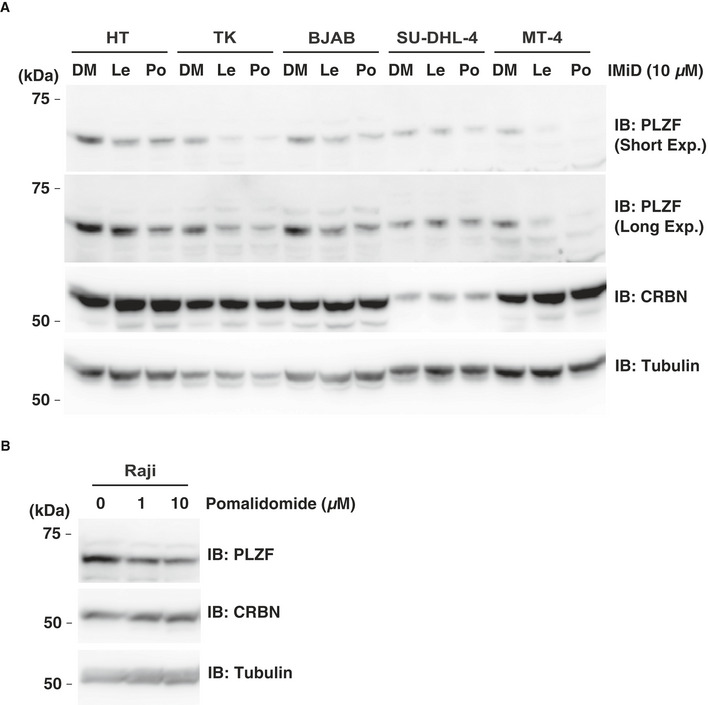
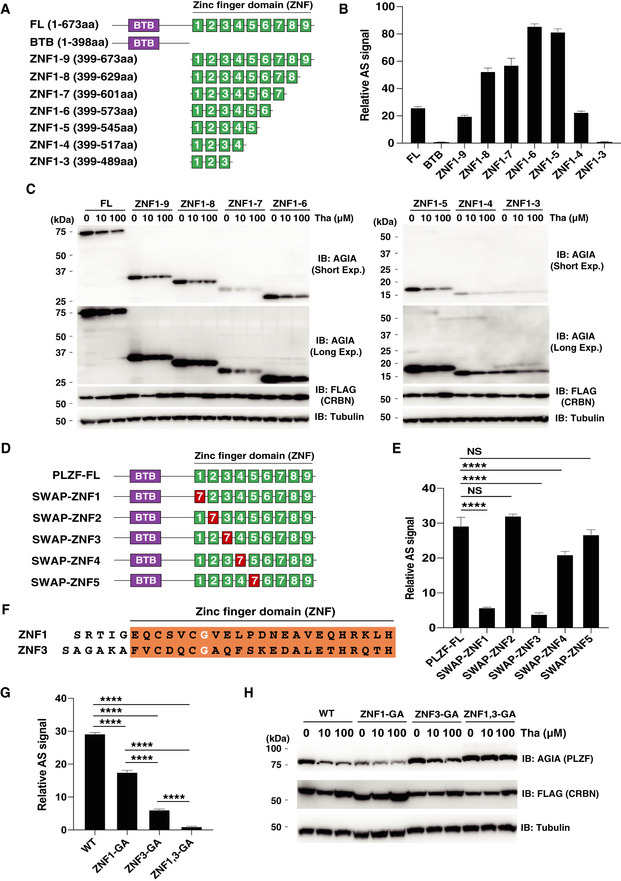
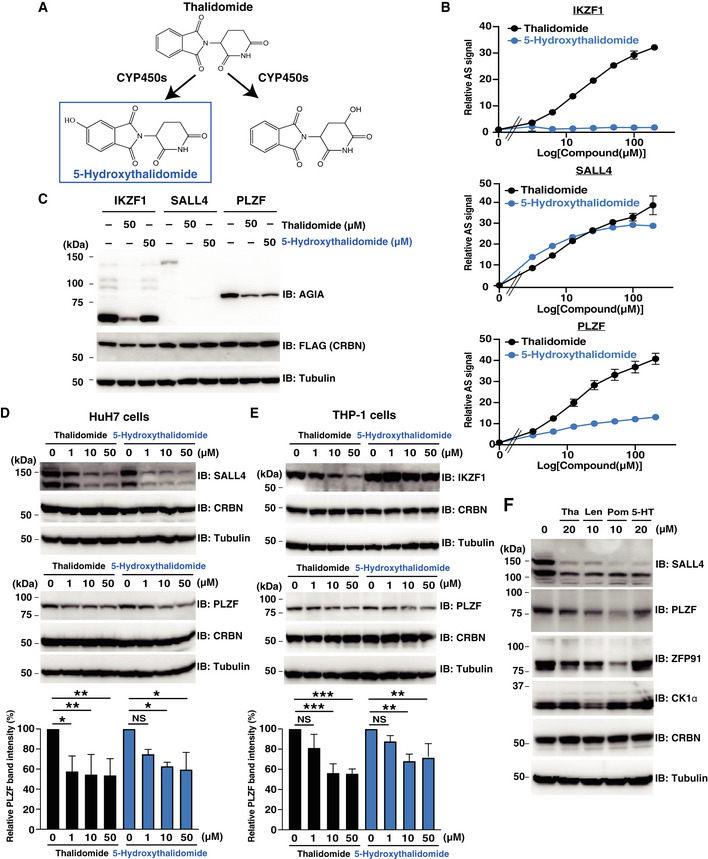
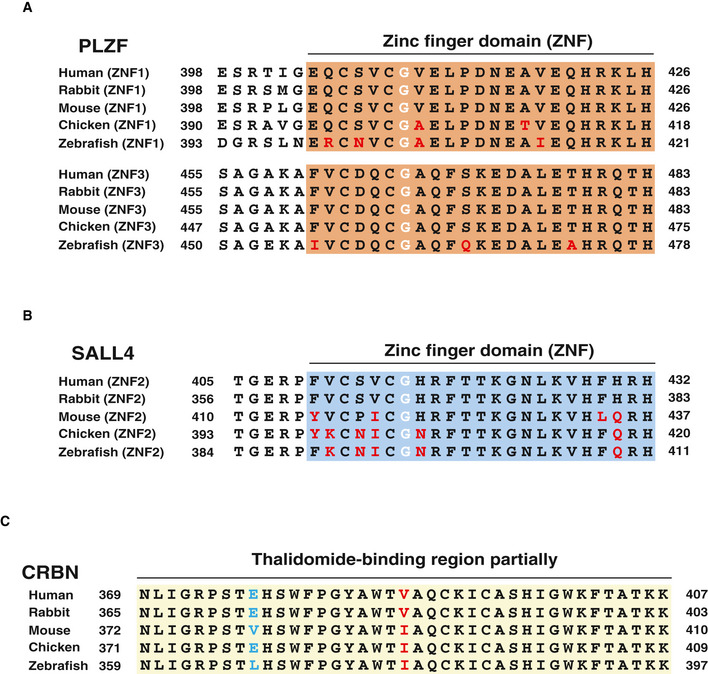
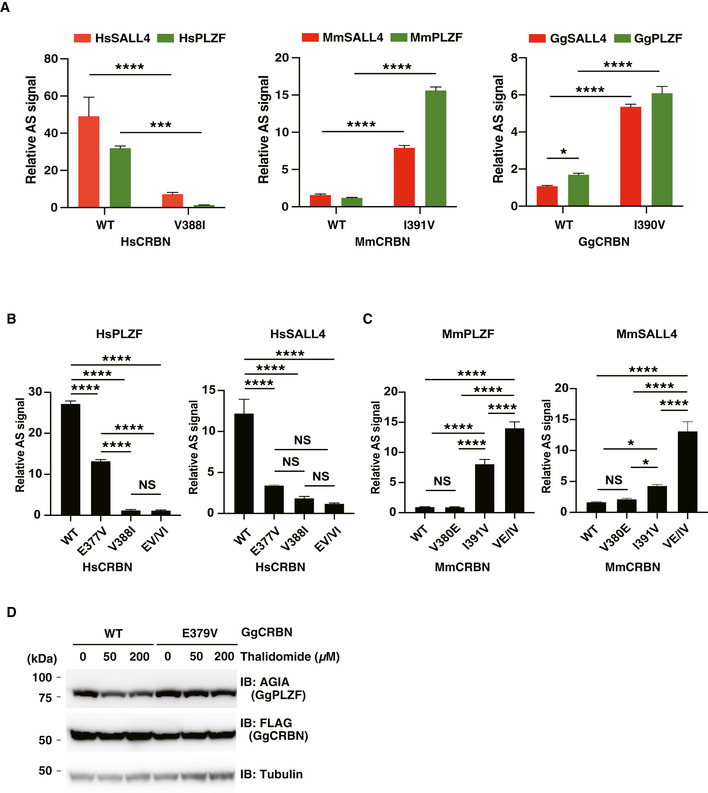
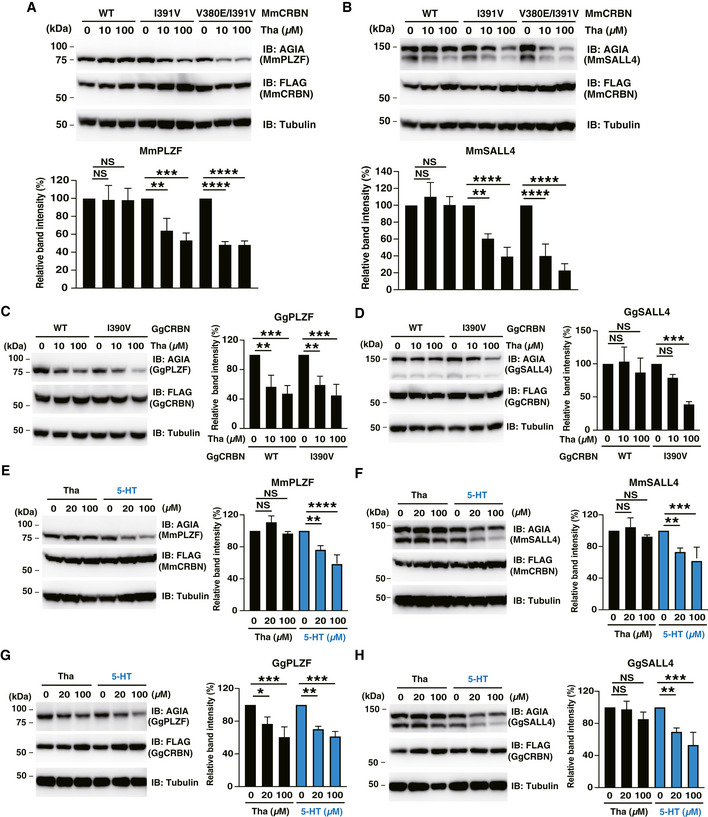
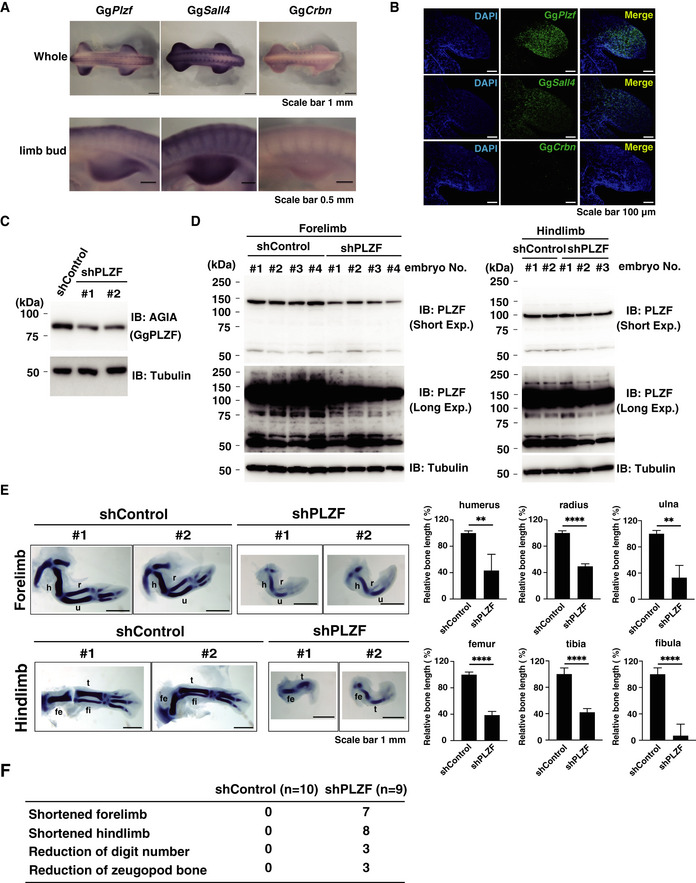
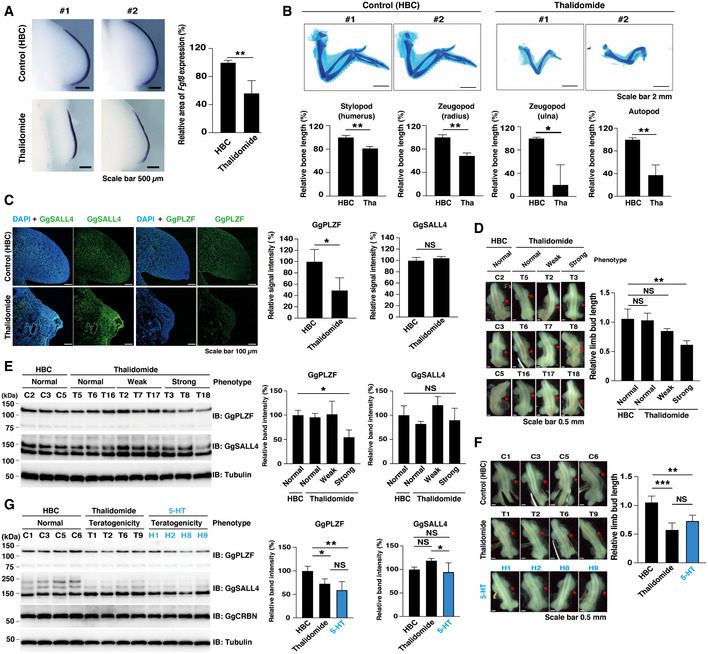
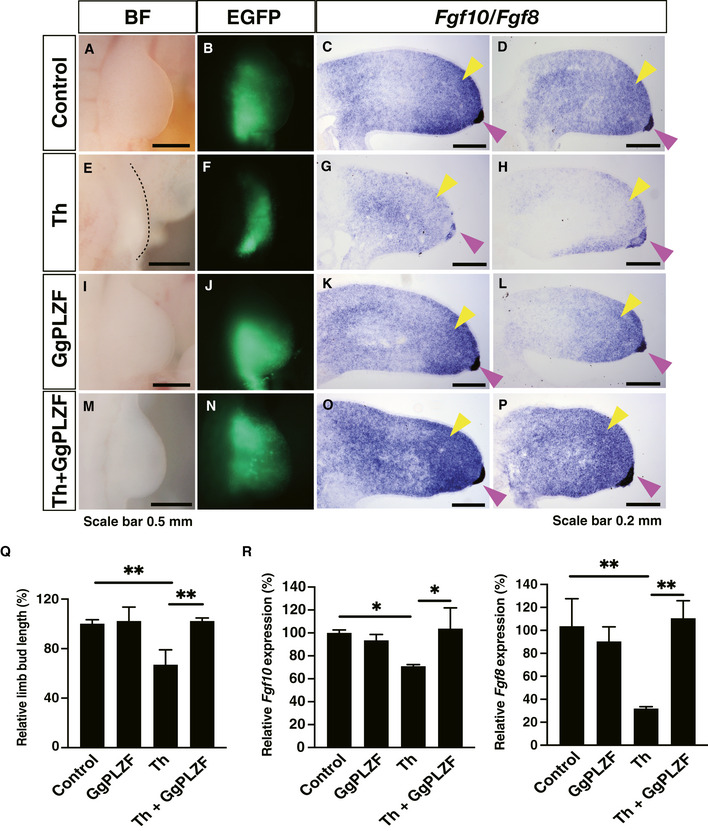
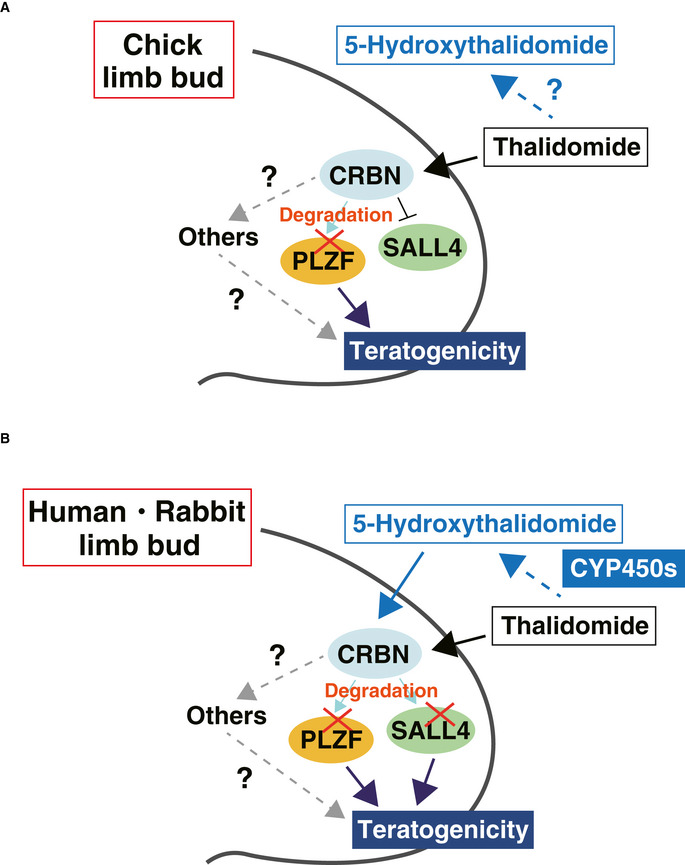
Abstract Thalidomide induces cereblon (CRBN)-dependent degradation of proteins. Human cytochrome P450s are thought to provide two monohydroxylated metabolites from thalidomide, and the metabolites are also considered to be involved in thalidomide effects. However, it remains unclear. We report that human PLZF/ZBTB16 is a target protein of CRBN with thalidomide and its derivatives, and that 5-hydroxythalidomide has high potential for degrading PLZF. Using a human transcription factor protein array produced by a wheat cell-free protein synthesis system, PLZF was found to bind to CRBN with thalidomide. PLZF is degraded by the CRL4 CRBN complex with thalidomide and its derivatives. Mutagenesis analysis revealed that both 1st and 3rd zinc finger domains conserved in vertebrates are recognized for thalidomide-dependent binding and degradation by CRBN. In chicken limbs, knockdown of Plzf induced skeletal abnormalities, and Plzf was degraded after thalidomide or 5-hydroxythalidomide treatment. Our findings suggest that PLZF is a pivotal substrate involving thalidomide-induced teratogenesis.
Overview
The claims and statistics of this paper haven’t been checked yet.
Free: it reads the open-access text and checks the first 5 claims that cite a source we can check. Create a free account to check every claim.
Integrity signals
Registry
Cites
Statistics
Figures
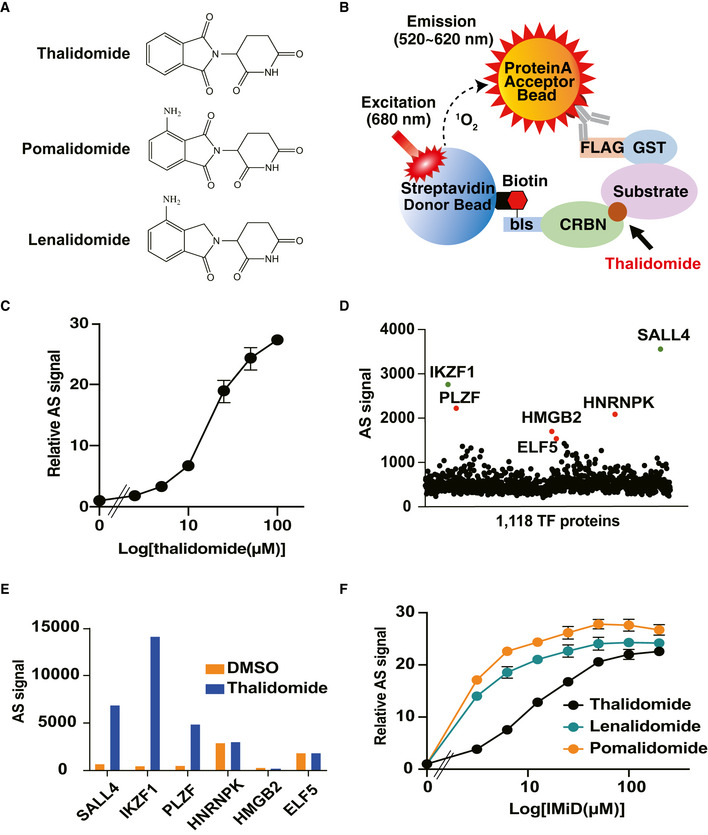
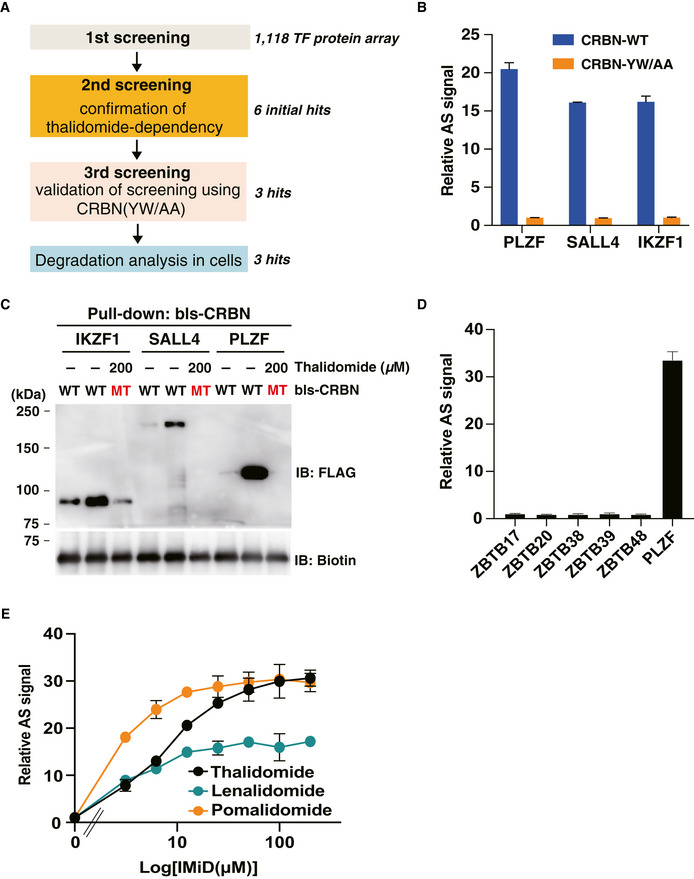
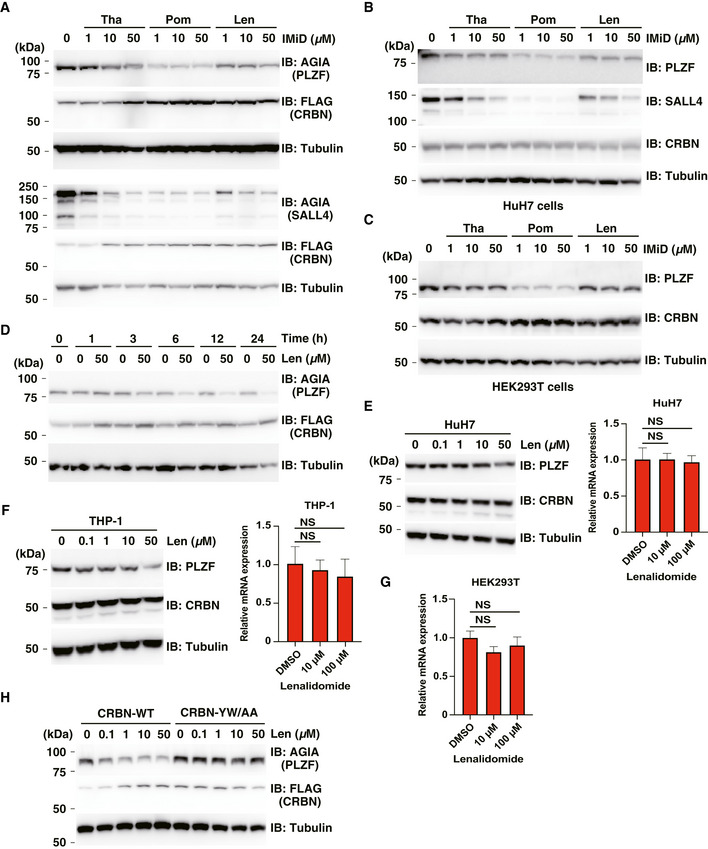
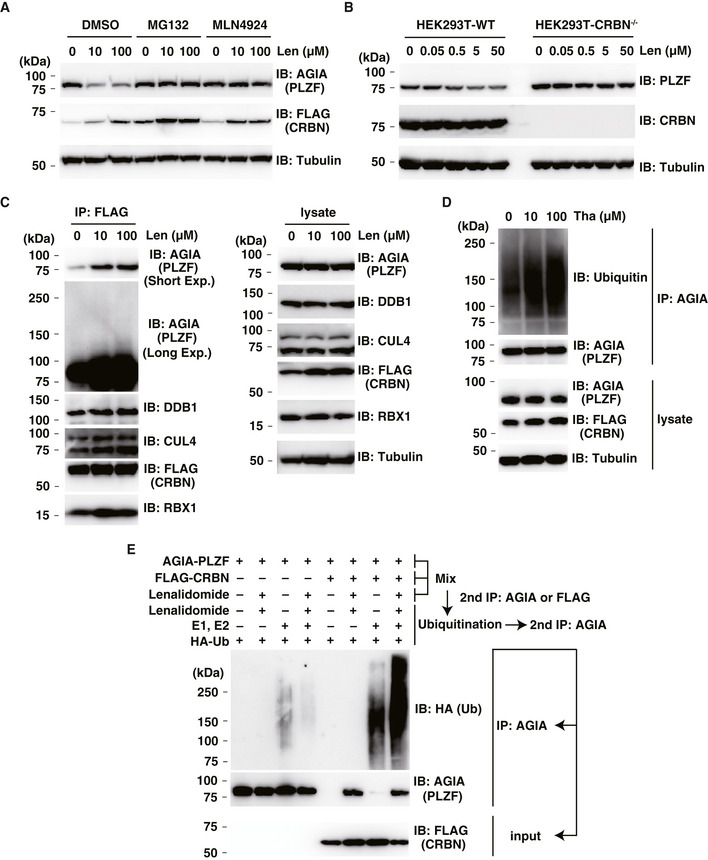
Verification
Claims the paper makes
The claims and statistics of this paper haven’t been checked yet.
Free: it reads the open-access text and checks the first 5 claims that cite a source we can check. Create a free account to check every claim.
Claims other papers make about this one
Each is checked against this paper’s own text: does it say what the citing paper says it does?
The source backs part of the claim, not all of it — or backs it for a different population, condition or comparison.
In the citing paper
“thalidomide-induced degradation of SAll4, and to some extent PlZF and p63 (Asatsuma-Okumura et al. 2019;yamanaka et al. 2021), was confirmed as the root cause of the teratogenic deformities affecting thousands of babies (Matyskiela et al. 2018).”
From From serendipity to strategy: molecular glue degraders in cancer therapeutics (2025) · cites this paper as Yamanaka et al. 2021
Experimental — accuracy not yet measured
Self-check
Percentages, sums and reported differences re-computed from the paper’s own numbers.
The self-check needs the paper’s full text.
Citations
Cites
A series of normal stages in the development of the chick embryo
Hamburger, V., & Hamilton, H. L. (1951) · Journal of Morphology · doi:10.1002/jmor.1050880104 · Cited by 12,234
Identification of a Primary Target of Thalidomide Teratogenicity
Ito, T., Ando, H., Suzuki, T., Ogura, T., Hotta, K., Imamura, Y., Yamaguchi, Y., & Handa, H. (2010) · Science · doi:10.1126/science.1177319 · Cited by 2,136 · cited 2×
“Recently, humanised-CYP3A mice, but not WT controls, were reported to show modest abnormal limb development in embryo culture, albeit not in vivo , after treatment with thalidomide (Kazuki et al , 2016), suggesting that CYP3A-dependent thalidomide metabolites might induce teratogenesis.”
Self-citationLenalidomide Causes Selective Degradation of IKZF1 and IKZF3 in Multiple Myeloma Cells
Krönke, J., Udeshi, N. D., Narla, A., Grauman, P., Hurst, S. N., McConkey, M., Svinkina, T., Heckl, D., Comer, E., Li, X., et al. (2014) · Science · doi:10.1126/science.1244851 · Cited by 1,879 · cited 3×
“These include IKZF1 (Kr € onke et al , 2014; Lu et al , 2014), IKZF3 (Kr € onke et al , 2014; Lu et al , 2014) and SALL4 (Donovan et al , 2018; Matyskiela et al , 2018).”
The Myeloma Drug Lenalidomide Promotes the Cereblon-Dependent Destruction of Ikaros Proteins
Lu, G., Middleton, R. E., Sun, H., Naniong, M., Ott, C. J., Mitsiades, C. S., Wong, K.-K., Bradner, J. E., & Kaelin, W. G. (2014) · Science · doi:10.1126/science.1244917 · Cited by 1,583 · cited 4×
“These include IKZF1 (Kr € onke et al , 2014; Lu et al , 2014), IKZF3 (Kr € onke et al , 2014; Lu et al , 2014) and SALL4 (Donovan et al , 2018; Matyskiela et al , 2018).”
InfluentialA Human Protein Atlas for Normal and Cancer Tissues Based on Antibody Proteomics
Uhlén, M., Björling, E., Agaton, C., Szigyarto, C. A.-K., Amini, B., Andersen, E., Andersson, A.-C., Angelidou, P., Asplund, A., Asplund, C., et al. (2005) · Molecular & Cellular Proteomics · doi:10.1074/mcp.m500279-mcp200 · Cited by 1,540
Structure of the DDB1–CRBN E3 ubiquitin ligase in complex with thalidomide
Fischer, E. S., Böhm, K., Lydeard, J. R., Yang, H., Stadler, M. B., Cavadini, S., Nagel, J., Serluca, F., Acker, V., Lingaraju, G. M., et al. (2014) · Nature · doi:10.1038/nature13527 · Cited by 1,141
Hideshima, T., Chauhan, D., Shima, Y., Raje, N., Davies, F. E., Tai, Y.-T., Treon, S. P., Lin, B., Schlossman, R. L., Richardson, P., et al. (2000) · Blood · doi:10.1182/blood.v96.9.2943 · Cited by 875 · cited 10×
“CRBN is a key molecule for thalidomide-induced teratogenesis (Ito et al , 2010).”
InfluentialLenalidomide induces ubiquitination and degradation of CK1α in del(5q) MDS
Krönke, J., Fink, E. C., Hollenbach, P. W., MacBeth, K. J., Hurst, S. N., Udeshi, N. D., Chamberlain, P. P., Mani, D. R., Man, H. W., Gandhi, A. K., et al. (2015) · Nature · doi:10.1038/nature14610 · Cited by 863 · cited 3×
“For example, the degradation of CK1 a protein by CRL4 CRBN was reportedly enabled by lenalidomide, but not by thalidomide or pomalidomide (Kr € onke et al , 2015), although the CK1 a -CRBN interaction was observed with thalidomide, lenalidomide and pomalidomide (Pet-zold et al , 2016).”
The Transcription Factor PLZF Directs the Effector Program of the NKT Cell Lineage
Savage, A. K., Constantinides, M. G., Han, J., Picard, D., Martin, E., Li, B., Lantz, O., & Bendelac, A. (2008) · Immunity · doi:10.1016/j.immuni.2008.07.011 · Cited by 716
A novel cereblon modulator recruits GSPT1 to the CRL4CRBN ubiquitin ligase
Matyskiela, M. E., Lu, G., Ito, T., Pagarigan, B., Lu, C.-C., Miller, K., Fang, W., Wang, N.-Y., Nguyen, D., Houston, J., et al. (2016) · Nature · doi:10.1038/nature18611 · Cited by 701 · cited 3×
“This alteration induces the ubiquitination and degradation of binding proteins, such as Ikaros (IKZF1) (Kr € onke et al , 2014; Lu et al , 2014), casein kinase I (Kr € onke et al , 2015), GSPT1 (Matyskiela et al , 2016) and SALL4 (Donovan et al , 2018; Matyskiela et al , 2018).”
Research works printed but not linked: 1
- Beckman R, Kampf HH (1961) Zur quantitativen Bestimmung und zum qualitativen Nachweis von N‐phthalyl‐glutaminsauremid (thalidomide). Arzneimittelforschung 11: 45– 47 13688557
Cited by
Multi-chamber cardioids unravel human heart development and cardiac defects
(2023) · doi:10.1016/j.cell.2023.10.030 · Cited by 205
Prenatal Environment and Neurodevelopmental Disorders
Doi, M., Usui, N., & Shimada, S. (2022) · Frontiers in Endocrinology · doi:10.3389/fendo.2022.860110 · Cited by 207
“reported that CRBN degrades Zbtb16 and Sall4 resulting in limb teratogenicity in chick embryos (34).”
BackgroundHaven't got a glue: Protein surface variation for the design of molecular glue degraders
Kozicka, Z., & Thomä, N. H. (2021) · Cell Chemical Biology · doi:10.1016/j.chembiol.2021.04.009 · Cited by 170
Yamamoto, J., Ito, T., Yamaguchi, Y., & Handa, H. (2022) · Chemical Society Reviews · doi:10.1039/d2cs00116k · Cited by 158
Delivering on the promise of protein degraders
O’Brien, M. N., Luthra, S. A., Brown, M. F., & Bartlett, D. W. (2023) · Nature Reviews Drug Discovery · doi:10.1038/s41573-023-00652-2 · Cited by 114
Structural bases of IMiD selectivity that emerges by 5-hydroxythalidomide
Furihata, H., Yamanaka, S., Honda, T., Miyauchi, Y., Asano, A., Shibata, N., Tanokura, M., Sawasaki, T., & Miyakawa, T. (2020) · Nature Communications · doi:10.1038/s41467-020-18488-4 · Cited by 89
Self-citationYamanaka, S., Horiuchi, Y., Matsuoka, S., Kido, K., Nishino, K., Maeno, M., Shibata, N., Kosako, H., & Sawasaki, T. (2022) · Nature Communications · doi:10.1038/s41467-021-27818-z · Cited by 86
“0 20 40 60 CK1α (330-335) Th Le Po 5HT SALL4 (574-586) WIZ (1371-1382) WIZ(1373-1384) FAM83G (344-353) ZBTB9 (262-286) ZNF629 (590-615) ZNF644 (1202-1222) FGD (110-132) PIKFYVE (1690-1717) LMO7 (1396-1418) L3MBTL2 (213-228) ARID3A (1-13) AHCYL1 (40-53) CALR (44-55) CDK6 (275-287) CRBN (157-162) CRBN (182-215) CSTF1 (1…”
InfluentialSelf-citationLenalidomide derivatives and proteolysis-targeting chimeras for controlling neosubstrate degradation
Yamanaka, S., Furihata, H., Yanagihara, Y., Taya, A., Nagasaka, T., Usui, M., Nagaoka, K., Shoya, Y., Nishino, K., Yoshida, S., et al. (2023) · Nature Communications · doi:10.1038/s41467-023-40385-9 · Cited by 73
“In the last decade, many neosubstrates involved in the molecular action of IMiDs have been reported 5 – 10 .”
InfluentialSelf-citationDevelopment of MDM2 degraders based on ligands derived from Ugi reactions: Lessons and discoveries
Wang, B., Liu, J., Tandon, I., Wu, S., Teng, P., Liao, J., & Tang, W. (2021) · European Journal of Medicinal Chemistry · doi:10.1016/j.ejmech.2021.113425 · Cited by 67
Nishiguchi, G., Mascibroda, L. G., Young, S. M., Caine, E. A., Abdelhamed, S., Kooijman, J. J., Miller, D. J., Das, S., McGowan, K., Mayasundari, A., et al. (2024) · Nature Communications · doi:10.1038/s41467-024-44698-1 · Cited by 57
Targeting cereblon in hematologic malignancies
Fuchs, O. (2023) · Blood Reviews · doi:10.1016/j.blre.2022.100994 · Cited by 55
Proteolysis Targeting Chimeras (PROTACs): A Perspective on Integral Membrane Protein Degradation
Ruffilli, C., Röth, S., Rodrigo, M., Boyd, H., Zelcer, N., & Moreau, K. (2022) · ACS Pharmacology & Translational Science · doi:10.1021/acsptsci.2c00142 · Cited by 54
The cyclimids: Degron-inspired cereblon binders for targeted protein degradation
Ichikawa, S., Payne, N. C., Xu, W., Chang, C., Vallavoju, N., Frome, S., Flaxman, H. A., Mazitschek, R., & Woo, C. M. (2024) · Cell chemical biology · doi:10.1016/j.chembiol.2024.01.003 · Cited by 51
Structural rationalization of GSPT1 and IKZF1 degradation by thalidomide molecular glue derivatives
Nowak, R. P., Che, J., Ferrao, S., Kong, N. R., Liu, H., Zerfas, B. L., & Jones, L. H. (2023) · RSC Medicinal Chemistry · doi:10.1039/d2md00347c · Cited by 39
Matyskiela, M. E., Zhu, J., Baughman, J. M., Clayton, T., Slade, M., Wong, H. K., Danga, K., Zheng, X., Labow, M., LeBrun, L., et al. (2020) · ACS Chemical Biology · doi:10.1021/acschembio.0c00674 · Cited by 44
The Integration of Metabolomics with Other Omics: Insights into Understanding Prostate Cancer
Resurreccion, E. P., & Fong, K.-W. (2022) · Metabolites · doi:10.3390/metabo12060488 · Cited by 47
Identification and selectivity profiling of small-molecule degraders via multi-omics approaches
Scholes, N. S., Mayor-Ruiz, C., & Winter, G. E. (2021) · Cell Chemical Biology · doi:10.1016/j.chembiol.2021.03.007 · Cited by 41
Proteomics technologies in toxicity screening: a review
Jin, Y., Sun, Z., Gu, A. Z., & Zhou, X. (2025) · Environmental Chemistry Letters · doi:10.1007/s10311-024-01816-1 · Cited by 43
“…Crucial involvement of cereblon neosubstrate promyelocytic leukemia zinc finger protein in the teratogenic mechanisms of thalidomide was identified [42] protein microarrays showed that the combination of poly(adenosine diphosphate-ribose) polymerase inhibitors and ataxia-telangiectasia and…”
CRL4CRBN E3 Ligase Complex as a Therapeutic Target in Multiple Myeloma
Barankiewicz, J., Salomon‐Perzyński, A., Misiewicz-Krzemińska, I., & Lech‐Marańda, E. (2022) · Cancers · doi:10.3390/cancers14184492 · Cited by 42
Inflammasome activity is controlled by ZBTB16-dependent SUMOylation of ASC
Dong, D., Du, Y., Fei, X., Yang, H., Li, X., Yang, X., Ma, J., Huang, S., Ma, Z., Zheng, J., et al. (2023) · Nature Communications · doi:10.1038/s41467-023-43945-1 · Cited by 36
Protein degraders - from thalidomide to new PROTACs
Ito, T. (2023) · The Journal of Biochemistry · doi:10.1093/jb/mvad113 · Cited by 36
Miñarro-Lleonar, M., Bertran‐Mostazo, A., Duro, J., Barril, X., & Juárez‐Jiménez, J. (2023) · Journal of Medicinal Chemistry · doi:10.1021/acs.jmedchem.2c01692 · Cited by 34
An IMiD-induced SALL4 degron system for selective degradation of target proteins
Yamanaka, S., Shoya, Y., Matsuoka, S., Nishida-Fukuda, H., Shibata, N., & Sawasaki, T. (2020) · Communications Biology · doi:10.1038/s42003-020-01240-5 · Cited by 29
Self-citationMolecular Mechanisms of Cereblon-Interacting Small Molecules in Multiple Myeloma Therapy
Costacurta, M., He, J., Thompson, P. E., & Shortt, J. (2021) · Journal of Personalized Medicine · doi:10.3390/jpm11111185 · Cited by 29
“Degradation of PLZF and SALL4 is mediated by both thalidomide and 5-hydroxythalidomide (5-HT), but IKZF1 is only degraded by thalidomide itself [64].”
BackgroundA New Generation of IMiDs as Treatments for Neuroinflammatory and Neurodegenerative Disorders
Kopp, K. O., Greer, M. E., Glotfelty, E. J., Hsueh, S., Tweedie, D., Kim, D. S., Reale, M., Vargesson, N., & Greig, N. H. (2023) · Biomolecules · doi:10.3390/biom13050747 · Cited by 26
Duboc, V., Sulaiman, F., Feneck, E. M., Kucharska, A., Bell, D. M., Holder‐Espinasse, M., & Logan, M. P. O. (2021) · Development · doi:10.1242/dev.199580 · Cited by 25
“More recently, a study identifying thalidomide-dependent interaction mediated through the ubiquitinligase cerublon (Crbn) has shown Plzf and Sall4 to be degraded following thalidomide treatment, leading to hypoplasia in chicken limbs (Chen et al., 2020; Yamanaka et al., 2021).”
Key regulators of sensitivity to immunomodulatory drugs in cancer treatment
Wang, S., Li, Z., & Gao, S. (2021) · Biomarker Research · doi:10.1186/s40364-021-00297-6 · Cited by 23
CNKSR1 serves as a scaffold to activate an EGFR phosphatase via exclusive interaction with RhoB-GTP
Nishiyama, K., Maekawa, M., Nakagita, T., Nakayama, J., Kiyoi, T., Chosei, M., Murakami, A., Kamei, Y., Takeda, H., Takada, Y., et al. (2021) · Life Science Alliance · doi:10.26508/lsa.202101095 · Cited by 23
“Each cDNA clone was subcloned into pEU-E01-FLAG-GST-K1-02 vector (Yamanaka et al, 2021).”
Self-citationRole of Immune Cells and Immunotherapy in Multiple Myeloma
Radhakrishnan, V., Golla, U., & Kudva, A. K. (2024) · Life · doi:10.3390/life14040461 · Cited by 20
Vargesson, N., Hooper, G., Giddins, G. E. B., Hunter, A., Stirling, P., & Lam, W. (2023) · Journal of Hand Surgery (European Volume) · doi:10.1177/17531934231177425 · Cited by 23
PLZF and its fusion proteins are pomalidomide-dependent CRBN neosubstrates
Shimizu, N., Asatsuma‐Okumura, T., Yamamoto, J., Yamaguchi, Y., Handa, H., & Ito, T. (2021) · Communications Biology · doi:10.1038/s42003-021-02801-y · Cited by 19
Nie, X., Zhao, Y. Q., Tang, H., Zhang, Z., Liao, J., Almodóvar‐Rivera, C. M., Sundaresan, R., Xie, H., Guo, L., Wang, B., et al. (2024) · ChemBioChem · doi:10.1002/cbic.202300685 · Cited by 17
Immunomodulatory Agents for Multiple Myeloma
Minařík, J., & Ševčíková, S. (2022) · Cancers · doi:10.3390/cancers14235759 · Cited by 17
Семочкин, С. В. (2022) · Гематология и трансфузиология · doi:10.35754/0234-5730-2022-67-2-240-260 · Cited by 17
Cereblon: promise and challenges for combating human diseases
Kim, H. K., Seol, J. E., Ahn, S. W., Jeon, S., Park, C., & Han, J. (2021) · Pflügers Archiv - European Journal of Physiology · doi:10.1007/s00424-021-02624-0 · Cited by 15
Design and Application of Cereblon-Recruiting Prodegraders
Chase, D. H., Stein, A. J., Grinshpun, D. E., Krone, M. W., & Crews, C. M. (2025) · Journal of the American Chemical Society · doi:10.1021/jacs.5c05036 · Cited by 13
Segawa, R., Takeda, H., Yokoyama, T., Ishida, M., Miyata, C., Saito, T., Ishihara, R., Nakagita, T., Sasano, Y., Kanoh, N., et al. (2021) · Biochemical Pharmacology · doi:10.1016/j.bcp.2021.114819 · Cited by 11
Self-citationKodytková, A., Dušátková, P., Amaratunga, S. A., Plachý, L., Průhová, Š., & Lebl, J. (2023) · Hormone Research in Paediatrics · doi:10.1159/000531452 · Cited by 13
Thalidomide-induced limb malformations: an update and reevaluation
Collins, M. D., & Scott, W. J. (2025) · Archives of Toxicology · doi:10.1007/s00204-024-03930-z · Cited by 10
The contribution of cyclic imide stereoisomers on cereblon-dependent activity
Amako, Y., Ichikawa, S., Lloyd, H. C., Payne, N. C., Lin, Z., Boghossian, A. S., Rees, M. G., Ronan, M. M., Roth, J. A., Zhu, Q., et al. (2025) · Chemical Science · doi:10.1039/d5sc01371b · Cited by 10
“6 In other contexts, CRBN-dependent degradation of substrates like SALL4, 7,8 p63, 9 and PLZF 10 by thalidomide drives teratogenic e ff ects observed during development.”
Orthogonal IMiD-Degron Pairs Induce Selective Protein Degradation in Cells
Brennan, P. J., Saunders, R. E., Spanou, M., Singleton, S. E., Serafini, M. T., Sun, L., Heger, G., Konopacka, A., Beveridge, R. D. D., Taylor, C. C., et al. (2025) · ACS Chemical Biology · doi:10.1021/acschembio.5c00751 · Cited by 10
From serendipity to strategy: molecular glue degraders in cancer therapeutics
Darling, S., Bajrami, I., & West, S. C. (2025) · Critical Reviews in Biochemistry and Molecular Biology · doi:10.1080/10409238.2025.2564068 · Cited by 9
“…link to embryopathies (Kodytková et al. 2024). thalidomide-induced degradation of SAll4, and to some extent PlZF and p63 (Asatsuma-Okumura et al. 2019; yamanaka et al. 2021), was confirmed as the root cause of the teratogenic deformities affecting thousands of babies (Matyskiela et al. 2018).”
Discovery of Novel Potent Triple IKZF1/2/3 Degraders for the Treatment of Hematological Cancers
Wei, T., Sun, S., Hu, X., Wei, P., Fan, Z., Yan, J. W., Wang, Y., Qi, Z., Jia, C., Mao, Y., et al. (2025) · Journal of Medicinal Chemistry · doi:10.1021/acs.jmedchem.5c01086 · Cited by 9
Safety considerations for cereblon-recruiting targeted protein degraders
Garside, H., Aslamkhan, A. G., Daniels, D. L., Datta, K., Pedersen, M. E., Hukkanen, R. R., Jones, L. H., Ketter, N., Lahoti, T. S., Loberg, L. I., et al. (2026) · Nature Reviews Drug Discovery · doi:10.1038/s41573-026-01426-2 · Cited by 11
“Downregulation of the PLZF protein is induced by thalidomide in chicken embryos, in which PLZF overexpression partially rescued thalidomide-induced phenotypes 87 , and PLZF levels are reduced in rabbit embryos maternally exposed to thalido-mide, lenalidomide or pomalidomide 91 .”
Kanno, S., Okubo, Y., Kageyama, T., Yan, L., & Fukuda, J. (2022) · Journal of Bioscience and Bioengineering · doi:10.1016/j.jbiosc.2021.12.006 · Cited by 9
The ZBTB family in cardiac development and diseases
Xiang, X., Mao, J., Tang, D., Huang, H., & Tang, H. (2025) · Biochemical and Biophysical Research Communications · doi:10.1016/j.bbrc.2025.152026 · Cited by 9
Molecular Glue Degraders: From Serendipity to Hunting and Design
Nieto‐Barrado, L., Domostegui, A., & Mayor‐Ruiz, C. (2022) · Wiley eBooks · doi:10.1002/9783527836208.ch6 · Cited by 10
Differential Analysis of Cereblon Neosubstrates in Rabbit Embryos Using Targeted Proteomics
Federspiel, J. D., Catlin, N. R., Nowland, W. S., Stethem, C. M., Mathialagan, N., Ocaña, M. F., & Bowman, C. (2024) · Molecular & Cellular Proteomics · doi:10.1016/j.mcpro.2024.100797 · Cited by 8
“ZBTB16 was also degraded by all three IMiDs in our samples, consistent with reports of degradation by these same IMiDs in HuH7 and HEK293T cells (38).”
Dong, W., Akasaka, I., Komiyama, A., Nakamura, T., Mizoguchi, N., Nawaji, T., Ikushiro, S., Kobayashi, M., & Teraoka, H. (2023) · Pharmaceuticals · doi:10.3390/ph16030368 · Cited by 8
“They suggested that the binding of thalidomide to the complex of cullin4 (CUL4) and CRBN caused the degradation of some target proteins, SALL4, ∆Np63, TAp63 and PLZF, resulting in limb defects [15,24,25].”
BackgroundInfluentialLoberg, L. I., Proctor, W. R., Burdick, A. D., Cauvin, A. J., DeLise, A. M., Hemkens, M. D., Hohlbaum, A. M., Hukkanen, R. R., Sedgwick, A., Shuey, D. L., et al. (2025) · Regulatory Toxicology and Pharmacology · doi:10.1016/j.yrtph.2025.105793 · Cited by 8
IKZF2 Degradation: It′s Time to Take into Account it When Designing Cereblon‐Based PROTACs
Li, M. (2024) · ChemBioChem · doi:10.1002/cbic.202400365 · Cited by 7
Methods to characterize and discover molecular degraders in cells
Lin, Z., & Woo, C. M. (2022) · Chemical Society Reviews · doi:10.1039/d2cs00261b · Cited by 7
Nozawa, A., Miyazaki, R., Aoki, Y., Hirose, R., Hori, R., Muramatsu, C., Shigematsu, Y., Nemoto, K., Hasegawa, Y., Fujita, K., et al. (2023) · Communications Biology · doi:10.1038/s42003-023-04760-y · Cited by 7
Self-citationCereblon influences the timing of muscle differentiation in Ciona tadpoles
Long, J., Mariossi, A., Chen, C., Mo, Z., Thompson, J. W., Levine, M., & Lemaire, L. A. (2023) · Proceedings of the National Academy of Sciences · doi:10.1073/pnas.2309989120 · Cited by 7
Chiral Inversion of Thalidomide During Crystal Growth by Sublimation
Kira, M., Shiga, Y., Nakagawa, K., Matsumoto, A., Tokita, K., Terasawa, Y., Zhang, K., Tsutao, K., Nakanishi, T., Yoshida, S., et al. (2024) · Crystal Growth & Design · doi:10.1021/acs.cgd.3c01030 · Cited by 7
Self-citationMatsuhisa, K., Sato, S., & Kaneko, M. (2025) · Biomedicines · doi:10.3390/biomedicines13040854 · Cited by 6
“IMiDs have been shown to interact with cereblon (CRBN), an adapter protein of E3 ligase, recruiting proteins such as the Ikaros family zinc finger protein 1 (IKZF1) and IKZF3, which play central roles in the biology of B and T cells, as neo-substrates [94–100].”
Wei, F., Takeda, H., Azuma, K., Nakahara, Y., Igarashi, Y., Murotani, K., Saito, H., Murakami, S., Kondo, T., Kouro, T., et al. (2025) · Frontiers in Immunology · doi:10.3389/fimmu.2025.1666030 · Cited by 5
“Each cDNA clone was subcloned into the pEU-E01-FLAG-GST-K1 – 02 vector (26).”
Self-citationKállai, B. M., Sawasaki, T., Endo, Y., & Mészáros, T. (2025) · International Journal of Molecular Sciences · doi:10.3390/ijms26083577 · Cited by 4
“Yamanaka et al. [84] succeeded in identifying previously unknown thalidomide-dependent substrates of CRBN using WGE-translated CRBN and the Human Transcription Factor Protein Array (HuTFPA) consisting of over a thousand proteins.”
Self-citationGATS tag system is compatible with biotin labelling methods for protein analysis
Yamada, K., Soga, F., Tokunaga, S., Nagaoka, H., Ozawa, T., Kishi, H., Takashima, E., & Sawasaki, T. (2023) · Scientific Reports · doi:10.1038/s41598-023-36858-y · Cited by 5
Self-citationSmith, D. A. (2024) · Xenobiotica · doi:10.1080/00498254.2024.2366302 · Cited by 4
“…confer distinctly different substrate specificities to mouse and chicken (a thalidomide sensitive species) cereblon, and both compounds cause teratogenic phenotypes in chicken embryos. pLZF overexpression partially rescued the thalidomide-induced teratogenicity (yamanaka et al. 2021).”
Ramani, M. V., Singh, R. K., Shrivastva, S., Ribeyron, L., Gupta, S. K., & Roy, A. (2024) · Journal of Biological Chemistry · doi:10.1016/j.jbc.2024.107578 · Cited by 7
Shiraki, K., Mishima, M., Sato, N., Imoto, Y., & Nishiwaki, K. (2024) · Heliyon · doi:10.1016/j.heliyon.2024.e35331 · Cited by 4
“…immunomodulation, and anti-tumor actions in multiple myeloma; the mechanism of teratogenicity of thalidomide has been elucidated as the inhibition of cereblon, and its associated ubiquitin ligase activity and inhibition of angiogenesis by inhibiting basic fibroblast growth factor [50 – 54].”
BackgroundFraga, L. R., Reeves, J., Mahony, C., Erskine, L., & Vargesson, N. (2025) · Developmental Biology · doi:10.1016/j.ydbio.2025.03.014 · Cited by 4
Current status of drug repositioning in hematology
Ohmoto, A., & Fuji, S. (2021) · Expert Review of Hematology · doi:10.1080/17474086.2021.1995348 · Cited by 4
Wei, T., Wei, P., Wang, Y., Mao, Y., Yan, J. W., Hu, X., Qi, Z., Xu, C., Jia, C., Zhao, Z., et al. (2025) · Oncology Research Featuring Preclinical and Clinical Cancer Therapeutics · doi:10.32604/or.2025.065123 · Cited by 4
“…in previous research, thalidomide and its metabolite, 5-hydroxythalidomide, were shown to induce teratogenicity via the CRBN neosubstrate PLZF [39], and another study revealed that thalidomide induces SALL4 degradation, providing a mechanistic explanation for thalidomide-induced birth defects…”
Li, D., Ning, Z., He, F., Gao, Z., Zhou, L., Xu, L. H., Zheng, Z.-J., Heng, J. Y. Y., Du, S., & Ouyang, J. (2025) · Crystal Growth & Design · doi:10.1021/acs.cgd.5c00692 · Cited by 3
Sha, J., Zhang, M., Feng, J., Shi, T., Li, N., & Jie, Z. (2024) · International Immunopharmacology · doi:10.1016/j.intimp.2024.111670 · Cited by 3
Investigation of Glutarimide N-Alkylated Derivatives of Lenalidomide
Kabir, F., Sonobe, T., Zhu, Q., Vallavoju, N., Amako, Y., & Woo, C. M. (2025) · ACS Chemical Biology · doi:10.1021/acschembio.5c00272 · Cited by 2
Liu, Y., Xue, Z., Yang, K., Yin, H., Yang, B., Zhang, R., Zhong, H., & Bai, Z. (2025) · ChemistryOpen · doi:10.1002/open.202500067 · Cited by 2
Hirano, M., Nochi, K., Matsugi, M., Furukawa, C., Takeda, H., Sakurai, Y., Kurosaki, Y., Sawasaki, T., Yasuda, J., Takahashi, H., et al. (2025) · Journal of Biological Chemistry · doi:10.1016/j.jbc.2025.110545 · Cited by 2
“To date, we have identified many physiologically significant interactions using this assay (27–29).”
Self-citationThalidomide – From a Banned Drug to Molecular Glues, PROTACs, and New Concepts in Drug Discovery
Yamamoto, J., Handa, H., & Yamaguchi, Y. (2024) · Wiley eBooks · doi:10.1002/9781394182862.ch24 · Cited by 2
Liu, Q., Chiang, Z.-C., Zhao, X., Cui, D., Li, X., Chen, H., Lin, F.-Y., Jiang, T., Chen, Q., Lin, X., et al. (2025) · Current Pharmaceutical Biotechnology · doi:10.2174/0113892010319495241218114812 · Cited by 2
Developmental toxicology profile of the IRAK4 degrader KT-474
Enerson, B. E., Cappon, G. D., Shi, Y., Walther, D. M., Campbell, V., Chen, D., Kuhn, E. W., Massa, V., Ho, C. M. W., Zheng, X., et al. (2025) · Toxicological Sciences · doi:10.1093/toxsci/kfaf170 · Cited by 1
Yamanaka, S., Nagaoka, K., Shoya, Y., Nishino, K., Mikura, Y., Tanaka, K., Konishi, K., Hasegawa, Y., Hijikata, A., Kosako, H., et al. (2026) · Molecular Cell · doi:10.1016/j.molcel.2026.03.004 · Cited by 1
Self-citationBiophysical Modeling Elucidates Mechanistic Principles for Rational Molecular Glue Design
Chae, S. J., DeBonis, J., Quinlan, J., Richards, R., Wang, J., Gutierrez, G. J., Tart, J., Couturier, M., Cuesta, S. M., Jin, M., et al. (2026) · Journal of Chemical Information and Modeling · doi:10.1021/acs.jcim.5c03125 · Cited by 1
“■ RESULTS”
Thalidomid-Embryopathie 60 Jahre
Passarge, E. (2022) · DMW - Deutsche Medizinische Wochenschrift · doi:10.1055/a-1951-0792 · Cited by 1
“Münch Med Wschr 1962; 104: 68–74 [8] Wiedemann HR. Hinweis auf eine derzeitige Häufung hypo- und aplastischer Fehlbildungen der Gliedmaßen (Dysmelie-Syndrom).”
BackgroundInfluentialSMALL-MOLECULE DEGRADERS OF IKAROS ZINC FINGER (IKZF) TRANSCRIPTION FACTORS
Holmberg‐Douglas, N., Shunatona, H. P., Kumi, G. K., & Purandare, A. V. (2023) · Medicinal chemistry reviews · doi:10.1021/mc-2023-vol58.ch10 · Cited by 1
Simple and Efficient Synthesis of Piperidine-2,6-DionesPreprint
Liu, Y., Xue, Z., Yang, K.-W., Yin, H., Wang, T., Guan, Y., Ligang, Y.-F., Zhong, H., & Bai, Z. (2023) · SSRN Electronic Journal · doi:10.2139/ssrn.4659363
Targeted protein degradation using thalidomide and its derivatives
Yamanaka, S. (2024) · Translational and Regulatory Sciences · doi:10.33611/trs.2024-007
Self-citationJingjing, Z., & Song, T. (2025) · Journal of Craniofacial Surgery · doi:10.1097/scs.0000000000011570
A Review ofthe Teratogenic Effects of Drugsand Environmental Toxins
Ain, N. U. (2024) · Innovations in STEAM Research & Education · doi:10.63793/isre/0014
Progress on molecular glue degraders
Chen, J., Deng, Z., Li, H., & Liu, L. (2026) · Scientia Sinica Chimica · doi:10.1360/ssc-2025-0228
ZBTB16 controls the onset of Clostridium difficile colitis through the Pyrin inflammasome
Li, S., He, J., Tuoheniyazi, H., Ma, J., Li, Z., Zheng, J., Wang, Y., Gao, X., Yang, X., Liu, D., et al. (2026) · Pharmacological Research · doi:10.1016/j.phrs.2026.108133
Progress of structurally diverse cereblon (CRBN) ligands and their application in PROTAC degraders
Yang, S., Zhang, Y., Song, X., Liu, Q., Fan, D., & Xu, Y. (2026) · Bioorganic Chemistry · doi:10.1016/j.bioorg.2026.109968
Design of Analytical Methods for Protein Adsorption Characteristics at Material Interfaces
Tanaka, K., Nakano, Y., Suganuma, M., Matsumoto, K., Hasegawa, T., Nakahara, M., Suto, K., Ejima, D., Imoarai, T., & Takeda, H. (2026) · Langmuir · doi:10.1021/acs.langmuir.6c00943
Self-citationMartín, V., Andjelkovic, M., Barrientos, C., León, Í., & Tuñón, I. (2026) · ACS Omega · doi:10.1021/acsomega.6c06210
Cereblon promotes influenza A virus replication through AMPK ubiquitination
Nguyen, T. H., Lee, D. J., Soliman, M., Sharif, M., Hosmillo, M. D. T., Kwon, H.-J., Jeong, S.-H., Cheong, D., Seo, H.-R., Lee, S., et al. (2026) · Biochemistry and Biophysics Reports · doi:10.1016/j.bbrep.2026.102815 · Cited by 1
“Thalidomide and its derivatives have been clinically utilized for various conditions, including multiple myeloma, erythema nodosum leprosum, and certain autoimmune diseases [86 – 88].”
Close encounters of the glue kind: Exploring the medicinal chemistry landscape of molecular glues
Burston, H. E., Cavallo, F., Cilvert, O., Gourdet, B., Hjerpe, R., Jordan, A. M., Juillet, C., Leźnicki, P., MacFaul, P. A., Pillai, G., et al. (2026) · Progress in medicinal chemistry · doi:10.1016/bs.pmch.2026.10.002
Metadata
- Authors
- Yamanaka, S., Murai, H., Saito, D., Abe, G., Tokunaga, E., Iwasaki, T., Takahashi, H., Takeda, H., Suzuki, T., Shibata, N., Tamura, K., & Sawasaki, T.
- Affiliations
- Ehime University (JP)
- Tohoku University (JP)
- Nagoya Institute of Technology (JP)
- Nagoya University (JP)
- Corresponding author
- Sawasaki, Tatsuya
- ORCID
- Venue
- The EMBO Journal
- Published
- 2021-01-20
- Volume
- 40
- Issue
- 4
- Pages
- e105375-e105375
- ISSN
- 0261-4189 (ISSN-L)
- 1460-2075
- PMC
- PMC7883055
- OpenAlex
- W3123177844
- Semantic Scholar
- 3f1768a50fc8230ba767867da58a957c8806fca6
- Cited by
- 89
- References
- 60
- Citations by year
- 2026: 8 · 2025: 22 · 2024: 12 · 2023: 17 · 2022: 15 · 2021: 12
- FWCI
- 4.47
- Type
- journal article
- Language
- en
- Open access
- hybrid
- doi.org
- Licence
- cc-by-nc-nd
- creativecommons.org/licenses/by-nc-nd/4.0/ (tdm)
- creativecommons.org/licenses/by-nc-nd/4.0/ (vor)
- Locations
- The EMBO Journal (publishedVersion, cc-by-nc-nd)
- bioRxiv (Cold Spring Harbor Laboratory) (acceptedVersion)
- PubMed Central (publishedVersion, cc-by-nc-nd)
- PubMed (publishedVersion)
- Funders
- Japan Agency for Medical Research and Development (JP19am0101077)
- Takeda Science Foundation
- MEXT | Japan Society for the Promotion of Science (JP16H06579, JP17J08477, JP16H04729, JP19H03218, JP17H06112, JP18H02446, JP18H04811, JP18H04756, JP20H05024)
- Topics
- Life Sciences › Biochemistry, Genetics and Molecular Biology › Molecular Biology › Protein Degradation and Inhibitors
- Health Sciences › Medicine › Pediatrics, Perinatology and Child Health › Pharmacological Effects and Toxicity Studies
- Life Sciences › Biochemistry, Genetics and Molecular Biology › Molecular Biology › Developmental Biology and Gene Regulation
- Keywords
- teratogenicity, cereblon, PLZF, ZBTB16, ubiquitin ligase, protein degradation, limb malformations, chick embryo, SALL4, zinc finger, embryonic development
- MeSH terms
- Promyelocytic Leukemia Zinc Finger Protein, Animals, Chick Embryo, Humans, Substrate Specificity, Teratogens, Thalidomide, Transcription Factors, Ubiquitin-Protein Ligases, Adaptor Proteins, Signal Transducing, Mice, Cytochrome P-450 CYP3A, Proteolysis, Teratogenesis
About these checks
Registry, retraction, Cites and statistics results are computed, not judged, with one exception: a printed reference that no index lists is read once by a model before it counts as a citation error. Claims are extracted by a model and kept only when their quote appears verbatim in the text; each cited source is then checked, with a model’s help, for whether it says what the claim relies on. Those verdicts can be wrong — read the claim’s quote and the cited source before relying on one.
Statistics and arithmetic are recomputed, not judged.
Confidence bands are shown only for fields calibrated on our annotated test set. None is calibrated yet, so no band is shown.
What counts as a claim ›How we measure confidence ›How we check this ›
Are you an author, or do you see a problem with this page? Request a review
Data sources
Bibliographic data: Semantic Scholar, OpenAlex, Crossref.
Contains information from the Semantic Scholar Academic Graph Datasets, made available under the ODC Attribution License (ODC-BY 1.0).
Semantic Scholar’s data is described in: Kinney, R., et al. (2023). The Semantic Scholar Open Data Platform. arXiv:2301.10140.
