

Thalidomide and its metabolite 5‐hydroxythalidomide induce teratogenicity via the cereblon neosubstrate PLZF
Open accessPublished version of a preprint
The DOI matches its Crossref record; 59 of the 60 references it cites were found in a registry or an index.
Abstract
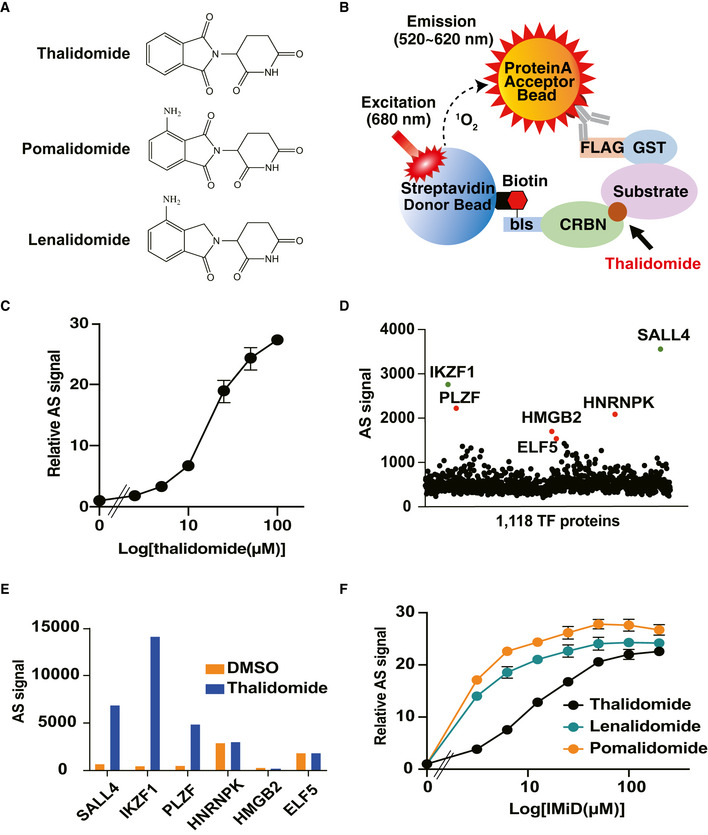
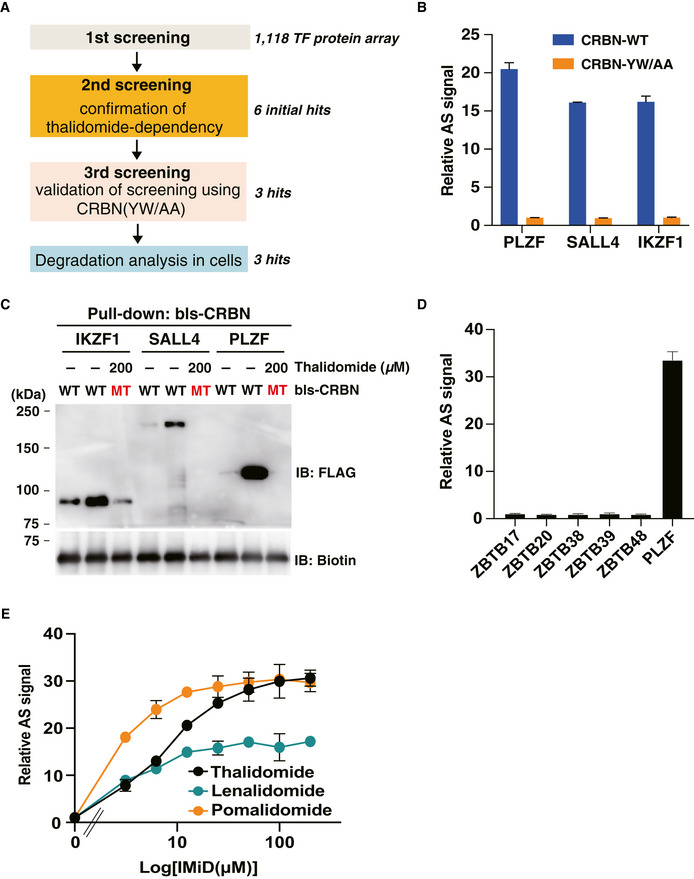
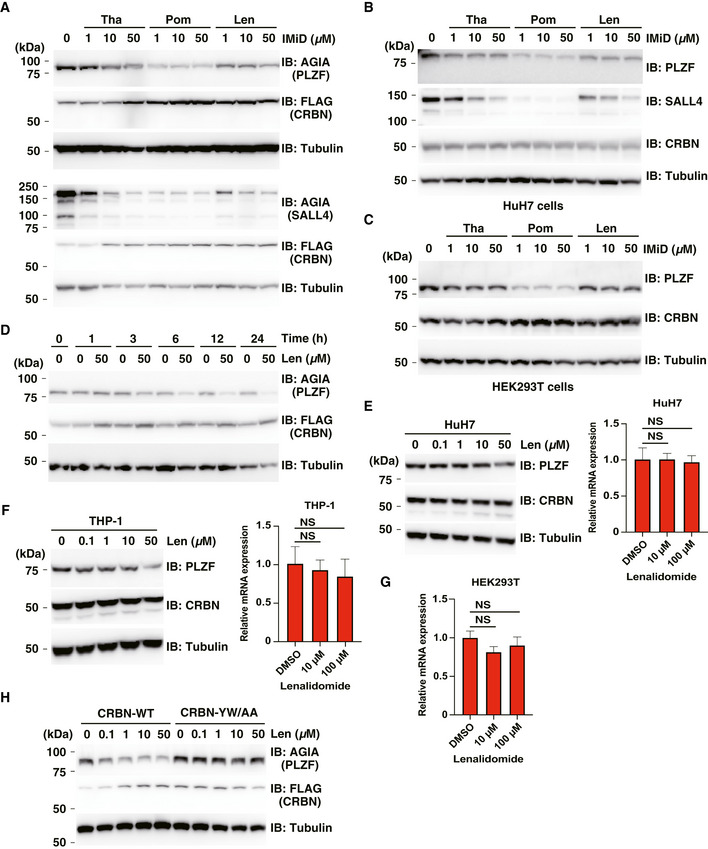
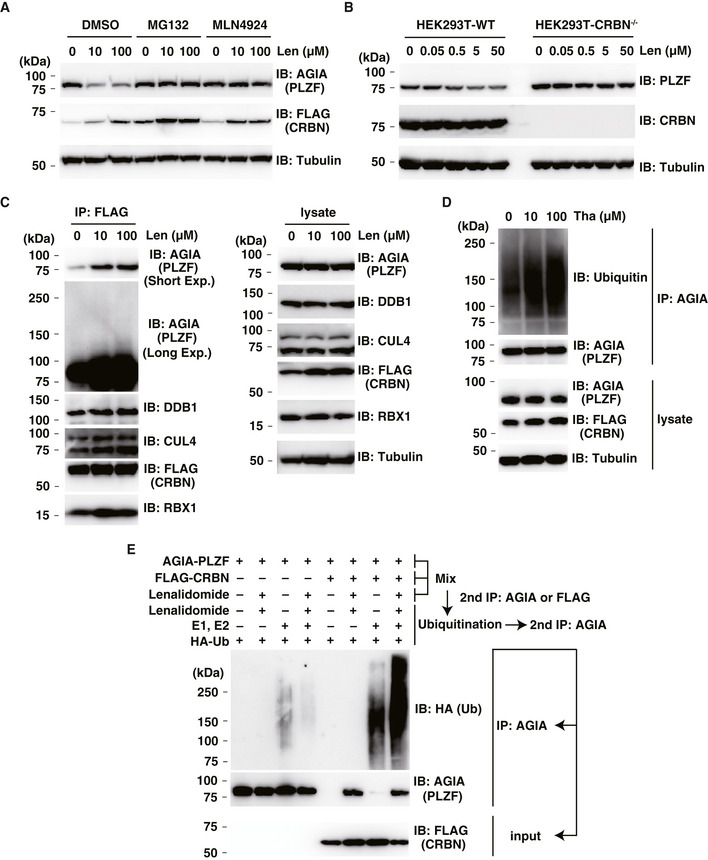
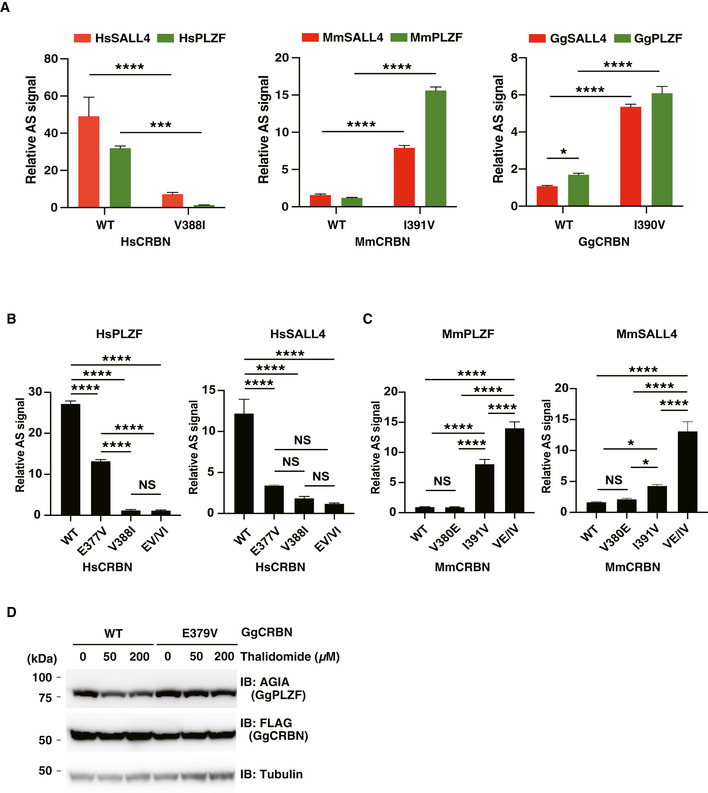
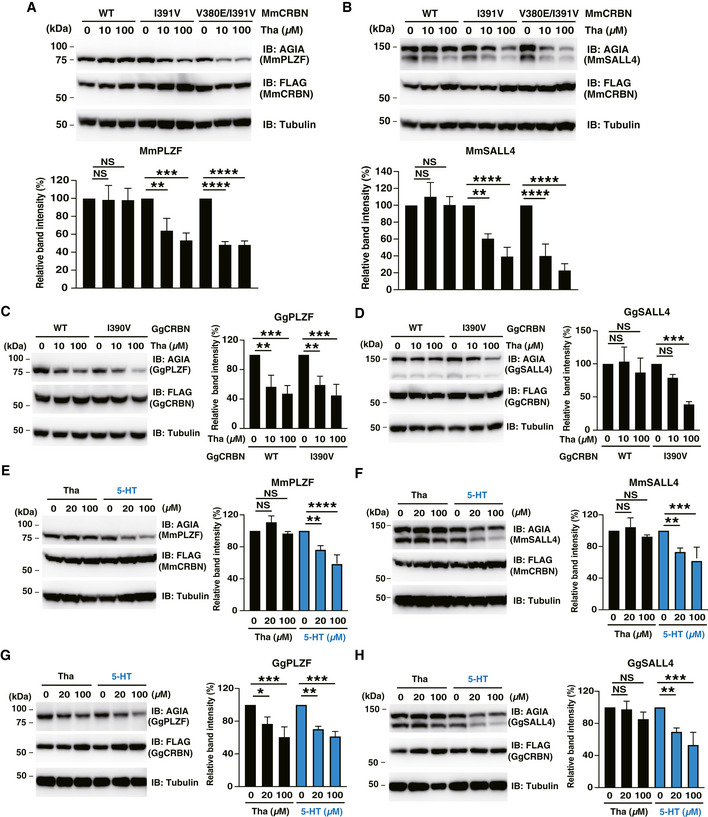
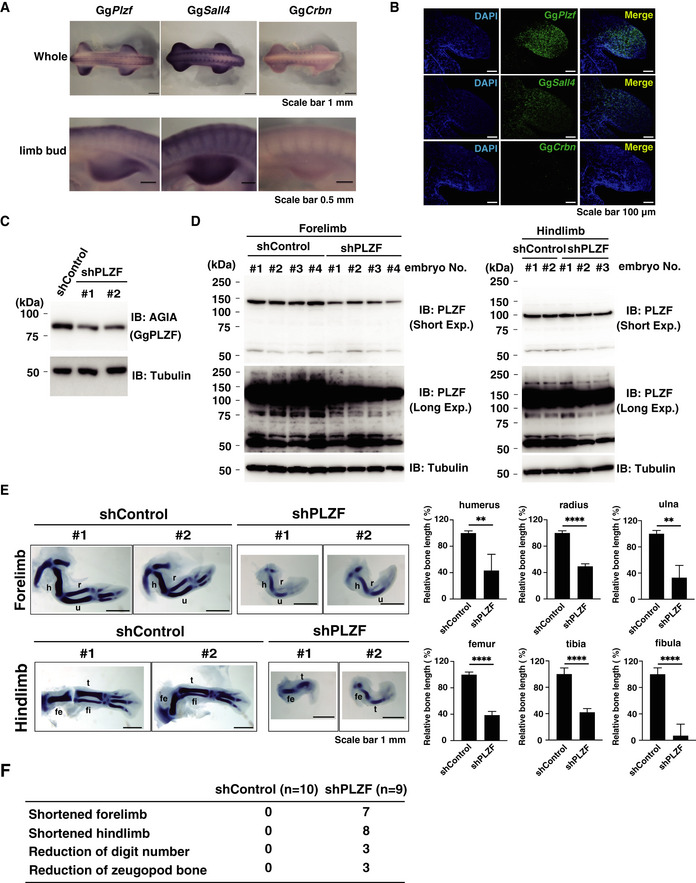
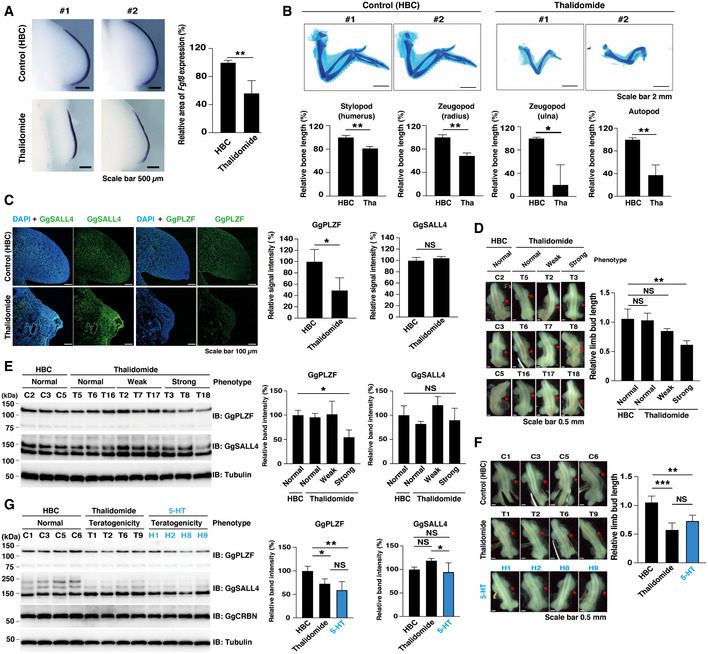
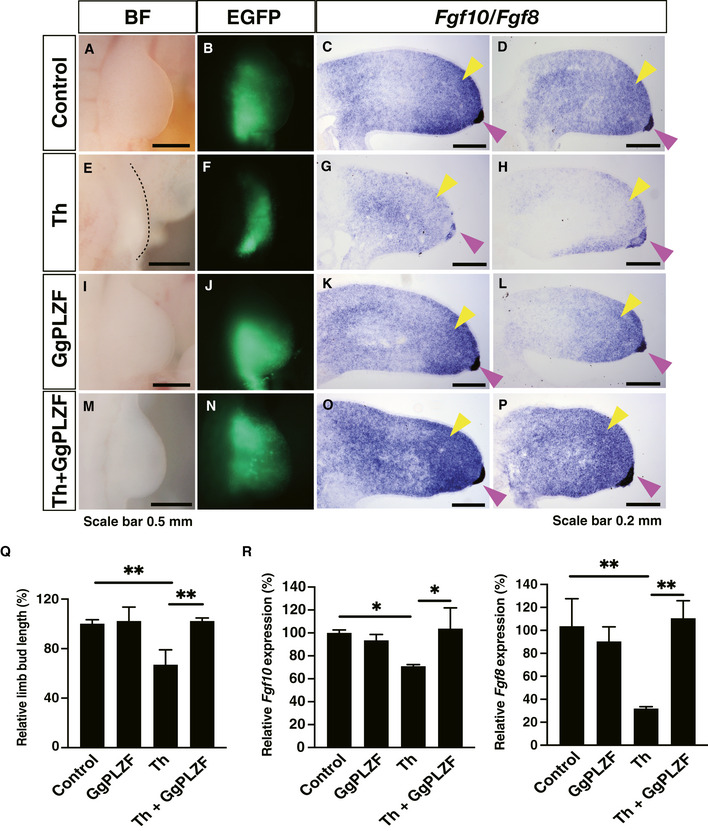
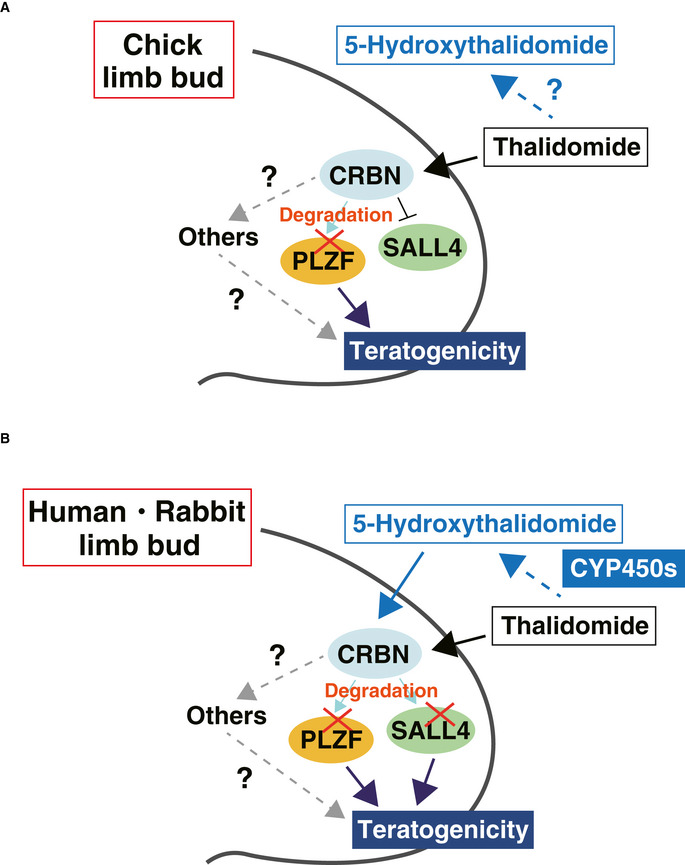
Abstract Thalidomide induces cereblon (CRBN)-dependent degradation of proteins. Human cytochrome P450s are thought to provide two monohydroxylated metabolites from thalidomide, and the metabolites are also considered to be involved in thalidomide effects. However, it remains unclear. We report that human PLZF/ZBTB16 is a target protein of CRBN with thalidomide and its derivatives, and that 5-hydroxythalidomide has high potential for degrading PLZF. Using a human transcription factor protein array produced by a wheat cell-free protein synthesis system, PLZF was found to bind to CRBN with thalidomide. PLZF is degraded by the CRL4 CRBN complex with thalidomide and its derivatives. Mutagenesis analysis revealed that both 1st and 3rd zinc finger domains conserved in vertebrates are recognized for thalidomide-dependent binding and degradation by CRBN. In chicken limbs, knockdown of Plzf induced skeletal abnormalities, and Plzf was degraded after thalidomide or 5-hydroxythalidomide treatment. Our findings suggest that PLZF is a pivotal substrate involving thalidomide-induced teratogenesis.
Overview
The claims and statistics of this paper haven’t been checked yet.
Free: it reads the open-access text and checks the first 5 claims that cite a source we can check. Create a free account to check every claim.
Integrity signals
Registry
Cites
Statistics
Figures
Verification
Claims the paper makes
The claims and statistics of this paper haven’t been checked yet.
Free: it reads the open-access text and checks the first 5 claims that cite a source we can check. Create a free account to check every claim.
Claims other papers make about this one
Each is checked against this paper’s own text: does it say what the citing paper says it does?
The source backs part of the claim, not all of it — or backs it for a different population, condition or comparison.
In the citing paper
“thalidomide-induced degradation of SAll4, and to some extent PlZF and p63 (Asatsuma-Okumura et al. 2019;yamanaka et al. 2021), was confirmed as the root cause of the teratogenic deformities affecting thousands of babies (Matyskiela et al. 2018).”
From From serendipity to strategy: molecular glue degraders in cancer therapeutics (2025) · cites this paper as Yamanaka et al. 2021
Experimental — accuracy not yet measured
Self-check
Percentages, sums and reported differences re-computed from the paper’s own numbers.
The self-check needs the paper’s full text.
Citations
Cites
A series of normal stages in the development of the chick embryo
Hamburger, V., & Hamilton, H. L. (1951) · Journal of Morphology · doi:10.1002/jmor.1050880104 · Cited by 12,234
Identification of a Primary Target of Thalidomide Teratogenicity
Ito, T., Ando, H., Suzuki, T., Ogura, T., Hotta, K., Imamura, Y., Yamaguchi, Y., & Handa, H. (2010) · Science · doi:10.1126/science.1177319 · Cited by 2,136 · cited 2×
“Recently, humanised-CYP3A mice, but not WT controls, were reported to show modest abnormal limb development in embryo culture, albeit not in vivo , after treatment with thalidomide (Kazuki et al , 2016), suggesting that CYP3A-dependent thalidomide metabolites might induce teratogenesis.”
Self-citationLenalidomide Causes Selective Degradation of IKZF1 and IKZF3 in Multiple Myeloma Cells
Krönke, J., Udeshi, N. D., Narla, A., Grauman, P., Hurst, S. N., McConkey, M., Svinkina, T., Heckl, D., Comer, E., Li, X., et al. (2014) · Science · doi:10.1126/science.1244851 · Cited by 1,879 · cited 3×
“These include IKZF1 (Kr € onke et al , 2014; Lu et al , 2014), IKZF3 (Kr € onke et al , 2014; Lu et al , 2014) and SALL4 (Donovan et al , 2018; Matyskiela et al , 2018).”
The Myeloma Drug Lenalidomide Promotes the Cereblon-Dependent Destruction of Ikaros Proteins
Lu, G., Middleton, R. E., Sun, H., Naniong, M., Ott, C. J., Mitsiades, C. S., Wong, K.-K., Bradner, J. E., & Kaelin, W. G. (2014) · Science · doi:10.1126/science.1244917 · Cited by 1,583 · cited 4×
“These include IKZF1 (Kr € onke et al , 2014; Lu et al , 2014), IKZF3 (Kr € onke et al , 2014; Lu et al , 2014) and SALL4 (Donovan et al , 2018; Matyskiela et al , 2018).”
InfluentialA Human Protein Atlas for Normal and Cancer Tissues Based on Antibody Proteomics
Uhlén, M., Björling, E., Agaton, C., Szigyarto, C. A.-K., Amini, B., Andersen, E., Andersson, A.-C., Angelidou, P., Asplund, A., Asplund, C., et al. (2005) · Molecular & Cellular Proteomics · doi:10.1074/mcp.m500279-mcp200 · Cited by 1,540
Structure of the DDB1–CRBN E3 ubiquitin ligase in complex with thalidomide
Fischer, E. S., Böhm, K., Lydeard, J. R., Yang, H., Stadler, M. B., Cavadini, S., Nagel, J., Serluca, F., Acker, V., Lingaraju, G. M., et al. (2014) · Nature · doi:10.1038/nature13527 · Cited by 1,141
Hideshima, T., Chauhan, D., Shima, Y., Raje, N., Davies, F. E., Tai, Y.-T., Treon, S. P., Lin, B., Schlossman, R. L., Richardson, P., et al. (2000) · Blood · doi:10.1182/blood.v96.9.2943 · Cited by 875 · cited 10×
“CRBN is a key molecule for thalidomide-induced teratogenesis (Ito et al , 2010).”
InfluentialLenalidomide induces ubiquitination and degradation of CK1α in del(5q) MDS
Krönke, J., Fink, E. C., Hollenbach, P. W., MacBeth, K. J., Hurst, S. N., Udeshi, N. D., Chamberlain, P. P., Mani, D. R., Man, H. W., Gandhi, A. K., et al. (2015) · Nature · doi:10.1038/nature14610 · Cited by 863 · cited 3×
“For example, the degradation of CK1 a protein by CRL4 CRBN was reportedly enabled by lenalidomide, but not by thalidomide or pomalidomide (Kr € onke et al , 2015), although the CK1 a -CRBN interaction was observed with thalidomide, lenalidomide and pomalidomide (Pet-zold et al , 2016).”
The Transcription Factor PLZF Directs the Effector Program of the NKT Cell Lineage
Savage, A. K., Constantinides, M. G., Han, J., Picard, D., Martin, E., Li, B., Lantz, O., & Bendelac, A. (2008) · Immunity · doi:10.1016/j.immuni.2008.07.011 · Cited by 716
A novel cereblon modulator recruits GSPT1 to the CRL4CRBN ubiquitin ligase
Matyskiela, M. E., Lu, G., Ito, T., Pagarigan, B., Lu, C.-C., Miller, K., Fang, W., Wang, N.-Y., Nguyen, D., Houston, J., et al. (2016) · Nature · doi:10.1038/nature18611 · Cited by 701 · cited 3×
“This alteration induces the ubiquitination and degradation of binding proteins, such as Ikaros (IKZF1) (Kr € onke et al , 2014; Lu et al , 2014), casein kinase I (Kr € onke et al , 2015), GSPT1 (Matyskiela et al , 2016) and SALL4 (Donovan et al , 2018; Matyskiela et al , 2018).”
Structural basis of lenalidomide-induced CK1α degradation by the CRL4CRBN ubiquitin ligase
Petzold, G., Fischer, E. S., & Thomä, N. H. (2016) · Nature · doi:10.1038/nature16979 · Cited by 620 · cited 1×
“PLZF immunofluorescence staining was performed as previously described (Saito et al , 2012) using anti-PLZF rabbit polyclonal antibody (GTX111046, 1:250 dilution; GeneTex) as the primary antibody and anti-rabbit horseradish-conjugated (1:500 dilution; GE Healthcare) as secondary antibody.”
Kovalovsky, D., Uche, O. U., Eladad, S., Hobbs, R. M., Yi, W., Alonzo, E., Chua, K., Eidson, M., Kim, H.-J., Im, J. S., et al. (2008) · Nature Immunology · doi:10.1038/ni.1641 · Cited by 557
Defining the human C2H2 zinc finger degrome targeted by thalidomide analogs through CRBN
Sievers, Q. L., Petzold, G., Bunker, R. D., Renneville, A., Słabicki, M., Liddicoat, B. J., Abdulrahman, W., Mikkelsen, T., Ebert, B. L., & Thomä, N. H. (2018) · Science · doi:10.1126/science.aat0572 · Cited by 537 · cited 3×
“A single ZNF domain present in IKZF1 (Sievers et al , 2018) and SALL4 (Donovan et al , 2018; Matyskiela et al , 2018) is recognised by CRBN with thalido-mide.”
A cell-free protein synthesis system for high-throughput proteomics
Sawasaki, T., Ogasawara, T., Morishita, R., & Endo, Y. (2002) · Proceedings of the National Academy of Sciences · doi:10.1073/pnas.232580399 · Cited by 517 · cited 2×
“1( + ), based on Gateway technology, or pCAGGS were purchased from Invitrogen or RIKEN, respectively, and the pEU vector for the wheat cell-free system was constructed in our laboratory, as previously described (Sawasaki et al , 2002).”
Self-citationDonovan, K. A., An, J., Nowak, R. P., Yuan, J. C., Fink, E. C., Berry, B. C., Ebert, B. L., & Fischer, E. S. (2018) · eLife · doi:10.7554/elife.38430 · Cited by 509 · cited 7×
“Degradation of IKZF1, IKZF3 and SALL4 was observed 3 h after the treatment (Kr € onke et al , 2014; Lu et al , 2014; Donovan et al , 2018).”
InfluentialFree radical-mediated oxidative DNA damage in the mechanism of thalidomide teratogenicity
Parman, T., Wiley, M. J., & Wells, P. G. (1999) · Nature Medicine · doi:10.1038/8466 · Cited by 495 · cited 1×
“For example, the hydrolysis metabolites 2-phthalimidoglutaramic acid and 2-phthalimidoglutaric acid induce oxidative stress, resulting in teratogenic phenotypes in rabbit embryos (Parman et al , 1999; Lee et al , 2011).”
SALL4 mediates teratogenicity as a thalidomide-dependent cereblon substrate
Matyskiela, M. E., Couto, S., Zheng, X., Lu, G., Hui, J., Stamp, K., Drew, C., Ren, Y., Wang, M., Carpenter, A., et al. (2018) · Nature Chemical Biology · doi:10.1038/s41589-018-0129-x · Cited by 338 · cited 5×
“This alteration induces the ubiquitination and degradation of binding proteins, such as Ikaros (IKZF1) (Kr € onke et al , 2014; Lu et al , 2014), casein kinase I (Kr € onke et al , 2015), GSPT1 (Matyskiela et al , 2016) and SALL4 (Donovan et al , 2018; Matyskiela et al , 2018).”
InfluentialTranscriptional regulation of innate lymphoid cell fate
Serafini, N., Vosshenrich, C. A. J., & Di Santo, J. P. (2015) · Nature Reviews Immunology · doi:10.1038/nri3855 · Cited by 292
Plzf regulates limb and axial skeletal patterning
Barna, M., Hawe, N., Niswander, L., & Pandolfi, P. P. (2000) · Nature Genetics · doi:10.1038/76014 · Cited by 279 · cited 6×
“It is involved The EMBO Journal Satoshi Yamanaka et al in a broad range of developmental and biological processes, such as haematopoiesis, limb skeletal formation, spermatogenesis and immune regulation (Barna et al , 2000, 2005; Suliman et al , 2012).”
InfluentialRecognition of thalidomide defects.
Smithells, R. W., & Newman, C. G. (1992) · Journal of Medical Genetics · doi:10.1136/jmg.29.10.716 · Cited by 271 · cited 1×
“Its use caused embryopathies, such as limb defects, ear damage and congenital heart diseases (Smithells & Newman, 1992; Miller & Str € omland, 1999).”
Thalidomide induces limb defects by preventing angiogenic outgrowth during early limb formation
Therapontos, C., Erskine, L., Gardner, E. R., Figg, W. D., & Vargesson, N. (2009) · Proceedings of the National Academy of Sciences · doi:10.1073/pnas.0901505106 · Cited by 254 · cited 2×
“Thalidomide embryopathy has been demonstrated in chickens and zebrafish (Therapontos et al , 2009; Ito et al , 2010; Mahony et al , 2013).”
Teratogen update: thalidomide: a review, with a focus on ocular findings and new potential uses
Miller, M. T., & Str�mland, K. (1999) · Teratology · doi:10.1002/(sici)1096-9926(199911)60:5<306::aid-tera11>3.0.co;2-y · Cited by 189 · cited 3×
“Its use caused embryopathies, such as limb defects, ear damage and congenital heart diseases (Smithells & Newman, 1992; Miller & Str € omland, 1999).”
InfluentialTonegawa, A., Funayama, N., Ueno, N., & Takahashi, Y. (1997) · Development · doi:10.1242/dev.124.10.1975 · Cited by 185
pSILAC mass spectrometry reveals ZFP91 as IMiD-dependent substrate of the CRL4CRBN ubiquitin ligase
An, J., Ponthier, C. M., Sack, R., Seebacher, J., Stadler, M. B., Donovan, K. A., & Fischer, E. S. (2017) · Nature Communications · doi:10.1038/ncomms15398 · Cited by 176 · cited 1×
“In previous reports, a glycine residue in the ZNF domain of SALL4 and ZFP91 proteins was identified as a key amino acid for binding to CRBN with thalidomide (An et al , 2017; Donovan et al , 2018; Matyskiela et al , 2018).”
Thalidomide metabolism by the CYP2C subfamily.
Ando, Y., Fuse, E., & Figg, W. D. (2002) · PubMed · Cited by 171
The Dorsal Aorta Initiates a Molecular Cascade That Instructs Sympatho-Adrenal Specification
Saito, D., Takase, Y., Murai, H., & Takahashi, Y. (2012) · Science · doi:10.1126/science.1222369 · Cited by 161 · cited 1×
“PLZF immunofluorescence staining was performed as previously described (Saito et al , 2012) using anti-PLZF rabbit polyclonal antibody (GTX111046, 1:250 dilution; GeneTex) as the primary antibody and anti-rabbit horseradish-conjugated (1:500 dilution; GE Healthcare) as secondary antibody.”
Self-citationThalidomide teratogenesis: evidence for a toxic arene oxide metabolite.
Gordon, G. B., Spielberg, S. P., Blake, D. A., & Balasubramanian, V (1981) · Proceedings of the National Academy of Sciences · doi:10.1073/pnas.78.4.2545 · Cited by 152 · cited 1×
“Embryos were staged according to the HH criteria of Hamburger and Hamilton (1951).”
The Promyelocytic Leukemia Zinc Finger Protein: Two Decades of Molecular Oncology
Suliman, B. A., Xu, D., & Williams, B. R. G. (2012) · Frontiers in Oncology · doi:10.3389/fonc.2012.00074 · Cited by 136 · cited 1×
“So far, we have identified substrate proteins from protein kinase (Tadokoro et al , 2010) and E3 ligase (Takahashi et al , 2016) protein arrays.”
Crbn I391V is sufficient to confer in vivo sensitivity to thalidomide and its derivatives in mice
Fink, E. C., McConkey, M., Adams, D. N., Haldar, S. D., Kennedy, J. A., Guirguis, A. A., Udeshi, N. D., Mani, D. R., Chen, M., Liddicoat, B., et al. (2018) · Blood · doi:10.1182/blood-2018-05-852798 · Cited by 131 · cited 1×
“Satoshi Yamanaka et al immunomodulatory imide drug, and IKZF1 and IKZF3 are thought to be key targets of immunomodulation by thalidomide and its derivatives (Fink et al , 2018).”
Structural basis of thalidomide enantiomer binding to cereblon
Mori, T., Ito, T., Liu, S., Ando, H., Sakamoto, S., Yamaguchi, Y., Tokunaga, E., Shibata, N., Handa, H., & Hakoshima, T. (2018) · Scientific Reports · doi:10.1038/s41598-018-19202-7 · Cited by 128
Self-citationKohlhase, J., Chitayat, D., Kotzot, D., Ceylaner, S., Froster, U. G., Fuchs, S., Montgomery, T., & Rösler, B. (2005) · Human Mutation · doi:10.1002/humu.20215 · Cited by 119
Promyelocytic Leukemia Zinc Finger Protein Regulates Interferon-Mediated Innate Immunity
Xu, D., Holko, M., Sadler, A. J., Scott, B., Higashiyama, S., Berkofsky-Fessler, W., McConnell, M. J., Pandolfi, P. P., Licht, J. D., & Williams, B. R. G. (2009) · Immunity · doi:10.1016/j.immuni.2009.04.013 · Cited by 110
Gli3 and Plzf cooperate in proximal limb patterning at early stages of limb development
Barna, M., Pandolfi, P. P., & Niswander, L. A. (2005) · Nature · doi:10.1038/nature03801 · Cited by 99 · cited 3×
“Bmp proteins function as regulators in programming cell death and cell death induced by Plzf / Gli3 deficiency (Barna et al , 2005).”
Thalidomide Metabolism and Hydrolysis: Mechanisms and Implications
Lepper, E., Smith, N., Cox, M., Scripture, C., & Figg, W. (2006) · Current Drug Metabolism · doi:10.2174/138920006778017777 · Cited by 92
Structural bases of IMiD selectivity that emerges by 5-hydroxythalidomide
Furihata, H., Yamanaka, S., Honda, T., Miyauchi, Y., Asano, A., Shibata, N., Tanokura, M., Sawasaki, T., & Miyakawa, T. (2020) · Nature Communications · doi:10.1038/s41467-020-18488-4 · Cited by 89 · cited 1×
“An unstable arene oxide (epoxide) produced from 5-hydroxythalidomide may cause developmental disorders (Gordon et al , 1981; Fort et al , 2000).”
Self-citationHumanized cereblon mice revealed two distinct therapeutic pathways of immunomodulatory drugs
Gemechu, Y., Millrine, D., Hashimoto, S., Prakash, J., Sanchenkova, K., Metwally, H., Gyanu, P., Kang, S., & Kishimoto, T. (2018) · Proceedings of the National Academy of Sciences · doi:10.1073/pnas.1814446115 · Cited by 78
Nemoto, K., Ramadan, A., Arimura, G., Imai, K., Tomii, K., Shinozaki, K., & Sawasaki, T. (2017) · Nature Communications · doi:10.1038/s41467-017-01005-5 · Cited by 71
Self-citationAkiyama, R., Kawakami, H., Wong, J., Oishi, I., Nishinakamura, R., & Kawakami, Y. (2015) · Proceedings of the National Academy of Sciences · doi:10.1073/pnas.1421949112 · Cited by 70 · cited 2×
“Hind limb defects have also been reported in Sall4 -conditional knockout (S all4 -CKO) mice (Akiyama et al , 2015).”
Pomalidomide is nonteratogenic in chicken and zebrafish embryos and nonneurotoxic in vitro
Mahony, C., Erskine, L., Niven, J., Greig, N. H., Figg, W. D., & Vargesson, N. (2013) · Proceedings of the National Academy of Sciences · doi:10.1073/pnas.1307684110 · Cited by 69 · cited 3×
“Thalidomide embryopathy has been demonstrated in chickens and zebrafish (Therapontos et al , 2009; Ito et al , 2010; Mahony et al , 2013).”
Nagase, T., Yamakawa, H., Tadokoro, S., Nakajima, D., Inoue, S., Yamaguchi, K., Itokawa, Y., Kikuno, R. F., Koga, H., & Ohara, O. (2008) · DNA Research · doi:10.1093/dnares/dsn004 · Cited by 68 · cited 1×
“…vector containing FLAG tag, GST tag, SG linker and Asi SI restriction enzyme site at 5 0 upstream of multiple cloning site. cDNA clones coding proteins with DNA-binding domains were selected from cDNA resources collected by Kazusa DNA research institute (Nagase et al , 2008) (Table EV1).”
Sawasaki, T., Kamura, N., Matsunaga, S., Saeki, M., Tsuchimochi, M., Morishita, R., & Endo, Y. (2008) · FEBS Letters · doi:10.1016/j.febslet.2007.12.004 · Cited by 67
Self-citationYano, T., Takeda, H., Uematsu, A., Yamanaka, S., Nomura, S., Nemoto, K., Iwasaki, T., Takahashi, H., & Sawasaki, T. (2016) · PLOS ONE · doi:10.1371/journal.pone.0156716 · Cited by 66 · cited 2×
“For a cell-based immunoblotting assay, we used the sensitive AGIA-tag system on a rabbit monoclonal antibody (Yano et al , 2016).”
Self-citationThalidomide Embryopathy: An Enigmatic Challenge
Vargesson, N. (2013) · ISRN Developmental Biology · doi:10.1155/2013/241016 · Cited by 62
Fischer, S., Kohlhase, J., Böhm, D., Schweiger, B., Hoffmann, D., Heitmann, M., Horsthemke, B., & Wieczorek, D. (2008) · Journal of Medical Genetics · doi:10.1136/jmg.2008.059451 · Cited by 60 · cited 1×
“Loss of PLZF function in both human patients and mutant mice results in limb defects, which appear as an elongation defect of the zeugopod and thumb (Barna et al , 2000, 2005; Fischer et al , 2008).”
Sato, Y., Watanabe, T., Saito, D., Takahashi, T., Yoshida, S., Kohyama, J., Ohata, E., Okano, H., & Takahashi, Y. (2008) · Developmental Cell · doi:10.1016/j.devcel.2008.03.024 · Cited by 58 · cited 1×
“FISH protocol was described previously (Sato et al , 2008), with additional processes in order to amplify fluorescent signal.”
Self-citationTadokoro, D., Takahama, S., Shimizu, K., Hayashi, S., Endo, Y., & Sawasaki, T. (2010) · Cell Death and Disease · doi:10.1038/cddis.2010.65 · Cited by 49 · cited 1×
“So far, we have identified substrate proteins from protein kinase (Tadokoro et al , 2010) and E3 ligase (Takahashi et al , 2016) protein arrays.”
Self-citationThalidomide-induced limb abnormalities in a humanized CYP3A mouse model
Kazuki, Y., Akita, M., Kobayashi, K., Osaki, M., Satoh, D., Ohta, R., Abe, S., Takehara, S., Kazuki, K., Yamazaki, H., et al. (2016) · Scientific Reports · doi:10.1038/srep21419 · Cited by 48
Takahashi, H., Uematsu, A., Yamanaka, S., Imamura, M., Nakajima, T., Doi, K., Yasuoka, S., Takahashi, C., Takeda, H., & Sawasaki, T. (2016) · PLOS ONE · doi:10.1371/journal.pone.0156718 · Cited by 48 · cited 2×
“So far, we have identified substrate proteins from protein kinase (Tadokoro et al , 2010) and E3 ligase (Takahashi et al , 2016) protein arrays.”
Self-citationChowdhury, G., Murayama, N., Okada, Y., Uno, Y., Shimizu, M., Shibata, N., Guengerich, F. P., & Yamazaki, H. (2010) · Chemical Research in Toxicology · doi:10.1021/tx900367p · Cited by 47 · cited 2×
“In the case of enzymatic metabolites, thalidomide is metabolised to 5-hydroxythalidomide or 5 0 -hydroxythalidomide by CYP450 isoforms, such as CYP2C and 3A (Yamamoto et al , 2009; Chowdhury et al , 2010).”
Self-citationLee, C. J. J., Gonçalves, L. L., & Wells, P. G. (2011) · The FASEB Journal · doi:10.1096/fj.10-178814 · Cited by 43 · cited 1×
“For example, the hydrolysis metabolites 2-phthalimidoglutaramic acid and 2-phthalimidoglutaric acid induce oxidative stress, resulting in teratogenic phenotypes in rabbit embryos (Parman et al , 1999; Lee et al , 2011).”
Thalidomide metabolites in mice and patients with multiple myeloma.
Lu, J., Palmer, B. D., Kestell, P., Browett, P., Baguley, B. C., Muller, G. W., & Ching, L.-M. (2003) · PubMed · Cited by 42
Fort, D. J., Stover, E. L., Bantle, J. A., & Finch, R. A. (2000) · Teratogenesis Carcinogenesis and Mutagenesis · doi:10.1002/(sici)1520-6866(2000)20:1<35::aid-tcm4>3.0.co;2-i · Cited by 31
An IMiD-induced SALL4 degron system for selective degradation of target proteins
Yamanaka, S., Shoya, Y., Matsuoka, S., Nishida-Fukuda, H., Shibata, N., & Sawasaki, T. (2020) · Communications Biology · doi:10.1038/s42003-020-01240-5 · Cited by 29 · cited 3×
“To investigate whether the loss of PLZF was dependent on CRBN, we generated CRBN-deficient HEK293T cells using CRISPR/ Cas9 (Yamanaka et al , 2020).”
Self-citationYamamoto, T., Shibata, N., Sukeguchi, D., Takashima, M., Nakamura, S., Toru, T., Matsunaga, N., Hara, H., Tanaka, M., Obata, T., et al. (2009) · Bioorganic & Medicinal Chemistry Letters · doi:10.1016/j.bmcl.2009.02.108 · Cited by 28 · cited 3×
“In the case of enzymatic metabolites, thalidomide is metabolised to 5-hydroxythalidomide or 5 0 -hydroxythalidomide by CYP450 isoforms, such as CYP2C and 3A (Yamamoto et al , 2009; Chowdhury et al , 2010).”
Self-citationAP-2β is a transcriptional regulator for determination of digit length in tetrapods
Seki, R., Kitajima, K., Matsubara, H., Suzuki, T., Saito, D., Yokoyama, H., & Tamura, K. (2015) · Developmental Biology · doi:10.1016/j.ydbio.2015.08.006 · Cited by 15 · cited 1×
“The Alcian blue staining protocol was described previously (Seki et al , 2015).”
Self-citationChen, K. Q., Tahara, N., Anderson, A. M., Kawakami, H., Kawakami, S., Nishinakamura, R., Pandolfi, P. P., & Kawakami, Y. (2020) · Genetics · doi:10.1534/genetics.120.303069 · Cited by 14 · cited 1×
“In a recent report, Sall4 and Plzf double knockout mice (Chen et al , 2020) showed phenotypes featuring remarkable reductions of the stylopod and zeugopod.”
Patterson, C. (2009) · Nature Medicine · doi:10.1038/nm0209-137 · Cited by 13
BECKMANN, R., & Hh, K. (1961) · PubMed · Cited by 13
Liška, F., Peterková, R., PETERKA, M., Landa, V., Zídek, V., Mlejnek, P., Šilhavý, J., Šimáková, M., Křen, V., Starker, C. G., et al. (2016) · PLoS ONE · doi:10.1371/journal.pone.0164206 · Cited by 11
Research works printed but not linked: 1
- Beckman R, Kampf HH (1961) Zur quantitativen Bestimmung und zum qualitativen Nachweis von N‐phthalyl‐glutaminsauremid (thalidomide). Arzneimittelforschung 11: 45– 47 13688557
Cited by
Multi-chamber cardioids unravel human heart development and cardiac defects
(2023) · doi:10.1016/j.cell.2023.10.030 · Cited by 205
Prenatal Environment and Neurodevelopmental Disorders
Doi, M., Usui, N., & Shimada, S. (2022) · Frontiers in Endocrinology · doi:10.3389/fendo.2022.860110 · Cited by 207
“reported that CRBN degrades Zbtb16 and Sall4 resulting in limb teratogenicity in chick embryos (34).”
BackgroundHaven't got a glue: Protein surface variation for the design of molecular glue degraders
Kozicka, Z., & Thomä, N. H. (2021) · Cell Chemical Biology · doi:10.1016/j.chembiol.2021.04.009 · Cited by 170
Yamamoto, J., Ito, T., Yamaguchi, Y., & Handa, H. (2022) · Chemical Society Reviews · doi:10.1039/d2cs00116k · Cited by 158
Delivering on the promise of protein degraders
O’Brien, M. N., Luthra, S. A., Brown, M. F., & Bartlett, D. W. (2023) · Nature Reviews Drug Discovery · doi:10.1038/s41573-023-00652-2 · Cited by 114
Metadata
- Authors
- Yamanaka, S., Murai, H., Saito, D., Abe, G., Tokunaga, E., Iwasaki, T., Takahashi, H., Takeda, H., Suzuki, T., Shibata, N., Tamura, K., & Sawasaki, T.
- Affiliations
- Ehime University (JP)
- Tohoku University (JP)
- Nagoya Institute of Technology (JP)
- Nagoya University (JP)
- Corresponding author
- Sawasaki, Tatsuya
- ORCID
- Venue
- The EMBO Journal
- Published
- 2021-01-20
- Volume
- 40
- Issue
- 4
- Pages
- e105375-e105375
- ISSN
- 0261-4189 (ISSN-L)
- 1460-2075
- PMC
- PMC7883055
- OpenAlex
- W3123177844
- Semantic Scholar
- 3f1768a50fc8230ba767867da58a957c8806fca6
- Cited by
- 89
- References
- 60
- Citations by year
- 2026: 8 · 2025: 22 · 2024: 12 · 2023: 17 · 2022: 15 · 2021: 12
- FWCI
- 4.47
- Type
- journal article
- Language
- en
- Open access
- hybrid
- doi.org
- Licence
- cc-by-nc-nd
- creativecommons.org/licenses/by-nc-nd/4.0/ (tdm)
- creativecommons.org/licenses/by-nc-nd/4.0/ (vor)
- Locations
- The EMBO Journal (publishedVersion, cc-by-nc-nd)
- bioRxiv (Cold Spring Harbor Laboratory) (acceptedVersion)
- PubMed Central (publishedVersion, cc-by-nc-nd)
- PubMed (publishedVersion)
- Funders
- Japan Agency for Medical Research and Development (JP19am0101077)
- Takeda Science Foundation
- MEXT | Japan Society for the Promotion of Science (JP16H06579, JP17J08477, JP16H04729, JP19H03218, JP17H06112, JP18H02446, JP18H04811, JP18H04756, JP20H05024)
- Topics
- Life Sciences › Biochemistry, Genetics and Molecular Biology › Molecular Biology › Protein Degradation and Inhibitors
- Health Sciences › Medicine › Pediatrics, Perinatology and Child Health › Pharmacological Effects and Toxicity Studies
- Life Sciences › Biochemistry, Genetics and Molecular Biology › Molecular Biology › Developmental Biology and Gene Regulation
- Keywords
- teratogenicity, cereblon, PLZF, ZBTB16, ubiquitin ligase, protein degradation, limb malformations, chick embryo, SALL4, zinc finger, embryonic development
- MeSH terms
- Promyelocytic Leukemia Zinc Finger Protein, Animals, Chick Embryo, Humans, Substrate Specificity, Teratogens, Thalidomide, Transcription Factors, Ubiquitin-Protein Ligases, Adaptor Proteins, Signal Transducing, Mice, Cytochrome P-450 CYP3A, Proteolysis, Teratogenesis
About these checks
Registry, retraction, Cites and statistics results are computed, not judged, with one exception: a printed reference that no index lists is read once by a model before it counts as a citation error. Claims are extracted by a model and kept only when their quote appears verbatim in the text; each cited source is then checked, with a model’s help, for whether it says what the claim relies on. Those verdicts can be wrong — read the claim’s quote and the cited source before relying on one.
Statistics and arithmetic are recomputed, not judged.
Confidence bands are shown only for fields calibrated on our annotated test set. None is calibrated yet, so no band is shown.
What counts as a claim ›How we measure confidence ›How we check this ›
Are you an author, or do you see a problem with this page? Request a review
Data sources
Bibliographic data: Semantic Scholar, OpenAlex, Crossref.
Contains information from the Semantic Scholar Academic Graph Datasets, made available under the ODC Attribution License (ODC-BY 1.0).
Semantic Scholar’s data is described in: Kinney, R., et al. (2023). The Semantic Scholar Open Data Platform. arXiv:2301.10140.
