

The DOI matches its Crossref record; 53 of the 55 references it cites were found in a registry or an index.
Microglial PD-1 stimulation by astrocytic PD-L1 suppresses neuroinflammation and Alzheimer’s disease pathology
Open accessAbstract
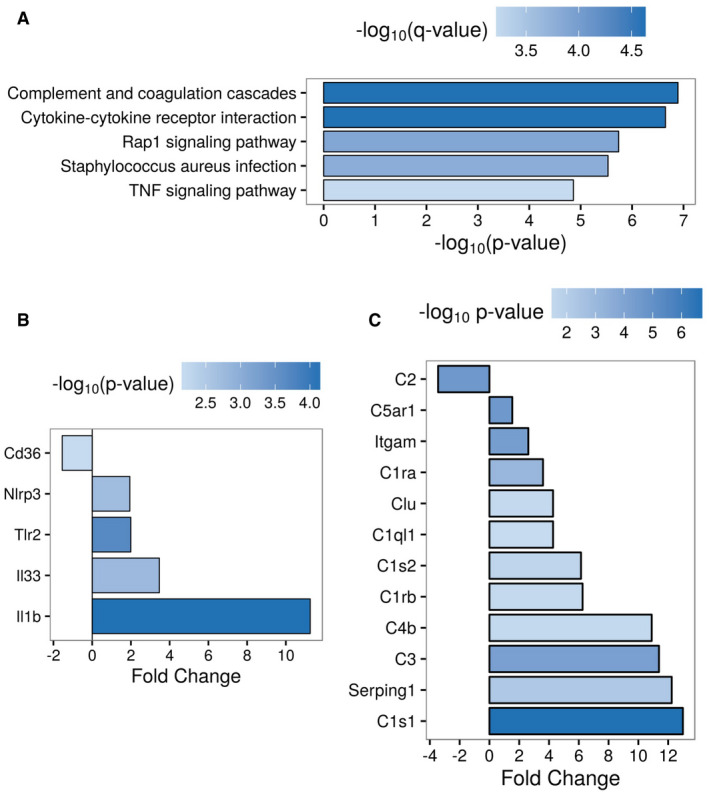
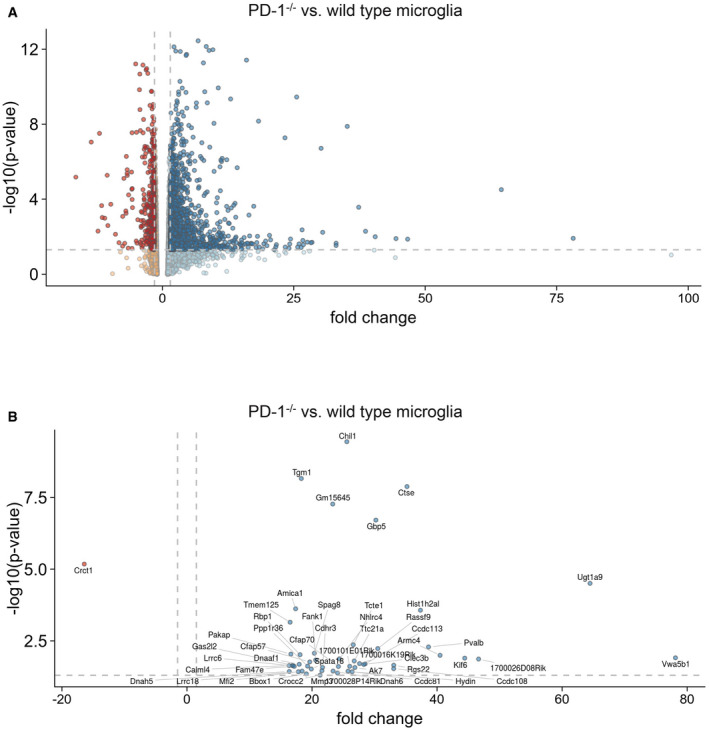
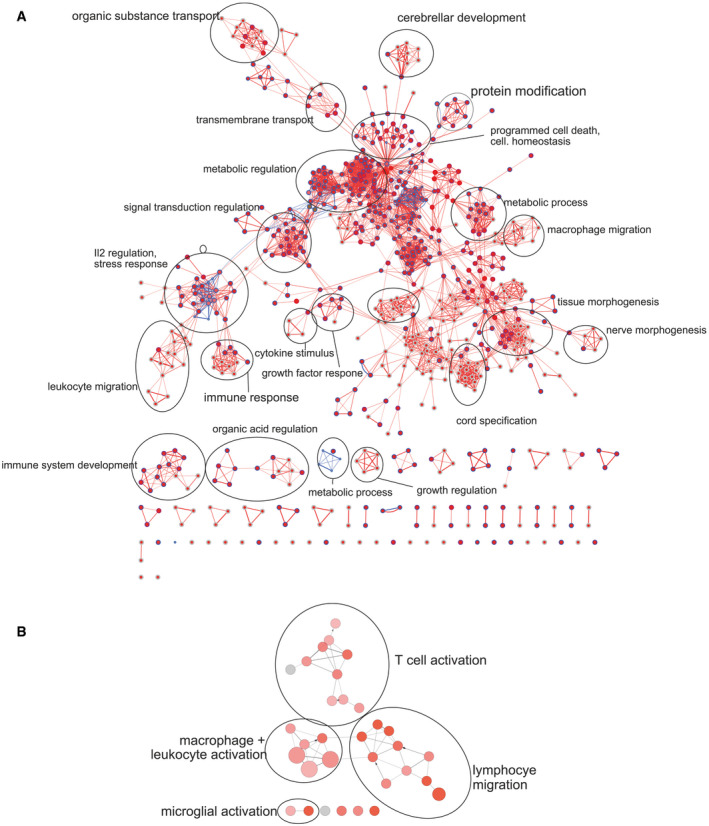
Chronic neuroinflammation is a pathogenic component of Alzheimer’s disease (AD) that may limit the ability of the brain to clear amyloid deposits and cellular debris. Tight control of the immune system is therefore key to sustain the ability of the brain to repair itself during homeostasis and disease. The immune‐cell checkpoint receptor/ligand pair PD‐1/PD‐L1, known for their inhibitory immune function, is expressed also in the brain. Here, we report upregulated expression of PD‐L1 and PD‐1 in astrocytes and microglia, respectively, surrounding amyloid plaques in AD patients and in the APP/PS1 AD mouse model. We observed juxtamembrane shedding of PD‐L1 from astrocytes, which may mediate ectodomain signaling to PD‐1‐expressing microglia. Deletion of microglial PD‐1 evoked an inflammatory response and compromised amyloid‐β peptide (Aβ) uptake. APP/PS1 mice deficient for PD‐1 exhibited increased deposition of Aβ, reduced microglial Aβ uptake, and decreased expression of the Aβ receptor CD36 on microglia. Therefore, ineffective immune regulation by the PD‐1/PD‐L1 axis contributes to Aβ plaque deposition during chronic neuroinflammation in AD. Neuroinflammation, a hallmark of Alzheimer’s disease (AD), is involved in beta‐amyloid peptide (Aβ) plaque deposition and clearance. Here, the PD‐1/PD‐L1 axis is found as an important pathway for regulating the immune system in the brain, sustaining microglial Aβ uptake and reducing chronic neuroinflammation. The immune‐checkpoint receptor/ligand pair PD‐1/PD‐L1 sustains phagocytic function of microglia to prevent Aβ plaque deposition in APP/PS mouse models and patient tissues.
Overview
The claims and statistics of this paper haven’t been checked yet.
Run the check — free, no account needed. It reads the open-access text and checks the sources it cites.
Integrity signals
Registry
Cites
Statistics
Figures
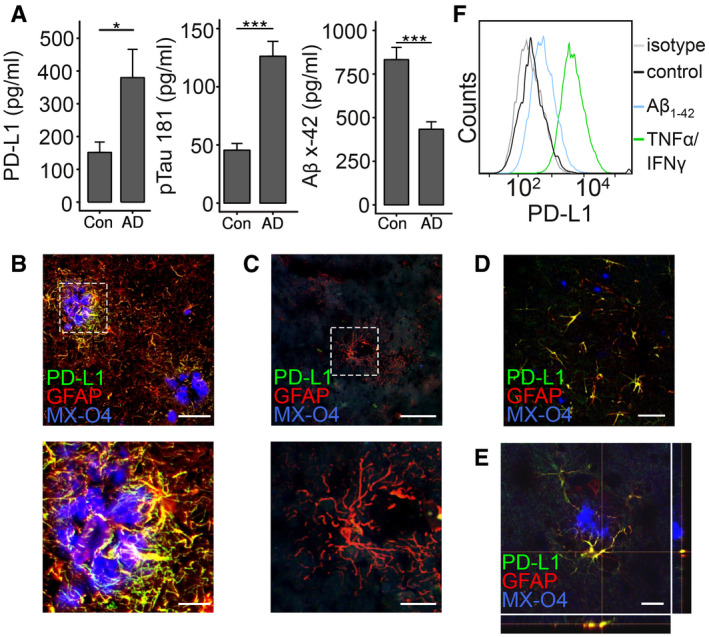
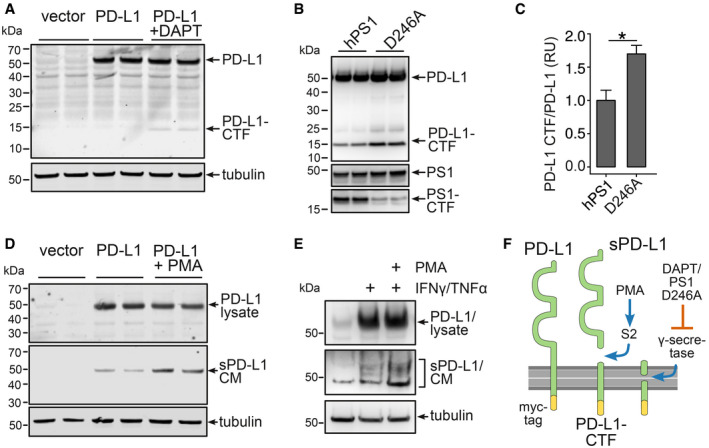
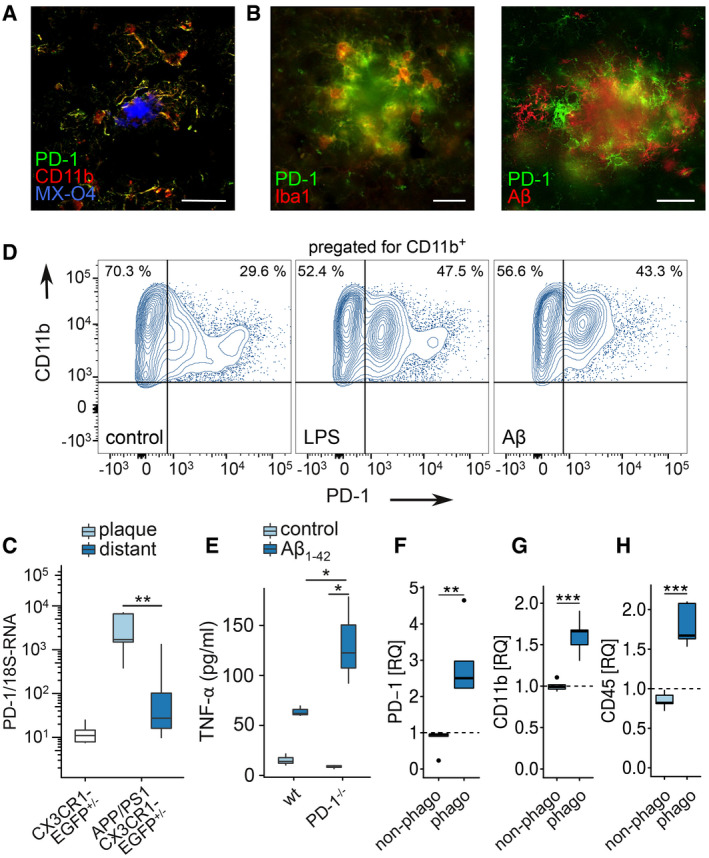
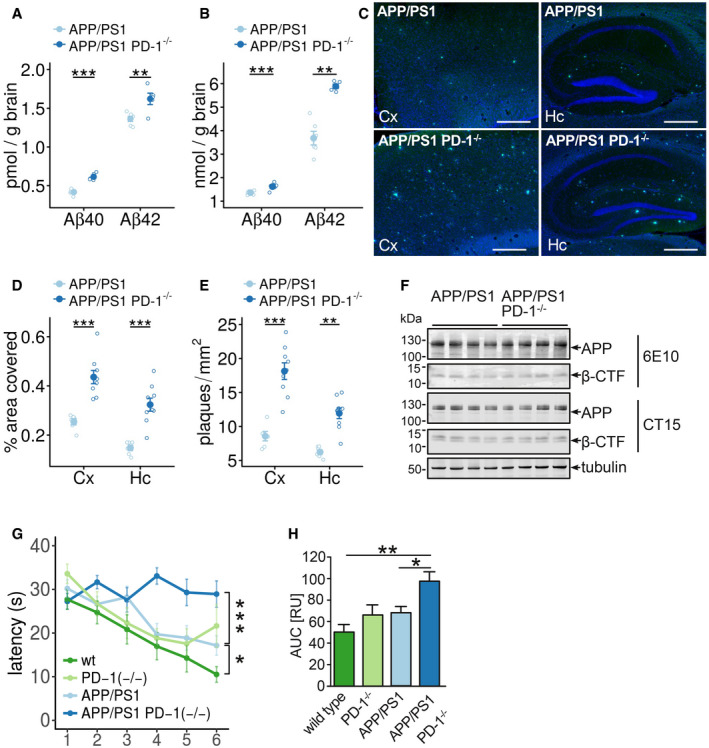
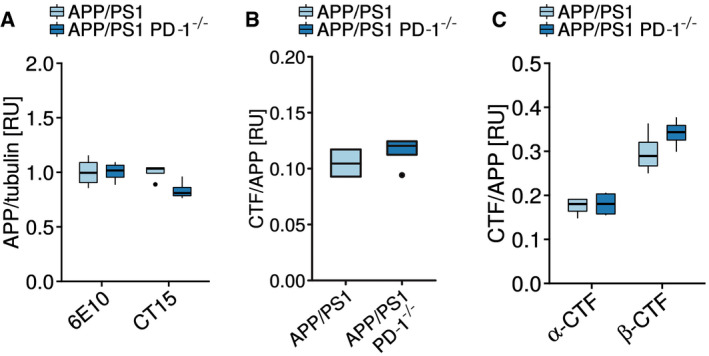
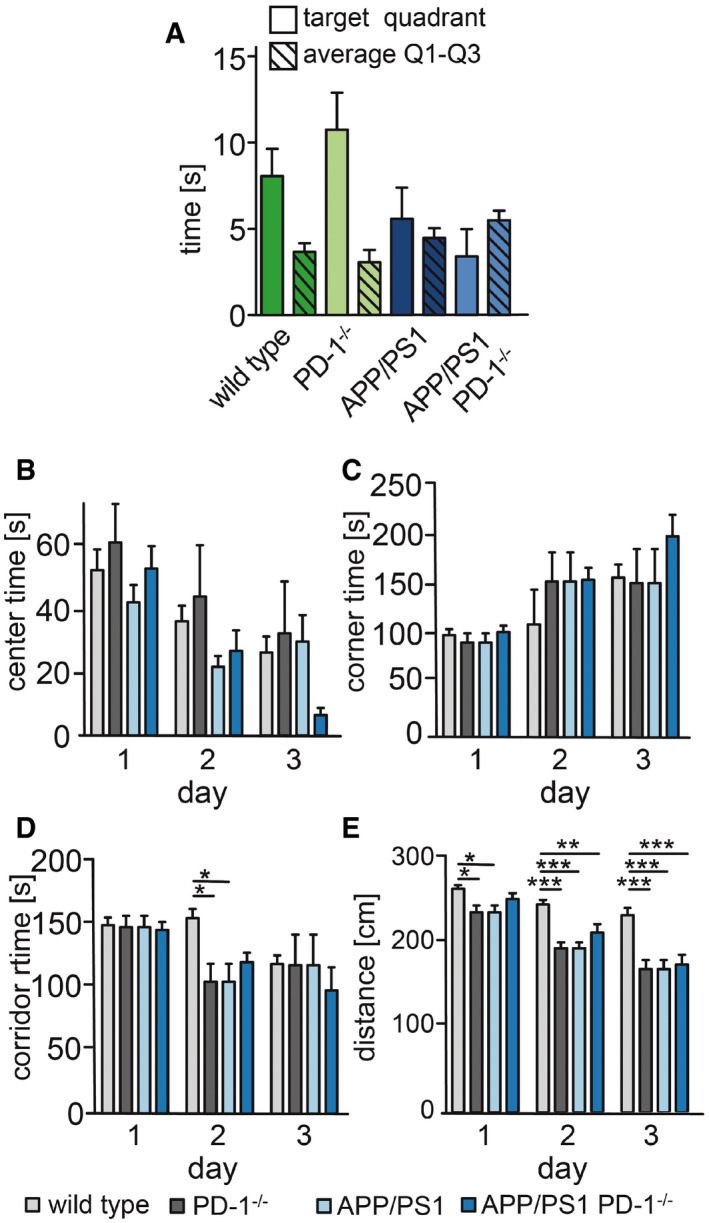
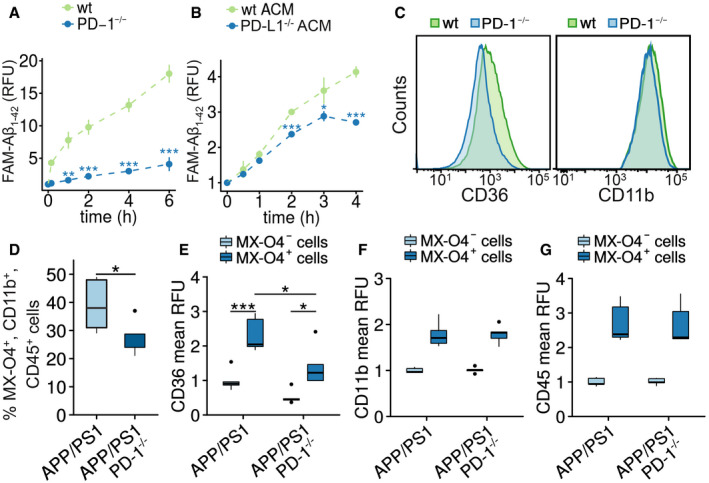
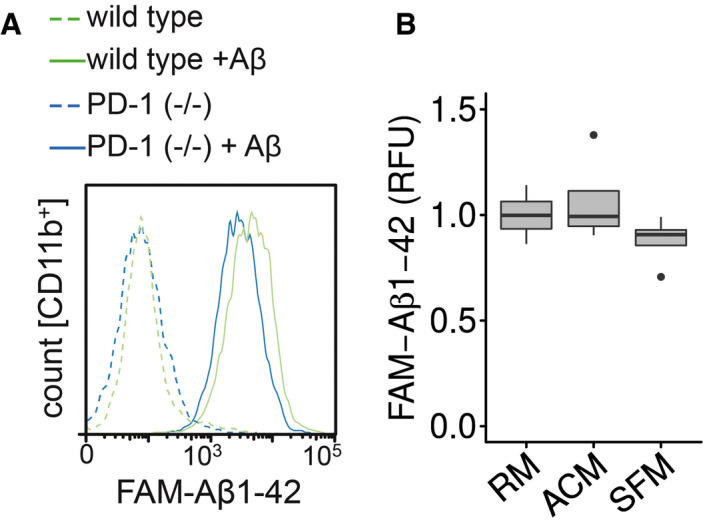
Verification
Claims the paper makes
The claims and statistics of this paper haven’t been checked yet.
Run the check — free, no account needed. It reads the open-access text and checks the sources it cites.
Claims other papers make about this one
Each is checked against this paper’s own text: does it say what the citing paper says it does?
The source backs part of the claim, not all of it — or backs it for a different population, condition or comparison.
In the citing paper
“A majority of AD risk genes identified through genome-wide association studies are highly expressed in microglia, the brain’s innate immune cells, suggesting a key role in microglial dysfunction (Kummer et al., 2021; Penney et al., 2020; Teipel et al., 2022).”
From A novel molecular class that recruits HDAC/MECP2 complexes to PU.1 motifs reduces neuroinflammation (2023) · cites this paper as Kummer et al., 2021
Experimental — accuracy not yet measured
Self-check
Percentages, sums and reported differences re-computed from the paper’s own numbers.
The self-check needs the paper’s full text.
Citations
Cites
clusterProfiler: an R Package for Comparing Biological Themes Among Gene Clusters
Yu, G., Wang, L.-G., Han, Y., & He, Q.-Y. (2012) · OMICS: A Journal of Integrative Biology · doi:10.1089/omi.2011.0118 · Cited by 36,259
PD-1 and PD-L1 Immune Checkpoint Blockade to Treat Breast Cancer
Hartkopf, A. D., Taran, F., Wallwiener, M., Walter, C. B., Krämer, B., Grischke, E., & Brucker, S. Y. (2016) · Breast Care · doi:10.1159/000453569 · Cited by 30,989
Differential expression analysis for sequence count data
Anders, S., & Huber, W. (2010) · Genome Biology · doi:10.1186/gb-2010-11-10-r106 · Cited by 15,581
Adverse Renal Effects of Immune Checkpoint Inhibitors: A Narrative Review
Wanchoo, R., Karam, S., Uppal, N. N., Barta, V. S., Deray, G., Devoe, C., Launay‐Vacher, V., Jhaveri, K. D., & on behalf of Cancer and Kidney International Network Workgroup on Immune Checkpoint Inhibitors (2017) · American Journal of Nephrology · doi:10.1159/000455014 · Cited by 15,320
Polazzi, E., Mengoni, I., Caprini, M., Peña‐Altamira, E., Kurtys, E., & Monti, B. (2012) · Neurosignals · doi:10.1159/000337115 · Cited by 9,023
Bindea, G., Mlecnik, B., Hackl, H., Charoentong, P., Tosolini, M., Kirilovsky, A., Fridman, W.-H., Pagès, F., Trajanoski, Z., & Galon, J. (2009) · Bioinformatics · doi:10.1093/bioinformatics/btp101 · Cited by 6,280
Neuroinflammation in Alzheimer's disease
Heneka, M. T., Carson, M. J., Khoury, J. E., Landreth, G. E., Brosseron, F., Feinstein, D. L., Jacobs, A. H., Wyss-Coray, T., Vitorica, J., Ransohoff, R. M., et al. (2015) · The Lancet Neurology · doi:10.1016/s1474-4422(15)70016-5 · Cited by 6,226
Self-citationMorris water maze: procedures for assessing spatial and related forms of learning and memory
Vorhees, C. V., & Williams, M. T. (2006) · Nature Protocols · doi:10.1038/nprot.2006.116 · Cited by 4,629
Maere, S., Heymans, K., & Kuiper, M. T. R. (2005) · Computer applications in the biosciences · doi:10.1093/bioinformatics/bti551 · Cited by 4,163
Wherry, E. J. (2011) · Nature Immunology · doi:10.1038/ni.2035 · Cited by 4,062 · cited 1×
“This anergy phenomenon has been observed in T cells and can be overcome by disrupting PD-L1/PD-1 interaction (Tsushima et al , 2007; Wherry, 2011).”
Microglia: Active sensor and versatile effector cells in the normal and pathologic brain
Hanisch, U.-K., & Kettenmann, H. (2007) · Nature Neuroscience · doi:10.1038/nn1997 · Cited by 3,676
Complement and microglia mediate early synapse loss in Alzheimer mouse models
Hong, S., Beja-Glasser, V. F., Nfonoyim, B. M., Frouin, A., Li, S., Ramakrishnan, S., Merry, K. M., Shi, Q., Rosenthal, A., Barres, B. A., et al. (2016) · Science · doi:10.1126/science.aad8373 · Cited by 3,343 · cited 1×
“…context, PD-1 not only regulates the inflammatory response mediated by inflammatory cytokines, e.g., IL-1 b , in AD (Heneka et al , 2013; Sheedy et al , 2013), but also modulates the complement system, which has recently been discussed to be critical for synaptic loss in AD (Hong et al , 2016).”
NLRP3 is activated in Alzheimer’s disease and contributes to pathology in APP/PS1 mice
Heneka, M. T., Kummer, M. P., Stutz, A., Delekate, A., Schwartz, S., Vieira-Saecker, A., Griep, A., Axt, D., Remus, A., Tzeng, T.-C., et al. (2013) · Nature · doi:10.1038/nature11729 · Cited by 2,898
Self-citationNishimura, H., Nose, M., Hiai, H., Minato, N., & Honjo, T. (1999) · Immunity · doi:10.1016/s1074-7613(00)80089-8 · Cited by 2,749
Jung, S., Aliberti, J., Graemmel, P., Sunshine, M. J., Kreutzberg, G. W., Sher, A., & Littman, D. R. (2000) · Molecular and Cellular Biology · doi:10.1128/mcb.20.11.4106-4114.2000 · Cited by 2,632
The PD‐1 pathway in tolerance and autoimmunity
Francisco, L. M., Sage, P. T., & Sharpe, A. H. (2010) · Immunological Reviews · doi:10.1111/j.1600-065x.2010.00923.x · Cited by 2,300
Enrichment Map: A Network-Based Method for Gene-Set Enrichment Visualization and Interpretation
Merico, D., Isserlin, R., Stueker, O., Emili, A., & Bader, G. D. (2010) · PLoS ONE · doi:10.1371/journal.pone.0013984 · Cited by 2,235
Statistical analysis of real-time PCR data
Yuan, J. S., Reed, A., Chen, F., & Stewart, C. N. (2006) · BMC Bioinformatics · doi:10.1186/1471-2105-7-85 · Cited by 2,231
Wolfe, M. S., Xia, W., Ostaszewski, B. L., Diehl, T. S., Kimberly, W. T., & Selkoe, D. J. (1999) · Nature · doi:10.1038/19077 · Cited by 1,959
Autoimmune Dilated Cardiomyopathy in PD-1 Receptor-Deficient Mice
Nishimura, H., Okazaki, T., Tanaka, Y., Nakatani, K., Hara, M., Matsumori, A., Sasayama, S., Mizoguchi, A., Hiai, H., Minato, N., et al. (2001) · Science · doi:10.1126/science.291.5502.319 · Cited by 1,868
Chemnitz, J. M., Parry, R. V., Nichols, K. E., June, C. H., & Riley, J. L. (2004) · The Journal of Immunology · doi:10.4049/jimmunol.173.2.945 · Cited by 1,246
Edwards, D. R., Handsley, M. M., & Pennington, C. (2008) · Molecular Aspects of Medicine · doi:10.1016/j.mam.2008.08.001 · Cited by 1,163
Sheedy, F. J., Grebe, A., Rayner, K. J., Kalantari, P., Ramkhelawon, B., Carpenter, S. B., Becker, C. E., Ediriweera, H. N., Mullick, A. E., Golenbock, D. T., et al. (2013) · Nature Immunology · doi:10.1038/ni.2639 · Cited by 935
Okazaki, T., Maeda, A., Nishimura, H., Kurosaki, T., & Honjo, T. (2001) · Proceedings of the National Academy of Sciences · doi:10.1073/pnas.231486598 · Cited by 873
Co-expression of multiple transgenes in mouse CNS: a comparison of strategies
Jankowsky, J. L., Slunt, H. H., Ratovitski, T., Jenkins, N. A., Copeland, N. G., & Borchelt, D. R. (2001) · Biomolecular Engineering · doi:10.1016/s1389-0344(01)00067-3 · Cited by 746
A learning deficit related to age and β-amyloid plaques in a mouse model of Alzheimer's disease
Chen, G., Chen, K. S., Knox, J., Inglis, J., Bernard, A., Martin, S. J., Justice, A., McConlogue, L., Games, D., Freedman, S. B., et al. (2000) · Nature · doi:10.1038/35050103 · Cited by 740
Holtman, I. R., Raj, D. D., Miller, J. A., Schaafsma, W., Yin, Z., Brouwer, N., Wes, P. D., Möller, T., Orre, M., Kamphuis, W., et al. (2015) · Acta Neuropathologica Communications · doi:10.1186/s40478-015-0203-5 · Cited by 619
High‐yield isolation of murine microglia by mild trypsinization
Saura, J., Tusell, J. M., & Serratosa, J. (2003) · Glia · doi:10.1002/glia.10274 · Cited by 592
Dynamics of the Microglial/Amyloid Interaction Indicate a Role in Plaque Maintenance
Bolmont, T., Haiss, F., Eicke, D., Radde, R., Mathis, C. A., Klunk, W. E., Kohsaka, S., Jucker, M., & Calhoun, M. E. (2008) · The Journal of Neuroscience · doi:10.1523/jneurosci.4814-07.2008 · Cited by 526
A Cell Surface Receptor Complex for Fibrillar β-Amyloid Mediates Microglial Activation
Bamberger, M. E., Harris, M. E., McDonald, D. R., Husemann, J., & Landreth, G. E. (2003) · The Journal of Neuroscience · doi:10.1523/jneurosci.23-07-02665.2003 · Cited by 501
CD36 Mediates the Innate Host Response to β-Amyloid
El Khoury, J. B., Moore, K. J., Means, T. K., Leung, J., Terada, K., Toft, M., Freeman, M. W., & Luster, A. D. (2003) · The Journal of Experimental Medicine · doi:10.1084/jem.20021546 · Cited by 483
Establishment of NOD- Pdcd1 -/- mice as an efficient animal model of type I diabetes
Wang, J., Yoshida, T., Nakaki, F., Hiai, H., Okazaki, T., & Honjo, T. (2005) · Proceedings of the National Academy of Sciences · doi:10.1073/pnas.0505497102 · Cited by 450
Baruch, K., Deczkowska, A., Rosenzweig, N., Tsitsou-Kampeli, A., Sharif, A. M., Matcovitch-Natan, O., Kertser, A., David, E., Amit, I., & Schwartz, M. (2016) · Nature Medicine · doi:10.1038/nm.4022 · Cited by 425
Reiß, K., & Säftig, P. (2008) · Seminars in Cell and Developmental Biology · doi:10.1016/j.semcdb.2008.11.002 · Cited by 419
Nitration of Tyrosine 10 Critically Enhances Amyloid β Aggregation and Plaque Formation
Kummer, M. P., Hermes, M., Delekarte, A., Hammerschmidt, T., Kumar, S., Terwel, D., Walter, J., Pape, H.-C., König, S., Roeber, S., et al. (2011) · Neuron · doi:10.1016/j.neuron.2011.07.001 · Cited by 336
Yamanaka, M., Ishikawa, T., Griep, A., Axt, D., Kummer, M. P., & Heneka, M. T. (2012) · The Journal of Neuroscience · doi:10.1523/jneurosci.1569-12.2012 · Cited by 326
PD-1 promotes immune exhaustion by inducing antiviral T cell motility paralysis
Zinselmeyer, B. H., Heydari, S., Sacristán, C., Nayak, D., Cammer, M., Herz, J., Cheng, X., Davis, S. J., Dustin, M. L., & McGavern, D. B. (2013) · The Journal of Experimental Medicine · doi:10.1084/jem.20121416 · Cited by 271
Interaction between B7-H1 and PD-1 determines initiation and reversal of T-cell anergy
Tsushima, F., Yao, S., Shin, T., Flies, A. S., Flies, S. J., Xu, H., Tamada, K., Pardoll, D. M., & Chen, L. (2007) · Blood · doi:10.1182/blood-2006-11-060087 · Cited by 249
Wang, Z., Zhang, C., Liu, X., Wang, Z., Sun, L., Li, G., Liang, J., Hu, H., Liu, Y., Zhang, W., et al. (2016) · OncoImmunology · doi:10.1080/2162402x.2016.1196310 · Cited by 197
Terwel, D., Steffensen, K. R., Verghese, P. B., Kummer, M. P., Gustafsson, J.-Å., Holtzman, D. M., & Heneka, M. T. (2011) · The Journal of Neuroscience · doi:10.1523/jneurosci.6546-10.2011 · Cited by 190
WordCloud: a Cytoscape plugin to create a visual semantic summary of networks
Oesper, L., Merico, D., Isserlin, R., & Bader, G. D. (2011) · Source Code for Biology and Medicine · doi:10.1186/1751-0473-6-7 · Cited by 175
Yao, A., Liu, F., Chen, K., Tang, L. V., Liu, L., Zhang, K., Yu, C., Bian, G., Guo, H., Zheng, J., et al. (2014) · Neurotherapeutics · doi:10.1007/s13311-013-0254-x · Cited by 163
Bailly, C., Thuru, X., & Quesnel, B. (2021) · Cancers · doi:10.3390/cancers13123034 · Cited by 120
GGA1 Is Expressed in the Human Brain and Affects the Generation of Amyloid β-Peptide
Wahle, T., Thal, D. R., Sastre, M., Rentmeister, A., Bogdanovic, N., Famulok, M., Heneka, M. T., & Walter, J. (2006) · The Journal of Neuroscience · doi:10.1523/jneurosci.1982-06.2006 · Cited by 88
Self-citationRen, X. S., Akiyoshi, K., Vandenbark, A. A., Hurn, P. D., & Offner, H. (2011) · Stroke · doi:10.1161/strokeaha.111.613182 · Cited by 82
Glial cells suppress postencephalitic CD8 + T lymphocytes through PD‐L1
Schachtele, S. J., Hu, S., Sheng, W. S., Mutnal, M. B., & Lokensgard, J. R. (2014) · Glia · doi:10.1002/glia.22701 · Cited by 77
Immunoregulatory role of B7-H1 in chronicity of inflammatory responses.
Dong, H., & Chen, X. (2006) · PubMed · Cited by 76
Jäger, S., Leuchtenberger, S., Martin, A. M., Czirr, E., Wesselowski, J., Dieckmann, M., Waldron, E., Korth, C., Koo, E. H., Heneka, M. T., et al. (2009) · Journal of Neurochemistry · doi:10.1111/j.1471-4159.2009.06420.x · Cited by 73
Midbrain microglia mediate a specific immunosuppressive response under inflammatory conditions
Abellanas, M. A., Zamarbide, M., Basurco, L., Luquin, E., García‐Granero, M., Clavero, P., Martín‐Úriz, P. S., Vilas‐Zornoza, A., Mengual, E., Hervás‐Stubbs, S., et al. (2019) · Journal of Neuroinflammation · doi:10.1186/s12974-019-1628-8 · Cited by 69
Latta‐Mahieu, M., Elmer, B. M., Bretteville, A., Wang, Y., Lopez‐Grancha, M., Goniot, P., Moindrot, N., Ferrari, P., Blanc, V., Schussler, N., et al. (2017) · Glia · doi:10.1002/glia.23260 · Cited by 66
The Microglia-activating Potential of Thrombin
Hanisch, U., van Rossum, D., Xie, Y., Gast, K., Misselwitz, R., Auriola, S. O. K., Goldsteins, G., Koıstınaho, J., Kettenmann, H., & Möller, T. (2004) · Journal of Biological Chemistry · doi:10.1074/jbc.m408318200 · Cited by 56
PD-L1 (B7-H1) regulation in zones of axonal degeneration
Lipp, M., Brandt, C., Dehghani, F., Kwidzinski, E., & Bechmann, I. (2007) · Neuroscience Letters · doi:10.1016/j.neulet.2007.07.053 · Cited by 23
Kroner, A., Schwab, N., Ip, C. W., Sommer, C., Wessig, C., Wiendl, H., & Martini, R. (2008) · Neurobiology of Disease · doi:10.1016/j.nbd.2008.09.021 · Cited by 13
Cited by
Sorted by citations
An exhausted-like microglial population accumulates in aged and APOE4 genotype Alzheimer’s brains
Millet, A., Ledo, J. H., & Tavazoie, S. F. (2024) · Immunity · doi:10.1016/j.immuni.2023.12.001 · Cited by 132
PD-L1: From cancer immunotherapy to therapeutic implications in multiple disorders
Lee, D., Cho, M., Kim, E., Seo, Y., & Cha, J. (2024) · Molecular Therapy · doi:10.1016/j.ymthe.2024.09.026 · Cited by 125
Inflammasome assembly in neurodegenerative diseases
Singh, J., Habean, M. L., & Panicker, N. (2023) · Trends in Neurosciences · doi:10.1016/j.tins.2023.07.009 · Cited by 83
Linnerbauer, M., Beyer, T., Nirschl, L., Farrenkopf, D., Lößlein, L., Vandrey, O., Peter, A., Tsaktanis, T., Kébir, H., Laplaud, D. A., et al. (2023) · Nature Communications · doi:10.1038/s41467-023-40982-8 · Cited by 83
PD-1/PD-L Axis in Neuroinflammation: New Insights
Manenti, S., Orrico, M., Masciocchi, S., Mandelli, A., Finardi, A., & Furlan, R. (2022) · Frontiers in Neurology · doi:10.3389/fneur.2022.877936 · Cited by 67
Metadata
- Authors
- Kummer, M. P., Ising, C., Kummer, C., Sarlus, H., Griep, A., Vieira‐Saecker, A., Schwartz, S., Halle, A., Brückner, M., Händler, K., Schultze, J. L., Beyer, M., Latz, E., & Heneka, M. T.
- Affiliations
- University of Bonn (DE)
- German Center for Neurodegenerative Diseases (DE)
- Center of Advanced European Studies and Research (DE)
- Corresponding author
- Kummer, Markus P
- Heneka, Michael T
- ORCID
- Venue
- The EMBO Journal
- Published
- 2021-11-26
- Volume
- 40
- Issue
- 24
- Pages
- e108662-e108662
- ISSN
- 0261-4189 (ISSN-L)
- 1460-2075
- PMC
- PMC8672180
- OpenAlex
- W3215791278
- Cited by
- 127
- References
- 55
- Citations by year
- 2026: 22 · 2025: 28 · 2024: 42 · 2023: 24 · 2022: 10 · 2021: 1
- FWCI
- 9.38
- Type
- journal article
- Language
- en
- Open access
- hybrid
- doi.org
- Licence
- Locations
- The EMBO Journal (publishedVersion, cc-by-nc-nd)
- PubMed Central (publishedVersion, cc-by-nc-nd)
- PubMed (publishedVersion)
- Open Repository and Bibliography (University of Luxembourg) (submittedVersion, other-oa)
- DZNE Pub (submittedVersion, other-oa)
- Funders
- European Union Seventh Framework Program (INMIND)
- Deutsche Forschungsgemeinschaft (KFO177, IS 299/3‐1, EXC2151‐390873048)
- Topics
- Life Sciences › Neuroscience › Neurology › Neuroinflammation and Neurodegeneration Mechanisms
- Life Sciences › Neuroscience › Cellular and Molecular Neuroscience › Alzheimer's disease research and treatments
- Life Sciences › Immunology and Microbiology › Immunology › Phagocytosis and Immune Regulation
- Keywords
- Alzheimer's disease, neuroinflammation, PD-1/PD-L1 axis, microglia, astrocytes, amyloid plaques, amyloid-beta uptake, CD36, APP/PS1 mice, immune checkpoint, phagocytosis, amyloid-beta clearance, ectodomain shedding
- MeSH terms
- Aged, Aged, 80 and over, Alzheimer Disease, Animals, Astrocytes, Disease Models, Animal, Female, HeLa Cells, Humans, Male, Mice, Transgenic, Middle Aged, Up-Regulation, Case-Control Studies, Amyloid beta-Protein Precursor, Gene Deletion, Microglia, CD36 Antigens, Mice, HEK293 Cells, B7-H1 Antigen, Programmed Cell Death 1 Receptor
About these checks
Registry, retraction, Cites and statistics results are computed, not judged, with one exception: a printed reference that no index lists is read once by a model before it counts as a citation error. Claims are extracted by a model and kept only when their quote appears verbatim in the text; each cited source is then checked, with a model’s help, for whether it says what the claim relies on. Those verdicts can be wrong — read the claim’s quote and the cited source before relying on one.
Statistics and arithmetic are recomputed, not judged.
Confidence bands are shown only for fields calibrated on our annotated test set. None is calibrated yet, so no band is shown.
What counts as a claim ›How we measure confidence ›How we check this ›
Are you an author, or do you see a problem with this page? Request a review
