

Pharmacological CDK4/6 inhibition reveals a p53‐dependent senescent state with restricted toxicity
Open accessThe DOI matches its Crossref record; 52 of the 54 references it cites were found in a registry or an index.
Abstract
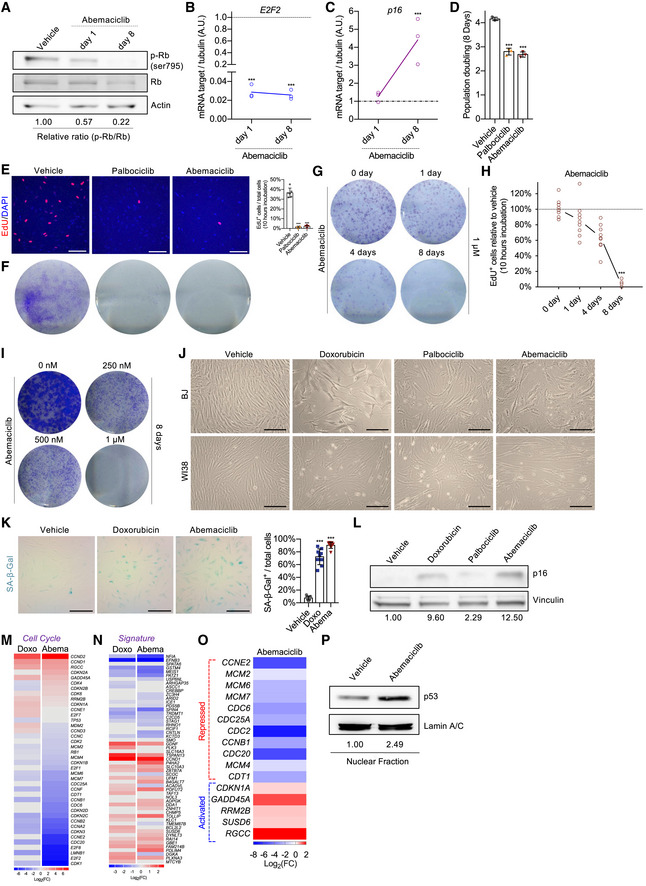
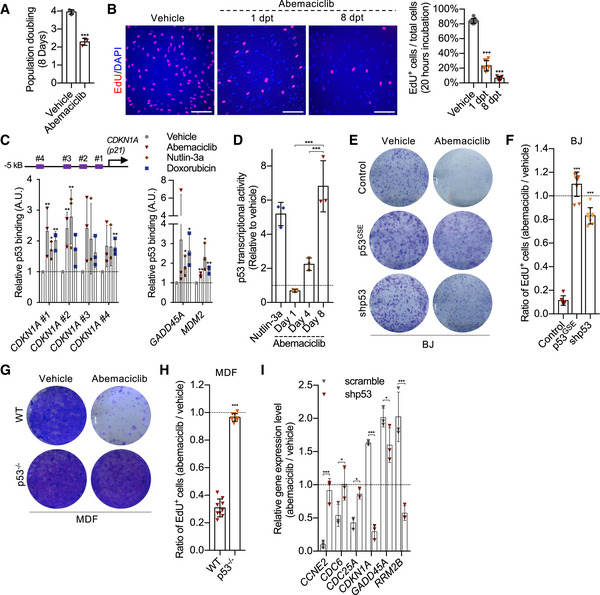
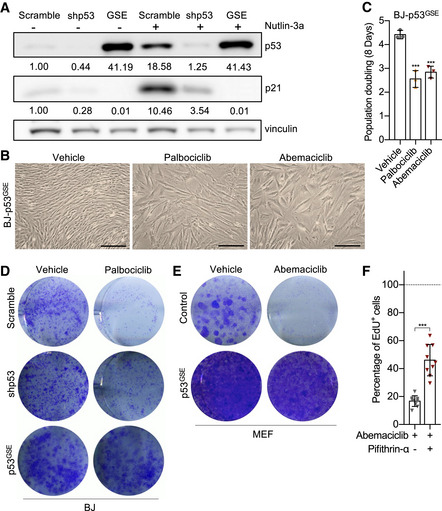
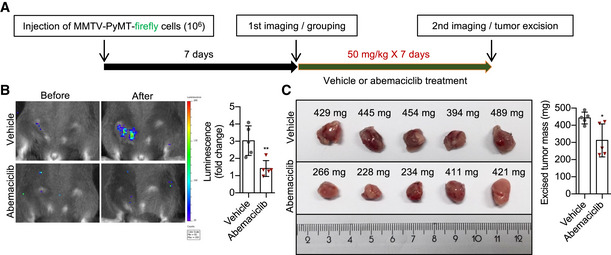
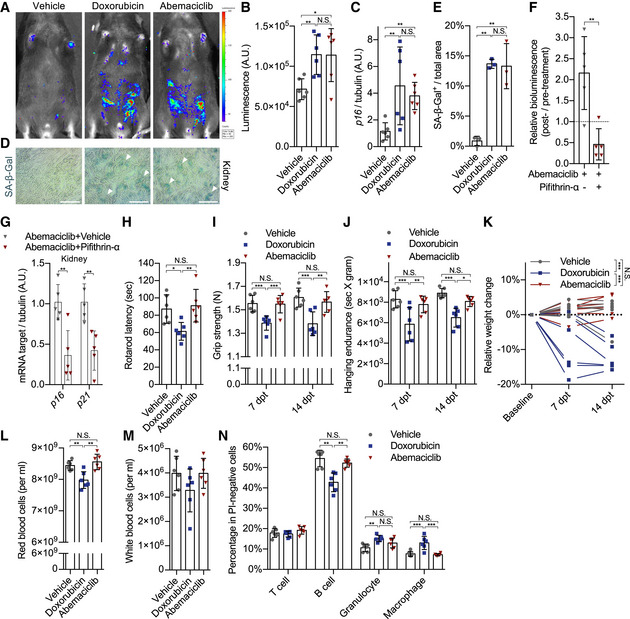
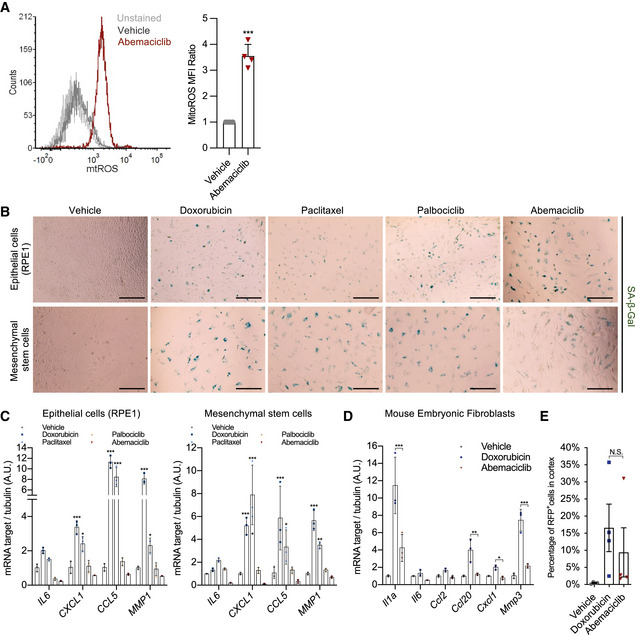
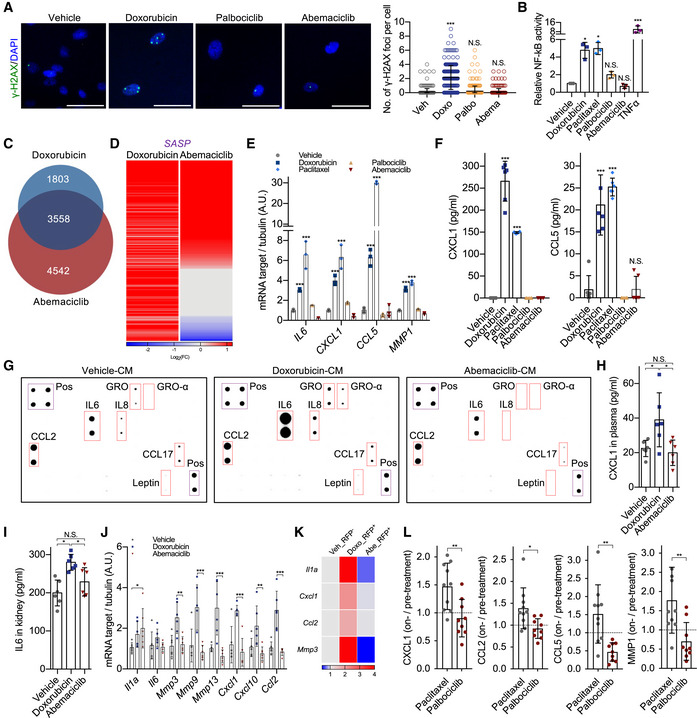
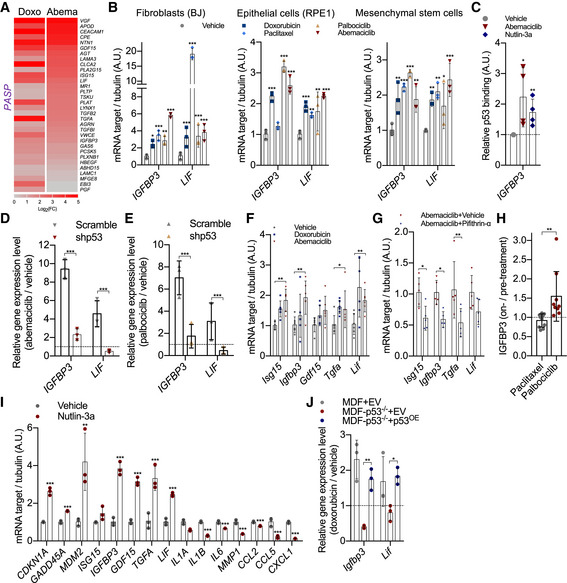
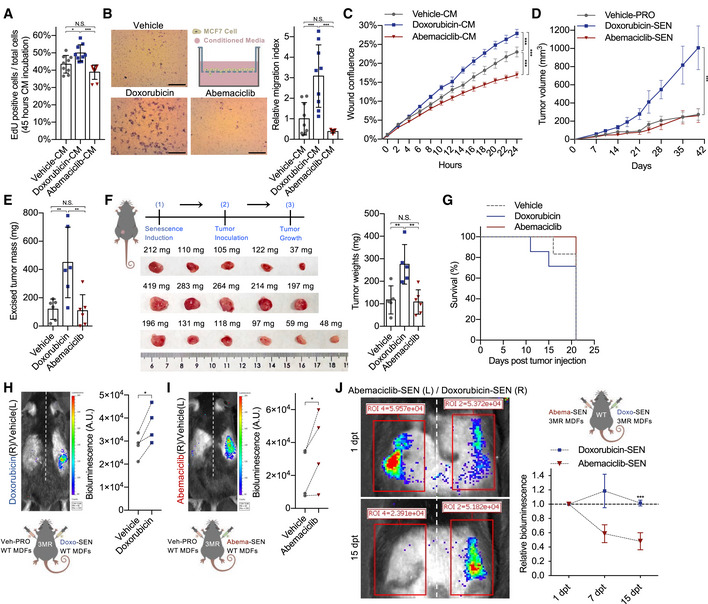
Cellular senescence is a state of stable growth arrest and a desired outcome of tumor suppressive interventions. Treatment with many anti-cancer drugs can cause premature senescence of non-malignant cells. These therapy-induced senescent cells can have pro-tumorigenic and pro-disease functions via activation of an inflammatory secretory phenotype (SASP). Inhibitors of cyclin-dependent kinases 4/6 (CDK4/6i) have recently proven to restrain tumor growth by activating a senescence-like program in cancer cells. However, the physiological consequence of exposing the whole organism to pharmacological CDK4/6i remains poorly characterized. Here, we show that exposure to CDK4/6i induces non-malignant cells to enter a premature state of senescence dependent on p53. We observe in mice and breast cancer patients that the CDK4/6i-induced senescent program activates only a partial SASP enriched in p53 targets but lacking pro-inflammatory and NF-κB-driven components. We find that CDK4/6i-induced senescent cells do not acquire pro-tumorigenic and detrimental properties but retain the ability to promote paracrine senescence and undergo clearance. Our results demonstrate that SASP composition is exquisitely stress-dependent and a predictor for the biological functions of different senescence subsets.
Overview
The claims and statistics of this paper haven’t been checked yet.
Free: it reads the open-access text and checks the first 5 claims that cite a source we can check. Create a free account to check every claim.
Integrity signals
Registry
Cites
Statistics
Figures
Verification
Claims the paper makes
The claims and statistics of this paper haven’t been checked yet.
Free: it reads the open-access text and checks the first 5 claims that cite a source we can check. Create a free account to check every claim.
Claims other papers make about this one
Each is checked against this paper’s own text: does it say what the citing paper says it does?
The source backs part of the claim, not all of it — or backs it for a different population, condition or comparison.
In the citing paper
“Studies in mouse models have demonstrated that TIS promotes cardiac dysfunction, inflammation, bone loss, muscle weakness, renal and hepatic failure, haematopoietic insufficiency, and overall frailty 27,111,202 .”
From Senescence and cancer — role and therapeutic opportunities (2022) · cites this paper as [111]
Experimental — accuracy not yet measuredThe source backs part of the claim, not all of it — or backs it for a different population, condition or comparison.
In the citing paper
“The proportion of senescent cancer cells in mice exposed to the CDK4/6 inhibitor abemaciclib was comparable to that in mice exposed to doxorubicin, but mice exposed abemaciclib suffered less from detrimental effects owing to a reduction in pro- inflammatory SASP factors 111 .”
From Senescence and cancer — role and therapeutic opportunities (2022) · cites this paper as [111]
Experimental — accuracy not yet measuredThe source backs part of the claim, not all of it — or backs it for a different population, condition or comparison.
In the citing paper
“Importantly, despite the marked reduction in the inflammatory SASP response, CDK4/6 inhibition triggers antitumour immunity and favours senescent cell removal 111,153 .”
From Senescence and cancer — role and therapeutic opportunities (2022) · cites this paper as [111]
Experimental — accuracy not yet measuredThe source backs part of the claim, not all of it — or backs it for a different population, condition or comparison.
In the citing paper
“CDK4/6 inhibitor- induced senescent non- malignant and malignant cells largely lack pro- inflammatory SASP factors 111,153 .”
From Senescence and cancer — role and therapeutic opportunities (2022) · cites this paper as [111]
Experimental — accuracy not yet measured
Self-check
Percentages, sums and reported differences re-computed from the paper’s own numbers.
The self-check needs the paper’s full text.
Citations
Cites
Moderated estimation of fold change and dispersion for RNA-seq data with DESeq2
Love, M. I., Huber, W., & Anders, S. (2014) · Genome Biology · doi:10.1186/s13059-014-0550-8 · Cited by 95,106
Hallmarks of Cancer: The Next Generation
Hanahan, D., & Weinberg, R. A. (2011) · Cell · doi:10.1016/j.cell.2011.02.013 · Cited by 66,590 · cited 1×
“Unrestrained proliferation is one of the common hallmarks of cancer cells and a major target for anti-cancer interventions (Hanahan & Weinberg, 2011).”
The senescence-associated secretory phenotype: the dark side of tumor suppression
Coppé, J.-P., Desprez, P.-Y., Krtolica, A., & Campisi, J. (2010) · Annual Review of Pathology: Mechanisms of Disease · doi:10.1146/annurev-pathol-121808-102144 · Cited by 5,206
Inflammageing: chronic inflammation in ageing, cardiovascular disease, and frailty
Ferrucci, L., & Fabbri, E. (2018) · Nature Reviews Cardiology · doi:10.1038/s41569-018-0064-2 · Cited by 3,690 · cited 1×
“In accordance, pro-inflammatory SASP factors are elevated in cancer patients suffering from a variety of adverse reactions to cancer therapies (Pierce et al , 2009; Ferrucci & Fabbri, 2018).”
Palbociclib and letrozole in advanced breast cancer
Finn, R. S., Martin, M., Rugo, H. S., Jones, S., Im, S.-A., Gelmon, K., Harbeck, N., Lipatov, O. N., Walshe, J. M., Moulder, S., et al. (2016) · New England Journal of Medicine · doi:10.1056/nejmoa1607303 · Cited by 3,007 · cited 1×
“…(LY2835219), and ribociclib (LEE011) are approved for the treatment of hormone-sensitive and HER2-negative advanced breast cancer patients, where they have been shown to improve progression-free survival in largely metastasized breast cancer patient cohorts (Finn et al , 2016; Goetz et al , 2017).”
Hallmarks of Cellular Senescence
Hernandez-Segura, A., Nehme, J., & Demaria, M. (2018) · Trends in Cell Biology · doi:10.1016/j.tcb.2018.02.001 · Cited by 2,605 · cited 4×
“Drug-treated cells were replated on coverslip in a 24-well plate (3 × 10 4 cells/well) and cultured for 10 or 20 h in the presence of EdU (10 l M), then fixed and stained as previously described (Hernandez-Segura et al , 2018a).”
InfluentialSelf-citationSenescence and tumour clearance is triggered by p53 restoration in murine liver carcinomas
Xue, W., Zender, L., Miething, C., Dickins, R. A., Hernando, E., Krizhanovsky, V., Cordon-Cardo, C., & Lowe, S. W. (2007) · Nature · doi:10.1038/nature05529 · Cited by 2,473 · cited 1×
“In particular, because cells with PASP only were cleared at a faster rate, it will be interesting to identify PASP factors that facilitate, and NASP factors that interfere with, immune responses (Ventura et al , 2007; Xue et al , 2007; Iannello & Raulet, 2013; Stokes et al , 2019).”
Persistent DNA damage signalling triggers senescence-associated inflammatory cytokine secretion
Rodier, F., Coppé, J.-P., Patil, C. K., Hoeijmakers, W. A. M., Muñoz, D. P., Raza, S. R., Freund, A., Campeau, E., Davalos, A. R., & Campisi, J. (2009) · Nature Cell Biology · doi:10.1038/ncb1909 · Cited by 2,232
Four faces of cellular senescence
Rodier, F., & Campisi, J. (2011) · Journal of Cell Biology · doi:10.1083/jcb.201009094 · Cited by 2,070 · cited 1×
“…chemo-and radiotherapy, cause high level of DNA damage in quickly proliferating cells and often achieve tumor suppression by leading cells into senescence — a stable form of growth arrest dependent on the upregulation of cyclin-dependent kinase (CDK) inhibitors p16 and p21 (Rodier & Campisi, 2011).”
An Essential Role for Senescent Cells in Optimal Wound Healing through Secretion of PDGF-AA
Demaria, M., Ohtani, N., Youssef, S. A., Rodier, F., Toussaint, W., Mitchell, J. R., Laberge, R.-M., Vijg, J., Van Steeg, H., Dollé, M. E. T., et al. (2014) · Developmental Cell · doi:10.1016/j.devcel.2014.11.012 · Cited by 2,045
Self-citation
Research works printed but not linked: 1
- Laberge R‐M, Sun YU, Orjalo AV, Patil CK, Freund A, Zhou L, Curran S, Davalos AR, Wilson‐Edell KA, Liu SU et al (2015b) MTOR regulates the pro‐tumorigenic senescence‐associated secretory phenotype by promoting IL1A translation. Nat Cell Biol 17: 1049– 1061 26147250 PMC4691706 · DOI · Paper page
Cited by
The senescence-associated secretory phenotype and its physiological and pathological implications
Wang, B., Han, J., Elisseeff, J. H., & Demaria, M. (2024) · Nature Reviews Molecular Cell Biology · doi:10.1038/s41580-024-00727-x · Cited by 948
“…factors between TIS fibroblasts (human foreskin fibroblast-derived cell line BJ) and senescent epithelial cells (human retinal pigment epithelial cell line RPE-1) 20 , high through-put analysis showed that less than 50% of SASP proteins were shared between fibroblasts and epithelial cells 137 .”
InfluentialSelf-citationSenescence and cancer — role and therapeutic opportunities
Schmitt, C. A., Wang, B., & Demaria, M. (2022) · Nature Reviews Clinical Oncology · doi:10.1038/s41571-022-00668-4 · Cited by 794
Self-citationTargeting CDK4 and CDK6 in cancer
Goel, S., Bergholz, J. S., & Zhao, J. J. (2022) · Nature Reviews Cancer · doi:10.1038/s41568-022-00456-3 · Cited by 531
Cellular Senescence: Molecular Targets, Biomarkers, and Senolytic Drugs
Kudlova, N., De Sanctis, J. B., & Hajduch, M. (2022) · International Journal of Molecular Sciences · doi:10.3390/ijms23084168 · Cited by 171
Lai, P., Liu, L., Bancaro, N., Troiani, M., Calì, B., Li, Y., Chen, J., Singh, P. K., Arzola, R. A., Attanasio, G., et al. (2025) · Immunity · doi:10.1016/j.immuni.2025.03.005 · Cited by 174
Senescence and the tumor-immune landscape: Implications for cancer immunotherapy
Chibaya, L., Snyder, J. T., & Ruscetti, M. A. (2022) · Seminars in Cancer Biology · doi:10.1016/j.semcancer.2022.02.005 · Cited by 161
INX-315, a Selective CDK2 Inhibitor, Induces Cell Cycle Arrest and Senescence in Solid Tumors
Dietrich, C. A., Trub, A. G., Ahn, A., Taylor, M., Ambani, K., Chan, K. T., Lu, K., Mahendra, C. A., Blyth, C., Coulson, R. S., et al. (2023) · Cancer Discovery · doi:10.1158/2159-8290.cd-23-0954 · Cited by 154
Colucci, M., Sarill, M., Maddalena, M., Valdata, A., Troiani, M., Massarotti, M., Bolis, M., Bressan, S., Kohl, A., Robesti, D., et al. (2025) · Cancer Cell · doi:10.1016/j.ccell.2025.05.015 · Cited by 164
Cellular senescence in lung cancer: Molecular mechanisms and therapeutic interventions
Jha, S. K., Rubis, G. D., Devkota, S. R., Zhang, Y., Adhikari, R., Jha, L. A., Bhattacharya, K., Mehndiratta, S., Gupta, G., Singh, S. K., et al. (2024) · Ageing Research Reviews · doi:10.1016/j.arr.2024.102315 · Cited by 151
Crozier, L., Foy, R., Adib, R., Kar, A., Holt, J. A., Pareri, A. U., Valverde, J. M., Diazgranados, R. R., Weston, W. A., Wilson, R., et al. (2023) · Molecular Cell · doi:10.1016/j.molcel.2023.10.016 · Cited by 106
“18,24 Howcellssenseeitherabnormalcellsize,oranabnormalDNA:cytoplasm ratio, and the molecular pathways that link cell over-growth to p53 activity are not understood.”
BackgroundInfluentialCell cycle dysregulation in cancer
Glaviano, A., Singh, S. K., Lee, E. H. C., Okina, E., Lam, H. Y., Carbone, D., Reddy, E. P., O’Connor, M. J., Koff, A., Singh, G., et al. (2024) · Pharmacological Reviews · doi:10.1016/j.pharmr.2024.100030 · Cited by 110
Glaviano, A., Wander, S. A., Baird, R. D., Yap, K. C.-Y., Lam, H. Y., Toi, M., Carbone, D., Geoerger, B., Serra, V., Jones, R. H., et al. (2024) · Drug Resistance Updates · doi:10.1016/j.drup.2024.101103 · Cited by 97
Varela-Eirín, M., Carpintero-Fernández, P., Guitián‐Caamaño, A., Varela-Vázquez, A., García-Yuste, A., Sánchez‐Temprano, A., Bravo, S. B., Cabanas, J. Y., Fonseca, E., Largo, R., et al. (2022) · Cell Death and Disease · doi:10.1038/s41419-022-05089-w · Cited by 93
Genome homeostasis defects drive enlarged cells into senescence
Manohar, S., Estrada, M. E., Uliana, F., Vuina, K., Alvarez, P. M., de Bruin, R. A. M., & Neurohr, G. E. (2023) · Molecular Cell · doi:10.1016/j.molcel.2023.10.018 · Cited by 82
“10,32 This occurs even in cells that have undergone mitotic catastrophes (Figure 2H).”
BackgroundOncogenic signals prime cancer cells for toxic cell overgrowth during a G1 cell cycle arrest
Foy, R., Crozier, L., Pareri, A. U., Valverde, J. M., Park, B. H., Ly, T., & Saurin, A. T. (2023) · Molecular Cell · doi:10.1016/j.molcel.2023.10.020 · Cited by 82
Irreversible cell cycle exit associated with senescence is mediated by constitutive MYC degradation
Afifi, M. M., Crncec, A., Cornwell, J. A., Cataisson, C., Paul, D., Ghorab, L. M., Hernandez, M. O., Wong, M., Kedei, N., & Cappell, S. D. (2023) · Cell Reports · doi:10.1016/j.celrep.2023.113079 · Cited by 69
“63 Interestingly, in our study, MCF7 cells treated with the CDK4/6i stopped dividing, exhibited elevated SA-β Gal activity and SASP levels, but cells resumed proliferation, recovered SASP levels to baseline, and showed negative SA-β Gal staining upon drug removal.”
Park, S., Silva, E., Singhal, A., Kelly, M. R., Licon, K. S., Panagiotou, I., Fogg, C., Fong, S. H., Lee, J. J. Y., Zhao, X., et al. (2024) · Nature Cancer · doi:10.1038/s43018-024-00740-1 · Cited by 67
“49) and MYC 50 , have been previously documented to modulate the anti-CDK4/6 drug response.”
Cancer cell cycle dystopia: heterogeneity, plasticity, and therapy
Witkiewicz, A. K., Kumarasamy, V. M., Sanidas, I., & Knudsen, E. S. (2022) · Trends in cancer · doi:10.1016/j.trecan.2022.04.006 · Cited by 57
Cellular senescence in cancer: molecular mechanisms and therapeutic targets
Jin, P., Duan, X., Li, L., Zhou, P., Zou, C., & Xie, K. (2024) · MedComm · doi:10.1002/mco2.542 · Cited by 57
“11,12 Many anticancer drugs including alkylating agents (cisplatin, cyclophosphamide, and temozolomide), topoisomerase inhibitors (doxorubicin, etoposide, and camptothecin), and micro-tubule inhibitors (paclitaxel) have been identified as senescence inducers both in preclinical models and clinical…”
BackgroundMiller, K. N., Li, B., Pierce-Hoffman, H. R., Patel, S., Lei, X., Rajesh, A., Teneche, M. G., Havas, A. P., Gandhi, A., Macip, C. C., et al. (2025) · Nature Communications · doi:10.1038/s41467-025-57229-3 · Cited by 231
Lee, D. H., Imran, M., Choi, J. H., Park, Y. J., Kim, Y. H., Min, S., Park, T. J., & Choi, Y. W. (2023) · Molecular Oncology · doi:10.1002/1878-0261.13541 · Cited by 48
“By contrast, Wang et al. demonstrated that CDK4/6i-induced senescence in BJ fibroblasts was dependent on p53 activity, with no increase of NF-j B activity or NF-j B-driven SASP molecules such as IL-6 , CXCL1 , or CCL5 [68].”
ResultThe Achilles’ heel of cancer survivors: fundamentals of accelerated cellular senescence
Shafqat, S., Arana‐Chicas, E., Shafqat, A., & Hashmi, S. K. (2022) · Journal of Clinical Investigation · doi:10.1172/jci158452 · Cited by 46
Effects of senescence on the tumour microenvironment and response to therapy
Reynolds, L. E., Maallin, S., Haston, S., Martínez-Barberá, J. P., Hodivala‐Dilke, K., & Pedrosa, A. (2023) · FEBS Journal · doi:10.1111/febs.16984 · Cited by 45
Cellular senescence offers distinct immunological vulnerabilities in cancer
Zhou, L., Ma, B., & Ruscetti, M. A. (2024) · Trends in cancer · doi:10.1016/j.trecan.2024.11.010 · Cited by 45
Fan, H., Liu, W., Zeng, Y., Zhou, Y., Gao, M., Yang, L., Liu, H., Shi, Y., Li, L., Ma, J., et al. (2023) · Communications Biology · doi:10.1038/s42003-023-05412-x · Cited by 42
“However, recent studies suggest that CDK4/6 inhibitors can also inhibit tumor growth through additional mechanisms including modulation of mitogenic kinase signaling, induction of a senescence-like phenotype 34 , and enhancement of cancer cell immunogenicity 37 .”
Feng, Y., Zhang, X., Li, J., Fu, S., Xu, W., Liu, J., Yang, Y., Chen, T., Zhao, Y., Li, D., et al. (2024) · Theranostics · doi:10.7150/thno.103746 · Cited by 40
Wang, H., Yu, Y., Li, R., Zhang, H., Chen, Z., Sun, C., & Zhuang, J. (2025) · Acta Pharmaceutica Sinica B · doi:10.1016/j.apsb.2025.07.022 · Cited by 43
“For example, DNA-damaging agents typically induce a pro-inflammatory senescence state, whereas CDK4 and CDK6 inhibitors do not activate the expression of NF-κ B target genes, leading to divergent regulatory effects on SASP composition 76 .”
Beyond cell cycle regulation: The pleiotropic function of CDK4 in cancer
Ziegler, D. V., Parashar, K., & Fajas, L. (2023) · Seminars in Cancer Biology · doi:10.1016/j.semcancer.2023.12.002 · Cited by 35
“Pharmacological inhibition of both CDK4 and CDK6 was shown to not only stop the cell cycle in normal and cancerous cells but also induce cellular senescence [127,128,141,82,95].”
BackgroundGhosh, A., Michels, J., Mezzadra, R., Venkatesh, D., Dong, L., Gomez, R., Samaan, F., Ho, Y.-J., Campesato, L. F., Mangarin, L. M. B., et al. (2022) · Journal of Clinical Investigation · doi:10.1172/jci148141 · Cited by 35
“Tumors of patients 002-10(12) and 005-11(14) displayed a reduction in size, while those from 005-02 and 005-13 continued to progress.”
BackgroundMethodResultInfluentialGiorgio, E. D., Dalla, E., Tolotto, V., D’Este, F., Paluvai, H., Ranzino, L., & Brancolini, C. (2024) · Nucleic Acids Research · doi:10.1093/nar/gkae501 · Cited by 29
Therapy-induced senescence through the redox lens
Robert, M., Kennedy, B. K., & Crasta, K. (2024) · Redox Biology · doi:10.1016/j.redox.2024.103228 · Cited by 29
Recent advances in targeting protein kinases and pseudokinases in cancer biology
Riegel, K., Vijayarangakannan, P., Kechagioglou, P., Bogucka, K., & Rajalingam, K. (2022) · Frontiers in Cell and Developmental Biology · doi:10.3389/fcell.2022.942500 · Cited by 27
“Meanwhile, a new study has found that CDK4/6 inhibitors induced senescence in non-malignant cells without toxicity, which was dependent on the transcriptional activity of the tumor suppressor p53 rather than NF-κB and therefore lacked most of the common pro-inflammatory senescence-associated secretory phenotype factor…”
BackgroundThe Evolving Pathways of the Efficacy of and Resistance to CDK4/6 Inhibitors in Breast Cancer
Gomes, I., Abreu, C., Costa, L., & Casimiro, S. (2023) · Cancers · doi:10.3390/cancers15194835 · Cited by 27
“More recently, it was demonstrated that treatment of fibroblasts with either palbociclib or abe-maciclib induced a senescent phenotype, characterized by the secretion of a large number of proinflammatory cytokines, which may have an impact on tumor cells by suppressing antitumor responses [83,114].”
Neutrophil-activating secretome characterizes palbociclib-induced senescence of breast cancer cells
Favaretto, G., Rossi, M. N., Cuollo, L., Laffranchi, M., Cervelli, M., Soriani, A., Sozzani, S., Santoni, A., & Antonangeli, F. (2024) · Cancer Immunology Immunotherapy · doi:10.1007/s00262-024-03695-5 · Cited by 26
Remodeling of tumor microenvironment by cellular senescence and immunosenescence in cervical cancer
He, Y., Qiu, Y., Yang, X., Lu, G., & Zhao, S. (2024) · Seminars in Cancer Biology · doi:10.1016/j.semcancer.2024.11.002 · Cited by 25
The search for CDK4/6 inhibitor biomarkers has been hampered by inappropriate proliferation assays
Foy, R., Lew, K. X., & Saurin, A. T. (2024) · npj Breast Cancer · doi:10.1038/s41523-024-00624-8 · Cited by 29
“We also observed that TP53 knockout does not affect G1 arrest ef fi ciency following CDK4/6 inhibition, but crucially, it does prevent cells entering senescence following that arrest 13 – 15 , 48 .”
Senescence and senolysis in cancer: The latest findings
Imawari, Y., & Nakanishi, M. (2024) · Cancer Science · doi:10.1111/cas.16184 · Cited by 26
“43,45 48 Because cyclin A2/CDK2 activity depends upon CDK4/6 activity throughout the cell cycle, not just in G1 phase, loss of CDK4/6 activity in S/G2 phase causes cells to replicate their DNA but prevents subsequent cell division, inducing cell cycle exit.”
BackgroundNavigating the complex role of senescence in liver disease
Li, Q.-J., & Wang, L. (2024) · Chinese Medical Journal · doi:10.1097/cm9.0000000000003439 · Cited by 25
Wang, X., Shi, W., Wang, X., Lu, J., He, P., Zhang, H., & Chen, X. (2023) · Cell Death Discovery · doi:10.1038/s41420-023-01658-w · Cited by 25
“SASP showed dual effects on cancer progression: some components stimulated tumor growth, survival, and metastasis, while others reinforced senescence and promoted immune clearance [28, 35].”
BackgroundCellular senescence in the response of HR+ breast cancer to radiotherapy and CDK4/6 inhibitors
Klapp, V., Buqué, A., Bloy, N., Sato, A., Yamazaki, T., Zhou, X. K., Formenti, S. C., Galluzzi, L., & Petroni, G. (2023) · Journal of Translational Medicine · doi:10.1186/s12967-023-03964-4 · Cited by 23
Breaking Cancer’s Momentum: CDK4/6 Inhibitors and the Promise of Combination Therapy
Liu, Y., Park, S., & Li, Y. (2025) · Cancers · doi:10.3390/cancers17121941 · Cited by 21
“The choice between quiescence and senescence is influenced by several factors, including treatment duration, cellular stress levels, and the functional status of tumour suppressors [89,90].”
Too big not to fail: emerging evidence for size‐induced senescence
Manohar, S., & Neurohr, G. E. (2023) · FEBS Journal · doi:10.1111/febs.16983 · Cited by 22
“Although it has previously been observed that cell cycle withdrawal following a prolonged, Cdk4/6 inhibitor-mediated cell cycle arrest depends on the p53/p21 pathway [70,71], recent studies demonstrate that this is a consequence of increased cell size.”
BackgroundPharmacological CDK4/6 inhibition promotes vulnerability to lysosomotropic agents in breast cancer
Nehme, J., Maassen, S., Bravaccini, S., Zanoni, M., Gianni, C., Giorgi, U. D., Soto-Gamez, A., Altulea, A., Gheorghe, T., Wang, B., et al. (2025) · The EMBO Journal · doi:10.1038/s44318-025-00371-x · Cited by 23
“Prolonged inhibition of CDK4/6 activity in normal cells can promote various senescence-associated features, including durable and stable cell cycle arrest (Wang et al, 2022).”
InfluentialSelf-citationMao, Z., Liú, W., Zou, R., Sun, L., Huang, S., Wu, L., Chen, L., Wu, J., Lu, S., Song, Z., et al. (2025) · Signal Transduction and Targeted Therapy · doi:10.1038/s41392-025-02157-3 · Cited by 22
“49 In addition, the expression of IL-6 was barely activated in cellular senescence induced by methylation loss of H3 50 and inhibition of CDKs. 51,52 As regulation of p16 INK4a dedicate to unique SASP pro fi les without conventional NF-κ B driven SASP, 53 our results suggest that Gli acts on both…”
Mitochondrial priming and response to BH3 mimetics in “one-two punch” senogenic-senolytic strategies
López, J., Llop‐Hernández, À., Verdura, S., Serrano‐Hervás, E., Martinez‐Balibrea, E., Bosch‐Barrera, J., Teixidor, E., López‐Bonet, E., Martín-Castillo, B., Sardanyés, J., et al. (2025) · Cell Death Discovery · doi:10.1038/s41420-025-02379-y · Cited by 22
“…a high-throughput compound screen [19, 30, 52]; (3) doxorubicin, a topoisomerase II inhibitor and DNA intercalator [35, 53, 54]; and (4) palbociclib, a selective inhibitor of cyclin-dependent kinases 4 and 6 (CDK4/6), which induces senescence via replication stress and lysosomal trapping [55 – 57].”
Ijima, S., Saito, Y., Yamamoto, S., Nagaoka, K., Iwamoto, T., Kita, A., Miyajima, M., Sato, T., Miyazaki, A., & Chikenji, T. (2023) · Immunity & Ageing · doi:10.1186/s12979-023-00400-5 · Cited by 17
“These inflammatory cytokines are secreted by senescent cells as significant components of the SASP in chronic inflammatory pathology in various organs [19–22].”
BackgroundCan 3D bioprinting solve the mystery of senescence in cancer therapy?
Shboul, S. A., DeLuca, V. J., Dweiri, Y. M., & Saleh, T. (2022) · Ageing Research Reviews · doi:10.1016/j.arr.2022.101732 · Cited by 17
Chen, M., Chen, W., Sun, S., Lu, Y., Wu, G., Xu, H., Yang, H., Li, C., He, W., Xu, M., et al. (2024) · Journal of Advanced Research · doi:10.1016/j.jare.2024.08.034 · Cited by 17
“The inhibition of CDK4/6 causes cell cycle arrest and induces cellular senescence [11,12].”
Vora, S., Andrew, A., Kumar, R. P., Nazareth, D., Bonfim‐Melo, A., Lim, Y. P., Ong, X. Y., Fernando, M., He, Y., Hooper, J. D., et al. (2024) · Cell Death and Disease · doi:10.1038/s41419-024-07204-5 · Cited by 17
“In the absence pf p53, hypophosphorylation of RB is suf fi cient to promote senescence albeit this is delayed.”
Kasprzyk-Pawelec, A., Tan, M., Rahhal, R., McIntosh, A. T., Fernandez, H. R., Mosaoa, R., Jiang, L., Pearson, G. W., Glasgow, E. F., Vockley, J., et al. (2024) · Cell Death and Differentiation · doi:10.1038/s41418-024-01428-w · Cited by 18
“Oncogene induced senescence (OIS), is characterized by the secretion of pro-in fl ammatory mediators IL-6, IL-1 β , and IL-1 α , and involves the activity of several downstream effectors, including NFkB, mTOR, AP1/MAPK signaling, and the JAK/STAT pathway [19 – 22].”
Liu, Y., Deng, Y., Yang, C., & Naranmandura, H. (2024) · Bioengineering · doi:10.3390/bioengineering11111084 · Cited by 17
Wu, J., Liu, X., Liu, Y., Su, W., & Zhuo, Y. (2025) · Bioengineering · doi:10.3390/bioengineering12060563 · Cited by 15
Navigating the paradox of senescence and chemoresistance in pancreatic cancer
Jeiroshi, A., Deng, J., Xu, Z., Comandatore, A., Xu, G., Glaviano, A., Morelli, L., Garajová, I., & Giovannetti, E. (2025) · Seminars in Cancer Biology · doi:10.1016/j.semcancer.2025.06.007 · Cited by 11
Harnessing the interaction between redox signaling and senescence to restrain tumor drug resistance
Wu, H., Yu, Y., He, X., Gong, Y., Huang, J., & Wu, P. (2025) · Frontiers in Cell and Developmental Biology · doi:10.3389/fcell.2025.1639772 · Cited by 10
Centeno, D., Farsinejad, S., Kochetkova, E. Y., Volpari, T., Gładych-Macioszek, A., Klupczyńska-Gabryszak, A., Polotaye, T., Greenberg, M., Kung, D., Hyde, E., et al. (2024) · Nutrients · doi:10.3390/nu16121816 · Cited by 10
“We identified that taurine-mediated cisplatin protection was abolished by treatment with Torin2, a clinically relevant small-molecule inhibitor of mTOR/DNAPK/ATM/ATR.”
BackgroundPan-Cancer Analysis of Homologous Recombination Deficiency in Cell Lines
Dodson, A. E., Shenker, S., Sullivan, P., Nayak, S. U., Middleton, C., McGuire, M. S., Chipumuro, E., Mishina, Y., Tobin, E. R., Cadzow, L., et al. (2024) · Cancer Research Communications · doi:10.1158/2767-9764.crc-24-0316 · Cited by 10
“This association may also be explained by p53 loss in HRD cell lines, as there is evidence to suggest that response to CDK4/ 6 inhibition is p53-dependent (62, 63).”
Rajesh, A., Havas, A. P., Arnold, R., Lande, K., Lei, X., Li, K. Y., Gandhi, A., Franco, A. C., Woo, S., Lagnado, A. B., et al. (2026) · Nature Aging · doi:10.1038/s43587-026-01196-x · Cited by 10
“By contrast, our study focuses on nontransformed senescent cells, where we find that CDK6 activity sustains the SASP and ISGs associated with senescence, and its inhibition suppresses this inflammatory signaling—a finding independently supported by the Demaria laboratory 79 .”
Lemay, S.-E. S., Mougin, M., Sauvaget, M., Kabbout, R. E., Valasarajan, C., Yamamoto, K., Martineau, S., Pelletier, A., Bilodeau, C., Grobs, Y., et al. (2025) · Cell Reports Medicine · doi:10.1016/j.xcrm.2025.101964 · Cited by 11
“36 To determine whether the AURKBi-induced senescent program activates an SASP, we performed gene expression profiling through RNA-seq of PAH-PASMCs exposed to barasertib for 24 h followed by a 48-h withdrawal period.”
Cells on lockdown: long‐term consequences of CDK4/6 inhibition
Barr, A. R., & McClelland, S. E. (2022) · The EMBO Journal · doi:10.15252/embj.2022110764 · Cited by 8
“Treatment of cancer-free mice with Cdk4/6i appeared to only induce senescent-like phenotypes in a fraction of cells (Wang et al, 2022).”
InfluentialPostmus, A. C., Kruit, J. K., Eilers, R. E., Havinga, R., Koster, M. H., Johmura, Y., Nakanishi, M., van de Sluis, B., & Jonker, J. W. (2023) · Toxicology and Applied Pharmacology · doi:10.1016/j.taap.2023.116531 · Cited by 8
Zhao, Q., Yu, Y., Pu, C., Zheng, S., Chen, L., Zeng, F., Liu, L., & Li, D. (2026) · Frontiers in Immunology · doi:10.3389/fimmu.2026.1727142 · Cited by 9
“The establishment and maintenance of the senescent phenotype in TIS is driven by diverse initiating events, including persistent DNA damage response (DDR) (5), oncogenic signaling activation (6), or direct inhibition of cyclin-dependent kinases (7).”
Algethami, M., Shoqafi, A., Lashen, A., Alqahtani, S., Spicer, J., Altayyar, A., Tosun, Ç., Jeyapalan, J. N., Mongan, N. P., James, V. H., et al. (2025) · Scientific Reports · doi:10.1038/s41598-025-11052-4 · Cited by 8
“H, Supplementary data 36–38).”
Brandariz, J., de Llobet, L., Esquefa, V., Aguilar, D., Salca, A., Arce-Gallego, S., Cresta Morgado, P., Sole, A., Agundez, L., Mir, G., et al. (2025) · Molecular Cancer Therapeutics · doi:10.1158/1535-7163.mct-24-0903 · Cited by 5
Cellular senescence in reproduction: a two-edged sword
Pretto, L., Nabinger, E., Filippi‐Chiela, E. C., & Fraga, L. R. (2024) · Biology of Reproduction · doi:10.1093/biolre/ioae025 · Cited by 5
“In general, CS is triggered in response to intrinsic or extrinsic stresses—including replicative stress, oncogenic activation [12],oxidative stress [13–15],mitochondrial dysfunction [16], irradiation, chemotherapy [17–20], or iCDKs [21–25].”
BackgroundYi, F., Chen, N., Zhao, M., Gu, Z., Yuan, Y. F., Tang, X., & Liu, F. (2025) · Molecular Medicine · doi:10.1186/s10020-025-01193-7 · Cited by 6
“…et al. 2018), but also inhibit tumor growth through mechanisms including regulating mitotic kinase signaling, inducing senescent-like phenotypes(Wang et al. 2022), and enhancing the immunogenicity of cancer cells(Goel et al. 2018). p21 is a low molecular weight protein (21 kDa) transcribed…”
de Mendonça, L. B., Lenz, G., & Filippi‐Chiela, E. C. (2025) · Biochemical Society Transactions · doi:10.1042/bst20253054 · Cited by 5
Temporal control of human DNA replication licensing by CDK4/6-RB signalling and chemical genetics
Piscitello, A. S., Nilsson, A.-S., Hawgood, M., Sayyid, A. H., Dionellis, V. S., Giglio, G., Urién, B., Bajgain, P., Ntallis, S. G., Bártek, J., et al. (2025) · Nature Communications · doi:10.1038/s41467-025-63669-8 · Cited by 6
Chen, B., Li, G., Fang, Q., Ding, P., & Gao, Y. (2026) · Inflammation and Regeneration · doi:10.1186/s41232-026-00416-6 · Cited by 5
The deleterious effects of CDK4/6 inhibition on renal recovery post-acute kidney injury
Zhou, S., Peng, R., Shen, Y., Huang, L., Han, S., Wang, J., & Guo, J. Z. (2024) · Scientific Reports · doi:10.1038/s41598-024-79663-x · Cited by 7
Santos‐Sousa, D., da Rosa, S., & Filippi‐Chiela, E. C. (2025) · Mechanisms of Ageing and Development · doi:10.1016/j.mad.2025.112052 · Cited by 9
Hughes, J. B., Pujari, A., Sandholm, A., Croll, D., Monk, L. B., Joshua, I., Butterfield, R., Horton, C., Schneider, K., Senchyna, F., et al. (2026) · npj Aging · doi:10.1038/s41514-026-00388-4 · Cited by 4
The Dual Effects of CDK4/6 Inhibitors on Tumor Immunity
Si, Y., Li, H., & Shi, Y. (2025) · Cancers · doi:10.3390/cancers17243997 · Cited by 5
“A previous study reported that abemaciclib enhances the binding of p53 to the promoter region of the target gene CDKN1A (p21), thereby promoting the occurrence of cellular senescence in mice and breast cancer patients [46].”
Sreeram, I., Plans-Marin, S., Cruz‐Rodríguez, M., Aliagas, E., Palau-Gallinat, D., Muñoz‐Pinedo, C., & Nadal, E. (2026) · Cell Death and Disease · doi:10.1038/s41419-026-08696-z · Cited by 4
“All cell lines were incubated and maintained at 37 °C with 5% CO2 and were routinely tested for mycoplasma contamination.”
Wang, B., Piccolantonio, A., Altulea, A., Huang, M., Joshi, T., Pagliarin, F., Palma, M. D., Lin, Y., Mackedenski, S. J., Ustyantsev, K., et al. (2026) · Nature Aging · doi:10.1038/s43587-026-01168-1 · Cited by 5
“Previous studies, including our own, have shown that chemotherapy-induced senescent cells in the tumor microenvironment contribute to tumor progression by promoting cancer cell proliferation through the SASP 3,11,24 .”
InfluentialSelf-citationChen, Z.-L., Fu, Z., Zhang, N., Zou, W., & Chen, W. (2025) · BMC Pharmacology and Toxicology · doi:10.1186/s40360-025-00862-x · Cited by 4
Improving our understanding of the biology of aging: findings from the Age-It Research Program
Chiti, F., Conti, F., Corda, D., Giorgino, F., Graziani, A., Passarino, G., Sandri, M., & di Fagagna, F. D. (2025) · The Journals of Gerontology Series B · doi:10.1093/geronb/gbaf197 · Cited by 5
Wan, R., Cao, T., Deng, M., Hu, C.-B., Liu, C., Han, Y., Zhao, N., Wang, Q., Li, X., Wang, X., et al. (2025) · Chemical Engineering Journal · doi:10.1016/j.cej.2025.170860 · Cited by 4
Llop‐Hernández, À., Verdura, S., López, J., Martín-Castillo, B., Menéndez, J. A., & Cuyàs, E. (2026) · Cell Death Discovery · doi:10.1038/s41420-026-02967-6 · Cited by 4
Daglish, S., Canterbury, O. G., Graves, P. R., Carter, S. A., Beese, S. M., Mouery, B. L., Hynek, M. A., Moorman, E. C., Mistreanu, A., Bhatt, A. P., et al. (2026) · Cell Death and Disease · doi:10.1038/s41419-026-09061-w · Cited by 3
“Volcano plot analyses identi fi ed additional upregulated proteins indicating activation of the integrated stress response (SLC7A11, asparagine synthetase (ASNS), cystathionine gamma-lyase (CTH), NIBAN1), cell cycle arrest (Sororin (CDCA5), G2/mitotic speci fi c cyclin B1 (CCNB1)), and cell…”
Basha, N. J., & Mohan, R. M. (2024) · ChemistrySelect · doi:10.1002/slct.202304525 · Cited by 4
Non-Canonical Senescence Phenotype in Resistance to CDK4/6 Inhibitors in ER-Positive Breast Cancer
Mammadova, A., Gu, Y., Ruan, L., Badve, S., & Gökmen‐Polar, Y. (2026) · Biomolecules · doi:10.3390/biom16010093 · Cited by 3
“CDK4/6 inhibitors induce a senescent state that is dependent on p53 and lacks pro-inflammatory components [7].”
Balancing senescence and apoptosis: therapeutic insights into aging and cancer
Jan, N., Sofi, S., Mir, A. A., Masoodi, G., & Mir, M. A. (2025) · Molecular and Cellular Biochemistry · doi:10.1007/s11010-025-05355-3 · Cited by 4
Zhang, J., Wen, K., Nakajima, K.-I., Shi, Y., & Chen, X. (2025) · Cancers · doi:10.3390/cancers17203339 · Cited by 1
“Recently, mutant p53 has been suggested to confer resistance to CDK4/6 inhibitors via suppression of durable senescence or apoptosis [26].”
Manjunath, G. K., Nashier, D., & Kumar, A. (2026) · Archives of Medical Research · doi:10.1016/j.arcmed.2026.103384 · Cited by 1
Multifacet Roles of Cellular Senescence in Cancer: Mechanisms and Therapeutic Implications
Mao, H., Liu, W., Su, Y., Ma, Y., Zhao, X., & Lu, Y. (2026) · MedComm – Oncology · doi:10.1002/mog2.70060 · Cited by 1
Cheung, A. H. K., Wong, K. Y., Li, G. Y.-H., Xie, F., Wu, Q., Yuen, T. T. H., Hui, P. L., Huang, P., Liu, X. Z., Chen, B., et al. (2026) · Journal of Experimental & Clinical Cancer Research · doi:10.1186/s13046-026-03771-x · Cited by 1
“The cell cycle is an important target because multiple oncogenic pathways converge on this cellular process, which is a hallmark of cancer [5].”
CDK4/6 Inhibitor-Induced Senescence in Cancer: Mechanisms and Therapeutic Implications
Türker, S. E., Demaria, M., & Wang, B. (2026) · Cancers · doi:10.3390/cancers18142192 · Cited by 1
“Unlike classical DNA-damage-induced senescence, this state is characterised by a comparatively restrained inflammatory profile, with a restricted SASP dependent on p53 signalling rather than NF-κ B-driven pro-inflammatory components (Figure 1B,C) [25,26].”
InfluentialSelf-citationMany Ways to the Cell Cycle Exit after Inhibition of CDK4/6
Macůrek, L. (2023) · Folia Biologica · doi:10.14712/fb2023069050194 · Cited by 1
Cao, P., Zhou, X., Yang, S., Shen, T., Wang, S., Yu, H., Liu, X., Gong, Y., Wang, W., Wang, H., et al. (2024) · bioRxiv (Cold Spring Harbor Laboratory) · doi:10.1101/2024.11.15.623304
Lineage-guided senescence insights unlock precision senotherapy
Kang, Z., Zhang, X., Bai, X., & Liang, T. (2025) · Aging Research · doi:10.26599/agr.2025.9340043
Cyclin-dependent kinase inhibitor abemaciclib-induced cutaneous responses mediated by inflammation
Boran, T., Çamlı, Ö. P., Abudayyak, M., & Özhan, G. (2025) · Toxicology Letters · doi:10.1016/j.toxlet.2025.08.013
Klapp, V., Buqué, A., Bloy, N., Sato, A., Yamazaki, T., Zhou, X. K., Formenti, S. C., Galluzzi, L., & Petroni, G. (2024) · Figshare · doi:10.6084/m9.figshare.26567786
Klapp, V., Buqué, A., Bloy, N., Sato, A., Yamazaki, T., Zhou, X. K., Formenti, S. C., Galluzzi, L., & Petroni, G. (2024) · Figshare · doi:10.6084/m9.figshare.26567783
Ijima, S., Saito, Y., Yamamoto, S., Nagaoka, K., Iwamoto, T., Kita, A., Miyajima, M., Sato, T., Miyazaki, A., & Chikenji, T. (2024) · Figshare · doi:10.6084/m9.figshare.26649603
Investigation of the interplay between autophagy and therapy-induced senescence in thyroid cancer
Mazzoleni, B. (2026) · Open Research Online (The Open University) · doi:10.21954/ou.ro.00108428
Ma, X., Tian, K., Li, Y., Qin, L., & Guo, X. (2026) · BioMed Research International · doi:10.1155/bmri/2147185
“TP53 can also inhibit the progression of the cell cycle from G1 to S phase by inhibiting the CyclinE-CDK2 pathway [28 – 31].”
Mesothelioma: a systemic therapy clinical trials snapshot
Dungey, M. R., Mukhtyar, R. M., Dulloo, S., & Fennell, D. A. (2026) · Trends in cancer · doi:10.1016/j.trecan.2026.03.003 · Cited by 1
Merhi, R. (2024) · theses.fr (ABES) · doi:10.70675/9f7d00cdz3de4z4cd5z9784za5bd3ee702e0
Valencia, G., Morante, Z., Ferreyra, Y., Jacome, R., Rioja, P., Saavedra, A., Neciosup, S. P., Vidaurre, T., & Gómez, H. (2026) · Biomedicines · doi:10.3390/biomedicines14040893
“In a study conducted in mice and breast cancer patients, CDK4/6 inhibition was observed to reveal a senescent state through SASP activation in p53-enriched targets, without reliance on pro-inflammatory components [40].”
Wang, Y., Reshetnikova, E., Katuwal, N. B., Bharti, V., Pereira, M. S., Oppong, B. A., Lee, D. A., Mittra, A., Freud, A. G., & Vilgelm, A. E. (2026) · bioRxiv (Cold Spring Harbor Laboratory) · doi:10.64898/2026.04.19.719504
“For instance, prolonged cell cycle arrest induced by CDK4/6i treatment can lead to a damaged cell state, known as cellular senescence, characterized by stable cell cycle arrest and the secretion of numerous immune-related proteins, including pro-inflammatory cytokines ( 7-12 ).”
Metadata
- Authors
- Wang, B., Varela‐Eirin, M., Brandenburg, S. M., Hernandez‐Segura, A., van Vliet, T., Jongbloed, E. M., Wilting, S. M., Ohtani, N., Jager, A., & Demaria, M.
- Affiliations
- University Medical Center Groningen (NL)
- Erasmus MC (NL)
- Osaka City University (JP)
- Corresponding author
- Demaria, Marco
- ORCID
- Venue
- The EMBO Journal
- Published
- 2022-01-05
- Volume
- 41
- Issue
- 6
- Pages
- e108946-e108946
- ISSN
- 0261-4189 (ISSN-L)
- 1460-2075
- PMC
- PMC8922251
- OpenAlex
- W4206812574
- Semantic Scholar
- 18b36d20596ce9b9eae556bc04fab08b715e1596
- Cited by
- 113
- References
- 54
- Citations by year
- 2026: 27 · 2025: 27 · 2024: 29 · 2023: 18 · 2022: 12
- FWCI
- 13.31
- Type
- journal article
- Language
- en
- Open access
- hybrid
- doi.org
- Licence
- public-domain
- creativecommons.org/licenses/by/4.0/ (tdm)
- creativecommons.org/licenses/by/4.0/ (vor)
- Locations
- The EMBO Journal (publishedVersion, public-domain)
- PubMed Central (publishedVersion, cc-by)
- PubMed (publishedVersion)
- University of Groningen research database (University of Groningen / Centre for Information Technology) (publishedVersion, cc-by)
- EUR Research Repository (Erasmus University Rotterdam) (acceptedVersion, public-domain)
- EUR Research Repository (Erasmus University Rotterdam) (submittedVersion, cc-by)
- University of Groningen research database (University of Groningen / Centre for Information Technology) (submittedVersion, cc-by)
- Funders
- KWF Kankerbestrijding (10989)
- Topics
- Life Sciences › Biochemistry, Genetics and Molecular Biology › Cell Biology › Telomeres, Telomerase, and Senescence
- Health Sciences › Medicine › Oncology › Cancer-related Molecular Pathways
- Health Sciences › Medicine › Oncology › Advanced Breast Cancer Therapies
- Keywords
- cellular senescence, CDK4/6 inhibitors, p53, senescence-associated secretory phenotype, premature senescence, paracrine senescence, NF-κB, breast cancer, drug-induced senescence
- MeSH terms
- Animals, Antineoplastic Agents, Breast Neoplasms, Female, Humans, Tumor Suppressor Protein p53, NF-kappa B, Cellular Senescence, Cyclin-Dependent Kinase 4, Cyclin-Dependent Kinase 6, Mice
About these checks
Registry, retraction, Cites and statistics results are computed, not judged, with one exception: a printed reference that no index lists is read once by a model before it counts as a citation error. Claims are extracted by a model and kept only when their quote appears verbatim in the text; each cited source is then checked, with a model’s help, for whether it says what the claim relies on. Those verdicts can be wrong — read the claim’s quote and the cited source before relying on one.
Statistics and arithmetic are recomputed, not judged.
Confidence bands are shown only for fields calibrated on our annotated test set. None is calibrated yet, so no band is shown.
What counts as a claim ›How we measure confidence ›How we check this ›
Are you an author, or do you see a problem with this page? Request a review
Data sources
Bibliographic data: Semantic Scholar, OpenAlex, Crossref.
Contains information from the Semantic Scholar Academic Graph Datasets, made available under the ODC Attribution License (ODC-BY 1.0).
Semantic Scholar’s data is described in: Kinney, R., et al. (2023). The Semantic Scholar Open Data Platform. arXiv:2301.10140.
