

Loss of TREM2 rescues hyperactivation of microglia, but not lysosomal deficits and neurotoxicity in models of progranulin deficiency
Open accessThe DOI matches its Crossref record; 100 of the 100 references it cites were found in a registry or an index.
Abstract
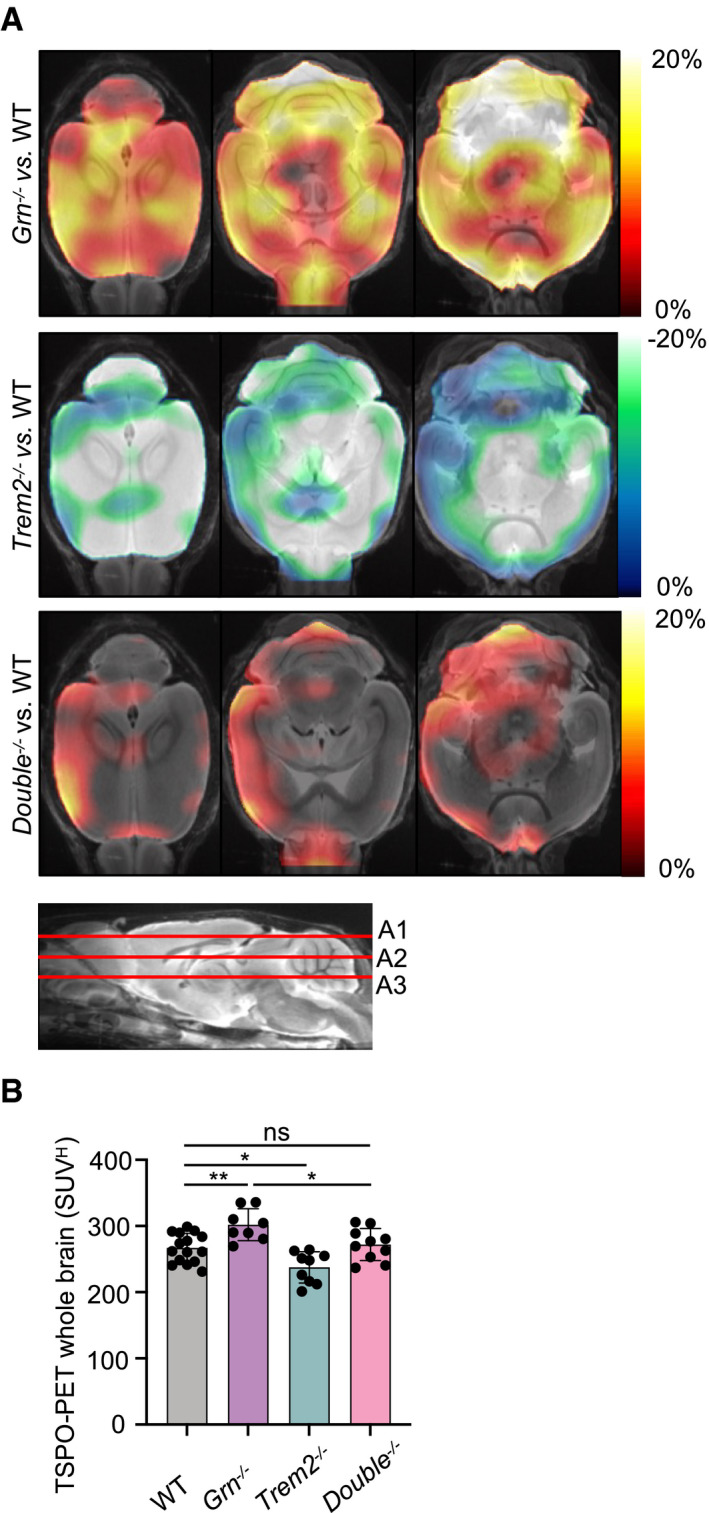
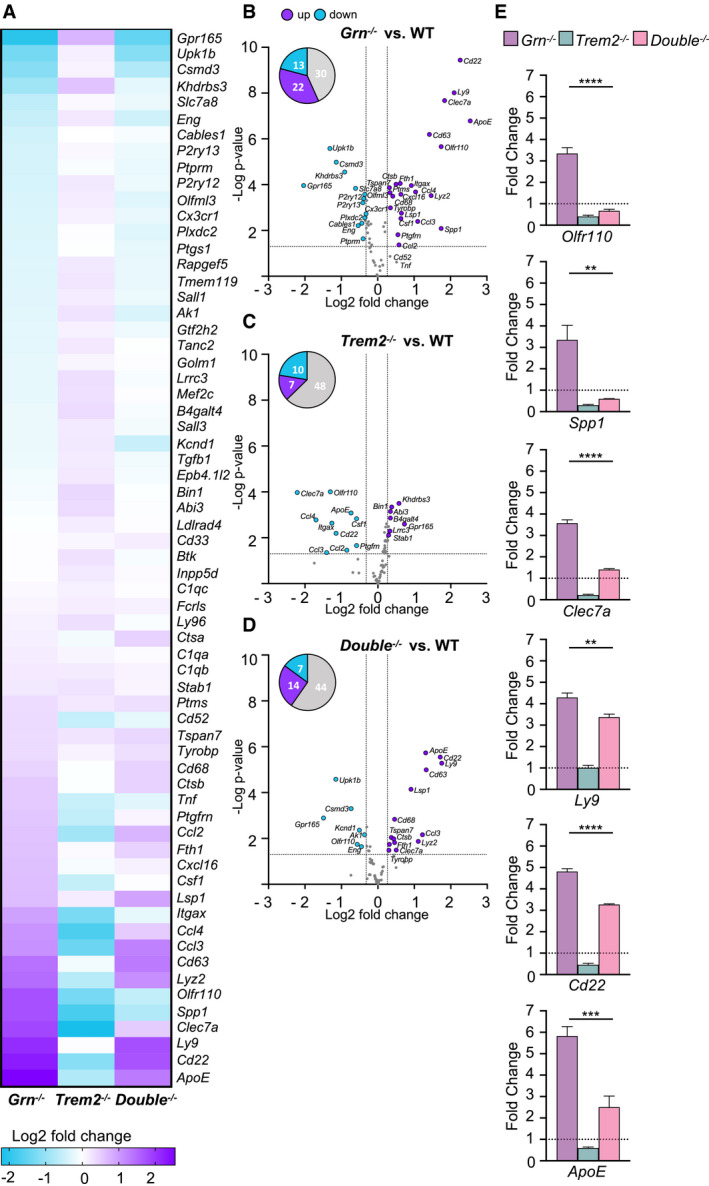
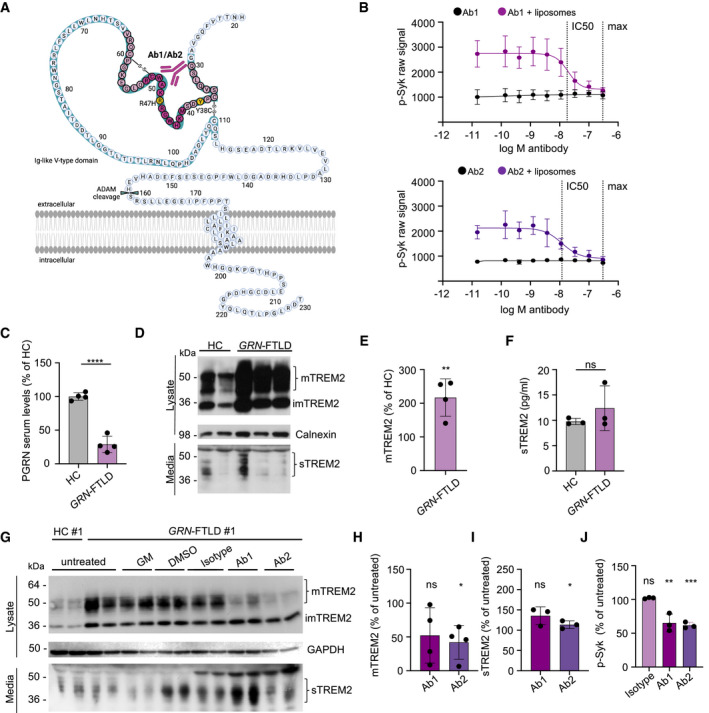
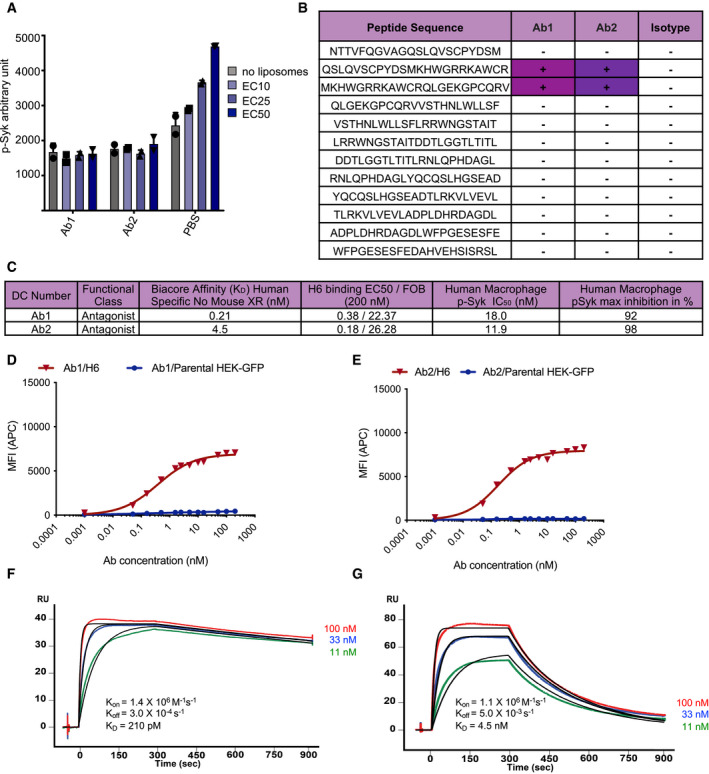
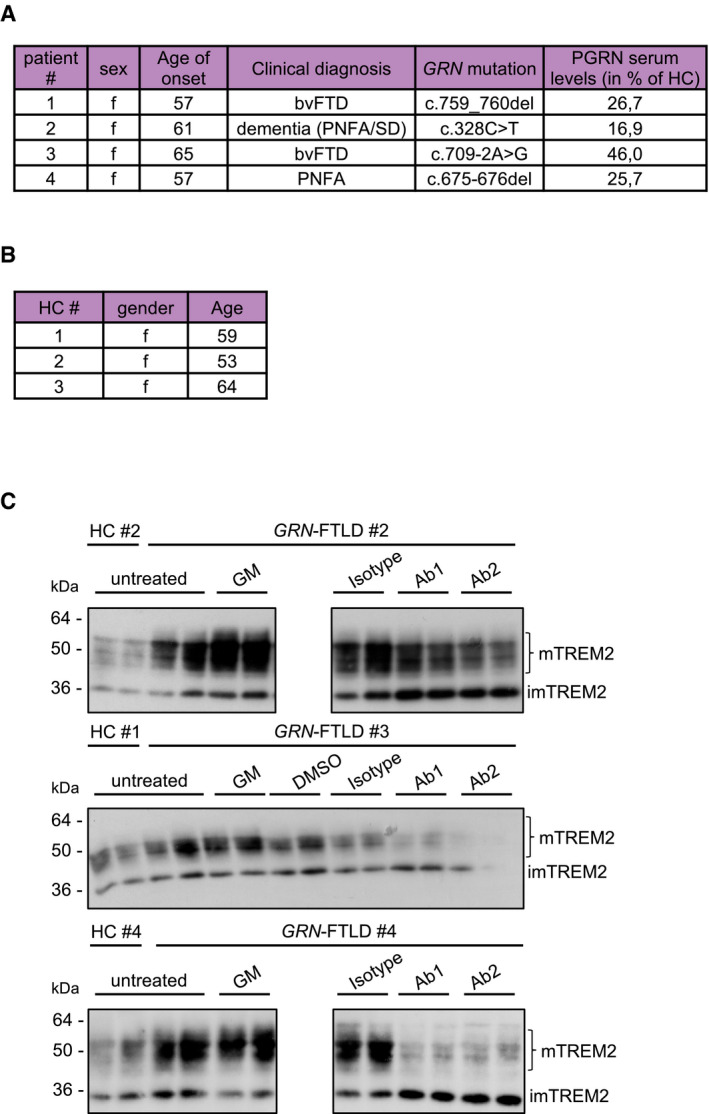
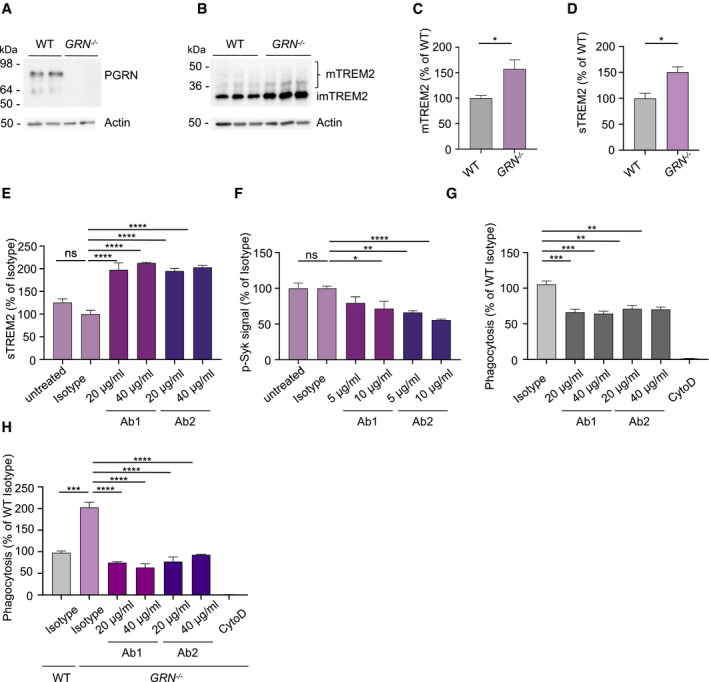
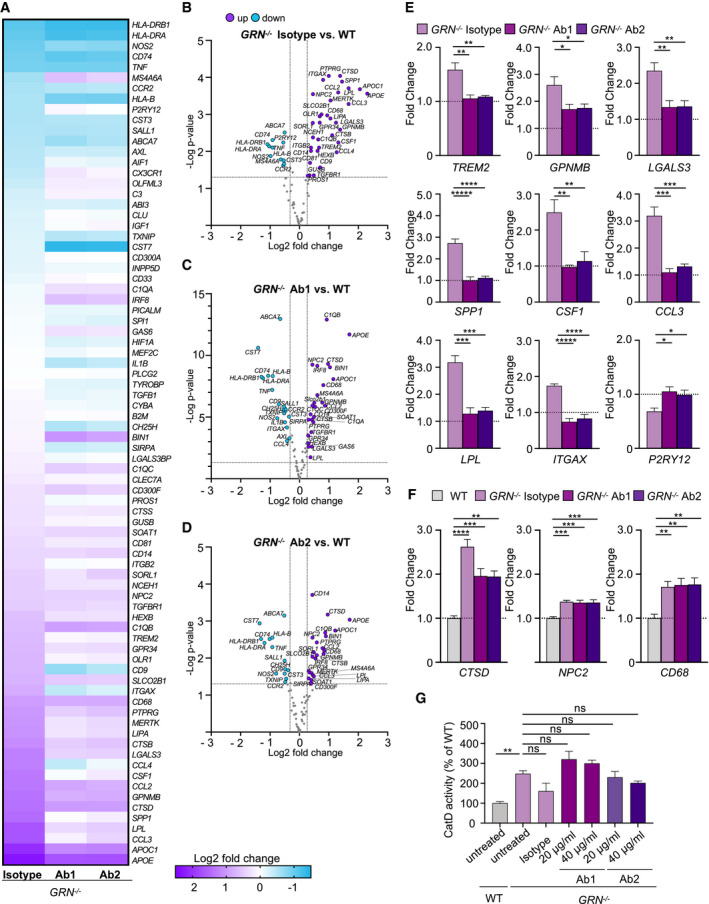
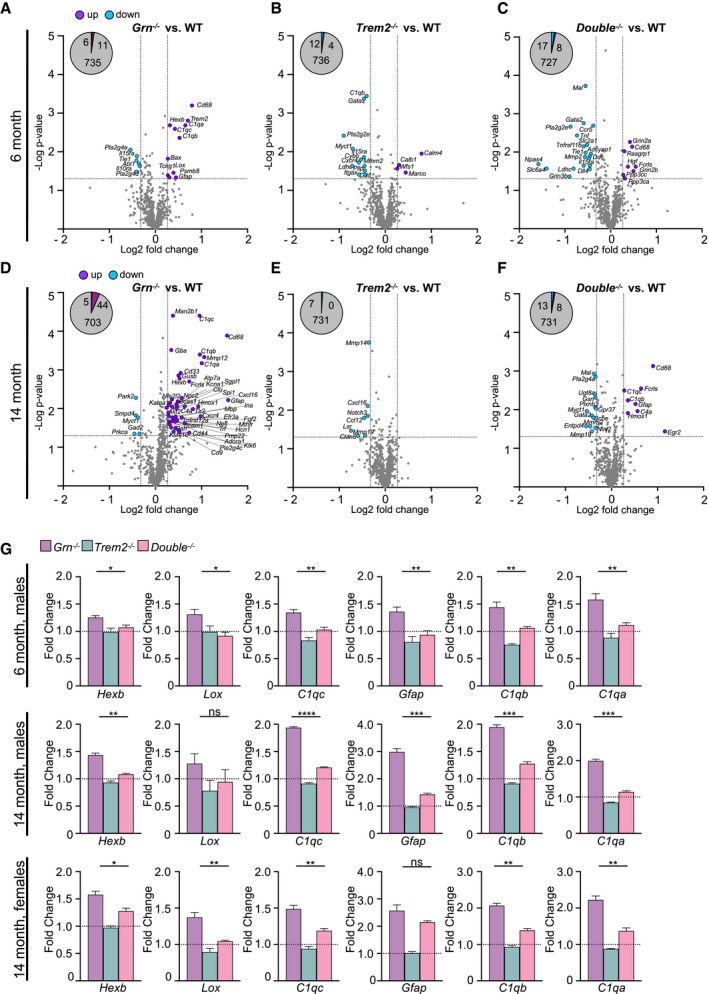
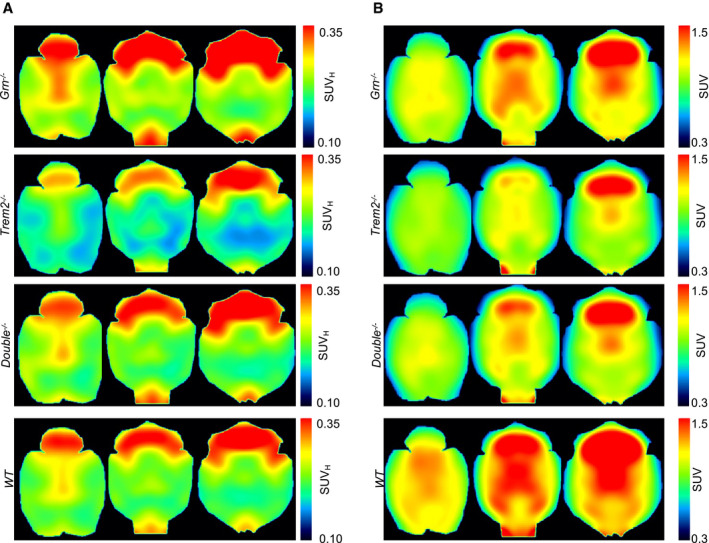
Haploinsufficiency of the progranulin (PGRN)-encoding gene (GRN) causes frontotemporal lobar degeneration (GRN-FTLD) and results in microglial hyperactivation, TREM2 activation, lysosomal dysfunction, and TDP-43 deposition. To understand the contribution of microglial hyperactivation to pathology, we used genetic and pharmacological approaches to suppress TREM2-dependent transition of microglia from a homeostatic to a disease-associated state. Trem2 deficiency in Grn KO mice reduced microglia hyperactivation. To explore antibody-mediated pharmacological modulation of TREM2-dependent microglial states, we identified antagonistic TREM2 antibodies. Treatment of macrophages from GRN-FTLD patients with these antibodies led to reduced TREM2 signaling due to its enhanced shedding. Furthermore, TREM2 antibody-treated PGRN-deficient microglia derived from human-induced pluripotent stem cells showed reduced microglial hyperactivation, TREM2 signaling, and phagocytic activity, but lysosomal dysfunction was not rescued. Similarly, lysosomal dysfunction, lipid dysregulation, and glucose hypometabolism of Grn KO mice were not rescued by TREM2 ablation. Synaptic loss and neurofilament light-chain (NfL) levels, a biomarker for neurodegeneration, were further elevated in the Grn/Trem2 KO cerebrospinal fluid (CSF). These findings suggest that TREM2-dependent microglia hyperactivation in models of GRN deficiency does not promote neurotoxicity, but rather neuroprotection.
Overview
The claims and statistics of this paper haven’t been checked yet.
Free: it reads the open-access text and checks the first 5 claims that cite a source we can check. Create a free account to check every claim.
Integrity signals
Registry
Cites
Statistics
Figures
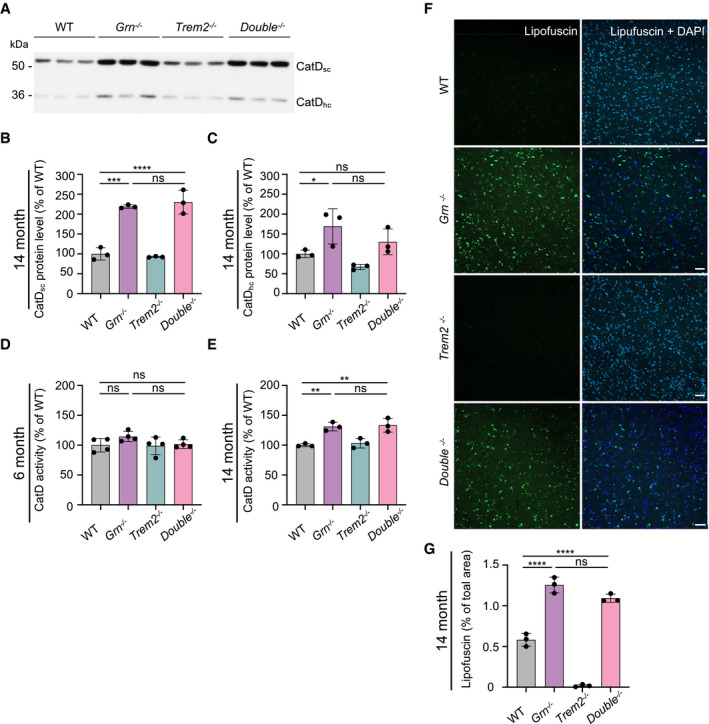
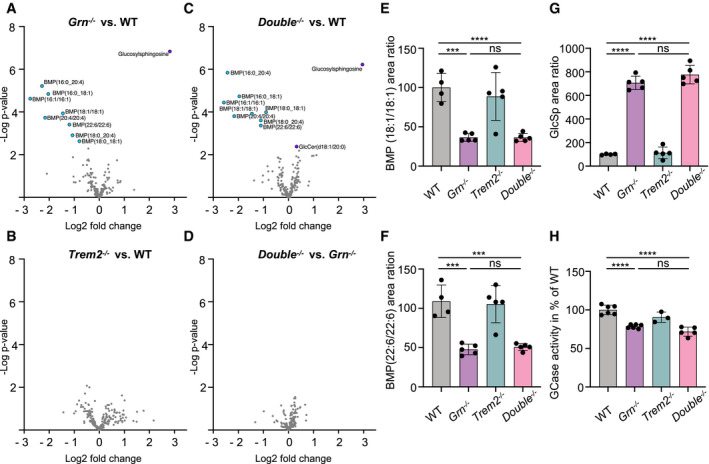
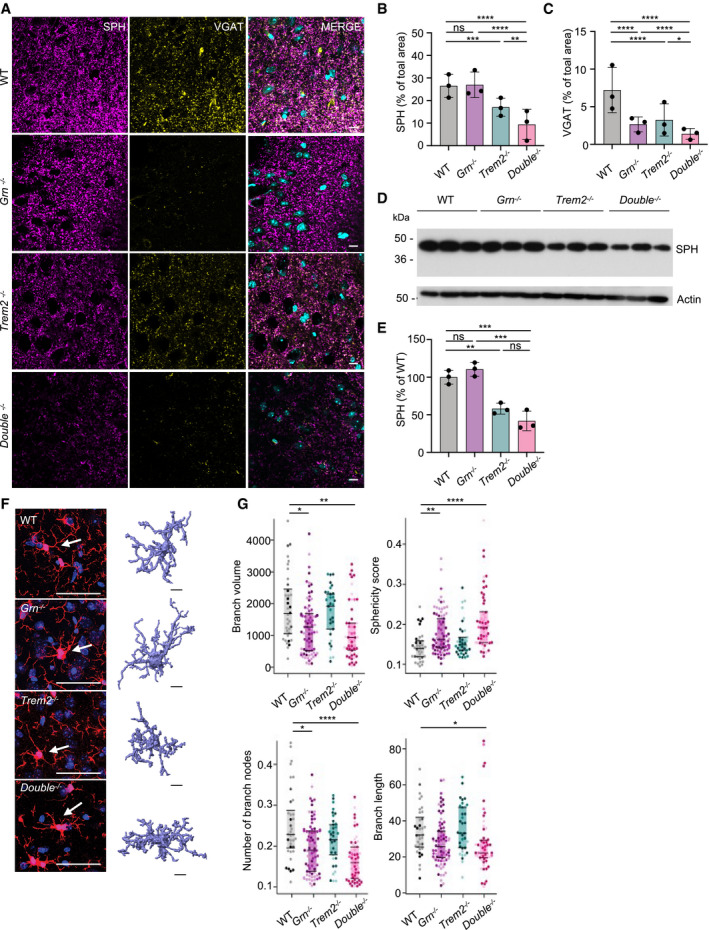
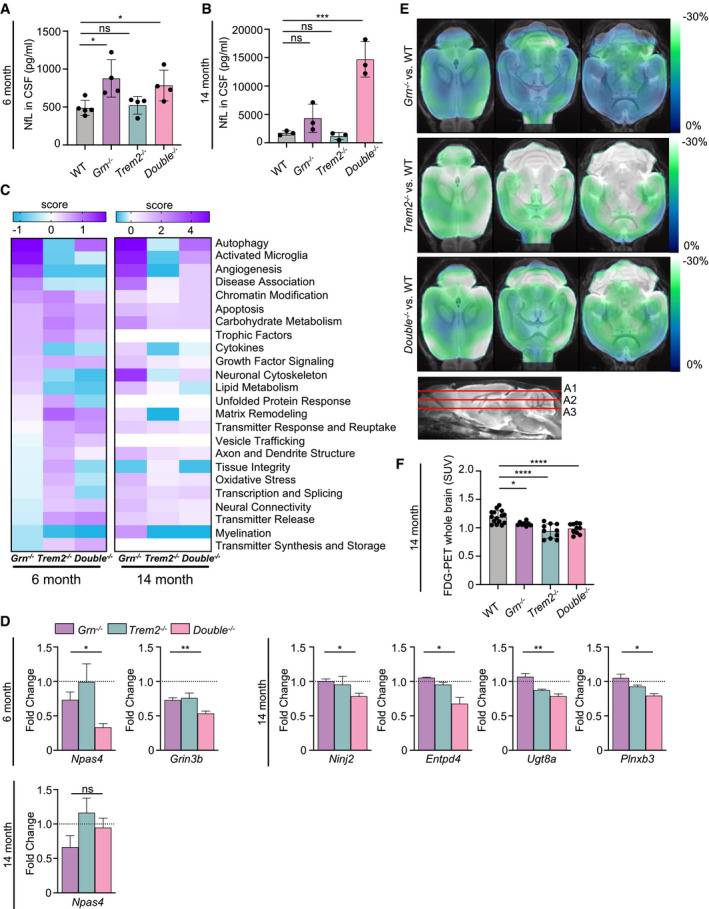
Verification
Claims the paper makes
The claims and statistics of this paper haven’t been checked yet.
Free: it reads the open-access text and checks the first 5 claims that cite a source we can check. Create a free account to check every claim.
Claims other papers make about this one
Each is checked against this paper’s own text: does it say what the citing paper says it does?
The cited source says what the claim attributes to it.
In the citing paper
“However, microglial activation may also be protective in these neurodegenerative conditions, for example by enhancing microglia phagocytosis of amyloid plaques in the context of AD (176–178).”
From Connecting aging biology and inflammation in the omics era (2022) · cites this paper as [178]
Self-check
Percentages, sums and reported differences re-computed from the paper’s own numbers.
The self-check needs the paper’s full text.
Citations
Cites
Genome engineering using the CRISPR-Cas9 system
Ran, F. A., Hsu, P. D., Wright, J., Agarwala, V., Scott, D. A., & Zhang, F. (2013) · Nature Protocols · doi:10.1038/nprot.2013.143 · Cited by 11,133
A Unique Microglia Type Associated with Restricting Development of Alzheimer’s Disease
Keren-Shaul, H., Spinrad, A., Weiner, A., Matcovitch-Natan, O., Dvir-Szternfeld, R., Ulland, T. K., David, E., Baruch, K., Lara-Astaiso, D., Toth, B., et al. (2017) · Cell · doi:10.1016/j.cell.2017.05.018 · Cited by 5,493 · cited 3×
“Moreover, a loss of TREM2 function locks microglia in a dysfunctional homeostatic state (Keren-Shaul et al , 2017; Krasemann et al , 2017; Mazaheri et al , 2017; Nugent et al , 2020), in which they are unable to respond to pathological challenges by inducing a disease-associated mRNA signature.”
Complement and microglia mediate early synapse loss in Alzheimer mouse models
Hong, S., Beja-Glasser, V. F., Nfonoyim, B. M., Frouin, A., Li, S., Ramakrishnan, S., Merry, K. M., Shi, Q., Rosenthal, A., Barres, B. A., et al. (2016) · Science · doi:10.1126/science.aad8373 · Cited by 3,343 · cited 2×
“Although increased TREM2 may be protective in AD patients (Ewers et al , 2019), in other neurodegenerative diseases, microglia may be overactivated and become dysfunctional (Heneka et al , 2013; Hong et al , 2016a; Ransohoff, 2016).”
TREM2 Variants in Alzheimer's Disease
Guerreiro, R., Wojtas, A., Bras, J., Carrasquillo, M., Rogaeva, E., Majounie, E., Cruchaga, C., Sassi, C., Kauwe, J. S. K., Younkin, S., et al. (2013) · New England Journal of Medicine · doi:10.1056/nejmoa1211851 · Cited by 3,020 · cited 1×
“…upon functional investigations of coding variants found within the triggering receptor expressed on myeloid cells 2 (TREM2) gene, which can increase the risk for LOAD and other neurogenerative disorders including frontotemporal dementia-like syndromes (Guerreiro et al , 2013; Jonsson et al , 2013).”
Krasemann, S., Madore, C., Cialic, R., Baufeld, C., Calcagno, N., El Fatimy, R., Beckers, L., O’Loughlin, E., Xu, Y., Fanek, Z., et al. (2017) · Immunity · doi:10.1016/j.immuni.2017.08.008 · Cited by 2,979 · cited 2×
“Moreover, a loss of TREM2 function locks microglia in a dysfunctional homeostatic state (Keren-Shaul et al , 2017; Krasemann et al , 2017; Mazaheri et al , 2017; Nugent et al , 2020), in which they are unable to respond to pathological challenges by inducing a disease-associated mRNA signature.”
Self-citationNLRP3 is activated in Alzheimer’s disease and contributes to pathology in APP/PS1 mice
Heneka, M. T., Kummer, M. P., Stutz, A., Delekate, A., Schwartz, S., Vieira-Saecker, A., Griep, A., Axt, D., Remus, A., Tzeng, T.-C., et al. (2013) · Nature · doi:10.1038/nature11729 · Cited by 2,898
CRISPOR: intuitive guide selection for CRISPR/Cas9 genome editing experiments and screens
Concordet, J.-P., & Haeussler, M. (2018) · Nucleic Acids Research · doi:10.1093/nar/gky354 · Cited by 2,655 · cited 1×
“Briefly, we used CRISPOR (http://crispor.tefor.net (Concordet & Haeussler, 2018)) to select guide RNAs and determine putative off-target loci.”
Variant of TREM2 Associated with the Risk of Alzheimer's Disease
Jonsson, T., Stefansson, H., Steinberg, S., Jonsdottir, I., Jonsson, P. V., Snaedal, J., Bjornsson, S., Huttenlocher, J., Levey, A. I., Lah, J. J., et al. (2013) · New England Journal of Medicine · doi:10.1056/nejmoa1211103 · Cited by 2,558 · cited 1×
“…upon functional investigations of coding variants found within the triggering receptor expressed on myeloid cells 2 (TREM2) gene, which can increase the risk for LOAD and other neurogenerative disorders including frontotemporal dementia-like syndromes (Guerreiro et al , 2013; Jonsson et al , 2013).”
Identification of a unique TGF-β–dependent molecular and functional signature in microglia
Butovsky, O., Jedrychowski, M. P., Moore, C. S., Cialic, R., Lanser, A. J., Gabriely, G., Koeglsperger, T., Dake, B., Wu, P. M., Doykan, C. E., et al. (2014) · Nature Neuroscience · doi:10.1038/nn.3599 · Cited by 2,543
Mutations in progranulin cause tau-negative frontotemporal dementia linked to chromosome 17
Baker, M., Mackenzie, I. R., Pickering-Brown, S. M., Gass, J., Rademakers, R., Lindholm, C., Snowden, J., Adamson, J., Sadovnick, A. D., Rollinson, S., et al. (2006) · Nature · doi:10.1038/nature05016 · Cited by 2,058 · cited 1×
“…disorder where microglia are hyperactivated is GRN -associated frontotemporal lobar degeneration ( GRN -FTLD) with TDP-43 (transactive response DNA-binding protein 43 kDa) deposition caused by progranulin (PGRN) deficiency (Baker et al , 2006; Cruts et al , 2006; Gotzl et al , 2019).”
Cited by
A reference human induced pluripotent stem cell line for large-scale collaborative studies
Pantazis, C. B., Yang, A., Lara, E., McDonough, J. A., Blauwendraat, C., Peng, L., Oguro, H., Kanaujiya, J., Zou, J., Sebesta, D., et al. (2022) · Cell Stem Cell · doi:10.1016/j.stem.2022.11.004 · Cited by 310
Self-citationvan Lengerich, B., Zhan, L., Xia, D., Chan, D., Joy, D., Park, J. I., Tatarakis, D., Calvert, M., Hummel, S., Lianoglou, S., et al. (2023) · Nature Neuroscience · doi:10.1038/s41593-022-01240-0 · Cited by 233
Self-citationDistinct molecular profiles of skull bone marrow in health and neurological disorders
Kolabas, Z. I., Kuemmerle, L. B., Perneczky, R., Förstera, B., Ulukaya, S., Ali, M., Kapoor, S., Bartos, L. M., Büttner, M., Caliskan, O. S., et al. (2023) · Cell · doi:10.1016/j.cell.2023.07.009 · Cited by 183
Self-citationQuick, J. D., Silva, C., Wong, J. H., Lim, K. L., Reynolds, R., Barron, A. M., Zeng, J., & Lo, C. H. (2023) · Journal of Neuroinflammation · doi:10.1186/s12974-023-02866-y · Cited by 203
“In progranulin-deficient microglia, there is defective clearance and accumulation of myelin debris [72, 73].”
BackgroundTREM2 dependent and independent functions of microglia in Alzheimer’s disease
Hou, J., Chen, Y., Grajales-Reyes, G., & Colonna, M. (2022) · Molecular Neurodegeneration · doi:10.1186/s13024-022-00588-y · Cited by 191
Connecting aging biology and inflammation in the omics era
Walker, K. A., Basisty, N., Wilson, D. M., & Ferrucci, L. (2022) · Journal of Clinical Investigation · doi:10.1172/jci158448 · Cited by 189
Gottschlich, A., Thomas, M., Grünmeier, R., Lesch, S., Rohrbacher, L., Igl, V., Briukhovetska, D., Benmebarek, M.-R., Vick, B., Dede, S., et al. (2023) · Nature Biotechnology · doi:10.1038/s41587-023-01684-0 · Cited by 139
“To model toxicity of CAR-T cells toward human microglia, we generated induced pluripotent stem cell (iPSC)-derived human microglia-like cells (iMGLs) 49,50 and verified their phenotype (Fig.”
MethodSelf-citationTREM2-independent microgliosis promotes tau-mediated neurodegeneration in the presence of ApoE4.
Gratuze, M., Schlachetzki, J. C. M., D’Oliveira Albanus, R., Jain, N., Novotny, B., Brase, L., Rodriguez, L., Mansel, C., Kipnis, M., O’Brien, S., et al. (2023) · Neuron · doi:10.1016/j.neuron.2022.10.022 · Cited by 115
Schlepckow, K., Morenas-Rodríguez, E., Hong, S., & Haass, C. (2023) · The Lancet Neurology · doi:10.1016/s1474-4422(23)00247-8 · Cited by 114
Self-citationMicroglial efferocytosis: Diving into the Alzheimer’s disease gene pool
Romero-Molina, C., Garretti, F., Andrews, S. J., Marcora, E., & Goate, A. M. (2022) · Neuron · doi:10.1016/j.neuron.2022.10.015 · Cited by 111
Lysosomal functions of progranulin and implications for treatment of frontotemporal dementia
Simon, M. J., Logan, T., DeVos, S. L., & Di Paolo, G. (2023) · Trends in Cell Biology · doi:10.1016/j.tcb.2022.09.006 · Cited by 94
Self-citationPesämaa, I., Müller, S. A., Robinson, S., Darcher, A., Paquet, D., Zetterberg, H., Lichtenthaler, S. F., & Haass, C. (2023) · Molecular Neurodegeneration · doi:10.1186/s13024-023-00657-w · Cited by 40
“Differentiation of iPSCs to hiMGL was also performed as described [20].”
BackgroundMethodInfluentialSelf-citationYang, Y., Li, G., Zhong, Y., Xu, Q., Chen, B.-J., Lin, Y.-T., Chapkin, R. S., & Cai, J. J. (2023) · Nucleic Acids Research · doi:10.1093/nar/gkad450 · Cited by 48
The mechanisms, hallmarks, and therapies for brain aging and age-related dementia
Jin, S., Lü, W., Zhang, J., Zhang, L., Tao, F., Zhang, Y., Hu, X., & Liu, Q. (2024) · Science Bulletin · doi:10.1016/j.scib.2024.09.005 · Cited by 44
Reich, M., Simon, M. J., Polke, B., Paris, I., Werner, G., Schrader, C. M., Spieth, L., Davis, S. S., Robinson, S., de Melo, G. L., et al. (2024) · Science Translational Medicine · doi:10.1126/scitranslmed.adj7308 · Cited by 37
“Last, we replicated our recently reported finding in GRN KO monocultured iMG showing dysfunctional lysosomes ( 18 , 20 ).”
ResultSelf-citationTaming microglia: the promise of engineered microglia in treating neurological diseases
Luo, E. Y., & Sugimura, R. (2024) · Journal of Neuroinflammation · doi:10.1186/s12974-024-03015-9 · Cited by 36
“T R E M 2 a g o n i s t s m i g h t b e a t h e r a - p e u t i c s t r a t e g y i n t h i s p a t h o l o g i c a l c o n t e x t [ 111 ] T a b l e T h e s i a l i c a c i d m i m e t i c b o u n d t o C D 33 , a c e ll s u r f a c e r e c e p t o r , a n d i n c r e a s e d t h e u p t a k e o f…”
Xu, Y., Hillman, H., Chang, M., Barrow, F., Ivanov, S., Revelo, X. S., & Williams, J. W. (2025) · Communications Biology · doi:10.1038/s42003-025-08387-z · Cited by 40
“In fact, immunotherapeutic approaches agonizing and antagonizing Trem2 are underway in the clinic 75 – 78 .”
TREM2 and Microglia Contribute to the Synaptic Plasticity: from Physiology to Pathology
Yu, C.-J., Wang, M., Ruiyang, L., Wei, T., Yang, H.-C., Yin, Y., Mi, Y., Qin, Q., & Tang, Y. (2022) · Molecular Neurobiology · doi:10.1007/s12035-022-03100-1 · Cited by 36
“A study in models of progranulin deficiency found that TREM2 KO could rescue microglia from hyperactivation, but not lysosomal deficiency, indicating the unique function of TREM2 on microglia [104].”
BackgroundLiu, Y., Tan, Y., Zhang, Z., Li, H., Yi, M., Zhang, Z., Hui, S., & Peng, W. (2022) · Ageing Research Reviews · doi:10.1016/j.arr.2022.101831 · Cited by 37
TREM2, microglial and ischemic stroke
Wang, H., Li, X., Wang, Q., Ma, J., Gao, X., & Wang, M. (2023) · Journal of Neuroimmunology · doi:10.1016/j.jneuroim.2023.578108 · Cited by 34
Depletion and activation of microglia impact metabolic connectivity of the mouse brain
Gnörich, J. S., Reifschneider, A., Wind-Mark, K., Zatcepin, A., Kunte, S. T., Beumers, P., Bartos, L. M., Wiedemann, T., Grosch, M., Xiang, X., et al. (2023) · Journal of Neuroinflammation · doi:10.1186/s12974-023-02735-8 · Cited by 37
“For this purpose, we analyzed progranulin knockout (Grn−/−) mice with disease-associated microglia (DAM) [18, 38] and triggering receptor expressed on myeloid cells 2 knockout (Trem2−/−) mice with microglia locked in a homeostatic stage [31, 32, 40] as they both exhibit reduced glucose uptake in FDG–PET [18, 53].”
BackgroundMethodInfluentialSelf-citationCooper, O., Hallett, P. J., & Isacson, O. (2022) · FEBS Journal · doi:10.1111/febs.16638 · Cited by 28
“Mice without either Trem2 or Grn also show reduced brain glucose metabolism, consistent with prodromal states of human neurodegenerative disease [138,139].”
BackgroundKou, W., Li, S., Yan, R., Zhang, J., Wan, Z., & Feng, T. (2025) · Journal of Neurology · doi:10.1007/s00415-025-13051-x · Cited by 25
“Elevated CSF and plasma NfL levels have been observed in TDP-43 mouse models [113, 114], and CSF NfL levels have been shown to correlate with brain TDP-43 load in patients with amyotrophic lateral sclerosis and frontotemporal dementia [59].”
Glial Dysfunction and Its Contribution to the Pathogenesis of the Neuronal Ceroid Lipofuscinoses
Takahashi, K., Nelvagal, H. R., Lange, J., & Cooper, J. D. (2022) · Frontiers in Neurology · doi:10.3389/fneur.2022.886567 · Cited by 25
Wang, J., Lai, S., Zhou, T., Xia, Z., Li, W., Sha, W., Liu, J., & Chen, Y. (2022) · Journal of Neuroinflammation · doi:10.1186/s12974-022-02684-8 · Cited by 24
“Discussion It was recently well identified that loss-of-function mutations in the progranulin (PGRN) gene are the crucial etiology of frontotemporal dementia (FTD), which is the second most common dementia in people under the age of 65 after Alzheimer’s disease [49, 50], and subsequently induce FTD-like behavioral and…”
BackgroundProgranulin deficiency in the brain: the interplay between neuronal and non-neuronal cells
Gawęda-Walerych, K., Aragona, V., Lodato, S., Sitek, E. J., Narożańska, E., & Buratti, E. (2025) · Translational Neurodegeneration · doi:10.1186/s40035-025-00475-8 · Cited by 23
“In addition, PGRN and granulins regulate activities of enzymes such as cathepsin D and glucocerebrosidase (GCase) in the lysosome [15, 44, 45, 59–62].”
InfluentialZhang, X., Chen, X., Zhang, L., Sun, Y., Liang, Y., Li, H., & Zhang, Y. (2023) · Neurochemistry International · doi:10.1016/j.neuint.2023.105639 · Cited by 23
Repurposing of pexidartinib for microglia depletion and renewal
Weyer, M.-P., Strehle, J., Schäfer, M. K. E., & Tegeder, I. (2023) · Pharmacology & Therapeutics · doi:10.1016/j.pharmthera.2023.108565 · Cited by 25
Dinkel, L., Hummel, S., Zenatti, V., Malara, M., Tillmann, Y., Colombo, A., Monasor, L. S., Suh, J. H., Logan, T., Roth, S., et al. (2024) · Science Translational Medicine · doi:10.1126/scitranslmed.adl4616 · Cited by 22
Self-citationPreclinical Interventions in Mouse Models of Frontotemporal Dementia Due to Progranulin Mutations
Kashyap, S. N., Boyle, N. R., & Roberson, E. D. (2023) · Neurotherapeutics · doi:10.1007/s13311-023-01348-6 · Cited by 22
Bobotis, B. C., Halvorson, T., Carrier, M., & Tremblay, M. (2024) · Frontiers in Cellular Neuroscience · doi:10.3389/fncel.2024.1317125 · Cited by 22
TREM2 signaling in Parkinson’s disease: Regulation of microglial function and α-synuclein pathology
Yin, S., Chi, X., Wan, F. J., Li, Y., Zhou, Q., Kou, L., Sun, Y., Wu, J., Zou, W., Wang, Y., et al. (2024) · International Immunopharmacology · doi:10.1016/j.intimp.2024.113446 · Cited by 26
Commander complex regulates lysosomal function and is implicated in Parkinson’s disease risk
Minakaki, G., Safren, N., Bustos, B. I., Lubbe, S. J., Mencacci, N. E., & Krainc, D. (2025) · Science · doi:10.1126/science.adq6650 · Cited by 22
de Weerd, L., Hummel, S., Müller, S. A., Paris, I., Sandmann, T., Eichholtz, M., Gröger, R., Englert, A. L., Wagner, S., Ha, C., et al. (2025) · Molecular Neurodegeneration · doi:10.1186/s13024-025-00878-1 · Cited by 20
“All rodent PET procedures followed an established standardised protocol for radiochemistry, acquisition times, and post-processing [51] which was transferred to a novel PET/MRI system [52].”
Self-citationMicroglial Reactivity Correlates with Presynaptic Loss Independent of β‐Amyloid and Tau
Lan, G., Chen, X., Yang, J., Sun, P., Cai, Y. Q., Li, A., Zhu, Y., Liu, Z., Ma, S., Guo, T., et al. (2024) · Annals of Neurology · doi:10.1002/ana.26885 · Cited by 20
“7,15,32 Supporting this, we further noticed an association between faster increases in CSF sTREM2 and decreases in CSF PGRN.”
InfluentialThe role of endolysosomal progranulin and TMEM106B in neurodegenerative diseases
Takahashi, H., & Strittmatter, S. M. (2025) · Molecular Neurodegeneration · doi:10.1186/s13024-025-00873-6 · Cited by 16
“Recent lipidomic studies from multiple groups have found a significant and robust decreases in BMP levels in the brain of Grn −/− mice [49, 124, 210, 212, 215–217] and Grn −/− Tmem106b −/− DKO mice [197].”
Therapies for Tau-associated neurodegenerative disorders: targeting molecules, synapses, and cells
Robbins, M. (2023) · Neural Regeneration Research · doi:10.4103/1673-5374.373670 · Cited by 16
“…in different disorders (Kwon and Koh, 2020), alongside the inability of restoring microglial activity to ameliorate glucose uptake, lysosomal dysfunction, and lipid metabolism, it seems possible that innate immunity alone will not provide a therapeutic solution (Reifschneider et al., 2022).”
Farzan, M., Rounkian, M. S., Rizi, A. A., Heidari, Z., Farzan, M., Fathi, M., Aghaei, A., Azadegan‐Dehkordi, F., & Bagheri, N. (2024) · Experimental Neurology · doi:10.1016/j.expneurol.2024.115071 · Cited by 16
Lessons from metabolic perturbations in lysosomal storage disorders for neurodegeneration
Medoh, U. N., Chen, J. Y., & Abu-Remaileh, M. (2021) · Current Opinion in Systems Biology · doi:10.1016/j.coisb.2021.100408 · Cited by 16
Cabron, A.-S., Borgmeyer, U., Richter, J., Peisker, H., Gutbrod, K., Dörmann, P., Capell, A., & Daμμe, M. (2023) · Acta Neuropathologica Communications · doi:10.1186/s40478-023-01510-3 · Cited by 15
“The comparison between wildtype and Grn−/− mice revealed the expected and previously described transcriptomic differences [15, 16, 31]: top differentially expressed genes were characteristic for disease-associated microglia with Cst7, Gpnmb, Lyz2, and Cd68 among the genes with the highest upregulation in total brain R…”
BackgroundSelf-citationHsiao‐Nakamoto, J., Chiu, C., VandeVrede, L. A., Ravi, R., Vandenberg, B., Groot, J. D., Tsogtbaatar, B., Fang, M., Auger, P., Gould, N. S., et al. (2024) · bioRxiv (Cold Spring Harbor Laboratory) · doi:10.1101/2024.02.09.579529 · Cited by 13
Self-citationGrabowski, G. A., & Mistry, P. K. (2022) · Molecular Genetics and Metabolism · doi:10.1016/j.ymgme.2022.07.014 · Cited by 11
Evidence that minocycline treatment confounds the interpretation of neurofilament as a biomarker
Gentile, J. E., Heiss, C. N., Corridon, T. L., Mortberg, M. A., Fruhwürth, S., Guzman, K., Grötschel, L., Montoliu‐Gaya, L., Chan, K., Herring, N. C., et al. (2025) · Brain Communications · doi:10.1093/braincomms/fcaf175 · Cited by 12
“…NfL was only modestly increased in Grn KO mice and was not increased in Trem2 KO mice, but was dramatically increased in Grn/Trem2 double KO mice, 56 consistent with a ‘two-hit’ hypothesis where the effect of inhibiting microglial clearance of NfL is magnified when there is also a perturbation…”
Evidence that minocycline treatment confounds the interpretation of neurofilament as a biomarker
Gentile, J. E., Heiss, C., Corridon, T. L., Mortberg, M. A., Fruhwürth, S., Guzman, K., Grötschel, L., Chan, K., Herring, N. C., Janicki, T., et al. (2024) · doi:10.1101/2024.05.01.24306384 · Cited by 11
“…NfL was only modestly increased in Grn KO mice, and was not increased in Trem2 KO mice, but was dramatically increased in Grn/Trem2 double KO mice 36 , consistent with a “two-hit” hypothesis where the effect of inhibiting microglial clearance of NfL is magnified when there is also a perturbation…”
Cognitive rejuvenation through partial reprogramming of engram cells
Berdugo‐Vega, G., Sierra, C., Astori, S., Calati, V., Orsat, J., Scoglio, M. J., Sandi, C., & Gräff, J. (2026) · Neuron · doi:10.1016/j.neuron.2025.11.028 · Cited by 12
Haploinsufficiency and Alzheimer’s Disease: The Possible Pathogenic and Protective Genetic Factors
Bagyinszky, E., & An, S. S. A. (2024) · International Journal of Molecular Sciences · doi:10.3390/ijms252211959 · Cited by 10
“…outside the cells. tyrosine phosphorylation outside the Mutations in TREM2 can lead to haploinsufficiency, abnormal microglial functions Mutations in TREM2 can lead to haploinsu ffi ciency, abnormal microglial functions, and reduced amyloid clearance [85,86]. reduced amyloid clearance [85,86].”
Tejwani, L., Heffner, C. M., Balak, C. D., Skuja, L. L., Tatarakis, D., Rana, A., Yu, S. B., Fitzgerald, G. A., Ha, C., de Melo, G. L., et al. (2026) · Immunity · doi:10.1016/j.immuni.2026.07.009 · Cited by 10
Self-citationHuang, L., Tan, C., Xu, W., Tan, L., Initiative, A. D. N., Weiner, M. W., Aisen, P. S. S., Petersen, R. C., Jack, C. R., Jagust, W., et al. (2025) · Translational Psychiatry · doi:10.1038/s41398-025-03457-6 · Cited by 8
CAR-T triggers TAM reeducation and adaptive anti-tumor response via TREM2 deficiency or CD40 agonist
Liu, T., Gao, H., Xi, Z., Yu, T., Gu, Y., Mai, H., Yuan, H., Liu, Y., Liu, H., Zhang, Q., et al. (2026) · Cell Reports Medicine · doi:10.1016/j.xcrm.2025.102539 · Cited by 13
Activity-dependent protein synthesis in neurons requires microglial-metabolic coupling
Adler, D. I., Martín‐Ávila, A., Cheng, E., Oliveira, M. M., Zhang, M., Evans, H. T., Yuan, D., Sam, R., Zhang, N., Sellés, M. C., et al. (2026) · Cell Metabolism · doi:10.1016/j.cmet.2026.05.006 · Cited by 7
Mechanism of the effect of TREM2 on cognitive function in autistic mice
Tian, Y., Ai, R., Xiao, X., Liu, W., Cheng, S., & Zhu, X. (2024) · Cellular and Molecular Biology · doi:10.14715/cmb/2024.70.6.11 · Cited by 7
Ferroptosis in microglial activation: a systematic review and multidata comparison
Pesämaa, I., Koutarapu, S., Zetterberg, H., & Fruhwürth, S. (2026) · Brain Communications · doi:10.1093/braincomms/fcag109 · Cited by 6
“158,159 In addition to the data obtained from mice, this comparison includes data from GRN ko human induced pluripotent stem cell-derived microglia (hiMG) (Supplementary Fig.”
Self-citationFernández‐Blanco, Á., Sierra, C., Tejido, C., & Dierssen, M. (2024) · International Journal of Molecular Sciences · doi:10.3390/ijms25063289 · Cited by 6
“To check for a DAM-associated transcriptional signature, we compared the DEGs of trisomic microglia with the DAM DEGs transcriptional signature of previously published datasets [37,38].”
BackgroundMethodResultInfluentialLv, K., Luo, Y., Liu, T., Xia, M., Gong, H., Zhang, D., Chen, X., Jiang, X., Liu, Y., Liu, J., et al. (2025) · Proceedings of the National Academy of Sciences · doi:10.1073/pnas.2410698122 · Cited by 6
“The marked difference in morphology between homeostatic and activated microglia has been described (33).”
Xu, Z., Zhang, G., Zhang, X., Lei, Y., Sun, Y., He, Y., Yang, F., Nan, W., Xing, X., Li, Y., et al. (2023) · The International Journal of Biochemistry & Cell Biology · doi:10.1016/j.biocel.2023.106386 · Cited by 6
Duwat, C., Léal, P., Vautheny, A., Aurégan, G., Joséphine, C., Gaillard, M., Hérard, A., Jan, C., Gipchtein, P., Mitja, J., et al. (2023) · Neurobiology of Disease · doi:10.1016/j.nbd.2023.106116 · Cited by 7
“As previously described in other neurodegenerative contexts (McQuade et al., 2020; Reifschneider et al., 2022; Sieber et al., 2013; Vautheny et al., 2021), TREM2 deficiency led to a decrease in microglial activation in our model (Fig.”
BackgroundSwain, P. S., Panda, S., Pati, S., & Dehury, B. (2023) · Journal of Molecular Modeling · doi:10.1007/s00894-023-05770-7 · Cited by 6
Robinson, S., Reich, M., Mühlhofer, M., Buschmann, K., Wauters, E., Mühlhofer, Q., Werner, G., Ahles, A., Engelhardt, S. H., Krenner, C., et al. (2024) · bioRxiv (Cold Spring Harbor Laboratory) · doi:10.1101/2024.01.16.575687 · Cited by 7
“Plasma Nfl levels were measured with the Quanterix Simoa® NF-light TM Reagent Kit (# 103186, Quanterix) following the manufacturer’s instructions as previously described (Reifschneider, 2022).”
MethodSelf-citationLysosomes cell autonomously regulate myeloid cell states and immune responses
Tejwani, L., Balak, C., Skuja, L. L., Tatarakis, D., Rana, A., Fitzgerald, G. A., Ha, C., Lunkes de Melo, G., Sun, E. W., Heffner, C. M., et al. (2024) · doi:10.1101/2024.11.11.623074 · Cited by 4
Bagyinszky, E., & An, S. S. A. (2025) · International Journal of Molecular Sciences · doi:10.3390/ijms26209960 · Cited by 4
“The significance of TREM2 antibodies in GRN haploinsufficiency remained unclear, but they may be a promising part of combination treatment for FTD [115,138].”
Davtyan, H., Naguib, S. A., Voskobiynyk, Y., Chadarevian, J. P., Capocchi, J. K., Giacchino, J. L., Eskandari‐Sedighi, G., DeNittis, V. R., Ford, J. B., Agababian, A., et al. (2026) · Molecular Neurodegeneration · doi:10.1186/s13024-026-00978-6 · Cited by 4
“Our data underscore that proper handling of progranulin within microglia is critical for maintaining immune quiescence, synaptic stability, and broader neural circuit homeostasis [14, 15, 54, 105, 117].”
Kashyap, S. N., Fox, S. N., DeNittis, V. R., Wilson, K. I., Boyle, N. R., Bullock, M., Tadepalli, A. S., Miller, S. R., Palop, J. J., Ambaw, Y. A., et al. (2026) · Science Translational Medicine · doi:10.1126/scitranslmed.adr9158 · Cited by 4
INPP5D/SHIP1 regulates endo-lysosomal function and cargo-selective phagocytosis in human microglia
Terzioglu, G., Karp, E. S., Heuer, S. E., Chadarevian, J. P., Ahsan, F. M., Haage, V. C., Davtyan, H., Fogo, G. M., Curle, A. J., Ashour, N., et al. (2025) · doi:10.1101/2025.10.27.684632 · Cited by 6
Progranulin and Inflammation‐Induced Cancer: An Important Player in the Tumor Microenvironment?
Insinga, G., Tomassetti, C., Satasiya, V., Gimigliano, F., Giordano, A., Giurisato, E., & Morrione, A. (2026) · Journal of Cellular Physiology · doi:10.1002/jcp.70188 · Cited by 3
“This finding illustrates the dual impact of PGRN on immune tone and lysosomal function, both of which may be manipulated by tumors (Reifschneider et al. 2022).”
Klimmt, J., Gonçalves, C. C., Montgomery, J. V., Müller, S. A., Bublitz, M., Filser, S., Paeger, L., Nuscher, B., Dannert, A., Roeber, S., et al. (2026) · Nature Neuroscience · doi:10.1038/s41593-026-02367-0 · Cited by 5
Self-citationLi, Y., Lei, Z., Ritzel, R. M., He, J., Liu, S., Zhang, L., & Wu, J. (2024) · Cells · doi:10.3390/cells13181584 · Cited by 3
“…have been reported to be a sign of poor prognosis in Alzheimer’s disease (AD) and a mediator of microglia hyperactivation in neuropathic pain [72–74], whereas Gdf15 , a mediator of macrophage inhibitory cytokine-1 (MIC-1), has been reported to an important marker of mortality in the aged…”
BackgroundWerthmann, G. C., & Herz, J. (2025) · bioRxiv (Cold Spring Harbor Laboratory) · doi:10.64898/2025.12.29.696915 · Cited by 3
Zhang, L., Deng, L., Wei, J., Zhou, X., Fan, D., Wu, J., Feng, C., Jiang, N., Qin, D., Ren, F., et al. (2025) · Food Science and Human Wellness · doi:10.26599/fshw.2025.9250595 · Cited by 3
Ischemic injury triggers a protective microglial phenotype in models of Aβ pathology
Candlish, M., Hofmann, J. C., Brösamle, D., Haessler, A., DeMeglio, M., Skodras, A., Tushev, G., Biasi, E. S. D., Günther, S., Wiegandt, R., et al. (2026) · Journal of Neuroinflammation · doi:10.1186/s12974-026-03897-x · Cited by 2
Kim, D., Kondo, T., & Inoue, H. (2026) · Stem Cell Reports · doi:10.1016/j.stemcr.2026.102866 · Cited by 1
Wang, X., Zhou, H., Zhai, Y., Zhang, Y., Cheng, Y., Yuan, Y., Cao, W., Gao, A., Liu, M., Wang, Q., et al. (2026) · Cell Death Discovery · doi:10.1038/s41420-026-03118-7 · Cited by 1
“When normal microglia were co-cultured with hippocampal neurons, the synaptic density of neurons decreased signi fi cantly, whereas when microglia derived from mice with TREM2 gene defects were co-cultured with hippocampal neurons, no signi fi cant change in synaptic density was observed [25].”
Human TDP-43 expression worsens FTD-related phenotypes in progranulin-insufficient mice
Cook, A. K., Lin, B., Song, Y., Greathouse, K. M., Kaplelach, A. K., Love, M. L., Davis, S. E., Stoll, A. C., Hall, J. A., Hakim, A. R., et al. (2026) · Neurobiology of Disease · doi:10.1016/j.nbd.2026.107475 · Cited by 1
Ablation of progranulin augments microglial activation and accelerates prion progression
Li, B., Shi, Y., Hou, W., Guan, H., Li, J., Yi, T., Li, W., Cai, D., Schwarz, P., Aguzzi, A., et al. (2025) · Acta Neuropathologica Communications · doi:10.1186/s40478-025-02128-3
“While TREM2 ablation or antagonism can rescue the microglial hyperactivation in Grn -/- mice, it does not alleviate lysosomal dysfunction or neurotoxicity [88].”
Chen, M., Sheng, Z.-H., Wang, L., Zhang, P., Zhang, J., Wang, X., Duan, J., Yang, W., Initiative, A. D. N., Yu, W., et al. (2025) · Molecular Neurobiology · doi:10.1007/s12035-025-05580-3
Wang, J., Lai, S., Zhou, T., Xia, Z., Li, W., Sha, W., LIU, J., & Chen, Y. (2024) · Figshare · doi:10.6084/m9.figshare.26558198
Gnörich, J. S. (2023) · doi:10.5282/edoc.32537
Self-citationWang, J., Lai, S., Zhou, T., Xia, Z., Li, W., Sha, W., Liu, J., & Chen, Y. (2024) · Figshare · doi:10.6084/m9.figshare.26558201
Wang, J., Lai, S., Zhou, T., Xia, Z., Li, W., Sha, W., Liu, J., & Chen, Y. (2024) · Figshare · doi:10.6084/m9.figshare.26558192
Cabron, A.-S., Borgmeyer, U., Richter, J., Peisker, H., Gutbrod, K., Dörmann, P., Capell, A., & Daμμe, M. (2024) · Figshare · doi:10.6084/m9.figshare.26564529
Self-citationPesämaa, I., Müller, S. A., Robinson, S., Darcher, A., Paquet, D., Zetterberg, H., Lichtenthaler, S. F., & Haass, C. (2024) · Figshare · doi:10.6084/m9.figshare.24223891
Self-citationCabron, A.-S., Borgmeyer, U., Richter, J., Peisker, H., Gutbrod, K., Dörmann, P., Capell, A., & Daμμe, M. (2024) · Figshare · doi:10.6084/m9.figshare.26564526
Self-citationWang, J., Lai, S., Zhou, T., Xia, Z., Li, W., Sha, W., Liu, J., & Chen, Y. (2024) · Figshare · doi:10.6084/m9.figshare.26558195
Gnörich, J. S., Reifschneider, A., Wind, K., Zatcepin, A., Kunte, S. T., Beumers, P., Bartos, L. M., Wiedemann, T., Grosch, M., Xiang, X., et al. (2024) · Figshare · doi:10.6084/m9.figshare.26571058
Self-citationGröger, R., Englert, A. L., Lalia, M., de Weerd, L., Rovere, M., Kunze, L. H., Palumbo, G., Wind-Mark, K., Fixemer, S., Roemer, S. N., et al. (2026) · Journal of Cerebral Blood Flow & Metabolism · doi:10.1177/0271678x261420082
“8,16 Conversely, aging WT mice and β -amyloid models with activated microglia exhibit hypermetabolism, indicating that [ 18 F]FDG uptake in these animals may reflect neuroinflammation more than neuronal function.”
Self-citationLiu, Z., Ao, W.-L., Luo, A., Guan, S.-Q., Wang, J., Yu, C., Xu, Z.-C., Xu, P., & Huang, H. (2026) · BMC Medicine · doi:10.1186/s12916-026-05016-2
“Mice deficient in progranulin (PGRN) exhibit impaired glucose uptake and utilization, accompanied by synaptic loss and elevated neurofilament light chain levels, exacerbating neurodegenerative damage [115].”
InfluentialZhang, P., Xia, W., Huang, Y., Yu, J., Wang, N., & Huang, Y. (2026) · Experimental Neurology · doi:10.1016/j.expneurol.2026.116013
Saadatpour, F. (2026) · Elsevier eBooks · doi:10.1016/b978-0-443-40467-2.00008-7
Sandmann, T. (2025) · Zenodo (CERN European Organization for Nuclear Research) · doi:10.5281/zenodo.14812454
Metadata
- Authors
- Reifschneider, A., Robinson, S., van Lengerich, B., Gnörich, J., Logan, T., Heindl, S., Vogt, M. A., Weidinger, E., Riedl, L., Wind, K., Zatcepin, A., Pesämaa, I., Haberl, S., Nuscher, B., Kleinberger, G., Klimmt, J., Götzl, J. K., Liesz, A., Bürger, K., Brendel, M., Levin, J., Diehl‐Schmid, J., Suh, J., Di Paolo, G., Lewcock, J. W., Monroe, K. M., Paquet, D., Capell, A., & Haass, C.
- Affiliations
- Ludwig-Maximilians-Universität München (DE)
- German Center for Neurodegenerative Diseases (DE)
- Denali Therapeutics (United States) (US)
- Institut für Schlaganfall- und Demenzforschung (DE)
- Technical University of Munich (DE)
- Munich Cluster for Systems Neurology (DE)
- Corresponding author
- Monroe, Kathryn M
- Paquet, Dominik
- Capell, Anja
- Haass, Christian
- ORCID
- Reifschneider, Anika
- Robinson, Sophie
- Gnörich, Johannes
- Logan, Todd
- Heindl, Steffanie
- Vogt, Miriam A
- Weidinger, Endy
- Riedl, Lina
- Zatcepin, Artem
- Pesämaa, Ida
- Nuscher, Brigitte
- Kleinberger, Gernot
- Klimmt, Julien
- Liesz, Arthur
- Bürger, Katharina
- Brendel, Matthias
- Levin, Johannes
- Diehl‐Schmid, Janine
- Suh, Jung
- Di Paolo, Gilbert
- Lewcock, Joseph W
- Monroe, Kathryn M
- Paquet, Dominik
- Capell, Anja
- Haass, Christian
- Venue
- The EMBO Journal
- Published
- 2022-01-12
- Volume
- 41
- Issue
- 4
- Pages
- e109108-e109108
- ISSN
- 0261-4189 (ISSN-L)
- 1460-2075
- PMC
- PMC8844989
- OpenAlex
- W4206319351
- Cited by
- 89
- References
- 100
- Citations by year
- 2026: 17 · 2025: 18 · 2024: 21 · 2023: 20 · 2022: 13
- FWCI
- 6.49
- Type
- journal article
- Language
- en
- Open access
- hybrid
- doi.org
- Licence
- cc-by-nc-nd
- creativecommons.org/licenses/by-nc-nd/4.0/ (tdm)
- creativecommons.org/licenses/by-nc-nd/4.0/ (vor)
- Locations
- The EMBO Journal (publishedVersion, cc-by-nc-nd)
- PubMed Central (publishedVersion, cc-by-nc-nd)
- PubMed (publishedVersion)
- Open access LMU (Ludwid Maxmilian's Universitat Munchen) (submittedVersion, cc-by-nc-nd)
- mediaTUM – the media and publications repository of the Technical University Munich (Technical University Munich) (submittedVersion)
- DZNE Pub (submittedVersion, cc-by-nc-nd)
- Funders
- Deutsche Forschungsgemeinschaft (EXC 2145 SyNergy‐ID 390857198, BR4580/1‐1, HA1737/16‐1)
- Helmholtz‐Gemeinschaft (ZT‐0027)
- Alzheimers Association (ADSF‐21‐831213‐C)
- Stiftung zur Erforschung der Vaskulären Demenz
- BrightFocus Foundation (ADR AD2019604S)
- Alzheimer Forschung Initiative (19063p)
- Topics
- Life Sciences › Neuroscience › Neurology › Neuroinflammation and Neurodegeneration Mechanisms
- Health Sciences › Medicine › Clinical Neurology › Amyotrophic Lateral Sclerosis Research
- Life Sciences › Neuroscience › Cellular and Molecular Neuroscience › Alzheimer's disease research and treatments
- Keywords
- TREM2, progranulin deficiency, frontotemporal lobar degeneration, lysosomal dysfunction, neuroprotection, neurofilament light chain, synaptic loss, TDP-43, induced pluripotent stem cell-derived microglia, neurotoxicity
- MeSH terms
- Syk Kinase, Progranulins, Animals, Antibodies, Brain, Disease Models, Animal, Female, Humans, Lysosomes, Male, Membrane Glycoproteins, Mice, Inbred C57BL, Monocytes, Receptors, Immunologic, Microglia, Mice, Knockout, Mice, Frontotemporal Lobar Degeneration
About these checks
Registry, retraction, Cites and statistics results are computed, not judged, with one exception: a printed reference that no index lists is read once by a model before it counts as a citation error. Claims are extracted by a model and kept only when their quote appears verbatim in the text; each cited source is then checked, with a model’s help, for whether it says what the claim relies on. Those verdicts can be wrong — read the claim’s quote and the cited source before relying on one.
Statistics and arithmetic are recomputed, not judged.
Confidence bands are shown only for fields calibrated on our annotated test set. None is calibrated yet, so no band is shown.
What counts as a claim ›How we measure confidence ›How we check this ›
Are you an author, or do you see a problem with this page? Request a review
Data sources
Bibliographic data: Semantic Scholar, OpenAlex, Crossref.
Contains information from the Semantic Scholar Academic Graph Datasets, made available under the ODC Attribution License (ODC-BY 1.0).
Semantic Scholar’s data is described in: Kinney, R., et al. (2023). The Semantic Scholar Open Data Platform. arXiv:2301.10140.
