

The DOI matches its Crossref record; 58 of the 60 references it cites were found in a registry or an index.
Association between problematic Internet use, sleep disturbance, and suicidal behavior in Chinese adolescents
Open accessAbstract
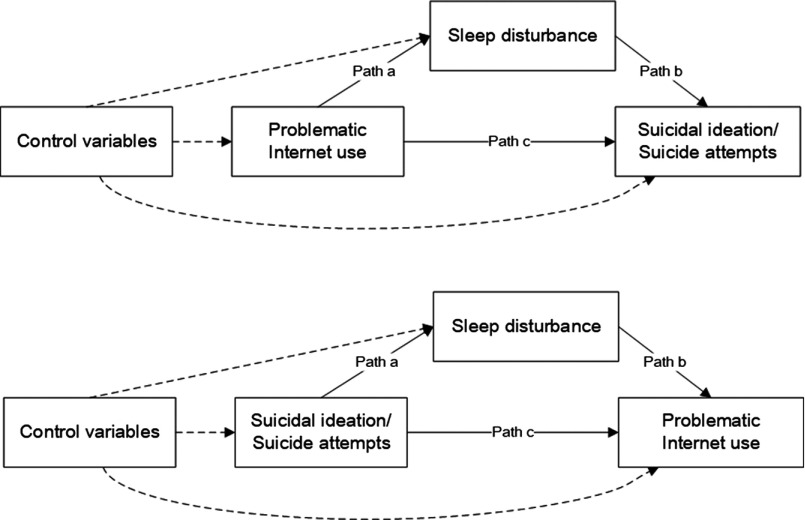
Background and aims: This large-scale study aimed to test (a) associations of problematic Internet use (PIU) and sleep disturbance with suicidal ideation and suicide attempts among Chinese adolescents and (b) whether sleep disturbance mediates the association between PIU and suicidal behavior. Methods: Data were drawn from the 2017 National School-based Chinese Adolescents Health Survey. A total of 20,895 students’ questionnaires were qualified for analysis. The Young’s Internet Addiction Test was used to assess PIU, and level of sleep disturbance was measured by the Pittsburgh Sleep Quality Index. Multilevel logistic regression models and path models were utilized in analyses. Results: Of the total sample, 2,864 (13.7%) reported having suicidal ideation, and 537 (2.6%) reported having suicide attempts. After adjusting for control variables and sleep disturbance, PIU was associated with an increased risk of suicidal ideation (AOR = 1.04, 95% CI = 1.03−1.04) and suicide attempts (AOR = 1.03, 95% CI = 1.02−1.04). Findings of the path models showed that the standardized indirect effects of PIU on suicidal ideation (standardized β estimate = 0.092, 95% CI = 0.082−0.102) and on suicide attempts (standardized β estimate = 0.082, 95% CI = 0.068−0.096) through sleep disturbance were significant. Conversely, sleep disturbance significantly mediated the association of suicidal behavior on PIU. Discussion and conclusions: There may be a complex transactional association between PIU, sleep disturbance, and suicidal behavior. The estimates of the mediator role of sleep disturbance provide evidence for the current understanding of the mechanism of the association between PIU and suicidal behavior. Possible concomitant treatment services for PIU, sleep disturbance, and suicidal behavior were recommended.
Overview
The claims and statistics of this paper haven’t been checked yet.
Run the check — free, no account needed. It reads the open-access text and checks the sources it cites.
Integrity signals
Registry
Cites
Statistics
Figures
Verification
Claims the paper makes
The claims and statistics of this paper haven’t been checked yet.
Run the check — free, no account needed. It reads the open-access text and checks the sources it cites.
Claims other papers make about this one
Each is checked against this paper’s own text: does it say what the citing paper says it does?
The source backs part of the claim, not all of it — or backs it for a different population, condition or comparison.
In the citing paper
“PIU was associated with suicide attempts, (adjusted OR 1.03, 95% CI 1.02-1.04, P <0.5) on multivariable, multilevel logistic regression”
From Social media, internet use and suicide attempts in adolescents (2019) · cites this paper as Guo, 2018
Experimental — accuracy not yet measuredThe check wasn’t confident either way, so it gives no verdict — never disputed.
In the citing paper
“Severely addicted internet users had greater risk of suicide attempt (14.0%) than moderately addicted (4.3%) and average (1.5%) internet users.”
From Social media, internet use and suicide attempts in adolescents (2019) · cites this paper as Guo, 2018
Experimental — accuracy not yet measured
Self-check
Percentages, sums and reported differences re-computed from the paper’s own numbers.
The self-check needs the paper’s full text.
Citations
Cites
Diagnostic and Statistical Manual of Mental Disorders, 5th ed.
Carter, M. J. (2014) · Therapeutic Recreation Journal · Cited by 15,154
Bias reduction of maximum likelihood estimates
FIRTH, D. (1993) · Biometrika · doi:10.1093/biomet/80.1.27 · Cited by 5,035
(1998) · Medical Entomology and Zoology · Cited by 1,425
Tsai, P.-S., Wang, S., Wang, M.-Y., Su, C.-T., Yang, T.-T., Huang, C.-J., & Fang, S. (2005) · Quality of Life Research · doi:10.1007/s11136-005-4346-x · Cited by 1,254
Internet addiction and problematic Internet use: A systematic review of clinical research
Kuss, D. J., & López-Fernández, O. (2016) · World Journal of Psychiatry · doi:10.5498/wjp.v6.i1.143 · Cited by 851
Kim, K., Ryu, E., Chon, M.-Y., Yeun, E.-J., Choi, S.-Y., Seo, J.-S., & Nam, B.-W. (2006) · International Journal of Nursing Studies · doi:10.1016/j.ijnurstu.2005.02.005 · Cited by 790
Prevalence of pathological internet use among adolescents in Europe: demographic and social factors
Durkee, T., Kaess, M., Carli, V., Parzer, P., Wasserman, C., Floderus, B., Apter, A., Balazs, J., Barzilay, S., Bobes, J., et al. (2012) · Addiction · doi:10.1111/j.1360-0443.2012.03946.x · Cited by 672
Brain activities associated with gaming urge of online gaming addiction
Ko, C.-H., Liu, G.-C., Hsiao, S., Yen, J.-Y., Yang, M.-J., Lin, W.-C., Yen, C.-F., & Chen, C.-S. (2009) · Journal of Psychiatric Research · doi:10.1016/j.jpsychires.2008.09.012 · Cited by 666 · cited 1×
“Although the underlying mechanism of the association between PIU and suicidal behavior is still unclear, evidence suggests that individuals with additive disorder share similar personality characteristics and reward-related neurocircuitry or genetic traits with those who possess psychiatric disorder (Hammond, Mayes, &…”
BackgroundThe association between internet addiction and psychiatric co-morbidity: a meta-analysis
Ho, R., Zhang, M. W., Tsang, T. Y., Toh, A. H., Pan, F., Lu, Y., Cheng, C., Yip, P. S. F., Lam, L. T.-M., Lai, C. M., et al. (2014) · BMC Psychiatry · doi:10.1186/1471-244x-14-183 · Cited by 611
Epidemiology of Internet Behaviors and Addiction Among Adolescents in Six Asian Countries
Mak, K.-K., Lai, C.-M., Watanabe, H., Kim, D.-I., Bahar, N., Ramos, M. S., Young, K., Ho, R. C. M., Aum, N.-R., & Cheng, C. (2014) · Cyberpsychology, Behavior, and Social Networking · doi:10.1089/cyber.2014.0139 · Cited by 456
Research works printed but not linked: 52
- Seok, 2015, Neural substrates of risky decision making in individuals with Internet addiction, The Australian and New Zealand Journal of Psychiatry,, 49,, 923, 10.1177/0004867415598009 · DOI · Paper page
- Kim, 2006, Internet addiction in Korean adolescents and its relation to depression and suicidal ideation: A questionnaire survey, International Journal of Nursing Studies,, 43, 185, 10.1016/j.ijnurstu.2005.02.005 · DOI · Paper page
- Xin, 2018, Online activities, prevalence of Internet addiction and risk factors related to family and school among adolescents in China, Addictive Behaviors Reports,, 7,, 14, 10.1016/j.abrep.2017.10.003 · DOI
- Tsai, 2005, Psychometric evaluation of the Chinese version of the Pittsburgh Sleep Quality Index (CPSQI) in primary insomnia and control subjects, Quality of Life Research,, 14, 1943, 10.1007/s11136-005-4346-x · DOI
- Lai, 2013, Psychometric properties of the Internet Addiction Test in Chinese adolescents, Journal of Pediatric Psychology,, 38, 794, 10.1093/jpepsy/jst022 · DOI
- Mak, 2014, Epidemiology of Internet behaviors and addiction among adolescents in six Asian countries, Cyberpsychology, Behavior and Social Networking,, 17, 720, 10.1089/cyber.2014.0139 · DOI
- Guo, 2016, Association between nonmedical use of prescription drugs and suicidal behavior among adolescents, JAMA Pediatrics,, 170,, 971, 10.1001/jamapediatrics.2016.1802 · DOI
- Wang, 2014, The nonmedical use of prescription medicines among high school students: A cross-sectional study in Southern China, Drug and Alcohol Dependence,, 141,, 9, 10.1016/j.drugalcdep.2014.04.004 · DOI
- Park, 2008, Prevalence of Internet addiction and correlations with family factors among South Korean adolescents, Adolescence,, 43, 895
- Lin, 2018, Positive outcome expectancy mediates the relationship between social influence and Internet addiction among senior high-school students, Journal of Behavioral Addictions, 10.1556/2006.7.2018.56 · DOI
- Ramo, 2012, Reliability and validity of young adults’ anonymous online reports of marijuana use and thoughts about use, Psychology of Addictive Behaviors,, 26, 801, 10.1037/a0026201 · DOI
- Wang, 2014, Firth logistic regression for rare variant association tests, Frontiers in Genetics,, 5,, 187, 10.3389/fgene.2014.00187 · DOI
- Nrugham, 2008, Specific depressive symptoms and disorders as associates and predictors of suicidal acts across adolescence, Journal of Affective Disorders,, 111, 83, 10.1016/j.jad.2008.02.010 · DOI
- Bernert, 2015, Sleep disturbances as an evidence-based suicide risk factor, Current Psychiatry Reports,, 17, 554, 10.1007/s11920-015-0554-4 · DOI · Paper page
- Guo, 2015, Non-medical use of prescription pain relievers among high school students in China: A multilevel analysis, BMJ Open,, 5,, e7569, 10.1136/bmjopen-2014-007569 · DOI
- Yau, 2013, Problematic Internet use, mental health and impulse control in an online survey of adults, Journal of Behavioral Addictions,, 2, 72, 10.1556/JBA.1.2012.015 · DOI
- Guo, 2014, Prevalence and correlates of sleep disturbance and depressive symptoms among Chinese adolescents: A cross-sectional survey study, BMJ Open,, 4, e5517, 10.1136/bmjopen-2014-005517 · DOI
- Kormas, 2011, Risk factors and psychosocial characteristics of potential problematic and problematic Internet use among adolescents: A cross-sectional study, BMC Public Health,, 11, 595, 10.1186/1471-2458-11-595 · DOI · Paper page
- Ko, 2009, Brain activities associated with gaming urge of online gaming addiction, Journal of Psychiatric Research,, 43, 739, 10.1016/j.jpsychires.2008.09.012 · DOI · Paper page
- Guo, 2017, Association between sleep duration, suicidal ideation, and suicidal attempts among Chinese adolescents: The moderating role of depressive symptoms, Journal of Affective Disorders,, 208,, 355, 10.1016/j.jad.2016.10.004 · DOI
- Guo, 2018, Associations of childhood maltreatment with single and multiple suicide attempts among older Chinese adolescents, The Journal of Pediatrics,, 196,, 244, 10.1016/j.jpeds.2018.01.032 · DOI
- Yoshimasu, 2008, Suicidal risk factors and completed suicide: Meta-analyses based on psychological autopsy studies, Environmental Health and Preventive Medicine,, 13, 243, 10.1007/s12199-008-0037-x · DOI · Paper page
- Kohyama, 2011, Sleep, serotonin, and suicide in Japan, Journal of Physiological Anthropology,, 30, 1, 10.2114/jpa2.30.1 · DOI
- Moreno, 2011, Problematic Internet use among US youth: A systematic review, Archives of Pediatrics & Adolescent Medicine,, 165, 797, 10.1001/archpediatrics.2011.58 · DOI
- Cao, 2011, Problematic Internet use in Chinese adolescents and its relation to psychosomatic symptoms and life satisfaction, BMC Public Health,, 11, 802, 10.1186/1471-2458-11-802 · DOI
- Wong, 2013, Accessing suicide-related information on the Internet: A retrospective observational study of search behavior, Journal of Medical Internet Research,, 15, e3, 10.2196/jmir.2181 · DOI
- Firth, 1993, Bias reduction of maximum likelihood estimates, Biometrika,, 80, 27, 10.1093/biomet/80.1.27 · DOI · Paper page
- Milani, 2009, Quality of interpersonal relationships and problematic Internet use in adolescence, CyberPsychology & Behavior,, 12, 681, 10.1089/cpb.2009.0071 · DOI
- Guo, 2016, Alcohol use and alcohol-related problems among adolescents in China: A large-scale cross-sectional study, Medicine (Baltimore),, 95, e4533, 10.1097/MD.0000000000004533 · DOI
- Khurshid, 2018, Comorbid insomnia and psychiatric disorders: An update, Innovations in Clinical Neuroscience,, 15,, 28
- Pan, 2018, Internet addiction among adolescents may predict self-harm/suicidal behavior: A prospective study, The Journal of Pediatrics,, 197,, 262, 10.1016/j.jpeds.2018.01.046 · DOI
- Wang, 2011, Problematic Internet use in high school students in Guangdong Province, China, PLoS One,, 6, e19660, 10.1371/journal.pone.0019660 · DOI
- Young, 2012, Internet addiction: A handbook and guide to evaluation and treatment, 1
- Krystal, 2012, Psychiatric disorders and sleep, Neurologic Clinics,, 30, 1389, 10.1016/j.ncl.2012.08.018 · DOI · Paper page
- Ekinci, 2014, Association between Internet use and sleep problems in adolescents, Nöro Psikiyatri Arşivi,, 51,, 122, 10.4274/npa.y6751 · DOI
- Kuss, 2016, Internet addiction and problematic Internet use: A systematic review of clinical research, World Journal of Psychiatry,, 6,, 143, 10.5498/wjp.v6.i1.143 · DOI
- Islamie, 2016, Some facts on problematic Internet use and sleep disturbance among adolescents, Iran Journal of Public Health,, 45, 1531
- Ho, 2014, The association between Internet addiction and psychiatric co-morbidity: A meta-analysis, BMC Psychiatry,, 14, 183, 10.1186/1471-244X-14-183 · DOI
- Bernert, 2007, Sleep disturbances and suicide risk: A review of the literature, Neuropsychiatric Disease and Treatment,, 3, 735, 10.2147/NDT.S1248 · DOI
- Durkee, 2012, Prevalence of pathological Internet use among adolescents in Europe: Demographic and social factors, Addiction,, 107, 2210, 10.1111/j.1360-0443.2012.03946.x · DOI · Paper page
- Okan, 2016, The investigation of factors related to suicide attempts in Southeastern Turkey, Neuropsychiatric Disease and Treatment,, 12,, 407, 10.2147/NDT.S97471 · DOI
- Park, 2013, The association between problematic Internet use and depression, suicidal ideation and bipolar disorder symptoms in Korean adolescents, The Australian and New Zealand Journal of Psychiatry,, 47,, 153, 10.1177/0004867412463613 · DOI
- Jaworska, 2015, Adolescence as a unique developmental period, Journal of Psychiatry & Neuroscience,, 40, 291, 10.1503/jpn.150268 · DOI · Paper page
- Cheng, 2015, Internet addiction and psychosocial maladjustment: Avoidant coping and coping inflexibility as psychological mechanisms, Cyberpsychology, Behavior and Social Networking,, 18, 539, 10.1089/cyber.2015.0121 · DOI
- Hammond, 2014, Neurobiology of adolescent substance use and addictive behaviors: Treatment implications, Adolescent Medicine: State of the Art Reviews,, 25, 15
- Wu, 2013, Prevalence and factors of addictive Internet use among adolescents in Wuhan, China: Interactions of parental relationship with age and hyperactivity-impulsivity, PLoS One,, 8, e61782, 10.1371/journal.pone.0061782 · DOI
- Young, 1998, Caught in the Net: How to recognize the signs of Internet addiction and a winning strategy for recovery
- Sha, 2018, Suicide rates in China, 2004–2014: Comparing data from two sample-based mortality surveillance systems, BMC Public Health,, 18, 239, 10.1186/s12889-018-5161-y · DOI
- Becker, 2004, Parasuicide online: Can suicide websites trigger suicidal behaviour in predisposed adolescents?, Nordic Journal of Psychiatry,, 58, 111, 10.1080/08039480410005602 · DOI
- Young, 2012, Internet addiction: A handbook and guide to evaluation and treatment, 1
- Meltzer, 2012, The influence of disability on suicidal behaviour, ALTER – European Journal of Disability Research/Revue Européenne de Recherche sur le Handicap,, 6, 1, 10.1016/j.alter.2011.11.004 · DOI
- Falbo, 1994, How and why the one-child policy works in China, Advances in Population,, 2,, 205
Cited by
Sorted by citations
Systematic review and meta-analysis of epidemiology of internet addiction
Pan, Y.-C., Chiu, Y.-C., & Lin, Y.-H. (2020) · Neuroscience & Biobehavioral Reviews · doi:10.1016/j.neubiorev.2020.08.013 · Cited by 477
Social media, internet use and suicide attempts in adolescents
Sedgwick, R., Epstein, S., Dutta, R., & Ougrin, D. (2019) · Current Opinion in Psychiatry · doi:10.1097/yco.0000000000000547 · Cited by 260
Internet Addiction Increases in the General Population During COVID‐19: Evidence From China
Li, Y., Sun, Y., Meng, S., Bao, Y., Cheng, J., Chang, X., Ran, M., Sun, Y., Kosten, T. R., Strang, J., et al. (2021) · American Journal on Addictions · doi:10.1111/ajad.13156 · Cited by 217
“The Internet brings a wide variety of information and provides a convenient platform for communication, and Internet use has grown significantly in the recent two decades.(1) As of March 2020, approximately 4.”
BackgroundDresp, B., & Hutt, A. (2022) · International Journal of Environmental Research and Public Health · doi:10.3390/ijerph19116910 · Cited by 230
“to daylight, healthy exercise, eating patterns, and mood-regulated social activities [58].”
BackgroundKato, T. A., Shinfuku, N., & Tateno, M. (2020) · Current Opinion in Psychiatry · doi:10.1097/yco.0000000000000601 · Cited by 173
Shen, Y., Wang, L., Huang, C., Guo, J., Leon, S. A. D., Lu, J., Luo, X., & Zhang, X. Y. (2020) · Journal of Affective Disorders · doi:10.1016/j.jad.2020.10.054 · Cited by 94
Associations Among Screen Time, Sleep Duration and Depressive Symptoms Among Chinese Adolescents.
Wang, W.-X., Du, X., Guo, Y.-F., Li, W., Zhang, S., Zhang, W.-H., McIntyre, R., Tamura, J. K., Guo, L., & Lu, C.-Y. (2021) · Journal of Affective Disorders · doi:10.1016/j.jad.2021.01.082 · Cited by 65
Self-citationMamun, M. A., Rayhan, I., Akter, K., & Griffiths, M. D. (2020) · International Journal of Mental Health and Addiction · doi:10.1007/s11469-020-00403-z · Cited by 81
“…and indirect roles in suicide and suicidal behaviors via associated behaviors such as emotional distress and sleep disturbance (Becker et al. 2004; Cheng et al. 2015; Guo et al. 2018; Jasso-Medrano and Lopez-Rosales 2018; Kim et al. 2019; Luxton et al. 2012; Mok et al. 2015; Wong et al. 2013).”
BackgroundInfluentialLee, S., Kim, M. S., & Lee, H. K. (2019) · Current Addiction Reports · doi:10.1007/s40429-019-00265-z · Cited by 56
Cao, R., Gao, T., Ren, H., Hu, Y., Qin, Z., Liang, L., & Mei, S. (2020) · Psychology Health & Medicine · doi:10.1080/13548506.2020.1770814 · Cited by 56
“These findings are consistent with the conclusions drawn from previous empirical studies (Bhandari et al., 2017; Guo et al., 2018; Wu et al., 2015).”
ResultThe effect of Internet addiction on sleep quality in adolescents
Çelebioğlu, A., Özdemir, A. A., Küçükoğlu, S., & Ayran, G. (2020) · Journal of Child and Adolescent Psychiatric Nursing · doi:10.1111/jcap.12287 · Cited by 60
Wang, Q., Mati, K. A., & Cai, Y. (2021) · BMC Psychiatry · doi:10.1186/s12888-021-03105-5 · Cited by 53
Internet use and internet-based addictive behaviours during coronavirus pandemic
Petrović, Z. K., Peraica, T., Kozarić‐Kovačić, D., & Palavra, I. R. (2022) · Current Opinion in Psychiatry · doi:10.1097/yco.0000000000000804 · Cited by 49
Huang, Y., Xu, L., Mei, Y., Wei, Z., Wen, H., & Liu, D. (2020) · Psychiatry Research · doi:10.1016/j.psychres.2020.112963 · Cited by 48
Peng, C., Wang, M., Cheng, J., Tan, Y., Huang, Y., Rong, F., Kang, C., Ding, H., & Yu, Y. (2021) · Computers in Human Behavior · doi:10.1016/j.chb.2021.106949 · Cited by 51
Yu, Y., Liu, J., Skokauskas, N., Liu, F., Zhang, L., Teng, T., Zou, Y., Lyu, Q., Liu, R., Liu, X., et al. (2023) · Asia-Pacific Psychiatry · doi:10.1111/appy.12523 · Cited by 46
“In addition, Liu et al. (2018) reported that the prevalence of anxiety symptoms was 7% in a sample of 50 361 young people in rural China.”
BackgroundInfluentialLu, L., Jian, S., Dong, M., Gao, J., Zhang, T., Chen, X., Zhang, Y., Shen, H., Chen, H., Gai, X., et al. (2020) · Epidemiology and Psychiatric Sciences · doi:10.1017/s2045796020000682 · Cited by 48
Ma, Y., Li, Y., Xie, X., Zhang, Q., Ammerman, B. A., Lewis, S. P., Chen, R., Yu, Y., Li, F., & Tang, J. (2023) · BMC Psychiatry · doi:10.1186/s12888-023-04754-4 · Cited by 40
“Similarly, Guo and colleagues conducted a study of 20,895 adolescents, and found that sleep disturbance mediated the association between problematic internet use and suicidal behaviors [41].”
BackgroundResultLusar, A. C., Díaz-Moreno, A., Bonilla, I., Cladellas, R., Griffiths, M. D., Gómez-Romero, M. J., & Limonero, J. T. (2024) · BMC Public Health · doi:10.1186/s12889-024-17860-z · Cited by 56
“The use of new technologies has been added to the many risk factors [33, 2, 34–36] because their use is associated with isolation [37] and depression [38–39], as well as facilitating interaction with other individuals experiencing suicidal ideation or having access to information regarding suicide…”
Sleep difficulties and suicidality in youth: current research and future directions
Goldstein, T. R., & Franzen, P. L. (2019) · Current Opinion in Psychology · doi:10.1016/j.copsyc.2019.08.021 · Cited by 40
Altered core networks of brain connectivity and personality traits in internet gaming disorder
Chun, J., Park, C.-H., Kim, J.-Y., Choi, J., Cho, H., Jung, D. J., Ahn, K. J., Choi, J., Kim, D., & Choi, I. Y. (2020) · Journal of Behavioral Addictions · doi:10.1556/2006.2020.00014 · Cited by 38
“For example, problematic Internet use was associated with the risk of comorbidities, such as ADHD (Lemenager et al., 2018), or suicidal ideation (Guo et al., 2018).”
BackgroundInternet use, depression, and cognitive outcomes among Chinese adolescents
Zhou, M., & Ding, X. (2021) · Journal of Community Psychology · doi:10.1002/jcop.22779 · Cited by 37
Impact of digital addiction on youth health: A systematic review and meta-analysis
Shiferaw, B. D., Tang, J., Wang, Y., Wang, Y., Wang, Y., Mackay, L. E., Luo, Y., Yan, N., Shen, X., Zhou, T., et al. (2025) · Journal of Behavioral Addictions · doi:10.1556/2006.2025.00081 · Cited by 57
“…et al., 2023; Buke et al., 2021; Chung et al., 2018; Do et al., 2017; Esen et al., 2021; Fernández-Villa et al., 2015; Garakani et al., 2021; L. Guo et al., 2018; Jeong et al., 2023; Liu et al., 2024; Mayerhofer et al., 2024; Onukwuli et al., 2023; Peltzer et al., 2014 (Borges et al., 2023;…”
InfluentialSelf-citationDíaz, I. A., Kopecký, K., Rodríguez, J. M. R., Reche, M. P. C., & Torres, J. M. T. (2020) · Investigación Bibliotecológica Archivonomía Bibliotecología e Información · doi:10.22201/iibi.24488321xe.2020.82.58118 · Cited by 46
Choukas‐Bradley, S., Kilic, Z., Stout, C. D., & Roberts, S. R. (2023) · Advances in Psychiatry and Behavioral Health · doi:10.1016/j.ypsc.2023.03.007 · Cited by 36
Wang, W., Du, X., Guo, Y., Li, W., Zhang, S., Guo, L., & Lu, C. (2021) · PeerJ · doi:10.7717/peerj.10839 · Cited by 33
“There is evidence demonstrating the indirect effect of sleeping quality on the association between excessive Internet use and mental disorders among adolescents (An et al., 2014; Guo et al., 2018).”
BackgroundResultInfluentialSelf-citationCheng, J., Peng, C., Rong, F., Wang, Y. C., Tan, Y., & Yu, Y. (2024) · Journal of Behavioral Addictions · doi:10.1556/2006.2023.00078 · Cited by 32
“For instance, Guo et al. observed that Chinese boys had lower risks of suicidal ideation (OR 5 0.61, 95% CI: 0.57 – 0.67) and suicide attempts (OR 5 0.67, 95% CI: 0.56 – 0.79) than Chinese girls (Guo et al., 2018).”
BackgroundMethodInfluentialPeng, C., Guo, T., Cheng, J., Wang, M., Rong, F., Zhang, S., Tan, Y., Ding, H., Wang, Y., & Yu, Y. (2022) · Journal of Affective Disorders · doi:10.1016/j.jad.2022.06.026 · Cited by 35
Fan, T., Twayigira, M., Song, L., Luo, X., Huang, C., Gao, X., & Shen, Y. (2023) · Frontiers in Public Health · doi:10.3389/fpubh.2023.1172109 · Cited by 31
“Moreover, as previously highlighted that there is a significant association of childhood trauma and the risk of suicidal ideation and attempted suicide (44), studies have shown that IA have a striking mediating effect on in this association (15).”
BackgroundSelf-citationMilasauskiene, E., Burkauskas, J., Podlipskytė, A., Király, O., Demetrovics, Z., Ambrasas, L., & Steiblienė, V. (2021) · Frontiers in Psychology · doi:10.3389/fpsyg.2021.685137 · Cited by 31
“, 2021) but also with suicidal behavior mediated by sleep disturbances (Guo et al., 2018).”
BackgroundZhang, Y., Wang, D., Ma, Z., Liu, W., Su, Y., Wang, W. J., You, Z., & Fan, F. (2023) · Journal of Affective Disorders · doi:10.1016/j.jad.2023.10.081 · Cited by 29
Self-citationZheng, M.-R., Wu, X.-D., Chen, P.-P., Si, T. L., Rao, S.-Y., Zhu, H.-Y., Su, Z.-H., Cheung, T., Ng, C. H., & Xiang, Y.-T. (2025) · Asian Journal of Psychiatry · doi:10.1016/j.ajp.2025.104458 · Cited by 28
Peng, C., Wang, M., Cheng, J., Tan, Y., Huang, Y., Rong, F., Kang, C., Ding, H., Wang, Y., & Yu, Y. (2021) · Epidemiology and Psychiatric Sciences · doi:10.1017/s2045796021000524 · Cited by 26
Wei, Q., Zhang, S., Pan, Y., Hu, H., Chen, F., Yin, W., Lin, Q., Pan, S., Tham, C., & Wu, J. (2022) · BMC Psychiatry · doi:10.1186/s12888-022-03894-3 · Cited by 27
Tomczyk, Ł., & Solecki, R. (2019) · Educational Sciences Theory & Practice · doi:10.12738/estp.2019.3.001 · Cited by 24
Huang, Y., Xu, L., Kuang, L., Wang, W., Cao, J., & Xiao, M.-N. (2020) · Neural Regeneration Research · doi:10.4103/1673-5374.274346 · Cited by 22
Self-citationLan, X., & Wang, W. (2020) · International Journal of Environmental Research and Public Health · doi:10.3390/ijerph17238933 · Cited by 22
Self-citationGoldstein, T. R., & Franzen, P. L. (2022) · Current Sleep Medicine Reports · doi:10.1007/s40675-022-00222-9 · Cited by 26
Garg, S., Kharb, A., Verma, D., Antil, R., Khanna, B., Sihag, R., & Lamba, D. (2023) · General Psychiatry · doi:10.1136/gpsych-2022-100997 · Cited by 23
“Future research should look at other psychological traits that may be linked to suicidal behaviour because students are prone to internal psychological transitions and external inter-personal adjustments.”
Zhao, D., Li, J., Hao, W., Yuan, Y., Yu, C., Jing, Z., Wang, Y., Fu, P., & Zhou, C. (2020) · Aging · doi:10.18632/aging.103857 · Cited by 21
“Other studies showed that sleep quality also played a mediating role on SI, such as the relationship between school climate and SI, problematic Internet use and suicidal behavior [27, 28].”
BackgroundGull, M., & Sravani, B. R. (2024) · Children and Youth Services Review · doi:10.1016/j.childyouth.2024.107886 · Cited by 33
Wu, H., Ji, J.-M., Qian, Y., Jin, X., Yu, H.-R., Liu, X., Du, L., Fu, X., & Chen, H. (2022) · Psychiatry Research · doi:10.1016/j.psychres.2022.114603 · Cited by 18
Messena, M., & Everri, M. (2022) · Clinical Child Psychology and Psychiatry · doi:10.1177/13591045221127886 · Cited by 27
Usubini, A. G., Terrone, G., Varallo, G., Cattivelli, R., Plazzi, G., Castelnuovo, G., Schimmenti, A., Musetti, A., & Franceschini, C. (2022) · Nature and Science of Sleep · doi:10.2147/nss.s346485 · Cited by 17
Zhao, X., Lukito, S., Huang, X., Qiu, C., & Tang, W. (2022) · Journal of Affective Disorders · doi:10.1016/j.jad.2022.12.040 · Cited by 17
Duran, Ş., & Alemdar, D. K. (2023) · Journal of Pediatric Nursing · doi:10.1016/j.pedn.2023.10.009 · Cited by 17
Fan, B., Wang, W., Wang, T., Xie, B., Zhang, H., Liao, Y., Lu, C., & Guo, L. (2020) · International Journal of Environmental Research and Public Health · doi:10.3390/ijerph17030774 · Cited by 14
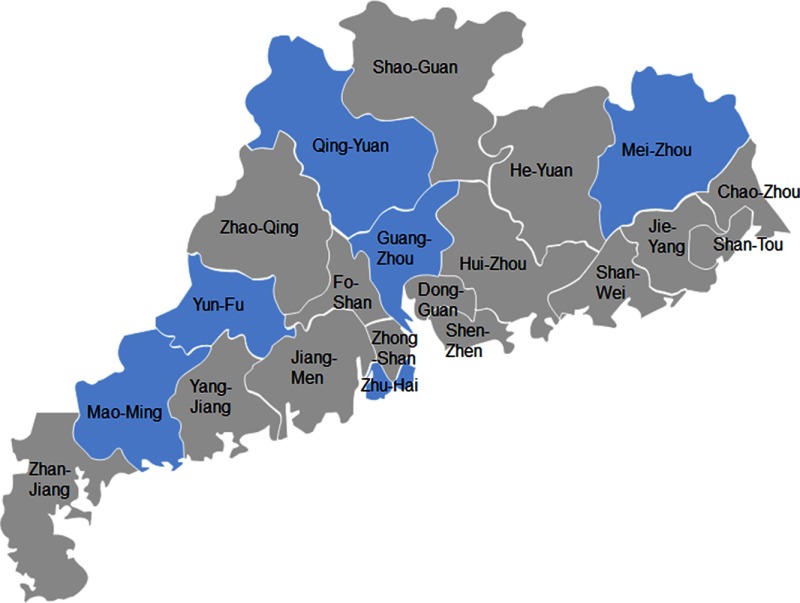
“The 2017 SCAHS utilized a multi-stage stratified cluster random sampling method to recruit a representative sample of adolescents in Guangdong province, and the procedures for data collection have been described in detail in previous publications [21].”
MethodSelf-citationPan, Z., & Zhang, D. (2022) · Sleep Medicine · doi:10.1016/j.sleep.2022.04.026 · Cited by 14
Zheng, Y., Xiao, L., Wang, H., Chen, Z., & Wang, G. (2022) · Frontiers in Psychiatry · doi:10.3389/fpsyt.2022.895892 · Cited by 14
“In a large-scale study by Lan Guo, problematic Internet use was related to suicidal ideation or attempts (11), and we wondered if an association could be found between NSSI and mobile phone use likewise.”
BackgroundÖzarıcı, E., & SÖGÜT, S. C. (2021) · Perspectives In Psychiatric Care · doi:10.1111/ppc.12872 · Cited by 15
Wang, Y., Xu, J., & Xie, T. (2022) · Frontiers in Public Health · doi:10.3389/fpubh.2022.934306 · Cited by 17
“It’s acknowledged that internet overuse and problematic internet use are associated with lifestyle behaviors such as sedentary behavior (111), lack of exercise (75), sleep disturbance (112), eating disorder (113).”
BackgroundProblematic internet use and safety behavior: The moderating role of safety climate
Ghasemi, F., Aghaei, H., & Nikravesh, A. (2022) · PLoS ONE · doi:10.1371/journal.pone.0279767 · Cited by 13
“[52] found that PIU can increase the risk of suicidal behavior.”
BackgroundTsegay, L., Tesfaye, G., & Ayano, G. (2020) · Psychiatric Quarterly · doi:10.1007/s11126-020-09790-x · Cited by 13
He, X., Chen, S. E., Yu, Q., Yang, P., & Yang, B. (2024) · Frontiers in Psychiatry · doi:10.3389/fpsyt.2024.1484809 · Cited by 16
Peng, P., Chen, Z., Ren, S., Liu, Y., Li, J., Liao, A., Zhao, L., He, R., Liang, Y., Tan, Y., et al. (2025) · European Child & Adolescent Psychiatry · doi:10.1007/s00787-025-02675-z · Cited by 12
“Consistent with prior studies on internet addiction and smartphone addiction [ 21–23], we found that sleep disturbance partially mediated the relationship between IGD and suicidal risk.”
Liu, C., Liu, Y., Liu, C., Lin, R., Wang, X., Zhang, X., Wu, Y., & Wang, D. (2025) · Journal of Medical Internet Research · doi:10.2196/57907 · Cited by 11
“Existing evidence has suggested that sleep disturbance may be a potential pathway through which PIU affects mental health [79,80].”
Sleep disturbance and quality of life among university freshmen in Qinghai–Tibet Plateau of China
Zhang, T., Lu, L., Ren, Y.-M., Liu, Y., Hynek, K. A., Gao, J., Chen, H., Shen, H., Gai, X., Dang, Z.-C., et al. (2022) · Frontiers in Psychiatry · doi:10.3389/fpsyt.2022.996996 · Cited by 10
“The association between Internet dependence and sleep disturbance was also reported among Japanese adolescents (43) and another large-scale study among Chinese adolescents (44).”
BackgroundWang, J., Zhang, H., Tian, D., An, Y., Wang, Y., & Zheng, Y. (2024) · BMC Public Health · doi:10.1186/s12889-024-20386-z · Cited by 10
“The excessive use of the internet by adolescents has received widespread attention due to its negative effects on health [71, 72].”
BackgroundDigital divides in China: evidence from CGSS2005–2021
Zhao, Y., & Kuang, M. (2025) · Chinese Sociological Review · doi:10.1080/21620555.2025.2475430 · Cited by 10
Li, J., Wang, D., Bai, S., & Yang, W. (2025) · PLoS ONE · doi:10.1371/journal.pone.0314211 · Cited by 15
“The sample size determination was informed by prior smartphone addiction intervention studies [31,32] and feasibility constraints.”
Possible sleep bruxism and biological rhythm in school children
Marceliano, C. R. V., & Gavião, M. B. D. (2023) · Clinical Oral Investigations · doi:10.1007/s00784-023-04900-y · Cited by 10
“Previous studies report that possible sleep bruxism is more common in children with sleep deprivation and microarousals [54, 55].”
BackgroundInfante, J. A. C., Romero, M., Amaya, P. M. D. C., Lara, D. C. I., & Saravia, H. E. M. (2022) · ALERTA Revista Científica del Instituto Nacional de Salud · doi:10.5377/alerta.v5i1.11247 · Cited by 9
Liu, L., Tian, Y., Fan, H., Wang, J., Chen, C., Liu, Z., Geng, F., Mo, D., Luo, X., Wen, X., et al. (2024) · BMC Psychiatry · doi:10.1186/s12888-024-06357-z · Cited by 9
Интернет и самоповреждения подростков: кто виноват – что делать
Любов, Е. Б., & Zotov, P. B. (2019) · Суицидология · doi:10.32878/suiciderus.19-10-03(36)-3-18 · Cited by 7
Problematic Internet Use and Suicidal Behavior in Adolescents: A Review
Jolin, E. M., & Weller, R. A. (2023) · Annals of Clinical Psychiatry · doi:10.12788/acp.0119 · Cited by 10
Damanik, M. P., Nugroho, A. C., Mahmudah, D., & Purwaningsih, E. H. (2020) · Jurnal Studi Komunikasi dan Media · doi:10.31445/jskm.2020.3575 · Cited by 7
The Biopsychosocial Impact of Abusive Use of Digital Media
Martins, G. D. G., Caricati, V. V., BARBUGLI, B. C., Ribeiro, C. M. D. S., Lobato, F. B. H., Scatena, A., Lessa, R. T., de MICHELI, D., & Andrade, A. L. M. (2021) · Springer eBooks · doi:10.1007/978-3-030-62855-0_33 · Cited by 6
Tsai, Y., Chuang, T.-J., Mudiyanselage, S. P. K., Ku, H., Wu, Y., Li, C., & Ko, N. (2023) · Journal of Affective Disorders · doi:10.1016/j.jad.2023.10.045 · Cited by 6
Jin, L., Pan, C., Li, D., Zhang, T., Zhao, C.-H., & Wu, Y. (2025) · International Journal of Mental Health Promotion · doi:10.32604/ijmhp.2025.057962 · Cited by 6
“In more severe instances, it can also precipitate the development of PIU or Internet addiction [59].”
Zhang, J., Mi, L., Zhao, J., Chen, H., Wang, D., Ma, Z., & Fan, F. (2022) · Frontiers in Psychiatry · doi:10.3389/fpsyt.2022.830383 · Cited by 6
“Emerging evidence have revealed relationships between different aspects of lifestyle and insomnia, such as food intake (18, 19), exercise (20–22), and Internet use (23, 24).”
BackgroundPetrović, Z. K., Peraica, T., Blažev, M., & Kozarić‐Kovačić, D. (2023) · Frontiers in Psychiatry · doi:10.3389/fpsyt.2023.1227182 · Cited by 6
“In the last two decades, the use of the Internet has significantly increased (27), especially between 2020 and 2022 (28).”
BackgroundLin, Y., Ren, Y., Barnhart, W. R., Cui, T., Zhang, J., & He, J. (2023) · International Journal of Mental Health and Addiction · doi:10.1007/s11469-023-01212-w · Cited by 5
“PUI shows high prevalence rates, ranging from 18.3% to 50.4% in adolescents (Guo et al., 2018; Xin et al., 2018), and is linked to various negative mental health outcomes such as psychological distress, loneliness, and suicidality (Cai et al., 2023).”
InfluentialNeural response to rewards in youths with insomnia
Ling, J., Lin, X., Li, X., Chan, N. Y., Zhang, J., Wing, Y. K., Hu, X., & Li, S. X. (2021) · SLEEP · doi:10.1093/sleep/zsab238 · Cited by 5
Pontes, H. M., Satel, J., & McDowall, A. (2022) · Studies in neuroscience, psychology and behavioral economics · doi:10.1007/978-3-031-04772-5_5 · Cited by 5
Wang, Y., Jiang, L., Jing, T., Chen, Q., Ma, S., Guo, J., & Wang, X. (2022) · International Journal of Mental Health and Addiction · doi:10.1007/s11469-022-00930-x · Cited by 5
“One study conducted among high school students in Guangdong Province showed that the prevalence of moderately addictive Internet use was 28.8% (Guo et al., 2018), while that was 28.4% in Chongqing municipality (Wang et al., 2019).”
InfluentialToumari, R., Ramezani-Badr, F., Bulfone, G., & Amini, K. (2023) · Journal of Multidisciplinary Care · doi:10.34172/jmdc.1132 · Cited by 4
“On the other hand, previous research has shown that the use of the Internet to reduce stress and anxiety has increased during the COVID-19 pandemic, which can directly impact the increase of the Internet and SMA (13-15).”
BackgroundInternet addiction and psychological impact on adolescents: A scoping review
Dermani, H., & Perdikaris, P. (2022) · International Journal of Biological and Pharmaceutical Sciences Archive · doi:10.53771/ijbpsa.2022.4.2.0096 · Cited by 7
Han, X., Zhang, S., Miao, S., Wu, Z., Potenza, M. N., & Su, W. (2024) · Current Addiction Reports · doi:10.1007/s40429-023-00537-9 · Cited by 4
“For example, Li et al. reported a prevalence rate of 14.1% among Chinese adolescents in 2017 [21], whereas another study reported one of 28.8% [22].”
InfluentialYang, Q., Xie, R., Wang, D., Li, J., Zhang, R., Li, W., & Ding, W. (2024) · Suicide and Life-Threatening Behavior · doi:10.1111/sltb.13046 · Cited by 5
Lü, J., Xie, J., Chen, J., Zeng, Y., Jiang, Z., Wang, Y., & Zheng, H. (2022) · Brain and Behavior · doi:10.1002/brb3.2510 · Cited by 3
“…is beneficial; however, excessive or unlimited use of the Internet may lead to Internet addiction (IA), also known as problematic Internet use (Guo et al., 2018), which may not only damage individuals’ physical andmental health (El Asam et al., 2019) but also have a serious impact on…”
BackgroundZhang, J., Jiao, C., Yu, C., Qiao, T., & Li, Z. (2021) · Frontiers in Psychology · doi:10.3389/fpsyg.2020.526290 · Cited by 4
Mihaliková, V., & Dědová, M. (2024) · Journal of Educational Sciences & Psychology · doi:10.51865/jesp.2024.1.18 · Cited by 4
“Depressive thoughts have been shown to accompany the experience of loneliness (Peerenboom et al., 2015), while also being closely linked to suicidal and self-injurious behavior (Yu et al., 2022; Guo et al., 2018; Zanus et al., 2021).”
InfluentialYe, Y., Zhang, J., Sun, Y., Xu, J., Xu, Q., & Song, C. (2025) · Frontiers in Psychiatry · doi:10.3389/fpsyt.2025.1420630 · Cited by 4
“Sleep disturbance, as a mediator variable, was described in self-regulatory resource theory and the three previous studies (23 – 26).”
Zhu, J., Hou, X., Tao, H., Lin, K., Zhou, L., & Niu, L. (2025) · Asian Journal of Psychiatry · doi:10.1016/j.ajp.2025.104718 · Cited by 3
Şanlıer, N., Özyalçın, B., Kocabaş, Ş., & Ercan, Ş. N. (2024) · Egyptian Pediatric Association Gazette · doi:10.1186/s43054-024-00322-x · Cited by 3
“In short, the harms brought by these tools seem to outweigh their benefits [1–3].”
He, J., Haoliang, Z., Kanze, L., & Shuhui, X. (2025) · Frontiers in Psychology · doi:10.3389/fpsyg.2025.1557781 · Cited by 3
Kwak, Y., Kim, H., & Ahn, J. (2022) · Iranian Journal of Public Health · doi:10.18502/ijph.v51i7.10089 · Cited by 3
“lems, such as an increased body mass index (BMI) (14) and lack of sleep (1,10,15).”
BackgroundInfluentialLi, D., Chen, J., Wu, D., & huazhan, Y. (2025) · Current Psychology · doi:10.1007/s12144-025-08775-y · Cited by 2
“However, NLE depletes individuals’ psychological resources extensively and undermines their capacity for self-control (Guo et al., 2018), thereby manifesting emotional dysregulation dur - ing socialization and triggering anxiety and panic related to interpersonal interactions (You & Qin, 2020 ).”
Luo, Y., Wang, Y., Wang, Y., Wang, Y., Yan, N., Shiferaw, B. D., Mackay, L. E., Zhang, Z., Zhang, C., & Wang, W. (2024) · Psychology Research and Behavior Management · doi:10.2147/prbm.s498396 · Cited by 2
“72 Escape, an important negative manifestation of mobile phone addiction, was associated with suicidal ideation in this study.”
Self-citationYen, C., Tsai, C., Chang, Y., & Wang, P. (2024) · Epidemiology and Psychiatric Sciences · doi:10.1017/s2045796024000635 · Cited by 2
“In addition, problematic Internet use may increase sleep disturbance (Guo et al. , 2018) and decrease quality of life (Huang et al. , 2020), leading to an increase in the risk of suicide.”
Gholamian, B., Rajabi-Vardanjani, H., & Shagholian, A. (2024) · Journal of Shahrekord University of Medical Sciences · doi:10.34172/jsums.849 · Cited by 1
Exploring suicidal ideation and its correlates among Italian adolescents: the role of sleep quality
Gesi, C., La‐Torraca‐Vittori, P., Madonia, N., Segù, M., Salvi, V., Cerveri, G., Damiani, S., Brondino, N., Politi, P., & Migliarese, G. (2025) · Sleep Medicine · doi:10.1016/j.sleep.2025.106897 · Cited by 1
Baltacı, U. B., Avşaroğlu, S., Ayhan, B., & Teke, E. (2026) · Abant İzzet Baysal Üniversitesi Eğitim Fakültesi Dergisi · doi:10.17240/aibuefd.2026..-1676598 · Cited by 1
Dullur, P., Diaz, A. M., Mohsin, M., & Jairam, R. (2026) · Australasian Psychiatry · doi:10.1177/10398562261447767 · Cited by 1
Zhuo, F., Xie, X., Hu, Z., Fang, T., Li, J., Yang, Y., & Kong, L. (2026) · Cyberpsychology Behavior and Social Networking · doi:10.1177/21522715261458453 · Cited by 1
Abdalla, A. A., Fahmy, M., Anwar, K., Hendi, A. E., Cullen, K. R., & Ibrahim, O. (2026) · Annals of General Psychiatry · doi:10.1186/s12991-026-00646-5 · Cited by 1
“Similar findings were reported in other studies, where the link between IA and self-injurious behavior was shown to be mediated by emotional and cognitive vulnerabilities rather than being a direct effect [107–109].”
Factors Influencing Sleep Disturbances in Adolescent Smokers in South Korea
Kim, S. R., Kim, J. Y., Kim, H. K., & Kim, H. Y. (2023) · Journal of Addictions Nursing · doi:10.1097/jan.0000000000000468 · Cited by 1
Wang, Y., Hall, B. J., Chen, Y., & Chen, C. (2024) · Research Square · doi:10.21203/rs.3.rs-4740201/v1 · Cited by 1
O uso de “Smartphones’ e sua influência no processo educativo no Ensino Médio
de Oliveira, M. L., de Oliveira, K. I. M., & Vieira, K. H. M. (2020) · REVISTA PONTO DE VISTA · doi:10.47328/rpv.v9i02.10848
Wei, Q., Zhang, S., Pan, Y., Hu, H., Chen, F., Yin, W., Lin, Q., Pan, S., Tham, C., & Wu, J. (2021) · Research Square · doi:10.21203/rs.3.rs-1155921/v1
Metadata
- Authors
- Guo, L., Luo, M., Wang, W.-X., Huang, G.-L., Xu, Y., Gao, X., Lu, C.-Y., & Zhang, W.-H.
- Affiliations
- Sun Yat-sen University (CN)
- 1 Department of Medical statistics and Epidemiology, School of Public Health, Sun Yat-sen University, Guangzhou, People’s Republic of China
- 3 Department of Drug Abuse Control, Center for ADR monitoring of Guangdong, Guangzhou, People’s Republic of China
- Université Libre de Bruxelles (BE)
- Venue
- Journal of Behavioral Addictions
- Publisher
- Akademiai Kiado Zrt.
- Published
- 2018-11-26
- Volume
- 7
- Issue
- 4
- Pages
- 965-975
- ISSN
- 2062-5871 (ISSN-L)
- 2063-5303
- PMC
- PMC6376369
- OpenAlex
- W2903186237
- Cited by
- 114
- References
- 60
- Citations by year
- 2026: 9 · 2025: 18 · 2024: 15 · 2023: 14 · 2022: 21 · 2021: 13 · 2020: 18 · 2019: 6
- FWCI
- 21.05
- Type
- journal article
- Language
- en
- Open access
- gold
- doi.org
- Locations
- Journal of Behavioral Addictions (publishedVersion)
- Europe PMC (PubMed Central) (publishedVersion, cc-by-nc)
- PubMed Central (publishedVersion, cc-by-nc)
- PubMed (publishedVersion)
- Repository of the Academy's Library (Library of the Hungarian Academy of Sciences) (acceptedVersion)
- Dépôt institutionnel de l'Université libre de Bruxelles (Université Libre de Bruxelles) (submittedVersion, other-oa)
- Funders
- National Natural Science Foundation of China (81761128030)
- Sun Yat-sen University
- Topics
- Social Sciences › Sociology and Political Science › Impact of Technology on Adolescents
- Social Sciences › Psychology › Clinical Psychology › Suicide and Self-Harm Studies
- Social Sciences › Psychology › Experimental and Cognitive Psychology › Sleep and related disorders
- Keywords
- problematic internet use, internet addiction, sleep disorders, suicidal ideation, suicide attempts, adolescents, mediation, Chinese adolescents
- MeSH terms
- Adolescent, Adolescent Behavior, China, Female, Health Surveys, Humans, Male, Schools, Sleep Wake Disorders, Students, Suicide, Attempted, Behavior, Addictive, Internet, Suicidal Ideation
About these checks
Registry, retraction, Cites and statistics results are computed, not judged, with one exception: a printed reference that no index lists is read once by a model before it counts as a citation error. Claims are extracted by a model and kept only when their quote appears verbatim in the text; each cited source is then checked, with a model’s help, for whether it says what the claim relies on. Those verdicts can be wrong — read the claim’s quote and the cited source before relying on one.
Statistics and arithmetic are recomputed, not judged.
Confidence bands are shown only for fields calibrated on our annotated test set. None is calibrated yet, so no band is shown.
What counts as a claim ›How we measure confidence ›How we check this ›
Are you an author, or do you see a problem with this page? Request a review
