

Potential Indirect Effects of the COVID-19 Pandemic on Use of Emergency Departments for Acute Life-Threatening Conditions — United States, January–May 2020
Open accessThe DOI matches its Crossref record; 9 of the 9 references it cites were found in a registry or an index; 9 of the 12 sources its claims cite were checked for support.
Abstract
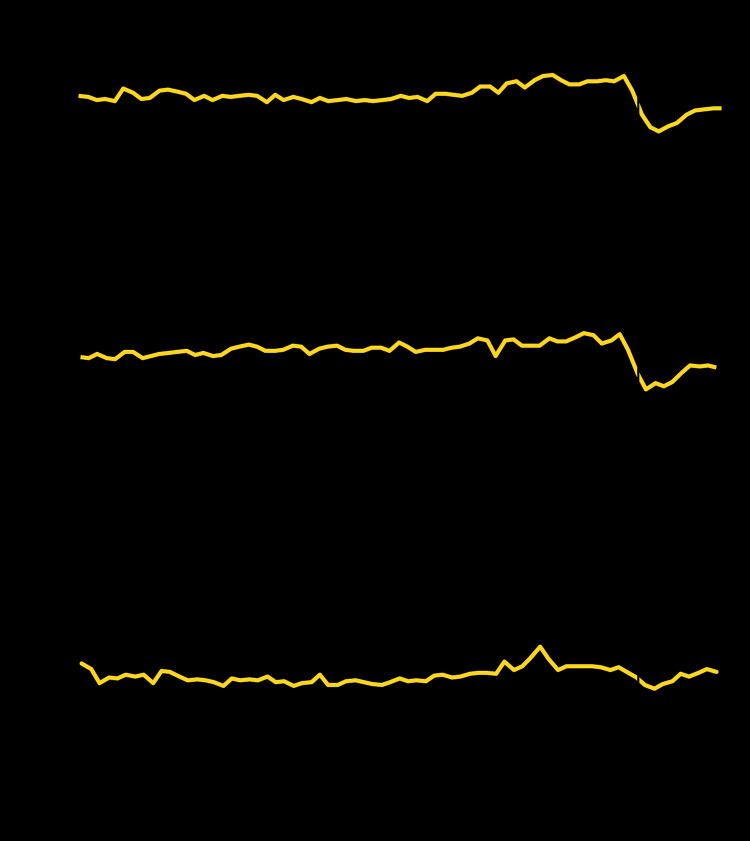
recommended that health care systems prioritize urgent visits and delay elective care to mitigate the spread of COVID-19 in health care settings. By May 2020, national syndromic surveillance data found that emergency department (ED) visits had declined 42% during the early months of the pandemic (1). This report describes trends in ED visits for three acute life-threatening health conditions (myocardial infarction [MI, also known as heart attack], stroke, and hyperglycemic crisis), immediately before and after declaration of the COVID-19 pandemic as a national emergency. These conditions represent acute events that always necessitate immediate emergency care, even during a public health emergency such as the COVID-19 pandemic. In the 10 weeks following the emergency declaration (March 15-May 23, 2020), ED visits declined 23% for MI, 20% for stroke, and 10% for hyperglycemic crisis, compared with the preceding 10-week period (January 5-March 14, 2020). EDs play a critical role in diagnosing and treating life-threatening conditions that might result in serious disability or death. Persons experiencing signs or symptoms of serious illness, such as severe chest pain, sudden or partial loss of motor function, altered mental state, signs of extreme hyperglycemia, or other life-threatening issues, should seek immediate emergency care, regardless of the pandemic. Clear, frequent, highly visible communication from public health and health care professionals is needed to reinforce the importance of timely care for medical emergencies and to assure the public that EDs are implementing infection prevention and control guidelines that help ensure the safety of their patients and health care personnel.
Overview
CoChat Summary
TL;DR
This MMWR report used National Syndromic Surveillance Program data to compare emergency department visits for myocardial infarction, stroke, and hyperglycemic crisis in two 10-week periods before and after the COVID-19 national emergency. It found substantial declines, especially for myocardial infarction and stroke, suggesting patients delayed or avoided emergency care for life-threatening conditions.
Key findings
- In the 10 weeks after the national emergency declaration (March 15–May 23, 2020) compared with the preceding 10 weeks (January 5–March 14, 2020), ED visits declined 23% for myocardial infarction (56,565 to 43,545), 20% for stroke (57,490 to 46,066), and 10% for hyperglycemic crisis (22,766 to 20,561).
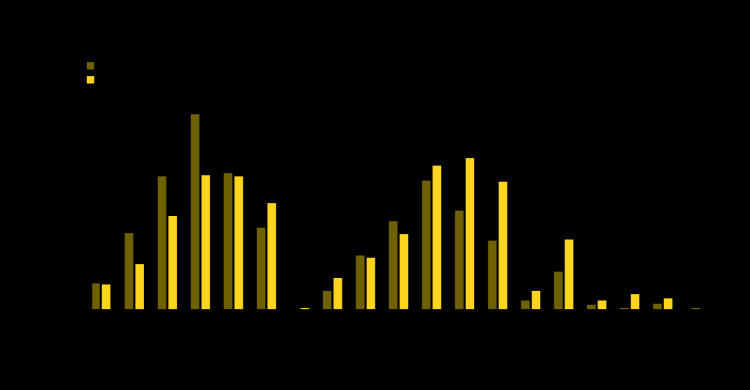
- Reductions were similar in males and females. The largest absolute decreases for myocardial infarction and stroke were in adults aged ≥65 years; for hyperglycemic crisis, the largest absolute decreases were in younger adults aged 18–44 years (419-visit decrease for men, 775 for women).
- The authors state that a short-term decline of this magnitude is biologically implausible for myocardial infarction and stroke, and unlikely for hyperglycemic crisis, suggesting patients could not access care or were delaying or avoiding care; this might partially explain excess mortality not associated with COVID-19.
Methods
- CDC used National Syndromic Surveillance Program data from week 1, 2019 through week 21, 2020, covering a subset of hospitals in 47 states and the District of Columbia, capturing approximately 73% of ED visits nationwide; analyses were limited to 1,670 EDs with consistent ≥90% completeness for patient discharge diagnosis.
- Conditions were defined by ICD-10 codes: myocardial infarction = I21–I22; stroke = I60–I61 or I63; hyperglycemic crisis = E10.1, E11.1, or E13.1, or E11.0, E13.0, E10.65, and E10.69.
- Weekly ED visit counts were compared for two 10-week periods—January 5–March 14, 2020 (weeks 2–11, prepandemic) and March 15–May 23, 2020 (weeks 12–21, early pandemic)—with absolute differences and percentage change tabulated overall and within age-sex strata using SAS version 9.4.
Limitations
- The paper states at least five limitations: NSSP coverage is not uniform across or within states and reporting hospitals change over time; conditions were defined using ICD-10 diagnosis codes, and coding practices might differ; NSSP does not capture mortality data, so it is unknown whether patients sought treatment elsewhere or died at home; final weeks might be slightly underestimated because of delayed reporting; and seasonal effects in ED visit trends might exist.
- Evident from the text: the analysis is a descriptive pre-post comparison without formal statistical testing or adjustment for confounders, so it cannot establish causality or fully distinguish care avoidance from access barriers.
Model-written summary. Check it against the paper before relying on it.
Integrity signals
Registry
Cites
Statistics
Figures
Verification
Claims the paper makes
6 Valid · 0 Not valid · 0 Not checked · 28 Own results and interpretations
Every source the paper cites for this claim was checked and supports it.
In the paper
“For example, a study of nine high-volume U.S. cardiac catheterization laboratories found a 38% decrease in activations for heart attacks during March 2020 compared with the 14 months before the pandemic (2).”
§ Potential Indirect Effects of the COVID-19 Pandemic on Use of Emergency Departments for Acute Life-Threatening Conditions — United States, January–May 2020 > Discussion
What the sources say
- Supportedcites [2] Garcia S, Albaghdadi MS, Meraj PM, Reduction in ST-segment elevation cardiac catheterization laboratory activations in the United States during COVID-19 pandemic. J Am Coll Cardiol 2020; 75: 2871– 2. 10.1016/j.jacc.2020.04.011 32283124 PMC7151384 source
The study describes nine high-volume U.S. catheterization laboratories and defines March 2020 as the comparison period against the preceding 14 months (study text, passage 1; no page listed). It reports an estimated 38% decrease in STEMI activations (study text, passage 3; no page listed). (LLM, conf=0.94)
plainstates an association- Asserted: passes — The authors put it forward as true.
- Checkable: passes — It can be checked against evidence.
- Load-bearing: unclear — It is unclear whether the paper’s conclusions depend on it.
- Based: passes — The paper gives a reason why it holds.
- Supported
Every source the paper cites for this claim was checked and supports it.
In the paper
“By May 2020, national syndromic surveillance data found that emergency department (ED) visits had declined 42% during the early months of the pandemic (1).”
What the sources say
- Supportedcites [1] Hartnett KP, Kite-Powell A, DeVies J, Impact of the COVID-19 pandemic on emergency department visits—United States, January 1, 2019–May 30, 2020. MMWR Morb Mortal Wkly Rep 2020; 69: 699– 704. 10.15585/mmwr.mm6923e1 32525856 PMC7315789 source
The report’s “What is added by this report?” section states that National Syndromic Surveillance Program ED visits declined 42% in the early pandemic period, comparing March 29–April 25, 2020, with the corresponding 2019 period. No page number is provided in our copy. “By May 2020” is consistent with reporting that earlier decline; the paper separately reports a 26% year-over-year decline for May 24–30. (LLM, conf=0.94)
plainstates an association- Asserted: passes — The authors put it forward as true.
- Checkable: passes — It can be checked against evidence.
- Load-bearing: passes — The paper’s conclusions depend on it.
- Based: passes — The paper gives a reason why it holds.
- Supported
Every source the paper cites for this claim was checked and supports it.
In the paper
“and neuroimaging data from approximately 850 U.S. hospitals indicate a 39% reduction in the number of patients who were evaluated for signs of stroke (7).”
§ Potential Indirect Effects of the COVID-19 Pandemic on Use of Emergency Departments for Acute Life-Threatening Conditions — United States, January–May 2020 > Discussion
What the sources say
- Supportedcites [7] Kansagra AP, Goyal MS, Hamilton S, Collateral effect of COVID-19 on stroke evaluation in the United States. N Eng J Med 2020. Epub May 8, 2020. PMC7233187 32383831 source
The paper reports RAPID neuroimaging data from 856 U.S. hospitals and a 39% decrease in patients undergoing imaging between the prepandemic and early-pandemic periods. It describes this as an approximately 39% decrease in patients receiving evaluations for acute stroke, while noting that imaging was a surrogate measure of care. (LLM, conf=0.94)
hedgedstates a cause- Asserted: passes — The authors put it forward as true.
- Checkable: passes — It can be checked against evidence.
- Load-bearing: unclear — It is unclear whether the paper’s conclusions depend on it.
- Based: passes — The paper gives a reason why it holds.
- Supported
A result the paper reports from its own data — it cites no other source for it, so there is none to check. The quote shows it is in the paper.
In the paper
“The absolute decrease in ED visits for hyperglycemic crisis was largest in younger adults aged 18–44 years (419-visit decrease for men, 775 for women).”
plainn = 775- Asserted: passes — The authors put it forward as true.
- Checkable: passes — It can be checked against evidence.
- Load-bearing: unclear — It is unclear whether the paper’s conclusions depend on it.
- Based: passes — The paper gives a reason why it holds.
A result the paper reports from its own data — it cites no other source for it, so there is none to check. The quote shows it is in the paper.
In the paper
“The relative decline in the number of ED visits between the prepandemic and early pandemic periods was similar across age groups for MI and stroke, whereas the decline in ED visits for hyperglycemic crisis tended to be larger among younger age groups, particularly for females (Table).”
plain- Asserted: passes — The authors put it forward as true.
- Checkable: passes — It can be checked against evidence.
- Load-bearing: unclear — It is unclear whether the paper’s conclusions depend on it.
- Based: passes — The paper gives a reason why it holds.
9 more claims
Create a free account to see all 34 claims and to verify the 1 reference still open.
- It may state two separate claims as one. 17
- Probably not a substantial claim. 6
Claims other papers make about this one
Each is checked against this paper’s own text: does it say what the citing paper says it does?
The source backs part of the claim, not all of it — or backs it for a different population, condition or comparison.
In the citing paper
“Prior studies have shown that a decrease in emergency visits for diabetes, stroke, and myocardial infarctions in all age groups coincided with a rise in mortality for these conditions (Lange, 2020).”
From Direct and indirect mortality impacts of the COVID-19 pandemic in the United States, March 1, 2020 to January 1, 2022 (2023) · cites this paper as Lange, 2020
Experimental — accuracy not yet measuredThe cited source says what the claim attributes to it.
In the citing paper
“However, the findings are consistent with reported declines in hospital admissions and ED visits during the pandemic (3–5).”
From Delay or avoidance of medical care because of COVID-19–related concerns—United States, June 2020. (2020) · cites this paper as [3]
In the citing paper
“These findings align with recent reports that hospital admissions, overall emergency department (ED) visits, and the number of ED visits for heart attack, stroke, and hyperglycemic crisis have declined since the start of the pandemic (3–5)”
From Delay or avoidance of medical care because of COVID-19–related concerns—United States, June 2020. (2020) · cites this paper as [3]
In the citing paper
“These findings align with recent reports that hospital admissions, overall emergency department (ED) visits, and the number of ED visits for heart attack, stroke, and hyperglycemic crisis have declined since the start of the pandemic (3–5), and that excess deaths directly or indirectly related to COVID-19 have increased in 2020 versus prior years (2).”
From Delay or avoidance of medical care because of COVID-19–related concerns—United States, June 2020. (2020) · cites this paper as [3]
Self-check
Percentages, sums and reported differences re-computed from the paper’s own numbers.
Each contradiction between two passages listed here was confirmed by an independent check.
Rated minor: it would not touch a result — a value no result rests on, a p-value that stays on the same side of the significance level, or a conflict that is clerical, resolved elsewhere in the paper, or outside its own findings.
In the paper
§ Potential Indirect Effects of the COVID-19 Pandemic on Use of Emergency Departments for Acute Life-Threatening Conditions — United States, January–May 2020
“remaining stable throughout the prepandemic period (Figure 1).”
§ Potential Indirect Effects of the COVID-19 Pandemic on Use of Emergency Departments for Acute Life-Threatening Conditions — United States, January–May 2020
“The number of ED visits for MI and stroke declined sharply starting at week 10 (corresponding to the week beginning March 1, 2020)”
Rated minor: it would not touch a result — a value no result rests on, a p-value that stays on the same side of the significance level, or a conflict that is clerical, resolved elsewhere in the paper, or outside its own findings.
In the paper
§ Potential Indirect Effects of the COVID-19 Pandemic on Use of Emergency Departments for Acute Life-Threatening Conditions — United States, January–May 2020 > Discussion
“NSSP identified substantial reductions in numbers of ED visits by males and females in all age groups for three potentially life-threatening conditions: MI (23% decrease), stroke (20%), and hyperglycemic crisis (10%).”
§ Potential Indirect Effects of the COVID-19 Pandemic on Use of Emergency Departments for Acute Life-Threatening Conditions — United States, January–May 2020
“§ There was a slight absolute increase in ED visits for stroke among males aged 0–17 years and for hyperglycemic crisis among females aged 75–84 years.”
Citations
Cites
Garcia, S., Albaghdadi, M. S., Meraj, P. M., Schmidt, C., Garberich, R., Jaffer, F. A., Dixon, S., Rade, J. J., Tannenbaum, M., Chambers, J., et al. (2020) · Journal of the American College of Cardiology · doi:10.1016/j.jacc.2020.04.011 · Cited by 1,194
Hartnett, K. P., Kite-Powell, A., DeVies, J., Coletta, M. A., Boehmer, T. K., Adjemian, J., Gundlapalli, A. V., & Practice, N. S. S. P. C. O. (2020) · MMWR Morbidity and Mortality Weekly Report · doi:10.15585/mmwr.mm6923e1 · Cited by 1,139
The Covid-19 Pandemic and the Incidence of Acute Myocardial Infarction
Solomon, M. D., McNulty, E. J., Rana, J. S., Leong, T. K., Lee, C., Sung, S.-H., Ambrosy, A. P., Sidney, S., & Go, A. S. (2020) · New England Journal of Medicine · doi:10.1056/nejmc2015630 · Cited by 707
Metzler, B., Siostrzonek, P., Binder, R. K., Bauer, A., & Reinstadler, S. J. (2020) · European Heart Journal · doi:10.1093/eurheartj/ehaa314 · Cited by 634
Collateral Effect of Covid-19 on Stroke Evaluation in the United States
Kansagra, A. P., Goyal, M. S., Hamilton, S., & Albers, G. W. (2020) · New England Journal of Medicine · doi:10.1056/nejmc2014816 · Cited by 432
Validity of diagnostic codes for acute stroke in administrative databases: a systematic review.
McCormick, N., Bhole, V., Lacaille, D., & Avina-Zubieta, J. A. (2015) · PLoS ONE · doi:10.1371/journal.pone.0135834 · Cited by 414
Fewer Hospitalizations for Acute Cardiovascular Conditions During the COVID-19 Pandemic
Bhatt, A. S., Moscone, A., McElrath, E. E., Varshney, A. S., Claggett, B. L., Bhatt, D. L., Januzzi, J. L., Butler, J., Adler, D. S., Solomon, S. D., et al. (2020) · Journal of the American College of Cardiology · doi:10.1016/j.jacc.2020.05.038 · Cited by 357
Validity of myocardial infarction diagnoses in administrative databases: a systematic review.
McCormick, N., Lacaille, D., Bhole, V., & Avina-Zubieta, J. A. (2014) · PLoS ONE · doi:10.1371/journal.pone.0092286 · Cited by 262
Benoit, S. R., Hora, I., Pasquel, F. J., Gregg, E. W., Albright, A. L., & Imperatore, G. (2020) · Diabetes Care · doi:10.2337/dc19-2449 · Cited by 117
Self-citation
Cited by
Delay or avoidance of medical care because of COVID-19–related concerns—United States, June 2020.
Czeisler, M. É., Marynak, K., Clarke, K. E. N., Salah, Z., Shakya, I., Thierry, J. M., Ali, N., McMillan, H., Wiley, J. F., Weaver, M. D., et al. (2020) · MMWR. Morbidity and Mortality Weekly Report · doi:10.15585/mmwr.mm6936a4 · Cited by 1,516
Pediatric Emergency Department Visits at US Children’s Hospitals During the COVID-19 Pandemic
DeLaroche, A. M., Rodean, J., Aronson, P. L., Fleegler, E. W., Florin, T. A., Goyal, M., Hirsch, A. W., Jain, S., Kornblith, A. E., Sills, M. R., et al. (2021) · Pediatrics · doi:10.1542/peds.2020-039628 · Cited by 229
Worldwide Effects of Coronavirus Disease Pandemic on Tuberculosis Services, January–April 2020
Migliori, G. B., Thong, P. M., Akkerman, O., Alffenaar, J.-W., Álvarez-Navascués, F., Assao-Neino, M. M., Bernard, P. V., Biala, J. S., Blanc, F.-X., Bogorodskaya, E. M., et al. (2020) · Emerging Infectious Diseases · doi:10.3201/eid2611.203163 · Cited by 217
Mesnier, J., Cottin, Y., Coste, P., Ferrari, E., Schiele, F., Lemesle, G., Thuaire, C., Angoulvant, D., Cayla, G., Bouleti, C., et al. (2020) · The Lancet Public Health · doi:10.1016/s2468-2667(20)30188-2 · Cited by 209
Roy, C. M., Bollman, E. B., Carson, L. M., Northrop, A. J., Jackson, E. F., & Moresky, R. T. (2021) · European Journal of Public Health · doi:10.1093/eurpub/ckab047 · Cited by 196
French, G., Hulse, M., Nguyen, D., Sobotka, K., Webster, K., Corman, J., Aboagye-Nyame, B., Dion, M., Johnson, M., Zalinger, B., et al. (2021) · MMWR. Morbidity and Mortality Weekly Report · doi:10.15585/mmwr.mm7046a5 · Cited by 156
SARS-CoV-2–Associated Deaths Among Persons Aged <21 Years — United States, February 12–July 31, 2020
Bixler, D., Miller, A. D., Mattison, C. P., Taylor, B., Komatsu, K. K., Pompa, X. P., Moon, S., Karmarkar, E. N., Liu, C. Y., Openshaw, J. J., et al. (2020) · MMWR Morbidity and Mortality Weekly Report · doi:10.15585/mmwr.mm6937e4 · Cited by 151
DeSilva, M. B., Haapala, J. L., Vazquez‐Benitez, G., Daley, M. F., Nordin, J. D., Klein, N. P., Henninger, M. L., Williams, J. T. B., Hambidge, S. J., Jackson, M. L., et al. (2021) · Archives of Pediatrics and Adolescent Medicine · doi:10.1001/jamapediatrics.2021.4251 · Cited by 146
US racial inequality may be as deadly as COVID-19
Wrigley-Field, E. (2020) · Proceedings of the National Academy of Sciences · doi:10.1073/pnas.2014750117 · Cited by 127
Soares, W. E., Melnick, E. R., Nath, B., D’Onofrio, G., Paek, H., Skains, R. M., Walter, L. A., Casey, M. F., Napoli, A. M., Hoppe, J. A., et al. (2021) · Annals of Emergency Medicine · doi:10.1016/j.annemergmed.2021.03.013 · Cited by 139
Xu, S., Glenn, S. C., Sy, L. S., Qian, L., Hong, V. X., Ryan, D. S., & Jacobsen, S. J. (2021) · Journal of Medical Internet Research · doi:10.2196/26558 · Cited by 132
The race to a COVID-19 vaccine: opportunities and challenges in development and distribution
Burgos, R. M., Badowski, M. E., Drwiega, E. N., Ghassemi, S., Griffith, N., Herald, F., Johnson, M., Smith, R. O., & Michienzi, S. M. (2021) · Drugs in Context · doi:10.7573/dic.2020-12-2 · Cited by 133
Temporal dynamics in total excess mortality and COVID-19 deaths in Italian cities
Michelozzi, P., de’Donato, F., Scortichini, M., Pezzotti, P., Stafoggia, M., De Sario, M., Costa, G., Noccioli, F., Riccardo, F., Bella, A., et al. (2020) · BMC Public Health · doi:10.1186/s12889-020-09335-8 · Cited by 113
Neilan, A. M., Losina, E., Bangs, A. C., Flanagan, C. F., Panella, C., Eskibozkurt, G. E., Mohareb, A. M., Hyle, E. P., Scott, J. A., Weinstein, M. C., et al. (2020) · Clinical Infectious Diseases · doi:10.1093/cid/ciaa1418 · Cited by 116
Nanocarrier vaccines for SARS-CoV-2
Machhi, J., Shahjin, F., Das, S., Patel, M., Abdelmoaty, M. M., Cohen, J. D., Singh, P. A., Baldi, A., Bajwa, N., Kumar, R., et al. (2021) · Advanced Drug Delivery Reviews · doi:10.1016/j.addr.2021.01.002 · Cited by 104
Gertz, A., Pollack, C. C., Schultheiss, M. D., & Brownstein, J. S. (2022) · Preventive Medicine Reports · doi:10.1016/j.pmedr.2022.101882 · Cited by 110
Lee, W.-E., Woo Park, S., Weinberger, D. M., Olson, D., Simonsen, L., Grenfell, B. T., & Viboud, C. (2023) · eLife · doi:10.7554/elife.77562 · Cited by 90
Finkelstein, Y., Maguire, B. R., Zemek, R. L., Osmanlliu, E., Kam, A. J., Dixon, A., Desai, N. M., Sawyer, S., Emsley, J. G., LYNCH, T. P., et al. (2021) · Pediatric Emergency Care · doi:10.1097/pec.0000000000002484 · Cited by 92
Wongtanasarasin, W., Srisawang, T., Yothiya, W., & Phinyo, P. (2020) · Emergency Medicine Australasia · doi:10.1111/1742-6723.13666 · Cited by 87
Effect of COVID-19 on Tuberculosis Notification, South Korea
Kwak, N., Hwang, S.-S., & Yim, J. (2020) · Emerging infectious diseases · doi:10.3201/eid2610.202782 · Cited by 74
Tuberculosis — United States, 2020
Deutsch-Feldman, M., Pratt, R. H., Price, S. F., et al. (2021) · MMWR Morbidity and Mortality Weekly Report · doi:10.15585/mmwr.mm7012a1 · Cited by 72
Nab, M., Vehmendahl, R. V., Somers, I., Schoon, Y., & Hesselink, G. (2021) · BMC Emergency Medicine · doi:10.1186/s12873-021-00449-9 · Cited by 76
Kessler, R. C., Chiu, W. T., Hwang, I. H., Puac‐Polanco, V., Sampson, N. A., Ziobrowski, H. N., & Zaslavsky, A. M. (2021) · Psychiatric Clinics of North America · doi:10.1016/j.psc.2021.11.013 · Cited by 82
French, G., Hulse, M., Nguyen, D., Sobotka, K., Webster, K., Corman, J., Aboagye-Nyame, B., Dion, M., Johnson, M. P., Zalinger, B., et al. (2022) · American Journal of Transplantation · doi:10.1111/ajt.16645 · Cited by 72
System impacts of the COVID‐19 pandemic on New York City's emergency medical services
Prezant, D. J., Lancet, E. A., Zeig‐Owens, R., Lai, P. H., Appel, D. K., Webber, M. P., Braun, J. D., Hall, C. B., Asaeda, G., Kaufman, B. J., et al. (2020) · Journal of the American College of Emergency Physicians Open · doi:10.1002/emp2.12301 · Cited by 71
Repurposing the estrogen receptor modulator raloxifene to treat SARS-CoV-2 infection
Allegretti, M., Cesta, M. C., Zippoli, M., Beccari, A. R., Talarico, C., Mantelli, F., Bucci, E. M., Scorzolini, L., & Nicastri, E. (2021) · Cell Death and Differentiation · doi:10.1038/s41418-021-00844-6 · Cited by 70
Atashzar, S. F., Carriere, J., & Tavakoli, M. (2021) · Frontiers in Robotics and AI · doi:10.3389/frobt.2021.610529 · Cited by 76
Delay or Avoidance of Medical Care Because of COVID-19–Related Concerns — United States, June 2020
Czeisler, M. É., Marynak, K., Clarke, K. E. N., Salah, Z., Shakya, I., Thierry, J. M., Ali, N. M., McMillan, H., Wiley, J. F., Weaver, M. D., et al. (2020) · MMWR Morbidity and Mortality Weekly Report · doi:10.15585/mmwr.mm6935e3 · Cited by 72
Pines, J. M., Zocchi, M. S., Black, B. S., Celedon, P., Carlson, J. N., Moghtaderi, A., & Venkat, A. (2021) · The American Journal of Emergency Medicine · doi:10.1016/j.ajem.2021.03.004 · Cited by 64
County-level estimates of excess mortality associated with COVID-19 in the United States
Ackley, C. A., Lundberg, D. J., Ma, L., Elo, I. T., Preston, S. H., & Stokes, A. (2022) · SSM - Population Health · doi:10.1016/j.ssmph.2021.101021 · Cited by 66
Early impact of the COVID-19 pandemic on in-person outpatient care utilisation: a rapid review
Dupraz, J., Pogam, M. L., & Peytremann‐Bridevaux, I. (2022) · BMJ Open · doi:10.1136/bmjopen-2021-056086 · Cited by 64
Lim, D., Park, S. Y., Choi, B., et al. (2021) · Journal of Korean Medical Science · doi:10.3346/jkms.2021.36.e255 · Cited by 52
Warner, M., Burn, S. L., Stoye, G., Aylin, P. P., Bottle, A., & Propper, C. (2021) · BMJ Quality & Safety · doi:10.1136/bmjqs-2021-013942 · Cited by 54
Seeking Healthcare During Lockdown: Challenges, Opportunities and Lessons for the Future
Imlach, F., McKinlay, E. M., Kennedy, J., Pledger, M. J., Middleton, L., Cumming, J., & McBride‐Henry, K. (2021) · International Journal of Health Policy and Management · doi:10.34172/ijhpm.2021.26 · Cited by 63
de Havenon, A., Yaghi, S. R., Mistry, E. A., Delic, A., Hohmann, S. F., Shippey, E., Stulberg, E. L., Tirschwell, D., Frontera, J. A., Petersen, N., et al. (2020) · Journal of NeuroInterventional Surgery · doi:10.1136/neurintsurg-2020-016777 · Cited by 50
Pogorelić, Z., Anand, S., Žuvela, T., Singh, A., Križanac, Z., & Krishnan, N. (2022) · Diagnostics · doi:10.3390/diagnostics12010127 · Cited by 51
Gale, R., Eberlein, S. A., Fuller, G., Khalil, C., Almario, C. V., & Spiegel, B. M. R. (2021) · JAMA Network Open · doi:10.1001/jamanetworkopen.2021.20940 · Cited by 47
Excess cerebrovascular mortality in the united states during the COVID-19 pandemic
Sharma, R., Kuohn, L. R., Weinberger, D. M., Warren, J. L., Sansing, L. H., Jasne, A., Falcone, G., Dhand, A., & Sheth, K. N. (2021) · Stroke · doi:10.1161/strokeaha.120.031975 · Cited by 46
Hospital Avoidance and Unintended Deaths during the COVID-19 Pandemic
Zhang, J. (2021) · American Journal of Health Economics · doi:10.1086/715158 · Cited by 58
von Humboldt, S., Low, G., & Leal, I. M. P. (2022) · International Journal of Environmental Research and Public Health · doi:10.3390/ijerph19074277 · Cited by 56
Alami, A., Krewski, D., Farhat, N., Mattison, D., Wilson, K., Gravel, C. A., Farrell, P. J., Crispo, J. A. G., Haddad, N., Perez-Lloret, S., et al. (2023) · BMJ Open · doi:10.1136/bmjopen-2022-065687 · Cited by 44
Rossen, L. M., Branum, A. M., Ahmad, F. B., Sutton, P. D., & Anderson, R. N. (2021) · MMWR Morbidity and Mortality Weekly Report · doi:10.15585/mmwr.mm7015a4 · Cited by 45
Smulowitz, P. B., O’Malley, A. J., Khidir, H., Zaborski, L. B., McWilliams, J. M., & Landon, B. E. (2021) · Health Affairs · doi:10.1377/hlthaff.2021.00561 · Cited by 43
Moll, K., Lufkin, B., Fingar, K. R., Zhou, C. K., Tworkoski, E., Shi, C., Hobbi, S., Hu, M., Sheng, M., McCarty, J., et al. (2022) · Vaccine · doi:10.1016/j.vaccine.2022.11.003 · Cited by 40
Associations between Anxiety and Depression Symptoms and Medical Care Avoidance during COVID-19
Ganson, K. T., Weiser, S. D., Tsai, A. C., & Nagata, J. M. (2020) · Journal of General Internal Medicine · doi:10.1007/s11606-020-06156-8 · Cited by 46
Risk Perception of COVID−19 Community Transmission among the Spanish Population
Domínguez, J. M. M., Font‐Jiménez, I., Eraso, Á. G. B., Peña-Otero, D., Díaz-Pérez, D., & Recio-Vivas, A. M. (2020) · International Journal of Environmental Research and Public Health · doi:10.3390/ijerph17238967 · Cited by 55
Trends in Oncology Clinical Trials Launched Before and During the COVID-19 Pandemic
Lamont, E. B., Diamond, S. S., Katriel, R. G., Ensign, L., Liu, J., Rusli, E., & Alexander, G. C. (2021) · JAMA Network Open · doi:10.1001/jamanetworkopen.2020.36353 · Cited by 41
Emergency Department Utilization and Patient Outcomes During the COVID-19 Pandemic in America
Gutovitz, S., Pangia, J., Finer, A., Rymer, K., & Johnson, D. (2021) · Journal of Emergency Medicine · doi:10.1016/j.jemermed.2021.01.002 · Cited by 42
Yang, Q., Tong, X., George, M. G., Chang, A., & Merritt, R. K. (2022) · Neurology · doi:10.1212/wnl.0000000000013184 · Cited by 41
Self-citationMen and COVID-19: A Pathophysiologic Review
Lipsky, M. S., & Hung, M. (2020) · American Journal of Men s Health · doi:10.1177/1557988320954021 · Cited by 40
Baral, P. (2021) · International Journal of Health Services · doi:10.1177/0020731421997088 · Cited by 46
Committing to Continuity: Primary Care Practices During COVID-19 in an Urban Brazilian Neighborhood
Pingel, E. S., Llovet, A., Cosentino, F., & Lesser, J. H. (2020) · Health Education & Behavior · doi:10.1177/1090198120979609 · Cited by 37
Racial Disparities in COVID-19 and Excess Mortality in Minnesota
Wrigley‐Field, E., Garcia, S., Leider, J. P., Robertson, C., & Wurtz, R. M. (2020) · Socius Sociological Research for a Dynamic World · doi:10.1177/2378023120980918 · Cited by 37
Wilhelmi, O. V., Howe, P. D., Hayden, M. H., & O’Lenick, C. R. (2021) · Environmental Research Letters · doi:10.1088/1748-9326/ac1760 · Cited by 46
Baker, M. A., Fiumara, K., Rhee, C., Williams, S. A., Tucker, R. P., Wickner, P. G., Resnick, A. S., & Klompas, M. (2020) · Clinical Infectious Diseases · doi:10.1093/cid/ciaa1269 · Cited by 38
Decrease in Stroke Diagnoses During the COVID-19 Pandemic: Where Did All Our Stroke Patients Go?
Dula, A. N., Brown, G. G., Aggarwal, A., & Clark, K. (2020) · JMIR Aging · doi:10.2196/21608 · Cited by 38
Examining Disparities and Excess Cardiovascular Mortality Before and During the COVID-19 Pandemic
Janus, S. E., Makhlouf, M. H. E., Chahine, N., Motairek, I. K., & Al-Kindi, S. G. (2022) · Mayo Clinic Proceedings · doi:10.1016/j.mayocp.2022.07.008 · Cited by 39
Impact of COVID-19 on Outcomes in Ischemic Stroke Patients in the United States
de Havenon, A., Ney, J. P., Callaghan, B. C., Delic, A., Hohmann, S. F., Shippey, E., Esper, G. J., Stulberg, E. L., Tirschwell, D., Frontera, J. A., et al. (2020) · Journal of Stroke and Cerebrovascular Diseases · doi:10.1016/j.jstrokecerebrovasdis.2020.105535 · Cited by 40
Arnetz, B. B., Goetz, C. M., vanSchagen, J. E., Baer, W., SMITH, S. R., & Arnetz, J. E. (2022) · PLoS ONE · doi:10.1371/journal.pone.0272609 · Cited by 37
Pines, J. M., Zocchi, M. S., Black, B. S., Carlson, J. N., Celedon, P., Moghtaderi, A., & Venkat, A. (2021) · Journal of Substance Abuse Treatment · doi:10.1016/j.jsat.2021.108391 · Cited by 34
The impact of COVID‐19 on statewide EMS use for cardiac emergencies and stroke in Massachusetts
Goldberg, S. A., Cash, R. E., Peters, G. A., Weiner, S. G., Greenough, P. G., & Seethala, R. R. (2021) · Journal of the American College of Emergency Physicians Open · doi:10.1002/emp2.12351 · Cited by 33
Harrison, N. E., Ehrman, R. R., Curtin, A., Gorelick, D., Hill, A. B., Brennan, E. E., & Dunne, R. (2021) · JAMA Network Open · doi:10.1001/jamanetworkopen.2021.20728 · Cited by 33
The Impact of COVID-19 on Routine Medical Care and Cancer Screening
Wenger, N. S., Stanton, A. L., Baxter-King, R., Sepucha, K., Vavreck, L., & Naeim, A. (2022) · Journal of General Internal Medicine · doi:10.1007/s11606-021-07254-x · Cited by 40
Sweeny, A. L., Keijzers, G., Marshall, A. P., Hall, E. J., Ranse, J., Zhang, P., Grant, G. D., Huang, Y., Palipana, D. B., Teng, Y. D., et al. (2022) · The Medical Journal of Australia · doi:10.5694/mja2.51819 · Cited by 31
Wai, A. K. C., Wong, C. K. H., Wong, J. Y. H., Xiong, X., Chu, O. C. K., Wong, M. S., Tsui, M., & Rainer, T. H. (2021) · Annals of Emergency Medicine · doi:10.1016/j.annemergmed.2021.09.424 · Cited by 33
Covid-19, non-Covid-19 and excess mortality rates not comparable across countries
Kelly, G., Petti, S., & Noah, N. D. (2021) · Epidemiology and Infection · doi:10.1017/s0950268821001850 · Cited by 34
Jessup, R. L., Bramston, C., Beauchamp, A., Gust, A. P., Cvetanovska, N., Cao, Y., Haywood, C. J., Conilione, P., TACEY, M. A., Copnell, B., et al. (2020) · BMJ Open · doi:10.1136/bmjopen-2021-049222 · Cited by 32
The impact of COVID-19 lockdown measures on ED visits in Lebanon
Mahmassani, D. M., Tamim, H., Makki, M. H., & Hitti, E. A. (2020) · The American Journal of Emergency Medicine · doi:10.1016/j.ajem.2020.11.067 · Cited by 35
Impact of COVID-19 pandemic on visits of an urban emergency department
Işık, G. Ç., & Çevik, Y. (2021) · The American Journal of Emergency Medicine · doi:10.1016/j.ajem.2021.01.011 · Cited by 30
Inequities in neurology amplified by the COVID-19 pandemic
Nolen, L. T., & Mejia, N. I. (2021) · Nature Reviews Neurology · doi:10.1038/s41582-020-00452-x · Cited by 31
Rollman, J. E., Kloner, R. A., Bosson, N., Niemann, J. T., Gausche‐Hill, M., Williams, M., Clare, C., Tan, W., Wang, X., Shavelle, D. M., et al. (2021) · Journal of the American Heart Association · doi:10.1161/jaha.120.019635 · Cited by 31
Root, E. D., Slavova, S. S., Larochelle, M. R., Feaster, D. J., Villani, J., DeFiore-Hyrmer, J., El‐Bassel, N., Ergas, R., Gelberg, K. H., Jackson, R. D., et al. (2021) · Drug and Alcohol Dependence · doi:10.1016/j.drugalcdep.2021.108977 · Cited by 30
Collyer, T. A., Athanasopoulos, G., Srikanth, V. K., Tiruvoipati, R., Matthews, C., Mcinnes, N., Menon, S., Dowling, J. P., Braun, G., Krivitsky, T. A., et al. (2021) · Journal of Epidemiology & Community Health · doi:10.1136/jech-2021-217010 · Cited by 31
Lang, J. J., Narendrula, A., Iyer, S., Zanotti, K. M., Sindhwani, P., Mossialos, E. A., & Ekwenna, O. (2022) · Cancer Medicine · doi:10.1002/cam4.5270 · Cited by 29
Mak, I. L., Wan, E. Y. F., Wong, T. K. T., Lee, W. W. J., Chan, E. W., Choi, E. P. H., Chui, C. S. L., Ip, M., Lau, W. C. S., Lau, K. K., et al. (2022) · Public health reviews · doi:10.3389/phrs.2022.1604121 · Cited by 32
Yang, Q., Tong, X., Schieb, L. J., Coronado, F., & Merritt, R. K. (2023) · MMWR Morbidity and Mortality Weekly Report · doi:10.15585/mmwr.mm7216a4 · Cited by 35
Self-citationBamaga, A. K., Alharbi, O. A., Bajuaifer, M. S., et al. (2020) · Cureus · doi:10.7759/cureus.12200 · Cited by 27
Harmon, K., Fliss, M. D., Marshall, S. W., Peticolas, K., Proescholdbell, S., & Waller, A. E. (2021) · The American Journal of Emergency Medicine · doi:10.1016/j.ajem.2021.04.019 · Cited by 27
de Havenon, A., Ney, J. P., Callaghan, B. C., Hohmann, S. F., Shippey, E., Yaghi, S. R., Anadani, M., & Majersik, J. J. (2021) · JAMA Network Open · doi:10.1001/jamanetworkopen.2021.10314 · Cited by 29
Lai, A. Y. K., Sit, S. M.-M., Wu, S. Y.-D., Wang, M. P., Wong, B. Y.-M., Ho, S.-Y., & Lam, T.-H. (2021) · Frontiers in Public Health · doi:10.3389/fpubh.2021.797814 · Cited by 32
Schranz, M., Boender, T. S., Greiner, T., Kocher, T., Wagner, B., Greiner, F., Bienzeisler, J., Diercke, M., Grabenhenrich, L., Brokmann, J. C., et al. (2023) · BMC Public Health · doi:10.1186/s12889-023-15375-7 · Cited by 27
Lowe, J. T., Brown, I. M., Duriseti, R. S., Gallegos, M., Ribeira, R., Pirrotta, E., & Wang, N. E. (2021) · Western Journal of Emergency Medicine · doi:10.5811/westjem.2021.1.49279 · Cited by 29
Management of cardiovascular emergencies during the COVID-19 pandemic
Choudhary, R., Gautam, D., Mathur, R., & Choudhary, D. (2020) · Emergency Medicine Journal · doi:10.1136/emermed-2020-210231 · Cited by 26
Beyond the emergency department: Effects of COVID‐19 on emergency medicine resident education
Ford, T., Fix, M., Shappell, E. F., Egan, D. J., Mannix, A., Bailitz, J. M., Li, X., & Gottlieb, M. A. (2020) · AEM Education and Training · doi:10.1002/aet2.10568 · Cited by 26
Short-Term Effects of COVID-19-Related Deferral of Intravitreal Injection Visits
Ashkenazy, N., Goduni, L., & Smiddy, W. E. (2021) · Clinical ophthalmology · doi:10.2147/opth.s296345 · Cited by 25
Disruptions to Abortion Care in Louisiana During Early Months of the COVID-19 Pandemic
Roberts, S. C. M., Berglas, N. F., Schroeder, R., Lingwall, M., Grossman, D., & White, K. (2021) · American Journal of Public Health · doi:10.2105/ajph.2021.306284 · Cited by 25
Ghaderi, H., Stowell, J. R., Akhter, M., Norquist, C., Pugsley, P., & Subbian, V. (2021) · PubMed Central · Cited by 25
Jaehn, P., Holmberg, C., Uhlenbrock, G., Pohl, A., Finkenzeller, T., Pawlik, M. T., Quack, I., Ernstberger, A., Rockmann, F., & Schreyer, A. G. (2021) · BMC Emergency Medicine · doi:10.1186/s12873-021-00436-0 · Cited by 30
Rosenthal, M. D., Fakhry, S. M., Morse, J. L., Wyse, R. J., Garland, J. M., Duane, T. M., Slivinski, A., Wilson, N. Y., Watts, D. D., Shen, Y., et al. (2021) · Annals of Surgery Open · doi:10.1097/as9.0000000000000048 · Cited by 26
Excess Mortality Among Patients Hospitalized During the COVID‐19 Pandemic
Sabbatini, A. K., Robicsek, A. A., Chiu, S., & Gluckman, T. J. (2021) · Journal of Hospital Medicine · doi:10.12788/jhm.3633 · Cited by 26
Craig, K. J. T., Fusco, N., Lindsley, K. B., Snowdon, J. L., Willis, V. C., Arriaga, Y. E., & Dankwa‐Mullan, I. (2020) · Cardiovascular Digital Health Journal · doi:10.1016/j.cvdhj.2020.11.001 · Cited by 27
Nickles, A. V., Oostema, J. A., Allen, J., O’Brien, S. L., Demel, S. L., & Reeves, M. J. (2021) · JAMA Network Open · doi:10.1001/jamanetworkopen.2020.32331 · Cited by 23
Hatakeyama, K., Ota, J., Takahashi, Y., et al. (2021) · The Science of The Total Environment · doi:10.1016/j.scitotenv.2021.145176 · Cited by 23
Lou, J.-Y., Kennedy, K. F., Menard, M. T., Abbott, J. D., Secemsky, E. A., Goodney, P. P., Saad, M., Soukas, P. A., Hyder, O. N., & Aronow, H. D. (2021) · Vascular Medicine · doi:10.1177/1358863x211021918 · Cited by 24
Faleye, T. O. C., Bowes, D. A., Driver, E. M., Adhikari, S., Adams, D., Varsani, A., Halden, R. U., & Scotch, M. (2021) · Viruses · doi:10.3390/v13091803 · Cited by 24
Esser, M. B., Idaikkadar, N., Kite-Powell, A., Thomas, C. W., & Greenlund, K. J. (2022) · Drug and Alcohol Dependence Reports · doi:10.1016/j.dadr.2022.100049 · Cited by 23
Self-citationMcCandless, M. G., Powers, A. Y., Baker, K. E., & Strickland, A. E. (2024) · World Neurosurgery · doi:10.1016/j.wneu.2024.02.094 · Cited by 26
Han, C. (2022) · International Journal of Epidemiology · doi:10.1093/ije/dyac083 · Cited by 22
Kolié, D., Semaan, A. T., Day, L. T., Delvaux, T., Délamou, A., & Beňová, L. (2022) · PLOS Global Public Health · doi:10.1371/journal.pgph.0000602 · Cited by 24
Mountantonakis, S., Epstein, L. M., Coleman, K. M., Martinez, J., Saleh, M. A., Kvasnovsky, C., Brown, R.-M., McCulloch, E. C., Kuvin, J. T., Richardson, S. I., et al. (2021) · Circulation Arrhythmia and Electrophysiology · doi:10.1161/circep.120.009646 · Cited by 20
Metadata
- Authors
- Lange, S. J., Ritchey, M. D., Goodman, A. B., Dias, T., Twentyman, E., Fuld, J., Schieve, L. A., Imperatore, G., Benoit, S. R., Kite-Powell, A., Stein, Z., Peacock, G., Dowling, N. F., Briss, P. A., Hacker, K., Gundlapalli, A. V., & Yang, Q.
- Affiliations
- Centers for Disease Control and Prevention (US)
- Corresponding author
- Lange, Samantha J.
- ORCID
- Venue
- MMWR Morbidity and Mortality Weekly Report
- Published
- 2020-06-26
- Volume
- 69
- Issue
- 25
- Pages
- 795-800
- ISSN
- 0149-2195 (ISSN-L)
- 1545-861X
- PMC
- PMC7316316
- OpenAlex
- W3036829263
- Cited by
- 367
- References
- 9
- Citations by year
- 2026: 12 · 2025: 23 · 2024: 21 · 2023: 52 · 2022: 73 · 2021: 132 · 2020: 54
- FWCI
- 28.07
- Type
- journal article
- Language
- en
- Open access
- diamond
- doi.org
- Locations
- MMWR Morbidity and Mortality Weekly Report (publishedVersion)
- PubMed Central (publishedVersion, cc-by)
- PubMed (publishedVersion)
- Topics
- Health Sciences › Medicine › Oncology › COVID-19 and healthcare impacts
- Health Sciences › Medicine › Emergency Medicine › Emergency and Acute Care Studies
- Health Sciences › Medicine › Epidemiology › Data-Driven Disease Surveillance
- Keywords
- COVID-19 pandemic, emergency department visits, myocardial infarction, stroke, hyperglycemic crisis, diabetic ketoacidosis, hyperosmolar hyperglycemic state, delayed care, syndromic surveillance, pre-pandemic trends, health care access, United States, age and sex differences
- MeSH terms
- Facilities and Services Utilization, COVID-19, Acute Disease, Adolescent, Adult, Aged, Aged, 80 and over, Emergency Service, Hospital, Female, Humans, Hyperglycemia, Male, Middle Aged, Myocardial Infarction, Pneumonia, Viral, United States, Coronavirus Infections, Stroke, Young Adult, Pandemics
About these checks
Registry, retraction, Cites and statistics results are computed, not judged, with one exception: a printed reference that no index lists is read once by a model before it counts as a citation error. Claims are extracted by a model and kept only when their quote appears verbatim in the text; each cited source is then checked, with a model’s help, for whether it says what the claim relies on. Those verdicts can be wrong — read the claim’s quote and the cited source before relying on one.
The claim verdicts this report counts are experimental: their accuracy is not yet measured.
A language model drew the claims from the paper on 2026-10-10, under version 3 of the claim definition (model deepseek-v4.1-flash, prompt extract-v3).
A second model labelled each claim on 2026-10-10 (model jev-1.13-20260917, definition revision gold-guideline-v0.2).
Cited sources are checked with a language model’s help (gpt-6-sol).
Statistics and arithmetic are recomputed, not judged.
Confidence bands are shown only for fields calibrated on our annotated test set. None is calibrated yet, so no band is shown.
What counts as a claim ›How we measure confidence ›How we check this ›
Are you an author, or do you see a problem with this page? Request a review
Data sources
Bibliographic data: Semantic Scholar, OpenAlex, Crossref.
Contains information from the Semantic Scholar Academic Graph Datasets, made available under the ODC Attribution License (ODC-BY 1.0).
Semantic Scholar’s data is described in: Kinney, R., et al. (2023). The Semantic Scholar Open Data Platform. arXiv:2301.10140.
