

Potential Indirect Effects of the COVID-19 Pandemic on Use of Emergency Departments for Acute Life-Threatening Conditions — United States, January–May 2020
Open accessThe DOI matches its Crossref record; 9 of the 9 references it cites were found in a registry or an index; 9 of the 12 sources its claims cite were checked for support.
Abstract
recommended that health care systems prioritize urgent visits and delay elective care to mitigate the spread of COVID-19 in health care settings. By May 2020, national syndromic surveillance data found that emergency department (ED) visits had declined 42% during the early months of the pandemic (1). This report describes trends in ED visits for three acute life-threatening health conditions (myocardial infarction [MI, also known as heart attack], stroke, and hyperglycemic crisis), immediately before and after declaration of the COVID-19 pandemic as a national emergency. These conditions represent acute events that always necessitate immediate emergency care, even during a public health emergency such as the COVID-19 pandemic. In the 10 weeks following the emergency declaration (March 15-May 23, 2020), ED visits declined 23% for MI, 20% for stroke, and 10% for hyperglycemic crisis, compared with the preceding 10-week period (January 5-March 14, 2020). EDs play a critical role in diagnosing and treating life-threatening conditions that might result in serious disability or death. Persons experiencing signs or symptoms of serious illness, such as severe chest pain, sudden or partial loss of motor function, altered mental state, signs of extreme hyperglycemia, or other life-threatening issues, should seek immediate emergency care, regardless of the pandemic. Clear, frequent, highly visible communication from public health and health care professionals is needed to reinforce the importance of timely care for medical emergencies and to assure the public that EDs are implementing infection prevention and control guidelines that help ensure the safety of their patients and health care personnel.
Overview
CoChat Summary
TL;DR
This MMWR report used National Syndromic Surveillance Program data to compare emergency department visits for myocardial infarction, stroke, and hyperglycemic crisis in two 10-week periods before and after the COVID-19 national emergency. It found substantial declines, especially for myocardial infarction and stroke, suggesting patients delayed or avoided emergency care for life-threatening conditions.
Key findings
- In the 10 weeks after the national emergency declaration (March 15–May 23, 2020) compared with the preceding 10 weeks (January 5–March 14, 2020), ED visits declined 23% for myocardial infarction (56,565 to 43,545), 20% for stroke (57,490 to 46,066), and 10% for hyperglycemic crisis (22,766 to 20,561).
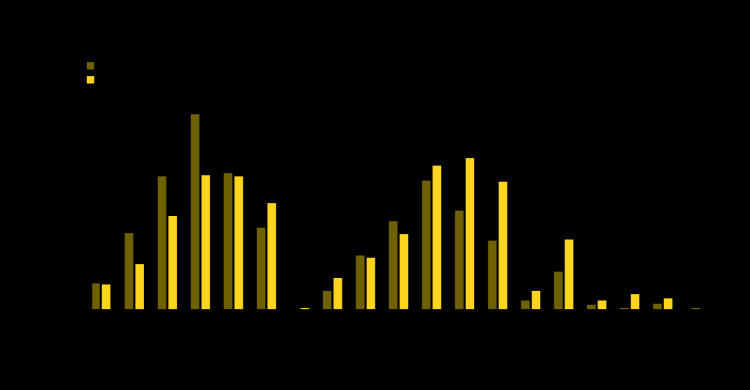
- Reductions were similar in males and females. The largest absolute decreases for myocardial infarction and stroke were in adults aged ≥65 years; for hyperglycemic crisis, the largest absolute decreases were in younger adults aged 18–44 years (419-visit decrease for men, 775 for women).
- The authors state that a short-term decline of this magnitude is biologically implausible for myocardial infarction and stroke, and unlikely for hyperglycemic crisis, suggesting patients could not access care or were delaying or avoiding care; this might partially explain excess mortality not associated with COVID-19.
Methods
- CDC used National Syndromic Surveillance Program data from week 1, 2019 through week 21, 2020, covering a subset of hospitals in 47 states and the District of Columbia, capturing approximately 73% of ED visits nationwide; analyses were limited to 1,670 EDs with consistent ≥90% completeness for patient discharge diagnosis.
- Conditions were defined by ICD-10 codes: myocardial infarction = I21–I22; stroke = I60–I61 or I63; hyperglycemic crisis = E10.1, E11.1, or E13.1, or E11.0, E13.0, E10.65, and E10.69.
- Weekly ED visit counts were compared for two 10-week periods—January 5–March 14, 2020 (weeks 2–11, prepandemic) and March 15–May 23, 2020 (weeks 12–21, early pandemic)—with absolute differences and percentage change tabulated overall and within age-sex strata using SAS version 9.4.
Limitations
- The paper states at least five limitations: NSSP coverage is not uniform across or within states and reporting hospitals change over time; conditions were defined using ICD-10 diagnosis codes, and coding practices might differ; NSSP does not capture mortality data, so it is unknown whether patients sought treatment elsewhere or died at home; final weeks might be slightly underestimated because of delayed reporting; and seasonal effects in ED visit trends might exist.
- Evident from the text: the analysis is a descriptive pre-post comparison without formal statistical testing or adjustment for confounders, so it cannot establish causality or fully distinguish care avoidance from access barriers.
Model-written summary. Check it against the paper before relying on it.
Integrity signals
Registry
Cites
Statistics
Figures
Verification
Claims the paper makes
6 Valid · 0 Not valid · 0 Not checked · 28 Own results and interpretations
Every source the paper cites for this claim was checked and supports it.
In the paper
“For example, a study of nine high-volume U.S. cardiac catheterization laboratories found a 38% decrease in activations for heart attacks during March 2020 compared with the 14 months before the pandemic (2).”
§ Potential Indirect Effects of the COVID-19 Pandemic on Use of Emergency Departments for Acute Life-Threatening Conditions — United States, January–May 2020 > Discussion
What the sources say
- Supportedcites [2] Garcia S, Albaghdadi MS, Meraj PM, Reduction in ST-segment elevation cardiac catheterization laboratory activations in the United States during COVID-19 pandemic. J Am Coll Cardiol 2020; 75: 2871– 2. 10.1016/j.jacc.2020.04.011 32283124 PMC7151384 source
The study describes nine high-volume U.S. catheterization laboratories and defines March 2020 as the comparison period against the preceding 14 months (study text, passage 1; no page listed). It reports an estimated 38% decrease in STEMI activations (study text, passage 3; no page listed). (LLM, conf=0.94)
plainstates an association- Asserted: passes — The authors put it forward as true.
- Checkable: passes — It can be checked against evidence.
- Load-bearing: unclear — It is unclear whether the paper’s conclusions depend on it.
- Based: passes — The paper gives a reason why it holds.
- Supported
Every source the paper cites for this claim was checked and supports it.
In the paper
“By May 2020, national syndromic surveillance data found that emergency department (ED) visits had declined 42% during the early months of the pandemic (1).”
What the sources say
- Supportedcites [1] Hartnett KP, Kite-Powell A, DeVies J, Impact of the COVID-19 pandemic on emergency department visits—United States, January 1, 2019–May 30, 2020. MMWR Morb Mortal Wkly Rep 2020; 69: 699– 704. 10.15585/mmwr.mm6923e1 32525856 PMC7315789 source
The report’s “What is added by this report?” section states that National Syndromic Surveillance Program ED visits declined 42% in the early pandemic period, comparing March 29–April 25, 2020, with the corresponding 2019 period. No page number is provided in our copy. “By May 2020” is consistent with reporting that earlier decline; the paper separately reports a 26% year-over-year decline for May 24–30. (LLM, conf=0.94)
plainstates an association- Asserted: passes — The authors put it forward as true.
- Checkable: passes — It can be checked against evidence.
- Load-bearing: passes — The paper’s conclusions depend on it.
- Based: passes — The paper gives a reason why it holds.
- Supported
Every source the paper cites for this claim was checked and supports it.
In the paper
“and neuroimaging data from approximately 850 U.S. hospitals indicate a 39% reduction in the number of patients who were evaluated for signs of stroke (7).”
§ Potential Indirect Effects of the COVID-19 Pandemic on Use of Emergency Departments for Acute Life-Threatening Conditions — United States, January–May 2020 > Discussion
What the sources say
- Supportedcites [7] Kansagra AP, Goyal MS, Hamilton S, Collateral effect of COVID-19 on stroke evaluation in the United States. N Eng J Med 2020. Epub May 8, 2020. PMC7233187 32383831 source
The paper reports RAPID neuroimaging data from 856 U.S. hospitals and a 39% decrease in patients undergoing imaging between the prepandemic and early-pandemic periods. It describes this as an approximately 39% decrease in patients receiving evaluations for acute stroke, while noting that imaging was a surrogate measure of care. (LLM, conf=0.94)
hedgedstates a cause- Asserted: passes — The authors put it forward as true.
- Checkable: passes — It can be checked against evidence.
- Load-bearing: unclear — It is unclear whether the paper’s conclusions depend on it.
- Based: passes — The paper gives a reason why it holds.
- Supported
A result the paper reports from its own data — it cites no other source for it, so there is none to check. The quote shows it is in the paper.
In the paper
“The absolute decrease in ED visits for hyperglycemic crisis was largest in younger adults aged 18–44 years (419-visit decrease for men, 775 for women).”
plainn = 775- Asserted: passes — The authors put it forward as true.
- Checkable: passes — It can be checked against evidence.
- Load-bearing: unclear — It is unclear whether the paper’s conclusions depend on it.
- Based: passes — The paper gives a reason why it holds.
A result the paper reports from its own data — it cites no other source for it, so there is none to check. The quote shows it is in the paper.
In the paper
“The relative decline in the number of ED visits between the prepandemic and early pandemic periods was similar across age groups for MI and stroke, whereas the decline in ED visits for hyperglycemic crisis tended to be larger among younger age groups, particularly for females (Table).”
plain- Asserted: passes — The authors put it forward as true.
- Checkable: passes — It can be checked against evidence.
- Load-bearing: unclear — It is unclear whether the paper’s conclusions depend on it.
- Based: passes — The paper gives a reason why it holds.
9 more claims
Create a free account to see all 34 claims and to verify the 1 reference still open.
- It may state two separate claims as one. 17
- Probably not a substantial claim. 6
Claims other papers make about this one
Each is checked against this paper’s own text: does it say what the citing paper says it does?
The source backs part of the claim, not all of it — or backs it for a different population, condition or comparison.
In the citing paper
“Prior studies have shown that a decrease in emergency visits for diabetes, stroke, and myocardial infarctions in all age groups coincided with a rise in mortality for these conditions (Lange, 2020).”
From Direct and indirect mortality impacts of the COVID-19 pandemic in the United States, March 1, 2020 to January 1, 2022 (2023) · cites this paper as Lange, 2020
Experimental — accuracy not yet measuredThe cited source says what the claim attributes to it.
In the citing paper
“However, the findings are consistent with reported declines in hospital admissions and ED visits during the pandemic (3–5).”
From Delay or avoidance of medical care because of COVID-19–related concerns—United States, June 2020. (2020) · cites this paper as [3]
In the citing paper
“These findings align with recent reports that hospital admissions, overall emergency department (ED) visits, and the number of ED visits for heart attack, stroke, and hyperglycemic crisis have declined since the start of the pandemic (3–5)”
From Delay or avoidance of medical care because of COVID-19–related concerns—United States, June 2020. (2020) · cites this paper as [3]
In the citing paper
“These findings align with recent reports that hospital admissions, overall emergency department (ED) visits, and the number of ED visits for heart attack, stroke, and hyperglycemic crisis have declined since the start of the pandemic (3–5), and that excess deaths directly or indirectly related to COVID-19 have increased in 2020 versus prior years (2).”
From Delay or avoidance of medical care because of COVID-19–related concerns—United States, June 2020. (2020) · cites this paper as [3]
Self-check
Percentages, sums and reported differences re-computed from the paper’s own numbers.
Each contradiction between two passages listed here was confirmed by an independent check.
Rated minor: it would not touch a result — a value no result rests on, a p-value that stays on the same side of the significance level, or a conflict that is clerical, resolved elsewhere in the paper, or outside its own findings.
In the paper
§ Potential Indirect Effects of the COVID-19 Pandemic on Use of Emergency Departments for Acute Life-Threatening Conditions — United States, January–May 2020
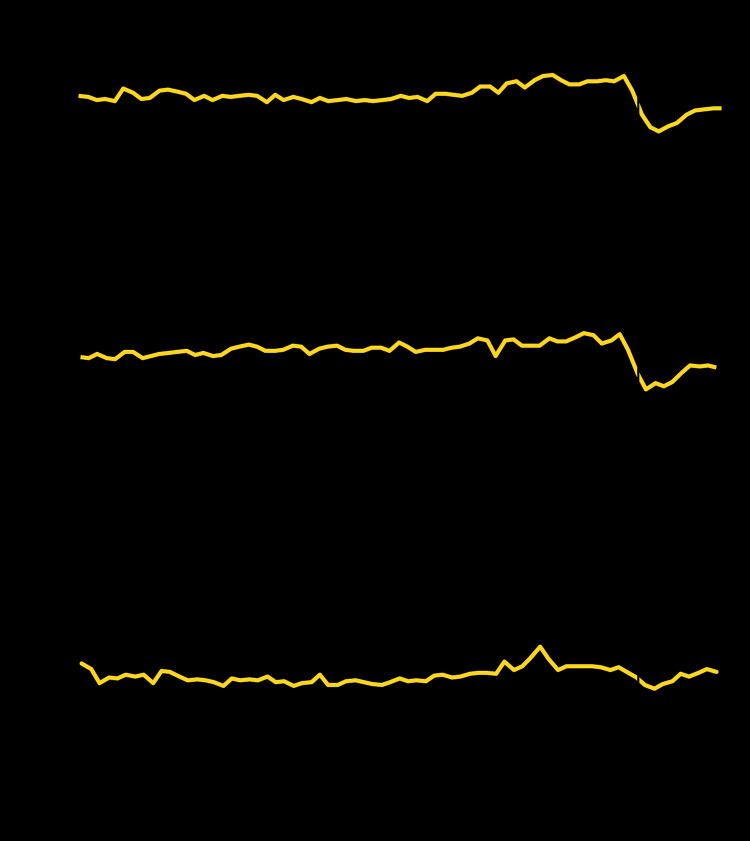
“remaining stable throughout the prepandemic period (Figure 1).”
§ Potential Indirect Effects of the COVID-19 Pandemic on Use of Emergency Departments for Acute Life-Threatening Conditions — United States, January–May 2020
“The number of ED visits for MI and stroke declined sharply starting at week 10 (corresponding to the week beginning March 1, 2020)”
Rated minor: it would not touch a result — a value no result rests on, a p-value that stays on the same side of the significance level, or a conflict that is clerical, resolved elsewhere in the paper, or outside its own findings.
In the paper
§ Potential Indirect Effects of the COVID-19 Pandemic on Use of Emergency Departments for Acute Life-Threatening Conditions — United States, January–May 2020 > Discussion
“NSSP identified substantial reductions in numbers of ED visits by males and females in all age groups for three potentially life-threatening conditions: MI (23% decrease), stroke (20%), and hyperglycemic crisis (10%).”
§ Potential Indirect Effects of the COVID-19 Pandemic on Use of Emergency Departments for Acute Life-Threatening Conditions — United States, January–May 2020
“§ There was a slight absolute increase in ED visits for stroke among males aged 0–17 years and for hyperglycemic crisis among females aged 75–84 years.”
Citations
Cites
Garcia, S., Albaghdadi, M. S., Meraj, P. M., Schmidt, C., Garberich, R., Jaffer, F. A., Dixon, S., Rade, J. J., Tannenbaum, M., Chambers, J., et al. (2020) · Journal of the American College of Cardiology · doi:10.1016/j.jacc.2020.04.011 · Cited by 1,194
Hartnett, K. P., Kite-Powell, A., DeVies, J., Coletta, M. A., Boehmer, T. K., Adjemian, J., Gundlapalli, A. V., & Practice, N. S. S. P. C. O. (2020) · MMWR Morbidity and Mortality Weekly Report · doi:10.15585/mmwr.mm6923e1 · Cited by 1,139
The Covid-19 Pandemic and the Incidence of Acute Myocardial Infarction
Solomon, M. D., McNulty, E. J., Rana, J. S., Leong, T. K., Lee, C., Sung, S.-H., Ambrosy, A. P., Sidney, S., & Go, A. S. (2020) · New England Journal of Medicine · doi:10.1056/nejmc2015630 · Cited by 707
Metzler, B., Siostrzonek, P., Binder, R. K., Bauer, A., & Reinstadler, S. J. (2020) · European Heart Journal · doi:10.1093/eurheartj/ehaa314 · Cited by 634
Collateral Effect of Covid-19 on Stroke Evaluation in the United States
Kansagra, A. P., Goyal, M. S., Hamilton, S., & Albers, G. W. (2020) · New England Journal of Medicine · doi:10.1056/nejmc2014816 · Cited by 432
Validity of diagnostic codes for acute stroke in administrative databases: a systematic review.
McCormick, N., Bhole, V., Lacaille, D., & Avina-Zubieta, J. A. (2015) · PLoS ONE · doi:10.1371/journal.pone.0135834 · Cited by 414
Fewer Hospitalizations for Acute Cardiovascular Conditions During the COVID-19 Pandemic
Bhatt, A. S., Moscone, A., McElrath, E. E., Varshney, A. S., Claggett, B. L., Bhatt, D. L., Januzzi, J. L., Butler, J., Adler, D. S., Solomon, S. D., et al. (2020) · Journal of the American College of Cardiology · doi:10.1016/j.jacc.2020.05.038 · Cited by 357
Validity of myocardial infarction diagnoses in administrative databases: a systematic review.
McCormick, N., Lacaille, D., Bhole, V., & Avina-Zubieta, J. A. (2014) · PLoS ONE · doi:10.1371/journal.pone.0092286 · Cited by 262
Benoit, S. R., Hora, I., Pasquel, F. J., Gregg, E. W., Albright, A. L., & Imperatore, G. (2020) · Diabetes Care · doi:10.2337/dc19-2449 · Cited by 117
Self-citation
Cited by
Items 101–200 of 355
Bardin, A., Buja, A., Amidei, C. B., Paganini, M., Favaro, A., Saïa, M., & Baldo, V. (2021) · Journal of Clinical Medicine · doi:10.3390/jcm10235563 · Cited by 21
COVID-19 and Sickle Cell Disease–Related Deaths Reported in the United States
Payne, A. B., Schieve, L. A., Abe, K., Hulihan, M., Hooper, W. C., & Hsu, L. L.-Y. (2022) · Public Health Reports · doi:10.1177/00333549211063518 · Cited by 23
Self-citationImpact of COVID ‐19 on wound care in Germany
Schlager, J. G., Kendziora, B., Patzak, L., Kupf, S., Rothenberger, C., Fiocco, Z., French, L. E., Reinholz, M., & Hartmann, D. (2021) · International Wound Journal · doi:10.1111/iwj.13553 · Cited by 21
Impact of the SARS-CoV-2 pandemic on ophthalmic care in Germany
Kuhli-Hattenbach, C., Heinz, P., Feltgen, N., Hoerauf, H., Kohnen, T., Priglinger, S. G., Bachmann, W. E., Rieks, J., Eter, N., & Reinhard, T. (2021) · Der Ophthalmologe · doi:10.1007/s00347-021-01411-7 · Cited by 21
Impact of the COVID-19 pandemic on emergency department CT for suspected diverticulitis
Gibson, A. L., Chen, B. Y., Rosen, M. P., Paez, S. N., & Lo, H. S. (2020) · Emergency Radiology · doi:10.1007/s10140-020-01865-3 · Cited by 20
Auswirkungen der SARS-CoV-2-Pandemie auf die ophthalmologische Versorgung in Deutschland
Kuhli-Hattenbach, C., Heinz, P., Feltgen, N., Hoerauf, H., Kohnen, T., Priglinger, S. G., Bachmann, W. E., Rieks, J., Eter, N., & Reinhard, T. (2020) · Der Ophthalmologe · doi:10.1007/s00347-020-01220-4 · Cited by 20
Yang, Q., Tong, X., King, S. C., Olivari, B. S., & Merritt, R. K. (2021) · Stroke · doi:10.1161/strokeaha.121.034562 · Cited by 20
Self-citationViolence and Abuse: A Pandemic Within a Pandemic
Whiteman, P. J., Macias‐Konstantopoulos, W., Relan, P., Knopov, A., Ranney, M. L., & Riviello, R. (2023) · Western Journal of Emergency Medicine · doi:10.5811/westjem.58405 · Cited by 25
Pogorelić, Z., Anand, S., Artuković, L., et al. (2022) · Journal of Pediatric Urology · doi:10.1016/j.jpurol.2022.01.005 · Cited by 19
COVID-19, Cancer Care and Prevention
DuBois, R. N. (2020) · Cancer Prevention Research · doi:10.1158/1940-6207.capr-20-0468 · Cited by 18
Impact of the COVID-19 pandemic on emergency department utilization patterns in South Korea
Chang, H., Kang, M. W., & Paek, S. H. (2022) · Medicine · doi:10.1097/md.0000000000029009 · Cited by 18
Trends in fetal and neonatal outcomes during the COVID-19 pandemic in Alabama
Shukla, V. V., Rahman, A. K. M. F., Shen, X., Black, A., Arora, N., Lal, C. V., Bell, E. F., Nakhmani, A., Zhang, C., Ambalavanan, N., et al. (2023) · Pediatric Research · doi:10.1038/s41390-023-02533-1 · Cited by 20
Provider and Patient Experiences of Delays in Primary Care During the Early COVID-19 Pandemic
Muellers, K., Andreadis, K., Ancker, J. S., Horowitz, C. R., Kaushal, R., & Lin, J. J. (2023) · Journal for Healthcare Quality · doi:10.1097/jhq.0000000000000380 · Cited by 20
The impact of COVID-19 on pediatric vaccination rates in Alabama
Brooks, H. E., McLendon, L. A., & Daniel, C. L. (2021) · Preventive Medicine Reports · doi:10.1016/j.pmedr.2021.101320 · Cited by 18
Impact of the COVID‐19 pandemic on emergency medicine education: Insights from faculty and residents
Weygandt, P. L., Jordan, J., Caretta‐Weyer, H. A., Osborne, A. D., & Moore, K. G. (2021) · AEM Education and Training · doi:10.1002/aet2.10603 · Cited by 19
Rashed, E. A., Kodera, S., Shirakami, H., Kawaguchi, R., Watanabe, K., & Hirata, A. (2021) · Journal of Biomedical Informatics · doi:10.1016/j.jbi.2021.103743 · Cited by 16
Peng, F., Lei, S., Zhang, Q., Zhong, Y., & Wu, S. (2021) · Frontiers in Physiology · doi:10.3389/fphys.2021.634842 · Cited by 19
Utilization of Telemedicine by the Lebanese Physicians During Time of Pandemic
Shaarani, I., Ghanem, A., Jounblat, M., Jounblat, H., Mansour, R., & Taleb, R. (2021) · Telemedicine Journal and e-Health · doi:10.1089/tmj.2021.0090 · Cited by 19
Dzaye, O. D. A., Adelhoefer, S. J., Boakye, E., & Blaha, M. J. (2021) · American Journal of Preventive Cardiology · doi:10.1016/j.ajpc.2021.100148 · Cited by 18
Yeh, C.-C., Chien, C., Lee, T.-Y., & Liu, C.-H. (2022) · International Journal of General Medicine · doi:10.2147/ijgm.s362615 · Cited by 15
Dean, P., Zhang, Y., Frey, M. J., Shah, A., Edmunds, K. J., Boyd, S. D., Schwartz, H. P., Frey, T. M., Stalets, E. L., Schaffzin, J. K., et al. (2020) · Journal of the American College of Emergency Physicians Open · doi:10.1002/emp2.12220 · Cited by 19
David, K. B., Aborode, A. T., Olaoye, D. Q., Enang, N. V., Aboaba, K. O., & Yunusa, I. U. (2021) · Frontiers in Sociology · doi:10.3389/fsoc.2021.648395 · Cited by 16
Mountantonakis, S., Makker, P., Saleh, M. A., Coleman, K. M., Husk, G. A., Jauhar, R., Singh, V., Epstein, L. M., & Kuvin, J. T. (2021) · Journal of the American Heart Association · doi:10.1161/jaha.120.020255 · Cited by 20
Lee, K., Han, C., Min, H. S., Lee, J., Youn, S. H., Kim, Y., Moon, J. Y., Lee, Y. S., Kim, S. J., & Sung, H. K. (2024) · BMC Emergency Medicine · doi:10.1186/s12873-024-00968-1 · Cited by 15
Dong, C. T., Liveris, A., Lewis, E., Mascharak, S., Chao, E., Reddy, S. H., Teperman, S. H., McNelis, J., & Stone, M. E. (2021) · The Journal of Trauma: Injury, Infection, and Critical Care · doi:10.1097/ta.0000000000003202 · Cited by 18
Rioux, C., Stickley, Z. L., & Little, T. D. (2021) · International Journal of Behavioral Development · doi:10.1177/01650254211031631 · Cited by 20
Impact of the COVID pandemic on emergency department CT utilization: where do we go from here?
Loftus, T. M., Wessling, E. G., Cruz, D. S., Schmidt, M. J., Kim, H. S., McCarthy, D. M., & Malik, S. (2022) · Emergency Radiology · doi:10.1007/s10140-022-02071-z · Cited by 18
Trends in U.S. self-reported health and self-care behaviors during the COVID-19 pandemic
Hooper, M. A., Reinhart, M., Dusetzina, S. B., Walsh, C. G., & Griffith, K. N. (2023) · PLoS ONE · doi:10.1371/journal.pone.0291667 · Cited by 16
Kirchberg, J., Rentsch, A., Klimová, A., Vovk, V., Hempel, S., Folprecht, G., Krause, M., Plodeck, V., Welsch, T., Weitz, J., et al. (2021) · Frontiers in Public Health · doi:10.3389/fpubh.2021.750479 · Cited by 14
Increased per-patient imaging utilization in an emergency department setting during COVID-19
Succi, M. D., Chang, K., An, T. J., Rosman, D. A., Raja, A. S., Gee, M. S., Lev, M. H., Liu, R., Saini, S., & Brink, J. A. (2021) · Clinical Imaging · doi:10.1016/j.clinimag.2021.06.003 · Cited by 15
The effect of COVID-19 on emergency department imaging: what can we learn?
Sharperson, C. M., Hanna, T. N., Herr, K. D., Zygmont, M. E., Gerard, R. L., & Johnson, J.-O. (2021) · Emergency Radiology · doi:10.1007/s10140-020-01889-9 · Cited by 15
Faleye, T. O. C., Driver, E. M., Bowes, D. A., Adhikari, S., Adams, D., Varsani, A., Halden, R. U., & Scotch, M. (2021) · Viruses · doi:10.3390/v13010074 · Cited by 13
Temporal dynamic in the impact of COVID− 19 outbreak on cause-specific mortality in Guangzhou, China
Li, L., Hang, D., Han, D. H., Yuan-Yuan, C., Liang, B., Yan, Z.-L., Zhou, Y., Chun-Quan, O., & Peng-Zhe, Q. (2021) · BMC Public Health · doi:10.1186/s12889-021-10771-3 · Cited by 17
Tong, X., King, S. M. C., Asaithambi, G., Odom, E., Yang, Q., Yin, X., & Merritt, R. K. (2021) · Preventing Chronic Disease · doi:10.5888/pcd18.210130 · Cited by 15
Self-citationLiu, Y. E., LeBoa, C., Rodriguez, M., Sherif, B., Trinidad, C., Rosario, M. D., Allen, S., Clifford, C., Redding, J., Chen, W.-T., et al. (2022) · Frontiers in Public Health · doi:10.3389/fpubh.2022.854343 · Cited by 19
The impact of COVID-19 on routine patient care from a laboratory perspective
Kruger, E. C., Banderker, R. B., Erasmus, R. T., et al. (2020) · South African Medical Journal · doi:10.7196/samj.2020.v110i12.15294 · Cited by 12
Xu, S., Hong, V. X., Sy, L. S., Glenn, S. C., Ryan, D. S., Morrissette, K. L., Nelson, J. C., Hambidge, S. J., Crane, B., Zerbo, O., et al. (2022) · Vaccine · doi:10.1016/j.vaccine.2022.04.037 · Cited by 13
Effect of COVID-19 Pandemic on Well Child Care and Vaccination
Onimoe, G., Angappan, D., Chandar, M. C. R., & Rikleen, S. (2022) · Frontiers in Pediatrics · doi:10.3389/fped.2022.873482 · Cited by 12
Sahakyan, S., Muradyan, D., Giloyan, A., & Harutyunyan, T. L. (2024) · BMC Health Services Research · doi:10.1186/s12913-023-10483-x · Cited by 14
Primary Care in the COVID-19 Pandemic: Essential, and Inspiring
DeVoe, J. E., & Bazemore, A. (2021) · The Journal of the American Board of Family Medicine · doi:10.3122/jabfm.2021.s1.200631 · Cited by 11
Flattening the other curve: Reducing emergency department STEMI delays during the COVID-19 pandemic
McLaren, J. T. T., Taher, A., & Chartier, L. B. (2021) · The American Journal of Emergency Medicine · doi:10.1016/j.ajem.2021.06.057 · Cited by 12
State social distancing restrictions and nursing home outcomes
Li, Y., Cheng, Z., Cai, X., Mao, Y., & Temkin‐Greener, H. (2022) · Scientific Reports · doi:10.1038/s41598-022-05011-6 · Cited by 13
Koester, S. W., Catapano, J. S., Ma, K. L., Kimata, A. R., Abbatematteo, J. M., Walker, C. T., Cole, T. S., Whiting, A. C., Ponce, F. A., & Lawton, M. T. (2020) · World Neurosurgery · doi:10.1016/j.wneu.2020.11.017 · Cited by 11
Das, A., Mishra, D. K., & Gopalan, S. S. (2021) · Journal of Clinical Images and Medical Case Reports · doi:10.52768/2766-7820/1240 · Cited by 13
Ishimaru, T., Tsuno, K., Hori, A., Okawara, M., Yasuda, Y., Fujino, Y., & Tabuchi, T. (2021) · BMJ Open · doi:10.1136/bmjopen-2021-050068 · Cited by 11
dos Santos, M. C. (2022) · Plural · doi:10.11606/issn.2176-8099.pcso.2022.203344 · Cited by 10
Coleman, K. M., Saleh, M. A., & Mountantonakis, S. (2021) · Heart Rhythm · doi:10.1016/j.hrthm.2020.11.022 · Cited by 10
The impact of COVID-19 on emergency surgical presentations in a university teaching hospital
Kamil, A., Davey, M. G., Marzouk, F., Sehgal, R., Fowler, A. L., Corless, K., O’Neill, M., & Collins, C. G. (2021) · Irish Journal of Medical Science (1971 -) · doi:10.1007/s11845-021-02709-w · Cited by 13
Kim, Y., Kim, I.-B., Kim, S., & Cho, B.-J. (2022) · Healthcare · doi:10.3390/healthcare10081540 · Cited by 10
López-Santi, R., Piskorz, D. L., Márquez, M. F., Ramirez-Ramos, C. F., Renna, N. F., Ibarrola, M., Wyss, F. S., Domínguez, A., Pérez, G., Farina, J., et al. (2020) · CJC Open · doi:10.1016/j.cjco.2020.08.007 · Cited by 10
Adelhoefer, S. J., Henry, T. S., Blankstein, R., Graham, G. N., Blaha, M. J., & Dzaye, O. D. A. (2020) · Clinical Imaging · doi:10.1016/j.clinimag.2020.11.037 · Cited by 15
COVID-19 in a cohort of pregnant women and their descendants, the MOACC-19 study
Llorca, J., Lechosa‐Muñiz, C., Arias, P. G., Fernández-Ortiz, M., Jubete, Y., Cabero, M. J., the MOACC-19 group, Alonso-Molero, J., Arozamena, B., Conde-Gil, L., et al. (2021) · BMJ Open · doi:10.1136/bmjopen-2020-044224 · Cited by 10
Counting the Dead: COVID-19 and Mortality in Quebec and British Columbia During the First Wave
Décarie, Y., & Michaud, P. (2021) · Canadian Studies in Population · doi:10.1007/s42650-021-00053-z · Cited by 13
Masterson, S., Heffernan, E., Keegan, D., Clarke, B., Deasy, C., O'Donnell, C., Crowley, P., Breen, R., Kelly, M., & Murphy, A. W. (2020) · HRB Open Research · doi:10.12688/hrbopenres.13149.1 · Cited by 10
The effect of the pandemic on colorectal cancer in the United States: An increased disease burden
Violante, T., Ferrari, D., Day, C. N., Mathis, K. L., Dozois, E. J., & Larson, D. W. (2024) · Surgical Oncology Insight · doi:10.1016/j.soi.2024.100014 · Cited by 10
Pandemi Döneminde ve Pandemi Öncesi Dönemde Acil Servise Başvuran Hastaların Karşılaştırılması
Alataş, Ö. D., & Gökçek, K. (2021) · Muğla Sıtkı Koçman Üniversitesi Tıp Dergisi · doi:10.47572/muskutd.844037 · Cited by 14
Excess of heart failure-related deaths during the 2020 COVID-19 pandemic in Unites States
Zuin, M., Rigatelli, G., & Bilato, C. (2022) · Heart & Lung · doi:10.1016/j.hrtlng.2022.11.014 · Cited by 10
Digestive Oncology in the COVID-19 Pandemic Era
Brito, M., Laranjo, A., Sabino, J., et al. (2021) · GE Portuguese Journal of Gastroenterology · doi:10.1159/000514784 · Cited by 9
Emergency Department Patient Experiences During the COVID-19 Pandemic
Karalius, V. P., Kaskar, S. B., Levine, D. A., Darling, T. A., Loftus, T. M., & McCarthy, D. M. (2021) · Journal of Patient Experience · doi:10.1177/23743735211033752 · Cited by 9
Interregional Transfers for Pandemic Surges
Michelson, K. A., Rees, C. A., Sarathy, J., VonAchen, P., Wornow, M., Monuteaux, M. C., & Neuman, M. I. (2020) · Clinical Infectious Diseases · doi:10.1093/cid/ciaa1549 · Cited by 12
Choi, A., Kim, H. Y., Cho, A., Noh, J., Park, I., & Chung, H. S. (2021) · PLoS ONE · doi:10.1371/journal.pone.0256116 · Cited by 9
Knoll, K., Leiter, S. M., Rosner, S., Trenkwalder, T., Erben, A., Kloss, C., Bregenhorn, P., Schunkert, H., & Reinhard, W. (2021) · Telemedicine Journal and e-Health · doi:10.1089/tmj.2021.0324 · Cited by 10
Unveiling the Hidden Consequences: Initial Impact of COVID-19 on Colorectal Cancer Operation
Ferrari, D., Violante, T., Day, C. N., McKenna, N. P., Mathis, K. L., Dozois, E. J., & Larson, D. W. (2024) · Journal of the American College of Surgeons · doi:10.1097/xcs.0000000000001042 · Cited by 8
Nan, J., Zhang, T., Tian, Y., Song, K., Qun, L., Fu, Q., Ma, Y., & Jin, Z. (2021) · Frontiers in Cardiovascular Medicine · doi:10.3389/fcvm.2021.630816 · Cited by 8
COVID-19: A Comprehensive Analysis of the Pandemic’s Effect on an Emergency Department
Flamm, A., Lee, A., & Mencl, F. R. (2021) · Disaster Medicine and Public Health Preparedness · doi:10.1017/dmp.2021.182 · Cited by 8
COVID‐19 and the impact on rural and black church Congregants: Results of the C‐M‐C project
Williams, L. B., Fernander, A., Azam, T., Gomez, M. L., Kang, J., Moody, C. L., Bowman, H. E., & Schoenberg, N. E. (2021) · Research in Nursing & Health · doi:10.1002/nur.22167 · Cited by 11
Changes in Care Provision During COVID-19 Impact Patient Well-Being
Wang, J. J., Levi, J. R., & Edwards, H. (2021) · Journal of Patient Experience · doi:10.1177/23743735211034068 · Cited by 8
Trends in Maternal Outcomes During the COVID-19 Pandemic in Alabama From 2016 to 2021
Shukla, V. V., Rahman, A. F., Shen, X., Black, A., Nakhmani, A., Ambalavanan, N., & Carlo, W. A. (2022) · JAMA Network Open · doi:10.1001/jamanetworkopen.2022.2681 · Cited by 8
Lei, F., Lofwall, M. R., Freeman, P. R., Slade, E., Vickers‐Smith, R., & Slavova, S. S. (2022) · The Journal of Rural Health · doi:10.1111/jrh.12669 · Cited by 12
Balikji, J., Kiani, P., Hendriksen, P. A., Hoogbergen, M. M., Garssen, J., & Verster, J. C. (2022) · Health Science Reports · doi:10.1002/hsr2.764 · Cited by 8
Impact of the COVID-19 Pandemic on Obstetric Interventions at a Public Hospital
Johnson, T. A., Jamieson, D. J., Geary, F. H., Stanhope, K. K., & Boulet, S. L. (2022) · Women s Health Issues · doi:10.1016/j.whi.2022.08.003 · Cited by 8
COVID‐19: A new barrier to treatment for opioid use disorder in the emergency department
GRUNVALD, W., Herrington, R., King, R., Lamberson, M., Mackey, S., Maruti, S., Rawson, R. A., & Wolfson, D. L. (2021) · Journal of the American College of Emergency Physicians Open · doi:10.1002/emp2.12403 · Cited by 8
Heart failure management at home: a non-randomised prospective case–controlled trial (HeMan at Home)
Helberg, J., Bensimhon, D., Katsadouros, V., Schmerge, M., Smith, H., Peck, K., Williams, K., Winfrey, W., Nanavati, A., Knapp, J., et al. (2023) · Open Heart · doi:10.1136/openhrt-2023-002371 · Cited by 8
Horst, K. K., Kolbe, A. B., McDonald, J. S., Froemming, A. T., Parvinian, A., Klinkner, D. B., & Binkovitz, L. A. (2021) · Pediatric Radiology · doi:10.1007/s00247-021-05128-2 · Cited by 7
Garcia, L., Firek, A. F., Freund, D. A., Massai, D., Khurana, D., Lee, J. E., Zamarripa, S., Sasaninia, B., Michaels, K., Nightingale, J., et al. (2022) · Vaccines · doi:10.3390/vaccines10081247 · Cited by 8
Vakil, T., Svenne, D. C., Bolton, J. M., Jiang, D., Svenne, S., & Hensel, J. M. (2022) · BMC Psychiatry · doi:10.1186/s12888-022-04166-w · Cited by 8
Excess deaths associated with COVID‐19 by rurality and demographic factors in the United States
Ahrens, K. A., Rossen, L. M., Milkowski, C. M., Gelsinger, C., & Ziller, E. C. (2023) · The Journal of Rural Health · doi:10.1111/jrh.12815 · Cited by 8
Gallaher, J. R., Yohann, A., Kajombo, C., Schneider, A., Purcell, L. N., & Charles, A. G. (2022) · World Journal of Surgery · doi:10.1007/s00268-022-06636-4 · Cited by 9
Bosson, N., Toy, J., Chang, A., Haase, D., Kipust, A., Korotzer, L., Warren, J., Kim, Y. S., Kazan, C., & Gausche‐Hill, M. (2023) · Prehospital Emergency Care · doi:10.1080/10903127.2023.2205512 · Cited by 7
Bumburidi, Y., Dzhalimbekova, A., Malisheva, M., Moolenaar, R. L., Horth, R., Singer, D. A., & Otorbaeva, D. (2023) · BMJ Open · doi:10.1136/bmjopen-2022-069521 · Cited by 7
Torabizadeh, C., Iloonkashkooli, R., Haghshenas, H., & Fararouei, M. (2023) · PubMed Central · doi:10.30476/ijms.2022.93701.2504 · Cited by 12
The Emerging Chronic Sequelae of COVID-19 and Implications for North Carolina
Rolfe, R. J., Smith, C. M., & Wolfe, C. R. (2021) · North Carolina Medical Journal · doi:10.18043/ncm.82.1.75 · Cited by 8
Tallying the Toll of Excess Deaths from COVID-19
Ayanian, J. Z. (2020) · JAMA Health Forum · doi:10.1001/jamahealthforum.2020.0832 · Cited by 7
Masterson, S., Heffernan, E., Keegan, D., Clarke, B., Deasy, C., O'Donnell, C., Crowley, P., Breen, R., Kelly, M., & Murphy, A. W. (2021) · HRB Open Research · doi:10.12688/hrbopenres.13149.2 · Cited by 6
Wada, K., Hashimoto, Y., Nakajima, M., & Ueda, M. (2020) · Rinsho Shinkeigaku · doi:10.5692/clinicalneurol.cn-001529 · Cited by 8
Youn, H. M., Quan, J., Mak, I. L., Yu, E. Y. T., Lau, C. S., Ip, M., Tang, S. C. W., Wong, I. C. K., Lau, K. K., Lee, M. S. F., et al. (2022) · BMJ Open · doi:10.1136/bmjopen-2022-063150 · Cited by 6
Impact of the COVID‐19 pandemic on hospitalizations of children with neurologic impairment
Thomson, J. E., Richardson, T., Auger, K. A., Brady, P. W., Hall, M., Hartley, D., Schondelmeyer, A. C., & Shah, S. S. (2022) · Journal of Hospital Medicine · doi:10.1002/jhm.13021 · Cited by 6
Cho, Y., Yeo, I. H., Lee, D. E., & Kim, J. K. (2023) · Medicine · doi:10.1097/md.0000000000035992 · Cited by 6
Qian, L., Sy, L. S., Hong, V. X., Glenn, S. C., Ryan, D. S., Nelson, J. C., Hambidge, S. J., Crane, B., Zerbo, O., DeSilva, M. B., et al. (2023) · JMIR Public Health and Surveillance · doi:10.2196/48159 · Cited by 6
Yakobi, M., & Cheng, D. (2021) · Cureus · doi:10.7759/cureus.16660 · Cited by 8
Missing science: A scoping study of COVID-19 epidemiological data in the United States
Bhatia, R., Sledge, I., & Baral, S. (2022) · PLoS ONE · doi:10.1371/journal.pone.0248793 · Cited by 6
Habermann, E. B., Tande, A. J., Pollock, B. D., Neville, M. R., Ting, H. H., & Sampathkumar, P. (2021) · Infection Control and Hospital Epidemiology · doi:10.1017/ice.2021.38 · Cited by 6
Tsai, Y.-Y., & Tzu-Ting, Y. (2021) · Research Square · doi:10.21203/rs.3.rs-681310/v1 · Cited by 6
COVID-19 and Completion of Select Routine Childhood Vaccinations
DeSilva, M. B., Haapala, J., Vazquez‐Benitez, G., et al. (2025) · PEDIATRICS · doi:10.1542/peds.2024-068244 · Cited by 5
Milibari, A. A., Hanigan, I., Badri, H. M., Khan, W. A. A., & Rumchev, K. B. (2025) · Air Quality Atmosphere & Health · doi:10.1007/s11869-025-01816-2 · Cited by 5
Aljadani, R. H., Cho, H., & Carvour, M. L. (2025) · Journal of Bone and Joint Infection · doi:10.5194/jbji-10-377-2025 · Cited by 5
Hassanieh, J., Zalaquett, N., Khazzeka, A., Ghazal, R. E., Riachi, M. E., Habib, S. G., & Zaghal, A. (2024) · BMC Surgery · doi:10.1186/s12893-023-02273-3 · Cited by 6
Social Distancing During the COVID-19 Pandemic and Neonatal Mortality in the US
Shukla, V. V., Weaver, L. J., Singh, A. K., Rahman, A., Nakhmani, A., Travers, C. P., Sinkey, R. G., Arora, N., Ambalavanan, N., & Carlo, W. A. (2024) · JAMA Network Open · doi:10.1001/jamanetworkopen.2024.22995 · Cited by 6
Forrester, M. B., & Holloway, C. (2021) · Clinical Toxicology · doi:10.1080/15563650.2021.1966028 · Cited by 5
Fang, M. E., Crain, C. L., Baquet, E., et al. (2023) · Patient Safety in Surgery · doi:10.1186/s13037-023-00376-7 · Cited by 5
Metadata
- Authors
- Lange, S. J., Ritchey, M. D., Goodman, A. B., Dias, T., Twentyman, E., Fuld, J., Schieve, L. A., Imperatore, G., Benoit, S. R., Kite-Powell, A., Stein, Z., Peacock, G., Dowling, N. F., Briss, P. A., Hacker, K., Gundlapalli, A. V., & Yang, Q.
- Affiliations
- Centers for Disease Control and Prevention (US)
- Corresponding author
- Lange, Samantha J.
- ORCID
- Venue
- MMWR Morbidity and Mortality Weekly Report
- Published
- 2020-06-26
- Volume
- 69
- Issue
- 25
- Pages
- 795-800
- ISSN
- 0149-2195 (ISSN-L)
- 1545-861X
- PMC
- PMC7316316
- OpenAlex
- W3036829263
- Cited by
- 367
- References
- 9
- Citations by year
- 2026: 12 · 2025: 23 · 2024: 21 · 2023: 52 · 2022: 73 · 2021: 132 · 2020: 54
- FWCI
- 28.07
- Type
- journal article
- Language
- en
- Open access
- diamond
- doi.org
- Locations
- MMWR Morbidity and Mortality Weekly Report (publishedVersion)
- PubMed Central (publishedVersion, cc-by)
- PubMed (publishedVersion)
- Topics
- Health Sciences › Medicine › Oncology › COVID-19 and healthcare impacts
- Health Sciences › Medicine › Emergency Medicine › Emergency and Acute Care Studies
- Health Sciences › Medicine › Epidemiology › Data-Driven Disease Surveillance
- Keywords
- COVID-19 pandemic, emergency department visits, myocardial infarction, stroke, hyperglycemic crisis, diabetic ketoacidosis, hyperosmolar hyperglycemic state, delayed care, syndromic surveillance, pre-pandemic trends, health care access, United States, age and sex differences
- MeSH terms
- Facilities and Services Utilization, COVID-19, Acute Disease, Adolescent, Adult, Aged, Aged, 80 and over, Emergency Service, Hospital, Female, Humans, Hyperglycemia, Male, Middle Aged, Myocardial Infarction, Pneumonia, Viral, United States, Coronavirus Infections, Stroke, Young Adult, Pandemics
About these checks
Registry, retraction, Cites and statistics results are computed, not judged, with one exception: a printed reference that no index lists is read once by a model before it counts as a citation error. Claims are extracted by a model and kept only when their quote appears verbatim in the text; each cited source is then checked, with a model’s help, for whether it says what the claim relies on. Those verdicts can be wrong — read the claim’s quote and the cited source before relying on one.
The claim verdicts this report counts are experimental: their accuracy is not yet measured.
A language model drew the claims from the paper on 2026-10-10, under version 3 of the claim definition (model deepseek-v4.1-flash, prompt extract-v3).
A second model labelled each claim on 2026-10-10 (model jev-1.13-20260917, definition revision gold-guideline-v0.2).
Cited sources are checked with a language model’s help (gpt-6-sol).
Statistics and arithmetic are recomputed, not judged.
Confidence bands are shown only for fields calibrated on our annotated test set. None is calibrated yet, so no band is shown.
What counts as a claim ›How we measure confidence ›How we check this ›
Are you an author, or do you see a problem with this page? Request a review
Data sources
Bibliographic data: Semantic Scholar, OpenAlex, Crossref.
Contains information from the Semantic Scholar Academic Graph Datasets, made available under the ODC Attribution License (ODC-BY 1.0).
Semantic Scholar’s data is described in: Kinney, R., et al. (2023). The Semantic Scholar Open Data Platform. arXiv:2301.10140.
