

Potential Indirect Effects of the COVID-19 Pandemic on Use of Emergency Departments for Acute Life-Threatening Conditions — United States, January–May 2020
Open accessThe DOI matches its Crossref record; 9 of the 9 references it cites were found in a registry or an index; 9 of the 12 sources its claims cite were checked for support.
Abstract
recommended that health care systems prioritize urgent visits and delay elective care to mitigate the spread of COVID-19 in health care settings. By May 2020, national syndromic surveillance data found that emergency department (ED) visits had declined 42% during the early months of the pandemic (1). This report describes trends in ED visits for three acute life-threatening health conditions (myocardial infarction [MI, also known as heart attack], stroke, and hyperglycemic crisis), immediately before and after declaration of the COVID-19 pandemic as a national emergency. These conditions represent acute events that always necessitate immediate emergency care, even during a public health emergency such as the COVID-19 pandemic. In the 10 weeks following the emergency declaration (March 15-May 23, 2020), ED visits declined 23% for MI, 20% for stroke, and 10% for hyperglycemic crisis, compared with the preceding 10-week period (January 5-March 14, 2020). EDs play a critical role in diagnosing and treating life-threatening conditions that might result in serious disability or death. Persons experiencing signs or symptoms of serious illness, such as severe chest pain, sudden or partial loss of motor function, altered mental state, signs of extreme hyperglycemia, or other life-threatening issues, should seek immediate emergency care, regardless of the pandemic. Clear, frequent, highly visible communication from public health and health care professionals is needed to reinforce the importance of timely care for medical emergencies and to assure the public that EDs are implementing infection prevention and control guidelines that help ensure the safety of their patients and health care personnel.
Overview
CoChat Summary
TL;DR
This MMWR report used National Syndromic Surveillance Program data to compare emergency department visits for myocardial infarction, stroke, and hyperglycemic crisis in two 10-week periods before and after the COVID-19 national emergency. It found substantial declines, especially for myocardial infarction and stroke, suggesting patients delayed or avoided emergency care for life-threatening conditions.
Key findings
- In the 10 weeks after the national emergency declaration (March 15–May 23, 2020) compared with the preceding 10 weeks (January 5–March 14, 2020), ED visits declined 23% for myocardial infarction (56,565 to 43,545), 20% for stroke (57,490 to 46,066), and 10% for hyperglycemic crisis (22,766 to 20,561).
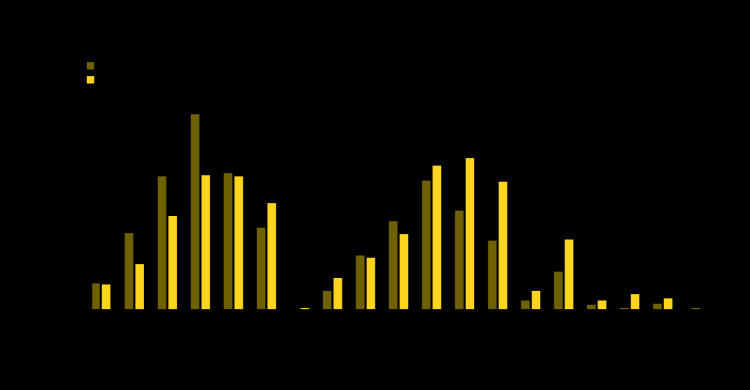
- Reductions were similar in males and females. The largest absolute decreases for myocardial infarction and stroke were in adults aged ≥65 years; for hyperglycemic crisis, the largest absolute decreases were in younger adults aged 18–44 years (419-visit decrease for men, 775 for women).
- The authors state that a short-term decline of this magnitude is biologically implausible for myocardial infarction and stroke, and unlikely for hyperglycemic crisis, suggesting patients could not access care or were delaying or avoiding care; this might partially explain excess mortality not associated with COVID-19.
Methods
- CDC used National Syndromic Surveillance Program data from week 1, 2019 through week 21, 2020, covering a subset of hospitals in 47 states and the District of Columbia, capturing approximately 73% of ED visits nationwide; analyses were limited to 1,670 EDs with consistent ≥90% completeness for patient discharge diagnosis.
- Conditions were defined by ICD-10 codes: myocardial infarction = I21–I22; stroke = I60–I61 or I63; hyperglycemic crisis = E10.1, E11.1, or E13.1, or E11.0, E13.0, E10.65, and E10.69.
- Weekly ED visit counts were compared for two 10-week periods—January 5–March 14, 2020 (weeks 2–11, prepandemic) and March 15–May 23, 2020 (weeks 12–21, early pandemic)—with absolute differences and percentage change tabulated overall and within age-sex strata using SAS version 9.4.
Limitations
- The paper states at least five limitations: NSSP coverage is not uniform across or within states and reporting hospitals change over time; conditions were defined using ICD-10 diagnosis codes, and coding practices might differ; NSSP does not capture mortality data, so it is unknown whether patients sought treatment elsewhere or died at home; final weeks might be slightly underestimated because of delayed reporting; and seasonal effects in ED visit trends might exist.
- Evident from the text: the analysis is a descriptive pre-post comparison without formal statistical testing or adjustment for confounders, so it cannot establish causality or fully distinguish care avoidance from access barriers.
Model-written summary. Check it against the paper before relying on it.
Integrity signals
Registry
Cites
Statistics
Figures
Verification
Claims the paper makes
6 Valid · 0 Not valid · 0 Not checked · 28 Own results and interpretations
Every source the paper cites for this claim was checked and supports it.
In the paper
“For example, a study of nine high-volume U.S. cardiac catheterization laboratories found a 38% decrease in activations for heart attacks during March 2020 compared with the 14 months before the pandemic (2).”
§ Potential Indirect Effects of the COVID-19 Pandemic on Use of Emergency Departments for Acute Life-Threatening Conditions — United States, January–May 2020 > Discussion
What the sources say
- Supportedcites [2] Garcia S, Albaghdadi MS, Meraj PM, Reduction in ST-segment elevation cardiac catheterization laboratory activations in the United States during COVID-19 pandemic. J Am Coll Cardiol 2020; 75: 2871– 2. 10.1016/j.jacc.2020.04.011 32283124 PMC7151384 source
The study describes nine high-volume U.S. catheterization laboratories and defines March 2020 as the comparison period against the preceding 14 months (study text, passage 1; no page listed). It reports an estimated 38% decrease in STEMI activations (study text, passage 3; no page listed). (LLM, conf=0.94)
plainstates an association- Asserted: passes — The authors put it forward as true.
- Checkable: passes — It can be checked against evidence.
- Load-bearing: unclear — It is unclear whether the paper’s conclusions depend on it.
- Based: passes — The paper gives a reason why it holds.
- Supported
Every source the paper cites for this claim was checked and supports it.
In the paper
“By May 2020, national syndromic surveillance data found that emergency department (ED) visits had declined 42% during the early months of the pandemic (1).”
What the sources say
- Supportedcites [1] Hartnett KP, Kite-Powell A, DeVies J, Impact of the COVID-19 pandemic on emergency department visits—United States, January 1, 2019–May 30, 2020. MMWR Morb Mortal Wkly Rep 2020; 69: 699– 704. 10.15585/mmwr.mm6923e1 32525856 PMC7315789 source
The report’s “What is added by this report?” section states that National Syndromic Surveillance Program ED visits declined 42% in the early pandemic period, comparing March 29–April 25, 2020, with the corresponding 2019 period. No page number is provided in our copy. “By May 2020” is consistent with reporting that earlier decline; the paper separately reports a 26% year-over-year decline for May 24–30. (LLM, conf=0.94)
plainstates an association- Asserted: passes — The authors put it forward as true.
- Checkable: passes — It can be checked against evidence.
- Load-bearing: passes — The paper’s conclusions depend on it.
- Based: passes — The paper gives a reason why it holds.
- Supported
Every source the paper cites for this claim was checked and supports it.
In the paper
“and neuroimaging data from approximately 850 U.S. hospitals indicate a 39% reduction in the number of patients who were evaluated for signs of stroke (7).”
§ Potential Indirect Effects of the COVID-19 Pandemic on Use of Emergency Departments for Acute Life-Threatening Conditions — United States, January–May 2020 > Discussion
What the sources say
- Supportedcites [7] Kansagra AP, Goyal MS, Hamilton S, Collateral effect of COVID-19 on stroke evaluation in the United States. N Eng J Med 2020. Epub May 8, 2020. PMC7233187 32383831 source
The paper reports RAPID neuroimaging data from 856 U.S. hospitals and a 39% decrease in patients undergoing imaging between the prepandemic and early-pandemic periods. It describes this as an approximately 39% decrease in patients receiving evaluations for acute stroke, while noting that imaging was a surrogate measure of care. (LLM, conf=0.94)
hedgedstates a cause- Asserted: passes — The authors put it forward as true.
- Checkable: passes — It can be checked against evidence.
- Load-bearing: unclear — It is unclear whether the paper’s conclusions depend on it.
- Based: passes — The paper gives a reason why it holds.
- Supported
A result the paper reports from its own data — it cites no other source for it, so there is none to check. The quote shows it is in the paper.
In the paper
“The absolute decrease in ED visits for hyperglycemic crisis was largest in younger adults aged 18–44 years (419-visit decrease for men, 775 for women).”
plainn = 775- Asserted: passes — The authors put it forward as true.
- Checkable: passes — It can be checked against evidence.
- Load-bearing: unclear — It is unclear whether the paper’s conclusions depend on it.
- Based: passes — The paper gives a reason why it holds.
A result the paper reports from its own data — it cites no other source for it, so there is none to check. The quote shows it is in the paper.
In the paper
“The relative decline in the number of ED visits between the prepandemic and early pandemic periods was similar across age groups for MI and stroke, whereas the decline in ED visits for hyperglycemic crisis tended to be larger among younger age groups, particularly for females (Table).”
plain- Asserted: passes — The authors put it forward as true.
- Checkable: passes — It can be checked against evidence.
- Load-bearing: unclear — It is unclear whether the paper’s conclusions depend on it.
- Based: passes — The paper gives a reason why it holds.
9 more claims
Create a free account to see all 34 claims and to verify the 1 reference still open.
- It may state two separate claims as one. 17
- Probably not a substantial claim. 6
Claims other papers make about this one
Each is checked against this paper’s own text: does it say what the citing paper says it does?
The source backs part of the claim, not all of it — or backs it for a different population, condition or comparison.
In the citing paper
“Prior studies have shown that a decrease in emergency visits for diabetes, stroke, and myocardial infarctions in all age groups coincided with a rise in mortality for these conditions (Lange, 2020).”
From Direct and indirect mortality impacts of the COVID-19 pandemic in the United States, March 1, 2020 to January 1, 2022 (2023) · cites this paper as Lange, 2020
Experimental — accuracy not yet measuredThe cited source says what the claim attributes to it.
In the citing paper
“However, the findings are consistent with reported declines in hospital admissions and ED visits during the pandemic (3–5).”
From Delay or avoidance of medical care because of COVID-19–related concerns—United States, June 2020. (2020) · cites this paper as [3]
In the citing paper
“These findings align with recent reports that hospital admissions, overall emergency department (ED) visits, and the number of ED visits for heart attack, stroke, and hyperglycemic crisis have declined since the start of the pandemic (3–5)”
From Delay or avoidance of medical care because of COVID-19–related concerns—United States, June 2020. (2020) · cites this paper as [3]
In the citing paper
“These findings align with recent reports that hospital admissions, overall emergency department (ED) visits, and the number of ED visits for heart attack, stroke, and hyperglycemic crisis have declined since the start of the pandemic (3–5), and that excess deaths directly or indirectly related to COVID-19 have increased in 2020 versus prior years (2).”
From Delay or avoidance of medical care because of COVID-19–related concerns—United States, June 2020. (2020) · cites this paper as [3]
Self-check
Percentages, sums and reported differences re-computed from the paper’s own numbers.
Each contradiction between two passages listed here was confirmed by an independent check.
Rated minor: it would not touch a result — a value no result rests on, a p-value that stays on the same side of the significance level, or a conflict that is clerical, resolved elsewhere in the paper, or outside its own findings.
In the paper
§ Potential Indirect Effects of the COVID-19 Pandemic on Use of Emergency Departments for Acute Life-Threatening Conditions — United States, January–May 2020
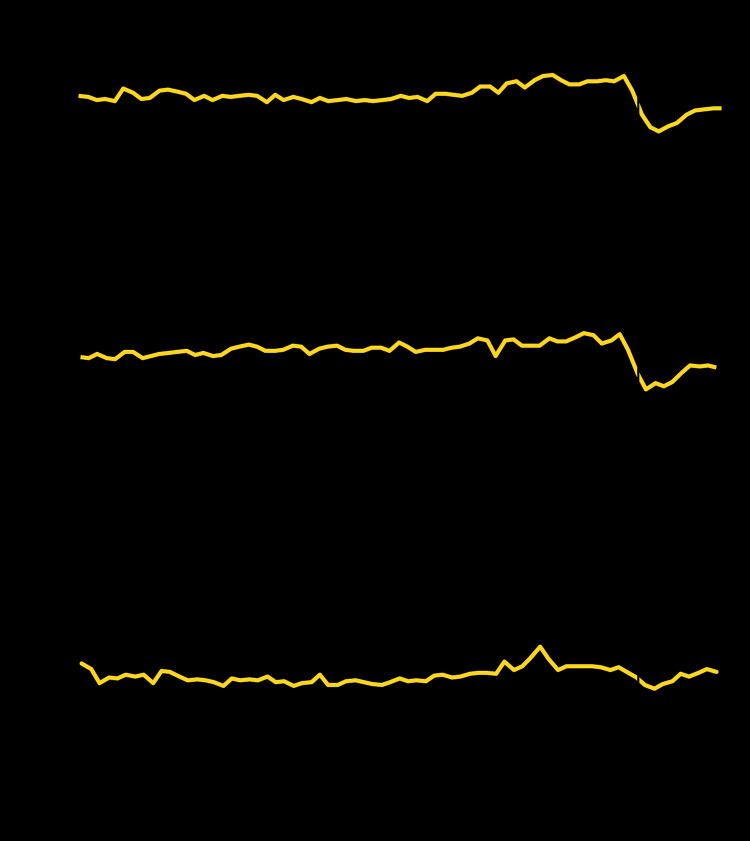
“remaining stable throughout the prepandemic period (Figure 1).”
§ Potential Indirect Effects of the COVID-19 Pandemic on Use of Emergency Departments for Acute Life-Threatening Conditions — United States, January–May 2020
“The number of ED visits for MI and stroke declined sharply starting at week 10 (corresponding to the week beginning March 1, 2020)”
Rated minor: it would not touch a result — a value no result rests on, a p-value that stays on the same side of the significance level, or a conflict that is clerical, resolved elsewhere in the paper, or outside its own findings.
In the paper
§ Potential Indirect Effects of the COVID-19 Pandemic on Use of Emergency Departments for Acute Life-Threatening Conditions — United States, January–May 2020 > Discussion
“NSSP identified substantial reductions in numbers of ED visits by males and females in all age groups for three potentially life-threatening conditions: MI (23% decrease), stroke (20%), and hyperglycemic crisis (10%).”
§ Potential Indirect Effects of the COVID-19 Pandemic on Use of Emergency Departments for Acute Life-Threatening Conditions — United States, January–May 2020
“§ There was a slight absolute increase in ED visits for stroke among males aged 0–17 years and for hyperglycemic crisis among females aged 75–84 years.”
Citations
Cites
Garcia, S., Albaghdadi, M. S., Meraj, P. M., Schmidt, C., Garberich, R., Jaffer, F. A., Dixon, S., Rade, J. J., Tannenbaum, M., Chambers, J., et al. (2020) · Journal of the American College of Cardiology · doi:10.1016/j.jacc.2020.04.011 · Cited by 1,194
Hartnett, K. P., Kite-Powell, A., DeVies, J., Coletta, M. A., Boehmer, T. K., Adjemian, J., Gundlapalli, A. V., & Practice, N. S. S. P. C. O. (2020) · MMWR Morbidity and Mortality Weekly Report · doi:10.15585/mmwr.mm6923e1 · Cited by 1,139
The Covid-19 Pandemic and the Incidence of Acute Myocardial Infarction
Solomon, M. D., McNulty, E. J., Rana, J. S., Leong, T. K., Lee, C., Sung, S.-H., Ambrosy, A. P., Sidney, S., & Go, A. S. (2020) · New England Journal of Medicine · doi:10.1056/nejmc2015630 · Cited by 707
Metzler, B., Siostrzonek, P., Binder, R. K., Bauer, A., & Reinstadler, S. J. (2020) · European Heart Journal · doi:10.1093/eurheartj/ehaa314 · Cited by 634
Collateral Effect of Covid-19 on Stroke Evaluation in the United States
Kansagra, A. P., Goyal, M. S., Hamilton, S., & Albers, G. W. (2020) · New England Journal of Medicine · doi:10.1056/nejmc2014816 · Cited by 432
Validity of diagnostic codes for acute stroke in administrative databases: a systematic review.
McCormick, N., Bhole, V., Lacaille, D., & Avina-Zubieta, J. A. (2015) · PLoS ONE · doi:10.1371/journal.pone.0135834 · Cited by 414
Fewer Hospitalizations for Acute Cardiovascular Conditions During the COVID-19 Pandemic
Bhatt, A. S., Moscone, A., McElrath, E. E., Varshney, A. S., Claggett, B. L., Bhatt, D. L., Januzzi, J. L., Butler, J., Adler, D. S., Solomon, S. D., et al. (2020) · Journal of the American College of Cardiology · doi:10.1016/j.jacc.2020.05.038 · Cited by 357
Validity of myocardial infarction diagnoses in administrative databases: a systematic review.
McCormick, N., Lacaille, D., Bhole, V., & Avina-Zubieta, J. A. (2014) · PLoS ONE · doi:10.1371/journal.pone.0092286 · Cited by 262
Benoit, S. R., Hora, I., Pasquel, F. J., Gregg, E. W., Albright, A. L., & Imperatore, G. (2020) · Diabetes Care · doi:10.2337/dc19-2449 · Cited by 117
Self-citation
Cited by
Items 201–300 of 355
Risiken der „Stay at home“-Politik im Rahmen der COVID-19-Pandemie
Gäbel, G., & Kröger, K. (2020) · Gefässchirurgie · doi:10.1007/s00772-020-00697-2 · Cited by 5
Acute Ischemic Stroke as the Presenting Feature of COVID-19 in the Young and Pregnant
Ballmick, N. A., Kubac, J. F., & Akhondi, H. A. (2020) · HCA Healthcare Journal of Medicine · doi:10.36518/2689-0216.1147 · Cited by 5
Lukowsky, L. R., Der‐Martirosian, C., Steers, W. N., Kamble, K. S., & Dobalian, A. (2022) · Viruses · doi:10.3390/v14020200 · Cited by 6
Dying at Home Due to Coronavirus Disease 2019
Edwards, J. K., & Wohl, D. A. (2022) · Open Forum Infectious Diseases · doi:10.1093/ofid/ofac439 · Cited by 5
Ruzafa‐Martínez, M., García‐González, J., Morales‐Asencio, J. M., Leal‐Costa, C., Méndez, S. H., Hernández‐López, M. J., Albarracín‐Olmedo, J., & Ramos‐Morcillo, A. J. (2022) · Journal of Nursing Scholarship · doi:10.1111/jnu.12860 · Cited by 6
Collateral Effect of the Coronavirus Disease 2019 Pandemic on Emergency Department Visits in Korea
Cho, Y.-J., Yeo, I.-H., Lee, D. E., Kim, J. K., Kim, Y. J., Kim, C., Choe, J. Y., Park, J., Seo, K., Yu, B., et al. (2022) · Medicina · doi:10.3390/medicina59010090 · Cited by 6
Jones, A. N., & Power, M. C. (2023) · The Journal of Medicine Access · doi:10.1177/27550834231202860 · Cited by 4
Ma, H., Liu, M., & Teng, J. (2025) · Scientific Reports · doi:10.1038/s41598-025-27754-8 · Cited by 6
Gotanda, H., Zhang, J. J., Saliba, D., Xu, H., & Tsugawa, Y. (2023) · Journal of General Internal Medicine · doi:10.1007/s11606-023-08482-z · Cited by 4
Baek, K., & Park, C. (2024) · Epidemiology and Health · doi:10.4178/epih.e2024081 · Cited by 4
Nordan, T., Couper, G. S., Chen, F. Y., Vest, A. R., DeNofrio, D. D., & Kawabori, M. (2020) · Journal of Cardiac Failure · doi:10.1016/j.cardfail.2020.09.004 · Cited by 4
Weber, C., Stasik, I., Holz, F. G., & Liegl, R. G.-H. (2022) · Ophthalmologica · doi:10.1159/000526171 · Cited by 5
Collateral Impacts of the COVID-19 Pandemic: The New York City Experience
Davies, E. G., Gould, L. H., Le, K., Helmy, H. L., Lall, R., Li, W., Mathes, R. W., Seligson, A. L., Wye, G. V., & Chokshi, D. A. (2023) · Journal of Public Health Management and Practice · doi:10.1097/phh.0000000000001701 · Cited by 4
Coping with COVID: Performance of China’s hierarchical medical system during the COVID-19 pandemic
Yang, Y., Huang, L., Yan, H., Nicholas, S., Maitland, E., Bai, Q., & Shi, X. (2023) · Frontiers in Public Health · doi:10.3389/fpubh.2023.1148847 · Cited by 4
González, I. S., Valle, H. A., Abejez, L. G., Molas, A. C., Alonso-Molero, J., Dierssen‐Sotos, T., & Gómez‐Acebo, I. (2023) · Internal and Emergency Medicine · doi:10.1007/s11739-023-03328-2 · Cited by 5
Dolić, M., Antičević, V., Dolić, K., & Pogorelić, Z. (2023) · Sustainability · doi:10.3390/su15129555 · Cited by 7
Real-World Evaluation of a Chest Pain Digital Triage Platform at the Point of Care
Hourizadeh, J., Zeltser, R., Makaryus, A. N., & Druz, R. S. (2023) · Southern Medical Journal · doi:10.14423/smj.0000000000001620 · Cited by 5
Involuntary and patient-initiated delays in medical care during the COVID-19 pandemic
Bronchetti, E. T., Magenheim, E., & Bergmann, E. K. (2023) · Health Affairs Scholar · doi:10.1093/haschl/qxad057 · Cited by 4
Impact Of Primary Care Utilization And Insurance On Emergency Department Visits
(2024) · Journal of Community Medicine and Public Health Reports · doi:10.38207/jcmphr/2024/feb05040128 · Cited by 4
Unraveling the impact of the COVID-19 pandemic on the mortality trends in Belgium between 2020–2022
Natalia, Y. A., Verbeeck, J., Faes, C., Neyens, T., & Molenberghs, G. (2024) · BMC Public Health · doi:10.1186/s12889-024-20415-x · Cited by 12
The effect of COVID-19 on burn management and outcomes in a resource-limited setting
Gallaher, J. R., Abid, M., Kayange, L., Purcell, L. N., & Charles, A. G. (2022) · Burns · doi:10.1016/j.burns.2022.08.004 · Cited by 4
Measuring the impact of COVID-19
Burns, K. F., & Horney, J. A. (2022) · Elsevier eBooks · doi:10.1016/b978-0-323-98810-0.00010-7 · Cited by 4
Johnson, E., Axeen, S., Vosooghi, A., Lam, C. N., Bluthenthal, R. N., & Schneberk, T. W. (2023) · Healthcare · doi:10.3390/healthcare11070979 · Cited by 6
Ghanbari, V., Khatony, A., Janatolmakan, M., Rezaeian, S., & Rostamnia, L. (2023) · BMC Emergency Medicine · doi:10.1186/s12873-023-00887-7 · Cited by 4
Jiang, H. J., Henke, R. M., Fingar, K. R., et al. (2024) · Health Affairs · doi:10.1377/hlthaff.2023.00678 · Cited by 4
Mussina, A., Chayakova, A., Myrzakhanova, M., et al. (2025) · Portuguese Journal of Public Health · doi:10.1159/000549009 · Cited by 3
Lavigne, T., Tavernier, B. D., Regenmortel, N. V., Tavernier, W. D., Christiaen, J., Hubloue, I., & Anseeuw, K. (2021) · Prehospital and Disaster Medicine · doi:10.1017/s1049023x21001278 · Cited by 2
Effect of COVID-19 on Catastrophic Medical Spending and Forgone Care in Nigeria
Edeh, H. C., Nnamani, A. U., & Ozor, J. O. (2025) · Economies · doi:10.3390/economies13050116 · Cited by 7
Lessons Learned From COVID-19 Resource Management at a New York Hospital
Weiner, M. M., & Reich, D. L. (2020) · Journal of Cardiothoracic and Vascular Anesthesia · doi:10.1053/j.jvca.2020.11.015 · Cited by 3
Challenges to Behavioral Health and Injury Surveillance During the COVID-19 Pandemic
Schoenbaum, M., & Colpe, L. J. (2021) · JAMA Psychiatry · doi:10.1001/jamapsychiatry.2021.1201 · Cited by 3
Kram, D. E., Tooze, J. A., Russell, T. B., & McLean, T. W. (2021) · Journal of Pediatric Hematology/Oncology · doi:10.1097/mph.0000000000002243 · Cited by 3
Should Lung Cancer Screening Be Suspended During a Pandemic?
Gibney, B. C., Sade, R. M., Detterbeck, F., & Wood, D. E. (2021) · The Annals of Thoracic Surgery · doi:10.1016/j.athoracsur.2021.08.032 · Cited by 3
Crawford, Z., Elson, N. C., Kanhere, A. P., Thomson, C. G., Sabbagh, R. S., Nasser, R., & Guanciale, A. F. (2022) · Geriatric Orthopaedic Surgery & Rehabilitation · doi:10.1177/21514593221126020 · Cited by 3
Arena, A., Altieri, M., Filipponi, F., Esposti, E. D., Franceschini, C., Virgilio, A., Palermo, R., Youssef, A., Seracchioli, R., & Casadio, P. (2022) · Clinical and Experimental Obstetrics & Gynecology · doi:10.31083/j.ceog4911251 · Cited by 3
Changes in cardiovascular-related health behaviors during the COVID-19 pandemic
Kim, E., Jung, C., Kim, D. J., Ko, S., Lee, H., Lee, K., Kang, D. R., Ryu, S. K., Lee, W., Rhee, E., et al. (2023) · Cardiovascular Prevention and Pharmacotherapy · doi:10.36011/cpp.2023.5.e2 · Cited by 3
Loyzer, M. N., Seidel, J. S., & Hartery, A. (2023) · Emergency Radiology · doi:10.1007/s10140-023-02124-x · Cited by 3
Social distancing and extremely preterm births in the initial COVID-19 pandemic period
Shukla, V. V., Carper, B. A., Ambalavanan, N., Rysavy, M. A., Bell, E. F., Das, A., Patel, R. M., D’Angio, C. T., Watterberg, K. L., Cotten, C. M., et al. (2024) · Journal of Perinatology · doi:10.1038/s41372-024-01898-3 · Cited by 4
Examining the Impacts of the COVID-19 Pandemic on Iraqi Refugees in Canada
Ghadi, N., Tustin, J. L., Young, I., Sekercioglu, N., Abdula, S., & Şekercioğlu, F. (2024) · International Journal of Environmental Research and Public Health · doi:10.3390/ijerph21030374 · Cited by 4
The satisfaction level perceived by Italians during the first phase of the Covid-19 pandemic phase.
Vitale, E., Lupo, R., Artioli, G., Vito, M. F. D., Calabrò, A., Caldararo, C., Ercolani, M., Lezzi, A., Carvello, M., Conte, L., et al. (2022) · Acta bio-medica dell'Ateneo parmense/Acta biomedica · doi:10.23750/abm.v93is2.12467 · Cited by 3
Impact of the COVID-19 pandemic on gender disparities in acute coronary syndrome patterns
YENDRAPALLI, U., Mullen, S., Elawad, A. B., & Green, J. L. (2022) · IJC Heart & Vasculature · doi:10.1016/j.ijcha.2022.101077 · Cited by 4
Frolova, I. A., Abaeva, O. P., Romanov, S. V., & Tarlovskaya, E. I. (2023) · Sociology of Medicine · doi:10.17816/socm109320 · Cited by 3
COVID-19 and flu: Dual threat, dual opportunity
Mossad, S. B. (2020) · Cleveland Clinic Journal of Medicine · doi:10.3949/ccjm.87a.20161 · Cited by 4
Disaster Neurology Update: Focus on the COVID-19 Pandemic
Moré, J. M., Miller, J. A., & Etienne, M. (2021) · Neurology Clinical Practice · doi:10.1212/cpj.0000000000001042 · Cited by 3
Sheikh, S. S., Cleve, W. V., Kumar, V., Peerwani, G., Aijaz, S., & Pathan, A. Z. (2022) · PLoS ONE · doi:10.1371/journal.pone.0263607 · Cited by 6
Impact of the COVID ‐19 pandemic on patients with hidradenitis suppurativa
Fiocco, Z., Schlager, J. G., Kendziora, B., Patzak, L., Kupf, S., French, L. E., & Hartmann, D. (2022) · International Wound Journal · doi:10.1111/iwj.13772 · Cited by 3
The impact of the COVID-19 pandemic on diabetic ketoacidosis admissions to a COVID-19-free hospital
Alnuaimi, M., Siddiqua, A. R., Aljaberi, A. K., Alkaabi, J., Aldahmani, K. M., Afandi, B. O., & Almazrouei, R. A. (2021) · Journal of Diabetes and Endocrine Practice · doi:10.4103/jdep.jdep_45_21 · Cited by 3
Ayoub, A. A., Addas, M. J., Alghamdi, A. A., et al. (2022) · Cureus · doi:10.7759/cureus.33154 · Cited by 3
Impact of COVID-19 on health services, vascular surgery and medical research
Spanos, K. T., Kölbel, T., Mansilha, A., et al. (2021) · International Angiology · doi:10.23736/s0392-9590.21.04623-x · Cited by 3
Jin, W., Zhang, B., Zheng, Y., Xue, D., Li, C., & Dai, Y. (2025) · BMC Public Health · doi:10.1186/s12889-025-24699-5 · Cited by 3
Contoli, B., Marotta, D., Pettinicchio, V., et al. (2025) · European Journal of Public Health · doi:10.1093/eurpub/ckaf182 · Cited by 2
Elkbuli, A., Sutherland, M., Ehrlich, H., Santiesteban, L., Liu, H., Ang, D. N., & McKenney, M. G. (2021) · Journal of Surgical Research · doi:10.1016/j.jss.2021.11.010 · Cited by 3
The Impact of the COVID-19 Pandemic on the Opioid Epidemic: A Statewide Analysis
Fos, P. J., Honoré, P. A., & Kellum, K. P. (2022) · Journal of Public Health Issues and Practices · doi:10.33790/jphip1100205 · Cited by 2
Medimpudi, S., Medimpudi, L., Ayyagari, L. R., Araveti, J., & Kadiri, M. (2022) · Indian Journal of Physiology and Pharmacology · doi:10.25259/ijpp_454_2021 · Cited by 2
Perino, J., Ramaroson, H., Ong, N., Lancelot, V., Bezin, J., Gilleron, V., Daveluy, A., & Tournier, M. (2023) · Therapies · doi:10.1016/j.therap.2023.10.017 · Cited by 2
Curtis, K. M., Kulkarni, A. D., Nguyen, A. T., Zapata, L. B., Kortsmit, K., Smith, R. A., & Whiteman, M. K. (2023) · Women s Health Issues · doi:10.1016/j.whi.2023.10.004 · Cited by 3
Dzaye, O. D. A., Duebgen, M., Berning, P., Graham, G. N., Martin, S. S., & Blaha, M. J. (2021) · Internal Medicine Journal · doi:10.1111/imj.15399 · Cited by 4
Mitwalli, J. S., Njaifan, N., Harere, R., Sharaf, N., Owaidah, A. S., & Bamookrah, K. M. (2021) · American Journal of Health Medicine and Nursing Practice · doi:10.47672/ajhmn.799 · Cited by 2
York, L. D., Fisher, J. M., Malladi, L., August, J., Ellis, K., Marquez, J. L., Kaveti, A., Khachatryan, M., Paz, M. K., Adams, M. D., et al. (2021) · AIDS Research and Human Retroviruses · doi:10.1089/aid.2020.0263 · Cited by 2
Adherence to Urgent Eye Visits during the COVID-19 Pandemic: A Population Characteristics Study
Scanzera, A. C., Thermozier, S., Chang, A. Y., Kim, S. J., & Chan, R. V. P. (2021) · Ophthalmic Epidemiology · doi:10.1080/09286586.2021.2015785 · Cited by 2
Sun, L. Y., Wijeysundera, H. C., Lee, D. S., van Diepen, S., Ruel, M., Eddeen, A. B., & Mesana, T. G. (2022) · CMAJ Open · doi:10.9778/cmajo.20210031 · Cited by 3
Park, B., Bae, W., Kim, H. J., Lim, J. Y., Oh, S. H., Youn, C. S., Kim, H., Park, K. N., & Song, H. (2022) · The American Journal of Emergency Medicine · doi:10.1016/j.ajem.2022.05.049 · Cited by 2
Driver, L., McFadden, K., Jalbout, N. A., et al. (2023) · Cureus · doi:10.7759/cureus.35460 · Cited by 2
Changes in Acute ED Visits by Race/Ethnicity During the Early COVID-19 Pandemic
Morales, C., Bruckner, T. A., Du, S., Young, A., & Ro, A. E. (2023) · Journal of Immigrant and Minority Health · doi:10.1007/s10903-023-01499-w · Cited by 3
Revelation of mindlines in the setting of crisis
Suh, E. H., & Wyer, P. C. (2023) · Journal of Evaluation in Clinical Practice · doi:10.1111/jep.13881 · Cited by 3
Costa, G. G., Fanzone, G., Graceffa, A., et al. (2020) · PubMed · doi:10.23750/abm.v91i4.10372 · Cited by 2
Haki, C., & Kaya, H. (2021) · Acta Neurologica Belgica · doi:10.1007/s13760-021-01672-8 · Cited by 2
Burrowes, V. J., Usoro, I.-A., & Campbell, L. (2021) · Journal of Occupational and Environmental Medicine · doi:10.1097/jom.0000000000002265 · Cited by 3
Muzzicato, S., Garrino, L., Alastra, V., & Miazzo, V. (2022) · NSC Nursing · doi:10.32549/opi-nsc-66 · Cited by 1
Using Electronic Medical Record To Identify Changes In Inpatient Learner Experience
Zhao, T., Pasha, N., & Sharma, P. (2023) · Journal of Brown Hospital Medicine · doi:10.56305/001c.73012 · Cited by 1
Luca, L. D., D’Errigo, P., Rosato, S., Badoni, G., Giordani, B., Mureddu, G. F., Tavilla, A., Seccareccia, F., & Baglìo, G. (2023) · Journal of Clinical Medicine · doi:10.3390/jcm12144560 · Cited by 1
Sung, T., Wang, Y.-C., Hsu, H., Huang, Y.-T., & Shih, H. (2025) · Risk Management and Healthcare Policy · doi:10.2147/rmhp.s508088 · Cited by 1
Zègre‐Hemsey, J. K., Goyal, A., Poudel, R., Thomas, K., Ali, M. J., Best, P. J. M., Bieniarz, M. C., Fonarow, G. C., French, W. J., Granger, C. B., et al. (2025) · COVID · doi:10.3390/covid5080114 · Cited by 1
Yuan, J., Yin, Y., Yu, Y., Zhao, H., Gao, S. H., Ning, L., Xu, Y., Liu, H., Zhu, H., & Yu, X. (2025) · BMC Health Services Research · doi:10.1186/s12913-025-13259-7 · Cited by 1
Mosalpuria, K., Sharareh, N., Sanuade, O. A., Onigbogi, O. O., & Asare, A. O. (2025) · BMC Public Health · doi:10.1186/s12889-025-24776-9 · Cited by 2
Nematchoua, M. K., Ratsiambakaina, D., Rasoariseheno, F. J., Andriamasinoro, R. O., Rakotomalala, N. Z., Hérédia, R. S., Raveloharimino, N. H., Raotoson, H., Rakotovazaha, H. F. R., Reziky, A. M., et al. (2025) · iScience · doi:10.1016/j.isci.2025.114444 · Cited by 2
Ahmed, G. U., Kumari, U., Kumari, Y., Rani, S., Lohana, B. K., Kumar, A., Tara, A., Raj, S., Kumari, P., Bai, N., et al. (2025) · Annals of Medicine and Surgery · doi:10.1097/ms9.0000000000004611 · Cited by 1
Sub-Saharan African emergency care systems
Hynes, E. J. C. (2020) · African Journal of Emergency Medicine · doi:10.1016/j.afjem.2020.10.008 · Cited by 1
Syed, M. J., Khan, S. A., Kataria, M., & Zutshi, D. (2021) · Epilepsy & Behavior · doi:10.1016/j.yebeh.2021.108489 · Cited by 1
Jodal, H. C., Juul, F. E., Barua, I., Bretthauer, M., Kalager, M., Løberg, M., & Emilsson, L. (2022) · Scandinavian Journal of Public Health · doi:10.1177/14034948221082959 · Cited by 2
Expedited Management of Low-Risk Transient Ischemic Attack Patients: The “Fast-Track” TIA Protocol
Shah, K. B., McCabe, B., Mathews, C., Nehamkin, A., Desai, S. M., & Jadhav, A. P. (2022) · Journal of Stroke and Cerebrovascular Diseases · doi:10.1016/j.jstrokecerebrovasdis.2022.106522 · Cited by 1
Evaluation of the impact of the COVID-19 Pandemic on Nonhospital Cardiac Arrest Rates
Bỉlỉr, Ö., & Altuntaş, M. (2022) · Medical Science and Discovery · doi:10.36472/msd.v9i8.765 · Cited by 1
Vingiani, V., Abadia, A. F., Belmonte, G., Rutigliano, C., Pasqualetto, L., Presidente, A., Napolitano, C., Lelario, M., Corvino, A., & Posa, A. (2022) · Polish Journal of Radiology · doi:10.5114/pjr.2022.118659 · Cited by 1
Erkenntnisse aus COVID-19 für die onkologische Versorgung von Krebspatienten
Dengler, R. (2022) · Springer eBooks · doi:10.1007/978-3-658-38667-2_8 · Cited by 1
Flores-Sanchez, J. D., Perez-Chadid, D. A., Urbina, J. F. V., Zumaeta, J., Rodriguez, R. R., Palacios, F., & Flores, J. (2023) · Surgical Neurology International · doi:10.25259/sni_744_2023 · Cited by 1
Islam, M. M., Edwards, B., Goddard, J., & Kuddus, R. (2023) · Annals of Transplantation · doi:10.12659/aot.942188 · Cited by 2
Orbell, S. L., Codario, R. A., Zupa, M. F., & Estock, J. L. (2024) · Journal of Diabetes Science and Technology · doi:10.1177/19322968241254521 · Cited by 2
Kim, P., & Lee, E. (2025) · Applied Economics · doi:10.1080/00036846.2025.2449841 · Cited by 2
Hu, Z., Yau, Y. K., Quan, J., Grépin, K. A., Mak, I. L., Lau, G. K. K., Wong, I. C. K., Chao, D. V. K., Ko, W. W. K., Lau, C. S., et al. (2025) · Hypertension Research · doi:10.1038/s41440-025-02230-y · Cited by 1
Millard, W. B. (2020) · Annals of Emergency Medicine · doi:10.1016/j.annemergmed.2020.07.034 · Cited by 1
Mandrioli, J., Santangelo, M., Luciani, A., Toscani, S., Zucchi, E., Giovannini, G., Martinelli, I., Cecoli, S., Bigliardi, G., Scanavini, S., et al. (2021) · BMJ Open · doi:10.1136/bmjopen-2020-048293 · Cited by 2
Gandía-González, M. L., Viñuela-Prieto, J. M., Barrios, L., et al. (2021) · European Journal of Trauma and Emergency Surgery · doi:10.1007/s00068-021-01767-0 · Cited by 1
Covid-19 et AVC: associés ou non ?
Michel, P., Hirt, L., & Strambo, D. (2021) · JMIG · doi:10.53738/revmed.2021.17.736.0816 · Cited by 2
Rogowski, J. (2022) · Springer eBooks · doi:10.1007/978-3-030-82113-5_6 · Cited by 1
Zhilkova, A., Lall, R., Mathes, R. W., Chamany, S., & Olson, D. R. (2023) · medRxiv · doi:10.1101/2023.12.20.23300289 · Cited by 1
Masanja, V., Majwala, R. K., Turyahabwe, S., Nsubuga, E. J., Gonahasa, D. N., Kwesiga, B., Kadobera, D., Bulage, L., & Ario, A. R. (2024) · Research Square · doi:10.21203/rs.3.rs-5023080/v1 · Cited by 1
ASPC President’s message: The work must go on
Khera, A. (2020) · American Journal of Preventive Cardiology · doi:10.1016/j.ajpc.2020.100039
Reply: Safe harbor during pandemic storm
Goldstein, D. J. (2020) · Journal of Thoracic and Cardiovascular Surgery · doi:10.1016/j.jtcvs.2020.07.065
Cohort profile: COVID-19 in a cohort of pregnant women and their descendants, the MOACC-19 studyPreprint
Llorca, J., Lechosa‐Muñiz, C., Arias, P. G., Fernández-Ortiz, M., Jubete, Y., Cabero, M. J., the MOACC-19 group, Alonso-Molero, J., Arozamena-Llano, B., Conde-Gil, L., et al. (2020) · medRxiv · doi:10.1101/2020.08.20.20178657
Gibson, A. L., Chen, B. Y., Rosen, M. P., Paez, S. N., & Lo, H. S. (2020) · doi:10.21203/rs.3.rs-71883/v1
Ranasinghe, L. (2020) · American Journal of Biomedical Science & Research · doi:10.34297/ajbsr.2020.10.001480 · Cited by 1
Metadata
- Authors
- Lange, S. J., Ritchey, M. D., Goodman, A. B., Dias, T., Twentyman, E., Fuld, J., Schieve, L. A., Imperatore, G., Benoit, S. R., Kite-Powell, A., Stein, Z., Peacock, G., Dowling, N. F., Briss, P. A., Hacker, K., Gundlapalli, A. V., & Yang, Q.
- Affiliations
- Centers for Disease Control and Prevention (US)
- Corresponding author
- Lange, Samantha J.
- ORCID
- Venue
- MMWR Morbidity and Mortality Weekly Report
- Published
- 2020-06-26
- Volume
- 69
- Issue
- 25
- Pages
- 795-800
- ISSN
- 0149-2195 (ISSN-L)
- 1545-861X
- PMC
- PMC7316316
- OpenAlex
- W3036829263
- Cited by
- 367
- References
- 9
- Citations by year
- 2026: 12 · 2025: 23 · 2024: 21 · 2023: 52 · 2022: 73 · 2021: 132 · 2020: 54
- FWCI
- 28.07
- Type
- journal article
- Language
- en
- Open access
- diamond
- doi.org
- Locations
- MMWR Morbidity and Mortality Weekly Report (publishedVersion)
- PubMed Central (publishedVersion, cc-by)
- PubMed (publishedVersion)
- Topics
- Health Sciences › Medicine › Oncology › COVID-19 and healthcare impacts
- Health Sciences › Medicine › Emergency Medicine › Emergency and Acute Care Studies
- Health Sciences › Medicine › Epidemiology › Data-Driven Disease Surveillance
- Keywords
- COVID-19 pandemic, emergency department visits, myocardial infarction, stroke, hyperglycemic crisis, diabetic ketoacidosis, hyperosmolar hyperglycemic state, delayed care, syndromic surveillance, pre-pandemic trends, health care access, United States, age and sex differences
- MeSH terms
- Facilities and Services Utilization, COVID-19, Acute Disease, Adolescent, Adult, Aged, Aged, 80 and over, Emergency Service, Hospital, Female, Humans, Hyperglycemia, Male, Middle Aged, Myocardial Infarction, Pneumonia, Viral, United States, Coronavirus Infections, Stroke, Young Adult, Pandemics
About these checks
Registry, retraction, Cites and statistics results are computed, not judged, with one exception: a printed reference that no index lists is read once by a model before it counts as a citation error. Claims are extracted by a model and kept only when their quote appears verbatim in the text; each cited source is then checked, with a model’s help, for whether it says what the claim relies on. Those verdicts can be wrong — read the claim’s quote and the cited source before relying on one.
The claim verdicts this report counts are experimental: their accuracy is not yet measured.
A language model drew the claims from the paper on 2026-10-10, under version 3 of the claim definition (model deepseek-v4.1-flash, prompt extract-v3).
A second model labelled each claim on 2026-10-10 (model jev-1.13-20260917, definition revision gold-guideline-v0.2).
Cited sources are checked with a language model’s help (gpt-6-sol).
Statistics and arithmetic are recomputed, not judged.
Confidence bands are shown only for fields calibrated on our annotated test set. None is calibrated yet, so no band is shown.
What counts as a claim ›How we measure confidence ›How we check this ›
Are you an author, or do you see a problem with this page? Request a review
Data sources
Bibliographic data: Semantic Scholar, OpenAlex, Crossref.
Contains information from the Semantic Scholar Academic Graph Datasets, made available under the ODC Attribution License (ODC-BY 1.0).
Semantic Scholar’s data is described in: Kinney, R., et al. (2023). The Semantic Scholar Open Data Platform. arXiv:2301.10140.
