

IMRC-Exo mitigates Deinagkistrodon acutus venom-induced limb injury in rabbits by inhibiting GSDME-dependent pyroptosis
Open accessThe DOI matches its Crossref record; 39 of the 39 references it cites were found in a registry or an index.
Abstract
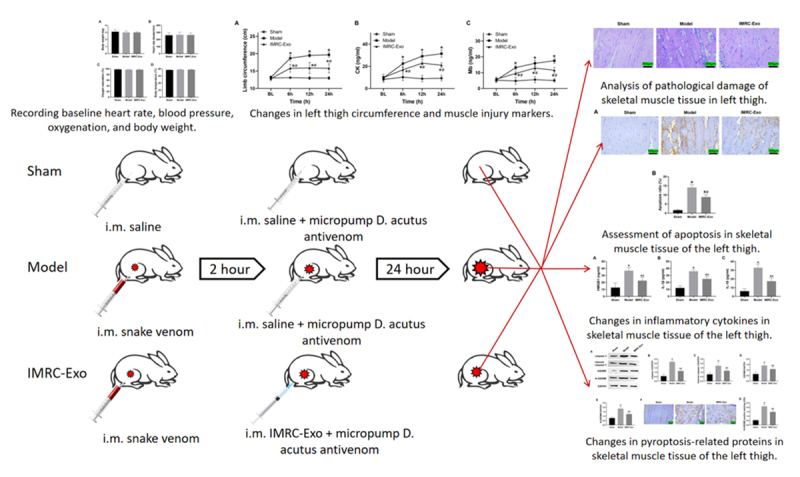
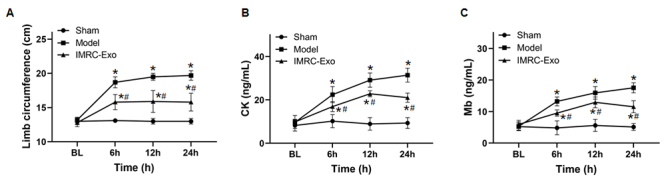
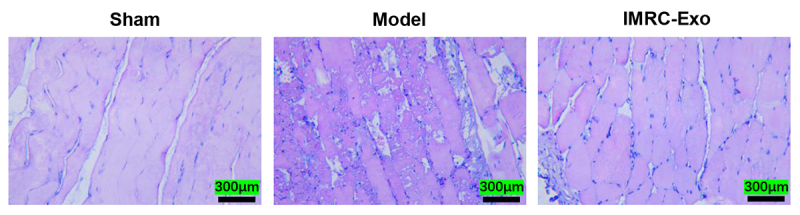
Abstract Background: Inflammation plays a critical role in the pathogenesis of limb injury caused by Deinagkistrodon acutus snakebite. Investigating its regulatory mechanisms and intervention strategies may help identify effective treatments. Recent studies have shown that pyroptosis exacerbates organ damage by amplifying inflammatory responses. Additionally, immune and matrix-regulatory cells (IMRC), a novel type of mesenchymal stem cell, and their exosomes (Exo) have demonstrated potential in mitigating inflammation-mediated injury by suppressing pyroptosis. This study aimed to evaluate whether IMRC-Exo could alleviate D. acutus venom-induced limb injury in rabbits by suppressing pyroptosis, thereby attenuating the associated inflammatory response. Methods: Eighteen healthy male New Zealand white rabbits were randomly assigned to Sham, Model, and IMRC-Exo groups. The Model group was established by intramuscular injection of D. acutus venom (1.5 mg/kg), followed by intravenous snake antivenom (80 U/kg) after 2 hours. The IMRC-Exo group received IMRC-Exo (7.5 × 10¹⁰ particles) post-modeling. Within 24 hours, left thigh circumference, serum creatine kinase (CK), and myoglobin (Mb) were assessed. Muscle tissues were collected for histopathology, apoptosis analysis, inflammatory cytokine quantification [high-mobility group box 1 (HMGB1), IL-1β, IL-18], and pyroptosis-related protein detection [caspase-3, cleaved caspase-3, gasdermin E (GSDME), N-terminal GSDME (N-GSDME)]. Results: Compared to Sham, venom injection significantly increased thigh circumference, CK, Mb, histopathological damage, apoptosis, inflammatory cytokines, and pyroptosis-related proteins. IMRC-Exo significantly reduced these indicators, mitigating muscle injury and inflammation. Additionally, inflammatory cytokines and pyroptosis markers were significantly lower in the IMRC-Exo group than in the Model group. Conclusion: IMRC-Exo effectively alleviates D. acutus venom-induced limb injury in rabbits, likely through inhibition of GSDME-dependent pyroptosis-mediated inflammation. These findings suggest that IMRC-Exo may serve as a promising therapeutic approach for snakebite-induced inflammatory injury.
Overview
The claims and statistics of this paper haven’t been checked yet.
Free: it reads the open-access text and checks the first 5 claims that cite a source we can check. Create a free account to check every claim.
Integrity signals
Registry
Cites
Statistics
Figures
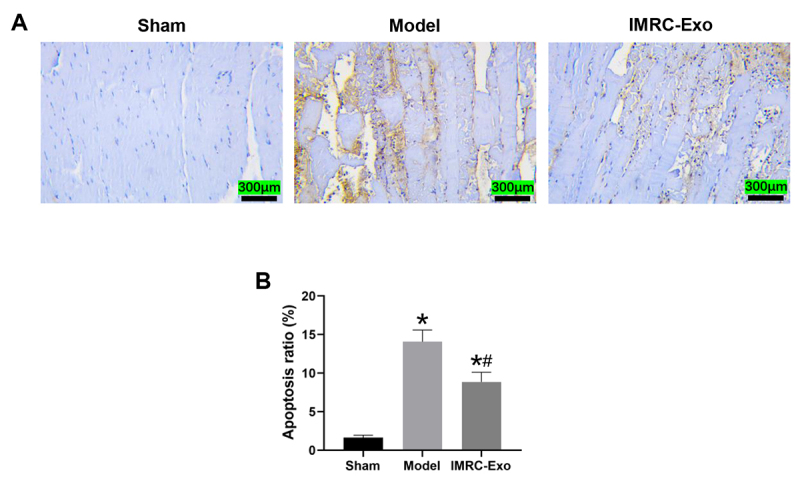
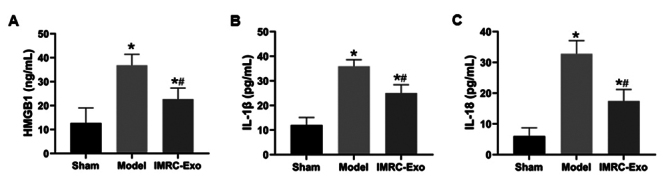
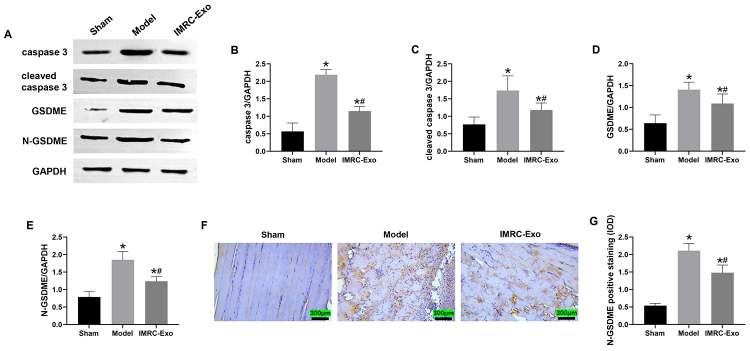
Verification
Claims the paper makes
The claims and statistics of this paper haven’t been checked yet.
Free: it reads the open-access text and checks the first 5 claims that cite a source we can check. Create a free account to check every claim.
Claims other papers make about this one
Each is checked against this paper’s own text: does it say what the citing paper says it does?
The source backs part of the claim, not all of it — or backs it for a different population, condition or comparison.
In the citing paper
“In a murine skeletal muscle envenomation model, Deinagkistrodon acutus venom has been reported to bypass the canonical GSDMD-mediated pyroptotic pathway. Instead, the venom activates caspase-3, a key executioner caspase of apoptosis. Activated caspase-3 leads to the cleavage of gasdermin E (GSDME) and activation of pyroptosis, resulting in severe limb injury due to inflammatory muscle damage in”
From Role of Regulated Cell Death Pathways in Snakebite Envenomation: Mechanisms, Crosstalk, and Therapeutic Opportunities (2026) · cites this paper as [59]
Experimental — accuracy not yet measured
Self-check
Percentages, sums and reported differences re-computed from the paper’s own numbers.
The self-check needs the paper’s full text.
Citations
Cites
Gasdermins: Effectors of Pyroptosis
Kovacs, S. B., & Miao, E. A. (2017) · Trends in Cell Biology · doi:10.1016/j.tcb.2017.05.005 · Cited by 1,379 · cited 1×
“This process leads to the leakage of cellular contents and triggers a robust inflammatory response [12–14].”
Yang, J., Chen, Z., Pan, D., Li, H., & Shen, J. (2020) · International Journal of Nanomedicine · doi:10.2147/ijn.s249129 · Cited by 522
Li, X., Liu, L., Yang, J., Yu, Y., Chai, J., Wang, L., Ma, L., & Yin, H. (2016) · EBioMedicine · doi:10.1016/j.ebiom.2016.04.030 · Cited by 450 · cited 1×
“Notably, MSC-Exo has demonstrated significant efficacy in alleviating inflammatory injuries in wounds caused by diabetes and burns [17, 18].”
Yu, M., Liu, W., Li, J., Lu, J., Lu, H., Jia, W., & Liu, F. (2020) · Stem Cell Research & Therapy · doi:10.1186/s13287-020-01824-2 · Cited by 385 · cited 1×
“Notably, MSC-Exo has demonstrated significant efficacy in alleviating inflammatory injuries in wounds caused by diabetes and burns [17, 18].”
Li, B., Luan, S., Chen, J., Zhou, Y., Wang, T., Li, Z., Fu, Y., Zhai, A., & Bi, C. (2020) · Molecular Therapy - Nucleic Acids · doi:10.1016/j.omtn.2019.11.034 · Cited by 303 · cited 1×
“Similarly, Li et al. [27] reported that MSC-Exo accelerated wound healing in a diabetic foot ulcer mouse model by promoting fibroblast proliferation and migration while inhibiting apoptosis and inflammation.”
Gasdermins and their role in immunity and inflammation
Orning, P., Lien, E., & Fitzgerald, K. A. (2019) · Journal of Experimental Medicine · doi:10.1084/jem.20190545 · Cited by 275
Effects of Mesenchymal Stem Cell-Derived Exosomes on Autoimmune Diseases
Shen, Z., Huang, W., Liu, J., Tian, J., Wang, S., & Rui, K. (2021) · Frontiers in Immunology · doi:10.3389/fimmu.2021.749192 · Cited by 273 · cited 1×
“These properties enable MSC-Exo to protect cells and promote tissue repair in diverse settings [23].”
Yan, B., Zhang, Y., Liang, C., Liu, B., Ding, F., Wang, Y., Zhu, B., Zhao, R., Yu, X.-Y., & Li, Y. (2020) · Theranostics · doi:10.7150/thno.42259 · Cited by 201 · cited 1×
“In particular, MSC-Exo have been shown to inhibit pyroptosis via the circHIPK3/FOXO3a pathway, thereby promoting muscle repair and regeneration and effectively alleviating ischemic injury [25].”
Pyroptosis: A pro-inflammatory type of cell death in cardiovascular disease
Wang, Q., Wu, J., Zeng, Y., Chen, K., Wang, C., Yang, S., Sun, N., Chen, H., Duan, K., & Zeng, G. (2020) · Clinica Chimica Acta · doi:10.1016/j.cca.2020.06.044 · Cited by 176
TNF-α contributes to sarcopenia through caspase-8/caspase-3/GSDME-mediated pyroptosis
Wu, J., Lin, S., Chen, W., Lian, G., Wu, W., Chen, A., Sagor, M. I. H., Luo, L., Wang, H., & Xie, L. (2023) · Cell Death Discovery · doi:10.1038/s41420-023-01365-6 · Cited by 134
Self-citationWu, J., Song, D., Li, Z., Guo, B., Xiao, Y., Liu, W., Liang, L., Feng, C., Gao, T., Chen, Y., et al. (2020) · Cell Research · doi:10.1038/s41422-020-0354-1 · Cited by 133
Wang, L., Jiao, X.-F., Wu, C., Li, X., Sun, H., Shen, X.-Y., Zhang, K., Zhao, C., Liu, L., Wang, M., et al. (2021) · Cell Death Discovery · doi:10.1038/s41420-021-00648-0 · Cited by 122 · cited 1×
“Recent studies have highlighted pyroptosis, a novel form of programmed cell death [8], as a critical process that amplifies inflammatory responses, exacerbating muscle tissue damage caused by various factors [9–11].”
Aluganti Narasimhulu, C., & Singla, D. K. (2021) · Journal of Cachexia, Sarcopenia and Muscle · doi:10.1002/jcsm.12662 · Cited by 106 · cited 1×
“Recent studies have highlighted pyroptosis, a novel form of programmed cell death [8], as a critical process that amplifies inflammatory responses, exacerbating muscle tissue damage caused by various factors [9–11].”
Unraveling snake venom phospholipase A2: an overview of its structure, pharmacology, and inhibitors
Sampat, G. H., Hiremath, K., Dodakallanavar, J., Patil, V. S., Harish, D. R., Biradar, P. R., Mahadevamurthy, R. K., Barvaliya, M. J., & Roy, S. (2023) · Pharmacological Reports · doi:10.1007/s43440-023-00543-8 · Cited by 75 · cited 1×
“Inflammation has been identified as a primary mechanism underlying snakebite-induced limb injury [7].”
Liu, P., Yang, S., Shao, X., Li, C., Wang, Z., Dai, H., & Wang, C. (2024) · Stem Cells Translational Medicine · doi:10.1093/stcltm/szad094 · Cited by 68 · cited 1×
“For example, Liu et al. [38] demonstrated that MSC-Exo alleviated LPS-induced acute lung injury by inhibiting alveolar macrophage pyroptosis.”
Wei, S., Feng, M. H., & Zhang, S. (2022) · International Journal of Molecular Sciences · doi:10.3390/ijms232416115 · Cited by 64 · cited 1×
“Recent studies have highlighted pyroptosis, a novel form of programmed cell death [8], as a critical process that amplifies inflammatory responses, exacerbating muscle tissue damage caused by various factors [9–11].”
Bo, Y., Yang, L., Liu, B., Tian, G., Li, C., Zhang, L., & Yan, Y. C. (2022) · Journal of Nanobiotechnology · doi:10.1186/s12951-022-01504-8 · Cited by 62 · cited 1×
“Moreover, Bo et al. [28] demonstrated that pluripotent stem cell-derived exosomes promoted keratinocyte and endothelial cell migration through miR-762, thereby expediting burn wound repair.”
Zhang, K., Chai, B., Ji, H., Chen, L., Ma, Y., Zhu, L., Xu, J., Wu, Y., Lan, Y., Li, H., et al. (2021) · Laboratory Investigation · doi:10.1038/s41374-021-00675-6 · Cited by 41 · cited 1×
“Zhang et al. [34] reported that bioactive glass accelerated wound healing in soft tissue injuries by modulating connexin 43/reactive oxygen species signaling to inhibit endothelial cell pyroptosis.”
Self-citationInflammasome Activation Induced by a Snake Venom Lys49-Phospholipase A2 Homologue
Boeno, C. N., Paloschi, M. V., Lopes, J. A., Pires, W. L., Setúbal, S. D. S., Evangelista, J. R., Soares, A. M., & Zuliani, J. P. (2019) · Toxins · doi:10.3390/toxins12010022 · Cited by 40 · cited 1×
“In addition, recent studies have shown that snake venom components may activate the NLRP3 inflammasome and GSDMD-mediated pyroptosis pathways in immune cells such as macrophages, contributing to local inflammation and muscle damage [35–37].”
Li, Z., Pang, Y., Hou, L., Xing, X., Yu, F., Gao, M., Wang, J., Li, X., Zhang, L., & Xiao, Y. (2023) · International Immunopharmacology · doi:10.1016/j.intimp.2023.111310 · Cited by 38 · cited 1×
“Exosomes from M2-polarized microglia (M2-Exos) have also been found to inhibit neuronal pyroptosis via ubiquitin-mediated degradation of TXNIP, thereby mitigating cerebral ischemia-reperfusion injury [40].”
Zhao, W., Zhang, H., Liu, R., & Cui, R. (2023) · International Journal of Nanomedicine · doi:10.2147/ijn.s412717 · Cited by 36 · cited 1×
“Mesenchymal stem cell-derived exosomes (MSC-Exo) have been shown to exert protective effects, including anti-inflammatory, immunomodulatory, and pro-regenerative properties, in the treatment of various diseases [15, 16].”
Wang, X., Li, X., Liu, J., Tao, Y., Wang, T., & Li, L. (2024) · Journal of Inflammation Research · doi:10.2147/jir.s449565 · Cited by 35 · cited 1×
“Wang et al. [32] demonstrated that inhibiting pyroptosis activation promoted wound healing in diabetic foot ulcers.”
Yang, S., Liu, P., Gao, T., Song, D., Zhao, X., Li, Y., Wu, J., Wang, L., Wang, Z., Hao, J., et al. (2022) · Stem Cell Research & Therapy · doi:10.1186/s13287-022-02839-7 · Cited by 34 · cited 1×
“…from human embryonic stem cells exhibit superior cell quality – characterized by uniform morphology, stable proliferative capacity, and consistent expression of mesenchymal surface markers – as well as enhanced immunoregulatory functions and reparative capacity compared to traditional MSCs [19–21].”
Zhang, H., Zang, C., Zhao, W., Zhang, L., Liu, R., Zhang, F., Wu, J., & Cui, R. (2023) · International Journal of Nanomedicine · doi:10.2147/ijn.s433510 · Cited by 34 · cited 1×
“Mesenchymal stem cell-derived exosomes (MSC-Exo) have been shown to exert protective effects, including anti-inflammatory, immunomodulatory, and pro-regenerative properties, in the treatment of various diseases [15, 16].”
Ranéia e Silva, P. A., de Lima, D. S., Mesquita Luiz, J. P., Câmara, N. O. S., Alves-Filho, J. C. F., Pontillo, A., Bortoluci, K. R., & Faquim-Mauro, E. L. (2021) · Clinical Science · doi:10.1042/cs20201419 · Cited by 30 · cited 1×
“In addition, recent studies have shown that snake venom components may activate the NLRP3 inflammasome and GSDMD-mediated pyroptosis pathways in immune cells such as macrophages, contributing to local inflammation and muscle damage [35–37].”
Boeno, C. N., Paloschi, M. V., Lopes, J. A., Souza Silva, M. D., Evangelista, J. R., dos Reis, V. P., da S. Setúbal, S., Soares, A. M., & Zuliani, J. P. (2022) · International Immunopharmacology · doi:10.1016/j.intimp.2022.109194 · Cited by 24
Wang, Y., Piao, C., Liu, T., Lu, X., Ma, Y., Zhang, J., Liu, G., & Wang, H. (2023) · Biomedicine & Pharmacotherapy · doi:10.1016/j.biopha.2023.115873 · Cited by 24 · cited 1×
“Additionally, adipose-derived MSC-Exo significantly improved liver ischemia-reperfusion injury by suppressing pyroptosis and apoptosis-related pathways, reducing systemic inflammation and liver tissue damage [39].”
Maleki, M. H., Siri, M., Jafarabadi, A., Rajabi, M., Mazhari, S. A., Noori, Z., Koohpeyma, F., Dehghanian, A., Esmaeili, N., Aryanian, Z., et al. (2024) · International Immunopharmacology · doi:10.1016/j.intimp.2024.112013 · Cited by 19 · cited 1×
“Similarly, Hasan Maleki et al. [33] found that nicotinamide riboside and resveratrol aided in diabetic wound repair by suppressing pyroptosis.”
Hu, W., Yang, J., Xue, J., Ma, J., Wu, S., Wang, J., Xu, R., Wei, J. J., Wang, Y., Wang, S., et al. (2023) · Biomedicines · doi:10.3390/biomedicines11020463 · Cited by 13 · cited 1×
“We specifically utilized exosomes derived from IMRCs, as IMRCs – originating from human embryonic stem cells – have been shown to outperform MSCs from adult tissues in terms of anti-inflammatory and immunomodulatory properties [30, 31].”
Zhou, H., Cui, Z., Wang, H., Gao, T., Wang, L., Wu, J., Xiong, Z., Hao, J., & Zhao, M. (2022) · Stem Cell Research & Therapy · doi:10.1186/s13287-022-02917-w · Cited by 13 · cited 1×
“We specifically utilized exosomes derived from IMRCs, as IMRCs – originating from human embryonic stem cells – have been shown to outperform MSCs from adult tissues in terms of anti-inflammatory and immunomodulatory properties [30, 31].”
Effect of Traditional Chinese Medicine on Long-Term Outcomes of Snakebite in Taiwan
Huang, T.-I., & Hsieh, C. (2020) · Toxins · doi:10.3390/toxins12020132 · Cited by 11 · cited 1×
“Current treatments for local wound management following Deinagkistrodon acutus bites include local debridement combined with vacuum sealing drainage (VSD) [4], hyperbaric oxygen therapy [5], and traditional Chinese medicine (TCM) topical applications [6].”
Stolpe, M. R., Norris, R. L., Chisholm, C. D., Hartshorne, M. F., Okerberg, C. V., Ehler, W. J., & Posch, J. L. (1989) · Annals of Emergency Medicine · doi:10.1016/s0196-0644(89)80216-1 · Cited by 9 · cited 1×
“Current treatments for local wound management following Deinagkistrodon acutus bites include local debridement combined with vacuum sealing drainage (VSD) [4], hyperbaric oxygen therapy [5], and traditional Chinese medicine (TCM) topical applications [6].”
[Clinical application of VSD negative pressure aspiration and detoxification in severe snake bite].
Zheng, Z., Chen, G.-L., Liang, W., Ji, X., Yin, J., Liu, M., Chen, W., Yu, Y.-G., & Chen, W. (2017) · PubMed · doi:10.3760/cma.j.issn.2095-4352.2017.11.013 · Cited by 8 · cited 1×
“Current treatments for local wound management following Deinagkistrodon acutus bites include local debridement combined with vacuum sealing drainage (VSD) [4], hyperbaric oxygen therapy [5], and traditional Chinese medicine (TCM) topical applications [6].”
Huang, W., Kraynak, C. A., Bender, E. C., Farrar, R. P., & Suggs, L. J. (2022) · Cytotherapy · doi:10.1016/j.jcyt.2022.11.010 · Cited by 7 · cited 1×
“Previous studies have shown that MSCs and their soluble components significantly attenuate ischemic injury in limb muscles through anti-inflammatory and regenerative mechanisms, highlighting their potential for muscle protection and repair [24].”
The establishment and evaluation of a swine model of deinagkistrodon acutus snakebite envenomation
Lai, L., Lutao, X., Chen, Y., Wang, D., Yang, X., Liu, W., Shangguan, P., Xu, J., & Lan, P. (2024) · Toxicon · doi:10.1016/j.toxicon.2024.107683 · Cited by 5 · cited 3×
“The modeling procedure was adapted and optimized based on a previously established swine model of Deinagkistrodon acutus envenomation developed by Lai et al. [22].”
InfluentialSelf-citationChen, L., Li, Z., Wei, W., An, B., Tian, Y., Liu, W., Niu, S., Wang, Y., Wang, L., Li, W., et al. (2023) · Biochemical and Biophysical Research Communications · doi:10.1016/j.bbrc.2023.04.051 · Cited by 3 · cited 1×
“…from human embryonic stem cells exhibit superior cell quality – characterized by uniform morphology, stable proliferative capacity, and consistent expression of mesenchymal surface markers – as well as enhanced immunoregulatory functions and reparative capacity compared to traditional MSCs [19–21].”
Néry, N. M., Ferreira, A. A. F. E., Santana, H. M., Serrath, S. N., dos Reis, V. P., Paloschi, M. V., Silva, M. D. S., Magalhães, J. G. S., Cruz, L. F., Shibayama, T. Y., et al. (2024) · Journal of Biotechnology · doi:10.1016/j.jbiotec.2024.11.014 · Cited by 3 · cited 1×
“Silva et al. demonstrated that bone marrow-derived DCs attenuated local inflammation and facilitated the onset of tissue repair following Bothrops jararacussu venom injury by reducing cytokine levels and histological damage [29].”
Zhou, H., Cui, Z., Wang, H., Gao, T., Wang, L., Wu, J., Xiong, Z., Hao, J., & Zhao, M. (2022) · Research Square · doi:10.21203/rs.3.rs-1262603/v1 · Cited by 1
Bo, Y., Yang, L., Liu, B., Tian, G., Li, C., Zhang, L., & Yan, Y. C. (2022) · Research Square · doi:10.21203/rs.3.rs-1289192/v2 · Cited by 1
Research works printed but not linked: 2
- Gongping. Qin Toxicology of Snakes in China 2 Nanning Guangxi Science and Technology Press 1998 46 772 Article in Chinese
- Gong X Yang W. Current status of epidemiological research on venomous snakebites in China China J Tradit Chin Med Pharm 2012 21 5 778 780 Article in Chinese
Cited by
Alangode, A., Rajasekhar, A., Sabu, J. J., Krishna, S., Anuja, D., Sreeja, A., Remesh, G., Kaladevi, A., & Nair, B. G. (2026) · International Journal of Molecular Sciences · doi:10.3390/ijms27156830
“Activated caspase-3 leads to the cleavage of gasdermin E (GSDME) and activation of pyroptosis, resulting in severe limb injury due to inflammatory muscle damage in skeletal muscles [59,60].”
Metadata
- Authors
- Wu, H., Xie, L., Du, W., Lai, L., Shangguan, P., Wu, X., Xu, J., & Lan, P.
- Affiliations
- Lishui Central Hospital (CN)
- Lishui Central Hospital, China
- Second Affiliated Hospital of Zhejiang University (CN)
- Corresponding author
- Lan, Pin
- Venue
- Journal of Venomous Animals and Toxins including Tropical Diseases
- Publisher
- FapUNIFESP (SciELO)
- Published
- 2025
- Volume
- 31
- Pages
- e20230009-e20230009
- ISSN
- 1678-9180 (ISSN-L)
- 1678-9199
- PMC
- PMC12412906
- OpenAlex
- W4414014293
- Semantic Scholar
- 313a2ff3182f6809fbf91776accf24bc54f82b02
- Cited by
- 1
- References
- 36
- Citations by year
- 2026: 1
- FWCI
- 0.59
- Type
- journal article
- Language
- en
- Open access
- gold
- doi.org
- Licence
- cc-by
- creativecommons.org/licenses/by/4.0/ (vor)
- creativecommons.org/licenses/by/4.0/ (am)
- creativecommons.org/licenses/by/4.0/ (tdm)
- Locations
- The Journal of venomous animals and toxins including tropical diseases (publishedVersion, cc-by)
- PubMed (publishedVersion)
- PubMed Central (publishedVersion, cc-by)
- DOAJ (DOAJ: Directory of Open Access Journals) (submittedVersion, cc-by-sa)
- Funders
- Lishui Science and Technology Project (2023SJZC073, 2024KY1858)
- Zhejiang Provincial Health Department Project (2023SJZC073, 2024KY1858)
- Topics
- Life Sciences › Pharmacology, Toxicology and Pharmaceutics › Toxicology › Venomous Animal Envenomation and Studies
- Life Sciences › Biochemistry, Genetics and Molecular Biology › Molecular Biology › Inflammasome and immune disorders
- Life Sciences › Biochemistry, Genetics and Molecular Biology › Molecular Biology › Extracellular vesicles in disease
- Keywords
- Deinagkistrodon acutus, snakebite, extremity injuries, exosomes, gasdermin E, pyroptosis, inflammation, muscle damage, HMGB1, IL-1β, IL-18, caspase-3, myositis
About these checks
Registry, retraction, Cites and statistics results are computed, not judged, with one exception: a printed reference that no index lists is read once by a model before it counts as a citation error. Claims are extracted by a model and kept only when their quote appears verbatim in the text; each cited source is then checked, with a model’s help, for whether it says what the claim relies on. Those verdicts can be wrong — read the claim’s quote and the cited source before relying on one.
Statistics and arithmetic are recomputed, not judged.
Confidence bands are shown only for fields calibrated on our annotated test set. None is calibrated yet, so no band is shown.
What counts as a claim ›How we measure confidence ›How we check this ›
Are you an author, or do you see a problem with this page? Request a review
Data sources
Bibliographic data: Semantic Scholar, OpenAlex, Crossref.
Contains information from the Semantic Scholar Academic Graph Datasets, made available under the ODC Attribution License (ODC-BY 1.0).
Semantic Scholar’s data is described in: Kinney, R., et al. (2023). The Semantic Scholar Open Data Platform. arXiv:2301.10140.
