

The DOI matches its Crossref record; 135 of the 135 references it cites were found in a registry or an index.
Metabolic reprogramming in triple-negative breast cancer
Open accessAbstract
Since triple-negative breast cancer (TNBC) was first defined over a decade ago, increasing studies have focused on its genetic and molecular characteristics. Patients diagnosed with TNBC, compared to those diagnosed with other breast cancer subtypes, have relatively poor outcomes due to high tumor aggressiveness and lack of targeted treatment. Metabolic reprogramming, an emerging hallmark of cancer, is hijacked by TNBC to fulfill bioenergetic and biosynthetic demands; maintain the redox balance; and further promote oncogenic signaling, cell proliferation, and metastasis. Understanding the mechanisms of metabolic remodeling may guide the design of metabolic strategies for the effective intervention of TNBC. Here, we review the metabolic reprogramming of glycolysis, oxidative phosphorylation, amino acid metabolism, lipid metabolism, and other branched pathways in TNBC and explore opportunities for new biomarkers, imaging modalities, and metabolically targeted therapies.
Overview
The claims and statistics of this paper haven’t been checked yet.
Run the check — free, no account needed. It reads the open-access text and checks the sources it cites.
Integrity signals
Registry
Cites
Statistics
Figures
Verification
Claims the paper makes
The claims and statistics of this paper haven’t been checked yet.
Run the check — free, no account needed. It reads the open-access text and checks the sources it cites.
Claims other papers make about this one
Each is checked against this paper’s own text: does it say what the citing paper says it does?
In the citing paper
“The modulation of cancer-specific metabolic adaptations weakens the malignant cells and widens the therapeutic window for effective treatment of TNBC patients (Lanning et al., 2017; Wang et al., 2020).”
From An Arthropod Hormone, Ecdysterone, Inhibits the Growth of Breast Cancer Cells via Different Mechanisms (2020) · cites this paper as Wang et al., 2020
Self-check
Percentages, sums and reported differences re-computed from the paper’s own numbers.
The self-check needs the paper’s full text.
Citations
Cites
1 retracted
Samanta, D., Park, Y., Andrabi, S. A., Shelton, L. M., Gilkes, D. M., & Semenza, G. L. (2016) · Cancer Research · doi:10.1158/0008-5472.can-16-0530 · Cited by 242 · cited 1×
“This metabolic reprogramming maintains the level of NADPH to counter hypoxia-or chemotherapy-induced ROS stress and plays a role in BCSC enrichment and lung metastasis 53,54 .”
BackgroundRetractedNishimura, R., Osako, T., Nishiyama, Y., Tashima, R., Nakano, M., Fujisue, M., Toyozumi, Y., & Arima, N. (2013) · Oncology · doi:10.1159/000353099 · Cited by 13,239
The emerging hallmarks of cancer metabolism
Pavlova, N. N., & Thompson, C. B. (2016) · Cell Metabolism · doi:10.1016/j.cmet.2015.12.006 · Cited by 5,926 · cited 1×
“…despite the availability of adequate oxygen (known as aerobic glycolysis or the Warburg effect), thereby maintaining high levels of glycolytic intermediates for biosynthetic requirements, while decreasing the production of reactive oxygen species (ROS) from oxidative phosphorylation (OXPHOS) 6 .”
BackgroundRegulation of cancer cell metabolism
Cairns, R. A., Harris, I. S., & Mak, T. W. (2011) · Nature Reviews Cancer · doi:10.1038/nrc2981 · Cited by 4,744 · cited 2×
“Under normoxic conditions, HIF-1 α is hydroxylated by the proline hydroxylase domain (PHD2; also known as EglN1) in an oxygen-and α -ketoglutarate ( α -KG)- dependent manner, which results in its ubiquitination and subsequent degradation 15 .”
BackgroundFoulkes, W. D., Smith, I. E., & Reis-Filho, J. S. (2010) · New England Journal of Medicine · doi:10.1056/nejmra1001389 · Cited by 4,719
Goldhirsch, A., Wood, W. C., Coates, A. S., Gelber, R. D., Thurlimann, B. J. K., & Senn, H.-J. (2011) · Annals of Oncology · doi:10.1093/annonc/mdr304 · Cited by 3,836
Metabolic Reprogramming: A Cancer Hallmark Even Warburg Did Not Anticipate
Ward, P. S., & Thompson, C. B. (2012) · Cancer Cell · doi:10.1016/j.ccr.2012.02.014 · Cited by 3,233 · cited 1×
“This rewired metabolic network depends on the dysregulation of many key enzymes, such as pyruvate kinase muscle isozyme M2 (PKM2), which redirects glycolytic intermediates into the anabolic pathway 7 .”
BackgroundLiedtke, C., Mazouni, C., Hess, K. R., André, F., Tordai, A., Mejia, J. A., Symmans, W. F., Gonzalez-Angulo, A. M., Hennessy, B., Green, M., et al. (2008) · Journal of Clinical Oncology · doi:10.1200/jco.2007.14.4147 · Cited by 2,892 · cited 1×
“Nevertheless, chemotherapy currently remains the mainstay of systemic treatment due to the lack of effective targeted therapy such as anti-HER2 and anti-ER 5 .”
BackgroundEMT, CSCs, and drug resistance: the mechanistic link and clinical implications
Shibue, T., & Weinberg, R. A. (2017) · Nature Reviews Clinical Oncology · doi:10.1038/nrclinonc.2017.44 · Cited by 2,539 · cited 1×
“EMT confers TNBC with cancer stem cell (CSC)-like characteristics, including elevated metastatic potential and enhanced resistance to chemotherapy 4 .”
BackgroundFrom Krebs to clinic: glutamine metabolism to cancer therapy
Altman, B. J., Stine, Z. E., & Dang, C. V. (2016) · Nature Reviews Cancer · doi:10.1038/nrc.2016.71 · Cited by 2,119
Cited by
Sorted by citations
Glucose Metabolism and Glucose Transporters in Breast Cancer
Shin, E., & Koo, J. S. (2021) · Frontiers in Cell and Developmental Biology · doi:10.3389/fcell.2021.728759 · Cited by 172
LOX-1 and cancer: an indissoluble liaison
Murdocca, M., Masi, C. D., Pucci, S., Mango, R., Novelli, G., Natale, C. D., & Sangiuolo, F. C. (2021) · Cancer Gene Therapy · doi:10.1038/s41417-020-00279-0 · Cited by 121
Sabit, H., Adel, A., Abdelfattah, M. M., Ramadan, R. M., Nazih, M., Abdel-Ghany, S. E., El-Hashash, A. H. K., & Arneth, B. (2025) · Cancer Letters · doi:10.1016/j.canlet.2025.217865 · Cited by 110
He, L., Wick, N., Germans, S. K., & Peng, Y. S. (2021) · Cancers · doi:10.3390/cancers13246209 · Cited by 89
Immature natural killer cells promote progression of triple-negative breast cancer
Thacker, G., Henry, S., Nandi, A., Debnath, R., Singh, S., Nayak, A., Susnik, B., Boone, M., Zhang, Q. H., Kesmodel, S. B., et al. (2023) · Science Translational Medicine · doi:10.1126/scitranslmed.abl4414 · Cited by 88
Shi, Y., Zhang, Y., Ran, F., Liu, J., Lin, J., Hao, X., Ding, L., & Ye, Q. (2020) · Cancer Letters · doi:10.1016/j.canlet.2020.09.012 · Cited by 83
Han, B., Zhang, H., Tian, R., Liu, H., Wang, Z., Wang, Z., Tian, J., Cui, Y., Ren, S., Zuo, X., et al. (2022) · Theranostics · doi:10.7150/thno.72404 · Cited by 84
Targeting hypoxia-inducible factor-1alpha: A new strategy for triple-negative breast cancer therapy
Liu, Q., Guan, C., Liu, C., Li, H., Wu, J., & Sun, C. (2022) · Biomedicine & Pharmacotherapy · doi:10.1016/j.biopha.2022.113861 · Cited by 86
Oncogene-mediated metabolic gene signature predicts breast cancer outcome
Aslan, M., Hsu, E., Garcia-Marques, F. J., Bermudez, A., Liu, S., Shen, M., West, M., Zhang, C. A., Rice, M. A., Brooks, J. D., et al. (2021) · npj Breast Cancer · doi:10.1038/s41523-021-00341-6 · Cited by 68
Lu, V. M., Goyal, A., Quiñones‐Hinojosa, A., & Chaichana, K. L. (2018) · Clinical Neurology and Neurosurgery · doi:10.1016/j.clineuro.2018.12.013 · Cited by 54
Expanding Roles of De Novo Lipogenesis in Breast Cancer
Simeone, P., Tacconi, S., Longo, S., Lanuti, P., Bravaccini, S., Pirini, F., Ravaioli, S., Dini, L., & Giudetti, A. M. (2021) · International Journal of Environmental Research and Public Health · doi:10.3390/ijerph18073575 · Cited by 55
Zheng, X., Ma, H., Wang, J., Huang, M., Fu, D., Qin, L., & Yin, Q. (2022) · Translational Oncology · doi:10.1016/j.tranon.2022.101534 · Cited by 59
Correlation between the Warburg effect and progression of triple-negative breast cancer
Liu, S., Li, Y., Yuan, M., Song, Q., & Liu, M. (2023) · Frontiers in Oncology · doi:10.3389/fonc.2022.1060495 · Cited by 58
Recent progress in immune evasion mechanisms of triple-negative breast cancer
Yang, Y., & Wang, W. (2025) · Journal of Translational Medicine · doi:10.1186/s12967-025-07370-w · Cited by 56
Prognostic and therapeutic relevance of phosphofructokinase platelet-type (PFKP) in breast cancer
Umar, S. M., Kashyap, A., Kahol, S., Mathur, S. R., Gogia, A., Deo, S. V. S., & Prasad, C. P. (2020) · Experimental Cell Research · doi:10.1016/j.yexcr.2020.112282 · Cited by 48
Liu, Y., Wu, H., Wang, S., Zhang, X., Gong, L., Xiao, C., Liu, C., Chen, L., Zhao, H., Liu, C., et al. (2023) · Materials Today · doi:10.1016/j.mattod.2023.07.003 · Cited by 47
Cui, Z., Li, Y., Lin, Y., Zheng, C., Luo, L., Hu, D., Chen, Y., Xiao, Z., & Sun, Y. (2024) · Frontiers in Endocrinology · doi:10.3389/fendo.2024.1328679 · Cited by 47
Therapeutic Potential of Tumor Metabolic Reprogramming in Triple-Negative Breast Cancer
Munkácsy, G., Santarpia, L., & Győrffy, B. (2023) · International Journal of Molecular Sciences · doi:10.3390/ijms24086945 · Cited by 46
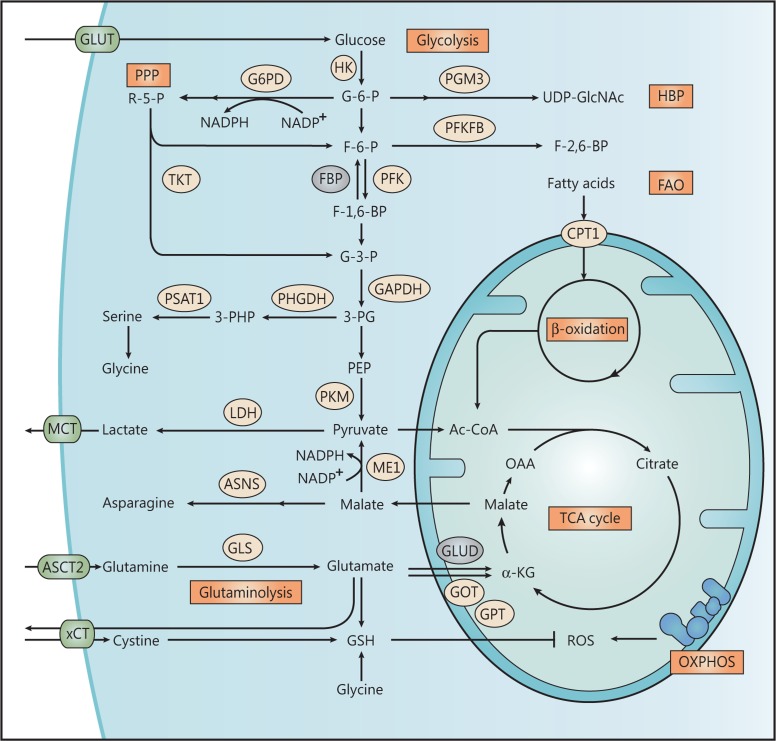
“Glycolysis is more important in TNBC (Figure 3) than in other subtypes of breast cancer, as it is characterized by increased glucose uptake and lactate secretion [63].”
BackgroundGlutamine transporter SLC38A3 promotes breast cancer metastasis via Gsk3β/β-catenin/EMT pathway
Tan, Z., Boyapati, K., Tressler, C. M., Jenkinson, N. M., & Glunde, K. (2024) · Cancer Letters · doi:10.1016/j.canlet.2024.216653 · Cited by 46
Reactive oxygen species in cancer: a paradox between pro- and anti-tumour activities
Kohan, R., Collin, A., Guizzardi, S., de Talamoni, N. T., & Picotto, G. (2020) · Cancer Chemotherapy and Pharmacology · doi:10.1007/s00280-020-04103-2 · Cited by 45
Glutamine Metabolism: Molecular Regulation, Biological Functions, and Diseases
Kumar, M. A., Baba, S. K., Khan, I. R., Khan, M. S., Husain, F. M., Ahmad, S., Haris, M., Singh, M., Akil, A. A., Macha, M. A., et al. (2025) · MedComm · doi:10.1002/mco2.70120 · Cited by 52
Guo, X., Wang, A., Wang, W., Wang, Y., Chen, H., Liu, X., Xia, T., Zhang, A., Chen, D., Qi, H., et al. (2020) · Molecular Oncology · doi:10.1002/1878-0261.12856 · Cited by 44
Metabolic Roles of HIF1, c-Myc, and p53 in Glioma Cells
Trejo‐Solís, C., Castillo‐Rodríguez, R. A., Serrano-García, N., Silva‐Adaya, D., Vargas-Cruz, S., Chávez-Cortéz, E. G., Gallardo‐Pérez, J. C., Zavala-Vega, S., Cruz-Salgado, A., & Magaña-Maldonado, R. (2024) · Metabolites · doi:10.3390/metabo14050249 · Cited by 41
“…conversion of glutamate into α -KG by positively regulating GDH, glutamate oxaloacetate transaminase (GOT), and ornithine aminotransferase (OAT) [278]. c-Myc-dependent glutamine catabolism replenishes intermediate metabolites of the TCA cycle by producing the anaplerotic substrate α -KG, but…”
BackgroundJan, A., Sofi, S., Jan, N., & Mir, M. A. (2025) · Future Oncology · doi:10.1080/14796694.2025.2461443 · Cited by 41
Ferroptosis induction via targeting metabolic alterations in triple-negative breast cancer
Wang, Y., Sun, Y., Wang, F., Wang, H., & Hu, J. (2023) · Biomedicine & Pharmacotherapy · doi:10.1016/j.biopha.2023.115866 · Cited by 37
Metabolic Flexibility Is a Determinant of Breast Cancer Heterogeneity and Progression
Fukano, M., Park, M., & Deblois, G. (2021) · Cancers · doi:10.3390/cancers13184699 · Cited by 36
Buocikova, V., Longhin, E., Pilalis, E., Mastrokalou, C., Miklikova, S., Cihova, M., Poturnayova, A., Mackova, K., Babelova, A., Trnkova, L., et al. (2022) · Biomedicine & pharmacotherapy = Biomedecine & pharmacotherapie · doi:10.1016/j.biopha.2022.112662 · Cited by 25
Mitaishvili, E., Feinsod, H., David, Z., Shpigel, J., Fernandez, C., Sauane, M., & de la Parra, C. (2024) · Frontiers in Bioscience-Landmark · doi:10.31083/j.fbl2903099 · Cited by 34
Shuvalov, O., Fedorova, O., Tananykina, E., Gnennaya, Y., Daks, A., Petukhov, A., & Barlev, N. A. (2020) · Frontiers in Pharmacology · doi:10.3389/fphar.2020.561537 · Cited by 30
Apolipoprotein C1 (APOC1): A Novel Diagnostic and Prognostic Biomarker for Cervical Cancer
Shi, X., Wang, J., Dai, S., Qin, L., Zhou, J., & Chen, Y. (2020) · OncoTargets and Therapy · doi:10.2147/ott.s280690 · Cited by 30
Darbeheshti, F., Mahdiannasser, M., Noroozi, Z., Firoozi, Z., Mansoori, B., Daraei, A., Bastami, M., Nariman‐Saleh‐Fam, Z., Valipour, E., & Mansoori, Y. (2021) · Journal of Cellular and Molecular Medicine · doi:10.1111/jcmm.17066 · Cited by 29
PRMT3 regulates the progression of invasive micropapillary carcinoma of the breast
Zhi, R., Wu, K., Zhang, J., Liu, H., Niu, C., Li, S., & Fu, L. (2023) · Cancer Science · doi:10.1111/cas.15724 · Cited by 28
Ye, J., Wu, S., Quan, Q., Ye, F., Zhang, J., Song, C., Fan, Y., Cao, H., Tang, H., & Zhao, J. (2024) · Cancer Medicine · doi:10.1002/cam4.70439 · Cited by 27
Cuproptosis in cancers: Function and implications from bench to bedside
Huang, X.-Y., Shen, J.-Y., Huang, K., Wang, L., Sethi, G., & Ma, Z. (2024) · Biomedicine & Pharmacotherapy · doi:10.1016/j.biopha.2024.116874 · Cited by 26
Poddar, A., Rao, S. R., Prithviraj, P., Kannourakis, G., & Jayachandran, A. (2022) · Current Oncology · doi:10.3390/curroncol29100540 · Cited by 24
“Interestingly, OXPHOS activity in TNBC is reported to be both increased as well as reduced [19,43].”
BackgroundPlatelet isoform of phosphofructokinase accelerates malignant features in breast cancer
Inaishi, T., Shibata, M., Ichikawa, T., Kanda, M., Hayashi, M., Soeda, I., Takeuchi, D., Takano, Y., Tsunoda, N., Kodera, Y., et al. (2021) · Oncology Reports · doi:10.3892/or.2021.8220 · Cited by 23
Zhang, J., Chen, X., Chen, G., Wang, H., Jia, L., Yue, H., & Yao, D. (2023) · International Journal of Biological Macromolecules · doi:10.1016/j.ijbiomac.2023.126348 · Cited by 24
Li, J., Li, Z., Zhang, H., Zhang, H., Tang, Y., Tang, Y., Guo, S., Ye, T., Wang, J., & Li, J. (2025) · Cancer Letters · doi:10.1016/j.canlet.2025.218227 · Cited by 22
Cruz‐Gregorio, A. (2026) · Metabolites · doi:10.3390/metabo16010060 · Cited by 24
“This reprogramming metabolic overexpresses glucose transporters such as glucose transporter 1, increasing glucose internalization and its entry into glycolysis [1].”
Jiang, C.-F., Qian, Y.-C., Bai, X., Li, S., Zhang, L., Xie, Y.-X., Lu, Y.-F., Lu, Z.-M., Liu, B., & Jiang, B. (2025) · Cancer Letters · doi:10.1016/j.canlet.2025.217612 · Cited by 22
Schreier, A., Zappasodi, R., Serganova, I. S., Brown, K. A., Demaria, S., & Andreopoulou, E. (2023) · Frontiers in Oncology · doi:10.3389/fonc.2022.1061789 · Cited by 23
“In addition, studies have shown that there is significant heterogeneity in the metabolic dependencies and preferences between TNBC tumors (19, 55, 62).”
BackgroundKim, J., Hwang, Y. H., Nam, G., & Kim, I.-S. (2025) · Journal of Controlled Release · doi:10.1016/j.jconrel.2025.114462 · Cited by 27
SIPA1 Enhances Aerobic Glycolysis Through HIF-2α Pathway to Promote Breast Cancer Metastasis
Yao, C., Weng, J., Feng, L., Zhang, W., Xu, Y. K., Zhang, P., Tanaka, Y., & Su, L. (2022) · Frontiers in Cell and Developmental Biology · doi:10.3389/fcell.2021.779169 · Cited by 20
Ghadi, R., Kuche, K., Date, T., Bhargavi, N., Chaudhari, D., & Jain, S. (2024) · Biomaterials Advances · doi:10.1016/j.bioadv.2024.213822 · Cited by 19
Cai, X.-X., Zhang, Z.-Z., Yang, X., Shen, W.-R., Yuan, L.-W., Ding, X., Yu, Y., & Cai, W.-Y. (2025) · Frontiers in Oncology · doi:10.3389/fonc.2025.1579423 · Cited by 18
“TNBC cells demonstrate metabolic plasticity to overcome nutrient scarcity, acquiring stromal-derived fuels to sustain proliferation, drive chemoresistance, and remodel the immunosuppressive microenvironment (10).”
Lactylation in cancer: molecular mechanisms and advances in clinical study
Li, J., Miao, C., Guo, H., Lin, M., Chen, R., Peng, J., Wang, J., Tang, C., & Chen, Z. (2026) · Molecular Cancer · doi:10.1186/s12943-026-02573-1 · Cited by 21
“…relationships and their effector consequences with orthogonal perturbations, and mapping heterogeneity through cross-cohort Kla–subtype atlases that connect MCT1/MCT4 balance, LDH isoforms, and lactylation fingerprints to clinically actionable subgroups and companion diagnostics [78, 88, 393, 394].”
Zhang, Z., & Zhang, H. (2021) · Expert Opinion on Therapeutic Targets · doi:10.1080/14728222.2021.2015321 · Cited by 18
“cancer [21], gastric cancer [22], prostate cancer [23], and lung cancer [24].”
BackgroundPan, B., Xia, Y., Fang, S., Ai, J., Wang, K., Zhang, J., Du, C., Chen, Y., Liu, L., & Yan, S. W. (2022) · Frontiers in Pharmacology · doi:10.3389/fphar.2022.1043252 · Cited by 18
Malayil, R., Chhichholiya, Y., Vasudeva, K., Singh, H. V., Singh, T., Singh, S., & Munshi, A. (2023) · Medical Oncology · doi:10.1007/s12032-023-02037-2 · Cited by 19
The role of metabolic reprogramming in immune escape of triple-negative breast cancer
Bao, R., Qu, H., Li, B., Cheng, K., Miao, Y., & Wang, J. (2024) · Frontiers in Immunology · doi:10.3389/fimmu.2024.1424237 · Cited by 22
“…(13, 14), enabling tumor cells to meet the energy demands and biosynthetic requirements necessary for malignant proliferation, maintain redox homeostasis, proliferate rapidly in a nutrient-de fi cient tumor microenvironment (15), and facilitate the survival and metastasis of cancer cells (16).”
BackgroundNuances of PFKFB3 Signaling in Breast Cancer
Galindo, C. M., Ganzella, F. A. D. O., Klassen, G., Ramos, E. A. D. S., & Acco, A. (2022) · Clinical Breast Cancer · doi:10.1016/j.clbc.2022.01.002 · Cited by 17
Cisneros-Villanueva, M., Fonseca-Montaño, M. A., Ríos-Romero, M., López‐Camarillo, C., Jiménez‐Morales, S., Langley, E., Rosette-Rueda, A. S., Cedro‐Tanda, A., Hernández‐Sotelo, D., & Hidalgo‐Miranda, A. (2024) · Scientific Reports · doi:10.1038/s41598-024-51947-2 · Cited by 17
“This may be due to the epidemiological finding that TNBC primarily affects young, premenopausal women between the ages of 40 and 46, who make up about 15–20% of all breast cancer patients 36,37 .”
BackgroundMitochondrial inhibitors: a new horizon in breast cancer therapy
Yan, Y., Li, S., Su, L., Tang, X., Chen, X., Gu, X., Yang, G., Chi, H., & Huang, S. (2024) · Frontiers in Pharmacology · doi:10.3389/fphar.2024.1421905 · Cited by 16
Advanced progress of spatial metabolomics in head and neck cancer research
Zhao, H., Shi, C., Han, W., Luo, G., Huang, Y., Fu, Y., Lu, W., Hu, Q., Shang, Z., & Yang, X. (2023) · Neoplasia · doi:10.1016/j.neo.2023.100958 · Cited by 15
“This metabolic shift leads to altered pathways, ensuring adequate ATP production for survival and rapid proliferation in the nutrient-deprived tumor microenvironment, thus facilitating tumor occurrence and progression [24].”
BackgroundSu, Z., Wang, C., Pan, R., Li, H., Chen, J., Tan, J., Tian, X., Lin, T., & Shen, J. (2022) · Frontiers in Immunology · doi:10.3389/fimmu.2022.1028263 · Cited by 14
“In breast cancer, notably, the inhibition of glycolysis promotes the transformation of the breast cancer stem cells from a quiescent, mesenchymal-like state to an epithelial-like state, referred to as epithelial-mesenchymal transition (6).”
BackgroundHuang, Z., Li, D., Guo, F., Xian, T., Hu, H.-S., Xu, J., Luo, Y., Chen, Z., Wang, B., & Zhang, Y. (2022) · Colloids and Surfaces B Biointerfaces · doi:10.1016/j.colsurfb.2022.112956 · Cited by 14
Yamashita, N., Withers, H. G., Morimoto, Y., Bhattacharya, A., Haratake, N., Daimon, T., Fushimi, A., Nakashoji, A., Thorner, A. R., Isenhart, E., et al. (2023) · iScience · doi:10.1016/j.isci.2023.108168 · Cited by 14
Littleflower, A. B., Parambil, S. T., Antony, G. R., & Subhadradevi, L. (2024) · Biochimie · doi:10.1016/j.biochi.2024.01.003 · Cited by 14
Manjunath, M., Ravindran, F., Sharma, S., Siddiqua, H., Raghavan, S. C., & Choudhary, B. (2024) · International Journal of Molecular Sciences · doi:10.3390/ijms25126485 · Cited by 14
“TNBC cells possess a hybrid metabolic status having high glycolysis and a considerable level of oxidative phosphorylation (OXPHOS), including HIF-1/AMPK signalling [11].”
BackgroundSan-Millán, I., Martinez, J. L., Pickard, S. L., Yu, H., Hirsch, F. R., Rivard, C. J., & Brooks, G. A. (2023) · bioRxiv (Cold Spring Harbor Laboratory) · doi:10.1101/2023.03.23.533060 · Cited by 14
Yao, D., Wang, Y., Dong, X., Chen, Y., Ji, D., Zou, R., Huang, Y., Huang, W., & Wang, D. (2025) · Journal of Nanobiotechnology · doi:10.1186/s12951-025-03264-7 · Cited by 14
“This process contributes to the formation of an acidic tumor microenvironment (TME) [4].”
Metabolic Adaptations in Cancer Progression: Optimization Strategies and Therapeutic Targets
Dominiak, A., Chełstowska, B., & Nowicka, G. (2025) · Cancers · doi:10.3390/cancers17142341 · Cited by 15
“Studies suggest that metastatic tumors, especially in lipid-rich environments such as the bone marrow or adipose tissue, exhibit enhanced FAO to support their survival and proliferation [61,74].”
Gu, Z., Lin, S., Yan, W., Chen, D., Zeng, Z., Chen, L., Li, Y., & He, B. (2022) · International Journal of Molecular Sciences · doi:10.3390/ijms232113291 · Cited by 13
Ayodeji, S. A., Bao, B., Teslow, E. A., Polin, L., Dyson, G. E., Bollig-Fischer, A. B., & Fehl, C. (2023) · Cancer Cell International · doi:10.1186/s12935-023-02942-6 · Cited by 13
“One aspect of this link could be metabolic reprograming in TNBC tumors [66].”
BackgroundTargeting cancer stem cell plasticity in triple-negative breast cancer
Guo, Z., & Han, S. (2023) · Exploration of Targeted Anti-tumor Therapy · doi:10.37349/etat.2023.00190 · Cited by 18
Yuan, X., Shao, Y.-C., Guan, X.-Q., Liu, Q., Chu, M.-F., Yang, Z., Li, H., Zhao, S., Tian, Y., Zhang, J., et al. (2024) · Biochimica et Biophysica Acta (BBA) - Molecular Cell Research · doi:10.1016/j.bbamcr.2024.119716 · Cited by 13
Sunassee, E. D., Jardim‐Perassi, B. V., Madonna, M. C., Ordway, B., & Ramanujam, N. (2023) · Molecular Cancer Research · doi:10.1158/1541-7786.mcr-22-1004 · Cited by 13
Huang, Z., Hu, H., Xian, T., Xu, Z., Tang, D., Wang, B., & Zhang, Y. (2023) · RSC Advances · doi:10.1039/d2ra05932k · Cited by 14
Zhang, J., Ma, C., Qin, H., Wang, Z., Zhu, C., Liu, X., Hao, X., Liu, J., Li, L., & Cai, Z. (2022) · BMC Medical Genomics · doi:10.1186/s12920-022-01417-3 · Cited by 12
“Changes in metabolic processes are closely related to tumor growth [12–15].”
BackgroundMetabolic Alterations in Canine Mammary Tumors
Tamarindo, G. H., Novais, A. A., Chuffa, L. G. D. A., & Zuccari, D. A. P. D. C. (2023) · Animals · doi:10.3390/ani13172757 · Cited by 14
Tan, Z., Deme, P., Boyapati, K., Claes, B. S. R., Duivenvoorden, A. A. M., Heeren, R. M. A., Tressler, C. M., Haughey, N. J., & Glunde, K. (2023) · Breast Cancer Research · doi:10.1186/s13058-023-01742-0 · Cited by 12
“…TNBC subtype, which could lead to the development of novel molecular targets, are critically important for improving therapeutic options for treating TNBC. Metabolic reprogramming is a hallmark of cancer and has provided promising therapeutic targets for the treat-ment of breast cancer [10].”
BackgroundSaleh, R. O., Ibrahim, F. M., Pallathadka, H., Kaur, I., Ahmad, I. S., Ali, S. H. J., Redhee, A. H., Ghildiyal, P., Jawad, M. A., & Alsaadi, S. B. (2024) · Cell Biochemistry and Function · doi:10.1002/cbf.3992 · Cited by 11
“20,21 As a result, several signaling pathways play crucial roles in the development of malignancy.”
BackgroundCorrado, A., Lorito, N., Anemone, A., Carella, A., Villano, D., Pirotta, E., Gammaraccio, F., Subbiani, A., Bacci, M., Dastrù, W., et al. (2025) · Breast Cancer Research · doi:10.1186/s13058-025-02065-y · Cited by 12
“The development of breast cancer is characterized by a multistep progression that is strongly influenced by tumor metabolic reprogramming [2].”
Delayed breast reconstruction with tram-flap and various modifications after radical mastectomy
Smolanka, I. I., Bagmut, I. Y., Sheremet, M. I., Lyashenko, A. O., Movchan, O. V., Smolanka, I. I., Loboda, A. D., Kolisnyk, I. L., Sydorchuk, L., & Lazaruk, O. V. (2021) · Journal of Medicine and Life · doi:10.25122/jml-2021-0354 · Cited by 12
Guillén-Mancina, E., Jiménez‐Alonso, J. J., Calderón‐Montaño, J. M., Jiménez-González, V., Díaz-Ortega, P., Burgos‐Morón, E., & López‐Lázaro, M. (2023) · Cancers · doi:10.3390/cancers15051540 · Cited by 12
Mertens, R. T., Kim, J. H., Ofori, S., Olelewe, C., Kamitsuka, P. J., Kwakye, G. F., & Awuah, S. G. (2023) · Biomedicine & Pharmacotherapy · doi:10.1016/j.biopha.2023.116010 · Cited by 11
Targeting metabolism of breast cancer and its implications in T cell immunotherapy
Zou, J., Mai, C., Lin, Z., Zhou, J., & Lai, G. (2024) · Frontiers in Immunology · doi:10.3389/fimmu.2024.1381970 · Cited by 15
Simon, M., Hagemann, A., Gajadin, S., Signorelli, F., & Vincent, A. J. P. E. (2024) · Brain and Spine · doi:10.1016/j.bas.2024.102828 · Cited by 11
“…et al., 2021; Li et al., 2020; Moshel et al., 2008; ¨ et al., 2003; Pallud et al., 2021; Pitskhelauri et al., 2021; Rao et al., 2018; Rossi et al., 2021; Sanai et al., 2010; Simon et al., 2009; Skrap et al., 2012; Sughrue et al., 2017; Wang et al., 2012; Wang et al., 2017; Zhuang et al., 2016).”
BackgroundMethodInfluentialHuang, X., Ali, A., Yachioui, D. E., Dévédec, S. E. L., & Hankemeier, T. (2025) · Progress in Lipid Research · doi:10.1016/j.plipres.2025.101330 · Cited by 12
Samuel, S. M., Varghese, E., Satheesh, N. J., Triggle, C. R., & Büsselberg, D. (2023) · Biomedicine & Pharmacotherapy · doi:10.1016/j.biopha.2023.114911 · Cited by 14
“TNBCs maintain a significantly high glycolytic flux to support their proliferation and survival [5].”
Oncogenic roles of lncRNA BLACAT1 and its related mechanisms in human cancers
Han, W., Fan, Y., & Guan, W. (2020) · Biomedicine & Pharmacotherapy · doi:10.1016/j.biopha.2020.110632 · Cited by 11
Agrawal, P., Jain, N., Gopalan, V., Timon, A., Singh, A., Rajagopal, P. S., & Hannenhalli, S. S. (2024) · iScience · doi:10.1016/j.isci.2024.109752 · Cited by 9
Zhai, X., Mao, L., Kang, Q., Liu, J., Zhou, Y., Wang, J., Yang, X., Wang, D., Wang, J., Li, Y., et al. (2024) · Molecular Therapy · doi:10.1016/j.ymthe.2024.11.010 · Cited by 10
Qin, W., Chen, B., Li, X., Zhao, W., Wang, L., Zhang, N., Wang, X., Luo, D., Liang, Y., Li, Y., et al. (2025) · Cell Death and Disease · doi:10.1038/s41419-025-07580-6 · Cited by 10
Xi, Y., Li, T., Xi, Y., Zeng, X., Miao, Y., Guo, R., Zhang, M., & Li, B. (2022) · Cancer Cell International · doi:10.1186/s12935-022-02681-0 · Cited by 10
Triple-negative breast cancer treatment meets nanoparticles: Current status and future direction
Shokooh, M. K., Emami, F., Duwa, R., Jeong, J., & Yook, S. (2022) · Journal of Drug Delivery Science and Technology · doi:10.1016/j.jddst.2022.103274 · Cited by 10
Reddi, K. K., Chava, S., Chabattula, S. C., Edwards, Y. J. K., Singh, K., & Gupta, R. (2024) · Cell Death and Disease · doi:10.1038/s41419-024-06831-2 · Cited by 9
“The treatment conditions are described in the corresponding fi gure legends.”
Wang, H.-L., Hu, J.-D., Zhou, W.-B., & Qian, A.-J. (2024) · American Journal of Cancer Research · doi:10.62347/vyat9271 · Cited by 8
Mechanism of the Warburg effect and its role in breast cancer immunotherapy
Saheed, E. S., Aromolaran, R. F., Atoyebi, A. D., Adeleke, F. C., Otuyalo, A. I., & Edozie, P. K. (2024) · Discover Medicine · doi:10.1007/s44337-024-00131-6 · Cited by 10
USP35 promotes breast cancer progression by regulating PFK-1 ubiquitination to mediate glycolysis
Lian, W., Hong, C., Chen, D., & Wang, C. (2024) · American Journal of Physiology-Cell Physiology · doi:10.1152/ajpcell.00733.2024 · Cited by 9
Yang, Z., Yin, S., Yi, Z., Li, Y., Wu, S., Xu, P., Tang, M., Sun, Y., Qi, H., Zhang, F., et al. (2025) · npj Precision Oncology · doi:10.1038/s41698-025-00945-2 · Cited by 11
“Metabolic reprogramming is not only a hallmark of tumors but also provides a promising opportunity for BC treatment 22,23 .”
Pei, W., Dai, L., Li, M., Cao, S., Xiao, Y., Yang, Y., Ma, M., Deng, M., Mo, Y., & Liu, M. (2025) · Biomolecules · doi:10.3390/biom15070970 · Cited by 10
Chatterjee, P., & Banerjee, S. (2023) · Journal of Biomolecular Structure and Dynamics · doi:10.1080/07391102.2023.2243352 · Cited by 10
“Hence the mainstay treatment strategy in TNBC remains constricted to mastectomy, chemotherapy and radiation techniques (Wang et al., 2020).”
The Role of Amino Acids in the Diagnosis, Risk Assessment, and Treatment of Breast Cancer: A Review
Bel’skaya, L. V., Gundyrev, I. A., & Solomatin, D. V. (2023) · Current Issues in Molecular Biology · doi:10.3390/cimb45090474 · Cited by 12
Cui, R., Wang, C., Li, T., Hua, J., Zhao, T., Ren, L., Wang, Y., & Li, Y. (2021) · Cancer Cell International · doi:10.1186/s12935-021-02256-5 · Cited by 9
The Lipid Asset Is Unbalanced in Peripheral Nerve Sheath Tumors
Vetrano, I. G., Dei, M., Nazzi, V., Eoli, M., Innocenti, N., Saletti, V., Potenza, A., Carrozzini, T., Pollaci, G., Gorla, G., et al. (2021) · International Journal of Molecular Sciences · doi:10.3390/ijms23010061 · Cited by 9
Xiao, W., & Xu, C. (2024) · Oncology Letters · doi:10.3892/ol.2024.14654 · Cited by 8
Jung, J., Yang, Y., & Kim, Y. (2025) · Oncology Letters · doi:10.3892/ol.2025.14921 · Cited by 8
Deutsch, R. J., D’Agostino, V. W., Sunassee, E. D., Kwan, M. H.-W., Madonna, M. C., Palmer, G. M., Crouch, B. T., & Ramanujam, N. (2022) · Metabolites · doi:10.3390/metabo12050369 · Cited by 8
ILT4 reprograms glucose metabolism to promote tumor progression in triple-negative breast cancer
Zhang, H., Gao, A., Liu, Q., Zhang, F., Wang, S., Chen, X., Shi, W., Zhang, Y., Liu, Q., Zheng, Y., et al. (2023) · Journal of Cell Science · doi:10.1242/jcs.260964 · Cited by 8
Metadata
- Authors
- Wang, Z., Jiang, Q., & Dong, C.
- Affiliations
- Second Affiliated Hospital of Zhejiang University (CN)
- Zhejiang University (CN)
- Corresponding author
- Dong, Chenfang
- Venue
- Cancer Biology and Medicine
- Publisher
- China Anti-cancer Association
- Published
- 2020
- Volume
- 17
- Issue
- 1
- Pages
- 44-59
- ISSN
- 2095-3941 (ISSN-L)
- PMC
- PMC7142847
- OpenAlex
- W3020548503
- Cited by
- 248
- References
- 135
- Citations by year
- 2026: 61 · 2025: 63 · 2024: 46 · 2023: 31 · 2022: 20 · 2021: 18 · 2020: 8
- FWCI
- 6.58
- Type
- journal article
- Language
- en
- Open access
- gold
- doi.org
- Licence
- cc-by
- Locations
- Cancer Biology and Medicine (publishedVersion, cc-by)
- PubMed Central (publishedVersion, cc-by)
- PubMed (publishedVersion)
- DOAJ (DOAJ: Directory of Open Access Journals) (submittedVersion, cc-by-sa)
- Topics
- Life Sciences › Biochemistry, Genetics and Molecular Biology › Cancer Research › Cancer, Hypoxia, and Metabolism
- Life Sciences › Biochemistry, Genetics and Molecular Biology › Cancer Research › Cancer, Lipids, and Metabolism
- Life Sciences › Biochemistry, Genetics and Molecular Biology › Molecular Biology › Metabolism, Diabetes, and Cancer
- Keywords
- triple-negative breast cancer, metabolic reprogramming, glycolysis, oxidative phosphorylation, amino acid metabolism, lipid metabolism, redox homeostasis, oncogenic signaling, metastasis, metabolic biomarkers, metabolic imaging
- MeSH terms
- Warburg Effect, Oncologic, Amino Acids, Antineoplastic Agents, Female, Humans, Oxidative Phosphorylation, Biomarkers, Tumor, Lipid Metabolism, Molecular Targeted Therapy, Triple Negative Breast Neoplasms
About these checks
Registry, retraction, Cites and statistics results are computed, not judged, with one exception: a printed reference that no index lists is read once by a model before it counts as a citation error. Claims are extracted by a model and kept only when their quote appears verbatim in the text; each cited source is then checked, with a model’s help, for whether it says what the claim relies on. Those verdicts can be wrong — read the claim’s quote and the cited source before relying on one.
Statistics and arithmetic are recomputed, not judged.
Confidence bands are shown only for fields calibrated on our annotated test set. None is calibrated yet, so no band is shown.
What counts as a claim ›How we measure confidence ›How we check this ›
Are you an author, or do you see a problem with this page? Request a review
