

The DOI matches its Crossref record; 135 of the 135 references it cites were found in a registry or an index.
Metabolic reprogramming in triple-negative breast cancer
Open accessAbstract
Since triple-negative breast cancer (TNBC) was first defined over a decade ago, increasing studies have focused on its genetic and molecular characteristics. Patients diagnosed with TNBC, compared to those diagnosed with other breast cancer subtypes, have relatively poor outcomes due to high tumor aggressiveness and lack of targeted treatment. Metabolic reprogramming, an emerging hallmark of cancer, is hijacked by TNBC to fulfill bioenergetic and biosynthetic demands; maintain the redox balance; and further promote oncogenic signaling, cell proliferation, and metastasis. Understanding the mechanisms of metabolic remodeling may guide the design of metabolic strategies for the effective intervention of TNBC. Here, we review the metabolic reprogramming of glycolysis, oxidative phosphorylation, amino acid metabolism, lipid metabolism, and other branched pathways in TNBC and explore opportunities for new biomarkers, imaging modalities, and metabolically targeted therapies.
Overview
The claims and statistics of this paper haven’t been checked yet.
Run the check — free, no account needed. It reads the open-access text and checks the sources it cites.
Integrity signals
Registry
Cites
Statistics
Figures
Verification
Claims the paper makes
The claims and statistics of this paper haven’t been checked yet.
Run the check — free, no account needed. It reads the open-access text and checks the sources it cites.
Claims other papers make about this one
Each is checked against this paper’s own text: does it say what the citing paper says it does?
In the citing paper
“The modulation of cancer-specific metabolic adaptations weakens the malignant cells and widens the therapeutic window for effective treatment of TNBC patients (Lanning et al., 2017; Wang et al., 2020).”
From An Arthropod Hormone, Ecdysterone, Inhibits the Growth of Breast Cancer Cells via Different Mechanisms (2020) · cites this paper as Wang et al., 2020
Self-check
Percentages, sums and reported differences re-computed from the paper’s own numbers.
The self-check needs the paper’s full text.
Citations
Cites
1 retracted
Samanta, D., Park, Y., Andrabi, S. A., Shelton, L. M., Gilkes, D. M., & Semenza, G. L. (2016) · Cancer Research · doi:10.1158/0008-5472.can-16-0530 · Cited by 242 · cited 1×
“This metabolic reprogramming maintains the level of NADPH to counter hypoxia-or chemotherapy-induced ROS stress and plays a role in BCSC enrichment and lung metastasis 53,54 .”
BackgroundRetractedNishimura, R., Osako, T., Nishiyama, Y., Tashima, R., Nakano, M., Fujisue, M., Toyozumi, Y., & Arima, N. (2013) · Oncology · doi:10.1159/000353099 · Cited by 13,239
The emerging hallmarks of cancer metabolism
Pavlova, N. N., & Thompson, C. B. (2016) · Cell Metabolism · doi:10.1016/j.cmet.2015.12.006 · Cited by 5,926 · cited 1×
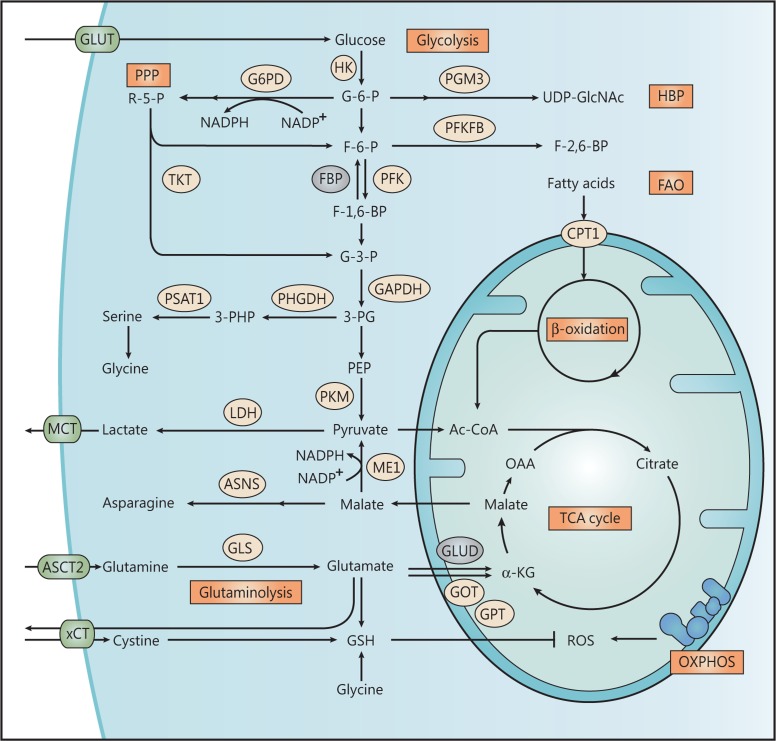
“…despite the availability of adequate oxygen (known as aerobic glycolysis or the Warburg effect), thereby maintaining high levels of glycolytic intermediates for biosynthetic requirements, while decreasing the production of reactive oxygen species (ROS) from oxidative phosphorylation (OXPHOS) 6 .”
BackgroundRegulation of cancer cell metabolism
Cairns, R. A., Harris, I. S., & Mak, T. W. (2011) · Nature Reviews Cancer · doi:10.1038/nrc2981 · Cited by 4,744 · cited 2×
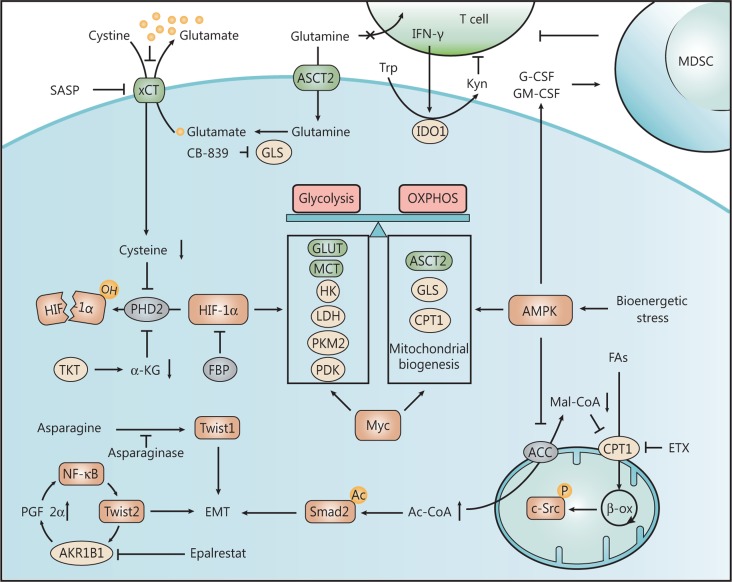
“Under normoxic conditions, HIF-1 α is hydroxylated by the proline hydroxylase domain (PHD2; also known as EglN1) in an oxygen-and α -ketoglutarate ( α -KG)- dependent manner, which results in its ubiquitination and subsequent degradation 15 .”
BackgroundFoulkes, W. D., Smith, I. E., & Reis-Filho, J. S. (2010) · New England Journal of Medicine · doi:10.1056/nejmra1001389 · Cited by 4,719
Goldhirsch, A., Wood, W. C., Coates, A. S., Gelber, R. D., Thurlimann, B. J. K., & Senn, H.-J. (2011) · Annals of Oncology · doi:10.1093/annonc/mdr304 · Cited by 3,836
Metabolic Reprogramming: A Cancer Hallmark Even Warburg Did Not Anticipate
Ward, P. S., & Thompson, C. B. (2012) · Cancer Cell · doi:10.1016/j.ccr.2012.02.014 · Cited by 3,233 · cited 1×
“This rewired metabolic network depends on the dysregulation of many key enzymes, such as pyruvate kinase muscle isozyme M2 (PKM2), which redirects glycolytic intermediates into the anabolic pathway 7 .”
BackgroundLiedtke, C., Mazouni, C., Hess, K. R., André, F., Tordai, A., Mejia, J. A., Symmans, W. F., Gonzalez-Angulo, A. M., Hennessy, B., Green, M., et al. (2008) · Journal of Clinical Oncology · doi:10.1200/jco.2007.14.4147 · Cited by 2,892 · cited 1×
“Nevertheless, chemotherapy currently remains the mainstay of systemic treatment due to the lack of effective targeted therapy such as anti-HER2 and anti-ER 5 .”
BackgroundEMT, CSCs, and drug resistance: the mechanistic link and clinical implications
Shibue, T., & Weinberg, R. A. (2017) · Nature Reviews Clinical Oncology · doi:10.1038/nrclinonc.2017.44 · Cited by 2,539 · cited 1×
“EMT confers TNBC with cancer stem cell (CSC)-like characteristics, including elevated metastatic potential and enhanced resistance to chemotherapy 4 .”
BackgroundFrom Krebs to clinic: glutamine metabolism to cancer therapy
Altman, B. J., Stine, Z. E., & Dang, C. V. (2016) · Nature Reviews Cancer · doi:10.1038/nrc.2016.71 · Cited by 2,119
Cited by
Sorted by citations
Items 101–200 of 248
Liu, J., Shi, J., Zhang, T., Chen, M., Li, Z., Lu, C., & Wang, F. (2024) · Breast Cancer Basic and Clinical Research · doi:10.1177/11782234241285645 · Cited by 7
Ketogenesis promotes triple-negative breast cancer metastasis via calpastatin β-hydroxybutyrylation
Jiang, H., Zeng, Y., Yuan, X., Chen, L., Xu, X., Jiang, X., Li, Q., Li, G., & Han, Y. (2024) · Lipids in Health and Disease · doi:10.1186/s12944-024-02364-x · Cited by 7
Mapping molecular landscapes in triple-negative breast cancer: insights from spatial transcriptomics
Al-Mansour, F. S. H., Almasoudi, H. H., & Albarrati, A. (2025) · Naunyn-Schmiedeberg s Archives of Pharmacology · doi:10.1007/s00210-025-04057-3 · Cited by 7
“Similarly, chemotherapy-resistant TNBC regions identified through ST exhibit adaptive metabolic rewiring, where oxidative phosphorylation (OXPHOS)- dependent tumor cells compensate for glycolysis inhibition by upregulating mitochondrial biogenesis pathways (Wang et al. 2020).”
Inhibiting glycolysis facilitated checkpoint blockade therapy for triple-negative breast cancer
Li, C., Tang, Y., Zhang, R., Shi, L., Chen, J., Zhang, P., Zhang, N., & Li, W. (2025) · Discover Oncology · doi:10.1007/s12672-025-02320-w · Cited by 7
“HK2-mediated metabolic reprogramming in TNBC also affects the tumor microenvironment (TME) [10].”
Hu, C., Zhang, S., Duan, F., Huang, X., Huang, J., Zhu, Z., Mo, X., Xu, W., Wu, L., Fan, Z., et al. (2025) · Breast Cancer Research · doi:10.1186/s13058-025-02052-3 · Cited by 7
“They display elevated glucose uptake and lactate secretion, with the upregulation of several key glycolytic enzymes and transporters, including hexokinase (HK), lactate dehydrogenase (LDH), and monocarbox-ylate transporter (MCT) etc. [37, 38].”
Wang, X., Liu, Z., Chu, A., Song, R., Liu, S., Chai, T., & Sun, C. (2023) · Journal of Bioenergetics and Biomembranes · doi:10.1007/s10863-023-09985-4 · Cited by 7
“and Martel 2018; Wang et al. 2020).”
Bagheri, M., Lee, M. K., Muller, K. E., Miller, T. W., Pattabiraman, D. R., & Christensen, B. C. (2024) · Epigenomics · doi:10.2217/epi-2023-0339 · Cited by 7
Li, Y., Shan, J., Liu, S., Shen, Y., Niu, L., Mao, Q., & Chen, X. (2025) · Biochimica et Biophysica Acta (BBA) - Molecular Basis of Disease · doi:10.1016/j.bbadis.2025.167958 · Cited by 8
The lactylation index predicts the immune microenvironment and prognosis of pan-cancer patients
ZHAI, X., LIU, J., Xiao, J.-W., Zhang, T., Wang, J., LI, J., & YU, S. (2024) · Biocell · doi:10.32604/biocell.2024.050803 · Cited by 6
Chen, B., Lü, M., Chen, Q., Zou, E., Bo, Z., Li, J., Zhao, R., Zhao, J., Yu, Z., Chen, G., et al. (2024) · Frontiers in Genetics · doi:10.3389/fgene.2024.1430885 · Cited by 6
Application of Metabolic Biomarkers in Breast Cancer: A Literature Review
Lee, A., & Lam, C. (2025) · Annals of Laboratory Medicine · doi:10.3343/alm.2024.0482 · Cited by 7
Metabolomics as a tool for understanding and treating triple-negative breast cancer
Khan, G., Hussain, M. S., Ahmad, S., Alam, N., Ali, S., & Alam, P. (2025) · Naunyn-Schmiedeberg s Archives of Pharmacology · doi:10.1007/s00210-025-04234-4 · Cited by 6
“Furthermore, TNBC cells demonstrate altered AA metabolism, particularly an increased reliance on glutamine metabolism (Wang et al. 2020).”
Ge, Z., Xu, J., Meng, F., Sun, M., He, L., Fan, Z., & Du, J. (2025) · ACS Applied Materials & Interfaces · doi:10.1021/acsami.5c06429 · Cited by 6
Carlosama, C., Arévalo, C., Jiménez, M. C., Lasso, P., Urueña, C., Fiorentino, S., & Barreto, A. (2024) · Scientific Reports · doi:10.1038/s41598-024-70550-z · Cited by 4
Sato, K., MIURA, K., Tamori, S., & Akimoto, K. (2024) · Cancer Genomics & Proteomics · doi:10.21873/cgp.20450 · Cited by 9
Tang, X., Jiang, N., Kou, Y., Cheng, S., & Yan, F. (2025) · Molecular Therapy Oncology · doi:10.1016/j.omton.2025.200963 · Cited by 5
Qi, Y., Li, P., Li, B., Lv, P., Hu, H. H., Tan, C., Wang, W., Jiang, Y., & He, J. (2025) · Journal of Ethnopharmacology · doi:10.1016/j.jep.2025.120287 · Cited by 5
Lactate and lactylation in breast cancer: current understanding and therapeutic opportunities
Huang, L. J., Chen, X., Yan, M., Xiang, Z., & Wu, J. (2025) · Cancer Biology and Medicine · doi:10.20892/j.issn.2095-3941.2025.0173 · Cited by 6
A Natural LDHA Allosteric Inhibitor Geraniin Suppresses Triple‐Negative Breast Cancer Cell Growth
Yu, Y. P., Ye, X., Hou, T., Zhou, H., Liu, L., Yuan, W., Wang, J., & Liang, X. (2025) · Phytotherapy Research · doi:10.1002/ptr.70112 · Cited by 5
Jiménez-Flores, E., Reytor-González, C., Gavilanes, D. J., Carrillo, C., Horowitz, R., Carrera, J. C. C., Ordóñez, G. D. B., & Simancas‐Racines, D. (2026) · Pharmaceuticals · doi:10.3390/ph19040550 · Cited by 6
Liu, Y., Zhang, X., Pang, Z., Wang, Y., Zheng, H., Wang, G., Wang, K., & Du, J. (2024) · Aging · doi:10.18632/aging.205838 · Cited by 5
The signature of extracellular vesicles in hypoxic breast cancer and their therapeutic engineering
Zhu, B., Xiang, K., Li, T., Li, X., & Shi, F. (2024) · Cell Communication and Signaling · doi:10.1186/s12964-024-01870-w · Cited by 5
“The robust antioxidation sys-tem of TNBC can rapidly synthesize a large amount of GSH to counteract the transient increase in ROS and the enzymes involved, including malic enzyme 1 and nicotinamide phosphoribosyltransferase, which do not depend on HER2 [136].”
BackgroundFAK and p130Cas Modulate Stiffness‐Mediated Early Transcription and Cellular Metabolism
Tumenbayar, B., Pham, K., Biber, J. C., Tutino, V. M., Brazzo, J. A., Yao, P., & Bae, Y. (2024) · Cytoskeleton · doi:10.1002/cm.21971 · Cited by 5
“…(Alzheimer's, Parkinson's, and Huntington diseases), all involving altered metabolism and biosynthesis (Chong, Clarke, and Levelt 2017; Encarnacion-Rosado and Kimmelman 2021; Kang, Lee, and Lee 2017; Nambron et al. 2016; Sonninen et al. 2020; Vanhove et al. 2019; Wang, Jiang, and Dong 2020).”
Wang, Z., Guo, X., Wang, W., Gao, L., Bao, X., Feng, M., Lian, W., Zhu, H., & Xing, B. (2020) · The Journal of Clinical Endocrinology & Metabolism · doi:10.1210/clinem/dgaa708 · Cited by 5
Khanna, P., Mehta, R. N., Mehta, G. A., Bhatt, V. D., Guo, J. Y., & Gatza, M. L. (2023) · bioRxiv (Cold Spring Harbor Laboratory) · doi:10.1101/2023.09.10.557071 · Cited by 5
Xu, C., Gao, Y., Zhang, X., Jia, F., Pan, Z., Li, M., Wang, W., Li, X., & Wu, Y. F. (2025) · Advanced Therapeutics · doi:10.1002/adtp.202400570 · Cited by 4
Reopening Pandora’s box: Is there a role for HDL in breast cancer?
Sawada, M. I., Santana, M. B. S., Vancini, M. G., & Passarelli, M. (2025) · Seminars in Cancer Biology · doi:10.1016/j.semcancer.2025.07.001 · Cited by 4
Syrnioti, A., Timotheadou, E. T., Papadopoulos, V. N., Syrnioti, G., & Κoletsa, T. (2025) · International Journal of Molecular Sciences · doi:10.3390/ijms262211211 · Cited by 4
“…fibroblasts (CAFs), vascular structures, adipose tissue, extracellular matrix (ECM) components, and metabolic gradients play critical roles in creating a complex and dynamic ecosystem, with a direct impact on tumor growth, invasion, therapeutic resistance, and metastatic potential [17–20].”
Overcoming Therapeutic Resistance in Triple-Negative Breast Cancer: Targeting the Undrugged Kinome
Lee, C. H., Nguyen, T. M., Lee, Y., Choi, S. G., Nguyễn, P. N., Park, J. H., & Park, M. K. (2025) · International Journal of Molecular Sciences · doi:10.3390/ijms27010450 · Cited by 8
Koo, K., Kim, C.-D., Kim, H., Wi, J.-K., Kim, H., Shin, Y.-Z., Cha, H., Kang, S. H., & Kim, T.-H. (2026) · Chemical Engineering Journal · doi:10.1016/j.cej.2026.173253 · Cited by 4
Chen, J., Li, J., He, R., Huang, Z., Chen, G., & Zou, W. (2024) · World Journal of Clinical Oncology · doi:10.5306/wjco.v15.i7.867 · Cited by 4
Abdelrazig, S., McCabe, Á., Yasin, A., Chaudhary, R., Ochsenkühn, M. A., Scicchitano, D. A., & Amin, S. A. (2025) · RSC Advances · doi:10.1039/d5ra01044f · Cited by 4
Khan, M. S., Hanif, W., Alsakhen, N. A., Jabbar, B., Shamkh, I. M., Alsaiari, A. A., Almehmadi, M. M., Alghamdi, S. A., Shakoori, A. M., Farraj, D. A. A., et al. (2023) · Frontiers in Genetics · doi:10.3389/fgene.2023.1230998 · Cited by 4
“However, ER + tumors are glutamine-independent and show increased GLUD expression (Wang et al., 2020).”
BackgroundCheng, Y., Chang, D.-M., Tung, Y., Hsiao, P., Nakagawa‐Goto, K., & Shyur, L. (2024) · Phytomedicine · doi:10.1016/j.phymed.2024.156226 · Cited by 4
The diverse metabolic heterogeneity of stem cells in a BRCA+/-breast cancer population
Gramatiuk, S. M., Bagmut, I. Y., Sheremet, M. I., Maksymyuk, V. V., Tarabanchuk, V. V., & Moroz, P. V. (2021) · Journal of Medicine and Life · doi:10.25122/jml-2020-0105 · Cited by 4
Diet and Cancer Metabolic Reprogramming
Bhattacharya, S. (2021) · Cancer Reports and Reviews · doi:10.15761/crr.1000233 · Cited by 4
Zhao, K., Zheng, Y., Lu, W., & Chen, B. (2023) · Frontiers in Genetics · doi:10.3389/fgene.2022.932027 · Cited by 4
Wang, S., Liu, D., Wang, R., Zou, Y., Tian, T., Huang, X., Fang, X., & Liu, B. (2025) · Materials Today Bio · doi:10.1016/j.mtbio.2025.101857 · Cited by 3
“Some studies reported that the protein related to the serine metabolic pathway was highly expressed in triple-negative breast cancer (TNBC) [41], which was consistent with up-regulation of serine in esBC-EVs.”
Liu, F., Meng, F., Hong, X., Giri, A. K., Asim, M. H., Chen, Z., Chen, Y., Lin, Y., He, L., Bu, Q., et al. (2025) · Advanced Healthcare Materials · doi:10.1002/adhm.202502251 · Cited by 5
Fucosylated N-Glycan Landscape of Triple-Negative Breast Cancer
Scott, D. A., Seal, S., Spruill, L., Dunne, J., Colditz, G. A., Mehta, A. S., Drake, R. R., Ford, M. E., & Angel, P. M. (2025) · Molecular Cancer Research · doi:10.1158/1541-7786.mcr-25-0483 · Cited by 3
Shah, H., Mohan, A. M., Buch, L., Ramachandran, A. V., & Pandya, P. (2025) · Scientific Reports · doi:10.1038/s41598-025-19140-1 · Cited by 4
Kong, H., Pan, M., & Sun, L. (2025) · Clinical and Experimental Medicine · doi:10.1007/s10238-025-01870-1 · Cited by 4
“…the tumor to meet its bioenergetic and biosynthetic needs, maintain redox balance, and fuel oncogenic signaling, proliferation, and metastasis [24] Advances in computational technologies, including machine learning and network pharmacology, have revolutionized the identification of illness…”
Keller, D. T., Weiskirchen, R., & Schröder, S. K. (2025) · International Journal of Molecular Sciences · doi:10.3390/ijms262210938 · Cited by 4
“Conversely, TNBC shows upregulation of genes related to glucose uptake and lactate metabolism [77].”
Nakamura, H., Kukita, Y., Kittaka, N., Kusama, H., Nakayama, T., Tamaki, Y., Yoshida, K., Kunimasa, K., Imamura, F., & Yagi, T. (2025) · Histopathology · doi:10.1111/his.70024 · Cited by 3
Emerging small molecule strategies target cancer stem cells through ferroptosis and metabostemness
Farah, H. S., Abdulsahib, W. K., Ismail, S. H., Roopashree, R., Ray, S., Nandhini, S. U., Arora, V., Chauhan, A. S., & Buriyeva, D. (2025) · Discover Oncology · doi:10.1007/s12672-025-04259-4 · Cited by 5
“Similarly, Sulfasalazine, a drug for inflammatory conditions, has demonstrated anti-cancer effects by inhibiting xCT (System Xc-) activity, thereby retarding the growth of triple-negative breast cancer (TNBC) in vitro by inducing ferroptosis [77].”
InfluentialMalyarenko, O. S., Malyarenko, T. V., Kicha, A. A., Ermakova, S. P., & Ivanchina, N. V. (2026) · Marine Drugs · doi:10.3390/md24020075 · Cited by 3
Metabolic Vulnerabilities as a Therapeutic Target in Breast Cancer
Guo, S., & Addison, C. (2026) · Current Oncology · doi:10.3390/curroncol33020129 · Cited by 4
“Aerobic glycolysis use is a common metabolic feature across breast cancer subtypes, with TNBC being the most reliant on this process [33–35], and breast cancers show significant upregulation of numerous glycolytic enzymes.”
Cheng, S., Xia, B., Li, L., Zhao, S., Zhang, Q., Hui, X., Liu, X., Xiong, W., Chen, W., & Zhang, Y. (2026) · Cell Death and Disease · doi:10.1038/s41419-026-08517-3 · Cited by 3
“In TNBC samples, we found that ENO1 mRNA levels are lowest in the MSL subtype and highest in the BL subtype of TNBC. Interestingly, compared with other breast cancer subtypes, TNBC is more reliant on glycolysis, exhibiting increased glucose uptake and lactate secretion [41].”
Discovery of aminothiazole derivatives as a chemical scaffold for glutaminase inhibition
Costa, R. K. E., Brancaglion, G. A., Pinheiro, M. P., Adamóski, D., da Silva, B. N., Negrão, C. V. Z. D. V., Gonçalves, K. D. A., Rodrigues, C. T., Ambrosio, A. L. B., Guido, R. V. C., et al. (2023) · Results in Chemistry · doi:10.1016/j.rechem.2023.100842 · Cited by 3
Wang, S., Ho, Y.-C., Chou, C., Chang, Y., Lee, H., & Tseng, L. (2024) · The International Journal of Biochemistry & Cell Biology · doi:10.1016/j.biocel.2024.106688 · Cited by 3
Siwo, G., Singal, A. G., & Waljee, A. K. (2026) · Frontiers in Oncology · doi:10.3389/fonc.2026.1727389 · Cited by 3
Molecular and therapeutic bases of cancer
Fajardo-Orduña, G. R., & Chamorro-Plata, D. (2021) · Elsevier eBooks · doi:10.1016/b978-0-12-819828-5.00002-4 · Cited by 3
Cui, R., Zhao, T., Bai, C., Ji, N., Hua, J., Ren, L., & Li, Y. (2022) · Frontiers in Pharmacology · doi:10.3389/fphar.2022.809454 · Cited by 3
Banerjee, S., Tiwari, V. K., Raman, K., & Inayatullah, M. (2026) · iScience · doi:10.1016/j.isci.2026.116295 · Cited by 2
Wang, W., Aguilar, M., Datta, S., Alley, A., Tadesse, M., Wang, X., Gao, X., & Zhang, R. (2025) · Frontiers in Pharmacology · doi:10.3389/fphar.2025.1531667 · Cited by 3
Sheikh, E., Salim, K., Guttula, P. K., Burk, D. H., Belgodere, J. A., Beavers, W. N., Stephanes, N. M., Agrawal, K., Dubansky, B. H., Donnarumma, F., et al. (2025) · Chemical & Biomedical Imaging · doi:10.1021/cbmi.5c00104 · Cited by 2
The implied dysregulated RKIP-hypoxia axis in cancer and immune evasion: Clinical implications
McWhorter, R., Chouaı̈b, S., & Bonavida, B. (2025) · Drug Resistance Updates · doi:10.1016/j.drup.2025.101328 · Cited by 2
Spatial metabolomics atlas in the progression of oral squamous cell carcinoma
Zhao, H., Han, W., Shi, C., Luo, G., Lu, W., Fu, Y., Hu, Q., Song, X., Shang, Z., & Yang, X. (2025) · Journal of Translational Medicine · doi:10.1186/s12967-025-07421-2 · Cited by 2
“A defining characteristic of cancer cells is metabolic reprogramming, which alters metabolic pathways to satisfy the increased energy demands of proliferating cancer cells [6, 7].”
Barreca, F., Aventaggiato, M., Cristina, M., Sansone, L., Belli, M., Lista, M. B., Francisci, G., Valente, S., Rotili, D., Mai, A., et al. (2025) · Pharmaceuticals · doi:10.3390/ph19010023 · Cited by 2
“In triple negative breast cancer cells, glutaminase (GLS) is overexpressed, and this is associated with high-grade metastatic breast cancer [5].”
Preclinical Study of CDH3-Targeted 89 Zr/ 177 Lu Theranostics in Triple-Negative Breast Cancer
Tang, M., Zhang, H., Du, H., Hao, X., Lin, B., Zhu, Y., Wang, D., Wu, W., & Du, X. (2026) · Molecular Pharmaceutics · doi:10.1021/acs.molpharmaceut.5c01584 · Cited by 2
Luo, Z., Li, K., Yu, Y., Liu, Y., Weng, H., Zeng, X., Zheng, Y., & Li, W. (2026) · Cancer Research · doi:10.1158/0008-5472.can-25-2792 · Cited by 2
Huang, J., Hu, J., Shi, C., Chu, C., & Hu, H. (2026) · Cancer Cell International · doi:10.1186/s12935-026-04235-0 · Cited by 2
“Meanwhile, TNBC is distinct from other breast cancer subtypes due to its metabolic phenotype, which is predominantly characterized by mitochondrial metabolism [10].”
Zeng, Y., & Guo, Y. (2026) · Frontiers in Immunology · doi:10.3389/fimmu.2026.1715998 · Cited by 2
Huang, A., Huang, S.-Y., SHAH, P. M., Ku, W., Huang, K., Liu, Y., Su, C., & Huang, R.-F. S. (2022) · The Journal of Nutritional Biochemistry · doi:10.1016/j.jnutbio.2022.109000 · Cited by 3
Nirgude, S., Desai, S. S., Ravindran, F., Mhatre, A., Mahadeva, R., Sharma, S., Rai, P. K., Shahana, M., V, Thumsi, J., & Choudhary, B. (2025) · International Immunopharmacology · doi:10.1016/j.intimp.2025.114127 · Cited by 2
Liu, Y.-H., Li, J.-T., Cao, Y.-R., & Lv, M.-Z. (2025) · Frontiers in Oncology · doi:10.3389/fonc.2025.1583752 · Cited by 3
“Metabolic reprogramming, a well-established cancer hallmark, manifests in BC through enhanced glycolysis and anabolic fl ux to sustain uncontrolled proliferation and survival (9, 10).”
Zhu, B., Wan, H., Ling, Z., Jiang, H., & Pei, J. (2025) · Clinical and Experimental Medicine · doi:10.1007/s10238-025-01690-3 · Cited by 2
“Consequently, an in-depth analysis of the molecular mechanisms underlying TNBC and the identification of effective therapeutic targets have emerged as key priorities and challenges in current research [7, 8].”
Targeting the METTL3/YTHDF3/m6A/PGK1 axis to combat Choriocarcinoma progression
Wang, D., Meng, C., Fan, J., Tang, S., & Fang, J. (2025) · Archives of Biochemistry and Biophysics · doi:10.1016/j.abb.2025.110550 · Cited by 2
Metabolic Reprogramming in Kidney Cancer: Implications for Therapy
Edo, E. T. (2025) · annals of urologic oncology · doi:10.32948/auo.2025.06.02 · Cited by 2
“Metabolic alterations also carry prognostic significance— elevated FDG-PET avidity correlates with aggressive tumor behavior [83], while high expression of glycolytic enzymes (HK2, LDHA) and glutamine transporters (ASCT2) predicts poor survival outcomes [84].”
Orobator, O. N., Mertens, R. T., Obisesan, O. A., & Awuah, S. G. (2024) · Journal of Biological Chemistry · doi:10.1016/j.jbc.2024.107949 · Cited by 1
Huang, G., Wang, H., Zhao, X., Wang, C., Zhang, J. C., Yao, D., & Li, C. (2024) · Bioorganic & Medicinal Chemistry · doi:10.1016/j.bmc.2024.118040 · Cited by 1
Kundu, S., & Suresh, P. K. (2025) · Current Molecular Medicine · doi:10.2174/0115665240387430250508080548 · Cited by 2
KOZAK, T., LYKHOVA, O., & Chekhun, V. F. (2025) · Experimental Oncology · doi:10.15407/exp-oncology.2025.01.003 · Cited by 1
“The most pronounced changes in metabolic activity toward increased glycolysis were observed in the luminal sub-type BC cells, probably because MDA-MB-231 cells of the basal subtype have already prefered this pathway of glucose metabolism [33].”
Tang, G., Zhang, Z., Pang, B., Li, R., Liu, Y., Cai, H., Wang, W., Chen, C., Ou, Y., & Yang, Q. (2025) · Biochemistry and Biophysics Reports · doi:10.1016/j.bbrep.2025.102198 · Cited by 1
“…cells reprogram their metabolism in response to the nutrient-poor tumor microenvironment, utilizing metabolic reprogramming through glycolysis, oxidative phosphorylation, amino acid metabolism, lipid metabolism, and other metabolic pathways to meet bioenergetic and biosynthetic demands [6,7].”
Nutrient-transporter driven cytotoxic potential: an emerging nanotherapeutic approach
Dighe, S., Manchanda, N., Sharma, S., & Jain, S. (2025) · Drug Discovery Today · doi:10.1016/j.drudis.2025.104478 · Cited by 1
Walpita, P., Manage, S. A., Gunawardana, D. N., Gunasekara, B., Keerthi, A. A. P., Haputhanthri, P. R., & Perera, M. (2025) · Spectrochimica Acta Part A Molecular and Biomolecular Spectroscopy · doi:10.1016/j.saa.2025.127036 · Cited by 1
Volatile organic compound signatures in breast cancer: A pilot study on cell-based detection
Tenorio-Salazar, A. J., Orduña-Medina, F. M., Mizaikoff, B., Mitrovics, J., de León-Martínez, L. D., & Alcántara-Quintana, L. E. (2025) · Clinica Chimica Acta · doi:10.1016/j.cca.2025.120752 · Cited by 1
Lao, S., Xie, J., Ou, Y., Liu, H., Fu, Q., Wu, J., Qin, L., Li, R., Zeng, K., Wang, S., et al. (2025) · Ecotoxicology and Environmental Safety · doi:10.1016/j.ecoenv.2025.119536 · Cited by 1
Li, R., Liu, Y., Pang, B., Liu, X., Zhu, C., Tang, G., Ran, R., Wang, W., Chen, C., & Yang, Q. (2026) · International Immunopharmacology · doi:10.1016/j.intimp.2026.116201 · Cited by 1
Wang, F., Shi, X., Gao, X., Li, D., Guo, Y., Chang, L. Y., & Wang, Y. (2026) · NeuroToxicology · doi:10.1016/j.neuro.2026.103406 · Cited by 1
Macur, K., Bogucka, A. E., Fel, A., Skokowski, J., Ołdziej, S., & Czaplewska, P. (2026) · Frontiers in Molecular Biosciences · doi:10.3389/fmolb.2026.1739472 · Cited by 1
“…of processes related to amino acid and organic substance response reflects metabolic reprogramming, a hallmark of cancer and a defining feature of TNBC, which relies heavily on altered glycolysis, oxidative phosphorylation, and amino acid metabolism (Wang et al., 2020; Wei et al., 2021).”
Li, Y., & Mo, H. (2026) · International Journal of Molecular Sciences · doi:10.3390/ijms27052114 · Cited by 1
“…amino acid metabolism, lipid metabolism, and other branched pathways in triple-negative breast cancer (TNBC) fulfills bioenergetic and biosynthetic demands of tumor cells, maintains the redox balance, and further promotes oncogenic signaling, cell proliferation, and metastasis [23].”
Li, Y., Li, Z., & Dai, J. (2026) · Breast Cancer Research · doi:10.1186/s13058-026-02285-w · Cited by 1
Xu, H. N., Kollmar, J., Podsednik, A., Wannousse, M., Shestov, A., O’Connor, R. S., Baur, J. A., Tchou, J. C., Zhou, R., & Li, L. Z. (2026) · Metabolites · doi:10.3390/metabo16090613 · Cited by 1
“…however, they retain metabolic flexibility and can maintain or upregulate mitochondrial oxidative phosphorylation (OXPHOS) under conditions such as metastasis, cancer stemness, or metabolic stress, reflecting a context-dependent use of both glycolytic and mitochondrial pathways [9,12–14].”
Alaa, A. R., El-Din, S. A. B., Farrag, M. A., Ahmed, Y., Aziz, M. E. A., Abdel-Ghany, S. E., Arneth, B., & Sabit, H. (2026) · Biomedicines · doi:10.3390/biomedicines14092013 · Cited by 1
“This process provides lipids for building membranes and storing energy [79,80].”
Zakari, S., Cleanclay, W. D., Bella-Omunagbe, M., Zakari, H., Ogbu, C. O., Uti, D. E., & Ogunlana, O. O. (2024) · Journal of Pharmacy & Pharmacognosy Research · doi:10.20944/preprints202310.0577.v1 · Cited by 1
Identification of TAT as a Biomarker Involved in Cell Cycle and DNA Repair in Breast Cancer
Xie, F., Hua, S., Guo, Y., Wang, T., Shan, C., Zhang, L., & He, T. (2024) · Biomolecules · doi:10.3390/biom14091088 · Cited by 1
“Glucose metabolism, amino acid metabolism, and fatty acid metabolism/amino acid metabolism in BC have been identified as critical factors in the metastasis and chemoresistance process of BC [6,7].”
BackgroundGenetic heterogeneity and metabolic reprogramming in breast cancer
Dolaş, Y., Buruş, A., & Çeltikçi, B. (2024) · Acta Medica · doi:10.32552/2024.actamedica.1060 · Cited by 1
Huang, L. H., Zhao, W., Sun, L., Niu, D., Zhu, X., & Jin, C. (2025) · Frontiers in Oncology · doi:10.3389/fonc.2024.1493996 · Cited by 1
“…the upregulation of glycolysis-related enzymes (e.g., hexokinase, pyruvate kinase, and phosphofructokinase) and transport proteins (e.g., glucose transporters and monocarboxylate transporters) in TNBC is associated with the activation of certain signaling pathways and transcription factors (20).”
Peptide-based drugs to inhibit LDH5, a potential target for cancer therapy
Nadal‐Bufí, F. (2022) · Queensland University of Technology · doi:10.5204/thesis.eprints.232526 · Cited by 1
Tang, X., Alothaim, T., & Charbonneau, M. (2022) · Research Square · doi:10.21203/rs.3.rs-1943456/v1 · Cited by 1
PFKP Accelerates Malignant Features in Breast CancerPreprint
Shibata, M., Inaishi, T., Ichikawa, T., Kanda, M., Hayashi, M., Soeda, I., Takeuchi, D., Takano, Y., Tsunoda, N., Kodera, Y., et al. (2021) · Research Square · doi:10.21203/rs.3.rs-258864/v1
Wang, K., Zheng, C., Xue, L., Deng, D., Tan, F., Pei, Q., Li, Y., Wang, D., Zeng, L., Li, M., et al. (2021) · Research Square · doi:10.21203/rs.3.rs-783425/v1
Liao, C., Glodowski, C. R., Fan, C., Liu, J., Mott, K. R., Kaushik, A., Vu, H. S., Locasale, J. W., McBrayer, S. K., DeBerardinis, R. J., et al. (2021) · Research Square · doi:10.21203/rs.3.rs-117384/v2
Shen, S., Guo, Q., & Zhan, S. (2022) · Tropical Journal of Pharmaceutical Research · doi:10.4314/tjpr.v20i7.4
Zhang, L., Xiao, Q., Zhang, M., Liu, X., & Zhou, L. (2024) · Research Square · doi:10.21203/rs.3.rs-3893986/v1
Luo, Y., Xing, J., Wang, C., Yingqiu, W., Zhang, L., & Hongwei, L. (2024) · Research Square · doi:10.21203/rs.3.rs-3992734/v1
Investigação de moduladores da tubulina com propriedades anticâncer
Souza, M. D. S. (2024) · Digital Library of Theses and Dissertations (Universidade de São Paulo) · doi:10.11606/t.76.2024.tde-18062024-093531
Joris, V., Royer, J., & Weil, A. G. (2024) · Elsevier eBooks · doi:10.1016/b978-0-323-95981-0.00004-7
Metadata
- Authors
- Wang, Z., Jiang, Q., & Dong, C.
- Affiliations
- Second Affiliated Hospital of Zhejiang University (CN)
- Zhejiang University (CN)
- Corresponding author
- Dong, Chenfang
- Venue
- Cancer Biology and Medicine
- Publisher
- China Anti-cancer Association
- Published
- 2020
- Volume
- 17
- Issue
- 1
- Pages
- 44-59
- ISSN
- 2095-3941 (ISSN-L)
- PMC
- PMC7142847
- OpenAlex
- W3020548503
- Cited by
- 248
- References
- 135
- Citations by year
- 2026: 61 · 2025: 63 · 2024: 46 · 2023: 31 · 2022: 20 · 2021: 18 · 2020: 8
- FWCI
- 6.58
- Type
- journal article
- Language
- en
- Open access
- gold
- doi.org
- Licence
- cc-by
- Locations
- Cancer Biology and Medicine (publishedVersion, cc-by)
- PubMed Central (publishedVersion, cc-by)
- PubMed (publishedVersion)
- DOAJ (DOAJ: Directory of Open Access Journals) (submittedVersion, cc-by-sa)
- Topics
- Life Sciences › Biochemistry, Genetics and Molecular Biology › Cancer Research › Cancer, Hypoxia, and Metabolism
- Life Sciences › Biochemistry, Genetics and Molecular Biology › Cancer Research › Cancer, Lipids, and Metabolism
- Life Sciences › Biochemistry, Genetics and Molecular Biology › Molecular Biology › Metabolism, Diabetes, and Cancer
- Keywords
- triple-negative breast cancer, metabolic reprogramming, glycolysis, oxidative phosphorylation, amino acid metabolism, lipid metabolism, redox homeostasis, oncogenic signaling, metastasis, metabolic biomarkers, metabolic imaging
- MeSH terms
- Warburg Effect, Oncologic, Amino Acids, Antineoplastic Agents, Female, Humans, Oxidative Phosphorylation, Biomarkers, Tumor, Lipid Metabolism, Molecular Targeted Therapy, Triple Negative Breast Neoplasms
About these checks
Registry, retraction, Cites and statistics results are computed, not judged, with one exception: a printed reference that no index lists is read once by a model before it counts as a citation error. Claims are extracted by a model and kept only when their quote appears verbatim in the text; each cited source is then checked, with a model’s help, for whether it says what the claim relies on. Those verdicts can be wrong — read the claim’s quote and the cited source before relying on one.
Statistics and arithmetic are recomputed, not judged.
Confidence bands are shown only for fields calibrated on our annotated test set. None is calibrated yet, so no band is shown.
What counts as a claim ›How we measure confidence ›How we check this ›
Are you an author, or do you see a problem with this page? Request a review
