

The DOI matches its Crossref record; 135 of the 135 references it cites were found in a registry or an index.
Metabolic reprogramming in triple-negative breast cancer
Open accessAbstract
Since triple-negative breast cancer (TNBC) was first defined over a decade ago, increasing studies have focused on its genetic and molecular characteristics. Patients diagnosed with TNBC, compared to those diagnosed with other breast cancer subtypes, have relatively poor outcomes due to high tumor aggressiveness and lack of targeted treatment. Metabolic reprogramming, an emerging hallmark of cancer, is hijacked by TNBC to fulfill bioenergetic and biosynthetic demands; maintain the redox balance; and further promote oncogenic signaling, cell proliferation, and metastasis. Understanding the mechanisms of metabolic remodeling may guide the design of metabolic strategies for the effective intervention of TNBC. Here, we review the metabolic reprogramming of glycolysis, oxidative phosphorylation, amino acid metabolism, lipid metabolism, and other branched pathways in TNBC and explore opportunities for new biomarkers, imaging modalities, and metabolically targeted therapies.
Overview
The claims and statistics of this paper haven’t been checked yet.
Run the check — free, no account needed. It reads the open-access text and checks the sources it cites.
Integrity signals
Registry
Cites
Statistics
Figures
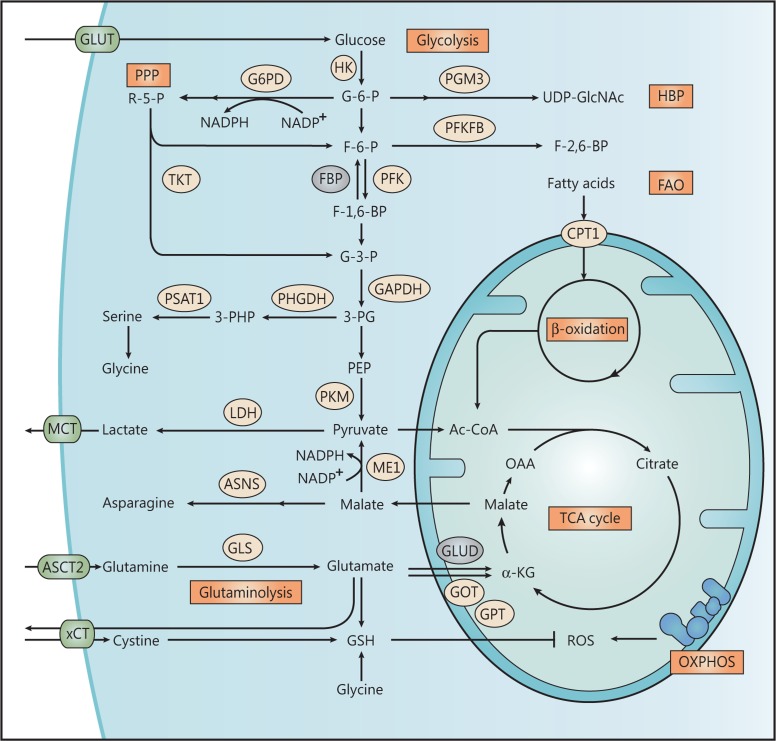
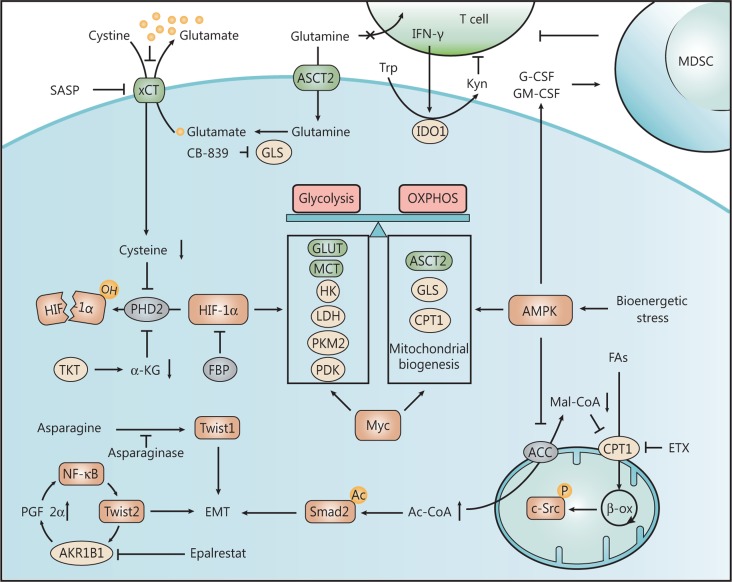
Verification
Claims the paper makes
The claims and statistics of this paper haven’t been checked yet.
Run the check — free, no account needed. It reads the open-access text and checks the sources it cites.
Claims other papers make about this one
Each is checked against this paper’s own text: does it say what the citing paper says it does?
In the citing paper
“The modulation of cancer-specific metabolic adaptations weakens the malignant cells and widens the therapeutic window for effective treatment of TNBC patients (Lanning et al., 2017; Wang et al., 2020).”
From An Arthropod Hormone, Ecdysterone, Inhibits the Growth of Breast Cancer Cells via Different Mechanisms (2020) · cites this paper as Wang et al., 2020
Self-check
Percentages, sums and reported differences re-computed from the paper’s own numbers.
The self-check needs the paper’s full text.
Citations
Cites
1 retracted
Samanta, D., Park, Y., Andrabi, S. A., Shelton, L. M., Gilkes, D. M., & Semenza, G. L. (2016) · Cancer Research · doi:10.1158/0008-5472.can-16-0530 · Cited by 242 · cited 1×
“This metabolic reprogramming maintains the level of NADPH to counter hypoxia-or chemotherapy-induced ROS stress and plays a role in BCSC enrichment and lung metastasis 53,54 .”
BackgroundRetractedNishimura, R., Osako, T., Nishiyama, Y., Tashima, R., Nakano, M., Fujisue, M., Toyozumi, Y., & Arima, N. (2013) · Oncology · doi:10.1159/000353099 · Cited by 13,239
The emerging hallmarks of cancer metabolism
Pavlova, N. N., & Thompson, C. B. (2016) · Cell Metabolism · doi:10.1016/j.cmet.2015.12.006 · Cited by 5,926 · cited 1×
“…despite the availability of adequate oxygen (known as aerobic glycolysis or the Warburg effect), thereby maintaining high levels of glycolytic intermediates for biosynthetic requirements, while decreasing the production of reactive oxygen species (ROS) from oxidative phosphorylation (OXPHOS) 6 .”
BackgroundRegulation of cancer cell metabolism
Cairns, R. A., Harris, I. S., & Mak, T. W. (2011) · Nature Reviews Cancer · doi:10.1038/nrc2981 · Cited by 4,744 · cited 2×
“Under normoxic conditions, HIF-1 α is hydroxylated by the proline hydroxylase domain (PHD2; also known as EglN1) in an oxygen-and α -ketoglutarate ( α -KG)- dependent manner, which results in its ubiquitination and subsequent degradation 15 .”
BackgroundFoulkes, W. D., Smith, I. E., & Reis-Filho, J. S. (2010) · New England Journal of Medicine · doi:10.1056/nejmra1001389 · Cited by 4,719
Goldhirsch, A., Wood, W. C., Coates, A. S., Gelber, R. D., Thurlimann, B. J. K., & Senn, H.-J. (2011) · Annals of Oncology · doi:10.1093/annonc/mdr304 · Cited by 3,836
Metabolic Reprogramming: A Cancer Hallmark Even Warburg Did Not Anticipate
Ward, P. S., & Thompson, C. B. (2012) · Cancer Cell · doi:10.1016/j.ccr.2012.02.014 · Cited by 3,233 · cited 1×
“This rewired metabolic network depends on the dysregulation of many key enzymes, such as pyruvate kinase muscle isozyme M2 (PKM2), which redirects glycolytic intermediates into the anabolic pathway 7 .”
BackgroundLiedtke, C., Mazouni, C., Hess, K. R., André, F., Tordai, A., Mejia, J. A., Symmans, W. F., Gonzalez-Angulo, A. M., Hennessy, B., Green, M., et al. (2008) · Journal of Clinical Oncology · doi:10.1200/jco.2007.14.4147 · Cited by 2,892 · cited 1×
“Nevertheless, chemotherapy currently remains the mainstay of systemic treatment due to the lack of effective targeted therapy such as anti-HER2 and anti-ER 5 .”
BackgroundEMT, CSCs, and drug resistance: the mechanistic link and clinical implications
Shibue, T., & Weinberg, R. A. (2017) · Nature Reviews Clinical Oncology · doi:10.1038/nrclinonc.2017.44 · Cited by 2,539 · cited 1×
“EMT confers TNBC with cancer stem cell (CSC)-like characteristics, including elevated metastatic potential and enhanced resistance to chemotherapy 4 .”
BackgroundFrom Krebs to clinic: glutamine metabolism to cancer therapy
Altman, B. J., Stine, Z. E., & Dang, C. V. (2016) · Nature Reviews Cancer · doi:10.1038/nrc.2016.71 · Cited by 2,119
Cited by
Sorted by citations
Items 201–248 of 248
Salivary gamma-glutamyltransferase activity as an indicator of redox homeostasis in breast cancer
Dyachenko, E. I., Sarf, E. A., & Bel’skaya, L. V. (2025) · ONCOLOGIE · doi:10.1515/oncologie-2025-0065
“In this regard, the biological resources of the body are depleted [36].”
Walpita, P., Manage, S. A., Gunawardana, D. N., Gunasekara, B., Punya, K. A. A., Haputhanthri, P. R., & Perera, M. (2025) · SSRN Electronic Journal · doi:10.2139/ssrn.5352447
Dong, X., Xu, H., Zou, P., Lei, J., & Shao, S. H. (2025) · Research Square · doi:10.21203/rs.3.rs-7280626/v1
Sun, J., Ding, D., Xiang, Q., Zheng, M., & Dai, M. (2025) · Open Medicine · doi:10.1515/med-2025-1286
“A key metabolic characteristic of tumor cells is the Warburg e ff ect, particularly aerobic glycolysis, which allows cancer cells to survive and proliferate rapidly in the malnourished tumor microenvironment [5,6].”
Molecular Effects of Glucose on MIR503HG-Regulated Genes in Triple-Negative Breast Cancer
Reid, V. A., Yang, B. C., Russo, K., Sedano, M. J., Choudhari, R., Ramos, E., & Gadad, S. S. (2025) · British Journal of Biomedical Science · doi:10.3389/bjbs.2025.15206
“The rewiring of their metabolic network enables the cells to meet their bioenergetic demands and promote oncogenic pathways, leading to their proliferation and metastasis [15].”
Tan, Z., Deme, P., Boyapati, K., Claes, B. S. R., Duivenvoorden, A. A. M., Heeren, R. M. A., Tressler, C. M., Haughey, N. J., & Glunde, K. (2023) · Figshare · doi:10.6084/m9.figshare.24655883
Ayodeji, S. A., Bao, B., Teslow, E. A., Polin, L., Dyson, G., Bollig-Fischer, A. B., & Fehl, C. (2024) · Figshare · doi:10.6084/m9.figshare.26591843
Ranawade, P. S., Sonwane, B. P., Bose, G. S., Jadhav, R., Joshi, R. S., & Mittal, S. (2026) · Molecular Omics · doi:10.1093/momics/aaiaf003
Yahya, S. M. M., Abo-Elfadl, M. T., Yahya, S. M. M., Neama Ibrahim, A. L. I., & Salem, S. M. (2026) · Indian Journal of Clinical Biochemistry · doi:10.1007/s12291-025-01380-7
Liang, H., Pan, K., Liang, X., Wang, J., Xie, X., Wan, N., & Lin, J. (2026) · Journal of Inflammation Research · doi:10.2147/jir.s573858
“28 29–31 The accumulation of lactic acid acidifies the tumor microenvironment, thereby promoting invasion, metastasis, angiogenesis, and immune evasion.”
Tao, Y., Ding, X., Xuan, W., Zhu, H., Liu, X., Chen, Y., Wu, J., Du, J., Tian, J., & Qian, G. (2026) · International Journal of Surgery · doi:10.1097/js9.0000000000004592
“While previous studies have extensively documented the role of accelerated cellular proliferation and metabolic reprogramming (i.e., the Warburg effect) in cancer [ 58 , 59 ] , our work highlights that these are not independent events but rather two facets of a single, coordinated program in BC.”
Chatterjee, M., Gu, F., Samanta, S., Rasaily, U., Thota, S. M., Varghese, D., QIU, Y., Fordwuo, L. E. E., Villanueva, H. J., McKenna, M. K., et al. (2026) · bioRxiv (Cold Spring Harbor Laboratory) · doi:10.64898/2026.01.28.702389
Lin, S., Wang, H., Wang, Z., Xiao, Y., Patrice, M. D., Wang, L., Li, X., & Zhang, Y. (2026) · International Journal of Molecular Sciences · doi:10.3390/ijms27031494
“As prior studies [12] demonstrated, highly metastatic TNBC cells exhibit abnormally elevated metabolites in specific metabolic pathways and significantly upregulated key rate-limiting enzyme expression.”
Liang, L., Ke, H., Chen, M., Zhang, Y., Fu, S., Yu, F., Su, J., Yang, X., Guo, Y., Ding, Q., et al. (2026) · Free Radical Biology and Medicine · doi:10.1016/j.freeradbiomed.2026.03.047
Mitochondrial dynamics: A promising tool for personalized TNBC management
Mishra, H., Yadav, A. K., Kushwaha, V. B., & Singh, M. P. (2026) · Genes & Diseases · doi:10.1016/j.gendis.2026.102157 · Cited by 2
“31,40,63 In the BC xenograft model, the immunoregulatory protein B7 — H3 suppresses Nrf2 and its target genes, facilitating glucose metabolism reprogramming via ROS-driven stabilization of hypoxia-inducible factor 1-alpha (HIF1 α ).”
Zhang, L., Bai, H., Sun, W., Wang, L., Duan, M., Liu, Q., Zhou, C., Fang, X., & Zhang, T. (2026) · ACS Applied Materials & Interfaces · doi:10.1021/acsami.6c02884
Deciphering intra-tumoral roles of TGFβ isoforms in triple negative breast cancer (TNBC)
Hanif, E. A. M., Daud, N., & Azman, A. A. (2026) · Egyptian Journal of Medical Human Genetics · doi:10.1186/s43042-026-00863-3
Zhang, Y., Wang, S., Yu, X., Sun, K., & Wang, S. (2026) · Frontiers in Immunology · doi:10.3389/fimmu.2026.1760560
“Despite signi fi cant advancements in understanding the metabolic alterations in cancer, the speci fi c metabolic characteristics of TNBC remain inadequately explored (14).”
Lou, J., Chen, Y., Li, Y., Liu, Z. H., Hu, S., Ding, M., Qin, J., Sun, H., & Pan, Y. (2026) · Cellular Oncology · doi:10.1007/s13402-026-01202-9
“Such metabolic patterns are particularly prominent in highly aggressive malignancies like triple-negative breast cancer [ 25].”
Zhu, Y., Tang, L., Dong, Y., Pan, M., Tian, C., Yu, X., & Xia, J. (2026) · Tissue and Cell · doi:10.1016/j.tice.2026.103627
GALNT6 coordinates glycolysis and α-KG-dependent DNA methylation to promote TNBC progression
Bian, Z., Liu, Y., Guo, S., Hu, D., Liu, D., Fan, S., & Chen, X.-D. (2026) · Biochimica et Biophysica Acta (BBA) - Molecular Basis of Disease · doi:10.1016/j.bbadis.2026.168301
He, K., Yang, S., Zhang, K., Yang, L., & Song, F. (2026) · Frontiers in Immunology · doi:10.3389/fimmu.2026.1774946 · Cited by 2
Aziz, M. H., Fatima, M., Iqbal, Y., Atiya, A., Saadia, Z., Kanwal, N., Zeshan, A., Rana, T., Eltantawy, W., & El-kott, A. F. (2026) · Journal of Drug Delivery Science and Technology · doi:10.1016/j.jddst.2026.108521
Wakens, A., Joseph, D. E., & Rambharose, S. (2026) · Diabetes Research and Clinical Practice · doi:10.1016/j.diabres.2026.113354
Kim, B. K., Gu, C., Farh, M. E.-A., & Ryu, J. Y. (2026) · International Journal of Molecular Sciences · doi:10.3390/ijms27115059
“Compared with other breast cancer subtypes, TNBC exhibits heightened dependence on glycolysis and undergoes metabolic reprogramming involving oxidative phosphorylation, amino acid metabolism, and lipid metabolism to meet energetic and biosynthetic demands of cells [14].”
Liu, M., Hou, S., Du, Q., Yu, H., Wan, L., Zha, S., Chen, L., Li, A., Wu, J., Guo, Y., et al. (2026) · Biochemical Pharmacology · doi:10.1016/j.bcp.2026.118162
Jia, L., Li, L., Peng, J., Liu, Z., Gong, J., Deng, Y., Ma, J., & Zhang, Q. (2026) · Biochemical Pharmacology · doi:10.1016/j.bcp.2026.118260
Zhang, X., Cao, M., Wu, L., & Zhao, Y. H. (2026) · Discover Oncology · doi:10.1007/s12672-026-05613-w
Beyond chemotherapy: the evolving role of photodynamic therapy in triple-negative breast cancer
Rashwan, H. H., & Azzazy, H. M. E. (2026) · Medical Oncology · doi:10.1007/s12032-026-03326-2
“In parallel, disrupting the tumor’s redox homeostasis is another metabolic strategy to enhance PDT. TNBC cells often maintain high GSH levels, which can quench ROS and therefore dampen PDT outcomes [117].”
Wang, Z.-Y., Yue, Z.-Y., & Jiang, C.-K. (2026) · Cancer Cell International · doi:10.1186/s12935-026-04401-4
Chen, P., Chang, W.-C., Jhou, H., Chen, H.-Y., Huang, M.-H., & Lee, C. (2026) · EClinicalMedicine · doi:10.1016/j.eclinm.2026.104117
“The numerically larger TNBC point estimate is consistent with the known glycolytic dependence of this subtype, 29,30 but should not be interpreted as demonstrating preferential TNBC benefit; the consistent directionality of point estimates across all molecular subtypes (all <1 ⋅ 0) supports a…”
Jin, Y., Zhao, W., Wang, L., Wang, J., Zhao, K., Luo, D., Wang, Y., Yang, Y., Yang, J., Li, Y., et al. (2026) · Advanced Science · doi:10.1002/advs.77030
Xu, S., Hu, H., Li, Y., Zhang, J., Wang, L., Paerhati, P., Bao, W., Bian, Y., Zhu, J., & Wu, M. (2026) · Pharmaceuticals · doi:10.3390/ph19081288
“The TME of TNBC exhibits high heterogeneity, characterized by immune-suppressive cell infiltration such as Tregs and CAFs [10], pro-fibrotic stromal remodeling [11], and hypoxia-induced metabolic reprogramming [12].”
Wu, N., Luo, Y., Quan, Q., Huang, X., Li, J., Li, T., & Jin, C. (2026) · Phytomedicine · doi:10.1016/j.phymed.2026.158731
Ji, G., Zhou, Z., Xia, H., Zhao, Z., & Lu, H. (2026) · npj Microgravity · doi:10.1038/s41526-026-00651-8
Chen, X., Wang, W., Shen, F., & Zhao, Z. (2026) · Frontiers in Cell and Developmental Biology · doi:10.3389/fcell.2026.1840428
Kollmar, J., Wannousse, M., Tchou, J. C., Li, L. Z., & Xu, H. N. (2026) · Cells · doi:10.3390/cells15191752
“Growing evidence indicates that metabolic reprogramming contributes to therapeutic resistance, enabling TNBC cells to survive chemotherapy-induced stress through flexible utilization of bioenergetic pathways [1–4].”
Metabolic targeting of ASAH1 in combination with carnosine as a therapeutic strategy for TNBC
Ball, P. M., Mari, A., & Gupta, R. (2026) · Molecular Metabolism · doi:10.1016/j.molmet.2026.102451
Spatial Architecture of GLUT1 and Glycolytic Complexes in Breast Cancer
Secco, L., Mascaro, M., Costanzo, M., Santorelli, L., Sgarra, R., & Petrosino, S. (2026) · Cells · doi:10.3390/cells15191726
Tadeo, I., Herrera-Olivares, C., Moya-Valera, C., Fauci, D. L., Bosch-Romeu, R., Álvarez, L., Artigot, A., Pascual, M., Locascio, A., Ortega, J., et al. (2026) · Research Square · doi:10.21203/rs.3.rs-11048428/v1
He, X.-Y., Du, K., Yue, C., Li, C., Zhu, Y., Tang, Y., Wang, H., Yang, M., He, F., & Jiang, X. (2026) · Biomarker Research · doi:10.1186/s40364-026-01014-x
Pang, Y., Shang, Y., Wang, W., Liu, T., & Xiaolong, Z. (2026) · Cancer Science · doi:10.1111/cas.70559
Shi, H., Zeng, X., Guo, Q., & Lin, J. (2026) · Translational Oncology · doi:10.1016/j.tranon.2026.103072
“In recent years, metabolic reprogramming and redox homeostasis have been increasingly recognized as key factors driving TNBC progression [11,41 – 44].”
Kuburich, N. A., Gouda, M. A., Demestichas, B. R., Jain, P., den Hollander, P., Yakirevich, E., Kurzrock, R., El‐Deiry, W. S., Mani, S. A., & Subbiah, V. (2026) · Med · doi:10.1016/j.medj.2026.101326
Tao, H., Ningyun, L., Hu, Z., Xu, Y., Xu, H., Zhang, Y., & Luo, C. (2026) · Free Radical Biology and Medicine · doi:10.1016/j.freeradbiomed.2026.10.020
Wang, Y.-Y., Chen, P., Vinzons, L. U., Tseng, C., Chen, Y.-K., Hu, S. C.-S., Lo, S., 侯明鋒, Wu, C.-H., Chen, Y., et al. (2026) · iScience · doi:10.1016/j.isci.2026.117942
Mitophagy is required for cell survival upon ultrasound and microbubble therapeutic exposurePreprint
Cloves, E., Kamil, S. A., Mayassi, N., Pinto, A., Karshafian, R., Antonescu, C. N., & Botelho, R. J. (2026) · bioRxiv (Cold Spring Harbor Laboratory) · doi:10.64898/2026.10.17.759693
Metadata
- Authors
- Wang, Z., Jiang, Q., & Dong, C.
- Affiliations
- Second Affiliated Hospital of Zhejiang University (CN)
- Zhejiang University (CN)
- Corresponding author
- Dong, Chenfang
- Venue
- Cancer Biology and Medicine
- Publisher
- China Anti-cancer Association
- Published
- 2020
- Volume
- 17
- Issue
- 1
- Pages
- 44-59
- ISSN
- 2095-3941 (ISSN-L)
- PMC
- PMC7142847
- OpenAlex
- W3020548503
- Cited by
- 248
- References
- 135
- Citations by year
- 2026: 61 · 2025: 63 · 2024: 46 · 2023: 31 · 2022: 20 · 2021: 18 · 2020: 8
- FWCI
- 6.58
- Type
- journal article
- Language
- en
- Open access
- gold
- doi.org
- Licence
- cc-by
- Locations
- Cancer Biology and Medicine (publishedVersion, cc-by)
- PubMed Central (publishedVersion, cc-by)
- PubMed (publishedVersion)
- DOAJ (DOAJ: Directory of Open Access Journals) (submittedVersion, cc-by-sa)
- Topics
- Life Sciences › Biochemistry, Genetics and Molecular Biology › Cancer Research › Cancer, Hypoxia, and Metabolism
- Life Sciences › Biochemistry, Genetics and Molecular Biology › Cancer Research › Cancer, Lipids, and Metabolism
- Life Sciences › Biochemistry, Genetics and Molecular Biology › Molecular Biology › Metabolism, Diabetes, and Cancer
- Keywords
- triple-negative breast cancer, metabolic reprogramming, glycolysis, oxidative phosphorylation, amino acid metabolism, lipid metabolism, redox homeostasis, oncogenic signaling, metastasis, metabolic biomarkers, metabolic imaging
- MeSH terms
- Warburg Effect, Oncologic, Amino Acids, Antineoplastic Agents, Female, Humans, Oxidative Phosphorylation, Biomarkers, Tumor, Lipid Metabolism, Molecular Targeted Therapy, Triple Negative Breast Neoplasms
About these checks
Registry, retraction, Cites and statistics results are computed, not judged, with one exception: a printed reference that no index lists is read once by a model before it counts as a citation error. Claims are extracted by a model and kept only when their quote appears verbatim in the text; each cited source is then checked, with a model’s help, for whether it says what the claim relies on. Those verdicts can be wrong — read the claim’s quote and the cited source before relying on one.
Statistics and arithmetic are recomputed, not judged.
Confidence bands are shown only for fields calibrated on our annotated test set. None is calibrated yet, so no band is shown.
What counts as a claim ›How we measure confidence ›How we check this ›
Are you an author, or do you see a problem with this page? Request a review
