

HCN Channels Modulators: The Need for Selectivity
Open accessThe DOI matches its Crossref record; 292 of the 292 references it cites were found in a registry or an index.
Abstract
Hyperpolarization-activated, cyclic nucleotide-gated (HCN) channels, the molecular correlate of the hyperpolarization-activated current (If/Ih), are membrane proteins which play an important role in several physiological processes and various pathological conditions. In the Sino Atrial Node (SAN) HCN4 is the target of ivabradine, a bradycardic agent that is, at the moment, the only drug which specifically blocks If. Nevertheless, several other pharmacological agents have been shown to modulate HCN channels, a property that may contribute to their therapeutic activity and/or to their side effects. HCN channels are considered potential targets for developing drugs to treat several important pathologies, but a major issue in this field is the discovery of isoform-selective compounds, owing to the wide distribution of these proteins into the central and peripheral nervous systems, heart and other peripheral tissues. This survey is focused on the compounds that have been shown, or have been designed, to interact with HCN channels and on their binding sites, with the aim to summarize current knowledge and possibly to unveil useful information to design new potent and selective modulators.
Overview
The claims and statistics of this paper haven’t been checked yet.
Free: it reads the open-access text and checks the first 5 claims that cite a source we can check. Create a free account to check every claim.
Integrity signals
Registry
Cites
Statistics
Figures
Verification
Claims the paper makes
The claims and statistics of this paper haven’t been checked yet.
Free: it reads the open-access text and checks the first 5 claims that cite a source we can check. Create a free account to check every claim.
Claims other papers make about this one
Each is checked against this paper’s own text: does it say what the citing paper says it does?
The source backs part of the claim, not all of it — or backs it for a different population, condition or comparison.
In the citing paper
“Current pharmacology still lacks truly isoform-selective HCN modulators, which constrains both inference and dosing [296,297].”
From Synaptic Plasticity—Intrinsic Excitability and Antidepressant Discovery (2026) · cites this paper as [297]
Experimental — accuracy not yet measured
Self-check
Percentages, sums and reported differences re-computed from the paper’s own numbers.
The self-check needs the paper’s full text.
Citations
Cites
Items 201–292 of 292
Accili, E. A., & DiFrancesco, D. (1996) · Pflügers Archiv - European Journal of Physiology · doi:10.1007/bf02253840 · Cited by 40
Combined Actions of Ivabradine and Ranolazine Reduce Ventricular Rate During Atrial Fibrillation
Verrier, R. L., Silva, A. F. G., Bonatti, R., Batatinha, J. A. P., Nearing, B. D., Liu, G., Rajamani, S., Zeng, D., & Belardinelli, L. (2014) · Journal of Cardiovascular Electrophysiology · doi:10.1111/jce.12569 · Cited by 39
Direct Inhibition of Ihby Analgesic Loperamide in Rat DRG Neurons
Vasilyev, D. V., Shan, Q., Lee, Y., Mayer, S. C., Bowlby, M. R., Strassle, B. W., Kaftan, E. J., Rogers, K. E., & Dunlop, J. (2007) · Journal of Neurophysiology · doi:10.1152/jn.00841.2006 · Cited by 38 · cited 1×
“found that the opioid agonist loperamide is able to block HCN channels with a mechanism independent from opioid receptor activation [147].”
BackgroundHCN1 and HCN2 Proteins Are Expressed in Cochlear Hair Cells
Ramakrishnan, N. A., Drescher, M. J., Khan, K. M., Hatfield, J. S., & Drescher, D. G. (2012) · Journal of Biological Chemistry · doi:10.1074/jbc.m112.375832 · Cited by 38 · cited 1×
“ripheral Nervous System (CNS, PNS), with subunit-specific pattern [27-32].”
BackgroundLezoualc’h, F., Steplewski, K. M., Sartiani, L., Mugelli, A., Fischmeister, R., & Bril, A. (2007) · Biochemical and Biophysical Research Communications · doi:10.1016/j.bbrc.2007.03.124 · Cited by 38
Self-citationCyclic Nucleotide Mapping of Hyperpolarization-Activated Cyclic Nucleotide-Gated (HCN) Channels
Möller, S., Alfieri, A., Bertinetti, D., Aquila, M., Schwede, F., Lolicato, M., Rehmann, H., Moroni, A., & Herberg, F. W. (2014) · ACS Chemical Biology · doi:10.1021/cb400904s · Cited by 37 · cited 3×
“7-CH-cAMP binds with higher affinity to HCN channels with respect to PKA and Epac [208].”
BackgroundMethodDesign, Synthesis, and Preliminary Biological Evaluation of New Isoform-Selective f-Current Blockers
Melchiorre, M., Del Lungo, M., Guandalini, L., Martini, E., Dei, S., Manetti, D., Scapecchi, S., Teodori, E., Sartiani, L., Mugelli, A., et al. (2010) · Journal of Medicinal Chemistry · doi:10.1021/jm1006758 · Cited by 36
Self-citationYeon, K.-Y., Chung, G., Kim, Y. H., Hwang, J. H., Davies, A. J., Park, M.-K., Ahn, D. K., Kim, J. S., Jung, S. J., & Oh, S. B. (2011) · Pain · doi:10.1016/j.pain.2011.05.018 · Cited by 36
(1998) · Cardiovascular Research · doi:10.1016/s0008-6363(98)00089-3 · Cited by 35
Dexmedetomidine produced analgesic effect via inhibition of HCN currents
Yang, Y., Meng, Q., Pan, X., Xia, Z., & Chen, X. (2014) · European Journal of Pharmacology · doi:10.1016/j.ejphar.2014.06.031 · Cited by 34 · cited 1×
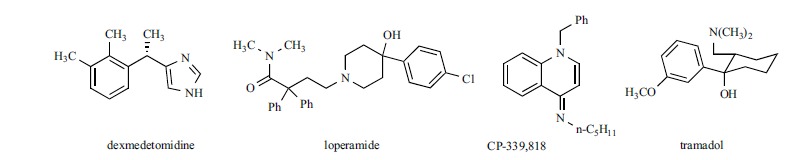
“Indeed, on HEK293 cells expressing mHCN1 or mHCN2 channels, dexmedetomidine blocked hcurrent with IC50 approximately 10 μM on both isoforms [143].”
BackgroundBischoff, U., Bräu, M. E., Vogel, W., Hempelmann, G., & Olschewski, A. (2003) · British Journal of Pharmacology · doi:10.1038/sj.bjp.0705363 · Cited by 33
Hyperpolarization-Activated Cyclic Nucleotide-Gated Channels in Pancreatic β-Cells
El-Kholy, W., MacDonald, P. E., Fox, J. M., Bhattacharjee, A., Xue, T., Gao, X., Zhang, Y., Stieber, J., Li, R. A., Tsushima, R. G., et al. (2007) · Molecular Endocrinology · doi:10.1210/me.2006-0258 · Cited by 33 · cited 1×
“There is also evidence for the expression of HCN channels in cells outside of the NS and heart [44], such as kidney [45-46], pancreas [47] and bladder [48].”
BackgroundPérez, O., Gay, P., Franqueza, L., Carrón, R., Valenzuela, C., Delpón, E., & Tamargo, J. L. (1995) · British Journal of Pharmacology · doi:10.1111/j.1476-5381.1995.tb15002.x · Cited by 32 · cited 1×
“found that ivabradine inhibited INa only at doses higher than those reducing heart rate [104].”
BackgroundHe, P., Deng, J., Zhong, X., Zhou, Z., Song, B., & Li, L. (2012) · Urology · doi:10.1016/j.urology.2012.01.037 · Cited by 32 · cited 1×
“There is also evidence for the expression of HCN channels in cells outside of the NS and heart [44], such as kidney [45-46], pancreas [47] and bladder [48].”
BackgroundAnger, K. E. (2013) · Current Pharmaceutical Design · doi:10.2174/1381612811319220009 · Cited by 32 · cited 2×
“Dexmedetomidine, the dextrorotatory, S-isomer of medetomidine, is an alpha2 agonist used in the intensive care unit for sedation and analgesia [141].”
BackgroundDiscovery of a novel series of selective HCN1 blockers
McClure, K. J., Maher, M. P., Wu, N., Chaplan, S. R., Eckert, W. A., Lee, D. H., Wickenden, A. D., Hermann, M., Allison, B. D., Hawryluk, N. A., et al. (2011) · Bioorganic & Medicinal Chemistry Letters · doi:10.1016/j.bmcl.2011.07.051 · Cited by 31
Peng, B., Justice, J. A., Zhang, K., He, X.-H., & Sanchez, R. M. (2009) · Neuropsychopharmacology · doi:10.1038/npp.2009.150 · Cited by 31
Tramadol-induced block of hyperpolarization-activated cation current in rat pituitary lactotrophs
Liu, Y., Wang, Y.-J., Wu, P.-Y., & Wu, S. (2008) · Naunyn-Schmiedeberg s Archives of Pharmacology · doi:10.1007/s00210-008-0353-0 · Cited by 30 · cited 2×
“The effect of tramadol, another opioid agonist, on Ih has been studied in GH3 cells, a cell line from a rat anterior pituitary [151].”
BackgroundMasi, A., Narducci, R., Landucci, E., Moroni, F., & Mannaioni, G. (2013) · British Journal of Pharmacology · doi:10.1111/bph.12104 · Cited by 29
Self-citationŁuszczki, J. J., Prystupa, A., Andres‐Mach, M., Marzęda, E., & Florek-Łuszczki, M. (2013) · Pharmacological Reports · doi:10.1016/s1734-1140(13)71500-7 · Cited by 29
Ivabradine: An Intelligent Drug for the Treatment of Ischemic Heart Disease
Riccioni, G. (2012) · Molecules · doi:10.3390/molecules171113592 · Cited by 29 · cited 1×
“It is reported that ivabradine does not to cross the blood-brain barrier [107-108], and therefore it should not affect Ih in brain although its antiseizure activity in an animal models of epilepsy has been reported [109].”
BackgroundFunctional remodeling in post-myocardial infarcted rats: focus on beta-adrenoceptor subtypes
Sartiani, L., DePaoli, P., Stillitano, F., Aimond, F., Vassort, G., Mugelli, A., & Cerbai, E. (2006) · Journal of Molecular and Cellular Cardiology · doi:10.1016/j.yjmcc.2005.11.011 · Cited by 28
Self-citationCalejo, A. I., Reverendo, M., Silva, V. S., Pereira, P. M., Santos, M. A. S., Zorec, R., & Gonçalves, P. P. (2013) · Molecular Biology Reports · doi:10.1007/s11033-013-2862-2 · Cited by 28 · cited 1×
“There is also evidence for the expression of HCN channels in cells outside of the NS and heart [44], such as kidney [45-46], pancreas [47] and bladder [48].”
BackgroundModulation of HCN channels in lateral septum by nicotine
Kodirov, S. A., Wehrmeister, M., & Colom, L. V. (2014) · Neuropharmacology · doi:10.1016/j.neuropharm.2014.02.012 · Cited by 28 · cited 1×
“The activity of nicotine on HCN channels was first demonstrated in Oriens-lacunosum moleculare (O-LM) cells, a subpopulation of GABAergic interneurons in the CA1 hippocampal area [183], and later in lateral septum (LS), a nucleus that is modulated by excitatory afferents from the hippocampus [184].”
BackgroundKretschmannova, K., González-Iglesias, A. E., Tomić, M., & Stojilković, S. S. (2006) · Journal of Neuroendocrinology · doi:10.1111/j.1365-2826.2006.01438.x · Cited by 27
Liao, Z., Lockhead, D., Clair, J. R. S., Larson, E. D., Wilson, C., & Proenza, C. (2012) · The Journal of General Physiology · doi:10.1085/jgp.201210858 · Cited by 27
Evolutionary emergence of N-glycosylation as a variable promoter of HCN channel surface expression
Hegle, A. P., Nazzari, H., Roth, A. J. L., Angoli, D., & Accili, E. A. (2010) · American Journal of Physiology-Cell Physiology · doi:10.1152/ajpcell.00389.2009 · Cited by 27 · cited 1×
“The biology of the channel was also investigated by “evolutionary” and “ontogenetic” approaches proving the highly conserved and ancestral origin of this channel [11-12], as well as its premature functional and molecular expression in embryonic stem cells [13-14].”
BackgroundPrescribing Patterns to Optimize Heart Rate
Dierckx, R., Cleland, J. G. F., Parsons, S., Putzu, P., Pellicori, P., Dicken, B., Boyalla, V., & Clark, A. L. (2015) · JACC Heart Failure · doi:10.1016/j.jchf.2014.11.003 · Cited by 27
Delpón, E., Valenzuela, C., Pérez, O., Franqueza, L., Gay, P., Snyders, D. J., & Tamargo, J. L. (1996) · British Journal of Pharmacology · doi:10.1111/j.1476-5381.1996.tb16728.x · Cited by 26 · cited 2×
“9 μM, therefore at doses higher than those required to block HCN channels [103].”
BackgroundMinocycline inhibits hyperpolarization-activated currents in rat substantia gelatinosa neurons
Liu, N., Zhang, D., Zhu, M., Luo, S., & Liu, T. (2015) · Neuropharmacology · doi:10.1016/j.neuropharm.2015.03.001 · Cited by 26 · cited 1×
“Minocycline shifted Ih current activation to more negative voltages and decreased Ih amplitude in a reversible and concentration-dependent manner (IC50 = 41 μM) [187]; maximal reduction was 40%.”
BackgroundWilkars, W., Wollberg, J., Mohr, E., Han, M., Chetkovich, D. M., Bähring, R., & Bender, R. A. (2014) · The FASEB Journal · doi:10.1096/fj.13-242032 · Cited by 26 · cited 2×
“Although the cellular context may alter to some extent the behavior of the channel [281], this simple experimental model can be exploited to discover selective modulators, providing that the selectivity found on recombinant channels is maintained also in native tissues, where these proteins may exist as heteromeric co…”
BackgroundMouse models for studying pacemaker channel function and sinus node arrhythmia
Ludwig, A., Herrmann, S., Hoesl, E., & Stieber, J. (2008) · Progress in Biophysics and Molecular Biology · doi:10.1016/j.pbiomolbio.2009.01.001 · Cited by 25
BOMHARD, A., Reiffen, M., Heider, J., Psiorz, M., & Lillie, C. (1991) · Journal of Medicinal Chemistry · doi:10.1021/jm00107a011 · Cited by 25 · cited 1×
“In the early nineties researchers at Boeringher described a series of phenylalkylamines, designed from verapamil with the aim of improving its negative chronotropic activity and suppress the other hemodynamic effects [118-119].”
BackgroundKojima, A., Ito, Y., Kitagawa, H., & Matsuura, H. (2014) · British Journal of Pharmacology · doi:10.1111/bph.12936 · Cited by 24 · cited 2×
“However, on guinea-pig SAN a 3 μM concentration was able to significantly reduce If conductance at physiological potentials [156].”
BackgroundLonardo, G., Cerbai, E., Casini, S., Giunti, G., Bonacchi, M., Battaglia, F., Fiorani, B., Stefàno, P., Sani, G., & Mugelli, A. (2005) · Journal of Molecular and Cellular Cardiology · doi:10.1016/j.yjmcc.2004.12.010 · Cited by 24
Self-citationCho, H., Furness, J. B., & Jennings, E. A. (2011) · Journal of Neurophysiology · doi:10.1152/jn.00798.2010 · Cited by 24
Molecular Regulation and Pharmacology of Pacemaker Channels
Bois, P., Guinamard, R., Chemaly, A. E., Faivre, J., & Bescond, J. (2007) · Current Pharmaceutical Design · doi:10.2174/138161207781368729 · Cited by 24
Preferential Inhibition of I h in Rat Trigeminal Ganglion Neurons by an Organic Blocker
Janigro, D., Martenson, M. E., & Baumann, T. (1997) · The Journal of Membrane Biology · doi:10.1007/s002329900299 · Cited by 23 · cited 2×
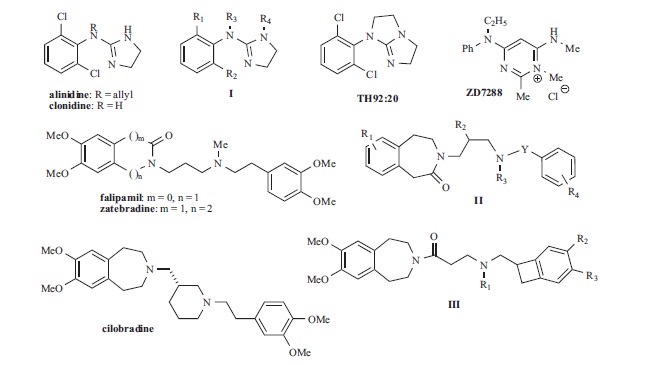
“This modification introduced a stereogenic center into the molecule; cilobradine, the S enantiomer, has been tested in several experimental models, while the R enantiomer (DK-AH268) has been characterized on rat trigeminal ganglion neurons [38].”
BackgroundMethodStähle, H., Daniel, H., Kobinger, W., Lillie, C., & Pichler, L. (1980) · Journal of Medicinal Chemistry · doi:10.1021/jm00185a013 · Cited by 23 · cited 1×
“reported the bradycardic activity of a series of analogues with general formula I, measured in vivo in spinal rats [111]; these results can be related to the interaction with the HCN4 isoform in the SAN, although in these conditions heart rate may be affected by several mechanisms, excluding those mediated by the CNS.”
BackgroundClifford, T. L. (2012) · Journal of PeriAnesthesia Nursing · doi:10.1016/j.jopan.2012.09.004 · Cited by 23
Xue, W., Wang, Y., He, S., Wang, X., Zhu, J.-L., & Gao, G. (2011) · Brain Structure and Function · doi:10.1007/s00429-011-0361-6 · Cited by 23 · cited 1×
“Ih current mediated by somatic HCN channels serves as a high-pass filter shaping the voltage response ("resonance") to rhythmic oscillation in cortical [7879] and subcortical neurons [80].”
BackgroundIvabradine: from molecular basis to clinical effectiveness
Riccioni, G. (2010) · Advances in Therapy · doi:10.1007/s12325-010-0014-9 · Cited by 23 · cited 1×
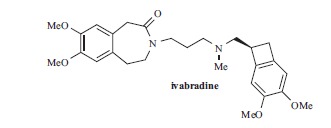
“In this section only the interaction of ivabradine with ion channels is considered; its therapeutic applications is outlined in section 8, while the outcomes of clinical trials have been already extensively reviewed (see, for instance refs [6, 97-98]).”
BackgroundCheng, L., & Sanguinetti, M. C. (2009) · Molecular Pharmacology · doi:10.1124/mol.108.054437 · Cited by 23 · cited 1×
“This study confirmed the characteristics of blockade found on native tissues; the authors investigated also on the localization of the binding site by means of site-directed mutagenesis, finding evidence that the drug interacts with the extracellular end of the S4 voltage sensor domains [180].”
BackgroundVerrier, R. L., Sobrado, M. F., Pagotto, V. P. F., Kanas, A. F., Machado, A. D., Varone, B. B., Sobrado, L. F., Nearing, B. D., Zeng, D., & Belardinelli, L. (2013) · Heart Rhythm · doi:10.1016/j.hrthm.2013.08.007 · Cited by 22
Arencibia‐Albite, F., Vázquez, R., Velásquez-Martínez, M. C., & Jiménez‐Rivera, C. A. (2012) · Journal of Neurophysiology · doi:10.1152/jn.00818.2011 · Cited by 22
Mibefradil, an ICa,T blocker, effectively blocks ICa,L in rabbit sinus node cells
Protas, L., & Robinson, R. B. (2000) · European Journal of Pharmacology · doi:10.1016/s0014-2999(00)00364-2 · Cited by 22 · cited 1×
“While the role of other cation currents in setting the steepness of the diastolic phase has been increasingly recognized [3-4], the relevance of HCN as “sensor” of the autonomic control (thanks to its peculiar dependence on intracellular cAMP levels) is a fact [5].”
BackgroundLee, Y. T., Vasilyev, D. V., Shan, Q. J., Dunlop, J., Mayer, S. C., & Bowlby, M. R. (2007) · European Journal of Pharmacology · doi:10.1016/j.ejphar.2007.11.058 · Cited by 20 · cited 1×
“On HCN1 the blockade was voltage dependent, and more potent at less negative potential, confirming the findings for loperamide on rat DRG neurons [150].”
Thy1 Associates with the Cation Channel Subunit HCN4 in Adult Rat Retina
Partida, G. J., Stradleigh, T. W., Ogata, G., Godzdanker, I., & Ishida, A. T. (2012) · Investigative Ophthalmology & Visual Science · doi:10.1167/iovs.11-9307 · Cited by 19 · cited 1×
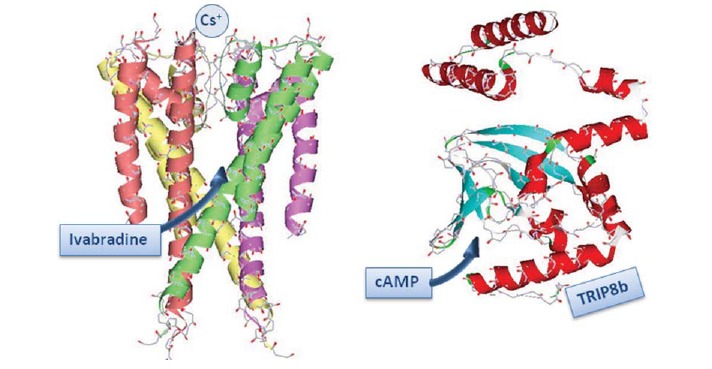
“In addition, HCN channels are sensitive to intracellular pH [58], and are modulated by the interaction with a variety of organic molecules and proteins, such as membrane acidic lipids [59-60], caveolin 3 [61], MiRP1 [62-64], filamin A [65], Thy1 [66], Nedd4-2 [67] and the brain-specific auxiliary protein TRIP8b (tetra…”
BackgroundThe Role of HCN Channels in Ventricular Repolarization
Fenske, S., Krause, S., Biel, M., & Wahl‐Schott, C. (2011) · Trends in Cardiovascular Medicine · doi:10.1016/j.tcm.2012.05.013 · Cited by 19 · cited 1×
“hypothesized that HCN3 channels may contribute cardiomyocyte repolarization [94-95].”
BackgroundKubota, H., Kakefuda, A., Watanabe, T., Ishii, N., Wada, K., Masuda, N., Sakamoto, S., & Tsukamoto, S. (2003) · Journal of Medicinal Chemistry · doi:10.1021/jm0301742 · Cited by 19 · cited 1×
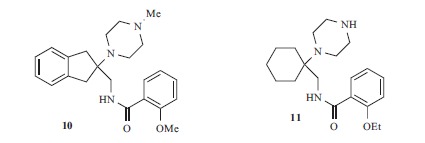
“A strategy to limit the occurrence of adverse reactions is to identify novel compounds able to block selectively single HCN channel isoforms, which are most abundant or which show the most relevant function in the target tissue.”
BackgroundVasilyev, D. V., Shan, Q. J., Lee, Y. T., Soloveva, V., Nawoschik, S. P., Kaftan, E. J., Dunlop, J., Mayer, S. C., & Bowlby, M. R. (2009) · SLAS DISCOVERY · doi:10.1177/1087057109345526 · Cited by 19 · cited 1×
“Loperamide and CP339,818 [148], a K-channel modulator evaluated in the same screening program [149], were tested on recombinant HCN1 and HCN4 expressed in HEK293 cells.”
MethodHCN Channels as Targets for Drug Discovery
Wickenden, A., Chaplan, S. R., Dubin, A. E., Guo, H., Wu, N., & Maher, M. P. (2009) · Combinatorial Chemistry & High Throughput Screening · doi:10.2174/138620709787048028 · Cited by 19
Peng, B., Justice, J. A., Zhang, K., Li, J., He, X.-H., & Sanchez, R. M. (2011) · Neuroscience Letters · doi:10.1016/j.neulet.2011.02.045 · Cited by 18 · cited 1×
“A similar effect was demonstrated also on hippocampal CA1 stratum oriens nonpyramidal neurons; interestingly, pretreatment with ZD7288 completely prevented the effect of the drug [202].”
ResultRomanelli, M. N., Cerbai, E., Dei, S., Guandalini, L., Martelli, C., Martini, E., Scapecchi, S., Teodori, E., & Mugelli, A. (2004) · Bioorganic & Medicinal Chemistry · doi:10.1016/j.bmc.2004.11.017 · Cited by 18 · cited 1×
“A strategy to limit the occurrence of adverse reactions is to identify novel compounds able to block selectively single HCN channel isoforms, which are most abundant or which show the most relevant function in the target tissue.”
BackgroundSelf-citationHoppe, U. C., & Beuckelmann, D. J. (1998) · Naunyn-Schmiedeberg s Archives of Pharmacology · doi:10.1007/pl00005305 · Cited by 18
岡本, 隆. (2008) · Medical Entomology and Zoology · Cited by 18
Umehara, K., Iwai, M., Adachi, Y., Iwatsubo, T., Usui, T., & Kamimura, H. (2008) · Drug Metabolism and Disposition · doi:10.1124/dmd.108.020669 · Cited by 17 · cited 1×
“A strategy to limit the occurrence of adverse reactions is to identify novel compounds able to block selectively single HCN channel isoforms, which are most abundant or which show the most relevant function in the target tissue.”
BackgroundKoncz, I., Szél, T., Jaeger, K., Baczkó, I., Cerbai, E., Romanelli, M. N., Papp, J. G., & Varró, A. (2011) · Current Medicinal Chemistry · doi:10.2174/092986711796642427 · Cited by 16 · cited 1×
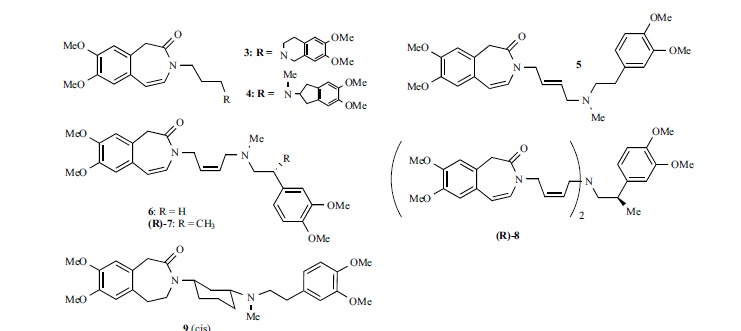
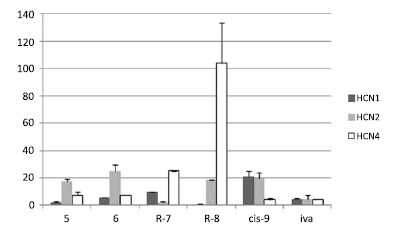
“Remarkably, the selectivity found in HEK cells for compounds (R)-8 and cis-9 was maintained also in native tissues (guinea pig SAN, mouse DRG neurons, and guinea pig spontaneously beating atria) [137-138].”
BackgroundSelf-citationFlavonoid Regulation of HCN2 Channels
Carlson, A. E., Rosenbaum, J. C., Brelidze, T. I., Klevit, R. E., & Zagotta, W. N. (2013) · Journal of Biological Chemistry · doi:10.1074/jbc.m113.501759 · Cited by 16 · cited 1×
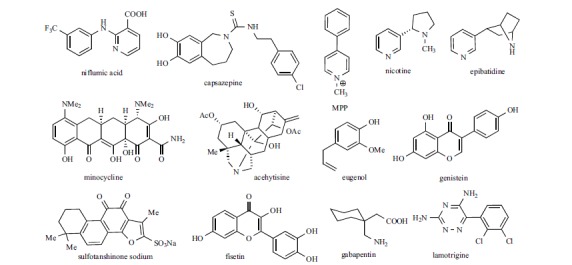
“Fisetin is a naturally occurring flavonoid [198], which potentiates HCN2 mediated current [199].”
BackgroundProbing the bradycardic drug binding receptor of HCN-encoded pacemaker channels
Chan, Y.-C., Wang, K., Au, K. W., Lau, C.-P., Tse, H., & Li, R. A. (2009) · Pflügers Archiv - European Journal of Physiology · doi:10.1007/s00424-009-0719-2 · Cited by 16
Hatch, R. J., Jennings, E. A., & Ivanusic, J. J. (2012) · European Journal of Pain · doi:10.1002/j.1532-2149.2012.00261.x · Cited by 15
Sobrado, L. F., Varone, B. B., Machado, A. D., Nearing, B. D., Zeng, D., Belardinelli, L., & Verrier, R. L. (2013) · Journal of Cardiovascular Electrophysiology · doi:10.1111/jce.12155 · Cited by 15 · cited 1×
“Further studies point to If blockade as the primary mechanism for the bradycardic effect of dronedarone, with no contribution due to the beta-adrenergic antagonistic activity [174].”
BackgroundKubota, H., Watanabe, T., Kakefuda, A., Masuda, N., Wada, K., Ishii, N., Sakamoto, S., & Tsukamoto, S. (2004) · Bioorganic & Medicinal Chemistry · doi:10.1016/j.bmc.2003.12.032 · Cited by 15 · cited 1×
“A strategy to limit the occurrence of adverse reactions is to identify novel compounds able to block selectively single HCN channel isoforms, which are most abundant or which show the most relevant function in the target tissue.”
BackgroundKubota, H., Watanabe, T., Kakefuda, A., Masuda, N., Wada, K., Ishii, N., Sakamoto, S., & Tsukamoto, S. (2004) · Bioorganic & Medicinal Chemistry Letters · doi:10.1016/j.bmcl.2004.04.031 · Cited by 14 · cited 1×
“A strategy to limit the occurrence of adverse reactions is to identify novel compounds able to block selectively single HCN channel isoforms, which are most abundant or which show the most relevant function in the target tissue.”
BackgroundBolívar, J. J., Tapia, D., Arenas-López, G., Castañón-Arreola, M., Torres, H., & Galarraga, E. (2008) · American Journal of Physiology-Cell Physiology · doi:10.1152/ajpcell.00616.2006 · Cited by 14
Niflumic acid reduces the hyperpolarization-activated current (Ih) in rod photoreceptor cells
Satoh, T.-O., & Yamada, M. (2001) · Neuroscience Research · doi:10.1016/s0168-0102(01)00252-8 · Cited by 14 · cited 1×
“Its ability to inhibit hyperpolarization-activated current has been demonstrated on rabbit SAN myocytes and on newt rod photoreceptors [176-177]: in both cases the inhibitory effect was voltage dependent, being weaker at hyperpolarized potentials and higher at potentials close to the physiological value.”
BackgroundHCN Channels: Function and clinical implications
Burke, D., Howells, J., & Tomlinson, S. E. (2013) · Neurology · doi:10.1212/01.wnl.0000433163.22224.2c · Cited by 14 · cited 1×
“tribution and therapeutic potential of HCN channels will only briefly reported; the reader is referred to other excellent reviews in this field that deal with these issues in details [6, 8, 15-22].”
BackgroundZuo, G., Li, M., Zhang, J., Li, B., Wang, Z., Wang, Q., Xiao, H., & Chen, S. (2013) · Experimental Biology and Medicine · doi:10.1177/1535370213498973 · Cited by 13
Fan, X., Chen, Y., Xing, J., Wu, P., Chen, H., Yang, J., Zhang, J., Wang, X., & Huang, C. (2011) · Journal of Ethnopharmacology · doi:10.1016/j.jep.2011.10.039 · Cited by 13 · cited 2×
“Acehytisine is a multi-ion channel blocker endowed with antiarrhythmic properties, interacting with calcium, sodium and potassium channels [188]; on rabbit SAN, the drug slowed down spontaneous firing rate and the rate of diastolic depolarization [189].”
BackgroundScott, S., Shea, P. W., & Dryer, S. E. (2007) · Biochemistry · doi:10.1021/bi6026049 · Cited by 12 · cited 1×
“The affinity of a series of cAMP analogues has been studied by means of fluorescence polarization techniques in two different conditions: on a soluble protein construct, made by replacing the CNBD of the cAMP receptor protein (CRP) with that of the rat HCN2 ion channel [207] and, more recently, on the monomeric cytoso…”
Method(±)-2-(3-Piperidyl)-1,2,3,4-tetrahydroisoquinolines as a new class of specific bradycardic agents
Kubota, H., Kakefuda, A., Watanabe, T., Taguchi, Y. H., Ishii, N., Masuda, N., Sakamoto, S., & Tsukamoto, S. (2003) · Bioorganic & Medicinal Chemistry Letters · doi:10.1016/s0960-894x(03)00349-4 · Cited by 11
Familial Sinus Bradycardia Associated with a Mutation in the Cardiac Pacemaker Channel
(2006) · New England Journal of Medicine · doi:10.1056/nejmx060027 · Cited by 11
Population Pharmacokinetic Data Analysis of Cilobradine, an If Channel Blocker
Fliß, G., Staab, A., Tillmann, C., Trommeshauser, D., Schaefer, H. G., & Kloft, C. (2007) · Pharmaceutical Research · doi:10.1007/s11095-007-9351-z · Cited by 10 · cited 1×
“A strategy to limit the occurrence of adverse reactions is to identify novel compounds able to block selectively single HCN channel isoforms, which are most abundant or which show the most relevant function in the target tissue.”
BackgroundPacemaker current, membrane resistance, and K+ in sheep cardiac Purkinje fibres
Vassalle, M., Kotake, H., & Lin, C. I. (1992) · Cardiovascular Research · doi:10.1093/cvr/26.4.383 · Cited by 10 · cited 2×
“At that time, this tract unsettled the common belief based on well-known inward currents activating upon depolarization and, as for new challenging ideas, it took some time to be accepted by the scientific community [2].”
BackgroundDuval, D., Hennig, P., Bouchet, J. P., Vian, J., Peglion, J. L., Volland, J. P., Platzer, N., & Guilhem, J. (1997) · Magnetic Resonance in Chemistry · doi:10.1002/(sici)1097-458x(199703)35:3<175::aid-omr57>3.0.co;2-5 · Cited by 9
Kakefuda, A., Watanabe, T., Taguchi, Y. H., Masuda, N., Tanaka, A., & Yanagisawa, I. (2003) · Chemical and Pharmaceutical Bulletin · doi:10.1248/cpb.51.390 · Cited by 9 · cited 1×
“A strategy to limit the occurrence of adverse reactions is to identify novel compounds able to block selectively single HCN channel isoforms, which are most abundant or which show the most relevant function in the target tissue.”
BackgroundThe Funny Current in Cardiac Non-Pacemaker Cells: Functional Role and Pharmacological Modulation
Sartiani, L., Cerbai, E., & Mugelli, A. (2011) · InTech eBooks · doi:10.5772/13086 · Cited by 8 · cited 1×
“Nonetheless, a clearcut diastolic depolarization phase is observed in some human healthy atrial and ventricular myocytes (reviewed in [93]), raising questions on the local physiologic or pathologic conditions that may uncover a functional role of HCN channels in cardiomyocyte electrogenesis.”
BackgroundSelf-citationLi, H., Zhou, Y., Jiang, B., Zhao, X., Li, X., Yang, X., & Jiang, W. (2014) · Clinical and Experimental Pharmacology and Physiology · doi:10.1111/1440-1681.12264 · Cited by 8 · cited 7×
“Patch-clamp experiments for selected compounds on SHR myocytes confirmed for most of them that their bradycardic activity was actually due to If blockade.”
BackgroundInfluentialFan, X., Chen, Y., Wu, P., Xing, J., Chen, H., Song, T., Yang, J., Zhang, J., & Huang, C. (2011) · European Journal of Pharmacology · doi:10.1016/j.ejphar.2011.07.039 · Cited by 8 · cited 1×
“9) has been tested also on human HCN1, 2 and 4 isoforms expressed in Xenopus oocytes [169].”
BackgroundPharmacokinetics of YK754, a novel If channel inhibitor in rats, dogs and humans
Umehara, K.-I., Nakamata, T., Suzuki, K., Noguchi, K., Usui, T., & Kamimura, H. (2008) · European Journal of Drug Metabolism and Pharmacokinetics · doi:10.1007/bf03191028 · Cited by 7 · cited 1×
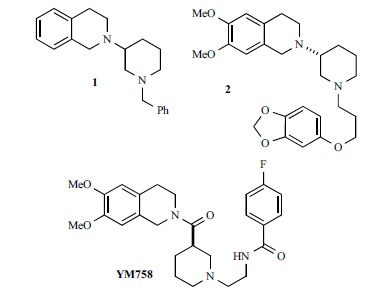
“YM758 is reported to be an If blocker, but its If blocking activity has never been described; only papers dealing with its pharmacokinetic have been published [129-131].”
BackgroundRozario, A. O., Turbendian, H. K., Fogle, K. J., Olivier, N. B., & Tibbs, G. R. (2009) · Biochimica et Biophysica Acta (BBA) - Biomembranes · doi:10.1016/j.bbamem.2009.06.003 · Cited by 7 · cited 1×
“[194], where the effect of genistein was measured on wt mHCN1 and mHCN2 and on mutants where a critical arginine in the CNBD has been replaced with glutamate (mHCN1-R538E and mHCN2-R591E).”
BackgroundHCN3 Contributes to the Ventricular Action Potential Waveform in the Murine Heart
Fenske, S., Michalakis, S., Hofmann, F. B., Wahl‐Schott, C., & Biel, M. (2012) · Biophysical Journal · doi:10.1016/j.bpj.2011.11.717 · Cited by 7
de Mendizábal, N. V., Staab, A., Schäfer, H. G., Trommeshauser, D., Döge, C., Klüglich, M., Roberts, J., & Trocóniz, I. F. (2012) · Pharmaceutical Research · doi:10.1007/s11095-012-0947-6 · Cited by 6 · cited 1×
“A strategy to limit the occurrence of adverse reactions is to identify novel compounds able to block selectively single HCN channel isoforms, which are most abundant or which show the most relevant function in the target tissue.”
BackgroundHarron, D. W. G., Arndts, D., Finch, M., & Shanks, R. (1983) · British Journal of Clinical Pharmacology · doi:10.1111/j.1365-2125.1983.tb02196.x · Cited by 5 · cited 1×
“The development of alinidine (ST-567) was stopped due to the many side effects of the compound, which were ascribed to the interaction with L-type Ca channels and K channels, and to the metabolic transformation leading to clonidine [110, 113].”
BackgroundChallinor-Rogers., J. L., Hay, T. C., & McPherson, G. (1994) · Naunyn-Schmiedeberg s Archives of Pharmacology · doi:10.1007/bf00241091 · Cited by 5 · cited 1×
“An alkyl group (R4) only on the endocyclic guanidine nitrogen atoms (R3 = H), gave inactive compounds; however, derivative TH92:20 was four times more potent that alinidine in lowering heart rate [112].”
BackgroundChronic heart failure: what does the horizon look like?
Estep, J. D. (2015) · Current Opinion in Cardiology · doi:10.1097/hco.0000000000000186 · Cited by 4 · cited 1×
“In this section only the interaction of ivabradine with ion channels is considered; its therapeutic applications is outlined in section 8, while the outcomes of clinical trials have been already extensively reviewed (see, for instance refs [6, 97-98]).”
BackgroundUmehara, K.-I., Susaki, Y., van Teylingen, R. H. J., Neat, J. N., Ndikum-Moffor, F. M., Noguchi, K., Usui, T., Parkinson, A., & Kamimura, H. (2008) · European Journal of Drug Metabolism and Pharmacokinetics · doi:10.1007/bf03190875 · Cited by 4 · cited 1×
“YM758 is reported to be an If blocker, but its If blocking activity has never been described; only papers dealing with its pharmacokinetic have been published [129-131].”
BackgroundLi, H.-X., Yang, X., Han, L., Zhou, Y., Zhao, X., Jiang, B., Dong, N.-Z., Song, J., Liu, Z., & Jiang, W. (2007) · PubMed · Cited by 3
Accili, E. A., & DiFrancesco, D. (1996) · Pflügers Archiv - European Journal of Physiology · doi:10.1007/s004240050062 · Cited by 3
Effects of diacetyl guan-fu base A on pacemaker cells in sinoatrial node of rabbits.
Sun, H., Zhang, Q.-Z., Wang, R.-B., & Ji, J. (2002) · PubMed · Cited by 2
Kakefuda, A., Watanabe, T., Taguchi, Y. H., Masuda, N., Tanaka, A., & Yanagisawa, I. (2003) · ChemInform · doi:10.1002/chin.200335118 · Cited by 1
KUBOTA, H. (2004) · Bioorganic & Medicinal Chemistry Letters · doi:10.1016/s0960-894x(04)00531-1 · Cited by 1
Research works printed but not linked: 1
- [231]Opthof T. The membrane current(If) in human atrial cells: implications for atrial arrhythmias. Cardiovasc. Res. 1998 38 3 537 540 9747423
Cited by
Davis, M. J., Earley, S., Li, Y.-S., & Chien, S. (2023) · Physiological Reviews · doi:10.1152/physrev.00053.2021 · Cited by 273
Sartiani, L., Mannaioni, G., Masi, A., Novella Romanelli, M., & Cerbai, E. (2017) · Pharmacological Reviews · doi:10.1124/pr.117.014035 · Cited by 143
“In the following discussion, only compounds used in the clinic are included; for a more comprehensive list, see Romanelli et al. (2016).”
BackgroundSelf-citationPathophysiological Mechanisms in Migraine and the Identification of New Therapeutic Targets
Haanes, K. A., & Edvinsson, L. I. (2019) · CNS Drugs · doi:10.1007/s40263-019-00630-6 · Cited by 114
Santoro, B., & Shah, M. M. (2020) · Annual Review of Pharmacology and Toxicology · doi:10.1146/annurev-pharmtox-010919-023356 · Cited by 108
Cardiac and neuronal HCN channelopathies
Rivolta, I., Binda, A., Masi, A., & DiFrancesco, J. C. (2020) · Pflügers Archiv - European Journal of Physiology · doi:10.1007/s00424-020-02384-3 · Cited by 96
Self-citation
Metadata
- Authors
- Novella Romanelli, M., Sartiani, L., Masi, A., Mannaioni, G., Manetti, D., Mugelli, A., & Cerbai, E.
- Affiliations
- University of Florence (IT)
- Venue
- Current Topics in Medicinal Chemistry
- Publisher
- Bentham Science Publishers Ltd.
- Published
- 2016-04-29
- Volume
- 16
- Issue
- 16
- Pages
- 1764-1791
- ISSN
- 1568-0266 (ISSN-L)
- PMC
- PMC5374843
- OpenAlex
- W2298251224
- Cited by
- 73
- References
- 290
- Citations by year
- 2026: 1 · 2025: 9 · 2024: 8 · 2023: 5 · 2022: 6 · 2021: 13 · 2020: 11 · 2019: 11 · 2018: 6 · 2017: 3
- FWCI
- 0.60
- Type
- journal article
- Language
- en
- Open access
- bronze
- doi.org
- Locations
- Current Topics in Medicinal Chemistry (publishedVersion)
- PubMed Central (publishedVersion, cc-by-nc)
- PubMed (publishedVersion)
- Florence Research (University of Florence) (submittedVersion)
- Topics
- Life Sciences › Biochemistry, Genetics and Molecular Biology › Molecular Biology › Ion channel regulation and function
- Health Sciences › Medicine › Cardiology and Cardiovascular Medicine › Cardiac electrophysiology and arrhythmias
- Life Sciences › Biochemistry, Genetics and Molecular Biology › Molecular Biology › Nicotinic Acetylcholine Receptors Study
- Keywords
- HCN channels, hyperpolarization-activated current, HCN4, ivabradine, drug design, sinoatrial node, cardiac pacemaker, bradycardic agents, adverse effects
- MeSH terms
- Animals, Humans, Drug Design, Molecular Structure, Membrane Transport Modulators, Hyperpolarization-Activated Cyclic Nucleotide-Gated Channels
About these checks
Registry, retraction, Cites and statistics results are computed, not judged, with one exception: a printed reference that no index lists is read once by a model before it counts as a citation error. Claims are extracted by a model and kept only when their quote appears verbatim in the text; each cited source is then checked, with a model’s help, for whether it says what the claim relies on. Those verdicts can be wrong — read the claim’s quote and the cited source before relying on one.
Statistics and arithmetic are recomputed, not judged.
Confidence bands are shown only for fields calibrated on our annotated test set. None is calibrated yet, so no band is shown.
What counts as a claim ›How we measure confidence ›How we check this ›
Are you an author, or do you see a problem with this page? Request a review
Data sources
Bibliographic data: Semantic Scholar, OpenAlex, Crossref.
Contains information from the Semantic Scholar Academic Graph Datasets, made available under the ODC Attribution License (ODC-BY 1.0).
Semantic Scholar’s data is described in: Kinney, R., et al. (2023). The Semantic Scholar Open Data Platform. arXiv:2301.10140.
