

HCN Channels Modulators: The Need for Selectivity
Open accessThe DOI matches its Crossref record; 292 of the 292 references it cites were found in a registry or an index.
Abstract
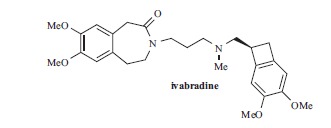
Hyperpolarization-activated, cyclic nucleotide-gated (HCN) channels, the molecular correlate of the hyperpolarization-activated current (If/Ih), are membrane proteins which play an important role in several physiological processes and various pathological conditions. In the Sino Atrial Node (SAN) HCN4 is the target of ivabradine, a bradycardic agent that is, at the moment, the only drug which specifically blocks If. Nevertheless, several other pharmacological agents have been shown to modulate HCN channels, a property that may contribute to their therapeutic activity and/or to their side effects. HCN channels are considered potential targets for developing drugs to treat several important pathologies, but a major issue in this field is the discovery of isoform-selective compounds, owing to the wide distribution of these proteins into the central and peripheral nervous systems, heart and other peripheral tissues. This survey is focused on the compounds that have been shown, or have been designed, to interact with HCN channels and on their binding sites, with the aim to summarize current knowledge and possibly to unveil useful information to design new potent and selective modulators.
Overview
The claims and statistics of this paper haven’t been checked yet.
Free: it reads the open-access text and checks the first 5 claims that cite a source we can check. Create a free account to check every claim.
Integrity signals
Registry
Cites
Statistics
Figures
Verification
Claims the paper makes
The claims and statistics of this paper haven’t been checked yet.
Free: it reads the open-access text and checks the first 5 claims that cite a source we can check. Create a free account to check every claim.
Claims other papers make about this one
Each is checked against this paper’s own text: does it say what the citing paper says it does?
The source backs part of the claim, not all of it — or backs it for a different population, condition or comparison.
In the citing paper
“Current pharmacology still lacks truly isoform-selective HCN modulators, which constrains both inference and dosing [296,297].”
From Synaptic Plasticity—Intrinsic Excitability and Antidepressant Discovery (2026) · cites this paper as [297]
Experimental — accuracy not yet measured
Self-check
Percentages, sums and reported differences re-computed from the paper’s own numbers.
The self-check needs the paper’s full text.
Citations
Cites
McDonagh, T. A., Metra, M., Adamo, M., Gardner, R. S., Baumbach, A., Böhm, M., Burri, H., Butler, J., Čelutkienė, J., Chioncel, O., et al. (2021) · European Heart Journal · doi:10.1093/eurheartj/ehab670 · Cited by 19,442
Ahmed, A., Jorna, T., & Bhandari, S. (2016) · Nephron · doi:10.1159/000447068 · Cited by 11,717
ESC Guidelines for the diagnosis and treatment of acute and chronic heart failure 2012
Authors/Task Force Members, McMurray, J. J. V., Adamopoulos, S., Anker, S. D., Auricchio, A., Böhm, M., Dickstein, K., Falk, V., Filippatos, G., Fonseca, C., et al. (2012) · European Heart Journal · doi:10.1093/eurheartj/ehs104 · Cited by 6,879
The Structure of the Potassium Channel: Molecular Basis of K + Conduction and Selectivity
Doyle, D. A., Cabral, J. M., Pfuetzner, R. A., Kuo, A., Gulbis, J. M., Cohen, S. L., Chait, B. T., & MacKinnon, R. (1998) · Science · doi:10.1126/science.280.5360.69 · Cited by 6,807
ESC Guidelines for the Diagnosis and Treatment of Acute and Chronic Heart Failure 2008
Dickstein, K., Authors/Task Force Members, Cohen-Solal, A., Filippatos, G., McMurray, J. J. V., Ponikowski, P., Poole-Wilson, P. A., Strömberg, A., van Veldhuisen, D. J., Atar, D., et al. (2008) · European Journal of Heart Failure · doi:10.1016/j.ejheart.2008.08.005 · Cited by 3,512
Ivabradine and outcomes in chronic heart failure (SHIFT): a randomised placebo-controlled study
Swedberg, K., Komajda, M., Böhm, M., Borer, J. S., Ford, I., Dubost-Brama, A., Lerebours, G., & Tavazzi, L. (2010) · The Lancet · doi:10.1016/s0140-6736(10)61198-1 · Cited by 2,563
Heart Rate, Life Expectancy and the Cardiovascular System: Therapeutic Considerations
Boudoulas, K. D., Borer, J. S., & Boudoulas, H. (2015) · Cardiology · doi:10.1159/000435947 · Cited by 1,938
Crystal structure and mechanism of a calcium-gated potassium channel
Jiang, Y., Lee, A., Chen, J., Cadene, M., Chait, B. T., & MacKinnon, R. (2002) · Nature · doi:10.1038/417515a · Cited by 1,332
Danshen: An Overview of Its Chemistry, Pharmacology, Pharmacokinetics, and Clinical Use
Zhou, L., Zuo, Z., & Chow, M. S. S. (2005) · The Journal of Clinical Pharmacology · doi:10.1177/0091270005282630 · Cited by 1,274 · cited 1×
“Indeed, a decrease of sinus rhythm, among many other effects, has been reported for this drug [197].”
BackgroundQueer Current and Pacemaker: The Hyperpolarization-Activated Cation Current in Neurons
Pape, H.-C. (1996) · Annual Review of Physiology · doi:10.1146/annurev.ph.58.030196.001503 · Cited by 1,151 · cited 1×
“Relative permeability to sodium and potassium is 1:3/1:5, which leads to a calculated reversal potential between -25 and -40 mV [53].”
BackgroundMcCormick, D. A., & Pape, H. C. (1990) · The Journal of Physiology · doi:10.1113/jphysiol.1990.sp018331 · Cited by 1,139
Böhm, M., Swedberg, K., Komajda, M., Borer, J. S., Ford, I., Dubost-Brama, A., Lerebours, G., & Tavazzi, L. (2010) · The Lancet · doi:10.1016/s0140-6736(10)61259-7 · Cited by 1,099
Fox, K., Ford, I., Steg, P. G., Tendera, M., & Ferrari, R. (2008) · The Lancet · doi:10.1016/s0140-6736(08)61170-8 · Cited by 1,099
Hyperpolarization-Activated Cation Channels: From Genes to Function
Biel, M., Wahl-Schott, C., Michalakis, S., & Zong, X. (2009) · Physiological Reviews · doi:10.1152/physrev.00029.2008 · Cited by 1,003 · cited 18×
“It is not clear which isoform is functionally relevant in these cells: RT-PCR analysis have shown the presence of mRNA transcripts for HCN2, HCN3 and HCN4 subunits [152], and the characteristics of the current suggested that HCN2, HCN3, or mixed HCN2 - HCN3 channels are functionally expressed.”
BackgroundInfluentialMagee, J. C. (1998) · The Journal of Neuroscience · doi:10.1523/jneurosci.18-19-07613.1998 · Cited by 981 · cited 1×
“Furthermore, thanks to an increasing soma-to-dendrite expression gradient found in CA1 hippocampal and cortical neurons, HCN channels normalize the duration of EPSPs originating at different distances from the soma, thus preventing loss of information [84-85].”
BackgroundA family of hyperpolarization-activated mammalian cation channels
Ludwig, A., Zong, X., Jeglitsch, M., Hofmann, F., & Biel, M. (1998) · Nature · doi:10.1038/31255 · Cited by 943 · cited 1×
“In humans and rabbits HCN4 is the main isoform also in atrioventricular node and Purkinje fibers [15, 41], while HCN2 and HCN4 are the most abundant isoforms in most mammalian atria and ventricles [40, 42-43], which also display a minor presence of HCN1.”
BackgroundDirect activation of cardiac pacemaker channels by intracellular cyclic AMP
DiFrancesco, D., & Tortora, P. (1991) · Nature · doi:10.1038/351145a0 · Cited by 850 · cited 2×
“In SAN cells they contribute to form a coordinated system with ryanodine receptors that drives spontaneous electrical activity [5, 87].”
BackgroundDendritic integration of excitatory synaptic input
Magee, J. C. (2000) · Nature reviews. Neuroscience · doi:10.1038/35044552 · Cited by 737
Ketamine Pharmacology: An Update ( Pharmacodynamics and Molecular Aspects, Recent Findings )
Mion, G., & Villevieille, T. (2013) · CNS Neuroscience & Therapeutics · doi:10.1111/cns.12099 · Cited by 711
Dendritic Ih normalizes temporal summation in hippocampal CA1 neurons
Magee, J. C. (1999) · Nature Neuroscience · doi:10.1038/9158 · Cited by 617
Santoro, B., Chen, S., Lüthi, A., Pavlidis, P., Shumyatsky, G. P., Tibbs, G. R., & Siegelbaum, S. A. (2000) · The Journal of Neuroscience · doi:10.1523/jneurosci.20-14-05264.2000 · Cited by 600 · cited 1×
“ripheral Nervous System (CNS, PNS), with subunit-specific pattern [27-32].”
BackgroundStructural basis for modulation and agonist specificity of HCN pacemaker channels
Zagotta, W. N., Olivier, N. B., Black, K. D., Young, E. C., Olson, R., & Gouaux, E. (2003) · Nature · doi:10.1038/nature01922 · Cited by 588
Immunohistochemical localization of Ih channel subunits, HCN1–4, in the rat brain
Notomi, T., & Shigemoto, R. (2004) · Journal of Comparative Neurology · doi:10.1002/cne.11039 · Cited by 558 · cited 1×
“ripheral Nervous System (CNS, PNS), with subunit-specific pattern [27-32].”
BackgroundAbsence epilepsy and sinus dysrhythmia in mice lacking the pacemaker channel HCN2
Ludwig, A. (2003) · The EMBO Journal · doi:10.1093/emboj/cdg032 · Cited by 534
Molecular mechanism of cAMP modulation of HCN pacemaker channels
Wainger, B. J., DeGennaro, M., Santoro, B., Siegelbaum, S. A., & Tibbs, G. R. (2001) · Nature · doi:10.1038/35081088 · Cited by 519 · cited 2×
“The regulatory mechanism that probably better defines HCN channels is the direct sensitivity to cyclic nucleotides, cAMP in particular [26, 55-57].”
BackgroundFisetin: A Dietary Antioxidant for Health Promotion
Khan, N., Syed, D. N., Ahmad, N., & Mukhtar, H. (2013) · Antioxidants & Redox Signaling · doi:10.1089/ars.2012.4901 · Cited by 506
Overview of Molecular Relationships in the Voltage-Gated Ion Channel Superfamily
Yu, F. H., Yarov-Yarovoy, V., Gutman, G. A., & Catterall, W. A. (2005) · Pharmacological Reviews · doi:10.1124/pr.57.4.13 · Cited by 495 · cited 1×
“All HCN monomers share the same fundamental structural scheme consisting of six alpha helices, the transmembrane domain, and two cytosolic domains at the NH and COOH termini [23].”
BackgroundIvabradine in Stable Coronary Artery Disease without Clinical Heart Failure
Fox, K., Ford, I., Steg, P. G., Tardif, J.-C., Tendera, M., & Ferrari, R. (2014) · New England Journal of Medicine · doi:10.1056/nejmoa1406430 · Cited by 486
Enhancing depression mechanisms in midbrain dopamine neurons achieves homeostatic resilience
Friedman, A. K., Walsh, J. J., Juarez, B., Ku, S. M., Chaudhury, D., Wang, J., Li, X., Dietz, D. M., Pan, N., Vialou, V. F., et al. (2014) · Science · doi:10.1126/science.1249240 · Cited by 484
Pharmacological upregulation of h-channels reduces the excitability of pyramidal neuron dendrites
Poolos, N. P., Migliore, M., & Johnston, D. (2002) · Nature Neuroscience · doi:10.1038/nn891 · Cited by 454 · cited 1×
“found that lamotrigine shifted the activation curve to less negative potential (ΔV1⁄2 ~11 mV) without increasing maximal Ih at hyperpolarized potential (-115 mV) [204].”
BackgroundHCN channels: Structure, cellular regulation and physiological function
Wahl-Schott, C., & Biel, M. (2009) · Cellular and Molecular Life Sciences · doi:10.1007/s00018-008-8525-0 · Cited by 433 · cited 1×
“tribution and therapeutic potential of HCN channels will only briefly reported; the reader is referred to other excellent reviews in this field that deal with these issues in details [6, 8, 15-22].”
BackgroundCNG AND HCN CHANNELS: Two Peas, One Pod
Craven, K. B., & Zagotta, W. N. (2006) · Annual Review of Physiology · doi:10.1146/annurev.physiol.68.040104.134728 · Cited by 432 · cited 1×
“At that time, this tract unsettled the common belief based on well-known inward currents activating upon depolarization and, as for new challenging ideas, it took some time to be accepted by the scientific community [2].”
BackgroundChen, K., Aradi, I., Thon, N., Eghbal-Ahmadi, M., Baram, T. Z., & Soltesz, I. (2001) · Nature Medicine · doi:10.1038/85480 · Cited by 427
Chen, S., Wang, J., & Siegelbaum, S. A. (2001) · The Journal of General Physiology · doi:10.1085/jgp.117.5.491 · Cited by 416 · cited 1×
“This modification reduces the interaction of cAMP with the channel [195].”
BackgroundMoosmang, S., Stieber, J., Zong, X., Biel, M., Hofmann, F., & Ludwig, A. (2001) · European Journal of Biochemistry · doi:10.1046/j.1432-1033.2001.02036.x · Cited by 415 · cited 1×
“On rod photoreceptors, mainly expressing the HCN1 isoform [179], niflumic acid behaved as a closed state blocker; 100 μM niflumic acid shifted V1/2 about -11 mV.”
BackgroundDiFrancesco, D., & Camm, J. A. (2004) · Drugs · doi:10.2165/00003495-200464160-00003 · Cited by 409
Cao, J.-L., Covington, H. E., Friedman, A. K., Wilkinson, M. B., Walsh, J. J., Cooper, D. C., Nestler, E. J., & Han, M.-H. (2010) · The Journal of Neuroscience · doi:10.1523/jneurosci.3177-10.2010 · Cited by 402
Familial Sinus Bradycardia Associated with a Mutation in the Cardiac Pacemaker Channel
Milanesi, R., Baruscotti, M., Gnecchi-Ruscone, T., & DiFrancesco, D. (2006) · New England Journal of Medicine · doi:10.1056/nejmoa052475 · Cited by 402 · cited 1×
“The discovery of the molecular correlate of If/Ih in the late ‘90s gave impulse not only to the transgenic models, but also gained insights into channel tissue distribution beyond cardiac cells, as well as trafficking, plasticity [8], and genotypephenotype correlation in human diseases [9].”
BackgroundNeuhoff, H., Neu, A., Liss, B., & Roeper, J. (2002) · The Journal of Neuroscience · doi:10.1523/jneurosci.22-04-01290.2002 · Cited by 398
Shi, W., Wymore, R., Yu, H., Wu, J., Wymore, R. T., Pan, Z., Robinson, R. B., Dixon, J. E., McKinnon, D., & Cohen, I. S. (1999) · Circulation Research · doi:10.1161/01.res.85.1.e1 · Cited by 382
Sartiani, L., Bettiol, E., Stillitano, F., Mugelli, A., Cerbai, E., & Jaconi, M. E. (2007) · Stem Cells · doi:10.1634/stemcells.2006-0466 · Cited by 370 · cited 1×
“The biology of the channel was also investigated by “evolutionary” and “ontogenetic” approaches proving the highly conserved and ancestral origin of this channel [11-12], as well as its premature functional and molecular expression in embryonic stem cells [13-14].”
BackgroundSelf-citationBogdanov, K. Y., Vinogradova, T. M., & Lakatta, E. G. (2001) · Circulation Research · doi:10.1161/hh1201.092095 · Cited by 368 · cited 1×
“While the role of other cation currents in setting the steepness of the diastolic phase has been increasingly recognized [3-4], the relevance of HCN as “sensor” of the autonomic control (thanks to its peculiar dependence on intracellular cAMP levels) is a fact [5].”
BackgroundDescoeur, J., Pereira, V., Pizzoccaro, A., Francois, A., Ling, B., Maffre, V., Couette, B., Busserolles, J., Courteix, C., Noel, J., et al. (2011) · EMBO Molecular Medicine · doi:10.1002/emmm.201100134 · Cited by 368
Molecular Diversity of Pacemaker Ion Channels
Kaupp, U. B., & Seifert, R. (2001) · Annual Review of Physiology · doi:10.1146/annurev.physiol.63.1.235 · Cited by 355
HCN2 Ion Channels Play a Central Role in Inflammatory and Neuropathic Pain
Emery, E. C., Young, G. T., Berrocoso, E. M., Chen, L., & McNaughton, P. A. (2011) · Science · doi:10.1126/science.1206243 · Cited by 353
Neurophysiology of HCN channels: From cellular functions to multiple regulations
He, C., Chen, F., Li, B., & Hu, Z. (2014) · Progress in Neurobiology · doi:10.1016/j.pneurobio.2013.10.001 · Cited by 353 · cited 6×
“By virtue of these two fundamental properties, HCN channels serve as feedback mechanism constantly opposing both negative and positive fluctuations of membrane potential (reviewed in refs [21, 75-76]).”
BackgroundInfluentialSite Independence of EPSP Time Course Is Mediated by Dendritic I h in Neocortical Pyramidal Neurons
Williams, S. R., & Stuart, G. J. (2000) · Journal of Neurophysiology · doi:10.1152/jn.2000.83.5.3177 · Cited by 350
Physiology and pharmacology of the cardiac pacemaker (“funny”) current
Baruscotti, M., Bucchi, A., & DiFrancesco, D. (2005) · Pharmacology & Therapeutics · doi:10.1016/j.pharmthera.2005.01.005 · Cited by 338 · cited 1×
“Moreover, values of tau are subunit specific, with HCN1 being the fastest (25 ms), HCN4 the slowest (hundreds of ms), HCN 2 and 3 positioned in between [49].”
BackgroundNeuronal Hyperpolarization-Activated Pacemaker Channels Drive Neuropathic Pain
Chaplan, S. R., Guo, H.-Q., Lee, D. H., Luo, L., Liu, C., Kuei, C., Velumian, A. A., Butler, M. P., Brown, S. M., & Dubin, A. E. (2003) · The Journal of Neuroscience · doi:10.1523/jneurosci.23-04-01169.2003 · Cited by 335 · cited 1×
“HCN1 is the most abundant in dorsal root ganglia [34] al-”
BackgroundBrummett, C. M., Hong, E. K., Janda, A. M., Amodeo, F. S., & Lydic, R. (2011) · Anesthesiology · doi:10.1097/aln.0b013e318221fcc9 · Cited by 321 · cited 1×
“These compounds are mainly drugs, approved for different indications: in some instances, their Ih modulating activity can contribute to the therapeutic action, but to side effects in others.”
BackgroundBoSmith, R. E., Briggs, I., & Sturgess, N. C. (1993) · British Journal of Pharmacology · doi:10.1111/j.1476-5381.1993.tb13815.x · Cited by 313
Kotani, Y., Shimazawa, M., Yoshimura, S., Iwama, T., & Hara, H. (2008) · CNS Neuroscience & Therapeutics · doi:10.1111/j.1527-3458.2008.00043.x · Cited by 302 · cited 1×
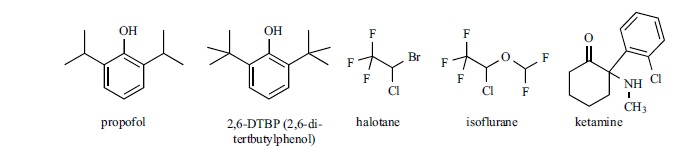
“8) is an intravenous sedative-hypnotic agent for use in the induction and maintenance of anaesthesia; it activates GABA-A receptors, but it acts also on other targets, such as, for instance NMDA receptors [153].”
BackgroundMode of action of bradycardic agent, S 16257, on ionic currents of rabbit sinoatrial node cells
Bois, P., Bescond, J., Renaudon, B., & Lenfant, J. (1996) · British Journal of Pharmacology · doi:10.1111/j.1476-5381.1996.tb15505.x · Cited by 297 · cited 3×
“[99] found that 10μM ivabradine had no detectable effect on T-type calcium current, while the drug (3 μM) produced a slight decreased (<20%) of L-type calcium current.”
BackgroundCurrent-dependent Block of Rabbit Sino-Atrial Node If Channels by Ivabradine
Bucchi, A., Baruscotti, M., & DiFrancesco, D. (2002) · The Journal of General Physiology · doi:10.1085/jgp.20028593 · Cited by 289 · cited 1×
“Ivabradine selectively inhibits If in rabbit SAN and in recombinant systems expressing hHCN4 in a use-dependent way, with IC50 in the micromolar range (Table 1), by interacting with the channels from the intracellular side [99-101]”
BackgroundSeizure-Induced Plasticity of h Channels in Entorhinal Cortical Layer III Pyramidal Neurons
Shah, M. M., Anderson, A. E., Leung, V., Lin, X., & Johnston, D. (2004) · Neuron · doi:10.1016/j.neuron.2004.10.011 · Cited by 288
Chen, K., Baram, T. Z., & Soltesz, I. (1999) · Nature Medicine · doi:10.1038/11330 · Cited by 283
HCN1 Channel Subunits Are a Molecular Substrate for Hypnotic Actions of Ketamine
Chen, X., Shu, S., & Bayliss, D. A. (2009) · The Journal of Neuroscience · doi:10.1523/jneurosci.3481-08.2009 · Cited by 277 · cited 1×
“5 mV) and to reduce the maximal current amplitude (32% inhibition at 20 μM), but it had little effect on the HCN2 isoform [164].”
BackgroundBaruscotti, M., Bucchi, A., Viscomi, C., Mandelli, G., Consalez, G., Gnecchi-Rusconi, T., Montano, N., Casali, K. R., Micheloni, S., Barbuti, A., et al. (2011) · Proceedings of the National Academy of Sciences · doi:10.1073/pnas.1010122108 · Cited by 271 · cited 2×
“it Today, our appreciation of the contribution of If not only to pacemaking but also to impulse propagation has greatly increased [6], also thanks to knock-out mouse models [7].”
BackgroundBrewster, A., Bender, R. A., Chen, Y., Dube, C., Eghbal-Ahmadi, M., & Baram, T. Z. (2002) · The Journal of Neuroscience · doi:10.1523/jneurosci.22-11-04591.2002 · Cited by 269
Wanat, M. J., Hopf, F. W., Stuber, G. D., Phillips, P. E. M., & Bonci, A. (2008) · The Journal of Physiology · doi:10.1113/jphysiol.2007.150078 · Cited by 256
Properties of the hyperpolarization-activated current in rat hippocampal CA1 pyramidal cells
Maccaferri, G., Mangoni, M., Lazzari, A., & DiFrancesco, D. (1993) · Journal of Neurophysiology · doi:10.1152/jn.1993.69.6.2129 · Cited by 255 · cited 1×
“By virtue of these two fundamental properties, HCN channels serve as feedback mechanism constantly opposing both negative and positive fluctuations of membrane potential (reviewed in refs [21, 75-76]).”
BackgroundYu, H., Wu, J., Potapova, I., Wymore, R. T., Holmes, B., Zuckerman, J., Pan, Z., Wang, H., Shi, W., Robinson, R. B., et al. (2001) · Circulation Research · doi:10.1161/hh1201.093511 · Cited by 254
The Effects of Dexmedetomidine on Cardiac Electrophysiology in Children
Hammer, G. B., Drover, D. R., Cao, H., Jackson, E., Williams, G. D., Ramamoorthy, C., Van Hare, G. F., Niksch, A., & Dubin, A. M. (2008) · Anesthesia & Analgesia · doi:10.1213/01.ane.0000297421.92857.4e · Cited by 252 · cited 1×
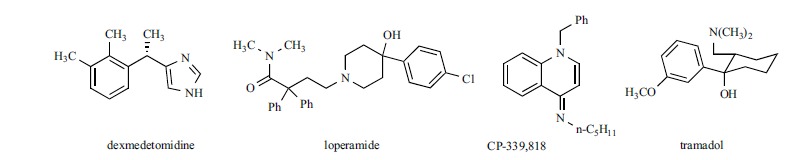
“Interestingly, bradycardia is a common side effect of dexmedetomidine [141], which is also reported to affect sinus function in children [144]: it is possible that this drug interacts also with HCN channel in heart, but to our knowledge, its selectivity for the HCN channel isoforms involved in pain has not be studied…”
BackgroundHCN channels: Function and clinical implications
Benarroch, E. E. (2013) · Neurology · doi:10.1212/wnl.0b013e31827dec42 · Cited by 245
De novo mutations in HCN1 cause early infantile epileptic encephalopathy
EuroEPINOMICS RES Consortium, Nava, C., Dalle, C., Rastetter, A., Striano, P., de Kovel, C. G. F., Nabbout, R., Cancès, C., Ville, D., Brilstra, E. H., et al. (2014) · Nature Genetics · doi:10.1038/ng.2952 · Cited by 234
Exploring HCN channels as novel drug targets
Postea, O., & Biel, M. (2011) · Nature Reviews Drug Discovery · doi:10.1038/nrd3576 · Cited by 222 · cited 1×
“tribution and therapeutic potential of HCN channels will only briefly reported; the reader is referred to other excellent reviews in this field that deal with these issues in details [6, 8, 15-22].”
BackgroundAltomare, C., Terragni, B., Brioschi, C., Milanesi, R., Pagliuca, C., Viscomi, C., Moroni, A., Baruscotti, M., & DiFrancesco, D. (2003) · The Journal of Physiology · doi:10.1113/jphysiol.2002.027698 · Cited by 217 · cited 1×
“In vivo, different HCN subunits may form hetero-tetramers and interact with ancillary proteins, thus resulting in the generation of cell-type specific functional protein complexes with unique biophysical properties [50-52].”
BackgroundHCN1 Channels Constrain Synaptically Evoked Ca2+ Spikes in Distal Dendrites of CA1 Pyramidal Neurons
Tsay, D., Dudman, J. T., & Siegelbaum, S. A. (2007) · Neuron · doi:10.1016/j.neuron.2007.11.015 · Cited by 216
Functional Heteromerization of HCN1 and HCN2 Pacemaker Channels
Ulens, C., & Tytgat, J. (2001) · Journal of Biological Chemistry · doi:10.1074/jbc.c000738200 · Cited by 216 · cited 1×
“In vivo, different HCN subunits may form hetero-tetramers and interact with ancillary proteins, thus resulting in the generation of cell-type specific functional protein complexes with unique biophysical properties [50-52].”
BackgroundBender, R. A., Soleymani, S. V., Brewster, A. L., Nguyen, S. T., Beck, H., Mathern, G. W., & Baram, T. Z. (2003) · The Journal of Neuroscience · doi:10.1523/jneurosci.23-17-06826.2003 · Cited by 199
Okamoto, T., Harnett, M. T., & Morikawa, H. (2006) · Journal of Neurophysiology · doi:10.1152/jn.00682.2005 · Cited by 197
DiFrancesco, D., & Ojeda, C. (1980) · The Journal of Physiology · doi:10.1113/jphysiol.1980.sp013475 · Cited by 194
Nolan, M. F., Dudman, J. T., Dodson, P. D., & Santoro, B. (2007) · The Journal of Neuroscience · doi:10.1523/jneurosci.2358-07.2007 · Cited by 192 · cited 2×
“In dendritic compartments, active HCN channels reduce input resistance and accelerate the decay phase of Excitatory Post-Synaptic Potentials (EPSP), thereby limiting the amplitude and duration of single EPSPs and dampening temporal summation of EPSP trains in cortical [76, 81], thalamic [82] and midbrain dopaminergic…”
BackgroundHoppe, U. C., Jansen, E., Südkamp, M., & Beuckelmann, D. J. (1998) · Circulation · doi:10.1161/01.cir.97.1.55 · Cited by 188
Cerbai, E., Pino, R., Porciatti, F., Sani, G., Toscano, M., Maccherini, M., Giunti, G., & Mugelli, A. (1997) · Circulation · doi:10.1161/01.cir.95.3.568 · Cited by 184
Self-citationProperties of the hyperpolarization-activated current (If) in isolated mouse sino-atrial cells
Mangoni, M. (2001) · Cardiovascular Research · doi:10.1016/s0008-6363(01)00370-4 · Cited by 176
Mapping the structure and conformational movements of proteins with transition metal ion FRET
Taraska, J. W., Puljung, M. C., Olivier, N. B., Flynn, G. E., & Zagotta, W. N. (2009) · Nature Methods · doi:10.1038/nmeth.1341 · Cited by 175 · cited 1×
“While the structure of the whole channel is not known at the moment, several crystal structures are available for the intracellular C-terminal portion of HCN1 [209], HCN2 [210211] [209, 212], HCN4 [208-209, 213], and the sea urchin sperm SPIH channels [214]; this allowed detailed studies on the interaction of cyclic n…”
BackgroundProperties of ivabradine‐induced block of HCN1 and HCN4 pacemaker channels
Bucchi, A., Tognati, A., Milanesi, R., Baruscotti, M., & DiFrancesco, D. (2006) · The Journal of Physiology · doi:10.1113/jphysiol.2005.100776 · Cited by 175 · cited 2×
“The blockade of HCN4 by the drug require open channels, while on HCN1 the drug is a closed-channel blocker [101].”
BackgroundMolecular basis of funny current (If) in normal and failing human heart
Stillitano, F., Lonardo, G., Zicha, S., Varro, A., Cerbai, E., Mugelli, A., & Nattel, S. (2008) · Journal of Molecular and Cellular Cardiology · doi:10.1016/j.yjmcc.2008.04.013 · Cited by 173 · cited 1×
“In humans and rabbits HCN4 is the main isoform also in atrioventricular node and Purkinje fibers [15, 41], while HCN2 and HCN4 are the most abundant isoforms in most mammalian atria and ventricles [40, 42-43], which also display a minor presence of HCN1.”
BackgroundSelf-citationPian, P., Bucchi, A., Robinson, R. B., & Siegelbaum, S. A. (2006) · The Journal of General Physiology · doi:10.1085/jgp.200609648 · Cited by 167 · cited 1×
“In addition, HCN channels are sensitive to intracellular pH [58], and are modulated by the interaction with a variety of organic molecules and proteins, such as membrane acidic lipids [59-60], caveolin 3 [61], MiRP1 [62-64], filamin A [65], Thy1 [66], Nedd4-2 [67] and the brain-specific auxiliary protein TRIP8b (tetra…”
BackgroundBlocker State Dependence and Trapping in Hyperpolarization-Activated Cation Channels
Shin, K. S., Rothberg, B. S., & Yellen, G. (2001) · The Journal of General Physiology · doi:10.1085/jgp.117.2.91 · Cited by 166
Cerbai, E., Barbieri, M., & Mugelli, A. (1996) · Circulation · doi:10.1161/01.cir.94.7.1674 · Cited by 165
Self-citationLolicato, M., Nardini, M., Gazzarrini, S., Möller, S., Bertinetti, D., Herberg, F. W., Bolognesi, M., Martin, H., Fasolini, M., Bertrand, J. A., et al. (2011) · Journal of Biological Chemistry · doi:10.1074/jbc.m111.297606 · Cited by 163 · cited 1×
“While the structure of the whole channel is not known at the moment, several crystal structures are available for the intracellular C-terminal portion of HCN1 [209], HCN2 [210211] [209, 212], HCN4 [208-209, 213], and the sea urchin sperm SPIH channels [214]; this allowed detailed studies on the interaction of cyclic n…”
BackgroundPacemaking by HCN Channels Requires Interaction with Phosphoinositides
Zolles, G., Klöcker, N., Wenzel, D., Weisser-Thomas, J., Fleischmann, B. K., Roeper, J., & Fakler, B. (2006) · Neuron · doi:10.1016/j.neuron.2006.12.005 · Cited by 162 · cited 1×
“In addition, HCN channels are sensitive to intracellular pH [58], and are modulated by the interaction with a variety of organic molecules and proteins, such as membrane acidic lipids [59-60], caveolin 3 [61], MiRP1 [62-64], filamin A [65], Thy1 [66], Nedd4-2 [67] and the brain-specific auxiliary protein TRIP8b (tetra…”
BackgroundSantoro, B., Piskorowski, R. A., Pian, P., Hu, L., Liu, H., & Siegelbaum, S. A. (2009) · Neuron · doi:10.1016/j.neuron.2009.05.009 · Cited by 162
Cortical HCN channels: Function, trafficking and plasticity
Shah, M. M. (2014) · The Journal of Physiology · doi:10.1113/jphysiol.2013.270058 · Cited by 160 · cited 2×
“tribution and therapeutic potential of HCN channels will only briefly reported; the reader is referred to other excellent reviews in this field that deal with these issues in details [6, 8, 15-22].”
BackgroundKim, C. S., Chang, P. Y., & Johnston, D. (2012) · Neuron · doi:10.1016/j.neuron.2012.05.027 · Cited by 158
Manz, M., Reuter, M., Lauck, G., Omran, H., & Jung, W. (2003) · Cardiology · doi:10.1159/000073933 · Cited by 156
Role of the hyperpolarization‐activated current Ih in somatosensory neurons
Momin, A., Cadiou, H., Mason, A., & McNaughton, P. A. (2008) · The Journal of Physiology · doi:10.1113/jphysiol.2008.163154 · Cited by 156
Tanshinone IIA: A Promising Natural Cardioprotective Agent
Shang, Q., Xu, H., & Huang, L. (2012) · Evidence-based Complementary and Alternative Medicine · doi:10.1155/2012/716459 · Cited by 153 · cited 1×
“However, this enhancement of instantaneous current was thought not sufficient to increase the heart rate in vivo, possibly because the drug may interact with multiple targets [196].”
BackgroundZolles, G., Wenzel, D., Bildl, W., Schulte, U., Hofmann, A., Müller, C. S., Thumfart, J. O., Vlachos, A., Deller, T., Pfeifer, A., et al. (2009) · Neuron · doi:10.1016/j.neuron.2009.05.008 · Cited by 153
Ketamine-induced anesthesia involves the N-methyl-d-aspartate receptor-channel complex in mice
Irifune, M., Shimizu, T., Nomoto, M., & Fukuda, T. (1992) · Brain Research · doi:10.1016/0006-8993(92)91525-j · Cited by 152
Brewster, A. L., Bernard, J. A., Gall, C. M., & Baram, T. Z. (2005) · Neurobiology of Disease · doi:10.1016/j.nbd.2004.12.015 · Cited by 152
Alternatively Spliced Isoforms of TRIP8b Differentially Control h Channel Trafficking and Function
Lewis, A. S., Schwartz, E., Savio Chan, C., Noam, Y., Shin, M., Wadman, W. J., James Surmeier, D., Baram, T. Z., Macdonald, R. L., & Chetkovich, D. M. (2009) · The Journal of Neuroscience · doi:10.1523/jneurosci.0856-09.2009 · Cited by 149
Baruscotti, M., Barbuti, A., & Bucchi, A. (2010) · Journal of Molecular and Cellular Cardiology · doi:10.1016/j.yjmcc.2009.06.019 · Cited by 149 · cited 1×
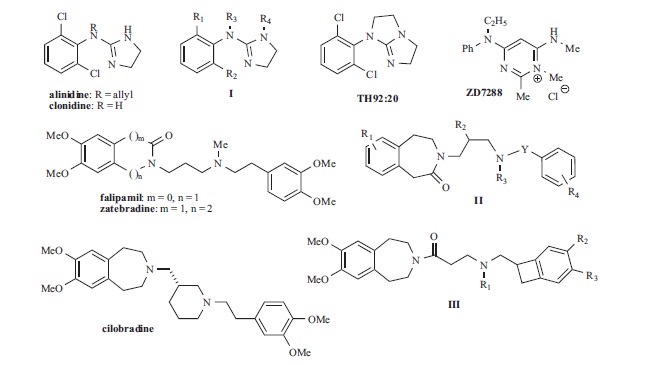
“The absolute configuration of the stereogenic center of Ivabradine is S; no enantioselectivity has been found for the HCN blocking property, but the negligible activity on Kcurrents of the S form, compared to that of its R-enantiomer, and also of zatebradine and cilobradine [99, 102-103], confers to this compound a sa…”
BackgroundPatel, C., Yan, G.-X., & Kowey, P. R. (2009) · Circulation · doi:10.1161/circulationaha.109.858027 · Cited by 142
Dendritic Resonance in Rat Neocortical Pyramidal Cells
Ulrich, D. (2002) · Journal of Neurophysiology · doi:10.1152/jn.2002.87.6.2753 · Cited by 138
Good, C. H., Hoffman, A. F., Hoffer, B. J., Chefer, V. I., Shippenberg, T. S., Bäckman, C. M., Larsson, N., Olson, L., Gellhaar, S., Galter, D., et al. (2011) · The FASEB Journal · doi:10.1096/fj.10-173625 · Cited by 137
Ulens, C., & Siegelbaum, S. A. (2003) · Neuron · doi:10.1016/s0896-6273(03)00753-0 · Cited by 133 · cited 1×
“The regulatory mechanism that probably better defines HCN channels is the direct sensitivity to cyclic nucleotides, cAMP in particular [26, 55-57].”
BackgroundHCN2 ion channels: an emerging role as the pacemakers of pain
Emery, E. C., Young, G. T., & McNaughton, P. A. (2012) · Trends in Pharmacological Sciences · doi:10.1016/j.tips.2012.04.004 · Cited by 130 · cited 16×
“On HCN1 the blockade was voltage dependent, and more potent at less negative potential, confirming the findings for loperamide on rat DRG neurons [150].”
BackgroundInfluentialMiRP1 Modulates HCN2 Channel Expression and Gating in Cardiac Myocytes
Qu, J., Kryukova, Y., Potapova, I. A., Doronin, S. V., Larsen, M., Krishnamurthy, G., Cohen, I. S., & Robinson, R. B. (2004) · Journal of Biological Chemistry · doi:10.1074/jbc.m405018200 · Cited by 129 · cited 2×
“The effect was more pronounced on HCN2 compared to HCN1, but it was amplified by the co-expression of HCN2 with MiRP1.”
BackgroundBradycardic and Proarrhythmic Properties of Sinus Node Inhibitors
Stieber, J., Wieland, K., Stöckl, G., Ludwig, A., & Hofmann, F. B. (2005) · Molecular Pharmacology · doi:10.1124/mol.105.020701 · Cited by 127 · cited 1×
“found that ivabradine, as well as its close structural analogues cilobradine and zatebradine (see next section), is not selective for the HCN4 isoform, since it blocks the four isoforms with similar potency (Table 1) [106].”
BackgroundDoan, T. N., Stephans, K. L., Ramirez, A. N., Glazebrook, P. A., Andresen, M. C., & Kunze, D. L. (2004) · Journal of Neuroscience · doi:10.1523/jneurosci.5156-03.2004 · Cited by 127 · cited 1×
“ripheral Nervous System (CNS, PNS), with subunit-specific pattern [27-32].”
BackgroundControl of heart rate by cAMP sensitivity of HCN channels
Alig, J., Marger, L., Mesirca, P., Ehmke, H., Mangoni, M. E., & Isbrandt, D. (2009) · Proceedings of the National Academy of Sciences · doi:10.1073/pnas.0810332106 · Cited by 126 · cited 2×
“At maximum diastolic potentials (-70/-40 mV depending on SAN region) a substantial fraction of HCN channels are open and provides a steady-state inward current that slowly depolarize membrane during the diastolic phase toward the threshold required to generate a spontaneous action potential [56, 88-89].”
BackgroundPian, P., Bucchi, A., DeCostanzo, A. J., Robinson, R. B., & Siegelbaum, S. A. (2007) · Pflügers Archiv - European Journal of Physiology · doi:10.1007/s00424-007-0295-2 · Cited by 126
Cerbai, E., Sartiani, L., DePaoli, P., Pino, R., Maccherini, M., Bizzarri, F., Diciolla, F., Davoli, G., Sani, G., & Mugelli, A. (2001) · Journal of Molecular and Cellular Cardiology · doi:10.1006/jmcc.2000.1316 · Cited by 125
Self-citationNovel insights into the distribution of cardiac HCN channels: An expression study in the mouse heart
Herrmann, S., Layh, B., & Ludwig, A. (2011) · Journal of Molecular and Cellular Cardiology · doi:10.1016/j.yjmcc.2011.09.005 · Cited by 124 · cited 2×
“mice) are substantially expressed [6, 15, 39-40].”
BackgroundYoung, G. T., Emery, E. C., Mooney, E. R., Tsantoulas, C., & McNaughton, P. A. (2014) · Pain · doi:10.1016/j.pain.2014.05.021 · Cited by 123 · cited 14×
“On HCN1 the blockade was voltage dependent, and more potent at less negative potential, confirming the findings for loperamide on rat DRG neurons [150].”
BackgroundInfluentialThollon, C., Bedut, S., Villeneuve, N., Cogé, F., Piffard, L., Guillaumin, J., Brunel‐Jacquemin, C., Chomarat, P., Boutin, J., Peglion, J., et al. (2007) · British Journal of Pharmacology · doi:10.1038/sj.bjp.0706940 · Cited by 122 · cited 1×
“28 μM [133], which suggests that the new analogues, whose IC30 values ranging between 0.”
BackgroundLewis, A. S., Vaidya, S. P., Blaiss, C. A., Liu, Z., Stoub, T. R., Brager, D. H., Chen, X., Bender, R. A., Estep, C. M., Popov, A. B., et al. (2011) · The Journal of Neuroscience · doi:10.1523/jneurosci.0936-11.2011 · Cited by 122 · cited 1×
“In addition, HCN channels are sensitive to intracellular pH [58], and are modulated by the interaction with a variety of organic molecules and proteins, such as membrane acidic lipids [59-60], caveolin 3 [61], MiRP1 [62-64], filamin A [65], Thy1 [66], Nedd4-2 [67] and the brain-specific auxiliary protein TRIP8b (tetra…”
BackgroundPersson, J. (2013) · CNS Neuroscience & Therapeutics · doi:10.1111/cns.12111 · Cited by 121 · cited 1×
“8) is a non-competitive antagonist of Nmethyl-D-aspartate (NMDA) glutamate receptor [161], used as fast-acting anesthetic, as antidepressant and in pain management [162].”
BackgroundGabapentin Increases the Hyperpolarization‐activated Cation Current Ih in Rat CA1 Pyramidal Cells
Surges, R., Freiman, T. M., & Feuerstein, T. J. (2003) · Epilepsia · doi:10.1046/j.1528-1157.2003.36802.x · Cited by 117
Baruscotti, M., Bottelli, G., Milanesi, R., DiFrancesco, J. C., & DiFrancesco, D. (2010) · Pflügers Archiv - European Journal of Physiology · doi:10.1007/s00424-010-0810-8 · Cited by 116
Tu, H., Deng, L., Sun, Q., Yao, L., Han, J., & Wan, Y. (2004) · Journal of Neuroscience Research · doi:10.1002/jnr.20109 · Cited by 113
Decher, N., Bundis, F., Vajna, R., & Steinmeyer, K. (2003) · Pflügers Archiv - European Journal of Physiology · doi:10.1007/s00424-003-1127-7 · Cited by 111 · cited 2×
“The effect was more pronounced on HCN2 compared to HCN1, but it was amplified by the co-expression of HCN2 with MiRP1.”
BackgroundModulation of h-Channels in Hippocampal Pyramidal Neurons by p38 Mitogen-Activated Protein Kinase
Poolos, N. P., Bullis, J. B., & Roth, M. K. (2006) · The Journal of Neuroscience · doi:10.1523/jneurosci.2069-06.2006 · Cited by 109 · cited 1×
“Phosphorylation by src tyrosine kynases [70], p38-MAPK serine/threonine kynases [71], PKC [72] and phosphatidylinositol-4,5-bisphosphate kinase [73] have been reported to diversely affect HCN channel function, independently of”
BackgroundVerkerk, A., & Wilders, R. (2015) · International Journal of Molecular Sciences · doi:10.3390/ijms16023071 · Cited by 108
Interaction of the Pacemaker Channel HCN1 with Filamin A
Gravante, B., Barbuti, A., Milanesi, R., Zappi, I., Viscomi, C., & DiFrancesco, D. (2004) · Journal of Biological Chemistry · doi:10.1074/jbc.m401598200 · Cited by 108 · cited 1×
“In addition, HCN channels are sensitive to intracellular pH [58], and are modulated by the interaction with a variety of organic molecules and proteins, such as membrane acidic lipids [59-60], caveolin 3 [61], MiRP1 [62-64], filamin A [65], Thy1 [66], Nedd4-2 [67] and the brain-specific auxiliary protein TRIP8b (tetra…”
BackgroundZong, X., Eckert, C., Yuan, H., Wahl-Schott, C., Abicht, H., Fang, L., Li, R., Mistrik, P., Gerstner, A., Much, B., et al. (2005) · Journal of Biological Chemistry · doi:10.1074/jbc.m506544200 · Cited by 106
Fernández‐Velasco, M., Goren, N., Benito, G., Blanco‐Rivero, J., Boscá, L., & Delgado, C. (2003) · The Journal of Physiology · doi:10.1113/jphysiol.2003.041954 · Cited by 105
Yu, X., Duan, K.-L., Shang, C.-F., Yu, H.-G., & Zhou, Z. (2004) · Proceedings of the National Academy of Sciences · doi:10.1073/pnas.0305167101 · Cited by 104
Pathophysiology of HCN channels
Herrmann, S., Stieber, J., & Ludwig, A. (2007) · Pflügers Archiv - European Journal of Physiology · doi:10.1007/s00424-007-0224-4 · Cited by 102 · cited 1×
“At maximum diastolic potentials (-70/-40 mV depending on SAN region) a substantial fraction of HCN channels are open and provides a steady-state inward current that slowly depolarize membrane during the diastolic phase toward the threshold required to generate a spontaneous action potential [56, 88-89].”
BackgroundGoethals, M., Raes, A., & van Bogaert, P. P. (1993) · Circulation · doi:10.1161/01.cir.88.5.2389 · Cited by 101 · cited 1×
“It is remarkable that the simple replacement of the α-(3,4dimethoxyphenyl)-α-isopropylacetonitrile group of verapamil with a 7,8-dimethoxy-benzazepin-3-one moiety can shift, even if not completely, the interaction from calcium channels to HCN channels [120].”
BackgroundNguyen, A., Kath, J. C., Hanson, D. C., Biggers, M. S., Canniff, P. C., Donovan, C. B., Mather, R. J., Bruns, M. J., Rauer, H., Aiyar, J., et al. (1996) · Molecular Pharmacology · doi:10.1016/s0026-895x(25)09629-4 · Cited by 101
Distribution of the pacemaker HCN4 channel mRNA and protein in the rabbit sinoatrial node
Brioschi, C., Micheloni, S., Tellez, J. O., Pisoni, G., Longhi, R., Moroni, P., Billeter, R., Barbuti, A., Dobrzynski, H., Boyett, M. R., et al. (2009) · Journal of Molecular and Cellular Cardiology · doi:10.1016/j.yjmcc.2009.04.009 · Cited by 100 · cited 1×
“The activation curve was shifted to more negative voltages; on SAN, where the most abundant isoform is HCN4 [178], the calculated ED50 value was 10.”
BackgroundIvabradine and outcomes in chronic heart failure (SHIFT): a randomised placebo-controlled study
Cheitlin, M. D. (2011) · Yearbook of Cardiology · doi:10.1016/j.ycar.2010.12.013 · Cited by 100
Richichi, C., Brewster, A. L., Bender, R. A., Simeone, T. A., Zha, Q., Yin, H. Z., Weiss, J. H., & Baram, T. Z. (2007) · Neurobiology of Disease · doi:10.1016/j.nbd.2007.09.003 · Cited by 99
Functional roles of Cav1.3, Cav3.1 and HCN channels in automaticity of mouse atrioventricular cells
Marger, L., Mesirca, P., Alig, J., Torrente, A. G., Dubel, S. J., Engeland, B., Kanani, S., Fontanaud, P., Striessnig, J., Shin, H., et al. (2011) · Channels · doi:10.4161/chan.5.3.15266 · Cited by 98 · cited 1×
“In the atrioventricular node, although the function of HCN channels is less investigated, HCN channels have also been demonstrated to sustain generation of spontaneous electrical activity and conduction of stimuli from atria to ventricles [90-92].”
BackgroundJoannides, R., Moore, N., Iacob, M., Compagnon, P., Lerebours, G., Menard, J., & Thuillez, C. (2006) · British Journal of Clinical Pharmacology · doi:10.1111/j.1365-2125.2005.02544.x · Cited by 97
DiFrancesco, J. C., Barbuti, A., Milanesi, R., Coco, S., Bucchi, A., Bottelli, G., Ferrarese, C., Franceschetti, S., Terragni, B., Baruscotti, M., et al. (2011) · The Journal of Neuroscience · doi:10.1523/jneurosci.3727-11.2011 · Cited by 96
ZD 7288 inhibits T-type calcium current in rat hippocampal pyramidal cells
Sanchez‐Alonso, J. L., Halliwell, J. V., & Colino, A. (2008) · Neuroscience Letters · doi:10.1016/j.neulet.2008.05.016 · Cited by 95 · cited 1×
“Differently to alinidine, ZD7288 has no significant effect on the delayed rectifier current (IK) [114]; however, it has been reported to block T-type calcium channels in rat hippocampal pyramidal cells [115].”
BackgroundEffect of 5-HT4 receptor stimulation on the pacemaker current If in human isolated atrial myocytes
Pino, R., Cerbai, E., Calamai, G., Alajmo, F., Borgioli, A., Braconi, L., Cassai, M., Montesi, G. F., & Mugelli, A. (1998) · Cardiovascular Research · doi:10.1016/s0008-6363(98)00198-9 · Cited by 94
Self-citationQueer Current and Pacemaker: The Hyperpolarization-Activated Cation Current in Neurons
Pape, H. ‐. (1996) · Annual Review of Physiology · doi:10.1146/annurev.physiol.58.1.299 · Cited by 93
Dopamine and reward seeking: the role of ventral tegmental area
Ranaldi, R. (2014) · Reviews in the Neurosciences · doi:10.1515/revneuro-2014-0019 · Cited by 90
Lundström, S., Twycross, R., Mihalyo, M., & Wilcock, A. (2010) · Journal of Pain and Symptom Management · doi:10.1016/j.jpainsymman.2010.07.001 · Cited by 88
Tang, B., Sander, T., Craven, K. B., Hempelmann, A., & Escayg, A. (2007) · Neurobiology of Disease · doi:10.1016/j.nbd.2007.08.006 · Cited by 86
Structure and Rearrangements in the Carboxy-Terminal Region of SpIH Channels
Flynn, G. E., Black, K. D., Islas, L. D., Sankaran, B., & Zagotta, W. N. (2007) · Structure · doi:10.1016/j.str.2007.04.008 · Cited by 85 · cited 1×
“While the structure of the whole channel is not known at the moment, several crystal structures are available for the intracellular C-terminal portion of HCN1 [209], HCN2 [210211] [209, 212], HCN4 [208-209, 213], and the sea urchin sperm SPIH channels [214]; this allowed detailed studies on the interaction of cyclic n…”
BackgroundWu, X., Liao, L., Liu, X., Luo, F., Yang, T., & Li, C. (2012) · Channels · doi:10.4161/chan.22209 · Cited by 84
Munsch, T., & Pape, H. (1999) · The Journal of Physiology · doi:10.1111/j.1469-7793.1999.0493m.x · Cited by 83
Inhibition of a Hyperpolarization-Activated Current by Clonidine in Rat Dorsal Root Ganglion Neurons
Yagi, J., & Sumino, R. (1998) · Journal of Neurophysiology · doi:10.1152/jn.1998.80.3.1094 · Cited by 82 · cited 1×
“Clonidine has been tested on rat DRG neurons, where the reduction of Ih induced by this drug was prevented by the alpha2-AR antagonist yohimbine, suggesting that Ih inhibition was due to alpha2-adrenoceptor activation [145].”
BackgroundHCN Subunit-Specific and cAMP-Modulated Effects of Anesthetics on Neuronal Pacemaker Currents
Chen, X. (2005) · Journal of Neuroscience · doi:10.1523/jneurosci.1153-05.2005 · Cited by 81 · cited 1×
“Other general anesthetics has been found to reduce Ih at therapeutically relevant concentrations: the HCN modulating properties of volatile anaesthetics such as halothane and isoflurane were studied on HCN1 and HCN2 channels expressed in HEK293 cells [159] and on cortical pyramidal neurons from wild-type and HCN1 knoc…”
BackgroundKouranova, E. V., Strassle, B. W., Ring, R. H., Bowlby, M. R., & Vasilyev, D. V. (2008) · Neuroscience · doi:10.1016/j.neuroscience.2008.03.032 · Cited by 81
Structural basis for the mutual antagonism of cAMP and TRIP8b in regulating HCN channel function
Saponaro, A., Pauleta, S. R., Cantini, F., Matzapetakis, M., Hammann, C., Donadoni, C., Hu, L., Thiel, G., Banci, L., Santoro, B., et al. (2014) · Proceedings of the National Academy of Sciences · doi:10.1073/pnas.1410389111 · Cited by 79
Propofol and arrhythmias: two sides of the coin
Liu, Q., Kong, A.-L., Chen, R., Qian, C., Liu, S., Sun, B., Wang, L., Song, L., & Jiang, H. (2011) · Acta Pharmacologica Sinica · doi:10.1038/aps.2011.42 · Cited by 77 · cited 1×
“Bradycardia is one of its common side effects [154]; moreover, it displays both pro- and anti-arrhythmic effects which are related to interaction with several ion channels, including HCN channels [155-156].”
BackgroundNew Therapeutic Targets in Cardiology: Heart Failure and Arrhythmia: HCN Channels
Roubille, F., & Tardif, J. (2013) · Circulation · doi:10.1161/circulationaha.112.000145 · Cited by 77
Verrier, R. L., Bonatti, R., Silva, A. F. G., Batatinha, J. A. P., Nearing, B. D., Liu, G., Rajamani, S., Zeng, D., & Belardinelli, L. (2014) · Heart Rhythm · doi:10.1016/j.hrthm.2014.08.007 · Cited by 74
Tibbs, G. R., Rowley, T. J., Sanford, R. L., Herold, K. F., Proekt, A., Hemmings, H. C., Andersen, O. S., Goldstein, P. A., & Flood, P. D. (2013) · Journal of Pharmacology and Experimental Therapeutics · doi:10.1124/jpet.113.203620 · Cited by 73 · cited 1×
“[158] tested a series of commercially-available propofol analogues on HCN1 channels; the compounds show a double substitution on the aromatic ring (position 2,4 or 2,6) with tert- or secbutyl groups, i.”
BackgroundHyperpolarization-activated current (Ih) in primary auditory neurons
Chen, C. (1997) · Hearing Research · doi:10.1016/s0378-5955(97)00078-6 · Cited by 71 · cited 1×
“The expression of HCN channels has been found also in enteric neurons [3536], and in the spiral [37] and trigeminal ganglion neurons [38].”
BackgroundHCN3 Contributes to the Ventricular Action Potential Waveform in the Murine Heart
Fenske, S., Mader, R., Scharr, A., Paparizos, C., Cao-Ehlker, X., Michalakis, S., Shaltiel, L., Weidinger, M., Stieber, J., Feil, S., et al. (2011) · Circulation Research · doi:10.1161/circresaha.111.246173 · Cited by 71 · cited 1×
“hypothesized that HCN3 channels may contribute cardiomyocyte repolarization [94-95].”
BackgroundReiffen, M., Eberlein, W. G., Mueller, P., Psiorz, M., Noll, K., Heider, J., Lillie, C., Kobinger, W., & Luger, P. (1990) · Journal of Medicinal Chemistry · doi:10.1021/jm00167a033 · Cited by 70
Jackson, H. A., Marshall, C. R., & Accili, E. A. (2007) · Physiological Genomics · doi:10.1152/physiolgenomics.00142.2006 · Cited by 70 · cited 1×
“The biology of the channel was also investigated by “evolutionary” and “ontogenetic” approaches proving the highly conserved and ancestral origin of this channel [11-12], as well as its premature functional and molecular expression in embryonic stem cells [13-14].”
BackgroundCacheaux, L. P., Topf, N., Tibbs, G. R., Schaefer, U. R., Levi, R., Harrison, N. L., Abbott, G. W., & Goldstein, P. A. (2005) · Journal of Pharmacology and Experimental Therapeutics · doi:10.1124/jpet.105.091801 · Cited by 68 · cited 1×
“Propofol has been tested on mHCN1, mHCN2 and mHCN4 channel isoforms expressed in Xenopus leavis oocytes [157], where the drug (20 μM) decreased current amplitude to, roughly, 50%, 70% and 85% of control, respectively, showing that HCN1 is the most sensitive isoform.”
BackgroundXiao, J., Nguyen, T. V., Ngui, K., Strijbos, P. J. L. M., Selmer, I.-S., Neylon, C. B., & Furness, J. B. (2004) · Neuroscience · doi:10.1016/j.neuroscience.2004.08.027 · Cited by 68
HCN channels: new roles in sinoatrial node function
Wahl‐Schott, C., Fenske, S., & Biel, M. (2014) · Current Opinion in Pharmacology · doi:10.1016/j.coph.2013.12.005 · Cited by 68 · cited 4×
“tribution and therapeutic potential of HCN channels will only briefly reported; the reader is referred to other excellent reviews in this field that deal with these issues in details [6, 8, 15-22].”
BackgroundInfluentialC-terminal Movement during Gating in Cyclic Nucleotide-modulated Channels
Craven, K. B., Olivier, N. B., & Zagotta, W. N. (2008) · Journal of Biological Chemistry · doi:10.1074/jbc.m710463200 · Cited by 67
Identification of the Molecular Site of Ivabradine Binding to HCN4 Channels
Bucchi, A., Baruscotti, M., Nardini, M., Barbuti, A., Micheloni, S., Bolognesi, M., & DiFrancesco, D. (2013) · PLoS ONE · doi:10.1371/journal.pone.0053132 · Cited by 67
Cation current activated by hyperpolarization (IH) in guinea pig enteric neurons
Galligan, J. J., Tatsumi, H., Shen, K. Z., Surprenant, A., & North, R. A. (1990) · American Journal of Physiology-Gastrointestinal and Liver Physiology · doi:10.1152/ajpgi.1990.259.6.g966 · Cited by 67
Hurtado, R., Bub, G., & Herzlinger, D. (2009) · Kidney International · doi:10.1038/ki.2009.483 · Cited by 65 · cited 1×
“There is also evidence for the expression of HCN channels in cells outside of the NS and heart [44], such as kidney [45-46], pancreas [47] and bladder [48].”
BackgroundLiu, J., Noble, P. J., Xiao, G.-S., Abdelrahman, M., Dobrzynski, H., Boyett, M. R., Lei, M., & Noble, D. (2007) · Progress in Biophysics and Molecular Biology · doi:10.1016/j.pbiomolbio.2007.07.009 · Cited by 65 · cited 1×
“In the atrioventricular node, although the function of HCN channels is less investigated, HCN channels have also been demonstrated to sustain generation of spontaneous electrical activity and conduction of stimuli from atria to ventricles [90-92].”
BackgroundSubunit-Specific Effects of Isoflurane on Neuronal Ih in HCN1 Knockout Mice
Chen, X., Shu, S., Kennedy, D. P., Willcox, S. C., & Bayliss, D. A. (2009) · Journal of Neurophysiology · doi:10.1152/jn.01352.2007 · Cited by 65 · cited 1×
“Other general anesthetics has been found to reduce Ih at therapeutically relevant concentrations: the HCN modulating properties of volatile anaesthetics such as halothane and isoflurane were studied on HCN1 and HCN2 channels expressed in HEK293 cells [159] and on cortical pyramidal neurons from wild-type and HCN1 knoc…”
BackgroundRegulation of Hyperpolarization-activated Cyclic Nucleotide-gated (HCN) Channel Activity by cCMP
Zong, X., Krause, S., Chen, C.-C., Krüger, J., Gruner, C., Cao-Ehlker, X., Fenske, S., Wahl-Schott, C., & Biel, M. (2012) · Journal of Biological Chemistry · doi:10.1074/jbc.m112.357129 · Cited by 64 · cited 13×
“It is not clear which isoform is functionally relevant in these cells: RT-PCR analysis have shown the presence of mRNA transcripts for HCN2, HCN3 and HCN4 subunits [152], and the characteristics of the current suggested that HCN2, HCN3, or mixed HCN2 - HCN3 channels are functionally expressed.”
BackgroundInfluentialCyclic dinucleotides bind the C-linker of HCN4 to control channel cAMP responsiveness
Lolicato, M., Bucchi, A., Arrigoni, C., Zucca, S., Nardini, M., Schroeder, I., Simmons, K. J., Aquila, M., DiFrancesco, D., Bolognesi, M., et al. (2014) · Nature Chemical Biology · doi:10.1038/nchembio.1521 · Cited by 63 · cited 2×
“A recent crystal structure of the cytosolic C-terminal fragment of HCN4 bound to cGMP allowed the discovery of a new interaction site [213], located at the interface between the CNBD and the C-linker.”
BackgroundHan, Y., Noam, Y., Lewis, A. S., Gallagher, J. J., Wadman, W. J., Baram, T. Z., & Chetkovich, D. M. (2011) · Journal of Biological Chemistry · doi:10.1074/jbc.m111.236125 · Cited by 63 · cited 1×
“In vivo, different HCN subunits may form hetero-tetramers and interact with ancillary proteins, thus resulting in the generation of cell-type specific functional protein complexes with unique biophysical properties [50-52].”
BackgroundIf in non-pacemaker cells: Role and pharmacological implications
Cerbai, E., & Mugelli, A. (2006) · Pharmacological Research · doi:10.1016/j.phrs.2006.03.015 · Cited by 63 · cited 1×
“Altogether, these studies ([10], also reviewed in papers quoted above) paved the way to new perspectives on HCN-based (dys)function, channelopathies, and possible therapies.”
BackgroundSelf-citationFunny Current and Cardiac Rhythm: Insights from HCN Knockout and Transgenic Mouse Models
Bucchi, A., Barbuti, A., DiFrancesco, D., & Baruscotti, M. (2012) · Frontiers in Physiology · doi:10.3389/fphys.2012.00240 · Cited by 63
Suffredini, S., Stillitano, F., Comini, L., Bouly, M., Brogioni, S., Ceconi, C., Ferrari, R., Mugelli, A., & Cerbai, E. (2012) · British Journal of Pharmacology · doi:10.1111/j.1476-5381.2011.01627.x · Cited by 62
Self-citationTheta-frequency membrane resonance and its ionic mechanisms in rat subicular pyramidal neurons
Wang, W., Wan, Y.-H., Zhu, J.-L., Lei, G., Wang, Y., Zhang, P., & Hu, S.-J. (2006) · Neuroscience · doi:10.1016/j.neuroscience.2006.01.033 · Cited by 62
Dufour, M. A., Woodhouse, A., & Goaillard, J. (2014) · Journal of Neuroscience Research · doi:10.1002/jnr.23382 · Cited by 61 · cited 1×
“ripheral Nervous System (CNS, PNS), with subunit-specific pattern [27-32].”
BackgroundNovel If Current Inhibitor Ivabradine: Safety Considerations
Savelieva, I., & Camm, A. J. (2006) · Advances in Cardiology · doi:10.1159/000095430 · Cited by 60
Nakamura, Y., Shi, X., Numata, T., Mori, Y., Inoue, R., Lossin, C., Baram, T. Z., & Hirose, S. (2013) · PLoS ONE · doi:10.1371/journal.pone.0080376 · Cited by 60
Abbas, S. Y., Ying, S., & Goldstein, P. A. (2006) · Neuroscience · doi:10.1016/j.neuroscience.2006.05.034 · Cited by 59
Dendritic HCN2 Channels Constrain Glutamate-Driven Excitability in Reticular Thalamic Neurons
Ying, S.-W., Jia, F., Abbas, S. Y., Hofmann, F., Ludwig, A., & Goldstein, P. A. (2007) · The Journal of Neuroscience · doi:10.1523/jneurosci.1630-07.2007 · Cited by 59 · cited 1×
“In dendritic compartments, active HCN channels reduce input resistance and accelerate the decay phase of Excitatory Post-Synaptic Potentials (EPSP), thereby limiting the amplitude and duration of single EPSPs and dampening temporal summation of EPSP trains in cortical [76, 81], thalamic [82] and midbrain dopaminergic…”
BackgroundKnaus, A., Zong, X., Beetz, N., Jahns, R., Lohse, M. J., Biel, M., & Hein, L. (2007) · Circulation · doi:10.1161/circulationaha.106.667675 · Cited by 58 · cited 1×
“7 μM for wild-type and α 2ABC KO mice, respectively [146].”
BackgroundKoncz, I., Szél, T., Bitay, M., Cerbai, E., Jaeger, K., Fülöp, F., Jost, N., Virág, L., Orvos, P., Tálosi, L., et al. (2011) · European Journal of Pharmacology · doi:10.1016/j.ejphar.2011.07.025 · Cited by 57 · cited 1×
“…acidic lipids [59-60], caveolin 3 [61], MiRP1 [62-64], filamin A [65], Thy1 [66], Nedd4-2 [67] and the brain-specific auxiliary protein TRIP8b (tetratricopeptide repeat-containing Rab8b-interacting protein), reported to potently control HCN1 surface expression and subcellular distribution [68-69].”
BackgroundSelf-citationFogle, K. J., Lyashchenko, A. K., Turbendian, H. K., & Tibbs, G. R. (2007) · The Journal of Neuroscience · doi:10.1523/jneurosci.4376-06.2007 · Cited by 56 · cited 2×
“Phosphorylation by src tyrosine kynases [70], p38-MAPK serine/threonine kynases [71], PKC [72] and phosphatidylinositol-4,5-bisphosphate kinase [73] have been reported to diversely affect HCN channel function, independently of”
BackgroundChu, H.-Y., & Zhen, X. (2010) · Acta Pharmacologica Sinica · doi:10.1038/aps.2010.105 · Cited by 56
HCN Channels—Modulators of Cardiac and Neuronal Excitability
Herrmann, S., Schnorr, S., & Ludwig, A. (2015) · International Journal of Molecular Sciences · doi:10.3390/ijms16011429 · Cited by 55 · cited 2×
“tribution and therapeutic potential of HCN channels will only briefly reported; the reader is referred to other excellent reviews in this field that deal with these issues in details [6, 8, 15-22].”
BackgroundHCN4 subunit expression in fast-spiking interneurons of the rat spinal cord and hippocampus
Hughes, D. I., Boyle, K. A., Kinnon, C. M., Bilsland, C., Quayle, J. A., Callister, R. J., & Graham, B. A. (2013) · Neuroscience · doi:10.1016/j.neuroscience.2013.01.028 · Cited by 55 · cited 1×
“ripheral Nervous System (CNS, PNS), with subunit-specific pattern [27-32].”
BackgroundCheng, L., Kinard, K. I., Rajamani, R., & Sanguinetti, M. C. (2007) · Journal of Pharmacology and Experimental Therapeutics · doi:10.1124/jpet.107.121467 · Cited by 54 · cited 1×
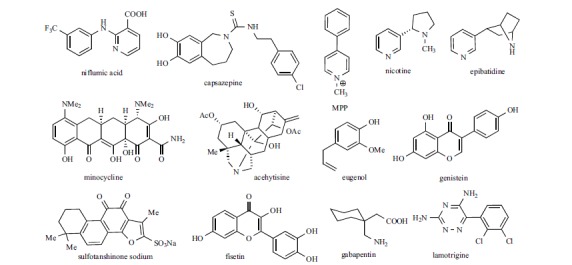
“Docking studies using a homology model of the HCN2 channel in the open state [185] predicted that nicotine and epibatidine bind inside the inner cavity of the channel, close to the mid region of the S6 domain, in a position similar to that predicted for ZD7288 and cilobradine [186].”
BackgroundCharacterization of the human HCN1 channel and its inhibition by capsazepine
Gill, C. H., Randall, A., Bates, S. A., Hill, K., Owen, D., Larkman, P. M., Cairns, W., Yusaf, S. P., Murdock, P. R., Strijbos, P. J. L. M., et al. (2004) · British Journal of Pharmacology · doi:10.1038/sj.bjp.0705945 · Cited by 53 · cited 1×
“The inhibition of Ih by Capsazepine, a TRPV1 antagonist, was first described in 2004 [181]: this compound was found able to block hHCN1 channel expressed in the CHO cell line with IC50 7.”
BackgroundHCN channels in the heart: lessons from mouse mutants
Herrmann, S., Hofmann, F., Stieber, J., & Ludwig, A. (2012) · British Journal of Pharmacology · doi:10.1111/j.1476-5381.2011.01798.x · Cited by 52 · cited 1×
“tribution and therapeutic potential of HCN channels will only briefly reported; the reader is referred to other excellent reviews in this field that deal with these issues in details [6, 8, 15-22].”
BackgroundChronic Atrial Fibrillation Alters the Functional Properties of If in the Human Atrium
Stillitano, F., Lonardo, G., Giunti, G., Lungo, M. D., Coppini, R., Spinelli, V., Sartiani, L., Poggesi, C., Mugelli, A., & Cerbai, E. (2013) · Journal of Cardiovascular Electrophysiology · doi:10.1111/jce.12212 · Cited by 52
Self-citationHeart rate reduction with ivabradine prevents the global phenotype of left ventricular remodeling
Ceconi, C., Comini, L., Suffredini, S., Stillitano, F., Bouly, M., Cerbai, E., Mugelli, A., & Ferrari, R. (2011) · American Journal of Physiology-Heart and Circulatory Physiology · doi:10.1152/ajpheart.01117.2009 · Cited by 52
Self-citationMyocardial remodeling and arrhythmogenesis in moderate cardiac hypertrophy in rats
Stilli, D., Sgoifo, A., Macchi, E., Zaniboni, M., De Iasio, S., Cerbai, E., Mugelli, A., Lagrasta, C., Olivetti, G., & Musso, E. (2001) · American Journal of Physiology-Heart and Circulatory Physiology · doi:10.1152/ajpheart.2001.280.1.h142 · Cited by 52
Self-citationDel Lungo, M., Melchiorre, M., Guandalini, L., Sartiani, L., Mugelli, A., Koncz, I., Szel, T., Varro, A., Romanelli, M. N., & Cerbai, E. (2012) · British Journal of Pharmacology · doi:10.1111/j.1476-5381.2011.01782.x · Cited by 51 · cited 3×
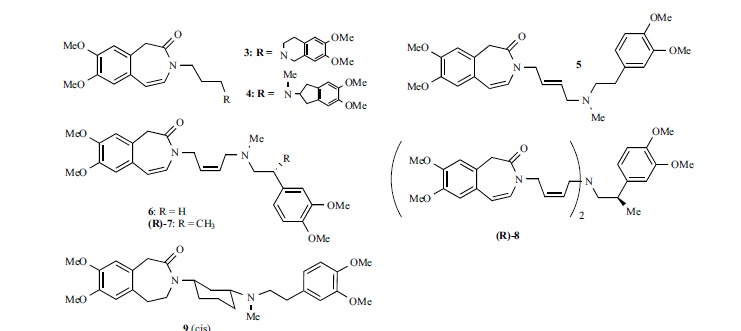
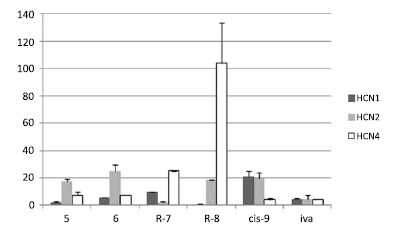
“Remarkably, the selectivity found in HEK cells for compounds (R)-8 and cis-9 was maintained also in native tissues (guinea pig SAN, mouse DRG neurons, and guinea pig spontaneously beating atria) [137-138].”
BackgroundSelf-citationFyk‐Kolodziej, B., & Pourcho, R. G. (2007) · Journal of Comparative Neurology · doi:10.1002/cne.21287 · Cited by 51 · cited 1×
“All isoforms, except HCN3, are present in the retina [33].”
BackgroundYe, B., Balijepalli, R. C., Foell, J. D., Kroboth, S. L., Ye, Q., Luo, Y., & Shi, N. (2008) · Biochemistry · doi:10.1021/bi8009295 · Cited by 51 · cited 1×
“The COOH terminus harbors the Cyclic Nucleotide Binding Doman (CNBD), which is critical for the modulation by cyclic nucleotides [25-26].”
BackgroundBeyond Neuropathic Pain: Gabapentin Use in Cancer Pain and Perioperative Pain
Yan, P. Z., Butler, P. M., Kurowski, D., & Perloff, M. D. (2013) · Clinical Journal of Pain · doi:10.1097/ajp.0000000000000014 · Cited by 50 · cited 1×
“Gabapentin is an anticonvulsant drug, commonly used to treat different kinds of pain [200].”
BackgroundImmunohistochemical localization of I[h] channel subunits, HCN1-4, in the rat brain
納冨, 拓., & ノウトミ, タ. (2003) · SOKENDAI (Graduate University for Advanced Studies) · Cited by 48
The fast and slow ups and downs of HCN channel regulation
Lewis, A. S., Estep, C., & Chetkovich, D. M. (2010) · Channels · doi:10.4161/chan.4.3.11630 · Cited by 48 · cited 1×
“The COOH terminus harbors the Cyclic Nucleotide Binding Doman (CNBD), which is critical for the modulation by cyclic nucleotides [25-26].”
BackgroundSinus tachyarrhythmias and the specific bradycardic agents: a marriage made in heaven?
Yusuf, S., & Camm, A. J. (2003) · Journal of Cardiovascular Pharmacology and Therapeutics · doi:10.1177/107424840300800202 · Cited by 48 · cited 2×
“The development of alinidine (ST-567) was stopped due to the many side effects of the compound, which were ascribed to the interaction with L-type Ca channels and K channels, and to the metabolic transformation leading to clonidine [110, 113].”
BackgroundIf and SR Ca2+ release both contribute to pacemaker activity in canine sinoatrial node cells
Gao, Z., Chen, B., Joiner, M.-L. A., Wu, Y., Guan, X., Koval, O. M., Chaudhary, A. K., Cunha, S. R., Mohler, P. J., Martins, J. B., et al. (2010) · Journal of Molecular and Cellular Cardiology · doi:10.1016/j.yjmcc.2010.03.019 · Cited by 47
Tamura, A., Ogura, T., Uemura, H., Reien, Y., Kishimoto, T., Nagai, T., Komuro, I., Miyazaki, M., & Nakaya, H. (2009) · Journal of Pharmacological Sciences · doi:10.1254/jphs.08312fp · Cited by 45 · cited 1×
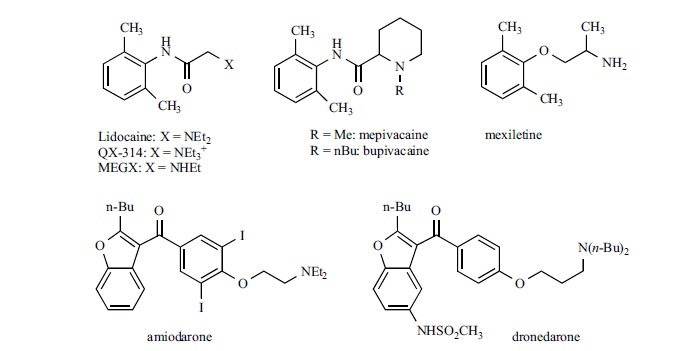
“Lidocaine and other antiarrhythmic drugs, including another local anesthetic, mexiletine, have been tested on rabbit HCN4 heterologously expressed in HEK293 cells; this study was made in order to assess the activity of antiarrhythmic compounds on ion channels, which are not their primary site of action, possibly leadi…”
BackgroundLocal Anesthetic Inhibits Hyperpolarization-Activated Cationic Currents
Meng, Q., Xia, Z., Liu, J., Bayliss, D. A., & Chen, X. (2011) · Molecular Pharmacology · doi:10.1124/mol.110.070227 · Cited by 43 · cited 1×
“More recently, lidocaine has been tested also on recombinant systems (HEK cells) [166], where a 100μM concentration of the drug reduced maximal current amplitude of 30.”
BackgroundEffect of dronedarone on Na+, Ca2+ and HCN channels
Bogdan, R., Gögelein, H., & Ruetten, H. (2011) · Naunyn-Schmiedeberg s Archives of Pharmacology · doi:10.1007/s00210-011-0599-9 · Cited by 43
Inyushin, M. U., Arencibia-Albite, F., Vázquez-Torres, R., Vélez-Hernández, M. E., & Jiménez-Rivera, C. A. (2010) · Neuroscience · doi:10.1016/j.neuroscience.2010.01.052 · Cited by 43
Bosman, A., Sartiani, L., Spinelli, V., Lungo, M. D., Stillitano, F., Nosi, D., Mugelli, A., Cerbai, E., & Jaconi, M. E. (2013) · Stem Cells and Development · doi:10.1089/scd.2012.0247 · Cited by 42 · cited 1×
“The biology of the channel was also investigated by “evolutionary” and “ontogenetic” approaches proving the highly conserved and ancestral origin of this channel [11-12], as well as its premature functional and molecular expression in embryonic stem cells [13-14].”
BackgroundSelf-citationRateau, Y., & Ropert, N. (2006) · Journal of Neurophysiology · doi:10.1152/jn.00922.2005 · Cited by 42
Griguoli, M., Maul, A., Nguyen, C., Giorgetti, A., Carloni, P., & Cherubini, E. (2010) · The Journal of Neuroscience · doi:10.1523/jneurosci.2446-10.2010 · Cited by 41 · cited 1×
“The activity of nicotine on HCN channels was first demonstrated in Oriens-lacunosum moleculare (O-LM) cells, a subpopulation of GABAergic interneurons in the CA1 hippocampal area [183], and later in lateral septum (LS), a nucleus that is modulated by excitatory afferents from the hippocampus [184].”
BackgroundAccili, E. A., & DiFrancesco, D. (1996) · Pflügers Archiv - European Journal of Physiology · doi:10.1007/bf02253840 · Cited by 40
Research works printed but not linked: 1
- [231]Opthof T. The membrane current(If) in human atrial cells: implications for atrial arrhythmias. Cardiovasc. Res. 1998 38 3 537 540 9747423
Cited by
Davis, M. J., Earley, S., Li, Y.-S., & Chien, S. (2023) · Physiological Reviews · doi:10.1152/physrev.00053.2021 · Cited by 273
Sartiani, L., Mannaioni, G., Masi, A., Novella Romanelli, M., & Cerbai, E. (2017) · Pharmacological Reviews · doi:10.1124/pr.117.014035 · Cited by 143
“In the following discussion, only compounds used in the clinic are included; for a more comprehensive list, see Romanelli et al. (2016).”
BackgroundSelf-citationPathophysiological Mechanisms in Migraine and the Identification of New Therapeutic Targets
Haanes, K. A., & Edvinsson, L. I. (2019) · CNS Drugs · doi:10.1007/s40263-019-00630-6 · Cited by 114
Santoro, B., & Shah, M. M. (2020) · Annual Review of Pharmacology and Toxicology · doi:10.1146/annurev-pharmtox-010919-023356 · Cited by 108
Cardiac and neuronal HCN channelopathies
Rivolta, I., Binda, A., Masi, A., & DiFrancesco, J. C. (2020) · Pflügers Archiv - European Journal of Physiology · doi:10.1007/s00424-020-02384-3 · Cited by 96
Self-citation
Metadata
- Authors
- Novella Romanelli, M., Sartiani, L., Masi, A., Mannaioni, G., Manetti, D., Mugelli, A., & Cerbai, E.
- Affiliations
- University of Florence (IT)
- Venue
- Current Topics in Medicinal Chemistry
- Publisher
- Bentham Science Publishers Ltd.
- Published
- 2016-04-29
- Volume
- 16
- Issue
- 16
- Pages
- 1764-1791
- ISSN
- 1568-0266 (ISSN-L)
- PMC
- PMC5374843
- OpenAlex
- W2298251224
- Cited by
- 73
- References
- 290
- Citations by year
- 2026: 1 · 2025: 9 · 2024: 8 · 2023: 5 · 2022: 6 · 2021: 13 · 2020: 11 · 2019: 11 · 2018: 6 · 2017: 3
- FWCI
- 0.60
- Type
- journal article
- Language
- en
- Open access
- bronze
- doi.org
- Locations
- Current Topics in Medicinal Chemistry (publishedVersion)
- PubMed Central (publishedVersion, cc-by-nc)
- PubMed (publishedVersion)
- Florence Research (University of Florence) (submittedVersion)
- Topics
- Life Sciences › Biochemistry, Genetics and Molecular Biology › Molecular Biology › Ion channel regulation and function
- Health Sciences › Medicine › Cardiology and Cardiovascular Medicine › Cardiac electrophysiology and arrhythmias
- Life Sciences › Biochemistry, Genetics and Molecular Biology › Molecular Biology › Nicotinic Acetylcholine Receptors Study
- Keywords
- HCN channels, hyperpolarization-activated current, HCN4, ivabradine, drug design, sinoatrial node, cardiac pacemaker, bradycardic agents, adverse effects
- MeSH terms
- Animals, Humans, Drug Design, Molecular Structure, Membrane Transport Modulators, Hyperpolarization-Activated Cyclic Nucleotide-Gated Channels
About these checks
Registry, retraction, Cites and statistics results are computed, not judged, with one exception: a printed reference that no index lists is read once by a model before it counts as a citation error. Claims are extracted by a model and kept only when their quote appears verbatim in the text; each cited source is then checked, with a model’s help, for whether it says what the claim relies on. Those verdicts can be wrong — read the claim’s quote and the cited source before relying on one.
Statistics and arithmetic are recomputed, not judged.
Confidence bands are shown only for fields calibrated on our annotated test set. None is calibrated yet, so no band is shown.
What counts as a claim ›How we measure confidence ›How we check this ›
Are you an author, or do you see a problem with this page? Request a review
Data sources
Bibliographic data: Semantic Scholar, OpenAlex, Crossref.
Contains information from the Semantic Scholar Academic Graph Datasets, made available under the ODC Attribution License (ODC-BY 1.0).
Semantic Scholar’s data is described in: Kinney, R., et al. (2023). The Semantic Scholar Open Data Platform. arXiv:2301.10140.
