

A Review of Biomarkers in Mood and Psychotic Disorders: A Dissection of Clinical vs. Preclinical Correlates
Open accessThe DOI matches its Crossref record; 542 of the 546 references it cites were found in a registry or an index, and 1 are not checked yet.
Abstract
Despite significant research efforts aimed at understanding the neurobiological underpinnings of mood (depression, bipolar disorder) and psychotic disorders, the diagnosis and evaluation of treatment of these disorders are still based solely on relatively subjective assessment of symptoms as well as psychometric evaluations. Therefore, biological markers aimed at improving the current classification of psychotic and mood-related disorders, and that will enable patients to be stratified on a biological basis into more homogeneous clinically distinct subgroups, are urgently needed. The attainment of this goal can be facilitated by identifying biomarkers that accurately reflect pathophysiologic processes in these disorders. This review postulates that the field of psychotic and mood disorder research has advanced sufficiently to develop biochemical hypotheses of the etiopathology of the particular illness and to target the same for more effective disease modifying therapy. This implies that a "one-size fits all" paradigm in the treatment of psychotic and mood disorders is not a viable approach, but that a customized regime based on individual biological abnormalities would pave the way forward to more effective treatment. In reviewing the clinical and preclinical literature, this paper discusses the most highly regarded pathophysiologic processes in mood and psychotic disorders, thereby providing a scaffold for the selection of suitable biomarkers for future studies in this field, to develope biomarker panels, as well as to improve diagnosis and to customize treatment regimens for better therapeutic outcomes.
Overview
The claims and statistics of this paper haven’t been checked yet.
Free: it reads the open-access text and checks the first 5 claims that cite a source we can check. Create a free account to check every claim.
Integrity signals
Registry
Cites
Statistics
Figures
Verification
Claims the paper makes
The claims and statistics of this paper haven’t been checked yet.
Free: it reads the open-access text and checks the first 5 claims that cite a source we can check. Create a free account to check every claim.
Self-check
Percentages, sums and reported differences re-computed from the paper’s own numbers.
The self-check needs the paper’s full text.
Citations
Cites
Molecular Mechanisms of Depression: Perspectives on New Treatment Strategies
Lang, U. E., & Borgwardt, S. (2013) · Cellular Physiology and Biochemistry · doi:10.1159/000350094 · Cited by 8,475
From inflammation to sickness and depression: when the immune system subjugates the brain
Dantzer, R., O'Connor, J. C., Freund, G. G., Johnson, R. W., & Kelley, K. W. (2008) · Nature Reviews Neuroscience · doi:10.1038/nrn2297 · Cited by 7,395 · cited 2×
“Sickness behaviour describes a state in which many of the symptoms coincide with that of MD [420].”
BackgroundBiomarkers and surrogate endpoints: Preferred definitions and conceptual framework
(2001) · Clinical Pharmacology & Therapeutics · doi:10.1067/mcp.2001.113989 · Cited by 6,762 · cited 1×
“The Biomarkers Definitions Working Group of the National Institutes of Health Group [15] (2001) defined a biomarker as “a characteristic that is objectively measured and evaluated as an indicator of normal biological processes, pathogenic processes, or pharmacologic responses to a therapeutic intervention” [15].”
BackgroundVascular Endothelial Growth Factor Is a Secreted Angiogenic Mitogen
Leung, D. W., Cachianes, G., Kuang, W.-J., Goeddel, D. V., & Ferrara, N. (1989) · Science · doi:10.1126/science.2479986 · Cited by 4,986 · cited 1×
“Vascular endothelial growth factor (VEGF) acts as a neurotrophic factor, is a cytokine implicated in angiogenesis [321] and has been related to the vascular niche hypothesis of adult neurogenesis [322].”
BackgroundA Meta-Analysis of Cytokines in Major Depression
Dowlati, Y., Herrmann, N., Swardfager, W., Liu, H., Sham, L., Reim, E. K., & Lanctôt, K. L. (2010) · Biological Psychiatry · doi:10.1016/j.biopsych.2009.09.033 · Cited by 4,729
Inflammation and Its Discontents: The Role of Cytokines in the Pathophysiology of Major Depression
Miller, A. H., Maletic, V., & Raison, C. L. (2009) · Biological Psychiatry · doi:10.1016/j.biopsych.2008.11.029 · Cited by 3,848 · cited 2×
“Cytokine activity may elicit several effects on the brain, affecting the synthesis, release and reuptake of several neurotransmitters, including monamines, which have the ability to influence mood [417].”
BackgroundOxidative Stress, Glutamate, and Neurodegenerative Disorders
Coyle, J. T., & Puttfarcken, P. (1993) · Science · doi:10.1126/science.7901908 · Cited by 3,762 · cited 1×
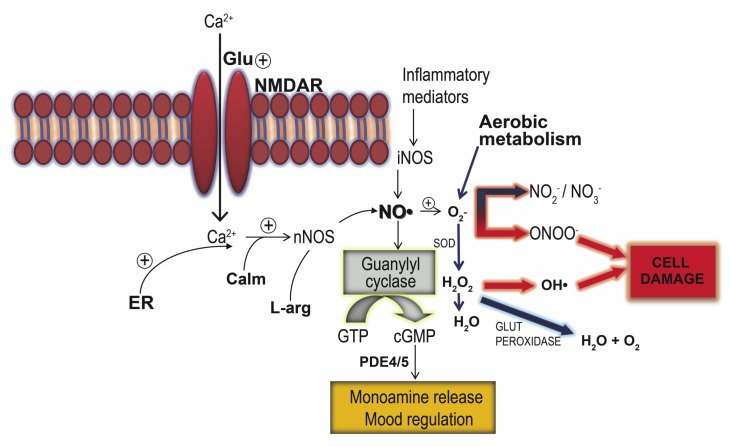
“Elevated levels of glutamate act on extrasynaptic NMDA receptors leading to an influx of Ca into the neurons, which results in the toxic accumulation of reactive oxygen species (ROS) [198], with increased nitric oxide (NO) production playing a key role in MD pathology and treatment response [199, 200].”
BackgroundThe Neuroendocrinology of Stress: A Never Ending Story
Lightman, S. L. (2008) · Journal of Neuroendocrinology · doi:10.1111/j.1365-2826.2008.01711.x · Cited by 3,566
The peroxisome proliferator-activated receptor-γ is a negative regulator of macrophage activation
Ricote, M., Li, A. C., Willson, T. M., Kelly, C. J., & Glass, C. K. (1998) · Nature · doi:10.1038/34178 · Cited by 3,525 · cited 1×
“Considering the connection between inflammation, NO and insulin/PPAR signalling in MD, it is not surprising that PPARγ has been associated with suppression in immune response through its ability to inhibit the expression of inflammatory cytokines [401] and to have actions on pathways involved in apoptosis, cellular pr…”
BackgroundA Neurotrophic Model for Stress-Related Mood Disorders
Duman, R. S., & Monteggia, L. M. (2006) · Biological Psychiatry · doi:10.1016/j.biopsych.2006.02.013 · Cited by 3,375 · cited 1×
“As noted earlier, BDNF expression is decreased during MD, BPD and schizophrenia, a response that is reversed by effective pharmacological treatment [295, 335-337].”
Background
Research works printed but not linked: 7
- [11]Connor T.J. Leonard B.E. Handbook of Experimental Pharmacology. Antidepressants. Past, Present and Future; 2004 New York Springer
- [236]Wegener G. Harvey B.H. Bonefeld B. Müller H.K. Volke V. Overstreet D.H. Elfving B. Increased stress-evoked nitric oxide signalling in the Flinders sensitive line (FSL) rat: a genetic animal model of depression. Int. J. Neuropsychopharmacol. 2010 13 4 461 473 10.1017/S1461145709990241 19627650 · DOI · Paper page
- [310]Jornada L.K. Moretti M. Valvassori S.S. Ferreira C.L. Padilha P.T. Arent C.O. Fries G. R. Kapczinski F. Quevedo J. 2006 19954800
- [333]Nestler E.J. Barrot M. DiLeone R.J. Eisch A.J. Gold S.J. Monteggia L.M. Neurobiology of depression. Neuron 2002 34 1 13 25 10.1016/S0896-6273(02)00653-0 11931738 · DOI · Paper page
- [374]Dhir A. Kulkarni S.K. Nitric oxide and major depression. Nitric Oxide 2011 24 3 125 131 10.1016/j.niox.2011.02.002 21335097 · DOI · Paper page
- [428]Capuron L. Su S. Miller A.H. Bremner J.D. Goldberg J. Vogt G.J. Maisano C. Jones L. Murrah N.V. Vaccarino V. Depressive symptoms and metabolic syndrome: is inflammation the underlying link? Biol. Psychiatry 2008 64 10 896 900 10.1016/j.biopsych.2008.05.019 18597739 PMC2621309 · DOI · Paper page
- [544]García-Bueno B. Pérez-Nievas B.G. Leza J.C. Is there a role for the nuclear receptor PPARγ in neuropsychiatric diseases? Int. J. Neuropsychopharmacol. 2010 13 10 1411 1429 10.1017/S1461145710000970 20800014 · DOI · Paper page
Cited by
Biomarkers for depression: recent insights, current challenges and future prospects
Strawbridge, R., Young, A. H., & Cleare, A. J. (2017) · Neuropsychiatric Disease and Treatment · doi:10.2147/ndt.s114542 · Cited by 415
Yamanashi, T., Iwata, M., Kamiya, N., Tsunetomi, K., Kajitani, N., Wada, N., Iitsuka, T., Yamauchi, T., Miura, A., Pu, S., et al. (2017) · Scientific Reports · doi:10.1038/s41598-017-08055-1 · Cited by 214
Peripheral Markers of Depression
Nobis, A., Zalewski, D., & Waszkiewicz, N. (2020) · Journal of Clinical Medicine · doi:10.3390/jcm9123793 · Cited by 197
“Decreased dopamine levels in the striatum and cortex have been reported in depression [180].”
BackgroundInfluentialPerlman, K., Benrimoh, D., Israel, S., Rollins, C., Brown, E., Tunteng, J.-F., You, R., You, E., Tanguay-Sela, M., Snook, E., et al. (2019) · Journal of Affective Disorders · doi:10.1016/j.jad.2018.09.067 · Cited by 182
Resveratrol and Depression in Animal Models: A Systematic Review of the Biological Mechanisms
Moore, A. C., Beidler, J., & Hong, M. Y. (2018) · Molecules · doi:10.3390/molecules23092197 · Cited by 152
“In addition, GSK-3β, a kinase involved in Wnt signaling, is used as a marker in neuropsychiatric disorders and is targeted by mood-stabilizing drugs such as lithium for bipolar disorder [65,67].”
BackgroundCarniel, B. P., & da Rocha, N. S. (2020) · Progress in Neuro-Psychopharmacology and Biological Psychiatry · doi:10.1016/j.pnpbp.2020.110151 · Cited by 127
van Vuren, E. J., Steyn, S. F., Brink, C. B., Möller, M., Viljoen, F. P., & Harvey, B. H. (2021) · Biomedicine & Pharmacotherapy · doi:10.1016/j.biopha.2020.111200 · Cited by 111
Self-citationUys, M. M., Shahid, M., & Harvey, B. H. (2017) · Frontiers in Psychiatry · doi:10.3389/fpsyt.2017.00144 · Cited by 91
Self-citationBiomarkers for Depression: Recent Insights, Current Challenges and Future Prospects
Strawbridge, R., Young, A. H., & Cleare, A. J. (2018) · FOCUS The Journal of Lifelong Learning in Psychiatry · doi:10.1176/appi.focus.16206 · Cited by 79
Dalwadi, D. A., Ozuna, L., Harvey, B. H., Viljoen, M., & Schetz, J. A. (2018) · Pharmacological Reviews · doi:10.1124/pr.117.013706 · Cited by 80
“NO is also recognized as a modulator of dopaminergic, serotonergic, noradrenergic, GABA-glutamate, and muscarinic pathways (Prast and Philippu, 2001), and as such is implicated in the neurobiology of mood, anxiety, and psychotic disorders (Brand et al., 2015).”
BackgroundInfluentialSelf-citationChakraborty, P., Dey, A., Gopalakrishnan, A. V., Swati, K., Ojha, S. K., Prakash, A., Kumar, D., Ambasta, R. K., Jha, N. K., Jha, S. K., et al. (2023) · Ageing Research Reviews · doi:10.1016/j.arr.2022.101838 · Cited by 69
Lalousis, P. A., Schmaal, L., Wood, S. J., Reniers, R. L. E. P., Barnes, N. M., Chisholm, K., Griffiths, S. L., Stainton, A., Wen, J., Hwang, G., et al. (2022) · Biological Psychiatry · doi:10.1016/j.biopsych.2022.03.021 · Cited by 59
Caroleo, M., Carbone, E. A., Primerano, A., FOTI, D. P., Brunetti, A., & Segura‐Garcìa, C. (2019) · Journal of Affective Disorders · doi:10.1016/j.jad.2019.03.015 · Cited by 54
Methylene blue and its analogues as antidepressant compounds
Delport, A., Harvey, B. H., Petzer, A., & Petzer, J. P. (2017) · Metabolic Brain Disease · doi:10.1007/s11011-017-0081-6 · Cited by 51
“dopamine in the striatum, decreased dopamine in the prefrontal cortex as well as increased serotonin transmission and increased noradrenalin levels (Brand et al. 2015).”
BackgroundInfluentialSelf-citationOberholzer, I., Möller, M., Holland, B. J., Dean, O. M., Berk, M., & Harvey, B. H. (2017) · Metabolic Brain Disease · doi:10.1007/s11011-017-0144-8 · Cited by 49
“rent antidepressant treatments are hampered by side effects, delayed onset of action and a low response rate (50–55%) (Hasler 2010), there is a need to identify new biological targets and novel treatments (Boyce and Berk 2016), especially those that target alternate and/or downstream events such as second messengers,…”
BackgroundInfluentialSelf-citationSwanepoel, T., Möller, M., & Harvey, B. H. (2017) · Psychopharmacology · doi:10.1007/s00213-017-4776-5 · Cited by 50
“…development and their potential reversal by NAC, several behavioural as well as bio-markers linked to schizophrenia/psychosis will be analyzed (Brand et al. 2015), including sensorimotor gating, recognition memory, anxietyrelated social withdrawal, regional brain monoamines and…”
BackgroundInfluentialSelf-citationLenze, E. J., Nicol, G. E., Barbour, D. L., Kannampallil, T., Wong, A. W. K., Piccirillo, J., Drysdale, A. T., Sylvester, C. M., Haddad, R., Miller, J. P., et al. (2021) · Journal of Psychiatry and Neuroscience · doi:10.1503/jpn.200042 · Cited by 43
Dadomo, H., Gioiosa, L., Cigalotti, J., Ceresini, G., Parmigiani, S., & Palanza, P. (2017) · Hormones and Behavior · doi:10.1016/j.yhbeh.2017.11.013 · Cited by 45
“Therefore, different rodent models are likely to apply to different expressions of depressive and/or anxiety disorder (Brand et al., 2015; O'Leary and Cryan, 2013).”
BackgroundAifred Health, a Deep Learning Powered Clinical Decision Support System for Mental Health
Benrimoh, D. A., Fratila, R., Israel, S. A., Perlman, K., Mirchi, N., Desai, S., Rosenfeld, A., Knappe, S., Behrmann, J., Rollins, C. P. E., et al. (2018) · The Springer series on challenges in machine learning · doi:10.1007/978-3-319-94042-7_13 · Cited by 46
The Psychopharmacology of Obsessive-Compulsive Disorder: A Preclinical Roadmap
Szechtman, H., Harvey, B. H., Woody, E. Z., & Hoffman, K. L. (2019) · Pharmacological Reviews · doi:10.1124/pr.119.017772 · Cited by 41
“Altered redox status may be relevant to understanding a number of neuropsychiatric disorders (Brand et al., 2015).”
BackgroundSelf-citationChan, S. Y., Probert, F., Radford‐Smith, D. E., Hebert, J. C., Claridge, T. D. W., Anthony, D. C., & Burnet, P. W. J. (2020) · Scientific Reports · doi:10.1038/s41598-020-74008-w · Cited by 42
The Nrf2 pathway in psychiatric disorders: pathophysiological role and potential targeting
Bhandari, R., Kaur, J., Kaur, S., & Kuhad, A. (2021) · Expert Opinion on Therapeutic Targets · doi:10.1080/14728222.2021.1887141 · Cited by 38
“adding on to the variability in results obtained [148,271].”
BackgroundEngel, S., Laufer, S., Klusmann, H., Schulze, L., Schumacher, S., & Knaevelsrud, C. (2023) · European Journal of Psychotraumatology · doi:10.1080/20008066.2023.2225153 · Cited by 34
“Responses to traumatic stimuli might be different in participants with previous PTSD or other psychiatric disorders, many of which have been shown to modulate HPA axis reactivity (e.g. PTSD (Morris et al., 2012; Schumacher et al., 2019)) or depression (Brand et al., 2015; Strawbridge et al., 2017).”
BackgroundBrand, S. J., & Harvey, B. H. (2016) · Acta Neuropsychiatrica · doi:10.1017/neu.2016.44 · Cited by 32
“Owing to the premise that increased climbing and swimming behaviour in the FST may be a result of enhanced noradrenergic and serotonergic neurotransmission, respectively (62), the decreased frontal–hippocampal NA levels in both stressed and unstressed FSL rats (Fig 4bi and 4bii; Table 3) as well as the trend to raise…”
BackgroundResultSelf-citationSchoeman, J. C., Steyn, S. F., Harvey, B. H., & Brink, C. B. (2017) · Behavioural Brain Research · doi:10.1016/j.bbr.2017.01.043 · Cited by 32
Self-citationHeterogeneity in major depressive disorder: The need for biomarker-based personalized treatments
Suseelan, S., & Pinna, G. (2022) · Advances in clinical chemistry · doi:10.1016/bs.acc.2022.09.001 · Cited by 33
The monoamine oxidase inhibition properties of selected structural analogues of methylene blue
Delport, A., Harvey, B. H., Petzer, A., & Petzer, J. P. (2017) · Toxicology and Applied Pharmacology · doi:10.1016/j.taap.2017.03.026 · Cited by 28
“…al., 1995; Mayer et al., 1993; Moore and Handy, 1997; Volke et al., 1999) as well as by acting as a potent inhibitor of monoamine oxidase (MAO) A (Aeschlimann et al., 1996; Harvey et al., 2010; Ramsay et al., 2007), both mechanisms being implicated in antidepressant response (Brand et al., 2015).”
Self-citationClinical Severity and Calcium Metabolism in Patients with Bipolar Disorder
Steardo, L., Luciano, M., Sampogna, G., Carbone, E. A., Caivano, V., Cerbo, A. D., Giallonardo, V., Palummo, C., Vece, A., Vecchio, V. D., et al. (2020) · Brain Sciences · doi:10.3390/brainsci10070417 · Cited by 32
Malan, L., Hamer, M., von Känel, R., Schlaich, M. P., Reimann, M., Frasure‐Smith, N., Lambert, G. W., Vilser, W., Harvey, B. H., Steyn, F., et al. (2016) · Nitric Oxide · doi:10.1016/j.niox.2016.02.008 · Cited by 27
Self-citationCosta, A., Riça, L., van de Bilt, M., Zandonadi, F., Gattaz, W., Talib, L., & Sussulini, A. (2023) · Metabolites · doi:10.3390/metabo13050600 · Cited by 25
“Because omic sciences employ a comprehensive approach to the analysis of biomolecules that compose a biological sample, carrying out such studies on these psychiatric diseases is of great importance, especially for the discovery of potential biomarkers that aim at the development of new diagnostic tools [25,26].”
BackgroundDelport, A., Harvey, B. H., Petzer, A., & Petzer, J. P. (2018) · ACS Chemical Neuroscience · doi:10.1021/acschemneuro.8b00042 · Cited by 25
Self-citationAshton, M. M., Dean, O. M., Walker, A. J., Bortolasci, C. C., Ng, C. H., Hopwood, M., Harvey, B. H., Möller, M., McGrath, J. J., Marx, W., et al. (2019) · Frontiers in Psychiatry · doi:10.3389/fpsyt.2019.00115 · Cited by 28
“Production of NO through iNOS and inflammatory process have been implicated in both psychosis and depression (23, 103).”
BackgroundSelf-citationBorsdorf, B., Dahmen, B., Buehren, K., Dempfle, A., Egberts, K. M., Ehrlich, S., Fleischhaker, C., Konrad, K., Schwarte, R., Timmesfeld, N., et al. (2021) · Journal of Psychiatry and Neuroscience · doi:10.1503/jpn.210049 · Cited by 25
Animal models of major depressive disorder and the implications for drug discovery and development
Demin, K. A., Sysoev, M., Chernysh, M. V., Savva, A. K., Koshiba, M., Wappler-Guzzetta, E. A., Song, C., de Abreu, M. S., Leonard, B. E., Parker, M. O., et al. (2019) · Expert Opinion on Drug Discovery · doi:10.1080/17460441.2019.1575360 · Cited by 27
“delayed effects and treatment resistance), and is complemented by several more recent concepts, including the inflammation [27,28], neurotrophin [29], gut-brain interaction [30,31], glia-cytokines interplay [32], aberrant limbic circuitry [33], as well as the neuroendocrine (glucocorticoid, glucocorticoid resistance)…”
BackgroundSelf-citationde Abreu, M. S., Giacomini, A. C. V. V., Genário, R., Rech, N., Carboni, J., Lakstygal, A. M., Amstislavskaya, T. G., Demin, K. A., Leonard, B. E., Vlok, M., et al. (2020) · Pharmacology Biochemistry and Behavior · doi:10.1016/j.pbb.2020.172928 · Cited by 25
Self-citationUys, M. M., Shahid, M., Sallinen, J., & Harvey, B. H. (2016) · Behavioural Pharmacology · doi:10.1097/fbp.0000000000000261 · Cited by 26
Self-citationSocial cognition in the course of psychosis and its correlation with biomarkers in a male cohort
Ntouros, E., Karanikas, E., Floros, G. D., Andreou, C., Tsoura, A., Garyfallos, G., & Bozikas, V. P. (2018) · Cognitive Neuropsychiatry · doi:10.1080/13546805.2018.1440201 · Cited by 21
Mncube, K., Möller, M., & Harvey, B. H. (2021) · Frontiers in Psychiatry · doi:10.3389/fpsyt.2021.688150 · Cited by 20
Self-citationLotter, J., Möller, M., Dean, O. M., Berk, M., & Harvey, B. H. (2020) · Frontiers in Psychiatry · doi:10.3389/fpsyt.2020.00121 · Cited by 21
Self-citationGopalakrishnan, R., Wang, Y., Kapczinski, F. P., Frey, B. N., & Wollenhaupt-Aguiar, B. (2025) · Journal of Affective Disorders · doi:10.1016/j.jad.2025.01.150 · Cited by 19
Gericke, J., Harvey, B. H., Pretorius, L., Ollewagen, T., Benecke, R. M., & Smith, C. (2023) · Journal of Ethnopharmacology · doi:10.1016/j.jep.2023.117113 · Cited by 19
Self-citationBrand, S. J., & Harvey, B. H. (2016) · Acta Neuropsychiatrica · doi:10.1017/neu.2016.50 · Cited by 21
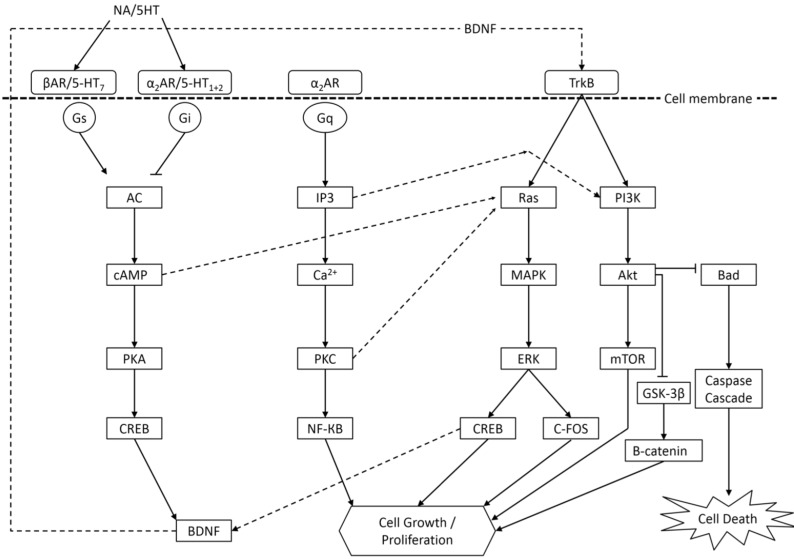
“Despite a plethora of up-stream signalling pathways purported to be involved in the neurobiology of MD [see (73) for review], it is ultimately a resultant effect on NA and 5HT that may hold sway in the behavioural presentation of the illness and how antidepressants produce their desired effect.”
BackgroundSelf-citationMottarlini, F., Rizzi, B., Targa, G., Fumagalli, F., & Caffino, L. (2022) · Frontiers in Behavioral Neuroscience · doi:10.3389/fnbeh.2022.1087075 · Cited by 19
Badenhorst, N. J., Brand, L., Harvey, B. H., Ellis, S. M., & Brink, C. B. (2016) · Acta Neuropsychiatrica · doi:10.1017/neu.2016.53 · Cited by 21
“Several studies have shown that SSRIs cause foetal developmental changes when used to treat MDD in pregnant woman (11–13).”
BackgroundSelf-citationGericke, J., Lekhooa, M., Steyn, S. F., Viljoen, A. M., & Harvey, B. H. (2021) · Journal of Ethnopharmacology · doi:10.1016/j.jep.2021.114550 · Cited by 16
Self-citationSun, Y., Tao, S., Tian, S., Shao, J., Mo, Z., Wang, X., Wang, H., Zhao, P., Chen, Z., Yao, Z., et al. (2021) · Journal of Affective Disorders · doi:10.1016/j.jad.2021.01.047 · Cited by 16
Möller, M., Fourie, J., & Harvey, B. H. (2018) · Scientific Reports · doi:10.1038/s41598-018-29978-3 · Cited by 21
Self-citationScreening for depression in the general population through lipid biomarkers
Tkachev, A., Stekolshchikova, E., Golubova, A., Serkina, A., Morozova, A. Y., Zorkina, Y., Riabinina, D., Golubeva, E., Ochneva, A., Savenkova, V., et al. (2024) · EBioMedicine · doi:10.1016/j.ebiom.2024.105455 · Cited by 15
Zadeh-Ardabili, P. M., Rad, S. K., Rad, S. K., & Movafagh, A. (2019) · Scientific Reports · doi:10.1038/s41598-019-56360-8 · Cited by 14
Sakai, Y., Iversen, V. C., & Reitan, S. K. (2018) · BMC Psychiatry · doi:10.1186/s12888-018-1819-3 · Cited by 13
Steyn, S. F., Harvey, B. H., & Brink, C. B. (2018) · Behavioural Brain Research · doi:10.1016/j.bbr.2018.05.021 · Cited by 18
Self-citationOlatunji, T. L., Siebert, F., Adetunji, A. E., Harvey, B. H., Gericke, J., Hamman, J. H., & van der Kooy, F. (2021) · Journal of Ethnopharmacology · doi:10.1016/j.jep.2021.114476 · Cited by 14
Self-citationGamma oscillations predict treatment response to aripiprazole in bipolar disorder
Arıkan, M. K., Günver, M. G., İlhan, R., Öksüz, Ö., & Metin, B. (2021) · Journal of Affective Disorders · doi:10.1016/j.jad.2021.07.044 · Cited by 11
Júnior, A. L. G., Tchekalarova, J. D., Machado, K. D. C., Silva, S. W. C., Paz, M. F. C. J., Nogueira, T. R., Lira, B. S. D. M. M., Zihad, S. M. N. K., Islam, M. T., Ali, E. S., et al. (2019) · Phytotherapy Research · doi:10.1002/ptr.6407 · Cited by 11
Kemp, E. T., Zandberg, L., Harvey, B. H., Smuts, C. M., & Baumgartner, J. (2023) · Nutritional Neuroscience · doi:10.1080/1028415x.2023.2245615 · Cited by 10
“Dysfunction of the reward system is closely related to alterations in the dopaminergic system [36], with low DA typically associated with anhedonia in patients with depression [37].”
BackgroundSelf-citationLi, J., & Jiang, C. (2022) · Neuropsychiatric Disease and Treatment · doi:10.2147/ndt.s393553 · Cited by 13
“A putative biomarker panel based on clinical and pre-clinical data for depression has been proposed by Brand et al.(26) A total of 16 strong markers have been included: reduced gray matter volume, circadian and sleep-wake cycle changes, increased saliva cortisol, hypothalamic–pituitary–adrenal (HPA) axis hyperactivati…”
BackgroundSteyn, S. F., Harvey, B. H., & Brink, C. B. (2020) · European Journal of Neuroscience · doi:10.1111/ejn.14757 · Cited by 9
Self-citationKetamine and rapidly acting antidepressants: Breaking the speed of sound or light?
Berk, M., Loo, C., Davey, C. G., & Harvey, B. H. (2018) · Australian & New Zealand Journal of Psychiatry · doi:10.1177/0004867418783567 · Cited by 9
Self-citationWolmarans, D. W., Stein, D. J., & Harvey, B. H. (2017) · Current Medicinal Chemistry · doi:10.2174/0929867324666170523125256 · Cited by 11
Self-citationLee, T. (2025) · Cerebral Cortex · doi:10.1093/cercor/bhaf089 · Cited by 8
Saayman, J. L. B., Harvey, B. H., Wegener, G., & Brink, C. B. (2024) · European Journal of Pharmacology · doi:10.1016/j.ejphar.2024.176434 · Cited by 9
Self-citationOlivier, N., Harvey, B. H., Gobec, S., Shahid, M., Košak, U., Žakelj, S., & Brink, C. B. (2025) · Biomedicine & Pharmacotherapy · doi:10.1016/j.biopha.2025.118093 · Cited by 7
Self-citationHarvey, B. H., Uys, M. M., Viljoen, F. P., Shahid, M., Sonntag, Q., & Meyer, L. C. R. (2021) · Research in Veterinary Science · doi:10.1016/j.rvsc.2021.01.013 · Cited by 7
Self-citationOlatunji, T. L., Siebert, F., Adetunji, A. E., Harvey, B. H., Gericke, J., Hamman, J. H., & van der Kooy, F. (2021) · Journal of Ethnopharmacology · doi:10.1016/j.jep.2021.114711 · Cited by 8
Self-citationMalan, L., Mashele, N., Malan, N. T., Harvey, B. H., Potgieter, J. C., & van Rooyen, J. M. (2016) · The Journal of Cardiovascular Nursing · doi:10.1097/jcn.0000000000000358 · Cited by 6
“Findings from other studies also revealed that depression was associated only with interleukin (IL)-6, tumor necrosis factor-!, IL-1 and acute phase proteins such as haptoglobin.(15,36,37) Although oxidative stress and inflammation are interwoven in the neuropathology of depression, these changes are broadly associate…”
MethodSelf-citationAlbright, J. D., & Ng, Z. (2021) · Journal of Veterinary Behavior · doi:10.1016/j.jveb.2021.09.001 · Cited by 6
Gomułka, K., Liebhart, J., & Mędrala, W. (2021) · Journal of Clinical Medicine · doi:10.3390/jcm10225301 · Cited by 5
“Biomarkers should also provide high levels of sensitivity and specificity in the detection and classification of disease to be clinically useful [30].”
BackgroundTriana‐Baltzer, G., Timmers, M., Boer, P. D., Schoene, M., Furey, M., Bleys, C., Vrancken, I., Slemmon, R., Ceusters, M., Nueten, L. V., et al. (2022) · Comprehensive Psychoneuroendocrinology · doi:10.1016/j.cpnec.2022.100116 · Cited by 4
Biomarkers of bipolar disorder in omics and neuroimaging
He, D., Yang, J., Wang, Z., & Dong, X. W. (2025) · Journal of Pharmaceutical Analysis · doi:10.1016/j.jpha.2025.101264 · Cited by 3
“Given that omics employs a holistic approach to analyze the biomolecular composition of biological samples thoroughly, utilizing omics tools is crucial for investigating BD, particularly in endeavors aimed at developing novel diagnostic biomarkers [26,27].”
Gericke, J., Steyn, S. F., Viljoen, F. P., & Harvey, B. H. (2025) · Cells · doi:10.3390/cells14131029 · Cited by 3
“…increased cortical 5-HIAA following ESC treatment may indicate decreased 5-HT activity, which could contribute to depressive-like symptoms [116] but is also indicative of antidepressant effects, especially since decreased cerebrospinal fluid 5-HIAA concentrations have been associated with MDD [3].”
InfluentialSelf-citationDatta, A., Rana, H., Singh, S., & Singh, T. G. (2025) · Progress in Neuro-Psychopharmacology and Biological Psychiatry · doi:10.1016/j.pnpbp.2025.111535 · Cited by 3
Pathological Consequences of Drug Abuse: Implication of Redox Imbalance
Schiavone, S., Neri, M., & Harvey, B. H. (2019) · Oxidative Medicine and Cellular Longevity · doi:10.1155/2019/4780852 · Cited by 3
“While oxidative stress being prevalent in so many distinct illnesses questions the usefulness of redox parameters as a disease-specific biomarker [2], it does not lessen the importance of targeting these systems to enable a better therapeutic outcome through the use of adjunctive antioxidants in treating conditions va…”
BackgroundSelf-citationNeuro-modulatory targets of aggression, depression and suicidal behaviour
Borkar, D. S., Pande, D., & Yadav, R. S. (2025) · Neuroscience · doi:10.1016/j.neuroscience.2025.06.054 · Cited by 2
Dean, O. M., Cotton, S. M., Ashton, M. M., Turner, A., Saunders, L., Ng, C. H., Hopwood, M., Dodd, S., Khoo, J., Walker, A. J., et al. (2025) · The British Journal of Psychiatry · doi:10.1192/bjp.2025.108 · Cited by 2
“…actions of some constituents of mangosteen pericarp 6 not only offer potential efficacy for depressed mood and negative symptom schizophrenia, e.g. clozapine, 3 but also selective targeting of these receptors may also produce clinically relevant antidepressant effects (e.g. mirtazapine).”
InfluentialSelf-citationSwanepoel, A., Truter, C., Viljoen, F. P., Myburgh, J. G., & Harvey, B. H. (2024) · Animals · doi:10.3390/ani14152236 · Cited by 3
“The above-described biomarkers are linked to an array of behavioral manifestations that at first are adaptive and gradually become maladaptive [8,33].”
BackgroundSelf-citationNeuroAIDS, Comorbid Mood Disorders and Neuropsychiatric Effects of Antiretroviral Therapy
Rodriguez, H. E., Duconge, Y., Molfetto, G., Ahmad, S., Bais, N., & Ferrer, G. F. (2024) · Springer eBooks · doi:10.1007/978-3-031-57369-9_8 · Cited by 1
Blunted Niacin Skin Flushing Response in Mood Disorders: A Meta‐Analysis of Case–Control Studies
Wang, Q., Wang, J., Hu, X., Gao, Y., Li, S., Wang, T., Wang, D., & Wan, C. (2026) · Depression and Anxiety · doi:10.1155/da/1967324 · Cited by 1
“precision, enable personalized treatment strategies, and facilitate the strati fi cation of patients into biologically homogeneous sub-groups [3].”
Gao, K. (2018) · Bipolar Disorders · doi:10.1111/bdi.12705 · Cited by 1
Deep Learning: A New Horizon for Personalized Treatment of Depression?
Benrimoh, D., Fratila, R., Israel, S., & Perlman, K. (2018) · McGill Journal of Medicine · doi:10.26443/mjm.v16i1.99 · Cited by 1
Role of nesfatin-1 in major depression
Uyar, E. T., & Aydın, E. P. (2021) · Elsevier eBooks · doi:10.1016/b978-0-12-817935-2.00002-7 · Cited by 1
Marqueurs biochimiques de la dépression : actualité et perspectives
Guillotin, S., Yrondi, A., & Delcourt, N. (2021) · Revue Francophone des Laboratoires · doi:10.1016/s1773-035x(21)00195-7 · Cited by 1
Depression and Cancer: The Inflammatory Bridge
Leite, F., & Leite, Â. M. T. (2023) · Interdisciplinary cancer research · doi:10.1007/16833_2022_106 · Cited by 1
Modiano, Y. A. (2019) · CUNY Academic Works (City University of New York) · Cited by 2
A mega-analysis of low frequency resting-state measures in mood and psychosis-spectrum disordersPreprint
Foster, M. L., Khaitova, M., Mehta, S., Ye, J., & Scheinost, D. (2025) · medRxiv · doi:10.1101/2025.08.15.25332894 · Cited by 1
Crespi, F. (2020) · Biomedical Journal of Scientific & Technical Research · doi:10.26717/bjstr.2020.30.004940
“23331 number of works suggest a role of NO in psychiatric illness such as schizophrenia and anxiety disorders [8-10].”
BackgroundMetabolomics of bipolar disorder
Lima, C. N. D. C., & Fries, G. R. (2022) · Elsevier eBooks · doi:10.1016/b978-0-12-821398-8.00006-0
Arıcıoğlu, F., & Leonard, B. E. (2022) · Neuromethods · doi:10.1007/978-1-0716-2083-0_5
USE OF BIOMARKERS IN THE DIAGNOSIS OF DEPRESSIVE DISORDERS AND SCHIZOPHRENIA
Sampaio, T. P., ANTUNES, L. M. C., Franca, J. O., Sasaki, V. M., Margulies, G. S., & Lisboa, I. S. N. (2022) · International Journal of Health Science · doi:10.22533/at.ed.1592382214078
Govind, N. S., Gillespie, K. M., & Branjerdporn, G. (2023) · Psychiatry International · doi:10.3390/psychiatryint5010001 · Cited by 1
Adult Attachment Status and Longitudinal Symptom Patterns in Bipolar Affective Disorder
Hurd, Z. O. (2024) · Deep Blue (University of Michigan) · doi:10.7302/24662
Microglial Signaling in Health and Disease
Oppenheimer, M. R., Singh, S., Antoine, D., Truitt, B., & Roy, S. (2024) · Springer eBooks · doi:10.1007/978-3-031-68237-7_8
Modeling treatment-resistant depression in the preclinical setting
Tye, S. J., Yates, C. G., & Postorivo, D. (2022) · Elsevier eBooks · doi:10.1016/b978-0-12-824067-0.00005-0
Saayman, J. L. B., Harvey, B. H., Wegener, G., & Brink, C. B. (2024) · Suid-Afrikaanse Tydskrif vir Natuurwetenskap en Tegnologie · doi:10.36303/satnt.2024.43.1.977
Self-citationLiao, D., Peng, J., Liu, M., Wang, L., Liang, Y., Zhang, S., Tan, Y., & Liu, K. (2026) · Research Square · doi:10.21203/rs.3.rs-9095898/v1
Zhu, X., Zhang, P., Liu, C., Zhang, Y., Wang, X., Li, X., Lu, D., Guo, F., Yao, Y., Zhu, J., et al. (2026) · BMC Psychiatry · doi:10.1186/s12888-026-08342-0
“Brain-Derived Neurotrophic Factor (BDNF) is a neurotrophic protein expressed throughout the body, originating from brain neurons, vascular endothelial cells, and platelets [12].”
Associations between serum amino acids and genetic liability to depression in the LURIC cohort
Krämer, R. M., Delgado, G. E., Kleber, M. E., Duerschmied, D. R., März, W., & Moissl, A. P. (2026) · BMC Psychiatry · doi:10.1186/s12888-026-08400-7
“Reliable biomarkers are urgently needed in mood disorders to improve diagnostic classification, monitor treatment response, and support the development of novel therapeutic strategies [3].”
Yıldırım, M. Ş., Dilci, D. G. T., Öğüt, Ç., Aslan, M., & Akçan, R. (2026) · Journal of Psychiatric Research · doi:10.1016/j.jpsychires.2026.09.016
Metadata
- Authors
- Brand, S., Moller, M., & Harvey, B.
- Affiliations
- North-West University (ZA)
- Corresponding author
- Harvey, Brian
- Venue
- Current Neuropharmacology
- Publisher
- Bentham Science Publishers Ltd.
- Published
- 2015-07-14
- Volume
- 13
- Issue
- 3
- Pages
- 324-368
- ISSN
- 1570-159X (ISSN-L)
- PMC
- PMC4812797
- OpenAlex
- W2327026140
- Semantic Scholar
- 954e54f896f467777a773b22f795ceb738a4d318
- Cited by
- 95
- References
- 535
- Citations by year
- 2026: 3 · 2025: 8 · 2024: 7 · 2023: 7 · 2022: 10 · 2021: 16 · 2020: 8 · 2019: 7 · 2018: 13 · 2017: 10 · 2016: 6
- FWCI
- 6.97
- Type
- journal article
- Language
- en
- Open access
- green
- www.ncbi.nlm.nih.gov
- Licence
- cc-by-nc
- Locations
- Current Neuropharmacology (publishedVersion)
- Europe PMC (PubMed Central) (publishedVersion, cc-by-nc)
- PubMed Central (publishedVersion, cc-by-nc)
- PubMed (publishedVersion)
- Boloka Institutional Repository (North-west University) (submittedVersion)
- Topics
- Health Sciences › Medicine › Pharmacology (medical) › Treatment of Major Depression
- Health Sciences › Medicine › Psychiatry and Mental health › Bipolar Disorder and Treatment
- Health Sciences › Medicine › Psychiatry and Mental health › Schizophrenia research and treatment
- Keywords
- biomarkers, mood disorders, psychosis, depression, bipolar disorder, pathophysiology, biomarker panel, personalized treatment, diagnosis, etiopathogenesis
- MeSH terms
- Affect, Animals, Bipolar Disorder, Depressive Disorder, Humans, Psychotic Disorders, Antipsychotic Agents, Biomarkers
About these checks
Registry, retraction, Cites and statistics results are computed, not judged, with one exception: a printed reference that no index lists is read once by a model before it counts as a citation error. Claims are extracted by a model and kept only when their quote appears verbatim in the text; each cited source is then checked, with a model’s help, for whether it says what the claim relies on. Those verdicts can be wrong — read the claim’s quote and the cited source before relying on one.
Statistics and arithmetic are recomputed, not judged.
Confidence bands are shown only for fields calibrated on our annotated test set. None is calibrated yet, so no band is shown.
What counts as a claim ›How we measure confidence ›How we check this ›
Are you an author, or do you see a problem with this page? Request a review
Data sources
Bibliographic data: Semantic Scholar, OpenAlex, Crossref.
Contains information from the Semantic Scholar Academic Graph Datasets, made available under the ODC Attribution License (ODC-BY 1.0).
Semantic Scholar’s data is described in: Kinney, R., et al. (2023). The Semantic Scholar Open Data Platform. arXiv:2301.10140.
