

A Review of Biomarkers in Mood and Psychotic Disorders: A Dissection of Clinical vs. Preclinical Correlates
Open accessThe DOI matches its Crossref record; 542 of the 546 references it cites were found in a registry or an index, and 1 are not checked yet.
Abstract
Despite significant research efforts aimed at understanding the neurobiological underpinnings of mood (depression, bipolar disorder) and psychotic disorders, the diagnosis and evaluation of treatment of these disorders are still based solely on relatively subjective assessment of symptoms as well as psychometric evaluations. Therefore, biological markers aimed at improving the current classification of psychotic and mood-related disorders, and that will enable patients to be stratified on a biological basis into more homogeneous clinically distinct subgroups, are urgently needed. The attainment of this goal can be facilitated by identifying biomarkers that accurately reflect pathophysiologic processes in these disorders. This review postulates that the field of psychotic and mood disorder research has advanced sufficiently to develop biochemical hypotheses of the etiopathology of the particular illness and to target the same for more effective disease modifying therapy. This implies that a "one-size fits all" paradigm in the treatment of psychotic and mood disorders is not a viable approach, but that a customized regime based on individual biological abnormalities would pave the way forward to more effective treatment. In reviewing the clinical and preclinical literature, this paper discusses the most highly regarded pathophysiologic processes in mood and psychotic disorders, thereby providing a scaffold for the selection of suitable biomarkers for future studies in this field, to develope biomarker panels, as well as to improve diagnosis and to customize treatment regimens for better therapeutic outcomes.
Overview
The claims and statistics of this paper haven’t been checked yet.
Free: it reads the open-access text and checks the first 5 claims that cite a source we can check. Create a free account to check every claim.
Integrity signals
Registry
Cites
Statistics
Figures
Verification
Claims the paper makes
The claims and statistics of this paper haven’t been checked yet.
Free: it reads the open-access text and checks the first 5 claims that cite a source we can check. Create a free account to check every claim.
Self-check
Percentages, sums and reported differences re-computed from the paper’s own numbers.
The self-check needs the paper’s full text.
Citations
Cites
Molecular Mechanisms of Depression: Perspectives on New Treatment Strategies
Lang, U. E., & Borgwardt, S. (2013) · Cellular Physiology and Biochemistry · doi:10.1159/000350094 · Cited by 8,475
From inflammation to sickness and depression: when the immune system subjugates the brain
Dantzer, R., O'Connor, J. C., Freund, G. G., Johnson, R. W., & Kelley, K. W. (2008) · Nature Reviews Neuroscience · doi:10.1038/nrn2297 · Cited by 7,395 · cited 2×
“Sickness behaviour describes a state in which many of the symptoms coincide with that of MD [420].”
BackgroundBiomarkers and surrogate endpoints: Preferred definitions and conceptual framework
(2001) · Clinical Pharmacology & Therapeutics · doi:10.1067/mcp.2001.113989 · Cited by 6,762 · cited 1×
“The Biomarkers Definitions Working Group of the National Institutes of Health Group [15] (2001) defined a biomarker as “a characteristic that is objectively measured and evaluated as an indicator of normal biological processes, pathogenic processes, or pharmacologic responses to a therapeutic intervention” [15].”
BackgroundVascular Endothelial Growth Factor Is a Secreted Angiogenic Mitogen
Leung, D. W., Cachianes, G., Kuang, W.-J., Goeddel, D. V., & Ferrara, N. (1989) · Science · doi:10.1126/science.2479986 · Cited by 4,986 · cited 1×
“Vascular endothelial growth factor (VEGF) acts as a neurotrophic factor, is a cytokine implicated in angiogenesis [321] and has been related to the vascular niche hypothesis of adult neurogenesis [322].”
BackgroundA Meta-Analysis of Cytokines in Major Depression
Dowlati, Y., Herrmann, N., Swardfager, W., Liu, H., Sham, L., Reim, E. K., & Lanctôt, K. L. (2010) · Biological Psychiatry · doi:10.1016/j.biopsych.2009.09.033 · Cited by 4,729
Inflammation and Its Discontents: The Role of Cytokines in the Pathophysiology of Major Depression
Miller, A. H., Maletic, V., & Raison, C. L. (2009) · Biological Psychiatry · doi:10.1016/j.biopsych.2008.11.029 · Cited by 3,848 · cited 2×
“Cytokine activity may elicit several effects on the brain, affecting the synthesis, release and reuptake of several neurotransmitters, including monamines, which have the ability to influence mood [417].”
BackgroundOxidative Stress, Glutamate, and Neurodegenerative Disorders
Coyle, J. T., & Puttfarcken, P. (1993) · Science · doi:10.1126/science.7901908 · Cited by 3,762 · cited 1×
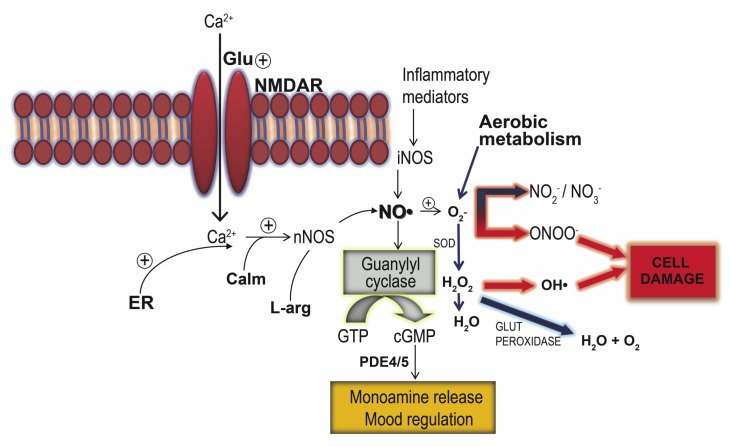
“Elevated levels of glutamate act on extrasynaptic NMDA receptors leading to an influx of Ca into the neurons, which results in the toxic accumulation of reactive oxygen species (ROS) [198], with increased nitric oxide (NO) production playing a key role in MD pathology and treatment response [199, 200].”
BackgroundThe Neuroendocrinology of Stress: A Never Ending Story
Lightman, S. L. (2008) · Journal of Neuroendocrinology · doi:10.1111/j.1365-2826.2008.01711.x · Cited by 3,566
The peroxisome proliferator-activated receptor-γ is a negative regulator of macrophage activation
Ricote, M., Li, A. C., Willson, T. M., Kelly, C. J., & Glass, C. K. (1998) · Nature · doi:10.1038/34178 · Cited by 3,525 · cited 1×
“Considering the connection between inflammation, NO and insulin/PPAR signalling in MD, it is not surprising that PPARγ has been associated with suppression in immune response through its ability to inhibit the expression of inflammatory cytokines [401] and to have actions on pathways involved in apoptosis, cellular pr…”
BackgroundA Neurotrophic Model for Stress-Related Mood Disorders
Duman, R. S., & Monteggia, L. M. (2006) · Biological Psychiatry · doi:10.1016/j.biopsych.2006.02.013 · Cited by 3,375 · cited 1×
“As noted earlier, BDNF expression is decreased during MD, BPD and schizophrenia, a response that is reversed by effective pharmacological treatment [295, 335-337].”
BackgroundNestler, E. J., Barrot, M., DiLeone, R. J., Eisch, A. J., Gold, S. J., & Monteggia, L. M. (2002) · Neuron · doi:10.1016/s0896-6273(02)00653-0 · Cited by 3,217
Cytokines sing the blues: inflammation and the pathogenesis of depression
Raison, C. L., Capuron, L., & Miller, A. H. (2006) · Trends in Immunology · doi:10.1016/j.it.2005.11.006 · Cited by 3,009 · cited 3×
“Not only do pro-inflammatory cytokines contribute towards altered neurotransmitter metabolism, neuroendocrine function, synaptic plasticity and behaviour characteristic of MD [419, 433-435], but also stimulate hypothalamic-pituitaryadrenal (HPA)-axis hormones as well as CRH in both the hypothalamus and the amygdala.”
BackgroundFree radicals, antioxidants, and human disease: curiosity, cause, or consequence?
Halliwell, B. (1994) · The Lancet · doi:10.1016/s0140-6736(94)92211-x · Cited by 2,941 · cited 1×
“The brain has relatively low levels of antioxidant defences, as well as a high lipid content that is highly susceptible to attack by ROS [371].”
BackgroundThe molecular neurobiology of depression
Krishnan, V., & Nestler, E. J. (2008) · Nature · doi:10.1038/nature07455 · Cited by 2,889 · cited 2×
“For example, monoamine oxidase inhibitors and monoamine reuptake inhibitors produce immediate increases in monoamine transmission [109], whereas their mood-enhancing properties are only fully realised following 4-6 weeks of sustained treatment.”
BackgroundmTOR-Dependent Synapse Formation Underlies the Rapid Antidepressant Effects of NMDA Antagonists
Li, N., Lee, B., Liu, R.-J., Banasr, M., Dwyer, J. M., Iwata, M., Li, X.-Y., Aghajanian, G., & Duman, R. S. (2010) · Science · doi:10.1126/science.1190287 · Cited by 2,881 · cited 3×
“Activation of Akt following phosphorylation leads to enhanced activity of mTOR which is responsible for regulating the expression of several genes involved in cell growth, particularly a group of synapse-associated genes that have been directly linked to neuroplastic events [248].”
BackgroundExercise: a behavioral intervention to enhance brain health and plasticity
Cotman, C. (2002) · Trends in Neurosciences · doi:10.1016/s0166-2236(02)02143-4 · Cited by 2,739 · cited 2×
“Similarly, physical exercise also increases BDNF in animals [289, 290].”
BackgroundThe Dopamine Hypothesis of Schizophrenia: Version III--The Final Common Pathway
Howes, O. D., & Kapur, S. (2009) · Schizophrenia Bulletin · doi:10.1093/schbul/sbp006 · Cited by 2,693 · cited 2×
“) interact to result in DA dysregulation, thereby producing the final common pathway to psychosis in schizophrenia [122].”
BackgroundTrk Receptors: Roles in Neuronal Signal Transduction
Huang, E. J., & Reichardt, L. F. (2003) · Annual Review of Biochemistry · doi:10.1146/annurev.biochem.72.121801.161629 · Cited by 2,537 · cited 1×
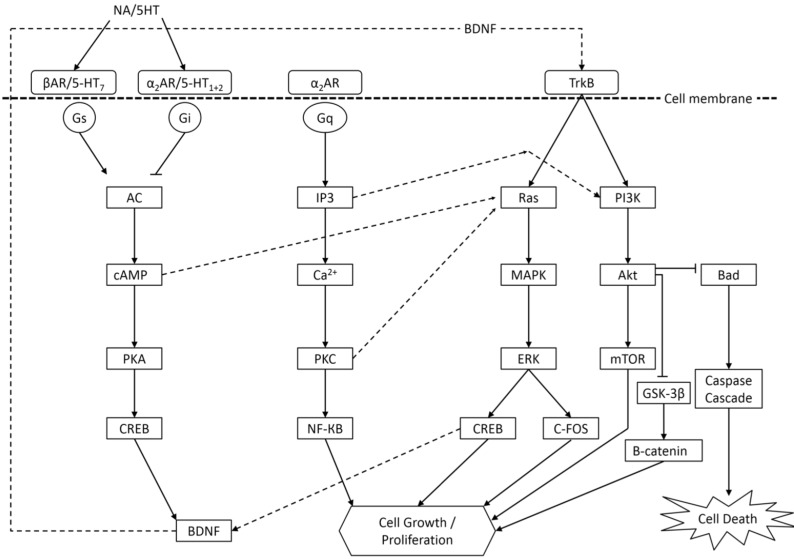
“The ensuing elevation in cAMP ultimately leads to increased BDNF expression which subsequently activates the MAPK/ERK pathway, a major pathway involved in cell growth and proliferation [340, 341] (see Fig.”
BackgroundInflammatory Blockade Restores Adult Hippocampal Neurogenesis
Monje, M. L., Toda, H., & Palmer, T. D. (2003) · Science · doi:10.1126/science.1088417 · Cited by 2,426 · cited 1×
“Other pre-clinical studies have also indicated that IL-6 and TNF-α have direct inhibitory effects on adult hippocampal neurogenesis [422, 460], which may attenuate antidepressant and antipsychotic efficacy by decreasing hippocampal neurogenesis or interfering with the neurogenic properties of these drugs.”
Cortical inhibitory neurons and schizophrenia
Lewis, D. A., Hashimoto, T., & Volk, D. W. (2005) · Nature Reviews Neuroscience · doi:10.1038/nrn1648 · Cited by 2,297 · cited 1×
“4), deficits of which are limited to the class of GABAergic interneurons containing the calcium binding protein PV [65].”
BackgroundNibuya, M., Morinobu, S., & Duman, R. (1995) · The Journal of Neuroscience · doi:10.1523/jneurosci.15-11-07539.1995 · Cited by 2,109 · cited 1×
“Preclinical studies have indicated that BDNF administration produces antidepressant-like behaviour [304], while antidepressants and electroconvulsive therapy increase BDNF levels [305].”
BackgroundThe mesolimbic dopamine reward circuit in depression
Nestler, E. J., & Carlezon, W. A. (2006) · Biological Psychiatry · doi:10.1016/j.biopsych.2005.09.018 · Cited by 2,059 · cited 1×
“Striatal DA levels in MD are also reduced [113], being linked to symptoms such as anhedonia, reduced motivation and decreased energy levels.”
BackgroundBonni, A., Brunet, A., West, A. E., Datta, S. R., Takasu, M. A., & Greenberg, M. E. (1999) · Science · doi:10.1126/science.286.5443.1358 · Cited by 1,901
Vascular niche for adult hippocampal neurogenesis
Palmer, T. D., Willhoite, A. R., & Gage, F. H. (2000) · The Journal of Comparative Neurology · doi:10.1002/1096-9861(20001002)425:4<479::aid-cne2>3.0.co;2-3 · Cited by 1,838 · cited 1×
“Vascular endothelial growth factor (VEGF) acts as a neurotrophic factor, is a cytokine implicated in angiogenesis [321] and has been related to the vascular niche hypothesis of adult neurogenesis [322].”
BackgroundStress, Depression, and Neuroplasticity: A Convergence of Mechanisms
Pittenger, C., & Duman, R. S. (2008) · Neuropsychopharmacology · doi:10.1038/sj.npp.1301574 · Cited by 1,795 · cited 1×
“BDNF regulates synaptic plasticity in neuronal networks and appears to be a particularly relevant factor for mood disorders with associated cognitive dysfunction [271-273].”
BackgroundJablensky, A., Sartorius, N., Ernberg, G., Anker, M., Korten, A., Cooper, J. E., Day, R., & Bertelsen, A. (1992) · Psychological Medicine. Monograph Supplement · doi:10.1017/s0264180100000904 · Cited by 1,769 · cited 1×
“Approximately 1% of the general population worldwide is affected by the disorder and the life expectancy of patients with schizophrenia has been demonstrated to be nearly 20% shorter than that of the general population [8].”
BackgroundMeta-Analysis of Cytokine Alterations in Schizophrenia: Clinical Status and Antipsychotic Effects
Miller, B. J., Buckley, P., Seabolt, W., Mellor, A., & Kirkpatrick, B. (2011) · Biological Psychiatry · doi:10.1016/j.biopsych.2011.04.013 · Cited by 1,742 · cited 2×
“Cytokines play a crucial role as signalling molecules in the immune system and have the ability to cross the blood–brain barrier (BBB), granting it both central and peripheral activity [418].”
BackgroundSynaptic scaling mediated by glial TNF-α
Stellwagen, D., & Malenka, R. C. (2006) · Nature · doi:10.1038/nature04671 · Cited by 1,715 · cited 1×
“The proinflammatory cytokines, such as interleukin (IL)-1, tumor necrosis factor (TNF)-α, and IL-6, can inhibit neurogenesis in vivo [422, 423], induce apoptosis [424, 425] and negatively affect synaptogenesis, synaptic plasticity and connectivity, and also the structure of synaptic membranes [426, 427].”
BackgroundCa2+ Influx Regulates BDNF Transcription by a CREB Family Transcription Factor-Dependent Mechanism
Tao, X., Finkbeiner, S., Arnold, D. B., Shaywitz, A. J., & Greenberg, M. E. (1998) · Neuron · doi:10.1016/s0896-6273(00)81010-7 · Cited by 1,561
Sheline, Y. I., Sanghavi, M., Mintun, M. A., & Gado, M. H. (1999) · The Journal of Neuroscience · doi:10.1523/jneurosci.19-12-05034.1999 · Cited by 1,382 · cited 1×
“While reductions in hippocampal volume in MD may have a genetic component [29], it is also a function of illness duration [30] as well as poor compliance [28].”
BackgroundTransport of brain-derived neurotrophic factor across the blood–brain barrier
Pan, W., Banks, W. A., Fasold, M. B., Bluth, J., & Kastin, A. J. (1998) · Neuropharmacology · doi:10.1016/s0028-3908(98)00141-5 · Cited by 1,354 · cited 1×
“It has also been shown to cross the blood-brain barrier [269] so that plasma BDNF levels may reflect central BDNF levels [270].”
BackgroundThe Immunology of Mucosal Models of Inflammation
Strober, W., Fuss, I. J., & Blumberg, R. S. (2002) · Annual Review of Immunology · doi:10.1146/annurev.immunol.20.100301.064816 · Cited by 1,304 · cited 1×
“However, a number of studies have described inconsistent effects on plasma/serum cytokines, namely IL-4 [452], [453], IL-6 (reviewed in [454]), IFN-γ [452, 455]; reviewed in [456], and TNF-α (reviewed in [456]).”
BackgroundVEGF-induced neuroprotection, neurogenesis, and angiogenesis after focal cerebral ischemia
Sun, Y., Jin, K., Xie, L., Childs, J., Mao, X. O., Logvinova, A. V., & Greenberg, D. A. (2003) · Journal of Clinical Investigation · doi:10.1172/jci17977 · Cited by 1,293 · cited 1×
“VEGF is purported to play a role in several features associated with neuronal growth, including neuronal regeneration and differentiation as well as axonal outgrowth [323].”
BackgroundWilliams, D. R., González, H. M., Neighbors, H., Nesse, R., Abelson, J. M., Sweetman, J., & Jackson, J. S. (2007) · Archives of General Psychiatry · doi:10.1001/archpsyc.64.3.305 · Cited by 1,293 · cited 1×
“MD is among the most debilitating diseases worldwide, with a life-time prevalence of up to 20% [3], and even though major advances have been made in developing new drugs, less than 50% of patients achieve remission after antidepressant treatment [4].”
BackgroundCytokines and major depression
Schiepers, O. J. G., Wichers, M. C., & Maes, M. (2005) · Progress in Neuro-Psychopharmacology and Biological Psychiatry · doi:10.1016/j.pnpbp.2004.11.003 · Cited by 1,235 · cited 3×
“Cytokine-induced MD is associated with alterations in 5-HT metabolism through the activation of IDO [436], as well as alterations in CRH function [430, 436].”
BackgroundDecreased serum brain-derived neurotrophic factor levels in major depressed patients
Karege, F., Perret, G., Bondolfi, G., Schwald, M., Bertschy, G., & Aubry, J.-M. (2002) · Psychiatry Research · doi:10.1016/s0165-1781(02)00005-7 · Cited by 1,232 · cited 1×
“It has also been shown to cross the blood-brain barrier [269] so that plasma BDNF levels may reflect central BDNF levels [270].”
BackgroundNibuya, M., Nestler, E., & Duman, R. (1996) · The Journal of Neuroscience · doi:10.1523/jneurosci.16-07-02365.1996 · Cited by 1,206 · cited 1×
“Antidepressant treatment upregulates CREB in the cortex and hippocampus of humans [261].”
BackgroundBiologic and pharmacologic regulation of mammalian glutathione synthesis
Griffith, O. W. (1999) · Free Radical Biology and Medicine · doi:10.1016/s0891-5849(99)00176-8 · Cited by 1,190 · cited 1×
“Hydrogen peroxide in turn is converted to water and glutathione (GSSG) by catalase and glutathione peroxidase [369], with GSSG rapidly being converted to reduced glutathione (GSH) by glutathione reductase [370].”
BackgroundVEGF-induced neuroprotection, neurogenesis, and angiogenesis after focal cerebral ischemia
Sun, Y., Jin, K., Xie, L., Childs, J., Mao, X. O., Logvinova, A., & Greenberg, D. A. (2003) · Journal of Clinical Investigation · doi:10.1172/jci200317977 · Cited by 1,189
Berk, M., Kapczinski, F., Andreazza, A. C., Dean, O. M., Giorlando, F., Maes, M., Yücel, M., Gama, C. S., Dodd, S., Dean, B., et al. (2011) · Neuroscience & Biobehavioral Reviews · doi:10.1016/j.neubiorev.2010.10.001 · Cited by 1,178
Roth, B. L., Sheffler, D. J., & Kroeze, W. K. (2004) · Nature Reviews Drug Discovery · doi:10.1038/nrd1346 · Cited by 1,155 · cited 1×
“Despite the above evidence for 5-HT involvement in schizophrenia, clinical studies have found selective 5HT2A/2C antagonists to be ineffective as antipsychotics (reviewed in [169]) and that alterations of brainstem 5-HT transporters are generally not associated with schizophrenia [170].”
BackgroundParoxetine for the prevention of depression induced by high-dose interferon alfa.
Musselman, D. L., Lawson, D. H., Gumnick, J. F., Manatunga, A. K., Penna, S., Goodkin, R. S., Greiner, K., Nemeroff, C. B., & Miller, A. H. (2001) · New England Journal of Medicine · doi:10.1056/nejm200103293441303 · Cited by 1,120 · cited 1×
“Not only do pro-inflammatory cytokines contribute towards altered neurotransmitter metabolism, neuroendocrine function, synaptic plasticity and behaviour characteristic of MD [419, 433-435], but also stimulate hypothalamic-pituitaryadrenal (HPA)-axis hormones as well as CRH in both the hypothalamus and the amygdala.”
BackgroundMice with Reduced NMDA Receptor Expression Display Behaviors Related to Schizophrenia
Mohn, A. R., Gainetdinov, R. R., Caron, M. G., & Koller, B. H. (1999) · Cell · doi:10.1016/s0092-8674(00)81972-8 · Cited by 1,075 · cited 1×
“Confirming this, partial deletion of the NMDA receptor in mice is associated with behavioural alterations akin to that observed in PCP treated mice [258], while increased NMDA receptor binding has been described in the frontal cortex of SIR animals [141].”
BackgroundSleep and circadian rhythm disruption in psychiatric and neurodegenerative disease
Wulff, K., Gatti, S., Wettstein, J. G., & Foster, R. G. (2010) · Nature Reviews Neuroscience · doi:10.1038/nrn2868 · Cited by 1,055 · cited 1×
“The influence of circadian rhythm on mood and behaviour has received much attention in recent years and implicates not only hormonal dysregulation in these disorders, but also includes disturbances in neurochemical, redox and inflammatory cascades in its sphere of influence [75, 76].”
BackgroundAllen, N. C., Bagade, S., McQueen, M. B., Ioannidis, J. P. A., Kavvoura, F. K., Khoury, M. J., Tanzi, R. E., & Bertram, L. (2008) · Nature Genetics · doi:10.1038/ng.171 · Cited by 1,054 · cited 2×
“has made a substantial contribution to schizophrenia genomics [496].”
BackgroundGuanylate cyclase and the ⋅NO/cGMP signaling pathway
Denninger, J. W., & Marletta, M. A. (1999) · Biochimica et Biophysica Acta (BBA) - Bioenergetics · doi:10.1016/s0005-2728(99)00024-9 · Cited by 1,040 · cited 1×
“By activating soluble guanylate cyclase (sGC) which converts guanosine 5'-triphosphate (GTP) to the intracellular messenger cGMP [229, 230], NO is enabled to mediate many cellular processes, particularly the regulation of ion channels, activation and inhibition of cyclic nucleotide hydrolysis by phosphodiesterase, act…”
BackgroundCingulate function in depression: a potential predictor of treatment response
Mayberg, H. S., Brannan, S. K., Mahurin, R. K., Jerabek, P. A., Brickman, J. S., Tekell, J. L., Silva, J. A., McGinnis, S., Glass, T. G., Martin, C. C., et al. (1997) · NeuroReport · doi:10.1097/00001756-199703030-00048 · Cited by 1,029 · cited 1×
“reported that patients who responded to antidepressant treatment presented with increased anterior cingulate metabolism at baseline when compared to non-responders and to healthy controls [35].”
ResultHeim, C., & Binder, E. B. (2012) · Experimental Neurology · doi:10.1016/j.expneurol.2011.10.032 · Cited by 986 · cited 1×
“Stress and environmental adversity is a common thread throughout all three illnesses under review [252, 331, 332].”
BackgroundCourse of illness, hippocampal function, and hippocampal volume in major depression
MacQueen, G. M., Campbell, S., McEwen, B. S., Macdonald, K., Amano, S., Joffe, R. T., Nahmias, C., & Young, L. T. (2003) · Proceedings of the National Academy of Sciences · doi:10.1073/pnas.0337481100 · Cited by 980 · cited 3×
“[27] reported volume reductions of the hippocampus, basal ganglia, the OFC and subgenual prefrontal cortex in patients suffering from MD, while more persistent forms of MD (which may include recurrent episodes or relapses and extended illness duration) are accompanied by an increased effect on regional brain volumes […”
BackgroundDepression as a risk factor for the onset of type 2 diabetes mellitus. A meta-analysis
Knol, M. J., Twisk, J. W. R., Beekman, A. T. F., Heine, R. J., Snoek, F. J., & Pouwer, F. (2006) · Diabetologia · doi:10.1007/s00125-006-0159-x · Cited by 974
Frontocingulate Dysfunction in Depression: Toward Biomarkers of Treatment Response
Pizzagalli, D. A. (2011) · Neuropsychopharmacology · doi:10.1038/npp.2010.166 · Cited by 945 · cited 1×
“ACC activity has also been positively related to a variety of treatment responses, including antidepressant pharmacotherapy and sub-chronic and experimental treatment strategies, including sleep deprivation [40], which suggests that ACC response is generalised across different treatment types.”
BackgroundThe Emerging Role of Glutamate in the Pathophysiology and Treatment of Schizophrenia
Goff, D. C., & Coyle, J. T. (2001) · American Journal of Psychiatry · doi:10.1176/appi.ajp.158.9.1367 · Cited by 915 · cited 1×
“In post-mortem schizophrenia studies, deficits of glutamate systems have been described in the temporal cortex, medial temporal lobe and striatal regions [219, 220], together with losses of glutamate uptake sites [221] and increases in NMDA receptors in the same brain regions [207].”
BackgroundKoolschijn, P. C. M. P., van Haren, N. E. M., Lensvelt‐Mulders, G. J. L. M., Hulshoff Pol, H. E., & Kahn, R. S. (2009) · Human Brain Mapping · doi:10.1002/hbm.20801 · Cited by 902 · cited 1×
“Other studies in MD indicated large volume reductions in the anterior cingulate cortex (ACC) and orbitofrontal cortex (OFC) accompanied by lesser reductions in the prefrontal cortex, along with moderate reductions in the hippocampus, the putamen, and the caudate nucleus [26].”
ResultDeep Brain Stimulation of the Ventral Capsule/Ventral Striatum for Treatment-Resistant Depression
Malone, D. A., Dougherty, D. D., Rezai, A. R., Carpenter, L. L., Friehs, G. M., Eskandar, E. N., Rauch, S. L., Rasmussen, S. A., Machado, A. G., Kubu, C. S., et al. (2009) · Biological Psychiatry · doi:10.1016/j.biopsych.2008.08.029 · Cited by 897 · cited 1×
“Moreover, direct electrical stimulation of the striatum has been found to elicit a positive response in patients suffering from resistant MD and is bolstered by reports proposing the striatum as an important relay system between limbic and cortical structures [39].”
BackgroundExamining a Bidirectional Association Between Depressive Symptoms and Diabetes
Golden, S. H. (2008) · JAMA · doi:10.1001/jama.299.23.2751 · Cited by 893
Friston, K. J. (1998) · Schizophrenia Research · doi:10.1016/s0920-9964(97)00140-0 · Cited by 882 · cited 2×
“• attributing measured biomarkers to one specific pathway [2] as measured in a specific disorder, thus ensuring biomarker specificity [13] and the possible presence of underlying comorbid disorders [13, 547];”
BackgroundThe role of the hippocampus in the pathophysiology of major depression
Campbell, S., & MacQueen, G. (2004) · Journal of Psychiatry and Neuroscience · doi:10.1139/jpn.0441 · Cited by 880 · cited 1×
“Neuroimaging studies have been central in identifying the key structures involved in the pathophysiology of MD, showing decreases in hippocampal volume of up to 15% in depressed patients [24], as well as reductions in grey-matter volume and glial density in the prefrontal cortex and the hippocampus [25].”
BackgroundDwivedi, Y., Rizavi, H. S., Conley, R. R., Roberts, R. C., Tamminga, C. A., & Pandey, G. N. (2003) · Archives of General Psychiatry · doi:10.1001/archpsyc.60.8.804 · Cited by 875
Fone, K. C. F., & Porkess, M. V. (2008) · Neuroscience & Biobehavioral Reviews · doi:10.1016/j.neubiorev.2008.03.003 · Cited by 864 · cited 4×
“Previous studies indicated that the SIR model, a neurodevelopmental animal model of schizophrenia, presents with significantly reduced PFC volume, reduced accumbal dendritic length and spine density, cytoskeletal alterations and loss of parvalbumin (PV)-containing interneurons [18, 63, 64].”
BackgroundInfluentialRuhé, H. G., Mason, N. S., & Schene, A. H. (2007) · Molecular Psychiatry · doi:10.1038/sj.mp.4001949 · Cited by 861
Inflammatory cytokine alterations in schizophrenia: a systematic quantitative review
Potvin, S., Stip, E., Sepehry, A. A., Gendron, A., Bah, R., & Kouassi, E. (2008) · Biological Psychiatry · doi:10.1016/j.biopsych.2007.09.024 · Cited by 858 · cited 2×
“On the other hand, anti-inflammatory cytokines such as IL-10 and IL-4 dampen the immune and inflammatory response [421] so that an inflammatory state is generally determined by an imbalance between pro- and antiinflammatory mediators.”
BackgroundSubtype-Specific Alterations of γ-Aminobutyric Acid and Glutamatein Patients With Major Depression
Sanacora, G., Gueorguieva, R., Epperson, C. N., Wu, Y.-T., Appel, M., Rothman, D. L., Krystal, J. H., & Mason, G. F. (2004) · Archives of General Psychiatry · doi:10.1001/archpsyc.61.7.705 · Cited by 796 · cited 2×
“Elevated glutamate levels have also been found in the occipital cortex of un-medicated subjects with MD [205].”
BackgroundKessler, R. C., Zhao, S., Blazer, D. G., & Swartz, M. (1997) · Journal of Affective Disorders · doi:10.1016/s0165-0327(97)00056-6 · Cited by 790 · cited 1×
“This is congruent with the fact that MD involves a prior and/or ongoing chronic stressor [237, 238].”
BackgroundStewart, C. E., & Rotwein, P. (1996) · Physiological Reviews · doi:10.1152/physrev.1996.76.4.1005 · Cited by 776 · cited 1×
“Insulin-like growth factor-1 (IGF-1) is involved in regulating peripheral cell growth and metabolism [313]; and plays a crucial role in the growth and differentiation of nerves and also in the synthesis and release of neurotransmitters [314].”
BackgroundSerotonin receptors : their key role in drugs to treat schizophrenia
Meltzer, H. Y., Li, Z., Kaneda, Y., & Ichikawa, J. (2003) · Progress in Neuro-Psychopharmacology and Biological Psychiatry · doi:10.1016/j.pnpbp.2003.09.010 · Cited by 775 · cited 1×
“Deficits in prefrontal 5-HT following SIR is also linked to the behavioural impairments associated with schizophrenia [180].”
BackgroundAnimal models of schizophrenia
Jones, C., Watson, D., & Fone, K. (2011) · British Journal of Pharmacology · doi:10.1111/j.1476-5381.2011.01386.x · Cited by 771 · cited 7×
“SIR rats without an enriched environment also present with a decrease in dendritic spine density in the dorsolateral striatum when compared to rats from an enriched environment [67, 68].”
BackgroundResultInfluentialEndogenous kynurenines as targets for drug discovery and development
Stone, T. W., & Darlington, L. G. (2002) · Nature Reviews Drug Discovery · doi:10.1038/nrd870 · Cited by 768 · cited 1×
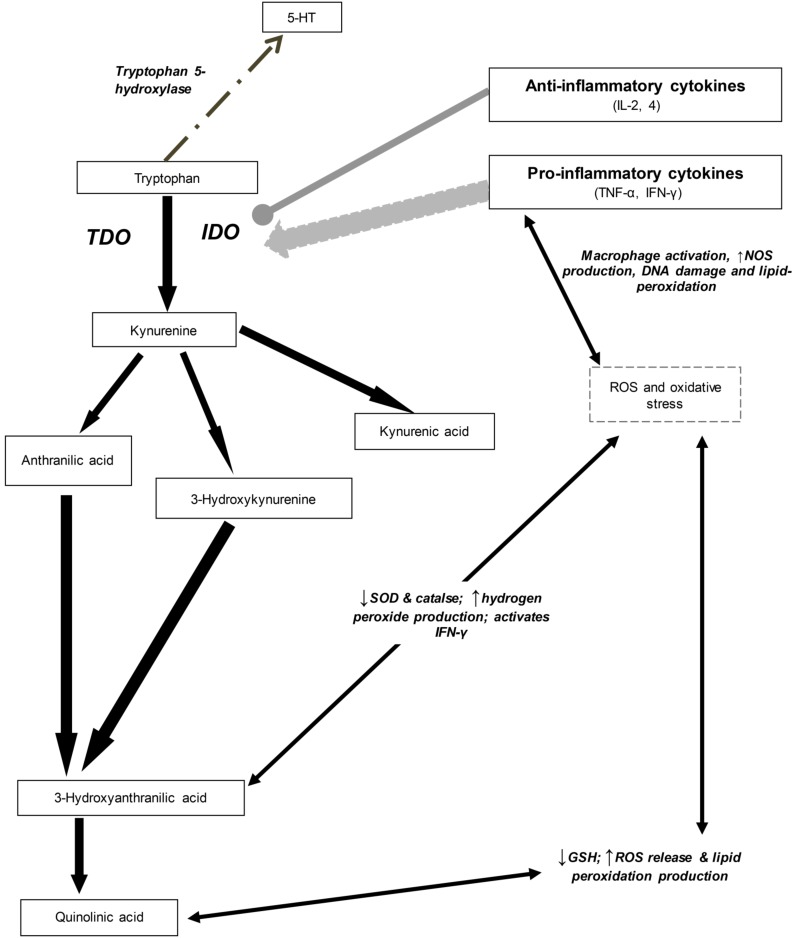
“An important link with the inflammatory cascade is the kynurenine pathway whereby TRP is catabolized to kynurenine via hepatic TDO and via IDO in the central nervous system, lungs and placenta [461] (Fig.”
BackgroundCirculating Insulin-Like Growth Factor I Mediates Effects of Exercise on the Brain
Carro, E., Nuñez, A., Busiguina, S., & Torres-Aleman, I. (2000) · The Journal of Neuroscience · doi:10.1523/jneurosci.20-08-02926.2000 · Cited by 762 · cited 1×
“Nevertheless, preclinical studies have indicated that peripheral IGF-1 administration reduces immobility in the FST [317], increases central BDNF mRNA [318] and produces antidepressant-like behavioural responses in mice exposed to CMS [317].”
BackgroundThe neurotrophin hypothesis for synaptic plasticity
Schinder, A. (2000) · Trends in Neurosciences · doi:10.1016/s0166-2236(00)01672-6 · Cited by 728 · cited 1×
“BDNF regulates synaptic plasticity in neuronal networks and appears to be a particularly relevant factor for mood disorders with associated cognitive dysfunction [271-273].”
BackgroundMaes, M., Bosmans, E., De Jongh, R., Kenis, G., Vandoolaeghe, E., & Neels, H. (1997) · Cytokine · doi:10.1006/cyto.1997.0238 · Cited by 728 · cited 1×
“Interestingly, IL-6 levels have been demonstrated to be increased in patients with treatment-resistant depression compared to treatment responders [445], which indicates that altered IL-6 levels in the blood of depressed individuals may serve as a marker of possible response to antidepressant treatment [208].”
BackgroundThe STAR*D project results: A comprehensive review of findings
Warden, D., Rush, A. J., Trivedi, M. H., Fava, M., & Wisniewski, S. R. (2007) · Current Psychiatry Reports · doi:10.1007/s11920-007-0061-3 · Cited by 727 · cited 1×
“MD is among the most debilitating diseases worldwide, with a life-time prevalence of up to 20% [3], and even though major advances have been made in developing new drugs, less than 50% of patients achieve remission after antidepressant treatment [4].”
BackgroundStructure, regulation and function of PKB/AKT—a major therapeutic target
Hanada, M., Feng, J., & Hemmings, B. A. (2004) · Biochimica et Biophysica Acta (BBA) - Proteins and Proteomics · doi:10.1016/j.bbapap.2003.11.009 · Cited by 719 · cited 1×
“GSK-3β also plays an important role in the regulation of the Wnt [347] and PI-3K [348] signalling pathways linked to cellular resilience [348, 349] (Fig.”
BackgroundBains, J. S., & Shaw, C. A. (1997) · Brain Research Reviews · doi:10.1016/s0165-0173(97)00045-3 · Cited by 717 · cited 1×
“SOD is the primary defense against oxidative stress by converting O2 to H2O2 [368].”
BackgroundDuman, R. S., & Voleti, B. (2012) · Trends in Neurosciences · doi:10.1016/j.tins.2011.11.004 · Cited by 714 · cited 1×
“Monoaminergic neurons experience an increase in growth following MAPK/ERK pathway activation thereby accounting for how BDNF modulates the monoaminergic system [342].”
BackgroundBrain-derived neurotrophic factor (BDNF) and type 2 diabetes
Krabbe, K. S., Nielsen, A. R., Krogh-Madsen, R., Plomgaard, P., Rasmussen, P., Erikstrup, C., Fischer, C. P., Lindegaard, B., Petersen, A. M. W., Taudorf, S., et al. (2007) · Diabetologia · doi:10.1007/s00125-006-0537-4 · Cited by 703 · cited 2×
“while cerebral output of BDNF is inhibited in the presence of high blood glucose levels [287].”
BackgroundMolendijk, M. L., Spinhoven, P., Polak, M., Bus, B. A. A., Penninx, B. W. J. H., & Elzinga, B. M. (2014) · Molecular Psychiatry · doi:10.1038/mp.2013.105 · Cited by 702 · cited 2×
“As noted earlier, BDNF expression is decreased during MD, BPD and schizophrenia, a response that is reversed by effective pharmacological treatment [295, 335-337].”
BackgroundSafety and Efficacy of Repeated-Dose Intravenous Ketamine for Treatment-Resistant Depression
aan het Rot, M., Collins, K. A., Murrough, J. W., Perez, A. M., Reich, D. L., Charney, D. S., & Mathew, S. J. (2010) · Biological Psychiatry · doi:10.1016/j.biopsych.2009.08.038 · Cited by 690 · cited 1×
“Preliminary evidence also supports the use of NMDA antagonists such as ketamine in treatment-resistant MD [246].”
The immune-mediated alteration of serotonin and glutamate: towards an integrated view of depression
Müller, N., & Schwarz, M. J. (2007) · Molecular Psychiatry · doi:10.1038/sj.mp.4002006 · Cited by 670 · cited 2×
“Interestingly, IL-6 levels have been demonstrated to be increased in patients with treatment-resistant depression compared to treatment responders [445], which indicates that altered IL-6 levels in the blood of depressed individuals may serve as a marker of possible response to antidepressant treatment [208].”
BackgroundNeuroimaging studies of mood disorder effects on the brain
Sheline, Y. I. (2003) · Biological Psychiatry · doi:10.1016/s0006-3223(03)00347-0 · Cited by 660 · cited 1×
“Neuroimaging studies have been central in identifying the key structures involved in the pathophysiology of MD, showing decreases in hippocampal volume of up to 15% in depressed patients [24], as well as reductions in grey-matter volume and glial density in the prefrontal cortex and the hippocampus [25].”
BackgroundPharmacologic mechanisms of serotonergic regulation of dopamine neurotransmission
Alex, K. D., & Pehek, E. A. (2007) · Pharmacology & Therapeutics · doi:10.1016/j.pharmthera.2006.08.004 · Cited by 658 · cited 1×
“It has also been suggested that decreased striatal D2 receptor density may underlie depressive symptoms, while increased striatal D2 receptor density/affinity has been observed in patients after successful SSRI treatment [116] which coincides with evidence of 5-HT modulating DA pathways [117].”
BackgroundHalf a century of antipsychotics and still a central role for dopamine D2 receptors
Kapur, S., & Mamo, D. (2003) · Progress in Neuro-Psychopharmacology and Biological Psychiatry · doi:10.1016/j.pnpbp.2003.09.004 · Cited by 638
Biomarkers for Alzheimer's disease: academic, industry and regulatory perspectives
Hampel, H., Frank, R., Broich, K., Teipel, S. J., Katz, R. G., Hardy, J., Herholz, K., Bokde, A. L. W., Jessen, F., Hoessler, Y. C., et al. (2010) · Nature Reviews Drug Discovery · doi:10.1038/nrd3115 · Cited by 631 · cited 1×
“• and the inability to measure biological markers in brain tissue in live patients due to the invasive nature thereof [559].”
BackgroundBrain Magnetic Resonance Imaging of Structural Abnormalities in Bipolar Disorder
Strakowski, S. M., DelBello, M. P., Sax, K. W., Zimmerman, M. E., Shear, P. K., Hawkins, J. M., & Larson, E. R. (1999) · Archives of General Psychiatry · doi:10.1001/archpsyc.56.3.254 · Cited by 620 · cited 1×
“Studies utilizing structural MRI have consistently observed temporal lobe abnormalities in schizophrenia, although results in BPD are less dependable [50].”
BackgroundKarege, F., Vaudan, G., Schwald, M., Perroud, N., & La Harpe, R. (2005) · Molecular Brain Research · doi:10.1016/j.molbrainres.2004.12.020 · Cited by 600 · cited 1×
“BDNF is expressed throughout the body [268], but the exact origins of circulating BDNF remain elusive.”
BackgroundGawryluk, J. W., Wang, J.-F., Andreazza, A. C., Shao, L., & Young, L. T. (2011) · The International Journal of Neuropsychopharmacology · doi:10.1017/s1461145710000805 · Cited by 594 · cited 1×
“[390] reported reduced levels of GSH in post-mortem prefrontal cortices of patients with schizophrenia.”
BackgroundAgomelatine, the first melatonergic antidepressant: discovery, characterization and development
de Bodinat, C., Guardiola-Lemaitre, B., Mocaër, E., Renard, P., Muñoz, C., & Millan, M. J. (2010) · Nature Reviews Drug Discovery · doi:10.1038/nrd3140 · Cited by 593 · cited 1×
“Indeed elevated 5-HT-mediated suppression of DA and NA release will be counterproductive [148], such as causing emotional detachment and failure to address the anhedonic symptoms of MD [78].”
BackgroundIncreased cortical kynurenate content in schizophrenia
Schwarcz, R., Rassoulpour, A., Wu, H.-Q., Medoff, D., Tamminga, C. A., & Roberts, R. C. (2001) · Biological Psychiatry · doi:10.1016/s0006-3223(01)01078-2 · Cited by 590
Brain-Derived Neurotrophic Factor/TrkB Signaling in Memory Processes
Yamada, K., & Nabeshima, T. (2003) · Journal of Pharmacological Sciences · doi:10.1254/jphs.91.267 · Cited by 585
Meyer, J. H., Ginovart, N., Boovariwala, A., Sagrati, S., Hussey, D., Garcia, A., Young, T., Praschak-Rieder, N., Wilson, A. A., & Houle, S. (2006) · Archives of General Psychiatry · doi:10.1001/archpsyc.63.11.1209 · Cited by 585 · cited 1×
“Interestingly, limbic density and activity of monoamine oxidase (MAO) is elevated in MD [156, 157] which in turn will influence a number of components of monoamine signalling.”
Background5-HT1A receptor function in major depressive disorder
Savitz, J., Lucki, I., & Drevets, W. C. (2009) · Progress in Neurobiology · doi:10.1016/j.pneurobio.2009.01.009 · Cited by 574 · cited 1×
“Post-mortem studies have indicated that suicidal patients with MD present with low cerebrospinal fluid (CSF) levels of 5-hydroxyindole-acetic acid (5-HIAA), the metabolite of 5-HT [151, 152], along with increased 5-HT2A receptor binding sites in platelets [153] and prefrontal cortical sites [154] as well as increased…”
BackgroundPerkins, D. O., Jeffries, C. D., Jarskog, L. F., Thomson, J. M., Woods, K., Newman, M. A., Parker, J. S., Jin, J., & Hammond, S. M. (2007) · Genome Biology · doi:10.1186/gb-2007-8-2-r27 · Cited by 574 · cited 1×
“[530] observed that from 264 human miRNAs, 16 were differentially expressed, 15 were expressed at lower levels and 1 at a higher level in post mortem prefrontal cortex tissue of schizophrenia patients vs.”
BackgroundSteiner, J., Walter, M., Gos, T., Guillemin, G. J., Bernstein, H.-G., Sarnyai, Z., Mawrin, C., Brisch, R., Bielau, H., zu Schwabedissen, L., et al. (2011) · Journal of Neuroinflammation · doi:10.1186/1742-2094-8-94 · Cited by 568 · cited 2×
“In a post-mortem morphological study, an increase in QA positive microglia has been observed in the subgenual anterior cingulate cortex of BPD patients, commensurate with increased glutamatergic activity [211].”
BackgroundCytokines and psychopathology: Lessons from interferon-α
Capuron, L., & Miller, A. H. (2004) · Biological Psychiatry · doi:10.1016/j.biopsych.2004.02.009 · Cited by 562 · cited 1×
“These mediators include the pro-inflammatory cytokines, IL-1, -2, -6 and -8, interferon (IFN)-γ and TNF-α [430] that, when administered to a healthy individual, may induce sickness behaviour [431, 432].”
BackgroundExtracellular-signal-regulated kinase signalling in neurons
Grewal, S. S., York, R. D., & Stork, P. J. (1999) · Current Opinion in Neurobiology · doi:10.1016/s0959-4388(99)00010-0 · Cited by 555 · cited 1×
“Activation of CREB is associated with the regulation of synaptic plasticity as well as transcription of specific target genes involved in the production of proteins, BDNF being one example [275, 276].”
BackgroundLorenzetti, V., Allen, N. B., Fornito, A., & Yücel, M. (2009) · Journal of Affective Disorders · doi:10.1016/j.jad.2008.11.021 · Cited by 553 · cited 1×
“[27] reported volume reductions of the hippocampus, basal ganglia, the OFC and subgenual prefrontal cortex in patients suffering from MD, while more persistent forms of MD (which may include recurrent episodes or relapses and extended illness duration) are accompanied by an increased effect on regional brain volumes […”
BackgroundBerk, M., Copolov, D., Dean, O., Lu, K., Jeavons, S., Schapkaitz, I., Anderson-Hunt, M., Judd, F., Katz, F., Katz, P., et al. (2008) · Biological Psychiatry · doi:10.1016/j.biopsych.2008.03.004 · Cited by 552 · cited 1×
“NAC) in the treatment of these illnesses alone and as an adjunctive treatment [12, 118, 540].”
BackgroundNO as a signalling molecule in the nervous system
Esplugues, J. V. (2002) · British Journal of Pharmacology · doi:10.1038/sj.bjp.0704569 · Cited by 545 · cited 1×
“By activating soluble guanylate cyclase (sGC) which converts guanosine 5'-triphosphate (GTP) to the intracellular messenger cGMP [229, 230], NO is enabled to mediate many cellular processes, particularly the regulation of ion channels, activation and inhibition of cyclic nucleotide hydrolysis by phosphodiesterase, act…”
BackgroundAerobic exercise improves hippocampal function and increases BDNF in the serum of young adult males
Griffin, É. W., Mullally, S., Foley, C., Warmington, S. A., O'Mara, S. M., & Kelly, Á. M. (2011) · Physiology & Behavior · doi:10.1016/j.physbeh.2011.06.005 · Cited by 542 · cited 2×
“Similarly, physical exercise also increases BDNF in animals [289, 290].”
BackgroundSchizophrenia: glutathione deficit in cerebrospinal fluid and prefrontal cortex in vivo
Do, K. Q., Trabesinger, A. H., Kirsten‐Krüger, M., Lauer, C. J., Dydak, U., Hell, D., Holsboer, F., Boesiger, P., & Cuénod, M. (2000) · European Journal of Neuroscience · doi:10.1046/j.1460-9568.2000.00229.x · Cited by 540
Role of Neurotrophic Factors in the Etiology and Treatment of Mood Disorders
Duman, R. S. (2004) · NeuroMolecular Medicine · doi:10.1385/nmm:5:1:011 · Cited by 537 · cited 1×
“The cAMP cascade is activated following increased serotonergic and adrenergic receptor activity which results in downstream activation of CREB [339].”
BackgroundSerotonin model of schizophrenia: emerging role of glutamate mechanisms
Aghajanian, G. (2000) · Brain Research Reviews · doi:10.1016/s0165-0173(99)00046-6 · Cited by 529 · cited 1×
“) could be associated with an excess of 5-HT in the striatum [168].”
BackgroundKynurenine pathway in major depression: Evidence of impaired neuroprotection
Myint, A.-M., Kim, Y. K., Verkerk, R., Scharpé, S., Steinbusch, H., & Leonard, B. (2007) · Journal of Affective Disorders · doi:10.1016/j.jad.2006.07.013 · Cited by 527 · cited 3×
“The relative induction of KYNA versus QA may determine the effects of cytokines on the CNS and remains an important area for future investigation, including the therapeutic targeting of IDO and kynurenine enzymatic pathways in MD, BPD and schizophrenia [465, 467, 475].”
BackgroundGoldstein, B. I., Kemp, D. E., Soczynska, J. K., & McIntyre, R. S. (2009) · The Journal of Clinical Psychiatry · doi:10.4088/jcp.08r04505 · Cited by 510 · cited 1×
“lithium, valproate (VPA), carbamazepine, lamotrigine, suppress (brain) proinflammatory mediators such as cyclooxygenase-2 (COX-2) and prostaglandins [409-411], indicating possible antiinflammatory properties.”
BackgroundBerk, M., Copolov, D. L., Dean, O., Lu, K., Jeavons, S., Schapkaitz, I., Anderson-Hunt, M., & Bush, A. I. (2008) · Biological Psychiatry · doi:10.1016/j.biopsych.2008.04.022 · Cited by 500
Overview of the Genetics of Major Depressive Disorder
Lohoff, F. W. (2010) · Current Psychiatry Reports · doi:10.1007/s11920-010-0150-6 · Cited by 498 · cited 2×
“Polymorphisms in 5-HT transporters and receptors, as well as BDNF and tryptophan hydroxylase hold promise in MD and warrants further research to pinpointing exact genetic markers involved in the development of MD [484].”
BackgroundThe effect of exercise on depression, anxiety and other mood states: A review
Byrne, A., & Byrne, D. G. (1993) · Journal of Psychosomatic Research · doi:10.1016/0022-3999(93)90050-p · Cited by 497 · cited 1×
“On the other hand, for example, physical exercise has been shown to increase BDNF [289, 290], to be neuroprotective, to improve mood and to have antidepressant effects [291, 292].”
BackgroundBipolar and major depressive disorder: Neuroimaging the developmental-degenerative divide
Savitz, J., & Drevets, W. C. (2009) · Neuroscience & Biobehavioral Reviews · doi:10.1016/j.neubiorev.2009.01.004 · Cited by 494 · cited 1×
“Generally, areas of the limbic system, the hippocampus and frontal cortical areas are under scrutiny with regard to structural and functional neuroimaging research in mood disorders [23].”
BackgroundInterferon-alpha–induced changes in tryptophan metabolism
Capuron, L., Neurauter, G., Musselman, D. L., Lawson, D. H., Nemeroff, C. B., Fuchs, D., & Miller, A. H. (2003) · Biological Psychiatry · doi:10.1016/s0006-3223(03)00173-2 · Cited by 493 · cited 2×
“This supports the hypothesis that the development of depressive symptoms may be mediated by increased TRP metabolism via IDO along the KYN pathway [436, 473].”
BackgroundMagnetic Resonance Spectroscopy Studies of Glutamate-Related Abnormalities in Mood Disorders
Yüksel, C., & Öngür, D. (2010) · Biological Psychiatry · doi:10.1016/j.biopsych.2010.06.016 · Cited by 493 · cited 1×
“A recent review of magnetic resonance spectroscopy (MRS) studies in patients with BPD observed the cingulate and prefrontal cortices to contain higher glutamate levels, and possibly associated with illness state [212], while a decrease in NMDA receptor binding has also been noted in the CA3 region of the hippocampus […”
BackgroundFunctional and structural diversity of the human Dickkopf gene family
Krupnik, V. E., Sharp, J. D., Jiang, C., Robison, K., Chickering, T. W., Amaravadi, L., Brown, D. E., Guyot, D., Mays, G., Leiby, K., et al. (1999) · Gene · doi:10.1016/s0378-1119(99)00365-0 · Cited by 489
Lodge, D. J., Behrens, M. M., & Grace, A. A. (2009) · The Journal of Neuroscience · doi:10.1523/jneurosci.5419-08.2009 · Cited by 488
Sarandol, A., Sarandol, E., Eker, S. S., Erdinc, S., Vatansever, E., & Kirli, S. (2007) · Human Psychopharmacology: Clinical and Experimental · doi:10.1002/hup.829 · Cited by 486 · cited 1×
“Elevated plasma malondialdehyde (an indication of lipid peroxidation) levels and susceptibility of red blood cells to oxidation, as well as an increase in serum SOD activity, has been observed in MD patients [376, 377].”
BackgroundThe nature of relapse in schizophrenia
Emsley, R., Chiliza, B., Asmal, L., & Harvey, B. H. (2013) · BMC Psychiatry · doi:10.1186/1471-244x-13-50 · Cited by 478 · cited 5×
“Release of DA from cortical and limbic striatal structures are controlled by glutamate-GABA-glutamate feedback loops situated on pyramidal cells of the frontal cortex, the disturbances of which underlie the behavioral manifestations of schizophrenia [216, 217].”
BackgroundInfluentialSelf-citationFunctional Biomarkers of Depression: Diagnosis, Treatment, and Pathophysiology
Schmidt, H. D., Shelton, R. C., & Duman, R. S. (2011) · Neuropsychopharmacology · doi:10.1038/npp.2011.151 · Cited by 474 · cited 9×
“presence or absence of a state of sickness or that may even predict response to treatment [13].”
BackgroundMethodInfluentialBelmaker, R. H. (2004) · New England Journal of Medicine · doi:10.1056/nejmra035354 · Cited by 473
Oxidative stress in schizophrenia: An integrated approach
Bitanihirwe, B. K. Y., & Woo, T.-U. W. (2011) · Neuroscience & Biobehavioral Reviews · doi:10.1016/j.neubiorev.2010.10.008 · Cited by 472 · cited 2×
“This leads to a free radical attack on proteins, DNA and lipids [366, 367].”
BackgroundCyclophilin A: a key player for human disease
Nigro, P., Pompilio, G., & Capogrossi, M. C. (2013) · Cell Death & Disease · doi:10.1038/cddis.2013.410 · Cited by 464 · cited 1×
“may be accompanied by increases in cyclophillin A [518], suggesting increased support for the role of inflammation in the disorder with cyclophillin A already being linked to a variety of disorders with an inflammatory component – amongs others, type II diabetes [545].”
BackgroundRoceri, M., Hendriks, W., Racagni, G., Ellenbroek, B. A., & Riva, M. A. (2002) · Molecular Psychiatry · doi:10.1038/sj.mp.4001036 · Cited by 464
Iosif, R. E., Ekdahl, C. T., Ahlenius, H., Pronk, C. J. H., Bonde, S., Kokaia, Z., Jacobsen, S.-E. W., & Lindvall, O. (2006) · The Journal of Neuroscience · doi:10.1523/jneurosci.2723-06.2006 · Cited by 463 · cited 2×
“Other pre-clinical studies have also indicated that IL-6 and TNF-α have direct inhibitory effects on adult hippocampal neurogenesis [422, 460], which may attenuate antidepressant and antipsychotic efficacy by decreasing hippocampal neurogenesis or interfering with the neurogenic properties of these drugs.”
BackgroundKhanzode, S. D., Dakhale, G. N., Khanzode, S. S., Saoji, A., & Palasodkar, R. (2003) · Redox Report · doi:10.1179/135100003225003393 · Cited by 458 · cited 1×
“Elevated plasma malondialdehyde (an indication of lipid peroxidation) levels and susceptibility of red blood cells to oxidation, as well as an increase in serum SOD activity, has been observed in MD patients [376, 377].”
BackgroundBrain-derived neurotrophic factor levels in schizophrenia: a systematic review with meta-analysis
Green, M. J., Matheson, S. L., Shepherd, A., Weickert, C. S., & Carr, V. J. (2011) · Molecular Psychiatry · doi:10.1038/mp.2010.88 · Cited by 453 · cited 3×
“Decreased peripheral BDNF levels have been observed in schizophrenia [295].”
BackgroundReduced Levels of Norepinephrine Transporters in the Locus Coeruleus in Major Depression
Klimek, V., Stockmeier, C., Overholser, J., Meltzer, H. Y., Kalka, S., Dilley, G., & Ordway, G. A. (1997) · The Journal of Neuroscience · doi:10.1523/jneurosci.17-21-08451.1997 · Cited by 445 · cited 1×
“Previous studies have observed reduced levels of NA transporters in the locus coeruleus [183], altered density and sensitivity of frontal cortical α2A-adrenoceptors [184, 185], and a reduction of NA levels in non-compliant MD patients [186].”
BackgroundMaes, M., Scharpé, S., Meltzer, H. Y., Bosmans, E., Suy, E., Calabrese, J., & Cosyns, P. (1993) · Psychiatry Research · doi:10.1016/0165-1781(93)90027-e · Cited by 439 · cited 2×
“Furthermore, an elevation in IL-6 levels has been proposed as an early marker for cognitive symptoms and has been found to correspond to the severity of MD as well as increased activity of the HPA axis [430, 443, 444].”
BackgroundThe stress cascade and schizophrenia: Etiology and onset
Corcoran, C., Walker, E., Huot, R., Mittal, V., Tessner, K., Kestler, L., & Malaspina, D. (2003) · Schizophrenia Bulletin · doi:10.1093/oxfordjournals.schbul.a007038 · Cited by 439 · cited 1×
“A dysfunctional hypothalamic-pituitary-adrenal (HPA) axis has been implicated in MD, BPD and also schizophrenia [84-86], affecting adrenocorticotrophic hormone (ACTH) release and cortisol secretion from the adrenal cortex [87].”
BackgroundBonaccorso, S., Marino, V., Puzella, A., Pasquini, M., Biondi, M., Artini, M., Almerighi, C., Verkerk, R., Meltzer, H., & Maes, M. (2002) · Journal of Clinical Psychopharmacology · doi:10.1097/00004714-200202000-00014 · Cited by 437 · cited 2×
“Previous studies have observed decreased TRP and 5-HT along with increased kynurenine in the peripheral blood of depressed patients receiving the pro-inflammatory cytokine, IFN-γ [470, 471].”
BackgroundSchizophrenia is associated with an increase in cortical microRNA biogenesis
Beveridge, N. J., Gardiner, E., Carroll, A. P., Tooney, P. A., & Cairns, M. J. (2010) · Molecular Psychiatry · doi:10.1038/mp.2009.84 · Cited by 432 · cited 1×
“It has also been observed that a considerable modification to post-transcriptational regulation may be defined by an overall increase in miRNA expression in two regions of the cerebral cortex in post-mortem brain tissue from patients suffering from schizophrenia [532].”
BackgroundRao, J. S., Harry, G. J., Rapoport, S. I., & Kim, H. W. (2010) · Molecular Psychiatry · doi:10.1038/mp.2009.47 · Cited by 432 · cited 2×
“BPD may be associated with moderately increased plasma levels of pro-inflammatory cytokines, such as IL-6 and TNF-α, along with increased IL-1, and IL-1 receptor antagonist protein, while elevated mRNA levels have been observed in post-mortem frontal cortex of BPD patients [447-449].”
BackgroundRegulation of camp-inducible genes by creb
Montminy, M. R., Gonzalez, G. A., & Yamamoto, K. K. (1990) · Trends in Neurosciences · doi:10.1016/0166-2236(90)90045-c · Cited by 418 · cited 1×
“CREB is responsible for regulating BDNF expression [274].”
BackgroundMurray, K. C., Nakae, A., Stephens, M. J., Rank, M., D'Amico, J., Harvey, P. J., Li, X., Harris, R. L. W., Ballou, E. W., Anelli, R., et al. (2010) · Nature Medicine · doi:10.1038/nm.2160 · Cited by 407 · cited 1×
“5HT and 5HIAA levels were noted to be higher in limbic structures in the brains of FSL rats compared to normal Sprague Dawley rats [173], while 5-HT2/3 receptor density is compromised in the nucleus accumbens leading to a lack of DA-5-HT interaction [174].”
BackgroundPeripheral BDNF Produces Antidepressant-Like Effects in Cellular and Behavioral Models
Schmidt, H. D., & Duman, R. S. (2010) · Neuropsychopharmacology · doi:10.1038/npp.2010.114 · Cited by 403 · cited 1×
“Preclinical studies have indicated that BDNF administration produces antidepressant-like behaviour [304], while antidepressants and electroconvulsive therapy increase BDNF levels [305].”
BackgroundGeneralized and Specific Neurocognitive Deficits in Prodromal Schizophrenia
Lencz, T., Smith, C. W., McLaughlin, D., Auther, A., Nakayama, E., Hovey, L., & Cornblatt, B. A. (2006) · Biological Psychiatry · doi:10.1016/j.biopsych.2005.09.005 · Cited by 402
Souêtre, E., Salvati, E., Belugou, J.-L., Pringuey, D., Candito, M., Krebs, B., Ardisson, J.-L., & Darcourt, G. (1989) · Psychiatry Research · doi:10.1016/0165-1781(89)90207-2 · Cited by 396 · cited 2×
“Importantly, an abnormal cortisol response, such as a flatter diurnal cortisol pattern, implies an abnormal stress reactivity that correlates with a greater severity of depression [73, 74], suggesting that altered circadian rhythms occupies a critical role in how the brain copes with stressful experiences and ultimate…”
BackgroundDopamine dysregulation syndrome: implications for a dopamine hypothesis of bipolar disorder
Berk, M., Dodd, S., Kauer‐Sant’Anna, M., Malhi, G. S., Bourin, M., Kapczinski, F., & Norman, T. (2007) · Acta Psychiatrica Scandinavica · doi:10.1111/j.1600-0447.2007.01058.x · Cited by 396 · cited 3×
“NAC) in the treatment of these illnesses alone and as an adjunctive treatment [12, 118, 540].”
BackgroundFernandes, B. S., Gama, C. S., Maria Ceresér, K., Yatham, L. N., Fries, G. R., Colpo, G., de Lucena, D., Kunz, M., Gomes, F. A., & Kapczinski, F. (2011) · Journal of Psychiatric Research · doi:10.1016/j.jpsychires.2011.03.002 · Cited by 389 · cited 3×
“an observed association between peripheral BDNF levels and age and duration of illness [336, 538].”
BackgroundThe mTOR signaling pathway in the prefrontal cortex is compromised in major depressive disorder
Jernigan, C. S., Goswami, D. B., Austin, M. C., Iyo, A. H., Chandran, A., Stockmeier, C. A., & Karolewicz, B. (2011) · Progress in Neuro-Psychopharmacology and Biological Psychiatry · doi:10.1016/j.pnpbp.2011.05.010 · Cited by 386 · cited 1×
“Diminished activity of the mTOR pathway could underlie synaptic deficits in the PFC as previously reported in MD [250].”
ResultHashimoto, T., Bergen, S. E., Nguyen, Q. L., Xu, B., Monteggia, L. M., Pierri, J. N., Sun, Z., Sampson, A. R., & Lewis, D. A. (2005) · The Journal of Neuroscience · doi:10.1523/jneurosci.4035-04.2005 · Cited by 384 · cited 1×
“In line with these findings, previous studies have indeed observed decreased VEGF in serum of patients with schizophrenia [259, 519], although this has not always been reproducible [520].”
ResultKENDLER, K. S., KARKOWSKI, L. M., & PRESCOTT, C. A. (1998) · The Journal of Nervous & Mental Disease · doi:10.1097/00005053-199811000-00001 · Cited by 380 · cited 1×
“This is congruent with the fact that MD involves a prior and/or ongoing chronic stressor [237, 238].”
BackgroundThe importance of norepinephrine in depression
Briley, M., & Chantal, M. (2011) · Neuropsychiatric Disease and Treatment · doi:10.2147/ndt.s19619 · Cited by 373 · cited 1×
“NA is of major importance in MD (reviewed in [182]).”
BackgroundGlutathione Precursor, N-Acetyl-Cysteine, Improves Mismatch Negativity in Schizophrenia Patients
Lavoie, S., Murray, M. M., Deppen, P., Knyazeva, M. G., Berk, M., Boulat, O., Bovet, P., Bush, A. I., Conus, P., Copolov, D., et al. (2008) · Neuropsychopharmacology · doi:10.1038/sj.npp.1301624 · Cited by 371 · cited 2×
“Similar studies in humans and animals have described reversal of redox changes by lithium and/or antipsychotics in BPD [119, 135] and schizophrenia [137, 373, 387, 395], respectively.”
BackgroundAn MRI study of temporal lobe structures in men with bipolar disorder or schizophrenia
Altshuler, L. L., Bartzokis, G., Grieder, T., Curran, J., Jimenez, T., Leight, K., Wilkins, J., Gerner, R., & Mintz, J. (2000) · Biological Psychiatry · doi:10.1016/s0006-3223(00)00836-2 · Cited by 369 · cited 2×
“subcortical regions [32; 33]* Enlarged amygdala [41]*”
BackgroundThe Flinders sensitive line rats: a genetic animal model of depression
Overstreet, D. H. (1993) · Neuroscience & Biobehavioral Reviews · doi:10.1016/s0149-7634(05)80230-1 · Cited by 369 · cited 1×
“the FSL rat [79], Wistar Kyoto rat [80] and mice bred for spontaneous helplessness [81].”
BackgroundNeurobiology of Dopamine in Schizophrenia
Guillin, O., Abi‐Dargham, A., & Laruelle, M. (2007) · International Review of Neurobiology · doi:10.1016/s0074-7742(06)78001-1 · Cited by 365 · cited 2×
“In line with this hypothesis, post-mortem studies in schizophrenia patients have described frontal cortical hypodopaminergia [121] and elevated DA levels in the striatum [120].”
BackgroundResultHippocampal volume in primary unipolar major depression: a magnetic resonance imaging study
Vakili, K., Pillay, S. S., Lafer, B., Fava, M., Renshaw, P. F., Bonello-Cintron, C. M., & Yurgelun-Todd, D. A. (2000) · Biological Psychiatry · doi:10.1016/s0006-3223(99)00296-6 · Cited by 363 · cited 1×
“Furthermore, it has been proposed by structural neuroimaging studies that the volume of regional structures, for example the ACC and hippocampus, may provide an estimate of response to treatment [36].”
BackgroundBrain-derived neurotrophic factor and neurotrophin 3 in schizophrenic psychoses
Durany, N., Michel, T., Zöchling, R., Boissl, K. W., Cruz-Sánchez, F. F., Riederer, P., & Thome, J. (2001) · Schizophrenia Research · doi:10.1016/s0920-9964(00)00084-0 · Cited by 362 · cited 2×
“↑VEGF [327; 328]* ↓BDNF [295; 298]* [311; 312]#”
Cerebrospinal Cytokine Levels in Patients with Acute Depression
Levine, J., Barak, Y., Chengappa, K. N. R., Rapoport, A., Rebey, M., & Barak, V. (1999) · Neuropsychobiology · doi:10.1159/000026615 · Cited by 354 · cited 1×
“Increased levels of IL-1 and IL-6 have also been measured in the CSF of patients suffering from MD [442].”
Background15d-PGJ2: The anti-inflammatory prostaglandin?
Scher, J. U., & Pillinger, M. H. (2005) · Clinical Immunology · doi:10.1016/j.clim.2004.09.008 · Cited by 348 · cited 1×
“The recently discovered prostaglandin and endogenous PPARγ ligand, 15d-PGJ2, presents with anti-inflammatory properties [404], increases the neuronal metabolism of glucose, prevents stress-induced suppression of glutamate uptake [405] and has been suggested to be a possible marker for psychiatric diseases [406].”
BackgroundDomenici, E., Willé, D. R., Tozzi, F., Prokopenko, I., Miller, S., McKeown, A., Brittain, C., Rujescu, D., Giegling, I., Turck, C. W., et al. (2010) · PLoS ONE · doi:10.1371/journal.pone.0009166 · Cited by 347 · cited 7×
“Proteomic studies [2] have also observed significant differences in various growth factors and neurotrophins in patients with schizophrenia, influencing somatic and dendritic growth in the hippocampus and prefrontal cortex, such as BDNF, VEGF or stem cell factor.”
BackgroundInfluentialKoike, H., Iijima, M., & Chaki, S. (2011) · Behavioural Brain Research · doi:10.1016/j.bbr.2011.05.035 · Cited by 346 · cited 2×
“The latter work has indicated a mutual cooperation with glutamate AMPA receptors [247], resulting in activation of mammalian target of rapamycin (mTOR) [248] and inhibition of glycogen synthase kinase-3β (GSK-3β) [249] signalling (Fig.”
BackgroundDSM-IV und DSM-5: Was hat sich tatsächlich verändert?
Ehret, A. M., & Berking, M. (2013) · Verhaltenstherapie · doi:10.1159/000356537 · Cited by 345
Prickaerts, J., Moechars, D., Cryns, K., Lenaerts, I., van Craenendonck, H., Goris, I., Daneels, G., Bouwknecht, J. A., & Steckler, T. (2006) · The Journal of Neuroscience · doi:10.1523/jneurosci.5216-05.2006 · Cited by 341 · cited 1×
“Transgenic mice that overexpress GSK-3 present with decreased habituation and an increase in activity that has been related to hyperactivity in mania [362].”
BackgroundAssociation Between Depression and Elevated C-Reactive Protein
Danner, M., Kasl, S. V., Abramson, J. L., & Vaccarino, V. (2003) · Psychosomatic Medicine · doi:10.1097/01.psy.0000041542.29808.01 · Cited by 341 · cited 1×
“Not only do pro-inflammatory cytokines contribute towards altered neurotransmitter metabolism, neuroendocrine function, synaptic plasticity and behaviour characteristic of MD [419, 433-435], but also stimulate hypothalamic-pituitaryadrenal (HPA)-axis hormones as well as CRH in both the hypothalamus and the amygdala.”
BackgroundSerotonin Uptake Sites and Serotonin Receptors Are Altered in the Limbic System of Schizophrenics
Joyce, J. N., Shane, A., Lexow, N., Winokur, A., Casanova, M. F., & Kleinman, J. E. (1993) · Neuropsychopharmacology · doi:10.1038/npp.1993.32 · Cited by 340 · cited 1×
“Another study also indicated increased striatal but diminished frontal cortical 5-HT uptake sites in schizophrenia patients [165].”
BackgroundFree radical pathology and antioxidant defense in schizophrenia: a review
Mahadik, S. P., & Mukherjee, S. (1996) · Schizophrenia Research · doi:10.1016/0920-9964(95)00049-6 · Cited by 330 · cited 1×
“Evidence has accumulated in recent years that antioxidant systems are impaired in schizophrenia [389].”
BackgroundDwivedi, Y., Rizavi, H. S., Roberts, R. C., Conley, R. C., Tamminga, C. A., & Pandey, G. N. (2001) · Journal of Neurochemistry · doi:10.1046/j.1471-4159.2001.00300.x · Cited by 329 · cited 1×
“Decreased cAMP levels and lower MAPK/ERK pathway activity has been associated with MD, which has been shown to be reversed by increasing BDNF levels [344].”
BackgroundHrdina, P. D., Demeter, E., Vu, T. B., Sótónyi, P., & Palkovits, M. (1993) · Brain Research · doi:10.1016/0006-8993(93)91015-k · Cited by 327 · cited 1×
“Post-mortem studies have indicated that suicidal patients with MD present with low cerebrospinal fluid (CSF) levels of 5-hydroxyindole-acetic acid (5-HIAA), the metabolite of 5-HT [151, 152], along with increased 5-HT2A receptor binding sites in platelets [153] and prefrontal cortical sites [154] as well as increased…”
BackgroundAydemir, O., Deveci, A., & Taneli, F. (2005) · Progress in Neuro-Psychopharmacology and Biological Psychiatry · doi:10.1016/j.pnpbp.2004.11.009 · Cited by 325 · cited 1×
“Moreover, an inverse relationship exists between serum levels of BDNF and the severity of MD [263], while antidepressant treatment is able to reverse the deficit in BDNF observed in MD [264, 265] and to increase phosphorylation and binding of CREB [266, 267].”
BackgroundHayley, S., Poulter, M. O., Merali, Z., & Anisman, H. (2005) · Neuroscience · doi:10.1016/j.neuroscience.2005.03.051 · Cited by 324 · cited 1×
“Considering the growing evidence for an interaction between MD and metabolic and redox-related conditions [278-280], our group recently showed that altered serum BDNF may be linked to metabolic and redox factors, with BDNF levels indicating either a counter-regulatory action on the effects of glutathione oxidation or…”
BackgroundCharacterization of the Kynurenine Pathway in Human Neurons
Guillemin, G. J., Cullen, K. M., Lim, C. K., Smythe, G. A., Garner, B., Kapoor, V., Takikawa, O., & Brew, B. J. (2007) · The Journal of Neuroscience · doi:10.1523/jneurosci.4101-07.2007 · Cited by 324 · cited 1×
“KYNA, on the other hand, acts as an antagonist at the facilitatory glycine site on the NMDA receptor ion channel, thus having potential neuroprotective properties [466].”
BackgroundJentsch, J. (1997) · Neuropsychopharmacology · doi:10.1016/s0893-133x(97)00034-1 · Cited by 320 · cited 3×
“Moreover, microdialysis data show that both basal and stress-induced PFC DA levels are reduced in rats chronically treated with PCP [146, 147].”
BackgroundInsulin-like growth factor-I and neurogenesis in the adult mammalian brain
Anderson, M. F., Åberg, M. A. I., Nilsson, M., & Eriksson, P. S. (2002) · Developmental Brain Research · doi:10.1016/s0165-3806(02)00277-8 · Cited by 314 · cited 1×
“Finally, IGF-1 has been found to regulate adult hippocampal neurogenesis in rats [320].”
BackgroundMachado-Vieira, R., Andreazza, A. C., Viale, C. I., Zanatto, V., Cereser, V., Vargas, R. D. S., Kapczinski, F., Portela, L. V., Souza, D. O., Salvador, M., et al. (2007) · Neuroscience Letters · doi:10.1016/j.neulet.2007.05.016 · Cited by 314 · cited 5×
“[384; 260]* [408]# ↑SOD, lipid peroxidation [393]* [373]#”
BackgroundResultInfluentialChen, A. C.-H., Shirayama, Y., Shin, K.-H., Neve, R. L., & Duman, R. S. (2001) · Biological Psychiatry · doi:10.1016/s0006-3223(00)01114-8 · Cited by 314 · cited 1×
“Antidepressant treatment up-regulates CREB in the cortex and hippocampus of rats [299], while an overexpression of CREB in the dentate gyrus results in antidepressant effects in the FST and a learned helplessness paradigm – both animal models of MD [300].”
Serum S100B and antioxidant enzymes in bipolar patients
Andreazza, A. C., Cassini, C., Rosa, A. R., Leite, M. C., de Almeida, L. M. V., Nardin, P., Cunha, A. B. N., Ceresér, K. M., Santin, A., Gottfried, C., et al. (2007) · Journal of Psychiatric Research · doi:10.1016/j.jpsychires.2006.07.013 · Cited by 309 · cited 4×
“[384; 260]* [408]# ↑SOD, lipid peroxidation [393]* [373]#”
BackgroundInfluentialCapuron, L., Raison, C. L., Musselman, D. L., Lawson, D. H., Nemeroff, C. B., & Miller, A. H. (2003) · American Journal of Psychiatry · doi:10.1176/appi.ajp.160.7.1342 · Cited by 308 · cited 1×
“Previous studies have observed decreased TRP and 5-HT along with increased kynurenine in the peripheral blood of depressed patients receiving the pro-inflammatory cytokine, IFN-γ [470, 471].”
BackgroundThe Comorbidity of Diabetes Mellitus and Depression
Katon, W. J. (2008) · The American Journal of Medicine · doi:10.1016/j.amjmed.2008.09.008 · Cited by 307 · cited 1×
“The increased comorbidity between type 2 diabetes and MD [512] and the strong link between MD and metabolic syndrome [513] further supports this hypothesis.”
BackgroundKynurenines in the CNS: from endogenous obscurity to therapeutic importance
Stone, T. W. (2001) · Progress in Neurobiology · doi:10.1016/s0301-0082(00)00032-0 · Cited by 306 · cited 2×
“Kynurenine is then metabolised to either kynurenic acid (KYNA) or 3-hydroxykynurine (3-OHK) and then to anthranilic acid, 3-hydroxyanthranilic acid (3-OHAA) and QA [462].”
BackgroundWake and sleep EEG provide biomarkers in depression
Steiger, A., & Kimura, M. (2010) · Journal of Psychiatric Research · doi:10.1016/j.jpsychires.2009.08.013 · Cited by 302 · cited 1×
“Although physiology markers have not been as extensively studied as biological markers, there is a literature describing their use in animals, such as employing EEG and related markers in translational animal models of MD [552] and schizophrenia [553].”
BackgroundCytokines, stress and depressive illness: Brain-immune interactions.
Anisman, H., & Merali, Z. (2003) · Annals of Medicine · doi:10.1080/07853890310004075 · Cited by 302 · cited 2×
“A strong relationship has been demonstrated between MD and the presence of inflammation and its associated inflammatory mediators [428, 429].”
BackgroundHydrolysis of Cyclic Guanosine and Adenosine 3',5'-Monophosphates by Rat and Bovine Tissues
Beavo, J. A., Hardman, J. G., & Sutherland, E. W. (1970) · Journal of Biological Chemistry · doi:10.1016/s0021-9258(18)62703-6 · Cited by 299 · cited 1×
“sildenafil) [233] have antidepressant and anxiolytic effects in animal models [234, 235] (Fig.”
BackgroundKim, A. H., Reimers, M., Maher, B., Williamson, V., McMichael, O., McClay, J. L., van den Oord, E. J. C. G., Riley, B. P., Kendler, K. S., & Vladimirov, V. I. (2010) · Schizophrenia Research · doi:10.1016/j.schres.2010.07.002 · Cited by 298 · cited 3×
“Furthermore, these 22 miRNAs were found to target brain specific genes involved in neurodevelopment, behaviour as well as the development of schizophrenia and BPD [531].”
BackgroundResultMao, X. (2012) · Archives of General Psychiatry · doi:10.1001/archgenpsychiatry.2011.1519 · Cited by 296 · cited 2×
“A recent clinical study also indicated elevated GABA and glutamate levels in the medial prefrontal cortex of un-medicated patients, with no alterations in medicated schizophrenia patients, suggesting possible normalization of GABA and glutamate with antipsychotic treatment [224].”
BackgroundNeuroimaging-based markers of bipolar disorder: Evidence from two meta-analyses
Houenou, J., Frommberger, J., Carde, S., Glasbrenner, M., Diener, C., Leboyer, M., & Wessa, M. (2011) · Journal of Affective Disorders · doi:10.1016/j.jad.2011.03.016 · Cited by 295 · cited 1×
“Two meta-analyses of neuroimaging studies concluded that patients with BPD suffered from hypoactivation and gray matter reductions in cortical-cognitive brain structures and increased activation of the parahippocampal gyrus and amygdala [44].”
BackgroundEffects of mood and subtype on cerebral glucose metabolism in treatment-resistant bipolar disorder
Ketter, T. A., Kimbrell, T. A., George, M. S., Dunn, R. T., Speer, A. M., Benson, B. E., Willis, M. W., Danielson, A., Frye, M. A., Herscovitch, P., et al. (2001) · Biological Psychiatry · doi:10.1016/s0006-3223(00)00975-6 · Cited by 291 · cited 1×
“In patients with BPD, neuroimaging studies have found enlargement of the amygdala [41] and reductions in the dorsal and ventral prefrontal cortices [42] while PET studies have found decreases in cortical metabolism and increased normalized subcortical metabolism in depressed patients with BPD [43].”
BackgroundBeyond Monoamines: Glutamatergic Function in Mood Disorders
Kugaya, A., & Sanacora, G. (2005) · CNS Spectrums · doi:10.1017/s1092852900010403 · Cited by 290 · cited 1×
“Considering these findings, it is not surprising that NMDA antagonists such as dizocilpine (MK-801) [239], ketamine [240], memantine [241] and others [242] exert antidepressant effects, while disinhibition of glutamate-NO signalling follows antidepressant discontinuation after chronic treatment [243, 244].”
BackgroundCSF monoamine metabolites in melancholia
Åsberg, M., Bertilsson, L., Mårtensson, B., Scalia‐Tomba, G. ‐., Thorén, P., & Träskman‐Bendz, L. (1984) · Acta Psychiatrica Scandinavica · doi:10.1111/j.1600-0447.1984.tb02488.x · Cited by 289 · cited 1×
“Furthermore, 5HIAA levels were found to be decreased in the CSF of depressed BPD patients [160] and elevated in manic BPD patients [161].”
BackgroundBeurel, E., Song, L., & Jope, R. S. (2011) · Molecular Psychiatry · doi:10.1038/mp.2011.47 · Cited by 288 · cited 1×
“Furthermore, this evidence is supported by the behavioural responses to ketamine being blocked in mice which express constitutively active GSK-3β [251].”
BackgroundBurnet, P. (1996) · Neuropsychopharmacology · doi:10.1016/s0893-133x(96)00053-x · Cited by 286 · cited 1×
“Post-mortem studies in patients with schizophrenia [162, 163] as well as psychotic patients [164] have observed reduced frontal cortex 5-HT2A and increased 5-HT1A receptor density.”
BackgroundMetabolomics tools for identifying biomarkers for neuropsychiatric diseases
Quinones, M. P., & Kaddurah-Daouk, R. (2009) · Neurobiology of Disease · doi:10.1016/j.nbd.2009.02.019 · Cited by 284 · cited 1×
“neurotransmitter systems, TRP-kynurenine metabolism, oxidative stress, etc, so that generating a metabolic signature for a specific disorder will aid in metabolic phenotyping and contribute to discovering disease-specific biomarkers as well as predicting treatment response [560].”
BackgroundFrodl, T., Jäger, M., Smajstrlova, I., Born, C., Bottlender, R., Palladino, T., Reiser, M., Möller, H.-J., & Meisenzahl, E. M. (2008) · Journal of Psychiatry and Neuroscience · doi:10.1139/jpn.0840 · Cited by 279 · cited 1×
“[34] demonstrated increases in hippocampal volume in patients who were subjected to continual treatment with antidepressants for three years, while Mayberg et al.”
BackgroundMoreau, M. P., Bruse, S. E., David-Rus, R., Buyske, S., & Brzustowicz, L. M. (2011) · Biological Psychiatry · doi:10.1016/j.biopsych.2010.09.039 · Cited by 279 · cited 2×
“Similarly, post-mortem studies in schizophrenia or BPD found underexpression of several miRNAs of the adult prefrontal cortex [528], while in a study evaluating 667 miRNAs in postmortem prefrontal cortex tissue of schizophrenia and BPD patients, 22 miRNAs were found differentially expressed between cases and controls,…”
BackgroundResultRegional prefrontal gray and white matter abnormalities in bipolar disorder
López-Larson, M. P., DelBello, M. P., Zimmerman, M. E., Schwiers, M. L., & Strakowski, S. M. (2002) · Biological Psychiatry · doi:10.1016/s0006-3223(02)01350-1 · Cited by 279 · cited 1×
“In patients with BPD, neuroimaging studies have found enlargement of the amygdala [41] and reductions in the dorsal and ventral prefrontal cortices [42] while PET studies have found decreases in cortical metabolism and increased normalized subcortical metabolism in depressed patients with BPD [43].”
BackgroundCerebrospinal fluid amines and higher-lethality suicide attempts in depressed inpatients
John Mann, J., & Malone, K. M. (1997) · Biological Psychiatry · doi:10.1016/s0006-3223(96)00217-x · Cited by 278 · cited 1×
“Post-mortem studies have indicated that suicidal patients with MD present with low cerebrospinal fluid (CSF) levels of 5-hydroxyindole-acetic acid (5-HIAA), the metabolite of 5-HT [151, 152], along with increased 5-HT2A receptor binding sites in platelets [153] and prefrontal cortical sites [154] as well as increased…”
BackgroundKetamine and the next generation of antidepressants with a rapid onset of action
Machado-Vieira, R., Salvadore, G., DiazGranados, N., & Zarate, C. A. (2009) · Pharmacology & Therapeutics · doi:10.1016/j.pharmthera.2009.02.010 · Cited by 276 · cited 1×
“In fact, some patients do not show adequate improvement even after many months of treatment [110].”
BackgroundPsychiatric diagnosis: Lessons from the DSM-IV past and cautions for the DSM-5 future
Frances, A. J., & Widiger, T. (2012) · Annual Review of Clinical Psychology · doi:10.1146/annurev-clinpsy-032511-143102 · Cited by 271 · cited 1×
“(DSMIV/V) and International Statistical Classification of Diseases, 10th Revision [10].”
Wang, J., Shao, L., Sun, X., & Young, L. T. (2009) · Bipolar Disorders · doi:10.1111/j.1399-5618.2009.00717.x · Cited by 270 · cited 1×
“In addition, BPD patients were found to express increased lipid peroxidation in the cingulate cortex [385], while clinical studies have indicated that the antioxidant, NAC, is effective as adjunctive treatment in BPD [386-388].”
BackgroundLower dopamine transporter binding potential in striatum during depression
Meyer, J. H., Krüger, S., Wilson, A. A., Christensen, B. K., Goulding, V. S., Schaffer, A., Minifie, C., Houle, S., Hussey, D., & Kennedy, S. H. (2001) · Neuroreport · doi:10.1097/00001756-200112210-00052 · Cited by 269 · cited 1×
“Patients presenting with MD episodes have been demonstrated to have significantly decreased dopamine transporter (DAT) binding potential, with binding potential correlating to receptor density and affinity [114].”
BackgroundDirect, activating interaction between glycogen synthase kinase-3β and p53 after DNA damage
Watcharasit, P., Bijur, G. N., Zmijewski, J. W., Song, L., Zmijewska, A., Chen, X., Johnson, G. V. W., & Jope, R. S. (2002) · Proceedings of the National Academy of Sciences · doi:10.1073/pnas.122062299 · Cited by 266
Cannon, T. D., van Erp, T. G. M., Bearden, C. E., Loewy, R., Thompson, P., Toga, A. W., Huttunnen, M. O., Keshavan, M. S., Seidman, L. J., & Tsuang, M. T. (2003) · Schizophrenia Bulletin · doi:10.1093/oxfordjournals.schbul.a007037 · Cited by 266
The kynurenine pathway of tryptophan degradation as a drug target
Schwarcz, R. (2004) · Current Opinion in Pharmacology · doi:10.1016/j.coph.2003.10.006 · Cited by 265 · cited 1×
“QA, a NMDA receptor agonist and excitotoxin, along with 3OHK, a mediator of neuronal apoptosis, and 3-OHAA, a free radical, are all capable of inducing neurodegenerative changes in the brain [462, 464, 465].”
BackgroundTakahashi, T., Cho, R. Y., Mizuno, T., Kikuchi, M., Murata, T., Takahashi, K., & Wada, Y. (2010) · NeuroImage · doi:10.1016/j.neuroimage.2010.02.009 · Cited by 264 · cited 1×
“In a study based on the “disconnection hypothesis” of schizophrenia [547], and with accumulating evidence of abnormal functional connectivity in schizophrenia, Takahashi and colleagues argued that neurophysiologic signals may provide a retrospective window with which to view disordered neural dynamics in schizophrenia…”
BackgroundDrexhage, R. C., Knijff, E. M., Padmos, R. C., Heul-Nieuwenhuijzen, L. V. D., Beumer, W., Versnel, M. A., & Drexhage, H. A. (2010) · Expert Review of Neurotherapeutics · doi:10.1586/ern.09.144 · Cited by 263 · cited 2×
“BPD may be associated with moderately increased plasma levels of pro-inflammatory cytokines, such as IL-6 and TNF-α, along with increased IL-1, and IL-1 receptor antagonist protein, while elevated mRNA levels have been observed in post-mortem frontal cortex of BPD patients [447-449].”
BackgroundEl Yacoubi, M., Bouali, S., Popa, D., Naudon, L., Leroux-Nicollet, I., Hamon, M., Costentin, J., Adrien, J., & Vaugeois, J.-M. (2003) · Proceedings of the National Academy of Sciences · doi:10.1073/pnas.1034823100 · Cited by 263 · cited 1×
“the FSL rat [79], Wistar Kyoto rat [80] and mice bred for spontaneous helplessness [81].”
BackgroundNowak, G., Ordway, G. A., & Paul, I. A. (1995) · Brain Research · doi:10.1016/0006-8993(95)00057-w · Cited by 262 · cited 1×
“Accordingly, reduced glycine binding (where it acts to abrogate NMDA receptor activity) has been described in the frontal and temporal cortex of suicide victims and MD patients [206, 207], leading to hyperglutamatergia.”
Isolation rearing in rats: pre- and postsynaptic changes in striatal dopaminergic systems
Hall, F. S., Wilkinson, L. S., Humby, T., Inglis, W., Kendall, D. A., Marsden, C. A., & Robbins, T. W. (1998) · Pharmacology Biochemistry and Behavior · doi:10.1016/s0091-3057(97)00510-8 · Cited by 261 · cited 1×
“However, changes in mesolimbic dopamine D2 receptor expression are inconsistent, describing down-regulation in striatum [142], but no change in mesolimbic [143], hippocampal, PFC or amygdala areas [144].”
BackgroundShelton, R. C., & Miller, A. H. (2010) · Progress in Neurobiology · doi:10.1016/j.pneurobio.2010.04.004 · Cited by 261 · cited 1×
“Considering the growing evidence for an interaction between MD and metabolic and redox-related conditions [278-280], our group recently showed that altered serum BDNF may be linked to metabolic and redox factors, with BDNF levels indicating either a counter-regulatory action on the effects of glutathione oxidation or…”
BackgroundLiu, R.-J., Fuchikami, M., Dwyer, J. M., Lepack, A. E., Duman, R. S., & Aghajanian, G. K. (2013) · Neuropsychopharmacology · doi:10.1038/npp.2013.128 · Cited by 256 · cited 1×
“The latter work has indicated a mutual cooperation with glutamate AMPA receptors [247], resulting in activation of mammalian target of rapamycin (mTOR) [248] and inhibition of glycogen synthase kinase-3β (GSK-3β) [249] signalling (Fig.”
BackgroundElevated plasma nitrate levels in depressive states
Suzuki, E., Yagi, G., Nakaki, T., Kanba, S., & Asai, M. (2001) · Journal of Affective Disorders · doi:10.1016/s0165-0327(00)00164-6 · Cited by 255 · cited 1×
“Elevated levels of glutamate act on extrasynaptic NMDA receptors leading to an influx of Ca into the neurons, which results in the toxic accumulation of reactive oxygen species (ROS) [198], with increased nitric oxide (NO) production playing a key role in MD pathology and treatment response [199, 200].”
BackgroundImmune variations in bipolar disorder: phasic differences
Ortiz‐Domínguez, A., Hernández, M. E., Berlanga, C., Gutiérrez‐Mora, D., Moreno, J., Heinze, G., & Pavón, L. (2007) · Bipolar Disorders · doi:10.1111/j.1399-5618.2007.00493.x · Cited by 255 · cited 2×
“BPD may be associated with moderately increased plasma levels of pro-inflammatory cytokines, such as IL-6 and TNF-α, along with increased IL-1, and IL-1 receptor antagonist protein, while elevated mRNA levels have been observed in post-mortem frontal cortex of BPD patients [447-449].”
BackgroundTakedatsu, H., Michelsen, K. S., Wei, B., Landers, C. J., Thomas, L. S., Dhall, D., Braun, J., & Targan, S. R. (2008) · Gastroenterology · doi:10.1053/j.gastro.2008.04.037 · Cited by 254 · cited 1×
“However, a number of studies have described inconsistent effects on plasma/serum cytokines, namely IL-4 [452], [453], IL-6 (reviewed in [454]), IFN-γ [452, 455]; reviewed in [456], and TNF-α (reviewed in [456]).”
BackgroundHypothalamic-pituitary-adrenal axis and bipolar disorder
Daban, C., Vieta, E., Mackin, P., & Young, A. H. (2005) · Psychiatric Clinics of North America · doi:10.1016/j.psc.2005.01.005 · Cited by 245
Research works printed but not linked: 7
- [11]Connor T.J. Leonard B.E. Handbook of Experimental Pharmacology. Antidepressants. Past, Present and Future; 2004 New York Springer
- [236]Wegener G. Harvey B.H. Bonefeld B. Müller H.K. Volke V. Overstreet D.H. Elfving B. Increased stress-evoked nitric oxide signalling in the Flinders sensitive line (FSL) rat: a genetic animal model of depression. Int. J. Neuropsychopharmacol. 2010 13 4 461 473 10.1017/S1461145709990241 19627650 · DOI · Paper page
- [310]Jornada L.K. Moretti M. Valvassori S.S. Ferreira C.L. Padilha P.T. Arent C.O. Fries G. R. Kapczinski F. Quevedo J. 2006 19954800
- [333]Nestler E.J. Barrot M. DiLeone R.J. Eisch A.J. Gold S.J. Monteggia L.M. Neurobiology of depression. Neuron 2002 34 1 13 25 10.1016/S0896-6273(02)00653-0 11931738 · DOI · Paper page
- [374]Dhir A. Kulkarni S.K. Nitric oxide and major depression. Nitric Oxide 2011 24 3 125 131 10.1016/j.niox.2011.02.002 21335097 · DOI · Paper page
- [428]Capuron L. Su S. Miller A.H. Bremner J.D. Goldberg J. Vogt G.J. Maisano C. Jones L. Murrah N.V. Vaccarino V. Depressive symptoms and metabolic syndrome: is inflammation the underlying link? Biol. Psychiatry 2008 64 10 896 900 10.1016/j.biopsych.2008.05.019 18597739 PMC2621309 · DOI · Paper page
- [544]García-Bueno B. Pérez-Nievas B.G. Leza J.C. Is there a role for the nuclear receptor PPARγ in neuropsychiatric diseases? Int. J. Neuropsychopharmacol. 2010 13 10 1411 1429 10.1017/S1461145710000970 20800014 · DOI · Paper page
Cited by
Biomarkers for depression: recent insights, current challenges and future prospects
Strawbridge, R., Young, A. H., & Cleare, A. J. (2017) · Neuropsychiatric Disease and Treatment · doi:10.2147/ndt.s114542 · Cited by 415
Yamanashi, T., Iwata, M., Kamiya, N., Tsunetomi, K., Kajitani, N., Wada, N., Iitsuka, T., Yamauchi, T., Miura, A., Pu, S., et al. (2017) · Scientific Reports · doi:10.1038/s41598-017-08055-1 · Cited by 214
Peripheral Markers of Depression
Nobis, A., Zalewski, D., & Waszkiewicz, N. (2020) · Journal of Clinical Medicine · doi:10.3390/jcm9123793 · Cited by 197
“Decreased dopamine levels in the striatum and cortex have been reported in depression [180].”
BackgroundInfluentialPerlman, K., Benrimoh, D., Israel, S., Rollins, C., Brown, E., Tunteng, J.-F., You, R., You, E., Tanguay-Sela, M., Snook, E., et al. (2019) · Journal of Affective Disorders · doi:10.1016/j.jad.2018.09.067 · Cited by 182
Resveratrol and Depression in Animal Models: A Systematic Review of the Biological Mechanisms
Moore, A. C., Beidler, J., & Hong, M. Y. (2018) · Molecules · doi:10.3390/molecules23092197 · Cited by 152
“In addition, GSK-3β, a kinase involved in Wnt signaling, is used as a marker in neuropsychiatric disorders and is targeted by mood-stabilizing drugs such as lithium for bipolar disorder [65,67].”
Background
Metadata
- Authors
- Brand, S., Moller, M., & Harvey, B.
- Affiliations
- North-West University (ZA)
- Corresponding author
- Harvey, Brian
- Venue
- Current Neuropharmacology
- Publisher
- Bentham Science Publishers Ltd.
- Published
- 2015-07-14
- Volume
- 13
- Issue
- 3
- Pages
- 324-368
- ISSN
- 1570-159X (ISSN-L)
- PMC
- PMC4812797
- OpenAlex
- W2327026140
- Semantic Scholar
- 954e54f896f467777a773b22f795ceb738a4d318
- Cited by
- 95
- References
- 535
- Citations by year
- 2026: 3 · 2025: 8 · 2024: 7 · 2023: 7 · 2022: 10 · 2021: 16 · 2020: 8 · 2019: 7 · 2018: 13 · 2017: 10 · 2016: 6
- FWCI
- 6.97
- Type
- journal article
- Language
- en
- Open access
- green
- www.ncbi.nlm.nih.gov
- Licence
- cc-by-nc
- Locations
- Current Neuropharmacology (publishedVersion)
- Europe PMC (PubMed Central) (publishedVersion, cc-by-nc)
- PubMed Central (publishedVersion, cc-by-nc)
- PubMed (publishedVersion)
- Boloka Institutional Repository (North-west University) (submittedVersion)
- Topics
- Health Sciences › Medicine › Pharmacology (medical) › Treatment of Major Depression
- Health Sciences › Medicine › Psychiatry and Mental health › Bipolar Disorder and Treatment
- Health Sciences › Medicine › Psychiatry and Mental health › Schizophrenia research and treatment
- Keywords
- biomarkers, mood disorders, psychosis, depression, bipolar disorder, pathophysiology, biomarker panel, personalized treatment, diagnosis, etiopathogenesis
- MeSH terms
- Affect, Animals, Bipolar Disorder, Depressive Disorder, Humans, Psychotic Disorders, Antipsychotic Agents, Biomarkers
About these checks
Registry, retraction, Cites and statistics results are computed, not judged, with one exception: a printed reference that no index lists is read once by a model before it counts as a citation error. Claims are extracted by a model and kept only when their quote appears verbatim in the text; each cited source is then checked, with a model’s help, for whether it says what the claim relies on. Those verdicts can be wrong — read the claim’s quote and the cited source before relying on one.
Statistics and arithmetic are recomputed, not judged.
Confidence bands are shown only for fields calibrated on our annotated test set. None is calibrated yet, so no band is shown.
What counts as a claim ›How we measure confidence ›How we check this ›
Are you an author, or do you see a problem with this page? Request a review
Data sources
Bibliographic data: Semantic Scholar, OpenAlex, Crossref.
Contains information from the Semantic Scholar Academic Graph Datasets, made available under the ODC Attribution License (ODC-BY 1.0).
Semantic Scholar’s data is described in: Kinney, R., et al. (2023). The Semantic Scholar Open Data Platform. arXiv:2301.10140.
