

Inter-Subject Synchronization of Prefrontal Cortex Hemodynamic Activity During Natural Viewing
Open accessThe DOI matches its Crossref record; 15 of the 16 references it cites were found in a registry or an index.
Abstract
Hemodynamic activity in occipital, temporal, and parietal cortical areas were recently shown to correlate across subjects during viewing of a 30-minute movie clip. However, most of the frontal cortex lacked between-subject correlations. Here we presented 12 healthy naïve volunteers with the first 72 minutes of a movie (“Crash”, 2005, Lions Gate Films) outside of the fMRI scanner to involve the subjects in the plot of the movie, followed by presentation of the last 36 minutes during fMRI scanning. We observed significant between-subjects correlation of fMRI activity in especially right hemisphere frontal cortical areas, in addition to the correlation of activity in temporal, occipital, and parietal areas. It is possible that this resulted from the subjects following the plot of the movie and being emotionally engaged in the movie during fMRI scanning. We further show that probabilistic independent component analysis (ICA) reveals meaningful activations in individual subjects during natural viewing.
Overview
The claims and statistics of this paper haven’t been checked yet.
Free: it reads the open-access text and checks the first 5 claims that cite a source we can check. Create a free account to check every claim.
Integrity signals
Registry
Cites
Statistics
Figures
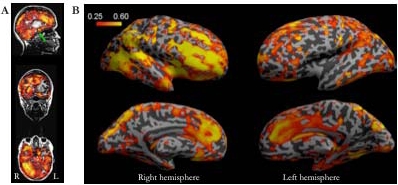
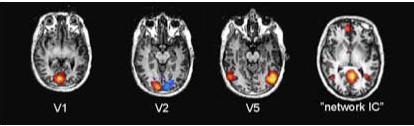
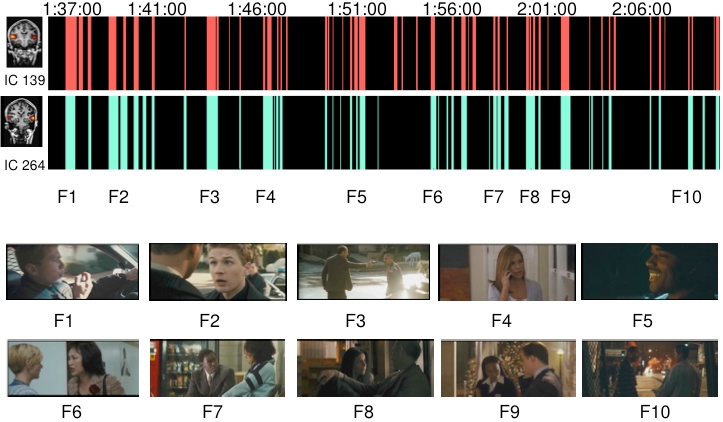
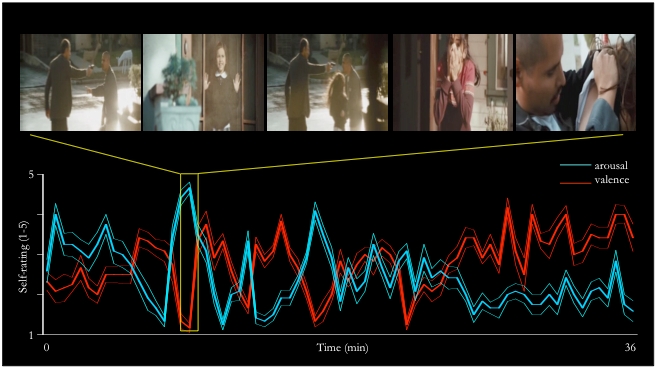
Verification
Claims the paper makes
The claims and statistics of this paper haven’t been checked yet.
Free: it reads the open-access text and checks the first 5 claims that cite a source we can check. Create a free account to check every claim.
Claims other papers make about this one
Each is checked against this paper’s own text: does it say what the citing paper says it does?
The source backs part of the claim, not all of it — or backs it for a different population, condition or comparison.
In the citing paper
“When viewing complex dynamic scenes, brain activity in sensory and attention-controlling systems becomes synchronized across individuals (12-16)”
From Emotions promote social interaction by synchronizing brain activity across individuals (2012) · cites this paper as [15]
Experimental — accuracy not yet measuredIn the citing paper
“Prior studies have provided contradicting evidence on whether the activity in the frontal regions synchronizes across individuals during prolonged natural stimulation (14,15).”
From Emotions promote social interaction by synchronizing brain activity across individuals (2012) · cites this paper as [15]
In the citing paper
“Previous work has shown that narratives elicit correlated neural responses across subjects in regions of the Default Mode Network (DMN), including temporal parietal junction (TPJ), angular gyrus, temporal poles, posterior medial cortex (PMC), and medial prefrontal cortex (mPFC) (Hasson et al., 2008, 2010; Jaaskelainen et al., 2008; Wilson et al., 2008; Lerner et al., 2011; Ben-Yakov et al., 2012;”
From Shared understanding of narratives is correlated with shared neural responses (2019) · cites this paper as Jaaskelainen et al., 2008
Self-check
Percentages, sums and reported differences re-computed from the paper’s own numbers.
The self-check needs the paper’s full text.
Citations
Cites
Independent component analysis: algorithms and applications
Hyvärinen, A., & Oja, E. (2000) · Neural Networks · doi:10.1016/s0893-6080(00)00026-5 · Cited by 8,705 · cited 1×
“The probabilistic ICA offers easier interpretation of the results obtained, since the analysis determines which independent components (ICs) are statistically significant [6], unlike the more traditional ICA approach where the researcher needs to select the most feasible ICs from amongst all the possible ICs [7].”
Russell, J. A., & Barrett, L. F. (1999) · Journal of Personality and Social Psychology · doi:10.1037//0022-3514.76.5.805 · Cited by 3,102 · cited 1×
“It is a widely held position that positive and negativity affect can be represented on a single bipolar valence scale [13], and the present findings tentatively support a competing view according to which negative and positive affect are generated independently [14, 15].”
BackgroundProbabilistic Independent Component Analysis for Functional Magnetic Resonance Imaging
Beckmann, C. F., & Smith, S. M. (2004) · IEEE Transactions on Medical Imaging · doi:10.1109/tmi.2003.822821 · Cited by 2,715 · cited 3×
“The pICA [6] were conducted on the preprocessed data sets of individual subjects using the Multivariate Exploratory Linear Optimized Decomposition into Independent Components (MELODIC) package of the FSL.”
BackgroundMethodIntersubject synchronization of cortical activity during natural vision
Hasson, U., Nir, Y., Levy, I., Fuhrmann, G., & Malach, R. (2004) · Science · doi:10.1126/science.1089506 · Cited by 1,839 · cited 10×
“In contrast to the other areas, there was an apparent lack of inter-subject synchronization of hemodynamic activity in frontal cortical areas [3].”
BackgroundMethodResultInfluentialThe affect system has parallel and integrative processing components: Form follows function.
Cacioppo, J. T., Gardner, W. L., & Berntson, G. G. (1999) · Journal of Personality and Social Psychology · doi:10.1037/0022-3514.76.5.839 · Cited by 1,217 · cited 1×
“It is a widely held position that positive and negativity affect can be represented on a single bipolar valence scale [13], and the present findings tentatively support a competing view according to which negative and positive affect are generated independently [14, 15].”
BackgroundToward a consensual structure of mood
Watson, D., & Tellegen, A. (1985) · Psychological Bulletin · doi:10.1037//0033-2909.98.2.219 · Cited by 1,170 · cited 1×
“It is a widely held position that positive and negativity affect can be represented on a single bipolar valence scale [13], and the present findings tentatively support a competing view according to which negative and positive affect are generated independently [14, 15].”
BackgroundRight Hemisphere Lateralization for Emotion in the Human Brain: Interactions with Cognition
Schwartz, G. E., Davidson, R. J., & Maer, F. (1975) · Science · doi:10.1126/science.1179210 · Cited by 447 · cited 1×
“It is also possible that the right-hemisphere dominance is explained by the right-hemisphere dominance in emotional processing of visual stimuli [10, 11], since the subjects selfreported being emotionally engaged while watching the last 36 minutes of the movie during fMRI scanning (see Fig.”
BackgroundProcessing emotional pictures and words: Effects of valence and arousal
KENSINGER, E. A., & SCHACTER, D. L. (2006) · Cognitive, Affective, & Behavioral Neuroscience · doi:10.3758/cabn.6.2.110 · Cited by 442 · cited 1×
“We could not, however, verify this since the arousal ratings correlated most consistently with cerebellar activity (for corroborating findings, see [12]), and with prefrontal activations only in some subjects, and we failed to see any consistent correlations between the valence ratings and fMRI activity.”
ResultBartels, A., Zeki, S., & Logothetis, N. K. (2008) · Cerebral Cortex · doi:10.1093/cercor/bhm107 · Cited by 150 · cited 3×
“While these studies have significantly advanced our understanding of the neural basis of cognition, rapid developments in non-invasive neuroimaging methodology have made it increasingly possible to record and study brain activity also during more natural viewing conditions [1-5].”
BackgroundMethodResultShort-term plasticity in auditory cognition
Jääskeläinen, I. P., Ahveninen, J., Belliveau, J. W., Raij, T., & Sams, M. E. (2007) · Trends in Neurosciences · doi:10.1016/j.tins.2007.09.003 · Cited by 138 · cited 1×
“Using the probabilistic ICA, it was possible to reveal activated areas and networks of areas (which may be even more intriguing [8]) in the individual subjects during the natural viewing conditions (see Figs.”
BackgroundSelf-citation
Cited by
Brain-to-brain coupling: a mechanism for creating and sharing a social world
Hasson, U., Ghazanfar, A. A., Galantucci, B., Garrod, S., & Keysers, C. (2012) · Trends in Cognitive Sciences · doi:10.1016/j.tics.2011.12.007 · Cited by 1,140
Speaker-listener neural coupling underlies successful communication
Stephens, G. J., Silbert, L. J., & Hasson, U. (2010) · Proceedings of the National Academy of Sciences · doi:10.1073/pnas.1008662107 · Cited by 970
Topographic mapping of a hierarchy of temporal receptive windows using a narrated story
Lerner, Y., Honey, C. J., Silbert, L. J., & Hasson, U. (2011) · The Journal of Neuroscience · doi:10.1523/jneurosci.3684-10.2011 · Cited by 834
“However, other movie stimuli do evoke reliable responses in these areas (Jääskeläinen et al., 2008; Hasson et al., 2010), and additional studies will be needed to better understand information accumulation over long time scales and across modalities in frontal cortices.”
BackgroundShared memories reveal shared structure in neural activity across individuals
Chen, J., Leong, Y. C., Honey, C. J., Yong, C. H., Norman, K. A., & Hasson, U. (2017) · Nature Neuroscience · doi:10.1038/nn.4450 · Cited by 645
Naturalistic Stimuli in Neuroscience: Critically Acclaimed
Sonkusare, S., Breakspear, M., & Guo, C. (2019) · Trends in Cognitive Sciences · doi:10.1016/j.tics.2019.05.004 · Cited by 611
Reliability of cortical activity during natural stimulation
Hasson, U., Malach, R., & Heeger, D. J. (2010) · Trends in Cognitive Sciences · doi:10.1016/j.tics.2009.10.011 · Cited by 609
Social neuroscience and hyperscanning techniques: past, present and future.
Babiloni, F., & Astolfi, L. (2014) · Neuroscience & Biobehavioral Reviews · doi:10.1016/j.neubiorev.2012.07.006 · Cited by 573
“Interestingly, these prefrontal inter-subject correlations were found both in the time (Jääskeläinen et al., 2008) and the frequency domains (Kauppi et al., 2010).”
BackgroundEmotions promote social interaction by synchronizing brain activity across individuals
Nummenmaa, L., Glerean, E., Viinikainen, M., Jääskeläinen, I. P., Hari, R., & Sams, M. (2012) · Proceedings of the National Academy of Sciences · doi:10.1073/pnas.1206095109 · Cited by 538
“Prior studies have provided contradicting evidence on whether the activity in the frontal regions synchronizes across individuals during prolonged natural stimulation (14, 15).”
BackgroundSelf-citationMeasuring shared responses across subjects using intersubject correlation
Nastase, S. A., Gazzola, V., Hasson, U., & Keysers, C. (2019) · Social Cognitive and Affective Neuroscience · doi:10.1093/scan/nsz037 · Cited by 407
“a coherent stimulus that unfolds over at least several minutes (Wilson et al., 2007; Jääskeläinen et al., 2008; Hasson et al., 2008b; Lerner et al., 2011).”
BackgroundLahnakoski, J. M., Glerean, E., Salmi, J., Jääskeläinen, I. P., Sams, M., Hari, R., & Nummenmaa, L. (2012) · Frontiers in Human Neuroscience · doi:10.3389/fnhum.2012.00233 · Cited by 385
“…free viewing of movies and video clips elicits reliable activity across subjects in several brain areas (Hasson et al., 2004; Malinen et al., 2007; Jääskeläinen et al., 2008), and postexperiment annotations of specific features of interest from movie stimuli can be used to map brain areas…”
Self-citationCentrality of social interaction in human brain function.
Hari, R., Henriksson, L., Malinen, S., & Parkkonen, L. (2015) · Neuron · doi:10.1016/j.neuron.2015.09.022 · Cited by 370
Glerean, E., Salmi, J., Lahnakoski, J. M., Jääskeläinen, I. P., & Sams, M. (2012) · Brain Connectivity · doi:10.1089/brain.2011.0068 · Cited by 323
“…stimuli, for example, movies, narrated stories, and music, to increase ecological validity of neuroimaging studies and to enable new type of research on emotions and higher-order cognitive functions (Alluri et al., 2012; Brennan et al., 2010; Hasson et al., 2004; Ja¨a¨skela¨inen et al., 2008).”
Self-citationBevilacqua, D., Davidesco, I., Wan, L., Chaloner, K., Rowland, J., Ding, M., Poeppel, D., & Dikker, S. (2019) · Journal of Cognitive Neuroscience · doi:10.1162/jocn_a_01274 · Cited by 312
“, natural movies) elicit similar brain activity among viewers and emotional responses and, crucially, vary as a function of participants’ attentional engagement (Ki, Kelly, & Parra, 2016; Chang et al., 2015; Nummenmaa et al., 2012; Jääskeläinen et al., 2008; Hasson, Nir, Levy, Fuhrmann, & Malach, 2004).”
Shared understanding of narratives is correlated with shared neural responses
Nguyen, M., Vanderwal, T., & Hasson, U. (2019) · NeuroImage · doi:10.1016/j.neuroimage.2018.09.010 · Cited by 304
“How are interpretations and meanings of complex, ambiguous narratives—across different communicative forms—represented in the brain? Previous work has shown that narratives elicit correlated neural responses across subjects in regions of the Default Mode Network (DMN), including temporal parietal junction (TPJ), angul…”
Movies in the magnet: Naturalistic paradigms in developmental functional neuroimaging
Vanderwal, T., Eilbott, J., & Castellanos, F. X. (2019) · Developmental Cognitive Neuroscience · doi:10.1016/j.dcn.2018.10.004 · Cited by 265
Attention Strongly Modulates Reliability of Neural Responses to Naturalistic Narrative Stimuli
Ki, J. J., Kelly, S. P., & Parra, L. C. (2016) · The Journal of Neuroscience · doi:10.1523/jneurosci.2942-15.2016 · Cited by 221
Hasson, U., Avidan, G., Gelbard, H., Vallines, I., Harel, M., Minshew, N., & Behrmann, M. (2009) · Autism Research · doi:10.1002/aur.89 · Cited by 196
Kauppi (2010) · Frontiers in Neuroinformatics · doi:10.3389/fninf.2010.00005 · Cited by 196
“…that instead of using silent time-scrambled movie clips, we inspected ISCs over distinct frequency bands in a fMRI dataset from our previous study (Jääskeläinen et al., 2008), which was collected while 12 healthy volunteers watched the last 36 min of an Academy Award winning movie “Crash” that…”
InfluentialMovies and narratives as naturalistic stimuli in neuroimaging
Jääskeläinen, I. P., Sams, M., Glerean, E., & Ahveninen, J. (2021) · NeuroImage · doi:10.1016/j.neuroimage.2020.117445 · Cited by 183
“In this reearch area, methodology advances have been vital ( Dayan et al., 2018 ; az et al., 2012 ; Jaaskelainen et al., 2008 , 2016b ; Nummenmaa et al., 012 , 2014a ; Viinikainen et al., 2012 ; Wallentin et al., 2011 ).”
MethodSelf-citationSynchronous brain activity across individuals underlies shared psychological perspectives
Lahnakoski, J. M., Glerean, E., Jääskeläinen, I. P., Hyönä, J., Hari, R., Sams, M., & Nummenmaa, L. (2014) · NeuroImage · doi:10.1016/j.neuroimage.2014.06.022 · Cited by 180
“During prolonged naturalistic stimulation, such as movie viewing, brain activity becomes synchronized across individuals in the time scale of a few seconds, both in early sensory cortices and in brain areas involved in higher-order vision and attention (Hasson et al., 2004; Jääskeläinen et al., 2008; Malinen et al., 2…”
BackgroundSelf-citationThe brains of high functioning autistic individuals do not synchronize with those of others
Salmi, J., Roine, U., Glerean, E., Lahnakoski, J., Nieminen-von Wendt, T., Tani, P., Leppämäki, S., Nummenmaa, L., Jääskeläinen, I. P., Carlson, S., et al. (2013) · NeuroImage: Clinical · doi:10.1016/j.nicl.2013.10.011 · Cited by 136
Self-citationEmotional speech synchronizes brains across listeners and engages large-scale dynamic brain networks
Nummenmaa, L., Saarimäki, H., Glerean, E., Gotsopoulos, A., Jääskeläinen, I. P., Hari, R., & Sams, M. (2014) · NeuroImage · doi:10.1016/j.neuroimage.2014.07.063 · Cited by 137
“Different individuals' brain activity in the sensory projection cortices and dorsal attention network becomes synchronized during prolonged natural stimulation, such as viewing movies (Hasson et al., 2004; Jääskeläinen et al., 2008;Malinen et al., 2007) or listening to audiobooks (Wilson et al.”
BackgroundSelf-citationEngaged listeners: shared neural processing of powerful political speeches
Schmälzle, R., Häcker, F. E. K., Honey, C. J., & Hasson, U. (2015) · Social Cognitive and Affective Neuroscience · doi:10.1093/scan/nsu168 · Cited by 135
Naturalistic Stimuli in Affective Neuroimaging: A Review
Saarimäki, H. (2021) · Frontiers in Human Neuroscience · doi:10.3389/fnhum.2021.675068 · Cited by 174
“Inter-Subject Synchronization Analyses Inter-subject correlation analyses include data-driven approaches that assess the similarity of regional time courses from separate subjects exposed to the same time-locked paradigms (Hasson et al., 2004; Jääskeläinen et al., 2008).”
MethodTowards clinical applications of movie fMRI
Eickhoff, S. B., Milham, M. P., & Vanderwal, T. (2020) · NeuroImage · doi:10.1016/j.neuroimage.2020.116860 · Cited by 145
Sharing the social world via intersubject neural synchronisation
Nummenmaa, L., Lahnakoski, J. M., & Glerean, E. (2018) · Current Opinion in Psychology · doi:10.1016/j.copsyc.2018.02.021 · Cited by 118
Intersubject consistency of cortical MEG signals during movie viewing
Lankinen, K., Saari, J., Hari, R., & Koskinen, M. (2014) · NeuroImage · doi:10.1016/j.neuroimage.2014.02.004 · Cited by 111
“03–1 Hz band included activity in PFC that could reflect emotional engagement to the movie (Jääskeläinen et al., 2008; Kauppi et al., 2010; Nummenmaa et al., 2012; Pamilo et al., 2012).”
InfluentialTemporal dynamics of musical emotions examined through intersubject synchrony of brain activity
Trost, W., Frühholz, S., Cochrane, T., Cojan, Y., & Vuilleumier, P. (2015) · Social Cognitive and Affective Neuroscience · doi:10.1093/scan/nsv060 · Cited by 107
Nam, C. S., Choo, S., Huang, J., & Park, J. (2020) · Applied Sciences · doi:10.3390/app10196669 · Cited by 100
“Two studies used a movie to measure neural synchrony between subjects while observing social reactions in a movie [160,161].”
BackgroundMethodMapping white-matter functional organization at rest and during naturalistic visual perception
Lynch, L. K., Lu, K., Wen, H., & Liu, Z. (2016) · NeuroImage · doi:10.1016/j.neuroimage.2016.10.005 · Cited by 109
“Previous studies have shown that natural vision evokes reliable cortical fMRI responses (Hasson et al., 2004; Jääskeläinen et al., 2008) and spiking activity (Belitski et al., 2008; McMahon et al., 2015) within and across subjects.”
BackgroundHow Many Is Enough? Effect of Sample Size in Inter-Subject Correlation Analysis of fMRI
Pajula, J., & Tohka, J. (2016) · Computational Intelligence and Neuroscience · doi:10.1155/2016/2094601 · Cited by 98
Inter-Subject Correlation in fMRI: Method Validation against Stimulus-Model Based Analysis
Pajula, J., Kauppi, J.-P., & Tohka, J. (2012) · PLoS ONE · doi:10.1371/journal.pone.0041196 · Cited by 94
Chen, G., Shin, Y.-W., Taylor, P. A., Glen, D. R., Reynolds, R. C., Israel, R. B., & Cox, R. W. (2016) · NeuroImage · doi:10.1016/j.neuroimage.2016.05.023 · Cited by 88
Elucidating relations between fMRI, ECoG, and EEG through a common natural stimulus
Haufe, S., DeGuzman, P., Henin, S. E., Arcaro, M. J., Honey, C. J., Hasson, U., & Parra, L. C. (2017) · NeuroImage · doi:10.1016/j.neuroimage.2018.06.016 · Cited by 85
“The study of cognitive processes using inter-subject correlations is well established in fMRI (J€a€askel€ainen et al., 2008; Mantini et al., 2012; Chen et al., 2017), ECoG, (Honey et al.”
Dynamic intersubject neural synchronization reflects affective responses to sad music
Sachs, M. E., Habibi, A., Damásio, A. R., & Kaplan, J. (2019) · NeuroImage · doi:10.1016/j.neuroimage.2019.116512 · Cited by 78
Ding, Y., Hu, X., Xia, Z., Liu, Y., & Zhang, D. (2018) · IEEE Transactions on Affective Computing · doi:10.1109/taffc.2018.2849758 · Cited by 79
“inter-brain neural features, which serves as a promising approach to characterize a variety of cognitive functions including emotions [32], [33], [34].”
BackgroundEmotions amplify speaker–listener neural alignment
Smirnov, D., Saarimäki, H., Glerean, E., Hari, R., Sams, M., & Nummenmaa, L. (2019) · Human Brain Mapping · doi:10.1002/hbm.24736 · Cited by 71
Self-citationA versatile software package for inter-subject correlation based analyses of fMRI
Kauppi, J.-P., Pajula, J., & Tohka, J. (2014) · Frontiers in Neuroinformatics · doi:10.3389/fninf.2014.00002 · Cited by 82
“The computation time was measured in three different hardware setups utilizing the both the local and distributed computing abilities of the ISC Toolbox.”
MethodInfluentialGuo, C. C., Nguyen, V. T., Hyett, M. P., Parker, G. B., & Breakspear, M. J. (2015) · Scientific Reports · doi:10.1038/srep11605 · Cited by 69
From pre-processing to advanced dynamic modeling of pupil data
Fink, L., Simola, J., Tavano, A., Lange, E. B., Wallot, S., & Laeng, B. (2023) · Behavior Research Methods · doi:10.3758/s13428-023-02098-1 · Cited by 88
“…measures (Czepiel et al., 2021), including eye movements and pupil-lometry (Madsen et al., 2021), a multitude of examples exist in the EEG and fMRI literature (Simony et al., 2016; Hasson et al., 2004; Ben-Yakov et al., 2012; Hasson et al., 2010; Wilson et al., 2008; Jääskeläinen et al., 2008).”
BackgroundLahnakoski, J. M., Salmi, J., Jääskeläinen, I. P., Lampinen, J., Glerean, E., Tikka, P., & Sams, M. E. (2012) · PLoS ONE · doi:10.1371/journal.pone.0035215 · Cited by 71
Self-citationStuldreher, I. V., Thammasan, N., van Erp, J. B. F., & Brouwer, A.-M. (2020) · Journal of Neural Engineering · doi:10.1088/1741-2552/aba87d · Cited by 58
“…found PS in electroencephalographic and hemodynamic cortical responses as a function of attentional instruction, suggest that neural correlates of cognitive processes are reliable and reproducible (Hasson 2004, Furman et al 2007, Jääskeläinen et al 2008, Wilson et al 2008, Hasson et al 2010).”
BackgroundConsistency and similarity of MEG‐ and fMRI‐signal time courses during movie viewing
Lankinen, K., Saari, J., Hlushchuk, Y., Tikka, P., Parkkonen, L., Hari, R., & Koskinen, M. (2018) · NeuroImage · doi:10.1016/j.neuroimage.2018.02.045 · Cited by 62
Cortical response to naturalistic stimuli is largely predictable with deep neural networks
Khosla, M., Ngo, G. H., Jamison, K. W., Kuceyeski, A. F., & Sabuncu, M. R. (2021) · Science Advances · doi:10.1126/sciadv.abe7547 · Cited by 76
Goldberg, H., Preminger, S., & Malach, R. (2013) · NeuroImage · doi:10.1016/j.neuroimage.2013.08.032 · Cited by 62
“A few previous studies have used movie clips to examine emotional processing (Davidson et al., 1990; Eldar et al., 2007; Goldin et al., 2005; J skel inen et al., 2008; Paradiso et al., 1997; Raz et al., 2012; Reiman et al., 1997).”
Brain mechanisms underlying cue-based memorizing during free viewing of movie Memento
Kauttonen, J., Hlushchuk, Y., Jääskeläinen, I. P., & Tikka, P. (2018) · NeuroImage · doi:10.1016/j.neuroimage.2018.01.068 · Cited by 69
Self-citationJola, C., McAleer, P., Grosbras, M., Love, S., Morison, G., & Pollick, F. E. (2013) · i-Perception · doi:10.1068/i0536 · Cited by 64
“…of the nature of the human brain: measuring functional coherence across spectators by means of data-driven approaches like the ISC is independent of the level of brain activity (Hejnar et al., 2007) and does not rely on estimation of haemodynamic response functions (Jääskeläinen et al., 2008).”
Combined MEG and EEG show reliable patterns of electromagnetic brain activity during natural viewing
Chang, W.-T., Jääskeläinen, I. P., Belliveau, J. W., Huang, S., Hung, A.-Y., Rossi, S., & Ahveninen, J. (2015) · NeuroImage · doi:10.1016/j.neuroimage.2015.03.066 · Cited by 55
“The brain areas showingmost consistent temporal patterns across subjects were consistent with those observed during previous fMRI studies (Jääskeläinen et al., 2008; Hasson et al., 2010), including those using a longer segment of exactly the same movie as stimulus (Jääskeläinen et al.”
InfluentialSelf-citationA new research trend in social neuroscience: Towards an interactive‐brain neuroscience
Liu, T., & Pelowski, M. J. (2014) · PsyCh Journal · doi:10.1002/pchj.56 · Cited by 54
“It would be hasty, however, to conclude that interbrain synchronization reflects their shared attention and/or shared emotion (Astolfi et al., 2010; Jääskeläinen et al., 2008).”
BackgroundReason, M., Jola, C., Kay, R., Reynolds, D., Kauppi, J., Grobras, M.-H., Tohka, J., & Pollick, F. E. (2016) · Psychology of Aesthetics Creativity and the Arts · doi:10.1037/a0040032 · Cited by 74
“ISC finds brain regions which have correlated activity across a group of observers, and this provides an indication of brain processes that are common in experiencing a stimulus as it unfolds in time (Hasson, Malach, & Heeger, 2010; Hasson, Nir, Levy, Fuhrmann, & Malach, 2004; Jääskeläinen et al., 2008; Kauppi, 2010;…”
BackgroundLynch, L. K., Lu, K., Wen, H., Zhang, Y., Saykin, A. J., & Liu, Z. (2018) · Human Brain Mapping · doi:10.1002/hbm.24335 · Cited by 59
“Unlike the taskfree resting state, naturalistic stimuli carry rich information to engage subjects in a more behaviorally relevant context while inducing highly reliable responses within and across subjects (Hasson et al., 2004; Hasson, Malach, & Heeger, 2010; Jääskeläinen et al., 2008; McMahon, Russ, Elnaiem, Kurnikov…”
BackgroundJääskeläinen, I. P., Pajula, J., Tohka, J., Lee, H.-J., Kuo, W.-J., & Lin, F.-H. (2016) · Scientific Reports · doi:10.1038/srep27741 · Cited by 52
“In previous studies that have utilized this inter-subject correlation (ISC) approach, significant ISC has been observed in both sensory cortical areas 23–29 and hierarchically higher-order cortical areas such as the prefrontal cortex 24–29 when subjects are watching movies during fMRI.”
BackgroundResultSelf-citationEffects of spatial smoothing on inter-subject correlation based analysis of FMRI
Pajula, J., & Tohka, J. (2014) · Magnetic Resonance Imaging · doi:10.1016/j.mri.2014.06.001 · Cited by 61
“[37]”
Herbeć, A., Kauppi, J., Jola, C., Tohka, J., & Pollick, F. E. (2015) · Cortex · doi:10.1016/j.cortex.2015.06.026 · Cited by 56
Affect dynamics of facial EMG during continuous emotional experiences
Golland, Y., Hakim, A., Alony, T., Schaefer, S. M., & Levit‐Binnun, N. (2018) · Biological Psychology · doi:10.1016/j.biopsycho.2018.10.003 · Cited by 62
“, 2007,2014, 2017) and others (Hasson et al., 2010; Jääskeläinen et al., 2008; Nummenmaa et al., 2012, 2014; Trost et al., 2015) in previous studies investigating stimulus-driven temporal dynamics of physiological signals.”
Distinct Cerebellar Contributions to Cognitive-Perceptual Dynamics During Natural Viewing
Nguyen, V. T., Sonkusare, S., Stadler, J., Hu, X., Breakspear, M. J., & Guo, C. C. (2016) · Cerebral Cortex · doi:10.1093/cercor/bhw334 · Cited by 58
“Using intersubject correlation (ISC) analysis, a series of innovative neuroimaging studies have shown that naturalistic stimuli, such as movies, evoke highly consistent neural responses across subjects, despite the seemingly uncontrolled nature of such paradigms (Bartels and Zeki 2004a, 2004b; Hasson et al. 2004, 2008…”
BackgroundMandelkow, H., de Zwart, J. A., & Duyn, J. H. (2016) · Frontiers in Human Neuroscience · doi:10.3389/fnhum.2016.00128 · Cited by 55
“Alternatively, fMRI signal correlations between repeated experimental runs have been used as a (model-free) measure of fMRI signal reproducibility in specific brain regions (Hasson et al., 2004; Jääskeläinen et al., 2008).”
MethodResultAzhari, A., Bizzego, A., & Esposito, G. (2021) · Social Neuroscience · doi:10.1080/17470919.2021.1970016 · Cited by 54
“paradigm of presenting participants with narrative scenes or audios, which lent further support to the occurrence of intersubject synchronisation [2]–[7].”
BackgroundBernardi, G., Cecchetti, L., Handjaras, G., Sani, L., Gaglianese, A., Ceccarelli, R., Franzoni, F., Galetta, F., Santoro, G., Goebel, R., et al. (2014) · Frontiers in Human Neuroscience · doi:10.3389/fnhum.2014.00888 · Cited by 59
“Importantly, previous studies demonstrated that the ISC approach can be successfully used to study spontaneous brain response during naturalistic stimulation in a completely data driven fashion (Jaaskelainen et al., 2008; Hasson et al., 2009; Kauppi et al., 2010; Nummenmaa et al., 2012).”
Inter-subject synchrony as an index of functional specialization in early childhood
Moraczewski, D., Chen, G., & Redcay, E. (2018) · Scientific Reports · doi:10.1038/s41598-018-20600-0 · Cited by 58
Dissociating functional brain networks by decoding the between-subject variability
Seghier, M. L., & Price, C. J. (2009) · NeuroImage · doi:10.1016/j.neuroimage.2008.12.017 · Cited by 45
“Our approach also contrasts with previous studies that explored the between-subject variability in the time domain (e.g. Hasson et al., 2004; Hejnar et al., 2007; Jaaskelainen et al., 2008; Pinel et al., 2007) because we define each subject's contribution by one representative measure only (e.”
Lu, K.-H., Hung, S.-C., Wen, H., Marussich, L., & Liu, Z. (2016) · PLOS ONE · doi:10.1371/journal.pone.0161797 · Cited by 44
“Such intra- and inter-subject reproducibility has been consistently observed with functional magnetic resonance imaging (fMRI) [5,7], magnetoencephalography [8,9], electrocorticography [10,11], neuronal spike trains and local field potentials [12].”
BackgroundHow real-life health messages engage our brains: Shared processing of effective anti-alcohol videos
Imhof, M. A., Schmälzle, R., Renner, B., & Schupp, H. T. (2017) · Social Cognitive and Affective Neuroscience · doi:10.1093/scan/nsx044 · Cited by 49
Li, Y., Chen, M., Zhang, R., & Li, X. (2021) · Social Cognitive and Affective Neuroscience · doi:10.1093/scan/nsab114 · Cited by 49
“The prefrontal cortexical (PFC) as a priori area of interests in the current study by considering this region has been reported to be the crucial neural region for neural correlates in emotion (Jaaskelainen et al., 2008; Smirnov et al., 2019) and the INS in interpersonal cooperation were identified in many previous st…”
ResultRichardson, H. (2018) · Developmental Cognitive Neuroscience · doi:10.1016/j.dcn.2018.11.002 · Cited by 47
Neural synchronization predicts marital satisfaction
Li, L., Huang, X., Xiao, J., Zheng, Q., Shan, X., He, C., Liao, W., Chen, H., Menon, V., & Duan, X. (2022) · Proceedings of the National Academy of Sciences · doi:10.1073/pnas.2202515119 · Cited by 55
“The level of neural synchronization is also dependent on the content of stimuli presented, and brain areas in the default mode network (DMN) are particularly sensitive to self- and socially relevant aspects of information processing (18, 19).”
BackgroundAtypical MEG inter-subject correlation during listening to continuous natural speech in dyslexia
Thiede, A., Glerean, E., Kujala, T., & Parkkonen, L. T. (2020) · NeuroImage · doi:10.1016/j.neuroimage.2020.116799 · Cited by 42
Fronto-parietal network supports context-dependent speech comprehension
Smirnov, D., Glerean, E., Lahnakoski, J. M., Salmi, J., Jääskeläinen, I. P., Sams, M. E., & Nummenmaa, L. (2014) · Neuropsychologia · doi:10.1016/j.neuropsychologia.2014.09.007 · Cited by 41
“As was shown in previous studies (Hasson, Nir, Levy, Fuhrmann, & Malach, 2004; Jääskeläinen et al., 2008; Stephens, Silbert, & Hasson, 2010; Wilson, Molnar-Szakacs, & Iacoboni, 2008), ISC can reveal consistent patterns of brain activation within a group of subjects during naturalistic stimulation, for which explicit s…”
ResultSelf-citationOptimizing methods for linking cinematic features to fMRI data
Kauttonen, J., Hlushchuk, Y., & Tikka, P. (2015) · NeuroImage · doi:10.1016/j.neuroimage.2015.01.063 · Cited by 47
A drama movie activates brains of holistic and analytical thinkers differentially
Bacha‐Trams, M., Alexandrov, Y. I., Broman, E., Glerean, E., Kauppila, M., Kauttonen, J., Ryyppö, E., Sams, M. E., & Jääskeläinen, I. P. (2018) · Social Cognitive and Affective Neuroscience · doi:10.1093/scan/nsy099 · Cited by 51
“When viewing a film during brain scanning, both sensory cortices and ‘higher-order’ prefrontal and parietal cortical areas become synchronized across participants as captured by calculation of intersubject correlation (ISC; Jääskeläinen et al., 2008; Hasson et al., 2008).”
BackgroundSelf-citationScene unseen: Disrupted neuronal adaptation in melancholia during emotional film viewing
Hyett, M. P., Parker, G. B., Guo, C. C., Zalesky, A., Nguyen, V. T., Yuen, T., & Breakspear, M. J. (2015) · NeuroImage Clinical · doi:10.1016/j.nicl.2015.10.011 · Cited by 34
“Films minimise task demands, can manipulate emotion in a manner closely reflecting everyday emotional dynamics (Gross and Levenson, 1995), and reliably elicit consistent neuronal responses across cortical regions (Hasson et al., 2004; Jääskeläinen et al., 2008).”
BackgroundNarrative comprehension beyond language: Common brain networks activated by a movie and its script
Tikka, P., Kauttonen, J., & Hlushchuk, Y. (2018) · PLoS ONE · doi:10.1371/journal.pone.0200134 · Cited by 35
Rowland, S. C., Hartley, D. E. H., & Wiggins, I. M. (2018) · Trends in Hearing · doi:10.1177/2331216518804116 · Cited by 37
“…free viewing of movies or listening to audio books or music (Boldt et al., 2013; Hasson, Furman, Clark, Dudai, & Davachi, 2008; Hasson et al., 2004; Jääskeläinen et al., 2008; Jääskeläinen et al., 2016; Kauppi, Jääskeläinen, Sams, & Tohka, 2010; Nummenmaa et al., 2012; Trost, Fruhholz,…”
MethodMaffei, A. (2020) · Psychophysiology · doi:10.1111/psyp.13652 · Cited by 30
Neural synchronization as a function of engagement with the narrative
Ohad, T., & Yeshurun, Y. (2023) · NeuroImage · doi:10.1016/j.neuroimage.2023.120215 · Cited by 36
Differential inter-subject correlation of brain activity when kinship is a variable in moral dilemma
Bacha‐Trams, M., Glerean, E., Dunbar, R., Lahnakoski, J. M., Ryyppö, E., Sams, M. E., & Jääskeläinen, I. P. (2017) · Scientific Reports · doi:10.1038/s41598-017-14323-x · Cited by 36
Self-citationIndividual-specific and shared representations during episodic memory encoding and retrieval
Xiao, X., Zhou, Y., Liu, J., Ye, Z., Yao, L., Zhang, J., Chen, C., & Xue, G. (2020) · NeuroImage · doi:10.1016/j.neuroimage.2020.116909 · Cited by 28
Probing neurodynamics of experienced emotions—a Hitchhiker’s guide to film fMRI
Morgenroth, E., Vilaclara, L., Muszyński, M., Gaviria, J., Vuilleumier, P. O., & Ville, D. V. D. (2023) · Social Cognitive and Affective Neuroscience · doi:10.1093/scan/nsad063 · Cited by 27
“To date, there has only been one published attempt to apply ICA to film data and relate time courses of ICs to emotion experience, but the authors could not establish a reliable relationship between the two (J ̈ a ̈ askel ̈ ainen et al. , 2008).”
BackgroundDieffenbach, M. C., Gillespie, G. S. R., Burns, S. M., McCulloh, I., Ames, D. L., Dagher, M. M., Falk, E. B., & Lieberman, M. D. (2020) · Social Cognitive and Affective Neuroscience · doi:10.1093/scan/nsaa115 · Cited by 32
“Furthermore, regardless of the modality in which a narrative is presented, comprehension of its content tends to be associated with activation in the brain’s default mode network (DMN; Wilson et al., 2007; Jääskeläinen et al., 2008; Honey et al., 2012; Regev et al., 2013).”
BackgroundResultTikka, P., Väljamäe, A., de Borst, A. W., Pugliese, R., Ravaja, N., Kaipainen, M., & Takala, T. (2012) · Frontiers in Human Neuroscience · doi:10.3389/fnhum.2012.00298 · Cited by 31
A New Paradigm for Individual Subject Language Mapping: Movie‐Watching fMRI
Tie, Y., Rigolo, L., Özdemir, A., Olubiyi, O. I., Doolin, K., Mukundan, S., & Golby, A. J. (2015) · Journal of Neuroimaging · doi:10.1111/jon.12251 · Cited by 23
Social perspective-taking shapes brain hemodynamic activity and eye movements during movie viewing
Bacha‐Trams, M., Ryyppö, E., Glerean, E., Sams, M. E., & Jääskeläinen, I. P. (2020) · Social Cognitive and Affective Neuroscience · doi:10.1093/scan/nsaa033 · Cited by 29
“movie watching, not only basic sensory cortices but also ‘higherorder’ prefrontal cortical areas exhibit ISC of brain activity across participants (Jääskeläinen et al., 2008; Hasson et al., 2008).”
BackgroundSelf-citationMultivariate Identification of Functional Neural Networks Underpinning Humorous Movie Viewing
Lin, F., Lee, H.-J., Kuo, W., & Jääskeläinen, I. P. (2021) · Frontiers in Psychology · doi:10.3389/fpsyg.2020.547353 · Cited by 21
Self-citationBotzung, A., LaBar, K. S., Kragel, P., Miles, A., & Rubin, D. C. (2010) · Frontiers in Human Neuroscience · doi:10.3389/fnhum.2010.00034 · Cited by 26
“Consistent with this literature, and as expected in the context of a continuous video sequence containing multimodal stimuli, the visual and auditory ICs corresponded to the visual and the auditory systems (Bartels and Zeki, 2005; Malinen et al., 2007; Jääskeläinen et al., 2008).”
Chu, Y.-H., Lin, F., Chou, Y.-J., Tsai, K. W., Kuo, W., & Jääskeläinen, I. P. (2013) · PLoS ONE · doi:10.1371/journal.pone.0080265 · Cited by 21
Self-citationWolf, D., Mittelberg, I., Rekittke, L.-M., Bhavsar, S., Zvyagintsev, M., Haeck, A., Cong, F., Klasen, M., & Mathiak, K. (2018) · Frontiers in Human Neuroscience · doi:10.3389/fnhum.2018.00296 · Cited by 20
Salmi, J., Glerean, E., Jääskeläinen, I. P., Lahnakoski, J. M., Kettunen, J., Lampinen, J., Tikka, P., & Sams, M. (2014) · Human Brain Mapping · doi:10.1002/hbm.22510 · Cited by 20
Self-citationEffects of spatial fMRI resolution on the classification of naturalistic movies
Mandelkow, H., de Zwart, J. A., & Duyn, J. H. (2017) · NeuroImage · doi:10.1016/j.neuroimage.2017.08.053 · Cited by 25
Chen, Y., Liu, S., Hao, Y., Zhao, Q., Ren, J., Piao, Y., Wang, L., Yang, Y., Jin, C., Wang, H., et al. (2024) · NeuroImage · doi:10.1016/j.neuroimage.2024.120733 · Cited by 24
Emotion and music in narrative films: A neuroscientific perspective
Kuchinke, L., Kappelhoff, H., & Koelsch, S. (2013) · Oxford University Press eBooks · doi:10.1093/acprof:oso/9780199608157.003.0006 · Cited by 28
Perceived Conventionality in Co-speech Gestures Involves the Fronto-Temporal Language Network
Wolf, D., Rekittke, L.-M., Mittelberg, I., Klasen, M., & Mathiak, K. (2017) · Frontiers in Human Neuroscience · doi:10.3389/fnhum.2017.00573 · Cited by 18
“Providing means for direct hypothesis testing, ISC is particularly well suited to capture synchronous changes in implicated networks and is well established for naturalistic stimuli (Hasson, 2004; Jääskeläinen et al., 2008; Bhavsar et al., 2014).”
Methodde Borst, A. W., Valente, G., Jääskeläinen, I. P., & Tikka, P. (2016) · NeuroImage · doi:10.1016/j.neuroimage.2016.01.043 · Cited by 19
“…an increasing body of functional MRI (fMRI) studies have looked at neural responses of film viewers (Bartels and Zeki, 2004; Hasson et al., 2004; Jaaskelainen et al., 2008; Lahnakoski et al., 2012; Naselaris et al., 2009), no studies have focused on the neural basis of how filmmakers create…”
Self-citationBehavioral Experience-Sampling Methods in Neuroimaging Studies With Movie and Narrative Stimuli
Jääskeläinen, I. P., Ahveninen, J., Klucharev, V. A., Шестакова, А. Н., & Lévy, J. (2022) · Frontiers in Human Neuroscience · doi:10.3389/fnhum.2022.813684 · Cited by 20
Self-citationLin, T., Gilam, G., Raz, G., Or‐Borichev, A., Bar‐Haim, Y., Fruchter, E., & Hendler, T. (2017) · Frontiers in Behavioral Neuroscience · doi:10.3389/fnbeh.2017.00038 · Cited by 18
“…approach can reliably infer both the dynamics of evolved emotional experience (Nummenmaa et al., 2012; Raz et al., 2012) as well as their neural representation in the brain (Hasson et al., 2004; Jääskeläinen et al., 2008; Nummenmaa et al., 2012; Abrams et al., 2013; Raz and Hendler, 2014).”
BackgroundNeural dynamics during emotional video engagement relate to anxiety
Nan, J., Balasubramani, P. P., Ramanathan, D., & Mishra, J. (2022) · Frontiers in Human Neuroscience · doi:10.3389/fnhum.2022.993606 · Cited by 16
“As previous research has suggested, we would expect to see high ISC with low variation across subjects as they all go through the same emotional response (Jääskeläinen et al., 2008).”
BackgroundMethodThe Role of Speech Production System in Audiovisual Speech Perception
Jääskeläinen, I. P. (2010) · The Open Neuroimaging Journal · doi:10.2174/1874440001004020030 · Cited by 18
“The finding of pSTS being involved in audiovisual speech integration has been replicated in subsequent fMRI [26-37], positron emission tomography (PET) [38], and intracranial EEG [39] studies (although see also [40]).”
BackgroundSelf-citationNeural mechanisms supporting evaluation of others’ errors in real-life like conditions
Jääskeläinen, I. P., Halme, H.-L., Agam, Y., Glerean, E., Lahnakoski, J. M., Sams, M. E., Tapani, K., Ahveninen, J., & Manoach, D. S. (2016) · Scientific Reports · doi:10.1038/srep18714 · Cited by 17
Self-citationTing, C., Skipper, J. I., Noman, F. M., Small, S. L., & Ombao, H. (2021) · IEEE Transactions on Medical Imaging · doi:10.1109/tmi.2021.3139428 · Cited by 14
Bolton, T. A. W., Jochaut, D., Giraud, A., & Ville, D. V. D. (2019) · Journal of Visualized Experiments · doi:10.3791/59083 · Cited by 16
Data-based functional template for sorting independent components of fMRI activity
Malinen, S., & Hari, R. (2011) · Neuroscience Research · doi:10.1016/j.neures.2011.08.014 · Cited by 17
Metadata
- Authors
- Jääskeläinen, I. P., Koskentalo, K., Balk, M. H., Autti, T., Kauramäki, J., Pomren, C., & Sams, M.
- Affiliations
- Helsinki University Hospital (FI)
- Corresponding author
- Jääskeläinen, Iiro P
- Venue
- The Open Neuroimaging Journal
- Publisher
- Bentham Science Publishers Ltd.
- Published
- 2008-04-01
- Volume
- 02
- Issue
- 1
- Pages
- 14-19
- ISSN
- 1874-4400 (ISSN-L)
- PMC
- PMC2577941
- OpenAlex
- W2102717406
- Cited by
- 166
- References
- 16
- Citations by year
- 2026: 4 · 2025: 8 · 2024: 8 · 2023: 12 · 2022: 9 · 2021: 10 · 2020: 12 · 2019: 11 · 2018: 19 · 2017: 8 · 2016: 13 · 2015: 16 · 2014: 11 · 2013: 6 · 2012: 8
- FWCI
- 1.90
- Type
- journal article
- Language
- en
- Open access
- hybrid
- doi.org
- Locations
- The Open Neuroimaging Journal (publishedVersion, cc-by)
- PubMed Central (publishedVersion, cc-by)
- PubMed (publishedVersion)
- Funders
- Academy of Finland
- Topics
- Life Sciences › Neuroscience › Cognitive Neuroscience › Functional Brain Connectivity Studies
- Social Sciences › Psychology › Social Psychology › Action Observation and Synchronization
- Life Sciences › Neuroscience › Cognitive Neuroscience › Neural dynamics and brain function
- Keywords
- prefrontal cortex, hemodynamic activity, naturalistic movie viewing, emotional engagement
About these checks
Registry, retraction, Cites and statistics results are computed, not judged, with one exception: a printed reference that no index lists is read once by a model before it counts as a citation error. Claims are extracted by a model and kept only when their quote appears verbatim in the text; each cited source is then checked, with a model’s help, for whether it says what the claim relies on. Those verdicts can be wrong — read the claim’s quote and the cited source before relying on one.
Statistics and arithmetic are recomputed, not judged.
Confidence bands are shown only for fields calibrated on our annotated test set. None is calibrated yet, so no band is shown.
What counts as a claim ›How we measure confidence ›How we check this ›
Are you an author, or do you see a problem with this page? Request a review
Data sources
Bibliographic data: Semantic Scholar, OpenAlex, Crossref.
Contains information from the Semantic Scholar Academic Graph Datasets, made available under the ODC Attribution License (ODC-BY 1.0).
Semantic Scholar’s data is described in: Kinney, R., et al. (2023). The Semantic Scholar Open Data Platform. arXiv:2301.10140.
