

Systematic review of the prevalence and incidence of Parkinson's disease in Asia
Open accessThe DOI matches its Crossref record; 70 of the 70 references it cites were found in a registry or an index.
Abstract
BACKGROUND: Parkinson's disease (PD) is a common neurodegenerative disorder in older people, and half of the world's older population lives in Asia. However, the epidemiology of PD in Asian countries is poorly understood. This review assembles evidence on the prevalence and incidence of PD in Asian countries and identifies gaps in our present knowledge. METHODS: A systematic search of studies published from 1965 to October 2008 was conducted using MEDLINE and EMBASE. The selection criteria were defined a priori. Prevalence and incidence were standardized to the WHO World Standard Population 2000. Twenty-one original studies were selected for the review. Two studies that described the ethnic origin of participants and contained Asian populations were also included in the analysis. RESULTS: Excluding one study with questionably low prevalence and incidence, the remaining studies reported a standardized all-age prevalence of 51.3 to 176.9 per 100,000 in door-to-door surveys; prevalence in record-based studies ranged from 35.8 to 68.3 per 100,000. The standardized incidence rates were 8.7 per 100,000 person-years in door-to-door surveys and 6.7 to 8.3 per 100,000 person-years in record-based surveys. CONCLUSIONS: The prevalence of PD in Asian countries was slightly lower than that in Western countries. However, comparison of incidence was difficult because of the small number of studies. Varying methodologies, diagnostic criteria, and case-finding strategies contributed to the considerable variation in the reported prevalence and incidence of PD.
Overview
The claims and statistics of this paper haven’t been checked yet.
Free: it reads the open-access text and checks the first 5 claims that cite a source we can check. Create a free account to check every claim.
Integrity signals
Registry
Cites
Statistics
Figures
Verification
Claims the paper makes
The claims and statistics of this paper haven’t been checked yet.
Free: it reads the open-access text and checks the first 5 claims that cite a source we can check. Create a free account to check every claim.
Claims other papers make about this one
Each is checked against this paper’s own text: does it say what the citing paper says it does?
In the citing paper
“Our 2015 prevalence estimates are within the ranges reported for Parkinson's disease (51–177 per 100 000 people),40 motor neuron disease (1·9–3·9 per 100 000 people),41, 42 tension-type headache (21–27%),43, 44 medication overuse headache (0·5%–7·2%),45 and migraine (mean estimate 10%, range 1–25),46”
From Global, regional, and national burden of neurological disorders during 1990–2015: a systematic analysis for the Global Burden of Disease Study 2015 (2017) · cites this paper as [40]
Self-check
Percentages, sums and reported differences re-computed from the paper’s own numbers.
The self-check needs the paper’s full text.
Citations
Cites
Incidence of Parkinson's Disease: Variation by Age, Gender, and Race/Ethnicity
Van Den Eeden, S. K. (2003) · American Journal of Epidemiology · doi:10.1093/aje/kwg068 · Cited by 1,747
Core assessment program for surgical interventional therapies in Parkinson's disease (CAPSIT-PD)
Defer, G.-L., Widner, H., Mari�, R.-M., R�my, P., Levivier, M., & Conference Participants: Conference Participants: G. L. Defer, M. (. (1999) · Movement Disorders · doi:10.1002/1531-8257(199907)14:4<572::aid-mds1005>3.0.co;2-c · Cited by 865
MacDonald, B. K. (2000) · Brain · doi:10.1093/brain/123.4.665 · Cited by 858
de Rijk, M. C., Tzourio, C., Breteler, M. M., Dartigues, J. F., Amaducci, L., Lopez-Pousa, S., Manubens-Bertran, J. M., Alperovitch, A., & Rocca, W. A. (1997) · Journal of Neurology, Neurosurgery & Psychiatry · doi:10.1136/jnnp.62.1.10 · Cited by 833
The cognitive ability of an incident cohort of Parkinson’s patients in the UK. The CamPaIGN study
Foltynie, T., Brayne, C. E. G., Robbins, T. W., & Barker, R. A. (2004) · Brain · doi:10.1093/brain/awh067 · Cited by 688
Self-citationSystematic review of incidence studies of Parkinson's disease
Twelves, D., Perkins, K. S. M., & Counsell, C. (2003) · Movement Disorders · doi:10.1002/mds.10305 · Cited by 622 · cited 1×
“The general inclusion criteria were: (1) publication in English, (2) study population larger than 3000 participants for population-based survey studies, unless they were the only study of a country (for registry-based studies, a denominator more than 20 000 participants was required to ensure that the number of cases…”
ResultParkinson’s disease and parkinsonism in a longitudinal study: Two-fold higher incidence in men
Baldereschi, M., Di Carlo, A., Rocca, W. A., Vanni, P., Maggi, S., Perissinotto, E., Grigoletto, F., Amaducci, L., & Inzitari, D. (2000) · Neurology · doi:10.1212/wnl.55.9.1358 · Cited by 526
Incidence and distribution of parkinsonism in Olmsted County, Minnesota, 1976–1990
Bower, J. H., Maraganore, D. M., McDonnell, S. K., & Rocca, W. A. (1999) · Neurology · doi:10.1212/wnl.52.6.1214 · Cited by 511
Prevalence of Parkinson's disease in the elderly: The Rotterdam Study
de Rijk, M. C., Breteler, M. M. B., Graveland, G. A., Ott, A., Grobbee, D. E., van der Meche, F. G. A., & Hofman, A. (1995) · Neurology · doi:10.1212/wnl.45.12.2143 · Cited by 488
Parkinson's disease in China: prevalence in Beijing, Xian, and Shanghai
Zhang, Z., Román, G. C., Hong, Z., Wu, C.-B., Qu, Q.-M., Huang, J.-B., Zhou, B., Geng, Z.-P., Wu, J.-X., Wen, H.-B., et al. (2005) · The Lancet · doi:10.1016/s0140-6736(05)17909-4 · Cited by 398
Cited by
Kalia, L. V., & Lang, A. E. (2015) · The Lancet · doi:10.1016/s0140-6736(14)61393-3 · Cited by 6,184
Feigin, V. L., Nichols, E., Alam, T., Bannick, M. S., Beghi, E., Blake, N., Culpepper, W. J., Dorsey, E. R., Elbaz, A., Ellenbogen, R. G., et al. (2019) · The Lancet Neurology · doi:10.1016/s1474-4422(18)30499-x · Cited by 5,644
Self-citationThe Neuroendocrinology of Stress: A Never Ending Story
Lightman, S. L. (2008) · Journal of Neuroendocrinology · doi:10.1111/j.1365-2826.2008.01711.x · Cited by 3,566
Feigin, V. L., Abajobir, A. A., Abate, K. H., Abd-Allah, F., Abdulle, A. M., Abera, S. F., Abyu, G. Y., Ahmed, M. B., Aichour, A. N., Aichour, I., et al. (2017) · The Lancet Neurology · doi:10.1016/s1474-4422(17)30299-5 · Cited by 2,275
The epidemiology of Parkinson's disease
Ben-Shlomo, Y., Darweesh, S., Llibre-Guerra, J., Marras, C., San Luciano, M., & Tanner, C. (2024) · The Lancet · doi:10.1016/s0140-6736(23)01419-8 · Cited by 967
Ou, Z., Pan, J., Tang, S., Duan, D., Yu, D., Nong, H., & Wang, Z. (2021) · Frontiers in Public Health · doi:10.3389/fpubh.2021.776847 · Cited by 729
Parkinson’s Disease: From Pathogenesis to Pharmacogenomics
Cacabelos, R. (2017) · International Journal of Molecular Sciences · doi:10.3390/ijms18030551 · Cited by 555
Altered gut microbiota and inflammatory cytokine responses in patients with Parkinson's disease
Lin, C.-H., Chen, C.-C., Chiang, H.-L., Liou, J.-M., Chang, C.-M., Lu, T.-P., Chuang, E. Y., Tai, Y.-C., Cheng, C., Lin, H.-Y., et al. (2019) · Journal of Neuroinflammation · doi:10.1186/s12974-019-1528-y · Cited by 469
Epidemiology of Parkinson's disease
Elbaz, A., Carcaillon, L., Kab, S., & Moisan, F. (2016) · Revue Neurologique · doi:10.1016/j.neurol.2015.09.012 · Cited by 445
Neuroscience of Exercise: From Neurobiology Mechanisms to Mental Health
Matta Mello Portugal, E., Cevada, T., Sobral Monteiro-Junior, R., Teixeira Guimarães, T., da Cruz Rubini, E., Lattari, E., Blois, C., & Camaz Deslandes, A. (2013) · Neuropsychobiology · doi:10.1159/000350946 · Cited by 302
Gut microbiota in patients with Parkinson's disease in southern China
Lin, A., Zheng, W., He, Y., Tang, W., Wei, X., He, R., Huang, W., Su, Y., Huang, Y., Zhou, H., et al. (2018) · Parkinsonism & Related Disorders · doi:10.1016/j.parkreldis.2018.05.007 · Cited by 253
Parkinson disease male-to-female ratios increase with age: French nationwide study and meta-analysis
Moisan, F., Kab, S., Mohamed, F., Canonico, M., Le Guern, M., Quintin, C., Carcaillon, L., Nicolau, J., Duport, N., Singh-Manoux, A., et al. (2016) · Journal of Neurology, Neurosurgery & Psychiatry · doi:10.1136/jnnp-2015-312283 · Cited by 244
Parkinson’s Disease: A Review from Pathophysiology to Treatment
Marino, B. L. B., de Souza, L. R., Sousa, K. P. A., Ferreira, J. V., Padilha, E. C., da Silva, C. H. T. P., Taft, C. A., & Hage-Melim, L. I. S. (2020) · Mini-Reviews in Medicinal Chemistry · doi:10.2174/1389557519666191104110908 · Cited by 226
Visual symptoms in Parkinson's disease and Parkinson's disease dementia
Archibald, N. K., Clarke, M. P., Mosimann, U. P., & Burn, D. J. (2011) · Movement Disorders · doi:10.1002/mds.23891 · Cited by 207
Epidemiology of Parkinson's Disease—East Versus West
Abbas, M. M., Xu, Z., & Tan, L. C. S. (2018) · Movement Disorders Clinical Practice · doi:10.1002/mdc3.12568 · Cited by 193
“However, the number of Asian studies are limited.(4,5) In a meta-analysis of Asian studies, the incidence rate (age standardized to 2000 WHO world population) was 8.”
BackgroundMethodInfluentialAn unknown quantity—The worldwide prevalence of epilepsy
Bell, G. S., Neligan, A., & Sander, J. W. (2014) · Epilepsia · doi:10.1111/epi.12605 · Cited by 180
“A review found that the prevalence of Parkinson’s disease was lower in Asian countries than in the rest of the world, but that the discrepancy was greater when records-based surveys (rather than door-todoor surveys) were used.(69) The authors suggested that this discrepancy is due to differential access to health care…”
BackgroundA systematic review of the worldwide prevalence and incidence of Parkinson's disease.
Muangpaisan, W., Mathews, A., Hori, H., & Seidel, D. (2011) · PubMed · Cited by 231
Self-citationYoung-onset Parkinson's disease: Its unique features and their impact on quality of life
Mehanna, R., & Jankovic, J. J. (2019) · Parkinsonism & Related Disorders · doi:10.1016/j.parkreldis.2019.06.001 · Cited by 166
Dopamine Receptors and Parkinson's Disease
Hisahara, S., & Shimohama, S. (2011) · International Journal of Medicinal Chemistry · doi:10.1155/2011/403039 · Cited by 184
“3 per 100 000 person-years in record-based surveys [1].”
Dorsey, E. R., Okun, M. S., & Bloem, B. R. (2020) · Journal of Parkinson s Disease · doi:10.3233/jpd-202109 · Cited by 122
“In Beijing, for example, the rate of undiagnosed persons with Parkinson’s disease is 48%, and China has the fastest increasing rates of Parkinson’s disease [10, 11].”
BackgroundPark, J., Kim, D., Kwon, D., Choi, M., Kim, S., Jung, J., Han, K., & Park, Y. G. (2019) · BMC Geriatrics · doi:10.1186/s12877-019-1332-7 · Cited by 116
Therapeutic Potential of Metabotropic Glutamate Receptor Modulators
Hovelso, N., Sotty, F., P. Montezinho, L., S. Pinheiro, P., F. Herrik, K., & Mork, A. (2012) · Current Neuropharmacology · doi:10.2174/157015912799362805 · Cited by 95
Promising Polyphenols in Parkinson’s Disease Therapeutics
Singh, A. K., Tripathi, P., Yadawa, A. K., & Singh, S. (2020) · Neurochemical Research · doi:10.1007/s11064-020-03058-3 · Cited by 94
“2gm of green tea consumption may provide ample amount of polyphenolic EGCG anti-oxidant and recovers the psychological and neurological health [57, 62].”
BackgroundShi, B., Tay, A. E., Au, W., Tan, D. M. L., Chia, N. S. Y., & Yen, S. (2022) · IEEE Transactions on Biomedical Engineering · doi:10.1109/tbme.2022.3140258 · Cited by 92
Patient Views on Telemedicine for Parkinson Disease
Spear, K. L., Auinger, P., Simone, R. B., Dorsey, E. R., & Francis, J. (2019) · Journal of Parkinson s Disease · doi:10.3233/jpd-181557 · Cited by 71
“Moreover, in a study of the prevalence of Parkinson disease in Asia, results of door-to-door surveys indicate that between 20–80% of those identified with Parkinson disease had never been previously diagnosed [7].”
Lee, P., Rhodes, S. L., Sinsheimer, J. S., Bronstein, J. M., & Ritz, B. R. (2013) · Environment International · doi:10.1016/j.envint.2013.03.004 · Cited by 70
“The worldwide prevalence of Parkinson's disease varies, and is reported to be slightly lower in Asia than in Western countries (Muangpaisan et al., 2009; von Campenhausen et al., 2005).”
BackgroundLiu, C., Li, C., Lee, P., & Sun, Y. (2016) · Parkinson s Disease · doi:10.1155/2016/8756359 · Cited by 73
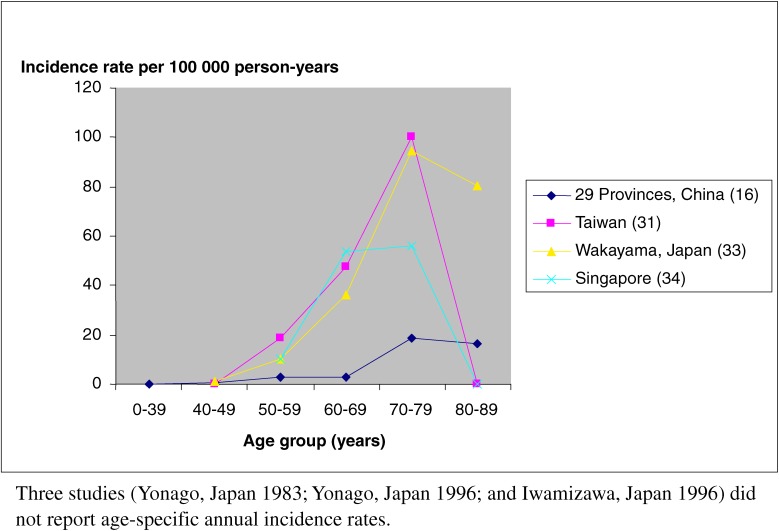
“Despite this trend, several studies found that the incidence of PD increases up to a peak in 70– 79 years and then declines in very old patients [12, 13, 21].”
BackgroundResultInfluentialHariz, G., Nakajima, T., Limousin, P. D., Foltynie, T., Zrinzo, L. U., Jahanshahi, M., & Hamberg, K. (2010) · Parkinsonism & Related Disorders · doi:10.1016/j.parkreldis.2010.12.002 · Cited by 66
“The prevalence of PD in the general population varies according to applied methodology, diagnostic criteria, age distribution and case finding strategy [30,31].”
BackgroundResultThe PARK Framework for Automated Analysis of Parkinson's Disease Characteristics
Langevin, R., Ali, M. R., Sen, T., Snyder, C., Myers, T. L., Dorsey, E. R., & Hoque, M. E. (2019) · Proceedings of the ACM on Interactive Mobile Wearable and Ubiquitous Technologies · doi:10.1145/3328925 · Cited by 68
Lai, S., Su, L., Chih‐Hsueh, L. I. N., Chon‐Haw, T. S. A. I., Sung, F., & Hsieh, D. P. H. (2011) · Psychogeriatrics · doi:10.1111/j.1479-8301.2011.00369.x · Cited by 56
Prevalence and incidence of Parkinson’s disease and drug-induced parkinsonism in Korea
Han, S., Kim, S., Kim, H., Shin, H., Na, K., & Suh, H. S. (2019) · BMC Public Health · doi:10.1186/s12889-019-7664-6 · Cited by 55
Bhidayasiri, R., Wannachai, N., Limpabandhu, S., Choeytim, S., Suchonwanich, Y., Tananyakul, S., Tharathep, C., Panjapiyakul, P., Srismith, R., Chimabutra, K., et al. (2011) · Neuroepidemiology · doi:10.1159/000334440 · Cited by 54
Willis, A. W., Schootman, M., Kung, N., & Racette, B. A. (2012) · Parkinsonism & Related Disorders · doi:10.1016/j.parkreldis.2012.09.014 · Cited by 53
“The prevalence of YOPD among those living in Europe is estimated to be 12e20 per 100,000 [8,9], and up to 45 per 100,000 among those living in Asian countries [10].”
Zou, Y.-M., Liu, J., Tian, Z.-Y., Lu, D., & Zhou, Y.-Y. (2015) · Neuropsychiatric Disease and Treatment · doi:10.2147/ndt.s85380 · Cited by 51
Balakrishnan, A., Medikonda, J., Namboothiri, P. K., & Natarajan, M. (2022) · Engineered Science · doi:10.30919/es8e622 · Cited by 69
Herbal Medicines for Parkinson's Disease: A Systematic Review of Randomized Controlled Trials
Kim, T., Cho, K., Jung, W., & Lee, M. S. (2012) · PLoS ONE · doi:10.1371/journal.pone.0035695 · Cited by 50
Song, Z., Liu, S., Li, X., Zhang, M., Wang, X., Shi, Z., & Ji, Y. I. (2021) · Neuroepidemiology · doi:10.1159/000520726 · Cited by 48
Llibre‐Guerra, J. J., Prina, M. A., Sosa, A. L., Acosta, D. M., Jiménez‐Velázquez, I. Z., Guerra, M., Salas, A., Llíbre-Guerra, J. C., Valvuerdi, A., Peeters, G. M. E. E., et al. (2021) · The Lancet Regional Health - Americas · doi:10.1016/j.lana.2021.100136 · Cited by 53
SLC6A3 is a risk factor for Parkinson's disease: A meta-analysis of sixteen years’ studies
Zhai, D., Li, S.-J., Zhao, Y. Y., & Lin, Z. (2013) · Neuroscience Letters · doi:10.1016/j.neulet.2013.10.060 · Cited by 50
Physiotherapy management of Parkinson's disease
Pang, M. Y. C. (2021) · Journal of physiotherapy · doi:10.1016/j.jphys.2021.06.004 · Cited by 56
“Available data also suggest higher prevalence and incidence of PD in western countries than eastern countries.(1,4) Because of the rapidly ageing population, the number of people affected by PD is projected to double to over 12 million by 2040,(2) which will inevitably exacerbate the burden on healthcare systems and s…”
BackgroundGoldberg, N. R. S., Fields, V. L., Pflibsen, L. R., Salvatore, M. F., & Meshul, C. K. (2011) · Neurobiology of Disease · doi:10.1016/j.nbd.2011.12.024 · Cited by 47
Incidence and mortality of Parkinson’s disease in older Canadians
Jones, C., Martin, W. R. W., Wieler, M., King-Jesso, P., & Voaklander, D. C. (2011) · Parkinsonism & Related Disorders · doi:10.1016/j.parkreldis.2011.11.018 · Cited by 43
Difference in MSA Phenotype Distribution between Populations: Genetics or Environment?
Ozawa, T., Révész, T., Paviour, D. C., Lees, A. J., Quinn, N. P., Tada, M., Kakita, A., Onodera, O., Wakabayashi, K., Takahashi, H., et al. (2012) · Journal of Parkinson s Disease · doi:10.3233/jpd-2012-11056 · Cited by 45
“Accumulating evidence indicates that the prevalence of PD in Asian countries is slightly lower than that in Western countries [87, 88].”
Chung, C., Kang, J., Yuan, R.-Y., Wu, D., Chen, C.-C., Chi, N., Chen, P.-C., & Hu, C. (2013) · Clinical EEG and Neuroscience · doi:10.1177/1550059412475066 · Cited by 46
“In Asian countries, an estimated 35.8 to 68.3 per 100,000 people have PD.1 The characteristics of PD include rigidity, resting tremor, bradykinesia, and balance impairment.2 The pathology and pathophysiology of PD indicate loss of dopaminergic neurons in the substantia nigra of the midbrain, with subsequent global bra…”
BackgroundInfluentialAlbiol-Pérez, S., Gil‐Gómez, J., Muñoz-Tomás, M.-T., Gil-Gómez, H., Escolano, R. V., & Lozano-Quilis, J.-A. (2017) · Methods of Information in Medicine · doi:10.3414/me16-02-0004 · Cited by 49
“2 per 100,000 in people ranging from 70 to 79 years old [7].”
BackgroundTu, X.-J., Hwang, W., Ma, H., Chang, L., & Hsu, S. (2017) · PLoS ONE · doi:10.1371/journal.pone.0178896 · Cited by 50
Lee, J. E., Choi, J. K., Lim, H. S., Kim, J. H., Cho, J. H., Kim, G. S., Lee, P. H., Sohn, Y. H., & Lee, J. H. (2017) · Journal of the Korean Neurological Association · doi:10.17340/jkna.2017.4.1 · Cited by 41
“유병률과 발생률이 낮았던 연구 결과들과 비슷한 경향을 보였 다.(6,13) 본 연구 결과에 의하면 국내의 표본 코호트 내에서 파킨슨병 유병률의 꾸준한 증가는 일본, 대만, 프랑스의 유병률 연구에서도 비슷한 결과를 보였다.”
de Bruin, V. M. S., Bittencourt, L., & Tufik, S. B. (2012) · European Neurology · doi:10.1159/000335078 · Cited by 44
Sun, L.-M., Liang, J., Chang, S., Sung, F.-C., Muo, C., & Kao, C. (2011) · Neuroepidemiology · doi:10.1159/000331489 · Cited by 41
Nilsson, C., Landqvist Waldö, M., Nilsson, K., Santillo, A., & Vestberg, S. (2014) · PLoS ONE · doi:10.1371/journal.pone.0094901 · Cited by 37
“This finding suggests that increasing age might be a major risk factor in FTD, as in other major neurodegenerative disorders such as AD and PD [28,29].”
Xie, C., Pan, J., Wang, W., Zhang, Y., Zhang, S.-F., Gan, J., & Liu, Z. (2014) · Neurological Sciences · doi:10.1007/s10072-014-1878-2 · Cited by 32
Fiest, K. M., Pringsheim, T., Patten, S. B., Svenson, L. W., & Jetté, N. (2014) · Neuroepidemiology · doi:10.1159/000355533 · Cited by 30
A case control study of women with Parkinson's disease and their fertility characteristics
Yadav, R., Shukla, G., Goyal, V., Singh, S., & Behari, M. (2012) · Journal of the Neurological Sciences · doi:10.1016/j.jns.2012.05.026 · Cited by 31
Drug-induced parkinsonism: Revisiting the epidemiology using the WHO pharmacovigilance database
de Germay, S., Montastruc, F., Carvajal, A., Lapeyre‐Mestre, M., & Montastruc, J. (2019) · Parkinsonism & Related Disorders · doi:10.1016/j.parkreldis.2019.12.011 · Cited by 30
Rahman, M., Chakraborti, R. R., Potol, M. A., Abir, A. H., Sharmin, O., Alam, M., Khan, M. F. R., Afrin, R., Jannat, H., Wadud, R., et al. (2019) · Animal Models and Experimental Medicine · doi:10.1002/ame2.12097 · Cited by 31
Chelliah, S. S., Bhuvanendran, S., Magalingam, K. B., Kamarudin, M. N. A., & Radhakrishnan, A. K. (2021) · Ageing Research Reviews · doi:10.1016/j.arr.2021.101514 · Cited by 27
Artificial Intelligent Olfactory System for the Diagnosis of Parkinson’s Disease
Fu, W., Xu, L., Yu, Q., Fang, J., Zhao, G., Li, Y., Pan, C., Dong, H., Wang, D., Ren, H., et al. (2022) · ACS Omega · doi:10.1021/acsomega.1c05060 · Cited by 31
Genetic variation associated with the occurrence and progression of neurological disorders
Little, J., Barakat, C., Martino, R., Pringsheim, T. M., Tremlett, H. L., McKay, K. A., Lieshout, P. H. H. M. V., Walsh, S. J., Gomes, J., & Krewski, D. R. (2016) · NeuroToxicology · doi:10.1016/j.neuro.2016.09.018 · Cited by 30
Maiolo, S., Fan, P., & Bobrovskaya, L. (2018) · Journal of Traditional and Complementary Medicine · doi:10.1016/j.jtcme.2017.11.001 · Cited by 26
Old wines in new bottles: Repurposing opportunities for Parkinson's disease
Kakkar, A. K., Singh, H., & Medhi, B. (2018) · European Journal of Pharmacology · doi:10.1016/j.ejphar.2018.04.023 · Cited by 26
Najafi, F., Mansournia, M. A., Abdollahpour, I., Rohani, M., Vahid, F., & Nedjat, S. (2023) · BMJ Neurology Open · doi:10.1136/bmjno-2022-000386 · Cited by 24
A census of movement disorders at a Thai university hospital
Bhidayasiri, R., Saksornchai, K., Kaewwilai, L., & Phanthumchinda, K. (2010) · Journal of the Neurological Sciences · doi:10.1016/j.jns.2010.11.010 · Cited by 25
Fereshtehnejad, S., Shafieesabet, M., Rahmani, A., Delbari, A., & Lökk, J. (2015) · Neuropsychiatric Disease and Treatment · doi:10.2147/ndt.s77391 · Cited by 29
“34 Although it has been generally thought that PD is less common in Afro-Americans, Japanese, and some other Asians, 9 the diversity in estimations can be also attributed to methodological differences in addition to genetic and environmental factors.”
BackgroundInfluentialVertebrate food products as a potential source of prion-like α-synuclein
Killinger, B. A., & Labrie, V. (2017) · npj Parkinson's Disease · doi:10.1038/s41531-017-0035-z · Cited by 25
Anticancer Activity of Acetogenins from Annona Muricata Fruit
Daddiouaissa, D., & Amid, A. (2020) · IIUM Medical Journal Malaysia · doi:10.31436/imjm.v17i3.236 · Cited by 26
“muricata consumption is a routine practice among this people.(47) Despite some in vitro and in vivo studies reported on its neurotoxic compounds, Awodele and co-workers demonstrated that consumption of A.”
BackgroundBhidayasiri, R. (2024) · Journal of Neural Transmission · doi:10.1007/s00702-023-02727-1 · Cited by 21
“…epidemiological studies, the reported prevalence and incidence of PD were reported to be only slightly lower in the East compared to the West (Muangpaisan et al. 2009; Abbas et al. 2018), with one study disclosing a significant lower prevalence in Asia only for individuals aged 70–79 years…”
InfluentialSex-Related Prognostic Predictors for Parkinson Disease Undergoing Subthalamic Stimulation
Chiou, S. (2015) · World Neurosurgery · doi:10.1016/j.wneu.2015.05.023 · Cited by 24
Suzuki, M., Arai, M., Hayashi, A., & Ogino, M. (2020) · eNeurologicalSci · doi:10.1016/j.ensci.2020.100257 · Cited by 17
Wu, G., Shen, Y.-J., Huang, M., Xing, Z., Liu, Y., & Chen, J. (2016) · American Journal of Roentgenology · doi:10.2214/ajr.14.14052 · Cited by 21
“Although there is less information on the prevalence of PD in Asian countries, the available evidence suggests that PD may be somewhat less prevalent in Asian countries than in Western countries [4].”
BackgroundIs Attention-Deficit/Hyperactivity Disorder a Risk Syndrome for Parkinson’s Disease?
Baumeister, A. A. (2021) · Harvard Review of Psychiatry · doi:10.1097/hrp.0000000000000283 · Cited by 20
Benefits of subthalamic stimulation for elderly parkinsonian patients aged 70 years or older
Chiou, S. (2016) · Clinical Neurology and Neurosurgery · doi:10.1016/j.clineuro.2016.07.028 · Cited by 19
Chen, J., Hong, C., Wu, D., Chi, W., Yen, C.-F., Liao, H., Chan, L., & Liou, T. (2019) · International Journal of Environmental Research and Public Health · doi:10.3390/ijerph16122230 · Cited by 20
Risk of Parkinson’s disease following gout: a population-based retrospective cohort study in Taiwan
Hu, L.-Y., Yang, A. C., Lee, S.-C., You, Z.-H., Tsai, S., Hu, C.-K., & Shen, C. (2020) · BMC Neurology · doi:10.1186/s12883-020-01916-9 · Cited by 18
The role of voltage-gated calcium channels in the pathogenesis of Parkinson’s disease
Sandoval, A., Duran, P., Corzo-López, A., Fernández-Gallardo, M., Muñoz-Herrera, D., Leyva-Leyva, M., González‐Ramírez, R., & Felix, R. (2022) · International Journal of Neuroscience · doi:10.1080/00207454.2022.2115905 · Cited by 16
“The disease’s worldwide prevalence is about 1% in individuals over 60 years, with the mean age of onset of symptoms between 62 and 70 years [ 5 ].”
BackgroundBennett, D., Brayne, C., Feigin, V. L., Barker-Collo, S. L., Brainin, M., Davis, D. H. J., Gallo, V., Jetté, N., Karch, A., Kurtzke, J. F., et al. (2015) · Neuroepidemiology · doi:10.1159/000439132 · Cited by 19
Self-citationThe Impact in Japan of Regulatory Action on Prescribing of Dopamine Receptor Agonists
Ooba, N., Yamaguchi, T., & Kubota, K. (2011) · Drug Safety · doi:10.2165/11588230-000000000-00000 · Cited by 17
Mahmood, A., Shah, A. A., Umair, M., Wu, Y., & Khan, A. U. (2021) · Clinical Genetics · doi:10.1111/cge.14019 · Cited by 17
Behl, T., Madaan, P., Sehgal, A., Singh, S., Makeen, H. A., Albratty, M., Alhazmi, H. A., Meraya, A. M., & BUNGAU, S. G. (2022) · International Journal of Molecular Sciences · doi:10.3390/ijms23094565 · Cited by 21
“With a tremendous upsurge in the prevalence and incidence rates across the different regions of the nation, PD is emerging as a grievous age-associated and intricate malady [5,6].”
BackgroundHu, Y., & Xu, S. (2023) · Frontiers in Cardiovascular Medicine · doi:10.3389/fcvm.2023.1284826 · Cited by 21
“The signi fi cant disability and poor quality of life of patients with PD are associated with a high economic burden on the healthcare system, and with increased physical and emotional dependence of patients on caregivers (3).”
BackgroundChallenges of Parkinson’s Disease Care in Southeast Asia
Bhidayasiri, R., Virameteekul, S., Sukoandari, B., Tran, T. N., & Lim, T. T. (2021) · Springer eBooks · doi:10.1007/978-3-319-56015-1_442-1 · Cited by 13
Tran, T. N., Ha, U. N. L., Nguyen, T. M., Nguyen, T. D., Vo, K. N. C., Dang, T. H. T., Trinh, P. M. P., & Truong, D. (2021) · Clinical Parkinsonism & Related Disorders · doi:10.1016/j.prdoa.2021.100118 · Cited by 17
“Parkinson’s disease (PD) is a common progressive neurodegenerative disease with an average age of onset varying from 60 to 69 years [1].”
BackgroundAtremorine in Parkinson's disease: From dopaminergic neuroprotection to pharmacogenomics
Cacabelos, R., Carrera, I., Martínez, O., Alejo, R., Fernández‐Novoa, L., Cacabelos, P., Corzo, L., Rodríguez, S., Alcaraz, M., Nebril, L., et al. (2021) · Medicinal Research Reviews · doi:10.1002/med.21838 · Cited by 14
International Journal for Pharmaceutical Research Scholars (IJPRS)
Thanikachalam, S., Chandrasekharan, A., Vijayakumar, H., Chidambaram, S., & Bhaskar, L. V. (2014) · Cited by 13
Movement disorders in Indochina: Resource challenges and future solutions
Bhidayasiri, R., Sringean, J., Le, T. V., Lim, T. T., Navuth, C., Phoumindr, A., Aye, Y. M., Phumphid, S., Vorachit, S., Veasna, K., et al. (2023) · Journal of Neural Transmission · doi:10.1007/s00702-023-02662-1 · Cited by 12
Watermarking of Parkinson Disease Speech in Cloud-Based Healthcare Framework
Alhussein, M. A., & Muhammad, G. (2015) · International Journal of Distributed Sensor Networks · doi:10.1155/2015/264575 · Cited by 12
“activities such as depression, autonomic dysfunction, and visual hallucinations [11].”
BackgroundGanesan, S., & Parvathi, V. D. (2021) · Egyptian Journal of Medical Human Genetics · doi:10.1186/s43042-021-00208-2 · Cited by 12
Muangpaisan, W., Siritipakorn, P., & Assantachai, P. (2017) · Neuroepidemiology · doi:10.1159/000480510 · Cited by 15
Self-citationSeki, M., Kawata, Y., Hayashi, A., Arai, M., & Fujimoto, S. (2023) · Frontiers in Neurology · doi:10.3389/fneur.2023.1162016 · Cited by 14
“In alignment with global estimates (1) and previous Japanese studies (18, 19), the prevalence of PD in this study was highest in patients ≥75 years (1.”
Cawello, W., Kim, S. R., Braun, M., Elshoff, J., Takeuchi, M., Ikeda, J., & Funaki, T. (2015) · European Journal of Drug Metabolism and Pharmacokinetics · doi:10.1007/s13318-015-0273-6 · Cited by 11
“Parkinson’s disease epidemiology has been poorly characterized in Asian populations, although available data suggest that the prevalence of PD is lower among Asian individuals than among Caucasian individuals (Van Den Eeden et al. 2003; Muangpaisan et al. 2009).”
Gupta, A. K., Kumar, G. K., Rani, K., Pokhriyal, R., Khan, M. I., Kumar, D. R., Goyal, V., Tripathi, M., Gupta, R., Chadda, R. K., et al. (2019) · Neuropsychiatric Disease and Treatment · doi:10.2147/ndt.s198559 · Cited by 11
Nocardia asteroides‐Induced movement abnormalities in mice: Relevance for Parkinson's disease?
Loeffler, D. A., LeWitt, P. A., & Camp, D. M. (2016) · Movement Disorders · doi:10.1002/mds.26711 · Cited by 10
“Evidence for genetic causes is lacking in most Parkinson’s disease (PD) cases,(1) so alternative explanations have been sought.(2,3) Because the disease was first”
BackgroundDemographic study of parkinson's disease in Iran: Data on 1656 cases.
Mohammad, R., Shahidi, G. A., & Miri, S. (2011) · PubMed Central · Cited by 16
Ibrahim, N. M., Phuenpathom, W., Jagota, P., Bhidayasiri, R., Pal, P. K., Lin, C., Kukkle, P. L., Hatano, T., Lim, S., Myrzayev, Z., et al. (2025) · Movement Disorders Clinical Practice · doi:10.1002/mdc3.70447 · Cited by 10
“9,13 However, a number of population studies addressing risk factors for PD have been published.”
Kurihara, K., Fujioka, S., Mizutani, Y., Watanabe, H., Iwaoka, K., Maeda, T., Seki, M., Tezuka, T., Nakahara, J., Konno, T., et al. (2024) · Parkinsonism & Related Disorders · doi:10.1016/j.parkreldis.2024.106012 · Cited by 9
Incidence and prevalence of Parkinson's disease among Navajo people living in the Navajo nation
Gordon, P. H., Mehal, J. M., Holman, R. C., Bartholomew, M. L., Cheek, J. E., & Rowland, A. S. (2015) · Movement Disorders · doi:10.1002/mds.26147 · Cited by 9
Fluctuating pain in Parkinson's disease: Its prevalence and impact on quality of life
Kurihara, K., Fujioka, S., Kawazoe, M., Mishima, T., Ouma, S., & Tsuboi, Y. (2021) · eNeurologicalSci · doi:10.1016/j.ensci.2021.100371 · Cited by 13
“Patient information including age, sex, age at disease onset, disease duration, as well as presence of wearing off, dyskinesia, REM sleep behavior disorder, and visual hallucinations were extracted from each * Corresponding author at: Department of Neurology, Fukuoka University, 7-45-1 Nanakuma, Johnan-ku, Fukuoka 814…”
BackgroundInfluentialEpidemiology and Clinical Diagnosis of Parkinson Disease
Kleinman, M., & Frank, S. (2013) · PET Clinics · doi:10.1016/j.cpet.2013.08.005 · Cited by 11
Du, B., Xue, Q., Liang, C., Fan, C., Liang, M., Zhang, Y., Bi, X., & Hou, L. (2019) · Neurological Sciences · doi:10.1007/s10072-019-04107-8 · Cited by 9
The Prevalence of Parkinson’s Disease in Poland: Regional and Sex-Related Differences
Śmiłowska, K., Pietrzykowski, T., Owczarek, A. J., Dorsey, E. R., Bloem, B. R., & van Wamelen, D. J. (2024) · Journal of Parkinson s Disease · doi:10.3233/jpd-230291 · Cited by 10
“Similar trends have been noted in East Asian countries like Japan, South Korea, and Kazakhstan in Central Asia [28–31], challenging the assumption that PD prevalence is invariably 1.5 times higher in men [7].”
ResultInfluentialMaladie de Parkinson : une maladie à forte composante environnementale ?
Elbaz, A., & Moisan, F. (2010) · Revue Neurologique · doi:10.1016/j.neurol.2010.07.008 · Cited by 15
“La fréquence de la MP en Asie est légèrement plus faible (Muangpaisan et al., 2009) ou similaire (Seo et al., 2007 ; Tan et al., 2007 ; Zhang et al., 2005) à celle observée dans les pays occidentaux ; de plus, à Singapour, il n’existe pas de différence de prévalence entre trois groupes…”
Background
Metadata
- Authors
- Muangpaisan, W., Hori, H., & Brayne, C.
- Affiliations
- Siriraj Hospital (TH)
- University of Cambridge (GB)
- Venue
- Journal of Epidemiology
- Publisher
- Japan Epidemiological Association
- Published
- 2009
- Volume
- 19
- Issue
- 6
- Pages
- 281-293
- ISSN
- 0917-5040 (ISSN-L)
- 1349-9092
- PMC
- PMC3924097
- OpenAlex
- W2073799274
- Cited by
- 185
- References
- 69
- Citations by year
- 2026: 10 · 2025: 11 · 2024: 10 · 2023: 6 · 2022: 11 · 2021: 14 · 2020: 12 · 2019: 17 · 2018: 10 · 2017: 10 · 2016: 10 · 2015: 20 · 2014: 8 · 2013: 9 · 2012: 9
- FWCI
- 0.97
- Type
- journal article
- Language
- en
- Open access
- gold
- doi.org
- Licence
- cc-by
- Locations
- Journal of Epidemiology (publishedVersion, cc-by)
- Europe PMC (PubMed Central) (publishedVersion, cc-by)
- PubMed Central (publishedVersion, cc-by)
- PubMed (publishedVersion)
- Topics
- Health Sciences › Medicine › Clinical Neurology › Parkinson's Disease Mechanisms and Treatments
- Health Sciences › Medicine › Psychiatry and Mental health › Dementia and Cognitive Impairment Research
- Health Sciences › Medicine › Clinical Neurology › Deep Brain Stimulation and Movement Disorders
- Keywords
- Parkinson's disease, prevalence, incidence, Asia, door-to-door survey, diagnostic criteria
- MeSH terms
- Asia, Health Surveys, Humans, Parkinson Disease, Bias, Incidence, Prevalence, Age Distribution
About these checks
Registry, retraction, Cites and statistics results are computed, not judged, with one exception: a printed reference that no index lists is read once by a model before it counts as a citation error. Claims are extracted by a model and kept only when their quote appears verbatim in the text; each cited source is then checked, with a model’s help, for whether it says what the claim relies on. Those verdicts can be wrong — read the claim’s quote and the cited source before relying on one.
Statistics and arithmetic are recomputed, not judged.
Confidence bands are shown only for fields calibrated on our annotated test set. None is calibrated yet, so no band is shown.
What counts as a claim ›How we measure confidence ›How we check this ›
Are you an author, or do you see a problem with this page? Request a review
Data sources
Bibliographic data: Semantic Scholar, OpenAlex, Crossref.
Contains information from the Semantic Scholar Academic Graph Datasets, made available under the ODC Attribution License (ODC-BY 1.0).
Semantic Scholar’s data is described in: Kinney, R., et al. (2023). The Semantic Scholar Open Data Platform. arXiv:2301.10140.
