

The DOI matches its Crossref record; 158 of the 159 references it cites were found in a registry or an index.
BCOR Involvement in Cancer
Open accessAbstract
BCOR is a gene that encodes for an epigenetic regulator involved in the specification of cell differentiation and body structure development and takes part in the noncanonical polycomb repressive complex 1.This review provides a comprehensive summary of BCOR's involvement in oncology, illustrating that various BCOR aberrations, such as the internal tandem duplications of the PCGF Ub-like fold discriminator domain and different gene fusions (mainly BCOR-CCNB3, BCOR-MAML3 and ZC3H7B-BCOR), represent driver elements of various sarcomas such as clear cell sarcoma of the kidney, primitive mesenchymal myxoid tumor of infancy, small round blue cell sarcoma, endometrial stromal sarcoma and histologically heterogeneous CNS neoplasms group with similar genomic methylation patterns known as CNS-HGNET-BCOR.Furthermore, other BCOR alterations (often loss of function mutations) recur in a large variety of mesenchymal, epithelial, neural and hematological tumors, suggesting a central role in cancer evolution.
Overview
The claims and statistics of this paper haven’t been checked yet.
Run the check — free, no account needed. It reads the open-access text and checks the sources it cites.
Integrity signals
Registry
Cites
Statistics
Figures
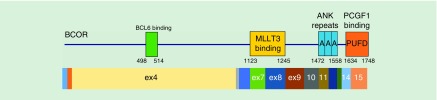
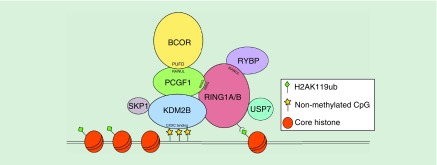
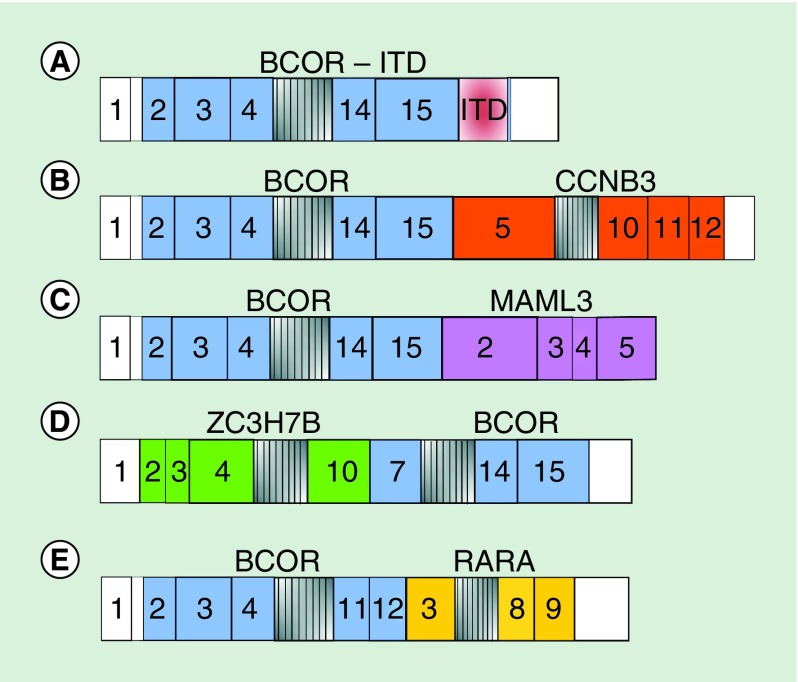
Verification
Claims the paper makes
The claims and statistics of this paper haven’t been checked yet.
Run the check — free, no account needed. It reads the open-access text and checks the sources it cites.
Claims other papers make about this one
Each is checked against this paper’s own text: does it say what the citing paper says it does?
The cited source says what the claim attributes to it.
In the citing paper
“Substantial genomic variation has also been observed specifically in hiPSCs,167 particularly for BCOR mutations that are involved in many cancers.168”
From Developments in stem cell-derived islet replacement therapy for treating type 1 diabetes (2023) · cites this paper as [168]
Self-check
Percentages, sums and reported differences re-computed from the paper’s own numbers.
The self-check needs the paper’s full text.
Citations
Cites
The 2016 World Health Organization Classification of Tumors of the Central Nervous System: a summary
Louis, D. N., Perry, A., Reifenberger, G., von Deimling, A., Figarella‐Branger, D., Cavenee, W. K., Ohgaki, H., Wiestler, O. D., Kleihues, P., & Ellison, D. W. (2016) · Acta Neuropathologica · doi:10.1007/s00401-016-1545-1 · Cited by 15,703
The 2007 WHO Classification of Tumours of the Central Nervous System
Louis, D. N., Ohgaki, H., Wiestler, O. D., Cavenee, W. K., Burger, P. C., Jouvet, A., Scheithauer, B. W., & Kleihues, P. (2007) · Acta Neuropathologica · doi:10.1007/s00401-007-0243-4 · Cited by 15,675
Frequent pathway mutations of splicing machinery in myelodysplasia
Yoshida, K., Sanada, M., Shiraishi, Y., Nowak, D., Nagata, Y., Yamamoto, R., Sato, Y., Sato-Otsubo, A., Kon, A., Nagasaki, M., et al. (2011) · Nature · doi:10.1038/nature10496 · Cited by 2,029
Landscape of genetic lesions in 944 patients with myelodysplastic syndromes
Haferlach, T., Nagata, Y., Grossmann, V, Okuno, Y., Bacher, U., Nagae, G., Schnittger, S., Sanada, M., Kon, A., Alpermann, T., et al. (2014) · Leukemia · doi:10.1038/leu.2013.336 · Cited by 1,532
Evolution and impact of subclonal mutations in chronic lymphocytic leukemia
Landau, D. A., Carter, S. L., Stojanov, P., McKenna, A., Stevenson, K., Lawrence, M. S., Sougnez, C., Stewart, C., Sivachenko, A., Wang, L., et al. (2013) · Cell · doi:10.1016/j.cell.2013.01.019 · Cited by 1,379
Polycomb silencers control cell fate, development and cancer
Sparmann, A., & van Lohuizen, M. (2006) · Nature reviews. Cancer · doi:10.1038/nrc1991 · Cited by 1,339
Mackay, A., Burford, A., Carvalho, D., Izquierdo, E., Fazal-Salom, J., Taylor, K. R., Bjerke, L., Clarke, M., Vinci, M., Nandhabalan, M., et al. (2017) · Cancer Cell · doi:10.1016/j.ccell.2017.08.017 · Cited by 1,212
Genome Regulation by Polycomb and Trithorax: 70 Years and Counting
Schuettengruber, B., Bourbon, H.-M., Di Croce, L., & Cavalli, G. (2017) · Cell · doi:10.1016/j.cell.2017.08.002 · Cited by 1,094
Kool, M., Korshunov, A., Remke, M., Jones, D., Schlanstein, M., Northcott, P. A., Cho, Y., Köster, J., Meeteren, A. Y. N. S., van Vuurden, D. G., et al. (2012) · Acta Neuropathologica · doi:10.1007/s00401-012-0958-8 · Cited by 1,057
New Brain Tumor Entities Emerge from Molecular Classification of CNS-PNETs
Sturm, D., Orr, B. A., Toprak, U. H., Hovestadt, V., Jones, D., Capper, D., Sill, M., Buchhalter, I., Northcott, P. A., Irina, L., et al. (2016) · Cell · doi:10.1016/j.cell.2016.01.015 · Cited by 991
Transcriptional regulation by Polycomb group proteins
Di Croce, L., & Helin, K. (2013) · Nature Structural & Molecular Biology · doi:10.1038/nsmb.2669 · Cited by 864
PCGF Homologs, CBX Proteins, and RYBP Define Functionally Distinct PRC1 Family Complexes
Gao, Z., Zhang, J., Bonasio, R., Strino, F., Sawai, A., Parisi, F., Kluger, Y., & Reinberg, D. (2012) · Molecular Cell · doi:10.1016/j.molcel.2012.01.002 · Cited by 852
Dissecting the genomic complexity underlying medulloblastoma
Jones, D. T. W., Jäger, N., Kool, M., Zichner, T., Hutter, B., Sultan, M., Cho, Y.-J., Pugh, T. J., Hovestadt, V., Stütz, A. M., et al. (2012) · Nature · doi:10.1038/nature11284 · Cited by 839
Non-coding recurrent mutations in chronic lymphocytic leukaemia
Puente, X. S., Beà, S., Valdés‐Mas, R., Villamor, N., Gutiérrez‐Abril, J., Martín-Subero, J. I., Munar, M., Rubio-Pérez, C., Jares, P., Aymerich, M., et al. (2015) · Nature · doi:10.1038/nature14666 · Cited by 825
Knutson, S. K., Warholic, N. M., Wigle, T. J., Klaus, C. R., Allain, C. J., Raimondi, A., Scott, M. P., Chesworth, R., Moyer, M. P., Copeland, R. A., et al. (2013) · Proceedings of the National Academy of Sciences · doi:10.1073/pnas.1303800110 · Cited by 794
van der Lugt, N. M. T., Domen, J., Linders, K., van ROON, M. A., Robanus-Maandag, E. C., Riele, H. T., van der Valk, M., Deschamps, J., Sofroniew, M. V., & van Lohuizen, M. (1994) · Genes & Development · doi:10.1101/gad.8.7.757 · Cited by 781
Blackledge, N. P., Farcas, A. M., Kondo, T., King, H. W., McGouran, J. F., Hanssen, L. L. P., Ito, S., Cooper, S., Kondo, K., Koseki, Y., et al. (2014) · Cell · doi:10.1016/j.cell.2014.05.004 · Cited by 778
Genome Sequencing of SHH Medulloblastoma Predicts Genotype-Related Response to Smoothened Inhibition
Kool, M., Jones, D., Jäger, N., Northcott, P. A., Pugh, T. J., Hovestadt, V., Piro, R. M., Esparza, L. A., Markant, S. L., Remke, M., et al. (2014) · Cancer Cell · doi:10.1016/j.ccr.2014.02.004 · Cited by 756
Shern, J. F., Chen, L., Chmielecki, J., Wei, J. S., Patidar, R., Rosenberg, M. W., Ambrogio, L., Auclair, D., Wang, J., Song, Y. K., et al. (2014) · Cancer Discovery · doi:10.1158/2159-8290.cd-13-0639 · Cited by 753
Medulloblastoma exome sequencing uncovers subtype-specific somatic mutations
Pugh, T. J., Weeraratne, S. D., Archer, T. C., Pomeranz Krummel, D. A., Auclair, D., Bochicchio, J., Carneiro, M. O., Carter, S. L., Cibulskis, K., Erlich, R. L., et al. (2012) · Nature · doi:10.1038/nature11329 · Cited by 750
Medulloblastomics: the end of the beginning
Northcott, P. A., Jones, D., Kool, M., Robinson, G. W., Gilbertson, R. J., Cho, Y., Pomeroy, S. L., Korshunov, A., Lichter, P., Taylor, M. D., et al. (2012) · Nature reviews. Cancer · doi:10.1038/nrc3410 · Cited by 688
Somatic Mutations and Clonal Hematopoiesis in Aplastic Anemia
Yoshizato, T., Dumitriu, B., Hosokawa, K., Makishima, H., Yoshida, K., Townsley, D., Sato-Otsubo, A., Sato, Y., Liu, D., Suzuki, H., et al. (2015) · New England Journal of Medicine · doi:10.1056/nejmoa1414799 · Cited by 646
Hierarchical Recruitment of Polycomb Group Silencing Complexes
Wang, L., Brown, J. L., Cao, R., Zhang, Y., Kassis, J. A., & Jones, R. S. (2004) · Molecular Cell · doi:10.1016/j.molcel.2004.05.009 · Cited by 592
Non-coding recurrent mutations in chronic lymphocytic leukaemia
Puente, X. S., Beà, S., Valdés‐Mas, R., Villamor, N., Gutiérrez‐Abril, J., Martín-Subero, J. I., Munar, M., Rubio-Pérez, C., Jares, P., Aymerich, M., et al. (2016) · Nature · doi:10.1038/nature18910 · Cited by 546
Dynamic interactions between 14-3-3 proteins and phosphoproteins regulate diverse cellular processes
MacKintosh, C. (2004) · Biochemical Journal · doi:10.1042/bj20031332 · Cited by 532
Spectrum and prognostic relevance of driver gene mutations in acute myeloid leukemia
Metzeler, K. H., Herold, T., Rothenberg-Thurley, M., Amler, S., Sauerland, M. C., Görlich, D., Schneider, S., Konstandin, N. P., Dufour, A., Bräundl, K., et al. (2016) · Blood · doi:10.1182/blood-2016-01-693879 · Cited by 529
A novel retinoblastoma therapy from genomic and epigenetic analyses
Zhang, J., Benavente, C. A., McEvoy, J. D., Flores‐Otero, J., Ding, L., Chen, X. '., Ulyanov, A. V., Wu, G., Wilson, M. W., Wang, J., et al. (2012) · Nature · doi:10.1038/nature10733 · Cited by 524
BRD4-NUT fusion oncogene: a novel mechanism in aggressive carcinoma.
French, C. A., Miyoshi, I., Kubonishi, I., Grier, H. E., Pérez‐Atayde, A. R., & Fletcher, J. A. (2003) · PubMed · Cited by 503
KDM2B links the Polycomb Repressive Complex 1 (PRC1) to recognition of CpG islands
Farcas, A. M., Blackledge, N. P., Sudbery, I. M., Long, H. K., McGouran, J. F., Rose, N. R., Lee, S., Sims, D., Cerase, A., Sheahan, T. W., et al. (2012) · eLife · doi:10.7554/elife.00205 · Cited by 502
Histone H2A monoubiquitination promotes histone H3 methylation in Polycomb repression
Kalb, R., Latwiel, S., Baymaz, H. I., Jansen, P. W. T. C., Müller, C. W., Vermeulen, M., & Müller, J. (2014) · Nature Structural & Molecular Biology · doi:10.1038/nsmb.2833 · Cited by 492
A new subtype of bone sarcoma defined by BCOR-CCNB3 gene fusion
Pierron, G., Tirode, F., Lucchesi, C., Reynaud, S., Ballet, S., Cohen‐Gogo, S., Perrin, V., Coindre, J., & Delattre, O. (2012) · Nature Genetics · doi:10.1038/ng.1107 · Cited by 481
BCoR, a novel corepressor involved in BCL-6 repressionPreprint
Huynh, K. D., Fischle, W., Verdin, E. M., & Bardwell, V. J. (2000) · Genes & Development · doi:10.1101/gad.14.14.1810 · Cited by 475
Landscape Of Genetic Lesions In 944 Patients With Myelodysplastic Syndromes
Nagata, Y., Grossmann, V., Okuno, Y., Bacher, U., Nagae, G., Schnittger, S., Shiozawa, Y., Kon, A., Alpermann, T., Yoshida, K., et al. (2013) · Blood · doi:10.1182/blood.v122.21.521.521 · Cited by 430
Clear Cell Sarcoma of the Kidney
Argani, P., Perlman, E. J., Breslow, N. E., Browning, N. G., Green, D. M., D’Angio, G. J., & Beckwith, J. B. (2000) · The American Journal of Surgical Pathology · doi:10.1097/00000478-200001000-00002 · Cited by 374
Targeting Polycomb systems to regulate gene expression: modifications to a complex story
Blackledge, N. P., Rose, N. R., & Klose, R. J. (2015) · Nature Reviews Molecular Cell Biology · doi:10.1038/nrm4067 · Cited by 369
Gearhart, M. D., Corcoran, C. M., Wamstad, J. A., & Bardwell, V. J. (2006) · Molecular and Cellular Biology · doi:10.1128/mcb.00630-06 · Cited by 352
Divergent clonal selection dominates medulloblastoma at recurrence
Morrissy, A. S., Garzia, L., Shih, D. J. H., Zuyderduyn, S., Huang, X., Skowron, P., Remke, M., Cavalli, F. M. G., Ramaswamy, V., Lindsay, P. E., et al. (2016) · Nature · doi:10.1038/nature16478 · Cited by 336
Transcriptomic definition of molecular subgroups of small round cell sarcomas
Watson, S., Perrin, V., Guillemot, D., Reynaud, S., Coindre, J., Karanian, M., Guinebretière, J., Fréneaux, P., Loarer, F. L., Bouvet, M., et al. (2018) · The Journal of Pathology · doi:10.1002/path.5053 · Cited by 335
Ng, D., Thakker, N., Corcoran, C. M., Donnai, D., Perveen, R., Schneider, A. S., Hadley, D. W., Tifft, C. J., Zhang, L., Wilkie, A. O. M., et al. (2004) · Nature Genetics · doi:10.1038/ng1321 · Cited by 320
A new world of Polycombs: unexpected partnerships and emerging functions
Schwartz, Y. B., & Pirrotta, V. (2013) · Nature Reviews Genetics · doi:10.1038/nrg3603 · Cited by 299
Gaidzik, V. I., Teleanu, V., Papaemmanuil, E., Weber, D., Paschka, P., Hahn, J., Wallrabenstein, T., Kolbinger, B., Köhne, C.-H., Horst, H. A., et al. (2016) · Leukemia · doi:10.1038/leu.2016.126 · Cited by 285
BCOR-CCNB3 Fusion Positive Sarcomas
Kao, Y., Owosho, A. A., Sung, Y., Zhang, L., Fujisawa, Y., Lee, J., Wexler, L. H., Argani, P., Swanson, D. M., Dickson, B. C., et al. (2017) · The American Journal of Surgical Pathology · doi:10.1097/pas.0000000000000965 · Cited by 275
Großmann, V., Tiacci, E., Holmes, A. B., Kohlmann, A., Martelli, M. P., Kern, W., Rosseto, A. S., Klein, H., Dugas, M., Schindela, S., et al. (2011) · Blood · doi:10.1182/blood-2011-07-365320 · Cited by 273
Kulasekararaj, A. G., Jiang, J., Smith, A., Mohamedali, A. M., Mian, S. A., Gandhi, S., Gäken, J. A., Czepulkowski, B. H., Marsh, J. C. W., & Mufti, G. J. (2014) · Blood · doi:10.1182/blood-2014-05-574889 · Cited by 268
Akasaka, T., Kanno, M., Balling, R., Mieza, M. A., Taniguchi, M., & Koseki, H. (1996) · Development · doi:10.1242/dev.122.5.1513 · Cited by 260
14-3-3 fusion oncogenes in high-grade endometrial stromal sarcoma
Lee, C., Ou, W., Mariño‐Enríquez, A., Zhu, M. J., Mayeda, M., Wang, Y., Guo, X., Brunner, A. L., Amant, F. C., French, C. A., et al. (2012) · Proceedings of the National Academy of Sciences · doi:10.1073/pnas.1115528109 · Cited by 260
Béguelin, W., Teater, M., Gearhart, M. D., Calvo Fernández, M. T., Goldstein, R. L., Cárdenas, M. G., Hatzi, K., Rosen, M., Shen, H., Corcoran, C. M., et al. (2016) · Cancer Cell · doi:10.1016/j.ccell.2016.07.006 · Cited by 254
Kihara, R., Nagata, Y., Kiyoi, H., Kato, T., Yamamoto, E., Suzuki, K., Chen, F., Asou, N., Ohtake, S., Miyawaki, S., et al. (2014) · Leukemia · doi:10.1038/leu.2014.55 · Cited by 253
Genetic alterations of the cohesin complex genes in myeloid malignancies
Thota, S., Viny, A. D., Makishima, H., Spitzer, B. G., Radivoyevitch, T., Przychodzen, B. P., Sekeres, M. A., Levine, R. L., & Maciejewski, J. P. (2014) · Blood · doi:10.1182/blood-2014-04-567057 · Cited by 247
Zhao, S., Bellone, S., Lopez, S., Thakral, D., Schwab, C. L., English, D. P.-G., Black, J., Cocco, E., Choi, J., Zammataro, L. A., et al. (2016) · Proceedings of the National Academy of Sciences · doi:10.1073/pnas.1614120113 · Cited by 232
The Molecular Landscape of Recurrent and Metastatic Head and Neck Cancers
Morris, L. G. T., Chandramohan, R., West, L., Zehir, A., Chakravarty, D., Pfister, D. G., Wong, R. J., Lee, N. Y., Sherman, E. J., Baxi, S. S., et al. (2016) · JAMA Oncology · doi:10.1001/jamaoncol.2016.1790 · Cited by 230
BCOR and BCORL1 mutations in myelodysplastic syndromes and related disorders
Damm, F., Chesnais, V., Nagata, Y., Yoshida, K., Scourzic, L., Okuno, Y., Itzykson, R., Sanada, M., Shiraishi, Y., Gelsi‐Boyer, V., et al. (2013) · Blood · doi:10.1182/blood-2012-11-469619 · Cited by 226
Kao, Y., Sung, Y., Zhang, L., Jungbluth, A. A., Huang, S., Argani, P., Agaram, N. P., Zin, A., Alaggio, R., & Antonescu, C. R. (2016) · The American Journal of Surgical Pathology · doi:10.1097/pas.0000000000000697 · Cited by 208
Molecular architecture of polycomb repressive complexes
Chittock, E. C., Latwiel, S., Miller, T. C. R., & Müller, C. W. (2017) · Biochemical Society Transactions · doi:10.1042/bst20160173 · Cited by 208
Clonal hematopoiesis in acquired aplastic anemia
Ogawa, S. (2016) · Blood · doi:10.1182/blood-2016-01-636381 · Cited by 205
Kao, Y., Sung, Y., Zhang, L., Huang, S., Argani, P., Chung, C. T. ‐., Graf, N. S., Wright, D. C., Kellie, S. J., Agaram, N. P., et al. (2016) · The American Journal of Surgical Pathology · doi:10.1097/pas.0000000000000629 · Cited by 202
Hoffman, L. M., DeWire, M. D., Ryall, S. T., Buczkowicz, P., Leach, J., Miles, L., Ramani, A. K., Brudno, M., Kumar, S. S., Drissi, R., et al. (2016) · Acta Neuropathologica Communications · doi:10.1186/s40478-015-0269-0 · Cited by 198
BCOR-CCNB3 (Ewing-like) Sarcoma
Puls, F., Niblett, A., Marland, G., Gaston, C. L., Douis, H., Mangham, D. C., Sumathi, V. P., & Kindblom, L. (2014) · The American Journal of Surgical Pathology · doi:10.1097/pas.0000000000000223 · Cited by 190
Round cell sarcomas beyond E wing: emerging entities
Antonescu, C. R. (2013) · Histopathology · doi:10.1111/his.12281 · Cited by 187
ZC3H7B-BCOR high-grade endometrial stromal sarcomas: a report of 17 cases of a newly defined entity
Lewis, N. E., Soslow, R. A., DeLair, D. F., Park, K. J., Murali, R., Hollmann, T. J., Davidson, B., Micci, F., Panagopoulos, I., Hoang, L. N., et al. (2017) · Modern Pathology · doi:10.1038/modpathol.2017.162 · Cited by 183
Integrated genetic and epigenetic analysis defines novel molecular subgroups in rhabdomyosarcoma
Seki, M., Nishimura, R., Yoshida, K., Shimamura, T., Shiraishi, Y., Sato, Y., Kato, M., Chiba, K., Tanaka, H., Hoshino, N., et al. (2015) · Nature Communications · doi:10.1038/ncomms8557 · Cited by 182
Antonescu, C. R., Sung, Y., Chen, C., Zhang, L., Chen, H., Singer, S., Agaram, N. P., Sboner, A., & Fletcher, C. D. �. (2013) · Genes Chromosomes and Cancer · doi:10.1002/gcc.22132 · Cited by 182
Lee, S., Park, H. Y., Kang, S. Y., Kim, S. J., Hwang, J., Lee, S., Kwak, S. H., Park, K. S., Yoo, H. Y., Kim, W. S., et al. (2015) · Oncotarget · doi:10.18632/oncotarget.3776 · Cited by 176
Memories from the Polycomb Group Proteins
Lanzuolo, C., & Orlando, V. (2012) · Annual Review of Genetics · doi:10.1146/annurev-genet-110711-155603 · Cited by 176
Novel BCOR-MAML3 and ZC3H7B-BCOR Gene Fusions in Undifferentiated Small Blue Round Cell Sarcomas
Specht, K., Zhang, L., Sung, Y., Nucci, M. R., Dry, S., Vaiyapuri, S., Richter, G. H. S., Fletcher, C. D. �., & Antonescu, C. R. (2016) · The American Journal of Surgical Pathology · doi:10.1097/pas.0000000000000591 · Cited by 176
Yan, L., Ping, N., Zhu, M., Sun, A., Xue, Y., Ruan, C., Drexler, H. G., MacLeod, R. A. F., Wu, D., & Chen, S. (2012) · Haematologica · doi:10.3324/haematol.2012.064485 · Cited by 174
Ueno‐Yokohata, H., Okita, H., Nakasato, K., Akimoto, S., Hata, J.-I., Koshinaga, T., Fukuzawa, M., & Kiyokawa, N. (2015) · Nature Genetics · doi:10.1038/ng.3338 · Cited by 173
PRC1 complex diversity: where is it taking us?
Gil, J., & O’Loghlen, A. (2014) · Trends in Cell Biology · doi:10.1016/j.tcb.2014.06.005 · Cited by 169
van den Boom, V., Maat, H., Geugien, M., López, A. R., Sotoca, A. M., Jaques, J., Brouwers-Vos, A. Z., Fusetti, F., Groen, R. W. J., Yuan, H., et al. (2015) · Cell Reports · doi:10.1016/j.celrep.2015.12.034 · Cited by 167
Recurrent internal tandem duplications of BCOR in clear cell sarcoma of the kidney
Roy, A., Kumar, V., Zorman, B., Fang, E., Haines, K. M., Doddapaneni, H., Hampton, O. A., White, S. J., Bavle, A. A., Patel, N. R., et al. (2015) · Nature Communications · doi:10.1038/ncomms9891 · Cited by 161
BCOR Internal Tandem Duplication in High-grade Uterine Sarcomas
Mariño‐Enríquez, A., Lauria, A., Przybył, J., Ng, T., Kowalewska, M., Dêbiec‐Rychter, M., Ganesan, R., Sumathi, V. P., George, S., McCluggage, W. G., et al. (2017) · The American Journal of Surgical Pathology · doi:10.1097/pas.0000000000000993 · Cited by 158
BCOR–CCNB3 fusions are frequent in undifferentiated sarcomas of male children
Peters, T., Kumar, V., Polikepahad, S., Lin, F. Y. H., Sarabia, S. F., Liang, Y., Wang, W., Lazar, A. J., Doddapaneni, H., Chao, H., et al. (2014) · Modern Pathology · doi:10.1038/modpathol.2014.139 · Cited by 157
RYBP stimulates PRC1 to shape chromatin-based communication between Polycomb repressive complexes
Rose, N. R., King, H. W., Blackledge, N. P., Fursova, N. A., Ember, K. J., Fischer, R., Kessler, B. M., & Klose, R. J. (2016) · eLife · doi:10.7554/elife.18591 · Cited by 156
Fusion of the ZC3H7B and BCOR genes in endometrial stromal sarcomas carrying an X;22‐translocation
Panagopoulos, I., Thorsen, J., Gorunova, L., Haugom, L., Bjerkehagen, B., Davidson, B., Heim, S., & Micci, F. (2013) · Genes Chromosomes and Cancer · doi:10.1002/gcc.22057 · Cited by 154
Chiang, S., Lee, C., Stewart, C. J. R., Oliva, E., Hoang, L. N., Ali, R. H., Hensley, M. L., Arias‐Stella, J., Frosina, D., Jungbluth, A. A., et al. (2017) · Modern Pathology · doi:10.1038/modpathol.2017.42 · Cited by 149
Polycomb group proteins: repression in 3D
Bantignies, F., & Cavalli, G. (2011) · Trends in Genetics · doi:10.1016/j.tig.2011.06.008 · Cited by 144
Yamamoto, Y., Tsuzuki, S., Tsuzuki, M., Handa, K., Inaguma, Y., & Emi, N. (2010) · Blood · doi:10.1182/blood-2010-01-264432 · Cited by 143
Clear cell sarcoma of the kidney: A review
Gooskens, S. L. M., Furtwängler, R., Vujanic, G. M., Dome, J. S., Graf, N. M., & van den Heuvel‐Eibrink, M. M. (2012) · European Journal of Cancer · doi:10.1016/j.ejca.2012.04.009 · Cited by 141
Characterization of the chromosomal translocation t(10;17)(q22;p13) in clear cell sarcoma of kidney
O’Meara, E., Stack, D., Lee, C., Garvin, A. J., Morris, T., Argani, P., Han, J. S., Karlsson, J., Gisselsson, D., Leuschner, I., et al. (2012) · The Journal of Pathology · doi:10.1002/path.3985 · Cited by 140
Cutcliffe, C., Kersey, D. S., Huang, C., Zeng, Y., Walterhouse, D. O., & Perlman, E. J. (2005) · Clinical Cancer Research · doi:10.1158/1078-0432.ccr-05-1354 · Cited by 133
Frequent BCOR aberrations in extranodal NK/T ‐Cell lymphoma, nasal type
Dobashi, A., Tsuyama, N., Asaka, R., Togashi, Y., Ueda, K., Sakata, S., Baba, S., Sakamoto, K., Hatake, K., & Takeuchi, K. (2016) · Genes Chromosomes and Cancer · doi:10.1002/gcc.22348 · Cited by 131
Novel High-grade Endometrial Stromal Sarcoma
Hoang, L. N., Aneja, A., Conlon, N., DeLair, D. F., Middha, S., Benayed, R., Hensley, M. L., Park, K. J., Hollmann, T. J., Hameed, M., et al. (2016) · The American Journal of Surgical Pathology · doi:10.1097/pas.0000000000000721 · Cited by 131
RB1 gene inactivation by chromothripsis in human retinoblastoma
McEvoy, J. D., Nagahawatte, P., Finkelstein, D., Richards‐Yutz, J., Valentine, M. B., Ma, J., Mullighan, C. G., Song, G., Chen, X. '., Wilson, M. W., et al. (2014) · Oncotarget · doi:10.18632/oncotarget.1686 · Cited by 125
Junco, S. E., Wang, R., Gaipa, J. C., Taylor, A. B., Schirf, V. R., Gearhart, M. D., Bardwell, V. J., Demeler, B., Hart, P. J., & Kim, C. A. (2013) · Structure · doi:10.1016/j.str.2013.02.013 · Cited by 120
Somatic genomic alterations in retinoblastoma beyond RB1 are rare and limited to copy number changes
Kooi, I. E., Mol, B. M., Massink, M. P. G., Ameziane, N., Meijers-Heijboer, H. E. J., Dommering, C. J., van Mil, S. E., de Vries, Y., van der Hout, A. H., Kaspers, G. J. L., et al. (2016) · Scientific Reports · doi:10.1038/srep25264 · Cited by 119
Endometrial stromal sarcoma – the new genetic paradigm
Lee, C., & Nucci, M. R. (2014) · Histopathology · doi:10.1111/his.12594 · Cited by 111
A Non-canonical BCOR-PRC1.1 Complex Represses Differentiation Programs in Human ESCs
Wang, Z., Gearhart, M. D., Lee, Y.-W., Kumar, I., Ramazanov, B. R., Zhang, Y., Hernandez, C. C., Lü, A., Neuenkirchen, N., Deng, J., et al. (2018) · Cell stem cell · doi:10.1016/j.stem.2017.12.002 · Cited by 110
Yoshida, Y., Nobusawa, S., Nakata, S., Nakada, M., Arakawa, Y., Mineharu, Y., Sugita, Y., Yoshioka, T., Araki, A., Sato, Y. Z., et al. (2017) · Brain Pathology · doi:10.1111/bpa.12585 · Cited by 110
Genomic determinants of chronic myelomonocytic leukemia
Patel, B. J., Przychodzen, B. P., Thota, S., Radivoyevitch, T., Visconte, V., Kuzmanovic, T., Clemente, M. J., Hirsch, C. M., Morawski, A. R., Souaid, R., et al. (2017) · Leukemia · doi:10.1038/leu.2017.164 · Cited by 109
Mutations in genes encoding polycomb repressive complex 2 subunits cause Weaver syndrome
Imagawa, E., Higashimoto, K., Sakai, Y., Numakura, C., Okamoto, N., Matsunaga, S., Ryo, A., Sato, Y., Sanefuji, M., Ihara, K., et al. (2017) · Human Mutation · doi:10.1002/humu.23200 · Cited by 107
Wamstad, J. A., Corcoran, C. M., Keating, A. M., & Bardwell, V. J. (2008) · PLoS ONE · doi:10.1371/journal.pone.0002814 · Cited by 104
Primitive Myxoid Mesenchymal Tumor of Infancy
Alaggio, R., Ninfo, V., Rosolen, A., & Coffin, C. M. (2006) · The American Journal of Surgical Pathology · doi:10.1097/01.pas.0000190784.18198.d8 · Cited by 104
Herold, T., Metzeler, K. H., Vosberg, S., Hartmann, L., Röllig, C., Stölzel, F., Schneider, S., Hubmann, M., Zellmeier, E., Ksienzyk, B., et al. (2014) · Blood · doi:10.1182/blood-2013-12-540716 · Cited by 102
Yamada, Y., Kuda, M., Kohashi, K., Yamamoto, H., Takemoto, J., Ishii, T., Iura, K., Maekawa, A., Bekki, H., Ito, T., et al. (2017) · Archiv für Pathologische Anatomie und Physiologie und für Klinische Medicin · doi:10.1007/s00428-017-2072-8 · Cited by 102
Eisfeld, A.-K., Mrózek, K., Kohlschmidt, J., Nicolet, D., Orwick, S. J., Walker, C. J., Kroll, K. W., Blachly, J. S., Carroll, A. J., Kolitz, J. E., et al. (2017) · Leukemia · doi:10.1038/leu.2017.86 · Cited by 96
Clinicopathologic Diversity of Undifferentiated Sarcoma With BCOR-CCNB3 Fusion
Matsuyama, A., Shiba, E., Umekita, Y., Nosaka, K., Kamio, T., Yanai, H., Miyasaka, C., Watanabe, R., Ito, I., Tamaki, T., et al. (2017) · The American Journal of Surgical Pathology · doi:10.1097/pas.0000000000000934 · Cited by 95
Baldauf, M. C., Orth, M. F., Dallmayer, M., Marchetto, A., Gerke, J. S., Rubío, R. A., Kıran, M. M., Musa, J., Knott, M. M. L., Ohmura, S., et al. (2017) · Oncotarget · doi:10.18632/oncotarget.20098 · Cited by 93
Primary Renal Sarcomas With BCOR-CCNB3 Gene Fusion
Argani, P., Kao, Y., Zhang, L., Bacchi, C. E., Matoso, A., Alaggio, R., Epstein, J. I., & Antonescu, C. R. (2017) · The American Journal of Surgical Pathology · doi:10.1097/pas.0000000000000926 · Cited by 89
BCOR regulates myeloid cell proliferation and differentiation
Cao, Q., Gearhart, M. D., Gery, S., Shojaee, S., Yang, H. H., Sun, H., Lin, D.-C., Bai, J.-W., Mead, M. D., Zhao, Z., et al. (2016) · Leukemia · doi:10.1038/leu.2016.2 · Cited by 88
Stengel, A., Kern, W., Zenger, M., Perglerová, K., Schnittger, S., Haferlach, T., & Haferlach, C. (2015) · Genes Chromosomes and Cancer · doi:10.1002/gcc.22313 · Cited by 79
Santiago, T., Clay, M. R., Allen, S. J., & Orr, B. A. (2017) · Modern Pathology · doi:10.1038/modpathol.2017.12 · Cited by 78
Wong, M. K., Ng, C. C. Y., Kuick, C. H., Aw, S. J., Rajasegaran, V., Lim, J. Q., Jain, S., Loh, E., Yin, M., Ma, J., et al. (2017) · Histopathology · doi:10.1111/his.13366 · Cited by 78
Chang, K. T. E., Goytain, A., Tucker, T., Karsan, A., Lee, C., Nielsen, T. O., & Ng, T. (2017) · Journal of Molecular Diagnostics · doi:10.1016/j.jmoldx.2017.09.007 · Cited by 76
Jallades, L., Baseggio, L., Sujobert, P., Huet, S., Chabane, K., Callet‐Bauchu, E., Verney, A., Hayette, S., Desvignes, J., Salgado, D., et al. (2017) · Haematologica · doi:10.3324/haematol.2016.160192 · Cited by 75
Wong, S. J., Gearhart, M. D., Taylor, A. B., Nanyes, D. R., Ha, D. J., Robinson, A. K., Artigas, J. A., Lee, O. J., Demeler, B., Hart, P. J., et al. (2016) · Structure · doi:10.1016/j.str.2016.07.011 · Cited by 73
Cytogenetic and molecular profile of endometrial stromal sarcoma
Micci, F., Gorunova, L., Agostini, A., Johannessen, L. E., Brunetti, M., Davidson, B., Heim, S., & Panagopoulos, I. (2016) · Genes Chromosomes and Cancer · doi:10.1002/gcc.22380 · Cited by 72
López, C., Bergmann, A. K., Paul, U., Penas, E. M. M., Nagel, I., Betts, M. J., Johansson, P., Ritgen, M., Baumann, T., Aymerich, M., et al. (2016) · British Journal of Haematology · doi:10.1111/bjh.13952 · Cited by 71
Kenny, C., Bausenwein, S., Lázaro, A., Furtwängler, R., Gooskens, S. L. M., van den Heuvel‐Eibrink, M. M., Vokuhl, C., Leuschner, I., Graf, N. M., Gessler, M., et al. (2016) · The Journal of Pathology · doi:10.1002/path.4693 · Cited by 70
Moreira, A. L., Won, H. H., McMillan, R. R., Huang, J. G., Riely, G. J., Ladanyi, M., & Berger, M. F. (2014) · Journal of Thoracic Oncology · doi:10.1097/jto.0000000000000397 · Cited by 68
Shiba, N., Yoshida, K., Shiraishi, Y., Okuno, Y., Yamato, G., Hara, Y., Nagata, Y., Chiba, K., Tanaka, H., Terui, K., et al. (2016) · British Journal of Haematology · doi:10.1111/bjh.14247 · Cited by 67
Bravo, G. M., Takahashi, K., Patel, K. P., Wang, F., Xingzhi, S., Nogueras, G. M., Huang, X., Piérola, A. A., Jabbour, E. J., Colla, S., et al. (2018) · Oncotarget · doi:10.18632/oncotarget.23882 · Cited by 67
Astolfi, A., Melchionda, F., Perotti, D., Fois, M., Indio, V., Urbini, M., Genovese, C. G., Collini, P., Salfi, N. C. M., Nantron, M., et al. (2015) · Oncotarget · doi:10.18632/oncotarget.5882 · Cited by 67
Self-citationMachado, I., Yoshida, A., Nieto, G., Abrahão‐Machado, L. F., Navarro, S., Cruz, J., Lavernia, J., Parafioriti, A., Picci, P., & Llombart‐Bosch, A. (2017) · Annals of Diagnostic Pathology · doi:10.1016/j.anndiagpath.2017.11.011 · Cited by 66
Machado, I., Navarro, L., Pellı́n, A., Navarro, S., Agaimy, A., Tardío, J. C., Karseladze, A. I., Petrov, S., Scotlandi, K., Picci, P., et al. (2016) · Annals of Diagnostic Pathology · doi:10.1016/j.anndiagpath.2016.03.002 · Cited by 65
Internal deletion of BCOR reveals a tumor suppressor function for BCOR in T lymphocyte malignancies
Tanaka, T. N., Nakajima‐Takagi, Y., Aoyama, K., Tara, S., Oshima, M., Saraya, A., Koide, S., Si, S., Manabe, I., Sanada, M., et al. (2017) · The Journal of Experimental Medicine · doi:10.1084/jem.20170167 · Cited by 63
Translocation 10;17 in clear cell sarcoma of the kidney
Punnett, H. H., Halligan, G. E., Zaeri, N., & Karmazin, N. (1989) · Cancer Genetics and Cytogenetics · doi:10.1016/0165-4608(89)90116-7 · Cited by 63
Recurring Translocation (10;17) and Deletion (14q) in Clear Cell Sarcoma of the Kidney
Brownlee, N. A., Perkins, L. A., Stewart, W., Jackle, B., Pettenati, M. J., Koty, P. P., Iskandar, S. S., & Garvin, A. J. (2007) · Archives of Pathology & Laboratory Medicine · doi:10.5858/2007-131-446-rtadqi · Cited by 59
Translocation (10;17)(q22;p13): a recurring translocation in clear cell sarcoma of kidney
Rakheja, D., Weinberg, A. G., Tomlinson, G. E., Partridge, K., & Schneider, N. R. (2004) · Cancer Genetics and Cytogenetics · doi:10.1016/j.cancergencyto.2004.02.024 · Cited by 59
Hedera, P., & Gorski, J. L. (2003) · American Journal of Medical Genetics Part A · doi:10.1002/ajmg.a.20444 · Cited by 58
Karlsson, J., Valind, A., & Gisselsson, D. (2015) · Genes Chromosomes and Cancer · doi:10.1002/gcc.22316 · Cited by 55
Lefebure, M., Tothill, R. W., Kruse, E., Hawkins, E. D., Shortt, J., Matthews, G. M., Gregory, G. P., Martin, B. P., Kelly, M. J., Todorovski, I., et al. (2017) · Nature Communications · doi:10.1038/ncomms14581 · Cited by 55
Bolli, N., Manes, N., McKerrell, T., Chi, J., Park, N., Gundem, G., Quail, M. A., Sathiaseelan, V., Herman, B., Crawley, C. R., et al. (2014) · Haematologica · doi:10.3324/haematol.2014.113381 · Cited by 54
Diffuse and strong cyclin D1 immunoreactivity in clear cell sarcoma of the kidney
Mirković, J., Calicchio, M. L., Fletcher, C. D. �., & Pérez‐Atayde, A. R. (2015) · Histopathology · doi:10.1111/his.12641 · Cited by 53
Li, W., Liao, I., Wen, M., Lan, H. H.-C., Yu, S.-C., & Huang, H. (2016) · Histopathology · doi:10.1111/his.13001 · Cited by 50
Clonal diversity predicts adverse outcome in chronic lymphocytic leukemia
Leeksma, A. C., Taylor, J., Wu, B., Gardner, J. R., He, J., Nahas, M. K., Gönen, M., Alemayehu, W. G., Raa, D. T., Walther, T., et al. (2018) · Leukemia · doi:10.1038/s41375-018-0215-9 · Cited by 49
Stengel, A., Kern, W., Meggendorfer, M., Nadarajah, N., Perglerová, K., Haferlach, T., & Haferlach, C. (2017) · Leukemia · doi:10.1038/leu.2017.239 · Cited by 46
Characterization of Bcor expression in mouse development
Wamstad, J. A., & Bardwell, V. J. (2007) · Gene Expression Patterns · doi:10.1016/j.modgep.2007.01.006 · Cited by 44
García‐Sanz, P., Triviño, J. C., Mota, A., López, M. P., Colás, E., Rojo‐Sebastián, A., García, Á., Gatius, S., Ruiz, M., Prat, J., et al. (2016) · International Journal of Cancer · doi:10.1002/ijc.30573 · Cited by 43
BCOR-CCNB3 Undifferentiated Sarcoma—Does Immunohistochemistry Help in the Identification?
Ludwig, K., Alaggio, R., Zin, A., Peron, M., Guzzardo, V., Benini, S., Righi, A., & Gambarotti, M. (2017) · Pediatric and Developmental Pathology · doi:10.1177/1093526617698263 · Cited by 43
Tarlock, K., Zhong, S., He, Y., Ries, R. E., Severson, E. A., Bailey, M., Morley, S., Balasubramanian, S., Erlich, R., Lipson, D., et al. (2018) · Oncotarget · doi:10.18632/oncotarget.25443 · Cited by 41
Vitour, D., Lindenbaum, P., Vende, P., Becker, M. M., & Poncet, D. (2004) · Journal of Virology · doi:10.1128/jvi.78.8.3851-3862.2004 · Cited by 38
Paret, C., Theruvath, J. L., Russo, A., Kron, B., Malki, K. E., Lehmann, N., Wingerter, A., Neu, M. A., Gerhold‐Ay, A., Wagner, W., et al. (2016) · Oncotarget · doi:10.18632/oncotarget.13092 · Cited by 38
Genomic Profile of Chronic Lymphocytic Leukemia in Korea Identified by Targeted Sequencing
Kim, J., Hwang, B., Park, S. N., Huh, S., Im, K., Choi, S., Chung, H. Y., Huh, J.-R., Seo, E., Lee, J., et al. (2016) · PLoS ONE · doi:10.1371/journal.pone.0167641 · Cited by 38
Terada, K., Yamaguchi, H., Ueki, T., Usuki, K., Kobayashi, Y., Tajika, K., Gomi, S., Kurosawa, S., Saito, R., Furuta, Y., et al. (2018) · Genes Chromosomes and Cancer · doi:10.1002/gcc.22542 · Cited by 36
Chromothripsis Is a Recurrent Genomic Abnormality in High-Risk Myelodysplastic Syndromes
Abáigar, M., Robledo, C., Benito, R., Ramos, F., Díez‐Campelo, M., Hermosín, L., Sánchez‐del‐Real, J., Alonso, J. M., Cuello, R., Megido, M., et al. (2016) · PLoS ONE · doi:10.1371/journal.pone.0164370 · Cited by 35
A Novel POK Family Transcription Factor, ZBTB5, Represses Transcription of p21CIP1 Gene
Koh, D., Choi, W., Jeon, B., Lee, C., Yun, C., & Hur, M. (2009) · Journal of Biological Chemistry · doi:10.1074/jbc.m109.025817 · Cited by 34
Whole Genome and Transcriptome Sequencing of a B3 Thymoma
Petrini, I., Rajan, A., Pham, T. C., Voeller, D. M., Davis, S. R., Gao, J., Wang, Y., & Giaccone, G. (2013) · PLoS ONE · doi:10.1371/journal.pone.0060572 · Cited by 33
Machado, I., Yoshida, A., López‐Guerrero, J. A., Nieto, G., Navarro, S., Picci, P., & Llombart‐Bosch, A. (2017) · Pathology - Research and Practice · doi:10.1016/j.prp.2017.08.002 · Cited by 32
Park, H. S., Park, S. N., Im, K., Kim, S., Kim, J., Hwang, S. M., & Lee, D. S. (2017) · British Journal of Haematology · doi:10.1111/bjh.14691 · Cited by 29
Novel Karyotypes and Cyclin D1 Immunoreactivity in Clear Cell Sarcoma of the Kidney
Aw, S. J., Kuick, C. H., Yong, M. H., Lian, D. W. Q., Wang, S., Loh, A. H. L., Ling, S., Peh, G. L., Soh, S. Y., Loh, A. H. P., et al. (2015) · Pediatric and Developmental Pathology · doi:10.2350/14-12-1581-oa.1 · Cited by 28
Balarezo, F., Joshi, V. V., & Renshaw, A. A. (2001) · Advances in Anatomic Pathology · doi:10.1097/00125480-200103000-00006 · Cited by 28
Cramer, S., Li, R., Ali, S. M., Bradley, J. A., Kim, H. K., & Pressey, J. G. (2017) · Journal of the National Comprehensive Cancer Network · doi:10.6004/jnccn.2017.0124 · Cited by 27
Ichikawa, S., Ichikawa, S., Ishikawa, I., Takahashi, T., Fujiwara, T., & Harigae, H. (2015) · Cancer Genetics · doi:10.1016/j.cancergen.2015.01.008 · Cited by 24
Yamato, G., Shiba, N., Yoshida, K., Shiraishi, Y., Hara, Y., Ohki, K., Okubo, J., Okuno, H., Chiba, K., Tanaka, H., et al. (2017) · Genes Chromosomes and Cancer · doi:10.1002/gcc.22443 · Cited by 24
Chahal, M., Pleasance, E., Grewal, J., Stutheit-Zhao, E. Y., Ng, T., Chapman, E. M., Jones, M. R., Shen, Y., Mungall, K., Bonakdar, M., et al. (2018) · Molecular Case Studies · doi:10.1101/mcs.a002626 · Cited by 24
Wei, S., & Siegal, G. P. (2014) · Advances in Anatomic Pathology · doi:10.1097/pap.0000000000000036 · Cited by 23
Novel BCOR mutations in patients with oculofaciocardiodental (OFCD) syndrome
Feberwee, H. E., Feenstra, I., Oberoi, S., Sama, I. E., Ockeloen, C. W., Clum, F., Slavotinek, A. M., Kuijpers, M. A. R., Dooijes, D., Kuijpers‐Jagtman, A. M., et al. (2013) · Clinical Genetics · doi:10.1111/cge.12125 · Cited by 23
BCOR and BCORL1 mutations in pediatric acute myeloid leukemia
de Rooij, J. D. E., van den Heuvel‐Eibrink, M. M., Hermkens, M., Verboon, L., Arentsen-Peters, S. T. C. J. M., Fornerod, M. W. J., Baruchel, A., Starý, J., Reinhardt, D., de Haas, V., et al. (2015) · Haematologica · doi:10.3324/haematol.2014.117796 · Cited by 23
The complexity of interpreting genomic data in patients with acute myeloid leukemia
Nazha, A., Zarzour, A., Al-Issa, K., Radivoyevitch, T., Carraway, H. E., Hirsch, C. M., Przychodzen, B. P., Patel, B. J., Clemente, M. J., Sanikommu, S. R., et al. (2016) · Blood Cancer Journal · doi:10.1038/bcj.2016.115 · Cited by 23
Eisfeld, A.-K., Kohlschmidt, J., Mrózek, K., Blachly, J. S., Nicolet, D., Kroll, K. W., Orwick, S. J., Carroll, A. J., Stone, R. M., de la Chapelle, A., et al. (2016) · Leukemia · doi:10.1038/leu.2016.196 · Cited by 21
A cooperative approach to diagnosis of rare diseases: primitive myxoid mesenchymal tumor of infancy.
Cuthbertson, D. D., Caceres, K. J., Hicks, J. M., & Friedman, E. M. (2014) · PubMed · Cited by 20
Vascular characterization of clear cell sarcoma of the kidney in a child: a case report and review
Boo, Y., Fisher, J. C., Haley, M. J., Cowles, R. A., Kandel, J. J., & Yamashiro, D. J. (2009) · Journal of Pediatric Surgery · doi:10.1016/j.jpedsurg.2009.06.023 · Cited by 20
Genomic characterization of recurrent high-grade astroblastoma
Bale, T. A., Abedalthagafi, M., Bi, W. L., Kang, Y. J., Merrill, P. H., Dunn, I. F., Dubuc, A. M., Charbonneau, S. K., Brown, L. E., Ligon, A. H., et al. (2016) · Cancer Genetics · doi:10.1016/j.cancergen.2016.06.002 · Cited by 20
Cramer, S., Miller, A. L., Pressey, J. G., Gamblin, T. L., Beierle, E. A., Kulbersh, B. D., Garcia, P. L., Radhakrishnan, R., Hendrix, S. V., Kelly, D. R., et al. (2018) · Frontiers in Oncology · doi:10.3389/fonc.2017.00327 · Cited by 18
Clinical significance of acquired somatic mutations in aplastic anaemia
Marsh, J., & Mufti, G. J. (2016) · International Journal of Hematology · doi:10.1007/s12185-016-1972-8 · Cited by 16
Choe, J., Yun, J. Y., Jeon, Y. K., Kim, S. H., Choung, H.-K., Oh, S., Park, M., & Kim, J. E. (2014) · Journal of Clinical Pathology · doi:10.1136/jclinpath-2014-202434 · Cited by 15
Oculo–facio–cardio–dental syndrome with craniosynostosis, temporal hypertrichosis, and deafness
O’Byrne, J. J., Laffan, E. E., Murray, D. J., & Reardon, W. (2017) · American Journal of Medical Genetics Part A · doi:10.1002/ajmg.a.38128 · Cited by 15
Olsson, L., Zettermark, S., Biloglav, A., Castor, A., Behrendtz, M., Forestier, E., Paulsson, K. M., & Johansson, B. (2016) · British Journal of Haematology · doi:10.1111/bjh.14056 · Cited by 14
Cited by
Sorted by citations
Nacev, B. A., Jones, K. B., Intlekofer, A. M., Yu, J., Allis, C. D., Tap, W. D., Ladanyi, M., & Nielsen, T. O. (2020) · Nature reviews. Cancer · doi:10.1038/s41568-020-0288-4 · Cited by 214
Developments in stem cell-derived islet replacement therapy for treating type 1 diabetes
Hogrebe, N. J., Ishahak, M., & Millman, J. R. (2023) · Cell Stem Cell · doi:10.1016/j.stem.2023.04.002 · Cited by 210
Epstein–Barr virus-associated gastric cancer: A distinct subtype
Yang, J., Liu, Z., Zeng, B., Hu, G., & Gan, R. (2020) · Cancer Letters · doi:10.1016/j.canlet.2020.09.019 · Cited by 205
Mechanisms of Polycomb group protein function in cancer
Parreno, V., Martinez, A., & Cavalli, G. (2022) · Cell Research · doi:10.1038/s41422-021-00606-6 · Cited by 158
Bioorthogonal PROTAC Prodrugs Enabled by On-Target Activation
Chang, M., Gao, F., Pontigon, D., Gnawali, G. R., Xu, H., & Wang, W. (2023) · Journal of the American Chemical Society · doi:10.1021/jacs.3c05159 · Cited by 153
Metadata
- Authors
- Astolfi, A., Fiore, M., Melchionda, F., Indio, V., Bertuccio, S. N., & Pession, A.
- Affiliations
- University of Bologna (IT)
- IRCCS Azienda Ospedliero-Universitaria di Bologna Policlinico di Sant'Orsola (IT)
- Corresponding author
- Melchionda, Fraia
- ORCID
- Venue
- Epigenomics
- Publisher
- Informa UK Limited
- Published
- 2019-05
- Volume
- 11
- Issue
- 7
- Pages
- 835-855
- ISSN
- 1750-1911 (ISSN-L)
- 1750-192X
- PMC
- PMC6595546
- OpenAlex
- W2947821414
- Cited by
- 183
- References
- 159
- Citations by year
- 2026: 11 · 2025: 27 · 2024: 31 · 2023: 23 · 2022: 29 · 2021: 30 · 2020: 31 · 2019: 1
- FWCI
- 2.05
- Type
- journal article
- Language
- en
- Open access
- hybrid
- doi.org
- Licence
- Locations
- Epigenomics (publishedVersion, cc-by-nc-nd)
- PubMed Central (publishedVersion, cc-by-nc-nd)
- PubMed (publishedVersion)
- Archivio istituzionale della ricerca (Alma Mater Studiorum Università di Bologna) (submittedVersion, cc-by-nc-nd)
- Institutional Research Information System University of Ferrara (University of Ferrara) (submittedVersion, other-oa)
- Funders
- memory of Maestro Claudio Abbado and by Associazione Margherita Onlus
- Topics
- Life Sciences › Biochemistry, Genetics and Molecular Biology › Molecular Biology › Chromatin Remodeling and Cancer
- Health Sciences › Medicine › Oncology › Sarcoma Diagnosis and Treatment
- Life Sciences › Biochemistry, Genetics and Molecular Biology › Molecular Biology › Epigenetics and DNA Methylation
- Keywords
- BCOR, PRC1, epigenetic regulation, internal tandem duplication, clear cell sarcoma of the kidney, endometrial stromal sarcoma, loss-of-function mutations, sarcoma, tumor evolution
- MeSH terms
- Humans, Mutation, Neoplasms, Proto-Oncogene Proteins, Repressor Proteins, Sarcoma, Trans-Activators, Central Nervous System Neoplasms, RNA-Binding Proteins, Cyclin B, Polycomb Repressive Complex 1
About these checks
Registry, retraction, Cites and statistics results are computed, not judged, with one exception: a printed reference that no index lists is read once by a model before it counts as a citation error. Claims are extracted by a model and kept only when their quote appears verbatim in the text; each cited source is then checked, with a model’s help, for whether it says what the claim relies on. Those verdicts can be wrong — read the claim’s quote and the cited source before relying on one.
Statistics and arithmetic are recomputed, not judged.
Confidence bands are shown only for fields calibrated on our annotated test set. None is calibrated yet, so no band is shown.
What counts as a claim ›How we measure confidence ›How we check this ›
Are you an author, or do you see a problem with this page? Request a review
