

Hypoglycemia and Cardiovascular Risks
Open accessThe DOI matches its Crossref record; 47 of the 49 references it cites were found in a registry or an index.
Abstract
Although hypoglycemia is the most common side effect of insulin therapy in diabetes and its morbidity is well known, for many years, the potentially life-threatening effects of hypoglycemia on the cardiovascular (CV) system have either been overlooked or have been dismissed as inconsequential to people with insulin-treated type 2 diabetes. This scenario may possibly be a consequence of the persisting misconception that this population is seldom exposed to severe hypoglycemia, defined as any episode that requires external assistance for recovery, whereas self-treated events are classified as “mild” (1). This myth was firmly repudiated by the findings of the large prospective study by the U.K. Hypoglycemia Study Group (2), which demonstrated that severe hypoglycemia is a common problem in insulin-treated type 2 diabetes and that the incidence increases with duration of insulin therapy. However, evidence for CV morbidity associated with hypoglycemia has been predominantly hypothetical and anecdotal (1,3). The potential dangers of intensive treatment regimens and strict glycemic control in people with type 2 diabetes who have CV disease (CVD) have now been highlighted by the disconcerting outcomes of recent studies (4–6), in which hypoglycemia was implicated in the excess mortality that was observed in some of these trials. It is therefore timely to review the effects of hypoglycemia on the CV system, how this major metabolic stress could precipitate major vascular events such as myocardial infarction and stroke, and its potential role in these recent clinical studies. In the adult human, acute hypoglycemia causes pronounced physiological responses as a consequence of autonomic activation, principally of the sympatho-adrenal system, and results in end-organ stimulation and a profuse release of epinephrine (adrenaline). This profound autonomic stimulus provokes hemodynamic changes, the important consequences of which are to maintain the supply of glucose to the brain and promote the hepatic …
Overview
The claims and statistics of this paper haven’t been checked yet.
Free: it reads the open-access text and checks the first 5 claims that cite a source we can check. Create a free account to check every claim.
Integrity signals
Registry
Cites
Statistics
Figures

Verification
Claims the paper makes
The claims and statistics of this paper haven’t been checked yet.
Free: it reads the open-access text and checks the first 5 claims that cite a source we can check. Create a free account to check every claim.
Claims other papers make about this one
Each is checked against this paper’s own text: does it say what the citing paper says it does?
The cited source says what the claim attributes to it.
In the citing paper
“Hypoglycemia is associated with increased heart rate, systolic blood pressure (BP), myocardial contractility, stroke volume and cardiac output, and can induce ST-and T-wave changes with a lengthening of the QT interval (slower repolarization), which may increase the risk of arrhythmias (67)(68)(69)(70)(71).”
From Hypoglycemia (2018) · cites this paper as [70]
Self-check
Percentages, sums and reported differences re-computed from the paper’s own numbers.
The self-check needs the paper’s full text.
Citations
Cites
Effects of Intensive Glucose Lowering in Type 2 Diabetes
(2008) · New England Journal of Medicine · doi:10.1056/nejmoa0802743 · Cited by 7,888
Intensive blood glucose control and vascular outcomes in patients with type 2 diabetes
(2008) · New England Journal of Medicine · doi:10.1056/nejmoa0802987 · Cited by 7,397 · cited 2×
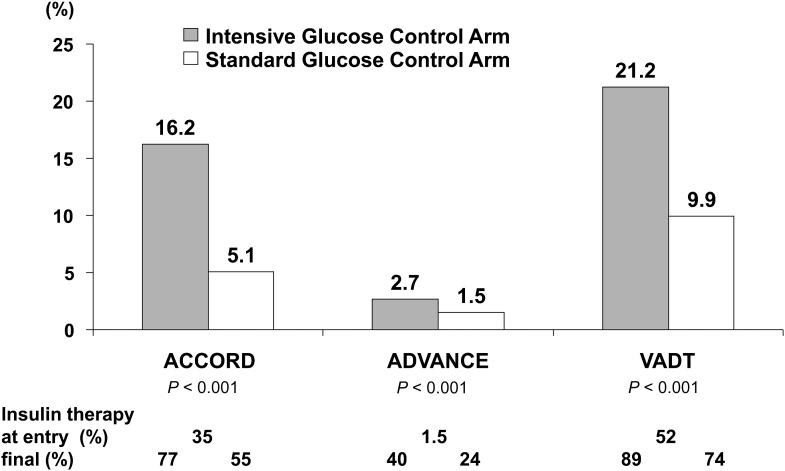
“HYPOGLYCEMIA IN ACCORD, ADVANCE, AND VADT—CVD is the predominant cause of death in patients with type 2 diabetes, and reducing the risk of CVD has recently been the focus of three large glucose-lowering trials: ACCORD (Action to Control Cardiovascular Risk in Diabetes) (4), ADVANCE (Action in Diabetes and Vascular Dis…”
BackgroundResultIntensive versus Conventional Glucose Control in Critically Ill Patients
(2009) · New England Journal of Medicine · doi:10.1056/nejmoa0810625 · Cited by 5,119 · cited 2×
“In a large multicenter randomized controlled trial in Australia (NICESUGAR) (35), the relationship of glycemic control to outcome from critical illness was examined in patients being treated in intensive care units.”
BackgroundGlucose control and vascular complications in veterans with type 2 diabetes
Duckworth, W., Abraira, C., Moritz, T., Reda, D., Emanuele, N., Reaven, P. D., Zieve, F. J., Marks, J., Davis, S. N., Hayward, R., et al. (2009) · New England Journal of Medicine · doi:10.1056/nejmoa0808431 · Cited by 4,762 · cited 1×
“HYPOGLYCEMIA IN ACCORD, ADVANCE, AND VADT—CVD is the predominant cause of death in patients with type 2 diabetes, and reducing the risk of CVD has recently been the focus of three large glucose-lowering trials: ACCORD (Action to Control Cardiovascular Risk in Diabetes) (4), ADVANCE (Action in Diabetes and Vascular Dis…”
BackgroundA molecular basis for cardiac arrhythmia: HERG mutations cause long QT syndrome
Curran, M. E., Splawski, I., Timothy, K. W., Vincen, G. M., Green, E. D., & Keating, M. T. (1995) · Cell · doi:10.1016/0092-8674(95)90358-5 · Cited by 2,259 · cited 1×
“Those affected have abnormal cardiac repolarization represented by prolonged QT on their electrocardiograms and an increased risk of sudden death due to cardiac arrhythmias (26).”
BackgroundSevere hypoglycemia and risks of vascular events and death
Zoungas, S., Patel, A., Chalmers, J., de Galan, B. E., Li, Q., Billot, L., Woodward, M., Ninomiya, T., Neal, B., MacMahon, S., et al. (2010) · New England Journal of Medicine · doi:10.1056/nejmoa1003795 · Cited by 1,471
Self-citationIntensive glucose control and macrovascular outcomes in type 2 diabetes
Turnbull, F. M., Abraira, C., Anderson, R. J., Byington, R. P., Chalmers, J. P., Duckworth, W. C., Evans, G. W., Gerstein, H. C., Holman, R. R., Moritz, T. E., et al. (2009) · Diabetologia · doi:10.1007/s00125-009-1470-0 · Cited by 1,189
Griesdale, D. E. G., de Souza, R. J., van Dam, R. M., Heyland, D. K., Cook, D. J., Malhotra, A., Dhaliwal, R., Henderson, W. R., Chittock, D. R., Finfer, S., et al. (2009) · Canadian Medical Association Journal · doi:10.1503/cmaj.090206 · Cited by 1,096 · cited 1×
“Two meta-analyses (36,37) have shown that strict glycemic control in seriously ill patients does not improve overall survival but reduces the risk of septicemia in surgical intensive care units at the expense of a fivefold higher incidence of hypoglycemia (13.”
BackgroundBonds, D. E., Miller, M. E., Bergenstal, R. M., Buse, J. B., Byington, R. P., Cutler, J. A., Dudl, R. J., Ismail-Beigi, F., Kimel, A. R., Hoogwerf, B., et al. (2010) · BMJ · doi:10.1136/bmj.b4909 · Cited by 933
Survival as a function of HbA1c in people with type 2 diabetes: a retrospective cohort study
Currie, C. J., Peters, J. R., Tynan, A., Evans, M., Heine, R. J., Bracco, O. L., Zagar, T., & Poole, C. D. (2010) · The Lancet · doi:10.1016/s0140-6736(09)61969-3 · Cited by 874 · cited 2×
“A study using the large U.K. General Practice Research Database (39) examined the relationship between HbA1c and survival using data collected for .20 years from 48,000 patients with type 2 diabetes.”
Research works printed but not linked: 1
- Graveling AJ Frier BM Does hypoglycaemia cause cardiovascular events? Br J Diabetes Vasc Dis 2010; 10: 5– 13
Cited by
Items 201–300 of 380
Ismail, A., Megallaa, M. H. Z., Badrah, M., & Farghaly, M. (2021) · Clinical Diabetology · doi:10.5603/dk.a2020.0004 · Cited by 9
Caruso, P., Scappaticcio, L., Gicchino, M., Castaldo, F., Barrasso, M., Carbone, C., Caputo, M., Tomasuolo, M., Paglionico, V. A., Bellastella, G., et al. (2024) · Diabetes & Metabolic Syndrome Clinical Research & Reviews · doi:10.1016/j.dsx.2024.102990 · Cited by 13
Koufakis, T., Dimitriadis, G., & Kotsa, K. (2020) · Journal of Diabetes · doi:10.1111/1753-0407.13035 · Cited by 10
“In addition, the effect of hypoglycemia on heart rhythm can be unpredictable in a setting of therapy with medications that also prolong QT interval, such as some antibiotics or antihistamines.(14) Nevertheless, considering the inconclusiveness of relevant data, a clear causative effect of hypoglycemia on CV disease re…”
BackgroundAraki, E., Mathieu, C., Shiraiwa, T., Maeda, H., Ikeda, H., THOREN, F. A., Arya, N., Asano, M., & Iqbal, N. (2021) · Diabetes Obesity and Metabolism · doi:10.1111/dom.14362 · Cited by 11
Wang, W., Sun, Y., Wang, S., & Sun, Y. (2021) · Endocrine Research · doi:10.1080/07435800.2021.1967376 · Cited by 9
Insulin Granule-Loaded MicroPlates for Modulating Blood Glucose Levels in Type-1 Diabetes
Primavera, R., Bellotti, E., Mascolo, D. D., Francesco, M. D., Wang, J., Kevadiya, B. D., Pascale, A. D., Thakor, A. S., & Decuzzi, P. (2021) · ACS Applied Materials & Interfaces · doi:10.1021/acsami.1c16768 · Cited by 11
Liddicoat, C., Edwards, R. A., Roach, M. J., Robinson, J. M., Wallace, K. J., Barnes, A. D., Brame, J. E., Heintz‐Buschart, A., Cavagnaro, T. R., Dinsdale, E. A., et al. (2024) · The Science of The Total Environment · doi:10.1016/j.scitotenv.2024.173543 · Cited by 10
Madani, M., Alizadeh, K., Ghazaee, S. P., Zavarehee, A., Abdi, S., Shakerian, F., Salehi, N., & Firouzi, A. (2013) · Europe PMC (PubMed Central) · Cited by 9
Gitt, A. K., Bramlage, P., Schneider, S., & Tschöpe, D. (2015) · Cardiovascular Diabetology · doi:10.1186/s12933-015-0172-9 · Cited by 12
Mortality, Cardiovascular Morbidity and Possible Effects of Hypoglycaemia on Diabetic Complications
Chow, E., Fisher, M., & Heller, S. R. (2013) · Wiley eBooks · doi:10.1002/9781118695432.ch13 · Cited by 9
Self-citationDiabetes and Heart Failure: A Literature Review, Reflection and Outlook
Li, X., Zhou, X., & Gao, L. (2024) · Biomedicines · doi:10.3390/biomedicines12071572 · Cited by 11
Murrin, E. M., Saad, A. F., SULLIVAN, S. A., & Miodovnik, M. (2024) · American Journal of Perinatology · doi:10.1055/a-2489-4539 · Cited by 10
Huang, S., Gao, F., Huang, W.-B., Xiong, C.-C., & Zheng, J.-L. (2024) · BMC Cardiovascular Disorders · doi:10.1186/s12872-024-04358-0 · Cited by 13
“Lower SHR means inadequate response to acute illnesses, insufficient reserve capacity for stress response, which may mean patients suffer from “relative hypoglycemia” to acute illnesses [40].”
Predicting Adverse Events for Patients with Type-1 Diabetes Via Self-Supervised Learning
Zheng, X., Ji, S., & Wu, C. (2024) · IEEE International Conference on Acoustics Speech and Signal Processing · doi:10.1109/icassp48485.2024.10446832 · Cited by 15
“Hypoglycemia can have an impact on an individual’s electrocardiogram and may even result in a loss of consciousness [2].”
BackgroundMeulstee, M., Whittemore, R., & Watts, S. A. (2015) · The Science of Diabetes Self-Management and Care · doi:10.1177/0145721715606805 · Cited by 9
“Proposed pathways include sympathoadrenal activation, leading to abnormal cardiac repolarization, QT prolongation, and hypokalemia.(32)”
BackgroundPanduru, N. M., Nistor, I., Groop, P., Biesen, W. V., Farrington, K., & Covic, A. C. (2017) · Nephrology Dialysis Transplantation · doi:10.1093/ndt/gfx021 · Cited by 10
Type 2 diabetes: Evolving concepts and treatment
Miller, E. M., Aguilar, R. B., Herman, M. E., & Schwartz, S. S. (2019) · Cleveland Clinic Journal of Medicine · doi:10.3949/ccjm.86a.17107 · Cited by 8
Can hypoglycemic episodes in type 1 diabetics trigger cardiac arrhythmias?
Lainetti, K. R., Pimenta, J., & Vendramini, M. F. (2019) · Diabetes Research and Clinical Practice · doi:10.1016/j.diabres.2019.107878 · Cited by 11
EASD, E. (2013) · Kardiologia Polska · doi:10.5603/kp.2013.0289 · Cited by 13
A case of hypothalamic hypopituitarism accompanied by recurrent severe hypoglycemia
Takai, M., Kaneto, H., Kamei, S., Mune, T., & Kaku, K. (2015) · SpringerPlus · doi:10.1186/s40064-015-0934-6 · Cited by 8
“Hypoglycemia influences quality of life and increases the risk of cardiovascular events (Frier et al. 2011; Barendse et al. 2012).”
Cardiovascular Importance of Hyperglycemia and Hypoglycemia
Tkáč, I. (2013) · Diabetes Care · doi:10.2337/dcs13-2044 · Cited by 9
“Conclusions Data from physiological studies showed that severe hypoglycemia or repeated episodes of milder hypoglycemia might lead to sudden arrhythmic death, MI, or stroke predominantly in patients with preexisting macrovascular disease (28).”
BackgroundMansouri, S., Lietzau, G., Lundberg, M., Nathanson, D., Nyström, T., & Patrone, C. (2016) · PLoS ONE · doi:10.1371/journal.pone.0156867 · Cited by 8
Effective management of hypoglycaemia
Smyth, T. (2018) · Nursing Standard · doi:10.7748/ns.2018.e11235 · Cited by 8
Home, P., & Itzhak, B. (2019) · American Journal of Therapeutics · doi:10.1097/mjt.0000000000001077 · Cited by 9
“Intensive use of insulin improved cardiovascular outcomes markedly [risk reduction 42 (9-63)%] as reviewed in the extension phase at 17 years.”
BackgroundHypoglycemia in the emergency, is there any effect on endothelial and diastolic functions?
Akhan, O., & Ardahanlı, İ. (2021) · Echocardiography · doi:10.1111/echo.14988 · Cited by 9
Nimri, R., Murray, N., Ochs, A., Pinsker, J. E., & Dassau, E. (2017) · Diabetes Technology & Therapeutics · doi:10.1089/dia.2017.2504 · Cited by 8
Lee, Y., Bae, Y., Kim, H., Park, J., Kwon, S. Y., Park, S., Kim, G., Hur, K. Y., Kim, J. H., & Jin, S. (2022) · Diabetes Research and Clinical Practice · doi:10.1016/j.diabres.2022.110083 · Cited by 7
The Case for: Hypoglycemia Is of Cardiovascular Importance
Lalic, N. M. (2013) · Diabetes Care · doi:10.2337/dcs13-2016 · Cited by 8
“The increase in all-cause mortality was parallel to the increase in cardiovascular mortality both in the VADT and ACCORD studies, which was opposite the decrease in both all-cause and cardiovascular mortality in the ADVANCE study (10).”
ResultDiabetic Kidney Disease: Much Progress, But Still More to Do
Molitch, M. E. (2015) · Diabetes Spectrum · doi:10.2337/diaspect.28.3.154 · Cited by 6
“The downside of intensive glycemic control is hypoglycemia, and severe hypoglycemia (associated with seizure, coma, or the need for assistance from another person) has been associated with a slight increase in mortality in some, but not all, studies (16,21).”
BackgroundOu, H., Lee, T., Du, Y., & Li, C. (2017) · British Journal of Clinical Pharmacology · doi:10.1111/bcp.13461 · Cited by 6
Hypoglycemia in Diabetes: Challenges and Opportunities in Care
Kreider, K. E., Padilla, B. I., & Pereira, K. C. (2017) · The Journal for Nurse Practitioners · doi:10.1016/j.nurpra.2016.08.032 · Cited by 6
McCreedy, E. M., Kane, R. L., Gollust, S. E., Shippee, N. D., & Clark, K. (2018) · The Journal of the American Board of Family Medicine · doi:10.3122/jabfm.2018.02.170141 · Cited by 7
Hypoglycemia and Cardiovascular Disease: Exploring the Connections
Akhaury, K., Wanjari, A., Sinha, A. H., & Kumar, M. (2023) · Cureus · doi:10.7759/cureus.47784 · Cited by 6
Naser, A. Y., Qadus, S., Alosaimi, H., AlFayez, A., Huwayshil, H. B., Al Harbi, L. A., Alqhtani, M. S., & Alyamani, N. A. (2025) · Medicine · doi:10.1097/md.0000000000041840 · Cited by 7
“[10] Based on previous research, the prevalence of hypoglycemia in individuals with diabetes who are using oral medicines varies between 16% and 39%.”
Brain Regulation of Cardiac Function during Hypoglycemia
Chambers, M. E., Nuibe, E. H., & Reno, C. M. (2023) · Metabolites · doi:10.3390/metabo13101089 · Cited by 7
“ECG alterations have also been found in people with type 1 diabetes and healthy subjects during hypoglycemia [82,97,98].”
BackgroundInfluentialDapagliflozina: Más allá del control glucémico en el tratamiento de la diabetes mellitus tipo 2
Sanz-Serra, P., Pedro‐Botet, J., Roux, J. A. F., Benaiges, D., & Chillarón, J. J. (2015) · Clínica e Investigación en Arteriosclerosis · doi:10.1016/j.arteri.2014.11.001 · Cited by 8
Cardiovascular Safety of Antidiabetic Drugs in the Hospital Setting
Seggelke, S. A., Lindsay, M. C., Hazlett, I., Sanagorski, R., Eckel, R. H., & Wang, C. C. L. (2017) · Current Diabetes Reports · doi:10.1007/s11892-017-0884-1 · Cited by 7
VPAC2 receptor mediates VIP-potentiated insulin secretion via ion channels in rat pancreatic β cells
Zhao, X., Deng, L., Ren, L., Yang, H., Wang, B., Zhu, X., Zhang, X., Guo, C., Zhang, Y., & Liu, Y. (2023) · Experimental Cell Research · doi:10.1016/j.yexcr.2023.113471 · Cited by 7
Management of Cardiovascular Risk Factors in Type 2 Diabetes Mellitus Patients
Timon, I. M., Sevillano-Collantes, C., Marín-Peñalver, J. J., & del Cañizo-Gómez, F. J. (2016) · European Medical Journal · doi:10.33590/emj/10313882 · Cited by 5
Accuracy of a composite event definition for hypoglycemia
Min, J. Y., Presley, C. A., Wharton, J., Griffin, M. R., Greevy, R. A., Hung, A. M., Chipman, J., Grijalva, C. G., Hackstadt, A. J., & Roumie, C. L. (2019) · Pharmacoepidemiology and Drug Safety · doi:10.1002/pds.4712 · Cited by 6
Kuronuma, K., Han, D., Miller, R. J. H., Rozanski, A., Gransar, H., Dey, D., Hayes, S. W., Friedman, J. D., Thomson, L., Slomka, P. J., et al. (2022) · Diabetes Care · doi:10.2337/dc22-0454 · Cited by 5
Lopez‐Revuelta, K., Galdo, P. P., Stanescu, R. I., Parejo, L., Guerrero, C., & Pérez‐Fernández, E. (2014) · Europe PMC (PubMed Central) · doi:10.5527/wjn.v3.i1.6 · Cited by 5
Koufakis, T., Popovic, D. S., Metallidis, S., & Kotsa, K. (2022) · Metabolism · doi:10.1016/j.metabol.2022.155221 · Cited by 6
Song, S. H., & Frier, B. M. (2023) · Diabetes Obesity and Metabolism · doi:10.1111/dom.15170 · Cited by 5
Self-citationFabricius, T. W., Verhulst, C. E. M., Svensson, C. H., Wienberg, M., Duijnhouwer, A. L., Tack, C. J., Kristensen, P. L., de Galan, B. E., & Pedersen‐Bjergaard, U. (2025) · Diabetes Obesity and Metabolism · doi:10.1111/dom.16283 · Cited by 4
“32,33 Finally, structural changes in the myocardium such as remodelling and fibrosis, which occur frequently in diabetes, 34,35 are also potential cause of the reduced LVEF response with longer diabetes duration.”
Glucose monitoring in diabetes: from clinical studies to real‐world practice
Sagar, R. C., Abbas, A., & Ajjan, R. (2019) · Practical Diabetes · doi:10.1002/pdi.2215 · Cited by 5
Bai, T., Yang, H., Wang, H., Zhi, L., Liu, T., Cui, L., Liu, W., Wang, Y., Zhang, M., Liu, Y., et al. (2020) · Food & Function · doi:10.1039/d0fo01891k · Cited by 4
Hypoglycaemia and CV risk: Perceptions and reality
Ghosal, S., & Sinha, B. (2013) · Diabetes & Metabolic Syndrome Clinical Research & Reviews · doi:10.1016/j.dsx.2013.10.021 · Cited by 4
“The mechanistic data documented prolongation of the QTc interval both in healthy individuals and those with diabetes when exposed to controlled hypoglycaemia [2].”
BackgroundHypoglycaemia and Cardiac Arrhythmias in Type 1 Diabetes Mellitus: A Mechanistic Review
Mavromoustakou, K., Fragoulis, C., Cholidou, K. G., Sotiropoulou, Z., Anagnostopoulos, N., Gastouniotis, I., Lontou, S.-P., Dimitriadis, K. S., Thanopoulou, A. C., Chrysohoou, C. A., et al. (2026) · Journal of Personalized Medicine · doi:10.3390/jpm16010045 · Cited by 3
“The vagus nerve becomes dominant, resulting in sinus bradycardia, atrioventricular block, and sometimes asystole [33].”
Ajjan, R., Battelino, T., Seufert, J., Blin, P., de Pouvourville, G., Vicaut, É., Carcaillon‐Bentata, L., Levrat‐Guillen, F., Cosson, E., & Joubert, M. (2025) · BMJ Open · doi:10.1136/bmjopen-2024-085961 · Cited by 5
Hypoglycemia in the Elderly with Diabetes: A Growing Problem with Emerging Solutions
Grajower, M. M. (2018) · Endocrine Practice · doi:10.4158/ep-2017-0182 · Cited by 3
Gölz, S., Eckert, A. J., Wosch, F. J., Hugenberg, I., Karl, M., Seufert, J., Nun-Boetzel, H., Wagner, S., Weber-Lauffer, R., Milek, K., et al. (2023) · Diabetologie und Stoffwechsel · doi:10.1055/a-2025-0018 · Cited by 5
“Wie in einer jüngst veröffent-lichten Publikation aus dem DPV-Register gezeigt, nahm passend zum sinkenden Einsatz der Sulfonylharnstoffe das Risiko an schweren Hypoglykämien insbesondere bei Älteren im Zeitraum von 2005 bis 2019 ab [13].”
BackgroundInfluentialQafoud, F., Kunji, K. B., Elshrif, M. M., Althani, A., Salam, A. M., Suwaidi, J. M. S. A., Darbar, D., Asaad, N., & Saad, M. (2024) · Journal of Clinical Medicine · doi:10.3390/jcm13010276 · Cited by 3
“They have also been associated with insulin-induced hypoglycemia [11,12] and abnormal serum electrolyte levels.”
BackgroundRamakrishnan, R. K., Srivastava, A., Rajan, R., Abusnana, S., & Mussa, B. M. (2024) · Clinical and Translational Science · doi:10.1111/cts.13749 · Cited by 2
“10 Although the dramatic outcomes of HAAF are well-documented in human and animal studies, the precise pathogenesis of this disorder is yet to be identified.”
BackgroundTian, K., Ang, L. C., Choudhary, P., Xin, X., Bee, Y. M., Goh, S., & Teh, M. M. (2022) · Current Medical Research and Opinion · doi:10.1080/03007995.2022.2065143 · Cited by 3
Repas, T. B. (2014) · Journal of Osteopathic Medicine · doi:10.7556/jaoa.2014.085 · Cited by 5
The evolving frontier of diabetes therapy: The renaissance of glycemology
Ceriello, A., Genovese, S., & Bosi, E. (2016) · Diabetes Research and Clinical Practice · doi:10.1016/j.diabres.2016.04.036 · Cited by 3
Aktivitas air: rekomendasi penurunan kadar glukosa darah
Pramono, B. A., Mustar, Y. S., Marsudi, I., Hariyanto, A., & Ashadi, K. (2020) · Jurnal SPORTIF Jurnal Penelitian Pembelajaran · doi:10.29407/js_unpgri.v6i1.13979 · Cited by 6
Clinical features and treatment of coronary heart disease in diabetes
Standl, E., Erbach, M., Hanefeld, M., Schnell, O., Stratmann, B., & Tschoepe, D. (2015) · Wiley eBooks · doi:10.1002/9781118387658.ch73 · Cited by 3
Boccardi, V., & Sinclair, A. J. (2025) · Drugs & Aging · doi:10.1007/s40266-025-01236-y · Cited by 2
The efficacy of dapagliflozin for type 1 diabetes: a meta-analysis of randomized controlled studies
Ma, J., Zhao, Y., Fan, H., & Liu, J. (2021) · African Health Sciences · doi:10.4314/ahs.v21i1.2 · Cited by 3
Severe hypoglycemia and cardiovascular disease
Tak, S., & Jain, A. (2022) · Current Opinion in Endocrine and Metabolic Research · doi:10.1016/j.coemr.2022.100357 · Cited by 2
Economic Burden of Severe Hypoglycemia Among Patients With Diabetes Mellitus
Ahammed, A., Aktaruzzaman, A., Gaffar, M. A. J., Afsana, F., Mir, A. S., Kabir, L., Selim, S., & Pathan, M. F. (2022) · Cureus · doi:10.7759/cureus.31889 · Cited by 2
“Patients with diabetes mellitus who have severe hypoglycemia may experience substantial cognitive dysfunction as well as deadly vascular events such as myocardial infarction, stroke, and cardiac arrhythmias, which have a significant financial impact [7].”
BackgroundTecce, N., Menafra, D., Proganò, M., Tecce, M. F., Pivonello, R., & Colao, A. (2024) · Healthcare · doi:10.3390/healthcare12181823 · Cited by 3
HbA1c Variability and Cardiovascular Events
Mehring, M., Donnachie, E., & Schneider, A. (2016) · Current Cardiovascular Risk Reports · doi:10.1007/s12170-016-0501-x · Cited by 2
Núñez, J. E., Bonanad, C., Navarro, J. P., Bondanza, L., Artero, A., Ventura, S., Núñez, E., Miñana, G., Sanchís, J. M., & Fernández‐Real, J. M. (2015) · Revista Española de Cardiología (English Edition) · doi:10.1016/j.rec.2014.10.019 · Cited by 2
Insulin Therapy in Type 2 Diabetes
Moghissi, E. S. (2013) · US Endocrinology · doi:10.17925/use.2013.09.01.6 · Cited by 2
Hypoglycemic Morbidity and Mortality in Diabetes
Son, J. W. (2016) · Journal of Korean Diabetes · doi:10.4093/jkd.2016.17.1.17 · Cited by 2
“기전적으로, 급성 저혈당은 염증 반응의 활 성화, 에피네프린과 같은 길항호르몬의 분비 및 심근으로의 혈류 감소를 포함한 일련의 생리학적 반응을 일으키게 되며 [5], 반복적인 저혈당 발생은 저혈당 무감지증을 야기시켜 이후 저혈당 발현에 대한 정상적인 생리학적, 행동학적 방 어를 약화시키는 인자 또한 될 수 있다[6].”
Nocturnal Hypoglycemia in Type 2 Diabetes
Clus, S., Creţeanu, G., & Popa, A. R. (2018) · Romanian Journal of Diabetes Nutrition and Metabolic Diseases · doi:10.2478/rjdnmd-2018-0011 · Cited by 4
“This is the reason why hypoglycemia is prolonged at 48 hours [14] having side effects on the cardiovascular system by hypopotassemia, instability in atheroma plaque, thrombocytes dysfunction, cardiac arrhythmias [15].”
BackgroundPermanent brain damage following parasuicide with severe insulin-induced hypoglycaemia
Holstein, A., Zimmer, M., Rohde, M., & Frier, B. M. (2018) · Acta Diabetologica · doi:10.1007/s00592-018-1148-5 · Cited by 2
Self-citationHypoglycemia: Diagnosis, Management, and Prevention
Faradji, R. N., Uribe-Wiechers, A. C., & Viadero, M. E. S. D. L. M. (2019) · Springer eBooks · doi:10.1007/978-3-030-11815-0_42 · Cited by 2
Watts, S. B., Gauthier, B., Erickson, A. C., Morrison, J., Sebastian, M., Gillman, L. M., McIntosh, S., Ens, C., Sherwin, E. D., McCormick, R., et al. (2024) · Frontiers in Pediatrics · doi:10.3389/fped.2024.1394105 · Cited by 2
“Moreover, beta-blockers are the mainstay treatment for LQTS and may alter the adrenergic response to hypoglycemia (14), and hypoglycemia itself has been observed to prolong the QT interval (15) and trigger arrythmia (16, 17).”
Canine Olfactory Detection of Human Disease
Guest, C. (2013) · Springer eBooks · doi:10.1007/978-94-007-6585-6_11 · Cited by 2
Assessment of radiation safety in cardiac CT angiography
Lee, Y., Chang, P.-Y., Tay, S. Y., Tsai, C.-Y., Cheng, P.-H., Lao, W. T., & Chan, W. P. (2017) · Medicine · doi:10.1097/md.0000000000009305 · Cited by 2
Diabetes, Part 1: Disease State Review
Cornell, S. A. (2022) · The Senior Care Pharmacist · doi:10.4140/tcp.n.2022.139 · Cited by 2
Gregorio, F., Guerrini, E., Gregorio, D., & Montecchiani, G. (2016) · Geriatric Care · doi:10.4081/gc.2016.6220 · Cited by 1
Qarni, A. A. A., AlSubaiee, M., Husain, M., Alkhazmari, G., AlQahtani, A., Aldossary, I., Gado, W., Albahrani, Z., AlMukhaylid, S., Alarfaj, A., et al. (2023) · Series of Endocrinology Diabetes and Metabolism · doi:10.54178/jsedmv5i2004 · Cited by 2
100 Years of Insulin: A Historical Perspective
Pinto, G. B., Itabaiana, I., de Magalhães, J. L., & Antunes, A. M. D. S. (2025) · Current Topics in Medicinal Chemistry · doi:10.2174/0115680266315941241127092613 · Cited by 1
Tu, X., Shi, C., Jiang, J., Lü, X., Li, F., Shi, X., Li, Q., & Wang, L. (2025) · BMC Pulmonary Medicine · doi:10.1186/s12890-025-03901-9 · Cited by 4
“Numerous clinical trials have shown that strict glycemic control has not consistently improved outcomes in stroke patients [59–61], and may in fact increase the risk of iatrogenic hypoglycemia, which itself is associated with worse neurological outcomes and increased mortality [62, 63].”
Andishmand, A., Montazeri, M., & Bahrami, H. (2025) · Journal of Research in Medical Sciences · doi:10.4103/jrms.jrms_305_24 · Cited by 1
Strongman, H., D’Oca, K., Langerman, H., & Das, R. (2015) · Diabetes Obesity and Metabolism · doi:10.1111/dom.12458 · Cited by 1
“Evidence is accumulating that severe hypoglycaemia can provoke adverse cardiovascular outcomes such as myocardial ischaemia or cardiac arrhythmia [28,29].”
BackgroundTratamiento de la hiperglucemia en la diabetes mellitus tipo 2: Hacia un tratamiento individualizado
Agrícola, J. M. C., & Casanueva, F. F. (2011) · Medicine - Programa de Formación Médica Continuada Acreditado · doi:10.1016/s0304-5412(11)70248-7 · Cited by 1
Núñez, J. E., Bonanad, C., Navarro, J. P., Bondanza, L., Artero, A., Ventura, S., Núñez, E., Miñana, G., Sanchís, J. M., & Fernández‐Real, J. M. (2015) · Revista Española de Cardiología · doi:10.1016/j.recesp.2014.10.019 · Cited by 1
The Efficacy of Vildagliptin in Korean Patients with Type 2 Diabetes
Moon, J. S., & Won, K. C. (2013) · Diabetes & Metabolism Journal · doi:10.4093/dmj.2013.37.1.36 · Cited by 2
“However, strict glycemic control is also associated with hypoglycemic events, and these have potentially harmful effects on the cardiovascular system and increased mortality [1].”
BackgroundHyp-O-besity: Unmet Challenge in Management of Type 2 Diabetes Mellitus and Cardiovascular Risk
Ramachandran, A. (2015) · Journal of Diabetes & Metabolism · doi:10.4172/2155-6156.1000520 · Cited by 2
“Although the trials provided different results, severe hypoglycaemia was strongly associated with increased cardiovascular risks [49].”
ResultMalek, R., Arbouche, Z., Belhadj, M., Nicolucci, A., & Gari, S. (2017) · Médecine des Maladies Métaboliques · doi:10.1016/s1957-2557(17)30070-6 · Cited by 1
Risk factors for hypoglycemia in the elderly: A cross-sectional analytical study
Idiculla, J. M., George, M., & Mathew, B. (2017) · Journal of Mahatma Gandhi Institute of Medical Sciences · doi:10.4103/0971-9903.202004 · Cited by 3
Kairi, J. K., Mohan, P., & Saini, S. (2019) · Journal of Family Medicine and Primary Care · doi:10.4103/jfmpc.jfmpc_417_18 · Cited by 1
Macrovascular complication in diabetes and evidence for the treatment & CVD risk reduction
Jain, R. K., Olejas, S., Chauhan, A., Jain, R., Shoghli, R., Edwards, A., Abigo, I., & Zietek, W. (2019) · Journal of Diabetes Metabolic Disorders & Control · doi:10.15406/jdmdc.2019.06.00191
Akute diabetische Stoffwechselentgleisungen
Mertens, M., Dauben, L., Roden, M., & Müssig, K. (2021) · DMW - Deutsche Medizinische Wochenschrift · doi:10.1055/a-1270-8878 · Cited by 1
“[14] Frier BM, Schernthaner G, Heller SR.”
Abdelfattah, O., Sayed, A., Al-Refaei, A., Abdeldayem, J., Moustafa, K., Elias, N., & Saleh, Y. (2023) · Frontiers in clinical drug research. Diabetes and obesity · doi:10.2174/9789815123586123070008 · Cited by 1
Katsarou, D. N., Georga, E. I., Christou, M., Tigas, S. K., Papaloukas, C. L., & Fotiadis, D. I. (2023) · Lecture notes of the Institute for Computer Sciences, Social Informatics and Telecommunications Engineering · doi:10.1007/978-3-031-34586-9_30 · Cited by 1
Ji, L., Gao, L., Cheng, Z., Ma, G., Li, S., Wang, H., Liu, J., Lu, Y., Liu, M., Geng, J., et al. (2024) · Current Medical Research and Opinion · doi:10.1080/03007995.2024.2401096 · Cited by 1
Duan, Y., Ding, L., Gao, Z., Wang, Y., Cao, H., Zhang, H., & Yao, L. (2025) · BMJ Open · doi:10.1136/bmjopen-2024-090664 · Cited by 2
Adding a DPP-4 inhibitor to metformin therapy may be safer than you think
Aravind, S. R. (2014) · Current Medical Research and Opinion · doi:10.1185/03007995.2014.893867 · Cited by 1
Bonora, E., Bryzinski, B. S., Hirshberg, B., & Cook, W. (2015) · Nutrition Metabolism and Cardiovascular Diseases · doi:10.1016/j.numecd.2015.11.004 · Cited by 4
Cryer, P. E. (2016) · Elsevier eBooks · doi:10.1016/b978-0-323-29738-7.00034-4 · Cited by 5
Zbyt intensywne leczenie chorych na cukrzycę typu 2 w wieku podeszłym
Mikołajczyk-Solińska, M., Kosmalski, M., & Drzewoski, J. (2018) · Clinical Diabetology · doi:10.5603/dk.2018.0004 · Cited by 1
Efficacy, safety and clinical use of newer basal insulins analogs
Neto, A. M., & Ferrari, M. T. M. (2018) · Endocrinology&Metabolism International Journal · doi:10.15406/emij.2018.06.00178 · Cited by 2
Silent Hypoglycemia in Patients with Diabetes
Clus, S., Creţeanu, G., & Popa, A. R. (2018) · Internal Medicine · doi:10.2478/inmed-2018-0042 · Cited by 1
Metadata
- Authors
- Frier, B. M., Schernthaner, G., & Heller, S. R.
- Affiliations
- Edinburgh Royal Infirmary (GB)
- Krankenanstalt Rudolfstiftung der Stadt Wien (AT)
- Northern General Hospital (GB)
- Corresponding author
- Schernthaner, Guntram
- Venue
- Diabetes Care
- Publisher
- American Diabetes Association
- Published
- 2011-04-22
- Volume
- 34
- Issue
- Supplement_2
- Pages
- S132-S137
- ISSN
- 0149-5992 (ISSN-L)
- 1935-5548
- PMC
- PMC3632150
- OpenAlex
- W2004870840
- Cited by
- 381
- References
- 49
- Citations by year
- 2026: 12 · 2025: 18 · 2024: 22 · 2023: 16 · 2022: 18 · 2021: 32 · 2020: 24 · 2019: 35 · 2018: 26 · 2017: 24 · 2016: 31 · 2015: 43 · 2014: 34 · 2013: 29 · 2012: 15
- FWCI
- 3.57
- Type
- journal article
- Language
- en
- Open access
- hybrid
- doi.org
- Licence
- Locations
- Diabetes Care (publishedVersion, cc-by-nc-nd)
- Europe PMC (PubMed Central) (publishedVersion, cc-by-nc-nd)
- PubMed Central (publishedVersion, cc-by-nc-nd)
- PubMed (publishedVersion)
- White Rose Research Online (University of Leeds, The University of Sheffield, University of York) (acceptedVersion)
- Topics
- Health Sciences › Medicine › Endocrinology, Diabetes and Metabolism › Diabetes Management and Research
- Health Sciences › Medicine › Endocrinology, Diabetes and Metabolism › Diabetes Treatment and Management
- Health Sciences › Medicine › Endocrinology, Diabetes and Metabolism › Diabetes, Cardiovascular Risks, and Lipoproteins
- Keywords
- hypoglycemia, cardiovascular risk, type 2 diabetes, insulin therapy, severe hypoglycemia, myocardial infarction, stroke, autonomic responses, sympathoadrenal system, epinephrine, glycemic control, cardiovascular disease, mortality
- MeSH terms
- Cardiovascular Diseases, Humans, Hypoglycemia, Hypoglycemic Agents, Insulin
About these checks
Registry, retraction, Cites and statistics results are computed, not judged, with one exception: a printed reference that no index lists is read once by a model before it counts as a citation error. Claims are extracted by a model and kept only when their quote appears verbatim in the text; each cited source is then checked, with a model’s help, for whether it says what the claim relies on. Those verdicts can be wrong — read the claim’s quote and the cited source before relying on one.
Statistics and arithmetic are recomputed, not judged.
Confidence bands are shown only for fields calibrated on our annotated test set. None is calibrated yet, so no band is shown.
What counts as a claim ›How we measure confidence ›How we check this ›
Are you an author, or do you see a problem with this page? Request a review
Data sources
Bibliographic data: Semantic Scholar, OpenAlex, Crossref.
Contains information from the Semantic Scholar Academic Graph Datasets, made available under the ODC Attribution License (ODC-BY 1.0).
Semantic Scholar’s data is described in: Kinney, R., et al. (2023). The Semantic Scholar Open Data Platform. arXiv:2301.10140.
