

Hypoglycemia and Cardiovascular Risks
Open accessThe DOI matches its Crossref record; 47 of the 49 references it cites were found in a registry or an index.
Abstract
Although hypoglycemia is the most common side effect of insulin therapy in diabetes and its morbidity is well known, for many years, the potentially life-threatening effects of hypoglycemia on the cardiovascular (CV) system have either been overlooked or have been dismissed as inconsequential to people with insulin-treated type 2 diabetes. This scenario may possibly be a consequence of the persisting misconception that this population is seldom exposed to severe hypoglycemia, defined as any episode that requires external assistance for recovery, whereas self-treated events are classified as “mild” (1). This myth was firmly repudiated by the findings of the large prospective study by the U.K. Hypoglycemia Study Group (2), which demonstrated that severe hypoglycemia is a common problem in insulin-treated type 2 diabetes and that the incidence increases with duration of insulin therapy. However, evidence for CV morbidity associated with hypoglycemia has been predominantly hypothetical and anecdotal (1,3). The potential dangers of intensive treatment regimens and strict glycemic control in people with type 2 diabetes who have CV disease (CVD) have now been highlighted by the disconcerting outcomes of recent studies (4–6), in which hypoglycemia was implicated in the excess mortality that was observed in some of these trials. It is therefore timely to review the effects of hypoglycemia on the CV system, how this major metabolic stress could precipitate major vascular events such as myocardial infarction and stroke, and its potential role in these recent clinical studies. In the adult human, acute hypoglycemia causes pronounced physiological responses as a consequence of autonomic activation, principally of the sympatho-adrenal system, and results in end-organ stimulation and a profuse release of epinephrine (adrenaline). This profound autonomic stimulus provokes hemodynamic changes, the important consequences of which are to maintain the supply of glucose to the brain and promote the hepatic …
Overview
The claims and statistics of this paper haven’t been checked yet.
Free: it reads the open-access text and checks the first 5 claims that cite a source we can check. Create a free account to check every claim.
Integrity signals
Registry
Cites
Statistics
Figures

Verification
Claims the paper makes
The claims and statistics of this paper haven’t been checked yet.
Free: it reads the open-access text and checks the first 5 claims that cite a source we can check. Create a free account to check every claim.
Claims other papers make about this one
Each is checked against this paper’s own text: does it say what the citing paper says it does?
The cited source says what the claim attributes to it.
In the citing paper
“Hypoglycemia is associated with increased heart rate, systolic blood pressure (BP), myocardial contractility, stroke volume and cardiac output, and can induce ST-and T-wave changes with a lengthening of the QT interval (slower repolarization), which may increase the risk of arrhythmias (67)(68)(69)(70)(71).”
From Hypoglycemia (2018) · cites this paper as [70]
Self-check
Percentages, sums and reported differences re-computed from the paper’s own numbers.
The self-check needs the paper’s full text.
Citations
Cites
Effects of Intensive Glucose Lowering in Type 2 Diabetes
(2008) · New England Journal of Medicine · doi:10.1056/nejmoa0802743 · Cited by 7,888
Intensive blood glucose control and vascular outcomes in patients with type 2 diabetes
(2008) · New England Journal of Medicine · doi:10.1056/nejmoa0802987 · Cited by 7,397 · cited 2×
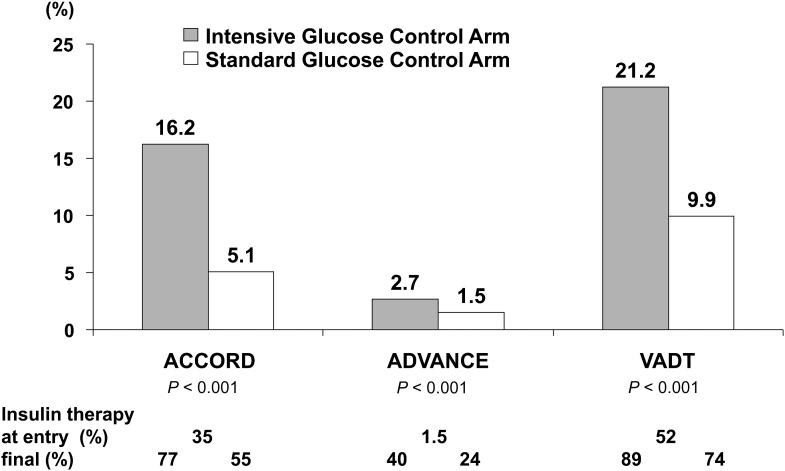
“HYPOGLYCEMIA IN ACCORD, ADVANCE, AND VADT—CVD is the predominant cause of death in patients with type 2 diabetes, and reducing the risk of CVD has recently been the focus of three large glucose-lowering trials: ACCORD (Action to Control Cardiovascular Risk in Diabetes) (4), ADVANCE (Action in Diabetes and Vascular Dis…”
BackgroundResultIntensive versus Conventional Glucose Control in Critically Ill Patients
(2009) · New England Journal of Medicine · doi:10.1056/nejmoa0810625 · Cited by 5,119 · cited 2×
“In a large multicenter randomized controlled trial in Australia (NICESUGAR) (35), the relationship of glycemic control to outcome from critical illness was examined in patients being treated in intensive care units.”
BackgroundGlucose control and vascular complications in veterans with type 2 diabetes
Duckworth, W., Abraira, C., Moritz, T., Reda, D., Emanuele, N., Reaven, P. D., Zieve, F. J., Marks, J., Davis, S. N., Hayward, R., et al. (2009) · New England Journal of Medicine · doi:10.1056/nejmoa0808431 · Cited by 4,762 · cited 1×
“HYPOGLYCEMIA IN ACCORD, ADVANCE, AND VADT—CVD is the predominant cause of death in patients with type 2 diabetes, and reducing the risk of CVD has recently been the focus of three large glucose-lowering trials: ACCORD (Action to Control Cardiovascular Risk in Diabetes) (4), ADVANCE (Action in Diabetes and Vascular Dis…”
BackgroundA molecular basis for cardiac arrhythmia: HERG mutations cause long QT syndrome
Curran, M. E., Splawski, I., Timothy, K. W., Vincen, G. M., Green, E. D., & Keating, M. T. (1995) · Cell · doi:10.1016/0092-8674(95)90358-5 · Cited by 2,259 · cited 1×
“Those affected have abnormal cardiac repolarization represented by prolonged QT on their electrocardiograms and an increased risk of sudden death due to cardiac arrhythmias (26).”
BackgroundSevere hypoglycemia and risks of vascular events and death
Zoungas, S., Patel, A., Chalmers, J., de Galan, B. E., Li, Q., Billot, L., Woodward, M., Ninomiya, T., Neal, B., MacMahon, S., et al. (2010) · New England Journal of Medicine · doi:10.1056/nejmoa1003795 · Cited by 1,471
Self-citationIntensive glucose control and macrovascular outcomes in type 2 diabetes
Turnbull, F. M., Abraira, C., Anderson, R. J., Byington, R. P., Chalmers, J. P., Duckworth, W. C., Evans, G. W., Gerstein, H. C., Holman, R. R., Moritz, T. E., et al. (2009) · Diabetologia · doi:10.1007/s00125-009-1470-0 · Cited by 1,189
Griesdale, D. E. G., de Souza, R. J., van Dam, R. M., Heyland, D. K., Cook, D. J., Malhotra, A., Dhaliwal, R., Henderson, W. R., Chittock, D. R., Finfer, S., et al. (2009) · Canadian Medical Association Journal · doi:10.1503/cmaj.090206 · Cited by 1,096 · cited 1×
“Two meta-analyses (36,37) have shown that strict glycemic control in seriously ill patients does not improve overall survival but reduces the risk of septicemia in surgical intensive care units at the expense of a fivefold higher incidence of hypoglycemia (13.”
BackgroundBonds, D. E., Miller, M. E., Bergenstal, R. M., Buse, J. B., Byington, R. P., Cutler, J. A., Dudl, R. J., Ismail-Beigi, F., Kimel, A. R., Hoogwerf, B., et al. (2010) · BMJ · doi:10.1136/bmj.b4909 · Cited by 933
Survival as a function of HbA1c in people with type 2 diabetes: a retrospective cohort study
Currie, C. J., Peters, J. R., Tynan, A., Evans, M., Heine, R. J., Bracco, O. L., Zagar, T., & Poole, C. D. (2010) · The Lancet · doi:10.1016/s0140-6736(09)61969-3 · Cited by 874 · cited 2×
“A study using the large U.K. General Practice Research Database (39) examined the relationship between HbA1c and survival using data collected for .20 years from 48,000 patients with type 2 diabetes.”
Research works printed but not linked: 1
- Graveling AJ Frier BM Does hypoglycaemia cause cardiovascular events? Br J Diabetes Vasc Dis 2010; 10: 5– 13
Cited by
Items 101–200 of 380
Atrial Fibrillation: Current Evidence and Management Strategies During the Perioperative Period
Karamchandani, K., Khanna, A. K., Bose, S., Fernando, R. J., & Walkey, A. J. (2019) · Anesthesia & Analgesia · doi:10.1213/ane.0000000000004474 · Cited by 42
Bonke, F. C., Donnachie, E., Schneider, A., & Mehring, M. (2015) · Diabetologia · doi:10.1007/s00125-015-3797-z · Cited by 38
The design and discovery of lixisenatide for the treatment of type 2 diabetes mellitus
Christensen, M., Miossec, P., Larsen, B. D., Werner, U., & Knop, F. K. (2014) · Expert Opinion on Drug Discovery · doi:10.1517/17460441.2014.942638 · Cited by 34
“The inclusion of patients with very high cardiovascular risk in the ELIXA trial is interesting as adverse events like hypoglycemia (which was not uncommon in patients treated with lixisenatide co-medicated with sulfonylureas and insulin) could increase the risk of cardiovascular death in these frail patients [84].”
BackgroundFitchett, D., Inzucchi, S. E., Wanner, C., Mattheus, M., George, J. T., Vedin, O., Zinman, B., & Johansen, O. E. (2020) · European Heart Journal · doi:10.1093/eurheartj/ehz621 · Cited by 34
“It is possible, as suggested by others, that acute hypoglycaemia might have a deleterious impact on an already vulnerable myocardium (as a result of autonomic activation, electrophysiological alterations, haemodynamic changes, and/or effects via the coagulation system).(9,10,24) However, another possibility is that gr…”
BackgroundPapa, H., Gaillard-Campbell, D., Gonzalez, L. M. C., & Chatterjee, J. (2014) · Biosensors · doi:10.3390/bios4040449 · Cited by 34
“Recent research reports also suggest that it could trigger a heart attack due to very low sugar levels [2].”
BackgroundDiabetic nephropathy: new approaches for improving glycemic control and reducing risk
Schernthaner, G., & Schernthaner, G.-H. (2013) · Journal of Nephrology · doi:10.5301/jn.5000281 · Cited by 39
Self-citationFrequency of Hypoglycaemia after Different Bariatric Surgical Procedures
Brix, J. M., Kopp, H.-P., Höllerl, F., Schernthaner, G.-H., Ludvik, B. H., & Schernthaner, G. (2019) · Obesity Facts · doi:10.1159/000493735 · Cited by 34
Self-citationPlatelet function following induced hypoglycaemia in type 2 diabetes
Kahal, H., Aburima, A. A., Spurgeon, B. E. J., Wraith, K. S., Rigby, A. S., Sathyapalan, T., Kilpatrick, E. S., Naseem, K. M., & Atkin, S. L. (2018) · Diabetes & Metabolism · doi:10.1016/j.diabet.2018.04.004 · Cited by 34
Poor Glycemic Control Is Associated With Increased Extracellular Volume Fraction in Diabetes
AlBadri, A., Hashmath, Z., Oldland, G., Miller, R., Javaid, K., Syed, A. A., Ansari, B. A., Gaddam, S., Witschey, W. R. T., Akers, S. R., et al. (2018) · Diabetes Care · doi:10.2337/dc18-0324 · Cited by 33
“and heart failure might be explained by 1) frequent episodes of hypoglycemia, which were previously found to constitute an independent cardiovascular risk factor (40), or 2) the effects of oral antidiabetes medications (i.”
BackgroundRelationships among different glycemic variability indices obtained by continuous glucose monitoring
Saisho, Y., Tanaka, C., Tanaka, K., Roberts, R., Abe, T., Tanaka, M., Meguro, S., Irie, J., Kawai, T., & Itoh, H. (2014) · Primary care diabetes · doi:10.1016/j.pcd.2014.10.001 · Cited by 34
“Since hypoglycemia may induce inflammation, blood coagulation abnormality, sympathoadrenal response and endothelial dysfunction [25,26], hypoglycemia may increase a risk of cardiovascular disease.”
BackgroundDynamin-related protein 1 mediates low glucose-induced endothelial dysfunction in human arterioles
Tanner, M. J., Wang, J., Ying, R., Suboc, T. M. B., Malik, M. A., Couillard, A. B., Branum, A., Puppala, V. K., & Widlansky, M. E. (2016) · American Journal of Physiology-Heart and Circulatory Physiology · doi:10.1152/ajpheart.00499.2016 · Cited by 34
“Large randomized trials suggest a relationship between increased cardiac mortality and incidence of hypoglycemia (20, 48).”
BackgroundCardiovascular Effects of the New Weight Loss Agents
Vorsanger, M., Subramanyam, P., WEINTRAUB, H. S., Lamm, S. H., Underberg, J. A., Gianos, E., Goldberg, I. J., & Schwartzbard, A. Z. (2016) · Journal of the American College of Cardiology · doi:10.1016/j.jacc.2016.06.007 · Cited by 33
Ajjan, R. (2024) · Diabetes Obesity and Metabolism · doi:10.1111/dom.16098 · Cited by 40
On behalf of the UTOPIA study investigators, Katakami, N., Mita, T., Yoshii, H., Shiraiwa, T., Yasuda, T., Okada, Y., Umayahara, Y., Kaneto, H., Osonoi, T., et al. (2017) · Diabetes Therapy · doi:10.1007/s13300-017-0292-1 · Cited by 32
“Since the mode of action of SGLT2 inhibitors is independent of insulin secretion, these agents are associated with a low risk of hypoglycemia, which is linked to an increased of CV events [7, 8, 16].”
BackgroundHypoglycemia as a Driver of Cardiovascular Risk in Diabetes
Moheet, A. A., & Seaquist, E. R. (2013) · Current Atherosclerosis Reports · doi:10.1007/s11883-013-0351-7 · Cited by 33
Intensive glucose control and hypoglycaemia: a new cardiovascular risk factor?
Rana, O. A., Byrne, C. D., & Greaves, K. (2013) · Heart · doi:10.1136/heartjnl-2013-303871 · Cited by 34
Boyle, P. J., O’Neil, K. W., Berry, C. A., Stowell, S. A., & Miller, S. C. (2013) · Journal of the American Medical Directors Association · doi:10.1016/j.jamda.2012.11.010 · Cited by 32
Muneer, M. (2020) · Advances in Experimental Medicine and Biology · doi:10.1007/5584_2020_534 · Cited by 28
Near normal HbA1c with stable glucose homeostasis: the ultimate target/aim of diabetes therapy
Monnier, L., Colette, C., Dejager, S., & Owens, D. R. (2016) · Reviews in Endocrine and Metabolic Disorders · doi:10.1007/s11154-016-9325-8 · Cited by 30
Monnier, L., Colette, C., Schlienger, J.-L., Bauduceau, B., & Owens, D. R. (2019) · Diabetes & Metabolism · doi:10.1016/j.diabet.2019.01.007 · Cited by 30
Severe Hypoglycemia and Incident Heart Failure Among Adults With Type 2 Diabetes
Echouffo-Tcheugui, J. B., Kazé, A. D., Fonarow, G. C., & Dagogo-Jack, S. E. (2021) · The Journal of Clinical Endocrinology & Metabolism · doi:10.1210/clinem/dgab794 · Cited by 30
Hypoglycaemia in type 1 diabetes mellitus: risks and practical prevention strategies
Kaur, J., & Seaquist, E. R. (2022) · Nature Reviews Endocrinology · doi:10.1038/s41574-022-00762-8 · Cited by 38
Diabetic Kidney Disease: Is There a Role for Glycemic Variability?
Subramanian, S., & Hirsch, I. B. (2018) · Current Diabetes Reports · doi:10.1007/s11892-018-0979-3 · Cited by 35
Thabit, H., Elleri, D., Leelarathna, L., Allen, J. M., Lubina-Solomon, A., Stadler, M., Walkinshaw, E., Iqbal, A., Choudhary, P., Wilinska, M. E., et al. (2015) · Diabetes Obesity and Metabolism · doi:10.1111/dom.12427 · Cited by 31
“Nocturnal hypoglycaemia remains a significant concern because of its morbidity and link with sudden unexpected death in type 1 diabetes [4,5].”
BackgroundSelf-citationSimon, D., de Pablos-Velasco, P. L., Parhofer, K. G., Gonder-Frederick, L. A., Duprat-Lomon, I., Vandenberghe, H., Eschwège, É., & Bradley, C. (2015) · Diabetes & Metabolism · doi:10.1016/j.diabet.2015.08.007 · Cited by 31
Horton, W. B., Barros, A. J., Andris, R. T., Clark, M. T., & Moorman, J. R. (2021) · Critical Care Medicine · doi:10.1097/ccm.0000000000005171 · Cited by 29
Pathophysiology and Advances in the Therapy of Cardiomyopathy in Patients with Diabetes Mellitus
Graczyk, P., Dach, A., Dyrka, K., & Pawlik, A. (2024) · International Journal of Molecular Sciences · doi:10.3390/ijms25095027 · Cited by 32
“It is the QT interval prolongation (in response to hypokalaemia induced by the catecholamines) that increases the risk of ventricular arrhythmia and may lead to sudden death [39].”
BackgroundKhedkar, A., Lebovitz, H. E., Fleming, A., Cherrington, A. D., Jose, V. M., Athalye, S. N., & Vishweswaramurthy, A. (2019) · Clinical Pharmacology in Drug Development · doi:10.1002/cpdd.730 · Cited by 27
The 2012 SEMDSA Guideline for the Management of type 2 Diabetes
(2012) · Journal of Endocrinology Metabolism and Diabetes of South Africa · doi:10.1080/22201009.2012.10872277 · Cited by 39
Baroreflex sensitivity impairment during hypoglycemia: implications for cardiovascular control
Rao, A. D., Bonyhay, I., Dankwa, J., Baimas-George, M., Kneen, L., Ballatori, S., Freeman, R., & Adler, G. K. (2016) · Diabetes · doi:10.2337/db15-0871 · Cited by 25
“These results raise the possibility that exposure to hypoglycemia has adverse and unknown effects that persist after hypoglycemia resolves and may oppose cardiovascular benefits of improved glycemic control (8,9).”
BackgroundGlucokinase MODY and Implications for Treatment Goals of Common Forms of Diabetes
Ajjan, R., & Owen, K. R. (2014) · Current Diabetes Reports · doi:10.1007/s11892-014-0559-0 · Cited by 25
Ortiz, M. R. (2017) · Nursing Clinics of North America · doi:10.1016/j.cnur.2017.07.006 · Cited by 29
Is insulin the preferred treatment in persons with type 2 diabetes and liver cirrhosis?
Yen, F., Lai, J., Wei, J. C., Chiu, L., Hsu, C., Hou, M., & Hwu, C. (2021) · BMC Gastroenterology · doi:10.1186/s12876-021-01773-x · Cited by 26
“Hypoglycemia is the most critical side effect of insulin use, as it can increase the risks of mortality and cardiovascular diseases [7].”
BackgroundLow HbA1c and mortality: causation and confounding
Rutter, M. K. (2012) · Diabetologia · doi:10.1007/s00125-012-2620-3 · Cited by 26
“This may be an attractive hypothesis because these individuals may be insulin resistant and, therefore, less likely to experience hypoglycaemia and subsequent cardiac complications [18] compared with normal weight patients.”
BackgroundAshrafi, R., Modi, P., Oo, A., Pullan, D. M., Jian, K., Zhang, H., Yanni, J., Hart, G., Boyett, M. R., Davis, G. K., et al. (2017) · Experimental Physiology · doi:10.1113/ep086412 · Cited by 26
“Suggested potential disease-specific mechanisms from animal studies include an abnormal response to catecholamines (Frier et al. 2011), inhibition of the ERG channel (Zhang et al.”
BackgroundTherapeutic inertia in type 2 diabetes: Insights from the PANORAMA study in France
Simon, D. (2012) · Diabetes & Metabolism · doi:10.1016/s1262-3636(12)71534-3 · Cited by 23
“From a clinical perspective, as this study was performed in France more than 1 year after publication of the Action to Control Cardiovascular Risk in Diabetes (ACCORD) study, it may be related to the signifi cantly increased mortality rates observed in the intensively treated group in this study [10], potentially link…”
MethodThe Genetic Link Between Diabetes and Atherosclerosis
Ross, S. A., Gerstein, H. C., & Paré, G. (2018) · Canadian Journal of Cardiology · doi:10.1016/j.cjca.2018.01.016 · Cited by 24
Sofizadeh, S., Imberg, H., Ólafsdóttir, A. F., Ekelund, M., Dahlqvist, S., Hirsch, I. B., Filipsson, K., Åhrén, B., Sjöberg, S., Tuomilehto, J., et al. (2019) · Diabetes Therapy · doi:10.1007/s13300-019-00692-1 · Cited by 23
Suresh, H., Zhou, J., & Ho, V. (2021) · Nutrients · doi:10.3390/nu13124298 · Cited by 21
“0 mMol/L) can be a significant risk in diabetic gastroparesis patients [47], the lowest measured blood glucose value among the (n = 10) participants was 2.”
BackgroundThe Role of Hypoglycemia in Cardiovascular Outcomes in Diabetes
Paty, B. W. (2015) · Canadian Journal of Diabetes · doi:10.1016/j.jcjd.2015.09.009 · Cited by 26
Hypoglycemia During Therapy of Diabetes
Spanakis, E. K., Cryer, P. E., & Davis, S. N. (2015) · Europe PMC (PubMed Central) · Cited by 21
Abnormal glucose regulation increases stroke risk in minor ischemic stroke or TIA
Pan, Y., Jing, J., Li, H., Wang, Y., Wang, Y., & He, Y. L. (2016) · Neurology · doi:10.1212/wnl.0000000000003200 · Cited by 22
“Hypoglycemia is associated with focal and global brain damage and dysfunction resulting in an increased risk for cardiovascular poor outcomes.(4,18) Although the sample size for patients with hypoglycemia was small in this study, we still found a weak increased risk of stroke in patients with plasma glucose of,4.”
BackgroundFunamizu, T., Iwata, H., Nishida, Y., Miyosawa, K., Doi, S., Chikata, Y., Shitara, J., Endo, H., Wada, H., Naito, R., et al. (2020) · Cardiovascular Diabetology · doi:10.1186/s12933-020-00996-8 · Cited by 27
Li, G., Zhong, S., Wang, X., & Zhuge, F. (2023) · Frontiers in Endocrinology · doi:10.3389/fendo.2023.1222409 · Cited by 26
Practical Approaches to Diagnosing, Treating and Preventing Hypoglycemia in Diabetes
Kreider, K. E., Pereira, K. C., & Padilla, B. I. (2017) · Diabetes Therapy · doi:10.1007/s13300-017-0325-9 · Cited by 22
“Hypoglycemia causes increases in blood pressure, stroke volume, cardiac output and myocardial contractility, all of which may cause reduced cardiovascular functioning over time [14].”
BackgroundAnyanwagu, U., Mamza, J., Donnelly, R., & IDRIS, I. R. (2016) · Diabetes Research and Clinical Practice · doi:10.1016/j.diabres.2016.09.002 · Cited by 23
“[54] This link is best explained by resultant increased myocardial activity, platelet-aggregation and activity, and haematocrit which can trigger cardiac and ischaemic events in diabetic (highrisk) patients.[55-58] None of these studies however compared between insulin and sulfonylurea, the latter an important glucose…”
ResultGriffing, K. L. (2016) · Clinical Diabetes · doi:10.2337/cd15-0055 · Cited by 21
“8 mmol/L) as the threshold for severe hypoglycemia because this level is associated with neurological changes (2) and acute cardiac events, including cardiac arrhythmia (3,8,10).”
BackgroundKawaguchi, Y., Sawa, J., Hamai, C., & Kumeda, Y. (2019) · Diabetes Therapy · doi:10.1007/s13300-019-0654-y · Cited by 20
Naser, A. Y., Alwafi, H. H., & Alsairafi, Z. K. (2020) · Pharmacy Practice · doi:10.18549/pharmpract.2020.2.1847 · Cited by 23
Sejling, A., Schouwenberg, B., Færch, L., Thorsteinsson, B., de Galan, B. E., & Pedersen‐Bjergaard, U. (2015) · Diabetic Medicine · doi:10.1111/dme.12810 · Cited by 24
Cryer, P. E., & Arbeláez, A. M. (2016) · Wiley eBooks · doi:10.1002/9781118924853.ch35 · Cited by 26
Ghrelin delays premature aging in Hutchinson‐Gilford progeria syndrome
Ferreira‐Marques, M., Carvalho, A., Franco, A. C., Leal, A., Botelho, M., Carmo‐Silva, S., Águas, R., Cortes, L., Lucas, V., Real, A. C., et al. (2023) · Aging Cell · doi:10.1111/acel.13983 · Cited by 20
Mita, T., Katakami, N., Shiraiwa, T., Yoshii, H., Onuma, T., Kuribayashi, N., Osonoi, T., Kaneto, H., Kosugi, K., Umayahara, Y., et al. (2014) · Diabetology & Metabolic Syndrome · doi:10.1186/1758-5996-6-35 · Cited by 20
“These might be largely affected by frequent episodes of severe hypoglycaemia [11] and weight gain with intensive insulin therapy.”
BackgroundCardiovascular outcomes and safety with antidiabetic drugs.
Aldossari, K. K. (2018) · PubMed Central · Cited by 21
Vilsbøll, T., Ekholm, E., Johnsson, E., Dronamraju, N., Jabbour, S., & Lind, M. (2019) · Diabetes Care · doi:10.2337/dc18-1988 · Cited by 15
“A low prevalence of hypoglycemic AEs is associated with a low risk of cardiovascular disease and cognitive impairment and a greater quality of life (19,20).”
BackgroundEINHORN, D. F., Handelsman, Y., Bode, B. W., Endahl, L. A., Mersebach, H., & King, A. B. (2015) · Endocrine Practice · doi:10.4158/ep14523.or · Cited by 18
Nimri, R., Yakoob, H., Schoenberg, B. E., & Dassau, E. (2016) · Diabetes Technology & Therapeutics · doi:10.1089/dia.2016.2504 · Cited by 20
Rydén, L., estable, G. D. T. D. L. S. E. D. C. S. D. Y. T. D. L. C. I., Grant, P. J., Anker, S. D., Berne, C., Cosentino, F., Danchin, N., Deaton, C., Escaned, J., Hammes, H. P., et al. (2014) · Revista Española de Cardiología · doi:10.1016/j.recesp.2013.10.015 · Cited by 37
Increasing awareness of hypoglycaemia in patients with Type 2 diabetes treated with oral agents
Barnett, A. H., Brice, R., Hanif, W., James, J., & Langerman, H. (2013) · Current Medical Research and Opinion · doi:10.1185/03007995.2013.834250 · Cited by 20
Mussa, B. M., Taneera, J., Mohammed, A. K., Srivastava, A., Mukhopadhyay, D., & Sulaiman, N. D. (2019) · The Journal of Physiological Sciences · doi:10.1007/s12576-019-00718-0 · Cited by 16
Hypoglycaemia, thrombosis and vascular events in diabetes
King, R., & Ajjan, R. (2016) · Expert Review of Cardiovascular Therapy · doi:10.1080/14779072.2016.1215916 · Cited by 17
“turbances, leads to more lethal ventricular arrhythmias and is thought to be the cause of the so-called ‘dead in bed’ scenario whereby young T1DM patients are found dead in an undisturbed bed [15,16].”
BackgroundDiabetic cardiomyopathy: a comprehensive review of diagnosis, management, and future directions
Balakrishnan, B., Divyashree, M. S., Nayak, V., & Hariharapura, R. C. (2025) · Diabetology & Metabolic Syndrome · doi:10.1186/s13098-025-01986-0 · Cited by 23
“Acute situations can lead to convulsions, coma, or sudden cardiac death [129].”
Hypoglykämie und Herzrhythmusstörungen bei Patienten mit Diabetes Typ 2
Hanefeld, M., Ganz, X., & Nolte, C. (2014) · Herz · doi:10.1007/s00059-014-4086-1 · Cited by 18
Starvation of cancer via induced ketogenesis and severe hypoglycemia
Kapelner, A. D., & Vorsanger, M. (2014) · Medical Hypotheses · doi:10.1016/j.mehy.2014.11.002 · Cited by 18
“An important consideration is whether keto-adaptation additionally protects against the neurohormal cardiovascular and electrophysiologic consequences of hypoglycemia (Frier et al., 2011).”
BackgroundDirect effects of recurrent hypoglycaemia on adrenal catecholamine release
Orban, B., Routh, V. H., Levin, B. E., & Berlin, J. R. (2014) · Diabetes and Vascular Disease Research · doi:10.1177/1479164114549755 · Cited by 17
Pearson, S. M., Whittam, B., Kulavarasalingam, K., Mitchell-Gears, A., James, C., & Ajjan, R. (2021) · Cardiovascular Diabetology · doi:10.1186/s12933-020-01204-3 · Cited by 21
Tanabe, M., Nomiyama, T., Motonaga, R., Murase, K., & Yanase, T. (2015) · BMC Endocrine Disorders · doi:10.1186/s12902-015-0045-y · Cited by 16
“One reason for the failure in the reduction in the prevalence of cardiovascular events is speculated to be hypoglycemia [25].”
BackgroundMarx, N., Kolkailah, A. A., Rosenstock, J., Johansen, O. E., Cooper, M. E., Alexander, J. H., Toto, R. D., Wanner, C., Espeland, M. A., Mattheus, M., et al. (2024) · JAMA Cardiology · doi:10.1001/jamacardio.2023.4602 · Cited by 17
Exercise training improves fasting glucose control
Norton, L., Lewis, N., & Norton (2012) · Open Access Journal of Sports Medicine · doi:10.2147/oajsm.s37065 · Cited by 23
“The concentration within the circulatory system is regulated within a narrow range in the healthy population, because there are acute life-threatening implications if BG concentrations become too low or high.(1,2) Even relatively small chronic increases in BG are associated with serious health conditions, such as obes…”
Grieco, D., Palamà, Z., Borrelli, A., Ruvo, E. D., Sciarra, L., Scarà, A., Goanta, E. V., Calabrese, V., Pozzilli, P., Sciascio, G. D., et al. (2018) · Diabetes and Vascular Disease Research · doi:10.1177/1479164117752492 · Cited by 16
Ólafsdóttir, A. F., Bolinder, J., Heise, T., Polonsky, W. H., Ekelund, M., Wijkman, M., Pivodic, A., Ahlén, E., Schwarcz, E., Nyström, T., et al. (2020) · Diabetes Obesity and Metabolism · doi:10.1111/dom.14257 · Cited by 14
Antecedent Hypoglycemia Does Not Attenuate the Acceleration of Gastric Emptying by Hypoglycemia
Kar, P., Jones, K. L., Plummer, M. P., Abdelhamid, Y. A., Giersch, E. J., Summers, M. J., Hatzinikolas, S., Heller, S. R., Horowitz, M., & Deane, A. M. (2017) · The Journal of Clinical Endocrinology & Metabolism · doi:10.1210/jc.2017-00051 · Cited by 14
Self-citationLo, S., Yang, Y., Kornelius, E., Huang, J., Lai, Y., Huang, C., & Chiou, J. (2019) · Diabetes Obesity and Metabolism · doi:10.1111/dom.13746 · Cited by 14
Risk of severe hypoglycaemia and its impact in type 2 diabetes in DEVOTE
Heller, S. R., Lingvay, I., Marso, S. P., Philis‐Tsimikas, A., Pieber, T. R., Poulter, N. R., Pratley, R. E., HACHMANN-NIELSEN, E., Kvist, K., Lange, M., et al. (2020) · Diabetes Obesity and Metabolism · doi:10.1111/dom.14049 · Cited by 15
Self-citationCardiovascular effects of basal insulins
Mannucci, E., Giannini, S., & Dicembrini, I. (2015) · Drug Healthcare and Patient Safety · doi:10.2147/dhps.s43300 · Cited by 15
Diabetes Medications and Cardiovascular Outcomes in Type 2 Diabetes
Chi, C., SNAITH, J. R., & Gunton, J. E. (2017) · Heart Lung and Circulation · doi:10.1016/j.hlc.2017.02.030 · Cited by 18
“The second concern is the risk of hypoglycaemia; as severe hypoglycaemia is associated with increased risk of major macrovascular events including arrhythmias and CV death (22).”
BackgroundCha, S., Yun, J., Kim, G.-H., & Ahn, Y. (2022) · Cardiovascular Diabetology · doi:10.1186/s12933-022-01651-0 · Cited by 17
“The association between baseline QTc and CV mortality has been reported in patients with T2DM [35].”
BackgroundLega, I. C., Yale, J.-F., Chadha, A., Paty, B., Roscoe, R., Snider, M., Steier, J., Bajaj, H. S., Barnes, T., Gilbert, J., et al. (2023) · Canadian Journal of Diabetes · doi:10.1016/j.jcjd.2023.08.003 · Cited by 12
Tschöpe, D., Bramlage, P., Schneider, S., & Gitt, A. K. (2016) · Diabetes and Vascular Disease Research · doi:10.1177/1479164115610470 · Cited by 12
Lazăr, S., Ioniță, I., Reurean‐Pintilei, D., Timar, R. Z., Luca, S. A., & Timar, B. (2024) · Journal of Clinical Medicine · doi:10.3390/jcm13020450 · Cited by 15
“…stress and inflammation markers, both long-term and recurrent short-term hypoglycemia contribute to the occurrence of diabetic complications such as cardiovascular disease, diabetic retinopathy, diabetic neuropathy, and cognitive impairment, along with increasing the risk of mortality [19–23].”
BackgroundAktuelle Therapie des Typ-2-Diabetes
Schernthaner, G., & Schernthaner, G.-H. (2012) · Der Internist · doi:10.1007/s00108-012-3203-6 · Cited by 12
Self-citationKnudsen, S. T., Lapolla, A., Schultes, B., Tentolouris, N., Catarig, A., Wolden, M. L., & Siegmund, T. (2019) · Diabetic Medicine · doi:10.1111/dme.13976 · Cited by 12
Liu, Z., Yang, H., Zhi, L., Xue, H., Lu, Z., Zhao, Y., Cui, L., Liu, T., Ren, S., He, P. F., et al. (2021) · Frontiers in Pharmacology · doi:10.3389/fphar.2021.683674 · Cited by 16
Hypoglycaemia, a global cause for concern
Heller, S. R., Amiel, S. A., & Khunti, K. (2015) · Diabetes Research and Clinical Practice · doi:10.1016/j.diabres.2015.11.004 · Cited by 12
“Although the data suggest hypoglycaemia was not the direct cause of the excess deaths in ACCORD, other research has identified plausible mechanisms whereby hypoglycaemia might lead to a cardiac death downstream.(8-10) One study has reported prolonged asymptomatic hypoglycaemia at night associated with cardiac arrhythm…”
ResultSelf-citationBlood Glucose Management of Type 2 Diabetes in the Older People
Chen, W.-C., Lee, C.-C., Chien, M.-N., Liu, S.-C., Wang, C., & Yang, W. (2018) · International journal of gerontology · doi:10.1016/j.ijge.2018.05.008 · Cited by 12
Modelling the effects of glucagon during glucose tolerance testing
Kelly, R. A., Fitches, M. J., Webb, S. D., Pop, S. R., & Chidlow, S. J. (2019) · Theoretical Biology and Medical Modelling · doi:10.1186/s12976-019-0115-3 · Cited by 11
Comparison of Pulse Rate Variability and Heart Rate Variability for Hypoglycemia Syndrome
Çelik, G., Yıldırım, M., Ilhan, M., Karaman, Ö., Taşan, E., Kara, S., & Okkesim, Ş. (2016) · Methods of Information in Medicine · doi:10.3414/me15-01-0088 · Cited by 11
Revisiting hypoglycemia in diabetes
Gehlaut, R. R., & Shubrook, J. H. (2013) · Osteopathic Family Physician · doi:10.1016/j.osfp.2013.08.002 · Cited by 11
Kang, S. Y., Park, Y., Kwon, D. J., Chung, Y., Namkung, J., Han, K., & Ko, S. (2022) · Diabetes & Metabolism Journal · doi:10.4093/dmj.2021.0135 · Cited by 15
Shi, S., Song, Y., Liu, Z., He, J., Zheng, Z., Song, C., Jia, L., Gao, G., Dong, Q., Fu, R., et al. (2024) · Nutrition Metabolism and Cardiovascular Diseases · doi:10.1016/j.numecd.2024.103826 · Cited by 11
Inverse association between fasting plasma glucose and risk of ventricular arrhythmias
Zaccardi, F., Webb, D. R., Kurl, S., Khunti, K., Davies, M. J., & Laukkanen, J. A. (2015) · Diabetologia · doi:10.1007/s00125-015-3646-0 · Cited by 11
“Although controversial, hypoglycaemia has been considered a potential explanation [26], and an increased specific risk of arrhythmic death has been associated with severe hypoglycaemia in a post hoc trial analysis [27].”
BackgroundSatirapoj, B., Pratipanawatr, T., Ongphiphadhanakul, B., Suwanwalaikorn, S., Benjasuratwong, Y., & Nitiyanant, W. (2020) · BMJ Open · doi:10.1136/bmjopen-2019-031612 · Cited by 12
Pilemann-Lyberg, S., Thorsteinsson, B., Nørgaard, K., Zander, M., Vestergaard, H., & Røder, M. E. (2015) · Diabetes Research and Clinical Practice · doi:10.1016/j.diabres.2015.09.006 · Cited by 12
Blood electrolyte disturbances during severe hypoglycemia in Korean patients with type 2 diabetes
Kang, M. Y. (2015) · The Korean Journal of Internal Medicine · doi:10.3904/kjim.2015.30.5.648 · Cited by 14
“Several studies have reported that sympathoadrenal activation response to hypoglycemia resulted in increases in heart rates and blood pressure [19,25,26].”
BackgroundChen, Y.-Y., Chen, Y., Liang, S.-M., Su, Z.-Z., Shu, X., Zhang, H.-F., Wan, S., Wang, J.-F., & Xie, S.-L. (2018) · Chinese Medical Journal · doi:10.4103/0366-6999.239310 · Cited by 11
“[33] Second, hypoglycemia has harmful effects on myocardial metabolism with insulin resistance and may lead to increased heart rate and systolic blood pressure, myocardial ischemia, water‐sodium retention, and reduced left ventricular contraction.[34] Furthermore, hypoglycemia induces a hypercoagulant state through pl…”
BackgroundAllamreddy, S. R., Arora, M., Ganugula, R., Friend, R., Basu, R., & Kumar, M. N. V. R. (2024) · Pharmacological Reviews · doi:10.1124/pharmrev.124.001074 · Cited by 12
Zeng, R., Zhang, Y., Xu, J., Kong, Y.-J., Tan, J.-W., Guo, L., & Zhang, M. (2023) · Journal of Clinical Medicine · doi:10.3390/jcm12072615 · Cited by 12
Cheng, C., Wang, C., Lin, H.-W., Chang, T.-Y., Lin, H.-J., Chou, C., & Lin, F. (2020) · Scientific Reports · doi:10.1038/s41598-020-62646-z · Cited by 12
Eeg‐Olofsson, K., Nathanson, D., Spelman, T. D., Kyhlstedt, M., Seibold, A., Levrat‐Guillen, F., & Bolinder, J. (2025) · Diabetologia · doi:10.1007/s00125-025-06438-y · Cited by 12
“During acute hypoglycaemia, heart rate, systolic BP and blood flow (which are associated with risk of CVD) all increase [27].”
Pliquett, R. U., Schlump, K., Wienke, A., Bartling, B., Noutsias, M., Tamm, A., & Girndt, M. (2020) · BMC Nephrology · doi:10.1186/s12882-020-02032-z · Cited by 9
Metadata
- Authors
- Frier, B. M., Schernthaner, G., & Heller, S. R.
- Affiliations
- Edinburgh Royal Infirmary (GB)
- Krankenanstalt Rudolfstiftung der Stadt Wien (AT)
- Northern General Hospital (GB)
- Corresponding author
- Schernthaner, Guntram
- Venue
- Diabetes Care
- Publisher
- American Diabetes Association
- Published
- 2011-04-22
- Volume
- 34
- Issue
- Supplement_2
- Pages
- S132-S137
- ISSN
- 0149-5992 (ISSN-L)
- 1935-5548
- PMC
- PMC3632150
- OpenAlex
- W2004870840
- Cited by
- 381
- References
- 49
- Citations by year
- 2026: 12 · 2025: 18 · 2024: 22 · 2023: 16 · 2022: 18 · 2021: 32 · 2020: 24 · 2019: 35 · 2018: 26 · 2017: 24 · 2016: 31 · 2015: 43 · 2014: 34 · 2013: 29 · 2012: 15
- FWCI
- 3.57
- Type
- journal article
- Language
- en
- Open access
- hybrid
- doi.org
- Licence
- Locations
- Diabetes Care (publishedVersion, cc-by-nc-nd)
- Europe PMC (PubMed Central) (publishedVersion, cc-by-nc-nd)
- PubMed Central (publishedVersion, cc-by-nc-nd)
- PubMed (publishedVersion)
- White Rose Research Online (University of Leeds, The University of Sheffield, University of York) (acceptedVersion)
- Topics
- Health Sciences › Medicine › Endocrinology, Diabetes and Metabolism › Diabetes Management and Research
- Health Sciences › Medicine › Endocrinology, Diabetes and Metabolism › Diabetes Treatment and Management
- Health Sciences › Medicine › Endocrinology, Diabetes and Metabolism › Diabetes, Cardiovascular Risks, and Lipoproteins
- Keywords
- hypoglycemia, cardiovascular risk, type 2 diabetes, insulin therapy, severe hypoglycemia, myocardial infarction, stroke, autonomic responses, sympathoadrenal system, epinephrine, glycemic control, cardiovascular disease, mortality
- MeSH terms
- Cardiovascular Diseases, Humans, Hypoglycemia, Hypoglycemic Agents, Insulin
About these checks
Registry, retraction, Cites and statistics results are computed, not judged, with one exception: a printed reference that no index lists is read once by a model before it counts as a citation error. Claims are extracted by a model and kept only when their quote appears verbatim in the text; each cited source is then checked, with a model’s help, for whether it says what the claim relies on. Those verdicts can be wrong — read the claim’s quote and the cited source before relying on one.
Statistics and arithmetic are recomputed, not judged.
Confidence bands are shown only for fields calibrated on our annotated test set. None is calibrated yet, so no band is shown.
What counts as a claim ›How we measure confidence ›How we check this ›
Are you an author, or do you see a problem with this page? Request a review
Data sources
Bibliographic data: Semantic Scholar, OpenAlex, Crossref.
Contains information from the Semantic Scholar Academic Graph Datasets, made available under the ODC Attribution License (ODC-BY 1.0).
Semantic Scholar’s data is described in: Kinney, R., et al. (2023). The Semantic Scholar Open Data Platform. arXiv:2301.10140.
