

Hypoglycemia and Cardiovascular Risks
Open accessThe DOI matches its Crossref record; 47 of the 49 references it cites were found in a registry or an index.
Abstract
Although hypoglycemia is the most common side effect of insulin therapy in diabetes and its morbidity is well known, for many years, the potentially life-threatening effects of hypoglycemia on the cardiovascular (CV) system have either been overlooked or have been dismissed as inconsequential to people with insulin-treated type 2 diabetes. This scenario may possibly be a consequence of the persisting misconception that this population is seldom exposed to severe hypoglycemia, defined as any episode that requires external assistance for recovery, whereas self-treated events are classified as “mild” (1). This myth was firmly repudiated by the findings of the large prospective study by the U.K. Hypoglycemia Study Group (2), which demonstrated that severe hypoglycemia is a common problem in insulin-treated type 2 diabetes and that the incidence increases with duration of insulin therapy. However, evidence for CV morbidity associated with hypoglycemia has been predominantly hypothetical and anecdotal (1,3). The potential dangers of intensive treatment regimens and strict glycemic control in people with type 2 diabetes who have CV disease (CVD) have now been highlighted by the disconcerting outcomes of recent studies (4–6), in which hypoglycemia was implicated in the excess mortality that was observed in some of these trials. It is therefore timely to review the effects of hypoglycemia on the CV system, how this major metabolic stress could precipitate major vascular events such as myocardial infarction and stroke, and its potential role in these recent clinical studies. In the adult human, acute hypoglycemia causes pronounced physiological responses as a consequence of autonomic activation, principally of the sympatho-adrenal system, and results in end-organ stimulation and a profuse release of epinephrine (adrenaline). This profound autonomic stimulus provokes hemodynamic changes, the important consequences of which are to maintain the supply of glucose to the brain and promote the hepatic …
Overview
The claims and statistics of this paper haven’t been checked yet.
Free: it reads the open-access text and checks the first 5 claims that cite a source we can check. Create a free account to check every claim.
Integrity signals
Registry
Cites
Statistics
Figures

Verification
Claims the paper makes
The claims and statistics of this paper haven’t been checked yet.
Free: it reads the open-access text and checks the first 5 claims that cite a source we can check. Create a free account to check every claim.
Claims other papers make about this one
Each is checked against this paper’s own text: does it say what the citing paper says it does?
The cited source says what the claim attributes to it.
In the citing paper
“Hypoglycemia is associated with increased heart rate, systolic blood pressure (BP), myocardial contractility, stroke volume and cardiac output, and can induce ST-and T-wave changes with a lengthening of the QT interval (slower repolarization), which may increase the risk of arrhythmias (67)(68)(69)(70)(71).”
From Hypoglycemia (2018) · cites this paper as [70]
Self-check
Percentages, sums and reported differences re-computed from the paper’s own numbers.
The self-check needs the paper’s full text.
Citations
Cites
Effects of Intensive Glucose Lowering in Type 2 Diabetes
(2008) · New England Journal of Medicine · doi:10.1056/nejmoa0802743 · Cited by 7,888
Intensive blood glucose control and vascular outcomes in patients with type 2 diabetes
(2008) · New England Journal of Medicine · doi:10.1056/nejmoa0802987 · Cited by 7,397 · cited 2×
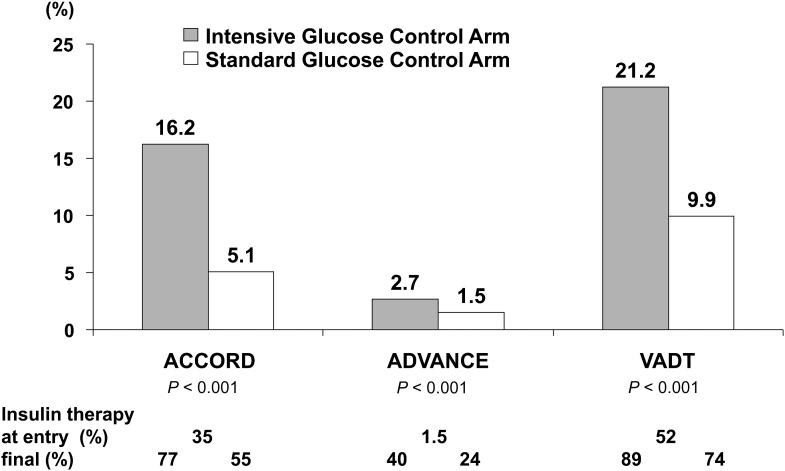
“HYPOGLYCEMIA IN ACCORD, ADVANCE, AND VADT—CVD is the predominant cause of death in patients with type 2 diabetes, and reducing the risk of CVD has recently been the focus of three large glucose-lowering trials: ACCORD (Action to Control Cardiovascular Risk in Diabetes) (4), ADVANCE (Action in Diabetes and Vascular Dis…”
BackgroundResultIntensive versus Conventional Glucose Control in Critically Ill Patients
(2009) · New England Journal of Medicine · doi:10.1056/nejmoa0810625 · Cited by 5,119 · cited 2×
“In a large multicenter randomized controlled trial in Australia (NICESUGAR) (35), the relationship of glycemic control to outcome from critical illness was examined in patients being treated in intensive care units.”
BackgroundGlucose control and vascular complications in veterans with type 2 diabetes
Duckworth, W., Abraira, C., Moritz, T., Reda, D., Emanuele, N., Reaven, P. D., Zieve, F. J., Marks, J., Davis, S. N., Hayward, R., et al. (2009) · New England Journal of Medicine · doi:10.1056/nejmoa0808431 · Cited by 4,762 · cited 1×
“HYPOGLYCEMIA IN ACCORD, ADVANCE, AND VADT—CVD is the predominant cause of death in patients with type 2 diabetes, and reducing the risk of CVD has recently been the focus of three large glucose-lowering trials: ACCORD (Action to Control Cardiovascular Risk in Diabetes) (4), ADVANCE (Action in Diabetes and Vascular Dis…”
BackgroundA molecular basis for cardiac arrhythmia: HERG mutations cause long QT syndrome
Curran, M. E., Splawski, I., Timothy, K. W., Vincen, G. M., Green, E. D., & Keating, M. T. (1995) · Cell · doi:10.1016/0092-8674(95)90358-5 · Cited by 2,259 · cited 1×
“Those affected have abnormal cardiac repolarization represented by prolonged QT on their electrocardiograms and an increased risk of sudden death due to cardiac arrhythmias (26).”
BackgroundSevere hypoglycemia and risks of vascular events and death
Zoungas, S., Patel, A., Chalmers, J., de Galan, B. E., Li, Q., Billot, L., Woodward, M., Ninomiya, T., Neal, B., MacMahon, S., et al. (2010) · New England Journal of Medicine · doi:10.1056/nejmoa1003795 · Cited by 1,471
Self-citationIntensive glucose control and macrovascular outcomes in type 2 diabetes
Turnbull, F. M., Abraira, C., Anderson, R. J., Byington, R. P., Chalmers, J. P., Duckworth, W. C., Evans, G. W., Gerstein, H. C., Holman, R. R., Moritz, T. E., et al. (2009) · Diabetologia · doi:10.1007/s00125-009-1470-0 · Cited by 1,189
Griesdale, D. E. G., de Souza, R. J., van Dam, R. M., Heyland, D. K., Cook, D. J., Malhotra, A., Dhaliwal, R., Henderson, W. R., Chittock, D. R., Finfer, S., et al. (2009) · Canadian Medical Association Journal · doi:10.1503/cmaj.090206 · Cited by 1,096 · cited 1×
“Two meta-analyses (36,37) have shown that strict glycemic control in seriously ill patients does not improve overall survival but reduces the risk of septicemia in surgical intensive care units at the expense of a fivefold higher incidence of hypoglycemia (13.”
BackgroundBonds, D. E., Miller, M. E., Bergenstal, R. M., Buse, J. B., Byington, R. P., Cutler, J. A., Dudl, R. J., Ismail-Beigi, F., Kimel, A. R., Hoogwerf, B., et al. (2010) · BMJ · doi:10.1136/bmj.b4909 · Cited by 933
Survival as a function of HbA1c in people with type 2 diabetes: a retrospective cohort study
Currie, C. J., Peters, J. R., Tynan, A., Evans, M., Heine, R. J., Bracco, O. L., Zagar, T., & Poole, C. D. (2010) · The Lancet · doi:10.1016/s0140-6736(09)61969-3 · Cited by 874 · cited 2×
“A study using the large U.K. General Practice Research Database (39) examined the relationship between HbA1c and survival using data collected for .20 years from 48,000 patients with type 2 diabetes.”
Research works printed but not linked: 1
- Graveling AJ Frier BM Does hypoglycaemia cause cardiovascular events? Br J Diabetes Vasc Dis 2010; 10: 5– 13
Cited by
Cosentino, F., Grant, P. J., Aboyans, V., Bailey, C. J., Ceriello, A., Delgado, V., Federici, M., Filippatos, G., Grobbee, D. E., Hansen, T. B., et al. (2020) · European Heart Journal · doi:10.1093/eurheartj/ehz486 · Cited by 4,763
(2013) · European Heart Journal · doi:10.1093/eurheartj/eht108 · Cited by 1,955
(2014) · Revista Española de Cardiología (English Edition) · doi:10.1016/j.rec.2013.10.013 · Cited by 609
Efficacy and safety of degludec versus glargine in type 2 diabetes.
Marso, S. P., McGuire, D. K., Zinman, B., Poulter, N. R., Emerson, S. S., Pieber, T. R., Pratley, R. E., Haahr, P.-M., Lange, M., Brown-Frandsen, K., et al. (2017) · New England Journal of Medicine · doi:10.1056/nejmoa1615692 · Cited by 574
Amiel, S. A., Aschner, P., Childs, B., Cryer, P. E., de Galan, B. E., Frier, B. M., Gonder-Frederick, L., Heller, S. R., Jones, T., Khunti, K., et al. (2019) · The Lancet Diabetes & Endocrinology · doi:10.1016/s2213-8587(18)30315-2 · Cited by 526
Self-citationFox, C. S., Golden, S. H., Anderson, C., Bray, G. A., Burke, L. E., de Boer, I. H., Deedwania, P., Eckel, R. H., Ershow, A. G., Fradkin, J., et al. (2015) · Diabetes Care · doi:10.2337/dci15-0012 · Cited by 492
“There are several mechanisms by which hypoglycemia might promote adverse cardiovascular outcomes in highrisk individuals (168,169).”
Hypoglycaemia in diabetes mellitus: epidemiology and clinical implications
Frier, B. M. (2014) · Nature Reviews Endocrinology · doi:10.1038/nrendo.2014.170 · Cited by 481
Self-citationMetformin and inflammation: its potential Beyond glucose-lowering effect
Saisho, Y. (2015) · Endocrine, Metabolic & Immune Disorders-Drug Targets · doi:10.2174/1871530315666150316124019 · Cited by 450
Fox, C. S., Golden, S. H., Anderson, C., Bray, G. A., Burke, L. E., de Boer, I. H., Deedwania, P., Eckel, R. H., Ershow, A. G., Fradkin, J., et al. (2015) · Circulation · doi:10.1161/cir.0000000000000230 · Cited by 386
“There are several mechanisms by which hypoglycemia might promote adverse cardiovascular outcomes in high-risk individuals.(168,169) Hemodynamic changes after autonomic activation induced by hypoglycemia include increases in heart rate, systolic blood pressure, myocardial contractility, and cardiac output.”
Khunti, K., Davies, M., Majeed, A., Thorsted, B. L., Wolden, M. L., & Paul, S. K. (2015) · Diabetes Care · doi:10.2337/dc14-0920 · Cited by 356
“initiation of insulin, n (%) 367 (11) 1,477 (14)”
BackgroundGarber, A. J., King, A. B., Prato, S. D., Sreenan, S., Balci, M. K., Muñoz-Torres, M., Rosenstock, J., Endahl, L. A., Francisco, A. M. O., & Hollander, P. (2012) · The Lancet · doi:10.1016/s0140-6736(12)60205-0 · Cited by 325
Yun, J.-S., & Ko, S.-H. (2021) · Metabolism · doi:10.1016/j.metabol.2021.154838 · Cited by 292
Hypoglycemia: The neglected complication
Kalra, S., Mukherjee, J. J., Venkataraman, S., Bantwal, G., Shaikh, S., Saboo, B., Das, A. K., & Ramachandran, A. (2013) · Indian Journal of Endocrinology and Metabolism · doi:10.4103/2230-8210.117219 · Cited by 255
“[61,62] Sudden death during sleep has been described in patients with T1DM, possibly due to a signi fi cant cardiac arrhythmia induced by nocturnal hypoglycemia.”
BackgroundMathieu, C., Dandona, P., Gillard, P., Senior, P., Hasslacher, C., Araki, E., Lind, M., Bain, S. C., Jabbour, S., Arya, N., et al. (2018) · Diabetes Care · doi:10.2337/dc18-0623 · Cited by 252
“Insulin therapy is the mainstay of treatment (4); however, it is associated with hypoglycemia (5–7) and weight gain (8), both of which are important cardiovascular risk factors (9,10).”
BackgroundDoes hypoglycaemia increase the risk of cardiovascular events? A report from the ORIGIN trial
The ORIGIN Trial Investigators, Mellbin, L. G., Rydén, L., Riddle, M. C., Probstfield, J., Rosenstock, J., Díaz, R., Yusuf, S., & Gerstein, H. C. (2013) · European Heart Journal · doi:10.1093/eurheartj/eht332 · Cited by 247
Patel, T. P., Rawal, K., Bagchi, A. K., Akolkar, G., Bernardes, N., Dias, D. D. S., Gupta, S., & Singal, P. K. (2016) · Heart Failure Reviews · doi:10.1007/s10741-015-9515-6 · Cited by 240
“Hypoglycemia is found to cause unusual electrical activity in the heart and is thus believed to aggravate sudden death [20, 21].”
BackgroundDunn, T. C., Xu, Y., Hayter, G., & Ajjan, R. A. (2018) · Diabetes Research and Clinical Practice · doi:10.1016/j.diabres.2017.12.015 · Cited by 239
The Task Force on diabetes, P.-D. (2014) · Diabetes and Vascular Disease Research · doi:10.1177/1479164114525548 · Cited by 236
Lincoff, A. M., Tardif, J.-C., Schwartz, G. G., Nicholls, S. J., Rydén, L., Neal, B., Malmberg, K., Wedel, H., Buse, J. B., Henry, R. R., et al. (2014) · JAMA · doi:10.1001/jama.2014.3321 · Cited by 231
Lee, A. K., Warren, B., Lee, C. J., McEvoy, J. W., Matsushita, K., Huang, E. S., Sharrett, A. R., Coresh, J., & Selvin, E. (2018) · Diabetes Care · doi:10.2337/dc17-1669 · Cited by 226
“Hypoglycemia also triggers an acute inflammatory response, promoting coagulation through factor VIII and von Willebrand factor (12,15).”
Smith-Palmer, J., Brändle, M., Trevisan, R., Orsini Federici, M., Liabat, S., & Valentine, W. (2014) · Diabetes Research and Clinical Practice · doi:10.1016/j.diabres.2014.06.007 · Cited by 212
Coronary Artery Disease and Diabetes Mellitus
Aronson, D., & Edelman, E. R. (2014) · Cardiology Clinics · doi:10.1016/j.ccl.2014.04.001 · Cited by 222
Cerebral ischemic damage in diabetes: an inflammatory perspective
Shukla, V., Shakya, A. K., Perez-Pinzon, M. A., & Dave, K. R. (2017) · Journal of Neuroinflammation · doi:10.1186/s12974-016-0774-5 · Cited by 200
“Hypoglycemia causes a cascade of physiologic effects and may induce oxidative stress [235], induce cardiac arrhythmias [236], contribute to sudden cardiac death [236], and cause cerebral ischemic damage [237], presenting several potential mechanisms through which acute and chronic episodes of hypoglycemia may increase…”
BackgroundInsulin therapy and hypoglycemia
McCall, A. L. (2012) · Endocrinology and Metabolism Clinics of North America · doi:10.1016/j.ecl.2012.03.001 · Cited by 177
Fatemi, O., Yuriditsky, E., Tsioufis, C., Tsachris, D., Morgan, T., Basile, J., Bigger, T., Cushman, W., Goff, D., Soliman, E. Z., et al. (2014) · The American Journal of Cardiology · doi:10.1016/j.amjcard.2014.07.045 · Cited by 173
Hypoglycemia, Diabetes, and Cardiovascular Disease
Snell-Bergeon, J. K., & Wadwa, R. P. (2012) · Diabetes Technology & Therapeutics · doi:10.1089/dia.2012.0031 · Cited by 161
“Adequate myocardial perfusion is normally maintained by the return of the reflected blood pressure wave during diastole, but in people with diabetes, arteriosclerosis leads to faster wave reflection, and so the reflected wave can instead return during systole, augmenting systolic blood pressure and reducing diastolic…”
InfluentialHyperglycemia and incidence of frailty and lower extremity mobility limitations in older women
Kalyani, R. R., Tian, J., Xue, Q., Walston, J., Cappola, A. R., Fried, L. P., Brancati, F. L., & Blaum, C. S. (2012) · Journal of the American Geriatrics Society · doi:10.1111/j.1532-5415.2012.04099.x · Cited by 157
Severe Hypoglycemia Predicts Mortality in Diabetes
Cryer, P. E. (2012) · Diabetes Care · doi:10.2337/dc12-0749 · Cited by 158
“sodes of fatal hypoglycemia are the result of other mechanisms, presumably cardiac arrhythmias (3,17).”
BackgroundHypoglycemia in diabetes: An update on pathophysiology, treatment, and prevention
Nakhleh, A., & Shehadeh, N. (2021) · World Journal of Diabetes · doi:10.4239/wjd.v12.i12.2036 · Cited by 154
DEVOTE 3: temporal relationships between severe hypoglycaemia, cardiovascular outcomes and mortality
on behalf of the DEVOTE Study Group, Pieber, T. R., Marso, S. P., McGuire, D. K., Zinman, B., Poulter, N. R., Emerson, S. S., Pratley, R. E., Woo, V., Heller, S., et al. (2018) · Diabetologia · doi:10.1007/s00125-017-4422-0 · Cited by 148
“Several clinical outcome trials and observational studies have shown such an association [23].”
BackgroundSelf-citationCaMKII signaling in heart diseases: Emerging role in diabetic cardiomyopathy
Hegyi, B., Bers, D. M., & Bossuyt, J. (2019) · Journal of Molecular and Cellular Cardiology · doi:10.1016/j.yjmcc.2019.01.001 · Cited by 156
Kemps, H., Kränkel, N., Dörr, M., Moholdt, T., Wilhelm, M., Paneni, F., Serratosa, L., Ekker Solberg, E., Hansen, D., Halle, M., et al. (2019) · European Journal of Preventive Cardiology · doi:10.1177/2047487318820420 · Cited by 144
Death during intensive glycemic therapy of diabetes: mechanisms and implications
Cryer, P. E. (2011) · The American Journal of Medicine · doi:10.1016/j.amjmed.2011.08.008 · Cited by 137
Bell, D. S. H., & Goncalves, E. (2019) · Diabetes, Obesity and Metabolism · doi:10.1111/dom.13512 · Cited by 139
“This points to hypoglycaemia as being a major contributor to the development of NAF, as has been shown in other studies.(32,69,70) Almost all GLP-1 agonists modestly increase the heart rate, which could be interpreted as the result of stimulation of the sympathetic”
BackgroundResultMita, T., Katakami, N., Shiraiwa, T., Yoshii, H., Onuma, T., Kuribayashi, N., Osonoi, T., Kaneto, H., Kosugi, K., Umayahara, Y., et al. (2016) · Diabetes Care · doi:10.2337/dc15-2145 · Cited by 136
“Recent studies have cast doubt on the benefits of strict glycemic control, especially using insulin, on CVD in patients with established atherosclerosis or long-standing T2DM (2–4) for two main reasons: 1) It is assumed that frequent episodes of severe hypoglycemia might reduce their beneficial effects (5), and 2) wei…”
BackgroundOne hundred years of insulin therapy
Mathieu, C., Martens, P.-J., & Vangoitsenhoven, R. (2021) · Nature Reviews Endocrinology · doi:10.1038/s41574-021-00542-w · Cited by 164
Hypoglycemia in Patients with Diabetes and Renal Disease
Alsahli, M., & Gerich, J. (2015) · Journal of Clinical Medicine · doi:10.3390/jcm4050948 · Cited by 123
“debate [61,62].”
Mean HbA1c and mortality in diabetic individuals with heart failure: a population cohort study
Elder, D. H. J., Singh, J. S. S., Levin, D., Donnelly, L. A., Choy, A.-M., George, J., Struthers, A. D., Doney, A. S. F., & Lang, C. C. (2016) · European Journal of Heart Failure · doi:10.1002/ejhf.455 · Cited by 109
“34 Additionally there is also evidence of increased occurrence of myocardial ischaemia 35 and prolonged QT 36 behind our findings, indeed even those of larger trials such as ADVANCE 7 , VADT, 37 and ACCORD 5 .”
ResultYale, J.-F., Paty, B., & Senior, P. A. (2018) · Canadian Journal of Diabetes · doi:10.1016/j.jcjd.2017.10.010 · Cited by 105
Type 1 diabetes and cardiovascular disease
Schnell, O., Cappuccio, F. P., Genovese, S., Standl, E., Valensi, P. E., & Ceriello, A. (2013) · Cardiovascular Diabetology · doi:10.1186/1475-2840-12-156 · Cited by 126
“Additional hemodynamic changes have been reported to be associated with hypoglycemia [46].”
BackgroundInfluentialHow Can We Realize the Clinical Benefits of Continuous Glucose Monitoring?
Ajjan, R. A. (2017) · Diabetes Technology & Therapeutics · doi:10.1089/dia.2017.0021 · Cited by 97
“Hypoglycemia is increasingly seen in diabetes given the ever tighter glycemic targets and this complication of therapy can have detrimental effects through a number of mechanisms, including cardiac dysrhythmias, increased production of vascular inflammatory molecules, and an enhanced thrombotic environment (reviewed in…”
Diabetes in the older patient: heterogeneity requires individualisation of therapeutic strategies
Schernthaner, G., & Schernthaner-Reiter, M. H. (2018) · Diabetologia · doi:10.1007/s00125-018-4547-9 · Cited by 101
“The high frequency of severe hypoglycaemia in these studies was related to the percentage of participants using insulin in the intervention arms [57] and was associated with higher mortality rates [47, 58].”
BackgroundSelf-citationEngineering digital biomarkers of interstitial glucose from noninvasive smartwatches
Bent, B., Cho, P. J., Henriquez, M., Wittmann, A., Thacker, C., Feinglos, M., Crowley, M. J., & Dunn, J. P. (2021) · npj Digital Medicine · doi:10.1038/s41746-021-00465-w · Cited by 94
Flash glucose monitoring reduces glycemic variability and hypoglycemia: real-world data from Spain
Gomez-Peralta, F., Dunn, T., Landuyt, K., Xu, Y., & Merino-Torres, J. F. (2020) · BMJ Open Diabetes Research & Care · doi:10.1136/bmjdrc-2019-001052 · Cited by 94
Czupryniak, L., Barkai, L., Bolgarska, S., Bronisz, A., Broz, J., Cypryk, K., Honka, M., Janez, A., Krnic, M., Lalic, N., et al. (2014) · Diabetes Technology & Therapeutics · doi:10.1089/dia.2013.0302 · Cited by 93
“The importance of hypoglycemia avoidance is exemplified by growing evidence for an association between a history of severe hypoglycemic episodes and serious adverse outcomes over the long term, including death, major vascular events, and dementia.(82,82) It has been suggested that the utility of SMBG can be improved t…”
Cardiac implications of hypoglycaemia in patients with diabetes – a systematic review
Hanefeld, M., Duetting, E., & Bramlage, P. (2013) · Cardiovascular Diabetology · doi:10.1186/1475-2840-12-135 · Cited by 93
“Table 2 Characteristics of high quality clinical trials identified (adapted from [37,38])”
BackgroundEmerging treatments for post-transplantation diabetes mellitus
Jenssen, T., & Hartmann, A. (2015) · Nature Reviews Nephrology · doi:10.1038/nrneph.2015.59 · Cited by 90
Postprandial glucose spikes, an important contributor to cardiovascular disease in diabetes?
Hanssen, N. M. J., Kraakman, M. J., Flynn, M. C., Nagareddy, P. R., Schalkwijk, C. G., & Murphy, A. J. (2020) · Frontiers in Cardiovascular Medicine · doi:10.3389/fcvm.2020.570553 · Cited by 90
“The mechanism through which hypoglycemia increases risk of CVD is not completely understood, but profound sympathetic activation in response to low glucose, leading to strong hemodynamic changes, is presumed to play a large role (75).”
BackgroundNew advances in type 1 diabetes
Subramanian, S., Khan, F., & Hirsch, I. B. (2024) · BMJ · doi:10.1136/bmj-2023-075681 · Cited by 88
Bedenis, R., Price, A. H., Robertson, C. M., Morling, J. R., Frier, B. M., Strachan, M. W. J., & Price, J. F. (2014) · Diabetes Care · doi:10.2337/dc14-0908 · Cited by 87
“Acute vascular events may be provoked by subsequent hypoglycemia through the profound hemodynamic and electrophysiological changes that occur with sympatho-adrenal activation (3,38).”
BackgroundSelf-citationYun, J., Park, Y., Han, K., Cha, S., Ahn, Y., & Ko, S. (2019) · Cardiovascular Diabetology · doi:10.1186/s12933-019-0909-y · Cited by 99
Standl, E., Stevens, S. R., Armstrong, P. W., Buse, J. B., Chan, J. C. N., Green, J. B., Lachin, J. M., Scheen, A., Travert, F., Van de Werf, F., et al. (2018) · Diabetes Care · doi:10.2337/dc17-1778 · Cited by 76
“Duration of type 2 diabetes, years† 14 (8, 22) 10 (5, 16)”
Hypoglycemia, Chronic Kidney Disease, and Diabetes Mellitus
Alsahli, M., & Gerich, J. E. (2014) · Mayo Clinic Proceedings · doi:10.1016/j.mayocp.2014.07.013 · Cited by 90
“30-300 3-30 (30-300) A2 (moderately increased)”
The ORIGIN Trial Investigators (2015) · Diabetes Care · doi:10.2337/dc14-1329 · Cited by 75
Severe Hypoglycemia and Cardiovascular or All-Cause Mortality in Patients with Type 2 Diabetes
Cha, S.-A., Yun, J.-S., Lim, T.-S., Hwang, S., Yim, E.-J., Song, K.-H., Yoo, K.-D., Park, Y.-M., Ahn, Y.-B., & Ko, S.-H. (2016) · Diabetes & Metabolism Journal · doi:10.4093/dmj.2016.40.3.202 · Cited by 74
“Hypoglycemia has been suggested to have acute effects on sympathoadrenal activation, inflammation, increased platelet and neutrophil activation, coagulation, endothelial function, and inflammatory mediators or cytokines [22,25], all of which have potential adverse effects on myocardium or vascular hemodynamics [10,23].”
BackgroundThe 2012 SEMDSA Guideline for the Management of Type 2 Diabetes
Amod, A. (2012) · Journal of Endocrinology Metabolism and Diabetes of South Africa · doi:10.1080/22201009.2012.10872276 · Cited by 73
Importance of Beta Cell Function for the Treatment of Type 2 Diabetes
Saisho, Y. (2014) · Journal of Clinical Medicine · doi:10.3390/jcm3030923 · Cited by 82
Katakami, N., Mita, T., Yoshii, H., Shiraiwa, T., Yasuda, T., Okada, Y., Torimoto, K., Umayahara, Y., Kaneto, H., Osonoi, T., et al. (2020) · Cardiovascular Diabetology · doi:10.1186/s12933-020-01079-4 · Cited by 68
Coronary Artery Disease and Diabetes Mellitus
Aronson, D., & Edelman, E. R. (2015) · Heart Failure Clinics · doi:10.1016/j.hfc.2015.08.010 · Cited by 74
Lu, C.-L., Shen, H.-N., Hu, S. C., Wang, J.-D., & Li, C.-Y. (2016) · Diabetes Care · doi:10.2337/dc15-2418 · Cited by 66
“Inflammatory reactions and endothelial dysfunctions may lead to intravascular coagulation and thrombosis, thereby encouraging the development of tissue ischemia (15).”
BackgroundInfluentialStandl, E., Stevens, S. R., Lokhnygina, Y., Bethel, M. A., Buse, J. B., Gustavson, S. M., Maggioni, A. P., Mentz, R. J., Hernandez, A. F., & Holman, R. R. (2020) · Diabetes Care · doi:10.2337/dc19-1079 · Cited by 65
Vora, J., & Heise, T. (2013) · Diabetes, Obesity and Metabolism · doi:10.1111/dom.12087 · Cited by 63
“Aside from the possibility that repeated short intervals of hyperglycaemia may affect prognosis, it is also possible that hypoglycaemia may contribute cumulatively and/or acutely to cardiovascular events [23,24], possibly amplifying the putative pathophysiological processes associated with blood glucose fluctuation [1…”
BackgroundInsulin – Pharmacology, Therapeutic Regimens and Principles of Intensive Insulin Therapy
Donner, T. W., & Sarkar, S. (2015) · Europe PMC (PubMed Central) · Cited by 86
Chiu, C., Du, Y., Ou, H., & Beverly, E. A. (2014) · Clinical Interventions in Aging · doi:10.2147/cia.s53482 · Cited by 78
Tay, J., Thompson, C. H., & Brinkworth, G. D. (2015) · Annual Review of Nutrition · doi:10.1146/annurev-nutr-121214-104422 · Cited by 61
“A pathophysiological explanation for the association between hypoglycemia and increased cardiac vulnerability may be the hypoglycemia-triggered activation of adrenergic glucose counterregulation and the resultant hemorheological and hemodynamic changes (84).”
BackgroundEffects of Hypoglycemia on Cardiovascular Function in Patients with Diabetes
Christou, M., Christou, P. A., Kyriakopoulos, C., Christou, G. A., & Tigas, S. K. (2023) · International Journal of Molecular Sciences · doi:10.3390/ijms24119357 · Cited by 71
“Several types of cardiac arrhythmias have been associated with hypoglycemia, ranging from severe sinus bradycardia and atrial fibrillation to multiple ventricular ectopics and ventricular tachycardia [34].”
BackgroundBoth High and Low HbA1c Predict Incident Heart Failure in Type 2 Diabetes Mellitus
Parry, H. M., Deshmukh, H., Levin, D., Van Zuydam, N., Elder, D. H. J., Morris, A. D., Struthers, A. D., Palmer, C. N. A., Doney, A. S. F., & Lang, C. C. (2015) · Circulation: Heart Failure · doi:10.1161/circheartfailure.113.000920 · Cited by 60
The 2012 SEMDSA Guideline for the Management of Type 2 Diabetes (Revised)
(2012) · Journal of Endocrinology Metabolism and Diabetes of South Africa · doi:10.1080/22201009.2012.10872287 · Cited by 69
Iqbal, A., & Heller, S. R. (2016) · Best Practice & Research Clinical Endocrinology & Metabolism · doi:10.1016/j.beem.2016.06.004 · Cited by 64
“Furthermore, some excess deaths in the intensive treatment arm may have been erroneously coded as being due to coronary events with no possibility of glucose measurement post-mortem (54).”
BackgroundSelf-citationFitzpatrick, C., Chatterjee, S., Seidu, S., Bodicoat, D. H., Ng, G. A., Davies, M. J., & Khunti, K. (2018) · Diabetes, Obesity and Metabolism · doi:10.1111/dom.13348 · Cited by 57
“It has been hypothesized that hypoglycaemia may trigger acute electrocardiographic (ECG) changes which increase an individual's vulnerability to arrhythmic events, leading to adverse outcomes such as sudden cardiac death.(13,14) If the underlying mechanisms are identified, clinicians may be able to identify the indivi…”
BackgroundMonnier, L., Colette, C., & Owens, D. R. (2021) · Diabetes & Metabolism · doi:10.1016/j.diabet.2021.101225 · Cited by 63
Prospective Study of Fasting Blood Glucose and Intracerebral Hemorrhagic Risk
Jin, C., Li, G., Rexrode, K. M., Gurol, M. E., Yuan, X., Hui, Y., Ruan, C., Vaidya, A., Wang, Y., Wu, S., et al. (2017) · Stroke · doi:10.1161/strokeaha.117.019189 · Cited by 64
Elwen, F. R., Huskinson, A., Clapham, L., Bottomley, M. J., Heller, S. R., James, C., Abbas, A., Baxter, P., & Ajjan, R. A. (2015) · BMJ Open Diabetes Research & Care · doi:10.1136/bmjdrc-2015-000094 · Cited by 55
Self-citationContinued efforts to translate diabetes cardiovascular outcome trials into clinical practice
Avogaro, A., Fadini, G. P., Sesti, G., Bonora, E., & Prato, S. D. (2016) · Cardiovascular Diabetology · doi:10.1186/s12933-016-0431-4 · Cited by 55
“Several mechanisms are though to be responsible for cardiovascular damage in diabetic patients, including hyperglycemia and oxidative stress [6], hypoglycemia [7], hyperinsulinemia and insulin resistance [8, 9].”
BackgroundDefective Counterregulation and Hypoglycemia Unawareness in Diabetes
Reno, C. M., Litvin, M., Clark, A. L., & Fisher, S. J. (2013) · Endocrinology and Metabolism Clinics of North America · doi:10.1016/j.ecl.2012.11.005 · Cited by 53
Drug-induced hypoglycaemia in type 2 diabetes
Inkster, B., Zammitt, N. N., & Frier, B. M. (2012) · Expert Opinion on Drug Safety · doi:10.1517/14740338.2012.694424 · Cited by 55
“In patients who have established cardiovascular and cerebrovascular disease, acute vascular events may be precipitated by this acute metabolic stress [102].”
BackgroundSelf-citationHypoglycemia From a Cardiologist's Perspective
Sanon, V. P., Sanon, S., Kanakia, R., Hu, Y., Araj, F., OLIVEROS, R. A., & CHILTON, R. J. (2014) · Clinical Cardiology · doi:10.1002/clc.22288 · Cited by 58
Zhao, F. L., Deng, J., Xu, X., Cao, F., Lu, K., Li, D., Cheng, X., Wang, X., & Zhao, Y. (2018) · Journal of Neuroinflammation · doi:10.1186/s12974-018-1203-8 · Cited by 59
Severe Hypoglycemia and Mortality After Cardiovascular Events for Type 1 Diabetic Patients in Sweden
Lung, T. W. C., Petrie, D., Herman, W. H., Palmer, A. J., Svensson, A.-M., Eliasson, B., & Clarke, P. M. (2014) · Diabetes Care · doi:10.2337/dc14-0405 · Cited by 48
Individualized glycaemic targets and pharmacotherapy in type 2 diabetes
Bailey, C. J., Aschner, P. J., Prato, S. D., LaSalle, J. R., Ji, L., Matthaei, S., & Management, O. B. O. T. G. P. F. E. D. (2013) · Diabetes and Vascular Disease Research · doi:10.1177/1479164113490765 · Cited by 51
Hsu, J., Yang, Y., Chuang, S.-L., Yu, C., & Lin, L. (2021) · Cardiovascular Diabetology · doi:10.1186/s12933-021-01341-3 · Cited by 51
“Although the evidence for AF risk of hypoglycemia is circumstantial, a multitude of case reports of cardiac arrhythmias and electrocardiographic changes provoked by hypoglycemia had been reported [29].”
BackgroundFrier, B. M., Russell‐Jones, D., & Heise, T. (2013) · Diabetes, Obesity and Metabolism · doi:10.1111/dom.12106 · Cited by 46
“The morbidity of hypoglycaemia includes precipitation of acute cardiovascular events such as myocardial ischaemia and infarction, and the induction of cardiac arrhythmias [36], the risk of which is a particular consideration when treating people with type 2 diabetes who have a greater prevalence of coronary heart dise…”
BackgroundSelf-citationReducing Type 1 Diabetes Mortality: Role for Adjunctive Therapies?
Snaith, J. R., Holmes-Walker, D. J., & Greenfield, J. R. (2020) · Trends in Endocrinology & Metabolism · doi:10.1016/j.tem.2019.11.007 · Cited by 45
Alsahli, M., & Gerich, J. E. (2013) · Endocrinology and Metabolism Clinics of North America · doi:10.1016/j.ecl.2013.07.002 · Cited by 53
Ajjan, R. A., Heller, S. R., Everett, C. C., Vargas-Palacios, A., Higham, R., Sharples, L., Gorog, D. A., Rogers, A., Reynolds, C., Fernandez, C., et al. (2023) · Diabetes Care · doi:10.2337/dc22-1219 · Cited by 44
“9 mmol/L) comparing trial arms at days 76–90, which is highly likely to be clinically important (11)), particularly given guidance suggesting minimizing hypoglycemia in such populations to less than 15 min/day (35).”
BackgroundSelf-citationKhunti, K., Fisher, H., Paul, S. K., Iqbal, M., Davies, M. J., & Siriwardena, A. N. (2013) · Primary care diabetes · doi:10.1016/j.pcd.2013.01.001 · Cited by 48
“[25] B.”
BackgroundThieu, V. T., Mitchell, B. D., Varnado, O. J., & Frier, B. M. (2020) · Diabetes, Obesity and Metabolism · doi:10.1111/dom.13941 · Cited by 44
Self-citationHypoglycemia-Associated Autonomic Failure in Diabetes: Maladaptive, Adaptive, or Both?
Cryer, P. E. (2015) · Diabetes · doi:10.2337/db15-0331 · Cited by 43
“Sudden death of patients with diabetes caused by a sympathoadrenal discharge triggered by hypoglycemia, deduced in humans (14,16), has been supported by studies of the mechanism of cardiovascular death during marked hyperinsulinemic hypoglycemia in rats (17,18).”
BackgroundThe Impact of Hypoglycemia on the Cardiovascular System: Physiology and Pathophysiology
Yang, S., Park, K., & Zhou, Y.-J. (2015) · Angiology · doi:10.1177/0003319715623400 · Cited by 55
“In nondiabetic individuals, the arteries become more elastic during acute hypoglycemia with a decline in arterial wall stiffness, but in diabetic patients with a duration more than 15 years, arterial wall stiffness is greater and arteries are less elastic in response to hypoglycemia, manifesting in a lesser fall in ce…”
BackgroundEfficacy and safety of dapagliflozin in patients with type 2 diabetes and concomitant heart failure
Kosiborod, M., Gause‐Nilsson, I. A. M., Xu, J. L., Sonesson, C., & JOHNSSON, E. K. (2017) · Journal of Diabetes and its Complications · doi:10.1016/j.jdiacomp.2017.02.001 · Cited by 46
Pro- and Antiarrhythmic Actions of Sulfonylureas: Mechanistic and Clinical Evidence
Leonard, C. E., Hennessy, S., Han, X., Siscovick, D. S., Flory, J., & Deo, R. (2017) · Trends in Endocrinology and Metabolism · doi:10.1016/j.tem.2017.04.003 · Cited by 45
Schernthaner, G., Barnett, A. H., Patel, S., Hehnke, U., von Eynatten, M., & Woerle, H. J. (2014) · Diabetes Obesity and Metabolism · doi:10.1111/dom.12321 · Cited by 40
“Connections between hypoglycaemia and changes in the electrical activity of the heart are particularly worrisome as they may lead to sudden cardiac death [10].”
BackgroundSelf-citationTorimoto, K., Okada, Y., Hajime, M., Tanaka, K., & Tanaka, Y. (2018) · Diabetes Technology & Therapeutics · doi:10.1089/dia.2018.0017 · Cited by 40
Echouffo-Tcheugui, J. B., Daya, N., Lee, A. K., Tang, O., Ndumele, C. E., Windham, B. G., Shah, A. M., & Selvin, E. (2021) · Diabetes Care · doi:10.2337/dc20-0552 · Cited by 38
Meta-analysis: Association between hypoglycaemia and serious adverse events in older patients
Mattishent, K., & Loke, Y. K. (2016) · Journal of Diabetes and its Complications · doi:10.1016/j.jdiacomp.2016.03.018 · Cited by 41
“Evidence has also shown that hypoglycaemia can result in abnormal electrical activity in the heart, strengthening the theory that hypoglycaemia can provoke sudden death (Frier et al., 2011).”
BackgroundInfluentialRidderstråle, M., Svärd, R., Zeller, C., Kim, G., Woerle, H. J., & Broedl, U. C. (2013) · Cardiovascular Diabetology · doi:10.1186/1475-2840-12-129 · Cited by 41
“The mechanisms by which hypoglycemia could precipitate a major vascular event include autonomic activation, primarily of the sympatho-adrenal system, provoking hemodynamic changes, such as increased heart rate and systolic blood pressure, increased myocardial contractility, stroke volume and cardiac output, to maintai…”
BackgroundJiang, J., Li, S., Zhao, Y., Zhou, Z., Zhang, J., Sun, R., & Luo, A. (2021) · Journal of Clinical Anesthesia · doi:10.1016/j.jclinane.2021.110504 · Cited by 43
Hu, W., Wang, J., Guo, W., Liu, Y., Guo, Z., Miao, Y., & Wang, D. (2019) · Carbohydrate Polymers · doi:10.1016/j.carbpol.2019.115766 · Cited by 39
Khanwalker, M., Fujita, R., Lee, J., Wilson, E. D., Ito, K., Asano, R., Ikebukuro, K., Belle, J. T. L., & Sode, K. (2021) · Biosensors and Bioelectronics · doi:10.1016/j.bios.2021.113901 · Cited by 40
Şerban, R. C., & Scridon, A. (2018) · Canadian Journal of Cardiology · doi:10.1016/j.cjca.2018.08.018 · Cited by 39
Metadata
- Authors
- Frier, B. M., Schernthaner, G., & Heller, S. R.
- Affiliations
- Edinburgh Royal Infirmary (GB)
- Krankenanstalt Rudolfstiftung der Stadt Wien (AT)
- Northern General Hospital (GB)
- Corresponding author
- Schernthaner, Guntram
- Venue
- Diabetes Care
- Publisher
- American Diabetes Association
- Published
- 2011-04-22
- Volume
- 34
- Issue
- Supplement_2
- Pages
- S132-S137
- ISSN
- 0149-5992 (ISSN-L)
- 1935-5548
- PMC
- PMC3632150
- OpenAlex
- W2004870840
- Cited by
- 381
- References
- 49
- Citations by year
- 2026: 12 · 2025: 18 · 2024: 22 · 2023: 16 · 2022: 18 · 2021: 32 · 2020: 24 · 2019: 35 · 2018: 26 · 2017: 24 · 2016: 31 · 2015: 43 · 2014: 34 · 2013: 29 · 2012: 15
- FWCI
- 3.57
- Type
- journal article
- Language
- en
- Open access
- hybrid
- doi.org
- Licence
- Locations
- Diabetes Care (publishedVersion, cc-by-nc-nd)
- Europe PMC (PubMed Central) (publishedVersion, cc-by-nc-nd)
- PubMed Central (publishedVersion, cc-by-nc-nd)
- PubMed (publishedVersion)
- White Rose Research Online (University of Leeds, The University of Sheffield, University of York) (acceptedVersion)
- Topics
- Health Sciences › Medicine › Endocrinology, Diabetes and Metabolism › Diabetes Management and Research
- Health Sciences › Medicine › Endocrinology, Diabetes and Metabolism › Diabetes Treatment and Management
- Health Sciences › Medicine › Endocrinology, Diabetes and Metabolism › Diabetes, Cardiovascular Risks, and Lipoproteins
- Keywords
- hypoglycemia, cardiovascular risk, type 2 diabetes, insulin therapy, severe hypoglycemia, myocardial infarction, stroke, autonomic responses, sympathoadrenal system, epinephrine, glycemic control, cardiovascular disease, mortality
- MeSH terms
- Cardiovascular Diseases, Humans, Hypoglycemia, Hypoglycemic Agents, Insulin
About these checks
Registry, retraction, Cites and statistics results are computed, not judged, with one exception: a printed reference that no index lists is read once by a model before it counts as a citation error. Claims are extracted by a model and kept only when their quote appears verbatim in the text; each cited source is then checked, with a model’s help, for whether it says what the claim relies on. Those verdicts can be wrong — read the claim’s quote and the cited source before relying on one.
Statistics and arithmetic are recomputed, not judged.
Confidence bands are shown only for fields calibrated on our annotated test set. None is calibrated yet, so no band is shown.
What counts as a claim ›How we measure confidence ›How we check this ›
Are you an author, or do you see a problem with this page? Request a review
Data sources
Bibliographic data: Semantic Scholar, OpenAlex, Crossref.
Contains information from the Semantic Scholar Academic Graph Datasets, made available under the ODC Attribution License (ODC-BY 1.0).
Semantic Scholar’s data is described in: Kinney, R., et al. (2023). The Semantic Scholar Open Data Platform. arXiv:2301.10140.
