

Laboratory Diagnostics and Quality of Blood Collection / Laboratorijska Dijagnostika I Kvalitet Uzimanja Uzoraka Krvi
Open accessThe DOI matches its Crossref record, with a small difference in title or year; 34 of the 34 references it cites were found in a registry or an index.
Abstract
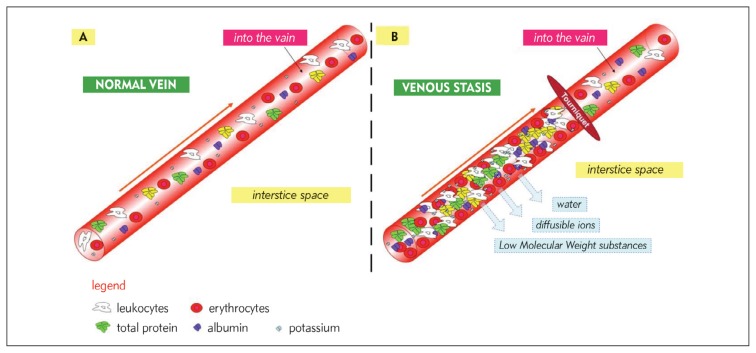
Summary: Diagnostic blood samples collected by phlebotomy are the most common type of biological specimens drawn and sent to laboratory medicine facilities for being analyzed, thus supporting caring physicians in patient diagnosis, follow-up and/or therapeutic monitoring. Phlebotomy, a relatively invasive medical procedure, is indeed critical for the downstream procedures accomplished either in the analytical phase made in the laboratory or in the interpretive process done by the physicians. Diagnosis, management, treatment of patients and ultimately patient safety itself can be compromised by poor phlebotomy quality. We have read with interest a recent article where the authors addressed important aspects of venous blood collection for laboratory medicine analysis. The authors conducted a phlebotomy survey based on the Clinical and Laboratory Standard Institute (CLSI) H03-A6 document (presently replaced by the GP41-A6 document) in three government hospitals in Ethiopia to evaluate 120 professionals (101 non-laboratory professionals vs. 19 laboratory professionals) as regards the venous blood collection practice. The aim of this mini (non-systematic) review is to both take a cue from the above article and from current practices we had already observed in other laboratory settings, and discuss four questionable activities performed by health care professionals during venous blood collection. We refer to: i) diet restriction assessment; ii) puncture site cleansing; iii) timing of tourniquet removal and; iv) mixing specimen with additives
Overview
The claims and statistics of this paper haven’t been checked yet.
Free: it reads the open-access text and checks the first 5 claims that cite a source we can check. Create a free account to check every claim.
Integrity signals
Registry
Cites
Statistics
Figures
Verification
Claims the paper makes
The claims and statistics of this paper haven’t been checked yet.
Free: it reads the open-access text and checks the first 5 claims that cite a source we can check. Create a free account to check every claim.
Self-check
Percentages, sums and reported differences re-computed from the paper’s own numbers.
The self-check needs the paper’s full text.
Citations
Cites
International Organization for Standardization
(2015) · Encyclopedia of Astrobiology · doi:10.1007/978-3-662-44185-5_100574 · Cited by 6,716
Protons in ischemia: Where do they come from; Where do they go to?
Dennis, S. (1991) · Journal of Molecular and Cellular Cardiology · doi:10.1016/0022-2828(91)91642-5 · Cited by 343 · cited 1×
“The accumulation of some bioproducts also ensues, such as protons that have the potential to promote changes in laboratory parameters (23).”
BackgroundLipemia: causes, interference mechanisms, detection and management
Nikolac, N. (2014) · Biochemia Medica · doi:10.11613/bm.2014.008 · Cited by 290
Standardization of collection requirements for fasting samples
Simundic, A. M., Cornes, M., Grankvist, K., Lippi, G., & Nybo, M. (2014) · Clinica Chimica Acta · doi:10.1016/j.cca.2013.11.008 · Cited by 156 · cited 2×
“Consequently, fasting time for all blood tests should be standardized at 12 hours, whenever compatible with the clinical setting (12).”
BackgroundSelf-citationLowe, G., Stike, R., Pollack, M., Bosley, J., O'brien, P., Hake, A., Landis, G., Billings, N., Gordon, P., Manzella, S., et al. (2008) · Journal of Emergency Nursing · doi:10.1016/j.jen.2007.02.006 · Cited by 127
Nikolac, N., Šupak Smolčić, V., Šimundić, A.-M., & Ćelap, I. (2013) · Biochemia Medica · doi:10.11613/bm.2013.031 · Cited by 99 · cited 2×
“Diagnosis, management, treatment of patients and ultimately patient safety itself can be compromised by poor phlebotomy quality (5).”
BackgroundInfluence of a light meal on routine haematological tests.
(2010) · PubMed Central · doi:10.2450/2009.0142-09 · Cited by 71 · cited 1×
“With this information the laboratories could provide personalized blood collection during the hospitalization period, thus minimizing the variability due to the postprandial period, able to influence both diagnosis and follow-up (10, 11).”
BackgroundSelf-citationHemolysis index: quality indicator or criterion for sample rejection?
Plebani, M., & Lippi, G. (2009) · Clinical Chemistry and Laboratory Medicine · doi:10.1515/cclm.2009.229 · Cited by 70 · cited 1×
“(25) observed only minor improvements in blood collection practices after one important educational intervention, especially regarding the hemolysis index (HI) as a quality indicator for hemolysis (26).”
BackgroundSelf-citationYamada, K., Yamada, K., Katsuda, I., & Hida, T. (2008) · Clinical Anatomy · doi:10.1002/ca.20622 · Cited by 70 · cited 1×
“Furthermore, based on the anatomical distribution of cutaneous veins and nerves, the median cubital vein in the upper arm near the radial cutaneous veins offers the site of minimal risk for venipuncture in the cubital region (18, 19).”
BackgroundReducing Preanalytical Laboratory Sample Errors Through Educational and Technological Interventions
Lillo, R., Salinas, M., López‐Garrigós, M., Naranjo-Santana, Y., Gutirrez, M., Marn, M. D., Miralles, M., & Uris, J. (2012) · Clinical Laboratory · doi:10.7754/clin.lab.2012.111111 · Cited by 66
Research works printed but not linked: 2
- World Health Organization WHO Guidelines on Drawing Blood: Best Practices in Phlebotomy World Health Organization press 2010 Geneva 23741774
- Lippi G Caputo M Banfi G Buttarello M Ceriotti F Daves M Recommendations for collection of venous blood Biochim Clin 2008 32 569 77
Cited by
Aydin, S., Emre, E., Ugur, K., Aydin, M. A., Sahin, İ., Cinar, V., & Akbulut, T. (2025) · Journal of International Medical Research · doi:10.1177/03000605251315913 · Cited by 195
Joint EFLM-COLABIOCLI Recommendation for venous blood sampling
Simundic, A.-M., Bölenius, K., Cadamuro, J., Church, S., Cornes, M. P., van Dongen-Lases, E. C., Eker, P., Erdeljanovic, T., Grankvist, K., Guimaraes, J. T., et al. (2018) · Clinical Chemistry and Laboratory Medicine (CCLM) · doi:10.1515/cclm-2018-0602 · Cited by 240
Self-citationCauses, consequences and management of sample hemolysis in the clinical laboratory
Heireman, L., Geel, P. V., Musger, L., Heylen, E., Uyttenbroeck, W., & Mahieu, B. (2017) · Clinical Biochemistry · doi:10.1016/j.clinbiochem.2017.09.013 · Cited by 174
Lima-Oliveira, G., Volanski, W., Lippi, G., Picheth, G., & Guidi, G. C. (2017) · Scandinavian Journal of Clinical and Laboratory Investigation · doi:10.1080/00365513.2017.1295317 · Cited by 117
“Briefly, main fasting time for the majority of blood tests should be 12 h; any exercise shall be avoided 72 h before blood sampling; moreover, information about therapeutic-drug intake should be made available to laboratory personnel [10,11].”
BackgroundSelf-citationAkhlaghi, A. A., Kaur, H., Adhikari, B. R., & Soleymani, L. (2024) · ECS Sensors Plus · doi:10.1149/2754-2726/ad304a · Cited by 94
In Vitro Thrombogenicity Testing of Biomaterials
Braune, S., Latour, R. A., Reinthaler, M., Landmesser, U., Lendlein, A., & Jung, F. (2019) · Advanced Healthcare Materials · doi:10.1002/adhm.201900527 · Cited by 91
The EFLM strategy for harmonization of the preanalytical phase
Lippi, G., & Šimundić, A.-M. (2017) · Clinical Chemistry and Laboratory Medicine (CCLM) · doi:10.1515/cclm-2017-0277 · Cited by 92
Self-citationOptical nanomaterial-based detection of biomarkers in liquid biopsy
Kim, Y. J., Rho, W., Park, S.-M., & Jun, B. (2024) · Journal of Hematology & Oncology · doi:10.1186/s13045-024-01531-y · Cited by 86
McDonald, S. J., Shultz, S. R., & Agoston, D. V. (2021) · Journal of Neurotrauma · doi:10.1089/neu.2021.0011 · Cited by 75
Sample management for clinical biochemistry assays: Are serum and plasma interchangeable specimens?
Lima-Oliveira, G., Monneret, D., Guerber, F., & Guidi, G. C. (2018) · Critical Reviews in Clinical Laboratory Sciences · doi:10.1080/10408363.2018.1499708 · Cited by 61
Self-citationLippi, G., Mattiuzzi, C., & Cervellin, G. (2016) · Acta bio-medica dell'Ateneo parmense/Acta biomedica · Cited by 52
Self-citationPatient and Sample Identification. Out of the Maze?
Lippi, G., Chiozza, L., Mattiuzzi, C., & Plebani, M. (2017) · Journal of Medical Biochemistry · doi:10.1515/jomb-2017-0003 · Cited by 40
Self-citationQuality Assurance in Clinical Chemistry: A Touch of Statistics and A Lot of Common Sense
Theodorsson, E. (2016) · Journal of Medical Biochemistry · doi:10.1515/jomb-2016-0012 · Cited by 46
“Plebani (49), Lippi (50 –53) Lima-Oliveira (54), and Simundic (55) have been particularly influential recently in focusing attention on improved procedures and indicators for improving practices in the preanalytical phase.”
BackgroundArtificial intelligence in the pre-analytical phase: State-of-the art and future perspectives
Lippi, G., Mattiuzzi, C., & Favaloro, E. J. (2023) · Journal of Medical Biochemistry · doi:10.5937/jomb0-45936 · Cited by 40
“This procedure is not always easy, as the superficial vein tree may not be immediately visible (or may even be absent) and/or the operator may not have sufficient experience to accurately identify a puncturable vein (26).”
BackgroundSelf-citationNwankwo, L., McLaren, K., Donovan, J., Ni, M. Z., Vidal‐Diez, A., Loebinger, M. R., Morrisey, A., Igra, A., & Shah, A. (2021) · BMJ Open Quality · doi:10.1136/bmjoq-2020-001192 · Cited by 37
Patient posture for blood collection by venipuncture: recall for standardization after 28 years
Lima-Oliveira, G., Guidi, G. C., Salvagno, G. L., Danese, E., Montagnana, M., & Lippi, G. (2017) · Revista Brasileira de Hematologia e Hemoterapia · doi:10.1016/j.bjhh.2017.01.004 · Cited by 40
Self-citationJoint EFLM-COLABIOCLI recommendation for venous blood sampling
Šimundić, A.-M., Bölenius, K., Cadamuro, J., Church, S., Cornes, M. P., van Dongen-Lases, E. C., Eker, P., Erdeljanovic, T., Grankvist, K., Guimarães, J. T., et al. (2019) · Annales de biologie clinique · doi:10.1684/abc.2019.1419 · Cited by 40
Self-citationAlavi, N. M., Khan, S. H., Saadia, A., & Naeem, T. (2020) · PubMed Central · Cited by 69
Changes in platelet morphology and function during 24 hours of storage
Braune, S., Walter, M., Schulze, F., Lendlein, A., & Jung, F. (2014) · Clinical Hemorheology and Microcirculation · doi:10.3233/ch-141876 · Cited by 42
“The study was designed and performed according to the current guidelines of the British committee for standards in hematology (BCSH) as well as of the International Society on Thrombosis and Haemostasis (ISTH) [7, 31, 33, 34].”
MethodDried blood spots in clinical lipidomics: optimization and recent findings
Ferreira, H. B., Guerra, I. M. S., Melo, T., Rocha, H., Moreira, A. S. P., Paiva, A. A., & Domingues, M. R. (2022) · Analytical and Bioanalytical Chemistry · doi:10.1007/s00216-022-04221-1 · Cited by 35
“Also, there are also risks related with the puncture site cleansing, storage, transportation, and potential loss or contamination of the blood samples once they are collected [9].”
BackgroundLima-Oliveira, G., Guidi, G. C., Salvagno, G. L., Brocco, G., Danese, E., & Lippi, G. (2016) · Clinical Biochemistry · doi:10.1016/j.clinbiochem.2016.07.007 · Cited by 33
Self-citationCould light meal jeopardize laboratory coagulation tests?
Lima-Oliveira, G., Salvagno, G. L., Lippi, G., Danese, E., Gelati, M., Montagnana, M., Picheth, G., & Guidi, G. C. (2014) · Biochemia Medica · doi:10.11613/bm.2014.036 · Cited by 30
“Turbidity index NA NA NA NA 9 (8-14) 14 (11-20) 35.”
Self-citationBlood Sampling Seasonality as an Important Preanalytical Factor for Assessment of Vitamin D Status
Bonelli, P., Buonocore, R., Aloe, R., & Lippi, G. (2015) · Journal of Medical Biochemistry · doi:10.1515/jomb-2015-0014 · Cited by 30
“At variance with other laboratory tests (7), however, the impact of preanalytical variability on mea sured vitamin D values is apparently lower, in that the concentration of this compound has been reported to be »solid as a rock« at different temperature of storage and under the common preanalytical conditions experie…”
BackgroundSelf-citationLennerz, J. K., Salgado, R., Kim, G. E., Sirintrapun, S. J., Thierauf, J. C., Singh, A., Indave, I., Bard, A., Weissinger, S. E., Heher, Y. K., et al. (2023) · Clinical Chemistry and Laboratory Medicine (CCLM) · doi:10.1515/cclm-2022-1151 · Cited by 29
Assessment of the pre-analytical phase of a clinical analyses laboratory
Martins, J. M., Rateke, E. C. D. M., & Martinello, F. (2018) · Jornal Brasileiro de Patologia e Medicina Laboratorial · doi:10.5935/1676-2444.20180040 · Cited by 27
“On the other hand, a study observed small improvements in blood collection practices after an important educational intervention((27)).”
BackgroundNovel Opportunities for Improving the Quality of Preanalytical Phase. A Glimpse to the Future?
Lippi, G., & Cadamuro, J. (2017) · Journal of Medical Biochemistry · doi:10.1515/jomb-2017-0029 · Cited by 42
“Several lines of evidence attest that blood collection remains one of the leading sources of preanalytical problems (11,12), which may often translate into tangible risks for specimen quality and patient safety.”
BackgroundSelf-citationLaboratory Information System – Where are we Today?
Lukić, V. (2017) · Journal of Medical Biochemistry · doi:10.1515/jomb-2017-0021 · Cited by 28
“Printing of patient’s informed consent for venipuncture is also automated (3).”
BackgroundBraune, S., Zhou, S., Groth, B., & Jung, F. (2015) · Clinical Hemorheology and Microcirculation · doi:10.3233/ch-151995 · Cited by 25
Lima-Oliveira, G., Salvagno, G. L., Danese, E., Brocco, G., Guidi, G. C., & Lippi, G. (2014) · Biochemia Medica · doi:10.11613/bm.2014.038 · Cited by 21
“, < 5%) provides additional evidence in support of the need to implement reliable phlebotomy guidelines, along with developing specific training programs for healthcare phlebotomy staff aimed at reducing preanalytical errors (15-18).”
BackgroundSelf-citationAykal, G., Keşaplı, M., Aydın, Ö., Esen, H., Yeĝin, A., Güngör, F., & Yılmaz, N. (2016) · Journal of Medical Biochemistry · doi:10.1515/jomb-2016-0011 · Cited by 26
Oxidative Stress Markers in GnRH AgonistaAnd Antagonist Protocols in IVF
Tulić, L., Vidakovic, S., Tulić, I., Ćurčić, M., Stojnić, J., & Jeremić, K. (2017) · Journal of Medical Biochemistry · doi:10.1515/jomb-2017-0001 · Cited by 21
“FSH, LH, estradiol and progesterone were analyzed by chemiluminescent immunoassay (Access 2 immunoassay system, Beckman Coulter) (13, 14).”
MethodUrošević, A., Dulović, O., Milošević, B., Maksic, N., Popović, N., Milošević, I., Delić, D., Jevtović, D., Poluga, J., Jordović, J., et al. (2016) · Journal of Medical Biochemistry · doi:10.1515/jomb-2016-0022 · Cited by 17
“Complete blood count of patients with WNND is mostly without major abnormalities, but leukocytosis with lymphocytopenia, mild anaemia and thrombocytopenia also may occur (3).”
BackgroundAshworth, M., Small, B., Oldfield, L. S., Evans, A. G., Greenhalf, W., Halloran, C. M., & Costello, E. (2021) · Scientific Reports · doi:10.1038/s41598-021-85052-5 · Cited by 17
Bajaña, W., Campelo, M. D., Lima-Oliveira, G., Varela, B. G., Vega, V., Ochoa, P., Flores, S., Espinoza, E., Brennan-Bourdon, L. M., Arredondo, M. E., et al. (2019) · Biochemia Medica · doi:10.11613/bm.2019.020702 · Cited by 17
“All the procedures preceding laboratory testing – the preanalytical phase – are responsible for the main source of laboratory variability (3,4).”
Self-citationArredondo, M. E., Aranda, E., Astorga, R., Brennan-Bourdon, L. M., Campelo, M. D., Flores, S., Medel, C., Manríquez, I., Ochoa, P., Varela, B. G., et al. (2019) · TH Open · doi:10.1055/s-0039-3401002 · Cited by 15
Self-citationIssae, A. R., Katakweba, A. S., Kicheleri, R. P., Chengula, A. A., van Zwetselaar, M., & Kasanga, C. J. (2023) · Zoonotic Diseases · doi:10.3390/zoonoticdis3030019 · Cited by 18
Bisetegn, H., Feleke, D. G., Debash, H., Erkihun, Y., & Ebrahim, H. (2022) · PLoS neglected tropical diseases · doi:10.1371/journal.pntd.0010728 · Cited by 14
Lima-Oliveira, G., Lippi, G., Salvagno, G. L., Gaino, S., Poli, G., Gelati, M., Picheth, G., & Guidi, G. C. (2015) · Blood Coagulation & Fibrinolysis · doi:10.1097/mbc.0000000000000342 · Cited by 14
Self-citationLong-term stability of glucose: glycolysis inhibitor vs. gel barrier tubes
Winter, T., Hannemann, A., Suchsland, J., Nauck, M. A., & Petersmann, A. (2018) · Clinical Chemistry and Laboratory Medicine (CCLM) · doi:10.1515/cclm-2017-0860 · Cited by 14
Milić, L., Grigorov, I., Krstić, S., Ćeranić, M., Jovanović, B., Stevanović, J., & Peško, P. M. (2016) · Journal of Medical Biochemistry · doi:10.1515/jomb-2016-0016 · Cited by 14
“Blood samples for routine biochemical tests determination (gluco se, urea, creatinine, bilirubin, total proteins, albumin, Na+, K+, Cl-, Ca2+, aspartate-amino trans ferase, alanine-aminotransferase, alkaline phosphatase, alpha amylase), and C-reactive protein, SAA and PCT determination were allowed to coagulate at roo…”
MethodToxoplasma gondii among pregnant women attending antenatal care in a district hospital in Ghana
Addo, S. O., Asare, T. O., Arthur, C., Amoateng, K., Addo, K., & Larbi, J. A. (2023) · Public Health Challenges · doi:10.1002/puh2.82 · Cited by 13
“The collection of blood samples was undertaken following standard procedure [31].”
Advances in Whole Blood Separation Techniques for Point-of-Care Testing
Lee, M. H. F., Ahmed, S., Tong, L., Ulku, M. K., Chaturvedi, N., Tripathy, S., Palanisamy, B., Negahdary, M., Hutcheson, J. D., Coté, G. L., et al. (2025) · ACS Sensors · doi:10.1021/acssensors.5c03584 · Cited by 15
Preanalytical Nonconformity Management Regarding Primary Tube Mixing in Brazil
Lima-Oliveira, G., Guidi, G. C., Guimarães, A. V., Corrêa, J. A., & Lippi, G. (2016) · Journal of Medical Biochemistry · doi:10.1515/jomb-2016-0032 · Cited by 13
“Despite consolidated evidence that problems emerging from the preana lytical phase are responsible for more than 60% of laboratory errors (1, 2), it is reasonable to suggest that all phases of the testing process should be strictly standardized and continuously monitored.”
BackgroundSelf-citationUçar, F., Erden, G., Taşlıpınar, M. Y., Öztürk, G., Giniş, Z., Bulut, E., & Delibaş, N. (2015) · Journal of Medical Biochemistry · doi:10.1515/jomb-2015-0012 · Cited by 12
The impact of fist clenching and its maintenance during venipuncture on routine hematology testing
Lima-Oliveira, G., Guidi, G. C., Salvagno, G. L., & Lippi, G. (2016) · Journal of Clinical Laboratory Analysis · doi:10.1002/jcla.22108 · Cited by 12
Self-citationHerpesvirus-associated diseases: biomarkers and advancements in clinical research
Lu, L., Fan, M., Li, X., Su, W. Z., Wang, X., Xue, Y., Ma, L., Yao, K., Liu, Y., Jia, L., et al. (2025) · Virology Journal · doi:10.1186/s12985-025-02795-7 · Cited by 11
Noor, T., Imran, A., Raza, H., Umer, S., Malik, N., & Chughtai, A. S. (2023) · Cureus · doi:10.7759/cureus.34444 · Cited by 14
“Besides that, the sample rejection criteria differ from one laboratory to the next [9].”
BackgroundBiosensing solutions for protein measurement in blood-derived media: a review
Bartnik, K., Janik, M., Koba, M., Rygiel, T. P., Musolf, P., & Smietana, M. J. (2025) · Measurement · doi:10.1016/j.measurement.2025.117756 · Cited by 13
He, S., Hu, X. L., Zhu, J., Wang, W., Ma, C., Ran, P., Chen, O., Chen, F., Qing, H., Ma, J., et al. (2025) · Nature Communications · doi:10.1038/s41467-025-60184-8 · Cited by 11
Radovanović, P. B. (2020) · Biochemia Medica · doi:10.11613/bm.2020.020708 · Cited by 11
“However, one part of the total testing process, the pre-analytical phase, is still the major source of laboratory errors which possibly lead to several unwanted clinical outcomes, consequently compromising patients’ safety (3).”
BackgroundSimón‐López, L. C., Bueno, S. L., Ovejero-Benito, M. C., Cuesta‐Lozano, D., Goodman‐Casanova, J. M., Vargas, E., Mazarro, D. O., de Miguel‐Cáceres, A., Posada-Moreno, P., Zaragoza‐García, I., et al. (2020) · Journal of Advanced Nursing · doi:10.1111/jan.14655 · Cited by 10
Pollak-Kowa, E., Telk, A., & Wieczorek, M. (2024) · Journal of Analytical Atomic Spectrometry · doi:10.1039/d3ja00412k · Cited by 9
Bisevac, J. P., Stanojević, I., Mijušković, Ž. P., Banovic, T., Djukic, M. M., & Vojvodić, D. (2016) · Journal of Medical Biochemistry · doi:10.1515/jomb-2016-0018 · Cited by 9
“After isolation (centrifugation at 3000 rpm for 10 minutes) serum samples were frozen at –70 °C until testing (18).”
MethodDataset of human skin and fingernails images for non-invasive haemoglobin level assessment
Yakimov, B. P., Buiankin, K. E., Denisenko, G., Bardadin, I., Pavlov, O., Shitova, Y., Yuriev, A., Pankratieva, L., Pukhov, A. V., Shkoda, A. S., et al. (2024) · Scientific Data · doi:10.1038/s41597-024-03895-9 · Cited by 10
“Invasive determination of the Hb level was carried out according to standard clinical protocols 27,28 .”
MethodEffect of delayed blood centrifugation on cytokine quantitation in serum and plasma
Yang, X., Arceo, T., & Fischer, S. K. (2025) · Bioanalysis · doi:10.1080/17576180.2025.2544521 · Cited by 10
Single-use microneedle biosensor for detecting clinically relevant glucose in interstitial fluid
Saifullah, K. M., & Rad, Z. F. (2026) · Biosensors and Bioelectronics · doi:10.1016/j.bios.2026.118387 · Cited by 9
Yakimov, B. P., Buiankin, K. E., Denisenko, G., Shitova, Y., Shkoda, A. S., & Shirshin, E. A. (2024) · Scientific Reports · doi:10.1038/s41598-024-73084-6 · Cited by 9
“In parallel with optical measurements, invasive determination of the Hb level was carried out according to standard clinical protocols for all patients 34,35 .”
MethodPre-analytical errors in coagulation testing: a case series
Mahto, M., Kumar, V., Banerjee, A., Kumar, S., & Kumar, A. (2023) · Diagnosis · doi:10.1515/dx-2023-0110 · Cited by 7
Lasmiditan nanoemulsion as intranasal in situ gel: Relative bioavailability study
Jabir, S. A., & Rajab, N. A. (2024) · Journal Of Advanced Pharmacy Education And Research · doi:10.51847/fdj0hclt4m · Cited by 7
“2ml blood samples were collected in EDTA tubes before the medication was administered (control sample), and then again at 0.25, 0.5,0.75, 1 .0, 2.0, 3.0, 5.0, 7.0, 12, and 19 h after the drug was administered, then centrifuged [26, 27].”
MethodInfluentialLee, S. H., You, H., Lee, Y., Baik, H., Paik, J. K., Lee, H., Park, S., Shim, J.-J., Lee, J., & Hyun, S. H. (2021) · Microorganisms · doi:10.3390/microorganisms10010088 · Cited by 9
“Blood samples were collected from the antecubital vein of the arm using a vacuum tube [26].”
MethodSaffari, M., Esmaeili, A., Sanaeinasab, H., Rashidi‐Jahan, H., Rahmati, F., Lin, C., & Griffiths, M. D. (2025) · Obesity Science & Practice · doi:10.1002/osp4.70044 · Cited by 5
Hettiarachchi, N., Blick, D., Coleman, T., Otter, A. D., Dunne, A., Khawan, J., Linley, E., Cole, M. J., SIREN Study Group, Cairns, M. D., et al. (2025) · BMC Medical Research Methodology · doi:10.1186/s12874-025-02599-x · Cited by 5
“Blood samples are among the most common specimens required for surveillance studies, as they are relatively easy to obtain and can provide several insights into diagnosis of diseases, participants’ immune response and medical conditions [1].”
Abnormal gel flotation caused by contrast media during adrenal vein sampling
Lima-Oliveira, G., Lippi, G., Salvagno, G. L., Gelati, M., Bassi, A., Contro, A., Pizzolo, F., & Guidi, G. C. (2016) · Biochemia Medica · doi:10.11613/bm.2016.047 · Cited by 5
“Preanalytical variability, especially regarding blood sampling, still drives an important issue in laboratory diagnostics (6).”
BackgroundSelf-citationMedical Biochemistry as Subdiscipline of Laboratory Medicine in Serbia
Jovičić, S. Ž., & Majkić‐Singh, N. (2017) · Journal of Medical Biochemistry · doi:10.1515/jomb-2017-0010 · Cited by 5
Foglia, E., Garagiola, E., Ferrario, L. B., & Plebani, M. (2024) · Clinical Chemistry and Laboratory Medicine (CCLM) · doi:10.1515/cclm-2024-0854 · Cited by 4
Twumasi, S., Ansah, R. O., Essien‐Baidoo, S., Basing, L. A., Debrah, A. Y., Anto, E. O., Ayirebi, A. A., Asiamah‐Broni, R., Attivor, W., Ameyaw, E. T., et al. (2025) · Health Science Reports · doi:10.1002/hsr2.70643 · Cited by 4
Improving the Quality of Venous Blood Sampling Procedure (Phlebotomy): Avoiding Tourniquet Use
Freitas, F., & Alves, M. (2021) · Journal of Laboratory Physicians · doi:10.1055/s-0041-1735584 · Cited by 3
Dhankhar, A., Khobragade, P. Y., Banerjee, J., Chopra, G., Jacob, S., Dey, A. B., Lee, J., Crimmins, E. M., Thyagarajan, B., Dey, S., et al. (2025) · PLoS ONE · doi:10.1371/journal.pone.0326917 · Cited by 3
“VBS collection is done to assess an individual’s health status, and diagnose, monitor, manage, and treat diseases [16,17].”
Thrombin generation in different commercial sodium citrate blood tubes
Salvagno, G. L., Demonte, D., Gelati, M., Poli, G., Favaloro, E. J., & Lippi, G. (2019) · Journal of Medical Biochemistry · doi:10.2478/jomb-2019-0016 · Cited by 5
Self-citationHestiantoro, A., Maghfira, R. N. A., Fathmasari, R., Febri, R. R., Joyo, E. O., Muharam, R., Pratama, G., & Bowolaksono, A. (2024) · International Journal of Reproductive BioMedicine (IJRM) · doi:10.18502/ijrm.v22i5.16440 · Cited by 3
Validation of low-volume blood collection tubes for routine hematologic testing
Lippi, G., Martini, L., Cortivo, B., Zecchetto, C., & Ferrari, A. M. (2024) · Journal of Medical Biochemistry · doi:10.5937/jomb0-51438 · Cited by 2
Self-citationMultiplex quantification of endocrine proteins in volumetric dried blood spots
Stauch, W. L., Olausson, J., Bendes, A., Beck, O., & Schwenk, J. M. (2025) · Clinical Proteomics · doi:10.1186/s12014-025-09539-3 · Cited by 2
“However, phlebotomy is a medical procedure that must be performed by trained healthcare professionals and in health facilities [1].”
Wspólne zalecenia EFLM-COLABIOCLI dotyczące pobierania krwi żylnej
Šimundić, A.-M., Bölenius, K., Cadamuro, J., Church, S., Cornes, M. P., van Dongen-Lases, E. C., Eker, P., Erdeljanovic, T., Grankvist, K., Guimarães, J. T., et al. (2019) · Diagnostyka Laboratoryjna · doi:10.5604/01.3001.0013.7785 · Cited by 2
Self-citationImmune responses of Cyprinus carpio induced by protein extracts of Lernaea cyprinacea Linnaeus, 1758
Reshmi, M. V. N., Karunakaran, C., Priya, T. A. J., Poovathodan, S., & Kappalli, S. (2022) · Experimental Parasitology · doi:10.1016/j.exppara.2022.108306 · Cited by 2
van Leuven, J., Evans, S., Kichenadasse, G., Steeghs, N., Bonevski, B., Mikus, G., & van Dyk, M. (2023) · Cancers · doi:10.3390/cancers15133293 · Cited by 3
Evaluation of Blood Sample Collection Tubes Using Deep Learning
California, U. A. D. B., Franco-Alucano, I., Duque, J. I. A., California, U. A. D. B., Baez-Lopez, Y. A., California, U. A. D. B., Limón-Romero, J., California, U. A. D. B., Quinteros, M. M. S., California, U. A. D. B., et al. (2025) · Revista Mexicana de Ingeniería Biomédica · doi:10.17488/rmib.46.1.2 · Cited by 2
Novel Blood Collection Tubes Improve Sample Preservation in a Multicenter Study in Thailand
Moonla, K., Wiriyaprasit, R., Apiratmateekul, N., Tran, N. K., & Treebuphachatsakul, W. (2025) · Diagnostics · doi:10.3390/diagnostics15182398 · Cited by 2
Identification and reduction of pre-analytical errors in clinical chemistry through expert advice
Sholademi, B. A. (2017) · Sheffield Hallam University · doi:10.7190/shu-thesis-00033 · Cited by 5
Shafiq, A., Abbas, F., Hafeez‐ur‐Rehman, M., & Rashid, I. (2025) · Parasitology International · doi:10.1016/j.parint.2025.103193 · Cited by 1
ZHU, L. B., Wang, X., Cheng, G., Lai, Y., Lan, L., Dong, Z., You, Z. S., Chen, X., He, Z., Xiao, X., et al. (2026) · Cancer Discovery · doi:10.1158/2159-8290.cd-25-1907 · Cited by 1
“Plasma samples were collected according to the CLSI guideline GP41-A6 (43) using standardized venipuncture procedures.”
Kurtoğlu, A. U., Eren, E., Aslan, V., Erkal, Ö., Kurtoğlu, E., & Yılmaz, N. (2017) · Journal of Medical Biochemistry · doi:10.1515/jomb-2017-0016 · Cited by 1
“Glycation of the amino group of the N-terminal residue produces a loss of a positive charge, which is the basis for methods that quantitate HbA1c by ionexchange chromatography (2, 3).”
BackgroundUnexpected abnormal coagulation test results in a 2-year-old child: A case report
Radovanović, P. B., Mikulčić, T. Ž., & Medica, J. S. (2019) · Biochemia Medica · doi:10.11613/bm.2020.011002 · Cited by 1
“Biochem Med (Zagreb) 2020;30(1):011002 https://doi.”
BackgroundInfluentialCai, H., Kim, Y., & Yim, K.-T. (2022) · Journal of Men s Health · doi:10.31083/j.jomh1810195 · Cited by 1
Seroprevalence of toxoplasmosis related with uric acid in B-thalassemia major patients
Kadhim, W. A., & Al-Hamairy, A. K. (2023) · Bionatura · doi:10.21931/rb/css/s2023.08.01.43 · Cited by 1
Lippi, G., Harbatsevich, M., & Zayats, V. (2024) · Diagnosis · doi:10.1515/dx-2023-0171 · Cited by 1
Self-citationAssessing the Biological Effects of Irradiated Sorghum (Sorghum bicolor) Seeds in Male Wistar Rats
Ibrahim, N. A., & Kehail, M. A. A. (2024) · International Journal of Veterinary Research and Allied Science · doi:10.51847/ervtmolilu · Cited by 1
Non-Conformity Report about Primary Blood Tubes Mixing
Gl, O., Lippi, G., Salvagno, G. L., Dima, F., Volanski, W., Fg, R., Picheth, G., Guidi, G. C., Lima-Oliveira, G., & Botanico, J. (2014)
Self-citationINTEGRATING MICROSCALE ENZYME AND LECTIN REACTIONS USING NANOGEL ASSISTED CAPILLARY ELECTROPHORESIS
Gattu, S. (2018) · The Research Repository @ WVU (West Virginia University) · doi:10.33915/etd.3693
Pu, R., Pu, M., Qingsong, X. I. N., & Feng, C. H. E. N. (2020) · Iranian Journal of Public Health · doi:10.18502/ijph.v48i9.3018
Kader, S., Kirmit, A., Akdağ, T., & Tekindal, M. A. (2021) · Turkish Journal of Biochemistry · doi:10.1515/tjb-2020-0626
“The study tubes were collected in the recommended order of drawBDCitrate (3–4 Tube inversions, 1,500 relative centrifugal force [RCF], 15 min), BD SSTTM (5 Tube inversions, 1,300 RCF, 10 min), BD EDTA (8–10 Tube inversions) [11] and handled and processed according to the test plan.”
MethodMulyadi, C. A., Harahap, Y., & Muliawan, H. S. (2023) · Sciences of Pharmacy · doi:10.58920/sciphar02030055
Issae, A. R., Katakweba, A. A. S., Kicheleri, R. P., Chengula, A. A., & Kasanga, C. J. (2023) · Journal of Ideas in Health · doi:10.47108/jidhealth.vol6.iss3.300
“After disinfecting the skin with 70% alcohol, 1 ml of blood was drawn from the cephalic veins using a 21-gauge needle [17].”
MethodJoint EFLM-COLABIOCLI recommendation for venous blood sampling - v 1.1, June 2018
Šimundić, A.-M., Bölenius, K., Cadamuro, J., Church, S., Cornes, M. P., van Dongen-Lases, E. C., Eker, P., Erdeljanovic, T., Grankvist, K., Guimarães, J. T., et al. (2024) · Revista română de medicină de laborator · doi:10.2478/rrlm-2024-0004 · Cited by 2
Self-citationHanifah, M., Harahap, Y., & Purwanto, D. J. (2024) · Eduvest - Journal Of Universal Studies · doi:10.59188/eduvest.v4i6.1395
“The quality of the phlebotomy will also directly affect the quality of the sample and the result of the analysis (Lima-Oliveira et al., 2015).”
BackgroundAdamIbrahim, N., & Kehail, M. A. A. (2024) · Entomology and Applied Science Letters · doi:10.51847/defmonazxu
Investigating the Impact of Indoor Air Pollutants on Allergies and Eczema in Craftspeople
Al-Jammaley, D. K. J., Al-Haidarey, M. J. S., & Al-Sabbak, H. A. R. (2024) · BIO Web of Conferences · doi:10.1051/bioconf/202413906031
Ayten, S., Koşer, M., Cumhur, A., Akıncı, M. S., Açıksarı, K., & İşman, F. K. (2025) · Eurasian Journal of Emergency Medicine · doi:10.4274/eajem.galenos.2024.80947 · Cited by 1
Issae, A. R., Njau, E. P., & Chengula, A. A. (2025) · Discover Animals · doi:10.1007/s44338-025-00117-3
“Prior to collecting blood samples, the human laboratory scientist and veterinary officer thoroughly washed their hands with soap and water, followed by an alcohol rub for at least 30 s [16].”
Hanifah, M., Harahap, Y., & Purwanto, D. J. (2025) · Clinical Pharmacology Advances and Applications · doi:10.2147/cpaa.s515595
“13 Existing research on 5-FU monitoring typically involves the collection of blood samples from a vein by a phlebotomist in a health facility, which may cause discomfort for patients, especially for cancer patients, including large sample volumes and pain.”
Metadata
- Authors
- Lima-Oliveira, G., Lippi, G., Salvagno, G. L., Picheth, G., & Guidi, G. C.
- Affiliations
- University of Verona (IT)
- University of Parma (IT)
- Universidade Federal do Paraná (BR)
- Corresponding author
- Lima-Oliveira, Gabriel
- Venue
- Journal of Medical Biochemistry
- Published
- 2015-07-01
- Volume
- 34
- Issue
- 3
- Pages
- 288-294
- ISSN
- 1452-8266 (ISSN-L)
- PMC
- PMC4922344
- OpenAlex
- W2104584457
- Semantic Scholar
- 3f558b354288b258c969aea8d04ebf1db976baac
- Cited by
- 102
- References
- 34
- Citations by year
- 2026: 7 · 2025: 17 · 2024: 17 · 2023: 10 · 2022: 3 · 2021: 6 · 2020: 5 · 2019: 6 · 2018: 3 · 2017: 10 · 2016: 10 · 2015: 4
- FWCI
- 1.09
- Type
- journal article
- Language
- en
- Open access
- diamond
- doi.org
- Licence
- Locations
- Journal of Medical Biochemistry (publishedVersion, cc-by-nc-nd)
- Europe PMC (PubMed Central) (publishedVersion, cc-by-nc-nd)
- PubMed Central (publishedVersion, cc-by-nc-nd)
- PubMed (publishedVersion)
- DOAJ (DOAJ: Directory of Open Access Journals) (submittedVersion)
- Topics
- Health Sciences › Health Professions › Medical Laboratory Technology › Clinical Laboratory Practices and Quality Control
- Health Sciences › Medicine › Microbiology (medical) › Bacterial Identification and Susceptibility Testing
- Health Sciences › Medicine › Hematology › Blood donation and transfusion practices
- Keywords
- phlebotomy, venous blood collection, blood sample quality, laboratory workers, patient safety
About these checks
Registry, retraction, Cites and statistics results are computed, not judged, with one exception: a printed reference that no index lists is read once by a model before it counts as a citation error. Claims are extracted by a model and kept only when their quote appears verbatim in the text; each cited source is then checked, with a model’s help, for whether it says what the claim relies on. Those verdicts can be wrong — read the claim’s quote and the cited source before relying on one.
Statistics and arithmetic are recomputed, not judged.
Confidence bands are shown only for fields calibrated on our annotated test set. None is calibrated yet, so no band is shown.
What counts as a claim ›How we measure confidence ›How we check this ›
Are you an author, or do you see a problem with this page? Request a review
Data sources
Bibliographic data: Semantic Scholar, OpenAlex, Crossref.
Contains information from the Semantic Scholar Academic Graph Datasets, made available under the ODC Attribution License (ODC-BY 1.0).
Semantic Scholar’s data is described in: Kinney, R., et al. (2023). The Semantic Scholar Open Data Platform. arXiv:2301.10140.
