

The DOI matches its Crossref record; 2 of the 2 references it cites were found in a registry or an index.
Gibberellin-regulated proteins: Emergent allergens
Abstract
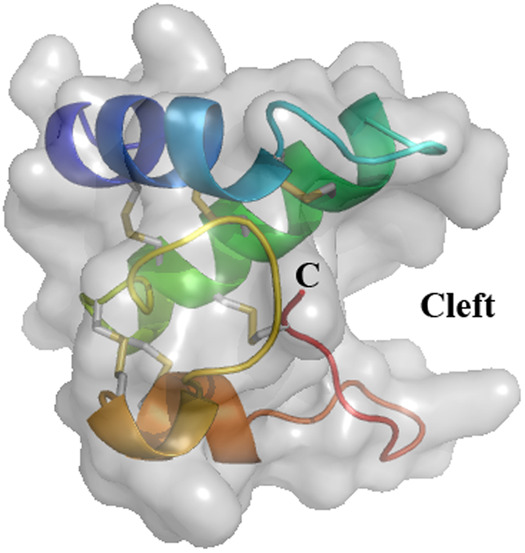
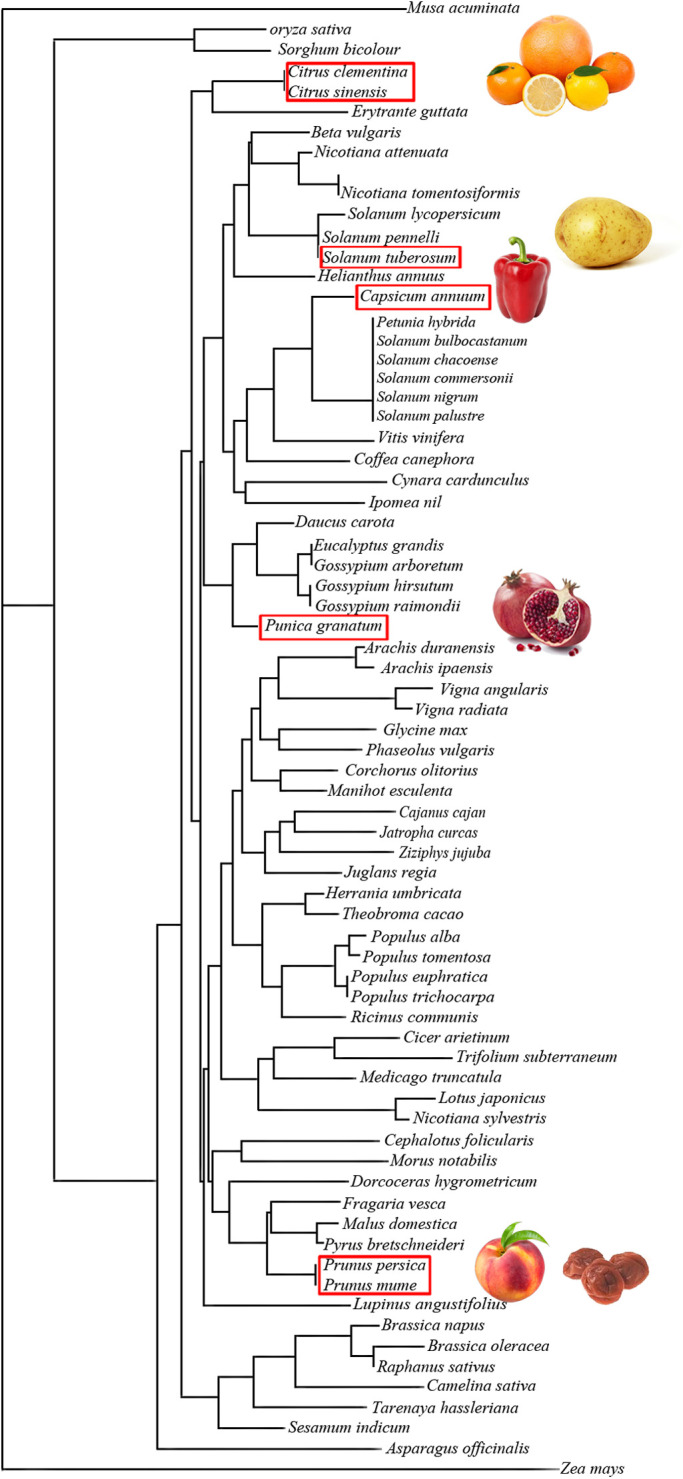
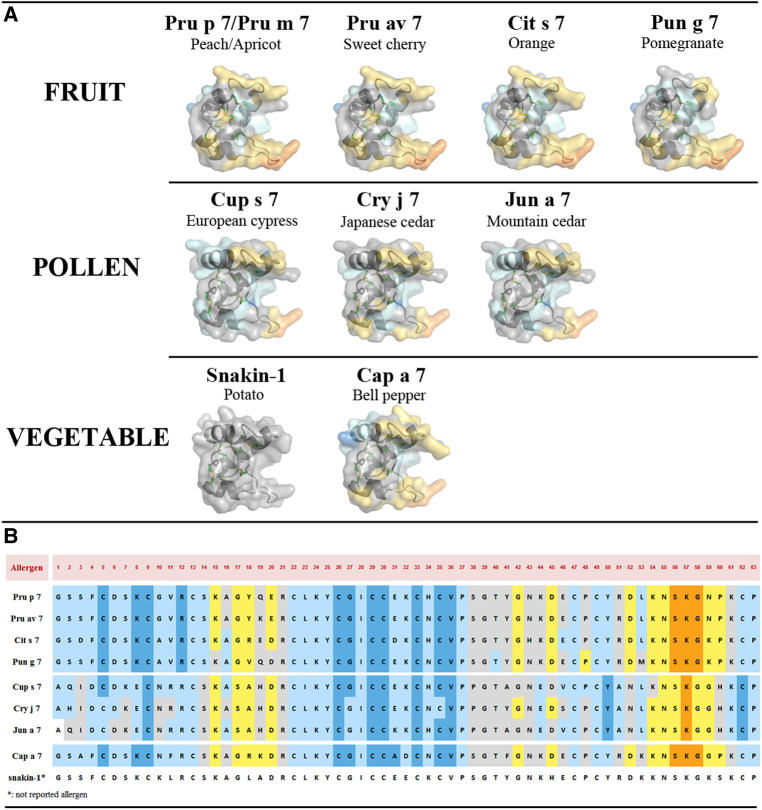
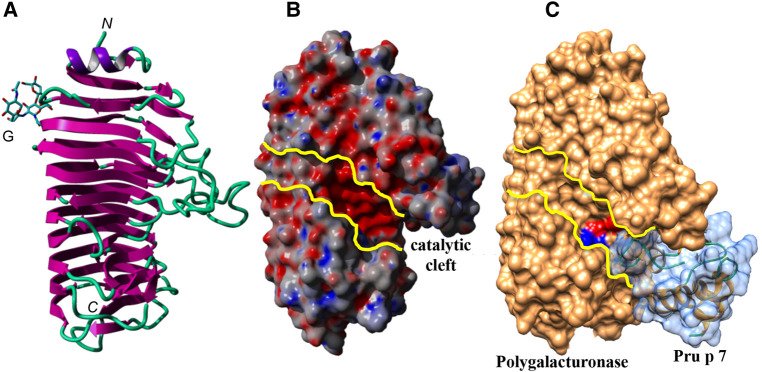
About 10 years ago, a protein family was shown for the first time to contain allergenic members, gibberellin-regulated protein (GRP). The first reported member was from peach, Pru p 7. One can hypothesize that it was not detected before because its physicochemical characteristics overlap with those of lipid transfer protein (LTP), a well-known allergen, or because the exposure to GRP increased due to an increase in the gibberellin phythormone level in plant food, either exogenous or endogenous. Like LTPs, GRPs are small cationic proteins with disulfide bridges, are resistant to heat and proteolytic cleavage, and are involved in the defense of the plant. Besides peach, GRP allergens have been described in Japanese apricot (Pru m 7), sweet cherry (Pru av 7), orange (Cit s 7), pomegranate (Pun g 7), bell pepper (Cap a 7), strawberry (Fra a GRP), and also in pollen with a restriction to Cupressaceae tree family (Cup s 7, Cry j 7, and Jun a 7). IgE cross-reactivities were described between GRPs, and the reported peach/cypress and citrus/cypress syndromes may therefore be explained because of these GRP cross-reactivities. GRPs are clinically relevant, and severe adverse reactions may sometimes occur in association with cofactors. More than 60% and up to 95% sequence identities are calculated between various allergenic GRPs, and three-dimensional models show a cleft in the molecule and predict at least three epitopic regions. The structure of the protein and its properties and the matrix effect in the original allergenic source should be unraveled to understand why, despite the ubiquity of the protein family in plants, only a few members are able to sensitize patients.
Overview
The claims and statistics of this paper haven’t been checked yet.
Run the check — free, no account needed. It reads the open-access text and checks the sources it cites.
Integrity signals
Registry
Cites
Statistics
Figures
Verification
Claims the paper makes
The claims and statistics of this paper haven’t been checked yet.
Run the check — free, no account needed. It reads the open-access text and checks the sources it cites.
Claims other papers make about this one
Each is checked against this paper’s own text: does it say what the citing paper says it does?
In the citing paper
“GRPs are small proteins (7-8 kDa) with a high degree of stability, owing to their conserved cysteine residues that form multiple disulfide bridges [118].”
From Pollen–Food Allergy Syndrome: Allergens, Clinical Insights, Diagnostic and Therapeutic Challenges (2024) · cites this paper as [118]
In the citing paper
“Emerging research highlights other promising candidates, such as gibberellin-regulated proteins (GRPs), which are beginning to be recognized as cross-reactive allergens [118].”
From Pollen–Food Allergy Syndrome: Allergens, Clinical Insights, Diagnostic and Therapeutic Challenges (2024) · cites this paper as [118]
In the citing paper
“In pollens, GRP allergens seem to be confined to the Cupressaceae tree family, with key examples being Cup s 7 (cypress), Cry j 7 (Japanese cedar), and Jun a 7 (juniper) [118,158,163].”
From Pollen–Food Allergy Syndrome: Allergens, Clinical Insights, Diagnostic and Therapeutic Challenges (2024) · cites this paper as [118]
Self-check
Percentages, sums and reported differences re-computed from the paper’s own numbers.
The self-check needs the paper’s full text.
Citations
Cites
Reliable B cell epitope predictions: impacts of method development and improved benchmarking
Kringelum, J. V., Lundegaard, C., Lund, O., & Nielsen, M. (2012) · PLoS Computational Biology · doi:10.1371/journal.pcbi.1002829 · Cited by 697
Food-Induced Anaphylaxis: Role of Hidden Allergens and Cofactors
Skypala, I. J. (2019) · Frontiers in Immunology · doi:10.3389/fimmu.2019.00673 · Cited by 96
Research works printed but not linked: 74
- Inomata, 2016, Eyelid edema as a predictive factor for sensitization to Pru p 7 in peach allergy, J Dermatol, 43, 900, 10.1111/1346-8138.13316 · DOI
- Tuppo, 2013, Peamaclein—a new peach allergenic protein: similarities, differences and misleading features compared to Pru p 3, Clin Exp Allergy, 43, 128, 10.1111/cea.12028 · DOI
- Tanaka, 2004, Proteome analysis of rice tissues by two-dimensional electrophoresis: an approach to the investigation of gibberellin regulated proteins, Mol Genet Genomics, 270, 485, 10.1007/s00438-003-0929-9 · DOI
- Nahirnak, 2012, Snakin/GASA proteins: involvement in hormone crosstalk and redox homeostasis, Plant Signal Behav, 7, 1004, 10.4161/psb.20813 · DOI
- Segura, 1999, Snakin-1, a peptide from potato that is active against plant pathogens, Mol Plant Microbe Interact, 12, 16, 10.1094/MPMI.1999.12.1.16 · DOI
- Kurosawa, 1926, Experimental studies on the nature of the substance excrete by “Bakanae” fungus, Trans Nat Hist Soc Formosa, 16, 213
- Yabuta, 1938, Communication to the editor, J Agric Chem Soc Japan, 14, 1526
- Takahashi, 1955, Biochemical studies on “Bakanae” fungus, Bull Agric Chem Soc Japan, 19, 267, 10.1080/03758397.1955.10856832 · DOI
- Hedden, 2015, A century of gibberellin research, J Plant Growth Regul, 34, 740, 10.1007/s00344-015-9546-1 · DOI
- Colebrook, 2014, The role of gibberellin signalling in plant responses to abiotic stress, J Exp Biol, 217, 67, 10.1242/jeb.089938 · DOI
- Almasia, 2020, Potato Snakin-1: an antimicrobial player of the trade-off between host defense and development, Plant Cell Rep, 39, 839, 10.1007/s00299-020-02557-5 · DOI
- Sun, 2019, NADPH oxidases, essential players of hormone signalings in plant development and response to stresses, Plant Signal Behav, 20, 1, 10.1080/15592324.2019.1657343 · DOI
- Kuroha, 2018, Ethylene-gibberellin signalling underlies adaptation of rice to periodic flooding, Science, 361, 181, 10.1126/science.aat1577 · DOI
- Camut, 2019, Root-derived GA12 contributes to temperature-induced shoot growth in Arabidopsis, Nat Plants, 12, 1216, 10.1038/s41477-019-0568-8 · DOI
- Gao, 2020, Gibberellin metabolism and signaling: targets for improving agronomic performance of crops, Plant Cell Physiol, 61, 1902, 10.1093/pcp/pcaa104 · DOI
- Mushtaq, 2018, Gibberellins application timing modulates growth, physiology, and quality characteristics of two onion (Allium cepa L.) cultivars, Environ Sci Pollut Res Int, 25, 25155, 10.1007/s11356-018-2542-9 · DOI
- Wang, 2015, Exogenous gibberellin altered morphology, anatomic and transcriptional regulatory networks of hormones in carrot root and shoot, BMC Plant Biol, 15, 290, 10.1186/s12870-015-0679-y · DOI
- Su, 2020, Molecular and biological properties of snakins: the foremost cysteine-rich plant host defense peptides, J Fungi (Basel), 6, 1, 10.3390/jof6040220 · DOI
- Oliveira-Lima, 2017, Snakin: structure, roles and applications of a plant antimicrobial peptide, Curr Protein Pept Sci, 18, 368, 10.2174/1389203717666160619183140 · DOI
- Shahali, 2012, Differential IgE sensitization to cypress pollen associated to a basic allergen of 14 kDa, FEBS J, 279, 1445, 10.1111/j.1742-4658.2012.08536.x · DOI
- Sénéchal, 2018, A new allergen family involved in pollen food associated syndrome: snakin/gibberellin regulated proteins, J Allergy Clin Immunol, 141, 411, 10.1016/j.jaci.2017.06.041 · DOI · Paper page
- Iizuka, 2021, Gibberellin-regulated protein sensitization in Japanese cedar (Cryptomeria japonica) pollen allergic Japanese cohorts, Allergy, 76, 2297, 10.1111/all.14816 · DOI
- Akdis, 2000, Mechanisms of allergen-specific immunotherapy, Allergy, 55, 522, 10.1034/j.1398-9995.2000.00120.x · DOI
- Yeung, 2016, Radiation damage and racemic protein crystallography reveal the unique structure of the GASA/snakin protein superfamily, Angew Chem Int Ed Engl, 55, 7930, 10.1002/anie.201602719 · DOI
- Tuppo, 2014, Structure, stability, and IgE binding of the peach allergen Peamaclein (Pru p 7), Biopolymers, 102, 416, 10.1002/bip.22530 · DOI
- Inomata, 2014, Identification of peamaclein as a marker allergen related to systemic reactions in peach allergy, Ann Allergy Asthma Immunol, 112, 175, 10.1016/j.anai.2013.11.003 · DOI
- Tuppo, 2017, Pomegranate cultivars: identification of the new IgE-binding protein pommaclein and analysis of anti-oxidant variability, J Agric Food Chem, 65, 2702, 10.1021/acs.jafc.7b00092 · DOI
- Inomata, 2017, Gibberellin-regulated protein in Japanese apricot is an allergen cross-reactive to Pru p 7, Immun Inflamm Dis, 5, 469, 10.1002/iid3.180 · DOI
- Inomata, 2017, High prevalence of sensitization to gibberellin-regulated protein (peamaclein) in fruit allergies with negative immunoglobulin E reactivity to Bet v 1 homologs and profilin: clinical pattern, causative fruits and cofactor effect of gibberellin-regulated protein allergy, J Dermatol, 44, 735, 10.1111/1346-8138.13795 · DOI
- Nakagawa, 2021, A case of a gibberellin-regulated protein-positive patient allergic to various fruits, Eur J Dermatol, 31, 88, 10.1684/ejd.2020.3949 · DOI
- Totsuka, 2020, Plum anaphylaxis induced by sensitization to gibberellin-regulated protein: possibility of cross-reactivity with Pru p 7 and Pru m 7, J Dermatol, 47, e296, 10.1111/1346-8138.15395 · DOI
- Inomata, 2018, Identification of gibberellin-regulated protein as a new allergen in orange allergy, Clin Exp Allergy, 48, 1509, 10.1111/cea.13247 · DOI
- Inuo, 2022, Generalized allergic reaction in response to exercise due to strawberry gibberellin-regulated protein: a case report, Allergy Asthma Clin Immunol, 18, 49, 10.1186/s13223-022-00692-0 · DOI
- Okazaki, 2022, Determination of severe peach allergens, gibberellin-regulated protein, and lipid transfer protein, using monoclonal antibodies, J Nutr Sci Vitaminol (Tokyo), 68, 221, 10.3177/jnsv.68.221 · DOI
- Kawai, 2022, Expression analysis of gibberellin-regulated protein in peach by reverse transcription quantitative PCR., Biosci Biotechnol Biochem, zbac123, 10.1093/bbb/zbac123 · DOI
- Klingebiel, 2019, Pru p 7 sensitization is a predominant cause of severe, cypress pollen-associated peach allergy, Clin Exp Allergy, 49, 526, 10.1111/cea.13345 · DOI
- Inomata, 2020, Gibberellin-regulated protein allergy: clinical features and cross-reactivity, Allergol Int, 69, 11, 10.1016/j.alit.2019.10.007 · DOI · Paper page
- Hotta, 2016, Case of food-dependent exercise-induced anaphylaxis due to peach with Pru p 7 sensitization, J Dermatol, 43, 222, 10.1111/1346-8138.13163 · DOI
- Asero, 2020, Labile plant food allergens: really so harmless? Case series and literature review, Allergy, 75, 1517, 10.1111/all.14184 · DOI
- Asero, 2021, Sensitization to gibberellin-regulated protein (peamaclein) among Italian cypress pollen-sensitized patients, J Investig Allergol Clin Immunol, 32, 40, 10.18176/jiaci.0542 · DOI
- Muñoz-Cano, 2021, Immune-mediated mechanisms in cofactor-dependent food allergy and anaphylaxis: effect of cofactors in basophils and mast cells, Front Immunol, 11, 623071, 10.3389/fimmu.2020.623071 · DOI
- Kuddus, 2017, Enhanced expression of cysteine-rich antimicrobial peptide snakin-1 in Escherichia coli using an aggregation-prone protein, Coexpression System Biotechnol Prog, 33, 1520, 10.1002/btpr.2508 · DOI
- Kuddus, 2016, Expression, purification and characterization of the recombinant cysteine-rich antimicrobial peptide snakin-1 in Pichia pastoris, Protein Expression Purif, 122, 15, 10.1016/j.pep.2016.02.002 · DOI
- Berrocal-Lobo, 2002, Snakin-2, an antimicrobial peptide from potato whose gene is locally induced by wounding and responds to pathogen infection, Plant Physiol, 128, 951, 10.1104/pp.010685 · DOI
- Shahali, 2010, Ige reactivity to common cypress (C. sempervirens) pollen extracts: evidence for novel allergens, World Allergy Organization J, 3, 229, 10.1097/WOX.0b013e3181eb3525 · DOI
- Shahali, 2014, Complementarity between microarray and immunoblot for the comparative evaluation of IgE repertoire of French and Italian cypress pollen allergic patients, Folia Biol (Praha), 60, 192, 10.14712/fb2014060040192 · DOI
- Charpin, 2019, Cypress pollinosis: from tree to clinic, Clin Rev Allergy Immunol, 56, 174, 10.1007/s12016-017-8602-y · DOI · Paper page
- Sénéchal, 2018, Gibberellin-regulated proteins and the enigma of the « missing link », Rev Fr Allergol, 58, 63, 10.1016/j.reval.2017.07.001 · DOI
- Senechal, 2019, Pollen/fruit syndrome: clinical relevance of the cypress pollen allergenic gibberellin-regulated protein, Allergy Asthma Immunol Res, 11, 143, 10.4168/aair.2019.11.1.143 · DOI
- Poncet, 2019, The subtype of Cupressaceae pollinosis associated with Pru p 7 sensitization is characterized by a sensitization to a cross-reactive gibberellin-regulated protein in cypress pollen: BP14, Clin Exp Allergy, 49, 1163, 10.1111/cea.13418 · DOI
- Hugues, 2006, Cross-reactivity between cypress pollen and peach: a report of seven cases, Allergy, 61, 1241, 10.1111/j.1398-9995.2006.01156.x · DOI
- Martinez, 2015, The cypress/citrus syndrome, Rev Fr Allergol, 55, 305, 10.1016/j.reval.2014.12.008 · DOI
- Takei, 2022, Capsicum allergy: involvement of Cap a 7, a new clinically relevant gibberellin-regulated protein cross-reactive with Cry j 7, the gibberellin-regulated protein from Japanese cedar pollen, Allergy, Asthma and Immunol Res, 14, 328, 10.4168/aair.2022.14.3.328 · DOI
- Tuppo, 2019, Isolation of cypress gibberellin-regulated protein: analysis of its structural features and IgE binding competition with homologous allergens, Mol Immunol, 114, 189, 10.1016/j.molimm.2019.07.023 · DOI
- Ehrenberg, 2020, Characterization of a 7 kDa pollen allergen belonging to the gibberellin-regulated protein family from three Cupressaceae species, Clin Exp Allergy, 50, 964, 10.1111/cea.13675 · DOI
- Hauser, 2010, Panallergens and their impact on the allergic patient, Allergy Asthma and Clinical Immunology, 6, 1, 10.1186/1710-1492-6-1 · DOI · Paper page
- Poncet, 2020, Update on pollen-food allergy syndrome, Expert Rev Clin Immunol, 16, 561, 10.1080/1744666X.2020.1774366 · DOI · Paper page
- Tuppo, 2021, When the frequencies of sensitization and elicitation of allergic reaction do not correlate—the case of apple gibberellin-regulated protein tested in an Italian population, Front Allergy, 2, 1, 10.3389/falgy.2021.745825 · DOI
- Platts-Mills, 2021, Carbohydrate epitopes currently recognized as targets for IgE antibodies, Allergy, 76, 2383, 10.1111/all.14802 · DOI
- Chruszcz, 2021, Allergens and their associated small molecule ligands-their dual role in sensitization, Allergy, 76, 2367, 10.1111/all.14861 · DOI
- Soh, 2019, Multiple roles of Bet v 1 ligands in allergen stabilization and modulation of endosomal protease activity, Allergy, 74, 2382, 10.1111/all.13948 · DOI
- Roth-Walter, 2014, Bet v 1 from birch pollen is a lipocalin-like protein acting as allergen only when devoid of iron by promoting Th2 lymphocytes, J Biol Chem, 289, 17416, 10.1074/jbc.M114.567875 · DOI
- Seutter von Loetzen, 2014, Secret of the major birch pollen allergen Bet v 1: identification of the physiological ligand, Biochem J, 457, 379, 10.1042/BJ20130413 · DOI
- Barre, 2015, The association of Alt a 1 (Alternaria) with Act d 2 (kiwi): origin and potential clinical relevance, Rev Fr Allergol, 56, 84, 10.1016/j.reval.2015.11.003 · DOI
- Gómez-Casado, 2014, Alt a 1 from Alternaria interacts with PR5 thaumatin-like proteins, FEBS Lett, 588, 1501, 10.1016/j.febslet.2014.02.044 · DOI
- Castro, 2015, Immunoproteomic tools are used to identify masked allergens: Ole e 12, an allergenic isoflavone reductase from olive (Olea europaea) pollen, Biochim Biophys Acta, 1854, 1871, 10.1016/j.bbapap.2015.09.004 · DOI
- Wangorsch, 2022, Identification of a defensin as novel allergen in celery root: Api g 7 as a missing link in the diagnosis of celery allergy?, Allergy, 77, 1294, 10.1111/all.15196 · DOI
- Ibrahim, 2010, Molecular cloning and immunochemical characterization of a novel major Japanese cedar pollen allergen belonging to the aspartic protease family, Int Arch Allergy Immunol, 152, 207, 10.1159/000283026 · DOI
- Tiotiu, 2016, Urtica dioica pollen allergy: clinical, biological, and allergomics analysis, Ann Allergy Asthma Immunol, 117, 527, 10.1016/j.anai.2016.09.426 · DOI
- Federici, 2001, Structural requirements of endopolygalacturonase for the interaction with PIGP (polygalacturonase-inhibiting protein), Proc Natl Acad Sci USA, 98, 13425, 10.1073/pnas.231473698 · DOI
- Tovchigrechko, 2006, GRAMM-X public web server for protein-protein docking, Nucleic Acids Res, 34, W310, 10.1093/nar/gkl206 · DOI
- Tovchigrechko, 2005, Development and testing of an automated approach to protein docking, Proteins, 60, 296, 10.1002/prot.20573 · DOI
- Loraud, 2021, Emergence of pollen food allergy syndrome in asthmatic children in Paris, Pediatr Allergy Immunol, 32, 702, 10.1111/pai.13435 · DOI
- Koga, 2022, Surveillance of pollen-food allergy syndrome in elementary and junior high school children in Saitama, Japan, Asia Pac Allergy, 12, e3, 10.5415/apallergy.2022.12.e3 · DOI
Cited by
Sorted by citations
Kato, Y., Morikawa, T., & Fujieda, S. (2025) · Allergology International · doi:10.1016/j.alit.2024.08.007 · Cited by 45
Pollen–Food Allergy Syndrome: Allergens, Clinical Insights, Diagnostic and Therapeutic Challenges
Haidar, L., Bănărescu, C. F., Uța, C., Moldovan, S. I., Zimbru, E.-L., Zimbru, R.-I., Ciurariu, E., Georgescu, M., & Panaitescu, C. (2024) · Applied Sciences · doi:10.3390/app15010066 · Cited by 21
Metadata
- Authors
- Iizuka, T., Barre, A., Rougé, P., Charpin, D., Scala, E., Baudin, B., Aizawa, T., Sénéchal, H., & Poncet, P.
- Venue
- Frontiers in Allergy
- Publisher
- Frontiers Media SA
- Published
- 2022-09-09
- Volume
- 3
- ISSN
- 2673-6101
- PMC
- PMC9500206
- Cited by
- 28
- References
- 2
About these checks
Registry, retraction, Cites and statistics results are computed, not judged, with one exception: a printed reference that no index lists is read once by a model before it counts as a citation error. Claims are extracted by a model and kept only when their quote appears verbatim in the text; each cited source is then checked, with a model’s help, for whether it says what the claim relies on. Those verdicts can be wrong — read the claim’s quote and the cited source before relying on one.
Statistics and arithmetic are recomputed, not judged.
Confidence bands are shown only for fields calibrated on our annotated test set. None is calibrated yet, so no band is shown.
What counts as a claim ›How we measure confidence ›How we check this ›
Are you an author, or do you see a problem with this page? Request a review
