

The DOI matches its Crossref record; 2 of the 2 references it cites were found in a registry or an index.
“Immunoinformatic Identification of T-Cell and B-Cell Epitopes From Giardia lamblia Immunogenic Proteins as Candidates to Develop Peptide-Based Vaccines Against Giardiasis”
Abstract
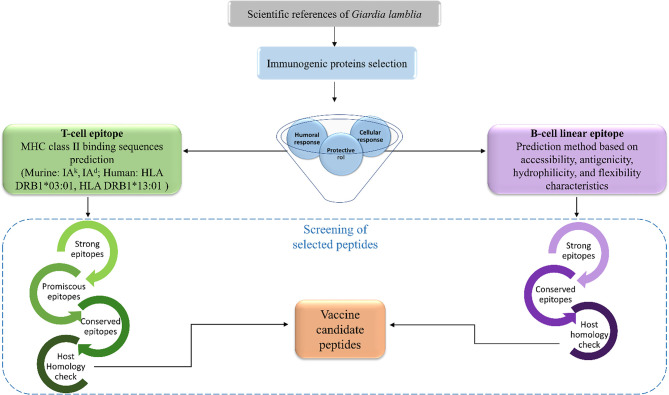
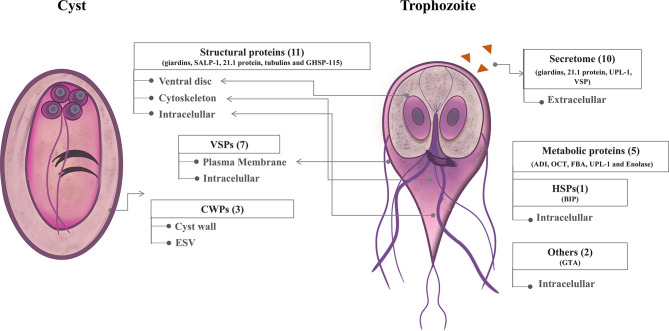
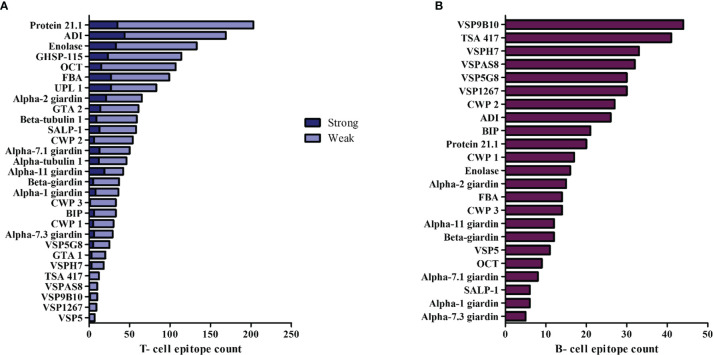
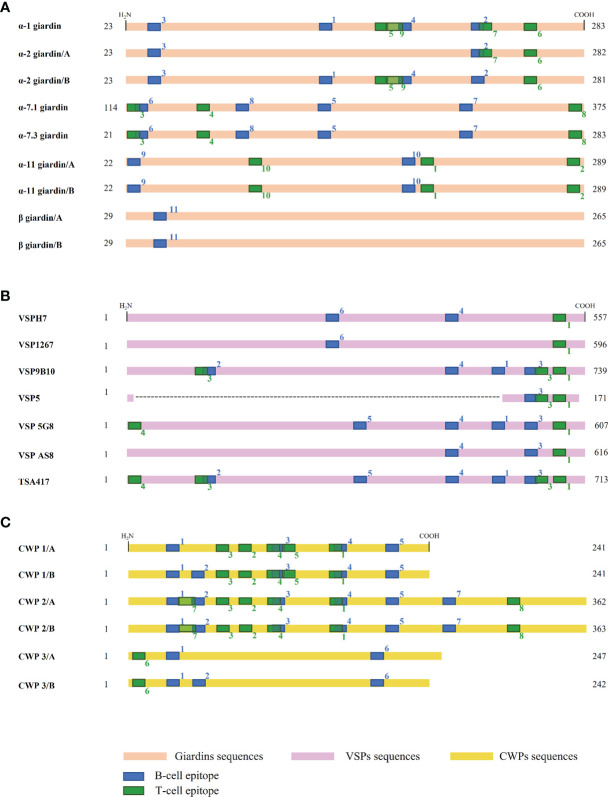
Giardiasis is one of the most common gastrointestinal infections worldwide, mainly in developing countries. The etiological agent is the Giardia lamblia parasite. Giardiasis mainly affects children and immunocompromised people, causing symptoms such as diarrhea, dehydration, abdominal cramps, nausea, and malnutrition. In order to develop an effective vaccine against giardiasis, it is necessary to understand the host-Giardia interactions, the immunological mechanisms involved in protection against infection, and to characterize the parasite antigens that activate the host immune system. In this study, we identify and characterize potential T-cell and B-cell epitopes of Giardia immunogenic proteins by immunoinformatic approaches, and we discuss the potential role of those epitopes to stimulate the host´s immune system. We selected the main immunogenic and protective proteins of Giardia experimentally investigated. We predicted T-cell and B-cell epitopes using immunoinformatic tools (NetMHCII and BCPREDS). Variable surface proteins (VSPs), structural (giardins), metabolic, and cyst wall proteins were identified as the more relevant immunogens of G. lamblia. We described the protein sequences with the highest affinity to bind MHC class II molecules from mouse (I-A k and I-A d) and human (DRB1*03:01 and DRB1*13:01) alleles, as well as we selected promiscuous epitopes, which bind to the most common range of MHC class II molecules in human population. In addition, we identified the presence of conserved epitopes within the main protein families (giardins, VSP, CWP) of Giardia. To our knowledge, this is the first in silico study that analyze immunogenic proteins of G. lamblia by combining bioinformatics strategies to identify potential T-cell and B-cell epitopes, which can be potential candidates in the development of peptide-based vaccines. The bioinformatics analysis demonstrated in this study provides a deeper understanding of the Giardia immunogens that bind to critical molecules of the host immune system, such as MHC class II and antibodies, as well as strategies to rational design of peptide-based vaccine against giardiasis.
Overview
The claims and statistics of this paper haven’t been checked yet.
Run the check — free, no account needed. It reads the open-access text and checks the sources it cites.
Integrity signals
Registry
Cites
Statistics
Figures
Verification
Claims the paper makes
The claims and statistics of this paper haven’t been checked yet.
Run the check — free, no account needed. It reads the open-access text and checks the sources it cites.
Claims other papers make about this one
Each is checked against this paper’s own text: does it say what the citing paper says it does?
In the citing paper
“This immunoglobulin contributes to mucosal defense by limiting microbial and parasitic adhesion to intestinal epithelial cells, neutralizing toxins, supporting barrier integrity, and binding luminal antigens, including food allergens (Caudet et al. 2022; Garzon et al. 2021; Quintero et al. 2017).”
From Parasites and allergies: a complex bidirectional relationship from evolutionary origins to modern therapeutics (2026) · cites this paper as Garzon et al. 2021
In the citing paper
“In the interaction between G. intestinalis and the host immune system, secretory IgA (sIgA) plays an important protective role.”
From Parasites and allergies: a complex bidirectional relationship from evolutionary origins to modern therapeutics (2026) · cites this paper as Garzon et al. 2021
Self-check
Percentages, sums and reported differences re-computed from the paper’s own numbers.
The self-check needs the paper’s full text.
Citations
Cites
Th17: An Effector CD4 T Cell Lineage with Regulatory T Cell Ties
Weaver, C. T., Harrington, L. E., Mangan, P. R., Gavrieli, M., & Murphy, K. M. (2006) · Immunity · doi:10.1016/j.immuni.2006.06.002 · Cited by 1,422
Peptide-Based Vaccines: Current Progress and Future Challenges
Malonis, R. J., Lai, J. R., & Vergnolle, O. (2020) · Chemical Reviews · doi:10.1021/acs.chemrev.9b00472 · Cited by 602
Research works printed but not linked: 122
- Abdi, 2019, Comparison of Staphylococcus Aureus Surface Protein Extraction Methods and Immunogenicity, Heliyon, 5, e02528, 10.1016/j.heliyon.2019.e02528 · DOI
- Abdul-Wahid, 2004, Similarity in Cyst Wall Protein (CWP) Trafficking Between Encysting Giardia Duodenalis Trophozoites and CWP-Expressing Human Embryonic Kidney-293 Cells, Biochem. Biophys. Res. Commun., 324, 1069, 10.1016/j.bbrc.2004.09.167 · DOI
- Abdul-Wahid, 2008, Characterization of the Local Immune Response to Cyst Antigens During the Acute and Elimination Phases of Primary Murine Giardiasis, Int. J. Parasitol., 38, 691, 10.1016/j.ijpara.2007.10.004 · DOI
- Akkaya, 2019, B Cell Memory: Building Two Walls of Protection Against Pathogens, Nat. Rev. Immunol., 229, 10.1038/s41577-019-0244-2 · DOI · Paper page
- AL-Khaliq, 2020, Influence of Human Leukocyte Antigen Hla-Drb1 on Susceptibility To Giardia Lamblia Infection of Iraqi Patients, Biochem. Cell. Arch., 20, 5513
- Altschul, 1990, Basic Local Alignment Search Tool, J. Mol. Biol., 215, 403, 10.1016/S0022-2836(05)80360-2 · DOI · Paper page
- Anderson, 2004, Impact of Giardia Vaccination on Asymptomatic Giardia Infections in Dogs at a Research Facility, Can. Vet. J., 45, 924
- Ankarklev, 2010, Behind the Smile: Cell Biology and Disease Mechanisms of Giardia Species, Nat. Rev. Microbiol., 8, 413, 10.1038/nrmicro2317 · DOI
- Autheman, 2021, An Invariant Trypanosoma Vivax Vaccine Antigen Induces Protective Immunity, Nature, 595, 96, 10.1038/s41586-021-03597-x · DOI
- Bae, 2009, Giardia Lamblia: Immunogenicity and Intracellular Distribution of GHSP-115, a Member of the Giardia Head-Stalk Family of Proteins, Exp. Parasitol., 122, 11, 10.1016/j.exppara.2009.01.005 · DOI
- Belosevic, 1984, Susceptibility and Resistance of Inbred Mice to Giardia Muris, Infect. Immun., 44, 282, 10.1128/iai.44.2.282-286.1984 · DOI
- Bevaart, 2004, CpG Oligodeoxynucleotides Enhance Fcγri-Mediated Cross Presentation by Dendritic Cells, Int. Immunol., 16, 1091, 10.1093/intimm/dxh110 · DOI
- Bienz, 2003, Interleukin-6-Deficient Mice Are Highly Susceptible to Giardia Lamblia Infection But Exhibit Normal Intestinal Immunoglobulin A Responses Against the Parasite, Infect. Immun., 71, 1569, 10.1128/IAI.71.3.1569-1573.2003 · DOI
- Bienz, 2001, Molecular Characterisation of a Predominant Antigenic Region of Giardia Lamblia Variant Surface Protein H7, Int. J. Parasitol., 31, 827, 10.1016/S0020-7519(01)00182-5 · DOI
- Borst, 2001, Control of VSG Gene Expression Sites, Mol. Biochem. Parasitol., 114, 17, 10.1016/S0166-6851(01)00243-2 · DOI
- Cabrera-Licona, 2017, Expression and Secretion of the Giardia Duodenalis Variant Surface Protein 9B10A by Transfected Trophozoites Causes Damage to Epithelial Cell Monolayers Mediated by Protease Activity, Exp. Parasitol., 179, 49, 10.1016/j.exppara.2017.06.006 · DOI
- Carranza, 2002, Simultaneous Expression of Different Variant-Specific Surface Proteins in Single Giardia Lamblia Trophozoites During Encystation, Infect. Immun., 70, 5265, 10.1128/IAI.70.9.5265-5268.2002 · DOI
- Cecilio, 2017, Pre-Clinical Antigenicity Studies of an Innovative Multivalent Vaccine for Human Visceral Leishmaniasis, PloS Negl. Trop. Dis., 11, e0005951, 10.1371/journal.pntd.0005951 · DOI
- Cedillo-Rivera, 2009, Seroepidemiology of Giardiasis in Mexico, Am. J. Trop. Med. Hyg., 80, 6, 10.4269/ajtmh.2009.80.6 · DOI
- Cotton, 2015, Disruptions of Host Immunity and Inflammation by Giardia Duodenalis: Potential Consequences for Co-Infections in the Gastro-Intestinal Tract, Pathogens, 4, 764, 10.3390/pathogens4040764 · DOI
- Cotton, 2011, Host Parasite Interactions and Pathophysiology in Giardia Infections, Int. J. Parasitol., 41, 925, 10.1016/j.ijpara.2011.05.002 · DOI
- Crumpton, 1974, CHAPTER 1 - Protein Antigens: The Molecular Bases of Antigenicity and Immunogenicity, 1, 10.1016/B978-0-12-635502-4.50008-4 · DOI
- Dann, 2015, IL-17A Promotes Protective IgA Responses and Expression of Other Potential Effectors Against the Lumen-Dwelling Enteric Parasite Giardia, Exp. Parasitol., 156, 68, 10.1016/j.exppara.2015.06.003 · DOI
- Davids, 2019, Identification of Conserved Candidate Vaccine Antigens in the Surface Proteome of Giardia Lamblia, Infect. Immun., 87, 1, 10.1128/IAI.00219-19 · DOI
- Davids, 2006, Polymeric Immunoglobulin Receptor in Intestinal Immune Defense Against the Lumen-Dwelling Protozoan Parasite Giardia, J. Immunol., 177, 6281, 10.4049/jimmunol.177.9.6281 · DOI
- Dissanayake, 2005, Presentation of Endogenously Synthesized MHC Class II-Restricted Epitopes by MHC Class II Cancer Vaccines Is Independent of Transporter Associated With Ag Processing and the Proteasome, J. Immunol., 174, 1811, 10.4049/jimmunol.174.4.1811 · DOI
- Dreesen, 2014, Giardia Muris Infection in Mice Is Associated With a Protective Interleukin 17a Response and Induction of Peroxisome Proliferator-Activated Receptor Alpha, Infect. Immun., 82, 3333, 10.1128/IAI.01536-14 · DOI
- Eckmann, 2003, Mucosal Defences Against Giardia, Parasite Immunol, 25, 259, 10.1046/j.1365-3024.2003.00634.x · DOI
- El-Beshbishi, 2020, Human Leukocyte Antigen Class-II DRB1 Alleles and Giardia Lamblia Infection in Children: A Case-Control Study, Asian Pac. J. Trop. Med., 13, 56, 10.4103/1995-7645.275413 · DOI
- El-Manzalawy, 2008, Predicting Linear B-Cell Epitopes Using String Kernels, J. Mol. Recognit., 21, 243, 10.1002/jmr.893 · DOI
- Feliziani, 2011, Immunodominant Proteins α-1 Giardin and β-Giardin Are Expressed in Both Assemblages A and B of Giardia Lamblia, BMC Microbiol., 11, 233, 10.1186/1471-2180-11-233 · DOI
- Feng, 2016, Vaccination With Bivalent DNA Vaccine of A1-Giardin and Cwp2 Delivered by Attenuated Salmonella Typhimurium Reduces Trophozoites and Cysts in the Feces of Mice Infected With Giardia Lamblia, PloS One, 11, 1, 10.1371/journal.pone.0157872 · DOI
- Foged, 2005, Particle Size and Surface Charge Affect Particle Uptake by Human Dendritic Cells in an In vitro Model, Int. J. Pharm., 298, 315, 10.1016/j.ijpharm.2005.03.035 · DOI
- Franzén, 2009, Draft Genome Sequencing of Giardia Intestinalis Assemblage B Isolate GS: Is Human Giardiasis Caused by Two Different Species, PloS Pathog., 5, e1000560, 10.1371/journal.ppat.1000560 · DOI · Paper page
- Garzon, 2020, Differential Antibody Responses to Giardia Lamblia Strain Variants Expressing Dissimilar Levels of an Immunogenic Protein, Parasite Immunol., 42, 1, 10.1111/pim.12767 · DOI
- Goodswen, 2017, On the Application of Reverse Vaccinology to Parasitic Diseases: A Perspective on Feature Selection and Ranking of Vaccine Candidates, Int. J. Parasitol., 47, 779, 10.1016/j.ijpara.2017.08.004 · DOI
- Greenbaum, 2011, Functional Classification of Class II Human Leukocyte Antigen (HLA) Molecules Reveals Seven Different Supertypes and a Surprising Degree of Repertoire Sharing Across Supertypes, Immunogenetics, 63, 325, 10.1007/s00251-011-0513-0 · DOI
- Grit, 2014, Evaluation of Cellular and Humoral Systemic Immune Response Against Giardia Duodenalis Infection in Cattle, Vet. Parasitol., 202, 145, 10.1016/j.vetpar.2014.03.012 · DOI
- Gupta, 2013, Identification of B-Cell Epitopes in an Antigen for Inducing Specific Class of Antibodies, Biol. Direct, 8, 1, 10.1186/1745-6150-8-27 · DOI
- Hanevik, 2011, Human Cellular Immune Response Against Giardia Lamblia 5 Years After Acute Giardiasis, J. Infect. Dis., 204, 1779, 10.1093/infdis/jir639 · DOI
- Hehl, 2000, Stage-Specific Expression and Targeting of Cyst Wall Protein-Green Fluorescent Protein Chimeras in Giardia, Mol. Biol. Cell, 11, 1789, 10.1091/mbc.11.5.1789 · DOI
- He, 2010, Vaxign: The First Web-Based Vaccine Design Program for Reverse Vaccinology and Applications for Vaccine Development, J. Biomed. Biotechnol., 2010, 15, 10.1155/2010/297505 · DOI
- Heyworth, 1987, Clearance of Giardia Muris Infection Requires Helper/Inducer T Lymphocytes, J. Exp. Med., 165, 1743, 10.1084/jem.165.6.1743 · DOI
- Hjøllo, 2018, Longitudinal Cohort Study of Serum Antibody Responses Towards Giardia Lamblia Variant-Specific Surface Proteins in a Non-Endemic Area, Exp. Parasitol., 191, 66, 10.1016/j.exppara.2018.06.005 · DOI
- Jenikova, 2011, A1-Giardin Based Live Heterologous Vaccine Protects Against Giardia Lamblia Infection in a Murine Model, Vaccine, 29, 9529, 10.1016/j.vaccine.2011.09.126 · DOI · Paper page
- Jiménez-Cardoso, 2002, Evaluación De La Capacidad Inmunogénica De La Vacuna Giardia-Vax, Utilizando Un Modelo Experimental De Giardiasis En Gerbos (Meriones Unguiculatus), Vet. Mex., 33, 49, 10.21753/vmoa.33.001.60 · DOI
- Jiménez, 2014, Antibody and Cytokine Responses to Giardia Excretory/Secretory Proteins in Giardia Intestinalis-Infected BALB/c Mice, Parasitol. Res., 113, 2709, 10.1007/s00436-014-3927-4 · DOI
- Jiskoot, 2019, Chapter 22-Vaccines, 281, 10.1007/978-3-030-00710-2_14 · DOI
- Kamda, 2012, Giardia Duodenalis: Dendritic Cell Defects in IL-6 Deficient Mice Contribute to Susceptibility to Intestinal Infection, Exp. Parasitol., 130, 288, 10.1016/j.exppara.2012.01.003 · DOI
- Karosiene, 2013, NetMHCIIpan-3.0, a Common Pan-Specific MHC Class II Prediction Method Including All Three Human MHC Class II Isotypes, HLA-DR, HLA-DP and HLA-DQ, Immunogenetics, 65, 711, 10.1007/s00251-013-0720-y · DOI
- Kaufmann, 1999, Impact of Intracellular Location of and Antigen Display by Intracellular Bacteria: Implications for Vaccine Development, Immunol. Lett., 65, 81, 10.1016/S0165-2478(98)00128-X · DOI
- Kyes, 2007, Antigenic Variation in Plasmodium Falciparum: Gene Organization and Regulation of the Var Multigene Family, Eukaryot. Cell, 6, 1511, 10.1128/EC.00173-07 · DOI
- Landais, 2009, New Design of MHC Class II Tetramers to Accommodate Fundamental Principles of Antigen Presentation, J. Immunol., 183, 7949, 10.4049/jimmunol.0902493 · DOI
- Larocque, 2003, Oral Immunization of BALB/c Mice With Giardia Duodenalis Recombinant Cyst Wall Protein Inhibits Shedding of Cysts, Infect. Immun., 71, 5662, 10.1128/IAI.71.10.5662-5669.2003 · DOI
- Laurens, 2020, RTS,S/AS01 Vaccine (MosquirixTM): An Overview, Hum. Vaccin. Immunother., 16, 480, 10.1080/21645515.2019.1669415 · DOI
- Lee, 2009, Comparison of the Local Immune Response Against Giardia Lamblia Cyst Wall Protein 2 Induced by Recombinant Lactococcus Lactis and Streptococcus Gordonii, Microbes Infect., 11, 20, 10.1016/j.micinf.2008.10.002 · DOI
- Lee, 2014, Giardia Lamblia Binding Immunoglobulin Protein Triggers Maturation of Dendritic Cells via Activation of TLR4-MyD88-P38 and ERK1/2 MAPKs, Parasite Immunol., 36, 627, 10.1111/pim.12119 · DOI
- Lima, 2019, Mechanisms of Human Innate Immune Evasion by Toxoplasma Gondii, Front. Cell. Infect. Microbiol., 9, 1, 10.3389/fcimb.2019.00103 · DOI
- Li, 2004, Mast Cell-Dependent Control of Giardia Lamblia Infections in Mice, Infect. Immun., 72, 6642, 10.1128/IAI.72.11.6642-6649.2004 · DOI
- Lopez-Romero, 2017, Characterization of BIP Protein of G. Lamblia as a Potential Immunogen in a Mouse Infection Model, Immunobiology, 222, 884, 10.1016/j.imbio.2017.05.008 · DOI
- Lopez-Romero, 2015, Host Defences Against Giardia Lamblia, Parasite Immunol., 37, 394, 10.1111/pim.12210 · DOI
- Lovitch, 2005, Conformational Isomers of a Peptide-Class II Major Histocompatibility Complex, Immunol. Rev., 207, 293, 10.1111/j.0105-2896.2005.00298.x · DOI
- Lujan, 2006, Giardia and Giardiasis | Giardia Y Giardiasis, Medicina, 66, 70
- Lujan, 2011, Mechanisms of Adaptation in the Intestinal Parasite Giardia Lamblia, Essays Biochem., 51, 177, 10.1042/bse0510177 · DOI
- Lujan, 1995, Identification of a Novel Giardia Lamblia Cyst Wall Protein With Leucine- Rich Repeats: Implications for Secretory Granule Formation and Protein Assembly Into the Cyst Wall, J. Biol. Chem., 270, 29307, 10.1074/jbc.270.49.29307 · DOI
- Lujan, 2011, Giardia A Model Organism, 31
- Ma’ayeh, 2017, Characterization of the Giardia Intestinalis Secretome During Interaction With Human Intestinal Epithelial Cells: The Impact on Host Cells, PLoS Negl. Trop. Dis., 11, e0006120, 10.1371/journal.pntd.0006120 · DOI
- McCaffery, 1994, Giardia Lamblia: Traffic of a Trophozoite Variant Surface Protein and a Major Cyst Wall Epitope During Growth, Encystation, and Antigenic Switching, Exp. Parasitol., 79, 236, 10.1006/expr.1994.1087 · DOI
- McFarland, 1999, Ovalbumin(323-339) Peptide Binds to the Major Histocompatibility Complex Class II I-A(d) Protein Using Two Functionally Distinct Registers, Biochemistry, 38, 16663, 10.1021/bi991393l · DOI
- Montagnoli, 2004, Immunogenicity and Protective Effect of Recombinant Enolase of Candida Albicans in a Murine Model of Systemic Candidiasis, Med. Mycol., 42, 319, 10.1080/13693780310001644653 · DOI
- Moormann, 2019, Immune Effector Mechanisms in Malaria: An Update Focusing on Human Immunity, Parasite Immunol., 41, 1, 10.1111/pim.12628 · DOI
- Mora, 2010, Genome-Based Approaches to Vaccine Development, J. Mol. Med., 88, 143, 10.1007/s00109-009-0574-9 · DOI
- Mukherjee, 2019, Toll-Like Receptor Polymorphism in Host Immune Response to Infectious Diseases: A Review, Scand. J. Immunol., 90, 1, 10.1111/sji.12771 · DOI
- Nash, 1986, Cytotoxicity of Monoclonal Antibodies to a Subset of Giardia Isolates, J. Immunol., 136, 2628 LP, 10.4049/jimmunol.136.7.2628 · DOI
- Nash, 1991, Isolate and Epitope Variability in Susceptibility of Giardia Lamblia to Intestinal Proteases, Infect. Immun., 59, 1334, 10.1128/iai.59.4.1334-1340.1991 · DOI
- Nelson, 1992, Identification of the Naturally Processed Form of Hen Egg White Lysozyme Bound to the Murine Major Histocompatibility Complex Class II Molecule I-Ak, Proc. Natl. Acad. Sci. USA, 89, 7380, 10.1073/pnas.89.16.7380 · DOI
- Nielsen, 2008, Quantitative Predictions of Peptide Binding to Any HLA-DR Molecule of Known Sequence: NetMHCIIpan, PloS Comput. Biol., 4, 1, 10.1371/journal.pcbi.1000107 · DOI
- Olson, 2000, Giardia Vaccination, Parasitol. Today, 16, 213, 10.1016/S0169-4758(99)01623-3 · DOI
- Palm, 2003, Identification of Immunoreactive Proteins During Acute Human Giardiasis, J. Infect. Dis., 187, 1849, 10.1086/375356 · DOI
- Papanastasiou, 1997, Primary Structure and Biochemical Properties of a Variant-Specific Surface Protein of Giardia1Note: The Nucleotide Sequence Information Reported in This Paper Has Been Submitted to the EMBL Data Library With the Accession No. Z83743.1, Mol. Biochem. Parasitol., 86, 13, 10.1016/S0166-6851(97)02836-3 · DOI
- Paul, 2016, TepiTool: A Pipeline for Computational Prediction of T Cell Epitope Candidates, Curr. Protoc. Immunol., 114, 18.19.1, 10.1002/cpim.12 · DOI
- Pertsemlidis, 2001, Having a BLAST With Bioinformatics (and Avoiding BLASTphemy), Genome Biol., 2, reviews2002.1, 10.1186/gb-2001-2-10-reviews2002 · DOI
- Potocnakova, 2016, An Introduction to B-Cell Epitope Mapping and In Silico Epitope Prediction, J. Immunol. Res., 2016, 11, 10.1155/2016/6760830 · DOI
- Priest, 2003, Characterization of a Low Molecular Weight Glycolipid Antigen From Cryptosporidium Parvum, J. Biol. Chem., 278, 52212, 10.1074/jbc.M306835200 · DOI
- Quintero, 2017, Isolation and Partial Characterization of an Immunogenic Antigen of Giardia Lamblia, Parasitol. Int., 66, 324, 10.1016/j.parint.2017.01.007 · DOI · Paper page
- Radunovic, 2017, Genetic Variation in Potential Giardia Vaccine Candidates Cyst Wall Protein 2 and A1-Giardin, Parasitol. Res., 116, 2151, 10.1007/s00436-017-5516-9 · DOI
- Reiner, 1991, Human Secretory and Serum Antibodies Recognize Environmentally Induced Antigens of Giardia Lamblia, Infect. Immun., 60, 637, 10.1128/iai.60.2.637-643.1992 · DOI
- Rhee, 2012, Mucosal Vaccine Adjuvants Update, Clin. Exp. Vaccine Res., 1, 50, 10.7774/cevr.2012.1.1.50 · DOI
- Rivero, 2010, Disruption of Antigenic Variation Is Crucial for Effective Parasite Vaccine, Nat. Med., 16, 551, 10.1038/nm.2141 · DOI
- Robleda-Castillo, 2021, An Overview of Current Uses and Future Opportunities for Computer-Assisted Design of Vaccines for Neglected Tropical Diseases, Adv. Appl. Bioinform. Chem., 14, 25, 10.2147/AABC.S258759 · DOI
- Ropert, 2000, Signaling of Immune System Cells by Glycosylphosphatidylinositol (GPI) Anchor and Related Structures Derived From Parasitic Protozoa, Curr. Opin. Microbiol., 3, 395, 10.1016/S1369-5274(00)00111-9 · DOI
- Roxström-Lindquist, 2005, Giardia Lamblia-Induced Changes in Gene Expression in Differentiated Caco-2 Human Intestinal Epithelial Cells, Infect. Immun., 73, 8204, 10.1128/IAI.73.12.8204-8208.2005 · DOI
- Saghaug, 2015, Human Memory CD4+ T Cell Immune Responses Against Giardia Lamblia, Clin. Vaccine Immunol., 23, 11, 10.1128/CVI.00419-15 · DOI
- Scott, 2004, Role of CD8+ and CD4+ T Lymphocytes in Jejunal Mucosal Injury During Murine Giardiasis, Infect. Immun., 72, 3536, 10.1128/IAI.72.6.3536-3542.2004 · DOI
- Serradell, 2018, Cytokines, Antibodies, and Histopathological Profiles During Giardia Infection and Variant-Specific Surface Protein-Based Vaccination, Infect. Immun., 86, e00773, 10.1128/IAI.00773-17 · DOI
- Serradell, 2019, Efficient Oral Vaccination by Bioengineering Virus-Like Particles With Protozoan Surface Proteins, Nat. Commun., 10, 361, 10.1038/s41467-018-08265-9 · DOI
- Serradell, 2016, Vaccination of Domestic Animals With a Novel Oral Vaccine Prevents Giardia Infections, Alleviates Signs of Giardiasis and Reduces Transmission to Humans, NPJ Vaccines, 1, 16018, 10.1038/npjvaccines.2016.18 · DOI
- Shimoda, 2007, MHC-Restricted B-Cell Antigen Presentation in Memory B-Cell Maintenance and Differentiation, Crit. Rev. Immunol., 27, 47, 10.1615/CritRevImmunol.v27.i1.40 · DOI
- Singer, 2016, Control of Giardiasis by Interleukin-17 in Humans and Mice - Are the Questions All Answered, Clin. Vaccine Immunol., 23, 2, 10.1128/CVI.00648-15 · DOI
- Singer, 2000, T-Cell-Dependent Control of Acute Giardia Lamblia Infections in Mice, Infect. Immun., 68, 170, 10.1128/IAI.68.1.170-175.2000 · DOI
- Skwarczynski, 2016, Peptide-Based Synthetic Vaccines, Chem. Sci., 7, 842, 10.1039/C5SC03892H · DOI · Paper page
- Smith, 2021, Editorial: Get Over the Gut: Apicomplexan Parasite Interaction, Survival and Stage Progression in Vertebrate and Invertebrate Digestive Tracts, 10.3389/fcimb.2021.680555 · DOI
- Stäger, 1997, Giardia Lamblia Variant Surface Protein H7 Stimulates a Heterogeneous Repertoire of Antibodies Displaying Differential Cytological Effects on the Parasite, Mol. Biochem. Parasitol., 85, 113, 10.1016/S0166-6851(96)02818-6 · DOI
- Stäger, 1998, Influence of Antibodies in Mother’s Milk on Antigenic Variation of Giardia Lamblia in the Murine Mother-Offspring Model of Infection, Infect. Immun., 66, 1287, 10.1128/IAI.66.4.1287-1292.1998 · DOI
- Stein, 2003, Efficacy of Giardia Vaccination in the Treatment of Giardiasis in Cats, J. Am. Vet. Med. Assoc., 222, 1548, 10.2460/javma.2003.222.1548 · DOI · Paper page
- Strong, 2011, Presentation of Type B Peptide-MHC Complexes From Hen Egg White Lysozyme by TLR Ligands and Type I IFNs Independent of H2-DM Regulation, J. Immunol. (Baltimore Md.: 1950), 187, 2193, 10.4049/jimmunol.1100152 · DOI
- Sun, 2003, Mining the Giardia Lamblia Genome for New Cyst Wall Proteins, J. Biol. Chem., 278, 21701, 10.1074/jbc.M302023200 · DOI
- Tedla, 2019, Investigating Immune Responses to Parasites Using Transgenesis, Parasit. Vectors, 12, 1, 10.1186/s13071-019-3550-4 · DOI
- Teh-Poot, 2015, From Genome Screening to Creation of Vaccine Against Trypanosoma Cruzi by Use of Immunoinformatics, J. Infect. Dis., 211, 258, 10.1093/infdis/jiu418 · DOI
- Téllez, 2005, Secretory Antibodies Against Giardia Intestinalis in Lactating Nicaraguan Women, Parasite Immunol., 27, 163, 10.1111/j.1365-3024.2005.00758.x · DOI
- Troeger, 2007, Effect of Chronic Giardia Lamblia Infection on Epithelial Transport and Barrier Function in Human Duodenum, Gut, 56, 328, 10.1136/gut.2006.100198 · DOI · Paper page
- Uwase, 2020, Immunogenicity Analysis of Conserved Fragments in Plasmodium Ovale Species Merozoite Surface Protein 4, Malaria J., 19, 1, 10.1186/s12936-020-03207-7 · DOI
- Vakili, 2020, A New Multi-Epitope Peptide Vaccine Induces Immune Responses and Protection Against Leishmania Infantum in BALB/c Mice, Med. Microbiol. Immunol., 209, 69, 10.1007/s00430-019-00640-7 · DOI
- Velazquez, 2005, Giardia Lamblia Infection Induces Different Secretory and Systemic Antibody Responses in Mice, Parasite Immunol., 27, 351, 10.1111/j.1365-3024.2005.00793.x · DOI
- Velazquez, 2002, Chemical Identification of a Low Abundance Lysozyme Peptide Family Bound to I-A K Histocompatibility Molecules, J. Biol. Chem., 277, 42514, 10.1074/jbc.M202316200 · DOI
- Venkatesan, 1997, A Comparison of Mucosal Inflammatory Responses to Giardia Muris in Resistant B10 and Susceptible BALB/c Mice, Parasite Immunol., 19, 137, 10.1046/j.1365-3024.1997.d01-189.x · DOI
- Wang, 2008, A Systematic Assessment of MHC Class II Peptide Binding Predictions and Evaluation of a Consensus Approach, PloS Comput. Biol., 4, e1000048, 10.1371/journal.pcbi.1000048 · DOI
- Wang, 2010, Peptide Binding Predictions for HLA DR, DP and DQ Molecules, BMC Bioinformatics, 11, 568, 10.1186/1471-2105-11-568 · DOI
- Wang, 2020, Identification and Characterization of a Streptococcus Suis Immunogenic Ornithine Carbamoytransferase Involved in Bacterial Adherence, J. Microbiol. Immunol. Infect., 53, 234, 10.1016/j.jmii.2018.05.004 · DOI
- Weiland, 2003, Characterisation of Alpha-1 Giardin: An Immunodominant Giardia Lamblia Annexin With Glycosaminoglycan-Binding Activity, Int. J. Parasitol., 33, 1341, 10.1016/S0020-7519(03)00201-7 · DOI · Paper page
- Wong-Baeza, 2010, The Role of Lipopeptidophosphoglycan in the Immune Response to Entamoeba Histolytica, J. Biomed. Biotechnol., 2010, 254521, 10.1155/2010/254521 · DOI
- Xiang, 2009, Vaxign: A Web-Based Vaccine Target Design Program for Reverse Vaccinology, Proc. Vaccinol., 1, 23, 10.1016/j.provac.2009.07.005 · DOI
Cited by
Sorted by citations
Packi, K., Świerczewski, D., Klimczak, S., Ochab, D., Gałęziewska, J., Gromek, P., Kruczkowska, W., Płuciennik, E., Kałuzińska-Kołat, Ż., & Kołat, D. (2026) · Antonie van Leeuwenhoek · doi:10.1007/s10482-026-02425-4
Metadata
- Authors
- Garzon, T., Ortega-Tirado, D., Lopez-Romero, G., Alday, E., Robles-Zepeda, R. E., Garibay-Escobar, A., & Velazquez, C.
- Venue
- Frontiers in Cellular and Infection Microbiology
- Publisher
- Frontiers Media SA
- Published
- 2021-10-27
- Volume
- 11
- ISSN
- 2235-2988
- PMC
- PMC8579046
- Cited by
- 14
- References
- 2
- Funders
- Consejo Nacional de Ciencia y Tecnología
About these checks
Registry, retraction, Cites and statistics results are computed, not judged, with one exception: a printed reference that no index lists is read once by a model before it counts as a citation error. Claims are extracted by a model and kept only when their quote appears verbatim in the text; each cited source is then checked, with a model’s help, for whether it says what the claim relies on. Those verdicts can be wrong — read the claim’s quote and the cited source before relying on one.
Statistics and arithmetic are recomputed, not judged.
Confidence bands are shown only for fields calibrated on our annotated test set. None is calibrated yet, so no band is shown.
What counts as a claim ›How we measure confidence ›How we check this ›
Are you an author, or do you see a problem with this page? Request a review
