

Insulin resistance, autophagy and apoptosis in patients with polycystic ovary syndrome: Association with PI3K signaling pathway
Open accessThe DOI matches its Crossref record; 83 of the 84 references it cites were found in a registry or an index.
Abstract
Polycystic ovary syndrome (PCOS) is a disease in which endocrine metabolic abnormalities coexist with reproductive system abnormalities, with the main clinical manifestations including abnormal menstruation, hirsutism, acne, infertility, and obesity, and it is also a high risk for the development of many pregnancy complications, gynecological malignancies and other diseases. Therefore, timely intervention to prevent the progression of PCOS is of great significance for improving the quality of life of most female patients. Insulin resistance (IR) is one of the most common endocrine disorders in PCOS patients, with approximately 75% of PCOS patients experiencing varying degrees of IR. It is now believed that it is mainly related to the PI3K signaling pathway. The role of autophagy and apoptosis of ovarian granulosa cells (GCs) in the pathogenesis of PCOS has also been gradually verified in recent years. Coincidentally, it also seems to be associated with the PI3K signaling pathway. Our aim is to review these relevant studies, to explore the association between the IR, cellular autophagy and apoptosis in PCOS patients and the PI3K pathway. We summarize some of the drug studies that have improved PCOS as well. We have also found that proteomics holds great promise in exploring the pathogenesis of PCOS, and we have published our views on this.
Overview
The claims and statistics of this paper haven’t been checked yet.
Free: it reads the open-access text and checks the first 5 claims that cite a source we can check. Create a free account to check every claim.
Integrity signals
Registry
Cites
Statistics
Figures
Verification
Claims the paper makes
The claims and statistics of this paper haven’t been checked yet.
Free: it reads the open-access text and checks the first 5 claims that cite a source we can check. Create a free account to check every claim.
Self-check
Percentages, sums and reported differences re-computed from the paper’s own numbers.
The self-check needs the paper’s full text.
Citations
Cites
1 retracted
Xu, F., Na, L., Li, Y., & Chen, L. (2020) · Cell & Bioscience · doi:10.1186/s13578-020-00416-0 · Cited by 539
RetractedmTOR Signaling in Growth, Metabolism, and Disease
Saxton, R. A., & Sabatini, D. M. (2017) · Cell · doi:10.1016/j.cell.2017.02.004 · Cited by 7,555
The Rotterdam ESHRE/ASRM-sponsored PCOS consensus workshop group (2004) · Human Reproduction · doi:10.1093/humrep/deh098 · Cited by 6,138
Mechanisms linking obesity to insulin resistance and type 2 diabetes
Kahn, S. E., Hull, R. L., & Utzschneider, K. M. (2006) · Nature · doi:10.1038/nature05482 · Cited by 5,448 · cited 1×
“IR is a complex metabolic disorder that is a key risk factor for many diseases such as cardiovascular disease, and can lead to obesity and type 2 diabetes (19), etc.”
BackgroundCell death: a review of the major forms of apoptosis, necrosis and autophagy
D’Arcy, M. S. (2019) · Cell Biology International · doi:10.1002/cbin.11137 · Cited by 2,307
mTOR Signaling in Growth, Metabolism, and Disease
Saxton, R. A., & Sabatini, D. M. (2017) · Cell · doi:10.1016/j.cell.2017.03.035 · Cited by 2,070 · cited 3×
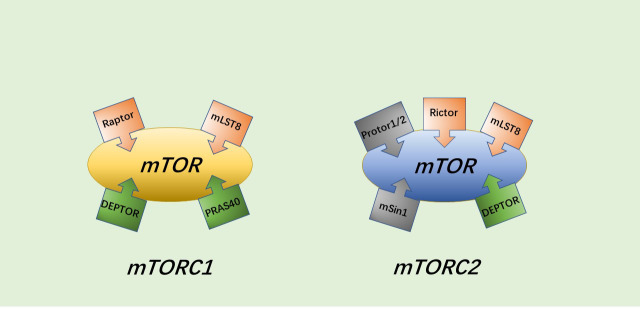
“The PI3K/AKT/mTOR pathway can be activated by multiple types of stimuli to play a role in inhibiting apoptosis and autophagy, and promoting cell growth, with AKT, a serine/threonine kinase, being the core of the entire PI3K/AKT/mTOR pathway. mTORC1 and mTORC2 are two different protein complexes formed by the target of…”
BackgroundFauser, B. C. J. M., Tarlatzis, B. C., Rebar, R. W., Legro, R. S., Balen, A. H., Lobo, R., Carmina, E., Chang, J., Yildiz, B. O., Laven, J. S. E., et al. (2012) · Fertility and Sterility · doi:10.1016/j.fertnstert.2011.09.024 · Cited by 1,976
The PI3K/AKT Pathway in Obesity and Type 2 Diabetes
Huang, X., Liu, G., Guo, J., & Su, Z. (2018) · International Journal of Biological Sciences · doi:10.7150/ijbs.27173 · Cited by 1,673 · cited 1×
“In addition to endocrine metabolic abnormalities (30), disorders of this pathway are also associated with various malignancies, leukemia, schizophrenia, coronary heart disease, heart failure, osteoarthritis and other diseases (31–36).”
BackgroundDoherty, J., & Baehrecke, E. H. (2018) · Nature Cell Biology · doi:10.1038/s41556-018-0201-5 · Cited by 624 · cited 1×
“Autophagy affects cell survival by maintaining cellular bioenergy and removing proteins and damaged organelles (22).”
BackgroundNestler, J. E., Jakubowicz, D. J., Falcon de Vargas, A., Brik, C., Quintero, N., & Medina, F. (1998) · The Journal of Clinical Endocrinology & Metabolism · doi:10.1210/jcem.83.6.4886 · Cited by 617 · cited 1×
“There is evidence that IR exacerbates hyperandrogenemia, causes disturbances in the regulation of the hypothalamic-pituitary-ovarian axis, and accelerates the progression of PCOS (44).”
Background
Cited by
Items 101–157 of 157
Chen, W., Zhang, H., Jiang, M., Su, X., Chen, J., & Chen, J. (2025) · Journal of Ovarian Research · doi:10.1186/s13048-025-01930-w · Cited by 3
Abduljabbar, H., Jamal, M., & Esmat, A. (2026) · Current Pharmaceutical Biotechnology · doi:10.2174/0113892010433981251031050335 · Cited by 1
Lu, Y., Li, L., Fang, J., Ju, W., Yan, Y., & Wu, F. (2026) · Frontiers in Immunology · doi:10.3389/fimmu.2026.1739230 · Cited by 3
Chen, Y., Sun, Y.-N., Zhang, B.-Q., Zong, J.-X., Luo, Y., Wang, S.-H., Li, C., Hao, H., Zhou, X., Chen, L., et al. (2026) · Theriogenology · doi:10.1016/j.theriogenology.2026.117913 · Cited by 1
Qiao, J., Xiao, Y., Cheng, Y., Xu, W., Shu, J., & Li, S. (2026) · Clinical and Translational Medicine · doi:10.1002/ctm2.70717 · Cited by 1
“18,50 Accumulated lactate has been proposed to influence granulosa-cell function through protein lactylation; however, the precise downstream targets and regulatory mechanisms remain incompletely defined.”
Wang, J., Yang, Y., Wang, Z. X., Li, F., Shi, Z., Gao, T., & Chang, H. (2026) · Frontiers in Global Women s Health · doi:10.3389/fgwh.2026.1836617 · Cited by 1
“Compensatory hyperinsulinemia exacerbates hyperandrogenism by stimulating ovarian and adrenal androgen production, disrupts HPO axis function, and Frontiers in Global Women ’ s Health impairs β -cell function (25).”
A review on the nexus of autophagy genes from the perspective of polycystic ovary syndrome
Khatun, A., Nasrin, T., Hassan, M. S., Hoque, M., Hoda, M., & Ali, S. (2024) · Biology of the Cell · doi:10.1111/boc.202300069 · Cited by 1
“Cells can uptake the energy source glucose via the PI3K/AKT/MTOR pathways (Tong et al., 2022).”
Hu, X., Gui, L., Qi, M., Zhu, W., Ren, Y., Li, J., Yang, S., & Dai, C. (2024) · Journal of Traditional and Complementary Medicine · doi:10.1016/j.jtcme.2024.06.011 · Cited by 1
“53 Chronic inflammation plays a key role in blocking the PI3K/AKT insulin signaling pathway.”
Polycystic Ovarian Syndrome: Current Insights
Naidu, S. J. K., Ramdin, S., Naicker, T., Moodley, J., Naidoo, G., & Govender, N. (2024) · Biomedical visualization · doi:10.1007/978-3-031-68501-9_8 · Cited by 2
Lipke, K., Kubis-Kubiak, A., & Piwowar, A. (2024) · Biomedicine & Pharmacotherapy · doi:10.1016/j.biopha.2024.117701 · Cited by 3
Raj, A., Lal, K. C., & Kousar, K. (2023) · medtigo Journal of Medicine · doi:10.63096/medtigo3062329 · Cited by 1
Song, D., Hong, T., Song, J., Bazer, F. W., Song, G., Jeong, W., & Lim, W. (2025) · Food and Chemical Toxicology · doi:10.1016/j.fct.2025.115622 · Cited by 1
Zhulikova, M. V., Myroshnychenko, M. S., Наконечна, О. А., Zhulikov, O. O., Bibichenko, V. O., Myroshnychenko, S. O., Zaytseva, O. V., & Ковальцова, М. В. (2023) · Fìzìologìčnij žurnal · doi:10.15407/fz69.05.033
Liu, Y., Luo, X., Jia, K., Liu, S., Zeng, Y., Lin, X., Lin, X., Wan, Y., Liao, L., Su, H., et al. (2024) · Journal of Food Biochemistry · doi:10.1155/2024/1883974
Sharma, P., Mittal, P., & Arya, G. C. (2024) · Current Analytical Chemistry · doi:10.2174/0115734110312022240903060337
Idebenone Attenuates Diabetic Retinopathy by Modulating Autophagy via Targeting Akt Signaling
Yu, Z., & Liu, G. (2024) · Current Medicinal Chemistry · doi:10.2174/0109298673339172241017114810
Feng, W., Xie, X., Su, Y. A., Jin, R., & Shi, W. (2024) · Gynecological Endocrinology · doi:10.1080/09513590.2024.2439886 · Cited by 2
“In the presence of IR, glucose metabolism in the body becomes sluggish, which elevates the likelihood of diabetes (6, 7).”
Afridi, S., Noor, S., Shah, S. J., Tariq, E., Razaq, M., & Saifullah, S. (2025) · Pakistan Journal of Health Sciences · doi:10.54393/pjhs.v6i3.2920
Deretti, C., Agostinho, J., Neves, L. G., Viteritte, P. L., de Lima, D. D., & Pinto, L. H. (2025) · Saúde Coletiva (Barueri) · doi:10.36489/saudecoletiva.2025v15i97p15998-16005 · Cited by 2
刘, 甜. (2025) · Asian Case Reports in Emergency Medicine · doi:10.12677/acrem.2025.134057
Liu, W.-J., Li, L.-S., Lan, M.-F., Shang, J.-Z., Zhang, J.-X., Xiong, W.-J., Lai, X.-L., & Duan, X. (2024) · Figshare · doi:10.6084/m9.figshare.26726636
Li, S., Li, Y., Sun, Y., Feng, G., Yang, Z., Yan, X., Gao, X., Jiang, Y., Du, Y., Zhao, S., et al. (2024) · Figshare · doi:10.6084/m9.figshare.25248905
Li, S., Li, Y., Sun, Y., Feng, G., Yang, Z., Yan, X., Gao, X., Jiang, Y., Du, Y., Zhao, S., et al. (2024) · Figshare · doi:10.6084/m9.figshare.25248887
Liu, W.-J., Li, L.-S., Lan, M.-F., Shang, J.-Z., Zhang, J.-X., Xiong, W.-J., Lai, X.-L., & Duan, X. (2024) · Figshare · doi:10.6084/m9.figshare.26726633
Mo, T., Qiu, Y., He, S., Wang, G., Li, B., Shen, Q., Nie, X., Wei, J., Li, N., Pang, B., et al. (2025) · Journal of Ovarian Research · doi:10.1186/s13048-025-01918-6 · Cited by 1
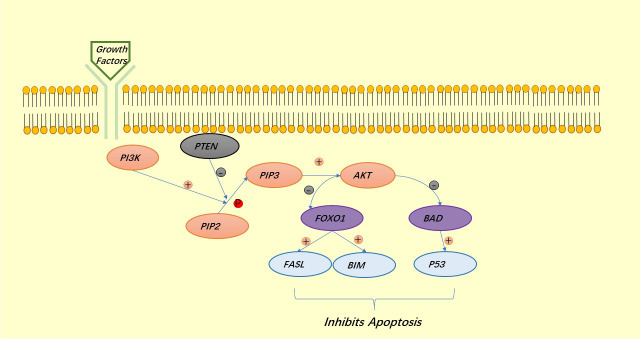
“…of INS receptor substrates, which, in turn, results in the phosphorylation of P13K and the recruitment and activation of Akt, the latter of which halts cell apoptosis by inhibiting a pro-apoptotic protein or by disrupting the pro-apoptotic signalling generated by forkhead box protein O1 [18, 64].”
Zhen, X., Zhu, L., Guan, L., Wei, C., Li, D., Li, Y. Q., Xiang, S., & Lian, F. (2026) · Journal of Ovarian Research · doi:10.1186/s13048-026-02016-x · Cited by 1
“Additionally, mTOR dysregulation disrupts steroid hormone synthesis, contributing to HA and IR, both of which are closely associated with CLGI in the ovaries of PCOS patients [42].”
Liu, C., Mou, X., Liu, J., Wu, Y., Jz, H., Li, R., Gao, Y., & Liu, Y. (2026) · Frontiers in Cell and Developmental Biology · doi:10.3389/fcell.2026.1747424
“Numerous reports have underscored the importance of the PI3K/AKT cascade in regulating apoptosis, autophagy, and tumor cell survival (Fulda, 2014; Tong et al., 2022; Mei et al., 2025).”
Self-citationSulforaphane Attenuates Methamphetamine‐Induced Neurotoxicity via Activation of the PI3K/AKT Pathway
Li, S., Zhang, J., Li, X., Zhang, G., Ren, L., Yang, C., Niu, S., Wen, C., Wang, Y., & Yan, J. (2026) · Journal of Biochemical and Molecular Toxicology · doi:10.1002/jbt.70769
“In addition, AKT upregulates the expression of anti‐apoptotic proteins, such as Bcl‐2 and Bcl‐xL, and suppresses pro‐apoptotic proteins like BAX, thus maintaining mitochondrial membrane integrity and blocking the activation of the intrinsic apoptotic pathway [41, 42].”
Nazari, A., Cheraghi, M., & Souri, F. (2025) · Epidemiology and Health System Journal · doi:10.34172/ehsj.26451
Molecular Characteristics of the Endometrium in Polycystic Ovary Syndrome with Insulin Resistance
Wang, Y., ZHANG, H., Hui, Y., Zhang, Y., & Shan, H. (2026) · Reproductive Sciences · doi:10.1007/s43032-026-02069-9
“AKT3, as a key member of the AKT protein kinase family, not only participates in regulating the insulin/PI3K-AKT signaling pathway [28], but also modulates endometrial decid-ualization and the development of uterine fibroids [ 29, 30].”
Fang, J., Lai, H., Zeng, Z., Liu, Y., Li, L. E., & Qin, S. (2026) · Placenta · doi:10.1016/j.placenta.2026.03.015
Effects of everolimus on platelet, D-dimer, and fibrinogen in cancer patients
Li, J. (2026) · International Journal of Clinical and Experimental Medicine · doi:10.62347/fiey6902
PI3K/AKT Signaling as a Molecular Link Between Obesity and Female Infertility
Rathod, G., & Parmar, P. B. (2026) · Current Protein and Peptide Science · doi:10.2174/0113892037468611260302083920
Mécanismes d'action de l'Œstradiol dans l'ovaire humain en conditions physiologique et polykystique
Marie, C. (2024) · theses.fr (ABES) · doi:10.70675/1310af87z3c5ez4c52zad31z9af8ec853cee
The stromal microenvironment of ovary: a novel area in polycystic ovary syndrome
Wang, H., Zhou, H., Liu, Z., Zhao, T., & Zhang, C. (2026) · Journal of Ovarian Research · doi:10.1186/s13048-026-02117-7 · Cited by 2
“The imbalance between apoptosis and cellular proliferation within the ovarian stromal microenvironment is a well-recognized characteristic of PCOS [137].”
Research Progress of PI3K/Akt Signaling Pathway in Polycystic Ovary Syndrome
Li, L., & Qin, X. (2026) · Journal of Biosciences and Medicines · doi:10.4236/jbm.2026.144034
Wu, X., Li, J., Zhang, X., Huang, H., Li, T., Kong, M., Dai, Z., Yang, Y., & Chen, X. (2026) · Journal of Ovarian Research · doi:10.1186/s13048-026-02146-2
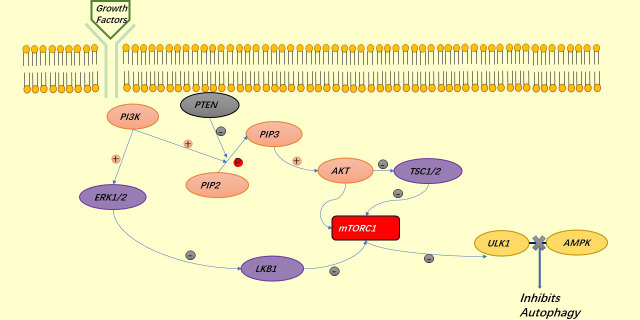
“This cascade ultimately activates the mammalian target of rapamycin complex 1 (mTORC1), which directly inhibits autophagy initiation by phosphorylating ULK1, thereby maintaining autophagy at a low basal level [44, 45].”
The Dual Roles of Autophagy in Important Picornaviruses Infecting Livestock and Poultry
Ma, H., Liu, R., & Liao, M. (2026) · Veterinary Sciences · doi:10.3390/vetsci13060567
“Key signaling pathways include the RAS/RAF/MEK/ERK/mTORC1 pathway, which responds to growth factors and stress; the AMPK/mTORC1 pathway, where AMPK inhibits mTOR under energy limitation; and the PI3K/AKT/mTORC1 pathway, which integrates survival signals [27,28].”
Huang, S., Chen, S.-R., Chen, W.-H., Zheng, L., Xu, J. Q., Shi, Y., Lin, S., & Shi, Q. (2026) · Endocrinology Diabetes & Metabolism · doi:10.1002/edm2.70249 · Cited by 3
“Aberrations in molecules such as IRS, Akt, and GLUTs are considered major contributors to local endometrial IR in patients with polycystic ovary syndrome (PCOS) [63].”
Ji, Y., Yu, L., Dong, Y., Huo, Y., Qi, Z., Liu, Y., & Wang, F. (2026) · Journal of obstetrics and gynaecology research · doi:10.1111/jog.70359
“…manifestation in patients with PCOS, and insulin has been shown to contribute to the development of PCOS by enhancing LH activity―either directly or indirectly―by impairing the hypothalamic–pituitary–ovarian axis to enhance LH activity and promote androgen production by the ovaries [9, 34].”
Ceramide: a pivotal lipid mediator shaping female reproductive homeostasis and pathophysiology
Wang, W., Zhang, F., Huang, L., Qiao, J., & Qi, X. (2026) · Journal of Ovarian Research · doi:10.1186/s13048-026-02169-9 · Cited by 1
“Activation of the PI3K/Akt signalling pathway reduces downstream signal molecule-induced apoptosis, protects granulosa cells from OS, and ameliorates both IR and autophagy in PCOS [55, 56].”
Pan, J., Kurban, R. S., & Bo, X. (2026) · American Journal of Reproductive Immunology · doi:10.1111/aji.70278
“Impaired insulin signaling can lead to IR and follicular dysplasia, and IR can also exacerbate oxidative stress in GCs, further inducing autophagy and apoptosis [ 12, 13 ].”
Chen, Y., Shi, X., Ma, L., Hu, Y., Wang, M., & Shu, L. (2026) · Frontiers in Endocrinology · doi:10.3389/fendo.2026.1847801
“Its clinical presentation is highly heterogeneous, encompassing core features of reproductive endocrine abnormalities — such as hyperandrogenemia, ovulatory dysfunction, and polycystic ovarian morphology — and signi fi cant metabolic disturbances, with insulin resistance (IR) being central (3 – 5).”
miR‐191‐5p Is Involved in Polycystic Ovary Syndrome by Targeting SOX4
Du, J., Yanni, A., Sun, S., Wang, J., Guo, R., Liu, L., & Zhuang, W. (2026) · Journal of Biochemical and Molecular Toxicology · doi:10.1002/jbt.70974
Zhang, Y., Cheng, S., Huang, M., Liu, S., Pan, G., & Yang, M. (2026) · Ecotoxicology and Environmental Safety · doi:10.1016/j.ecoenv.2026.120617
Liu, X., Feng, C., Zhu, T., Qin, Z., Yan, H., Wang, Y., Li, X., & Suo, Y. (2026) · Biochimica et Biophysica Acta (BBA) - Molecular Basis of Disease · doi:10.1016/j.bbadis.2026.168425
Xing, Y., Song, J., Shang, B., Yang, G., Zhao, Y., Li, M., & Hou, B. (2026) · Frontiers in Immunology · doi:10.3389/fimmu.2026.1912496
“Similarly, acne pathogenesis extends beyond C. acnes overgrowth to a meta-in fl ammatory paradigm integrating hyperkeratinization, dyslipidemia, and hormonal dysregulation, necessitating metabolic interventions (92, 93).”
Zhang, T., Li, X., Guo, Y., Zeng, J., Xu, M., & Wang, T. (2026) · Frontiers in Endocrinology · doi:10.3389/fendo.2026.1942873
Dutta, S., Daneshpazhouh, M., Muzammil, H. F., Al-Nuaimy, Y., Jalkhi, T., Pardasani, P., Shaju, R. E., Siby, A., Kalita, J. C., Rosas, I. M., et al. (2026) · Biochemistry and Biophysics Reports · doi:10.1016/j.bbrep.2026.102777 · Cited by 1
Kobayashi, H. (2026) · Reproductive Sciences · doi:10.1007/s43032-026-02191-8
“…are associated with disturbances in the insulin–IGF-1 (Insulin-Like Growth Factor 1) pathway and IRS (Insulin Receptor Substrate)-related signaling [10–13], as well as chronic inflammation [ 14], oxidative stress [15], mitochondrial dysfunction [14, 16, 17], and autophagy dysregulation.”
InfluentialPugalendhi, M. A., & Sankarganesh, D. (2026) · Frontiers in Endocrinology · doi:10.3389/fendo.2026.1906736
“One of the key metabolic disturbances in PMOS is IR, which occurs due to insults arising from dysregulation of the PI3K/AKT pathway (51).”
Pranamya, N., Srinivasa, M. G., Darshan, S., Kanchan, S., Pujar, K. G., & Pujar, G. V. (2026) · Chemical Papers · doi:10.1007/s11696-026-05626-3
Kılıçkaya, F. N., Öztürk, C., Köseoğlu, E., & Arzu Hanım, Y. A. Y. (2026) · Bioengineering · doi:10.3390/bioengineering13101103
Hou, W., Lin, L., Cheng, X., Lu, D., & 孙冬梅 (2026) · Journal of Reproductive Immunology · doi:10.1016/j.jri.2026.104972
Jia, Q., Zhang, S., Zhang, L., Zhao, G., Zhu, Q., & 葛红山 (2026) · Frontiers in Immunology · doi:10.3389/fimmu.2026.1879713
Self-citationLi, W., Xu, Q., Chen, J., & Guo, H. (2026) · International Journal of Clinical Practice · doi:10.1155/ijcp/6907370
吴卓, Mu, L., & Cheng, S. (2026) · Reproductive Toxicology · doi:10.1016/j.reprotox.2026.109394
Metadata
- Authors
- Tong, C., Wu, Y., Zhang, L., & Yu, Y.
- Affiliations
- Zhejiang Chinese Medical University (CN)
- Corresponding author
- Yu, Ying
- Venue
- Frontiers in Endocrinology
- Publisher
- Frontiers Media SA
- Published
- 2022-12-16
- Volume
- 13
- Pages
- 1091147-1091147
- ISSN
- 1664-2392 (ISSN-L)
- PMC
- PMC9800521
- OpenAlex
- W4311597393
- Cited by
- 157
- References
- 84
- Citations by year
- 2026: 41 · 2025: 52 · 2024: 49 · 2023: 15
- FWCI
- 4.70
- Type
- journal article
- Language
- en
- Open access
- gold
- doi.org
- Licence
- Locations
- Frontiers in Endocrinology (publishedVersion, cc-by)
- PubMed Central (publishedVersion, cc-by)
- PubMed (publishedVersion)
- DOAJ (DOAJ: Directory of Open Access Journals) (submittedVersion, cc-by-sa)
- Topics
- Health Sciences › Medicine › Reproductive Medicine › Ovarian function and disorders
- Health Sciences › Medicine › Reproductive Medicine › Reproductive Biology and Fertility
- Life Sciences › Biochemistry, Genetics and Molecular Biology › Genetics › Genetic and Kidney Cyst Diseases
- Keywords
- polycystic ovary syndrome, insulin resistance, autophagy, apoptosis, PI3K signaling, granulosa cells, PCOS pathogenesis, PCOS treatment, proteomics
- MeSH terms
- Autophagy, Female, Humans, Insulin Resistance, Polycystic Ovary Syndrome, Quality of Life, Signal Transduction, Apoptosis, Phosphatidylinositol 3-Kinases
About these checks
Registry, retraction, Cites and statistics results are computed, not judged, with one exception: a printed reference that no index lists is read once by a model before it counts as a citation error. Claims are extracted by a model and kept only when their quote appears verbatim in the text; each cited source is then checked, with a model’s help, for whether it says what the claim relies on. Those verdicts can be wrong — read the claim’s quote and the cited source before relying on one.
Statistics and arithmetic are recomputed, not judged.
Confidence bands are shown only for fields calibrated on our annotated test set. None is calibrated yet, so no band is shown.
What counts as a claim ›How we measure confidence ›How we check this ›
Are you an author, or do you see a problem with this page? Request a review
Data sources
Bibliographic data: Semantic Scholar, OpenAlex, Crossref.
Contains information from the Semantic Scholar Academic Graph Datasets, made available under the ODC Attribution License (ODC-BY 1.0).
Semantic Scholar’s data is described in: Kinney, R., et al. (2023). The Semantic Scholar Open Data Platform. arXiv:2301.10140.
